

The DOI matches its Crossref record; 41 of the 41 references it cites were found in a registry or an index.
Broadly targeted human cytomegalovirus-specific CD4 + and CD8 + T cells dominate the memory compartments of exposed subjects
Open accessAbstract
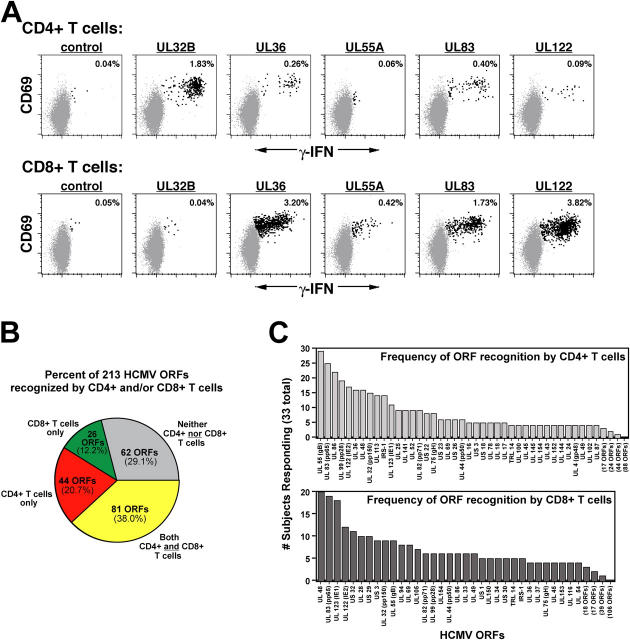
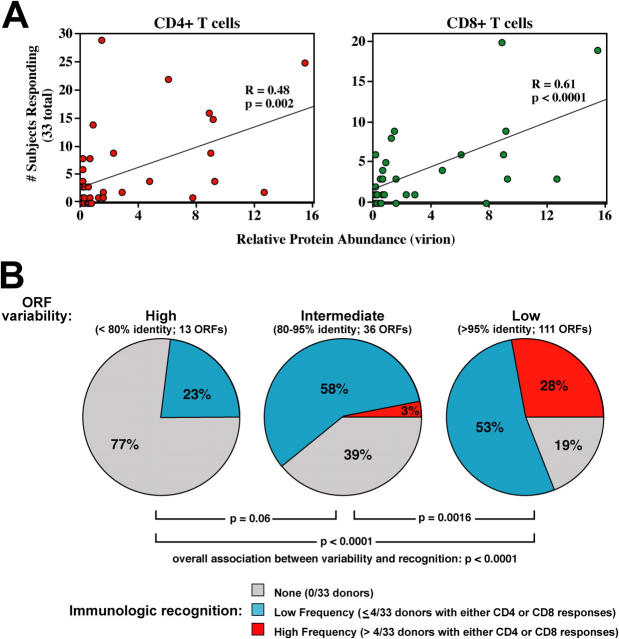
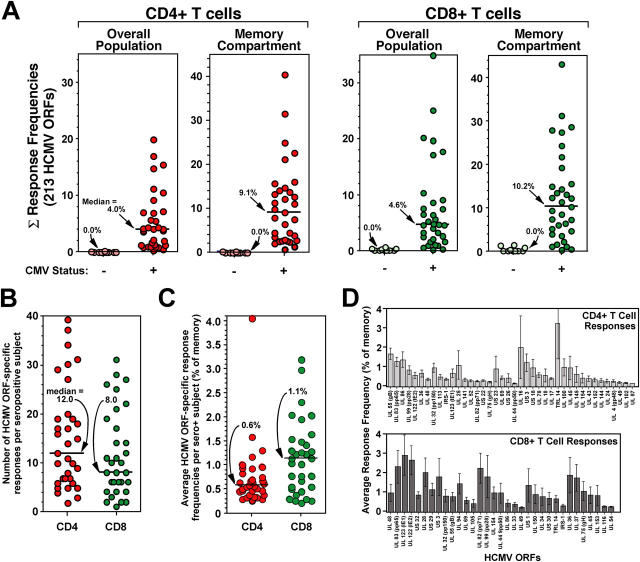
Human cytomegalovirus (HCMV) infections of immunocompetent hosts are characterized by a dynamic, life-long interaction in which host immune responses, particularly of T cells, restrain viral replication and prevent disease but do not eliminate the virus or preclude transmission. Because HCMV is among the largest and most complex of known viruses, the T cell resources committed to maintaining this balance have never been characterized completely. Here, using cytokine flow cytometry and 13,687 overlapping 15mer peptides comprising 213 HCMV open reading frames (ORFs), we found that 151 HCMV ORFs were immunogenic for CD4+ and/or CD8+ T cells, and that ORF immunogenicity was influenced only modestly by ORF expression kinetics and function. We further documented that total HCMV-specific T cell responses in seropositive subjects were enormous, comprising on average ∼10% of both the CD4+ and CD8+ memory compartments in blood, whereas cross-reactive recognition of HCMV proteins in seronegative individuals was limited to CD8+ T cells and was rare. These data provide the first glimpse of the total human T cell response to a complex infectious agent and will provide insight into the rules governing immunodominance and cross-reactivity in complex viral infections of humans.
Overview
The claims and statistics of this paper haven’t been checked yet.
Run the check — free, no account needed. It reads the open-access text and checks the sources it cites.
Integrity signals
Registry
Cites
Statistics
Figures
Verification
Claims the paper makes
The claims and statistics of this paper haven’t been checked yet.
Run the check — free, no account needed. It reads the open-access text and checks the sources it cites.
Claims other papers make about this one
Each is checked against this paper’s own text: does it say what the citing paper says it does?
The source backs part of the claim, not all of it — or backs it for a different population, condition or comparison.
In the citing paper
“Infection with CMV causes a large accumulation of virus-specific memory T cells, so that approximately 10 % of the CD4+ and CD8+ T cell pool becomes specific for this virus (Sylwester et al. 2005).”
From Is immunosenescence influenced by our lifetime “dose” of exercise? (2016) · cites this paper as Sylwester et al. 2005
Experimental — accuracy not yet measuredIn the citing paper
“It is therefore currently unknown whether values such as 10 % of the CD4+ and CD8+ T cell pool being specific for CMV is above, or below, the ideal threshold (Sylwester et al. 2005).”
From Is immunosenescence influenced by our lifetime “dose” of exercise? (2016) · cites this paper as Sylwester et al. 2005
Self-check
Percentages, sums and reported differences re-computed from the paper’s own numbers.
The self-check needs the paper’s full text.
Citations
Cites
Duration of antiviral immunity after smallpox vaccination
Hammarlund, E., Lewis, M. W., Hansen, S. G., Strelow, L. I., Nelson, J. A., Sexton, G. J., Hanifin, J. M., & Slifka, M. K. (2003) · Nature Medicine · doi:10.1038/nm917 · Cited by 946
Self-citationKhan, N., Shariff, N., Cobbold, M., Bruton, R., Ainsworth, J. A., Sinclair, A. J., Nayak, L., & Moss, P. A. H. (2002) · The Journal of Immunology · doi:10.4049/jimmunol.169.4.1984 · Cited by 754
Pitcher, C. J., Quittner, C., Peterson, D. M., Connors, M., Koup, R. A., Maino, V. C., & Picker, L. J. (1999) · Nature Medicine · doi:10.1038/8400 · Cited by 746
Self-citationEinsele, H., Roosnek, E. E., Rufer, N., Sinzger, C., Riegler, S., Löffler, J., Grigoleit, U., Moris, A., Rammensee, H., Kanz, L., et al. (2002) · Blood · doi:10.1182/blood.v99.11.3916 · Cited by 699
Betts, M. R., Ambrozak, D. R., Douek, D. C., Bonhoeffer, S., Brenchley, J. M., Casazza, J. P., Koup, R. A., & Picker, L. J. (2001) · Journal of Virology · doi:10.1128/jvi.75.24.11983-11991.2001 · Cited by 684 · cited 1×
“, Herpes simplex, Herpes zoster [9, 11, 15, 28–30]) and are comparable with frequencies of HIV-specific T cells in active HIV infection (31).”
ResultSelf-citationHuman cytomegalovirus clinical isolates carry at least 19 genes not found in laboratory strains
Cha, T. A., Tom, E., Kemble, G. W., Duke, G. M., Mocarski, E. S., & Spaete, R. R. (1996) · Journal of Virology · doi:10.1128/jvi.70.1.78-83.1996 · Cited by 607 · cited 1×
“merous ORFs compared with other CMV strains (44), so we added added”
BackgroundIdentification of Proteins in Human Cytomegalovirus (HCMV) Particles: the HCMV Proteome
Varnum, S. M., Streblow, D. N., Monroe, M. E., Smith, P., Auberry, K. J., Paša-Tolić, L., Wang, D., Camp, D. G., Rodland, K., Wiley, S., et al. (2004) · Journal of Virology · doi:10.1128/jvi.78.20.10960-10966.2004 · Cited by 598 · cited 2×
“in highly purified HCMV virions, as determined by proteomic analysis (22),”
BackgroundSelf-citationWaldrop, S. L., Pitcher, C. J., Peterson, D. M., Maino, V. C., & Picker, L. J. (1997) · Journal of Clinical Investigation · doi:10.1172/jci119338 · Cited by 539 · cited 3×
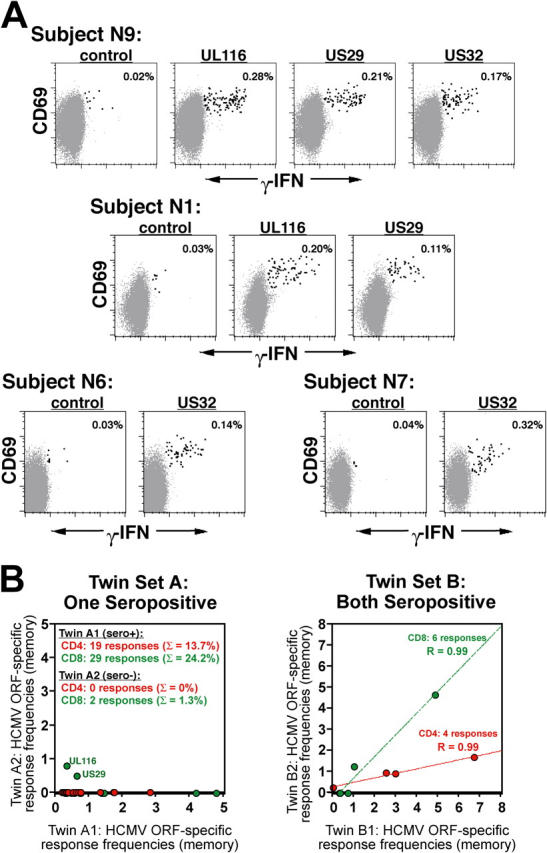
“We found no evidence of CD4 T cell reactivity with HCMV epitopes in HCMV-seronegative subjects, extending previous work that demonstrated a lack of reactivity to HCMV whole viral preparations in such subjects (9, 39).”
BackgroundResultSelf-citationCoding potential of laboratory and clinical strains of human cytomegalovirus
Murphy, E. A., Yu, D. L., Grimwood, J., Schmutz, J., Dickson, M. C., Jarvis, M. A., Hahn, G., Nelson, J. A., Myers, R., & Shenk, T. E. (2003) · Proceedings of the National Academy of Sciences · doi:10.1073/pnas.2136652100 · Cited by 499 · cited 1×
“At the time of this writing, sequence data for six different HCMV strains—two laboratory strains (AD169 and Towne) and four clinical strains (Toledo, FIX, PH, and TR)—were available for 160 ORFs (23).”
BackgroundSelf-citationGamadia, L. E., Remmerswaal, E. B. M., Weel, J. F. L., Bemelman, F. J., van Lier, R. A. W., & ten Berge, I. J. M. (2003) · Blood · doi:10.1182/blood-2002-08-2502 · Cited by 423
Research works printed but not linked: 1
- 2004, Blood., 104, 1075
Cited by
Sorted by citations
Items 501–600 of 999
Analysis of the peripheral T‐cell repertoire in kidney transplant patients
Miqueu, P., Degauque, N., Guillet, M., Giral, M., Ruiz, C., Pallier, A., Braudeau, C., Roussey‐Kesler, G., Ashton‐Chess, J., Doré, J., et al. (2010) · European Journal of Immunology · doi:10.1002/eji.201040301 · Cited by 35
Cross-Reactivity of Herpesvirus-Specific CD8 T Cell Lines Toward Allogeneic Class I MHC Molecules
Morice, A., Charreau, B. L., Neveu, B., Brouard, S., Soulillou, J., Bonneville, M., Houssaint, E., & Degauque, N. (2010) · PLoS ONE · doi:10.1371/journal.pone.0012120 · Cited by 35
“In particular, human CD8 memory T cell repertoire is often dramatically skewed by predominant clones directed against HCMV or Epstein-Barr virus (EBV), which can persist unaltered for many years [8,9,10].”
Yue, Y., Kaur, A., Zhou, S., & Barry, P. A. (2006) · Journal of General Virology · doi:10.1099/vir.0.81516-0 · Cited by 35
“Moreover, studies examining T-cell responses to CD8 epitopes of 14 HCMV antigens predicted by HLA-binding algorithms or overlapping peptide pools comprising 213 HCMV ORFs also demonstrated that T-cell recognition of HCMV is very broad, including functionally and kinetically diverse ORFs (Elkington et al., 2003; Sylwes…”
InfluentialCD8+ TCR Repertoire Formation Is Guided Primarily by the Peptide Component of the Antigenic Complex
Koning, D., Costa, A. I., Hoof, I., Miles, J. J., Nanlohy, N. M., Ladell, K., Matthews, K. K., Venturi, V., Schellens, I. M. M., Borghans, J. A. M., et al. (2012) · The Journal of Immunology · doi:10.4049/jimmunol.1202466 · Cited by 35
Degauque, N., Brouard, S., & Soulillou, J. (2016) · Frontiers in Immunology · doi:10.3389/fimmu.2016.00089 · Cited by 35
“For instance, 10% of both the CD4 and CD8 memory compartments in blood are reactive to HCMV (62).”
BackgroundFrenkel, L. D., Gomez, F., & Sabahi, F. (2017) · European Journal of Clinical Microbiology & Infectious Diseases · doi:10.1007/s10096-017-3111-8 · Cited by 37
Competition between T cells maintains clonal dominance during memory inflation induced by MCMV
Turula, H., Smith, C. J., Grey, F. E., Zurbach, K. A., & Snyder, C. M. (2013) · European Journal of Immunology · doi:10.1002/eji.201242940 · Cited by 34
Fleming, T. P., Dunne, J., & Crowley, B. (2010) · Journal of Medical Virology · doi:10.1002/jmv.21727 · Cited by 34
“The quantification of HCMV-specific CD8þ cytotoxic T cells in immunocompromised patients and the production of IFN-g can predict the risk of developing HCMV disease [Sylwester et al., 2005].”
BackgroundArens, R., Remmerswaal, E. B. M., Bosch, J. A., & van Lier, R. A. W. (2015) · European Journal of Immunology · doi:10.1002/eji.201570044 · Cited by 34
Morello, C. S., Levinson, M. S., Kraynyak, K. A., & Spector, D. H. (2011) · Journal of Virology · doi:10.1128/jvi.02521-10 · Cited by 34
Rothe, K., Quandt, D., Schubert, K. A., Rossol, M., Klingner, M., Jasinski‐Bergner, S., Scholz, R., Seliger, B., Pierer, M., Baerwald, C., et al. (2015) · Arthritis & Rheumatology · doi:10.1002/art.39331 · Cited by 34
“CMV infection in immunocompetent hosts usually runs an asymptomatic course but has been reported to cause massive clonal expansions involving up to 40% of the global T cell pool (3).”
BackgroundAging and CMV discordance are associated with increased immune diversity between monozygotic twins
Yan, Z., Maecker, H. T., Brodin, P., Nygaard, U. C., Lyu, S. C., Davis, M. M., Nadeau, K. C., & Andorf, S. (2021) · Immunity & Ageing · doi:10.1186/s12979-021-00216-1 · Cited by 33
“These results support prior hypotheses that, through persistent and specific immune responses that dominate existing memory pools, CMV accelerates immune aging and leads to increased immune dysfunction [14, 16, 52, 59].”
ResultLilleri, D., Zelini, P., Fornara, C., Comolli, G., Revello, M. G., & Gerna, G. (2009) · Clinical Immunology · doi:10.1016/j.clim.2009.02.002 · Cited by 34
CD4+T Cell Responses to Cytomegalovirus in Early Life: A Prospective Birth Cohort Study
Miles, D. J. C., van der Sande, M. A. B., Kaye, S., Crozier, S., Ojuola, O. O., Palmero, M. S., Sanneh, M., Touray, E. S., Waight, P., Rowland‐Jones, S., et al. (2008) · The Journal of Infectious Diseases · doi:10.1086/527418 · Cited by 34
“[3], is typically found in CMV-infected adults.”
Cytomegalovirus infection in childhood-onset systemic lupus erythematosus
Rozenblyum, E., Allen, U., Silverman, E. D., & Levy, D. M. (2013) · International Journal of Clinical Rheumatology · doi:10.2217/ijr.12.82 · Cited by 34
B7-Mediated Costimulation of CD4 T Cells Constrains Cytomegalovirus Persistence
Arens, R., Loewendorf, A. I., Her, M. J., Schneider, K., SHELLAM, G. R., Janssen, E. M., Ware, C. F., Schoenberger, S. P., & Benedict, C. A. (2010) · Journal of Virology · doi:10.1128/jvi.01839-10 · Cited by 34
CMV-Specific CD8 T Cell Differentiation and Localization: Implications for Adoptive Therapies
Smith, C. J., Quinn, M. A., & Snyder, C. M. (2016) · Frontiers in Immunology · doi:10.3389/fimmu.2016.00352 · Cited by 37
“In fact, an average of 10% of blood CD8s in healthy humans are specific for HCMV epitopes (45).”
Signal Peptide-Dependent Inhibition of MHC Class I Heavy Chain Translation by Rhesus Cytomegalovirus
Powers, C. J., & Früh, K. (2008) · PLoS Pathogens · doi:10.1371/journal.ppat.1000150 · Cited by 34
“Immune control of HCMV requires enormous immunological resources with often more than 10% of the T cell pool being CMV-specific, a number that might further increase with age [2].”
Cytomegalovirus is associated with reduced telomerase activity in the Whitehall II cohort
Dowd, J. B., Bosch, J. A., Steptoe, A., Blackburn, E. H., Lin, J., Rees-Clayton, E., & Aiello, A. E. (2013) · Experimental Gerontology · doi:10.1016/j.exger.2013.01.016 · Cited by 33
“For example, CMV becomes the primary target of 10–30% of all CD4 T lymphocytes and 50% of all CD8 T lymphocytes in CMV-infected elderly individuals (Pourgheysari et al., 2007; Sylwester et al., 2005).”
BackgroundThe next generation recombinant human cytomegalovirus vaccine candidates—Beyond gB
Lilja, A. E., & Mason, P. W. (2012) · Vaccine · doi:10.1016/j.vaccine.2012.09.056 · Cited by 33
Johnson, P. L. F., Goronzy, J. J., & Antia, R. (2014) · Immunology · doi:10.1111/imm.12244 · Cited by 34
Calarota, S. A., Aberle, J. H., Puchhammer‐Stöckl, E., & Baldanti, F. (2015) · Journal of Clinical Virology · doi:10.1016/j.jcv.2015.07.299 · Cited by 33
A new perspective of the structural complexity of HCMV-specific T-cell responses
Sylwester, A. W., Nambiar, K. Z., Caserta, S., Klenerman, P., Picker, L. J., & Kern, F. (2016) · Mechanisms of Ageing and Development · doi:10.1016/j.mad.2016.03.002 · Cited by 33
Self-citationExhaustion and Inflation at Antipodes of T Cell Responses to Chronic Virus Infection
Čičin‐Šain, L., & Arens, R. (2017) · Trends in Microbiology · doi:10.1016/j.tim.2017.11.012 · Cited by 32
Intrinsic and extrinsic contributors to defective CD8+ T cell responses with aging
Jergović, M., Smithey, M. J., & Nikolich‐Žugich, J. (2018) · Experimental Gerontology · doi:10.1016/j.exger.2018.01.011 · Cited by 33
Antigen-Specific TCR Signatures of Cytomegalovirus Infection
Huth, A., Liang, X., Krebs, S., Blum, H., & Moosmann, A. (2018) · The Journal of Immunology · doi:10.4049/jimmunol.1801401 · Cited by 33
Britt, W. J. (2010) · Elsevier eBooks · doi:10.1016/b978-1-4160-6400-8.00023-7 · Cited by 33
Immune control of cytomegalovirus reactivation in stem cell transplantation
Degli‐Esposti, M. A., & Hill, G. R. (2021) · Blood · doi:10.1182/blood.2020010028 · Cited by 32
Evaluating Human T-Cell Therapy of Cytomegalovirus Organ Disease in HLA-Transgenic Mice
Thomas, S., Klobuch, S., Podlech, J., Plachter, B., Hoffmann, P., Renzaho, A., Theobald, M., Reddehase, M. J., Herr, W., & Lemmermann, N. A. W. (2015) · PLoS Pathogens · doi:10.1371/journal.ppat.1005049 · Cited by 33
“Such chimeric viruses, together with various HLA transgenic NSG mouse strains, promise to allow analysis of the broad repertoire of HLA restricted T-cell responses against HCMV ([77], reviewed in [78,79]).”
BackgroundEBV-Specific CD4+ T Cell Clones Exhibit Vigorous Allogeneic Responses
Landais, E., Morice, A., Long, H. M., Haigh, T. A., Charreau, B. L., Bonneville, M., Taylor, G. S., & Houssaint, E. (2006) · The Journal of Immunology · doi:10.4049/jimmunol.177.3.1427 · Cited by 34
Immune risk phenotype is associated with nosocomial lung infections in elderly in-patients
Plonquet, A., Bastuji‐Garin, S., Tahmasebi, F., Brisacier, C., Dudal, K. L., Farcet, J., & Paillaud, É. (2011) · Immunity & Ageing · doi:10.1186/1742-4933-8-8 · Cited by 33
“Actively keeping CMV in its latent state via the antiviral immune response places an enormous burden on the entire adaptive immune system [13] and makes a substantial contribution to the phenotype changes observed in T-cell subsets in elderly people [14].”
BackgroundHasan, A. N., Kollen, W. J. W., Trivedi, D., Selvakumar, A., Dupont, B., Sadelain, M., & O’Reilly, R. J. (2009) · The Journal of Immunology · doi:10.4049/jimmunol.0804178 · Cited by 33
Wang, Z., Rosa, C. L., Li, Z., Ly, H., Krishnan, A., Martinez, J., Britt, W. J., & Diamond, D. J. (2006) · Vaccine · doi:10.1016/j.vaccine.2006.09.067 · Cited by 33
“Recent studies using a whole genome proteomic approach have confirmed that pp65 and IE1 are immunodominant, and recognized more frequently in healthy volunteers than most other less well immunologically characterized antigens [17].”
BackgroundTherapeutic vaccines for herpesviruses
Cohen, J. I. (2024) · Journal of Clinical Investigation · doi:10.1172/jci179483 · Cited by 32
Cytomegalovirus drives Vδ2neg γδ T cell inflation in many healthy virus carriers with increasing age
Alejenef, A., Pachnio, A., Halawi, M., Christmas, S. E., Moss, P. A. H., & Khan, N. (2014) · Clinical & Experimental Immunology · doi:10.1111/cei.12297 · Cited by 32
Using the Pathogenic and Nonpathogenic Nonhuman Primate Model for Studying Non-AIDS Comorbidities
Pandrea, I., LANDAY, A. L., Wilson, C. C., Stock, J. L., Tracy, R. P., & Apetrei, C. (2015) · Current HIV/AIDS Reports · doi:10.1007/s11904-014-0245-5 · Cited by 32
Alloreactivity Across HLA Barriers Is Mediated by Both Naïve and Antigen-Experienced T Cells
Melenhorst, J. J., Scheinberg, P., Williams, A., Ambrozak, D. R., Keyvanfar, K., Smith, M. M., McCoy, J. P., Hensel, N. F., Douek, D. C., & Barrett, A. J. (2011) · Transplantation and Cellular Therapy · doi:10.1016/j.bbmt.2010.12.711 · Cited by 32
“virus, and varicella-zoster virus [29-32], the possibility of frequent cross-reactivity of antigen-experienced T cells with foreign pMHC is high despite the relative rarity of individual cross-reactivities.”
Li, L., Deng, X., da Costa, A. C., Bruhn, R. L., Deeks, S. G., & Delwart, E. (2015) · Journal of Clinical Virology · doi:10.1016/j.jcv.2015.09.004 · Cited by 32
Cytomegalovirus aggravates the autoimmune phenomenon in systemic autoimmune diseases
Janahi, E. M. A., Das, S., Bhattacharya, S. N., Haque, S., Akhter, N., Jawed, A., Wahid, M., Mandal, R. K., Lohani, M., Areeshi, M. Y., et al. (2018) · Microbial Pathogenesis · doi:10.1016/j.micpath.2018.04.041 · Cited by 32
Memory CD 8 T cell inflation vs tissue‐resident memory T cells: Same patrollers, same controllers?
Welten, S. P. M., Sandu, I., Baumann, N. S., & Oxenius, A. (2018) · Immunological Reviews · doi:10.1111/imr.12649 · Cited by 34
Smith, C. J., Venturi, V., Quigley, M. F., Turula, H., Emma Gostick, D., Ladell, K., Hill, B. J., Himelfarb, D., Quinn, K. M., Greenaway, H. Y., et al. (2019) · The Journal of Immunology · doi:10.4049/jimmunol.1900455 · Cited by 30
Samson, L. D., van den Berg, S. P. H., Engelfriet, P. M., Boots, A. M. H., Hendriks, M., de Rond, L., de Zeeuw‐Brouwer, M., Verschuren, W. M. M., Borghans, J. A. M., Buisman, A., et al. (2020) · Clinical & Translational Immunology · doi:10.1002/cti2.1193 · Cited by 30
HIV infection and aging of the innate immune system
Hearps, A. C., Angelovich, T. A., Jaworowski, A., MILLS, J. S., LANDAY, A. L., & Crowe, S. M. (2011) · Sexual Health · doi:10.1071/sh11028 · Cited by 33
Forner, G., Saldan, A., Mengoli, C., Gussetti, N., Palù, G., & Abate, D. A. (2016) · Journal of Clinical Microbiology · doi:10.1128/jcm.00561-16 · Cited by 32
Enhancing safety of cytomegalovirus-based vaccine vectors by engaging host intrinsic immunity
Marshall, E. E., Malouli, D., Hansen, S. G., Gilbride, R. M., Hughes, C. M., Ventura, A. B., Ainslie, E., Selseth, A. N., Ford, J. C., Burke, D., et al. (2019) · Science Translational Medicine · doi:10.1126/scitranslmed.aaw2603 · Cited by 32
Self-citationAntiadenovirus drug discovery: potential targets and evaluation methodologies
Martínez-Aguado, P., Serna‐Gallego, A., Marrugal‐Lorenzo, J. A., Marín, I. G., & Sánchez‐Céspedes, J. (2015) · Drug Discovery Today · doi:10.1016/j.drudis.2015.07.007 · Cited by 32
Induction and Evolution of Cytomegalovirus-Specific CD4+ T Cell Clonotypes in Rhesus Macaques
Price, D. A., Bitmansour, A. D., Edgar, J. B., Walker, J. M., Axthelm, M. K., Douek, D. C., & Picker, L. J. (2008) · The Journal of Immunology · doi:10.4049/jimmunol.180.1.269 · Cited by 32
“As shown in Table I, substantial RhCMV-specific CD4 T cell responses were detected in these RM regardless of age; similarly robust CMVspecific CD4 T cell responses have been observed in chronically infected humans (5, 7, 9).”
BackgroundSelf-citationSpecific CD 8+ T cells recognize human herpesvirus 6 B
Martin, L. K., Schub, A., Dillinger, S., & Moosmann, A. (2012) · European Journal of Immunology · doi:10.1002/eji.201242439 · Cited by 31
Immune response to HHV-6 and implications for immunotherapy
Becerra, A., Gibson, L. L., Stern, L. J., & Calvo‐Calle, J. M. (2014) · Current Opinion in Virology · doi:10.1016/j.coviro.2014.10.001 · Cited by 31
“2%) [12 ,39 ,40 ], which contrasts sharply with the stronger responses that are observed for HCMV (up to 4%) [41].”
Immune response to CMV in solid organ transplant recipients: current concepts and future directions
Watkins, R., Lemonovich, T. L., & Razonable, R. R. (2012) · Expert Review of Clinical Immunology · doi:10.1586/eci.12.25 · Cited by 31
Ribosome Profiling as a Tool to Decipher Viral Complexity
Stern‐Ginossar, N., & Ingolia, N. T. (2015) · Annual Review of Virology · doi:10.1146/annurev-virology-100114-054854 · Cited by 34
Pédron, B., Guérin, V., Jacquemard, F., Munier, A., Daffos, F., Thulliez, P., Aujard, Y., Luton, D., & Sterkers, G. (2007) · The Journal of Infectious Diseases · doi:10.1086/521196 · Cited by 31
“It is clear from recent studies that CTLmediated immune responses to CMV in both healthy and immunocompromised individuals are directed toward a much wider range of antigens than was initially appreciated [31, 32].”
BackgroundTheobald, S. J., Khailaie, S., Meyer‐Hermann, M., Volk, V., Olbrich, H., Danisch, S., Gerasch, L., Schneider, A., Sinzger, C., Schaudien, D., et al. (2018) · Frontiers in Immunology · doi:10.3389/fimmu.2018.02734 · Cited by 31
Poloni, C., Szyf, M., Cheishvili, D., & Tsoukas, C. M. (2021) · The Journal of Infectious Diseases · doi:10.1093/infdis/jiab365 · Cited by 32
“CMV-specific T cells account for a significant portion of the Tem pool in the elderly, with estimates ranging from 10-45% of the total CD8 + T and 10% of the total CD4 + T cell populations[18, 19].”
BackgroundZuo, J., & Rowe, M. (2012) · Viruses · doi:10.3390/v4081335 · Cited by 35
“Sylwester et al . carried out an inclusive screening of CD4 and CD8 T cell responses in 33 HCMV seropositive donors, with 13,687 overlapping 15 mer peptides covering all 213 known or predicted HCMV ORFs [39].”
Ameres, S., Besold, K., Plachter, B., & Moosmann, A. (2014) · The Journal of Immunology · doi:10.4049/jimmunol.1302281 · Cited by 31
“nificant proportion of the overall T cell repertoire in healthy carriers is specific for HCMV Ags (4).”
BackgroundInfluentialGarg, A., Trout, R. N., & Spector, S. A. (2017) · Scientific Reports · doi:10.1038/srep44485 · Cited by 33
Longevity of T-Cell Memory following Acute Viral Infection
Walker, J. M., & Slifka, M. K. (2010) · Advances in Experimental Medicine and Biology · doi:10.1007/978-1-4419-6451-9_8 · Cited by 30
Juan, R. S., Navarro, D., García‐Reyne, A., Montejo, M., Muñóz, P., Carratalà, J., Len, Ó., Fortün, J., Muñoz‐Cobo, B., Giménez, E., et al. (2015) · Transplant Infectious Disease · doi:10.1111/tid.12417 · Cited by 30
Cytomegalovirus quantification: Where to next in optimising patient management?
Atkinson, C. E., & Emery, V. C. (2011) · Journal of Clinical Virology · doi:10.1016/j.jcv.2011.04.007 · Cited by 30
Besold, K., Frankenberg, N., Pepperl‐Klindworth, S., Kuball, J. H. E., Theobald, M., Hahn, G., & Plachter, B. (2007) · Journal of General Virology · doi:10.1099/vir.0.82686-0 · Cited by 30
“Several studies have recently emphasized the diversity of the CTL response against HCMV with respect to target antigens (Elkington et al. , 2003; Manley et al. , 2004; Khan et al. , 2005; Sylwester et al. , 2005).”
Infections and autoimmunity: role of human cytomegalovirus in autoimmune endothelial cell damage
Dolcino, M., Puccetti, A., Barbieri, A., Bason, C., Tinazzi, E., Ottria, A., Patuzzo, G., Martinelli, N., & Lunardi, C. (2015) · Lupus · doi:10.1177/0961203314558677 · Cited by 30
Bajwa, M., Vita, S., Vescovini, R., Larsen, M., Sansoni, P., Terrazzini, N., Caserta, S., Thomas, D. W., Davies, K. A., Smith, H. E., et al. (2017) · The Journal of Infectious Diseases · doi:10.1093/infdis/jix080 · Cited by 30
Self-citationPrevention and Treatment of Cytomegalovirus Infections in Solid Organ Transplant Recipients
Koval, C. E. (2018) · Infectious Disease Clinics of North America · doi:10.1016/j.idc.2018.04.008 · Cited by 30
MicroRNA miR-181—A Rheostat for TCR Signaling in Thymic Selection and Peripheral T-Cell Function
Grewers, Z., & Krueger, A. (2020) · International Journal of Molecular Sciences · doi:10.3390/ijms21176200 · Cited by 30
“Notably, upon cytomegalovirus (CMV) infection, CMV-specific T cell clones may expand excessively, resulting in “holes” in the memory T cell repertoire, called memory inflation [85].”
BackgroundPopescu, I., Pipeling, M. R., Shah, P. D., Orens, J. B., & McDyer, J. F. (2014) · The Journal of Immunology · doi:10.4049/jimmunol.1401436 · Cited by 30
Li, H., Margolick, J. B., Bream, J. H., Nilles, T. L., Langan, S. J., Bui, H. T., Sylwester, A. W., Picker, L. J., & Leng, S. X. (2014) · The Journal of Infectious Diseases · doi:10.1093/infdis/jiu093 · Cited by 30
Self-citationMoss, N. J., Magaret, A., Laing, K. J., Kask, A. S., Wang, M., Mark, K. E., Schiffer, J. T., Wald, A., & Koelle, D. M. (2012) · Journal of Virology · doi:10.1128/jvi.00829-12 · Cited by 30
“We did confirm the observations of others that CMV infection can lead to large accumulations of CMV-specific CD4 T cells (54) and found that CMV-specific CD4 T-cell responses were usually but not invariably larger than the corresponding HSV-2-specific responses.”
ResultCytomegalovirus driven immunosenescence—An immune phenotype with or without clinical impact?
Söderberg‐Nauclér, C., Fornara, O., & Rahbar, A. (2016) · Mechanisms of Ageing and Development · doi:10.1016/j.mad.2016.06.005 · Cited by 30
Luo, X., Meng, Q., Rao, M., Liu, Z., Paraschoudi, G., Dodoo, E., & Maeurer, M. J. (2018) · Immunology · doi:10.1111/imm.12991 · Cited by 32
Therapeutic strategies for the prevention and treatment of cytomegalovirus infection
Sellar, R. S., & Peggs, K. S. (2012) · Expert Opinion on Biological Therapy · doi:10.1517/14712598.2012.693471 · Cited by 29
“A detailed analysis using overlapping 15-mer peptides covering the entire virion in a group of healthy seropositive subjects (median age 34 years, range 19 -- 53 years) suggest that up to 10% of both the CD4 andCD8memory repertoires are CMV reactive [5], and there is evidence that CMV-associated immune senescence may…”
MethodZandvliet, M. L., van Liempt, E., Jedema, I., Veltrop‐Duits, L. A., Willemze, R., Guchelaar, H., Falkenburg, J. H. F., & Meij, P. (2010) · Cytotherapy · doi:10.3109/14653240903505822 · Cited by 29
Miyazaki, D., Uotani, R., Inoue, M. B., Haruki, T., Shimizu, Y., Yakura, K., Yamagami, S., Suzutani, T., Hosogai, M., Isomura, H., et al. (2017) · Experimental Eye Research · doi:10.1016/j.exer.2017.06.017 · Cited by 29
van der Heiden, P., Marijt, E. W. A., Falkenburg, F., & Jedema, I. (2018) · Transplantation and Cellular Therapy · doi:10.1016/j.bbmt.2018.03.028 · Cited by 29
Promising Cytomegalovirus-Based Vaccine Vector Induces Robust CD8+ T-Cell Response
Liu, J., Jaijyan, D. K., Tang, Q., & Zhu, H. (2019) · International Journal of Molecular Sciences · doi:10.3390/ijms20184457 · Cited by 29
“broad T-cell responses specific to a wide range of antigens, and these HCMV-specific responses could comprise up to 10% of total memory CD4+ and CD8+ T cells [66].”
BackgroundMultiple Levels of Immunological Memory and Their Association with Vaccination
Bugya, Z., Prechl, J., Szénási, T., Nemes, É., Bácsi, A., & Koncz, G. (2021) · Vaccines · doi:10.3390/vaccines9020174 · Cited by 30
“Intermittent activation and proliferation of pathogen-specific memory T cells impairs the balance of naive and memory T cells and can account for 50% of all CD4 T cells turning memory T cells [175,176].”
BackgroundHerpesviruses and the hidden links to Multiple Sclerosis neuropathology
Jakhmola, S., Upadhyay, A., Jain, K., Mishra, A., & Jha, H. C. (2021) · Journal of Neuroimmunology · doi:10.1016/j.jneuroim.2021.577636 · Cited by 30
The immune response to cytomegalovirus in allogeneic hematopoietic stem cell transplant recipients
Ciaúrriz, M., Zabalza, A., Beloki, L., Mansilla, C., Pérez‐Valderrama, E., Lachén‐Montes, M., Bandrés, E., Olavarría, E., & Ramírez, N. (2015) · Cellular and Molecular Life Sciences · doi:10.1007/s00018-015-1986-z · Cited by 29
Schleiss, M. R. (2007) · The Journal of Pediatrics · doi:10.1016/j.jpeds.2007.07.015 · Cited by 29
Gibson, L., Barysauskas, C. M., McManus, M. M., Dooley, S., Lilleri, D., Fisher, D. J., Srivastava, T., Diamond, D. J., & Luzuriaga, K. (2015) · Journal of Clinical Immunology · doi:10.1007/s10875-015-0139-3 · Cited by 29
“responses in adults with chronic infection [49].”
Abate, D. A., Cesaro, S., Cofano, S., Fiscon, M., Saldan, A., Varotto, S., Mengoli, C., Pillon, M., Calore, E., Biasolo, M. A., et al. (2012) · Transplantation · doi:10.1097/tp.0b013e31824215db · Cited by 29
Jing, L., Schiffer, J. T., Chong, T. M., Bruckner, J. J., Davies, D. H., Felgner, P. L., Haas, J., Wald, A., Verjans, G. M. G. M., & Koelle, D. M. (2012) · Journal of Virology · doi:10.1128/jvi.03047-12 · Cited by 29
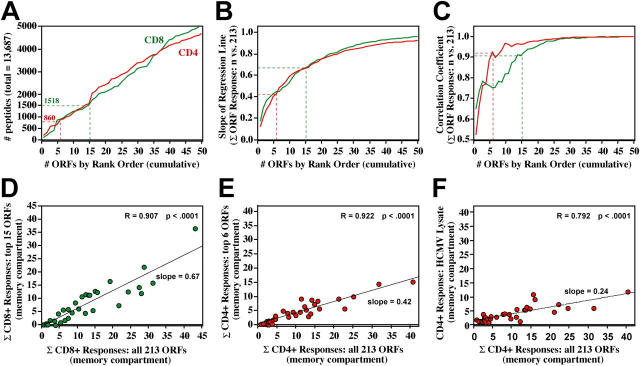
“Subjects recognized a median of 12 ORFs per person (of 213 ORFs studied), with the top 6 ORFs accounting for about 40% of the overall response (4).”
BackgroundXia, L., Tang, A., Meng, W., Freed, D. C., He, L., Wang, D., Li, F., Li, L., Xiong, W., Gui, X., et al. (2017) · Oncotarget · doi:10.18632/oncotarget.18359 · Cited by 29
“In addition, HCMV is known to expand host T-cell pools of effector-memory phenotypes [20], and as many as 10% of host CD4+ and CD8+ T-cells can be dedicated to HCMV in healthy subjects [19].”
BackgroundThe Loss of Binary: Pushing the Herpesvirus Latency Paradigm
Collins-McMillen, D. K., & Goodrum, F. D. (2017) · Current Clinical Microbiology Reports · doi:10.1007/s40588-017-0072-8 · Cited by 29
Features of Immunosenescence in Women Newly Diagnosed With Breast Cancer
Trintinaglia, L., Bandinelli, L. P., Grassi‐Oliveira, R., Petersen, L. E., Anzolin, M., Correa, B. L., Schuch, J. B., & Bauer, M. E. (2018) · Frontiers in Immunology · doi:10.3389/fimmu.2018.01651 · Cited by 30
“During aging studies, the CMV infection has been shown to play a role in driving the expansion of late-differentiated T cells (CD28−) (18), and our data corroborate this hypothesis.”
ResultBao, L., DUNHAM, K. R., Stamer, M. M., Mulieri, K. M., & Lucas, K. G. (2008) · Transplantation and Cellular Therapy · doi:10.1016/j.bbmt.2008.07.014 · Cited by 29
“Our work and other studies [21] has revealed a wide diversity in CD4 and CD8 T cell responses to different CMV antigens in normal donors.”
ResultWang, Z., Zhou, W., Srivastava, T., Rosa, C. L., Mandarino, A., Forman, S. J., Zaia, J. A., Britt, W. J., & Diamond, D. J. (2008) · Virology · doi:10.1016/j.virol.2008.04.034 · Cited by 29
VZV: immunobiology and host response
Arvin, A. M., & Abendroth, A. (2007) · Cambridge University Press eBooks · doi:10.1017/cbo9780511545313.040 · Cited by 28
Jing, L., McCaughey, S. M., Davies, D. H., Chong, T. M., Felgner, P. L., Rosa, S. C. D., Wilson, C. B., & Koelle, D. M. (2009) · Journal of Immunological Methods · doi:10.1016/j.jim.2009.05.011 · Cited by 27
“As such, synthesis of overlapping peptides covering the entire proteome (Sylwester et al., 2005) would be very expensive.”
BackgroundBallegaard, V., Brændstrup, P., Pedersen, K. K., Kirkby, N. S., Stryhn, A., Ryder, L. P., Gerstoft, J., & Nielsen, S. D. (2018) · Scientific Reports · doi:10.1038/s41598-018-21347-4 · Cited by 30
“In CMV-seropositive HIV-uninfected adults, a comprehensive study previously demonstrated that total CMV-specific T-cell responses comprised approximately 10% of both the CD4 + and CD8 + memory compartments in blood, when all 232 immunogenic peptide mixes were used in a stimulation assay 53 .”
BackgroundMethodLyu, M., Wang, S., Gao, K., Wang, L., Zhu, X., Liu, Y., Wang, M., Liu, X., Li, B., & Tian, L. (2021) · Frontiers in Immunology · doi:10.3389/fimmu.2021.779961 · Cited by 33
“Over time, CMV-responsive T-cells constitute an average of 10% of the entire T-cell repertoire of the host (1), having deleterious effects on immune senescence and health outcomes in the elderly (2).”
BackgroundHu, X., Wang, H.-Y., Otero, C. E., Jenks, J. A., & Permar, S. R. (2022) · Annual Review of Virology · doi:10.1146/annurev-virology-100220-010653 · Cited by 28
Giménez, E., Muñoz‐Cobo, B., Solano, C., Amat, P., de la Cámara, R., Nieto, J. B., López, J., Remigia, M. J., Noblejas, A. G., & Navarro, D. (2015) · Transplant Infectious Disease · doi:10.1111/tid.12391 · Cited by 28
“It is likely that other CMV proteins elicit CD8 T-cell responses that may be relevant in the control of CMV infection (30).”
BackgroundReduced thymus activity and infection prematurely age the immune system
Gress, R. E., & Deeks, S. G. (2009) · Journal of Clinical Investigation · doi:10.1172/jci40855 · Cited by 28
Shabir, S., Kaul, B., Pachnio, A., Banham, G. D., Smith, H., Chand, S., Jham, S., Harper, L., Ball, S. T., Rahbar, A., et al. (2013) · Journal of the American Society of Nephrology · doi:10.1681/asn.2013040340 · Cited by 28
CD8+ T-cell recognition of human cytomegalovirus latency-associated determinant pUL138
Tey, S., Goodrum, F. D., & Khanna, R. (2010) · Journal of General Virology · doi:10.1099/vir.0.020982-0 · Cited by 28
“The T-cell response to HCMV is broadly specific: more than half of the .200 open reading frames in HCMV can be recognized by T cells (Sylwester et al., 2005).”
BackgroundKristoff, J., Palma, M. L., García-Bates, T. M., Shen, C., Sluis‐Cremer, N., Gupta, P., Rinaldo, C. R., & Mailliard, R. B. (2019) · EBioMedicine · doi:10.1016/j.ebiom.2019.03.077 · Cited by 26
“As CMV is one of the largest and most complex viruses, with a genome encoding over 200 open reading frames [51], our study has room for optimization through incorporation of other CMV antigens that could enhance the effectiveness of our MDC1-based LR strategy.”
BackgroundMethodSiddiquee, N. H., Tanni, A. A., Sarker, N., Sourav, S. H., Islam, L., Mili, M. A., Akter, F., Roy, S. C., Abdullah-Al-Mamun, M., Malek, S., et al. (2024) · Informatics in Medicine Unlocked · doi:10.1016/j.imu.2024.101522 · Cited by 27
Elucidating emerging signaling pathways driving endothelial dysfunction in cardiovascular aging
Bartolo, A. D., Angelone, T., & Rocca, C. (2025) · Vascular Pharmacology · doi:10.1016/j.vph.2025.107462 · Cited by 30
Metadata
- Authors
- Sylwester, A. W., Mitchell, B. L., Edgar, J. B., Taormina, C., Pelte, C., Ruchti, F., Sleath, P. R., Grabstein, K. H., Hosken, N. A., Kern, F., Nelson, J. A., & Picker, L. J.
- Affiliations
- Oregon National Primate Research Center (US)
- Corixa Corporation (US)
- Stiftung Charité (DE)
- Venue
- The Journal of Experimental Medicine
- Publisher
- Rockefeller University Press
- Published
- 2005-09-05
- Volume
- 202
- Issue
- 5
- Pages
- 673-685
- ISSN
- 0022-1007 (ISSN-L)
- 1540-9538
- PMC
- PMC2212883
- OpenAlex
- W2103849595
- Cited by
- 1,339
- References
- 41
- Citations by year
- 2026: 39 · 2025: 53 · 2024: 56 · 2023: 41 · 2022: 56 · 2021: 70 · 2020: 67 · 2019: 81 · 2018: 71 · 2017: 86 · 2016: 74 · 2015: 77 · 2014: 56 · 2013: 83 · 2012: 64
- FWCI
- 38.39
- Type
- journal article
- Language
- en
- Open access
- bronze
- doi.org
- Locations
- The Journal of Experimental Medicine (publishedVersion)
- Europe PMC (PubMed Central) (publishedVersion, cc-by-nc-sa)
- PubMed Central (publishedVersion, cc-by-nc-sa)
- PubMed (publishedVersion)
- Funders
- National Institutes of Health (RR 00163, AI21640)
- National Institute of Allergy and Infectious Diseases (R01AI047606, AI 47606, R01AI021640)
- National Center for Research Resources (P51RR000163, M01RR000334)
- Topics
- Health Sciences › Medicine › Epidemiology › Cytomegalovirus and herpesvirus research
- Life Sciences › Immunology and Microbiology › Immunology › T-cell and B-cell Immunology
- Life Sciences › Biochemistry, Genetics and Molecular Biology › Molecular Biology › vaccines and immunoinformatics approaches
- Keywords
- human cytomegalovirus, CD4+ T cells, CD8+ T cells, immunodominance, seropositive individuals, viral persistence
- MeSH terms
- Adult, Cytomegalovirus Infections, Cytomegalovirus, Female, Flow Cytometry, Humans, Immunogenetics, Immunologic Memory, Male, Middle Aged, Peptides, Serologic Tests, CD4-Positive T-Lymphocytes, Open Reading Frames, CD8-Positive T-Lymphocytes
About these checks
Registry, retraction, Cites and statistics results are computed, not judged, with one exception: a printed reference that no index lists is read once by a model before it counts as a citation error. Claims are extracted by a model and kept only when their quote appears verbatim in the text; each cited source is then checked, with a model’s help, for whether it says what the claim relies on. Those verdicts can be wrong — read the claim’s quote and the cited source before relying on one.
Statistics and arithmetic are recomputed, not judged.
Confidence bands are shown only for fields calibrated on our annotated test set. None is calibrated yet, so no band is shown.
What counts as a claim ›How we measure confidence ›How we check this ›
Are you an author, or do you see a problem with this page? Request a review
