

High-density lipoprotein revisited: biological functions and clinical relevance
Open accessThe DOI matches its Crossref record; 177 of the 179 references it cites were found in a registry or an index.
Abstract
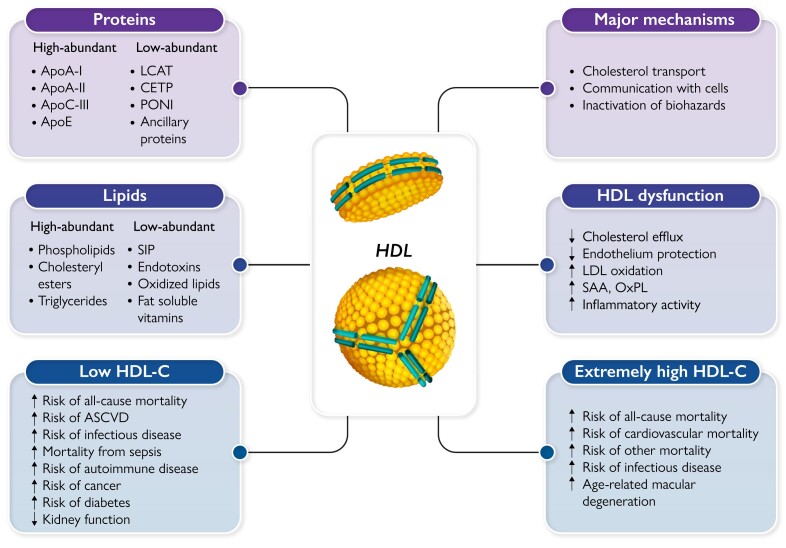
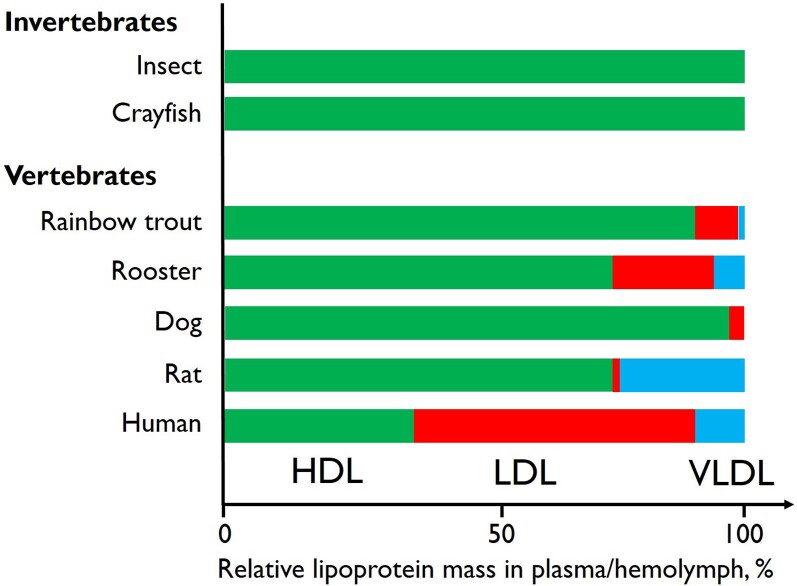
Previous interest in high-density lipoproteins (HDLs) focused on their possible protective role in atherosclerotic cardiovascular disease (ASCVD). Evidence from genetic studies and randomized trials, however, questioned that the inverse association of HDL-cholesterol (HDL-C) is causal. This review aims to provide an update on the role of HDL in health and disease, also beyond ASCVD. Through evolution from invertebrates, HDLs are the principal lipoproteins, while apolipoprotein B-containing lipoproteins first developed in vertebrates. HDLs transport cholesterol and other lipids between different cells like a reusable ferry, but serve many other functions including communication with cells and the inactivation of biohazards like bacterial lipopolysaccharides. These functions are exerted by entire HDL particles or distinct proteins or lipids carried by HDL rather than by its cholesterol cargo measured as HDL-C. Neither does HDL-C measurement reflect the efficiency of reverse cholesterol transport. Recent studies indicate that functional measures of HDL, notably cholesterol efflux capacity, numbers of HDL particles, or distinct HDL proteins are better predictors of ASCVD events than HDL-C. Low HDL-C levels are related observationally, but also genetically, to increased risks of infectious diseases, death during sepsis, diabetes mellitus, and chronic kidney disease. Additional, but only observational, data indicate associations of low HDL-C with various autoimmune diseases, and cancers, as well as all-cause mortality. Conversely, extremely high HDL-C levels are associated with an increased risk of age-related macular degeneration (also genetically), infectious disease, and all-cause mortality. HDL encompasses dynamic multimolecular and multifunctional lipoproteins that likely emerged during evolution to serve several physiological roles and prevent or heal pathologies beyond ASCVD. For any clinical exploitation of HDL, the indirect marker HDL-C must be replaced by direct biomarkers reflecting the causal role of HDL in the respective disease.
Overview
The claims and statistics of this paper haven’t been checked yet.
Free: it reads the open-access text and checks the first 5 claims that cite a source we can check. Create a free account to check every claim.
Integrity signals
Registry
Cites
Statistics
Figures
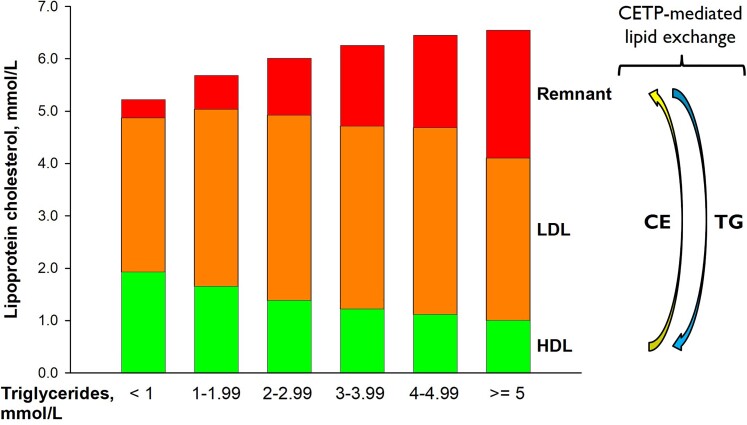
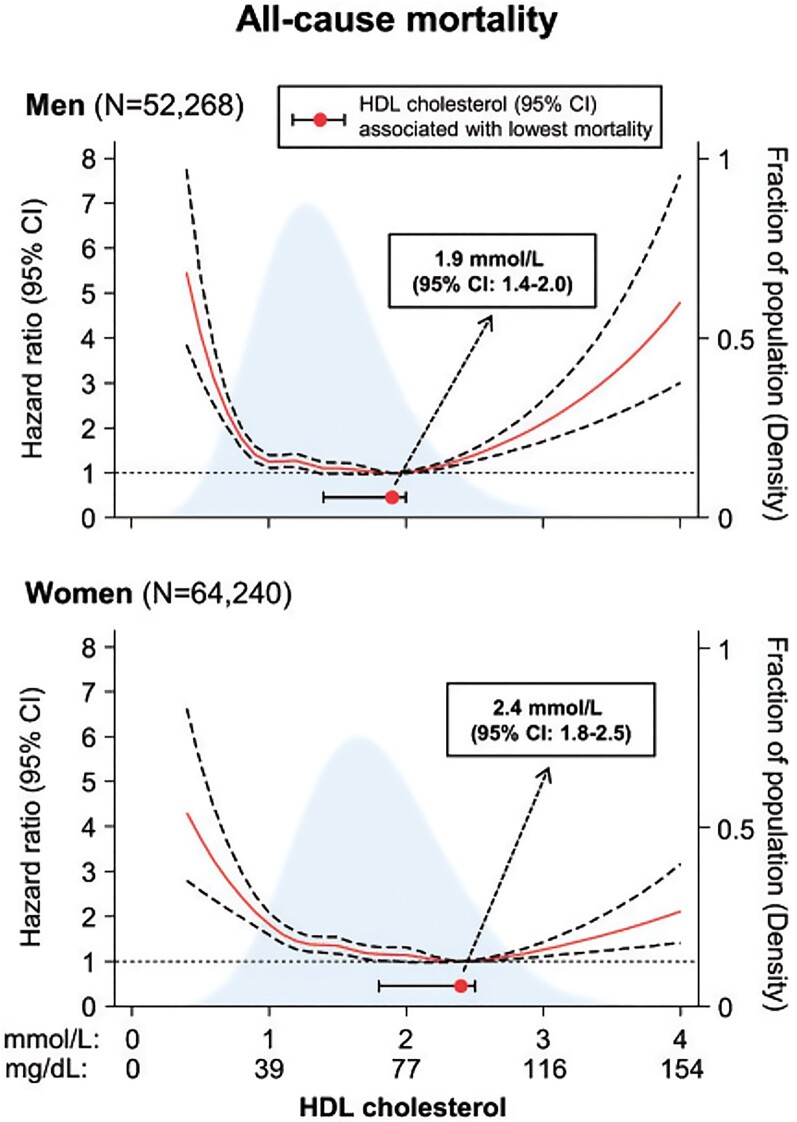
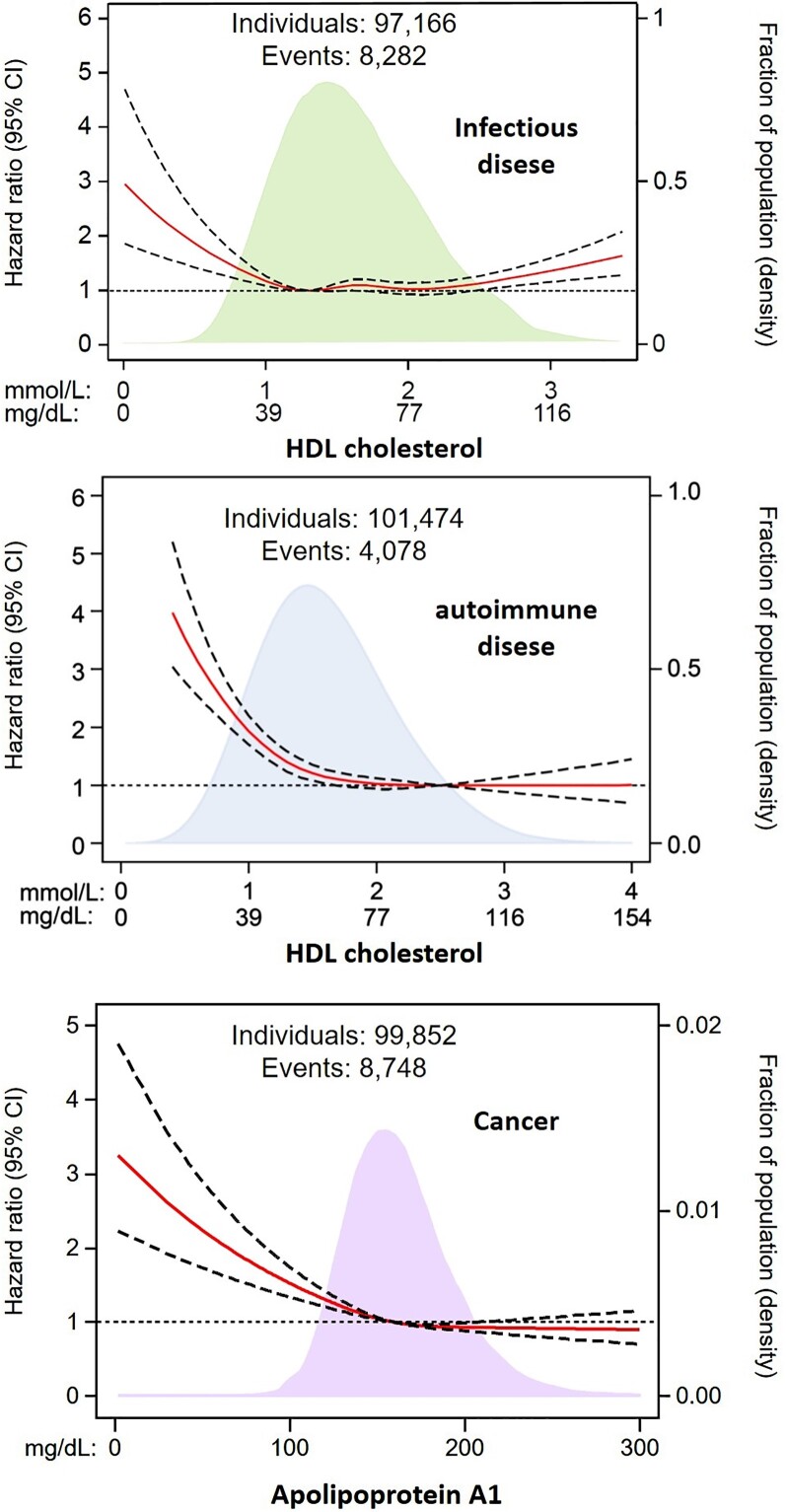
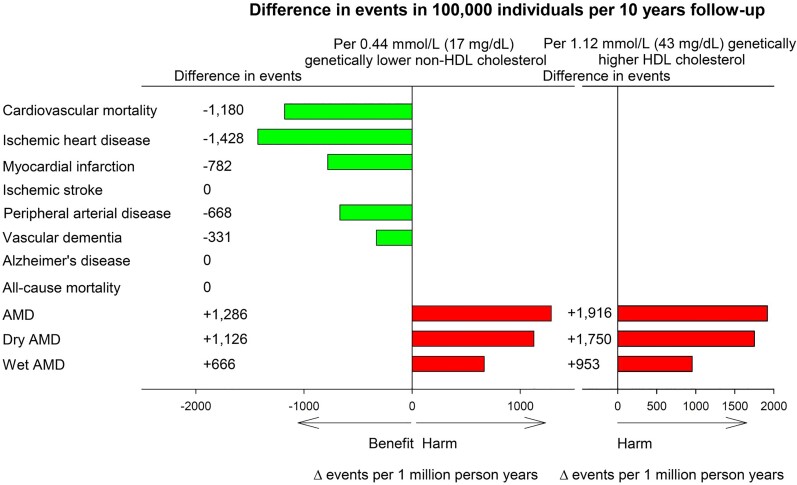
Verification
Claims the paper makes
The claims and statistics of this paper haven’t been checked yet.
Free: it reads the open-access text and checks the first 5 claims that cite a source we can check. Create a free account to check every claim.
Claims other papers make about this one
Each is checked against this paper’s own text: does it say what the citing paper says it does?
The source backs part of the claim, not all of it — or backs it for a different population, condition or comparison.
In the citing paper
“Epidemiological studies indicate that increased concentrations of high-density lipoprotein (HDL) cholesterol might confer protection against cardiovascular diseases, including stroke, myocardial infarction, and ischemic heart disease [145].”
From Nutritional composition and bioactive properties of tropical coconut palm fruit with functional food applications (2025) · cites this paper as [145]
Experimental — accuracy not yet measuredIn the citing paper
“HDL is a dynamic nanoscale complex of phospholipids and apolipoproteins, mainly apolipoprotein A-I (ApoA-I), that engages SR-B1 receptors highly expressed on brain endothelial cells, enabling BBB crossing through receptor-mediated transcytosis 26,27 .”
From High-density Lipoprotein Inspired Lipid Nanoparticles for Systemic RNA delivery to the Brain (2026) · cites this paper as [27]
Self-check
Percentages, sums and reported differences re-computed from the paper’s own numbers.
The self-check needs the paper’s full text.
Citations
Cites
High density lipoprotein as a protective factor against coronary heart disease
Gordon, T., Castelli, W. P., Hjortland, M. C., Kannel, W. B., & Dawber, T. R. (1977) · The American Journal of Medicine · doi:10.1016/0002-9343(77)90874-9 · Cited by 5,059
Effects of torcetrapib in patients at high risk for coronary events
Barter, P. J., Caulfield, M., Eriksson, M., Grundy, S. M., Kastelein, J. J. P., Komajda, M., Lopez-Sendon, J., Mosca, L., Tardif, J.-C., Waters, D. D., et al. (2007) · New England Journal of Medicine · doi:10.1056/nejmoa0706628 · Cited by 3,139
Niacin in Patients with Low HDL Cholesterol Levels Receiving Intensive Statin Therapy
The AIM-HIGH Investigators (2011) · New England Journal of Medicine · doi:10.1056/nejmoa1107579 · Cited by 2,911
Effects of Combination Lipid Therapy in Type 2 Diabetes Mellitus
(2010) · New England Journal of Medicine · doi:10.1056/nejmoa1001282 · Cited by 2,837
Major lipids, apolipoproteins, and risk of vascular disease
The Emerging Risk Factors Collaboration* (2009) · JAMA · doi:10.1001/jama.2009.1619 · Cited by 2,731
PLASMA-HIGH-DENSITY-LIPOPROTEIN CONCENTRATION AND DEVELOPMENT OF ISCHÆMIC HEART-DISEASE
Miller, G. J., & Miller, N. E. (1975) · The Lancet · doi:10.1016/s0140-6736(75)92376-4 · Cited by 2,621
Effects of dalcetrapib in patients with a recent acute coronary syndrome
Schwartz, G. G., Olsson, A. G., Abt, M., Ballantyne, C. M., Barter, P. J., Brumm, J., Chaitman, B. R., Holme, I. M., Kallend, D., Leiter, L. A., et al. (2012) · New England Journal of Medicine · doi:10.1056/nejmoa1206797 · Cited by 2,022
Nissen, S. E., Tsunoda, T., Tuzcu, E. M., Schoenhagen, P., Cooper, C. J., Yasin, M., Eaton, G. M., Lauer, M. A., Sheldon, W. S., Grines, C. L., et al. (2003) · JAMA · doi:10.1001/jama.290.17.2292 · Cited by 1,707
Incidence of Coronary Heart Disease and Lipoprotein Cholesterol Levels: The Framingham Study
Castelli, W. P. (1986) · JAMA · doi:10.1001/jama.1986.03380200073024 · Cited by 1,611
HDL cholesterol efflux capacity and incident cardiovascular events
Rohatgi, A., Khera, A., Berry, J. D., Givens, E. G., Ayers, C. R., Wedin, K. E., Neeland, I. J., Yuhanna, I. S., Rader, D. R., de Lemos, J. A., et al. (2014) · New England Journal of Medicine · doi:10.1056/nejmoa1409065 · Cited by 1,390
Cited by
Obesity and Dyslipidemia: A Review of Current Evidence
Vekić, J., Stefanović, A., & Zeljković, A. (2023) · Current Obesity Reports · doi:10.1007/s13679-023-00518-z · Cited by 196
Huang, Y., Zhou, Y., Xu, Y., Wang, X., Zhou, Z., Wu, K., Meng, Q., Wang, L., Yang, Y., Gao, H., et al. (2025) · Cardiovascular Diabetology · doi:10.1186/s12933-024-02571-x · Cited by 132
Bechmann, L. E., Emanuelsson, F., Nordestgaard, B. G., & Benn, M. (2023) · Atherosclerosis · doi:10.1016/j.atherosclerosis.2023.117236 · Cited by 102
Self-citationDiretriz Brasileira de Dislipidemias e Prevenção da Aterosclerose – 2025
Rached, F. H., Miname, M. H., Rocha, V. Z., Zimerman, A., Cesena, F. Y., Sposito, A. C., Santos, R. D., Behr, P. E. B., Bianco, H. T., Alves, R. J., et al. (2025) · Arquivos Brasileiros de Cardiologia · doi:10.36660/abc.20250640 · Cited by 98
Hussain, S. M., Robb, C. E., Tonkin, A. M., Lacaze, P. A., Chong, T. T. ‐., Beilin, L. J., Yu, C., Watts, G. F., Ryan, J. L., Ernst, M. E., et al. (2023) · The Lancet Regional Health - Western Pacific · doi:10.1016/j.lanwpc.2023.100963 · Cited by 69
Dysfunctional High-Density Lipoprotein Cholesterol and Coronary Artery Disease: A Narrative Review
Madaudo, C., Bono, G., Ortello, A., Astuti, G., Mingoia, G., Galassi, A. R., & Sucato, V. (2024) · Journal of Personalized Medicine · doi:10.3390/jpm14090996 · Cited by 67
Elliott, P. S., Kharaty, S. S., & Phillips, C. M. (2022) · Nutrients · doi:10.3390/nu14245371 · Cited by 64
Hou, K., Song, W., He, J., & Ma, Z. (2024) · Scientific Reports · doi:10.1038/s41598-024-56276-y · Cited by 61
“HDL are small lipoproteins that circulate throughout the body and are present near most cells 37 .”
BackgroundWang, Y., Bi, L., Li, Q., Wang, Q., Lv, T., & Zhang, P. (2025) · Lipids in Health and Disease · doi:10.1186/s12944-025-02580-z · Cited by 63
Chen, J., Li, Y., Zhang, Y., Wang, Y., Zhou, Y., Geng, T., Liu, G., Pan, A., & Liao, Y.-F. (2024) · Metabolism · doi:10.1016/j.metabol.2024.155817 · Cited by 58
Does Elevated High-Density Lipoprotein Cholesterol Protect Against Cardiovascular Disease?
Razavi, A. C., Jain, V., Grandhi, G. R., Patel, P., Karagiannis, A. D., Patel, N. H., Dhindsa, D. S., Liu, C., Desai, S., Almuwaqqat, Z., et al. (2023) · The Journal of Clinical Endocrinology & Metabolism · doi:10.1210/clinem/dgad406 · Cited by 50
Aberrant Lipid Metabolism and Complement Activation in Age-Related Macular Degeneration
Tang, S., Yang, J., Xiao, B., Wang, Y., Lei, Y., Lai, D., & Qiu, Q. (2024) · Investigative Ophthalmology & Visual Science · doi:10.1167/iovs.65.12.20 · Cited by 49
Effects of Nut Consumption on Blood Lipids and Lipoproteins: A Comprehensive Literature Update
Guasch‐Ferré, M., Tessier, A., Petersen, K. S., Sapp, P. A., Tapsell, L. C., Salas‐Salvadó, J., Ros, E., & Kris‐Etherton, P. M. (2023) · Nutrients · doi:10.3390/nu15030596 · Cited by 47
“, HDL particle number and cholesterol efflux capacity), which is more predictive of future atherosclerotic CVD events [57].”
Hua, N., Qin, C., Wu, F., Wang, A., Chen, J., & Zhang, Q. (2024) · Clinical Nutrition · doi:10.1016/j.clnu.2024.08.017 · Cited by 48
Preeclampsia Affects Lipid Metabolism and HDL Function in Mothers and Their Offspring
Stadler, J. T., Scharnagl, H., Wadsack, C., & Marsche, G. (2023) · Antioxidants · doi:10.3390/antiox12040795 · Cited by 47
Dysfunctional high-density lipoprotein: an updated review
Ouyang, F. W., Chiang, H., Hsu, W., Tsai, M.-H., Huang, C.-Y., Remaley, A. T., Akyol, Ö., & Chen, C. (2025) · Frontiers in Cardiovascular Medicine · doi:10.3389/fcvm.2025.1713387 · Cited by 45
Self-citationJovandarić, M. Z., Babić, S., Raus, M., & Medjo, B. (2023) · International Journal of Molecular Sciences · doi:10.3390/ijms241511964 · Cited by 47
“Concerning HDL cholesterol subfractions, we usually describe two fractions: HDL-2, which is larger, and HDL-3, which is smaller and denser and has a lower atheroprotective character [41].”
BackgroundHigh-Density Lipoprotein Alterations in Type 2 Diabetes and Obesity
Denimal, D., Monier, S., Bouillet, B., Vergès, B. L., & Duvillard, L. (2023) · Metabolites · doi:10.3390/metabo13020253 · Cited by 44
European guidelines for the treatment of dyslipidaemias: New concepts and future challenges
Pirillo, A., Casula, M., & Catapano, A. L. (2023) · Pharmacological Research · doi:10.1016/j.phrs.2023.106936 · Cited by 42
Self-citationLou, J., Xiang, Z., Zhu, X., Fan, Y., Song, J., Cui, S., Li, J., Jin, G., & Huang, N. (2024) · Scientific Reports · doi:10.1038/s41598-024-75050-8 · Cited by 41
“Early studies 6,7 demonstrated that infection and inflammation can lead to significant changes in lipids and lipoproteins, resulting in a decrease in lipid and lipoprotein levels in sepsis patients.”
BackgroundProtein-based delivery systems for RNA delivery
Zhu, H., Luo, H., Chang, R., Yang, Y., Liu, D., Ji, Y. R., Qin, H., Rong, H., & Yin, J. (2023) · Journal of Controlled Release · doi:10.1016/j.jconrel.2023.09.032 · Cited by 40
Roles of cytokine storm in sepsis progression: biomarkers, and emerging therapeutic strategies
You, W. (2025) · Frontiers in Immunology · doi:10.3389/fimmu.2025.1696366 · Cited by 40
Celastrol functions as an emerging manager of lipid metabolism: Mechanism and therapeutic potential
Gu, J., Shi, Y., Zhu, N., Li, H., Zhang, C., & Li, Q. (2023) · Biomedicine & Pharmacotherapy · doi:10.1016/j.biopha.2023.114981 · Cited by 39
Deng, F., Jia, F., Sun, Y., Zhang, L., Han, J., Li, D., Yang, Q., Hou, R., & Jiang, W. (2024) · BMC Cardiovascular Disorders · doi:10.1186/s12872-024-03824-z · Cited by 38
Razavi, A. C., Mehta, A., Jain, V., Patel, P., Liu, C., Patel, N. H., Eisenberg, S. D., Vaccarino, V., Isiadinso, I., Sperling, L. S., et al. (2023) · Current Cardiology Reports · doi:10.1007/s11886-023-01987-3 · Cited by 37
“These data have supported the role of HDL-C in protection from atherosclerosis, predominantly mediated through the process of reverse cholesterol transport [5].”
Interaction between lipid metabolism and macrophage polarization in atherosclerosis
Wang, X., Xie, Z., Zhang, J., Chen, Y., Li, Q., Yang, Q., Xu, C., Liu, B., Xu, S., & Dong, Y. (2025) · iScience · doi:10.1016/j.isci.2025.112168 · Cited by 35
“53 Additionally, APOA1 competes with LDL to bind to SR-BI, thereby limiting SR-BI-mediated LDL deposition in the subarterial lumen and delaying AS. 54 HDL participates in the reverse transportation of ox-LDL, reduces damage caused by ox-LDL, inhibits the proliferation of vascular smooth muscle…”
HDL abnormalities in type 2 diabetes: Clinical implications
Martagón, A. J., Zubirán, R., González-Arellanes, R., Praget-Bracamontes, S., Rivera-Alcántara, J. A., & Aguilar-Salinas, C. A. (2023) · Atherosclerosis · doi:10.1016/j.atherosclerosis.2023.117213 · Cited by 34
Chen, Y., Zhang, F., Sun, J., & Zhang, L. (2023) · Journal of Translational Medicine · doi:10.1186/s12967-023-04755-7 · Cited by 33
Yan, Z., Xu, Y., Li, K., & Liu, L. (2024) · Frontiers in Endocrinology · doi:10.3389/fendo.2024.1272314 · Cited by 32
The Metabolic Syndrome: An Overview and Proposed Mechanisms
Thomaz, F. S., John, O. D., Sinha, P., Shafie, S. R., & Worrall, S. (2024) · Obesities · doi:10.3390/obesities4030020 · Cited by 35
Low levels of small HDL particles predict but do not influence risk of sepsis
Hamilton, F., Pedersen, K. M., Ghazal, P., Nordestgaard, B. G., & Smith, G. D. (2023) · Critical Care · doi:10.1186/s13054-023-04589-1 · Cited by 33
“Firstly, HDL is conserved across many biological species despite no clear biological role; however, HDL has been described to be involved in bacterial lipopolysaccharide binding, clot formation, and wound healing [3, 4, 11].”
BackgroundInfluentialSelf-citationFung, A. A., Li, Z., Boote, C., Markov, P., Gaut, J. P., Jain, S. R., & Shi, L. (2025) · Nature Communications · doi:10.1038/s41467-025-59163-w · Cited by 31
Zhang, X., & van der Vorst, E. P. C. (2024) · Cells · doi:10.3390/cells13131113 · Cited by 28
“Eventually, the cholesterol is transported to the liver for clearance, either directly by selective uptake through SR-BI or indirectly after transfer to apoB-containing lipoproteins such as LDL in exchange for triglycerides by cholesteryl ester transfer protein (CETP) [24,39].”
BackgroundInfluentialSepsis and high-density lipoproteins: Pathophysiology and potential new therapeutic targets
Parolini, C. (2025) · Biochimica et Biophysica Acta (BBA) - Molecular Basis of Disease · doi:10.1016/j.bbadis.2025.167761 · Cited by 28
Bodaghi, A. B., Ebadi, E., Gholami, M. J., Azizi, R., & Shariati, A. (2023) · Health Science Reports · doi:10.1002/hsr2.1779 · Cited by 24
“20 HDL mediates RCT by taking cholesterol from peripheral cells and returning it to the liver for further metabolism and excretion.”
BackgroundZhang, Z., Xu, S., Song, M., Huang, W., Yan, M., & Li, X. (2024) · Cancer Causes & Control · doi:10.1007/s10552-024-01853-9 · Cited by 23
Dedemadi, A.-G., Gkolfinopoulou, C., Nikoleri, D., Nikoloudaki, M., Ruhanen, H., Holopainen, M., Käkelä, R., Christopoulou, G., Bournazos, S., Constantoulakis, P., et al. (2024) · Rheumatology · doi:10.1093/rheumatology/keae192 · Cited by 23
Cardiometabolic Trajectories Preceding Dementia in Community-Dwelling Older Individuals
Wu, Z., Cribb, L., Wolfe, R. S., Shah, R. C., Orchard, S. G., Owen, A. J., Woods, R. L., Vishwanath, S., Chong, T. T. ‐., Sheets, K. M., et al. (2025) · JAMA Network Open · doi:10.1001/jamanetworkopen.2024.58591 · Cited by 22
Durrington, P. N., Bashir, B., & Soran, H. (2025) · Antioxidants · doi:10.3390/antiox14040430 · Cited by 22
High density lipoprotein: When to rethink too much of a good thing
Dastmalchi, L. N., German, C. A., & Taub, P. R. (2023) · American Journal of Preventive Cardiology · doi:10.1016/j.ajpc.2023.100511 · Cited by 22
“and ancillary proteins, may play roles in facilitating the HDL particles ability to suppress inflammation and increase the effectiveness of removing cholesterol from the periphery [9].”
BackgroundInfluentialZhu, P., Xiao, L., & Wang, Y. (2025) · Fluids and Barriers of the CNS · doi:10.1186/s12987-025-00721-1 · Cited by 21
Prokopidis, K., Morgan, P. T., Veronese, N., Morwani‐Mangnani, J., Triantafyllidis, K. K., Kechagias, K. S., Roberts, J., Hurst, C., Stevenson, E., Vlachopoulos, D., et al. (2024) · Clinical Nutrition · doi:10.1016/j.clnu.2024.12.003 · Cited by 23
Peng, Q., Zhan, C., Shen, Y., Xu, Y., Ren, B., Feng, Z., Wang, Y., Zhu, Y., & Shen, Y. (2024) · BMC Cancer · doi:10.1186/s12885-024-13265-8 · Cited by 22
Wang, Y., Zhang, L., Zhang, W., Tang, M., Cui, H., Wu, X., Zhao, X., Chen, L., Yan, P., Yang, C., et al. (2023) · Journal of Translational Medicine · doi:10.1186/s12967-023-04509-5 · Cited by 20
“…targeting cholesteryl ester transfer protein inhibition [4], it is plausible that in addition to HDL-C, other particles, such as sphingosine-1 phosphate, apolipoprotein M, apolipoprotein A-I, or par-aoxonase-1, reflecting the functionality of HDL, might also influence kidney health [55–58].”
Rivera, F. B., Chin, M. N. C., Pine, P. L. S., Ruyeras, M. M. J., Galang, D. J. C., Gandionco, K. M., Morales, B. L. F. D., Climaco, Z. M. V., Bantayan, N. R. B., Magalong, J. V., et al. (2024) · Current Medical Research and Opinion · doi:10.1080/03007995.2024.2442027 · Cited by 20
“Moreover, HDL-C levels are influenced by the production of apolipoprotein A-I (apoA-I), the major structural protein of HDL particles, and the action of lecithin-cholesterol acyltransferase (LCAT) and cholesteryl ester transfer protein (CETP) 69–71 .”
The role of metabolites in the progression of osteoarthritis: Mechanisms and advances in therapy
Liu, X., Zheng, Y., Li, Z., Ma, Y., Cao, R., Zheng, Z., Tian, Y., Du, L., Zhang, J., Zhang, C., et al. (2025) · Journal of Orthopaedic Translation · doi:10.1016/j.jot.2024.10.003 · Cited by 19
Crea, F. (2023) · European Heart Journal · doi:10.1093/eurheartj/ehad224 · Cited by 18
Su, L., Xu, C., Huang, H., Zhang, P., Wang, J.-R., Ouyang, X., Yang, X.-S., & Ye, J.-Z. (2024) · Frontiers in Immunology · doi:10.3389/fimmu.2024.1354593 · Cited by 14
“The negative relationship between high-density lipoprotein levels and the risk of coronary heart disease dates back to the 1950s, and it remains an important and powerful risk marker for the developing risk of atherosclerotic cardiovascular disease (49).”
BackgroundChen, K.-L., Chou, R., Chang, C., Kuo, C., Wei, J.-H., Huang, P., & Lin, S. (2024) · PLoS ONE · doi:10.1371/journal.pone.0296863 · Cited by 18
Liu, Y., Chen, M.-T., He, Y., Chen, M., Liang, J.-R., Jia, F., Huang, Q., Zhou, R., & Hou, C. (2024) · Lipids in Health and Disease · doi:10.1186/s12944-024-02285-9 · Cited by 18
Chao, T.-H., Lin, T., Cheng, C., Wu, Y., Ueng, K., Wu, Y., Lin, W.-W., Leu, H.-B., Cheng, H., Huang, C., et al. (2024) · PubMed Central · doi:10.6515/acs.202409_40(5).20240724a · Cited by 18
Liu, Q., Wang, H., Chen, Q., Luo, R., & Luo, C. (2024) · BMC Cancer · doi:10.1186/s12885-024-12509-x · Cited by 17
“Beyond its lipid-transport roles, HDL possesses multifaceted functions including antioxidant, anti-inflammation, and immunomodulatory [16, 17].”
BackgroundBlaauw, M. J. T., Berrevoets, M. A. H., Vos, W. A. J. W., Groenendijk, A. L., van Eekeren, L. E., Vadaq, N., Weijers, G., van der Ven, A. J. A. M., Rutten, J. H. W., & Riksen, N. P. (2023) · Journal of the American Heart Association · doi:10.1161/jaha.123.030606 · Cited by 17
“58 In observational studies, low HDL-C is associated with incident CVD, but it is thought that this is mostly caused by the inverse relation of HDL-C with triglyceride-rich remnant lipoproteins, such as VLDL.”
Dysfunction of the ABCA1 and ABCG1 Transporters and Their Impact on HDL Metabolism
Maldonado, K. D. L., Uribe-Ramírez, D., Vázquez-Carrada, M., Matuz‐Mares, D., & Vilchis‐Landeros, M. M. (2025) · Antioxidants · doi:10.3390/antiox14111362 · Cited by 18
ANGPTL3 is a novel HDL component that regulates HDL function
Yang, L., Wang, Y., Xu, Y., Li, K., Yin, R., Zhang, L., Wang, D., Wei, L., Lang, J., Cheng, Y., et al. (2024) · Journal of Translational Medicine · doi:10.1186/s12967-024-05032-x · Cited by 16
“…proteins such as apolipoprotein A-I (apoA-I), apoA-II, apoC-III and apoE, as well as important low abundance proteins such as lecithin cholesterol acyltransferase (LCAT), cholesteryl ester transfer protein (CEPT), paraoxonase 1 (PON1), sphingosine-1-phosphate (S1P) and serum amyloid A (SAA) [11].”
BackgroundWang, Y., Li, H., Zhang, Z., Wu, F., Liu, J., Zhu, Z., & Xiang, H. (2024) · Lipids in Health and Disease · doi:10.1186/s12944-024-02313-8 · Cited by 16
Tong, Y., Wang, Y., Chen, X., Qin, B., Liu, Y., Cui, Y., Gao, X., Wang, J., Wu, T., Lv, D., et al. (2024) · Cardiovascular Diabetology · doi:10.1186/s12933-024-02464-z · Cited by 16
Starodubtseva, N. L., Poluektova, A. A., Tokareva, A., Kukaev, E., Avdeeva, A., Rimskaya, E. N., & Сагдуллаевна, Х. З. (2025) · Life · doi:10.3390/life15050776 · Cited by 16
“Apolipoprotein A-I, the major HDL component crucial for cholesterol transport and vascular protection, becomes dysfunctional in PE despite increased antioxidant capacity-a likely compensatory response to oxidative stress [77–80].”
Lipid Oxidation Products and the Risk of Cardiovascular Diseases: Role of Lipoprotein Transport
Ahotupa, M. O. (2024) · Antioxidants · doi:10.3390/antiox13050512 · Cited by 16
“In addition to the cholesterol efflux capacity, there are also other functional measures of HDL, such as the number of HDL particles or distinct HDL proteins, which has proved to be a better predictor of CVD than the HDL-cholesterol [14].”
BackgroundInfluentialBilgic, S., Pencina, K. M., Pencina, M. J., Cole, J., Dufresne, L., Thanassoulis, G., & Sniderman, A. D. (2024) · Arteriosclerosis Thrombosis and Vascular Biology · doi:10.1161/atvbaha.124.321165 · Cited by 15
Davidson, M. H., Hsieh, A., & Kastelein, J. J. P. (2024) · Current Opinion in Lipidology · doi:10.1097/mol.0000000000000955 · Cited by 15
Vladimirov, S. S., Tomasevic, M., Popov, N., Munjas, J., de Gonzalo‐Calvo, D., & Sopić, M. (2025) · Seminars in Cancer Biology · doi:10.1016/j.semcancer.2025.06.005 · Cited by 15
Su, X., Rao, H., Zhao, C., Wu, J., Zhang, X., & Li, D. (2025) · Scientific Reports · doi:10.1038/s41598-025-88539-7 · Cited by 14
“While HDL-c is traditionally thought to be protective, elevated HDL-c levels may paradoxically contribute to increased cardiovascular risk in certain populations, such as hypertension patients, likely due to HDL dysfunction 7,8 .”
Hall, W. L., Alkoblan, A., Gibson, P. S., D'Annibale, M., Coekaerts, A., Bauer, M., Bruce, J. H., Lecomte, B., Penhoat, A., Laugerette, F., et al. (2024) · Food & Function · doi:10.1039/d3fo05324e · Cited by 14
Xie, W., Liu, H., Lin, Q., Lian, L., & Liang, B. (2024) · Frontiers in Nutrition · doi:10.3389/fnut.2024.1430835 · Cited by 14
Han, Y., Gao, Y., Qiu, M., Wang, Y., Li, S., Guo, M., Zheng, T., & Liu, Z. (2025) · Lipids in Health and Disease · doi:10.1186/s12944-025-02555-0 · Cited by 13
He, Z., Zhang, L., Gong, S., Yang, X., & Xu, G. (2025) · International Journal of Molecular Medicine · doi:10.3892/ijmm.2025.5667 · Cited by 15
“The dysregulation of cholesterol metabolic enzymes is implicated in various pathologies, including familial hypercholesterolemia (49), atherosclerosis (35) and Alzheimer's disease (50).”
Ortiz-Whittingham, L. R., Baumer, Y., Pang, A. P. S., Sampson, M. L., Baez, A. S., Rose, R., Noonan, S. B., Mendez-Silva, J., Collins, B. S., Mitchell, V. M., et al. (2023) · Psychoneuroendocrinology · doi:10.1016/j.psyneuen.2023.106346 · Cited by 12
“such as structure and function, and inflammatory states in lipoprotein-related CVD prevention [6, 7].”
Self-citationElevated high-density lipoprotein triglycerides increase atherosclerotic risk
Liu, W., Chen, S., Yang, C., Lei, F., Huang, X., Zhang, X., Sun, T., Lin, L., Wang, C., Cao, Y., et al. (2025) · Journal of Lipid Research · doi:10.1016/j.jlr.2025.100791 · Cited by 12
Chen, X., Zhang, J., Lü, F., Hu, R., Du, X., Xu, C., Liang, M., Chen, L., Yao, W., Ma, Z., et al. (2025) · Frontiers in Nutrition · doi:10.3389/fnut.2025.1582495 · Cited by 12
Guo, X.-Y., & Li, L.-W. (2025) · Frontiers in Immunology · doi:10.3389/fimmu.2025.1600421 · Cited by 12
Sopić, M., Karađuzović-Hadžiabdić, K., Kardassis, D., Mäegdefessel, L., Martelli, F., Meerson, A., Munjas, J., Niculescu, L. S., Stoll, M., Magni, P., et al. (2023) · Journal of Molecular and Cellular Cardiology Plus · doi:10.1016/j.jmccpl.2023.100048 · Cited by 13
“The increase of HDL in the plasma confers atheroprotections due to its many anti-atherogenic functions including reverse cholesterol transport, anti-inflammatory, anti-oxidant, anti-thrombotic and many others [42].”
Johansen, M. Ø., Moreno‐Vedia, J., Balling, M., Smith, G. D., & Nordestgaard, B. G. (2023) · Atherosclerosis · doi:10.1016/j.atherosclerosis.2023.117316 · Cited by 12
Self-citationHDL Therapeutics — Time for a Curtain Call or Time to Reconceptualize?
Ballantyne, C. M., & Nambi, V. (2024) · New England Journal of Medicine · doi:10.1056/nejme2403036 · Cited by 12
The role of high-density lipoproteins in sepsis
Brunham, L. R. (2024) · Journal of Lipid Research · doi:10.1016/j.jlr.2024.100728 · Cited by 11
Gao, M., Zhang, W., Li, X., Li, S., Wang, W., & Han, P. (2025) · International Journal of Molecular Sciences · doi:10.3390/ijms26041453 · Cited by 12
Impact of Sex Differences on Lipids and Statin Utilization
Rodriguez, C. P., Burka, S., & Michos, E. D. (2025) · Current Atherosclerosis Reports · doi:10.1007/s11883-025-01286-y · Cited by 11
“[41, 42].”
Yuan, H., Xiao, P., Wang, F., Chen, G., Pan, S., Jiang, M., Hou, S., Sun, Y., Wang, Y., Zhang, Y. X., et al. (2025) · Journal of Controlled Release · doi:10.1016/j.jconrel.2025.113744 · Cited by 11
von Eckardstein, A., & Robert, J. (2025) · Arteriosclerosis Thrombosis and Vascular Biology · doi:10.1161/atvbaha.125.321546 · Cited by 11
High-density lipoprotein in cardiovascular diseases: From high quantity to high quality
Zhang, Y., Yu, M., Chen, Y., & Huang, J. (2025) · Clinica Chimica Acta · doi:10.1016/j.cca.2025.120574 · Cited by 11
Kumar, S., Senapati, S., & Chang, H. (2024) · Biomicrofluidics · doi:10.1063/5.0218986 · Cited by 11
Yuan, C., Wu, X., Wu, L., Yang, Y., Han, Y., Su, C., & Long, Y. (2025) · Animal Feed Science and Technology · doi:10.1016/j.anifeedsci.2025.116310 · Cited by 11
Proteomic Determinants of Variation in Cholesterol Efflux: Observations from the Dallas Heart Study
Gangwar, A., Deodhar, S., Saldanha, S., Melander, O., Abbasi, F., Pearce, R. W., Collier, T. S., McPhaul, M. J., Furtado, J. D., Sacks, F. M., et al. (2023) · International Journal of Molecular Sciences · doi:10.3390/ijms242115526 · Cited by 10
“Remarkably, HDLs have been shown to have pleiotropic functional impacts on different metabolic pathways within the vasculature [13,14], but their role in RCT is still thought to be their primary cardioprotective function.”
BackgroundYang, H., Zeng, M., Fan, T., Chen, H., Fang, X., Li, Z. A., Wang, X., Hunter, D. J., Ding, C., & Zhu, Z. (2025) · Journal of Orthopaedic Translation · doi:10.1016/j.jot.2025.02.004 · Cited by 10
Wu, L., Yang, J., Chen, Y., Lin, J., Huang, W., & Li, M. (2025) · BMC Medicine · doi:10.1186/s12916-025-03993-4 · Cited by 11
“Meanwhile, recent studies showed that both low HDL-C and low apolipoprotein A are associated with an increased lung cancer risk [51, 53].”
Playford, M. P., Neufeld, E. B., Zubirán, R., & Remaley, A. T. (2025) · Frontiers in Cardiovascular Medicine · doi:10.3389/fcvm.2025.1608384 · Cited by 10
“…the individual steps in RCT are potentially atheroprotective, and supported by numerous epidemiologic studies demonstrating an inverse-relationship between HDL-C levels and the risk of developing coronary heart disease, cholesterol on HDL became commonly referred to as ‘ good ’ cholesterol (8, 9).”
Self-citationPhytogenic feed additives as an approach to prevent fatty liver hemorrhagic syndrome in laying hens
Khodaei, M., Torki, M., Khajali, F., & Karimi, I. (2025) · Poultry Science · doi:10.1016/j.psj.2025.105573 · Cited by 10
Franczyk, B., Młynarska, E., Rysz-Górzyńska, M., Gluba-Brzózka, A., Rysz, J., Sheth, S., Surma, S., Banach, M., & Toth, P. P. (2025) · American Journal of Preventive Cardiology · doi:10.1016/j.ajpc.2025.101068 · Cited by 10
“The lipid composition of HDL adopts a micelle-like architecture, with abundant amphipathic lipids (phospholipids and free cholesterol) constituting a surface monolayer, and the more hydrophobic or neutral lipids (cholesteryl esters and triglycerides) located in the particle core [20].”
InfluentialEffect of Clinical and Laboratory Parameters on HDL Particle Composition
Kostara, C. E., Bairaktari, E. T., & Tsimihodimos, V. (2023) · International Journal of Molecular Sciences · doi:10.3390/ijms24031995 · Cited by 10
Chehab, O., Akl, E., Abdollahi, A., Zeitoun, R., Ambale‐Venkatesh, B., Wu, C. O., Tracy, R. P., Blumenthal, R. S., Post, W. S., Lima, J. A. C., et al. (2023) · Scientific Reports · doi:10.1038/s41598-023-46811-8 · Cited by 10
“Patients with altered HDL were found to have suppressed nitric oxide production through interaction with LOX-1, TLR2, and TLR4 receptors 20 .”
BackgroundInfluentialFish Oil Supplementation Modifies the Genetic Potential for Blood Lipids
Sun, Y., McDonald, T., Baur, A., Xu, H., Bateman, N., Shen, Y., Li, C., & Ye, K. (2024) · American Journal of Clinical Nutrition · doi:10.1016/j.ajcnut.2024.07.009 · Cited by 10
“Conversely, a raised concentration of high-density lipoprotein (HDL) cholesterol may have protective roles against CVD, autoimmune disease, and cancers [8,9].”
BackgroundGigante, B., Chen, Q., Björkbacka, H., Björnson, E., Brinck, J. W., Chorell, E., Djekic, D., Edsfeldt, A., Engström, G., Eriksson, J. W., et al. (2024) · International Journal of Cardiology · doi:10.1016/j.ijcard.2024.132698 · Cited by 10
Zhang, Y., Luo, P., Tang, Y.-N., Wang, J., Gao, S., Fan, Y., & Wang, K. (2025) · Nutrition & Metabolism · doi:10.1186/s12986-025-00942-z · Cited by 9
“Insulin resistance may further aggravate the manifestations of metabolic syndrome (obesity, hypertension, hyperglycaemia, etc.), thereby increasing all-cause mortality, cardiovascular mortality, and diabetes mortality [46].”
Cinezan, C., Măgureanu, D. C., Hiceag, M. L., Rus, C. B., Ilias, I. T., Bogdan, I. D., Buzle, A. M., & Cozma, A. (2025) · International Journal of Molecular Sciences · doi:10.3390/ijms26178163 · Cited by 9
“HDL lowers ROSs (reactive oxygen species) and lipid hydroperoxides, attenuates TNF-α –driven inflammatory signaling, and reprograms macrophages toward less inflammatory, non-foam cell phenotypes [27].”
Yang, H. S., Jeong, H. J., Kim, H., Lee, S., & Hur, M. (2023) · Metabolites · doi:10.3390/metabo13121175 · Cited by 9
Moutinho, S., Monroig, Ó., Perés, H., Villena-Rodríguez, A., Magalhães, R., Pulido‐Rodríguez, L. F., Parisi, G., & Oliva‐Teles, A. (2024) · Comparative Biochemistry and Physiology Part B Biochemistry and Molecular Biology · doi:10.1016/j.cbpb.2024.111069 · Cited by 9
Shen, T., Li, Y., Liu, T., Lian, Y., & Kong, L. (2024) · Biomedical Reports · doi:10.3892/br.2024.1729 · Cited by 9
“Infection promotes the degradation of HDL particles in the liver and other tissue, thereby decreasing their presence in the circulation (53).”
BackgroundLi, S., Fu, Z., & Zhang, W. (2025) · BMC Public Health · doi:10.1186/s12889-025-22251-z · Cited by 9
“The observed association between high HDL cholesterol and death from endocrine diseases, primarily diabetes, may be due to the adverse effects of HDL dysfunction on pancreatic β-cells, the insulin signaling pathway, and glucose metabolism [27].”
InfluentialWang, D., Zhang, Z., Zhang, Y., Chen, S., Qu, N., Li, H., Sun, Y., Tian, X., Han, X., Wu, S., et al. (2025) · Journal of the American Heart Association · doi:10.1161/jaha.124.038559 · Cited by 8
Combined angiogenic and hypertrophic gene therapy enhances skeletal muscle growth
Männistö, A., Tonttila, K., Ortega‐Alonso, A., Nurmi, H. J., Uusitalo‐Kylmälä, L., Hemanthakumar, K. A., Saikkala, E., Myllykangas, S., Vertainen, S., Nissinen, T. A., et al. (2025) · American Journal of Physiology-Cell Physiology · doi:10.1152/ajpcell.00966.2024 · Cited by 8
Metadata
- Authors
- von Eckardstein, A., Nordestgaard, B. G., Remaley, A. T., & Catapano, A. L.
- Affiliations
- Institute of Clinical Chemistry, University Hospital Zurich and University of Zurich , Zurich , Switzerland
- University of Copenhagen (DK)
- National Institutes of Health (US)
- University of Milan (IT)
- Corresponding author
- Catapano, Alberico L
- Venue
- European Heart Journal
- Publisher
- Oxford University Press (OUP)
- Published
- 2022-11-07
- Volume
- 44
- Issue
- 16
- Pages
- 1394-1407
- ISSN
- 0195-668X (ISSN-L)
- 1522-9645
- PMC
- PMC10119031
- OpenAlex
- W4308365150
- Semantic Scholar
- 14c8d1ddb848612aba3c065df1a5565717362080
- Cited by
- 401
- References
- 179
- Citations by year
- 2026: 115 · 2025: 141 · 2024: 97 · 2023: 47 · 2022: 1
- FWCI
- 17.04
- Type
- journal article
- Language
- en
- Open access
- hybrid
- doi.org
- Licence
- Locations
- European Heart Journal (publishedVersion, cc-by-nc)
- PubMed Central (publishedVersion, cc-by-nc)
- PubMed (publishedVersion)
- Research at the University of Copenhagen (University of Copenhagen) (publishedVersion, cc-by-nc)
- Zurich Open Repository and Archive (University of Zurich) (acceptedVersion, cc-by-nc-nd)
- Zurich Open Repository and Archive (University of Zurich) (submittedVersion, cc-by-nc)
- Zurich Open Repository and Archive (University of Zurich)
- Funders
- Swiss National Science Foundation
- Herlev and Gentofte Hospital
- Copenhagen University Hospital
- Italian Ministry of Health
- Topics
- Life Sciences › Biochemistry, Genetics and Molecular Biology › Biochemistry › Cholesterol and Lipid Metabolism
- Health Sciences › Medicine › Cardiology and Cardiovascular Medicine › Lipoproteins and Cardiovascular Health
- Life Sciences › Biochemistry, Genetics and Molecular Biology › Clinical Biochemistry › Paraoxonase enzyme and polymorphisms
- Keywords
- high-density lipoprotein, HDL cholesterol, atherosclerotic cardiovascular disease, reverse cholesterol transport, cholesterol efflux capacity, HDL particle number, apolipoprotein B-containing lipoproteins, sepsis mortality, infectious disease risk, diabetes mellitus, chronic kidney disease, autoimmune disease, cancer risk, age-related macular degeneration, all-cause mortality
- MeSH terms
- Clinical Relevance, Animals, Cholesterol, Humans, Lipoproteins, Lipoproteins, HDL, Cholesterol, HDL, Atherosclerosis
About these checks
Registry, retraction, Cites and statistics results are computed, not judged, with one exception: a printed reference that no index lists is read once by a model before it counts as a citation error. Claims are extracted by a model and kept only when their quote appears verbatim in the text; each cited source is then checked, with a model’s help, for whether it says what the claim relies on. Those verdicts can be wrong — read the claim’s quote and the cited source before relying on one.
Statistics and arithmetic are recomputed, not judged.
Confidence bands are shown only for fields calibrated on our annotated test set. None is calibrated yet, so no band is shown.
What counts as a claim ›How we measure confidence ›How we check this ›
Are you an author, or do you see a problem with this page? Request a review
Data sources
Bibliographic data: Semantic Scholar, OpenAlex, Crossref.
Contains information from the Semantic Scholar Academic Graph Datasets, made available under the ODC Attribution License (ODC-BY 1.0).
Semantic Scholar’s data is described in: Kinney, R., et al. (2023). The Semantic Scholar Open Data Platform. arXiv:2301.10140.
