

High-density lipoprotein revisited: biological functions and clinical relevance
Open accessThe DOI matches its Crossref record; 177 of the 179 references it cites were found in a registry or an index.
Abstract
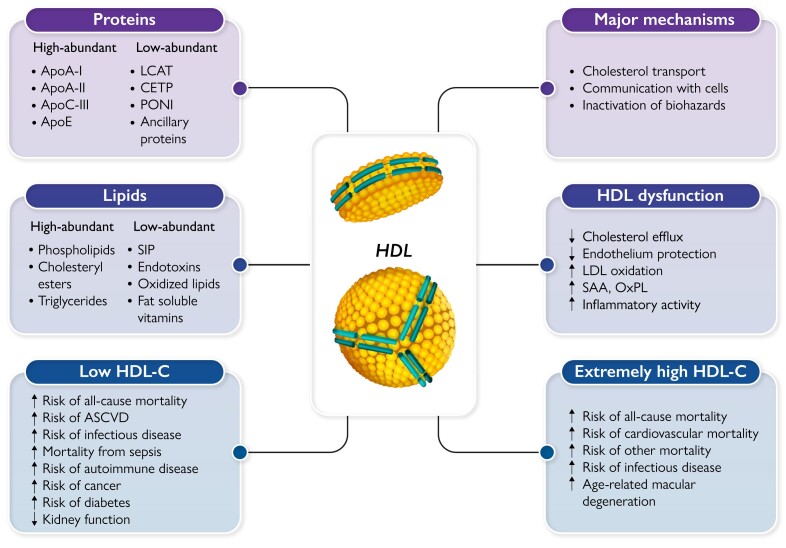
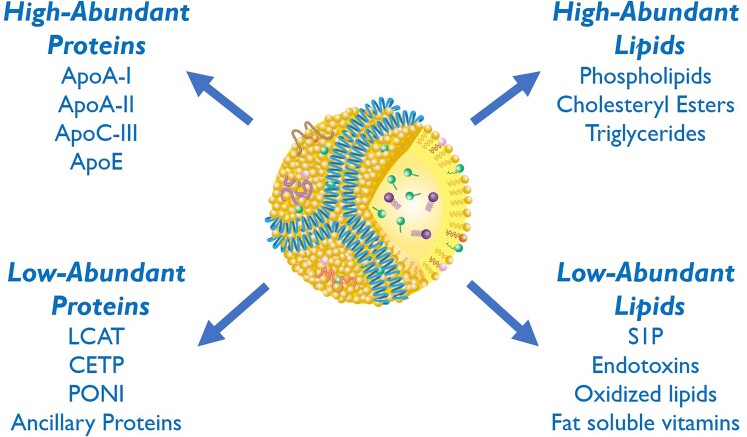
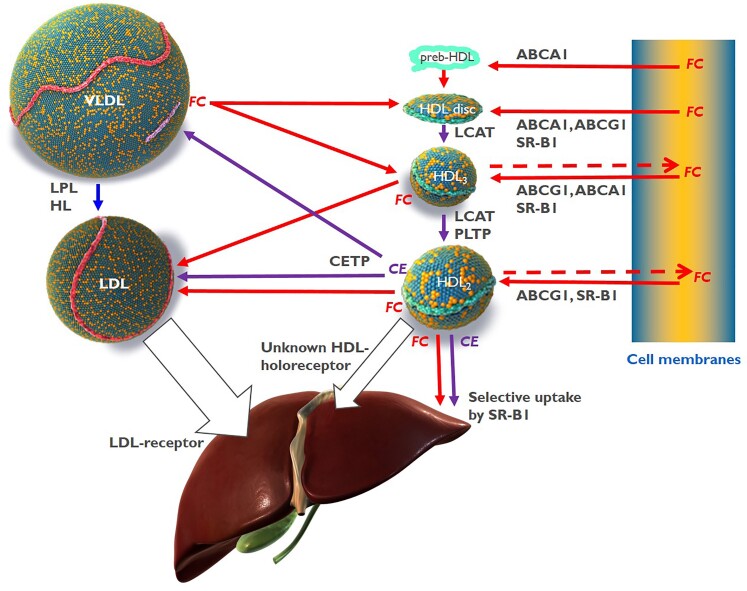
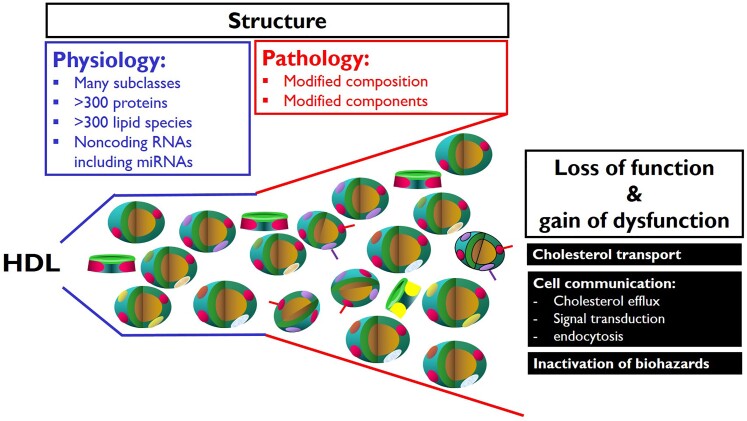
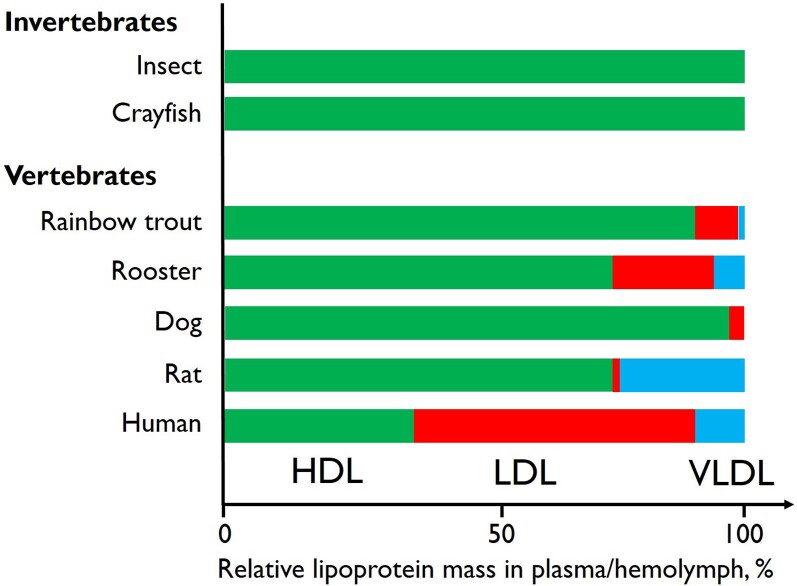
Previous interest in high-density lipoproteins (HDLs) focused on their possible protective role in atherosclerotic cardiovascular disease (ASCVD). Evidence from genetic studies and randomized trials, however, questioned that the inverse association of HDL-cholesterol (HDL-C) is causal. This review aims to provide an update on the role of HDL in health and disease, also beyond ASCVD. Through evolution from invertebrates, HDLs are the principal lipoproteins, while apolipoprotein B-containing lipoproteins first developed in vertebrates. HDLs transport cholesterol and other lipids between different cells like a reusable ferry, but serve many other functions including communication with cells and the inactivation of biohazards like bacterial lipopolysaccharides. These functions are exerted by entire HDL particles or distinct proteins or lipids carried by HDL rather than by its cholesterol cargo measured as HDL-C. Neither does HDL-C measurement reflect the efficiency of reverse cholesterol transport. Recent studies indicate that functional measures of HDL, notably cholesterol efflux capacity, numbers of HDL particles, or distinct HDL proteins are better predictors of ASCVD events than HDL-C. Low HDL-C levels are related observationally, but also genetically, to increased risks of infectious diseases, death during sepsis, diabetes mellitus, and chronic kidney disease. Additional, but only observational, data indicate associations of low HDL-C with various autoimmune diseases, and cancers, as well as all-cause mortality. Conversely, extremely high HDL-C levels are associated with an increased risk of age-related macular degeneration (also genetically), infectious disease, and all-cause mortality. HDL encompasses dynamic multimolecular and multifunctional lipoproteins that likely emerged during evolution to serve several physiological roles and prevent or heal pathologies beyond ASCVD. For any clinical exploitation of HDL, the indirect marker HDL-C must be replaced by direct biomarkers reflecting the causal role of HDL in the respective disease.
Overview
The claims and statistics of this paper haven’t been checked yet.
Free: it reads the open-access text and checks the first 5 claims that cite a source we can check. Create a free account to check every claim.
Integrity signals
Registry
Cites
Statistics
Figures
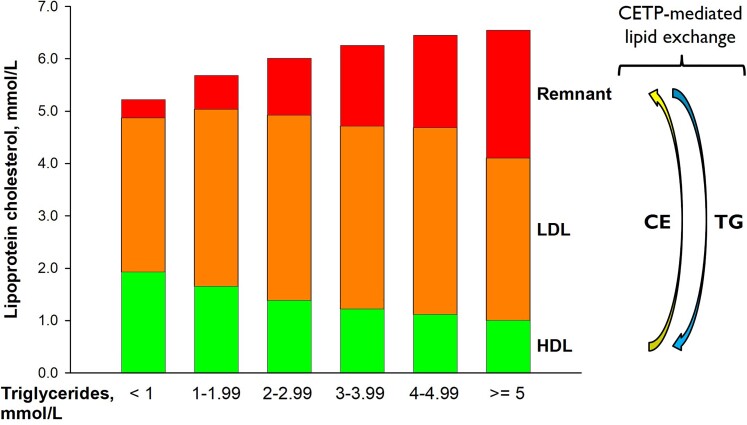
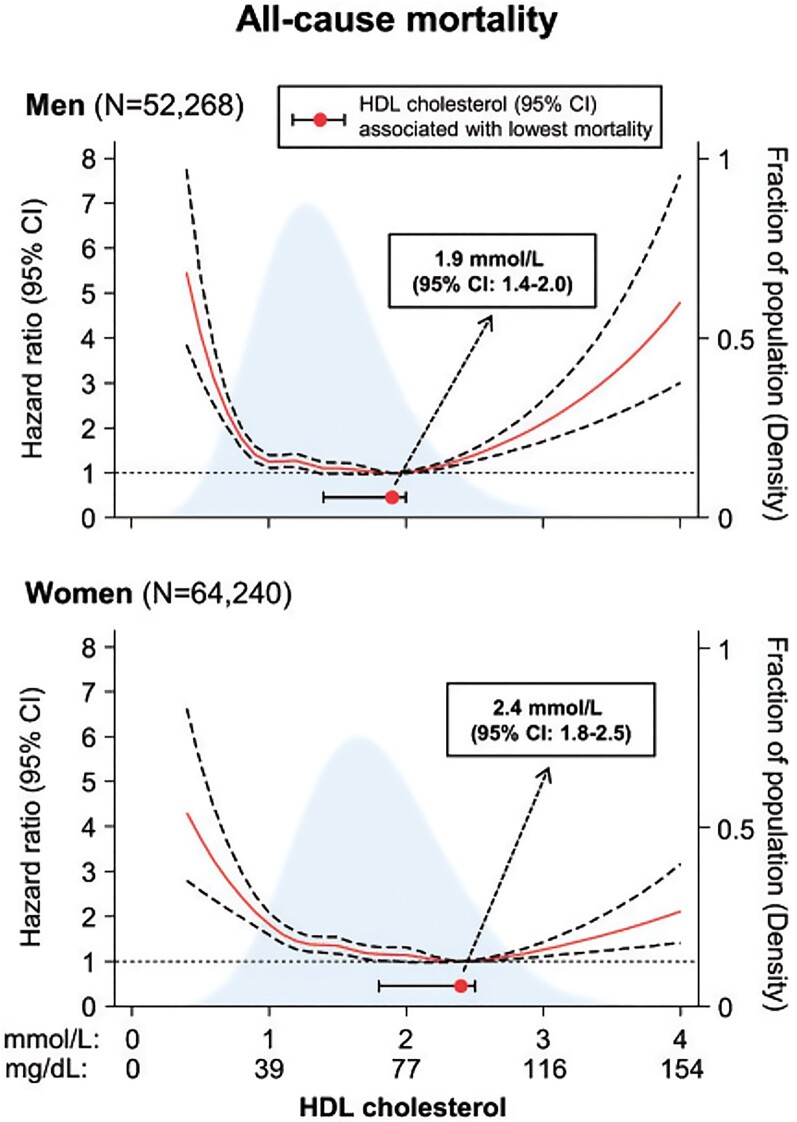
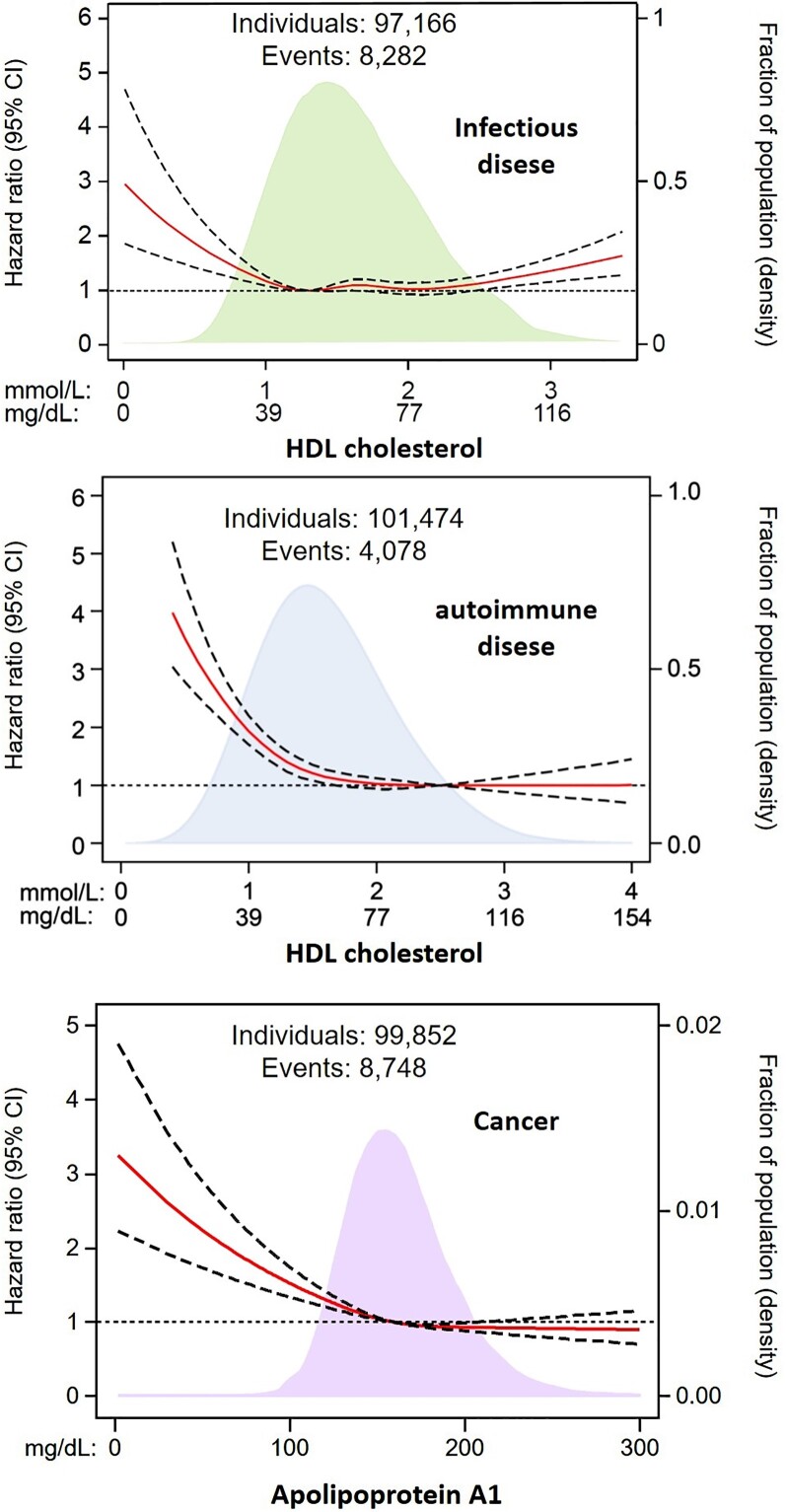
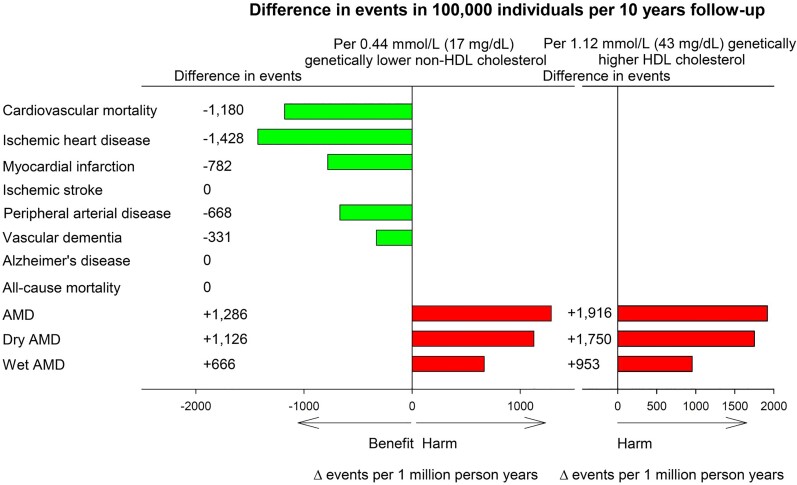
Verification
Claims the paper makes
The claims and statistics of this paper haven’t been checked yet.
Free: it reads the open-access text and checks the first 5 claims that cite a source we can check. Create a free account to check every claim.
Claims other papers make about this one
Each is checked against this paper’s own text: does it say what the citing paper says it does?
The source backs part of the claim, not all of it — or backs it for a different population, condition or comparison.
In the citing paper
“Epidemiological studies indicate that increased concentrations of high-density lipoprotein (HDL) cholesterol might confer protection against cardiovascular diseases, including stroke, myocardial infarction, and ischemic heart disease [145].”
From Nutritional composition and bioactive properties of tropical coconut palm fruit with functional food applications (2025) · cites this paper as [145]
Experimental — accuracy not yet measuredIn the citing paper
“HDL is a dynamic nanoscale complex of phospholipids and apolipoproteins, mainly apolipoprotein A-I (ApoA-I), that engages SR-B1 receptors highly expressed on brain endothelial cells, enabling BBB crossing through receptor-mediated transcytosis 26,27 .”
From High-density Lipoprotein Inspired Lipid Nanoparticles for Systemic RNA delivery to the Brain (2026) · cites this paper as [27]
Self-check
Percentages, sums and reported differences re-computed from the paper’s own numbers.
The self-check needs the paper’s full text.
Citations
Cites
High density lipoprotein as a protective factor against coronary heart disease
Gordon, T., Castelli, W. P., Hjortland, M. C., Kannel, W. B., & Dawber, T. R. (1977) · The American Journal of Medicine · doi:10.1016/0002-9343(77)90874-9 · Cited by 5,059
Effects of torcetrapib in patients at high risk for coronary events
Barter, P. J., Caulfield, M., Eriksson, M., Grundy, S. M., Kastelein, J. J. P., Komajda, M., Lopez-Sendon, J., Mosca, L., Tardif, J.-C., Waters, D. D., et al. (2007) · New England Journal of Medicine · doi:10.1056/nejmoa0706628 · Cited by 3,139
Niacin in Patients with Low HDL Cholesterol Levels Receiving Intensive Statin Therapy
The AIM-HIGH Investigators (2011) · New England Journal of Medicine · doi:10.1056/nejmoa1107579 · Cited by 2,911
Effects of Combination Lipid Therapy in Type 2 Diabetes Mellitus
(2010) · New England Journal of Medicine · doi:10.1056/nejmoa1001282 · Cited by 2,837
Major lipids, apolipoproteins, and risk of vascular disease
The Emerging Risk Factors Collaboration* (2009) · JAMA · doi:10.1001/jama.2009.1619 · Cited by 2,731
PLASMA-HIGH-DENSITY-LIPOPROTEIN CONCENTRATION AND DEVELOPMENT OF ISCHÆMIC HEART-DISEASE
Miller, G. J., & Miller, N. E. (1975) · The Lancet · doi:10.1016/s0140-6736(75)92376-4 · Cited by 2,621
Effects of dalcetrapib in patients with a recent acute coronary syndrome
Schwartz, G. G., Olsson, A. G., Abt, M., Ballantyne, C. M., Barter, P. J., Brumm, J., Chaitman, B. R., Holme, I. M., Kallend, D., Leiter, L. A., et al. (2012) · New England Journal of Medicine · doi:10.1056/nejmoa1206797 · Cited by 2,022
Nissen, S. E., Tsunoda, T., Tuzcu, E. M., Schoenhagen, P., Cooper, C. J., Yasin, M., Eaton, G. M., Lauer, M. A., Sheldon, W. S., Grines, C. L., et al. (2003) · JAMA · doi:10.1001/jama.290.17.2292 · Cited by 1,707
Incidence of Coronary Heart Disease and Lipoprotein Cholesterol Levels: The Framingham Study
Castelli, W. P. (1986) · JAMA · doi:10.1001/jama.1986.03380200073024 · Cited by 1,611
HDL cholesterol efflux capacity and incident cardiovascular events
Rohatgi, A., Khera, A., Berry, J. D., Givens, E. G., Ayers, C. R., Wedin, K. E., Neeland, I. J., Yuhanna, I. S., Rader, D. R., de Lemos, J. A., et al. (2014) · New England Journal of Medicine · doi:10.1056/nejmoa1409065 · Cited by 1,390
Cited by
Items 301–400 of 459
Omari, M., & Alkhalil, M. (2023) · Journal of Clinical Medicine · doi:10.3390/jcm12113665
Relação Metabólica e Inflamatória entre Covid-19 e Não-HDL-C
Alves, R. J. (2023) · Arquivos Brasileiros de Cardiologia · doi:10.36660/abc.20230304
“12 The relationship between non-HDL-C and Covid-19 seems to exist.”
BackgroundA new risk factor for coronary artery disease can be detected by an ApoA1 mAb-based assay
Ding, H., Wang, Y., Zhang, Y., Zhou, L., Wang, D., Lv, L., Wan, Q., Tong, M., Deng, C., Zu, B., et al. (2023) · Clinica Chimica Acta · doi:10.1016/j.cca.2023.117700
Bastos, R. B. (2023) · Digital Library of Theses and Dissertations (Universidade de São Paulo) · doi:10.11606/d.25.2023.tde-17012024-180621
Espíldora-Hernández, J., Antonio, T. D., Llanes, J. O., León, J. Z., Rioja, J., Valdivielso, P., Sánchez-Chaparro, M. Á., & Ariza, M. J. (2024) · Clínica e Investigación en Arteriosclerosis · doi:10.1016/j.arteri.2024.03.005
Barb, D., Kalavalapalli, S., Leiva, E. G., Bril, F., Huot-Marchand, P., Lucile, L., Rosenberg, J. T., Junien, J., Broqua, P., Rocha, A. O., et al. (2024) · SSRN Electronic Journal · doi:10.2139/ssrn.4840179
Parhofer, K. G. (2024) · Springer eBooks · doi:10.1007/978-3-662-58895-6_21
Kontush, A. (2024) · Wiley eBooks · doi:10.1002/9781394158393.ch15b
Atherosclerosis and cholesterol: What we should know
Catapano, A. L. (2024) · European Atherosclerosis Journal · doi:10.56095/eaj.v3i2.74
“Surprisingly, extremely high HDL-C levels have been associated with higher cardiovascular risk [8] casting several doubts on the antiath-erogenic role of HDL and determined by the measurement of HDL cholesterol or apo A-I.”
BackgroundSelf-citationEspíldora-Hernández, J., Antonio, T. D., Llanes, J. O., León, J. Z., Rioja, J., Valdivielso, P., Sánchez-Chaparro, M. Á., & Ariza, M. J. (2024) · Clínica e Investigación en Arteriosclerosis (English Edition) · doi:10.1016/j.artere.2024.10.001
Juliani, F. C. (2024) · Digital Library of Theses and Dissertations (Universidade de São Paulo) · doi:10.11606/t.5.2024.tde-13092024-161257
Derviş, E., Könte, H. C., & Beşiroğlu, M. (2024) · Turkish Journal of Clinics and Laboratory · doi:10.18663/tjcl.1553897
SAVARESE, M., FALCO, E. D., Munno, C., POLLICE, A., Scafuri, B., SIEPI, M., FALCO, V., LEONE, O., & ALFIERI, M. (2025) · La Rivista Italiana della Medicina di Laboratorio - Italian Journal of Laboratory Medicine · doi:10.23736/s1825-859x.24.00272-x
Simon, T. W., Ginsburg, B. C., Javors, M. A., Hill‐Kapturczak, N., Lopez‐Cruzan, M., Stark, H. G., Dougherty, D. M., & Roache, J. D. (2025) · Chemico-Biological Interactions · doi:10.1016/j.cbi.2025.111414
Marsool, W. R., Jassim, A. K., & Khalifa, S. A. (2025) · International Journal of Diabetes Research · doi:10.33545/26648822.2025.v7.i1a.19
The Prognostic Significance of the DBIL/HDLC Ratio in Patients With Dilated Cardiomyopathy
Wang, X., Song, Q., Zhang, Q., Li, X., Wang, J., Gong, J., Zhang, Z., Tan, N., Tsang, S. Y., Wong, W., et al. (2025) · Cardiovascular Therapeutics · doi:10.1155/cdr/8835736
“Many researches have demonstrated the protective role of HDLC in atherosclerotic cardiovascular disease (ASCVD) [25].”
Lee, S., Hong, K., Park, B., & Jung, D. (2025) · Journal of Lipid Research · doi:10.1016/j.jlr.2025.100777
HDL cholesterol: lights and shadows
Bianchi, A. (2025) · Cardiologia Ambulatoriale · doi:10.17473/1971-6818-2025-1-2
Bado, P., Kaboré, J., Sombié, H. K., Traoré, L., Sorgho, P. A., Bazie, V. J. T., Kiendrebeogo, I. T., Yonli, A. T., Kologo, J. K., Djigma, F. W., et al. (2025) · Journal of Biosciences and Medicines · doi:10.4236/jbm.2025.135013
Wibawa, J. C., Santosa, A., Ayubi, N., & Aljunaid, M. (2025) · doi:10.56984/8zg00e1ctuk
Beyond the mean: the prognostic value of lipid variability in atherosclerosis and mortality
Pirillo, A., & Catapano, A. L. (2025) · European Journal of Preventive Cardiology · doi:10.1093/eurjpc/zwaf321
Self-citationHDL berreraikien erabilera plasma lipoproteinen dinamikak aztertzeko
Ordeñana-Manso, A., Santamaría-Zamora, T., Larrañaga-Monasterio, B., Cabrera-Antón, E., Uribe, K. B., Benito‐Vicente, A., Galicia-García, U., Larrea, A., Martín, C., & Jebari‐Benslaiman, S. (2025) · IkerGazte Nazioarteko ikerketa euskaraz · doi:10.26876/ikergazte.vi.05.21
“Hala ere, azken urteetan lortutako emaitzek printzipio hori kontraesaten dute (Lappegård et al., 2021; von Eckardstein et al., 2023).”
Aberrant serum lipid levels predict clinical outcomes in patients with neuroblastoma
Yue, Z., Zhao, W., Duan, C., Wang, X., Gao, C., Ma, X., & Su, Y. (2025) · Pediatric Hematology and Oncology · doi:10.1080/08880018.2025.2522808
Huang, J., Wang, Z., Liu, Z., Liu, B., Li, W., & Zhou, X. (2025) · International Journal of Medical Sciences · doi:10.7150/ijms.116324
“High-density lipoprotein cholesterol (HDL-C) has traditionally been praised for its cardioprotective properties, but recent studies also suggest its involvement in non-cardiovascular conditions, such as sepsis, infections, chronic kidney disease, and diabetes [12].”
Clerc, A., Puricel, S., Faucherre, Y., Magnin, J., Lehmann, S., Garín, D., Ferry, C., Meier, P., Togni, M., & Cook, S. (2025) · Journal of Interventional Cardiology · doi:10.1155/joic/5030966
“On the other hand, pharmacological elevation of HDL-C levels mostly consists in large particles which seem to be dysfunctional [42].”
InfluentialEffect of Curcumin and Honey on HDL Cholesterol in 4-VCD-Induced Menopausal Wistar Rats
Aikoriogie, O., Uwumarongie, H. O., & Emokpae, M. A. (2025) · Trends in Pharmacology and Toxicology · doi:10.21124/tpt.2025.56.64
D’Anna, L., Foschi, M., Valente, M., Sacco, S., Regno, C. D., Negri, I. D., Toraldo, F., Marè, A., Sponza, M., Gavrilovic, V., et al. (2025) · International Journal of Stroke · doi:10.1177/17474930251374791
Ke, J., Liu, Q., Liu, X., Wu, K., Qiu, H., Song, J., Ruan, X., & Zhou, Y. (2025) · BMJ Nutrition Prevention & Health · doi:10.1136/bmjnph-2025-001312
Rizos, C. V., Kolovou, G. D., Kolovou, V., Liamis, G. L., Skoumas, I., Rallidis, L. S., Garoufi, A., Sfikas, G., Penopoulos, A., Skalidis, E. I., et al. (2025) · Endocrine · doi:10.1007/s12020-025-04427-0
Atherosclerotic plaque phenotypes: Unraveling complexity and heterogeneity
Karadimou, G., Matic, L. P., Magni, P., Biessen, E. A. L., Schmid, J. A., & Kardassis, D. (2025) · Elsevier eBooks · doi:10.1016/b978-0-443-33064-3.00002-5
Bridging the gap in transcriptomics: From animal to human studies in atherosclerosis
Niculescu, L. S., & Kardassis, D. (2025) · Elsevier eBooks · doi:10.1016/b978-0-443-33064-3.00012-8
Association between non-HDL-C/HDL-C ratio and sarcopenia in US adults: a population-based study
Li, X., Duan, X., Li, J., Lin, Z.-Y., & Hao, C. (2025) · Journal of Health Population and Nutrition · doi:10.1186/s41043-025-01111-x
Dyslipidemia Patterns in Adults with Congenital Heart Disease: Focus on HDL Cholesterol
Martínez‐Quintana, E., & Rodríguez‐González, F. (2025) · Journal of Clinical Medicine · doi:10.3390/jcm14238357
Lin, X., Peng, Y., Huang, J., & Huang, Z. (2025) · Frontiers in Medicine · doi:10.3389/fmed.2025.1713878
Singh, V. K., Agarwal, S., & Matreja, P. S. (2025) · Bulgarian Cardiology · doi:10.3897/bgcardio.31.e164002
Nwaejigh, P. C., Ebesunun, M. O., Udofia, S. S., & Shakunle, A. A. (2025) · African Journal of Laboratory Medicine · doi:10.4102/ajlm.v14i1.2942
Additional file 1 of Low levels of small HDL particles predict but do not influence risk of sepsis
Hamilton, F., Pedersen, K. M., Ghazal, P., Nordestgaard, B. G., & Smith, G. D. (2024) · Figshare · doi:10.6084/m9.figshare.26624815
Self-citationAdditional file 5 of Low levels of small HDL particles predict but do not influence risk of sepsis
Hamilton, F., Pedersen, K. M., Ghazal, P., Nordestgaard, B. G., & Smith, G. D. (2024) · Figshare · doi:10.6084/m9.figshare.26624827
Self-citationVecoli, C., Caselli, C., Modena, M., Todiere, G., Poddighe, R., Valente, S., Bandini, F., Natali, A., Ghiadoni, L., Clerico, A., et al. (2024) · Figshare · doi:10.6084/m9.figshare.26696550
Additional file 3 of Low levels of small HDL particles predict but do not influence risk of sepsis
Hamilton, F., Pedersen, K. M., Ghazal, P., Nordestgaard, B. G., & Smith, G. D. (2024) · Figshare · doi:10.6084/m9.figshare.26624821
Self-citationDeng, F., Jia, F., Sun, Y., Zhang, L., Han, J., Li, D., Yang, Q., Hou, R., & Jiang, W. (2024) · Figshare · doi:10.6084/m9.figshare.25405936
Additional file 4 of Low levels of small HDL particles predict but do not influence risk of sepsis
Hamilton, F., Pedersen, K. M., Ghazal, P., Nordestgaard, B. G., & Smith, G. D. (2024) · Figshare · doi:10.6084/m9.figshare.26624824
Self-citationDeng, F., Jia, F., Sun, Y., Zhang, L., Han, J., Li, D., Yang, Q., Hou, R., & Jiang, W. (2024) · Figshare · doi:10.6084/m9.figshare.25406093
Deng, F., Jia, F., Sun, Y., Zhang, L., Han, J., Li, D., Yang, Q., Hou, R., & Jiang, W. (2024) · Figshare · doi:10.6084/m9.figshare.26692834
Chen, Y., Zhang, F., Sun, J., & Zhang, L. (2024) · Figshare · doi:10.6084/m9.figshare.26656156
Additional file 2 of Low levels of small HDL particles predict but do not influence risk of sepsis
Hamilton, F., Pedersen, K. M., Ghazal, P., Nordestgaard, B. G., & Smith, G. D. (2024) · Figshare · doi:10.6084/m9.figshare.26624818
Self-citationChen, Y., Zhang, F., Sun, J., & Zhang, L. (2024) · Figshare · doi:10.6084/m9.figshare.26656159
Additional file 1 of ANGPTL3 is a novel HDL component that regulates HDL function
Yang, L., Wang, Y., Xu, Y., Li, K., Yin, R., Zhang, L., Wang, D., Wei, L., Lang, J., Cheng, Y., et al. (2024) · Figshare · doi:10.6084/m9.figshare.26691460
Efectos de la cirugía bariátrica sobre las alteraciones lipoproteicas en la obesidad
Genua, I. (2024) · Tesis Doctorals en Xarxa (Consorci de Serveis Universitaris de Catalunya)
Potential use of insect meal and oil in diets for gilthead seabream (Sparus aurata) juveniles
Moutinho, S. (2024) · Portuguese National Funding Agency for Science, Research and Technology (RCAAP Project by FCT) · doi:10.34626/h40r-fe93
Proteomics of Human Lipoproteins in Cardiovascular Diseases
Banfi, C. (2026) · Wiley eBooks · doi:10.1002/9781394211166.ch7
Viana, G. D. A. (2024) · LA Referencia (Red Federada de Repositorios Institucionales de Publicaciones Científicas)
Bastos, R. B. (2023) · LA Referencia (Red Federada de Repositorios Institucionales de Publicaciones Científicas)
Ning, J., Liu, T., Zhao, Y., & Wang, C. (2026) · Expert Review of Molecular Diagnostics · doi:10.1080/14737159.2026.2616759
Low HDL and high HDL syndromes
Yamashita, S., & Matsuzawa, Y. (2026) · Elsevier eBooks · doi:10.1016/b978-0-443-13825-6.00305-8
Chen, S., Liang, J., Li, C., Lin, C., Li, W., He, Z., Fan, F., & Zhang, S. (2026) · BMC Psychiatry · doi:10.1186/s12888-026-07842-3
Chen, J., Chen, T., Zhao, C., Bao, Z., & Liu, H. (2026) · Medicine · doi:10.1097/md.0000000000047286
Chen, Z., Wang, Y., & Chen, B. (2026) · Journal of Cardiothoracic Surgery · doi:10.1186/s13019-026-03855-x
Sun, Y., Hernández, J. M. D. L. T., Maftoon, N., Fernández, G. V., Laso, F. S., Lee, D., Camarero, T. G., Ruisanchez, C., Fradejas, V., Benito, M., et al. (2026) · Journal of the Heart Valve Society · doi:10.1177/30494826251413753
“27,29 This persistent chronic in fl ammation is a recognized driver of the frailty syndrome.”
Saberi‐Karimian, M., Mohammadi‐Bajgiran, M., Shabani, N., Farsi, F., Soflaei, S. S., Farrokhzadeh, F., Moghadam, H. K., Esmaily, H., Moohebati, M., Ferns, G. A., et al. (2025) · Archives of Iranian Medicine · doi:10.34172/aim.34909
“56,57 Based on our study results, a significant relationship between high non-HDL cholesterol concentrations above 160.4 mg/dL and TG concentrations of more than 149 mg/dL and both ACM and CVD mortality was observed.”
InfluentialHeart failure etiology and lipoprotein subfractions: Insight from the SMARTEX-HF study
Karlsen, T., Vesterbekkmo, E. K., Hole, T., Larsen, A. I., Valborgland, T., Braaten, T. B., Bathen, T. F., Beckers, P. J., Delagardelle, C., Feiereisen, P., et al. (2026) · IJC Heart & Vasculature · doi:10.1016/j.ijcha.2026.101888
Surfactant Protein B and the Lung–HDL–Vascular Axis: Linking Pulmonary Injury to Cardiovascular Risk
Shao, B. (2026) · Current Atherosclerosis Reports · doi:10.1007/s11883-026-01391-6
“HDL particles are highly heterogeneous with dynamic proteomic and lipidomic composition, and these structural features influence multiple cardioprotective functions beyond cholesterol transport [ 24, 25].”
Aulia, S. P. N., Weni, M., & Kusnandang, A. (2026) · International Journal of Social health · doi:10.58860/ijsh.v5i2.386
“Physiologically and for clinical diagnosis, there are four cholesterol components that play an important role: LDL, HDL, triglycerides, and total cholesterol (Glavinovic et al., 2022; Nemes et al., 2016; Salih, 2021; Schade et al., 2020; von Eckardstein et al., 2023).”
Alvitananda, A. A., Noer, E. R., Syauqy, A., Limijadi, E. K. S., & Pramono, A. (2026) · Archives of Endocrinology and Metabolism · doi:10.20945/2359-4292-2026-0016
“HDL-c dysfunction can also cause high HDL levels despite increased metabolic risk, thereby reducing Sn levels and the AUC (46).”
InfluentialTesha, I. A., Qi, M., Jiasi, W., Xizhe, Z., Ahmed, K., Njoka, I., Abdelilah, M., Janabi, M., & Xinyu, L. (2026) · The Gerontologist · doi:10.1093/geront/gnag017
“HDL-C is a well-documented, risk factor for atherosclerosis and CHD; its low levels are linked to increased inflammation and endothelial dysfunction in frail older adults exacerbating cardiovascular risk and contribute to adverse outcome (von Eckardstein et al., 2023).”
Ceacero-Marín, D., Fernández‐Cidón, B., Sala, X. P., Fanlo‐Maresma, M., Esteve-Luque, V., Amigó, N., Inglés, E. C., Mendoza, L. F. D., Riera-Mestre, A., & Castro-Castro, M. J. (2026) · Research Square · doi:10.21203/rs.3.rs-8981110/v1
Yang, C., Zhang, Y., & Yang, Y. (2026) · Malawi Medical Journal · doi:10.4314/mmj.v37i5.13
Ceacero-Marín, D. (2024) · RACO (Revistes Catalanes amb Accés Obert) (Consorci de Serveis Universitaris de Catalunya)
Luzha, A., Henein, M. Y., Bytyci, G., Tafarshiku, R., Bajraktari, G., & Berisha‐Muharremi, V. (2026) · Diabetology · doi:10.3390/diabetology7040072
Frias, M. (2025) · Archive ouverte UNIGE (University of Geneva) · doi:10.13097/archive-ouverte/unige:192813
Pons, O. (2023) · theses.fr (ABES) · doi:10.70675/e07ea0fez0d7az44bcz8959za84f6010cb28
Trujillo, J. M., Mohammadlou, A., Le, K., Feliciano, T. J., Rink, J. S., Roth, E. W., Dravid, V. P., Lu, K., Lavker, R. M., Peng, H., et al. (2026) · ACS Materials Au · doi:10.1021/acsmaterialsau.5c00241
High-Density Lipoprotein Cholesterol Levels and Risk of Age-Related Macular Degeneration
Nitzan, I., Jaskoll, S., Kramer, A., Shmueli, O., Levy, J., & Chowers, I. (2026) · Investigative Ophthalmology & Visual Science · doi:10.1167/iovs.67.4.69
“19 Recent metabolomic and pharmacologic data add further nuance.”
喻, 慧. (2026) · Advances in Clinical Medicine · doi:10.12677/acm.2026.1651815
Ke, Z., Wen, Z., Mao, H., & Chen, Z. (2026) · Research Square · doi:10.21203/rs.3.rs-9458558/v1
Sogabe, H., Abe, C., Takaramoto, E., & Nabeshima, Y. (2026) · bioRxiv (Cold Spring Harbor Laboratory) · doi:10.64898/2026.05.11.724189
D-Ribose Glycation of Human High-Density Lipoprotein: Structural and Functional Alterations
Morresi, C., Tomaso, V. D., Ricci, G., Ferretti, G., & Bacchetti, T. (2026) · International Journal of Molecular Sciences · doi:10.3390/ijms27104370
Koutsogianni, A. D., Tatsis, G., Telli, C., Stamoulis, K., Milionis, H. J., Liberopoulos, E. N., Tselepis, A. D., & Tellis, C. C. (2026) · Applied Biosciences · doi:10.3390/applbiosci5020040
Yan, M., & Shao, L. (2026) · Frontiers in Neurology · doi:10.3389/fneur.2026.1820967
Lee, H., Sheen, E. S., Seok, S., Lee, J. E., Kyun, D. Y., Ann, S.-J., Lee, C. J., & Lee, S. (2026) · Yonsei Medical Journal · doi:10.3349/ymj.2025.0335
“The considerable disease burden caused by FH affects Asian as well as Western countries, and investigators in Asia are actively working toward improvements in diagnosis and treatment for individuals with FH. 16 However, as mentioned previously, cardiovascular risk prediction remains inadequate, with refinements necess…”
InfluentialXu, S., Lin, W., Ling, Z., Liao, C., Lv, M., Liu, H. T., & Zhang, Z. B. (2026) · Frontiers in Nutrition · doi:10.3389/fnut.2026.1761136
Li, R., Ren, R., Li, G., Han, P., Lili, Z. H. A. O., & Li, J. (2026) · Scientific Reports · doi:10.1038/s41598-026-46177-7
“RC is considered as a risk factor for CVD independent of conventional LDL-C levels 22 .”
高齢入院患者における高比重リポ蛋白質コレステロールの血中濃度と短期死亡リスクに関する研究
Kitamura, H. (2026) · Institutional Repositories DataBase (IRDB)
Vankova, A., Tillander, V., Lei, Y., Connelly, M. A., Arver, S., Wiik, A., Gustafsson, T. P., & Tietge, U. J. F. (2026) · Journal of Lipid Research · doi:10.1016/j.jlr.2026.101076
High-density lipoprotein cholesterol levels and prognosis in non-ischemic dilated cardiomyopathy
Gong, C., Zhou, M., Gong, S., Liu, C., & Zhang, J. (2026) · Frontiers in Endocrinology · doi:10.3389/fendo.2026.1843944
Yang, J., Qiu, X., Zhang, H., Wu, K., Li, Y., Xu, G., He, J., Chen, J., & Tang, X. (2026) · Food Science & Nutrition · doi:10.1002/fsn3.72061
Yi, Y., Luo, Y., Deng, Y., Guo, X., Liu, W. T., Liu, Y., Yu, B. Q., Zhao, Y., & Peng, D. Q. (2026) · Free Radical Biology and Medicine · doi:10.1016/j.freeradbiomed.2026.07.008
Wang, L., He, M., Xie, H., Mao, W., Liu, Y., Ke, L., 邹鑫森, & Li, W. (2026) · European journal of medical research · doi:10.1186/s40001-026-04732-y
“This discrepancy may be attributed to the fact that plasma HDL-C cannot fully reflect the functional complexity of HDL particles [18].”
Kеtsa, О. V., & Cheviuk, A. P. (2026) · Theoretical and Applied Veterinary Medicine · doi:10.32819/2026.14008
Curcio, C. A., Gao, L., Pu, J., Gooden, L., Thomas, T. N., Kim, S. S., Goerdt, L., Berlin, A., McGwin, G., Sloan, K. R., et al. (2026) · Investigative Ophthalmology & Visual Science · doi:10.1167/iovs.67.8.22
Maki, K. C., Dicklin, M. R., Kirkpatrick, C. F., & Palacios, O. M. (2026) · Nutrients · doi:10.3390/nu18132207
Zhu, L., Wang, M. D., Song, X., Yan, T., Zheng, G., Tai, Y., Liu, T., Luo, S., Kolberg, B., & Li, J. (2026) · Frontiers in Endocrinology · doi:10.3389/fendo.2026.1883414
“This mechanism reduces plaque formation, enhances plaque stability, and lowers overall disease risk (28, 29).”
Hao, Y., Liao, X., Li, N., Jiang, X., Shan, G., Xie, S., Li, X., Wang, Z., Zhang, W., & Liang, S. (2026) · Foods · doi:10.3390/foods15142470
“HDL particle composition, cholesterol efflux capacity, and anti-inflammatory or antioxidant function may provide more meaningful information than HDL-C level alone [30].”
Satia, C. C., & Astuti, Y. (2026) · International Journal of Psycology and Health Science · doi:10.38035/ijphs.v4i3.2233
“…biology is complex because the protective role of HDL depends not only on the amount of HDL cholesterol but also on cholesterol efflux capacity, antioxidant function, anti-inflammatory activity, and interactions with enzymes and apolipoproteins (Rader & Hovingh, 2014; von Eckardstein et al., 2023).”
Metadata
- Authors
- von Eckardstein, A., Nordestgaard, B. G., Remaley, A. T., & Catapano, A. L.
- Affiliations
- Institute of Clinical Chemistry, University Hospital Zurich and University of Zurich , Zurich , Switzerland
- University of Copenhagen (DK)
- National Institutes of Health (US)
- University of Milan (IT)
- Corresponding author
- Catapano, Alberico L
- Venue
- European Heart Journal
- Publisher
- Oxford University Press (OUP)
- Published
- 2022-11-07
- Volume
- 44
- Issue
- 16
- Pages
- 1394-1407
- ISSN
- 0195-668X (ISSN-L)
- 1522-9645
- PMC
- PMC10119031
- OpenAlex
- W4308365150
- Cited by
- 401
- References
- 179
- Citations by year
- 2026: 115 · 2025: 141 · 2024: 97 · 2023: 47 · 2022: 1
- FWCI
- 17.04
- Type
- journal article
- Language
- en
- Open access
- hybrid
- doi.org
- Licence
- Locations
- European Heart Journal (publishedVersion, cc-by-nc)
- PubMed Central (publishedVersion, cc-by-nc)
- PubMed (publishedVersion)
- Research at the University of Copenhagen (University of Copenhagen) (publishedVersion, cc-by-nc)
- Zurich Open Repository and Archive (University of Zurich) (acceptedVersion, cc-by-nc-nd)
- Zurich Open Repository and Archive (University of Zurich) (submittedVersion, cc-by-nc)
- Zurich Open Repository and Archive (University of Zurich)
- Funders
- Swiss National Science Foundation
- Herlev and Gentofte Hospital
- Copenhagen University Hospital
- Italian Ministry of Health
- Topics
- Life Sciences › Biochemistry, Genetics and Molecular Biology › Biochemistry › Cholesterol and Lipid Metabolism
- Health Sciences › Medicine › Cardiology and Cardiovascular Medicine › Lipoproteins and Cardiovascular Health
- Life Sciences › Biochemistry, Genetics and Molecular Biology › Clinical Biochemistry › Paraoxonase enzyme and polymorphisms
- Keywords
- high-density lipoprotein, HDL cholesterol, atherosclerotic cardiovascular disease, reverse cholesterol transport, cholesterol efflux capacity, HDL particle number, apolipoprotein B-containing lipoproteins, sepsis mortality, infectious disease risk, diabetes mellitus, chronic kidney disease, autoimmune disease, cancer risk, age-related macular degeneration, all-cause mortality
- MeSH terms
- Clinical Relevance, Animals, Cholesterol, Humans, Lipoproteins, Lipoproteins, HDL, Cholesterol, HDL, Atherosclerosis
About these checks
Registry, retraction, Cites and statistics results are computed, not judged, with one exception: a printed reference that no index lists is read once by a model before it counts as a citation error. Claims are extracted by a model and kept only when their quote appears verbatim in the text; each cited source is then checked, with a model’s help, for whether it says what the claim relies on. Those verdicts can be wrong — read the claim’s quote and the cited source before relying on one.
Statistics and arithmetic are recomputed, not judged.
Confidence bands are shown only for fields calibrated on our annotated test set. None is calibrated yet, so no band is shown.
What counts as a claim ›How we measure confidence ›How we check this ›
Are you an author, or do you see a problem with this page? Request a review
Data sources
Bibliographic data: Semantic Scholar, OpenAlex, Crossref.
Contains information from the Semantic Scholar Academic Graph Datasets, made available under the ODC Attribution License (ODC-BY 1.0).
Semantic Scholar’s data is described in: Kinney, R., et al. (2023). The Semantic Scholar Open Data Platform. arXiv:2301.10140.
