

High-density lipoprotein revisited: biological functions and clinical relevance
Open accessThe DOI matches its Crossref record; 177 of the 179 references it cites were found in a registry or an index.
Abstract
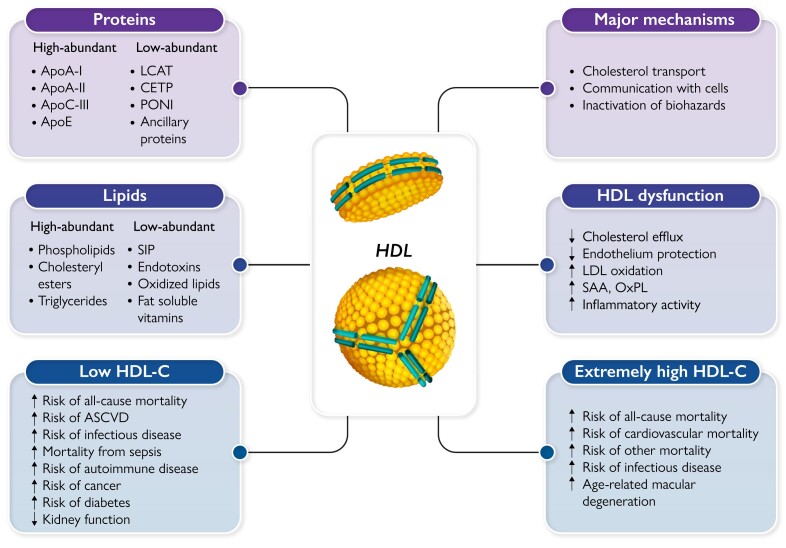
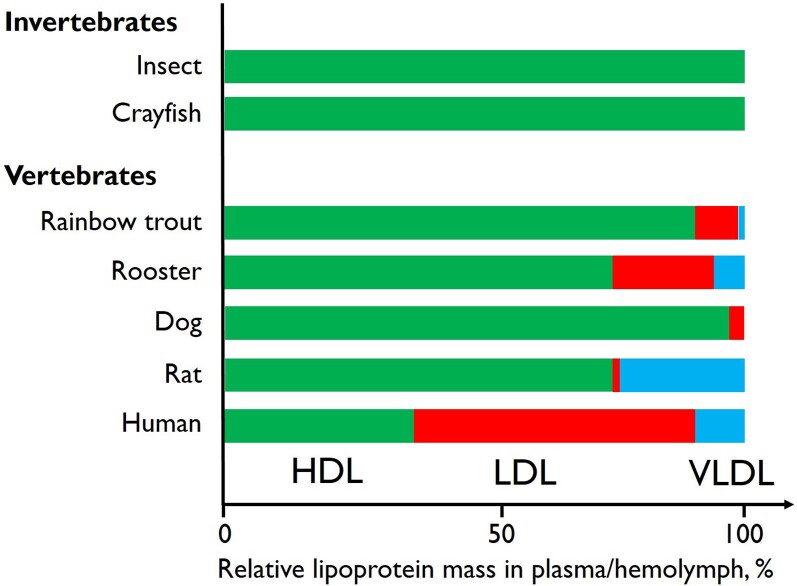
Previous interest in high-density lipoproteins (HDLs) focused on their possible protective role in atherosclerotic cardiovascular disease (ASCVD). Evidence from genetic studies and randomized trials, however, questioned that the inverse association of HDL-cholesterol (HDL-C) is causal. This review aims to provide an update on the role of HDL in health and disease, also beyond ASCVD. Through evolution from invertebrates, HDLs are the principal lipoproteins, while apolipoprotein B-containing lipoproteins first developed in vertebrates. HDLs transport cholesterol and other lipids between different cells like a reusable ferry, but serve many other functions including communication with cells and the inactivation of biohazards like bacterial lipopolysaccharides. These functions are exerted by entire HDL particles or distinct proteins or lipids carried by HDL rather than by its cholesterol cargo measured as HDL-C. Neither does HDL-C measurement reflect the efficiency of reverse cholesterol transport. Recent studies indicate that functional measures of HDL, notably cholesterol efflux capacity, numbers of HDL particles, or distinct HDL proteins are better predictors of ASCVD events than HDL-C. Low HDL-C levels are related observationally, but also genetically, to increased risks of infectious diseases, death during sepsis, diabetes mellitus, and chronic kidney disease. Additional, but only observational, data indicate associations of low HDL-C with various autoimmune diseases, and cancers, as well as all-cause mortality. Conversely, extremely high HDL-C levels are associated with an increased risk of age-related macular degeneration (also genetically), infectious disease, and all-cause mortality. HDL encompasses dynamic multimolecular and multifunctional lipoproteins that likely emerged during evolution to serve several physiological roles and prevent or heal pathologies beyond ASCVD. For any clinical exploitation of HDL, the indirect marker HDL-C must be replaced by direct biomarkers reflecting the causal role of HDL in the respective disease.
Overview
The claims and statistics of this paper haven’t been checked yet.
Free: it reads the open-access text and checks the first 5 claims that cite a source we can check. Create a free account to check every claim.
Integrity signals
Registry
Cites
Statistics
Figures
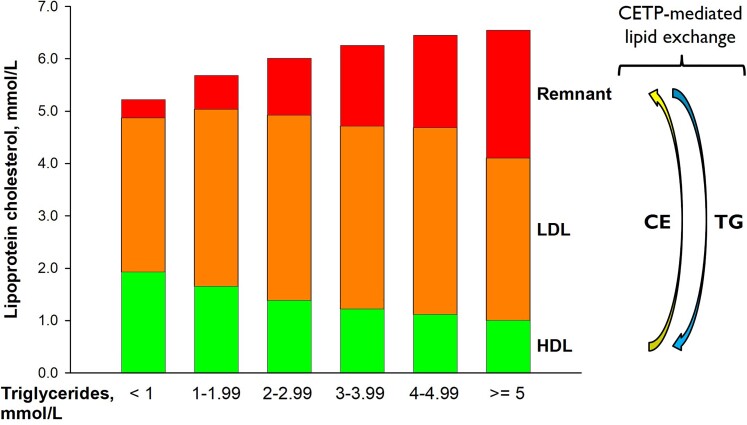
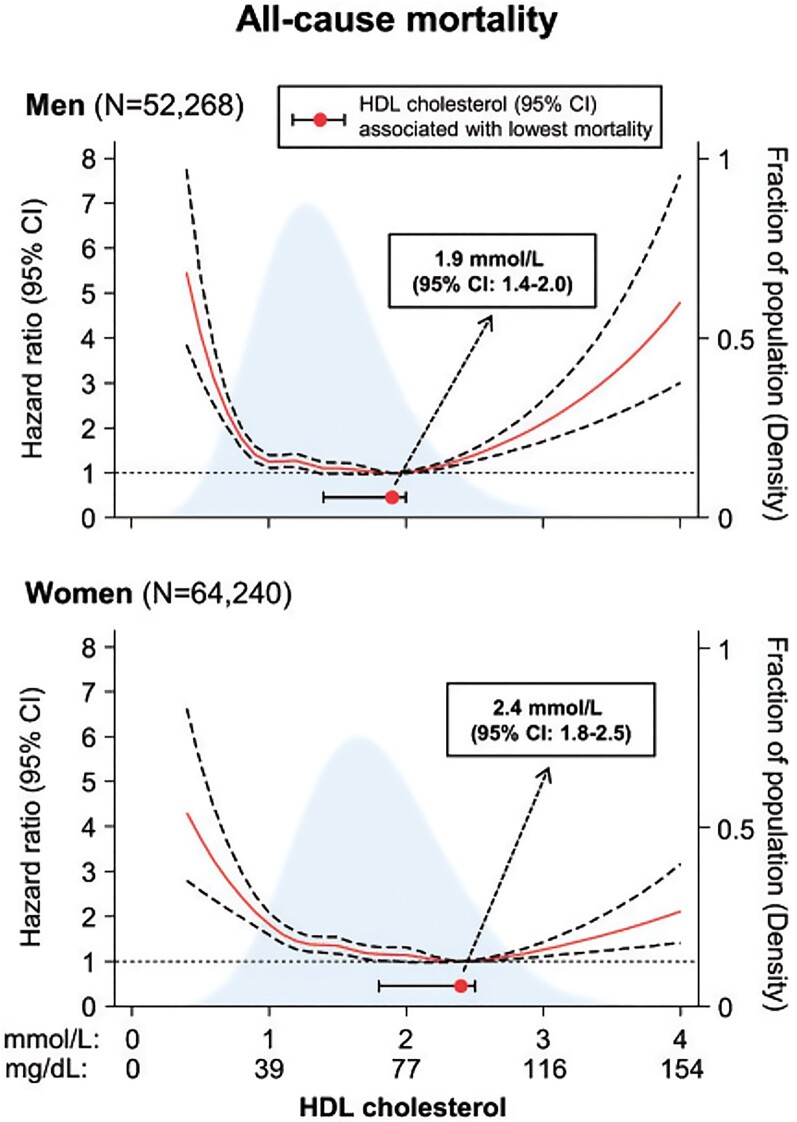
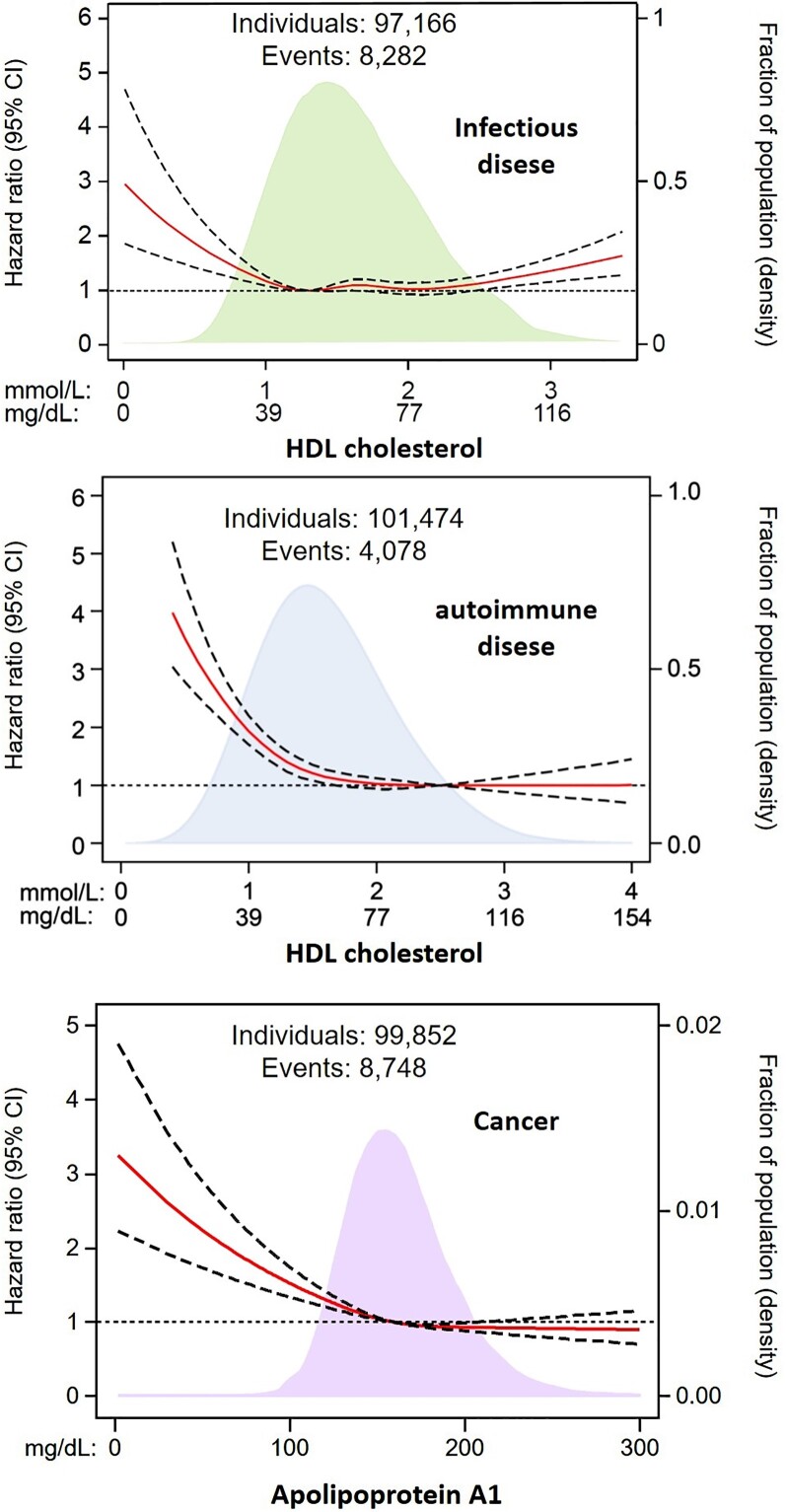
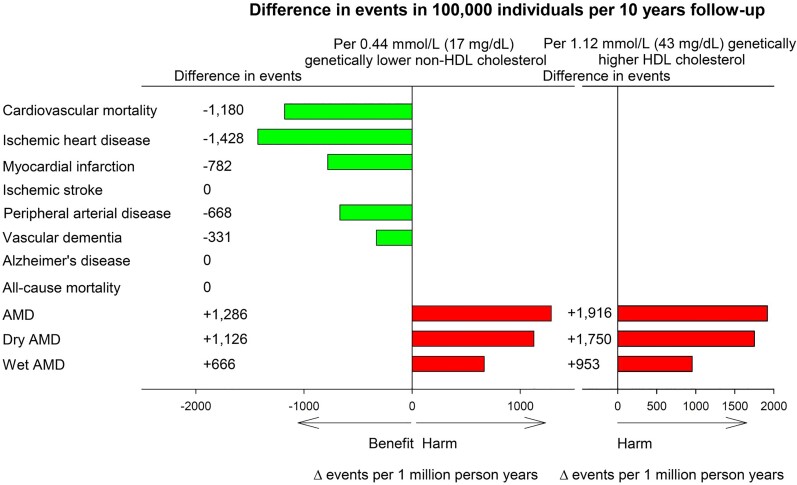
Verification
Claims the paper makes
The claims and statistics of this paper haven’t been checked yet.
Free: it reads the open-access text and checks the first 5 claims that cite a source we can check. Create a free account to check every claim.
Claims other papers make about this one
Each is checked against this paper’s own text: does it say what the citing paper says it does?
The source backs part of the claim, not all of it — or backs it for a different population, condition or comparison.
In the citing paper
“Epidemiological studies indicate that increased concentrations of high-density lipoprotein (HDL) cholesterol might confer protection against cardiovascular diseases, including stroke, myocardial infarction, and ischemic heart disease [145].”
From Nutritional composition and bioactive properties of tropical coconut palm fruit with functional food applications (2025) · cites this paper as [145]
Experimental — accuracy not yet measuredIn the citing paper
“HDL is a dynamic nanoscale complex of phospholipids and apolipoproteins, mainly apolipoprotein A-I (ApoA-I), that engages SR-B1 receptors highly expressed on brain endothelial cells, enabling BBB crossing through receptor-mediated transcytosis 26,27 .”
From High-density Lipoprotein Inspired Lipid Nanoparticles for Systemic RNA delivery to the Brain (2026) · cites this paper as [27]
Self-check
Percentages, sums and reported differences re-computed from the paper’s own numbers.
The self-check needs the paper’s full text.
Citations
Cites
High density lipoprotein as a protective factor against coronary heart disease
Gordon, T., Castelli, W. P., Hjortland, M. C., Kannel, W. B., & Dawber, T. R. (1977) · The American Journal of Medicine · doi:10.1016/0002-9343(77)90874-9 · Cited by 5,059
Effects of torcetrapib in patients at high risk for coronary events
Barter, P. J., Caulfield, M., Eriksson, M., Grundy, S. M., Kastelein, J. J. P., Komajda, M., Lopez-Sendon, J., Mosca, L., Tardif, J.-C., Waters, D. D., et al. (2007) · New England Journal of Medicine · doi:10.1056/nejmoa0706628 · Cited by 3,139
Niacin in Patients with Low HDL Cholesterol Levels Receiving Intensive Statin Therapy
The AIM-HIGH Investigators (2011) · New England Journal of Medicine · doi:10.1056/nejmoa1107579 · Cited by 2,911
Effects of Combination Lipid Therapy in Type 2 Diabetes Mellitus
(2010) · New England Journal of Medicine · doi:10.1056/nejmoa1001282 · Cited by 2,837
Major lipids, apolipoproteins, and risk of vascular disease
The Emerging Risk Factors Collaboration* (2009) · JAMA · doi:10.1001/jama.2009.1619 · Cited by 2,731
PLASMA-HIGH-DENSITY-LIPOPROTEIN CONCENTRATION AND DEVELOPMENT OF ISCHÆMIC HEART-DISEASE
Miller, G. J., & Miller, N. E. (1975) · The Lancet · doi:10.1016/s0140-6736(75)92376-4 · Cited by 2,621
Effects of dalcetrapib in patients with a recent acute coronary syndrome
Schwartz, G. G., Olsson, A. G., Abt, M., Ballantyne, C. M., Barter, P. J., Brumm, J., Chaitman, B. R., Holme, I. M., Kallend, D., Leiter, L. A., et al. (2012) · New England Journal of Medicine · doi:10.1056/nejmoa1206797 · Cited by 2,022
Nissen, S. E., Tsunoda, T., Tuzcu, E. M., Schoenhagen, P., Cooper, C. J., Yasin, M., Eaton, G. M., Lauer, M. A., Sheldon, W. S., Grines, C. L., et al. (2003) · JAMA · doi:10.1001/jama.290.17.2292 · Cited by 1,707
Incidence of Coronary Heart Disease and Lipoprotein Cholesterol Levels: The Framingham Study
Castelli, W. P. (1986) · JAMA · doi:10.1001/jama.1986.03380200073024 · Cited by 1,611
HDL cholesterol efflux capacity and incident cardiovascular events
Rohatgi, A., Khera, A., Berry, J. D., Givens, E. G., Ayers, C. R., Wedin, K. E., Neeland, I. J., Yuhanna, I. S., Rader, D. R., de Lemos, J. A., et al. (2014) · New England Journal of Medicine · doi:10.1056/nejmoa1409065 · Cited by 1,390
Cited by
Items 401–459 of 459
Gao, L., Liu, Y., Lv, X., & Dou, Z. (2026) · Frontiers in Endocrinology · doi:10.3389/fendo.2026.1864105
“Second, HDL particles possess potent anti-in fl ammatory properties capable of suppressing chronic, low-grade in fl ammation of the colonic epithelium — a recognized driver of the adenoma-carcinoma sequence (23, 24).”
Rubino, M., Palummo, A., Massimino, M., Averta, C., Belviso, S., Servello, A., Brisinda, F. M., Cosenza, A., Sciacqua, A., Perticone, M., et al. (2026) · Biology of Sex Differences · doi:10.1186/s13293-026-00956-z
“In parallel, high-density lipoprotein cholesterol (HDL-Chol) plays a central role in reverse cholesterol transport and vascular protection [21].”
Zhang, W., Zhai, G., Wu, X., & Zhang, C. (2026) · Scientific Reports · doi:10.1038/s41598-026-63590-0
“It also triggers atherogenic dyslipidemia by generating small, dense low-density lipoprotein (LDL) particles 18 and impairing the function of HDL-C 19 .”
Serrano, J. C. E., Castro-Boqué, E., García-Carrasco, A., Morán-Valero, M. I., Municio, M. D., Bermúdez-López, M., Valdivielso, J. M., Espinel, A. E., & Portero‐Otín, M. (2026) · Frontiers in Nutrition · doi:10.3389/fnut.2026.1869617
“To this regard, detailed analyses of lipoprotein subclasses showed a reduction in total lipoprotein particles, which may reflect a lower number of atherogenic particles and is consistent with a reduced cardiovascular risk (35).”
Chvatal‐Medina, M., Kunutsor, S. K., Li, Y., van Vilsteren, F. G. I., Post, A., Connelly, M. A., Moshage, H. J., Bakker, S. J. L., de Meijer, V. E., & Dullaart, R. P. F. (2026) · Journal of clinical lipidology · doi:10.1016/j.jacl.2026.07.029
Evaluation of biochemical lipid markers in patients with obesity
Abbas, H. M. (2026) · International Journal of Pharmacology and Clinical Research · doi:10.33545/26647613.2026.v8.i8a.297
Sun, J., Gan, W., Zhou, J., Liu, W., & Han, Z. (2026) · Biological Trace Element Research · doi:10.1007/s12011-026-05270-8
Characterizing Novel Mimetic Peptides for Reducing Cardiovascular Disease
Ogunmodede, O. S. (2026) · UNSWorks (University of New South Wales, Sydney, Australia) · doi:10.26190/unsworks/32588
Wen, Z., Li, Z., Wang, T., Wang, Y., Li, P., Yin, Y., Dong, B., Feng, Y., Qu, H., Ma, Q., et al. (2026) · International Journal of Molecular Sciences · doi:10.3390/ijms27167171
Chen, X., Li, S., Zhu, X., Xue, Y., Ma, C., Liu, N., Yin, K., Chen, M., & Yu, W. (2026) · European journal of medical research · doi:10.1186/s40001-026-04812-z
Li, G., Wang, C., & Yang, W. (2026) · Translational Pediatrics · doi:10.21037/tp-2026-0416
“HDL-C also exerts anti-inflammatory and antioxidant effects and alleviates hepatic steatosis (13,14).”
Rosso, L. A. G., Botta, E., Pierini, F. S., Martín, M., Sáez, M. S. C., Davico, B., Cerda, O., Citera, G., Gandino, I. J., Rosa, J., et al. (2026) · Journal of clinical lipidology · doi:10.1016/j.jacl.2026.08.018
Fester, T., Abrahams, C., & Lecour, S. (2026) · Cardiovascular Drugs and Therapy · doi:10.1007/s10557-026-07949-5
Li, H.-H., Chan, T., Ko, H., Lee, C.-S., Hsu, P., Kuo, C. S., Hu, H., & Chiu, L. (2026) · Medicina · doi:10.3390/medicina62102002
“Notably, HDL particles can bind and neutralize lipopolysaccharide and circulating cytokines via scavenger receptor class B type 1, the principal hepatic HDL receptor [6,7,17,19–26].”
Antitumor activity of high-density lipoproteins and their use for targeted drug delivery
Poteryaeva, O. N., Викторовна, Т. Н., & Усынин, И. Ф. (2026) · Biomeditsinskaya Khimiya · doi:10.18097/pbmcr1720
Hsu, W., Chung, C.-P., Chung, C., Wei, W., Chen, T.-Y., Akyol, Ö., Chiang, H., Chou, M., Kraler, S. C., Lüscher, T. F., et al. (2026) · GeroScience · doi:10.1007/s11357-026-02523-1
Ata, U., Malik, S. T., Raza, A., Raza, A., & Qasim, U. (2026) · Biomedical Current Insights · doi:10.63626/tpp78y24
High-swelling edible cellulose-based hydrogel for gastric filling and satiety induction
Zhou, Y., Ge, R., Ding, X., Zhao, J., & Jiang, G. (2026) · International Journal of Biological Macromolecules · doi:10.1016/j.ijbiomac.2026.154450
Mohammadzadeh, H., Golbashirzadeh, M., & Moradzadegan, A. (2026) · Biomedical Sciences and Clinical Medicine · doi:10.12982/bscm.2026.31
Pedro‐Botet, J., Argüeso, R. M., Díaz, Á., Millán, J., Pascual, V., Pérez‐Martínez, P., Pintó, X., Ruiz‐García, A., & Díaz-Díaz, J. L. (2026) · Clínica e Investigación en Arteriosclerosis · doi:10.1016/j.arteri.2026.500961
Wang, C. (2026) · Medical Hypotheses · doi:10.1016/j.mehy.2026.112167
HDL – Immune Cell Crosstalk in Autoimmune Diseases and its Role in Accelerated Atherosclerosis
Endo, Y., Sasaki, K., Ogura, M., & Ikewaki, K. (2026) · Journal of Atherosclerosis and Thrombosis · doi:10.5551/jat.rv22061
Chen, G., Wang, Y., Xu, Q., Zhao, R., Yuan, Y., & Wang, D. (2026) · Nutrients · doi:10.3390/nu18183056
Deng, Y., Hu, M., Ren, T., Lin, Q., Xie, Y., Wen, S., & Zhou, L. (2026) · Frontiers in Endocrinology · doi:10.3389/fendo.2026.1937815
Yupei, X., Zhang, Y., Yaping, L., & Li, K. (2026) · Experimental Gerontology · doi:10.1016/j.exger.2026.113333
Amphiphilic Peptide Fusion Promotes Endocytic Uptake of Nanodiscs
Carbajal, B. S. P., Reinhardt, T. G., Semenske, J. A., Ji, Z., Jacobs, C. O., & Zeno, W. F. (2026) · ACS Applied Bio Materials · doi:10.1021/acsabm.6c01154
Zheng, Y., & Zhang, S. (2026) · Medicine · doi:10.1097/md.0000000000050863
“[31] Even after adjusting for established comorbidities including diabetes, the FHB index maintained a strong and independent association with high-risk OSA status.”
Affinity purification: From interactome analysis to targeted protein enrichment
Kontochristou, A., Šimičić, N., Rijs, A. M., & Baerenfaenger, M. (2026) · Biochimica et Biophysica Acta (BBA) - Proteins and Proteomics · doi:10.1016/j.bbapap.2026.141182
O’Donovan, G., Afzal, S., Petermann-Rocha, F. E., Apolinar‐Jiménez, E., Medina, C., Kuri-Morales, P. A., Tapia‐Conyer, R., & Alegre-Díaz, J. (2026) · medRxiv · doi:10.64898/2026.09.24.26363978
Sadaf, F., Azam, M., Bokhari, S. W. A., Gul, S., & Shamim, S. (2026) · Journal of Basic and Clinical Health Sciences · doi:10.30621/jbachs.1693143
Development of atherosclerotic plaque and the significance of HDL
Laine, R. (2026) · UEF eRepo (University of Eastern Finland)
Garibaldi-Ríos, A. F., Gallegos‐Arreola, M. P., García-Díaz, J. M., Gómez‐Meda, B. C., Márquez-Pedroza, J., Cárdenas-Bedoya, J., Gutiérrez-Sevilla, J. E., Castro, D. J., Escoto-Delgadillo, M., Kobayashi-Gutiérrez, A., et al. (2026) · Medical Sciences · doi:10.3390/medsci14060629
“[77,78] Mujawar et al., in vitro macrophage model [76].”
Positive and Negative Syndrome Scale and High-Density Lipoprotein Cholesterol Levels
Sitepu, A. (2024) · Indonesian Journal of Global Health Research · doi:10.37287/ijghr.v6is6.5255
Paradoxically elevated HDL cholesterol: Protective biomarker or dysfunctional lipoprotein?
Gitte, P. T., & Kharche, M. (2026) · IHJ Cardiovascular Reports · doi:10.1016/j.ihjcvr.2026.10.001
Krysiak, R. G., Szkróbka, W., Kowalcze, K. E., Machnik, G., Zapletal-Pudełko, K., & Okopień, B. (2026) · International Journal of Molecular Sciences · doi:10.3390/ijms27208953
Yun, Y., Liu, J., & Li, Y. (2026) · Frontiers in Psychiatry · doi:10.3389/fpsyt.2026.1882234
“Conversely, HDL-C is recognized for its potent anti-in fl ammatory and antioxidant properties (38).”
Zahira, D. M., & Saputri, H. A. (2026) · World Journal of Advanced Research and Reviews · doi:10.30574/wjarr.2026.32.1.2599
Bhuva, F. A., & Sarankar, S. K. (2026) · National Journal of Pharmaceutical Sciences · doi:10.22271/27889262.2026.v6.i2a.184
Dong, L., Zhang, L., Fan, F., Zhang, Y., & Li, J. (2026) · Frontiers in Cardiovascular Medicine · doi:10.3389/fcvm.2026.1868836
Circadian imbalance and incident hypertension in the UK Biobank with exploratory molecular analyses
Ke, J., Tan, Z., Zhang, Y., Shao, X., Bai, G., Ju, J., Chen, H., Wang, Z., & Zhang, J. (2026) · npj Cardiovascular Health · doi:10.1038/s44325-026-00156-z · Cited by 2
Wen, H., Shao, K., Li, Y., Cai, R., & Sun, T. (2026) · Frontiers in Nutrition · doi:10.3389/fnut.2026.1951708
Luo, C., Xia, J., Li, D., & Gan, Y. (2026) · Mediators of Inflammation · doi:10.1155/mi/4649310
Hafiane, A., Kiss, R. S., Favari, E., Amedei, A., & Parolini, C. (2026) · BioFactors · doi:10.1002/biof.70162
Zhou, Y., Ge, R., Yunusov, K. E., Atakhanov, A. A. U., Aharodnikau, U. E., Solomevich, S. O., Nie, L., Zhao, J., & Jiang, G. (2026) · Food & Function · doi:10.1039/d6fo03404g
Liao, X., Liu, X., & Liu, Y. (2026) · Exposure and Health · doi:10.1007/s12403-026-00821-9
Brandts, J., Szarek, M. J., Nicholls, S. J., Barkas, F., Bijlani, P., Kastelein, J. J. P., & Ray, K. K. (2026) · European Journal of Preventive Cardiology · doi:10.1093/eurjpc/zwag551
Zhao, Y., Wang, S., Zhou, L., Xu, Y., Wang, Y., Zhang, S., Gao, Z., Gao, F., Tao, F., & 刘开永 (2026) · Environmental Geochemistry and Health · doi:10.1007/s10653-026-03562-5
Hu, Y., Li, G., Ni, Q., Zhong, R., 周洁芸, Guo, X., Yang, W., 施惠娟, & Zhu, Y. (2026) · Journal of Ethnopharmacology · doi:10.1016/j.jep.2026.122566
Yang, M., Liu, Q., Tong, X., Liu, L., Zhang, F., & Sun, Y. (2026) · Frontiers in Neurology · doi:10.3389/fneur.2026.1979454
Predictors of Major Incident Fracture During Adulthood: Evidence from the Geelong Osteoporosis Study
Suleiman, A., Lotfaliany, M., Williams, L. J., Anderson, K. B., Stuart, A. L., Holloway‐Kew, K. L., & Pasco, J. A. (2026) · Calcified Tissue International · doi:10.1007/s00223-026-01638-z
Cholesterol availability drives the assembly of mitochondria-associated ER membranesPreprint
Uceda, M., Kabra, K., Ferre, A. C., Serrano‐cuñarro, L., Gómez-López, N., Pera, M., Larrea, D., Agrawal, R. R., Tamucci, K. A., Anton-Barros, C., et al. (2026) · bioRxiv (Cold Spring Harbor Laboratory) · doi:10.64898/2026.10.29.762740
The Use of microRNAs for the Treatment of Atherosclerosis: Current Status
Blagov, A. V., Vatlin, A. A., Borodko, D. D., Maksaeva, A., & Orekhov, A. (2026) · Biocell · doi:10.32604/biocell.2026.091466
Kiattikittikul, W., Thammakosol, K., & Sriphrapradang, C. (2026) · Annals of Medicine · doi:10.1080/07853890.2026.2758510
Chen, J., Yi, Y., Zheng, Y., Liu, T., Zhang, X., Shi, H., Shang, S., Yang, Y., Zhao, G., Zhi, M., et al. (2026) · PeerJ · doi:10.7717/peerj.21905
Chen, X., Zhang, J., Lu, F., Hu, R., Du, X., Xu, C., Liang, M., Chen, L., Yao, W., Ma, Z., et al. (2025) · doi:10.3389/fnut.2025.1582495.s001
Mechanistic and Clinical Implications of Apolipoprotein Abnormalities in Preeclampsia
Wang, H., Liu, W., Wan, S., Peng, J., Zhou, T., Luo, W., Ai, Z., & Hua, X. (2026) · Journal of Lipid Research · doi:10.1016/j.jlr.2026.101194
Su, L., Xu, C., Huang, H., Zhang, P., Wang, J., Ouyang, X., Yang, X., & Ye, J. (2024) · doi:10.3389/fimmu.2024.1354593.s002
Metadata
- Authors
- von Eckardstein, A., Nordestgaard, B. G., Remaley, A. T., & Catapano, A. L.
- Affiliations
- Institute of Clinical Chemistry, University Hospital Zurich and University of Zurich , Zurich , Switzerland
- University of Copenhagen (DK)
- National Institutes of Health (US)
- University of Milan (IT)
- Corresponding author
- Catapano, Alberico L
- Venue
- European Heart Journal
- Publisher
- Oxford University Press (OUP)
- Published
- 2022-11-07
- Volume
- 44
- Issue
- 16
- Pages
- 1394-1407
- ISSN
- 0195-668X (ISSN-L)
- 1522-9645
- PMC
- PMC10119031
- OpenAlex
- W4308365150
- Cited by
- 401
- References
- 179
- Citations by year
- 2026: 115 · 2025: 141 · 2024: 97 · 2023: 47 · 2022: 1
- FWCI
- 17.04
- Type
- journal article
- Language
- en
- Open access
- hybrid
- doi.org
- Licence
- Locations
- European Heart Journal (publishedVersion, cc-by-nc)
- PubMed Central (publishedVersion, cc-by-nc)
- PubMed (publishedVersion)
- Research at the University of Copenhagen (University of Copenhagen) (publishedVersion, cc-by-nc)
- Zurich Open Repository and Archive (University of Zurich) (acceptedVersion, cc-by-nc-nd)
- Zurich Open Repository and Archive (University of Zurich) (submittedVersion, cc-by-nc)
- Zurich Open Repository and Archive (University of Zurich)
- Funders
- Swiss National Science Foundation
- Herlev and Gentofte Hospital
- Copenhagen University Hospital
- Italian Ministry of Health
- Topics
- Life Sciences › Biochemistry, Genetics and Molecular Biology › Biochemistry › Cholesterol and Lipid Metabolism
- Health Sciences › Medicine › Cardiology and Cardiovascular Medicine › Lipoproteins and Cardiovascular Health
- Life Sciences › Biochemistry, Genetics and Molecular Biology › Clinical Biochemistry › Paraoxonase enzyme and polymorphisms
- Keywords
- high-density lipoprotein, HDL cholesterol, atherosclerotic cardiovascular disease, reverse cholesterol transport, cholesterol efflux capacity, HDL particle number, apolipoprotein B-containing lipoproteins, sepsis mortality, infectious disease risk, diabetes mellitus, chronic kidney disease, autoimmune disease, cancer risk, age-related macular degeneration, all-cause mortality
- MeSH terms
- Clinical Relevance, Animals, Cholesterol, Humans, Lipoproteins, Lipoproteins, HDL, Cholesterol, HDL, Atherosclerosis
About these checks
Registry, retraction, Cites and statistics results are computed, not judged, with one exception: a printed reference that no index lists is read once by a model before it counts as a citation error. Claims are extracted by a model and kept only when their quote appears verbatim in the text; each cited source is then checked, with a model’s help, for whether it says what the claim relies on. Those verdicts can be wrong — read the claim’s quote and the cited source before relying on one.
Statistics and arithmetic are recomputed, not judged.
Confidence bands are shown only for fields calibrated on our annotated test set. None is calibrated yet, so no band is shown.
What counts as a claim ›How we measure confidence ›How we check this ›
Are you an author, or do you see a problem with this page? Request a review
Data sources
Bibliographic data: Semantic Scholar, OpenAlex, Crossref.
Contains information from the Semantic Scholar Academic Graph Datasets, made available under the ODC Attribution License (ODC-BY 1.0).
Semantic Scholar’s data is described in: Kinney, R., et al. (2023). The Semantic Scholar Open Data Platform. arXiv:2301.10140.
