

High-density lipoprotein revisited: biological functions and clinical relevance
Open accessThe DOI matches its Crossref record; 177 of the 179 references it cites were found in a registry or an index.
Abstract
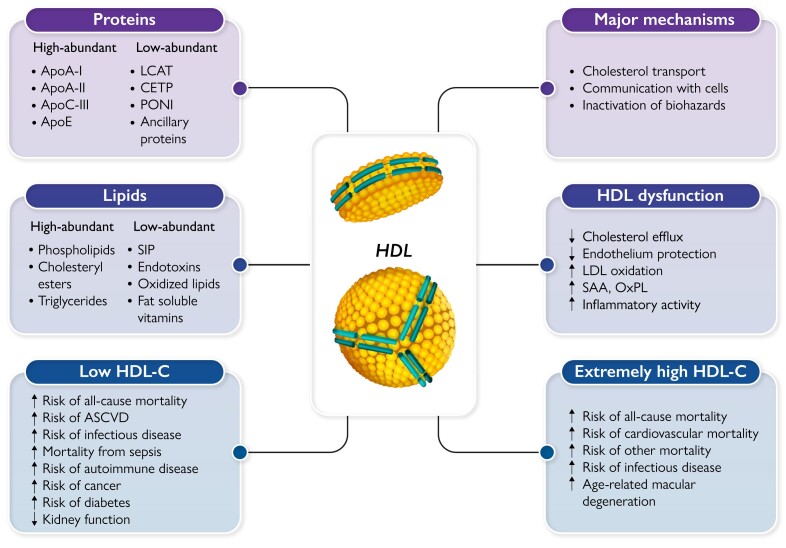
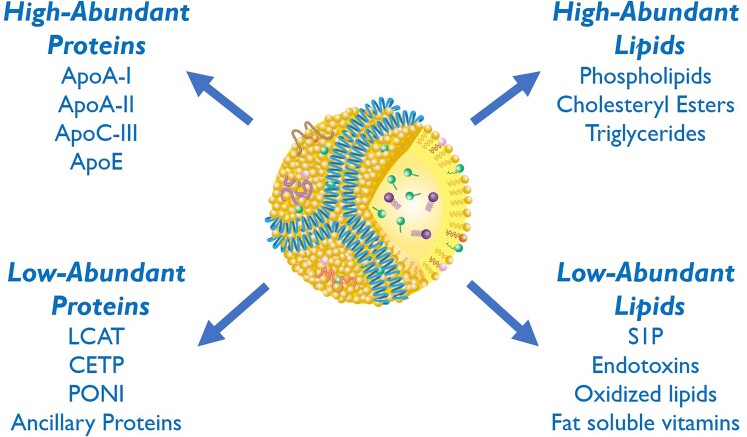
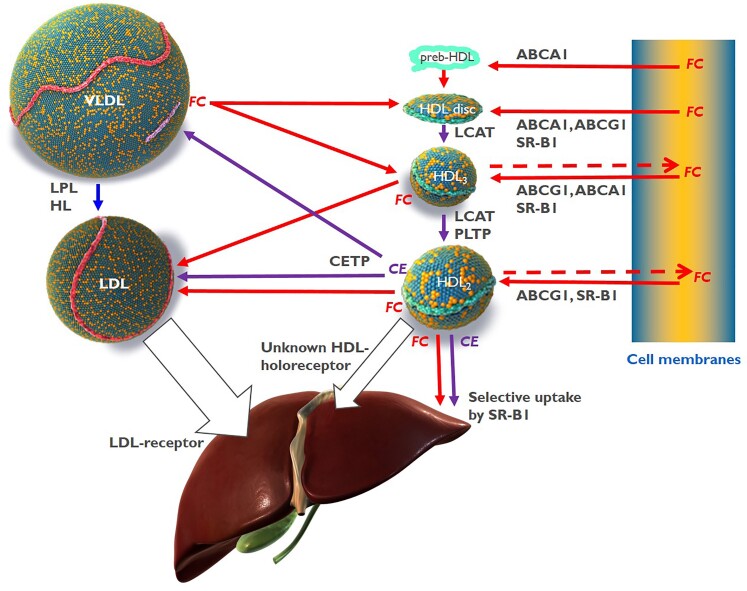
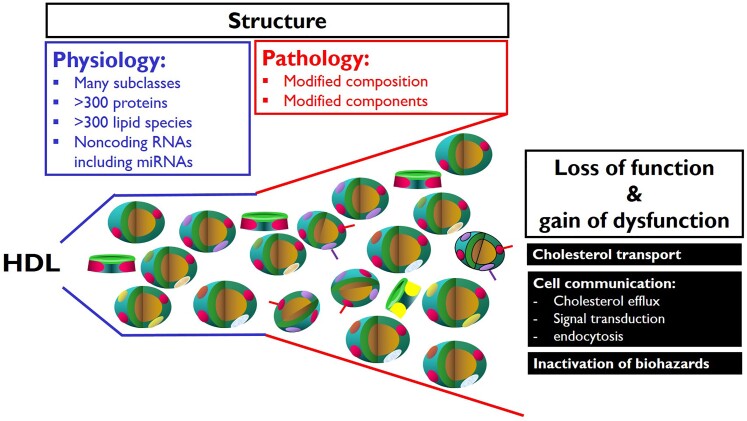
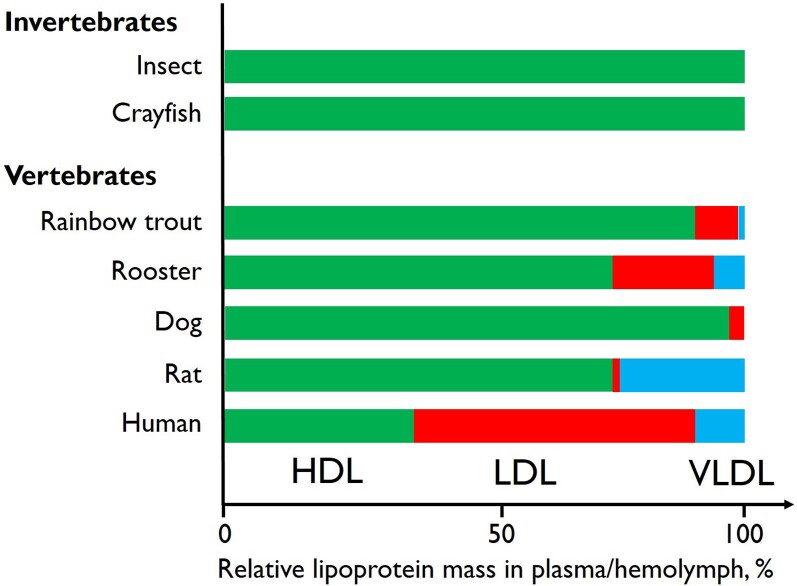
Previous interest in high-density lipoproteins (HDLs) focused on their possible protective role in atherosclerotic cardiovascular disease (ASCVD). Evidence from genetic studies and randomized trials, however, questioned that the inverse association of HDL-cholesterol (HDL-C) is causal. This review aims to provide an update on the role of HDL in health and disease, also beyond ASCVD. Through evolution from invertebrates, HDLs are the principal lipoproteins, while apolipoprotein B-containing lipoproteins first developed in vertebrates. HDLs transport cholesterol and other lipids between different cells like a reusable ferry, but serve many other functions including communication with cells and the inactivation of biohazards like bacterial lipopolysaccharides. These functions are exerted by entire HDL particles or distinct proteins or lipids carried by HDL rather than by its cholesterol cargo measured as HDL-C. Neither does HDL-C measurement reflect the efficiency of reverse cholesterol transport. Recent studies indicate that functional measures of HDL, notably cholesterol efflux capacity, numbers of HDL particles, or distinct HDL proteins are better predictors of ASCVD events than HDL-C. Low HDL-C levels are related observationally, but also genetically, to increased risks of infectious diseases, death during sepsis, diabetes mellitus, and chronic kidney disease. Additional, but only observational, data indicate associations of low HDL-C with various autoimmune diseases, and cancers, as well as all-cause mortality. Conversely, extremely high HDL-C levels are associated with an increased risk of age-related macular degeneration (also genetically), infectious disease, and all-cause mortality. HDL encompasses dynamic multimolecular and multifunctional lipoproteins that likely emerged during evolution to serve several physiological roles and prevent or heal pathologies beyond ASCVD. For any clinical exploitation of HDL, the indirect marker HDL-C must be replaced by direct biomarkers reflecting the causal role of HDL in the respective disease.
Overview
The claims and statistics of this paper haven’t been checked yet.
Free: it reads the open-access text and checks the first 5 claims that cite a source we can check. Create a free account to check every claim.
Integrity signals
Registry
Cites
Statistics
Figures
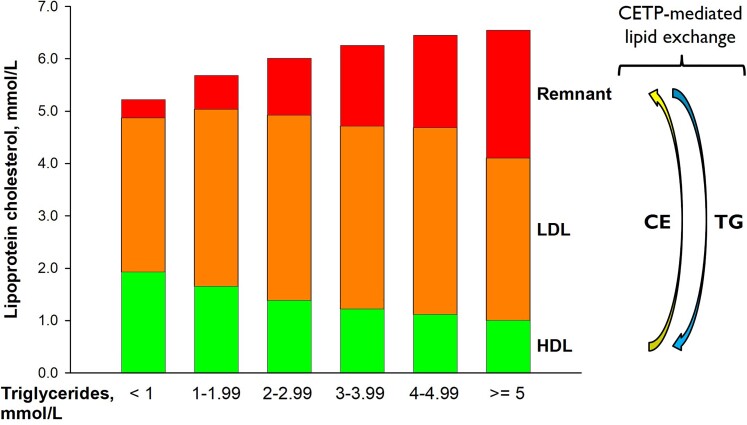
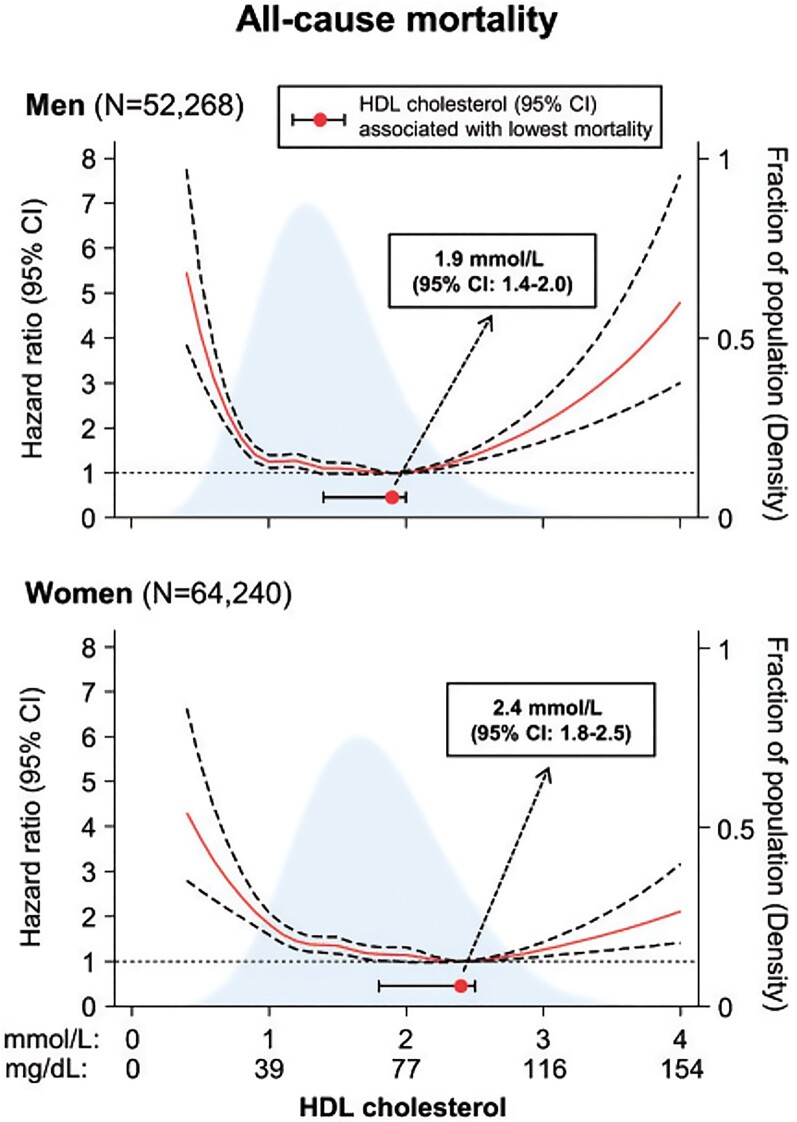
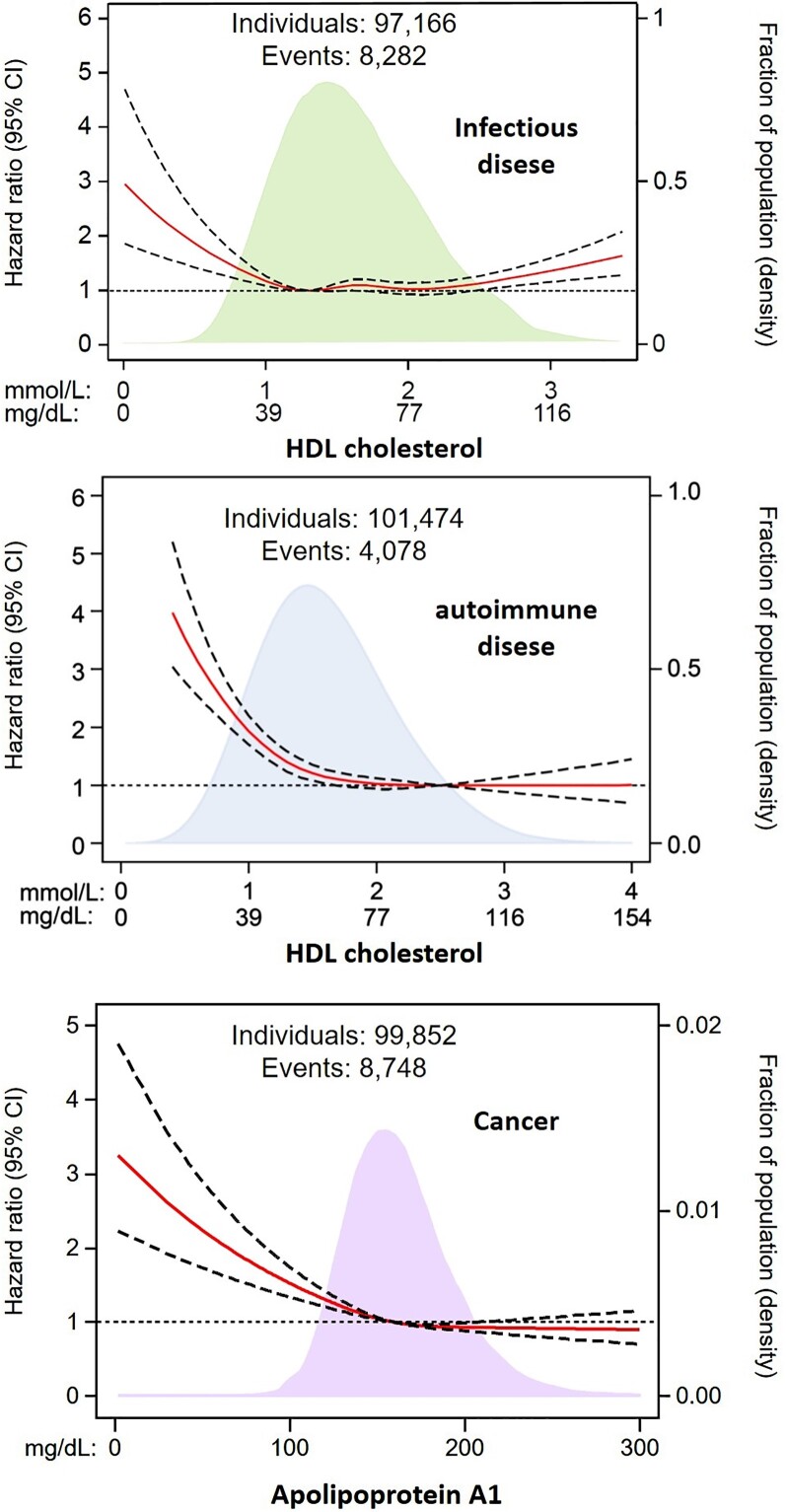
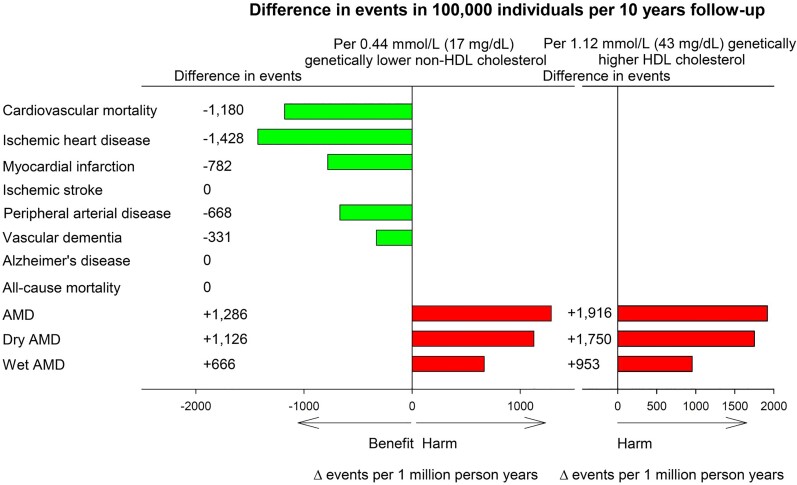
Verification
Claims the paper makes
The claims and statistics of this paper haven’t been checked yet.
Free: it reads the open-access text and checks the first 5 claims that cite a source we can check. Create a free account to check every claim.
Claims other papers make about this one
Each is checked against this paper’s own text: does it say what the citing paper says it does?
The source backs part of the claim, not all of it — or backs it for a different population, condition or comparison.
In the citing paper
“Epidemiological studies indicate that increased concentrations of high-density lipoprotein (HDL) cholesterol might confer protection against cardiovascular diseases, including stroke, myocardial infarction, and ischemic heart disease [145].”
From Nutritional composition and bioactive properties of tropical coconut palm fruit with functional food applications (2025) · cites this paper as [145]
Experimental — accuracy not yet measuredIn the citing paper
“HDL is a dynamic nanoscale complex of phospholipids and apolipoproteins, mainly apolipoprotein A-I (ApoA-I), that engages SR-B1 receptors highly expressed on brain endothelial cells, enabling BBB crossing through receptor-mediated transcytosis 26,27 .”
From High-density Lipoprotein Inspired Lipid Nanoparticles for Systemic RNA delivery to the Brain (2026) · cites this paper as [27]
Self-check
Percentages, sums and reported differences re-computed from the paper’s own numbers.
The self-check needs the paper’s full text.
Citations
Cites
High density lipoprotein as a protective factor against coronary heart disease
Gordon, T., Castelli, W. P., Hjortland, M. C., Kannel, W. B., & Dawber, T. R. (1977) · The American Journal of Medicine · doi:10.1016/0002-9343(77)90874-9 · Cited by 5,059
Effects of torcetrapib in patients at high risk for coronary events
Barter, P. J., Caulfield, M., Eriksson, M., Grundy, S. M., Kastelein, J. J. P., Komajda, M., Lopez-Sendon, J., Mosca, L., Tardif, J.-C., Waters, D. D., et al. (2007) · New England Journal of Medicine · doi:10.1056/nejmoa0706628 · Cited by 3,139
Niacin in Patients with Low HDL Cholesterol Levels Receiving Intensive Statin Therapy
The AIM-HIGH Investigators (2011) · New England Journal of Medicine · doi:10.1056/nejmoa1107579 · Cited by 2,911
Effects of Combination Lipid Therapy in Type 2 Diabetes Mellitus
(2010) · New England Journal of Medicine · doi:10.1056/nejmoa1001282 · Cited by 2,837
Major lipids, apolipoproteins, and risk of vascular disease
The Emerging Risk Factors Collaboration* (2009) · JAMA · doi:10.1001/jama.2009.1619 · Cited by 2,731
PLASMA-HIGH-DENSITY-LIPOPROTEIN CONCENTRATION AND DEVELOPMENT OF ISCHÆMIC HEART-DISEASE
Miller, G. J., & Miller, N. E. (1975) · The Lancet · doi:10.1016/s0140-6736(75)92376-4 · Cited by 2,621
Effects of dalcetrapib in patients with a recent acute coronary syndrome
Schwartz, G. G., Olsson, A. G., Abt, M., Ballantyne, C. M., Barter, P. J., Brumm, J., Chaitman, B. R., Holme, I. M., Kallend, D., Leiter, L. A., et al. (2012) · New England Journal of Medicine · doi:10.1056/nejmoa1206797 · Cited by 2,022
Nissen, S. E., Tsunoda, T., Tuzcu, E. M., Schoenhagen, P., Cooper, C. J., Yasin, M., Eaton, G. M., Lauer, M. A., Sheldon, W. S., Grines, C. L., et al. (2003) · JAMA · doi:10.1001/jama.290.17.2292 · Cited by 1,707
Incidence of Coronary Heart Disease and Lipoprotein Cholesterol Levels: The Framingham Study
Castelli, W. P. (1986) · JAMA · doi:10.1001/jama.1986.03380200073024 · Cited by 1,611
HDL cholesterol efflux capacity and incident cardiovascular events
Rohatgi, A., Khera, A., Berry, J. D., Givens, E. G., Ayers, C. R., Wedin, K. E., Neeland, I. J., Yuhanna, I. S., Rader, D. R., de Lemos, J. A., et al. (2014) · New England Journal of Medicine · doi:10.1056/nejmoa1409065 · Cited by 1,390
Cited by
Items 101–200 of 459
Sheng, L., Cao, Z., Wang, L., Xu, Y., & Gui, D. (2025) · Frontiers in Endocrinology · doi:10.3389/fendo.2025.1631312 · Cited by 8
“HDL is a cholesterol reverse transporter protein which can unrestricted enter and exit the arterial wall, uptake harmful substances such as LDL, cholesterol, TGs, etc. deposited in the inner layer of the vascular wall, and transport them to the liver for decomposition and excretion (35).”
Lin, L., Xu, L., Dong, J.-Y., Song, L., Ye, X., Lin, J., & Miao, C. (2025) · Diabetes Research and Clinical Practice · doi:10.1016/j.diabres.2025.112901 · Cited by 8
Wang, H., Chen, Z., Gu, S., Wang, Y., Wang, Y., Gao, C., Shi, J., Ding, J., Wang, Q., & Yu, L. (2025) · Theranostics · doi:10.7150/thno.120844 · Cited by 8
“…lipoprotein cholesterol (HDL-C) is known as a good cholesterol that facilitates the removal of cholesterol from the arterial walls to the liver, whereas low-density lipoprotein cholesterol (LDL-C) is regarded as the “bad” cholesterol because it can cause fatty buildups in the arteries [64, 65].”
Zhang, Z., Li, M., Ji, G., & Zhang, L. R. (2023) · European Journal of Clinical Investigation · doi:10.1111/eci.14116 · Cited by 8
“47 Recent studies indicated that the concentration of small and medium HDL particles, but not large HDL particles, may have protective effects on CVD. 48 In our analyses, we found that genetically predicted sleep apnea was inversely associated with medium HDL particles, which may explain the…”
BackgroundLi, S., Cao, X., Zou, T., Wang, Z., Chen, X., Chen, J., & You, J. (2024) · Food & Function · doi:10.1039/d4fo03657c · Cited by 8
Zahid, S., Schlamp, F., Gildea, M. A., Lin, B., Hülsmeier, A. J., Chaloemtoem, A., Falis, M., Parikh, M., Fisher, E. A. A., Hornemann, T., et al. (2025) · Arteriosclerosis Thrombosis and Vascular Biology · doi:10.1161/atvbaha.124.321686 · Cited by 8
HDL-replacement therapy: From traditional to emerging clinical applications
Sirtori, C. R., Cincotto, G., Castiglione, S., & Pavanello, C. (2025) · Atherosclerosis Plus · doi:10.1016/j.athplu.2025.02.001 · Cited by 8
Xue, K., Sun, M., Zong, C., Xing, S., & Xue, H. (2025) · Diabetology & Metabolic Syndrome · doi:10.1186/s13098-025-01690-z · Cited by 8
Choi, S., Park, T., & Je, Y. (2025) · Addiction · doi:10.1111/add.70092 · Cited by 8
Chermon, D., & Birk, R. Z. (2025) · Nutrients · doi:10.3390/nu17132244 · Cited by 8
Hussain, S. M., Tonkin, A. M., Watts, G. F., Lacaze, P. A., Yu, C., Beilin, L. J., Zhou, Z., Newman, A. B., Neumann, F., Tran, C., et al. (2023) · GeroScience · doi:10.1007/s11357-023-00904-4 · Cited by 8
“The HDL-C system has a range of potential physiological functions that could explain its relationship to a diverse range of chronic diseases [14].”
The role of atherogenic lipoproteins in diabetes: Molecular aspects and clinical significance
Banerjee, Y., Patti, A. M., Giglio, R. V., Ciaccio, M., Vichithran, S., Faisal, S., Stoian, A. P., Rizvi, A. A., & Rizzo, M. (2023) · Journal of Diabetes and its Complications · doi:10.1016/j.jdiacomp.2023.108517 · Cited by 8
Hisauchi, I., Ishikawa, T., Yamada, K., Ukaji, T., Shimura, M., Tamura, Y., Kondo, Y., Takeyama, T., Mori, K., Arai, M., et al. (2024) · Journal of Atherosclerosis and Thrombosis · doi:10.5551/jat.65171 · Cited by 7
“Cholesterol efflux from macrophages in atherosclerotic plaques is an important anti-atherosclerotic function of high-density lipoprotein (HDL) 1) .”
Han, X., Pan, C., Cai, Z., Zhang, A., Zhong, N., Pu, L., Wu, M., Han, L., & Pan, H. (2025) · The Journals of Gerontology Series A · doi:10.1093/gerona/glaf160 · Cited by 7
Li, C., Wu, J., Zhang, Y., He, H., Hu, Y., Wei, J., Lei, G., & Zeng, C. (2025) · Osteoarthritis and Cartilage · doi:10.1016/j.joca.2025.07.013 · Cited by 7
Fayyaz, K., Saeeduddin, M., Bashir, H., Ahmad, F., Barrow, C. J., & Khalid, N. (2025) · Nutrients · doi:10.3390/nu17172804 · Cited by 7
“There is also new evidence that triglyceride-rich lipoproteins and low-density lipoproteins are causal hallmarks for the development of atherosclerosis [5].”
HDL Are Host Defense Lipoproteins
von Eckardstein, A., & Robert, J. (2026) · Circulation Research · doi:10.1161/circresaha.126.327426 · Cited by 7
Bea, A. M., González-Guerrero, A., Cenarro, A., Lamíquiz-Moneo, I., Climent, E., Jarauta, E., Gracia‐Rubio, I., Benaiges, D., Laclaustra, M., Tejedor, M. T., et al. (2024) · Atherosclerosis · doi:10.1016/j.atherosclerosis.2024.118617 · Cited by 7
Untargeted Metabolomic Study of Patients with Wet Age-Related Macular Degeneration in Aqueous Humor
Wei, Q., Tu, X., Qiu, Q., & Wang, L. (2024) · Clinical Interventions in Aging · doi:10.2147/cia.s475920 · Cited by 7
Mei, Y., Chen, Y., Zhang, B., Xia, W., Shao, N., & Feng, X. (2024) · Frontiers in Endocrinology · doi:10.3389/fendo.2024.1492836 · Cited by 7
Lin, Z., Yi, T., Hu, F., Chen, J., & Chen, L. (2025) · Frontiers in Cardiovascular Medicine · doi:10.3389/fcvm.2024.1524465 · Cited by 7
Unsupervised Learning-Derived Complex Metabolic Signatures Refine Cardiometabolic Risk
Zhou, Y., Xiang, B., Yang, X., Ren, Y., Gu, X., & Zhou, X. (2025) · JACC Advances · doi:10.1016/j.jacadv.2025.101620 · Cited by 7
Cüre, E., & Cüre, M. C. (2025) · Lipids in Health and Disease · doi:10.1186/s12944-025-02606-6 · Cited by 7
Hashem, C., Altin, S. E., Guyton, J. R., & Boden, W. E. (2024) · Journal of clinical lipidology · doi:10.1016/j.jacl.2024.12.009 · Cited by 7
Zhang, Y., Chen, G., Wang, W., & Jing, Y. (2025) · Frontiers in Nutrition · doi:10.3389/fnut.2025.1537707 · Cited by 7
Wang, Y., Zhang, Z., Shen, N., Qi, X., Li, H., Wu, F., Zhu, Z., Liu, J., & Xiang, H. (2025) · Lipids in Health and Disease · doi:10.1186/s12944-025-02527-4 · Cited by 7
“It contains a hydrophobic core of neutral lipids surrounded by a monolayer of amphipathic lipids, and serves various physiological functions [3, 4].”
Ajibola, O. O. (2025) · Discover Food · doi:10.1007/s44187-025-00746-3 · Cited by 6
“Epidemiological studies indicate that increased concentrations of high-density lipoprotein (HDL) cholesterol might confer protection against cardiovascular diseases, including stroke, myocardial infarction, and ischemic heart disease [145].”
Ma, Y., Wu, Y., Jin, L., Hu, L., Chen, W., Young, C. A., Zhang, X., Zheng, D., Liu, Z., & Jin, G. (2024) · Investigative Ophthalmology & Visual Science · doi:10.1167/iovs.65.11.12 · Cited by 6
Lorincz, B., Vrablík, M., Murali, R., Havrdová, E., Horáková, D., Krásenský, J., Vaněčková, M., & Uher, T. (2024) · Acta Neurologica Belgica · doi:10.1007/s13760-024-02676-w · Cited by 6
“The authors of this study emphasized that plasma HDL-C levels might not reflect functional aspects of lipid transport and that very high levels HDL-C may have dysfunctional properties [36]. lipoprotein peroxidation [30].”
Yang, L., Xu, Z., Wang, Z., Ding, F., Wu, Z., Shi, X., Wang, J., Ma, Y., & Jin, J. (2025) · Journal of Translational Medicine · doi:10.1186/s12967-025-06100-6 · Cited by 6
The lipidome and proteome of high-density lipoprotein are altered in menopause
Lehti, S., Korhonen, T.-M. K., Soliymani, R., Ruhanen, H., Lähteenmäki, E. I., Palviainen, M., Siljander, P. R. M., Lalowski, M. M., Käkelä, R., Lehti, M., et al. (2025) · Journal of Applied Physiology · doi:10.1152/japplphysiol.00120.2025 · Cited by 6
Chen, J., Yan, L., & Chen, J. (2025) · Frontiers in Cardiovascular Medicine · doi:10.3389/fcvm.2025.1609891 · Cited by 6
Wang, Z., Pan, T., Lv, W., Tang, J., Chen, Y., Zhu, X., Zhang, Q., Jing, F., Yin, H., Lu, D., et al. (2025) · Signal Transduction and Targeted Therapy · doi:10.1038/s41392-025-02459-6 · Cited by 6
“33 Whether the metabolic effects of EDN involve HDL regulation and whether the increase in HDL leads to clinical bene fi ts will be addressed in future studies.”
Liu, M., Mo, D.-G., Bai, J., Han, Q.-F., & Yao, H.-C. (2026) · Reviews in Cardiovascular Medicine · doi:10.31083/rcm42822 · Cited by 6
ABCA1-Mediated Structural Diversity of HDL Subspecies and Their Proposed Roles in Cardioprotection
Heinecke, J. W., Segrest, J. P., Phillips, M. C., & Davidson, W. S. (2026) · Arteriosclerosis Thrombosis and Vascular Biology · doi:10.1161/atvbaha.125.318266 · Cited by 6
Labordiagnostik von Fettstoffwechselstörungen
März, W., Scharnagl, H., Kleber, M. E., Silbernagel, G., Nauck, M., Müller‐Wieland, D., & von Eckardstein, A. (2023) · DMW - Deutsche Medizinische Wochenschrift · doi:10.1055/a-1516-2511 · Cited by 6
Chen, X., Xiang, Y.-F., Cai, X., Chen, J., Lin, X., Lin, B., Liang, W.-J., Zhou, G., Guo, Y., & Lin, K. (2024) · International Journal of Cardiology · doi:10.1016/j.ijcard.2024.131773 · Cited by 6
Coronary artery event-free or resilient familial hypercholesterolemia: what's in a name?
Zadeh, S. S. T., Chan, D. C., Mata, P., & Watts, G. F. (2024) · Current Opinion in Endocrinology Diabetes and Obesity · doi:10.1097/med.0000000000000874 · Cited by 6
Pharmacological Profile and Mechanisms of Cardiovascular Protective Effects of Statins: An Update
Elhwuegi, A. S., & Elfakhri, M. (2025) · Libyan International Medical University Journal · doi:10.1055/s-0045-1809043 · Cited by 6
“…VLDL is converted to LDL, which is known as “ bad A bb r e v i a t i o n s : F P M , fi r s t - p a ss m e t a b o li s m ; P P C , p e ak p l a s m a c o n c e n t r a t i o n ; T 1 / 2 , e li m i n a t i o n h a l f - li f e t i m e ; U G T , u r i d i n e d i p h o s p h o - g l u c u r o n o s…”
Bai, M., Liao, J., Wang, Y., Liang, M., Wang, C., Zhang, J., & Shao, M. (2024) · Frontiers in Endocrinology · doi:10.3389/fendo.2024.1417228 · Cited by 6
“There might be extreme concentrations of HDL-C or LDL-C, resulting in higher all-cause mortality (14, 33, 34).”
BackgroundMapping the dynamic high-density lipoprotein synapse
Frey, K., Rohrer, L., Frommelt, F., Ringwald, M., Potapenko, A., Götze, S., von Eckardstein, A., & Wollscheid, B. (2023) · Atherosclerosis · doi:10.1016/j.atherosclerosis.2023.117200 · Cited by 6
Li, S., Wang, T., Liu, M., Ma, T., Li, Y., Liu, J., Liu, Y., Shen, W., Ma, J., Wang, X., et al. (2025) · Molecular Nutrition & Food Research · doi:10.1002/mnfr.70136 · Cited by 5
Peptide-based lipid nanodiscs suppress eosinophil recruitment and chemotaxis
Rani, A., Balandin, D., Ravi, R., Teppan, J., Vidaković, I., Kienzl, M., Bärnthaler, T., Holzer, M., Zijadic, L., Heinemann, Á., et al. (2025) · Journal of Controlled Release · doi:10.1016/j.jconrel.2025.114060 · Cited by 5
Li, M., Xu, B., Yu, H., Wan, Y., Zhu, Z., Luo, P., Su, J., Zhou, J., & Fan, X. (2025) · Journal of Health Population and Nutrition · doi:10.1186/s41043-025-01026-7 · Cited by 5
Wu, J., Chen, C., Huang, H., & Shi, X. (2025) · Frontiers in Medicine · doi:10.3389/fmed.2025.1686975 · Cited by 5
Yan, H., Ye, Y., Hu, S., Sun, Y., Chen, Y., Li, R., & Guanglin, C. (2025) · European journal of medical research · doi:10.1186/s40001-025-03493-4 · Cited by 5
“Also, HDL particles themselves may be better predictors of CVD events than HDL-C alone [25–27].”
New and Emerging Therapeutic Targets for ApoB-Containing Particles Lowering
Gaudet, D., Larouche, M., Raal, F. J., & Catapano, A. L. (2026) · Circulation Research · doi:10.1161/circresaha.126.327270 · Cited by 5
Self-citationZhao, Z. C., Bai, Y., Ma, C., Wang, T. T., Zhao, L., Zhao, X., Li, Q., Ding, Y., Zhang, Y., Li, L., et al. (2026) · Diabetology & Metabolic Syndrome · doi:10.1186/s13098-026-02192-2 · Cited by 5
“Furthermore, patients with elevated HbA1c frequently exhibit a more severe atherogenic profile, often characterized by higher total cholesterol and dysfunctional HDL [42, 43, 60].”
Lipid levels and low back pain risk: A two-sample mendelian randomization study
Luo, J., Xing, Y., & Li, F. (2024) · PLoS ONE · doi:10.1371/journal.pone.0304280 · Cited by 5
Zhang, W., Wang, R., Yang, X., Cheng, Z., & Wang, F. (2025) · Archives of Gynecology and Obstetrics · doi:10.1007/s00404-024-07893-5 · Cited by 5
Xie, L., Luo, H., Zhao, Y., Hao, Y., Gao, J., Sun, C., & Hu, H. (2025) · Biogerontology · doi:10.1007/s10522-025-10201-6 · Cited by 5
Li, L., Wang, S., Yang, H., Xie, J., & Wang, M. (2025) · Frontiers in Public Health · doi:10.3389/fpubh.2025.1593214 · Cited by 5
“…by cells and, through oxidation reactions with macrophages, release inflammatory factors that contribute to atherosclerosis and other cardiovascular diseases (41), HDL-C assists in excreting cholesterol from the body in the form of bile, thus reducing free cholesterol levels in the blood (42).”
Rezkalla, S. H., & Kloner, R. A. (2025) · Clinical Medicine & Research · doi:10.3121/cmr.2025.1970 · Cited by 5
“31 Smoking cessation will likely increase HDL by 5%–10%, an important measure of priority in the management of low HDL. 18 Moderate alcohol consumption raises HDL level by increasing the transport rate of apolipoprotein A-I and A-II.”
InfluentialYu, G., Jiang, W., Cheng, Z., & Wan, R. (2023) · Scandinavian Journal of Gastroenterology · doi:10.1080/00365521.2023.2200500 · Cited by 5
Jawi, I. M., Yasa, I. W. P. S., & Widhiantara, I. G. (2024) · Journal of Applied Pharmaceutical Science · doi:10.7324/japs.2024.115259 · Cited by 5
Vecoli, C., Caselli, C., Modena, M., Todiere, G., Poddighe, R., Valente, S., Bandini, F., Natali, A., Ghiadoni, L., Clerico, A., et al. (2024) · BMC Cardiovascular Disorders · doi:10.1186/s12872-024-03846-7 · Cited by 5
“While the potential role of TG rich lipoproteins has been recently posed to great attention as a new direct determinant of residual atherosclerotic risk, the independent role of HDL-C is debated also due to the apparent inefficacy of treatments developed so far to increase HDL-C levels [26].”
BackgroundAssociation of Small HDL Subclasses with Mortality Risk in Chronic Kidney Disease
Stadler, J. T., Borenich, A., Pammer, A., Emrich, I. E., Habisch, H., Madl, T., Heine, G. H., & Marsche, G. (2024) · Antioxidants · doi:10.3390/antiox13121511 · Cited by 5
“Traditionally considered a cholesterol transporter, HDL is now recognized for its multifaceted roles, encompassing cholesterol efflux capacity, antioxidant effects, anti-inflammatory actions, and immune-regulatory activities [7,10–12].”
Hu, M., Tong, Z., Cai, Z., Li, S., & Yang, D. (2025) · Medicine · doi:10.1097/md.0000000000041352 · Cited by 4
HDL ‐Apolipoprotein in Alzheimer's Disease Revisited: From Periphery to CNS
Huang, Y., Tang, J., Chen, G., Wu, Q., Wang, Y., Chen, J., Chen, S., Liu, J., & Huang, X. (2025) · Aging Medicine · doi:10.1002/agm2.70008 · Cited by 5
“HDL in peripheral circulation is rich in ApoAI, while HDL in the CNS and cerebrospinal fluid (CSF) is mainly composed of ApoE [17, 18].”
Reopening Pandora’s box: Is there a role for HDL in breast cancer?
Sawada, M. I., Santana, M. B. S., Vancini, M. G., & Passarelli, M. (2025) · Seminars in Cancer Biology · doi:10.1016/j.semcancer.2025.07.001 · Cited by 4
Ahmed, F. N., Mohammed, H., Mohammed, G. A., & Mohammed, M. O. (2025) · Journal of Sulaimani Medical College · doi:10.17656/jsmc.10493 · Cited by 4
The Cumulative Atherogenic Index of Plasma Exposure in Carotid Plaque
Zhao, Y., Zhao, X., Li, Y., Liu, Y., Wang, J., Wang, J. Q., Wu, Z., Liu, J., Guo, X., & Tao, L. (2025) · JACC Advances · doi:10.1016/j.jacadv.2025.102062 · Cited by 4
Sun, T., Wu, Y., Liu, G., Xue, Z., Yu, M., Mao, B., Han, M., Liang, X., Lü, L., You, N., et al. (2025) · Journal of the American Heart Association · doi:10.1161/jaha.124.039777 · Cited by 4
Ren, H., Shi, W., Guo, X., Ma, X., Zhang, J., Situ, Y., Li, C., Li, C., Sun, P., Xu, Y., et al. (2025) · Environment & Health · doi:10.1021/envhealth.5c00391 · Cited by 4
Arun, A. J., Kaneki, S., Baig, M., Frishman, W. H., & Aronow, W. S. (2025) · Cardiology in Review · doi:10.1097/crd.0000000000001126 · Cited by 4
Qian, F., Hong, Z., Wei, J., Shen, H., Lin, S., Geng, M., Deng, J., & Wu, S. (2025) · European journal of medical research · doi:10.1186/s40001-025-03465-8 · Cited by 4
Association Between High-Density Lipoprotein Cholesterol Levels and Sarcopenia in Elderly Koreans
Huh, J.-Y., Cho, J. H., & Bak, H.-R. (2025) · Journal of Clinical Medicine · doi:10.3390/jcm15010183 · Cited by 4
“While HDL-C generally possesses anti-inflammatory properties, it can lose its protective function or even become pro-inflammatory in the context of aging and chronic diseases [28].”
Li, Z., Kang, M., Ko, K., Song, Y., Lee, Y., & Zhang, G. (2026) · Animal Feed Science and Technology · doi:10.1016/j.anifeedsci.2026.116641 · Cited by 4
Wei, T., Qian, N., Wang, H., Song, Y., Wang, W., Li, Y., Zhao, Z., Xu, F., & Yang, W. (2026) · Frontiers in Microbiology · doi:10.3389/fmicb.2025.1714276 · Cited by 4
Adjunctive pharmacological strategies for residual risk reduction after myocardial revascularisation
Oshima, A., Serruys, P. W. J. C., Garg, S., McEvoy, J. W., Wood, D., Doenst, T., Taggart, D. P., Puskas, J. D., Shajahan, A., Sharif, F., et al. (2026) · EuroIntervention · doi:10.4244/eij-d-25-00598 · Cited by 5
HDL and ASCVD: is high HDL-C protective, harmful, or simply misleading?
Parini, P., & Pedrelli, M. (2026) · Current Opinion in Lipidology · doi:10.1097/mol.0000000000001041 · Cited by 4
Maravi, J. S. M., Leszczynski, E. C., Schwartz, C. S., Dev, P. K., Barber, J. L., Reasons, R. J., Pearce, R. W., McPhaul, M. J., Konrad, R. J., Robbins, J., et al. (2024) · Atherosclerosis · doi:10.1016/j.atherosclerosis.2024.117587 · Cited by 4
Understanding lipidomics associations and the lipoprotein-related caveats in population epidemiology
Zhao, S., Ohukainen, P., Kettunen, J., Järvelin, M., Kähönen, M. A. P., Lehtimäki, T. J., Viikari, J., Raitakari, O. T., Mäkinen, V., & Ala‐Korpela, M. (2024) · American Journal of Epidemiology · doi:10.1093/aje/kwae445 · Cited by 4
Ponatinib alleviates non-alcoholic steatohepatitis through TFEB-mediated autophagy
Lin, Z., Yang, M., Yu, X., Tan, G., & Zhong, J. (2025) · Frontiers in Pharmacology · doi:10.3389/fphar.2024.1505768 · Cited by 4
Kovalskaya, A. N., Бикбаева, Г. Р., Duplyakov, D. V., & Savinova, E. V. (2024) · Russian Journal of Cardiology · doi:10.15829/1560-4071-2025-5850 · Cited by 4
Tan, Y., Chen, S., Huang, Z., Lu, X., Li, J., Wang, Y., Wu, S., Wu, Y., Wu, Y., & Li, Y. (2025) · Nutrition & Metabolism · doi:10.1186/s12986-025-00948-7 · Cited by 4
Wu, Q., Zhang, Y., Sun, C., & Dang, J. (2025) · Journal of Chromatography A · doi:10.1016/j.chroma.2025.466384 · Cited by 4
Hu, J., Yao, Y., Ge, T., Wang, S., Liu, S., Zhu, Q., Song, X., Jia, R., & Zhuang, A. (2024) · European Journal of Nutrition · doi:10.1007/s00394-024-03498-5 · Cited by 4
Dedemadi, A.-G., Sevdali, E., Georgiadou, D. N., Valanti, E.-K., Neofotistou-Themeli, E., Chanis, T., Goutakoli, P., Thymiakou, E., Drakos, E., Christopoulou, G., et al. (2025) · Biochimica et Biophysica Acta (BBA) - Molecular and Cell Biology of Lipids · doi:10.1016/j.bbalip.2025.159596 · Cited by 4
Ao, L., van Heemst, D., Jukema, J. W., Rensen, P. C. N., van Dijk, K. W., & Noordam, R. (2025) · Journal of Lipid Research · doi:10.1016/j.jlr.2025.100778 · Cited by 4
Yang, T., Chen, Z., Cao, D.-Y., Song, W., Jiang, J., Ma, X., Mao, Z., Guan, X., Wu, J., Shi, R., et al. (2025) · Scientific Reports · doi:10.1038/s41598-025-95812-2 · Cited by 4
“Although HDL-C is commonly used clinically to represent HDL concentration, many of HDL’s functions are exerted by the entire particle or components other than cholesterol 17 , meaning HDL-C does not fully describe all functions of HDL.”
Lei, K., Hu, S., Zhang, Y., Wang, J., & Wang, J. (2025) · Nutrition Metabolism and Cardiovascular Diseases · doi:10.1016/j.numecd.2025.104161 · Cited by 4
Jiang, Q., Wu, J., Yu, Y., Hao, X., Long, P., Liu, K., Liu, S., Peng, R., Yu, K., Zeng, R., et al. (2025) · Engineering · doi:10.1016/j.eng.2025.06.032 · Cited by 4
Tang, Y., Yang, G., Chen, J., Chen, Y., & Hua, L.-C. (2024) · Frontiers in Pediatrics · doi:10.3389/fped.2024.1308887 · Cited by 4
von Eckardstein, A., März, W., & Laufs, U. (2023) · DMW - Deutsche Medizinische Wochenschrift · doi:10.1055/a-1516-2731 · Cited by 4
Hill, M., Jörgensen, S., Engström, G., Persson, M., & Lexell, J. E. (2023) · PM&R · doi:10.1002/pmrj.13043 · Cited by 4
“29 Thus, non-HDL cholesterol, which include all different atherogenic lipoproteins, is suggested to be a better clinical tool to evaluate cardiovascular risk also in people with SCI.”
BackgroundLi, Y., Xi, L., & Li, L. (2024) · Archives of Medical Science · doi:10.5114/aoms/178013 · Cited by 3
Kang, X.-Z., Jin, D., & Cheng, Y. (2025) · Cellular and Molecular Life Sciences · doi:10.1007/s00018-025-05590-3 · Cited by 3
Li, J., Wu, X., Fu, Y., Liu, J., Liu, Y., Li, J., Qing, B., Zhang, Y., Gao, J., He, X., et al. (2025) · BioMedical Engineering OnLine · doi:10.1186/s12938-025-01378-5 · Cited by 3
“It exhibits a spectrum of biological activities, including anti-inflammatory, antioxidant, and anti-apoptotic effects, which generally contribute to its classification as ‘beneficial’ cholesterol for cardiovascular protection [15].”
Walldius, G. (2025) · Expert Review of Cardiovascular Therapy · doi:10.1080/14779072.2025.2543535 · Cited by 3
“In a review, von Eckardstein et al. [35] discussed that both low and high HDL-C apoA-1 levels have been associated with an increased risk of infectious disease as well as mortality from sepsis and low HDL-C apoA-1 levels are associated with an increased risk of autoimmune disease and cancer.”
Lp‑PLA2 in the cancer landscape: From molecular mechanisms to therapeutic potential (Review)
Yang, X., Tu, Y., Liang, N., Li, L., Zhang, J., Xu, J., & Li, C. (2025) · International Journal of Oncology · doi:10.3892/ijo.2025.5793 · Cited by 3
HDL function and composition in atherothrombotic cardiovascular disease with very high HDL ‐C
Padró, T., Muñoz‐García, N., Fanlo‐Maresma, M., Esteve-Luque, V., Cabré-Fernández, P., Vilahur, G., Riera‐Mestre, A., Badimón, L., & Pintó, X. (2025) · European Journal of Clinical Investigation · doi:10.1111/eci.70159 · Cited by 3
“4,5 In this respect, different studies have evidenced a non-linear relationship between HDL-C and ASCVD, suggesting that very high levels of HDL-C may actually be associated with an increased risk of ASCVD.”
HDL in Abdominal Aortic Aneurysm: Mechanistic Insight and Therapeutic Potential
Catalano, J. C., Guo, Y., Bordeau, B. M., Yu, M., & Schwendeman, A. A. (2026) · Current Atherosclerosis Reports · doi:10.1007/s11883-025-01378-9 · Cited by 3
Xing, X., Zheng, X., Li, X., Yang, Z., Yang, H., & Wang, Z. (2026) · Animals · doi:10.3390/ani16020189 · Cited by 3
“This dual regulation of lipid metabolism under high AM/AP ratio conditions may improve lipid and cholesterol levels in goslings [51].”
Liu, J., Xu, H., Huang, C., Qiu, X., Lu, X., Weng, C., Wang, C., & Xu, Y. (2026) · Frontiers in Nutrition · doi:10.3389/fnut.2026.1741265 · Cited by 3
Correia-Silva, P. J., Neto, O. P. D. A. C., Silva, I. S., Caron, B. O., & Copatti, C. E. (2026) · Aquaculture · doi:10.1016/j.aquaculture.2026.744017 · Cited by 3
Xie, L., Fan, H., Luo, S., & Huang, B. (2026) · Journal of clinical lipidology · doi:10.1016/j.jacl.2026.05.002 · Cited by 3
Bork, C., Nordestgaard, B. G., Hedegaard, B. S., Vrablik, M., Evans, E., Freiberger, T., Fras, Z., Nanchen, D., Sadiq, F., Ray, K. K., et al. (2026) · Atherosclerosis · doi:10.1016/j.atherosclerosis.2026.120757 · Cited by 3
Self-citationA Century of Milestones and Breakthroughs Related to Low- and High-Density Lipoproteins
Sorci‐Thomas, M. G., Hegele, R. A., & Remaley, A. T. (2023) · Arteriosclerosis Thrombosis and Vascular Biology · doi:10.1161/atvbaha.123.319482 · Cited by 3
Self-citationXu, W., Zheng, B., Su, L., & Xiang, Y. (2024) · Lipids in Health and Disease · doi:10.1186/s12944-024-02137-6 · Cited by 3
“Moreover, the decreased HDL-C levels are also linked to increased risks of death during sepsis, infectious diseases, chronic kidney disease, and diabetes mellitus [10].”
Background
Metadata
- Authors
- von Eckardstein, A., Nordestgaard, B. G., Remaley, A. T., & Catapano, A. L.
- Affiliations
- Institute of Clinical Chemistry, University Hospital Zurich and University of Zurich , Zurich , Switzerland
- University of Copenhagen (DK)
- National Institutes of Health (US)
- University of Milan (IT)
- Corresponding author
- Catapano, Alberico L
- Venue
- European Heart Journal
- Publisher
- Oxford University Press (OUP)
- Published
- 2022-11-07
- Volume
- 44
- Issue
- 16
- Pages
- 1394-1407
- ISSN
- 0195-668X (ISSN-L)
- 1522-9645
- PMC
- PMC10119031
- OpenAlex
- W4308365150
- Cited by
- 401
- References
- 179
- Citations by year
- 2026: 115 · 2025: 141 · 2024: 97 · 2023: 47 · 2022: 1
- FWCI
- 17.04
- Type
- journal article
- Language
- en
- Open access
- hybrid
- doi.org
- Licence
- Locations
- European Heart Journal (publishedVersion, cc-by-nc)
- PubMed Central (publishedVersion, cc-by-nc)
- PubMed (publishedVersion)
- Research at the University of Copenhagen (University of Copenhagen) (publishedVersion, cc-by-nc)
- Zurich Open Repository and Archive (University of Zurich) (acceptedVersion, cc-by-nc-nd)
- Zurich Open Repository and Archive (University of Zurich) (submittedVersion, cc-by-nc)
- Zurich Open Repository and Archive (University of Zurich)
- Funders
- Swiss National Science Foundation
- Herlev and Gentofte Hospital
- Copenhagen University Hospital
- Italian Ministry of Health
- Topics
- Life Sciences › Biochemistry, Genetics and Molecular Biology › Biochemistry › Cholesterol and Lipid Metabolism
- Health Sciences › Medicine › Cardiology and Cardiovascular Medicine › Lipoproteins and Cardiovascular Health
- Life Sciences › Biochemistry, Genetics and Molecular Biology › Clinical Biochemistry › Paraoxonase enzyme and polymorphisms
- Keywords
- high-density lipoprotein, HDL cholesterol, atherosclerotic cardiovascular disease, reverse cholesterol transport, cholesterol efflux capacity, HDL particle number, apolipoprotein B-containing lipoproteins, sepsis mortality, infectious disease risk, diabetes mellitus, chronic kidney disease, autoimmune disease, cancer risk, age-related macular degeneration, all-cause mortality
- MeSH terms
- Clinical Relevance, Animals, Cholesterol, Humans, Lipoproteins, Lipoproteins, HDL, Cholesterol, HDL, Atherosclerosis
About these checks
Registry, retraction, Cites and statistics results are computed, not judged, with one exception: a printed reference that no index lists is read once by a model before it counts as a citation error. Claims are extracted by a model and kept only when their quote appears verbatim in the text; each cited source is then checked, with a model’s help, for whether it says what the claim relies on. Those verdicts can be wrong — read the claim’s quote and the cited source before relying on one.
Statistics and arithmetic are recomputed, not judged.
Confidence bands are shown only for fields calibrated on our annotated test set. None is calibrated yet, so no band is shown.
What counts as a claim ›How we measure confidence ›How we check this ›
Are you an author, or do you see a problem with this page? Request a review
Data sources
Bibliographic data: Semantic Scholar, OpenAlex, Crossref.
Contains information from the Semantic Scholar Academic Graph Datasets, made available under the ODC Attribution License (ODC-BY 1.0).
Semantic Scholar’s data is described in: Kinney, R., et al. (2023). The Semantic Scholar Open Data Platform. arXiv:2301.10140.
