

High-density lipoprotein revisited: biological functions and clinical relevance
Open accessThe DOI matches its Crossref record; 177 of the 179 references it cites were found in a registry or an index.
Abstract
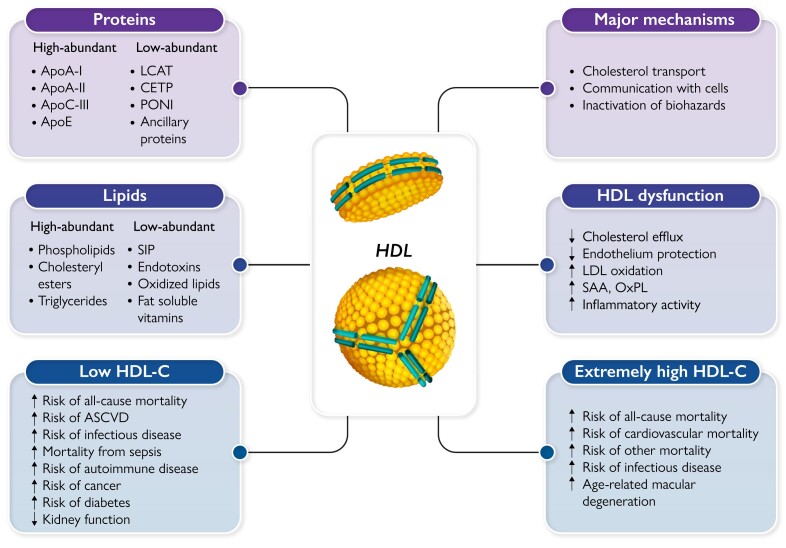
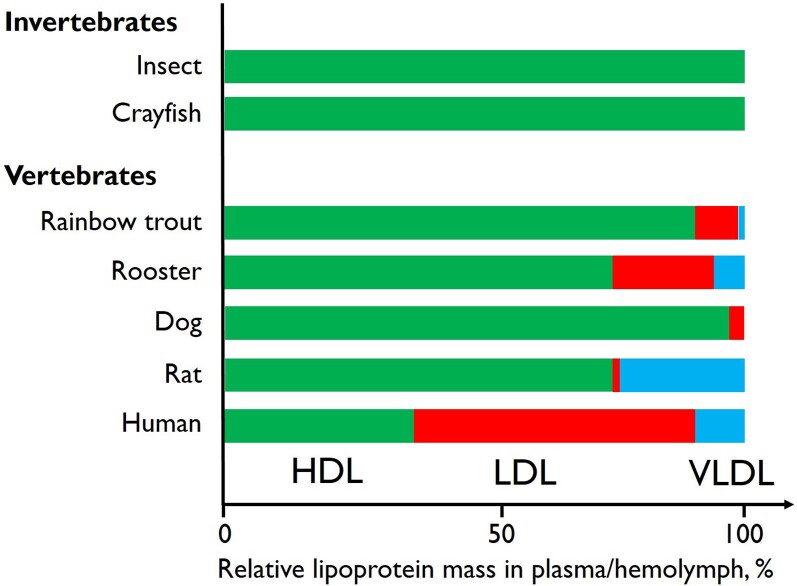
Previous interest in high-density lipoproteins (HDLs) focused on their possible protective role in atherosclerotic cardiovascular disease (ASCVD). Evidence from genetic studies and randomized trials, however, questioned that the inverse association of HDL-cholesterol (HDL-C) is causal. This review aims to provide an update on the role of HDL in health and disease, also beyond ASCVD. Through evolution from invertebrates, HDLs are the principal lipoproteins, while apolipoprotein B-containing lipoproteins first developed in vertebrates. HDLs transport cholesterol and other lipids between different cells like a reusable ferry, but serve many other functions including communication with cells and the inactivation of biohazards like bacterial lipopolysaccharides. These functions are exerted by entire HDL particles or distinct proteins or lipids carried by HDL rather than by its cholesterol cargo measured as HDL-C. Neither does HDL-C measurement reflect the efficiency of reverse cholesterol transport. Recent studies indicate that functional measures of HDL, notably cholesterol efflux capacity, numbers of HDL particles, or distinct HDL proteins are better predictors of ASCVD events than HDL-C. Low HDL-C levels are related observationally, but also genetically, to increased risks of infectious diseases, death during sepsis, diabetes mellitus, and chronic kidney disease. Additional, but only observational, data indicate associations of low HDL-C with various autoimmune diseases, and cancers, as well as all-cause mortality. Conversely, extremely high HDL-C levels are associated with an increased risk of age-related macular degeneration (also genetically), infectious disease, and all-cause mortality. HDL encompasses dynamic multimolecular and multifunctional lipoproteins that likely emerged during evolution to serve several physiological roles and prevent or heal pathologies beyond ASCVD. For any clinical exploitation of HDL, the indirect marker HDL-C must be replaced by direct biomarkers reflecting the causal role of HDL in the respective disease.
Overview
The claims and statistics of this paper haven’t been checked yet.
Free: it reads the open-access text and checks the first 5 claims that cite a source we can check. Create a free account to check every claim.
Integrity signals
Registry
Cites
Statistics
Figures
Verification
Claims the paper makes
The claims and statistics of this paper haven’t been checked yet.
Free: it reads the open-access text and checks the first 5 claims that cite a source we can check. Create a free account to check every claim.
Claims other papers make about this one
Each is checked against this paper’s own text: does it say what the citing paper says it does?
The source backs part of the claim, not all of it — or backs it for a different population, condition or comparison.
In the citing paper
“Epidemiological studies indicate that increased concentrations of high-density lipoprotein (HDL) cholesterol might confer protection against cardiovascular diseases, including stroke, myocardial infarction, and ischemic heart disease [145].”
From Nutritional composition and bioactive properties of tropical coconut palm fruit with functional food applications (2025) · cites this paper as [145]
Experimental — accuracy not yet measuredIn the citing paper
“HDL is a dynamic nanoscale complex of phospholipids and apolipoproteins, mainly apolipoprotein A-I (ApoA-I), that engages SR-B1 receptors highly expressed on brain endothelial cells, enabling BBB crossing through receptor-mediated transcytosis 26,27 .”
From High-density Lipoprotein Inspired Lipid Nanoparticles for Systemic RNA delivery to the Brain (2026) · cites this paper as [27]
Self-check
Percentages, sums and reported differences re-computed from the paper’s own numbers.
The self-check needs the paper’s full text.
Citations
Cites
High density lipoprotein as a protective factor against coronary heart disease
Gordon, T., Castelli, W. P., Hjortland, M. C., Kannel, W. B., & Dawber, T. R. (1977) · The American Journal of Medicine · doi:10.1016/0002-9343(77)90874-9 · Cited by 5,059
Effects of torcetrapib in patients at high risk for coronary events
Barter, P. J., Caulfield, M., Eriksson, M., Grundy, S. M., Kastelein, J. J. P., Komajda, M., Lopez-Sendon, J., Mosca, L., Tardif, J.-C., Waters, D. D., et al. (2007) · New England Journal of Medicine · doi:10.1056/nejmoa0706628 · Cited by 3,139
Niacin in Patients with Low HDL Cholesterol Levels Receiving Intensive Statin Therapy
The AIM-HIGH Investigators (2011) · New England Journal of Medicine · doi:10.1056/nejmoa1107579 · Cited by 2,911
Effects of Combination Lipid Therapy in Type 2 Diabetes Mellitus
(2010) · New England Journal of Medicine · doi:10.1056/nejmoa1001282 · Cited by 2,837
Major lipids, apolipoproteins, and risk of vascular disease
The Emerging Risk Factors Collaboration* (2009) · JAMA · doi:10.1001/jama.2009.1619 · Cited by 2,731
PLASMA-HIGH-DENSITY-LIPOPROTEIN CONCENTRATION AND DEVELOPMENT OF ISCHÆMIC HEART-DISEASE
Miller, G. J., & Miller, N. E. (1975) · The Lancet · doi:10.1016/s0140-6736(75)92376-4 · Cited by 2,621
Effects of dalcetrapib in patients with a recent acute coronary syndrome
Schwartz, G. G., Olsson, A. G., Abt, M., Ballantyne, C. M., Barter, P. J., Brumm, J., Chaitman, B. R., Holme, I. M., Kallend, D., Leiter, L. A., et al. (2012) · New England Journal of Medicine · doi:10.1056/nejmoa1206797 · Cited by 2,022
Nissen, S. E., Tsunoda, T., Tuzcu, E. M., Schoenhagen, P., Cooper, C. J., Yasin, M., Eaton, G. M., Lauer, M. A., Sheldon, W. S., Grines, C. L., et al. (2003) · JAMA · doi:10.1001/jama.290.17.2292 · Cited by 1,707
Incidence of Coronary Heart Disease and Lipoprotein Cholesterol Levels: The Framingham Study
Castelli, W. P. (1986) · JAMA · doi:10.1001/jama.1986.03380200073024 · Cited by 1,611
HDL cholesterol efflux capacity and incident cardiovascular events
Rohatgi, A., Khera, A., Berry, J. D., Givens, E. G., Ayers, C. R., Wedin, K. E., Neeland, I. J., Yuhanna, I. S., Rader, D. R., de Lemos, J. A., et al. (2014) · New England Journal of Medicine · doi:10.1056/nejmoa1409065 · Cited by 1,390
Predictors of New-Onset Kidney Disease in a Community-Based Population
Fox, C. S. (2004) · JAMA · doi:10.1001/jama.291.7.844 · Cited by 1,241
Chapman, M. J., Ginsberg, H. N., Amarenco, P., Andreotti, F., Borén, J., Catapano, A. L., Descamps, O. S., Fisher, E., Kovanen, P. T., Kuivenhoven, J. A., et al. (2011) · European Heart Journal · doi:10.1093/eurheartj/ehr112 · Cited by 1,227
Self-citationEffects of anacetrapib in patients with atherosclerotic vascular disease
The HPS3/TIMI55–REVEAL Collaborative Group (2017) · New England Journal of Medicine · doi:10.1056/nejmoa1706444 · Cited by 1,047
Inhibition of early atherogenesis in transgenic mice by human apolipoprotein AI
Rubin, E. M., Krauss, R. M., Spangler, E. A., Verstuyft, J. G., & Clift, S. M. (1991) · Nature · doi:10.1038/353265a0 · Cited by 986
Sharrett, A. R., Ballantyne, C. M., Coady, S. A., Heiss, G., Sorlie, P. D., Catellier, D., & Patsch, W. (2001) · Circulation · doi:10.1161/hc3501.095214 · Cited by 944
Richardson, T. G., Sanderson, E., Palmer, T. M., Ala-Korpela, M., Ference, B. A., Davey Smith, G., & Holmes, M. V. (2020) · PLOS Medicine · doi:10.1371/journal.pmed.1003062 · Cited by 843 · cited 10×
“Also, more recently, even larger Mendelian randomization studies failed to show any significant genetic association of HDL-C levels with the risk of ASCVD.(27) Finally, the findings in genetic animal models indicate the importance of specific genes and metabolic pathways as determinants of HDL’s role in ASCVD.”
BackgroundInfluentialEvacetrapib and cardiovascular outcomes in high-risk vascular disease
Lincoff, A. M., Nicholls, S. J., Riesmeyer, J. S., Barter, P. J., Brewer, H. B., Fox, K. A. A., Gibson, C. M., Granger, C., Menon, V., Montalescot, G., et al. (2017) · New England Journal of Medicine · doi:10.1056/nejmoa1609581 · Cited by 801
Badimon, J. J., Badimon, L., & Fuster, V (1990) · Journal of Clinical Investigation · doi:10.1172/jci114558 · Cited by 764
Ouimet, M., Barrett, T. J., & Fisher, E. A. (2019) · Circulation Research · doi:10.1161/circresaha.119.312617 · Cited by 761 · cited 12×
“Second, the interactions of HDL with SR-BI or apoA-I with ABCA1 induce signal transduction via the recruitment of intracellular proteins, which in turn activate different cellular responses such as eNOS activation in endothelial cells or glucose uptake into myocytes.79,80 Third, HDLs transport agonists of specific sig…”
BackgroundInfluentialHigh-Density Lipoprotein Subfractions - What the Clinicians Need to Know
Pirillo, A., Norata, G. D., & Catapano, A. L. (2013) · Cardiology · doi:10.1159/000346463 · Cited by 748
Self-citationYuhanna, I. S., Zhu, Y., Cox, B. E., Hahner, L. D., Osborne-Lawrence, S., Lu, P., Marcel, Y. L., Anderson, R. G. W., Mendelsohn, M. E., Hobbs, H. H., et al. (2001) · Nature Medicine · doi:10.1038/89986 · Cited by 742
Tardif, J.-C. (2007) · JAMA · doi:10.1001/jama.297.15.jpc70004 · Cited by 726 · cited 1×
“CSL-111 was an early formulation of rHDL consisting of human apoA-I with soybean phosphatidylcholine; although it did not produce significant reductions in coronary atheroma volume in post-ACS patients, improvements in plaque characterization index and coronary score by quantitative coronary angiography were observed.…”
MethodMadsen, C. M., Varbo, A., & Nordestgaard, B. G. (2017) · European Heart Journal · doi:10.1093/eurheartj/ehx163 · Cited by 715 · cited 2×
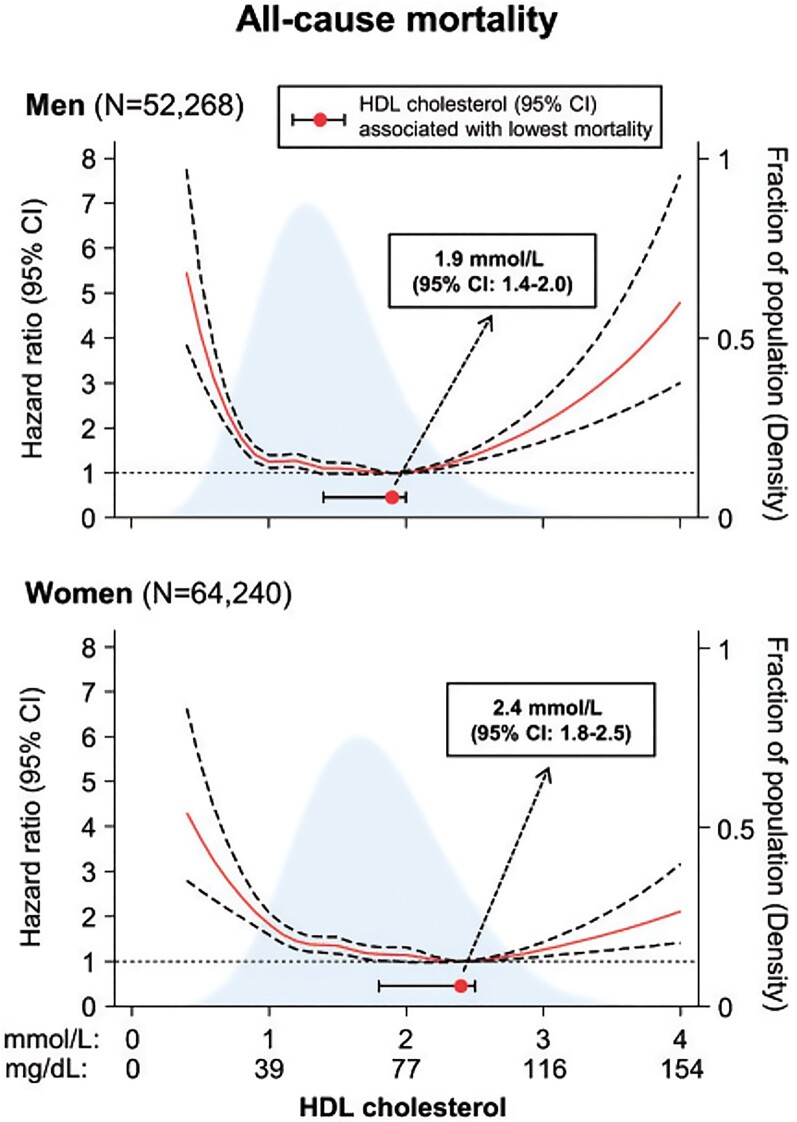
“The largest observational studies showed that extremely high HDL-C levels were not associated with a higher risk of cancer mortality, but rather with CV and/or other mortalities.(30,116,117) There are several possible explanations behind these associations.”
BackgroundSelf-citationMuntner, P., Coresh, J., Smith, J. C., Eckfeldt, J., & Klag, M. J. (2000) · Kidney International · doi:10.1046/j.1523-1755.2000.00165.x · Cited by 667
High density lipoprotein cholesterol and mortality. The Framingham Heart Study.
Wilson, P. W., Abbott, R. D., & Castelli, W. P. (1988) · Arteriosclerosis: An Official Journal of the American Heart Association, Inc. · doi:10.1161/01.atv.8.6.737 · Cited by 644
Animal lipoproteins: chemistry, structure, and comparative aspects
Chapman, M. J. (1980) · Journal of Lipid Research · doi:10.1016/s0022-2275(20)34780-5 · Cited by 629
Sphingosine 1-phosphate: Lipid signaling in pathology and therapy
Cartier, A., & Hla, T. (2019) · Science · doi:10.1126/science.aar5551 · Cited by 613 · cited 2×
“S1P also modulates inflammatory effects on macrophages and lymphocytes and promotes the survival of hearts and kidneys exposed to hypoxia, ischemia-reperfusion injury, or toxic drugs.(81) Fourth, HDLs deliver cargo into cells either by selective uptake, i.”
BackgroundPlump, A. S., Scott, C. J., & Breslow, J. L. (1994) · Proceedings of the National Academy of Sciences · doi:10.1073/pnas.91.20.9607 · Cited by 568
Molecular Mechanisms of Cellular Cholesterol Efflux
Phillips, M. C. (2014) · Journal of Biological Chemistry · doi:10.1074/jbc.r114.583658 · Cited by 545 · cited 1×
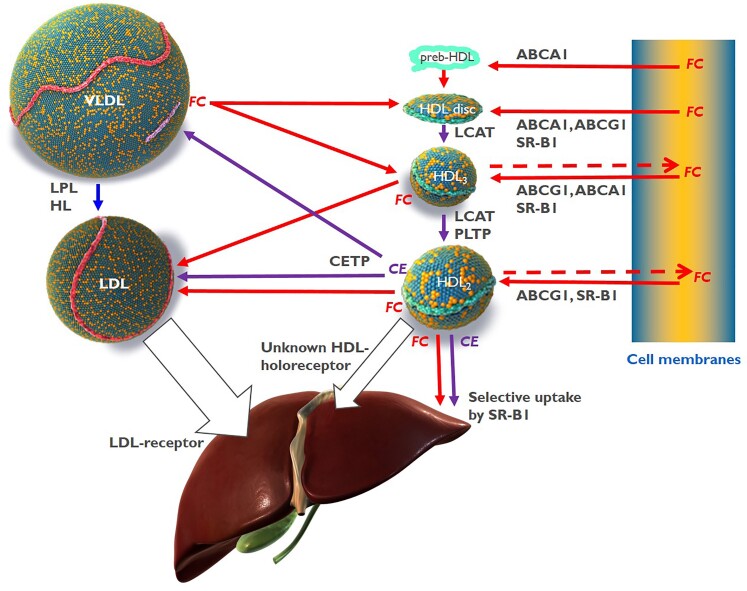
“According to this model, HDLs elicit cholesterol efflux from macrophage foam cells of atherosclerotic plaques either specifically, via sequential interactions with ABCA1 and ABCG1, or by aqueous diffusion, through a process facilitated by scavenger receptor BI (SR-BI) (Figure 2).(64) Virtual HDL-deficiency in Tangier…”
Zanoni, P., Khetarpal, S. A., Larach, D. B., Hancock-Cerutti, W. F., Millar, J. S., Cuchel, M., DerOhannessian, S., Kontush, A., Surendran, P., Saleheen, D., et al. (2016) · Science · doi:10.1126/science.aad3517 · Cited by 545
Self-citationBesler, C., Heinrich, K., Rohrer, L., Doerries, C., Riwanto, M., Shih, D. M., Chroni, A., Yonekawa, K., Stein, S., Schaefer, N., et al. (2011) · Journal of Clinical Investigation · doi:10.1172/jci42946 · Cited by 535 · cited 1×
“The gain of these adverse receptor binding properties results from the accumulation of oxidized phospholipids and apoA-I, serum amyloid protein A (SAA), or symmetric dimethylarginine.(97,98)”
BackgroundRosenson, R. S., Brewer, H. B., Chapman, M. J., Fazio, S., Hussain, M. M., Kontush, A., Krauss, R. M., Otvos, J. D., Remaley, A. T., & Schaefer, E. J. (2011) · Clinical Chemistry · doi:10.1373/clinchem.2010.155333 · Cited by 511
Self-citationSaleheen, D., Scott, R., Javad, S., Zhao, W., Rodrigues, A., Picataggi, A., Lukmanova, D., Mucksavage, M. L., Luben, R., Billheimer, J., et al. (2015) · The Lancet Diabetes & Endocrinology · doi:10.1016/s2213-8587(15)00126-6 · Cited by 470
Frikke-Schmidt, R. (2008) · JAMA · doi:10.1001/jama.299.21.2524 · Cited by 464
De Nardo, D., Labzin, L. I., Kono, H., Seki, R., Schmidt, S. V., Beyer, M., Xu, D., Zimmer, S., Lahrmann, C., Schildberg, F. A., et al. (2014) · Nature Immunology · doi:10.1038/ni.2784 · Cited by 462
High-Density Lipoprotein Modulates Glucose Metabolism in Patients With Type 2 Diabetes Mellitus
Drew, B. G., Duffy, S. J., Formosa, M. F., Natoli, A. K., Henstridge, D. C., Penfold, S. A., Thomas, W. G., Mukhamedova, N., de Courten, B., Forbes, J. M., et al. (2009) · Circulation · doi:10.1161/circulationaha.108.843219 · Cited by 443 · cited 1×
“However, infusion of artificial HDL acutely improved glycaemia in patients with diabetes.(132) Moreover, both in vitro and in animal experiments, HDL was found to exert potentially anti-diabetic effects on pancreatic beta cells, insulin signalling and glucose metabolism.”
BackgroundMackey, R. H., Greenland, P., Goff, D. C., Lloyd-Jones, D., Sibley, C. T., & Mora, S. (2012) · Journal of the American College of Cardiology · doi:10.1016/j.jacc.2012.03.060 · Cited by 363
Ko, D. T., Alter, D. A., Guo, H., Koh, M., Lau, G., Austin, P. C., Booth, G. L., Hogg, W., Jackevicius, C. A., Lee, D. S., et al. (2016) · Journal of the American College of Cardiology · doi:10.1016/j.jacc.2016.08.038 · Cited by 340 · cited 1×
“The largest observational studies showed that extremely high HDL-C levels were not associated with a higher risk of cancer mortality, but rather with CV and/or other mortalities.(30,116,117) There are several possible explanations behind these associations.”
Riwanto, M., Rohrer, L., Roschitzki, B., Besler, C., Mocharla, P., Mueller, M., Perisa, D., Heinrich, K., Altwegg, L., von Eckardstein, A., et al. (2013) · Circulation · doi:10.1161/circulationaha.112.108753 · Cited by 337 · cited 1×
“the latter, apoC-III interferes with the capacity of HDL to inhibit the apoptosis of endothelial cells and to promote efflux from macrophages and SAA disturbs HDL’s ability to activate eNOS.(107,109) As integrative measures of HDL function, also bioassays were validated in population and clinical studies.”
BackgroundHDL in the 21st Century: A Multifunctional Roadmap for Future HDL Research
Rohatgi, A., Westerterp, M., von Eckardstein, A., Remaley, A., & Rye, K.-A. (2021) · Circulation · doi:10.1161/circulationaha.120.044221 · Cited by 333 · cited 7×
“diseases.(42,95) HDL dysfunctions include reduced capacities to stimulate cholesterol efflux from macrophages, inhibit LDL oxidation, and regulate apoptosis, NO production, monocyte chemotactic protein-1, or vascular cell adhesion molecule expression in endothelial cells (Figure 3).”
BackgroundInfluentialSelf-citationSirtori, C. R., Calabresi, L., Franceschini, G., Baldassarre, D., Amato, M., Johansson, J., Salvetti, M., Monteduro, C., Zulli, R., Muiesan, M. L., et al. (2001) · Circulation · doi:10.1161/01.cir.103.15.1949 · Cited by 322 · cited 1×
“ApoA-IMilano is a naturally occurring variant of apoA-I determining very low levels of HDL-C and apoA-I and high triglyceride levels but associated with a very low prevalence of CV disease.(159,160) Sera from apoA-IMilano carriers exhibit a higher CEC compared with wild-type apoA-I(161); this observation has led to th…”
BackgroundMackness, M., & Mackness, B. (2015) · Gene · doi:10.1016/j.gene.2015.04.088 · Cited by 310
Speer, T., Rohrer, L., Blyszczuk, P., Shroff, R., Kuschnerus, K., Kränkel, N., Kania, G., Zewinger, S., Akhmedov, A., Shi, Y., et al. (2013) · Immunity · doi:10.1016/j.immuni.2013.02.009 · Cited by 310 · cited 1×
“The gain of these adverse receptor binding properties results from the accumulation of oxidized phospholipids and apoA-I, serum amyloid protein A (SAA), or symmetric dimethylarginine.(97,98)”
BackgroundTrials and Tribulations of CETP Inhibitors
Tall, A. R., & Rader, D. J. (2018) · Circulation Research · doi:10.1161/circresaha.117.311978 · Cited by 305 · cited 1×
“Several CETP inhibitors have now been tested in clinical trials, most of which failed to show a reduction in CV risk despite significant increases in HDL-C levels,(12,13,150) except for anacetrapib; the latter significantly reduced CV events by 9%,(9) although such reduction was attributed to the observed LDL-C loweri…”
ResultFerence, B. A., Kastelein, J. J. P., Ginsberg, H. N., Chapman, M. J., Nicholls, S. J., Ray, K. K., Packard, C. J., Laufs, U., Brook, R. D., Oliver-Williams, C., et al. (2017) · JAMA · doi:10.1001/jama.2017.11467 · Cited by 304
Self-citationAssociation of Lipid Fractions With Risks for Coronary Artery Disease and Diabetes
White, J., Swerdlow, D. I., Preiss, D., Fairhurst-Hunter, Z., Keating, B. J., Asselbergs, F. W., Sattar, N., Humphries, S. E., Hingorani, A. D., & Holmes, M. V. (2016) · JAMA Cardiology · doi:10.1001/jamacardio.2016.1884 · Cited by 293
HDL-scavenger receptor B type 1 facilitates SARS-CoV-2 entry
Wei, C., Wan, L., Yan, Q., Wang, X., Zhang, J., Yang, X., Zhang, Y., Fan, C., Li, D., Deng, Y., et al. (2020) · Nature Metabolism · doi:10.1038/s42255-020-00324-0 · Cited by 287
Haase, C. L., Tybjærg-Hansen, A., Ali Qayyum, A., Schou, J., Nordestgaard, B. G., & Frikke-Schmidt, R. (2012) · The Journal of Clinical Endocrinology & Metabolism · doi:10.1210/jc.2011-1846 · Cited by 282
Self-citationSeverity of coronary atherosclerosis related to lipoprotein concentration.
Jenkins, P. J., Harper, R. W., & Nestel, P. J. (1978) · BMJ · doi:10.1136/bmj.2.6134.388 · Cited by 255
Tardif, J.-C., Ballantyne, C. M., Barter, P., Dasseux, J.-L., Fayad, Z. A., Guertin, M.-C., Kastelein, J. J. P., Keyserling, C., Klepp, H., Koenig, W., et al. (2014) · European Heart Journal · doi:10.1093/eurheartj/ehu171 · Cited by 251 · cited 2×
“Although CER-001 promoted the regression of diet-induced atherosclerosis in a mouse model,171 no changes in coronary atherosclerosis were observed among patients with a recent ACS.172 It is conceivable that the infusion with HDL mimetics cannot reduce plaque burden beyond the effect induced by intensive statin therapy.”
BackgroundApolipoprotein A-I structural organization in high-density lipoproteins isolated from human plasma
Huang, R., Silva, R. A. G. D., Jerome, W. G., Kontush, A., Chapman, M. J., Curtiss, L. K., Hodges, T. J., & Davidson, W. S. (2011) · Nature Structural & Molecular Biology · doi:10.1038/nsmb.2028 · Cited by 246
High-density lipoproteins, reverse cholesterol transport and atherogenesis
Pownall, H. J., Rosales, C., Gillard, B. K., & Gotto, A. M. (2021) · Nature Reviews Cardiology · doi:10.1038/s41569-021-00538-z · Cited by 246
HDL in Infectious Diseases and Sepsis
Pirillo, A., Catapano, A. L., & Norata, G. D. (2015) · Handbook of Experimental Pharmacology · doi:10.1007/978-3-319-09665-0_15 · Cited by 237 · cited 3×
“At least in vitro, HDL or apoA-I interfere with the entry or fusion of viruses with target cells.(92) Of note, SR-BI is an entry route of several viruses, including SARS-CoV-2, into cells(93) and this process may be competed by HDLs.”
BackgroundSelf-citationBrousseau, M. E., Diffenderfer, M. R., Millar, J. S., Nartsupha, C., Asztalos, B. F., Welty, F. K., Wolfe, M. L., Rudling, M., Björkhem, I., Angelin, B., et al. (2005) · Arteriosclerosis, Thrombosis, and Vascular Biology · doi:10.1161/01.atv.0000161928.16334.dd · Cited by 233 · cited 3×
“Hydrolysis of triglycerides in white adipocytes upon fasting or in brown adipocytes upon heat production is accompanied by a breakdown of these membranes and the release of considerable amounts of cholesterol for RCT.”
BackgroundHigh-Density Lipoprotein Particle Size and Concentration and Coronary Risk
El Harchaoui, K., Arsenault, B. J., Franssen, R., Després, J.-P., Hovingh, G. K., Stroes, E. S. G., Otvos, J. D., Wareham, N. J., Kastelein, J. J. P., Khaw, K.-T., et al. (2009) · Annals of Internal Medicine · doi:10.7326/0003-4819-150-2-200901200-00006 · Cited by 227
High Density Lipoprotein Cholesterol and the Risk of All-Cause Mortality among U.S. Veterans
Bowe, B., Xie, Y., Xian, H., Balasubramanian, S., Zayed, M. A., & Al-Aly, Z. (2016) · Clinical Journal of the American Society of Nephrology · doi:10.2215/cjn.00730116 · Cited by 213 · cited 1×
“The largest observational studies showed that extremely high HDL-C levels were not associated with a higher risk of cancer mortality, but rather with CV and/or other mortalities.(30,116,117) There are several possible explanations behind these associations.”
Lipids and Lipoproteins and Risk of Different Vascular Events in the MRC/BHF Heart Protection Study
Parish, S., Offer, A., Clarke, R., Hopewell, J. C., Hill, M. R., Otvos, J. D., Armitage, J., & Collins, R. (2012) · Circulation · doi:10.1161/circulationaha.111.073684 · Cited by 212
SR-BI: A Multifunctional Receptor in Cholesterol Homeostasis and Atherosclerosis
Linton, M. F., Tao, H., Linton, E. F., & Yancey, P. G. (2017) · Trends in Endocrinology & Metabolism · doi:10.1016/j.tem.2017.02.001 · Cited by 212 · cited 1×
“Second, the interactions of HDL with SR-BI or apoA-I with ABCA1 induce signal transduction via the recruitment of intracellular proteins, which in turn activate different cellular responses such as eNOS activation in endothelial cells or glucose uptake into myocytes.(79,80) Third, HDLs transport agonists of specific s…”
BackgroundLipoproteins, Coronary Heart Disease, and Atherosclerosis
Gofman, J. W., Glazier, F., Tamplin, A., Strisower, B., & Lalla, O. D. (1954) · Physiological Reviews · doi:10.1152/physrev.1954.34.3.589 · Cited by 201 · cited 1×
“The first observation of an inverse relationship between high-density lipoprotein-cholesterol (HDL-C) levels and the risk of developing coronary heart disease (CHD) dates back to the 1950s.(1) Since the 1970s, results from many other studies have reinforced this strong inverse relationship, conferring to HDL-C the app…”
BackgroundMadsen, C. M., Varbo, A., Tybjærg-Hansen, A., Frikke-Schmidt, R., & Nordestgaard, B. G. (2018) · European Heart Journal · doi:10.1093/eurheartj/ehx665 · Cited by 201 · cited 3×
“Adapted from Madsen et al.30 concentration range, or vice versa).”
MethodInfluentialSelf-citationBoekholdt, S. M., Arsenault, B. J., Hovingh, G. K., Mora, S., Pedersen, T. R., LaRosa, J. C., Welch, K. M. A., Amarenco, P., DeMicco, D. A., Tonkin, A. M., et al. (2013) · Circulation · doi:10.1161/circulationaha.113.002670 · Cited by 196 · cited 9×
“Recent studies indicate that functional measures of HDL, notably cholesterol efflux capacity, numbers of HDL particles, or distinct HDL proteins are better predictors of ASCVD events than HDL-C.”
BackgroundInfluentialMichael Gibson, C., Korjian, S., Tricoci, P., Daaboul, Y., Yee, M., Jain, P., Alexander, J. H., Steg, P. G., Lincoff, A. M., Kastelein, J. J. P., et al. (2016) · Circulation · doi:10.1161/circulationaha.116.025687 · Cited by 191 · cited 1×
“Compared with placebo, CSL-112 was associated with an improvement in measures of CEC (>3-fold).(168) Similar results were reported in another Phase 2a trial.”
ResultNicholls, S. J., Puri, R., Ballantyne, C. M., Jukema, J. W., Kastelein, J. J. P., Koenig, W., Wright, R. S., Kallend, D., Wijngaard, P., Borgman, M., et al. (2018) · JAMA Cardiology · doi:10.1001/jamacardio.2018.2112 · Cited by 174 · cited 1×
“In one study, MDCO-216 produced significant regression of coronary atherosclerosis, in the absence of any demonstrable change in HDL-C levels, suggesting an improvement in HDL function;(162) this observation, however, was not confirmed in another study.(163) The development of MDCO-216 has now been halted.”
ResultCirstea, M., Walley, K. R., Russell, J. A., Brunham, L. R., Genga, K. R., & Boyd, J. H. (2017) · Journal of Critical Care · doi:10.1016/j.jcrc.2016.11.041 · Cited by 169
Bowe, B. C., Xie, Y., Xian, H., Balasubramanian, S., & Al‐Aly, Z. (2016) · Kidney International · doi:10.1016/j.kint.2015.12.034 · Cited by 166
HDL Cholesterol and Risk of Type 2 Diabetes: A Mendelian Randomization Study
Haase, C. L., Tybjærg-Hansen, A., Nordestgaard, B. G., & Frikke-Schmidt, R. (2015) · Diabetes · doi:10.2337/db14-1603 · Cited by 161 · cited 1×
“There is genetic evidence that low HDL-C levels may be causally related to an increased risk of diabetes in two large studies,(127,128) but not in a third.(129) In randomized trials, CETP inhibition, leading to a 28–132% increase in HDL-C levels, improved glycaemic control and/or reduced the risk of new-onset diabetes.”
BackgroundSelf-citationLipid biomarkers and long-term risk of cancer in the Women’s Health Study
Chandler, P. D., Song, Y., Lin, J., Zhang, S., Sesso, H. D., Mora, S., Giovannucci, E. L., Rexrode, K. E., Moorthy, M. V., Li, C., et al. (2016) · The American Journal of Clinical Nutrition · doi:10.3945/ajcn.115.124321 · Cited by 159
Increased High-Density Lipoprotein Levels Associated with Age-Related Macular Degeneration
Colijn, J. M., den Hollander, A. I., Demirkan, A., Cougnard-Grégoire, A., Verzijden, T., Kersten, E., Meester-Smoor, M. A., Merle, B. M. J., Papageorgiou, G., Ahmad, S., et al. (2019) · Ophthalmology · doi:10.1016/j.ophtha.2018.09.045 · Cited by 156
Burgess, S., & Davey Smith, G. (2017) · Ophthalmology · doi:10.1016/j.ophtha.2017.03.042 · Cited by 152
Serum amyloid A: high-density lipoproteins interaction and cardiovascular risk
Zewinger, S., Drechsler, C., Kleber, M. E., Dressel, A., Riffel, J., Triem, S., Lehmann, M., Kopecky, C., Säemann, M. D., Lepper, P. M., et al. (2015) · European Heart Journal · doi:10.1093/eurheartj/ehv352 · Cited by 150 · cited 2×
“Enrichment of HDL with SAA was associated with mortality in CHD patients as well as patients with diabetic endstage nephropathy.(107,108) However, it is not clear whether the enrichment of HDL with apoC-III or SAA are direct measures of HDL dysfunction or indirect reporters of apoC-III’s adverse role in the metabolism…”
BackgroundPlasma HDL cholesterol and risk of myocardial infarction: a mendelian randomisation study
Voight, B. F., Peloso, G. M., Orho-Melander, M., Frikke-Schmidt, R., Barbalic, M., Jensen, M. K., Hindy, G., Hólm, H., Ding, E. L., Johnson, T., et al. (2012) · The Lancet · doi:10.1016/s0140-6736(12)60312-2 · Cited by 148 · cited 3×
“Data from a genetic score combining 14 variants exclusively related to HDL-C showedno significant association with the risk of CHD.(23) Also, more recently, even larger Mendelian randomization studies failed to show any significant genetic association of HDL-C levels with the risk of ASCVD.”
BackgroundLanktree, M. B., Thériault, S., Walsh, M. W., & Paré, G. (2017) · American Journal of Kidney Diseases · doi:10.1053/j.ajkd.2017.06.011 · Cited by 143
Thermogenic adipocytes promote HDL turnover and reverse cholesterol transport
Bartelt, A., John, C., Schaltenberg, N., Berbée, J. F. P., Worthmann, A., Cherradi, M. L., Schlein, C., Piepenburg, J., Boon, M. R., Rinninger, F., et al. (2017) · Nature Communications · doi:10.1038/ncomms15010 · Cited by 140 · cited 1×
“At least in mouse models, HDL or ABC transporters were shown to play an important role in this process.(70,71) HDLs also accept unesterified cholesterol from TGRLs, a process enhanced upon hydrolysis of triglycerides by lipoprotein lipase and independent of phospholipids (Figure 2).”
BackgroundBiological Consequences of Dysfunctional HDL
Pirillo, A., Catapano, A. L., & Norata, G. D. (2018) · Current Medicinal Chemistry · doi:10.2174/0929867325666180530110543 · Cited by 134 · cited 2×
“This new paradigm has reinforced the idea that HDL is not merely a cholesterol transporter, but, rather, possesses several additional functional properties [including cholesterol efflux capacity (CEC), anti-oxidant, anti-inflammatory, and immune-regulating activities].(33) In addition, HDL is a rather complex family o…”
BackgroundSelf-citationTrinder, M., Walley, K. R., Boyd, J. H., & Brunham, L. R. (2020) · Arteriosclerosis, Thrombosis, and Vascular Biology · doi:10.1161/atvbaha.119.313381 · Cited by 133
HDL in Immune-Inflammatory Responses: Implications beyond Cardiovascular Diseases
Bonacina, F., Pirillo, A., Catapano, A. L., & Norata, G. D. (2021) · Cells · doi:10.3390/cells10051061 · Cited by 131 · cited 2×
“RCT is of special relevance for the removal of cholesterol from macrophages: following cholesterol accumulation, macrophages exert several pro-inflammatory activities which are dampened by HDL-mediated cholesterol efflux.(69) Also, adipocytes are enriched with cholesterol to form the biomembranes surrounding lipid dro…”
BackgroundSelf-citationCoronary Heart Disease Risks Associated with High Levels of HDL Cholesterol
Wilkins, J. T., Ning, H., Stone, N. J., Criqui, M. H., Zhao, L., Greenland, P., & Lloyd‐Jones, D. M. (2014) · Journal of the American Heart Association · doi:10.1161/jaha.113.000519 · Cited by 129 · cited 1×
“Data from six community-based cohorts showed an inverse and linear relationship between HDL-C and CHD risk up to a value of ≈90 mg/dL but for HDL-C values >90 mg/dL, no further reduction in CHD risk was observed.(29) In a meta-analysis of 68 studies, this threshold was the 80th and 60th percentile for unadjusted and a…”
BackgroundUsing Genetic Variants to Assess the Relationship Between Circulating Lipids and Type 2 Diabetes
Fall, T., Xie, W., Poon, W., Yaghootkar, H., Mägi, R., the GENESIS Consortium, Knowles, J. W., Lyssenko, V., Weedon, M., Frayling, T. M., et al. (2015) · Diabetes · doi:10.2337/db14-1710 · Cited by 129
Diditchenko, S., Gille, A., Pragst, I., Stadler, D., Waelchli, M., Hamilton, R., Leis, A., & Wright, S. D. (2013) · Arteriosclerosis, Thrombosis, and Vascular Biology · doi:10.1161/atvbaha.113.301981 · Cited by 128 · cited 1×
“It has threefold less phospholipid than CSL-111, did not show any major organ toxicity or immunogenicity,(166) and is capable of increasing substantially ABCA1-mediated cholesterol efflux from cells.(167) Compared with placebo, CSL-112 was associated with an improvement in measures of CEC (>3-fold).”
BackgroundTricoci, P., D’Andrea, D. M., Gurbel, P. A., Yao, Z., Cuchel, M., Winston, B., Schott, R. J., Weiss, R., Blazing, M. A., Cannon, L., et al. (2015) · Journal of the American Heart Association · doi:10.1161/jaha.115.002171 · Cited by 122 · cited 1×
“Similar results were reported in another Phase 2a trial.(169) The ongoing Phase 3 AEGIS-II trial is evaluating 4 weekly infusions of CSL-112 can lower the short-term rates of recurrent events among post-AMI patients.”
ResultIto, A., Hong, C., Oka, K., Salazar, J. V., Diehl, C., Witztum, J. L., Diaz, M., Castrillo, A., Bensinger, S. J., Chan, L., et al. (2016) · Immunity · doi:10.1016/j.immuni.2016.11.008 · Cited by 122
Structure-function relationships of HDL in diabetes and coronary heart disease
Cardner, M., Yalçınkaya, M., Götze, S., Luca, E., Baláž, M., Hunjadi, M., Hartung, J., Shemet, A., Kränkel, N., Radosavljevic, S., et al. (2020) · JCI Insight · doi:10.1172/jci.insight.131491 · Cited by 122 · cited 10×
“However, in contrast to initial encouraging results, the validation of the CEC estimation algorithm failed in large multicentric replication studies.113 Another example is a proteomic score integrating the information of apolipoproteins A-I, C-I, C-II, C-III, and C-IV, which showed a good correlation with CEC as well…”
BackgroundInfluentialTrinder, M., Wang, Y., Madsen, C. M., Ponomarev, T., Bohunek, L., Daisely, B. A., Kong, H. J., Blauw, L. L., Nordestgaard, B. G., Tybjærg‐Hansen, A., et al. (2020) · Circulation · doi:10.1161/circulationaha.120.048568 · Cited by 121 · cited 2×
“There is genetic support for this function of HDL from gain-of-function variants in CETP associated with both lower HDL-C levels and higher mortality in sepsis.(123) Possible mechanisms include the inactivation of bacterial lipopolysaccharides,(88,92) but also beneficial effects of HDL on multiple organs and systemic…”
BackgroundResultSelf-citationIncreased Cholesterol Efflux Potential of Sera From ApoA-I Milano Carriers and Transgenic Mice
Franceschini, G., Calabresi, L., Chiesa, G., Parolini, C., Sirtori, C. R., Canavesi, M., & Bernini, F. (1999) · Arteriosclerosis, Thrombosis, and Vascular Biology · doi:10.1161/01.atv.19.5.1257 · Cited by 118
High density lipoprotein cholesterol and cancer: Marker or causative?
Pirro, M., Ricciuti, B., Rader, D. J., Catapano, A. L., Sahebkar, A., & Banach, M. (2018) · Progress in Lipid Research · doi:10.1016/j.plipres.2018.06.001 · Cited by 116
Self-citationTardy, C., Goffinet, M., Boubekeur, N., Ackermann, R., Sy, G., Bluteau, A., Cholez, G., Keyserling, C., Lalwani, N., Paolini, J. F., et al. (2014) · Atherosclerosis · doi:10.1016/j.atherosclerosis.2013.10.018 · Cited by 114
Nicholls, S. J., Ruotolo, G., Brewer, H. B., Kane, J. P., Wang, M.-D., Krueger, K. A., Adelman, S. J., Nissen, S. E., & Rader, D. J. (2015) · Journal of the American College of Cardiology · doi:10.1016/j.jacc.2015.09.013 · Cited by 114 · cited 1×
“Although increasing CEC either as monotherapy or as a combination therapy with statins, treatment with evacetrapib did not prevent ASCVD events.(112) Despite these limitations, CEC has been used as a reference to develop molecular biomarkers that can be measured in clinical laboratories.”
BackgroundPedersen, K. M., Çolak, Y., Bojesen, S. E., & Nordestgaard, B. G. (2020) · Journal of Hematology & Oncology · doi:10.1186/s13045-020-00963-6 · Cited by 112
Self-citationHDL Biogenesis, Remodeling, and Catabolism
Zannis, V. I., Fotakis, P., Koukos, G., Kardassis, D., Ehnholm, C., Jauhiainen, M., & Chroni, A. (2015) · Handbook of Experimental Pharmacology · doi:10.1007/978-3-319-09665-0_2 · Cited by 110 · cited 16×
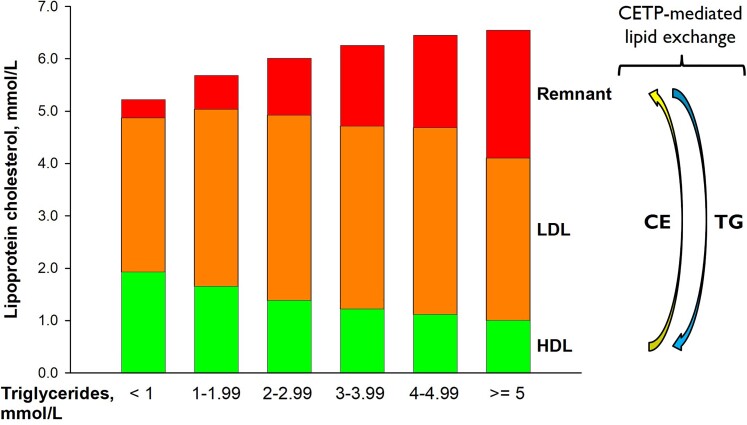
“apoB-containing lipoproteins to HDL as well as between different HDLs.(59) In addition, lipids are fluxed between HDL and cells and between HDL and other lipoproteins following concentration gradients or affinity.”
BackgroundInfluentialThe Changing Face of HDL and the Best Way to Measure It
Karathanasis, S. K., Freeman, L. A., Gordon, S. M., & Remaley, A. T. (2017) · Clinical Chemistry · doi:10.1373/clinchem.2016.257725 · Cited by 109
Self-citationGordon, E. M., Figueroa, D. M., Barochia, A. V., Yao, X., & Levine, S. J. (2016) · Frontiers in Pharmacology · doi:10.3389/fphar.2016.00323 · Cited by 108 · cited 4×
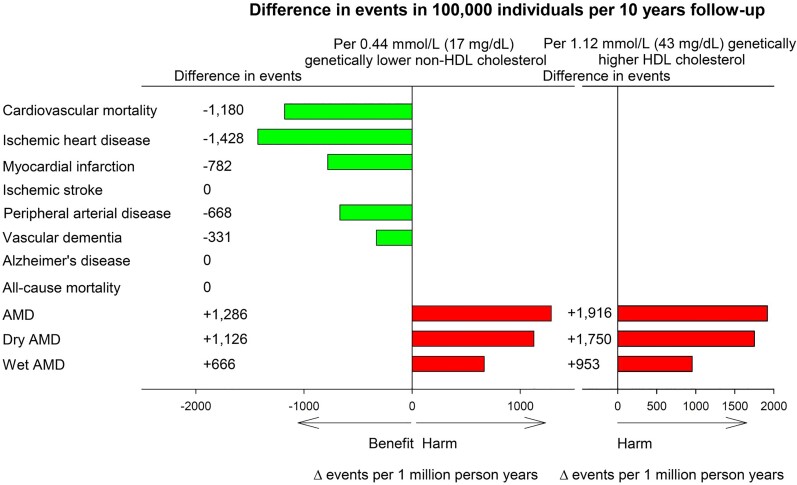
“For example, the targeted knock-out of ABCA1 and ABCG1 in retinal pigment epithelium led to retinal degeneration in mice as seen in human AMD.(139) As interference with LDL metabolism in the liver for example by PCSK9 inhibition does not affect brain function, interference with HDL metabolism in the periphery may have…”
BackgroundResultInfluentialThe HDL proteome watch: compilation of studies leads to new insights on HDL function
Davidson, W. S., Shah, A. S., Sexmith, H., & Gordon, S. M. (2022) · Biochimica et Biophysica Acta (BBA) - Molecular and Cell Biology of Lipids · doi:10.1016/j.bbalip.2021.159072 · Cited by 107 · cited 14×
“Recent advances in mass spectrometry allow the comprehensive quantification of the proteome in total HDL as well as distinct subclasses.(45,46,54,55) At this time, there is only limited commercial availability of these advanced HDL sub-fractionation tests and hence they are not widely used but they are being actively…”
BackgroundInfluentialHaase, C. L., Tybjærg-Hansen, A., Grande, P., & Frikke-Schmidt, R. (2010) · The Journal of Clinical Endocrinology & Metabolism · doi:10.1210/jc.2010-0450 · Cited by 104
Distinct Proteomic Signatures in 16 HDL (High-Density Lipoprotein) Subspecies
Furtado, J. D., Yamamoto, R., Melchior, J. T., Andraski, A. B., Gamez-Guerrero, M., Mulcahy, P., He, Z., Cai, T., Davidson, W. S., & Sacks, F. M. (2018) · Arteriosclerosis, Thrombosis, and Vascular Biology · doi:10.1161/atvbaha.118.311607 · Cited by 102 · cited 2×
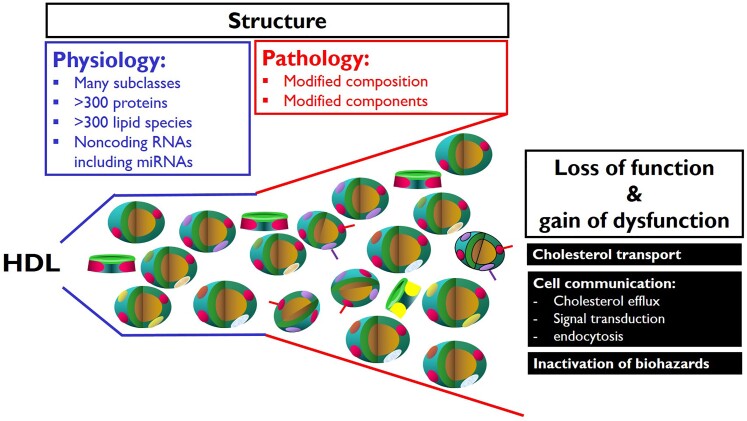
“Recent proteomic analyses and metabolic turnover studies provided evidence that distinct HDL sub-classes have a pre-defined core-protein composition that remains relatively stable throughout their lifecycle.(56,57) Interestingly, these HDL sub-classes frequently contain specialized proteins that fulfil related or comp…”
BackgroundSoria-Florido, M. T., Schröder, H., Grau, M., Fitó, M., & Lassale, C. (2020) · Atherosclerosis · doi:10.1016/j.atherosclerosis.2020.04.015 · Cited by 99 · cited 9×
“Recent studies indicate that functional measures of HDL, notably cholesterol efflux capacity, numbers of HDL particles, or distinct HDL proteins are better predictors of ASCVD events than HDL-C.”
ResultInfluentialJohannsen, T. H., Kamstrup, P. R., Andersen, R. V., Jensen, G. B., Sillesen, H., Tybjærg-Hansen, A., & Nordestgaard, B. G. (2009) · The Journal of Clinical Endocrinology & Metabolism · doi:10.1210/jc.2008-1342 · Cited by 98
Self-citationThe Endothelium Is Both a Target and a Barrier of HDL’s Protective Functions
Robert, J., Osto, E., & von Eckardstein, A. (2021) · Cells · doi:10.3390/cells10051041 · Cited by 97
Zanoni, P., Velagapudi, S., Yalcinkaya, M., Rohrer, L., & von Eckardstein, A. (2018) · Atherosclerosis · doi:10.1016/j.atherosclerosis.2018.06.881 · Cited by 95 · cited 2×
“In addition, HDL particles as such are taken up by hepatocytes through a yet poorly understood mechanism (Figure 2).(66) Of note, HDL-C levels reflect neither the capacity nor the intensity of RCT.”
BackgroundAnnema, W., & von Eckardstein, A. (2016) · Translational Research · doi:10.1016/j.trsl.2016.02.008 · Cited by 94 · cited 2×
“diseases.(42,95) HDL dysfunctions include reduced capacities to stimulate cholesterol efflux from macrophages, inhibit LDL oxidation, and regulate apoptosis, NO production, monocyte chemotactic protein-1, or vascular cell adhesion molecule expression in endothelial cells (Figure 3).”
BackgroundPlasma high-density lipoprotein cholesterol and risk of dementia: observational and genetic studies
Kjeldsen, E. W., Thomassen, J. Q., Rasmussen, I. J., Nordestgaard, B. G., Tybjærg‐Hansen, A., & Frikke‐Schmidt, R. (2021) · Cardiovascular Research · doi:10.1093/cvr/cvab164 · Cited by 91
Self-citationA multiple ascending dose study of CSL112, an infused formulation of ApoA‐I
Easton, R., Gille, A., D'Andrea, D., Davis, R., Wright, S. D., & Shear, C. (2014) · The Journal of Clinical Pharmacology · doi:10.1002/jcph.194 · Cited by 87
Nomura, A., Won, H.-H., Khera, A. V., Takeuchi, F., Ito, K., McCarthy, S., Emdin, C. A., Klarin, D., Natarajan, P., Zekavat, S. M., et al. (2017) · Circulation Research · doi:10.1161/circresaha.117.311145 · Cited by 86
Madsen, C. M., Varbo, A., & Nordestgaard, B. G. (2021) · Arteriosclerosis, Thrombosis, and Vascular Biology · doi:10.1161/atvbaha.120.314050 · Cited by 86 · cited 14×
“extremely high HDL-C levels are found in people with very high alcohol consumption, which could be the actual cause of high mortality.(30,115) Third, high HDL-C levels result from delayed catabolism.”
BackgroundResultInfluentialSelf-citationGibson, C. M., Kastelein, J. J. P., Phillips, A. T., Aylward, P. E., Yee, M. K., Tendera, M., Nicholls, S. J., Pocock, S., Goodman, S. G., Alexander, J. H., et al. (2021) · American Heart Journal · doi:10.1016/j.ahj.2020.10.052 · Cited by 85 · cited 1×
“The ongoing Phase 3 AEGIS-II trial is evaluating 4 weekly infusions of CSL-112 can lower the short-term rates of recurrent events among post-AMI patients.(170) CER-001 is a negatively charged lipoprotein complex, consisting of phosphatidylcholine, sphingomyelin, and recombinant human apoA-I.”
BackgroundLipoprotein X Causes Renal Disease in LCAT Deficiency
Ossoli, A., Neufeld, E. B., Thacker, S. G., Vaisman, B., Pryor, M., Freeman, L. A., Brantner, C. A., Baranova, I., Francone, N. O., Demosky, S. J., et al. (2016) · PLOS ONE · doi:10.1371/journal.pone.0150083 · Cited by 83
Self-citationFeng, M., Darabi, M., Tubeuf, E., Canicio, A., Lhomme, M., Frisdal, E., Lanfranchi-Lebreton, S., Matheron, L., Rached, F., Ponnaiah, M., et al. (2020) · European Journal of Preventive Cardiology · doi:10.1177/2047487319894114 · Cited by 83
High-Density Lipoproteins Are Bug Scavengers
Meilhac, O., Tanaka, S., & Couret, D. (2020) · Biomolecules · doi:10.3390/biom10040598 · Cited by 82 · cited 3×
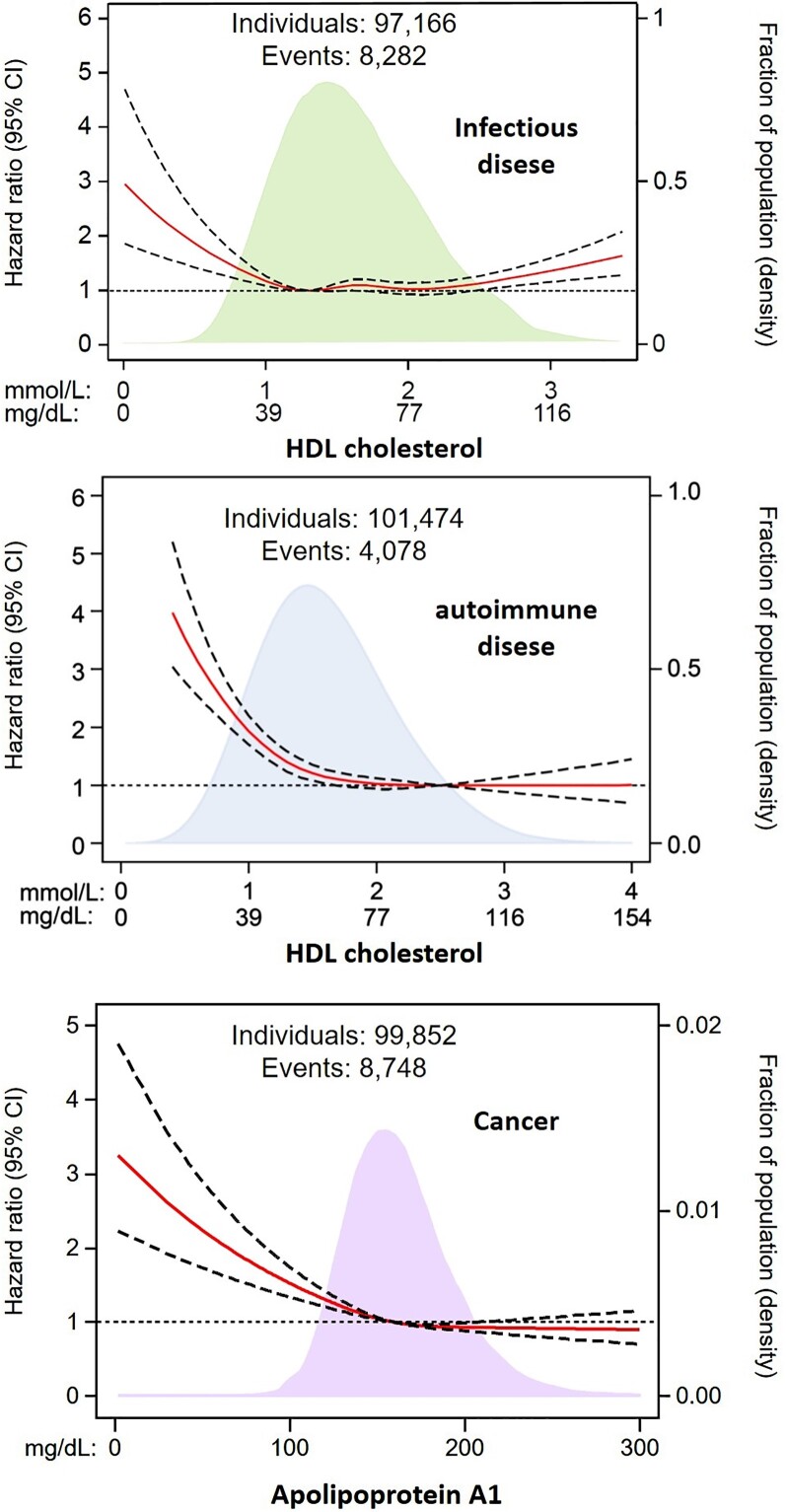
“Both low and high HDL-C levels are associated with an increased risk of infectious disease(31,119) (Figure 6, upper panel) as well as mortality from sepsis.(88,92,121,122) There is genetic support for this function of HDL from gain-of-function variants in CETP associated with both lower HDL-C levels and higher mortali…”
BackgroundDavidson, W. S., & D Silva, R. G. (2005) · Current Opinion in Lipidology · doi:10.1097/01.mol.0000169349.38321.ad · Cited by 81 · cited 1×
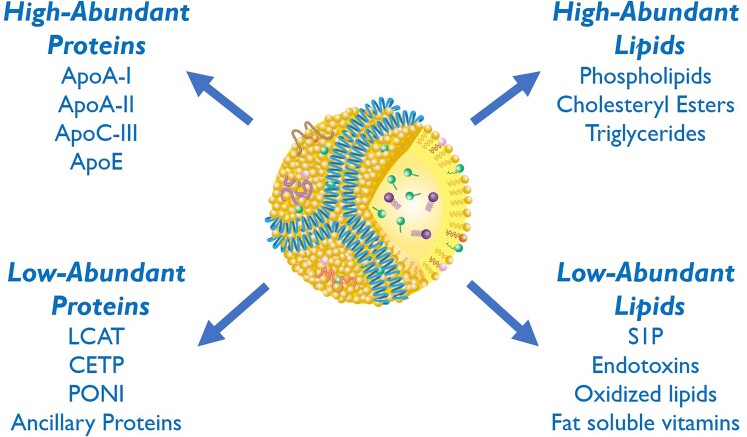
“The typical large spherical form of HDL has at least three molecules of apoA-I in a trefoil-like configuration,(43) whereas discoidal HDL has two copies of apoA-I wrapped around the side of the disc, shading the hydrophobic acyl chains of its phospholipid bilayer.(44) The low-abundant proteins on HDL can be further di…”
BackgroundKuller, L. H., Grandits, G. A., Cohen, J. D., Neaton, J. D., & Prineas, R. J. (2006) · Atherosclerosis · doi:10.1016/j.atherosclerosis.2006.09.001 · Cited by 81
Helgadóttir, A., Sulem, P., Þorgeirsson, G., Grétarsdóttir, S., Þorleifsson, G., Jensson, B. Ö., Arnadottir, G. A., Ólafsson, Í., Eyjolfsson, G. I., Sigurðardóttir, Ó., et al. (2018) · European Heart Journal · doi:10.1093/eurheartj/ehy169 · Cited by 78
Han, X., Ong, J., Hewitt, A. W., Gharahkhani, P., & MacGregor, S. (2020) · International Journal of Epidemiology · doi:10.1093/ije/dyaa178 · Cited by 78
Cho, K., Kim, J.-R., Lee, I., & Kwon, H. (2021) · Antioxidants · doi:10.3390/antiox10020209 · Cited by 76
Mendivil, C. O., Furtado, J., Morton, A. M., Wang, L., & Sacks, F. M. (2016) · Arteriosclerosis, Thrombosis, and Vascular Biology · doi:10.1161/atvbaha.115.306138 · Cited by 74 · cited 1×
“Recent proteomic analyses and metabolic turnover studies provided evidence that distinct HDL sub-classes have a pre-defined core-protein composition that remains relatively stable throughout their lifecycle.(56,57) Interestingly, these HDL sub-classes frequently contain specialized proteins that fulfil related or comp…”
BackgroundFranceschini, G., Sirtori, C. R., Bosisio, E., Gualandri, V., Orsini, G. B., Mogavero, A. M., & Capurso, A. (1985) · Atherosclerosis · doi:10.1016/0021-9150(85)90063-2 · Cited by 73
Genetic and secondary causes of severe HDL deficiency and cardiovascular disease
Geller, A. S., Polisecki, E. Y., Diffenderfer, M. R., Asztalos, B. F., Karathanasis, S. K., Hegele, R. A., & Schaefer, E. J. (2018) · Journal of Lipid Research · doi:10.1194/jlr.m088203 · Cited by 73 · cited 1×
“Rare variants in genes which cause low HDL-C without altering other lipid traits, namely APOA1, ABCA1, and LCAT, were not associated with any increase of risk of ASCVD in general population studies, but associated with a higher prevalence of ASCVD in studies of families with low HDL-C(17) or in a large lipid clinic re…”
ResultKarjalainen, M. K., Holmes, M. V., Wang, Q., Anufrieva, O., Kähönen, M., Lehtimäki, T., Havulinna, A. S., Kristiansson, K., Salomaa, V., Perola, M., et al. (2020) · Atherosclerosis · doi:10.1016/j.atherosclerosis.2020.02.002 · Cited by 73 · cited 10×
“This review aims to provide an update on the role of HDL in health and disease, also beyond ASCVD.”
BackgroundInfluentialTang, S., Tabet, F., Cochran, B. J., Torres, L., Wu, B. J., Barter, P. J., & Rye, K. (2019) · Scientific Reports · doi:10.1038/s41598-018-38014-3 · Cited by 72 · cited 1×
“Second, the interactions of HDL with SR-BI or apoA-I with ABCA1 induce signal transduction via the recruitment of intracellular proteins, which in turn activate different cellular responses such as eNOS activation in endothelial cells or glucose uptake into myocytes.(79,80) Third, HDLs transport agonists of specific s…”
BackgroundGordon, S. M., & Remaley, A. T. (2017) · Atherosclerosis · doi:10.1016/j.atherosclerosis.2016.11.015 · Cited by 70 · cited 2×
“Possible mechanisms include the inactivation of bacterial lipopolysaccharides,(88,92) but also beneficial effects of HDL on multiple organs and systemic responses, for example, in haemostasis and complement activation which are dysfunctional in hyperinflammation.(48,69,73) Low HDL-C levels are associated with an incre…”
BackgroundSelf-citationCedó, L., Metso, J., Santos, D., García‐León, A., Plana, N., Sabaté‐Soler, S., Rotllán, N., Rivas-Urbina, A., Méndez‐Lara, K. A., Tondo, M., et al. (2020) · Circulation Research · doi:10.1161/circresaha.119.316424 · Cited by 67 · cited 1×
“In this regard, it is important to remember that LDL plays an important role in RCT by accepting both unesterified and esterified cholesterol from HDL for LDL-receptor-mediated removal by the liver.(60,148) However, for some organs and functions, for example the steroidogenesis in adrenals, the delivery of cholesterol…”
BackgroundRallidis, L. S., Tellis, C. C., Lekakis, J. P., Rizos, I., Varounis, C., Charalampopoulos, A. F., Zolindaki, M., Dagres, N., ANASTASIOU‐NANA, M. I., & Tselepis, A. D. (2012) · Journal of the American College of Cardiology · doi:10.1016/j.jacc.2012.06.057 · Cited by 66
Kopecky, C., Genser, B., Drechsler, C., Krane, V., Kaltenecker, C. C., Hengstschläger, M., März, W., Wanner, C., Säemann, M. D., & Weichhart, T. (2015) · Clinical Journal of the American Society of Nephrology · doi:10.2215/cjn.06560714 · Cited by 63 · cited 1×
“Enrichment of HDL with SAA was associated with mortality in CHD patients as well as patients with diabetic endstage nephropathy.(107,108) However, it is not clear whether the enrichment of HDL with apoC-III or SAA are direct measures of HDL dysfunction or indirect reporters of apoC-III’s adverse role in the metabolism…”
BackgroundPolygenic determinants in extremes of high-density lipoprotein cholesterol
Dron, J. S., Wang, J., Low-Kam, C., Khetarpal, S. A., Robinson, J. F., McIntyre, A. D., Ban, M. R., Cao, H., Rhainds, D., Dubé, M.-P., et al. (2017) · Journal of Lipid Research · doi:10.1194/jlr.m079822 · Cited by 63
Molecular regulation of plasma lipid levels during systemic inflammation and sepsis
Trinder, M., Boyd, J. H., & Brunham, L. R. (2019) · Current Opinion in Lipidology · doi:10.1097/mol.0000000000000577 · Cited by 62 · cited 1×
“Both low and high HDL-C levels are associated with an increased risk of infectious disease(31,119) (Figure 6, upper panel) as well as mortality from sepsis.(88,92,121,122) There is genetic support for this function of HDL from gain-of-function variants in CETP associated with both lower HDL-C levels and higher mortali…”
BackgroundTherapy with cholesteryl ester transfer protein (CETP) inhibitors and diabetes risk
Masson, W., Lobo, M., Siniawski, D., Huerín, M., Molinero, G., Valéro, R., & Nogueira, J. P. (2018) · Diabetes & Metabolism · doi:10.1016/j.diabet.2018.02.005 · Cited by 61
Role of High‐Density Lipoproteins in Cholesterol Homeostasis and Glycemic Control
Manandhar, B., Cochran, B. J., & Rye, K. (2019) · Journal of the American Heart Association · doi:10.1161/jaha.119.013531 · Cited by 61 · cited 2×
“Moreover, both in vitro and in animal experiments, HDL was found to exert potentially anti-diabetic effects on pancreatic beta cells, insulin signalling and glucose metabolism.(74) Observational and genetic data show that low HDL-C is associated with decreased kidney function.”
BackgroundNordestgaard, L. T., Christoffersen, M., Lauridsen, B. K., Afzal, S., Nordestgaard, B. G., Frikke-Schmidt, R., & Tybjærg-Hansen, A. (2022) · JAMA Cardiology · doi:10.1001/jamacardio.2021.3728 · Cited by 61 · cited 1×
“That said, REVEAL participants were followed for 4 years from a median age of 67 years during which time 298 cases of AMD were diagnosed, that is, the study had limited power to exclude an increased risk of AMD if these participants were treated beyond the median age of 72 years where AMD typically develops.(144) Sinc…”
BackgroundSelf-citationTietjen, I., Hovingh, G. K., Singaraja, R., Radomski, C., McEwen, J., Chan, E., Mattice, M., Legendre, A., Kastelein, J. J. P., & Hayden, M. R. (2012) · Biochimica et Biophysica Acta (BBA) - Molecular and Cell Biology of Lipids · doi:10.1016/j.bbalip.2011.08.006 · Cited by 58
A Mendelian randomization study of the role of lipoprotein subfractions in coronary artery disease
Zhao, Q., Wang, J., Miao, Z., Zhang, N. R., Hennessy, S., Small, D. S., & Rader, D. J. (2021) · eLife · doi:10.7554/elife.58361 · Cited by 58 · cited 11×
“Second, the interactions of HDL with SR-BI or apoA-I with ABCA1 induce signal transduction via the recruitment of intracellular proteins, which in turn activate different cellular responses such as eNOS activation in endothelial cells or glucose uptake into myocytes.79,80 Third, HDLs transport agonists of specific sig…”
BackgroundInfluentialEcto-F1-ATPase/P2Y pathways in metabolic and vascular functions of high density lipoproteins
Martinez, L. O., Najib, S., Perret, B., Cabou, C., & Lichtenstein, L. (2014) · Atherosclerosis · doi:10.1016/j.atherosclerosis.2014.11.017 · Cited by 57
Sacks, F. M., Liang, L., Furtado, J. D., Cai, T., Davidson, W. S., He, Z., McClelland, R. L., Rimm, E. B., & Jensen, M. K. (2020) · Arteriosclerosis, Thrombosis, and Vascular Biology · doi:10.1161/atvbaha.120.314609 · Cited by 57 · cited 2×
“For example, apoA-I levels in particles that contain apoE or apoC-I but not their apoE- or apoC-I-free counterparts, or apoA-I levels in apoC-III-free particles but not in apoC-III-containing particles are inversely associated with incident ASCVD events.(54) Enrichment of HDL with SAA was associated with mortality in…”
BackgroundHigh-density lipoproteins (HDL): Novel function and therapeutic applications
Darabi, M., & Kontush, A. (2021) · Biochimica et Biophysica Acta (BBA) - Molecular and Cell Biology of Lipids · doi:10.1016/j.bbalip.2021.159058 · Cited by 57 · cited 1×
“HDLs also accept unesterified cholesterol from TGRLs, a process enhanced upon hydrolysis of triglycerides by lipoprotein lipase and independent of phospholipids (Figure 2).(72)”
BackgroundMadsen, C. M., Varbo, A., & Nordestgaard, B. G. (2019) · Clinical Chemistry · doi:10.1373/clinchem.2018.299636 · Cited by 55
Self-citationFurtado, J. D., Ruotolo, G., Nicholls, S. J., Dullea, R., Carvajal-Gonzalez, S., & Sacks, F. M. (2022) · Arteriosclerosis, Thrombosis, and Vascular Biology · doi:10.1161/atvbaha.121.317181 · Cited by 52 · cited 1×
“A recent study showed that the treatment with torcetrapib and evacetrapib increases HDL sub-fractions that are associated with an increased CHD risk, such as those containing apoC-III, suggesting that the pharmacological increase of HDL-C would not be beneficial if an increase in dysfunctional HDL particles is achieve…”
ResultThe trypanolytic factor–mechanism, impacts and applications
Wheeler, R. J. (2010) · Trends in Parasitology · doi:10.1016/j.pt.2010.05.005 · Cited by 51 · cited 3×
“Recent proteomic analyses and metabolic turnover studies provided evidence that distinct HDL sub-classes have a pre-defined core-protein composition that remains relatively stable throughout their lifecycle.56,57 Interestingly, these HDL sub-classes frequently contain specialized proteins that fulfil related or comple…”
BackgroundPrice, N. L., Zhang, X., Fernández-Tussy, P., Singh, A. K., Burnap, S. A., Rotllan, N., Goedeke, L., Sun, J., Canfrán-Duque, A., Aryal, B., et al. (2021) · Proceedings of the National Academy of Sciences · doi:10.1073/pnas.2006478118 · Cited by 50 · cited 1×
“Examples are the activation of endothelial nitric oxide synthase (eNOS) by HDL/SR-BI interaction in caveolae of endothelial cells(75) as well as the dampening of toll-like receptor-4 response in monocytes(76) or T-cell receptor signalling in lymphocytes;(77) cholesterol efflux also alters the transcription of sterol-r…”
BackgroundCuffe, H., Liu, M., Key, C.-C. C., Boudyguina, E. Y., Sawyer, J. K., Weckerle, A., Bashore, A. C., Fried, S. K., Chung, S., & Parks, J. S. (2018) · Arteriosclerosis Thrombosis and Vascular Biology · doi:10.1161/atvbaha.117.309880 · Cited by 49 · cited 1×
“At least in mouse models, HDL or ABC transporters were shown to play an important role in this process.(70,71) HDLs also accept unesterified cholesterol from TGRLs, a process enhanced upon hydrolysis of triglycerides by lipoprotein lipase and independent of phospholipids (Figure 2).”
BackgroundLipid and metabolic syndrome traits in coronary artery disease: a Mendelian randomization study
Thomas, D. G., Wei, Y., & Tall, A. R. (2021) · Journal of Lipid Research · doi:10.1194/jlr.p120001000 · Cited by 49
Association of an HDL Apolipoproteomic Score With Coronary Atherosclerosis and Cardiovascular Death
Natarajan, P., Collier, T., Jin, Z., Lyass, A., Li, Y., Ibrahim, N. E., Mukai, R., McCarthy, C. P., Massaro, J. M., D’Agostino, R. B., et al. (2019) · Journal of the American College of Cardiology · doi:10.1016/j.jacc.2019.01.073 · Cited by 48 · cited 1×
“Another example is a proteomic score integrating the information of apolipoproteins A-I, C-I, C-II, C-III, and C-IV, which showed a good correlation with CEC as well as significant association with the presence of coronary artery disease and CV mortality independently of clinical risk factors including conventionally…”
BackgroundThe effect of CETP inhibitors on new-onset diabetes: a systematic review and meta-analysis
Dangas, K., Navar, A.-M., & Kastelein, J. J. P. (2022) · European Heart Journal - Cardiovascular Pharmacotherapy · doi:10.1093/ehjcvp/pvac025 · Cited by 48 · cited 2×
“In post hoc analyses of large trials, CETP inhibitors were also found to improve glycaemic control and delay the onset of diabetes.(130,131) Although pharmacologically increasing HDL-C levels has so far not shown any clinical benefit, several efforts have been launched to develop rHDL that are expected to improve spec…”
BackgroundChandra, A., Neeland, I. J., Das, S. R., Khera, A., Turer, A. T., Ayers, C. R., McGuire, D. K., & Rohatgi, A. K. (2015) · The American Journal of Cardiology · doi:10.1016/j.amjcard.2015.01.015 · Cited by 47
Ossoli, A., Simonelli, S., Varrenti, M., Morici, N., Oliva, F. G., Stucchi, M., Gomaraschi, M., Strazzella, A., Arnaboldi, L., Thomas, M. J., et al. (2019) · Arteriosclerosis Thrombosis and Vascular Biology · doi:10.1161/atvbaha.118.311987 · Cited by 47
HDL-small RNA Export, Transport, and Functional Delivery in Atherosclerosis
Vickers, K. C., & Michell, D. L. (2021) · Current Atherosclerosis Reports · doi:10.1007/s11883-021-00930-7 · Cited by 47 · cited 1×
“HDL can even bind to miRNAs and other types of short nucleic acid fragments but the pathophysiological significance of this is not clear.(52)”
BackgroundApolipoprotein M mediates sphingosine-1-phosphate efflux from erythrocytes
Christensen, P. M., Bosteen, M. H., Hajny, S., Nielsen, L. B., & Christoffersen, C. (2017) · Scientific Reports · doi:10.1038/s41598-017-15043-y · Cited by 44 · cited 1×
“S1P is readily effluxed from erythrocytes or endothelial cells, especially by HDLs that contain its chaperone apoM.(62,63) Thus, HDLs are modular scaffolds that combine structural specificity with plasticity.”
BackgroundSilbernagel, G., Scharnagl, H., Kleber, M. E., Delgado, G., Stojakovic, T., Laaksonen, R., Erdmann, J., Rankinen, T., Bouchard, C., Landmesser, U., et al. (2019) · Atherosclerosis · doi:10.1016/j.atherosclerosis.2018.12.024 · Cited by 44
Ajala, O. N., Demler, O., Liu, Y., Farukhi, Z. M., Adelman, S. J., Collins, H. L., Ridker, P. M., Rader, D. J., Glynn, R. J., & Mora, S. (2020) · Journal of the American Heart Association · doi:10.1161/jaha.119.016507 · Cited by 44
van Capelleveen, J. C., Kastelein, J. J. P., Zwinderman, A. H., van Deventer, S. J. H., Collins, H. L., Adelman, S. J., Round, P., Ford, J., Rader, D. J., & Hovingh, G. K. (2016) · Journal of clinical lipidology · doi:10.1016/j.jacl.2016.06.006 · Cited by 42
Apolipoprotein M modulates erythrocyte efflux and tubular reabsorption of sphingosine-1-phosphate
Sutter, I., Park, R., Othman, A., Rohrer, L., Hornemann, T., Stoffel, M., Devuyst, O., & von Eckardstein, A. (2014) · Journal of Lipid Research · doi:10.1194/jlr.m050021 · Cited by 39 · cited 1×
“S1P is readily effluxed from erythrocytes or endothelial cells, especially by HDLs that contain its chaperone apoM.(62,63) Thus, HDLs are modular scaffolds that combine structural specificity with plasticity.”
BackgroundBashore, A. C., Liu, M., Key, C.-C. C., Boudyguina, E. Y., Wang, X., Carroll, C. M., Sawyer, J. K., Mullick, A. E., Lee, R. G., Macauley, S. L., et al. (2019) · Arteriosclerosis Thrombosis and Vascular Biology · doi:10.1161/atvbaha.119.312382 · Cited by 39 · cited 3×
“Of note, HDL-C levels reflect neither the capacity nor the intensity of RCT.(67) Neither do increased HDL-C levels upon treatment with CETP inhibitors indicate enhanced RCT.”
BackgroundAnti-inflammatory Function of High-Density Lipoproteins via Autophagy of IκB Kinase
Gerster, R., Eloranta, J. J., Hausmann, M., Ruiz, P. A., Cosin-Roger, J., Terhalle, A., Ziegler, U., Kullak-Ublick, G. A., von Eckardstein, A., & Rogler, G. (2015) · Cellular and Molecular Gastroenterology and Hepatology · doi:10.1016/j.jcmgh.2014.12.006 · Cited by 38 · cited 1×
“In addition, monocyte-derived macrophages and enterocytes also internalize entire HDL particles, but the mechanism or the consequence of this is not understood.(85,86) In summary, HDLs elicit a plethora of cellular responses by employing several modes of communication.”
BackgroundLow High-Density Lipoprotein Cholesterol to Monitor Long-Term Average Increased Triglycerides
Langsted, A., Jensen, A. M. R., Varbo, A., & Nordestgaard, B. G. (2020) · The Journal of Clinical Endocrinology & Metabolism · doi:10.1210/clinem/dgz265 · Cited by 37 · cited 1×
“Therefore and because HDL-C levels decrease upon disturbed lipolysis-induced transfer of unesterified cholesterol from TGRL to HDL(100) as well as enhanced CETP-mediated transfer of cholesteryl esters from HDL to TGRL (Figure 4), low HDL-C levels are nowadays widely considered as an indirect and non-causal biomarker o…”
BackgroundSelf-citationSoares, A., Tavoni, T. M., de Faria, E. C., Remalay, A. T., Maranhão, R. C., & Sposito, A. C. (2017) · Clinica Chimica Acta · doi:10.1016/j.cca.2017.12.031 · Cited by 36 · cited 1×
“Following an acute coronary syndrome (ACS) event, cholesterol efflux is significantly reduced, showing the lowest levels at 2–5 days post-event and returning to baseline approximately after 30 days.(164) Thus, an approach that acutely increases apoA-I and CEC might be beneficial among post-acute myocardial infarction…”
BackgroundLiu, H.-M., Hu, Q., Zhang, Q., Su, G.-Y., Xiao, H.-M., Li, B.-Y., Shen, W.-D., Qiu, X., Lv, W.-Q., & Deng, H.-W. (2019) · Frontiers in Genetics · doi:10.3389/fgene.2019.00415 · Cited by 36
Interleukin 10 promotes macrophage uptake of HDL and LDL by stimulating fluid-phase endocytosis
Lucero, D., Islam, P., Freeman, L. A., Jin, X., Pryor, M., Tang, J., Kruth, H. S., & Remaley, A. T. (2019) · Biochimica et Biophysica Acta (BBA) - Molecular and Cell Biology of Lipids · doi:10.1016/j.bbalip.2019.158537 · Cited by 35 · cited 1×
“In addition, monocyte-derived macrophages and enterocytes also internalize entire HDL particles, but the mechanism or the consequence of this is not understood.(85,86) In summary, HDLs elicit a plethora of cellular responses by employing several modes of communication.”
BackgroundSelf-citationTanaka, S., Bègue, F., Veeren, B., Tran‐Dinh, A., Robert, T., Tashk, P., Lortat‐Jacob, B., Faille, D., de Chaisemartin, L., Zappella, N., et al. (2022) · Biomedicines · doi:10.3390/biomedicines10040754 · Cited by 35
Lipoprotein assembly and function in an evolutionary perspective
HORST, D. J. V. D., & Rodenburg, K. W. (2010) · BioMolecular Concepts · doi:10.1515/bmc.2010.012 · Cited by 34
Reproducible Determination of High-Density Lipoprotein Proteotypes
Goetze, S., Frey, K., Rohrer, L., Radosavljevic, S., Krützfeldt, J., Landmesser, U., Bueter, M., Pedrioli, P. G. A., von Eckardstein, A., & Wollscheid, B. (2021) · Journal of Proteome Research · doi:10.1021/acs.jproteome.1c00429 · Cited by 33 · cited 13×
“Recent advances in mass spectrometry allow the comprehensive quantification of the proteome in total HDL as well as distinct subclasses.(45,46,54,55) At this time, there is only limited commercial availability of these advanced HDL sub-fractionation tests and hence they are not widely used but they are being actively…”
BackgroundInfluentialVelagapudi, S., Rohrer, L., Potì, F., Feuerborn, R., Perisa, D., Wang, D., Panteloglou, G., Potapenko, A., Yalçınkaya, M., Hülsmeier, A. J., et al. (2021) · Arteriosclerosis Thrombosis and Vascular Biology · doi:10.1161/atvbaha.121.316725 · Cited by 32 · cited 1×
“Furthermore, S1P facilitates the trans-endothelial transport of HDL and thereby entry into extravascular tissues and spaces, where HDL exerts its protective activities.(82) S1P also modulates inflammatory effects on macrophages and lymphocytes and promotes the survival of hearts and kidneys exposed to hypoxia, ischemi…”
BackgroundThe apoM/S1P Complex—A Mediator in Kidney Biology and Disease?
Bisgaard, L. S., & Christoffersen, C. (2021) · Frontiers in Medicine · doi:10.3389/fmed.2021.754490 · Cited by 32
A Nutrigenetic Update on CETP Gene–Diet Interactions on Lipid-Related Outcomes
Wuni, R., Kuhnle, G., Wynn-Jones, A. A., & Vimaleswaran, K. S. (2022) · Current Atherosclerosis Reports · doi:10.1007/s11883-022-00987-y · Cited by 32 · cited 1×
“Although not as abundant as triglycerides on apoB-containing lipoproteins, the transfer of triglycerides to HDL by CETP may extend the time for the delivery of triglycerides for lipolysis in the post-prandial state and, because of the small size of HDL and its ability to enter extracellular fluid, it may enhance the d…”
BackgroundTorres, L., Zhu, W., Öhrling, G., Larsson, R., Patel, M., Wiese, C. B., Rye, K., Vickers, K. C., & Tabet, F. (2019) · Atherosclerosis · doi:10.1016/j.atherosclerosis.2019.04.227 · Cited by 30
Nordestgaard, L. T., Tybjærg‐Hansen, A., Frikke‐Schmidt, R., & Nordestgaard, B. G. (2021) · The Journal of Clinical Endocrinology & Metabolism · doi:10.1210/clinem/dgab095 · Cited by 29
Self-citationMouse Models of Disturbed HDL Metabolism
Hoekstra, M., & Eck, M. V. (2014) · Handbook of experimental pharmacology · doi:10.1007/978-3-319-09665-0_9 · Cited by 27 · cited 1×
“For example, interferences with apoA-I expression show the expected inverse effects on HDL-C and atherosclerosis, whereas knock-out of Scarb1 increases both HDL-C and atherosclerosis.(28) Apart from pleiotropic effects of gene variants, an important reason for this controversy is the non-continuous relationship of HDL…”
BackgroundEffect of Anacetrapib on Cholesterol Efflux Capacity: A Substudy of the DEFINE Trial
Metzinger, M. P., Saldanha, S., Gulati, J. S., Patel, K. V., El‐Ghazali, A., Deodhar, S., Joshi, P. H., Ayers, C. R., & Rohatgi, A. K. (2020) · Journal of the American Heart Association · doi:10.1161/jaha.120.018136 · Cited by 26
George, R. T., Abuhatzira, L., Stoughton, S. M., Karathanasis, S. K., She, D., Jin, C., Buss, N. A. P. S., Bakker-Arkema, R. G., Ongstad, E. L., Koren, M. J., et al. (2021) · Journal of the American Heart Association · doi:10.1161/jaha.119.014572 · Cited by 26 · cited 1×
“with stable CHD showed that recombinant human LCAT (MEDI6012) added to statin therapy increased HDL-C and apoA-I levels, increased non-ABCA1-mediated cholesterol efflux while reducing apoB levels and total and small LDL particle number.(176) A Phase 2b trial is currently evaluating the safety and efficacy of MEDI6012…”
BackgroundMasana, L., Cabré, A., Heras, M., Amigó, N., Correig, X., Martínez‐Hervás, S., Real, J. T., Ascaso, J. F., Quesada, H., Julve, J., et al. (2014) · Atherosclerosis · doi:10.1016/j.atherosclerosis.2014.12.006 · Cited by 25 · cited 9×
“Recent studies indicate that functional measures of HDL, notably cholesterol efflux capacity, numbers of HDL particles, or distinct HDL proteins are better predictors of ASCVD events than HDL-C.”
BackgroundInfluentialCoassin, S., Friedel, S., Köttgen, A., Lamina, C., & Kronenberg, F. (2016) · Arteriosclerosis Thrombosis and Vascular Biology · doi:10.1161/atvbaha.116.308393 · Cited by 25
Wu, Y., Fan, Z., Tian, Y., Liu, S., & Liu, S. (2018) · Lipids in Health and Disease · doi:10.1186/s12944-018-0732-6 · Cited by 25 · cited 10×
“This review aims to provide an update on the role of HDL in health and disease, also beyond ASCVD.”
BackgroundInfluentialPavanello, C., Turri, M., Strazzella, A., Tulissi, P., Pizzolitto, S., Maglio, G. D., Nappi, R., Calabresi, L., & Boscutti, G. (2021) · Journal of Internal Medicine · doi:10.1111/joim.13404 · Cited by 24
Crustacean Hemolymph Lipoproteins
Hoeger, U., & Schenk, S. (2020) · Sub-cellular biochemistry/Subcellular biochemistry · doi:10.1007/978-3-030-41769-7_2 · Cited by 21
LDL Contributes to Reverse Cholesterol Transport
von Eckardstein, A. (2020) · Circulation Research · doi:10.1161/circresaha.120.317721 · Cited by 21 · cited 1×
“In this regard, it is important to remember that LDL plays an important role in RCT by accepting both unesterified and esterified cholesterol from HDL for LDL-receptor-mediated removal by the liver.(60,148) However, for some organs and functions, for example the steroidogenesis in adrenals, the delivery of cholesterol…”
BackgroundFaguer, S., Colombat, M., Chauveau, D., Bernadet-Monrozies, P., Beq, A., Delas, A., Soler, V. J., Labadens, I., Huart, A., Benlian, P., et al. (2021) · Annals of Internal Medicine · doi:10.7326/l20-1300 · Cited by 19
Evacetrapib reduces preβ-1 HDL in patients with atherosclerotic cardiovascular disease or diabetes
Chen, Y., Dong, J., Zhang, X., Chen, X., Wang, L., Chen, H., Ge, J., & Jiang, X. (2019) · Atherosclerosis · doi:10.1016/j.atherosclerosis.2019.04.211 · Cited by 16
Schachtl‐Riess, J. F., Coassin, S., Lamina, C., Demetz, E., Streiter, G., Hilbe, R., & Kronenberg, F. (2021) · Journal of Lipid Research · doi:10.1016/j.jlr.2021.100125 · Cited by 8 · cited 1×
“However, the assay is difficult to standardize and is not suitable for clinical routine.(111) Moreover, CEC is no overall proxy of HDL functionality, because other functions of HDL neither correlate nor share molecular determinants with CEC.”
BackgroundHoekstra, M. (2020) · American Journal of Physiology-Endocrinology and Metabolism · doi:10.1152/ajpendo.00069.2020 · Cited by 6 · cited 1×
“However, for some organs and functions, for example the steroidogenesis in adrenals, the delivery of cholesterol by HDL rather than by LDL appears to be rate-limiting.(149) As CV disease occurs after reproductive age and mainly in humans, it is unlikely that HDL and RCT, the most intensively investigated function of H…”
BackgroundKuusisto, S. M., Karjalainen, M. K., Tillin, T., Kangas, A. J., Holmes, M. V., Kähönen, M. A. P., Lehtimäki, T. J., Viikari, J. S. A., Perola, M., Chaturvedi, N., et al. (2022) · Journal of Internal Medicine · doi:10.1111/joim.13479 · Cited by 6
HDLs extract lipophilic drugs from cells
Zheng, A., Dubuis, G., Georgieva, M., Ferreira, C. S. M., Serulla, M., Rubio, M. D. C. C., Trofimenko, E., Mercier, T., Decosterd, L. A., & Widmann, C. (2022) · Journal of Cell Science · doi:10.1242/jcs.258644 · Cited by 5
Genetic Epidemiology and Associated Diseases of APOL1: A Narrative Review.
Coker, M. M., Akinyemi, R., Bakare, A. A., & Owolabi, M. O. (2021) · PubMed · Cited by 3
Cited by
Obesity and Dyslipidemia: A Review of Current Evidence
Vekić, J., Stefanović, A., & Zeljković, A. (2023) · Current Obesity Reports · doi:10.1007/s13679-023-00518-z · Cited by 196
Huang, Y., Zhou, Y., Xu, Y., Wang, X., Zhou, Z., Wu, K., Meng, Q., Wang, L., Yang, Y., Gao, H., et al. (2025) · Cardiovascular Diabetology · doi:10.1186/s12933-024-02571-x · Cited by 132
Bechmann, L. E., Emanuelsson, F., Nordestgaard, B. G., & Benn, M. (2023) · Atherosclerosis · doi:10.1016/j.atherosclerosis.2023.117236 · Cited by 102
Self-citationDiretriz Brasileira de Dislipidemias e Prevenção da Aterosclerose – 2025
Rached, F. H., Miname, M. H., Rocha, V. Z., Zimerman, A., Cesena, F. Y., Sposito, A. C., Santos, R. D., Behr, P. E. B., Bianco, H. T., Alves, R. J., et al. (2025) · Arquivos Brasileiros de Cardiologia · doi:10.36660/abc.20250640 · Cited by 98
Hussain, S. M., Robb, C. E., Tonkin, A. M., Lacaze, P. A., Chong, T. T. ‐., Beilin, L. J., Yu, C., Watts, G. F., Ryan, J. L., Ernst, M. E., et al. (2023) · The Lancet Regional Health - Western Pacific · doi:10.1016/j.lanwpc.2023.100963 · Cited by 69
Metadata
- Authors
- von Eckardstein, A., Nordestgaard, B. G., Remaley, A. T., & Catapano, A. L.
- Affiliations
- Institute of Clinical Chemistry, University Hospital Zurich and University of Zurich , Zurich , Switzerland
- University of Copenhagen (DK)
- National Institutes of Health (US)
- University of Milan (IT)
- Corresponding author
- Catapano, Alberico L
- Venue
- European Heart Journal
- Publisher
- Oxford University Press (OUP)
- Published
- 2022-11-07
- Volume
- 44
- Issue
- 16
- Pages
- 1394-1407
- ISSN
- 0195-668X (ISSN-L)
- 1522-9645
- PMC
- PMC10119031
- OpenAlex
- W4308365150
- Cited by
- 401
- References
- 179
- Citations by year
- 2026: 115 · 2025: 141 · 2024: 97 · 2023: 47 · 2022: 1
- FWCI
- 17.04
- Type
- journal article
- Language
- en
- Open access
- hybrid
- doi.org
- Licence
- Locations
- European Heart Journal (publishedVersion, cc-by-nc)
- PubMed Central (publishedVersion, cc-by-nc)
- PubMed (publishedVersion)
- Research at the University of Copenhagen (University of Copenhagen) (publishedVersion, cc-by-nc)
- Zurich Open Repository and Archive (University of Zurich) (acceptedVersion, cc-by-nc-nd)
- Zurich Open Repository and Archive (University of Zurich) (submittedVersion, cc-by-nc)
- Zurich Open Repository and Archive (University of Zurich)
- Funders
- Swiss National Science Foundation
- Herlev and Gentofte Hospital
- Copenhagen University Hospital
- Italian Ministry of Health
- Topics
- Life Sciences › Biochemistry, Genetics and Molecular Biology › Biochemistry › Cholesterol and Lipid Metabolism
- Health Sciences › Medicine › Cardiology and Cardiovascular Medicine › Lipoproteins and Cardiovascular Health
- Life Sciences › Biochemistry, Genetics and Molecular Biology › Clinical Biochemistry › Paraoxonase enzyme and polymorphisms
- Keywords
- high-density lipoprotein, HDL cholesterol, atherosclerotic cardiovascular disease, reverse cholesterol transport, cholesterol efflux capacity, HDL particle number, apolipoprotein B-containing lipoproteins, sepsis mortality, infectious disease risk, diabetes mellitus, chronic kidney disease, autoimmune disease, cancer risk, age-related macular degeneration, all-cause mortality
- MeSH terms
- Clinical Relevance, Animals, Cholesterol, Humans, Lipoproteins, Lipoproteins, HDL, Cholesterol, HDL, Atherosclerosis
About these checks
Registry, retraction, Cites and statistics results are computed, not judged, with one exception: a printed reference that no index lists is read once by a model before it counts as a citation error. Claims are extracted by a model and kept only when their quote appears verbatim in the text; each cited source is then checked, with a model’s help, for whether it says what the claim relies on. Those verdicts can be wrong — read the claim’s quote and the cited source before relying on one.
Statistics and arithmetic are recomputed, not judged.
Confidence bands are shown only for fields calibrated on our annotated test set. None is calibrated yet, so no band is shown.
What counts as a claim ›How we measure confidence ›How we check this ›
Are you an author, or do you see a problem with this page? Request a review
Data sources
Bibliographic data: Semantic Scholar, OpenAlex, Crossref.
Contains information from the Semantic Scholar Academic Graph Datasets, made available under the ODC Attribution License (ODC-BY 1.0).
Semantic Scholar’s data is described in: Kinney, R., et al. (2023). The Semantic Scholar Open Data Platform. arXiv:2301.10140.
