

High-density lipoprotein revisited: biological functions and clinical relevance
Open accessThe DOI matches its Crossref record; 177 of the 179 references it cites were found in a registry or an index.
Abstract
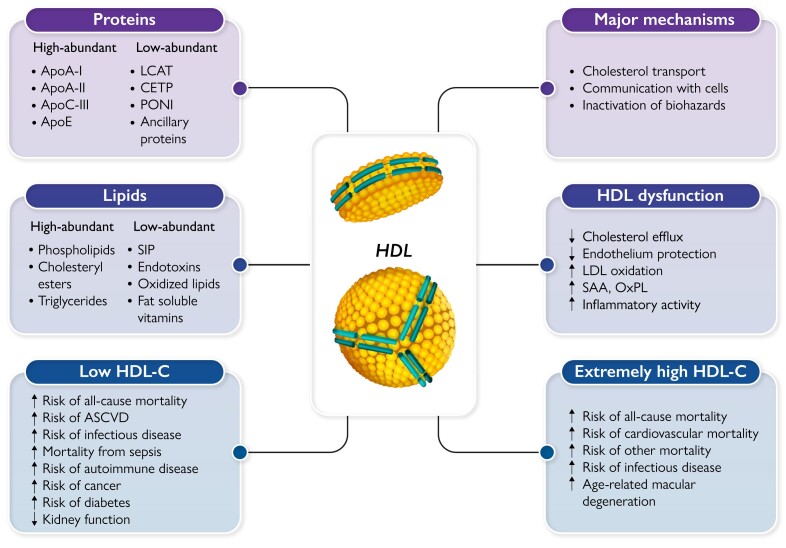
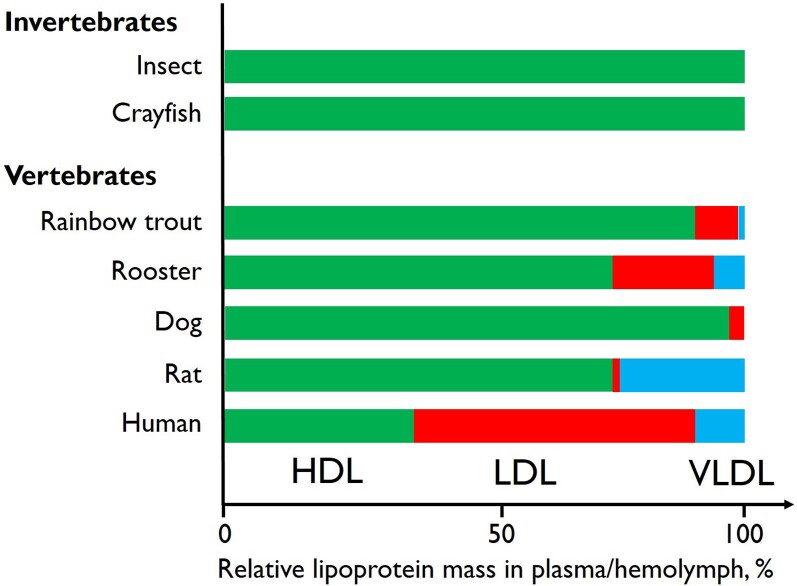
Previous interest in high-density lipoproteins (HDLs) focused on their possible protective role in atherosclerotic cardiovascular disease (ASCVD). Evidence from genetic studies and randomized trials, however, questioned that the inverse association of HDL-cholesterol (HDL-C) is causal. This review aims to provide an update on the role of HDL in health and disease, also beyond ASCVD. Through evolution from invertebrates, HDLs are the principal lipoproteins, while apolipoprotein B-containing lipoproteins first developed in vertebrates. HDLs transport cholesterol and other lipids between different cells like a reusable ferry, but serve many other functions including communication with cells and the inactivation of biohazards like bacterial lipopolysaccharides. These functions are exerted by entire HDL particles or distinct proteins or lipids carried by HDL rather than by its cholesterol cargo measured as HDL-C. Neither does HDL-C measurement reflect the efficiency of reverse cholesterol transport. Recent studies indicate that functional measures of HDL, notably cholesterol efflux capacity, numbers of HDL particles, or distinct HDL proteins are better predictors of ASCVD events than HDL-C. Low HDL-C levels are related observationally, but also genetically, to increased risks of infectious diseases, death during sepsis, diabetes mellitus, and chronic kidney disease. Additional, but only observational, data indicate associations of low HDL-C with various autoimmune diseases, and cancers, as well as all-cause mortality. Conversely, extremely high HDL-C levels are associated with an increased risk of age-related macular degeneration (also genetically), infectious disease, and all-cause mortality. HDL encompasses dynamic multimolecular and multifunctional lipoproteins that likely emerged during evolution to serve several physiological roles and prevent or heal pathologies beyond ASCVD. For any clinical exploitation of HDL, the indirect marker HDL-C must be replaced by direct biomarkers reflecting the causal role of HDL in the respective disease.
Overview
The claims and statistics of this paper haven’t been checked yet.
Free: it reads the open-access text and checks the first 5 claims that cite a source we can check. Create a free account to check every claim.
Integrity signals
Registry
Cites
Statistics
Figures
Verification
Claims the paper makes
The claims and statistics of this paper haven’t been checked yet.
Free: it reads the open-access text and checks the first 5 claims that cite a source we can check. Create a free account to check every claim.
Claims other papers make about this one
Each is checked against this paper’s own text: does it say what the citing paper says it does?
The source backs part of the claim, not all of it — or backs it for a different population, condition or comparison.
In the citing paper
“Epidemiological studies indicate that increased concentrations of high-density lipoprotein (HDL) cholesterol might confer protection against cardiovascular diseases, including stroke, myocardial infarction, and ischemic heart disease [145].”
From Nutritional composition and bioactive properties of tropical coconut palm fruit with functional food applications (2025) · cites this paper as [145]
Experimental — accuracy not yet measuredIn the citing paper
“HDL is a dynamic nanoscale complex of phospholipids and apolipoproteins, mainly apolipoprotein A-I (ApoA-I), that engages SR-B1 receptors highly expressed on brain endothelial cells, enabling BBB crossing through receptor-mediated transcytosis 26,27 .”
From High-density Lipoprotein Inspired Lipid Nanoparticles for Systemic RNA delivery to the Brain (2026) · cites this paper as [27]
Self-check
Percentages, sums and reported differences re-computed from the paper’s own numbers.
The self-check needs the paper’s full text.
Citations
Cites
High density lipoprotein as a protective factor against coronary heart disease
Gordon, T., Castelli, W. P., Hjortland, M. C., Kannel, W. B., & Dawber, T. R. (1977) · The American Journal of Medicine · doi:10.1016/0002-9343(77)90874-9 · Cited by 5,059
Effects of torcetrapib in patients at high risk for coronary events
Barter, P. J., Caulfield, M., Eriksson, M., Grundy, S. M., Kastelein, J. J. P., Komajda, M., Lopez-Sendon, J., Mosca, L., Tardif, J.-C., Waters, D. D., et al. (2007) · New England Journal of Medicine · doi:10.1056/nejmoa0706628 · Cited by 3,139
Niacin in Patients with Low HDL Cholesterol Levels Receiving Intensive Statin Therapy
The AIM-HIGH Investigators (2011) · New England Journal of Medicine · doi:10.1056/nejmoa1107579 · Cited by 2,911
Effects of Combination Lipid Therapy in Type 2 Diabetes Mellitus
(2010) · New England Journal of Medicine · doi:10.1056/nejmoa1001282 · Cited by 2,837
Major lipids, apolipoproteins, and risk of vascular disease
The Emerging Risk Factors Collaboration* (2009) · JAMA · doi:10.1001/jama.2009.1619 · Cited by 2,731
PLASMA-HIGH-DENSITY-LIPOPROTEIN CONCENTRATION AND DEVELOPMENT OF ISCHÆMIC HEART-DISEASE
Miller, G. J., & Miller, N. E. (1975) · The Lancet · doi:10.1016/s0140-6736(75)92376-4 · Cited by 2,621
Effects of dalcetrapib in patients with a recent acute coronary syndrome
Schwartz, G. G., Olsson, A. G., Abt, M., Ballantyne, C. M., Barter, P. J., Brumm, J., Chaitman, B. R., Holme, I. M., Kallend, D., Leiter, L. A., et al. (2012) · New England Journal of Medicine · doi:10.1056/nejmoa1206797 · Cited by 2,022
Nissen, S. E., Tsunoda, T., Tuzcu, E. M., Schoenhagen, P., Cooper, C. J., Yasin, M., Eaton, G. M., Lauer, M. A., Sheldon, W. S., Grines, C. L., et al. (2003) · JAMA · doi:10.1001/jama.290.17.2292 · Cited by 1,707
Incidence of Coronary Heart Disease and Lipoprotein Cholesterol Levels: The Framingham Study
Castelli, W. P. (1986) · JAMA · doi:10.1001/jama.1986.03380200073024 · Cited by 1,611
HDL cholesterol efflux capacity and incident cardiovascular events
Rohatgi, A., Khera, A., Berry, J. D., Givens, E. G., Ayers, C. R., Wedin, K. E., Neeland, I. J., Yuhanna, I. S., Rader, D. R., de Lemos, J. A., et al. (2014) · New England Journal of Medicine · doi:10.1056/nejmoa1409065 · Cited by 1,390
Cited by
Items 201–300 of 459
Daulay, M., Syahputra, M., Sari, M. I., Widyawati, T., & Anggraini, D. R. (2024) · Open Veterinary Journal · doi:10.5455/ovj.2024.v14.i7.10 · Cited by 3
Urbanowicz, T. K., Hańć, A., Frąckowiak, J., Piecek, J., Spasenenko, I., Olasińska‐Wiśniewska, A., Krasińska, B., & Tykarski, A. (2024) · Journal of Clinical Medicine · doi:10.3390/jcm13226933 · Cited by 3
“As HDL is a complex molecule, and its properties may vary among the patients, additional factors including nicotine addiction and the co-existence of diabetes mellitus or inflammatory activation are believed to be powerful function modulators [19,20].”
Wang, Q., Li, J., Che, S.-Z., Huang, J.-L., Jiang, M., Lu, J.-Q., Wu, D., Yu, D., & Wei, X. (2025) · Lipids in Health and Disease · doi:10.1186/s12944-025-02595-6 · Cited by 3
“With the ability to maintain the endovascular integrity and modulate immune cells, this smallest lipoprotein particle reduces myocardial injury by oxidative stress and protects the host from toxic substances [15, 16].”
InfluentialYang, H.-T., Liu, J., Jiang, Z., Yang, Y., & Zhang, J. (2025) · Heart and Vessels · doi:10.1007/s00380-025-02568-w · Cited by 3
Xuan, Y., Wu, D., Jin, Y., Yu, X., Yu, J., & Zhang, Y. (2025) · Scientific Reports · doi:10.1038/s41598-025-06171-x · Cited by 3
“HDL-C has been shown to enhance pancreatic islet cell function and to motivate the body to absorb glucose 13–15 .”
Effects of fasting on HDL particle function and size distribution
Agus, J., & Zivkovic, A. M. (2025) · Journal of Lipid Research · doi:10.1016/j.jlr.2025.100859 · Cited by 3
Zorkun, C. S., Yalta, K., Eren, A., & Yetkın, E. (2023) · Journal of Clinical Medicine · doi:10.3390/jcm12237411 · Cited by 3
Ahmed, T., & Bowden, R. G. (2024) · International Journal of Translational Medicine · doi:10.3390/ijtm4020024 · Cited by 3
Heydarzadeh, F., Mohammadi, F., Yadegar, A., Naeini, A. M., Nabipoorashrafi, S. A., Rabizadeh, S., Esteghamati, A., & Nakhjavani, M. (2024) · European journal of medical research · doi:10.1186/s40001-024-01950-0 · Cited by 3
The potential role of dyslipidemia in COVID-19 severity among Iraqi patients
Ahmed, H. S., & Ahmed, H. S. (2024) · Human Antibodies · doi:10.3233/hab-240033 · Cited by 3
“Low Apo E and Apo C-III concentrations on HDL lead to decreased lipoprotein lipase activity, accumulating VLDL and TG [25].”
Huang, D., Ma, J., Zhao, Y., Pan, Q., Xu, G., & Guo, L. (2025) · Frontiers in Endocrinology · doi:10.3389/fendo.2025.1619370 · Cited by 3
de la Cruz, S., Coronado-Carvajal, M. D. P., Rangel-Zúñiga, O. A., Torres-Peña, J. D., Larriva, A. P. A.-D., López-Moreno, A., Katsiki, N., Ordovás, J. M., Delgado‐Lista, J., López-Martínez, P., et al. (2024) · Journal of clinical lipidology · doi:10.1016/j.jacl.2024.12.007 · Cited by 2
Zhong, S., Wang, S., Zhao, P., Piao, M., Jin, C., & Tian, J. (2025) · Cardiovascular Toxicology · doi:10.1007/s12012-025-10000-y · Cited by 2
“This triad reflects: (1) compromised renal clearance exacerbating uremic toxicity; (2) HDL-C deficiency impairing cholesterol efflux [28].”
Zhao, J., Zhang, T., Zhu, Y., Qin, J., Cheng, S., Zhou, Y., Zhang, L., & Liu, T. (2025) · Archives of Medical Science · doi:10.5114/aoms/208529 · Cited by 2
“In T2D, high TG levels enhance cholesteryl ester transfer protein activity, lowering HDL-C further and impairing insulin secretion and glucose uptake [14].”
The two faces of cholesteryl ester transfer protein inhibitors
Pirillo, A., & Catapano, A. L. (2025) · Current Opinion in Lipidology · doi:10.1097/mol.0000000000001017 · Cited by 2
Self-citationCao, C., Zheng, Y., Zha, F., Han, Y. Y., Hu, H., & Huang, M. (2025) · European journal of medical research · doi:10.1186/s40001-025-03284-x · Cited by 2
“HDL plays a critical anti-inflammatory role, mitigating endothelial dysfunction— an early and central event in atherogenesis [46, 47].”
Sun, X., Kang, J.-P., Lv, H., Wu, C., & Liu, X. (2025) · Postgraduate Medical Journal · doi:10.1093/postmj/qgaf185 · Cited by 2
Juliani, F. C., Freitas, F. R., Miname, M. H., Rocha, V. Z., Lima, J. M. D. H. S., Freitas, R. A. M. S., Damasceno, N. R. T., Krieger, J. E., Maranhão, R. C., & Santos, R. D. (2025) · Journal of clinical lipidology · doi:10.1016/j.jacl.2025.11.014 · Cited by 2
Meng, H., Li, S., Xing, X., Fu, R., Yang, L., Liu, Q., & Wang, X. (2025) · Frontiers in Psychiatry · doi:10.3389/fpsyt.2025.1724359 · Cited by 2
Chen, G., Zhu, S., Kang, M., Li, Q., Wang, Y., Xu, Q., Zhang, W., & Wang, D. (2026) · Molecular Nutrition & Food Research · doi:10.1002/mnfr.70423 · Cited by 2
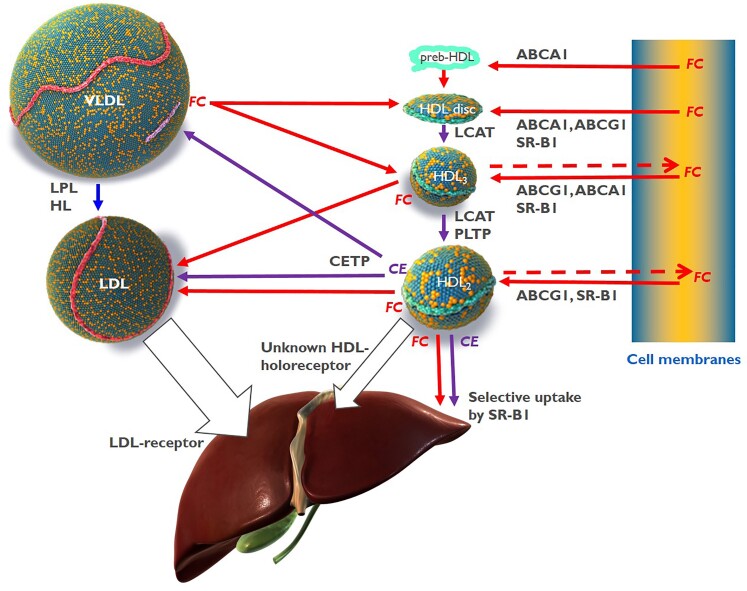
“HDL 2 can also be converted back to pre-β 1 -HDL and HDL 3 through a variety of lipases activities, such as hepatic lipase and endothelial lipase [ 33 ].”
Zhao, M., Rao, J., Zhang, S., & Su, Z. (2026) · Frontiers in Cardiovascular Medicine · doi:10.3389/fcvm.2026.1679198 · Cited by 2
Li, J., Chen, L., Xiao, L., Luo, N., You, Q., Shi, J., Zhang, L., & Chen, M. (2026) · European journal of medical research · doi:10.1186/s40001-026-04235-w · Cited by 2
Yang, Y., Li, X., Tang, D., Li, B., Wu, S.-J., Cao, H.-X., Zong, W., & Zhang, H.-M. (2026) · International Journal of Molecular Sciences · doi:10.3390/ijms27073039 · Cited by 2
Yu, J., Zhuang, W.-W., Lei, B., Shan, R.-Y., Wang, X.-M., Qu, P., Hannig, M., & Liu, Y. (2026) · Frontiers in Immunology · doi:10.3389/fimmu.2026.1793621 · Cited by 2
Fatty Kidney: The Interplay of Lipids and Diabetic Kidney Disease
Zou, Z., Gao, P., Yuan, Q., Wang, Z., Luo, P., & Zhang, C. (2026) · Biomedicines · doi:10.3390/biomedicines14040944 · Cited by 2
“Consistent with this mechanism, HDL is increasingly interpreted through functional properties—such as efflux capacity and anti-inflammatory activity—rather than HDL-C concentration alone [22].”
Porta, M. D., Barichella, M., Pezzoli, G., & Cazzola, R. (2026) · International Journal of Molecular Sciences · doi:10.3390/ijms27093711 · Cited by 2
Anita Sherly, A., Srikantiah, R. M., Rohatgi, A. K., Hegde, A., Harish, S., & Shirali, A. (2026) · Current Atherosclerosis Reports · doi:10.1007/s11883-026-01413-3 · Cited by 2
Zhang, X., Liu, T., 雷玉娟, Zhao, Q., 常瑜, & Hu, H. (2026) · Experimental Gerontology · doi:10.1016/j.exger.2026.113153 · Cited by 2
Chan, H., Chan, H., Wang, L.-F., Chan, M.-L., Huang, W.-C., Bender, D., Ko, Y.-M., Yu, M., Ke, G., Chou, M., et al. (2026) · iScience · doi:10.1016/j.isci.2026.116167 · Cited by 2
Mohammadi, K. A., Sleeman, M. W., Boyapati, A., Bigdelou, P., Geba, G. P., & Fazio, S. (2024) · Journal of Lipid Research · doi:10.1016/j.jlr.2024.100568 · Cited by 2
Associations of HDL-C and ApoA-I with Mortality Risk in PCI Patients Across Different hsCRP Levels
Yan, K., Li, J., Zhu, P., Tang, X., Li, Y., Yang, Y., Gao, R., Yuan, J., & Zhao, X. (2024) · Journal of Inflammation Research · doi:10.2147/jir.s465015 · Cited by 2
Ye, X., Wang, Z.-Y., Shao, Y.-X., Tang, Y.-C., Dong, X.-J., & Zhu, Y.-N. (2024) · Frontiers in Genetics · doi:10.3389/fgene.2024.1465318 · Cited by 2
Zhang, J. S., Zhao, K. Z., Li, W., Li, Y., & Hu, X. X. (2024) · PubMed · doi:10.3760/cma.j.cn501113-20240901-00461 · Cited by 2
The lack of apoA-I in apoE-KO mice affects the liver transcriptome
Franchi, E., Colombo, A., Manzini, S., Busnelli, M., & Chiesa, G. (2025) · Nutrition Metabolism and Cardiovascular Diseases · doi:10.1016/j.numecd.2025.103920 · Cited by 2
Liu, T., Zhang, T., Zhang, Y., Zhang, M., Zhai, M., Wang, W., Wang, C., Duan, Y., & Jin, Y. (2024) · Quality Assurance and Safety of Crops & Foods · doi:10.15586/qas.v16i2.1406 · Cited by 2
“It has been found that HDL can play a protective role in the body (von Eckardstein et al. , 2023).”
BackgroundCan apoA-I infusion decrease cardiovascular events?
Tokgözoğlu, L. S., Pirillo, A., & Catapano, A. L. (2024) · European Heart Journal · doi:10.1093/eurheartj/ehae774 · Cited by 2
Self-citationBaptista, E. C. M. S., Pereira, C. S. G. P., García, P. A., Ferreira, I. C. F. R., & Barreira, J. C. M. (2025) · Clinical Nutrition ESPEN · doi:10.1016/j.clnesp.2025.01.026 · Cited by 2
Uncovering Causal Links Between Dietary Habits and Cardiovascular Diseases
He, S.-Y. R., Wen, H., Fu, Y., Chen, C., Xu, M., Zhang, M., Zhao, M., & Zhao, S. (2025) · Food Science & Nutrition · doi:10.1002/fsn3.70229 · Cited by 2
Missing in action: the genetic mysteries of extremely low HDL cholesterol
Sphitzen, S., Golomb, M., Mowaswes, M., Bitzur, R., Cederboim, S. H., Leker, R. R., Gotkine, M., Chowers, I., Schurr, D., Leitersdorf, E., et al. (2025) · Frontiers in Cardiovascular Medicine · doi:10.3389/fcvm.2025.1553259 · Cited by 2
“…to the scavenger receptor B1 ( SR-B1 ) and interacting with ATP-dependent transmembrane transporters, ATP-Binding Cassette Transporter A1 ( ABCA1 ) and ATP-binding cassette sub-family G member 1 ( ABCG1 ), which are highly expressed in tissues such as macrophages, adipose tissue, and the liver (2).”
He, L. N., Chen, S., Zhu, X., & He, F. (2025) · Frontiers in Cardiovascular Medicine · doi:10.3389/fcvm.2025.1508972 · Cited by 2
Wasilewski, T., Wasilewska, J., Łukaszewicz‐Zając, M., & Mroczko, B. (2023) · Journal of Clinical Medicine · doi:10.3390/jcm12186094 · Cited by 2
Can “Bad” HDL Be Turned Good Again?
Dasseux, A., & Remaley, A. T. (2023) · Arteriosclerosis Thrombosis and Vascular Biology · doi:10.1161/atvbaha.123.319323 · Cited by 2
Self-citationKakava, S., Melo, M. G., Cheng, W. H., Gaudio, I. D., Viertl, D., Bernhard, S., Schlumpf, E., Croyal, M., Volovičeva, E., Fan, J., et al. (2025) · bioRxiv (Cold Spring Harbor Laboratory) · doi:10.1101/2025.05.23.655828 · Cited by 2
Gkolfinopoulou, C., Bourtsala, A., Georgiadou, D. N., Dedemadi, A.-G., Stratikos, E., & Chroni, A. (2024) · Journal of Lipid Research · doi:10.1016/j.jlr.2024.100543 · Cited by 1
Герасимова, Е. В., Попкова, Т. В., Shalygina, M. V., & Gerasimova, D. A. (2024) · Gene Expression · doi:10.14218/ge.2024.00036 · Cited by 1
Spurious dyslipidemia due to paraprotein in a patient with Waldenström macroglobulinemia
Zhao, Y., Zhang, H., Liang, S., Wang, Y., & Gan, W. (2024) · Clinica Chimica Acta · doi:10.1016/j.cca.2024.119900 · Cited by 1
He, L. Q., Chen, S., Zhu, X., & He, F. (2024) · Nutrition Metabolism and Cardiovascular Diseases · doi:10.1016/j.numecd.2024.10.013 · Cited by 1
Saenz‐Pipaon, G., Wacker, B. K., Bi, L., Stamatikos, A., & Dichek, D. A. (2024) · Biology · doi:10.3390/biology13120965 · Cited by 1
Playford, M. P., Li, H., Dey, A. K., Florida, E. M., Teague, H., Gordon, S. M., & Mehta, N. N. (2024) · Atherosclerosis Plus · doi:10.1016/j.athplu.2024.12.002 · Cited by 1
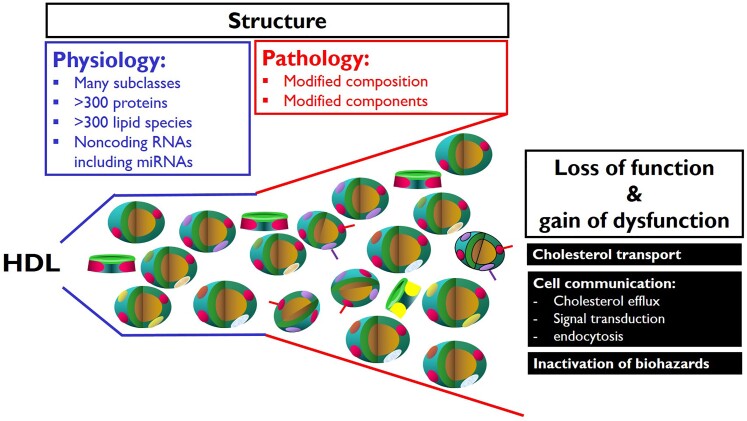
“There are now nearly 50 studies that have reported over 200 proteins HDL-interacting proteins, and the possible roles of these proteins in HDL functions that are independent of lipid transport have been the subject of intense investigation [3,4].”
InfluentialAphrodite, C. T., Foudjo, B. U. S., Yuefebop, T., Muankang, J. T. K., Manfo, F. P. T., & Nantia, E. A. (2025) · Al- Anbar Medical Journal · doi:10.33091/amj.2025.155323.2014 · Cited by 1
Low awareness of lipid disorders amongst individuals despite their high prevalence
Walsh, A. H., Agar, R., Offiah, G., & Maher, V. M. G. (2025) · Irish Journal of Medical Science (1971 -) · doi:10.1007/s11845-025-03973-w · Cited by 1
White, O., Tsujita, M., & Zubirán, R. (2025) · Current Opinion in Endocrinology Diabetes and Obesity · doi:10.1097/med.0000000000000924 · Cited by 1
COPI Coatomer Regulates Several Steps of HDL Metabolism
Panteloglou, G., Zanoni, P., Law, C. S., Woods, B., Othman, A., Yalçınkaya, M., Nørrelykke, S. F., Rzepiela, A. J., Stoma, S., Stebler, M., et al. (2026) · Arteriosclerosis Thrombosis and Vascular Biology · doi:10.1161/atvbaha.126.324616 · Cited by 1
Association of Circulatory T-cadherin with Diagnostic Parameters of Metabolic Syndrome
Khan, M. D., Ahmad, M. K., Khan, S., Alam, R., Singh, A., & Khan, M. M. (2025) · Medical Journal of Dr D Y Patil Vidyapeeth · doi:10.4103/mjdrdypu.mjdrdypu_500_24 · Cited by 1
Wang, J., Wang, Y., Niu, Y., Wang, J., Shi, L., Guo, Y., Zhang, Y., Zhou, X. J., & Song, S. (2025) · European journal of medical research · doi:10.1186/s40001-025-03084-3 · Cited by 1
Jansana, M. D. M., López, P. J. T., Miquel, J. J. G., López‐González, Á. A., Sbert, P. R., Busquets-Cortés, C., & Ramírez‐Manent, J. I. (2025) · Journal of Clinical Medicine · doi:10.3390/jcm14196876 · Cited by 1
Li, Y., Xu, Q., Guo, C., Gong, J., Che, K., Jiao, Z., Chai, X., Zhang, R., Xu, J., & Xiong, X. (2025) · Poultry Science · doi:10.1016/j.psj.2025.105943 · Cited by 1
Natural and technologically processed fats in human nutrition
Kobysh, A. I., Omelchun, Y. A., Klochkova, N., Romanko, M. Y., & Shulyak, S. V. (2025) · One Health Journal · doi:10.31073/onehealthjournal2025-v-04 · Cited by 1
Wang, X., Chen, P., Ma, J., He, H., Zhong, Y., & Zhang, S. (2025) · International Ophthalmology · doi:10.1007/s10792-025-03823-9 · Cited by 1
Yan, K. L., Li, J., Zhang, K., Liu, M., Zhu, P., Tang, X., Yuan, D., Yang, Y., Gao, R., Yuan, J., et al. (2025) · Endocrinology and Metabolism · doi:10.3803/enm.2025.2407 · Cited by 1
“However, recent studies have shown that HDL-C levels alone do not capture the complex functional properties of high-density lipoprotein (HDL) particles, and functional assessments of HDL may provide more accurate information for risk stratification [4-7].”
Can cholesterol and its products serve as biomarkers for ojas?
Sumantran, V. N., & Nair, P. P. (2025) · Journal of Ayurveda and Integrative Medicine · doi:10.1016/j.jaim.2025.101240 · Cited by 1
Li, J., Guan, T., Zhu, D., Yang, W., Liu, Y., Gong, W., Liu, X., You, J., Feng, J., & Chen, X. (2025) · Acta Neurologica Scandinavica · doi:10.1155/ane/8831825 · Cited by 1
“Additionally, elevated levels of high-density lipoprotein cholesterol (HDL-C) have been associated with a lower risk of cardiovascular diseases [8, 9].”
Min, C., Gao, Y., Shi, K., Guo, Y., Liu, J., Jiang, Y., Yan, W., Fang, H., Li, X., Li, Y., et al. (2025) · Cardiovascular Diabetology · doi:10.1186/s12933-025-03032-9 · Cited by 1
“Low HDL was an important risk factor for development of coronary artery disease [37].”
Atherosclerosis and inflammation
Almobayed, A., Dorairaj, E. A., Mas, S. M., & Alkhawam, M. (2025) · Elsevier eBooks · doi:10.1016/b978-0-443-19116-9.00036-1 · Cited by 1
Liu, Y., Wang, N., Mu, G., Zhou, Y., Qiong, D., Cuomu, Y., Ciren, B., & Zhu, X. (2025) · Food Research International · doi:10.1016/j.foodres.2025.118253 · Cited by 1
Tang, J., Chen, J., Li, Z., Zhang, G., Zhu, L., Li, H., Su, W., & Qin, S. (2025) · Current Eye Research · doi:10.1080/02713683.2025.2585338 · Cited by 1
“15,35 However, whether there is a confirmed causal effect between lipid metabolism and AMD is not exactly known since the available statistic is limited to date.”
Kramer, A., Rinsky, B., Elbaz-Hayoun, S., Khateb, S., Jaouni, T., Jaskoll, S., Tiosano, L., Durst, R. Y., & Chowers, I. (2025) · Investigative Ophthalmology & Visual Science · doi:10.1167/iovs.66.15.73 · Cited by 1
Cai, H., Liu, Y., Wang, M., Wang, J., Xie, Y., & Hu, Y. (2026) · Journal of Molecular Histology · doi:10.1007/s10735-025-10684-0 · Cited by 1
Cholesteryl Ester Transfer Protein Inhibitors: State of the Science
Nejabat, M., Katsiki, N., Mukherjee, D., Hadizadeh, F., & Sahebkar, A. (2026) · Current Cardiology Reports · doi:10.1007/s11886-025-02317-5 · Cited by 1
“Apart from the beneficial effects on HDL-C, CETP inhi - bition may also result in lower LDL-C levels due to prevention of CE transfer to LDL particles [26– 28 ].”
Li, L., Ahmed, I., Alotaibi, A., Shah, L., Yang, L., Zahoor, M., & Khan, M. (2026) · Journal of Functional Foods · doi:10.1016/j.jff.2026.107152 · Cited by 1
Gómez-Pineda, D., Luna‐Luna, M., Franco, M. G., Sánchez‐Lozada, L. G., Aranda‐Fraustro, A., Fragoso, J. M., Arciga-Portela, P., Magaña, J. J., García‐Aguirre, I., González-Montes-de-Oca, A., et al. (2026) · Lipids in Health and Disease · doi:10.1186/s12944-025-02857-3 · Cited by 1
“Nonetheless, HDLs contain several potential active molecules beyond common lipids [46], which may contribute to cell survival during acute injury.”
Genetically predicted high-density lipoprotein traits and pan-disease risk: a systematic review
Wu, J., Su, B., Fan, Z., & Zhan, H. (2026) · Epidemiologic Reviews · doi:10.1093/epirev/mxag001 · Cited by 1
Cho, K., Yang, C.-E., Lee, S. H., Lee, Y., & Bahuguna, A. (2026) · International Journal of Molecular Sciences · doi:10.3390/ijms27021108 · Cited by 1
“Nevertheless, it has also been reported that extremely high levels of HDL-C are not always beneficial and can be associated with an increased risk of cardiovascular disease (CVD) and mortality [7,8].”
Liu, X., Lin, S., Zhang, H., Zhang, X., Wu, M. C., Chen, B., Yang, Y., Cui, J., Xu, W., Song, L., et al. (2026) · Lipids in Health and Disease · doi:10.1186/s12944-026-02874-w · Cited by 1
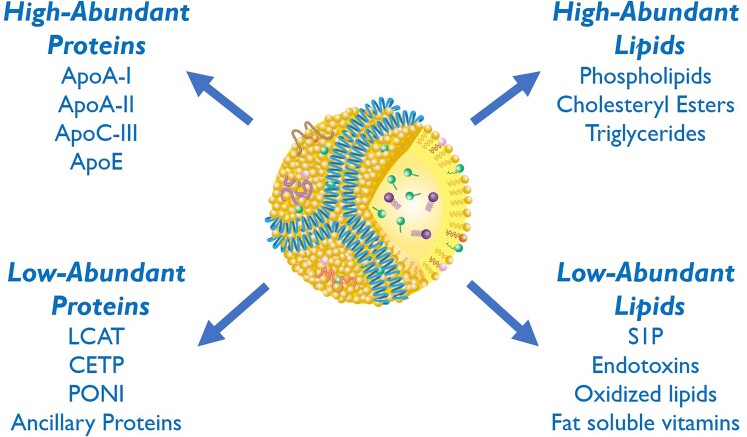
“Its surface monolayer is composed of PL, FC, and Apo-A1, while cholesteryl esters (CE) and TG are located in the core region [24].”
Li, X., Wang, Y., & Zhao, X. (2026) · BMC Pulmonary Medicine · doi:10.1186/s12890-026-04132-2 · Cited by 1
Zhang, Y., Wang, C., & Chai, Y. (2026) · BMC Infectious Diseases · doi:10.1186/s12879-026-12727-7 · Cited by 1
Sellam, M., Lambert, M., Varin‐Blank, N., & Saitoski, K. (2026) · Metabolites · doi:10.3390/metabo16020145 · Cited by 1
Shuai, Y., Ruiter, R., Stricker, B. H. C., Ikram, M. A., & Ghanbari, M. (2026) · Metabolomics · doi:10.1007/s11306-026-02397-6 · Cited by 1
Thrombophilia Screening in Young Patients With Cryptogenic Ischemic Stroke
Abels, S., Sihvo, M., Tomppo, L., Kutal, S., Martinez‐Majander, N., Tulkki, L. J., Sarkanen, T., Jäkälä, P., Redfors, P., Huhtakangas, J., et al. (2026) · Stroke · doi:10.1161/strokeaha.125.053251 · Cited by 1
Masdar, H., Lipoeto, N. I., Revilla, G., Elfi, E. F., & Darwin, E. (2026) · Trends in Sciences · doi:10.48048/tis.2026.12450 · Cited by 1
“The phytocompounds do not seem to strongly interfere with this specific enzymes or transporters that control HDL [37].”
Schweiger, L., Meinitzer, A., Strohmaier, H. M., Silbernagel, G., Moazedi‐Fürst, F., Nemecz, V., Kurzmann-Gütl, K., Brodmann, M., Hafner, F., & Jud, P. (2026) · Frontiers in Nutrition · doi:10.3389/fnut.2026.1794319 · Cited by 1
Wang, F., Shang, X., Yang, Q., Tao, Z., Li, W., Wang, M., & Li, F. (2026) · PLoS ONE · doi:10.1371/journal.pone.0343768 · Cited by 1
“This may be linked to the association of excessively elevated HDL-C levels with cholesterol overload and malfunction, which subsequently promotes inflammation [15–17].”
Artificial recombinant high-density protein nanocarriers for precision drug delivery
Li, W., Jia, N., Li, M., Jiang, Y., & Lu, J. (2026) · Chemical Science · doi:10.1039/d5sc09151a · Cited by 1
High-density lipoprotein cholesterol: function, dysfunction, and clinical implications
Trabanino, S., Rodríguez, A., & Rodríguez, F. (2026) · American Journal of Preventive Cardiology · doi:10.1016/j.ajpc.2026.101672 · Cited by 1
“…even have been miscategorized as a lipoprotein, for various reasons: it carries more proteins than lipids, with an average size similar to albumin [9]; its function goes beyond lipid transport, and indeed only a subpopulation of HDL carries a significant cholesterol cargo [10]; its particle…”
Chehade, M. J., Haas, M. J., & Mooradian, A. D. (2026) · Drugs · doi:10.1007/s40265-026-02338-6 · Cited by 1
Černiauskas, L., Palšytė, V., Aleknavičiūtė-Valienė, G., Mazgelytė, E., Bikulčienė, I., Badarienė, J., Rinkūnienė, E., Arbaciauskaite, S., Allelein, S., & Karčiauskaitė, D. (2026) · Antioxidants · doi:10.3390/antiox15060731 · Cited by 1
Yang, P. Q., Liu, Y., Zhang, N., Yang, Y., ZHAO, Y., Zhu, D., Li, X., Song, Y., Fu, J., Shen, S., et al. (2026) · Frontiers in Cardiovascular Medicine · doi:10.3389/fcvm.2026.1767079 · Cited by 1
Yang, Y., Gao, Z., Xiao, Q.-M., Lian, S., Chen, J., Su, W., Zhang, Y., Deng, S., Zhao, K., He, J., et al. (2026) · Microvascular Research · doi:10.1016/j.mvr.2026.104981 · Cited by 1
Xing, M., Wang, J., Zhang, S., Tong, Y., Wang, L., Cui, K., Li, R., Gao, W., & Niu, Y. (2026) · Environmental Pollution · doi:10.1016/j.envpol.2026.128587 · Cited by 1
Valanti, E.-K., Dedemadi, A.-G., Simopoulos, G., Goutakoli, P., Sevdali, E., Ruhanen, H., Holopainen, M., House, A. H., Käkelä, R., Bertsias, G. K., et al. (2026) · Scientific Reports · doi:10.1038/s41598-026-58152-3 · Cited by 1
“The transfer of cholesterol and phospholipids to lipid-free apoA-I by ABCA1 is the first step in the HDL biogenesis pathway 4 .”
Sniderman, A. D., Pencina, K. M., Thanassoulis, G., Dufresne, L., & Pencina, M. J. (2026) · European Journal of Preventive Cardiology · doi:10.1093/eurjpc/zwag400 · Cited by 1
Niesor, E. J., Ditmarsch, M., Rezzi, S., Hodgson, A. C. C., Haenggi, P., Dicklin, M. R., Hsieh, A., Kleer, M. D., Scheltens, P., Vijverberg, E. G. B., et al. (2026) · Scientific Reports · doi:10.1038/s41598-026-73480-0 · Cited by 1
Ao, L., Noordam, R., Rensen, P. C. N., van Heemst, D., & van Dijk, K. W. (2024) · Journal of clinical lipidology · doi:10.1016/j.jacl.2024.03.007 · Cited by 1
Liuzzo, G., & Patrono, C. (2024) · European Heart Journal · doi:10.1093/eurheartj/ehae446 · Cited by 1
The Connection Between Lipid Metabolism in the Heart and Liver of Wuzhishan Pigs
Ren, Y., Wang, F., Sun, R.-P., Zheng, X., Lin, Y., & Chao, Z. (2025) · Biomolecules · doi:10.3390/biom15071024 · Cited by 1
“As HDL removed lipid particles from the blood vascular wall by transferring lipid from blood to the liver, LDL performed the opposite function [22,23], which was consistent with the positive correlation between blood LDL and CHO, and the negative correlation between blood LDL and liver lipid…”
Mendelian randomization analysis with pleiotropy-robust log-linear model for binary outcomesPreprint
Li, M., Huang, T., & Jia, J. (2023) · bioRxiv (Cold Spring Harbor Laboratory) · doi:10.1101/2023.06.03.543587 · Cited by 1
Azargoonjahromi, A., Ashrafi, M., Abroushan, D., Ramezannezhad, E., Sadeghi, M. R., Niaki, S. R. P., Radmanesh, M., Haratian, A., Taki, A., Nekahi, N., et al. (2024) · medRxiv · doi:10.1101/2024.08.20.24312114 · Cited by 1
High-density Lipoprotein Inspired Lipid Nanoparticles for Systemic RNA delivery to the Brain
Xu, Z., Shalin, K., Do, V., Yan, A., & Gao, J. (2026) · doi:10.64898/2026.05.29.728695 · Cited by 1
von Eckardstein, A. (2023) · European Journal of Preventive Cardiology · doi:10.1093/eurjpc/zwad108
Metadata
- Authors
- von Eckardstein, A., Nordestgaard, B. G., Remaley, A. T., & Catapano, A. L.
- Affiliations
- Institute of Clinical Chemistry, University Hospital Zurich and University of Zurich , Zurich , Switzerland
- University of Copenhagen (DK)
- National Institutes of Health (US)
- University of Milan (IT)
- Corresponding author
- Catapano, Alberico L
- Venue
- European Heart Journal
- Publisher
- Oxford University Press (OUP)
- Published
- 2022-11-07
- Volume
- 44
- Issue
- 16
- Pages
- 1394-1407
- ISSN
- 0195-668X (ISSN-L)
- 1522-9645
- PMC
- PMC10119031
- OpenAlex
- W4308365150
- Cited by
- 401
- References
- 179
- Citations by year
- 2026: 115 · 2025: 141 · 2024: 97 · 2023: 47 · 2022: 1
- FWCI
- 17.04
- Type
- journal article
- Language
- en
- Open access
- hybrid
- doi.org
- Licence
- Locations
- European Heart Journal (publishedVersion, cc-by-nc)
- PubMed Central (publishedVersion, cc-by-nc)
- PubMed (publishedVersion)
- Research at the University of Copenhagen (University of Copenhagen) (publishedVersion, cc-by-nc)
- Zurich Open Repository and Archive (University of Zurich) (acceptedVersion, cc-by-nc-nd)
- Zurich Open Repository and Archive (University of Zurich) (submittedVersion, cc-by-nc)
- Zurich Open Repository and Archive (University of Zurich)
- Funders
- Swiss National Science Foundation
- Herlev and Gentofte Hospital
- Copenhagen University Hospital
- Italian Ministry of Health
- Topics
- Life Sciences › Biochemistry, Genetics and Molecular Biology › Biochemistry › Cholesterol and Lipid Metabolism
- Health Sciences › Medicine › Cardiology and Cardiovascular Medicine › Lipoproteins and Cardiovascular Health
- Life Sciences › Biochemistry, Genetics and Molecular Biology › Clinical Biochemistry › Paraoxonase enzyme and polymorphisms
- Keywords
- high-density lipoprotein, HDL cholesterol, atherosclerotic cardiovascular disease, reverse cholesterol transport, cholesterol efflux capacity, HDL particle number, apolipoprotein B-containing lipoproteins, sepsis mortality, infectious disease risk, diabetes mellitus, chronic kidney disease, autoimmune disease, cancer risk, age-related macular degeneration, all-cause mortality
- MeSH terms
- Clinical Relevance, Animals, Cholesterol, Humans, Lipoproteins, Lipoproteins, HDL, Cholesterol, HDL, Atherosclerosis
About these checks
Registry, retraction, Cites and statistics results are computed, not judged, with one exception: a printed reference that no index lists is read once by a model before it counts as a citation error. Claims are extracted by a model and kept only when their quote appears verbatim in the text; each cited source is then checked, with a model’s help, for whether it says what the claim relies on. Those verdicts can be wrong — read the claim’s quote and the cited source before relying on one.
Statistics and arithmetic are recomputed, not judged.
Confidence bands are shown only for fields calibrated on our annotated test set. None is calibrated yet, so no band is shown.
What counts as a claim ›How we measure confidence ›How we check this ›
Are you an author, or do you see a problem with this page? Request a review
Data sources
Bibliographic data: Semantic Scholar, OpenAlex, Crossref.
Contains information from the Semantic Scholar Academic Graph Datasets, made available under the ODC Attribution License (ODC-BY 1.0).
Semantic Scholar’s data is described in: Kinney, R., et al. (2023). The Semantic Scholar Open Data Platform. arXiv:2301.10140.
