

Low-density lipoproteins cause atherosclerotic cardiovascular disease. 1. Evidence from genetic, epidemiologic, and clinical studies. A consensus statement from the European Atherosclerosis Society Consensus Panel
Open accessThe DOI matches its Crossref record; 57 of the 58 references it cites were found in a registry or an index.
Abstract
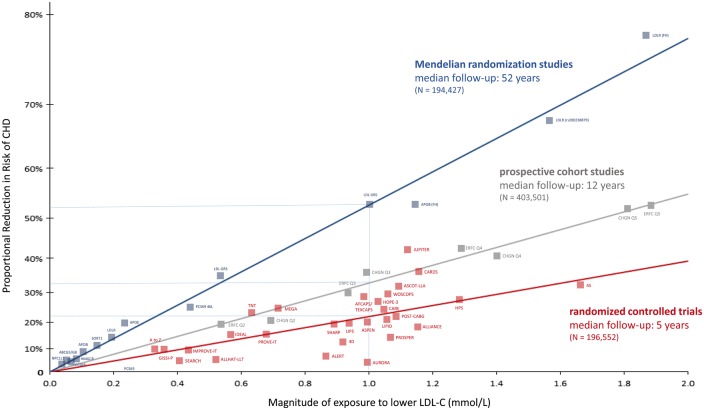
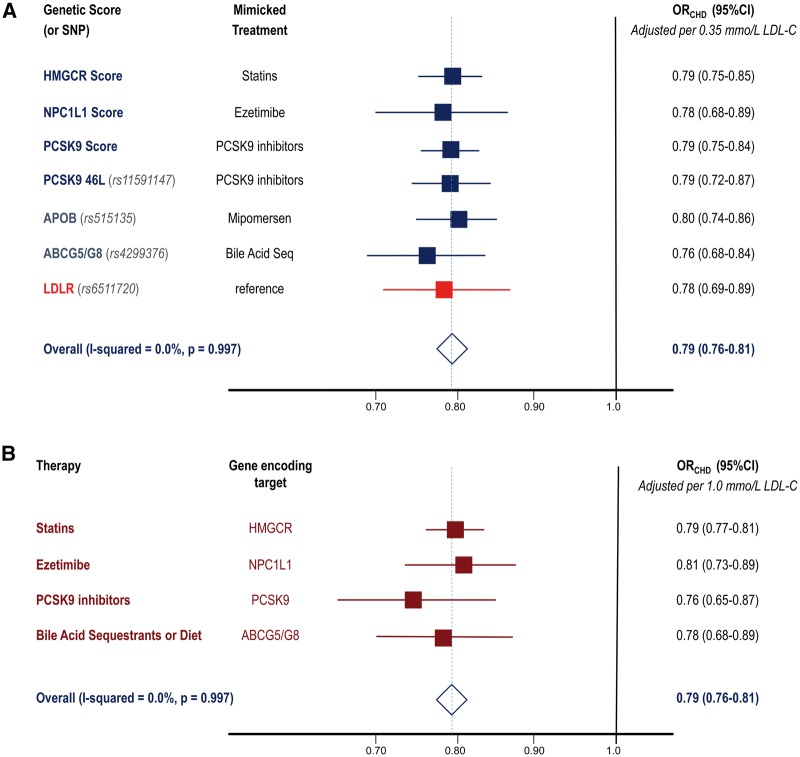
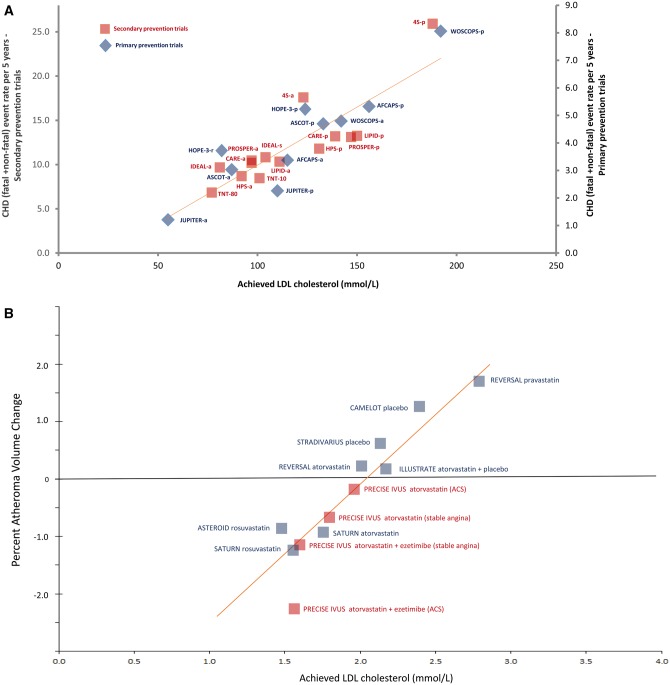
AIMS: To appraise the clinical and genetic evidence that low-density lipoproteins (LDLs) cause atherosclerotic cardiovascular disease (ASCVD). METHODS AND RESULTS: We assessed whether the association between LDL and ASCVD fulfils the criteria for causality by evaluating the totality of evidence from genetic studies, prospective epidemiologic cohort studies, Mendelian randomization studies, and randomized trials of LDL-lowering therapies. In clinical studies, plasma LDL burden is usually estimated by determination of plasma LDL cholesterol level (LDL-C). Rare genetic mutations that cause reduced LDL receptor function lead to markedly higher LDL-C and a dose-dependent increase in the risk of ASCVD, whereas rare variants leading to lower LDL-C are associated with a correspondingly lower risk of ASCVD. Separate meta-analyses of over 200 prospective cohort studies, Mendelian randomization studies, and randomized trials including more than 2 million participants with over 20 million person-years of follow-up and over 150 000 cardiovascular events demonstrate a remarkably consistent dose-dependent log-linear association between the absolute magnitude of exposure of the vasculature to LDL-C and the risk of ASCVD; and this effect appears to increase with increasing duration of exposure to LDL-C. Both the naturally randomized genetic studies and the randomized intervention trials consistently demonstrate that any mechanism of lowering plasma LDL particle concentration should reduce the risk of ASCVD events proportional to the absolute reduction in LDL-C and the cumulative duration of exposure to lower LDL-C, provided that the achieved reduction in LDL-C is concordant with the reduction in LDL particle number and that there are no competing deleterious off-target effects. CONCLUSION: Consistent evidence from numerous and multiple different types of clinical and genetic studies unequivocally establishes that LDL causes ASCVD.
Overview
The claims and statistics of this paper haven’t been checked yet.
Free: it reads the open-access text and checks the first 5 claims that cite a source we can check. Create a free account to check every claim.
Integrity signals
Registry
Cites
Statistics
Figures
Verification
Claims the paper makes
The claims and statistics of this paper haven’t been checked yet.
Free: it reads the open-access text and checks the first 5 claims that cite a source we can check. Create a free account to check every claim.
Claims other papers make about this one
Each is checked against this paper’s own text: does it say what the citing paper says it does?
The source backs part of the claim, not all of it — or backs it for a different population, condition or comparison.
In the citing paper
“In contrast, the clinical benefit of therapies that lower LDL-C by a mechanism that may dramatically modify their composition may not be proportional to the observed absolute reduction in LDL-C, but instead would be expected to be proportional to the absolute change in LDL particle concentration as measured by a reduction in ApoB [2,53].”
From 2019 ESC/EAS guidelines for the management of dyslipidaemias: lipid modification to reduce cardiovascular risk (2019) · cites this paper as [2]
Experimental — accuracy not yet measuredThe source backs part of the claim, not all of it — or backs it for a different population, condition or comparison.
In the citing paper
“The clinical effectiveness of LDLC-guided management of cardio- vascular risk is most strongly evidence-based [7,8].”
From Quantifying atherogenic lipoproteins for lipid-lowering strategies: Consensus-based recommendations from EAS and EFLM (2020) · cites this paper as [7]
Experimental — accuracy not yet measuredThe source backs part of the claim, not all of it — or backs it for a different population, condition or comparison.
In the citing paper
“Second, genetic variants reflect the effect of lifelong changes in ApoB-containing lipoproteins on the risk of cardiovascular disease, which appear to be cumulative over time.5,34”
From Association of Triglyceride-Lowering LPL Variants and LDL-C–Lowering LDLR Variants With Risk of Coronary Heart Disease (2019) · cites this paper as [5]
Experimental — accuracy not yet measuredThe cited source says what the claim attributes to it.
In the citing paper
“While LDL-C is an established major causal factor for ASCVD,93,103,104 the causality of TG, TRL, or TRL remnants for ASCVD is contentious.17,36,105–107”
The cited source says what the claim attributes to it.
In the citing paper
“New evidence has confirmed that the key initiating event in atherogenesis is the retention of low-density lipoprotein (LDL) cholesterol (LDL-C) and other cholesterol-rich apolipoprotein (Apo) B-containing lipoproteins within the arterial wall [2].”
From 2019 ESC/EAS guidelines for the management of dyslipidaemias: lipid modification to reduce cardiovascular risk (2019) · cites this paper as [2]
11 more claims about this paper
Create a free account to see every claim other papers make about this one.
Self-check
Percentages, sums and reported differences re-computed from the paper’s own numbers.
The self-check needs the paper’s full text.
Citations
Cites
Yusuf, S., Hawken, S., Ôunpuu, S., Dans, T., Avezum, A., Lanas, F., McQueen, M., Budaj, A., Pais, P., Varigos, J., et al. (2004) · The Lancet · doi:10.1016/s0140-6736(04)17018-9 · Cited by 12,026
Ahmed, A., Jorna, T., & Bhandari, S. (2016) · Nephron · doi:10.1159/000447068 · Cited by 11,717
The environment and disease: association or causation?
Hill, A. B. (2015) · Journal of the Royal Society of Medicine · doi:10.1177/0141076814562718 · Cited by 7,285
Stone, N. J., Robinson, J. G., Lichtenstein, A. H., Bairey Merz, C. N., Blum, C. B., Eckel, R. H., Goldberg, A. C., Gordon, D., Levy, D., Lloyd-Jones, D. M., et al. (2014) · Circulation · doi:10.1161/01.cir.0000437738.63853.7a · Cited by 7,081
The Environment and Disease: Association or Causation?
Hill, A. B. (1965) · Proceedings of the Royal Society of Medicine · doi:10.1177/003591576505800503 · Cited by 6,974
Cholesterol Treatment Trialists' (CTT) Collaboration (2010) · The Lancet · doi:10.1016/s0140-6736(10)61350-5 · Cited by 6,550
Evolocumab and Clinical Outcomes in Patients with Cardiovascular Disease
Sabatine, M. S., Giugliano, R. P., Keech, A. C., Honarpour, N., Wiviott, S. D., Murphy, S. A., Kuder, J. F., Wang, H., Liu, T., Wasserman, S. M., et al. (2017) · New England Journal of Medicine · doi:10.1056/nejmoa1615664 · Cited by 6,138
Mendelian randomization: Using genes as instruments for making causal inferences in epidemiology
Lawlor, D. A., Harbord, R. M., Sterne, J. A. C., Timpson, N., & Davey Smith, G. (2008) · Statistics in Medicine · doi:10.1002/sim.3034 · Cited by 4,618 · cited 1×
“whether an observed association between an exposure and an outcome is likely to be causal.(23) Numerous variants in multiple genes have been reported to be associated with lower LDL-C levels.”
BackgroundEzetimibe Added to Statin Therapy after Acute Coronary Syndromes
Cannon, C. P., Blazing, M. A., Giugliano, R. P., McCagg, A., White, J. A., Theroux, P., Darius, H., Lewis, B. S., Ophuis, T. O., Jukema, J. W., et al. (2015) · New England Journal of Medicine · doi:10.1056/nejmoa1410489 · Cited by 4,487
Biological, clinical and population relevance of 95 loci for blood lipids
Teslovich, T. M., Musunuru, K., Smith, A. V., Edmondson, A. C., Stylianou, I. M., Koseki, M., Pirruccello, J. P., Ripatti, S., Chasman, D. I., Willer, C. J., et al. (2010) · Nature · doi:10.1038/nature09270 · Cited by 3,487
Cited by
Items 701–800 of 1,029
Raitakari, O. T., Kivelä, A. M., Pahkala, K., Rovio, S., Mykkänen, J., Ahola‐Olli, A., Loo, B.-M., Lyytikäinen, L., Lehtimäki, T. J., Kähönen, M. A. P., et al. (2022) · Atherosclerosis · doi:10.1016/j.atherosclerosis.2022.07.009 · Cited by 36
Alisol B regulates AMPK/mTOR/SREBPs via directly targeting VDAC1 to alleviate hyperlipidemia
Gao, G., Zhao, J., Ding, J., Liu, S.-Y., Shen, Y., Liu, C., Ma, H., Fu, Y., Xu, J., Sun, Y., et al. (2023) · Phytomedicine · doi:10.1016/j.phymed.2023.155313 · Cited by 33
Recaticimab as Add-On Therapy to Statins for Nonfamilial Hypercholesterolemia
Sun, Y., Lv, Q., Guo, Y., Wang, Z., Huang, R., Gao, X., Han, Y., Yao, Z., Zheng, M., Luo, S., et al. (2024) · Journal of the American College of Cardiology · doi:10.1016/j.jacc.2024.09.012 · Cited by 32
Causal cardiovascular risk factors for dementia: insights from observational and genetic studies
Kjeldsen, E. W., & Frikke‐Schmidt, R. (2024) · Cardiovascular Research · doi:10.1093/cvr/cvae235 · Cited by 39
“35,75 The key biological mechanisms of this primary atherogenic driver include influx and retention of the LDL particle into the arterial intima wall, which leads to the formation of foam cells from macrophages taking up LDL particles, release of proinflammatory lipids, activation of the innate and…”
Wan, H., Wu, H., Yuxi, W., Wang, S., & Ji, Y. (2025) · Lipids in Health and Disease · doi:10.1186/s12944-025-02471-3 · Cited by 33
“This finding aligns with the established notion that LDL, TC, and TyG are risk factors for cardiovascular outcomes [16–17, 30 ], Profile 2, rather than Profile 4, had the highest risk for all adverse cardiovascular outcomes, which was somewhat unexpected given that Profile 4 had the highest levels…”
Parhofer, K. G., Aguíar, C., Banach, M., Drexel, H., Gouni‐Berthold, I., de Isla, L. P., Rietzschel, E. R., Zambon, A., & Ray, K. K. (2025) · European Heart Journal - Cardiovascular Pharmacotherapy · doi:10.1093/ehjcvp/pvaf007 · Cited by 35
Self-citationAleksandrowicz, M., Konop, M., Rybka, M., Mazurek, Ł., Stradczuk‐Mazurek, M., Kciuk, M., Bądzyńska, B., Dobrowolski, L., & Kuczeriszka, M. (2025) · International Journal of Molecular Sciences · doi:10.3390/ijms26136467 · Cited by 37
“Interestingly, despite the inconsistent association between cholesterol and stroke, statins, which lower cholesterol, reduced the risk of ischemic stroke [102,103].”
Integrating Genes Affecting Coronary Artery Disease in Functional Networks by Multi-OMICs Approach
Vilne, B., & Schunkert, H. (2018) · Frontiers in Cardiovascular Medicine · doi:10.3389/fcvm.2018.00089 · Cited by 36
Self-citationAmor, A. J., Vinagre, I., Valverde, M., Pané, A., Urquizu, X., Meler, E., López, E., Quirós, C., Giménez, M., Codina, L., et al. (2019) · The Journal of Clinical Endocrinology & Metabolism · doi:10.1210/clinem/dgz031 · Cited by 34
da Silva, P. M., Aguíar, C., & Morais, J. (2019) · Revista Portuguesa de Cardiologia · doi:10.1016/j.repc.2019.02.009 · Cited by 37
Pediatric Dyslipidemia—Beyond Familial Hypercholesterolemia
Lazarte, J., & Hegele, R. A. (2020) · Canadian Journal of Cardiology · doi:10.1016/j.cjca.2020.03.020 · Cited by 32
Self-citationRegulatory T Cell Metabolism in Atherosclerosis
Baardman, J., & Lutgens, E. (2020) · Metabolites · doi:10.3390/metabo10070279 · Cited by 32
Downregulation of G3BP2 reduces atherosclerotic lesions in ApoE mice
Li, T., Safitri, M., Zhang, K., Wang, Y., Huang, L., Zhu, Y. S., Daniel, R. A., Wu, L. J., Qiu, J., & Wang, G. (2020) · Atherosclerosis · doi:10.1016/j.atherosclerosis.2020.08.003 · Cited by 32
Taskinen, M.-R., Björnson, E., Kahri, J., Söderlund, S., Matikainen, N., Porthan, K., Ainola, M., Hakkarainen, A., Lundbom, N., Fermanelli, V., et al. (2021) · Arteriosclerosis, Thrombosis, and Vascular Biology · doi:10.1161/atvbaha.120.315446 · Cited by 30
Self-citationFledderus, J., Vanchin, B., Rots, M. G., & Krenning, G. (2021) · Journal of Personalized Medicine · doi:10.3390/jpm11020103 · Cited by 34
Scicali, R., Pino, A. D., Ferrara, V., Rabuazzo, A. M., Purrello, F., & Piro, S. (2021) · Acta Diabetologica · doi:10.1007/s00592-021-01703-z · Cited by 35
RNA Silencing in the Management of Dyslipidemias
Henney, N. C., Banach, M., & Penson, P. E. (2021) · Current Atherosclerosis Reports · doi:10.1007/s11883-021-00968-7 · Cited by 32
Vekić, J., Zeljković, A., Al‐Rasadi, K., Cesur, M., Silva‐Nunes, J., Stoian, A. P., & Rizzo, M. (2022) · Metabolites · doi:10.3390/metabo12020108 · Cited by 32
Zhang, Y., Feng, X., Du, M., Ding, J., & Liu, P. (2022) · International Journal of Immunopathology and Pharmacology · doi:10.1177/03946320221079468 · Cited by 32
Sarzani, R., Laureti, G., Gezzi, A., Spannella, F., & Giulietti, F. (2022) · Therapeutic Advances in Chronic Disease · doi:10.1177/20406223221102754 · Cited by 35
Dyslipidemia in Transplant Patients: Which Therapy?
Iannuzzo, G., Cuomo, G., Lorenzo, A. D., Tripaldella, M., Mallardo, V., Idelson, P. I., Sagnelli, C., Sica, A., Creta, M., Baltar, J., et al. (2022) · Journal of Clinical Medicine · doi:10.3390/jcm11144080 · Cited by 34
Reijman, M. D., Kusters, D. M., Groothoff, J. W., Arbeiter, K., Dann, E. J., de Boer, L. M., de Ferranti, S. D., Gallo, A., Greber‐Platzer, S., Hartz, J. C., et al. (2024) · Atherosclerosis · doi:10.1016/j.atherosclerosis.2024.117525 · Cited by 32
“Although high-level evidence exists on the benefits of lowering serum LDL-C concentrations with respect to reducing cardiovascular risk [47,48], there is no evidence for the optimal LDL-C goal for HoFH children on LA. Previously, the proposed treatment goal for children with HoFH was set on 3.4…”
InfluentialOliosa, P. R., Zaniqueli, D. D. A., Alvim, R. D. O., Barbosa, M. C. R., & Mill, J. G. (2018) · Jornal de Pediatria · doi:10.1016/j.jped.2017.11.003 · Cited by 36
Zafrir, B., Saliba, W., & Flugelman, M. Y. (2020) · Journal of Atherosclerosis and Thrombosis · doi:10.5551/jat.57133 · Cited by 39
Gormley, M., Yarmolinsky, J. W., Dudding, T., Burrows, K., Martin, R. M., Thomas, S. J., Tyrrell, J., Brennan, P., Pring, M., Boccia, S., et al. (2021) · PLoS Genetics · doi:10.1371/journal.pgen.1009525 · Cited by 36
Haldar, S., Wong, L. H., Tay, S. L., Jacoby, J. J., He, P., Osman, F., Ponnalagu, S., Jiang, Y. R., Lian, H. P. R., & Henry, C. J. (2020) · The Journal of Nutrition · doi:10.1093/jn/nxaa274 · Cited by 31
New Approaches for Targeting PCSK9: Small-Interfering Ribonucleic Acid and Genome Editing
Oostveen, R. F., Khera, A. V., Kathiresan, S., Stroes, E. S. G., Fitzgerald, K., Harms, M. J., Oakes, B. L., & Kastelein, J. J. P. (2023) · Arteriosclerosis, Thrombosis, and Vascular Biology · doi:10.1161/atvbaha.122.317963 · Cited by 31
Efficacy and Safety of Inclisiran in Asian Patients
Huo, Y., Lesogor, A., Lee, C. W., Chiang, C.-E., Mena-Madrazo, J., Poh, K. K., Jeong, M. H., Maheux, P., Zhang, M., Wei, S., et al. (2024) · JACC: Asia · doi:10.1016/j.jacasi.2023.09.006 · Cited by 31
Dron, J. S., Patel, A. P., Zhang, Y., Jurgens, S. J., Maamari, D. J., Wang, M., Boerwinkle, E., Morrison, A. C., de Vries, P. S., Fornage, M., et al. (2023) · JAMA Cardiology · doi:10.1001/jamacardio.2022.5271 · Cited by 28
Bhatt, C., Lin, E., Legere, L., Jackevicius, C. A., Ko, D. T., Lee, D. S., Schade, K., Johnston, S., Anderson, T. J., & Udell, J. A. (2024) · Journal of the American Heart Association · doi:10.1161/jaha.123.030140 · Cited by 35
Advances in nucleic acid-targeted therapies for cardiovascular disease prevention
Makhmudova, U., Steinhagen‐Thiessen, E., Volpe, M., & Landmesser, U. (2024) · Cardiovascular Research · doi:10.1093/cvr/cvae136 · Cited by 35
Self-citationLipid-lowering Therapy and Coronary Plaque Regression
Ueki, Y., Itagaki, T., & Kuwahara, K. (2024) · Journal of Atherosclerosis and Thrombosis · doi:10.5551/jat.rv22024 · Cited by 32
Risk Factors for Cardiovascular and Metabolic Disease: Integrating Traditional and Novel Paradigms
Wang, Z., Chen, S., Xu, S., & Weng, J. (2025) · iNew Medicine · doi:10.1002/inm3.70000 · Cited by 32
Residual lipid risk in atherosclerotic cardiovascular disease
Nordestgaard, B. G., & Hegele, R. A. (2026) · European Heart Journal · doi:10.1093/eurheartj/ehag087 · Cited by 33
Self-citationWiegman, A., Bourbon, M., Freiberger, T., Gidding, S. S., Greber‐Platzer, S., Grošelj, U., Holven, K. B., Hudgins, L. C., Humphries, S. E., Hutten, B. A., et al. (2026) · European Heart Journal · doi:10.1093/eurheartj/ehag382 · Cited by 32
Self-citationLorenzatti, A. J., & Servato, L. (2018) · European Cardiology Review · doi:10.15420/ecr.2018.11.1 · Cited by 35
“unquestionably established that elevated concentrations of cholesterol (mainly transported by LDL particles) promote atherosclerotic lesions.(1) Although statin-based lipid-lowering therapies have been shown to reduce major CV events, even after a strong reduction in LDL cholesterol levels there is still a significant…”
BackgroundResidual cardiovascular risk of lipid origin. Components and pathophysiological aspects
Mijares, A. H., Ascaso, J. F., Blasco, M., Brea, Á., Díaz, Á., Mantilla, T., Pedro‐Botet, J., Pintó, X., & Millán, J. (2019) · Clínica e Investigación en Arteriosclerosis (English Edition) · doi:10.1016/j.artere.2019.02.002 · Cited by 37
Gonna, H., & Ray, K. K. (2019) · Diabetes Obesity and Metabolism · doi:10.1111/dom.13691 · Cited by 33
Self-citationThe Role of Statins in Current Guidelines
Rached, F. H., & Santos, R. D. (2020) · Current Atherosclerosis Reports · doi:10.1007/s11883-020-00861-9 · Cited by 32
Cholesterol Efflux Efficiency of Reconstituted HDL Is Affected by Nanoparticle Lipid Composition
Jebari‐Benslaiman, S., Uribe, K. B., Benito‐Vicente, A., Galicia-García, U., Larrea, A., Alloza, I., Vandenbroeck, K., Ostolaza, H., & Martín, C. (2020) · Biomedicines · doi:10.3390/biomedicines8100373 · Cited by 31
Guerrero-Bonmatty, R., Fernández, G. G., Rodríguez-Velasco, F. J., & Espadaler, J. (2021) · Nutrients · doi:10.3390/nu13041206 · Cited by 31
A meta-analysis of medications directed against PCSK9 in familial hypercholesterolemia
Brandts, J., Dharmayat, K., Vallejo‐Vaz, A. J., Sharabiani, M. T. A., Jones, R., Kastelein, J. J. P., Raal, F. J., & Ray, K. K. (2021) · Atherosclerosis · doi:10.1016/j.atherosclerosis.2021.03.042 · Cited by 36
Self-citationXue, Y., Shen, J., Hong, W., Zhou, W., Xiang, Z., Zhu, Y., Huang, C., & Luo, S. (2021) · Lipids in Health and Disease · doi:10.1186/s12944-021-01475-z · Cited by 31
Wang, Y., Zhu, J., Zhu, J., Ding, C., Xu, W., Hao, H., Zhang, J., Wang, G., & Cao, L. (2021) · Journal of Ethnopharmacology · doi:10.1016/j.jep.2021.114223 · Cited by 31
Effect of statins on the prevention of recurrent thrombosis in thrombotic antiphospholipid syndrome
Kwon, O. C., Park, Y., & Park, M. (2021) · Rheumatology · doi:10.1093/rheumatology/keab410 · Cited by 31
Rheumatoid Arthritis and Cardio-Cerebrovascular Disease: A Mendelian Randomization Study
Qiu, S., Li, M., Jin, S., Lu, H., & Hu, Y. (2021) · Frontiers in Genetics · doi:10.3389/fgene.2021.745224 · Cited by 34
Gao, T., Wilkins, J. T., Zheng, Y., Joyce, B. T., Jacobs, D. R., Schreiner, P. J., Horvath, S., Greenland, P., Lloyd‐Jones, D. M., & Hou, L. (2022) · Clinical Epigenetics · doi:10.1186/s13148-021-01222-2 · Cited by 33
Sripongpun, P., Churuangsuk, C., & Bunchorntavakul, C. (2022) · Journal of Clinical and Translational Hepatology · doi:10.14218/jcth.2021.00494 · Cited by 33
Qiu, X., Wu, Q., Li, W., Tang, K., & Zhang, J. (2022) · Clinical Nutrition · doi:10.1016/j.clnu.2022.06.030 · Cited by 31
Yu, H., Li, Y., Tao, L., Yang, L., Liu, D., Wang, Y., Hao, X., He, H., Che, Y., Wang, P., et al. (2022) · Nutrients · doi:10.3390/nu14153243 · Cited by 31
The Role of Advanced Glycation End Products on Dyslipidemia
Vekić, J., Vujčić, S., Bufan, B., Bojanin, D., Al-Hashmi, K., Al‐Rasadi, K., Stoian, A. P., Zeljković, A., & Rizzo, M. (2023) · Metabolites · doi:10.3390/metabo13010077 · Cited by 34
Maaninka, K., Neuvonen, M., Kerkelä, E., Hyvärinen, K., Palviainen, M., Kamali‐Moghaddam, M., Federico, A., Greco, D., Laitinen, S., Öörni, K., et al. (2023) · European Journal of Cell Biology · doi:10.1016/j.ejcb.2023.151311 · Cited by 210
Morton, J. I., Marquina, C., Lloyd, M., Watts, G. F., Zoungas, S., Liew, D., & Ademi, Z. (2023) · PharmacoEconomics · doi:10.1007/s40273-023-01306-2 · Cited by 31
“An important causal determinant of CHD are low-density lipoproteins (LDL) [2], whereby exposure to high levels of LDL over time exerts a cumulative effect on the risk for CHD (i.e. risk is proportional to both magnitude and duration of exposure) [3].”
Self-citationGu, J., Gupta, R. N., Cheng, H. K.-H., Xu, Y., & Raal, F. J. (2024) · European Journal of Preventive Cardiology · doi:10.1093/eurjpc/zwae144 · Cited by 32
Self-citationSpecial Commentary: Is diet management helpful in familial hypercholesterolemia?
Gidding, S. S. (2018) · Current Opinion in Clinical Nutrition & Metabolic Care · doi:10.1097/mco.0000000000000538 · Cited by 34
Taskinen, M.-R., Björnson, E., Andersson, L., Kahri, J., Porthan, K., Matikainen, N., Söderlund, S., Pietiläinen, K., Hakkarainen, A., Lundbom, N., et al. (2020) · Journal of Clinical Lipidology · doi:10.1016/j.jacl.2019.12.003 · Cited by 30
Self-citationChuruangsuk, C., Lean, M. E. J., & Combet, E. (2020) · Proceedings of The Nutrition Society · doi:10.1017/s0029665120000105 · Cited by 37
Statin use and safety concerns: an overview of the past, present, and the future
Mulchandani, R., Lyngdoh, T., & Kakkar, A. K. (2020) · Expert Opinion on Drug Safety · doi:10.1080/14740338.2020.1796966 · Cited by 34
Masood, S., Masood, O., Mujtaba, S. F., & Banerjee, M. (2024) · Springer eBooks · doi:10.1007/978-981-97-4723-8_4 · Cited by 33
PCSK9 Inhibitors in Secondary Prevention—An Opportunity for Personalized Therapy
Chase Board, Kelly, M. S., Shapiro, M. D., & Dixon, D. L. (2020) · Journal of Cardiovascular Pharmacology · doi:10.1097/fjc.0000000000000809 · Cited by 30
Luo, Y., & Peng, D. (2023) · Journal of Cardiovascular Pharmacology and Therapeutics · doi:10.1177/10742484231189597 · Cited by 32
Apolipoprotein B - An ideal biomarker for atherosclerosis?
Singh, K., & Prabhakaran, D. (2024) · Indian Heart Journal · doi:10.1016/j.ihj.2023.12.001 · Cited by 30
The clinical relevance of the reversal of coronary atherosclerotic plaque
Cesaro, A., Acerbo, V., Indolfi, C., Filardi, P. P., & Calabrò, P. (2024) · European Journal of Internal Medicine · doi:10.1016/j.ejim.2024.08.010 · Cited by 31
Sandner, S. E., Antoniades, C. A., Caliskan, E., Czerny, M., Dayan, V., Fremes, S. E., Glineur, D., Lawton, J. S., Thielmann, M., & Gaudino, M. F. L. (2024) · European Heart Journal · doi:10.1093/eurheartj/ehae654 · Cited by 35
Roberts, W. C. (2018) · The American Journal of Cardiology · doi:10.1016/j.amjcard.2018.02.017 · Cited by 30
Gaudet, D., Langslet, G., Gidding, S. S., Luirink, I. K., Ruzza, A., Kurtz, C. E., Lu, C., Somaratne, R. M., Raal, F. J., & Wiegman, A. (2018) · Journal of clinical lipidology · doi:10.1016/j.jacl.2018.05.007 · Cited by 31
Self-citationScicali, R., Pino, A. D., Pavanello, C., Ossoli, A., Strazzella, A., Albertí, A., Mauro, S. D., Scamporrino, A., Urbano, F., Filippello, A., et al. (2019) · Scientific Reports · doi:10.1038/s41598-019-56857-2 · Cited by 30
Heffron, S. P., Ruuth, M. K., Xia, Y., Hernandez, G., Äikäs, L., Rodriguez, C., Öörni, K., & Berger, J. S. (2020) · Atherosclerosis · doi:10.1016/j.atherosclerosis.2020.11.016 · Cited by 32
Prevalence and management of hypercholesterolemia in France, the Esteban observational study
Blacher, J., Gabet, A., Vallée, A., Ferrières, J., Bruckert, É., Farnier, M., & Olié, V. (2020) · Medicine · doi:10.1097/md.0000000000023445 · Cited by 32
Clinical Implications and Outcomes of the Orion Phase Iii Trials
Brandts, J., & Ray, K. K. (2020) · Future Cardiology · doi:10.2217/fca-2020-0150 · Cited by 31
Self-citationBeneficial Effects of the Ketogenic Diet in Metabolic Syndrome: A Systematic Review
Charlot, A., & Zoll, J. (2022) · Diabetology · doi:10.3390/diabetology3020020 · Cited by 37
“High Total cholesterol and LDL levels and low HDL levels are associated with atherosclerosis [87,88].”
BackgroundAdvancements in the Treatment of Homozygous Familial Hypercholesterolemia
Bajaj, A., & Cuchel, M. (2022) · Journal of Atherosclerosis and Thrombosis · doi:10.5551/jat.rv17065 · Cited by 32
The promising novel therapies for familial hypercholesterolemia
Chen, R., Lin, S., & Chen, X. (2022) · Journal of Clinical Laboratory Analysis · doi:10.1002/jcla.24552 · Cited by 32
Gavina, C., Seabra, D., Pardal, M., Afonso-Silva, M., Grangeia, D., Dinis‐Oliveira, R. J., Araújo, F., & Taveira‐Gomes, T. (2022) · Journal of Clinical Medicine · doi:10.3390/jcm11226825 · Cited by 32
Vesterbekkmo, E. K., Aksetøy, I. A., Follestad, T., Nilsen, H. O., Hegbom, K., Wisløff, U., Wiseth, R., & Madssen, E. (2022) · European Journal of Preventive Cardiology · doi:10.1093/eurjpc/zwac309 · Cited by 32
Liang, S., Mijatovic, J., Li, A., Koemel, N. A., Nasir, R., Toniutti, C., Bell-Anderson, K. S., Skilton, M. R., & O’Leary, F. (2022) · Nutrients · doi:10.3390/nu15010076 · Cited by 37
Silverio, A., Cancro, F. P., Esposito, L., Bellino, M., D’Elia, D., Verdoia, M., Vassallo, M. G., Ciccarelli, M., Vecchione, C., Galasso, G., et al. (2023) · Journal of Clinical Medicine · doi:10.3390/jcm12062161 · Cited by 33
Micklesfield, L. K., Munthali, R. J., Agongo, G., Asiki, G., Boua, P. R., Choma, S., Crowther, N. J., Fabian, J., Gómez-Olivé, F. X., Kabudula, C. W., et al. (2023) · BMJ Open · doi:10.1136/bmjopen-2022-067788 · Cited by 30
Self-citationReprint of: Impact of Lipids on Cardiovascular Health
Ference, B. A., Graham, I. M., Tokgözoğlu, L. S., & Catapano, A. L. (2018) · Journal of the American College of Cardiology · doi:10.1016/j.jacc.2018.10.021 · Cited by 36
Self-citationA Deep Intronic Variant in LDLR in Familial Hypercholesterolemia: Time to Widen the Scope?
Reeskamp, L. F., Hartgers, M. L., Peter, J., Dallinga‐Thie, G. M., Zuurbier, L. C., Defesche, J. C., Grefhorst, A., & Hovingh, G. K. (2018) · Circulation Genomic and Precision Medicine · doi:10.1161/circgen.118.002385 · Cited by 36
Sharif, H., Akash, M. S. H., Rehman, K., Irshad, K., & Imran, I. (2020) · Journal of Food Biochemistry · doi:10.1111/jfbc.13449 · Cited by 31
Dose-Response Associations of Lipid Traits With Coronary Artery Disease and Mortality
Yang, G., Mason, A. M., Wood, A., Schooling, C. M., & Burgess, S. (2024) · JAMA Network Open · doi:10.1001/jamanetworkopen.2023.52572 · Cited by 31
Broader Perspective on Atherosclerosis—Selected Risk Factors, Biomarkers, and Therapeutic Approach
Fularski, P., Czarnik, W., Dąbek, B., Lisińska, W., Radzioch, E., Witkowska, A., Młynarska, E., Rysz, J., & Franczyk, B. (2024) · International Journal of Molecular Sciences · doi:10.3390/ijms25105212 · Cited by 30
Reijman, M. D., Tromp, T. R., Hutten, B. A., Hovingh, G. K., Blom, D. J., Catapano, A. L., Cuchel, M., Dann, E. J., Gallo, A., Hudgins, L. C., et al. (2024) · The Lancet Child & Adolescent Health · doi:10.1016/s2352-4642(24)00073-7 · Cited by 29
Self-citationDrugs for dyslipidaemia: the legacy effect of the Scandinavian Simvastatin Survival Study (4S)
Strandberg, T. E., Kovanen, P. T., Lloyd‐Jones, D. M., Raal, F. J., Santos, R. D., & Watts, G. F. (2024) · The Lancet · doi:10.1016/s0140-6736(24)02089-0 · Cited by 30
Self-citationBosco, G., Barbagallo, F. D. G., Marco, M. D., Scilletta, S., Miano, N., Capuccio, S., Musmeci, M., Mauro, S. D., Filippello, A., Scamporrino, A., et al. (2024) · European Journal of Internal Medicine · doi:10.1016/j.ejim.2024.12.002 · Cited by 30
Self-citationEstimated Small, Dense LDL Cholesterol and Atherosclerotic Cardiovascular Risk in the UK Biobank
Zubirán, R., Sampson, M. L., Wolska, A. T., & Remaley, A. T. (2025) · Arteriosclerosis Thrombosis and Vascular Biology · doi:10.1161/atvbaha.125.323157 · Cited by 29
Pettersson-Pablo, P., Nilsson, T., Breimer, L. H., & Hurtig‐Wennlöf, A. (2019) · Scandinavian Journal of Clinical and Laboratory Investigation · doi:10.1080/00365513.2019.1576219 · Cited by 31
Cybulska, B., Kłosiewicz−Latoszek, L., Penson, P. E., Nabavi, S. M., Lavie, C. J., & Banach, M. (2020) · Progress in Cardiovascular Diseases · doi:10.1016/j.pcad.2020.12.008 · Cited by 35
Jebari‐Benslaiman, S., Uribe, K. B., Benito‐Vicente, A., Galicia-García, U., Larrea, A., Santín, I., Alloza, I., Vandenbroeck, K., Ostolaza, H., & Martín, C. (2022) · Small · doi:10.1002/smll.202105915 · Cited by 29
Rattanavipanon, W., Chaiyasothi, T., Puchsaka, P., Mungkornkaew, R., Nathisuwan, S., Veettil, S. K., & Chaiyakunapruk, N. (2022) · British Journal of Clinical Pharmacology · doi:10.1111/bcp.15279 · Cited by 30
Vanegas, P., Zazpe, I., Santiago, S., Fernandez-Lazaro, C. I., Víctor de la, O., & Martínez‐González, M. Á. (2022) · European Journal of Nutrition · doi:10.1007/s00394-022-02901-3 · Cited by 31
Horton, A., Martin, A. C., Srinivasan, S., Justo, R. N., Poplawski, N. K., SULLIVAN, D. R., Brett, T., Chow, C. K., Nicholls, S. J., Pang, J., et al. (2022) · Journal of Paediatrics and Child Health · doi:10.1111/jpc.16096 · Cited by 32
Self-citationInclisiran: How Widely and When Should We Use It?
Pirillo, A., & Catapano, A. L. (2022) · Current Atherosclerosis Reports · doi:10.1007/s11883-022-01056-0 · Cited by 26
Self-citationKhan, S. S., Page, C. B., WOJDYLA, D. M., Schwartz, Y. Y., Greenland, P., & Pencina, M. J. (2022) · Circulation · doi:10.1161/circulationaha.121.058426 · Cited by 30
Low-density lipoprotein cholesterol and risk of COPD: Copenhagen General Population Study
Freyberg, J., Landt, E., Afzal, S., Nordestgaard, B. G., & Dahl, M. (2022) · ERJ Open Research · doi:10.1183/23120541.00496-2022 · Cited by 30
Self-citationLipid-Lowering Nutraceuticals for an Integrative Approach to Dyslipidemia
Cheung, B., Sikand, G., Dineen, E. H., Malik, S., & El-Farra, A. B. (2023) · Journal of Clinical Medicine · doi:10.3390/jcm12103414 · Cited by 30
Paeonol ameliorates hyperlipidemia and autophagy in mice by regulating Nrf2 and AMPK/mTOR pathways
Shen, B., Wen, Y., Li, S., Zhou, Y., Chen, J., Yang, J., Zhao, C., & Wang, J. (2024) · Phytomedicine · doi:10.1016/j.phymed.2024.155839 · Cited by 29
Use of Mendelian Randomization for Identifying Risk Factors for Brain Tumors
Howell, A., Zheng, J., Haycock, P., McAleenan, A., Relton, C. L., Martin, R. M., & Kurian, K. M. (2018) · Frontiers in Genetics · doi:10.3389/fgene.2018.00525 · Cited by 34
Causal Effect of Lipids and Lipoproteins on Atherosclerosis
Ference, B. A. (2018) · Cardiology Clinics · doi:10.1016/j.ccl.2017.12.001 · Cited by 28
Self-citation
Metadata
- Authors
- Ference, B. A., Ginsberg, H. N., Graham, I., Ray, K. K., Packard, C. J., Bruckert, E., Hegele, R. A., Krauss, R. M., Raal, F. J., Schunkert, H., Watts, G. F., Borén, J., Fazio, S., Horton, J. D., Masana, L., Nicholls, S. J., Nordestgaard, B. G., van de Sluis, B., Taskinen, M.-R., Tokgözoğlu, L., Landmesser, U., Laufs, U., Wiklund, O., Stock, J. K., Chapman, M. J., & Catapano, A. L.
- Affiliations
- Wayne State University (US)
- Columbia University (US)
- Trinity College Dublin (IE)
- Imperial College London (GB)
- University of Glasgow (GB)
- INSERM UMRS1166, Department of Endocrinology-Metabolism, ICAN - Institute of CardioMetabolism and Nutrition, AP-HP, Hôpital de la Pitié, Paris, France
- Western University (CA)
- Department of Atherosclerosis Research, Children’s Hospital Oakland Research Institute, Oakland, CA 94609, USA
- University of the Witwatersrand (ZA)
- German Centre for Cardiovascular Research (DE)
- The University of Western Australia (AU)
- Sahlgrenska University Hospital (SE)
- Oregon Health & Science University (US)
- The University of Texas Southwestern Medical Center (US)
- Universitat Rovira i Virgili (ES)
- South Australian Health and Medical Research Institute (AU)
- University of Copenhagen (DK)
- Department of Pediatrics, Molecular Genetics Section, University of Groningen, University Medical Center Groningen, Antonius Deusinglaan 1, Groningen AV 9713, The Netherlands
- University of Helsinki (FI)
- Hacettepe University, Ankara, Turkey
- Inserm (FR)
- Universitätsklinikum des Saarlandes (DE)
- European Atherosclerosis Society (SE)
- University of Milan (IT)
- Corresponding author
- Ference, Brian A.
- ORCID
- Ginsberg, Henry N.
- Graham, Ian
- Ray, Kausik K.
- Packard, Chris J.
- Hegele, Robert A.
- Krauss, Ronald M.
- Raal, Frederick J.
- Schunkert, Heribert
- Watts, Gerald F.
- Borén, Jan
- Fazio, Sergio
- Horton, Jay D.
- Masana, Luis
- Nicholls, Stephen J.
- Nordestgaard, Børge G.
- Taskinen, Marja-Riitta
- Landmesser, Ulf
- Laufs, Ulrich
- Wiklund, Olov
- Chapman, M. John
- Catapano, Alberico L.
- Venue
- European Heart Journal
- Publisher
- Oxford University Press (OUP)
- Published
- 2017-04-24
- Volume
- 38
- Issue
- 32
- Pages
- 2459-2472
- ISSN
- 0195-668X (ISSN-L)
- 1522-9645
- PMC
- PMC5837225
- OpenAlex
- W2609543937
- Cited by
- 3,962
- References
- 58
- Citations by year
- 2026: 528 · 2025: 517 · 2024: 544 · 2023: 538 · 2022: 439 · 2021: 468 · 2020: 382 · 2019: 293 · 2018: 185 · 2017: 63
- FWCI
- 258.66
- Type
- journal article
- Language
- en
- Open access
- hybrid
- doi.org
- Licence
- other-oa
- Locations
- European Heart Journal (publishedVersion, other-oa)
- PubMed Central (publishedVersion, cc-by-nc)
- UWA Profiles and Research Repository (UWA) (publishedVersion, cc-by-nc)
- PubMed (publishedVersion)
- Research at the University of Copenhagen (University of Copenhagen) (publishedVersion, cc-by-nc)
- University of Groningen research database (University of Groningen / Centre for Information Technology) (publishedVersion, cc-by-nc)
- ENLIGHTEN (Jurnal Bimbingan dan Konseling Islam) (acceptedVersion)
- Archivio Istituzionale della Ricerca (Universita Degli Studi Di Milano) (submittedVersion, other-oa)
- HAL (submittedVersion)
- eScholarship (California Digital Library) (submittedVersion)
- eScholarship (California Digital Library) (submittedVersion, cc-by-nc)
- Työväentutkimus Vuosikirja (submittedVersion)
- mediaTUM – the media and publications repository of the Technical University Munich (Technical University Munich) (submittedVersion)
- Hacettepe University Institutional Repository (hacettepe.edu.tr) (submittedVersion, other-oa)
- Spiral (Imperial College London) (submittedVersion, other-oa)
- University of Groningen research database (University of Groningen / Centre for Information Technology) (submittedVersion, cc-by-nc)
- Funders
- Amgen
- Eli Lilly and Company
- Pfizer
- AstraZeneca
- GlaxoSmithKline
- Sanofi
- Alnylam Pharmaceuticals
- Danone
- CSL Behring
- Regeneron Pharmaceuticals
- Amarin Corporation
- Anthera
- Medicines Company
- Kowa Company
- Mylan
- InfraRedx
- Daiichi-Sankyo
- Novo Nordisk
- Servier
- Esperion Therapeutics
- Bayer Vital
- Topics
- Health Sciences › Medicine › Cardiology and Cardiovascular Medicine › Lipoproteins and Cardiovascular Health
- Life Sciences › Immunology and Microbiology › Immunology › Atherosclerosis and Cardiovascular Diseases
- Life Sciences › Biochemistry, Genetics and Molecular Biology › Biochemistry › Cholesterol and Lipid Metabolism
- Keywords
- low-density lipoprotein, atherosclerotic cardiovascular disease, LDL cholesterol, causality, LDL receptor mutations, LDL particle number, dose-response relationship, LDL-C lowering therapy, Mendelian randomization
- MeSH terms
- Ezetimibe, Proprotein Convertase 9, PCSK9 Inhibitors, Anticholesteremic Agents, Epidemiologic Methods, Hyperlipidemias, Cholesterol, HDL, Lipoproteins, LDL, Cholesterol, LDL, Hydroxymethylglutaryl-CoA Reductase Inhibitors, Genetic Predisposition to Disease, Consensus, Atherosclerosis
About these checks
Registry, retraction, Cites and statistics results are computed, not judged, with one exception: a printed reference that no index lists is read once by a model before it counts as a citation error. Claims are extracted by a model and kept only when their quote appears verbatim in the text; each cited source is then checked, with a model’s help, for whether it says what the claim relies on. Those verdicts can be wrong — read the claim’s quote and the cited source before relying on one.
Statistics and arithmetic are recomputed, not judged.
Confidence bands are shown only for fields calibrated on our annotated test set. None is calibrated yet, so no band is shown.
What counts as a claim ›How we measure confidence ›How we check this ›
Are you an author, or do you see a problem with this page? Request a review
Data sources
Bibliographic data: Semantic Scholar, OpenAlex, Crossref.
Contains information from the Semantic Scholar Academic Graph Datasets, made available under the ODC Attribution License (ODC-BY 1.0).
Semantic Scholar’s data is described in: Kinney, R., et al. (2023). The Semantic Scholar Open Data Platform. arXiv:2301.10140.
