

Low-density lipoproteins cause atherosclerotic cardiovascular disease. 1. Evidence from genetic, epidemiologic, and clinical studies. A consensus statement from the European Atherosclerosis Society Consensus Panel
Open accessThe DOI matches its Crossref record; 57 of the 58 references it cites were found in a registry or an index.
Abstract
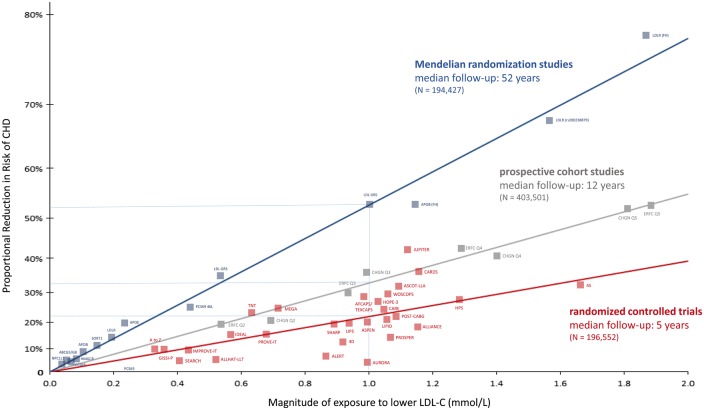
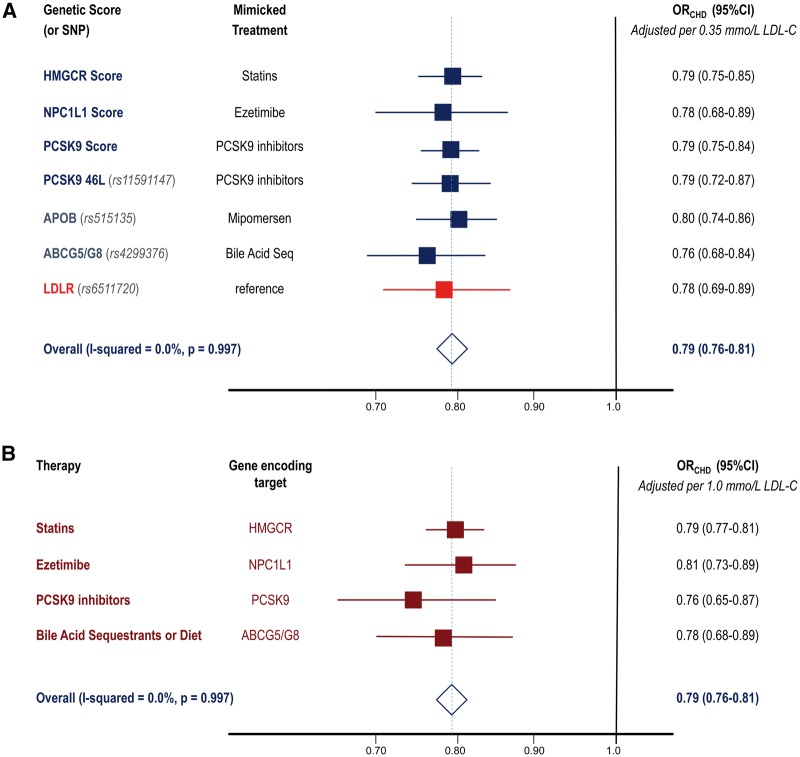
AIMS: To appraise the clinical and genetic evidence that low-density lipoproteins (LDLs) cause atherosclerotic cardiovascular disease (ASCVD). METHODS AND RESULTS: We assessed whether the association between LDL and ASCVD fulfils the criteria for causality by evaluating the totality of evidence from genetic studies, prospective epidemiologic cohort studies, Mendelian randomization studies, and randomized trials of LDL-lowering therapies. In clinical studies, plasma LDL burden is usually estimated by determination of plasma LDL cholesterol level (LDL-C). Rare genetic mutations that cause reduced LDL receptor function lead to markedly higher LDL-C and a dose-dependent increase in the risk of ASCVD, whereas rare variants leading to lower LDL-C are associated with a correspondingly lower risk of ASCVD. Separate meta-analyses of over 200 prospective cohort studies, Mendelian randomization studies, and randomized trials including more than 2 million participants with over 20 million person-years of follow-up and over 150 000 cardiovascular events demonstrate a remarkably consistent dose-dependent log-linear association between the absolute magnitude of exposure of the vasculature to LDL-C and the risk of ASCVD; and this effect appears to increase with increasing duration of exposure to LDL-C. Both the naturally randomized genetic studies and the randomized intervention trials consistently demonstrate that any mechanism of lowering plasma LDL particle concentration should reduce the risk of ASCVD events proportional to the absolute reduction in LDL-C and the cumulative duration of exposure to lower LDL-C, provided that the achieved reduction in LDL-C is concordant with the reduction in LDL particle number and that there are no competing deleterious off-target effects. CONCLUSION: Consistent evidence from numerous and multiple different types of clinical and genetic studies unequivocally establishes that LDL causes ASCVD.
Overview
The claims and statistics of this paper haven’t been checked yet.
Free: it reads the open-access text and checks the first 5 claims that cite a source we can check. Create a free account to check every claim.
Integrity signals
Registry
Cites
Statistics
Figures
Verification
Claims the paper makes
The claims and statistics of this paper haven’t been checked yet.
Free: it reads the open-access text and checks the first 5 claims that cite a source we can check. Create a free account to check every claim.
Claims other papers make about this one
Each is checked against this paper’s own text: does it say what the citing paper says it does?
The source backs part of the claim, not all of it — or backs it for a different population, condition or comparison.
In the citing paper
“In contrast, the clinical benefit of therapies that lower LDL-C by a mechanism that may dramatically modify their composition may not be proportional to the observed absolute reduction in LDL-C, but instead would be expected to be proportional to the absolute change in LDL particle concentration as measured by a reduction in ApoB [2,53].”
From 2019 ESC/EAS guidelines for the management of dyslipidaemias: lipid modification to reduce cardiovascular risk (2019) · cites this paper as [2]
Experimental — accuracy not yet measuredThe source backs part of the claim, not all of it — or backs it for a different population, condition or comparison.
In the citing paper
“The clinical effectiveness of LDLC-guided management of cardio- vascular risk is most strongly evidence-based [7,8].”
From Quantifying atherogenic lipoproteins for lipid-lowering strategies: Consensus-based recommendations from EAS and EFLM (2020) · cites this paper as [7]
Experimental — accuracy not yet measuredThe source backs part of the claim, not all of it — or backs it for a different population, condition or comparison.
In the citing paper
“Second, genetic variants reflect the effect of lifelong changes in ApoB-containing lipoproteins on the risk of cardiovascular disease, which appear to be cumulative over time.5,34”
From Association of Triglyceride-Lowering LPL Variants and LDL-C–Lowering LDLR Variants With Risk of Coronary Heart Disease (2019) · cites this paper as [5]
Experimental — accuracy not yet measuredThe cited source says what the claim attributes to it.
In the citing paper
“While LDL-C is an established major causal factor for ASCVD,93,103,104 the causality of TG, TRL, or TRL remnants for ASCVD is contentious.17,36,105–107”
The cited source says what the claim attributes to it.
In the citing paper
“New evidence has confirmed that the key initiating event in atherogenesis is the retention of low-density lipoprotein (LDL) cholesterol (LDL-C) and other cholesterol-rich apolipoprotein (Apo) B-containing lipoproteins within the arterial wall [2].”
From 2019 ESC/EAS guidelines for the management of dyslipidaemias: lipid modification to reduce cardiovascular risk (2019) · cites this paper as [2]
11 more claims about this paper
Create a free account to see every claim other papers make about this one.
Self-check
Percentages, sums and reported differences re-computed from the paper’s own numbers.
The self-check needs the paper’s full text.
Citations
Cites
Yusuf, S., Hawken, S., Ôunpuu, S., Dans, T., Avezum, A., Lanas, F., McQueen, M., Budaj, A., Pais, P., Varigos, J., et al. (2004) · The Lancet · doi:10.1016/s0140-6736(04)17018-9 · Cited by 12,026
Ahmed, A., Jorna, T., & Bhandari, S. (2016) · Nephron · doi:10.1159/000447068 · Cited by 11,717
The environment and disease: association or causation?
Hill, A. B. (2015) · Journal of the Royal Society of Medicine · doi:10.1177/0141076814562718 · Cited by 7,285
Stone, N. J., Robinson, J. G., Lichtenstein, A. H., Bairey Merz, C. N., Blum, C. B., Eckel, R. H., Goldberg, A. C., Gordon, D., Levy, D., Lloyd-Jones, D. M., et al. (2014) · Circulation · doi:10.1161/01.cir.0000437738.63853.7a · Cited by 7,081
The Environment and Disease: Association or Causation?
Hill, A. B. (1965) · Proceedings of the Royal Society of Medicine · doi:10.1177/003591576505800503 · Cited by 6,974
Cholesterol Treatment Trialists' (CTT) Collaboration (2010) · The Lancet · doi:10.1016/s0140-6736(10)61350-5 · Cited by 6,550
Evolocumab and Clinical Outcomes in Patients with Cardiovascular Disease
Sabatine, M. S., Giugliano, R. P., Keech, A. C., Honarpour, N., Wiviott, S. D., Murphy, S. A., Kuder, J. F., Wang, H., Liu, T., Wasserman, S. M., et al. (2017) · New England Journal of Medicine · doi:10.1056/nejmoa1615664 · Cited by 6,138
Mendelian randomization: Using genes as instruments for making causal inferences in epidemiology
Lawlor, D. A., Harbord, R. M., Sterne, J. A. C., Timpson, N., & Davey Smith, G. (2008) · Statistics in Medicine · doi:10.1002/sim.3034 · Cited by 4,618 · cited 1×
“whether an observed association between an exposure and an outcome is likely to be causal.(23) Numerous variants in multiple genes have been reported to be associated with lower LDL-C levels.”
BackgroundEzetimibe Added to Statin Therapy after Acute Coronary Syndromes
Cannon, C. P., Blazing, M. A., Giugliano, R. P., McCagg, A., White, J. A., Theroux, P., Darius, H., Lewis, B. S., Ophuis, T. O., Jukema, J. W., et al. (2015) · New England Journal of Medicine · doi:10.1056/nejmoa1410489 · Cited by 4,487
Biological, clinical and population relevance of 95 loci for blood lipids
Teslovich, T. M., Musunuru, K., Smith, A. V., Edmondson, A. C., Stylianou, I. M., Koseki, M., Pirruccello, J. P., Ripatti, S., Chasman, D. I., Willer, C. J., et al. (2010) · Nature · doi:10.1038/nature09270 · Cited by 3,487
Cited by
Items 301–400 of 1,029
Hyperlipidemia and Cardiovascular Risk in Children and Adolescents
Mainieri, F., Bella, S. L., & Chiarelli, F. (2023) · Biomedicines · doi:10.3390/biomedicines11030809 · Cited by 94
New progress in drugs treatment of diabetic kidney disease
Wang, J., Xiang, H., Lu, Y., Wu, T., & Ji, G. (2021) · Biomedicine & Pharmacotherapy · doi:10.1016/j.biopha.2021.111918 · Cited by 74
Low-Density Lipoprotein Cholesterol and Alzheimer's Disease: A Systematic Review and Meta-Analysis
Zhou, Z., Liang, Y., Zhang, X., Xu, J., Lin, J., Zhang, R., Kang, K., Liu, C., Zhao, C., & Zhao, M. (2020) · Frontiers in Aging Neuroscience · doi:10.3389/fnagi.2020.00005 · Cited by 82
Zhuang, P., Wu, F. L., Mao, L., Zhu, F., Zhang, Y., Chen, X., Jiao, J., & Zhang, Y. (2021) · PLoS Medicine · doi:10.1371/journal.pmed.1003508 · Cited by 76
Chan, M. S., Arnold, M., Offer, A. R., Hammami, I., Mafham, M. M., Armitage, J., Perera, R., & Parish, S. (2021) · The Journals of Gerontology Series A · doi:10.1093/gerona/glab069 · Cited by 79
D’Erasmo, L., Steward, K., Cefalù, A. B., Di Costanzo, A., Boersma, E., Bini, S., Arca, M., van Lennep, J. R., the Italian and European Working Group on Lomitapide in HoFH, D’Erasmo, L., et al. (2022) · European Journal of Preventive Cardiology · doi:10.1093/eurjpc/zwab229 · Cited by 71
Screening in children for familial hypercholesterolaemia: start now
Grošelj, U., Wiegman, A., & Gidding, S. S. (2022) · European Heart Journal · doi:10.1093/eurheartj/ehac224 · Cited by 81
Nelson, A. J., Sniderman, A. D., Ditmarsch, M., Dicklin, M. R., Nicholls, S. J., Davidson, M. H., & Kastelein, J. J. P. (2022) · International Journal of Molecular Sciences · doi:10.3390/ijms23169417 · Cited by 67
Self-citationUpdate on Findings about Sudden Sensorineural Hearing Loss and Insight into Its Pathogenesis
Yamada, S., Kita, J., Shinmura, D., Nakamura, Y., Sahara, S., Misawa, K., & Nakanishi, H. (2022) · Journal of Clinical Medicine · doi:10.3390/jcm11216387 · Cited by 74
Potential Cardiometabolic Health Benefits of Full-Fat Dairy: The Evidence Base
Hirahatake, K. M., Astrup, A. V., Hill, J. O., Slavin, J. L., Allison, D. B., & Maki, K. C. (2019) · Advances in Nutrition · doi:10.1093/advances/nmz132 · Cited by 79
Katzmann, J. L., Sorio-Vilela, F., Dornstauder, E., Fraas, U., Smieszek, T., Zappacosta, S., & Laufs, U. (2022) · Clinical Research in Cardiology · doi:10.1007/s00392-020-01740-8 · Cited by 63
Self-citationLipid Lowering Drugs: Present Status and Future Developments
Ruscica, M., Ferri, N., Santos, R. D., Sirtori, C. R., & Corsini, A. (2021) · Current Atherosclerosis Reports · doi:10.1007/s11883-021-00918-3 · Cited by 73
Pirro, M., Simental‐Mendía, L. E., Bianconi, V., Watts, G. F., Banach, M., & Sahebkar, A. (2019) · Journal of Clinical Medicine · doi:10.3390/jcm8010118 · Cited by 73
Self-citationMast Cells as Potential Accelerators of Human Atherosclerosis—From Early to Late Lesions
Kovanen, P. T. (2019) · International Journal of Molecular Sciences · doi:10.3390/ijms20184479 · Cited by 75
Polygenic Hypercholesterolemia and Cardiovascular Disease Risk
Sharifi, M., Futema, M., Nair, D. R., & Humphries, S. E. (2019) · Current Cardiology Reports · doi:10.1007/s11886-019-1130-z · Cited by 85
Yannas, D., Frizza, F., Vignozzi, L., Corona, G., Maggi, M., & Rastrelli, G. (2021) · Journal of Clinical Medicine · doi:10.3390/jcm10102221 · Cited by 86
Kjeldsen, E. W., Thomassen, J. Q., & Frikke‐Schmidt, R. (2021) · Biochimica et Biophysica Acta (BBA) - Molecular and Cell Biology of Lipids · doi:10.1016/j.bbalip.2021.159063 · Cited by 77
Hedegaard, B. S., Bork, C. S., Kaltoft, M., Klausen, I. C., Schmidt, E. B., Kamstrup, P. R., Langsted, A., & Nordestgaard, B. G. (2022) · Journal of the American College of Cardiology · doi:10.1016/j.jacc.2022.09.021 · Cited by 67
Self-citationWilkinson, M. J., Lepor, N. E., & Michos, E. D. (2023) · Journal of the American Heart Association · doi:10.1161/jaha.122.028892 · Cited by 79
Masana, L., Girona, J., Ibarretxe, D., Rodríguez‐Calvo, R., Rosales, R., Vallvé, J.-C., Rodríguez-Borjabad, C., Guardiola, M., Rodríguez, M. M., Guaita‐Esteruelas, S., et al. (2018) · Journal of clinical lipidology · doi:10.1016/j.jacl.2017.12.018 · Cited by 76
Self-citationTuttolomondo, A., Cirrincione, A., Casuccio, A., Del Cuore, A., Daidone, M., Di Chiara, T., Di Raimondo, D., Corte, V. D., Maida, C., Simonetta, I., et al. (2021) · Cardiovascular Diabetology · doi:10.1186/s12933-020-01183-5 · Cited by 69
Cholesterol Metabolism: A Double-Edged Sword in Hepatocellular Carcinoma
Zhou, F., & Sun, X. (2021) · Frontiers in Cell and Developmental Biology · doi:10.3389/fcell.2021.762828 · Cited by 76
Langlois, M. R., & Sniderman, A. D. (2020) · Current Cardiology Reports · doi:10.1007/s11886-020-01323-z · Cited by 79
Härdtner, C., Kornemann, J., Krebs, K., Ehlert, C. A., Jander, A., Zou, J., Starz, C., Rauterberg, S., Sharipova, D., Dufner, B., et al. (2020) · Basic Research in Cardiology · doi:10.1007/s00395-020-00838-4 · Cited by 66
An Overview of Glycosylation and its Impact on Cardiovascular Health and Disease
Loaeza-Reyes, K. J., Zenteno, E., Rodríguez, A. M., Rosas, R. T., Argueta‐Figueroa, L., Salinas-Marín, R., Castillo-Real, L. M., Pina-Canseco, M. D. S., & Pérez-Cervera, Y. (2021) · Frontiers in Molecular Biosciences · doi:10.3389/fmolb.2021.751637 · Cited by 76
Chapman, M. J., Zamorano, J. L., & Parhofer, K. G. (2022) · Pharmacology & Therapeutics · doi:10.1016/j.pharmthera.2022.108172 · Cited by 67
Self-citationGalimberti, F., Casula, M., & Olmastroni, E. (2023) · Pharmacological Research · doi:10.1016/j.phrs.2023.106873 · Cited by 80
“Randomized clinical trials (RCTs) have demonstrated that lipid-lowering drugs such as statins, ezetimibe, and proprotein convertase subtilisin/kexin type 9 (PCSK9) inhibitors significantly lower ASCVD risk [1].”
Trinder, M., Paquette, M., Cermakova, L., Ban, M. R., Hegele, R. A., Baass, A. W., & Brunham, L. R. (2020) · Circulation Genomic and Precision Medicine · doi:10.1161/circgen.120.002919 · Cited by 79
Self-citationWang, K., Ma, J., Li, Y., Han, Q., Yin, Z., Zhou, M., Luo, M., Chen, J., & Xia, S. (2022) · Frontiers in Nutrition · doi:10.3389/fnut.2022.1024722 · Cited by 75
Schubert, J., Leosdottir, M., Lindahl, B., Westerbergh, J., Melhus, H., Modica, A., Cater, N., Brinck, J., Ray, K. K., & Hagström, E. (2024) · European Heart Journal · doi:10.1093/eurheartj/ehae576 · Cited by 57
“1,16,17 Furthermore, two head-to-head randomized controlled trials 18,19 of high-vs. lower-intensity statins in conjunction with ezeti-mibe showed similar reductions in LDL-C and similar cardiovascular outcomes, indicating that the benefits are related more to the magnitude and duration of lipid…”
Self-citationPérez‐Calahorra, S., Laclaustra, M., Marco-Benedí, V., Lamíquiz-Moneo, I., Pedro‐Botet, J., Plana, N., Sánchez-Hernández, R. M., Amor, A. J., Almagro, F., Fuentes, F. J., et al. (2019) · Atherosclerosis · doi:10.1016/j.atherosclerosis.2019.02.003 · Cited by 70
Exercise Videogames, Physical Activity, and Health: Wii Heart Fitness: A Randomized Clinical Trial
Bock, B. C., DUNSIGER, S. I., Ciccolo, J. T., Serber, E. R., Wu, W., Tilkemeier, P. L., Walaska, K., & Marcus, B. H. (2019) · American Journal of Preventive Medicine · doi:10.1016/j.amepre.2018.11.026 · Cited by 80
Impact of LDL Cholesterol on Microvascular Versus Macrovascular Disease
Emanuelsson, F., Nordestgaard, B. G., Tybjærg-Hansen, A., & Benn, M. (2019) · Journal of the American College of Cardiology · doi:10.1016/j.jacc.2019.07.037 · Cited by 71
Self-citation“Cholesterol-Years” for ASCVD Risk Prediction and Treatment
Shapiro, M. D., & Bhatt, D. L. (2020) · Journal of the American College of Cardiology · doi:10.1016/j.jacc.2020.08.004 · Cited by 74
von Scheidt, M., Zhao, Y., de Aguiar Vallim, T. Q., Che, N., Wierer, M., Seldin, M. M., Franzén, O., Kurt, Z., Pang, S., Bongiovanni, D., et al. (2021) · Circulation · doi:10.1161/circulationaha.120.050186 · Cited by 68
Self-citationCupido, A. J., Reeskamp, L. F., Hingorani, A. D., Finan, C., Asselbergs, F. W., Hovingh, G. K., & Schmidt, A. F. (2022) · JAMA Cardiology · doi:10.1001/jamacardio.2022.2333 · Cited by 68
Momtazi-Borojeni, A. A., Jaafari, M. R., Badiee, A., Banach, M., & Sahebkar, A. (2019) · BMC Medicine · doi:10.1186/s12916-019-1457-8 · Cited by 64
RetractedMendelian randomization as a tool to inform drug development using human genetics
Daghlas, I., & Gill, D. (2023) · Cambridge Prisms Precision Medicine · doi:10.1017/pcm.2023.5 · Cited by 72
“This is illustrated by the larger magnitude of effect estimates for LDL-cholesterol lowering from MR analyses relative to those from clinical trials (Ference et al., 2017).”
BackgroundTamarappoo, B. K., Lin, A., Commandeur, F., McElhinney, P. A., Cadet, S., Goeller, M., Razipour, A., Chen, X., Gransar, H., Cantu, S., et al. (2021) · Atherosclerosis · doi:10.1016/j.atherosclerosis.2020.11.008 · Cited by 63
“As expected, LDL cholesterol, a causal risk factor for ASCVD 27 , was highly ranked in the ML algorithm.”
BackgroundTreatment of Dyslipidemia through Targeted Therapy of Gut Microbiota
Flaig, B., Garza, R., Singh, B., Hamamah, S., & Covașă, M. (2023) · Nutrients · doi:10.3390/nu15010228 · Cited by 72
The Impact of the Blood Lipids Levels on Arterial Stiffness
Baba, M., Mariș, M. I., Jianu, D., Luca, C. T., Stoian, D. L., & Mozos, I. M. (2023) · Journal of Cardiovascular Development and Disease · doi:10.3390/jcdd10030127 · Cited by 73
Beyond statins: New pharmacological targets to decrease LDL-cholesterol and cardiovascular events
Raschi, E., Casula, M., Cicero, A. F. G., Corsini, A., Borghi, C., & Catapano, A. (2023) · Pharmacology & Therapeutics · doi:10.1016/j.pharmthera.2023.108507 · Cited by 59
Self-citationInclisiran: a new generation of lipid-lowering siRNA therapeutic
Zhang, Y., Chen, H., Hong, L., Wang, H., Li, B., Zhang, M., Li, J., Liu, Y., & Liu, F. (2023) · Frontiers in Pharmacology · doi:10.3389/fphar.2023.1260921 · Cited by 78
Exploring apolipoprotein C-III: pathophysiological and pharmacological relevance
Packard, C. J., Pirillo, A., Tsimikas, S., Ference, B. A., & Catapano, A. L. (2024) · Cardiovascular Research · doi:10.1093/cvr/cvad177 · Cited by 61
Self-citationLichtenstein, A. H., Khera, A., Anderson, C. A. M., Appel, L. J., DeSilva, D. M., Gardner, C. D., Hu, F. B., Jones, D. W., & Petersen, K. S. (2026) · Circulation · doi:10.1161/cir.0000000000001435 · Cited by 84
Epidemiology of familial hypercholesterolaemia: Community and clinical
Vallejo‐Vaz, A. J., & Ray, K. K. (2018) · Atherosclerosis · doi:10.1016/j.atherosclerosis.2018.06.855 · Cited by 74
Self-citationHåversen, L., Sundelin, J. P., Mardinoğlu, A., Rutberg, M., Ståhlman, M., Wilhelmsson, U., Hultén, L. M., Pekny, M., Fogelstrand, P., Bentzon, J. F., et al. (2018) · Scientific Reports · doi:10.1038/s41598-018-34659-2 · Cited by 73
Self-citationBempedoic acid: effects on lipoprotein metabolism and atherosclerosis
Burke, A. C., Telford, D. E., & Huff, M. W. (2018) · Current Opinion in Lipidology · doi:10.1097/mol.0000000000000565 · Cited by 68
Novel emerging therapies in atherosclerosis targeting lipid metabolism
Gupta, M., Blumenthal, C., Chatterjee, S., Bandyopadhyay, D., Jain, V., Lavie, C. J., Virani, S. S., Ray, K. K., Aronow, W. S., & Ghosh, R. K. (2020) · Expert Opinion on Investigational Drugs · doi:10.1080/13543784.2020.1764937 · Cited by 75
Self-citationEscobar, C., Anguita, M. P., Arrarte, V., Barrios, V., Cequier, A. R., Cosín-Sales, J., Egocheaga, I., de Sá, E. L., Masana, L., Pallarés‐Carratalá, V., et al. (2019) · Revista Española de Cardiología · doi:10.1016/j.recesp.2019.07.024 · Cited by 70
Self-citationThe Potential of Probiotics in the Prevention and Treatment of Atherosclerosis
O’Morain, V. L., & Ramji, D. P. (2019) · Molecular Nutrition & Food Research · doi:10.1002/mnfr.201900797 · Cited by 73
Adherence to a Mediterranean diet, dyslipidemia and inflammation in familial hypercholesterolemia
Antoniazzi, L., Arroyo-Olivares, R., Bittencourt, M. S., Tada, M. T., Lima, I. R., Jannes, C. E., Krieger, J. E., Pereira, A. C., Quintana‐Navarro, G. M., Muñiz-Grijalvo, O., et al. (2021) · Nutrition Metabolism and Cardiovascular Diseases · doi:10.1016/j.numecd.2021.04.006 · Cited by 72
Systematic Coronary Risk Evaluation (SCORE)
Graham, I. M., Angelantonio, E. D., Visseren, F. L. J., Bacquer, D. D., Ference, B. A., Timmis, A., Halle, M., Vardas, P. E., Huculeci, R., & Cooney, M. T. (2021) · Journal of the American College of Cardiology · doi:10.1016/j.jacc.2021.04.052 · Cited by 69
Self-citationPortfolio Diet Score and Risk of Cardiovascular Disease: Findings From 3 Prospective Cohort Studies
Glenn, A. J., Guasch‐Ferré, M., Malik, V., Kendall, C. W. C., Manson, J. E., Rimm, E. B., Willett, W. C., Sun, Q., Jenkins, D. J. A., Hu, F. B., et al. (2023) · Circulation · doi:10.1161/circulationaha.123.065551 · Cited by 70
Molecular Insights into the Mechanisms Underlying the Cholesterol- Lowering Effects of Phytosterols
Cedó, L., Farràs, M., Lee‐Rueckert, M., & Escolá‐Gil, J. C. (2019) · Current Medicinal Chemistry · doi:10.2174/0929867326666190822154701 · Cited by 69
Chapman, M. J., Orsoni, A., Tan, R., Mellett, N. A., Nguyen, A., Robillard, P., Giral, P., Thérond, P., & Meikle, P. J. (2020) · Journal of Lipid Research · doi:10.1194/jlr.p119000543 · Cited by 65
Self-citationCardiovascular Risk in Perimenopausal Women
Stevenson, J. C., Tsiligiannis, S., & Panay, N. (2018) · Current Vascular Pharmacology · doi:10.2174/1570161116666181002145340 · Cited by 70
Lewek, J., Niedziela, J. T., Desperak, P., Dyrbuś, K., Osadnik, T., Jankowski, P., Witkowski, A., Bielecka-Dabrowa, A. M., Dudek, D., Gierlotka, M. J., et al. (2023) · Journal of the American Heart Association · doi:10.1161/jaha.123.030414 · Cited by 69
Markus, M. R. P., Ittermann, T., Mariño, J., Schipf, S., Bahls, M., Könemann, S., Chamling, B., Völzke, H., Damasceno, N. R. T., Santos, R. D., et al. (2025) · European Heart Journal · doi:10.1093/eurheartj/ehaf281 · Cited by 65
Familial Hypercholesterolemia and Risk of Peripheral Arterial Disease and Chronic Kidney Disease
Emanuelsson, F., Nordestgaard, B. G., & Benn, M. (2018) · The Journal of Clinical Endocrinology & Metabolism · doi:10.1210/jc.2018-01058 · Cited by 67
“001 Lipid-lowering medication, n (%) 10,781 (11) 1674 (25) 294 (60) ,0.”
Self-citationNishikido, T., & Ray, K. K. (2019) · Frontiers in Cardiovascular Medicine · doi:10.3389/fcvm.2018.00199 · Cited by 62
Self-citationWorldwide burden of LDL cholesterol: Implications in cardiovascular disease
Mattiuzzi, C., Sanchis‐Gomar, F., & Lippi, G. (2019) · Nutrition Metabolism and Cardiovascular Diseases · doi:10.1016/j.numecd.2019.09.008 · Cited by 67
Safitri, N., Alaina, M. F., Pitaloka, D. A. E., & Abdulah, R. (2021) · Drug Healthcare and Patient Safety · doi:10.2147/dhps.s333738 · Cited by 72
Arsenault, B. J. (2022) · European Heart Journal · doi:10.1093/eurheartj/ehac394 · Cited by 67
Zheng, J., Wang, J., Zhang, Y., Xia, J., Guo, H., Hu, H., Shan, P., & Li, T. (2022) · Frontiers in Public Health · doi:10.3389/fpubh.2022.891929 · Cited by 70
Associations of remnant cholesterol with cardiovascular and cancer mortality in a nationwide cohort
Tian, Y., Wu, Y., Qi, M., Song, L., Chen, B., Wang, C., Lu, J., Yang, Y., Zhang, X., Cui, J., et al. (2023) · 中国科学通报:英文版 · doi:10.1016/j.scib.2023.12.035 · Cited by 65
Amarenco, P., Kim, J. S., Labreuche, J., Charles, H., Giroud, M., Lee, B., Mahagne, M., Nighoghossian, N., Steg, P. G., Vicaut, É., et al. (2020) · Stroke · doi:10.1161/strokeaha.119.028718 · Cited by 71
Contemporary Management of Dyslipidemia
Ferraro, R., Leucker, T. M., Martin, S. S., Banach, M., Jones, S. R., & Toth, P. P. (2022) · Drugs · doi:10.1007/s40265-022-01691-6 · Cited by 67
Pleotropic effects of statins: the dilemma of wider utilization of statin
Choudhary, A., Rawat, U., Kumar, P., & Mittal, P. (2023) · The Egyptian Heart Journal · doi:10.1186/s43044-023-00327-8 · Cited by 64
“As Atherosclerotic cardiovascular disease (ASCVD) peril and cholesterol level in blood have a wellentrenched articulation, if the load of atherogenic lipoprotein in blood is considerably diminished, the progression of atherosclerosis can be lowered and eventually reversed [6–8] and there has been persuasive evidence t…”
BackgroundMorrison, A. M., Sullivan, A. E., & Aday, A. W. (2023) · Medical Clinics of North America · doi:10.1016/j.mcna.2023.04.004 · Cited by 75
Impact of elevated lipoprotein(a) on coronary artery disease phenotype and severity
Leistner, D. M., Laguna-Fernández, A., Haghikia, A., Abdelwahed, Y. S., Schatz, A.-S., Erbay, A., Roehle, R., Fonseca, A. F., Ferber, P. C., & Landmesser, U. (2024) · European Journal of Preventive Cardiology · doi:10.1093/eurjpc/zwae007 · Cited by 71
Self-citationPCSK9 inhibitors in clinical practice: Delivering on the promise?
Stoekenbroek, R. M., Hartgers, M. L., Rutte, R., de Wijer, D. D., Stroes, E. S. G., & Hovingh, G. K. (2017) · Atherosclerosis · doi:10.1016/j.atherosclerosis.2017.11.027 · Cited by 73
The Knowns and Unknowns of Contemporary Statin Therapy for Familial Hypercholesterolemia
Pang, J., Chan, D. C., & Watts, G. F. (2020) · Current Atherosclerosis Reports · doi:10.1007/s11883-020-00884-2 · Cited by 67
Self-citationInclisiran: a novel agent for lowering apolipoprotein B–containing lipoproteins
Warden, B. A., & Duell, P. B. (2021) · Journal of Cardiovascular Pharmacology · doi:10.1097/fjc.0000000000001053 · Cited by 62
Global Trends in the Epidemiology and Management of Dyslipidemia
Liu, T., Zhao, D., & Qi, Y. (2022) · Journal of Clinical Medicine · doi:10.3390/jcm11216377 · Cited by 62
RNA-targeted therapeutics for lipid disorders
Tsimikas, S. (2018) · Current Opinion in Lipidology · doi:10.1097/mol.0000000000000549 · Cited by 60
Abera, A., Worede, A., Hirigo, A. T., Alemayehu, R., & Ambachew, S. (2024) · European journal of medical research · doi:10.1186/s40001-024-01802-x · Cited by 82
“A study has indisputably shown that LDL-c is causal in the atherosclerosis process [19], and the size of the total atherosclerotic plaque burden is determined by both the concentration of circulating LDL-c and by the total duration of exposure to these lipoproteins.”
BackgroundCRISPR-Cas9 in Cardiovascular Medicine: Unlocking New Potential for Treatment
Bonowicz, K., Jerka, D., Piekarska, K., Olagbaju, J., Stapleton, L., Shobowale, M., Bartosiński, A., Łapot, M., Bai, Y., & Gagat, M. (2025) · Cells · doi:10.3390/cells14020131 · Cited by 64
“Strategies aimed at lowering LDL and triglyc-Cells erides while increasing HDL levels remain central in addressing atherosclerosis, a chronic inflammatory disease affecting more than 25% of adults globally and a leading cause of death [46,47].”
In Vivo Base Editing of PCSK9 with VERVE-102 for Hypercholesterolemia
Vafai, S. B., Täubel, J., Ashdown, T., Patel, R. S., Diamondali, S., Cegla, J., Soran, H., Bashir, B., Abitbol, A., Gaudet, D., et al. (2026) · New England Journal of Medicine · doi:10.1056/nejmoa2601283 · Cited by 72
Self-citationCurrent Management Guidelines on Hyperlipidemia: The Silent Killer
Su, L., Mittal, R., Ramgobin, D., Jain, R., & Jain, R. (2021) · Journal of Lipids · doi:10.1155/2021/9883352 · Cited by 75
Kolovou, G. D., Watts, G. F., Mikhailidis, D. P., Pérez-Martínez, P., Mora, S., Bilianou, H., Panotopoulos, G., Katsiki, N., Ooi, T. C., Lopez-Miranda, J., et al. (2019) · Current Vascular Pharmacology · doi:10.2174/1570161117666190507110519 · Cited by 61
Self-citationDyslipidemia management for primary prevention of cardiovascular events: Best in-clinic practices
Thongtang, N., Sukmawan, R., Llanes, E. J. B., & Lee, Z.-V. (2022) · Preventive Medicine Reports · doi:10.1016/j.pmedr.2022.101819 · Cited by 61
Cholesterol-Lowering Agents: PCSK9 Inhibitors Today and Tomorrow
Rosenson, R. S., Hegele, R. A., & Koenig, W. (2019) · Circulation Research · doi:10.1161/circresaha.118.313238 · Cited by 61
Self-citationYang, X., Zhong, D., Wang, G., Zhang, R.-G., & Zhang, Y. (2021) · Nutrients · doi:10.3390/nu13051410 · Cited by 64
Gui, L., Yan, J., Junyuan, Z., Wang, S., Ji, Y., Liu, J., Wu, J., Yuan, K., Liu, H., Deng, D., et al. (2023) · Biosensors and Bioelectronics · doi:10.1016/j.bios.2023.115660 · Cited by 61
Advancements in risk stratification and management strategies in primary cardiovascular prevention
Barkas, F., Şener, Y. Z., Golforoush, P. A., Kheirkhah, A., Rodríguez‐Sánchez, E., Novák, J., Apellániz-Ruiz, M., Akyea, R. K., Bianconi, V., Ceasovschih, A., et al. (2024) · Atherosclerosis · doi:10.1016/j.atherosclerosis.2024.117579 · Cited by 65
Inclisiran for the treatment of dyslipidemia
Nishikido, T., & Ray, K. K. (2018) · Expert Opinion on Investigational Drugs · doi:10.1080/13543784.2018.1442435 · Cited by 56
Self-citationTriglycerides and residual risk
Vallejo‐Vaz, A. J., Corral, P., Schreier, L. E., & Ray, K. K. (2020) · Current Opinion in Endocrinology Diabetes and Obesity · doi:10.1097/med.0000000000000530 · Cited by 65
Self-citationRole of Treg cell subsets in cardiovascular disease pathogenesis and potential therapeutic targets
Xia, Y., Gao, D., Wang, X., Liu, B., Shan, X., Sun, Y., & Ma, D. (2024) · Frontiers in Immunology · doi:10.3389/fimmu.2024.1331609 · Cited by 62
Brunham, L. R., Lonn, E., & Mehta, S. R. (2024) · Canadian Journal of Cardiology · doi:10.1016/j.cjca.2024.04.017 · Cited by 82
“43 The earliest line of evidence came from observational studies that linked higher levels of LDL-C in circulation with a greater prevalence of ASCVD.”
Hansson, P., Holven, K. B., Øyri, L. K. L., Brekke, H. K., Biong, A. S., Gjevestad, G. O., Raza, G. S., Herzig, K., Thoresen, M., & Ulven, S. M. (2018) · Journal of Nutrition · doi:10.1093/jn/nxy291 · Cited by 67
Inflammation in atherosclerotic cardiovascular disease
Shah, P. K., & Lecis, D. (2019) · F1000Research · doi:10.12688/f1000research.18901.1 · Cited by 69
Brandts, J., & Ray, K. K. (2020) · Circulation · doi:10.1161/circulationaha.119.043406 · Cited by 58
Self-citationSkuratovskaia, D., Vulf, M. A., Komar, A., Кириенкова, Е. В., & Litvinova, L. S. (2019) · Biomolecules · doi:10.3390/biom9060226 · Cited by 60
Masana, L., Ibarretxe, D., & Plana, N. (2020) · Current Cardiology Reports · doi:10.1007/s11886-020-01326-w · Cited by 54
Self-citationWang, D., Zhang, L., Huang, J., Himabindu, K., Tewari, D., Horbańczuk, J. O., Xu, S., Chen, Z., & Atanasov, A. G. (2020) · Trends in Food Science & Technology · doi:10.1016/j.tifs.2020.11.024 · Cited by 69
Pattnaik, M., & Mishra, H. N. (2021) · Critical Reviews in Food Science and Nutrition · doi:10.1080/10408398.2021.1899127 · Cited by 60
“Saturated fatty acid (SFA) and trans fats increase low-density lipoprotein (LDL) cholesterol in the blood, which leads to plaque formation (Ference et al. 2017).”
BackgroundSaturated fats, dairy foods and cardiovascular health: No longer a curious paradox?
Givens, D. I. (2022) · Nutrition Bulletin · doi:10.1111/nbu.12585 · Cited by 62
“In summary, despite LDL particles having a causal role for atherosclerotic CVDs (Borén et al., 2020; Ference et al., 2017), there are clearly a number of reasons why changes in LDL- C alone may not reliably predict future atherosclerotic CVD risk.”
BackgroundPCSK9 inhibitors and reduction in cardiovascular events: Current evidence and future perspectives
Nicholls, S. J. (2023) · Kardiologia Polska · doi:10.33963/kp.a2023.0030 · Cited by 61
Self-citationCuchel, M., Lee, P. C., Hudgins, L. C., Duell, P. B., Ahmad, Z., Baum, S. J., Linton, M. F., de Ferranti, S. D., Ballantyne, C. M., Larry, J. A., et al. (2023) · Journal of the American Heart Association · doi:10.1161/jaha.122.029175 · Cited by 55
Metadata
- Authors
- Ference, B. A., Ginsberg, H. N., Graham, I., Ray, K. K., Packard, C. J., Bruckert, E., Hegele, R. A., Krauss, R. M., Raal, F. J., Schunkert, H., Watts, G. F., Borén, J., Fazio, S., Horton, J. D., Masana, L., Nicholls, S. J., Nordestgaard, B. G., van de Sluis, B., Taskinen, M.-R., Tokgözoğlu, L., Landmesser, U., Laufs, U., Wiklund, O., Stock, J. K., Chapman, M. J., & Catapano, A. L.
- Affiliations
- Wayne State University (US)
- Columbia University (US)
- Trinity College Dublin (IE)
- Imperial College London (GB)
- University of Glasgow (GB)
- INSERM UMRS1166, Department of Endocrinology-Metabolism, ICAN - Institute of CardioMetabolism and Nutrition, AP-HP, Hôpital de la Pitié, Paris, France
- Western University (CA)
- Department of Atherosclerosis Research, Children’s Hospital Oakland Research Institute, Oakland, CA 94609, USA
- University of the Witwatersrand (ZA)
- German Centre for Cardiovascular Research (DE)
- The University of Western Australia (AU)
- Sahlgrenska University Hospital (SE)
- Oregon Health & Science University (US)
- The University of Texas Southwestern Medical Center (US)
- Universitat Rovira i Virgili (ES)
- South Australian Health and Medical Research Institute (AU)
- University of Copenhagen (DK)
- Department of Pediatrics, Molecular Genetics Section, University of Groningen, University Medical Center Groningen, Antonius Deusinglaan 1, Groningen AV 9713, The Netherlands
- University of Helsinki (FI)
- Hacettepe University, Ankara, Turkey
- Inserm (FR)
- Universitätsklinikum des Saarlandes (DE)
- European Atherosclerosis Society (SE)
- University of Milan (IT)
- Corresponding author
- Ference, Brian A.
- ORCID
- Ginsberg, Henry N.
- Graham, Ian
- Ray, Kausik K.
- Packard, Chris J.
- Hegele, Robert A.
- Krauss, Ronald M.
- Raal, Frederick J.
- Schunkert, Heribert
- Watts, Gerald F.
- Borén, Jan
- Fazio, Sergio
- Horton, Jay D.
- Masana, Luis
- Nicholls, Stephen J.
- Nordestgaard, Børge G.
- Taskinen, Marja-Riitta
- Landmesser, Ulf
- Laufs, Ulrich
- Wiklund, Olov
- Chapman, M. John
- Catapano, Alberico L.
- Venue
- European Heart Journal
- Publisher
- Oxford University Press (OUP)
- Published
- 2017-04-24
- Volume
- 38
- Issue
- 32
- Pages
- 2459-2472
- ISSN
- 0195-668X (ISSN-L)
- 1522-9645
- PMC
- PMC5837225
- OpenAlex
- W2609543937
- Cited by
- 3,962
- References
- 58
- Citations by year
- 2026: 528 · 2025: 517 · 2024: 544 · 2023: 538 · 2022: 439 · 2021: 468 · 2020: 382 · 2019: 293 · 2018: 185 · 2017: 63
- FWCI
- 258.66
- Type
- journal article
- Language
- en
- Open access
- hybrid
- doi.org
- Licence
- other-oa
- Locations
- European Heart Journal (publishedVersion, other-oa)
- PubMed Central (publishedVersion, cc-by-nc)
- UWA Profiles and Research Repository (UWA) (publishedVersion, cc-by-nc)
- PubMed (publishedVersion)
- Research at the University of Copenhagen (University of Copenhagen) (publishedVersion, cc-by-nc)
- University of Groningen research database (University of Groningen / Centre for Information Technology) (publishedVersion, cc-by-nc)
- ENLIGHTEN (Jurnal Bimbingan dan Konseling Islam) (acceptedVersion)
- Archivio Istituzionale della Ricerca (Universita Degli Studi Di Milano) (submittedVersion, other-oa)
- HAL (submittedVersion)
- eScholarship (California Digital Library) (submittedVersion)
- eScholarship (California Digital Library) (submittedVersion, cc-by-nc)
- Työväentutkimus Vuosikirja (submittedVersion)
- mediaTUM – the media and publications repository of the Technical University Munich (Technical University Munich) (submittedVersion)
- Hacettepe University Institutional Repository (hacettepe.edu.tr) (submittedVersion, other-oa)
- Spiral (Imperial College London) (submittedVersion, other-oa)
- University of Groningen research database (University of Groningen / Centre for Information Technology) (submittedVersion, cc-by-nc)
- Funders
- Amgen
- Eli Lilly and Company
- Pfizer
- AstraZeneca
- GlaxoSmithKline
- Sanofi
- Alnylam Pharmaceuticals
- Danone
- CSL Behring
- Regeneron Pharmaceuticals
- Amarin Corporation
- Anthera
- Medicines Company
- Kowa Company
- Mylan
- InfraRedx
- Daiichi-Sankyo
- Novo Nordisk
- Servier
- Esperion Therapeutics
- Bayer Vital
- Topics
- Health Sciences › Medicine › Cardiology and Cardiovascular Medicine › Lipoproteins and Cardiovascular Health
- Life Sciences › Immunology and Microbiology › Immunology › Atherosclerosis and Cardiovascular Diseases
- Life Sciences › Biochemistry, Genetics and Molecular Biology › Biochemistry › Cholesterol and Lipid Metabolism
- Keywords
- low-density lipoprotein, atherosclerotic cardiovascular disease, LDL cholesterol, causality, LDL receptor mutations, LDL particle number, dose-response relationship, LDL-C lowering therapy, Mendelian randomization
- MeSH terms
- Ezetimibe, Proprotein Convertase 9, PCSK9 Inhibitors, Anticholesteremic Agents, Epidemiologic Methods, Hyperlipidemias, Cholesterol, HDL, Lipoproteins, LDL, Cholesterol, LDL, Hydroxymethylglutaryl-CoA Reductase Inhibitors, Genetic Predisposition to Disease, Consensus, Atherosclerosis
About these checks
Registry, retraction, Cites and statistics results are computed, not judged, with one exception: a printed reference that no index lists is read once by a model before it counts as a citation error. Claims are extracted by a model and kept only when their quote appears verbatim in the text; each cited source is then checked, with a model’s help, for whether it says what the claim relies on. Those verdicts can be wrong — read the claim’s quote and the cited source before relying on one.
Statistics and arithmetic are recomputed, not judged.
Confidence bands are shown only for fields calibrated on our annotated test set. None is calibrated yet, so no band is shown.
What counts as a claim ›How we measure confidence ›How we check this ›
Are you an author, or do you see a problem with this page? Request a review
Data sources
Bibliographic data: Semantic Scholar, OpenAlex, Crossref.
Contains information from the Semantic Scholar Academic Graph Datasets, made available under the ODC Attribution License (ODC-BY 1.0).
Semantic Scholar’s data is described in: Kinney, R., et al. (2023). The Semantic Scholar Open Data Platform. arXiv:2301.10140.
