

Low-density lipoproteins cause atherosclerotic cardiovascular disease. 1. Evidence from genetic, epidemiologic, and clinical studies. A consensus statement from the European Atherosclerosis Society Consensus Panel
Open accessThe DOI matches its Crossref record; 57 of the 58 references it cites were found in a registry or an index.
Abstract
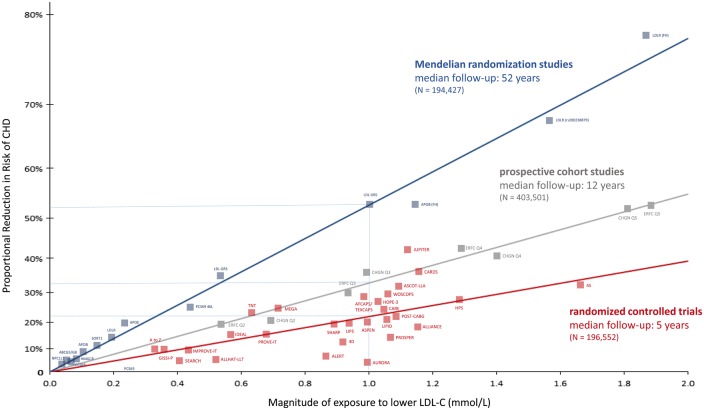
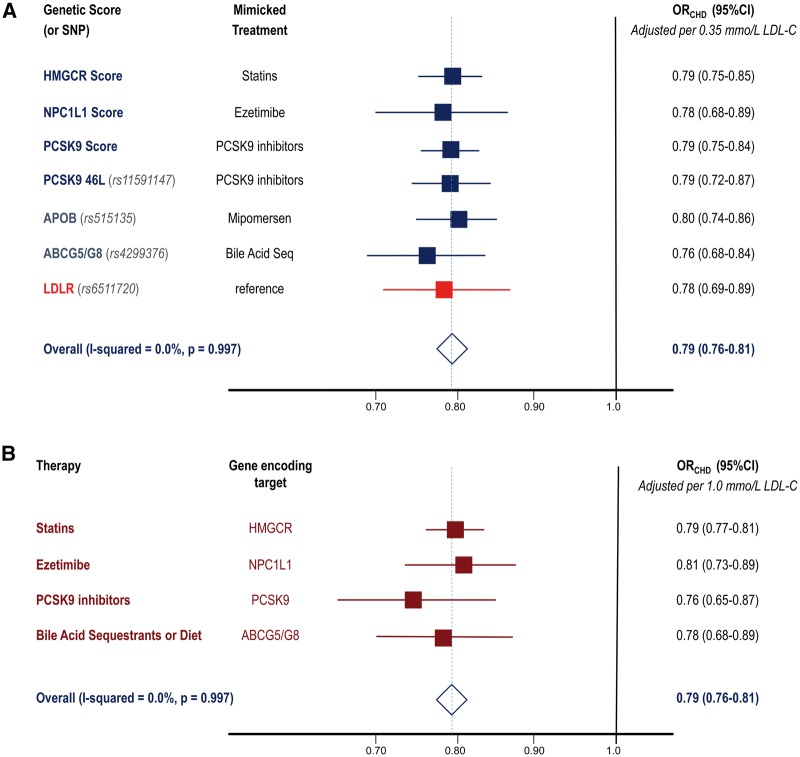
AIMS: To appraise the clinical and genetic evidence that low-density lipoproteins (LDLs) cause atherosclerotic cardiovascular disease (ASCVD). METHODS AND RESULTS: We assessed whether the association between LDL and ASCVD fulfils the criteria for causality by evaluating the totality of evidence from genetic studies, prospective epidemiologic cohort studies, Mendelian randomization studies, and randomized trials of LDL-lowering therapies. In clinical studies, plasma LDL burden is usually estimated by determination of plasma LDL cholesterol level (LDL-C). Rare genetic mutations that cause reduced LDL receptor function lead to markedly higher LDL-C and a dose-dependent increase in the risk of ASCVD, whereas rare variants leading to lower LDL-C are associated with a correspondingly lower risk of ASCVD. Separate meta-analyses of over 200 prospective cohort studies, Mendelian randomization studies, and randomized trials including more than 2 million participants with over 20 million person-years of follow-up and over 150 000 cardiovascular events demonstrate a remarkably consistent dose-dependent log-linear association between the absolute magnitude of exposure of the vasculature to LDL-C and the risk of ASCVD; and this effect appears to increase with increasing duration of exposure to LDL-C. Both the naturally randomized genetic studies and the randomized intervention trials consistently demonstrate that any mechanism of lowering plasma LDL particle concentration should reduce the risk of ASCVD events proportional to the absolute reduction in LDL-C and the cumulative duration of exposure to lower LDL-C, provided that the achieved reduction in LDL-C is concordant with the reduction in LDL particle number and that there are no competing deleterious off-target effects. CONCLUSION: Consistent evidence from numerous and multiple different types of clinical and genetic studies unequivocally establishes that LDL causes ASCVD.
Overview
The claims and statistics of this paper haven’t been checked yet.
Free: it reads the open-access text and checks the first 5 claims that cite a source we can check. Create a free account to check every claim.
Integrity signals
Registry
Cites
Statistics
Figures
Verification
Claims the paper makes
The claims and statistics of this paper haven’t been checked yet.
Free: it reads the open-access text and checks the first 5 claims that cite a source we can check. Create a free account to check every claim.
Claims other papers make about this one
Each is checked against this paper’s own text: does it say what the citing paper says it does?
The source backs part of the claim, not all of it — or backs it for a different population, condition or comparison.
In the citing paper
“In contrast, the clinical benefit of therapies that lower LDL-C by a mechanism that may dramatically modify their composition may not be proportional to the observed absolute reduction in LDL-C, but instead would be expected to be proportional to the absolute change in LDL particle concentration as measured by a reduction in ApoB [2,53].”
From 2019 ESC/EAS guidelines for the management of dyslipidaemias: lipid modification to reduce cardiovascular risk (2019) · cites this paper as [2]
Experimental — accuracy not yet measuredThe source backs part of the claim, not all of it — or backs it for a different population, condition or comparison.
In the citing paper
“The clinical effectiveness of LDLC-guided management of cardio- vascular risk is most strongly evidence-based [7,8].”
From Quantifying atherogenic lipoproteins for lipid-lowering strategies: Consensus-based recommendations from EAS and EFLM (2020) · cites this paper as [7]
Experimental — accuracy not yet measuredThe source backs part of the claim, not all of it — or backs it for a different population, condition or comparison.
In the citing paper
“Second, genetic variants reflect the effect of lifelong changes in ApoB-containing lipoproteins on the risk of cardiovascular disease, which appear to be cumulative over time.5,34”
From Association of Triglyceride-Lowering LPL Variants and LDL-C–Lowering LDLR Variants With Risk of Coronary Heart Disease (2019) · cites this paper as [5]
Experimental — accuracy not yet measuredThe cited source says what the claim attributes to it.
In the citing paper
“While LDL-C is an established major causal factor for ASCVD,93,103,104 the causality of TG, TRL, or TRL remnants for ASCVD is contentious.17,36,105–107”
The cited source says what the claim attributes to it.
In the citing paper
“New evidence has confirmed that the key initiating event in atherogenesis is the retention of low-density lipoprotein (LDL) cholesterol (LDL-C) and other cholesterol-rich apolipoprotein (Apo) B-containing lipoproteins within the arterial wall [2].”
From 2019 ESC/EAS guidelines for the management of dyslipidaemias: lipid modification to reduce cardiovascular risk (2019) · cites this paper as [2]
11 more claims about this paper
Create a free account to see every claim other papers make about this one.
Self-check
Percentages, sums and reported differences re-computed from the paper’s own numbers.
The self-check needs the paper’s full text.
Citations
Cites
Yusuf, S., Hawken, S., Ôunpuu, S., Dans, T., Avezum, A., Lanas, F., McQueen, M., Budaj, A., Pais, P., Varigos, J., et al. (2004) · The Lancet · doi:10.1016/s0140-6736(04)17018-9 · Cited by 12,026
Ahmed, A., Jorna, T., & Bhandari, S. (2016) · Nephron · doi:10.1159/000447068 · Cited by 11,717
The environment and disease: association or causation?
Hill, A. B. (2015) · Journal of the Royal Society of Medicine · doi:10.1177/0141076814562718 · Cited by 7,285
Stone, N. J., Robinson, J. G., Lichtenstein, A. H., Bairey Merz, C. N., Blum, C. B., Eckel, R. H., Goldberg, A. C., Gordon, D., Levy, D., Lloyd-Jones, D. M., et al. (2014) · Circulation · doi:10.1161/01.cir.0000437738.63853.7a · Cited by 7,081
The Environment and Disease: Association or Causation?
Hill, A. B. (1965) · Proceedings of the Royal Society of Medicine · doi:10.1177/003591576505800503 · Cited by 6,974
Cholesterol Treatment Trialists' (CTT) Collaboration (2010) · The Lancet · doi:10.1016/s0140-6736(10)61350-5 · Cited by 6,550
Evolocumab and Clinical Outcomes in Patients with Cardiovascular Disease
Sabatine, M. S., Giugliano, R. P., Keech, A. C., Honarpour, N., Wiviott, S. D., Murphy, S. A., Kuder, J. F., Wang, H., Liu, T., Wasserman, S. M., et al. (2017) · New England Journal of Medicine · doi:10.1056/nejmoa1615664 · Cited by 6,138
Mendelian randomization: Using genes as instruments for making causal inferences in epidemiology
Lawlor, D. A., Harbord, R. M., Sterne, J. A. C., Timpson, N., & Davey Smith, G. (2008) · Statistics in Medicine · doi:10.1002/sim.3034 · Cited by 4,618 · cited 1×
“whether an observed association between an exposure and an outcome is likely to be causal.(23) Numerous variants in multiple genes have been reported to be associated with lower LDL-C levels.”
BackgroundEzetimibe Added to Statin Therapy after Acute Coronary Syndromes
Cannon, C. P., Blazing, M. A., Giugliano, R. P., McCagg, A., White, J. A., Theroux, P., Darius, H., Lewis, B. S., Ophuis, T. O., Jukema, J. W., et al. (2015) · New England Journal of Medicine · doi:10.1056/nejmoa1410489 · Cited by 4,487
Biological, clinical and population relevance of 95 loci for blood lipids
Teslovich, T. M., Musunuru, K., Smith, A. V., Edmondson, A. C., Stylianou, I. M., Koseki, M., Pirruccello, J. P., Ripatti, S., Chasman, D. I., Willer, C. J., et al. (2010) · Nature · doi:10.1038/nature09270 · Cited by 3,487
Cited by
Items 401–500 of 1,029
Björnsson, E., Thorleifsson, G., Helgadóttir, A., Guðnason, T., Guðbjartsson, T., Andersen, K., Grétarsdóttir, S., Ólafsson, Í., Tragante, V., Ólafsson, Ó. H., et al. (2020) · JAMA Cardiology · doi:10.1001/jamacardio.2019.2946 · Cited by 60
“The main findings of this study were that (1) genetically predicted levels of non–HDL-C and LDL-C were consistently associated with greater extents of coronary atherosclerosis, (2) the genetic score for non–HDL-C was most significantly associated with the extent of CAD and provides additional predictive value beyond t…”
ResultDludla, P. V., Nkambule, B. B., Mazibuko-Mbeje, S. E., Nyambuya, T. M., Mxinwa, V., Mokgalaboni, K., Ziqubu, K., Cirilli, I., Marcheggiani, F., Louw, J., et al. (2021) · Pharmacological Research · doi:10.1016/j.phrs.2020.105219 · Cited by 58
Cardiovascular Implications of Immune Disorders in Women
Moran, C. A., Collins, L. F., Beydoun, N., Mehta, P. K., Fatade, Y., Isiadinso, I., Lewis, T. T., Weber, B., Goldstein, J. M., Ofotokun, I., et al. (2022) · Circulation Research · doi:10.1161/circresaha.121.319877 · Cited by 61
High cholesterol absorption: A risk factor of atherosclerotic cardiovascular diseases?
Simonen, P. P., Öörni, K., Sinisalo, J. P., Strandberg, T. E., Wester, I., & Gylling, H. (2023) · Atherosclerosis · doi:10.1016/j.atherosclerosis.2023.06.003 · Cited by 63
Anti-atherosclerotic effects and molecular targets of ginkgolide B from Ginkgo biloba
Ye, W., Wang, J., Little, P. J., Zou, J., Zheng, Z., Lü, J., Yin, Y., Liu, H., Zhang, D., Liu, P., et al. (2023) · Acta Pharmaceutica Sinica B · doi:10.1016/j.apsb.2023.09.014 · Cited by 62
“These studies provide yet another basis for the potential of GB in the treatment of atherosclerotic CVDs and reveal the importance of targeting monocyte adhesion and migration in the treatment of inflammation-related diseases, including atherosclerosis.”
BackgroundInfluentialTang, C., Wang, H., Guo, L., Cui, Y., Zou, C., Hu, J., Zhang, H., Yang, G., & Zhou, W. (2025) · ACS Nano · doi:10.1021/acsnano.4c12131 · Cited by 59
Wang, Y., Bi, L., Li, Q., Wang, Q., Lv, T., & Zhang, P. (2025) · Lipids in Health and Disease · doi:10.1186/s12944-025-02580-z · Cited by 63
“Within lipid metabolism, LDL-C plays a central role in atherosclerosis through mechanisms such as lipid accumulation and endothelial dysfunction [32, 33].”
Gallo, A., Charriere, S., Vimont, A., Chapman, M. J., Angoulvant, D., Boccara, F., Cariou, B., Carreau, V., Carrié, A., Bruckert, E., et al. (2020) · Atherosclerosis · doi:10.1016/j.atherosclerosis.2020.06.011 · Cited by 52
Self-citationMach, F., Visseren, F. L. J., Cater, N. B., Salhi, N., Soronen, J., Ray, K. K., Delgado, V., Jukema, J. W., Laufs, U., Zamorano, J.-L., et al. (2024) · Journal of Clinical Lipidology · doi:10.1016/j.jacl.2024.07.001 · Cited by 57
Self-citationAgarwala, A., Dixon, D. L., Gianos, E., Kirkpatrick, C. F., Michos, E. D., Satish, P., Birtcher, K. K., Braun, L. T., Pillai, P., Watson, K., et al. (2024) · Journal of Clinical Lipidology · doi:10.1016/j.jacl.2024.05.005 · Cited by 57
Phillips, B. W., Szostak, J., Titz, B., Schlage, W. K., Guedj, E., Leroy, P., Vuillaume, G., Martin, F. P., Buettner, A., Elamin, A., et al. (2019) · Food and Chemical Toxicology · doi:10.1016/j.fct.2019.02.008 · Cited by 57
Baumgartner, S., Bruckert, É., Gallo, A., & Plat, J. (2020) · Atherosclerosis · doi:10.1016/j.atherosclerosis.2020.07.019 · Cited by 66
Yan, J., Li, S., Zhang, Y., Deng, Z., Wu, J., Huang, Z., Qin, T., Xiao, Y., Zhou, J., Xu, K., et al. (2022) · Frontiers in Cell and Developmental Biology · doi:10.3389/fcell.2021.803132 · Cited by 59
Wang, J.-K., Li, Y., Zhao, X.-L., Liu, Y.-B., Tan, J., Xing, Y.-Y., Adi, D., Wang, Y.-T., Fu, Z.-Y., Ma, Y.-T., et al. (2022) · Circulation · doi:10.1161/circulationaha.121.056491 · Cited by 55
Promising Antioxidative Effect of Berberine in Cardiovascular Diseases
An, N., Zhang, G., Li, Y., Yuan, C., Yang, F., Zhang, L., Gao, Y., & Xing, Y. (2022) · Frontiers in Pharmacology · doi:10.3389/fphar.2022.865353 · Cited by 53
Universal screening for familial hypercholesterolemia in 2 populations
Šuštar, U., Kordonouri, O., Mlinarič, M., Kovač, J., Arens, S., Sedej, K., Bizjan, B. J., Podkrajšek, K. T., Danne, T., Battelino, T., et al. (2022) · Genetics in Medicine · doi:10.1016/j.gim.2022.06.010 · Cited by 59
Cicero, A. F. G., Fogacci, F., Stoian, A. P., & Toth, P. P. (2023) · Nutrients · doi:10.3390/nu15102288 · Cited by 61
Kupikowska-Stobba, B., Niu, H., Klojdová, I., Agregán, R., Lorenzo, J. M., & Kasprzak, M. (2024) · Food Chemistry · doi:10.1016/j.foodchem.2024.142151 · Cited by 61
Bermúdez-López, M., Forné, C., Amigó, N., Božić, M., Arroyo, D., del Pino, T. B., Alonso, N., Cambray, S., y Pino, M. D. D. P., Mauricio, D., et al. (2019) · Expert Opinion on Therapeutic Targets · doi:10.1080/14728222.2019.1620206 · Cited by 62
Lee, H., Park, J.-B., Hwang, I.-C., Yoon, Y. E., Park, H. E., Choi, S.-Y., Kim, Y.-J., Cho, G.-Y., Han, K., & Kim, H.-K. (2020) · European Journal of Preventive Cardiology · doi:10.1177/2047487319898571 · Cited by 56
Glycosaminoglycans: From Vascular Physiology to Tissue Engineering Applications
Lepedda, A. J., Nieddu, G., Formato, M., Baker, M. B., Fernández‐Pérez, J., & Moroni, L. (2021) · Frontiers in Chemistry · doi:10.3389/fchem.2021.680836 · Cited by 60
Research methods for animal models of atherosclerosis (Review)
Zhang, Y., Fatima, M., Hou, S., Bai, L., Zhao, S., & Liu, E. (2021) · Molecular Medicine Reports · doi:10.3892/mmr.2021.12511 · Cited by 63
Ahluwalia, K., Ebright, B., Chow, K. V., Dave, P., Mead, A., Poblete, R. A., Louie, S. G., & Asante, I. (2022) · Metabolites · doi:10.3390/metabo12040333 · Cited by 64
Rikhi, R. R., Hammoud, A., Ashburn, N. P., Snavely, A. C., Michos, E. D., Chevli, P. A., Tsai, M. Y., Herrington, D. M., & Shapiro, M. D. (2022) · Atherosclerosis · doi:10.1016/j.atherosclerosis.2022.10.004 · Cited by 57
Recent Update on the Development of PCSK9 Inhibitors for Hypercholesterolemia Treatment
Ahamad, S., & Bhat, S. A. (2022) · Journal of Medicinal Chemistry · doi:10.1021/acs.jmedchem.2c01290 · Cited by 52
Elliott, P. S., Kharaty, S. S., & Phillips, C. M. (2022) · Nutrients · doi:10.3390/nu14245371 · Cited by 64
Lipid lowering combination therapy: From prevention to atherosclerosis plaque treatment
Masana, L., Plana, N., Andreychuk, N., & Ibarretxe, D. (2023) · Pharmacological Research · doi:10.1016/j.phrs.2023.106738 · Cited by 59
Self-citationEarly-onset atherosclerotic cardiovascular disease
Mousavi, I., Suffredini, J. M., Virani, S. S., Ballantyne, C. M., Michos, E. D., Misra, A., Saeed, A., & Jia, X. (2024) · European Journal of Preventive Cardiology · doi:10.1093/eurjpc/zwae240 · Cited by 62
Hengist, A., Davies, R. G., Walhin, J., Buniam, J., Merrell, L. H., Rogers, L. M., Bradshaw, L., Moreno‐Cabañas, A., Rogers, P. J., Brunstrom, J. M., et al. (2024) · Cell Reports Medicine · doi:10.1016/j.xcrm.2024.101667 · Cited by 68
Ruscica, M., Banach, M., Sahebkar, A., Corsini, A., & Sirtori, C. R. (2019) · Expert Opinion on Pharmacotherapy · doi:10.1080/14656566.2019.1583209 · Cited by 62
Hauger, H., Laursen, R. P., Ritz, C., Mølgaard, C., Lind, M. V., & Damsgaard, C. T. (2020) · European Journal of Nutrition · doi:10.1007/s00394-019-02150-x · Cited by 54
Glenn, A. J., Hernández‐Alonso, P., Kendall, C. W. C., Martínez‐González, M. Á., Corella, D., Fitó, M., Martínez, J. A., Alonso‐Gómez, Á. M., Wärnberǵ, J., Vioqué, J., et al. (2021) · Clinical Nutrition · doi:10.1016/j.clnu.2021.03.016 · Cited by 59
Xia, Q., Chen, Y., Yu, Z., Huang, Z., Yang, Y., Mao, A., & Qiu, W. (2023) · Frontiers in Cardiovascular Medicine · doi:10.3389/fcvm.2023.1186330 · Cited by 58
Lipoproteins and Their Effects on the Cardiovascular System
Das, P., & Ingole, N. (2023) · Cureus · doi:10.7759/cureus.48865 · Cited by 69
“Higher levels of LDL cholesterol are related to an increased risk of hypertension [26].”
BackgroundBeneficial Effects of Spirulina Supplementation in the Management of Cardiovascular Diseases
Prete, V., Abate, A. C., Di Pietro, P., De Lucia, M., Vecchione, C., & Carrizzo, A. (2024) · Nutrients · doi:10.3390/nu16050642 · Cited by 48
“In addition, the combination of other risk factors such as smoking and a sedentary lifestyle represents a significant correlation with atherosclerotic cardiovascular disorders [81].”
BackgroundTorres, A., Rubio, M. Á., Ramos-Levi, A. M., & Sánchez-Pernaute, A. (2017) · Current Atherosclerosis Reports · doi:10.1007/s11883-017-0688-4 · Cited by 59
Role of early growth response 1 in liver metabolism and liver cancer
Magee, N. S., & Zhang, Y. (2017) · Hepatoma Research · doi:10.20517/2394-5079.2017.36 · Cited by 58
Unraveling Host-Gut Microbiota Dialogue and Its Impact on Cholesterol Levels
Villette, R., Pukar, K. C., Béliard, S., Salas-Tapia, M. F., Rainteau, D. P., Guérin, M., & Lesnik, P. (2020) · Frontiers in Pharmacology · doi:10.3389/fphar.2020.00278 · Cited by 58
Safety and Tolerability of PCSK9 Inhibitors: Current Insights
Kosmas, C. E., Skavdis, A., Sourlas, A., Papakonstantinou, E. J., Genao, E. P., Uceta, R. E., & Guzman, E. (2020) · Clinical Pharmacology Advances and Applications · doi:10.2147/cpaa.s288831 · Cited by 59
Packard, C. J. (2022) · Current Atherosclerosis Reports · doi:10.1007/s11883-022-00994-z · Cited by 52
Self-citationInclisiran: a small interfering RNA strategy targeting PCSK9 to treat hypercholesterolemia
Banerjee, Y., Pantea Stoian, A., Cicero, A. F. G., Fogacci, F., Nikolic, D., Sachinidis, A., Rizvi, A. A., Janez, A., & Rizzo, M. (2022) · Expert Opinion on Drug Safety · doi:10.1080/14740338.2022.1988568 · Cited by 54
Zwartjes, M., Gerdes, V. E. A., & Nieuwdorp, M. (2021) · Metabolites · doi:10.3390/metabo11080531 · Cited by 58
Banach, M., Catapano, A. L., Cicero, A. F. G., Escobar, C., Föger, B., Katsiki, N., Latkovskis, G., Rakowski, M., Reiner, Ž., Sahebkar, A., et al. (2022) · Pharmacological Research · doi:10.1016/j.phrs.2022.106370 · Cited by 58
Self-citationHussain, A., Kausar, T., Jamil, M. A., Noreen, S., Iftikhar, K., Rafique, A., Iqbal, M. A., Majeed, M. A., Quddoos, M. Y., Aslam, J., et al. (2022) · International Journal of Food Science · doi:10.1155/2022/4804408 · Cited by 59
“LDL-C elevation in the blood is associated with several pathological conditions including diabetes, cardiovascular diseases, and inflammation, whereas HDL-C-elevated levels in the blood have been reported having positive effects on cardiovascular health [58].”
BackgroundOxidative stress and metabolic diseases: Relevance and therapeutic strategies
Manzoor, M. F., Arif, Z., Kabir, A., Mehmood, I., Munir, D., Razzaq, A., Ali, A., Gökşen, G., Coşier, V., Aḥmad, N., et al. (2022) · Frontiers in Nutrition · doi:10.3389/fnut.2022.994309 · Cited by 68
“On the other hand, atherosclerotic cardiovascular diseases (ASCVD) are a leading cause of global morbidity and mortality (13, 14).”
BackgroundRetrospective real-world analysis of adherence and persistence to lipid-lowering therapy in Germany
Köenig, W., Lorenz, E., Beier, L., & Gouni‐Berthold, I. (2023) · Clinical Research in Cardiology · doi:10.1007/s00392-023-02257-6 · Cited by 54
Defesche, J. C., Stefanutti, C., Langslet, G., Hopkins, P. N., Seiz, W., Baccara-Dinet, M. T., Hamon, S. C., Banerjee, P., & Kastelein, J. J. P. (2017) · Journal of Clinical Lipidology · doi:10.1016/j.jacl.2017.08.016 · Cited by 53
Khanna, N. N., Jamthikar, A. D., Araki, T., Gupta, D., Piga, M., Saba, L., Carcassi, C., Nicolaides, A. N., Laird, J. R., Suri, H. S., et al. (2019) · Echocardiography · doi:10.1111/echo.14242 · Cited by 56
Rompay, M. I. V., Solomon, K. R., Nickel, J. C., Ranganathan, G., Kantoff, P. W., & McKinlay, J. B. (2019) · European Journal of Cancer · doi:10.1016/j.ejca.2018.11.033 · Cited by 54
Wengrofsky, P., Lee, J., & Makaryus, A. N. (2019) · IntechOpen eBooks · doi:10.5772/intechopen.85772 · Cited by 74
Flanagan, T. W., Sebastian, M. N., Battaglia, D. M., Foster, T. P., Maillet, E. L., & Nichols, C. D. (2019) · Scientific Reports · doi:10.1038/s41598-019-49987-0 · Cited by 53
Kauppinen, K. J., Kivelä, P. S., & Sutinen, J. (2019) · AIDS Patient Care and STDs · doi:10.1089/apc.2019.0236 · Cited by 54
“27 For example in the IMPROVE-IT trial, treatment with a combination of statin and ezetimibe versus statin mono-therapy after acute coronary syndrome reduced the LDL cholesterol concentration by 15.8 mg/dL (identical to the increase in LDL cholesterol in our study) in the general population and was…”
InfluentialHartgers, M. L., Defesche, J. C., Langslet, G., Hopkins, P. N., Kastelein, J. J. P., Baccara‐Dinet, M. T., Seiz, W., Hamon, S., Banerjee, P., & Stefanutti, C. (2017) · Journal of clinical lipidology · doi:10.1016/j.jacl.2017.12.008 · Cited by 55
Wang, J., Zhao, J. Z., Yan, C., Xi, C., Wu, C., Zhao, J., Li, F., Ding, Y., Zhang, R., Qi, S., et al. (2022) · Cell Metabolism · doi:10.1016/j.cmet.2022.03.006 · Cited by 54
Georgoulis, M., Chrysohoou, C. A., Georgousopoulou, E. N., Damigou, E., Skoumas, I., Pitsavos, C. S., & Panagiotakos, D. B. (2022) · Lipids in Health and Disease · doi:10.1186/s12944-022-01747-2 · Cited by 60
Yu, S., Yan, L., Yan, J., Sun, X., Fan, M., Liu, H., Li, Y., & Guo, M. (2023) · Lipids in Health and Disease · doi:10.1186/s12944-022-01761-4 · Cited by 55
Nuts and Cardiovascular Disease Outcomes: A Review of the Evidence and Future Directions
Glenn, A. J., Aune, D., Freisling, H., Mohammadifard, N., Kendall, C. W. C., Salas‐Salvadó, J., Jenkins, D. J. A., Hu, F. B., & Sievenpiper, J. L. (2023) · Nutrients · doi:10.3390/nu15040911 · Cited by 57
Spannella, F., Giulietti, F., Pentima, C. D., & Sarzani, R. (2019) · Advances in Therapy · doi:10.1007/s12325-019-00941-6 · Cited by 62
Proprotein convertase subtilisin/kexin type 9 and lipid metabolism
Spolitu, S., Dai, W., Zadroga, J. A., & Ozcan, L. (2019) · Current Opinion in Lipidology · doi:10.1097/mol.0000000000000601 · Cited by 46
Berry, S. E., Bruce, J., Steenson, S., Stanner, S. A., Buttriss, J. L., Spiro, A., Gibson, P. S., Bowler, I., Dionisi, F., Farrell, L., et al. (2019) · Nutrition Bulletin · doi:10.1111/nbu.12397 · Cited by 57
Lipid and metabolic syndrome traits in coronary artery disease: a Mendelian randomization study
Thomas, D. G., Wei, Y., & Tall, A. R. (2021) · Journal of Lipid Research · doi:10.1194/jlr.p120001000 · Cited by 49
Colesterol LDL y aterosclerosis: evidencias
Guijarro, C., & Cosín-Sales, J. (2021) · Clínica e Investigación en Arteriosclerosis · doi:10.1016/j.arteri.2020.12.004 · Cited by 69
Makhmudova, U., Samadifar, B., Maloku, A., Haxhikadrija, P., Geiling, J.-A., Römer, R., Lauer, B., Möbius-Winkler, S., Otto, S., Schulze, P. C., et al. (2023) · Clinical Research in Cardiology · doi:10.1007/s00392-022-02147-3 · Cited by 52
Global prevalence of dyslipidaemia in adult populations: a systematic review protocol
Mohamed-Yassin, M.-S., Baharudin, N., Abdul-Razak, S., Ramli, A. S., & Lai, N. M. (2021) · BMJ Open · doi:10.1136/bmjopen-2021-049662 · Cited by 59
Raheem, J., Sliz, E., Shin, J., Holmes, M. V., Pike, G. B., Richer, L., Gaudet, D., Paus, T., & Pausová, Z. (2022) · Communications Medicine · doi:10.1038/s43856-022-00140-5 · Cited by 56
Blauw, L. L., Li‐Gao, R., Noordam, R., de Mutsert, R., Trompet, S., Berbée, J. F. P., Wang, Y., van Klinken, J. B., Christen, T., van Heemst, D., et al. (2018) · Circulation Genomic and Precision Medicine · doi:10.1161/circgen.117.002034 · Cited by 58
Trautwein, E. A., Koppenol, W. P., de Jong, A., Hiemstra, H., Vermeer, M. A., Noakes, M., & Luscombe-Marsh, N. D. (2018) · Nutrition & Diabetes · doi:10.1038/s41387-018-0039-8 · Cited by 49
A new approach to the diagnosis and treatment of atherosclerosis: the era of the liposome
Kiaie, N., Gorabi, A. M., Penson, P. E., Watts, G. F., Johnston, T. P., Banach, M., & Sahebkar, A. (2019) · Drug Discovery Today · doi:10.1016/j.drudis.2019.09.005 · Cited by 55
Self-citationEGF‐like and Other Disulfide‐rich Microdomains as Therapeutic Scaffolds
Tombling, B. J., Wang, C. K. L., & Craik, D. J. (2020) · Angewandte Chemie International Edition · doi:10.1002/anie.201913809 · Cited by 54
Fatahian, A., Haftcheshmeh, S. M., Azhdari, S., Farshchi, H. K., Nikfar, B., & Momtazi‐Borojeni, A. A. (2020) · Reviews of physiology, biochemistry and pharmacology · doi:10.1007/112_2020_42 · Cited by 53
Desai, N. R., Campbell, C., Electricwala, B., Petrou, M., Trueman, D., Woodcock, F., & Cristino, J. (2022) · American Journal of Cardiovascular Drugs · doi:10.1007/s40256-022-00534-9 · Cited by 47
From Eisenhower’s heart attack to modern management: a true success story!
Lüscher, T. F., & Obeid, S. (2017) · European Heart Journal · doi:10.1093/eurheartj/ehx569 · Cited by 52
Albosta, M. S., Grant, J. K., Taub, P., Blumenthal, R. S., Martin, S. S., & Michos, E. D. (2023) · Vascular Health and Risk Management · doi:10.2147/vhrm.s338424 · Cited by 51
Janik, M. J., Urbach, D. V., van Nieuwenhuizen, E., Zhao, J., Yellin, O., Baccara-Dinet, M. T., Pordy, R., & Manvelian, G. (2021) · Atherosclerosis · doi:10.1016/j.atherosclerosis.2021.06.913 · Cited by 51
Low LDL cholesterol by PCSK9 variation reduces cardiovascular mortality
Benn, M., Tybjærg-Hansen, A., & Nordestgaard, B. G. (2019) · Journal of the American College of Cardiology · doi:10.1016/j.jacc.2019.03.517 · Cited by 51
Self-citationMéndez‐Barbero, N., Gutiérrez‐Muñoz, C., Blázquez‐Serra, R., Martín-Ventura, J. L., & Blanco‐Colio, L. M. (2020) · Cells · doi:10.3390/cells9020405 · Cited by 53
Detection of atherosclerosis-associated HOCl using a mitochondria-targeted fluorescent probe
Wang, B., Yuan, F., Wang, S., Duan, R., Ren, W. X., & Hou, J. (2021) · Sensors and Actuators B Chemical · doi:10.1016/j.snb.2021.130695 · Cited by 51
Kumar, M., Orkaby, A. R., Tighe, C. A., Villareal, D. T., Billingsley, H., Nanna, M. G., Kwak, M. J., Rohant, N., Patel, S., Goyal, P., et al. (2023) · JACC Advances · doi:10.1016/j.jacadv.2023.100560 · Cited by 55
Nicholls, S. J., Nelson, A. J., Lincoff, A. M., Brennan, D. M., Ray, K. K., Cho, L., Menon, V., Li, N., Bloedon, L. T., & Nissen, S. E. (2024) · JAMA Cardiology · doi:10.1001/jamacardio.2023.5155 · Cited by 57
Self-citationGuo, S., Lu, J., Zhuo, Y., Xiao, M., Xue, X., Zhong, S., Shen, X., Yin, C., Li, L., Chen, Q., et al. (2018) · Redox Biology · doi:10.1016/j.redox.2018.101069 · Cited by 51
Myeloid Tribbles 1 induces early atherosclerosis via enhanced foam cell expansion
Johnston, J. M., Angyal, A., Bauer, R. C., Hamby, S. E., Suvarna, S. K., Baidžajevas, K., Hegedus, Z., Dear, T. N., Turner, M., Wilson, H. L., et al. (2019) · Science Advances · doi:10.1126/sciadv.aax9183 · Cited by 54
Bosco, G., Di Giacomo Barbagallo, F., Spampinato, S., Lanzafame, L., Di Pino, A., Piro, S., Purrello, F., & Scicali, R. (2023) · Journal of Clinical Medicine · doi:10.3390/jcm12062444 · Cited by 50
Bell, J. A., Richardson, T. G., Wang, Q., Sanderson, E. C. M., Palmer, T., Walker, V. M., O’Keeffe, L. M., Timpson, N. J., Cichońska, A., Julkunen, H., et al. (2022) · The Lancet Regional Health - Europe · doi:10.1016/j.lanepe.2022.100457 · Cited by 61
Tomasoni, M., Beyeler, M. J., Vela, S. O., Mounier, N., Porcu, E., Corre, T., Krefl, D., Button, A. L., Abouzeid, H., Konstantinidis, L., et al. (2023) · Ophthalmology Science · doi:10.1016/j.xops.2023.100288 · Cited by 53
Banach, M., Bruckert, É., Descamps, O. S., Ellegård, L., Владиславович, Е. М., Föger, B., Fras, Z., Kovanen, P. T., Latkovskis, G., März, W., et al. (2019) · Atherosclerosis Supplements · doi:10.1016/j.atherosclerosissup.2019.08.023 · Cited by 58
Self-citationDemetz, E., Tymoszuk, P., Hilbe, R., Volani, C., Haschka, D., Heim, C., Auer, K., Lener, D., Zeiger, L. B., Pfeifhofer-Obermair, C., et al. (2020) · European Heart Journal · doi:10.1093/eurheartj/ehaa140 · Cited by 49
Existing and emerging therapies for the treatment of familial hypercholesterolemia
Rosenson, R. S. (2021) · Journal of Lipid Research · doi:10.1016/j.jlr.2021.100060 · Cited by 53
“Because LDL is a causal and increscent risk factor for atherosclerotic cardiovascular disease (ASCVD) (2), individuals with FH have a high risk of early onset coronary heart disease (3–5).”
BackgroundArnold, N., & Köenig, W. (2022) · Current Cardiology Reports · doi:10.1007/s11886-022-01782-6 · Cited by 52
Hao, Q.-Y., Gao, J.-W., Yuan, Z.-M., Gao, M., Wang, J.-F., Schiele, F., Zhang, S.-L., & Liu, P.-M. (2022) · Circulation: Cardiovascular Imaging · doi:10.1161/circimaging.122.014116 · Cited by 49
Cholesterol-Lowering Agents: Statins—For Everyone?
Hadjiphilippou, S., & Ray, K. K. (2019) · Circulation Research · doi:10.1161/circresaha.118.313245 · Cited by 49
Self-citationMore accurate LDL-C calculation: Externally validated, guideline endorsed
Brownstein, A. J., & Martin, S. S. (2020) · Clinica Chimica Acta · doi:10.1016/j.cca.2020.03.030 · Cited by 51
ApoB and Non‐HDL Cholesterol Versus LDL Cholesterol for Ischemic Stroke Risk
Johannesen, C. D. L., Mortensen, M. B., Langsted, A., & Nordestgaard, B. G. (2022) · Annals of Neurology · doi:10.1002/ana.26425 · Cited by 54
Self-citationCancer therapy's impact on lipid metabolism: Mechanisms and future avenues
Bhatnagar, R., Dixit, N. M., Yang, E. H., & Sallam, T. (2022) · Frontiers in Cardiovascular Medicine · doi:10.3389/fcvm.2022.925816 · Cited by 52
“Heightened appreciation for the “causal” association between low density lipoprotein (LDL) levels and ASCVD inspired new paradigms for cardiovascular risk mitigation including stringent emphasis on lipid lowering therapies and a “lower is better” approach for risk reduction (1, 2).”
BackgroundUpdate on Sitosterolemia and Atherosclerosis
Rocha, V. Z., Tada, M. T., Chacra, A. P. M., Miname, M. H., & Mizuta, M. H. (2023) · Current Atherosclerosis Reports · doi:10.1007/s11883-023-01092-4 · Cited by 49
Chen, C., Dai, G., Fan, M., Wang, X., Niu, K., & Gao, W. (2025) · Journal of Translational Medicine · doi:10.1186/s12967-025-06262-3 · Cited by 51
“It is marked by the accumulation of LDL in the arterial intima and the phenotypic transformation of vascular smooth muscle cells (VSMCs), both of which play pivotal roles in the progression of AS [130].”
Zhu, J., Wu, S., Hu, S., Li, H., Li, M., Xu, G., & Wang, H. (2019) · Molecular Medicine Reports · doi:10.3892/mmr.2019.10382 · Cited by 52
“are causally linked to the pathogenesis of atherosclerosis (41).”
BackgroundSi, S., Hou, L., Chen, X., Li, W., Liu, X., Liu, C., Li, Y., Yuan, T., Li, J., Wang, B., et al. (2021) · Journal of Epidemiology · doi:10.2188/jea.je20200305 · Cited by 55
“1 Wherefore, according to international guidelines, LDL-C has been recommended as a primary biomarker of cardiovascular and cerebrovascular disease and to guide lipid-lowering therapy.”
What Is Familial Hypercholesterolemia, and Why Does It Matter?
Khera, A. V., & Hegele, R. A. (2020) · Circulation · doi:10.1161/circulationaha.120.046961 · Cited by 53
Self-citationC-reactive protein upregulates the whole blood expression of CD59 - an integrative analysis
Lepik, K., Annilo, T., Kukuškina, V., eQTLGen Consortium, Kisand, K., Kutalik, Z., Peterson, P., & Peterson, H. (2017) · PLOS Computational Biology · doi:10.1371/journal.pcbi.1005766 · Cited by 48
Dyslipidemia in pediatrician’s practice
Burlutskaya, A. V., Tril, V. E., Polischuk, L. V., & Pokrovskii, V. M. (2021) · Reviews in Cardiovascular Medicine · doi:10.31083/j.rcm2203088 · Cited by 53
Metadata
- Authors
- Ference, B. A., Ginsberg, H. N., Graham, I., Ray, K. K., Packard, C. J., Bruckert, E., Hegele, R. A., Krauss, R. M., Raal, F. J., Schunkert, H., Watts, G. F., Borén, J., Fazio, S., Horton, J. D., Masana, L., Nicholls, S. J., Nordestgaard, B. G., van de Sluis, B., Taskinen, M.-R., Tokgözoğlu, L., Landmesser, U., Laufs, U., Wiklund, O., Stock, J. K., Chapman, M. J., & Catapano, A. L.
- Affiliations
- Wayne State University (US)
- Columbia University (US)
- Trinity College Dublin (IE)
- Imperial College London (GB)
- University of Glasgow (GB)
- INSERM UMRS1166, Department of Endocrinology-Metabolism, ICAN - Institute of CardioMetabolism and Nutrition, AP-HP, Hôpital de la Pitié, Paris, France
- Western University (CA)
- Department of Atherosclerosis Research, Children’s Hospital Oakland Research Institute, Oakland, CA 94609, USA
- University of the Witwatersrand (ZA)
- German Centre for Cardiovascular Research (DE)
- The University of Western Australia (AU)
- Sahlgrenska University Hospital (SE)
- Oregon Health & Science University (US)
- The University of Texas Southwestern Medical Center (US)
- Universitat Rovira i Virgili (ES)
- South Australian Health and Medical Research Institute (AU)
- University of Copenhagen (DK)
- Department of Pediatrics, Molecular Genetics Section, University of Groningen, University Medical Center Groningen, Antonius Deusinglaan 1, Groningen AV 9713, The Netherlands
- University of Helsinki (FI)
- Hacettepe University, Ankara, Turkey
- Inserm (FR)
- Universitätsklinikum des Saarlandes (DE)
- European Atherosclerosis Society (SE)
- University of Milan (IT)
- Corresponding author
- Ference, Brian A.
- ORCID
- Ginsberg, Henry N.
- Graham, Ian
- Ray, Kausik K.
- Packard, Chris J.
- Hegele, Robert A.
- Krauss, Ronald M.
- Raal, Frederick J.
- Schunkert, Heribert
- Watts, Gerald F.
- Borén, Jan
- Fazio, Sergio
- Horton, Jay D.
- Masana, Luis
- Nicholls, Stephen J.
- Nordestgaard, Børge G.
- Taskinen, Marja-Riitta
- Landmesser, Ulf
- Laufs, Ulrich
- Wiklund, Olov
- Chapman, M. John
- Catapano, Alberico L.
- Venue
- European Heart Journal
- Publisher
- Oxford University Press (OUP)
- Published
- 2017-04-24
- Volume
- 38
- Issue
- 32
- Pages
- 2459-2472
- ISSN
- 0195-668X (ISSN-L)
- 1522-9645
- PMC
- PMC5837225
- OpenAlex
- W2609543937
- Cited by
- 3,962
- References
- 58
- Citations by year
- 2026: 528 · 2025: 517 · 2024: 544 · 2023: 538 · 2022: 439 · 2021: 468 · 2020: 382 · 2019: 293 · 2018: 185 · 2017: 63
- FWCI
- 258.66
- Type
- journal article
- Language
- en
- Open access
- hybrid
- doi.org
- Licence
- other-oa
- Locations
- European Heart Journal (publishedVersion, other-oa)
- PubMed Central (publishedVersion, cc-by-nc)
- UWA Profiles and Research Repository (UWA) (publishedVersion, cc-by-nc)
- PubMed (publishedVersion)
- Research at the University of Copenhagen (University of Copenhagen) (publishedVersion, cc-by-nc)
- University of Groningen research database (University of Groningen / Centre for Information Technology) (publishedVersion, cc-by-nc)
- ENLIGHTEN (Jurnal Bimbingan dan Konseling Islam) (acceptedVersion)
- Archivio Istituzionale della Ricerca (Universita Degli Studi Di Milano) (submittedVersion, other-oa)
- HAL (submittedVersion)
- eScholarship (California Digital Library) (submittedVersion)
- eScholarship (California Digital Library) (submittedVersion, cc-by-nc)
- Työväentutkimus Vuosikirja (submittedVersion)
- mediaTUM – the media and publications repository of the Technical University Munich (Technical University Munich) (submittedVersion)
- Hacettepe University Institutional Repository (hacettepe.edu.tr) (submittedVersion, other-oa)
- Spiral (Imperial College London) (submittedVersion, other-oa)
- University of Groningen research database (University of Groningen / Centre for Information Technology) (submittedVersion, cc-by-nc)
- Funders
- Amgen
- Eli Lilly and Company
- Pfizer
- AstraZeneca
- GlaxoSmithKline
- Sanofi
- Alnylam Pharmaceuticals
- Danone
- CSL Behring
- Regeneron Pharmaceuticals
- Amarin Corporation
- Anthera
- Medicines Company
- Kowa Company
- Mylan
- InfraRedx
- Daiichi-Sankyo
- Novo Nordisk
- Servier
- Esperion Therapeutics
- Bayer Vital
- Topics
- Health Sciences › Medicine › Cardiology and Cardiovascular Medicine › Lipoproteins and Cardiovascular Health
- Life Sciences › Immunology and Microbiology › Immunology › Atherosclerosis and Cardiovascular Diseases
- Life Sciences › Biochemistry, Genetics and Molecular Biology › Biochemistry › Cholesterol and Lipid Metabolism
- Keywords
- low-density lipoprotein, atherosclerotic cardiovascular disease, LDL cholesterol, causality, LDL receptor mutations, LDL particle number, dose-response relationship, LDL-C lowering therapy, Mendelian randomization
- MeSH terms
- Ezetimibe, Proprotein Convertase 9, PCSK9 Inhibitors, Anticholesteremic Agents, Epidemiologic Methods, Hyperlipidemias, Cholesterol, HDL, Lipoproteins, LDL, Cholesterol, LDL, Hydroxymethylglutaryl-CoA Reductase Inhibitors, Genetic Predisposition to Disease, Consensus, Atherosclerosis
About these checks
Registry, retraction, Cites and statistics results are computed, not judged, with one exception: a printed reference that no index lists is read once by a model before it counts as a citation error. Claims are extracted by a model and kept only when their quote appears verbatim in the text; each cited source is then checked, with a model’s help, for whether it says what the claim relies on. Those verdicts can be wrong — read the claim’s quote and the cited source before relying on one.
Statistics and arithmetic are recomputed, not judged.
Confidence bands are shown only for fields calibrated on our annotated test set. None is calibrated yet, so no band is shown.
What counts as a claim ›How we measure confidence ›How we check this ›
Are you an author, or do you see a problem with this page? Request a review
Data sources
Bibliographic data: Semantic Scholar, OpenAlex, Crossref.
Contains information from the Semantic Scholar Academic Graph Datasets, made available under the ODC Attribution License (ODC-BY 1.0).
Semantic Scholar’s data is described in: Kinney, R., et al. (2023). The Semantic Scholar Open Data Platform. arXiv:2301.10140.
