

Low-density lipoproteins cause atherosclerotic cardiovascular disease. 1. Evidence from genetic, epidemiologic, and clinical studies. A consensus statement from the European Atherosclerosis Society Consensus Panel
Open accessThe DOI matches its Crossref record; 57 of the 58 references it cites were found in a registry or an index.
Abstract
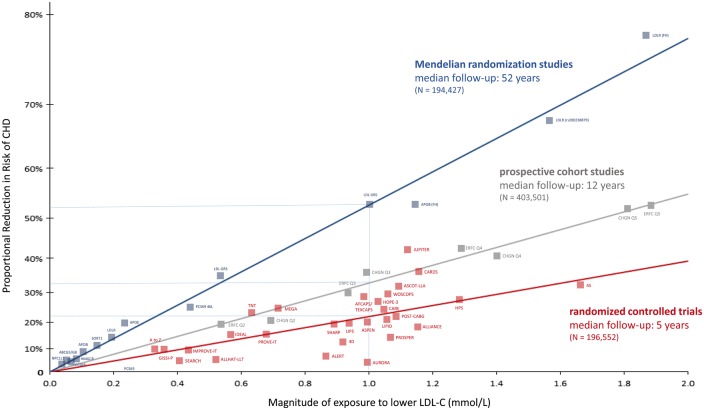
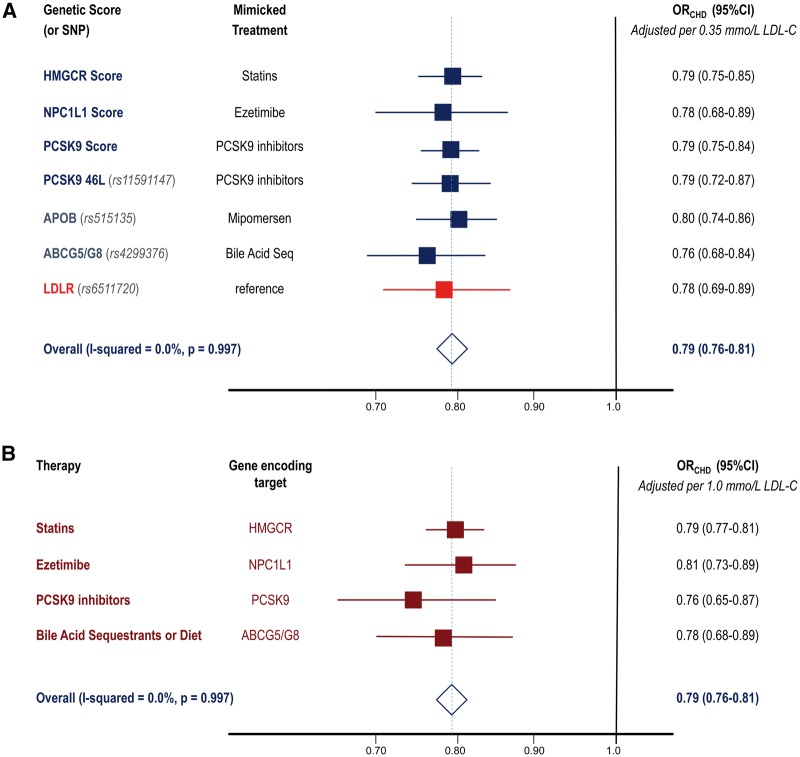
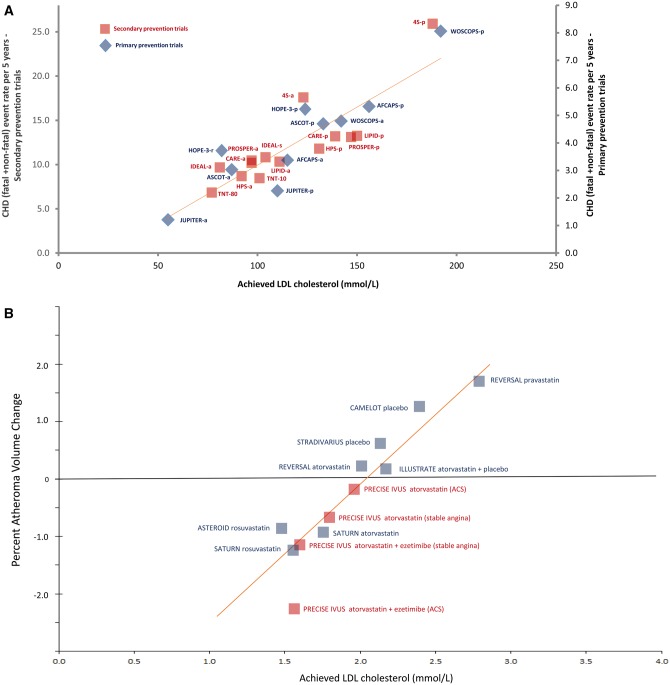
AIMS: To appraise the clinical and genetic evidence that low-density lipoproteins (LDLs) cause atherosclerotic cardiovascular disease (ASCVD). METHODS AND RESULTS: We assessed whether the association between LDL and ASCVD fulfils the criteria for causality by evaluating the totality of evidence from genetic studies, prospective epidemiologic cohort studies, Mendelian randomization studies, and randomized trials of LDL-lowering therapies. In clinical studies, plasma LDL burden is usually estimated by determination of plasma LDL cholesterol level (LDL-C). Rare genetic mutations that cause reduced LDL receptor function lead to markedly higher LDL-C and a dose-dependent increase in the risk of ASCVD, whereas rare variants leading to lower LDL-C are associated with a correspondingly lower risk of ASCVD. Separate meta-analyses of over 200 prospective cohort studies, Mendelian randomization studies, and randomized trials including more than 2 million participants with over 20 million person-years of follow-up and over 150 000 cardiovascular events demonstrate a remarkably consistent dose-dependent log-linear association between the absolute magnitude of exposure of the vasculature to LDL-C and the risk of ASCVD; and this effect appears to increase with increasing duration of exposure to LDL-C. Both the naturally randomized genetic studies and the randomized intervention trials consistently demonstrate that any mechanism of lowering plasma LDL particle concentration should reduce the risk of ASCVD events proportional to the absolute reduction in LDL-C and the cumulative duration of exposure to lower LDL-C, provided that the achieved reduction in LDL-C is concordant with the reduction in LDL particle number and that there are no competing deleterious off-target effects. CONCLUSION: Consistent evidence from numerous and multiple different types of clinical and genetic studies unequivocally establishes that LDL causes ASCVD.
Overview
The claims and statistics of this paper haven’t been checked yet.
Free: it reads the open-access text and checks the first 5 claims that cite a source we can check. Create a free account to check every claim.
Integrity signals
Registry
Cites
Statistics
Figures
Verification
Claims the paper makes
The claims and statistics of this paper haven’t been checked yet.
Free: it reads the open-access text and checks the first 5 claims that cite a source we can check. Create a free account to check every claim.
Claims other papers make about this one
Each is checked against this paper’s own text: does it say what the citing paper says it does?
The source backs part of the claim, not all of it — or backs it for a different population, condition or comparison.
In the citing paper
“In contrast, the clinical benefit of therapies that lower LDL-C by a mechanism that may dramatically modify their composition may not be proportional to the observed absolute reduction in LDL-C, but instead would be expected to be proportional to the absolute change in LDL particle concentration as measured by a reduction in ApoB [2,53].”
From 2019 ESC/EAS guidelines for the management of dyslipidaemias: lipid modification to reduce cardiovascular risk (2019) · cites this paper as [2]
Experimental — accuracy not yet measuredThe source backs part of the claim, not all of it — or backs it for a different population, condition or comparison.
In the citing paper
“The clinical effectiveness of LDLC-guided management of cardio- vascular risk is most strongly evidence-based [7,8].”
From Quantifying atherogenic lipoproteins for lipid-lowering strategies: Consensus-based recommendations from EAS and EFLM (2020) · cites this paper as [7]
Experimental — accuracy not yet measuredThe source backs part of the claim, not all of it — or backs it for a different population, condition or comparison.
In the citing paper
“Second, genetic variants reflect the effect of lifelong changes in ApoB-containing lipoproteins on the risk of cardiovascular disease, which appear to be cumulative over time.5,34”
From Association of Triglyceride-Lowering LPL Variants and LDL-C–Lowering LDLR Variants With Risk of Coronary Heart Disease (2019) · cites this paper as [5]
Experimental — accuracy not yet measuredThe cited source says what the claim attributes to it.
In the citing paper
“While LDL-C is an established major causal factor for ASCVD,93,103,104 the causality of TG, TRL, or TRL remnants for ASCVD is contentious.17,36,105–107”
The cited source says what the claim attributes to it.
In the citing paper
“New evidence has confirmed that the key initiating event in atherogenesis is the retention of low-density lipoprotein (LDL) cholesterol (LDL-C) and other cholesterol-rich apolipoprotein (Apo) B-containing lipoproteins within the arterial wall [2].”
From 2019 ESC/EAS guidelines for the management of dyslipidaemias: lipid modification to reduce cardiovascular risk (2019) · cites this paper as [2]
11 more claims about this paper
Create a free account to see every claim other papers make about this one.
Self-check
Percentages, sums and reported differences re-computed from the paper’s own numbers.
The self-check needs the paper’s full text.
Citations
Cites
Yusuf, S., Hawken, S., Ôunpuu, S., Dans, T., Avezum, A., Lanas, F., McQueen, M., Budaj, A., Pais, P., Varigos, J., et al. (2004) · The Lancet · doi:10.1016/s0140-6736(04)17018-9 · Cited by 12,026
Ahmed, A., Jorna, T., & Bhandari, S. (2016) · Nephron · doi:10.1159/000447068 · Cited by 11,717
The environment and disease: association or causation?
Hill, A. B. (2015) · Journal of the Royal Society of Medicine · doi:10.1177/0141076814562718 · Cited by 7,285
Stone, N. J., Robinson, J. G., Lichtenstein, A. H., Bairey Merz, C. N., Blum, C. B., Eckel, R. H., Goldberg, A. C., Gordon, D., Levy, D., Lloyd-Jones, D. M., et al. (2014) · Circulation · doi:10.1161/01.cir.0000437738.63853.7a · Cited by 7,081
The Environment and Disease: Association or Causation?
Hill, A. B. (1965) · Proceedings of the Royal Society of Medicine · doi:10.1177/003591576505800503 · Cited by 6,974
Cholesterol Treatment Trialists' (CTT) Collaboration (2010) · The Lancet · doi:10.1016/s0140-6736(10)61350-5 · Cited by 6,550
Evolocumab and Clinical Outcomes in Patients with Cardiovascular Disease
Sabatine, M. S., Giugliano, R. P., Keech, A. C., Honarpour, N., Wiviott, S. D., Murphy, S. A., Kuder, J. F., Wang, H., Liu, T., Wasserman, S. M., et al. (2017) · New England Journal of Medicine · doi:10.1056/nejmoa1615664 · Cited by 6,138
Mendelian randomization: Using genes as instruments for making causal inferences in epidemiology
Lawlor, D. A., Harbord, R. M., Sterne, J. A. C., Timpson, N., & Davey Smith, G. (2008) · Statistics in Medicine · doi:10.1002/sim.3034 · Cited by 4,618 · cited 1×
“whether an observed association between an exposure and an outcome is likely to be causal.(23) Numerous variants in multiple genes have been reported to be associated with lower LDL-C levels.”
BackgroundEzetimibe Added to Statin Therapy after Acute Coronary Syndromes
Cannon, C. P., Blazing, M. A., Giugliano, R. P., McCagg, A., White, J. A., Theroux, P., Darius, H., Lewis, B. S., Ophuis, T. O., Jukema, J. W., et al. (2015) · New England Journal of Medicine · doi:10.1056/nejmoa1410489 · Cited by 4,487
Biological, clinical and population relevance of 95 loci for blood lipids
Teslovich, T. M., Musunuru, K., Smith, A. V., Edmondson, A. C., Stylianou, I. M., Koseki, M., Pirruccello, J. P., Ripatti, S., Chasman, D. I., Willer, C. J., et al. (2010) · Nature · doi:10.1038/nature09270 · Cited by 3,487
Cited by
Items 201–300 of 1,029
Krychtiuk, K. A., Ahrens, I., Drexel, H., Halvorsen, S., Hassager, C., Huber, K., Kurpas, D., Niessner, A., Schiele, F., Semb, A. G., et al. (2022) · European Heart Journal Acute Cardiovascular Care · doi:10.1093/ehjacc/zuac123 · Cited by 137
Self-citationNovel and future lipid-modulating therapies for the prevention of cardiovascular disease
Brandts, J., & Ray, K. K. (2023) · Nature Reviews Cardiology · doi:10.1038/s41569-023-00860-8 · Cited by 120
Self-citationWarden, B. A., Guyton, J. R., Kovacs, A. C., Durham, J. A., Jones, L. K., Dixon, D. L., Jacobson, T. A., & Duell, P. B. (2023) · Journal of Clinical Lipidology · doi:10.1016/j.jacl.2022.09.001 · Cited by 111
The Diagnosis and Treatment of Hypertriglyceridemia
Parhofer, K. G., & Laufs, U. (2019) · Deutsches Ärzteblatt international · doi:10.3238/arztebl.2019.0825 · Cited by 110
Self-citationRotimi, O. A., Rotimi, S. O., Duru, C. U., Ebebeinwe, O. J., Abiodun, A. O., Oyeniyi, B. O., & Faduyile, F. A. (2017) · Toxicology Reports · doi:10.1016/j.toxrep.2017.07.006 · Cited by 119
Robinson, J. G., Williams, K. J., Gidding, S. S., Borén, J., Tabas, I. A., Fisher, E. A. A., Packard, C. J., Pencina, M. J., Fayad, Z. A., Mani, V., et al. (2018) · Journal of the American Heart Association · doi:10.1161/jaha.118.009778 · Cited by 117
Self-citationA mechanism-based operational definition and classification of hypercholesterolemia
Civeira, F., Arca, M., Cenarro, A., & Hegele, R. A. (2022) · Journal of clinical lipidology · doi:10.1016/j.jacl.2022.09.006 · Cited by 123
Self-citationCholesterol and Atherosclerotic Cardiovascular Disease: A Lifelong Problem
Gidding, S. S., & Allen, N. B. (2019) · Journal of the American Heart Association · doi:10.1161/jaha.119.012924 · Cited by 121
Gjuladin-Hellon, T., Davies, I. G., Penson, P., & Amiri Baghbadorani, R. (2019) · Nutrition Reviews · doi:10.1093/nutrit/nuy049 · Cited by 108
Inclisiran for the Treatment of Cardiovascular Disease: the Orion Clinical Development Program
Stoekenbroek, R. M., Kallend, D., Wijngaard, P. L., & Kastelein, J. J. (2018) · Future Cardiology · doi:10.2217/fca-2018-0067 · Cited by 106
Khunti, K., Danese, M. D., Kutikova, L., Catterick, D., Sorio-Vilela, F., Gleeson, M., Kondapally Seshasai, S. R., Brownrigg, J., & Ray, K. K. (2018) · JAMA Network Open · doi:10.1001/jamanetworkopen.2018.5554 · Cited by 107
Self-citationIntegrated Guidance for Enhancing the Care of Familial Hypercholesterolaemia in Australia
Watts, G. F., SULLIVAN, D. R., Hare, D. L., Kostner, K., Horton, A., Bell, D. A., Brett, T., Trent, R. J., Poplawski, N. K., Martin, A. C., et al. (2020) · Heart Lung and Circulation · doi:10.1016/j.hlc.2020.09.943 · Cited by 112
“Indisputable evidence con fi rms the causal role of low-density lipoprotein (LDL) particles in the initiation and development of atherosclerotic cardiovascular disease (ASCVD) [1,2].”
Self-citationXue, X., Deng, Y., Wang, J., Zhou, M., Liao, L., Wang, C., Peng, C. Y., & Li, Y. (2021) · Phytomedicine · doi:10.1016/j.phymed.2021.153694 · Cited by 112
Surma, S., Sahebkar, A., & Banach, M. (2022) · Pharmacological Research · doi:10.1016/j.phrs.2022.106596 · Cited by 112
Banach, M., Surma, S., Reiner, Z., Katsiki, N., Penson, P. E., Fras, Z., Sahebkar, A., Paneni, F., Rizzo, M., & Kastelein, J. (2022) · Cardiovascular Diabetology · doi:10.1186/s12933-022-01684-5 · Cited by 100
Retterstøl, K., Svendsen, M., Narverud, I., & Holven, K. B. (2018) · Atherosclerosis · doi:10.1016/j.atherosclerosis.2018.10.013 · Cited by 97
Banach, M., Penson, P. E., Vrablik, M., Bunc, M., Dyrbus, K., Fedacko, J., Gaita, D., Gierlotka, M., Jarai, Z., Magda, S. L., et al. (2021) · Pharmacological Research · doi:10.1016/j.phrs.2021.105499 · Cited by 102
Burén, J., Ericsson, M., Damasceno, N., & Sjödin, A. (2021) · Nutrients · doi:10.3390/nu13030814 · Cited by 104
“Eligible participants were randomly allocated in 1:1 ratio to one of the two study arms (Figure 1).”
InfluentialSchwartz, G. G., Gabriel Steg, P., Bhatt, D. L., Bittner, V. A., Diaz, R., Goodman, S. G., Jukema, J. W., Kim, Y.-U., Li, Q. H., Manvelian, G., et al. (2021) · Circulation · doi:10.1161/circulationaha.120.049447 · Cited by 100
Peña-Jorquera, H., Cid-Jofré, V., Landaeta-Díaz, L., Petermann-Rocha, F., Martorell, M., Zbinden-Foncea, H., Ferrari, G., Jorquera-Aguilera, C., & Cristi-Montero, C. (2023) · Nutrients · doi:10.3390/nu15143244 · Cited by 103
Electrochemical cardiovascular platforms: Current state of the art and beyond
Szunerits, S., Mishyn, V., Grabowska, I., & Boukherroub, R. (2019) · Biosensors and Bioelectronics · doi:10.1016/j.bios.2019.02.010 · Cited by 106
Familial Hypercholesterolemia: Global Burden and Approaches
Tokgözoğlu, L. S., & Kayıkçıoğlu, M. (2021) · Current Cardiology Reports · doi:10.1007/s11886-021-01565-5 · Cited by 115
Self-citationPanahi, Y., Kianpour, P., Mohtashami, R., Atkin, S. L., Butler, A. E., Jafari, R., Badeli, R., & Sahebkar, A. (2018) · Phytotherapy Research · doi:10.1002/ptr.6073 · Cited by 108
“C is a causal risk factor for atherosclerotic cardiovascular disease (Ference et al., 2017), and cardiovascular diseases is the main cause of mortality in patients with NAFLD (Chatrath et al., 2012).”
BackgroundLipoprotein(a) in Youth and Prediction of Major Cardiovascular Outcomes in Adulthood
Raitakari, O. T., Kartiosuo, N., Pahkala, K., Hutri‐Kähönen, N., Bazzano, L., Chen, W., Urbina, E. M., Jacobs, D. R., Sinaiko, A. R., Steinberger, J., et al. (2022) · Circulation · doi:10.1161/circulationaha.122.060667 · Cited by 109
Amino Acids and Their Metabolism in Atherosclerosis
Nitz, K., Lacy, M., & Atzler, D. (2019) · Arteriosclerosis Thrombosis and Vascular Biology · doi:10.1161/atvbaha.118.311572 · Cited by 114
Targeting RNA With Antisense Oligonucleotides and Small Interfering RNA in Dyslipidemias
Katzmann, J. L., Packard, C. J., Chapman, M. J., Katzmann, I., & Laufs, U. (2020) · Journal of the American College of Cardiology · doi:10.1016/j.jacc.2020.05.070 · Cited by 99
Self-citationRed Yeast Rice for Hypercholesterolemia
Cicero, A. F. G., Fogacci, F., & Banach, M. (2019) · Methodist DeBakey Cardiovascular Journal · doi:10.14797/mdcj-15-3-192 · Cited by 87
Schiele, F., Aktaa, S., Rossello, X., Ahrens, I., Claeys, M. J., Collet, J.-P., Fox, K. A. A., Gale, C. P., Huber, K., Iakobishvili, Z., et al. (2021) · European Heart Journal Acute Cardiovascular Care · doi:10.1093/ehjacc/zuaa037 · Cited by 93
Gidding, S. S., Wiegman, A., Grošelj, U., Freiberger, T., Peretti, N., Dharmayat, K., Daccord, M., Bedlington, N., Šikonja, J., Ray, K. K., et al. (2022) · European Journal of Preventive Cardiology · doi:10.1093/eurjpc/zwac200 · Cited by 107
Self-citationCryo-EM structures of NPC1L1 reveal mechanisms of cholesterol transport and ezetimibe inhibition
Huang, C.-S., Yu, X., Fordstrom, P., Choi, K., Chung, B. C., Roh, S.-H., Chiu, W., Zhou, M., Min, X., & Wang, Z. (2020) · Science Advances · doi:10.1126/sciadv.abb1989 · Cited by 98
Desai, N. R., Farbaniec, M., & Karalis, D. G. (2022) · Clinical Cardiology · doi:10.1002/clc.23935 · Cited by 102
Zanoni, P., Velagapudi, S., Yalcinkaya, M., Rohrer, L., & von Eckardstein, A. (2018) · Atherosclerosis · doi:10.1016/j.atherosclerosis.2018.06.881 · Cited by 95
Age-Related Macular Degeneration, a Mathematically Tractable Disease
Curcio, C. A., Kar, D., Owsley, C. J., Sloan, K. R., & Ach, T. (2024) · Investigative Ophthalmology & Visual Science · doi:10.1167/iovs.65.3.4 · Cited by 101
Валерьевич, А. О., HARUTYUNYAN, G., Duplyakov, D. V., Константинова, Е. В., Konstantinova, N. N., Shakhnovich, R. M., Yavelov, I. S., Yakovlev, A. N., Sa, A., Alekyan, B. G., et al. (2025) · Russian Journal of Cardiology · doi:10.15829/1560-4071-2025-6306 · Cited by 100
Bechmann, L. E., Emanuelsson, F., Nordestgaard, B. G., & Benn, M. (2023) · Atherosclerosis · doi:10.1016/j.atherosclerosis.2023.117236 · Cited by 102
Self-citationManagement of Dyslipidemia in Patients with Non-Alcoholic Fatty Liver Disease
Martin, A., Lang, S., Goeser, T., Demir, M., Steffen, H., & Kasper, P. (2022) · Current Atherosclerosis Reports · doi:10.1007/s11883-022-01028-4 · Cited by 107
Ray, K. K., Aguiar, C., Arca, M., Connolly, D. L., Eriksson, M., Ferrières, J., Laufs, U., Mostaza, J. M., Nanchen, D., Bardet, A., et al. (2024) · European Journal of Preventive Cardiology · doi:10.1093/eurjpc/zwae199 · Cited by 79
Self-citationRay, K. K., Corral, P., Morales, E., & Nicholls, S. J. (2019) · The Lancet · doi:10.1016/s0140-6736(19)31950-6 · Cited by 94
Self-citationAnnemans, L., Packard, C. J., Briggs, A., & Ray, K. K. (2018) · European Heart Journal · doi:10.1093/eurheartj/ehx710 · Cited by 89
Self-citationACE2 polymorphisms associated with cardiovascular risk in Uygurs with type 2 diabetes mellitus
Liu, C., Li, Y., Guan, T., Lai, Y., Shen, Y., Zeyaweiding, A., Zhao, H., Li, F., & Maimaiti, T. (2018) · Cardiovascular Diabetology · doi:10.1186/s12933-018-0771-3 · Cited by 98
Mukamal, K. J., Stampfer, M. J., & Rimm, E. B. (2019) · European Journal of Epidemiology · doi:10.1007/s10654-019-00578-3 · Cited by 99
Pol, T., Held, C., Westerbergh, J., Lindbäck, J., Alexander, J. H., Alings, M., Erol, Ç., Goto, S., Halvorsen, S., Huber, K., et al. (2018) · Journal of the American Heart Association · doi:10.1161/jaha.117.007444 · Cited by 100
Statins, Muscle Disease and Mitochondria
Ramachandran, R., & Wierzbicki, A. S. (2017) · Journal of Clinical Medicine · doi:10.3390/jcm6080075 · Cited by 96
Georgakis, M. K., Malik, R., Anderson, C. D., Parhofer, K. G., Hopewell, J. C., & Dichgans, M. (2020) · Brain · doi:10.1093/brain/awz413 · Cited by 90
Generating comparative evidence on new drugs and devices after approval
Cipriani, A., Ioannidis, J. P. A., Rothwell, P. M., Glasziou, P., Li, T., Hernandez, A. F., Tomlinson, A., Simes, J., & Naci, H. (2020) · The Lancet · doi:10.1016/s0140-6736(19)33177-0 · Cited by 87
Movva, R., Greenside, P., Marinov, G. K., Nair, S., Shrikumar, A., & Kundaje, A. (2019) · PLOS ONE · doi:10.1371/journal.pone.0218073 · Cited by 95
Glenn, A. J., Viguiliouk, E., Seider, M., Boucher, B. A., Khan, T. A., Blanco Mejia, S., Jenkins, D. J. A., Kahleová, H., Rahelić, D., Salas-Salvadó, J., et al. (2019) · Frontiers in Nutrition · doi:10.3389/fnut.2019.00080 · Cited by 80
“A lower intake of saturated fat may explain the association of reduced risk with CHD, as high saturated fat diets have been shown to increase LDL-C (54), and LDL-C is a known causal factor in the development of atherosclerosis and CHD (55).”
BackgroundNew, Novel Lipid-Lowering Agents for Reducing Cardiovascular Risk: Beyond Statins
Kim, K., Ginsberg, H. N., & Choi, S. H. (2022) · Diabetes & Metabolism Journal · doi:10.4093/dmj.2022.0198 · Cited by 80
Self-citationPetersen, K. S., Maki, K. C., Calder, P. C., Belury, M. A., Messina, M. J., Kirkpatrick, C. F., & Harris, W. S. (2024) · British Journal Of Nutrition · doi:10.1017/s0007114524002459 · Cited by 105
“Although it is well established that LDL-cholesterol has a causal role in the development of CVD (71,72) , a point of debate among scientists and clinicians is whether diet-related reductions in LDL-cholesterol translate to CVD risk reduction (73 – 75) .”
Penson, P. E., Long, D. L., Howard, G., Toth, P. P., Muntner, P., Howard, V. J., Safford, M. M., Jones, S. R., Martin, S. S., Mazidi, M., et al. (2018) · European Heart Journal · doi:10.1093/eurheartj/ehy533 · Cited by 89
Self-citationGragnano, F., & Calabrò, P. (2018) · Atherosclerosis · doi:10.1016/j.atherosclerosis.2018.01.012 · Cited by 91
Hyperlipidaemia and cardioprotection: Animal models for translational studies
Andreadou, I., Schulz, R., Badimón, L., Adameová, A., Kleinbongard, P., Lecour, S., Nikolaou, P., Falcão‐Pires, I., Vilahur, G., Woudberg, N. J., et al. (2019) · British Journal of Pharmacology · doi:10.1111/bph.14931 · Cited by 95
“In contrast, high levels of HDLs are consid- ered to be protective against atherosclerosis (Ference et al., 2017).”
BackgroundPCSK9 inhibitors for treating hypercholesterolemia
Pasta, A., Cremonini, A. L., Pisciotta, L., Buscaglia, A., Porto, I., Barra, F., Ferrero, S., Brunelli, C., & Rosa, G. M. (2020) · Expert Opinion on Pharmacotherapy · doi:10.1080/14656566.2019.1702970 · Cited by 95
NAFLD and Cardiovascular Diseases: Epidemiological, Mechanistic and Therapeutic Considerations
Niederseer, D., Wernly, B., Aigner, E. S., Stickel, F., & Datz, C. (2021) · Journal of Clinical Medicine · doi:10.3390/jcm10030467 · Cited by 93
Guía ESC 2021 sobre la prevención de la enfermedad cardiovascular en la práctica clínica
Visseren, F. L. J., Mach, F., Smulders, Y. M., Carballo, D., Koskinas, K. C., Bäck, M., Bénétos, A., Biffi, A., Boavida, J. M., Capodanno, D., et al. (2022) · Revista Española de Cardiología · doi:10.1016/j.recesp.2021.10.016 · Cited by 125
Self-citationRemnant lipoproteins: are they equal to or more atherogenic than LDL?
Salinas, C. A. A., & Chapman, M. J. (2020) · Current Opinion in Lipidology · doi:10.1097/mol.0000000000000682 · Cited by 87
Self-citationDoi, T., Langsted, A., & Nordestgaard, B. G. (2021) · European Heart Journal · doi:10.1093/eurheartj/ehab555 · Cited by 87
Self-citationIto, F., & Ito, T. (2020) · Antioxidants · doi:10.3390/antiox9050362 · Cited by 94
Gianos, E., Duell, P. B., Toth, P. P., Moriarty, P. M., Thompson, G. R., Brinton, E. A., Hudgins, L. C., Nametka, M., Byrne, K., Raghuveer, G., et al. (2024) · Arteriosclerosis Thrombosis and Vascular Biology · doi:10.1161/atv.0000000000000177 · Cited by 90
Pencina, M. J., Pencina, K. M., Lloyd-Jones, D., Catapano, A. L., Thanassoulis, G., & Sniderman, A. D. (2020) · Circulation · doi:10.1161/circulationaha.120.045851 · Cited by 84
“Model B adds evidence from Mendelian randomization studies, which have demonstrated that the benefit per unit lower of the atherogenic apoB lipoproteins over a lifetime is 2- to 3-fold greater than the benefit produced by similar decreases later in life.(5)”
BackgroundSelf-citationGenetic variability in the absorption of dietary sterols affects the risk of coronary artery disease
Helgadottir, A., Thorleifsson, G., Alexandersson, K. F., Tragante, V., Thorsteinsdottir, M., Eiriksson, F. F., Gretarsdottir, S., Björnsson, E., Magnusson, O., Sveinbjornsson, G., et al. (2020) · European Heart Journal · doi:10.1093/eurheartj/ehaa531 · Cited by 85
Consumption of Dairy Foods and Cardiovascular Disease: A Systematic Review
Giosuè, A., Calabrese, I., Vitale, M., Riccardi, G., & Vaccaro, O. (2022) · Nutrients · doi:10.3390/nu14040831 · Cited by 95
Modified Lipoproteins Induce Arterial Wall Inflammation During Atherogenesis
Lorey, M. B., Öörni, K., & Kovanen, P. T. (2022) · Frontiers in Cardiovascular Medicine · doi:10.3389/fcvm.2022.841545 · Cited by 97
Safety and Tolerability of Inclisiran for Treatment of Hypercholesterolemia in 7 Clinical Trials
Wright, R. S., Koenig, W., Landmesser, U., Leiter, L. A., Raal, F. J., Schwartz, G. G., Lesogor, A., Maheux, P., Stratz, C., Zang, X., et al. (2023) · Journal of the American College of Cardiology · doi:10.1016/j.jacc.2023.10.007 · Cited by 79
Self-citationProgress and perspectives in plant sterol and plant stanol research
Jones, P. J. H., Shamloo, M., MacKay, D., Rideout, T. C., Myrie, S. B., Plat, J., Roullet, J., Baer, D. J., Calkins, K. L., Davis, H. R., et al. (2018) · Nutrition Reviews · doi:10.1093/nutrit/nuy032 · Cited by 95
Self-citationAn Updated Systematic Review on the Effects of Aerobic Exercise on Human Blood Lipid Profile
Doewes, R. I., Gharibian, G., zadeh, F. A., Zaman, B. A., vahdat, S., & Akhavan-Sigari, R. (2023) · Current Problems in Cardiology · doi:10.1016/j.cpcardiol.2022.101108 · Cited by 85
Banach, M., Reiner, Ž., Surma, S., Bajraktari, G., Bielecka-Dabrowa, A., Bunc, M., Bytyçi, I., Ceska, R., Cicero, A. F. G., Dudek, D., et al. (2024) · Drugs · doi:10.1007/s40265-024-02105-5 · Cited by 56
“The importance and benefit of early access to statin therapy and lipid-lowering combination therapy with non-statin drugs is highlighted [11, 20–22 , 76].”
Underberg, J., Toth, P. P., & Rodriguez, F. (2022) · Postgraduate Medicine · doi:10.1080/00325481.2022.2117498 · Cited by 78
Atherosclerosis from Newborn to Adult—Epidemiology, Pathological Aspects, and Risk Factors
Luca, A.-C., David, S. G., David, A. G., Ţarcă, V., Pădureț, I. A., Mîndru, D. E., Roşu, S. T., Roşu, E. V., Adumitrăchioaiei, H., Bernic, J., et al. (2023) · Life · doi:10.3390/life13102056 · Cited by 91
“These modified particles of LDL play a pivotal role in the initiation of atherogenesis, facilitating foam cell formation [26,27].”
BackgroundGenetics, Dyslipidemia, and Cardiovascular Disease: New Insights
Stein, R., Ferrari, F., & Scolari, F. (2019) · Current Cardiology Reports · doi:10.1007/s11886-019-1161-5 · Cited by 83
Pan, Y., Wang, T., Li, Y., Guan, T., Lai, Y., Shen, Y., Zeyaweiding, A., Maimaiti, T., Li, F., Zhao, H., et al. (2018) · Lipids in Health and Disease · doi:10.1186/s12944-018-0890-6 · Cited by 90
Excess Apolipoprotein B and Cardiovascular Risk in Women and Men
Johannesen, C. D. L., Langsted, A., Nordestgaard, B. G., & Mortensen, M. B. (2024) · Journal of the American College of Cardiology · doi:10.1016/j.jacc.2024.03.423 · Cited by 87
Self-citationRole of Statin Therapy in Primary Prevention of Cardiovascular Disease in Elderly Patients
Strandberg, T. E. (2019) · Current Atherosclerosis Reports · doi:10.1007/s11883-019-0793-7 · Cited by 77
Calling, S., Johansson, S., Wolff, M., Sundquist, J., & Sundquist, K. (2021) · BMC Cardiovascular Disorders · doi:10.1186/s12872-021-01971-1 · Cited by 85
Raal, F., Fourie, N., Scott, R., Blom, D., De Vries Basson, M., Kayikcioglu, M., Caldwell, K., Kallend, D., Stein, E., LIBerate-HeFH Investigators, et al. (2023) · European Heart Journal · doi:10.1093/eurheartj/ehad596 · Cited by 71
“19 In this study, ler-odalcibep, a novel small binding protein developed on an alternative platform to mAbs but with the same mechanism of action by binding to PCSK9 in the circulation at a dose of 300 mg in a volume of only 1.2 mL administered monthly, provided sustained LDL-C efficacy and free…”
BackgroundInfluentialSelf-citationRevitalizing T cells: breakthroughs and challenges in overcoming T cell exhaustion
Wu, Y., Wu, Y., Gao, Z., Yu, W., Zhang, L., & Zhou, F. (2026) · Signal Transduction and Targeted Therapy · doi:10.1038/s41392-025-02327-3 · Cited by 89
“74,75 In the context of atherosclerosis, T cells, particularly CD4 + T helper cells, are constantly exposed to self-antigens presented by the activated endothelium 76 – 78 and foam cells.”
An “Inclisiran First” Strategy vs Usual Care in Patients With Atherosclerotic Cardiovascular Disease
Koren, M. J., Rodriguez, F., East, C., Toth, P. P., Watwe, V., Abbas, C. A., Sarwat, S., Kleeman, K., Kumar, B., Ali, Y., et al. (2024) · Journal of the American College of Cardiology · doi:10.1016/j.jacc.2024.03.382 · Cited by 81
Banach, M., Penson, P. E., Farnier, M., Fras, Z., Latkovskis, G., Laufs, U., Paneni, F., Parini, P., Pirro, M., Reiner, Ž., et al. (2023) · Progress in Cardiovascular Diseases · doi:10.1016/j.pcad.2023.03.001 · Cited by 76
Self-citationWang, N., Woodward, M., Huffman, M. D., & Rodgers, A. (2022) · Circulation: Cardiovascular Quality and Outcomes · doi:10.1161/circoutcomes.121.008552 · Cited by 80
Li, G. H., Cheung, C., Au, P. C.-M., Tan, K. C. B., Wong, I. C. K., & Sham, P. C. (2019) · International Journal of Epidemiology · doi:10.1093/ije/dyz145 · Cited by 85
Kozłowska, A., & Dzierżanowski, T. (2021) · Molecules · doi:10.3390/molecules26144380 · Cited by 84
Gut Microbiome: Profound Implications for Diet and Disease
Hills, R. D., Pontefract, B., Mishcon, H. R., Black, C. A., Sutton, S. C., & Theberge, C. R. (2022) · Kompass Nutrition & Dietetics · doi:10.1159/000523712 · Cited by 87
Banach, M., Surma, S., & Toth, P. P. (2023) · Archives of Medical Science · doi:10.5114/aoms/174743 · Cited by 95
Journal of Experimental and Clinical Medicine
(2021) · Journal of Experimental and Clinical Medicine · doi:10.5835/jecm · Cited by 80
Macchi, C., Banach, M., Corsini, A., Sirtori, C., Ferri, N., & Ruscica, M. (2019) · European Journal of Preventive Cardiology · doi:10.1177/2047487319831500 · Cited by 75
Fan, J., Liu, Y., Yin, S., Chen, N., Bai, X., Ke, Q., Shen, J., & Xia, M. (2019) · Nutrition & Metabolism · doi:10.1186/s12986-019-0334-y · Cited by 86
Posicionamento sobre o Consumo de Gorduras e Saúde Cardiovascular – 2021
Izar, M. C. D. O., Lottenberg, A. M., Giraldez, V. Z. R., Santos, R. D., Machado, R. M., Bertolami, A., Assad, M. H. V., Saraiva, J. F. K., Faludi, A. Á., Moreira, A. S. B., et al. (2021) · Arquivos Brasileiros de Cardiologia · doi:10.36660/abc.20201340 · Cited by 146
SIRT6 in Senescence and Aging-Related Cardiovascular Diseases
Li, X., Liu, L., Li, T., Liu, M., Wang, Y., Ma, H., Mu, N., & Wang, H. (2021) · Frontiers in Cell and Developmental Biology · doi:10.3389/fcell.2021.641315 · Cited by 70
Mitchell, R. E., Hartley, A. E., Walker, V. M., Gkatzionis, A., Yarmolinsky, J. W., Bell, J. A., Chong, A., Paternoster, L., Tilling, K. M., & Smith, G. D. (2023) · PLoS Genetics · doi:10.1371/journal.pgen.1010596 · Cited by 85
Heida, A., Gruben, N., Catrysse, L., Koehorst, M., Koster, M., Kloosterhuis, N. J., Gerding, A., Havinga, R., Bloks, V. W., Bongiovanni, L., et al. (2021) · Molecular Metabolism · doi:10.1016/j.molmet.2021.101349 · Cited by 78
Ramaswami, U., Humphries, S. E., Priestley-Barnham, L., Green, P., Wald, D. S., Capps, N. E., Anderson, M., Dale, P., & Morris, A. A. M. (2019) · Atherosclerosis · doi:10.1016/j.atherosclerosis.2019.09.005 · Cited by 83
HDL Cholesterol and Non-Cardiovascular Disease: A Narrative Review
Kjeldsen, E. W., Nordestgaard, L. T., & Frikke‐Schmidt, R. (2021) · International Journal of Molecular Sciences · doi:10.3390/ijms22094547 · Cited by 81
Glenn, A. J., Lo, K. K.-H., Jenkins, D. J. A., Boucher, B. A., Hanley, A. J., Kendall, C. W. C., Manson, J. E., Vitolins, M. Z., Snetselaar, L., Liu, S., et al. (2021) · Journal of the American Heart Association · doi:10.1161/jaha.121.021515 · Cited by 83
Zhou, S., Xue, J., Shan, J., Hong, Y., Zhu, W., Nie, Z., Zhang, Y., Ji, N., Luo, X., Zhang, T., et al. (2022) · Nutrients · doi:10.3390/nu14163338 · Cited by 81
Trinder, M., DeCastro, M. L., Azizi, H., Cermakova, L., Jackson, L. M., Frohlich, J., Mancini, G. B. J., Francis, G. A., & Brunham, L. R. (2020) · Journal of the American College of Cardiology · doi:10.1016/j.jacc.2020.03.065 · Cited by 76
Rosada, A., Kassner, U., Weidemann, F., König, M., Buchmann, N., Steinhagen‐Thiessen, E., & Spira, D. (2020) · Lipids in Health and Disease · doi:10.1186/s12944-020-01277-9 · Cited by 80
Cyclodextrins: Potential therapeutics against atherosclerosis
Mahjoubin‐Tehran, M., Kovanen, P. T., Xu, S., Jamialahmadi, T., & Sahebkar, A. (2020) · Pharmacology & Therapeutics · doi:10.1016/j.pharmthera.2020.107620 · Cited by 76
Jenseits von Gut und Böse: Bestimmung von Lipoprotein-Subklassen
Plonné, D. (2021) · Trillium Diagnostik · doi:10.47184/td.2021.01.01 · Cited by 76
The burden of hypercholesterolemia and ischemic heart disease in an ageing world
Pirillo, A., & Norata, G. D. (2023) · Pharmacological Research · doi:10.1016/j.phrs.2023.106814 · Cited by 75
“All apolipoprotein B (apoB)- containing lipoproteins are atherogenic; they include not only LDL particles but also remnant particles and lipoprotein(a) (Lp(a)), all of which contribute to atherogenesis [3,7] and residual lipid-related cardiovascular risk beyond LDL-C levels.”
InfluentialLipid-Modifying Agents, From Statins to PCSK9 Inhibitors
Preiss, D., Tobert, J. A., Hovingh, G. K., & Reith, C. (2020) · Journal of the American College of Cardiology · doi:10.1016/j.jacc.2019.11.072 · Cited by 75
Metadata
- Authors
- Ference, B. A., Ginsberg, H. N., Graham, I., Ray, K. K., Packard, C. J., Bruckert, E., Hegele, R. A., Krauss, R. M., Raal, F. J., Schunkert, H., Watts, G. F., Borén, J., Fazio, S., Horton, J. D., Masana, L., Nicholls, S. J., Nordestgaard, B. G., van de Sluis, B., Taskinen, M.-R., Tokgözoğlu, L., Landmesser, U., Laufs, U., Wiklund, O., Stock, J. K., Chapman, M. J., & Catapano, A. L.
- Affiliations
- Wayne State University (US)
- Columbia University (US)
- Trinity College Dublin (IE)
- Imperial College London (GB)
- University of Glasgow (GB)
- INSERM UMRS1166, Department of Endocrinology-Metabolism, ICAN - Institute of CardioMetabolism and Nutrition, AP-HP, Hôpital de la Pitié, Paris, France
- Western University (CA)
- Department of Atherosclerosis Research, Children’s Hospital Oakland Research Institute, Oakland, CA 94609, USA
- University of the Witwatersrand (ZA)
- German Centre for Cardiovascular Research (DE)
- The University of Western Australia (AU)
- Sahlgrenska University Hospital (SE)
- Oregon Health & Science University (US)
- The University of Texas Southwestern Medical Center (US)
- Universitat Rovira i Virgili (ES)
- South Australian Health and Medical Research Institute (AU)
- University of Copenhagen (DK)
- Department of Pediatrics, Molecular Genetics Section, University of Groningen, University Medical Center Groningen, Antonius Deusinglaan 1, Groningen AV 9713, The Netherlands
- University of Helsinki (FI)
- Hacettepe University, Ankara, Turkey
- Inserm (FR)
- Universitätsklinikum des Saarlandes (DE)
- European Atherosclerosis Society (SE)
- University of Milan (IT)
- Corresponding author
- Ference, Brian A.
- ORCID
- Ginsberg, Henry N.
- Graham, Ian
- Ray, Kausik K.
- Packard, Chris J.
- Hegele, Robert A.
- Krauss, Ronald M.
- Raal, Frederick J.
- Schunkert, Heribert
- Watts, Gerald F.
- Borén, Jan
- Fazio, Sergio
- Horton, Jay D.
- Masana, Luis
- Nicholls, Stephen J.
- Nordestgaard, Børge G.
- Taskinen, Marja-Riitta
- Landmesser, Ulf
- Laufs, Ulrich
- Wiklund, Olov
- Chapman, M. John
- Catapano, Alberico L.
- Venue
- European Heart Journal
- Publisher
- Oxford University Press (OUP)
- Published
- 2017-04-24
- Volume
- 38
- Issue
- 32
- Pages
- 2459-2472
- ISSN
- 0195-668X (ISSN-L)
- 1522-9645
- PMC
- PMC5837225
- OpenAlex
- W2609543937
- Semantic Scholar
- 5dbd9a1a84091ca59c95ebed1a71551cec721b27
- Cited by
- 3,962
- References
- 58
- Citations by year
- 2026: 528 · 2025: 517 · 2024: 544 · 2023: 538 · 2022: 439 · 2021: 468 · 2020: 382 · 2019: 293 · 2018: 185 · 2017: 63
- FWCI
- 258.66
- Type
- journal article
- Language
- en
- Open access
- hybrid
- doi.org
- Licence
- other-oa
- Locations
- European Heart Journal (publishedVersion, other-oa)
- PubMed Central (publishedVersion, cc-by-nc)
- UWA Profiles and Research Repository (UWA) (publishedVersion, cc-by-nc)
- PubMed (publishedVersion)
- Research at the University of Copenhagen (University of Copenhagen) (publishedVersion, cc-by-nc)
- University of Groningen research database (University of Groningen / Centre for Information Technology) (publishedVersion, cc-by-nc)
- ENLIGHTEN (Jurnal Bimbingan dan Konseling Islam) (acceptedVersion)
- Archivio Istituzionale della Ricerca (Universita Degli Studi Di Milano) (submittedVersion, other-oa)
- HAL (submittedVersion)
- eScholarship (California Digital Library) (submittedVersion)
- eScholarship (California Digital Library) (submittedVersion, cc-by-nc)
- Työväentutkimus Vuosikirja (submittedVersion)
- mediaTUM – the media and publications repository of the Technical University Munich (Technical University Munich) (submittedVersion)
- Hacettepe University Institutional Repository (hacettepe.edu.tr) (submittedVersion, other-oa)
- Spiral (Imperial College London) (submittedVersion, other-oa)
- University of Groningen research database (University of Groningen / Centre for Information Technology) (submittedVersion, cc-by-nc)
- Funders
- Amgen
- Eli Lilly and Company
- Pfizer
- AstraZeneca
- GlaxoSmithKline
- Sanofi
- Alnylam Pharmaceuticals
- Danone
- CSL Behring
- Regeneron Pharmaceuticals
- Amarin Corporation
- Anthera
- Medicines Company
- Kowa Company
- Mylan
- InfraRedx
- Daiichi-Sankyo
- Novo Nordisk
- Servier
- Esperion Therapeutics
- Bayer Vital
- Topics
- Health Sciences › Medicine › Cardiology and Cardiovascular Medicine › Lipoproteins and Cardiovascular Health
- Life Sciences › Immunology and Microbiology › Immunology › Atherosclerosis and Cardiovascular Diseases
- Life Sciences › Biochemistry, Genetics and Molecular Biology › Biochemistry › Cholesterol and Lipid Metabolism
- Keywords
- low-density lipoprotein, atherosclerotic cardiovascular disease, LDL cholesterol, causality, LDL receptor mutations, LDL particle number, dose-response relationship, LDL-C lowering therapy, Mendelian randomization
- MeSH terms
- Ezetimibe, Proprotein Convertase 9, PCSK9 Inhibitors, Anticholesteremic Agents, Epidemiologic Methods, Hyperlipidemias, Cholesterol, HDL, Lipoproteins, LDL, Cholesterol, LDL, Hydroxymethylglutaryl-CoA Reductase Inhibitors, Genetic Predisposition to Disease, Consensus, Atherosclerosis
About these checks
Registry, retraction, Cites and statistics results are computed, not judged, with one exception: a printed reference that no index lists is read once by a model before it counts as a citation error. Claims are extracted by a model and kept only when their quote appears verbatim in the text; each cited source is then checked, with a model’s help, for whether it says what the claim relies on. Those verdicts can be wrong — read the claim’s quote and the cited source before relying on one.
Statistics and arithmetic are recomputed, not judged.
Confidence bands are shown only for fields calibrated on our annotated test set. None is calibrated yet, so no band is shown.
What counts as a claim ›How we measure confidence ›How we check this ›
Are you an author, or do you see a problem with this page? Request a review
Data sources
Bibliographic data: Semantic Scholar, OpenAlex, Crossref.
Contains information from the Semantic Scholar Academic Graph Datasets, made available under the ODC Attribution License (ODC-BY 1.0).
Semantic Scholar’s data is described in: Kinney, R., et al. (2023). The Semantic Scholar Open Data Platform. arXiv:2301.10140.
