

Low-density lipoproteins cause atherosclerotic cardiovascular disease. 1. Evidence from genetic, epidemiologic, and clinical studies. A consensus statement from the European Atherosclerosis Society Consensus Panel
Open accessThe DOI matches its Crossref record; 57 of the 58 references it cites were found in a registry or an index.
Abstract
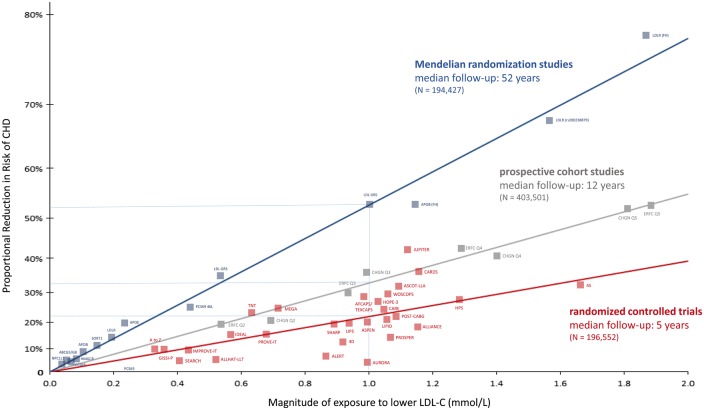
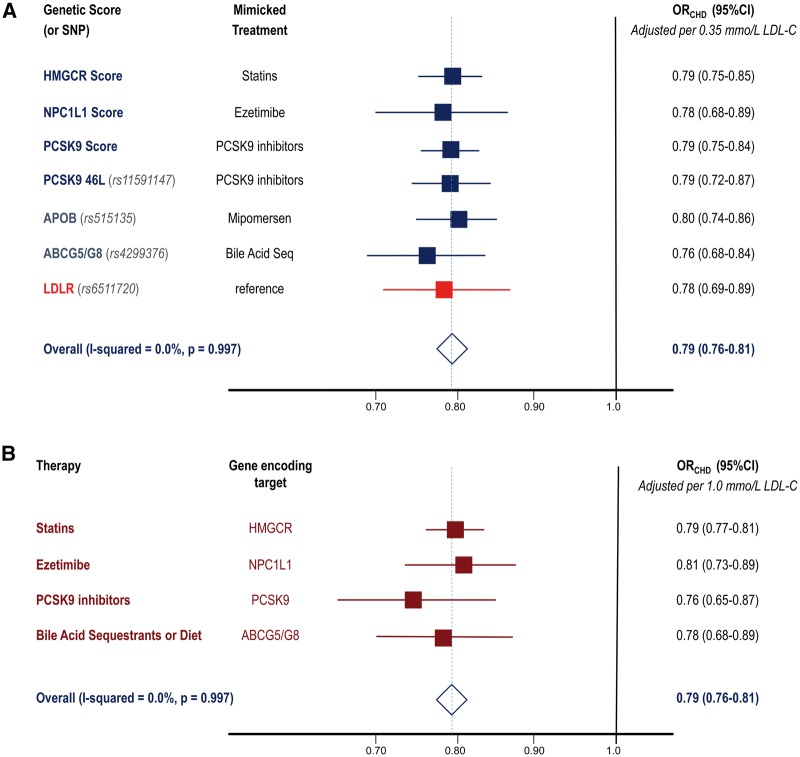
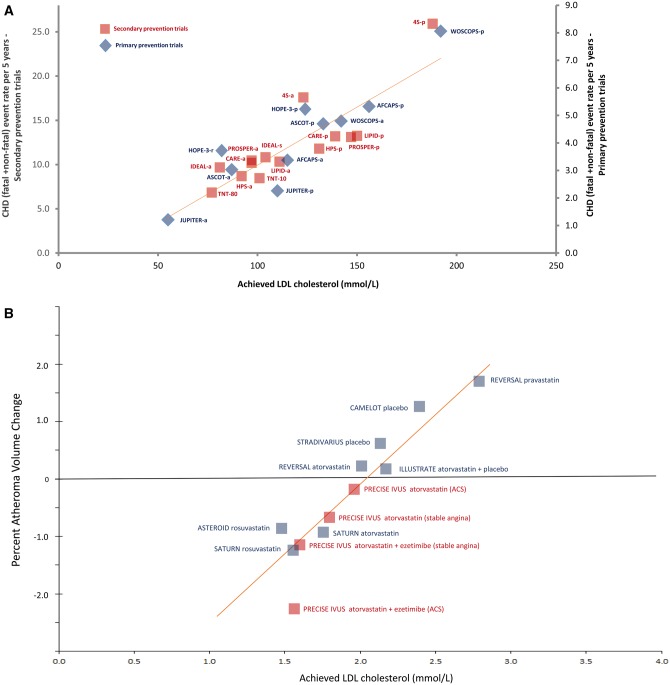
AIMS: To appraise the clinical and genetic evidence that low-density lipoproteins (LDLs) cause atherosclerotic cardiovascular disease (ASCVD). METHODS AND RESULTS: We assessed whether the association between LDL and ASCVD fulfils the criteria for causality by evaluating the totality of evidence from genetic studies, prospective epidemiologic cohort studies, Mendelian randomization studies, and randomized trials of LDL-lowering therapies. In clinical studies, plasma LDL burden is usually estimated by determination of plasma LDL cholesterol level (LDL-C). Rare genetic mutations that cause reduced LDL receptor function lead to markedly higher LDL-C and a dose-dependent increase in the risk of ASCVD, whereas rare variants leading to lower LDL-C are associated with a correspondingly lower risk of ASCVD. Separate meta-analyses of over 200 prospective cohort studies, Mendelian randomization studies, and randomized trials including more than 2 million participants with over 20 million person-years of follow-up and over 150 000 cardiovascular events demonstrate a remarkably consistent dose-dependent log-linear association between the absolute magnitude of exposure of the vasculature to LDL-C and the risk of ASCVD; and this effect appears to increase with increasing duration of exposure to LDL-C. Both the naturally randomized genetic studies and the randomized intervention trials consistently demonstrate that any mechanism of lowering plasma LDL particle concentration should reduce the risk of ASCVD events proportional to the absolute reduction in LDL-C and the cumulative duration of exposure to lower LDL-C, provided that the achieved reduction in LDL-C is concordant with the reduction in LDL particle number and that there are no competing deleterious off-target effects. CONCLUSION: Consistent evidence from numerous and multiple different types of clinical and genetic studies unequivocally establishes that LDL causes ASCVD.
Overview
The claims and statistics of this paper haven’t been checked yet.
Free: it reads the open-access text and checks the first 5 claims that cite a source we can check. Create a free account to check every claim.
Integrity signals
Registry
Cites
Statistics
Figures
Verification
Claims the paper makes
The claims and statistics of this paper haven’t been checked yet.
Free: it reads the open-access text and checks the first 5 claims that cite a source we can check. Create a free account to check every claim.
Claims other papers make about this one
Each is checked against this paper’s own text: does it say what the citing paper says it does?
The source backs part of the claim, not all of it — or backs it for a different population, condition or comparison.
In the citing paper
“In contrast, the clinical benefit of therapies that lower LDL-C by a mechanism that may dramatically modify their composition may not be proportional to the observed absolute reduction in LDL-C, but instead would be expected to be proportional to the absolute change in LDL particle concentration as measured by a reduction in ApoB [2,53].”
From 2019 ESC/EAS guidelines for the management of dyslipidaemias: lipid modification to reduce cardiovascular risk (2019) · cites this paper as [2]
Experimental — accuracy not yet measuredThe source backs part of the claim, not all of it — or backs it for a different population, condition or comparison.
In the citing paper
“The clinical effectiveness of LDLC-guided management of cardio- vascular risk is most strongly evidence-based [7,8].”
From Quantifying atherogenic lipoproteins for lipid-lowering strategies: Consensus-based recommendations from EAS and EFLM (2020) · cites this paper as [7]
Experimental — accuracy not yet measuredThe source backs part of the claim, not all of it — or backs it for a different population, condition or comparison.
In the citing paper
“Second, genetic variants reflect the effect of lifelong changes in ApoB-containing lipoproteins on the risk of cardiovascular disease, which appear to be cumulative over time.5,34”
From Association of Triglyceride-Lowering LPL Variants and LDL-C–Lowering LDLR Variants With Risk of Coronary Heart Disease (2019) · cites this paper as [5]
Experimental — accuracy not yet measuredThe cited source says what the claim attributes to it.
In the citing paper
“While LDL-C is an established major causal factor for ASCVD,93,103,104 the causality of TG, TRL, or TRL remnants for ASCVD is contentious.17,36,105–107”
The cited source says what the claim attributes to it.
In the citing paper
“New evidence has confirmed that the key initiating event in atherogenesis is the retention of low-density lipoprotein (LDL) cholesterol (LDL-C) and other cholesterol-rich apolipoprotein (Apo) B-containing lipoproteins within the arterial wall [2].”
From 2019 ESC/EAS guidelines for the management of dyslipidaemias: lipid modification to reduce cardiovascular risk (2019) · cites this paper as [2]
11 more claims about this paper
Create a free account to see every claim other papers make about this one.
Self-check
Percentages, sums and reported differences re-computed from the paper’s own numbers.
The self-check needs the paper’s full text.
Citations
Cites
Yusuf, S., Hawken, S., Ôunpuu, S., Dans, T., Avezum, A., Lanas, F., McQueen, M., Budaj, A., Pais, P., Varigos, J., et al. (2004) · The Lancet · doi:10.1016/s0140-6736(04)17018-9 · Cited by 12,026
Ahmed, A., Jorna, T., & Bhandari, S. (2016) · Nephron · doi:10.1159/000447068 · Cited by 11,717
The environment and disease: association or causation?
Hill, A. B. (2015) · Journal of the Royal Society of Medicine · doi:10.1177/0141076814562718 · Cited by 7,285
Stone, N. J., Robinson, J. G., Lichtenstein, A. H., Bairey Merz, C. N., Blum, C. B., Eckel, R. H., Goldberg, A. C., Gordon, D., Levy, D., Lloyd-Jones, D. M., et al. (2014) · Circulation · doi:10.1161/01.cir.0000437738.63853.7a · Cited by 7,081
The Environment and Disease: Association or Causation?
Hill, A. B. (1965) · Proceedings of the Royal Society of Medicine · doi:10.1177/003591576505800503 · Cited by 6,974
Cholesterol Treatment Trialists' (CTT) Collaboration (2010) · The Lancet · doi:10.1016/s0140-6736(10)61350-5 · Cited by 6,550
Evolocumab and Clinical Outcomes in Patients with Cardiovascular Disease
Sabatine, M. S., Giugliano, R. P., Keech, A. C., Honarpour, N., Wiviott, S. D., Murphy, S. A., Kuder, J. F., Wang, H., Liu, T., Wasserman, S. M., et al. (2017) · New England Journal of Medicine · doi:10.1056/nejmoa1615664 · Cited by 6,138
Mendelian randomization: Using genes as instruments for making causal inferences in epidemiology
Lawlor, D. A., Harbord, R. M., Sterne, J. A. C., Timpson, N., & Davey Smith, G. (2008) · Statistics in Medicine · doi:10.1002/sim.3034 · Cited by 4,618 · cited 1×
“whether an observed association between an exposure and an outcome is likely to be causal.(23) Numerous variants in multiple genes have been reported to be associated with lower LDL-C levels.”
BackgroundEzetimibe Added to Statin Therapy after Acute Coronary Syndromes
Cannon, C. P., Blazing, M. A., Giugliano, R. P., McCagg, A., White, J. A., Theroux, P., Darius, H., Lewis, B. S., Ophuis, T. O., Jukema, J. W., et al. (2015) · New England Journal of Medicine · doi:10.1056/nejmoa1410489 · Cited by 4,487
Biological, clinical and population relevance of 95 loci for blood lipids
Teslovich, T. M., Musunuru, K., Smith, A. V., Edmondson, A. C., Stylianou, I. M., Koseki, M., Pirruccello, J. P., Ripatti, S., Chasman, D. I., Willer, C. J., et al. (2010) · Nature · doi:10.1038/nature09270 · Cited by 3,487
Cited by
Items 101–200 of 1,029
Langlois, M. R., Nordestgaard, B. G., Langsted, A., Chapman, M. J., Aakre, K. M., Baum, H., Borén, J., Bruckert, E., Catapano, A., Cobbaert, C., et al. (2020) · Clinical Chemistry and Laboratory Medicine (CCLM) · doi:10.1515/cclm-2019-1253 · Cited by 211
Self-citationPlozasiran, an RNA Interference Agent Targeting APOC3, for Mixed Hyperlipidemia
Ballantyne, C. M., Vasas, S., Azizad, M., Clifton, P., Rosenson, R. S., Chang, T., Melquist, S., Zhou, R., Mushin, M., Leeper, N. J., et al. (2024) · New England Journal of Medicine · doi:10.1056/nejmoa2404143 · Cited by 236
Worldwide experience of homozygous familial hypercholesterolaemia: retrospective cohort study
Tromp, T. R., Hartgers, M. L., Hovingh, G. K., Vallejo-Vaz, A. J., Ray, K. K., Soran, H., Freiberger, T., Bertolini, S., Harada-Shiba, M., Blom, D. J., et al. (2022) · The Lancet · doi:10.1016/s0140-6736(21)02001-8 · Cited by 205
Self-citationChuruangsuk, C., Hall, J., Reynolds, A., Griffin, S. J., Combet, E., & Lean, M. E. J. (2022) · Diabetologia · doi:10.1007/s00125-021-05577-2 · Cited by 204
The Lancet Commission on rethinking coronary artery disease: moving from ischaemia to atheroma
Zaman, S., Wasfy, J. H., Kapil, V., Ziaeian, B., Parsonage, W. A., Sriswasdi, S., Chico, T. J. A., Capodanno, D., Colleran, R., Sutton, N. R., et al. (2025) · The Lancet · doi:10.1016/s0140-6736(25)00055-8 · Cited by 203
Self-citationAntioxidant properties of anthocyanins and their mechanism of action in atherosclerosis
Garcia, C., & Blesso, C. N. (2021) · Free Radical Biology and Medicine · doi:10.1016/j.freeradbiomed.2021.05.040 · Cited by 201
Landmesser, U., Chapman, M. J., Stock, J. K., Amarenco, P., Belch, J. J. F., Borén, J., Farnier, M., Ference, B. A., Gielen, S., Graham, I., et al. (2018) · European Heart Journal · doi:10.1093/eurheartj/ehx549 · Cited by 200
Self-citationCheeley, M. K., Saseen, J. J., Agarwala, A., Ravilla, S., Ciffone, N., Jacobson, T. A., Dixon, D. L., & Maki, K. C. (2022) · Journal of Clinical Lipidology · doi:10.1016/j.jacl.2022.05.068 · Cited by 197
Carr, S. S., Hooper, A. J., Sullivan, D. R., & Burnett, J. R. (2019) · Pathology · doi:10.1016/j.pathol.2018.11.006 · Cited by 193
Contribution of remnant cholesterol to cardiovascular risk
Langsted, A., Madsen, C. M., & Nordestgaard, B. G. (2020) · Journal of Internal Medicine · doi:10.1111/joim.13059 · Cited by 189
Self-citationVallejo-Vaz, A. J., Fayyad, R., Boekholdt, S. M., Hovingh, G. K., Kastelein, J. J., Melamed, S., Barter, P., Waters, D. D., & Ray, K. K. (2018) · Circulation · doi:10.1161/circulationaha.117.032318 · Cited by 187
Self-citationApolipoprotein C1: Its Pleiotropic Effects in Lipid Metabolism and Beyond
Fuior, E. V., & Gafencu, A. V. (2019) · International Journal of Molecular Sciences · doi:10.3390/ijms20235939 · Cited by 186
Fragki, S., Dirven, H., Fletcher, T., Grasl-Kraupp, B., Bjerve Gützkow, K., Hoogenboom, R., Kersten, S., Lindeman, B., Louisse, J., Peijnenburg, A., et al. (2021) · Critical Reviews in Toxicology · doi:10.1080/10408444.2021.1888073 · Cited by 186
“…al. 2016; Piepoli et al. 2016; Ference et al. 2017), and in particular its low density lipoprotein (LDL) fraction, is a well-established risk factor for cardiovascular disease (CVD), including ischemic heart disease and ischemic stroke (Piepoli et al. 2016; Ference et al. 2017; Bor en et al. 2020).”
BackgroundInfluentialAnabolic–androgenic steroids: How do they work and what are the risks?
Bond, P., Smit, D. L., & de Ronde, W. (2022) · Frontiers in Endocrinology · doi:10.3389/fendo.2022.1059473 · Cited by 184
“Plasma low-density lipoprotein (LDL)cholesterol levels are positively associated with CVD risk and causality has been firmly established (115).”
BackgroundGaba, P., O’Donoghue, M. L., Park, J.-G., Wiviott, S. D., Atar, D., Kuder, J. F., Im, K., Murphy, S. A., De Ferrari, G. M., Gaciong, Z. A., et al. (2023) · Circulation · doi:10.1161/circulationaha.122.063399 · Cited by 184
Could Ceramides Become the New Cholesterol?
Summers, S. A. (2018) · Cell Metabolism · doi:10.1016/j.cmet.2017.12.003 · Cited by 183
Ruuth, M., Nguyen, S. D., Vihervaara, T., Hilvo, M., Laajala, T. D., Kondadi, P. K., Gisterå, A., Lähteenmäki, H., Kittilä, T., Huusko, J., et al. (2018) · European Heart Journal · doi:10.1093/eurheartj/ehy319 · Cited by 180
Self-citationBaardman, J., Verberk, S. G. S., Prange, K. H. M., van Weeghel, M., van der Velden, S., Ryan, D. G., Wüst, R. C. I., Neele, A. E., Speijer, D., Denis, S. W., et al. (2018) · Cell Reports · doi:10.1016/j.celrep.2018.10.092 · Cited by 180
Statin therapy and lipoprotein(a) levels: a systematic review and meta-analysis
de Boer, L. M., Oorthuys, A. O. J., Wiegman, A., Langendam, M. W., Kroon, J., Spijker, R., Zwinderman, A. H., & Hutten, B. A. (2022) · European Journal of Preventive Cardiology · doi:10.1093/eurjpc/zwab171 · Cited by 179
PoLA/CFPiP/PCS/PSLD/PSD/PSH guidelines on diagnosis and therapy of lipid disorders in Poland 2021
Banach, M., Burchardt, P., Chlebus, K., Dobrowolski, P., Dudek, D., Dyrbuś, K., Gąsior, M., Jankowski, P., Jozwiak, J. J., Kłosiewicz−Latoszek, L., et al. (2021) · Archives of Medical Science · doi:10.5114/aoms/141941 · Cited by 189
Sethi, S., Wakeham, D. E., Ketter, T. A., Hooshmand, F., Bjornstad, J., Richards, B. J., Westman, E. C., Krauss, R. M., & Saslow, L. R. (2024) · Psychiatry Research · doi:10.1016/j.psychres.2024.115866 · Cited by 195
“…cholesterol with higher saturated fat intake is usually due to large buoyant LDL particles that are less strongly associated with coronary heart disease risk than small dense (Bergeron et al., 2019; Ference et al., 2017), levels of which were not significantly increased in our study participants.”
Self-citationThe LDL cumulative exposure hypothesis: evidence and practical applications
Ference, B. A., Braunwald, E., & Catapano, A. L. (2024) · Nature Reviews Cardiology · doi:10.1038/s41569-024-01039-5 · Cited by 176
“Therefore, the biological effect of LDL and other APOB-containing lipoproteins on ASCVD depends on both the magnitude and duration of exposure 10,11 .”
InfluentialSelf-citationBalling, M., Afzal, S., Varbo, A., Langsted, A., Davey Smith, G., & Nordestgaard, B. G. (2020) · Journal of the American College of Cardiology · doi:10.1016/j.jacc.2020.09.610 · Cited by 175
Self-citationGenetic architecture of human plasma lipidome and its link to cardiovascular disease
Tabassum, R., Rämö, J. T., Ripatti, P., Koskela, J. T., Kurki, M., Karjalainen, J., Palta, P., Hassan, S., Nunez-Fontarnau, J., Kiiskinen, T. T. J., et al. (2019) · Nature Communications · doi:10.1038/s41467-019-11954-8 · Cited by 175
Molecular biomarkers for vascular cognitive impairment and dementia
Hosoki, S., Hansra, G. K., Jayasena, T., Poljak, A., Mather, K. A., Catts, V. S., Rust, R., Sagare, A. P., Kovacic, J. C., Brodtmann, A. G., et al. (2023) · Nature Reviews Neurology · doi:10.1038/s41582-023-00884-1 · Cited by 185
“Concentrations of LDL cholesterol in the blood are positively correlated with the extent of atherosclerosis 184 , but studies in the context of VCID and SVD have unexpectedly identified inverse associations.”
BackgroundNicholls, S. J., Ditmarsch, M., Kastelein, J. J., Rigby, S. P., Kling, D., Curcio, D. L., Alp, N. J., & Davidson, M. H. (2022) · Nature Medicine · doi:10.1038/s41591-022-01936-7 · Cited by 174
Self-citationPrevention of atherosclerosis from childhood
Raitakari, O., Pahkala, K., & Magnussen, C. G. (2022) · Nature Reviews Cardiology · doi:10.1038/s41569-021-00647-9 · Cited by 173
Ray, K. K., Stoekenbroek, R. M., Kallend, D., Nishikido, T., Leiter, L. A., Landmesser, U., Wright, R. S., Wijngaard, P. L. J., & Kastelein, J. J. P. (2019) · JAMA Cardiology · doi:10.1001/jamacardio.2019.3502 · Cited by 172
Self-citationNewman, C. B., Blaha, M. J., Boord, J. B., Cariou, B., Chait, A., Fein, H. G., Ginsberg, H. N., Goldberg, I. J., Murad, M. H., Subramanian, S., et al. (2020) · The Journal of Clinical Endocrinology & Metabolism · doi:10.1210/clinem/dgaa674 · Cited by 172
Self-citationThe dawn of a new era of targeted lipid-lowering therapies
Tokgözoğlu, L., & Libby, P. (2022) · European Heart Journal · doi:10.1093/eurheartj/ehab841 · Cited by 171
Self-citationLipid-Lowering Agents: Targets Beyond PCSK9
Hegele, R. A., & Tsimikas, S. (2019) · Circulation Research · doi:10.1161/circresaha.118.313171 · Cited by 171
Self-citationPCSK9 Biology and Its Role in Atherothrombosis
Barale, C., Melchionda, E., Morotti, A., & Russo, I. (2021) · International Journal of Molecular Sciences · doi:10.3390/ijms22115880 · Cited by 171
Atherosclerosis Development and Progression: The Role of Atherogenic Small, Dense LDL
Vekić, J., Zeljković, A., Cicero, A. F. G., Janež, A., Stoian, A. P., Sönmez, A., & Rizzo, M. (2022) · Medicina · doi:10.3390/medicina58020299 · Cited by 184
Targeting the CCL2–CCR2 axis for atheroprotection
Georgakis, M. K., Bernhagen, J., Heitman, L. H., Weber, C., & Dichgans, M. (2022) · European Heart Journal · doi:10.1093/eurheartj/ehac094 · Cited by 170
Lipidomics unveils the complexity of the lipidome in metabolic diseases
Lydic, T. A., & Goo, Y. (2018) · Clinical and Translational Medicine · doi:10.1186/s40169-018-0182-9 · Cited by 169
Johns, D. G., Campeau, L.-C., Banka, P., Bautmans, A., Bueters, T., Bianchi, E., Branca, D., Bulger, P. G., Crevecoeur, I., Ding, F.-X., et al. (2023) · Circulation · doi:10.1161/circulationaha.122.063372 · Cited by 167
INTERDISCIPLINARY CLINICAL PRACTICE GUIDELINES "MANAGEMENT OF OBESITY AND ITS COMORBIDITIES"
Dedov, I. I., Shestakova, M. V., Mel'nichenko, G. A., Mazurina, N. V., Andreeva, E. N., Bondarenko, I. Z., Руслановна, Г. З., Dzgoeva, F. K., Елисеев, М. С., Ershova, E. V., et al. (2021) · Obesity and metabolism · doi:10.14341/omet12714 · Cited by 215
Giral, P., Neumann, A., Weill, A., & Coste, J. (2019) · European Heart Journal · doi:10.1093/eurheartj/ehz458 · Cited by 166
The Aging Risk and Atherosclerosis: A Fresh Look at Arterial Homeostasis
Head, T., Daunert, S., & Goldschmidt-Clermont, P. J. (2017) · Frontiers in Genetics · doi:10.3389/fgene.2017.00216 · Cited by 166
“Both high-density lipoprotein (HDL) and low-density lipoprotein (LDL) play critical roles in the transport of cholesterol and have been implicated in atherosclerosis (Fisher et al., 2012; Ference et al., 2017).”
BackgroundPrimary prevention of ischaemic heart disease: populations, individuals, and health professionals
Gupta, R., & Wood, D. (2019) · The Lancet · doi:10.1016/s0140-6736(19)31893-8 · Cited by 172
Barreto, J., Karathanasis, S. K., Remaley, A. T., & Sposito, A. C. (2020) · Arteriosclerosis Thrombosis and Vascular Biology · doi:10.1161/atvbaha.120.315421 · Cited by 164
Shuai, M., Fu, Y., Zhong, H.-L., Gou, W., Jiang, Z., Liang, Y., Miao, Z., Xu, J.-J., Huynh, T., Wahlqvist, M. L., et al. (2022) · Gut · doi:10.1136/gutjnl-2021-326298 · Cited by 163
Evolocumab in Patients without a Previous Myocardial Infarction or Stroke
Bohula, E. A., Marston, N., Bhatia, A. K., Ferrari, G. M. D., Leiter, L. A., Nicolau, J. C., Park, J., Kuder, J., Murphy, S. A., Walsh, E., et al. (2025) · New England Journal of Medicine · doi:10.1056/nejmoa2514428 · Cited by 170
Ference, B. A., Cannon, C. P., Landmesser, U., Lüscher, T. F., Catapano, A. L., & Ray, K. K. (2018) · European Heart Journal · doi:10.1093/eurheartj/ehx450 · Cited by 161
Self-citationThe Role of Magnesium in the Pathogenesis of Metabolic Disorders
Pelczyńska, M., Moszak, M., & Bogdański, P. (2022) · Nutrients · doi:10.3390/nu14091714 · Cited by 182
World Heart Federation Cholesterol Roadmap 2022
Ray, K. K., Ference, B. A., Séverin, T., Blom, D., Nicholls, S. J., Shiba, M. H., Almahmeed, W., Alonso, R., Daccord, M., Ezhov, M., et al. (2022) · Global Heart · doi:10.5334/gh.1154 · Cited by 146
Self-citationProteomics and lipidomics in atherosclerotic cardiovascular disease risk prediction
Nurmohamed, N. S., Kraaijenhof, J. M., Mayr, M., Nicholls, S. J., Köenig, W., Catapano, A. L., & Stroes, E. S. G. (2023) · European Heart Journal · doi:10.1093/eurheartj/ehad161 · Cited by 173
Self-citation2025 Focused Update of the 2019 ESC/EAS Guidelines for the management of dyslipidaemias
Mach, F., Koskinas, K. C., Roeters van Lennep, J. E., Tokgözoğlu, L., Badimon, L., Baigent, C., Benn, M., Binder, C. J., Catapano, A. L., De Backer, G. G., et al. (2025) · Atherosclerosis · doi:10.1016/j.atherosclerosis.2025.120479 · Cited by 159
Self-citationTrinder, M., Li, X., DeCastro, M. L., Cermakova, L., Sadananda, S., Jackson, L. M., Azizi, H., Mancini, G. B. J., Francis, G. A., Frohlich, J., et al. (2019) · Journal of the American College of Cardiology · doi:10.1016/j.jacc.2019.05.043 · Cited by 158
Novel Insights Into the NLRP3 Inflammasome in Atherosclerosis
Jin, Y., & Fu, J. (2019) · Journal of the American Heart Association · doi:10.1161/jaha.119.012219 · Cited by 148
Statins and PCSK9 inhibitors: A new lipid-lowering therapy
Gallego-Colon, E., Daum, A., & Yosefy, C. (2020) · European Journal of Pharmacology · doi:10.1016/j.ejphar.2020.173114 · Cited by 156
LDL-C does not cause cardiovascular disease: a comprehensive review of the current literature
Ravnskov, U., de Lorgeril, M., Diamond, D. M., Hama, R., Hamazaki, T., Hammarskjöld, B., Hynes, N., Kendrick, M. E., Langsjoen, P. H., Mascitelli, L., et al. (2018) · Expert Review of Clinical Pharmacology · doi:10.1080/17512433.2018.1519391 · Cited by 172
“[3] claim that short-term follow-up (2 years or less) may be unable to demonstrate an association.”
BackgroundFamilial Hypercholesterolemia: The Most Frequent Cholesterol Metabolism Disorder Caused Disease
Benito-Vicente, A., Uribe, K. B., Jebari, S., Galicia-Garcia, U., Ostolaza, H., & Martin, C. (2018) · International Journal of Molecular Sciences · doi:10.3390/ijms19113426 · Cited by 130
The Molecular Basis of Predicting Atherosclerotic Cardiovascular Disease Risk
Nayor, M. G., Brown, K., & Vasan, R. S. (2021) · Circulation Research · doi:10.1161/circresaha.120.315890 · Cited by 163
Targeting PCSK9 to tackle cardiovascular disease
Hummelgaard, S., Vilstrup, J. P., Gustafsen, C., Glerup, S., & Weyer, K. (2023) · Pharmacology & Therapeutics · doi:10.1016/j.pharmthera.2023.108480 · Cited by 150
Lipid Peroxidation in Muscle Foods: Impact on Quality, Safety and Human Health
Dragoev, S. G. (2024) · Foods · doi:10.3390/foods13050797 · Cited by 158
Genetic testing in dyslipidemia: A scientific statement from the National Lipid Association
Brown, E. E., Sturm, A. C., Cuchel, M., Braun, L. T., Duell, P. B., Underberg, J. A., Jacobson, T. A., & Hegele, R. A. (2020) · Journal of Clinical Lipidology · doi:10.1016/j.jacl.2020.04.011 · Cited by 148
Self-citationAdvances in lipid-lowering therapy through gene-silencing technologies
Nordestgaard, B. G., Nicholls, S. J., Langsted, A., Ray, K. K., & Tybjærg‐Hansen, A. (2018) · Nature Reviews Cardiology · doi:10.1038/nrcardio.2018.3 · Cited by 159
Self-citationVerbeek, R., Hoogeveen, R. M., Langsted, A., Stiekema, L. C. A., Verweij, S. L., Hovingh, G. K., Wareham, N. J., Khaw, K.-T., Boekholdt, S. M., Nordestgaard, B. G., et al. (2018) · European Heart Journal · doi:10.1093/eurheartj/ehy334 · Cited by 145
Self-citationTargeting IL-1β in the Treatment of Atherosclerosis
Mai, W., & Liao, Y. (2020) · Frontiers in Immunology · doi:10.3389/fimmu.2020.589654 · Cited by 154
Averna, M., Banach, M., Bruckert, E., Drexel, H., Farnier, M., Gaita, D., Magni, P., März, W., Masana, L., Mello e Silva, A., et al. (2021) · Atherosclerosis · doi:10.1016/j.atherosclerosis.2021.03.039 · Cited by 137
Self-citationVegetarian or vegan diets and blood lipids: a meta-analysis of randomized trials
Koch, C. A., Kjeldsen, E. W., & Frikke-Schmidt, R. (2023) · European Heart Journal · doi:10.1093/eurheartj/ehad211 · Cited by 134
Novel antiatherosclerotic therapies
Libby, P., & Everett, B. M. (2019) · Arteriosclerosis, Thrombosis, and Vascular Biology · doi:10.1161/atvbaha.118.310958 · Cited by 145
Impact of obeticholic acid on the lipoprotein profile in patients with non-alcoholic steatohepatitis
Siddiqui, M. S., Van Natta, M. L., Connelly, M. A., Vuppalanchi, R., Neuschwander-Tetri, B. A., Tonascia, J., Guy, C., Loomba, R., Dasarathy, S., Wattacheril, J., et al. (2020) · Journal of Hepatology · doi:10.1016/j.jhep.2019.10.006 · Cited by 135
Familial hypercholesterolaemia: evolving knowledge for designing adaptive models of care
Watts, G. F., Gidding, S. S., Mata, P., Pang, J., SULLIVAN, D. R., Yamashita, S., Raal, F. J., Santos, R. D., & Ray, K. K. (2020) · Nature Reviews Cardiology · doi:10.1038/s41569-019-0325-8 · Cited by 154
Self-citationMhaimeed, O., Burney, Z. A., Schott, S. L., Kohli, P., Marvel, F. A., & Martin, S. S. (2024) · American Journal of Preventive Cardiology · doi:10.1016/j.ajpc.2024.100649 · Cited by 124
“The risk of ASCVD is closely correlated with cumulative exposure to LDL-C, that is, the magnitude of elevation in LDL-C multiplied by the years of association, coined as the “ cholesterol years ” of exposure [2 – 5].”
BackgroundMakover, M. E., Shapiro, M. D., & Toth, P. P. (2022) · American Journal of Preventive Cardiology · doi:10.1016/j.ajpc.2022.100371 · Cited by 162
Kirkpatrick, C. F., Sikand, G., Petersen, K. S., Anderson, C. A. M., Aspry, K. E., Bolick, J. P., Kris-Etherton, P. M., & Maki, K. C. (2023) · Journal of Clinical Lipidology · doi:10.1016/j.jacl.2023.05.099 · Cited by 118
Fruchart, J.-C., Santos, R. D., Aguilar-Salinas, C., Aikawa, M., Al Rasadi, K., Amarenco, P., Barter, P. J., Ceska, R., Corsini, A., Després, J.-P., et al. (2019) · Cardiovascular Diabetology · doi:10.1186/s12933-019-0864-7 · Cited by 140
Self-citationDu, Z., & Qin, Y. (2023) · Journal of Clinical Medicine · doi:10.3390/jcm12010363 · Cited by 140
Obesity and cardiovascular disease: an ESC clinical consensus statement
Koskinas, K. C., Craenenbroeck, E. M. V., Antoniades, C. A., Blüher, M., Gorter, T. M., Hanssen, H., Marx, N., McDonagh, T. A., Mingrone, G., Rosengren, A., et al. (2024) · European Journal of Preventive Cardiology · doi:10.1093/eurjpc/zwae279 · Cited by 149
Nicholls, S., Lincoff, A. M., Bays, H. E., Cho, L., Grobbee, D. E., Kastelein, J. J., Libby, P., Moriarty, P. M., Plutzky, J., Ray, K. K., et al. (2021) · American Heart Journal · doi:10.1016/j.ahj.2020.10.060 · Cited by 136
Self-citationShared Risk Factors between Dementia and Atherosclerotic Cardiovascular Disease
Nordestgaard, L. T., Christoffersen, M., & Frikke‐Schmidt, R. (2022) · International Journal of Molecular Sciences · doi:10.3390/ijms23179777 · Cited by 141
Lipid metabolism during pregnancy: consequences for mother and child
Mulder, J. W. C. M., Kusters, D. M., van Lennep, J. E. R., & Hutten, B. A. (2024) · Current Opinion in Lipidology · doi:10.1097/mol.0000000000000927 · Cited by 142
“The ASCVD risk accumulates with increasing LDL-C concentration and a longer duration of exposure [1] Periods in life with elevated LDL-C levels, such as pregnancy, contribute to the overall life-time short and long-term outcomes for both the mother and the child [2,3 && ,4 & ,5–7].”
BackgroundPyroptosis in the Initiation and Progression of Atherosclerosis
Qian, Z., Zhao, Y., Wan, C., Deng, Y., Zhuang, Y., Xu, Y., Zhu, Y., Lu, S., & Bao, Z. (2021) · Frontiers in Pharmacology · doi:10.3389/fphar.2021.652963 · Cited by 139
Nanomedicine for Diagnosis and Treatment of Atherosclerosis
Cheng, J., Huang, H., Chen, Y., & WU, R. T. (2023) · Advanced Science · doi:10.1002/advs.202304294 · Cited by 140
Determinants of Progression and Regression of Subclinical Atherosclerosis Over 6 Years
Mendieta, G., Pocock, S., Mass, V., Moreno, A. D., Owen, R., García‐Lunar, I., López‐Melgar, B., Fuster, J. J., Andrés, V., Pérez-Herreras, C., et al. (2023) · Journal of the American College of Cardiology · doi:10.1016/j.jacc.2023.09.814 · Cited by 141
Relationship between lipoproteins, thrombosis, and atrial fibrillation
Ding, W. Y., Protty, M. B., Davies, I. G., & Lip, G. Y. H. (2021) · Cardiovascular Research · doi:10.1093/cvr/cvab017 · Cited by 135
2023 China Guidelines for Lipid Management
Li, J., Zhao, S., Zhao, D., Lü, G., Peng, D., Liu, J., Chen, Z., Guo, Y., Wu, N., Yan, S.-K., et al. (2023) · 老年心脏病学杂志:英文版 · doi:10.26599/1671-5411.2023.09.008 · Cited by 131
Remnant Cholesterol and Atherosclerotic Cardiovascular Disease Risk
Burnett, J. R., Hooper, A. J., & Hegele, R. A. (2020) · Journal of the American College of Cardiology · doi:10.1016/j.jacc.2020.10.029 · Cited by 135
Self-citationBonnet, J. P., Cardel, M. I., Cellini, J., Hu, F. B., & Guasch‐Ferré, M. (2020) · Obesity · doi:10.1002/oby.22791 · Cited by 109
LDL-C: lower is better for longer—even at low risk
Penson, P. E., Pirro, M., & Banach, M. (2020) · BMC Medicine · doi:10.1186/s12916-020-01792-7 · Cited by 121
Anti-atherosclerotic therapies: Milestones, challenges, and emerging innovations
Hetherington, I., & Totary-Jain, H. (2022) · Molecular Therapy · doi:10.1016/j.ymthe.2022.08.024 · Cited by 128
Lipids and Lipoproteins in 2020
Ference, B. A., Kastelein, J. J. P., & Catapano, A. L. (2020) · JAMA · doi:10.1001/jama.2020.5685 · Cited by 147
Self-citationSampson, M. L., Wolska, A. T., Warnick, R., Lucero, D., & Remaley, A. T. (2021) · Clinical Chemistry · doi:10.1093/clinchem/hvab048 · Cited by 126
Lu, Y., Cui, X., Zhang, L., Wang, X., Xu, Y., Qin, Z., Liu, G., Wang, Q., Tian, K., Lim, K. S., et al. (2022) · Aging and Disease · doi:10.14336/ad.2021.0929 · Cited by 132
Targeting ATP-Citrate Lyase in Hyperlipidemia and Metabolic Disorders
Pinkosky, S. L., Groot, P. H. E., Lalwani, N. D., & Steinberg, G. R. (2017) · Trends in Molecular Medicine · doi:10.1016/j.molmed.2017.09.001 · Cited by 127
NAFLD and Atherosclerosis: Two Sides of the Same Dysmetabolic Coin?
Stols-Gonçalves, D., Hovingh, G. K., Nieuwdorp, M., & Holleboom, A. G. (2019) · Trends in Endocrinology & Metabolism · doi:10.1016/j.tem.2019.08.008 · Cited by 118
Safety and Efficacy of Obicetrapib in Patients at High Cardiovascular Risk
Nicholls, S. J., Nelson, A. J., Ditmarsch, M., Kastelein, J. J. P., Ballantyne, C. M., Ray, K. K., Navar, A. M., Nissen, S. E., Harada-Shiba, M., Curcio, D. L., et al. (2025) · New England Journal of Medicine · doi:10.1056/nejmoa2415820 · Cited by 103
Self-citationHagström, E., Steg, P. G., Szarek, M., Bhatt, D. L., Bittner, V. A., Danchin, N., Diaz, R., Goodman, S. G., Harrington, R. A., Jukema, J. W., et al. (2022) · Circulation · doi:10.1161/circulationaha.121.057807 · Cited by 118
Self-citationStructure-function relationships of HDL in diabetes and coronary heart disease
Cardner, M., Yalçınkaya, M., Götze, S., Luca, E., Baláž, M., Hunjadi, M., Hartung, J., Shemet, A., Kränkel, N., Radosavljevic, S., et al. (2020) · JCI Insight · doi:10.1172/jci.insight.131491 · Cited by 122
Self-citationNew and Emerging Therapies for Reduction of LDL-Cholesterol and Apolipoprotein B
Nurmohamed, N. S., Návar, A. M., & Kastelein, J. J. P. (2021) · Journal of the American College of Cardiology · doi:10.1016/j.jacc.2020.11.079 · Cited by 131
Effect of inclisiran on lipids in primary prevention: the ORION-11 trial
Ray, K. K., Kallend, D., Leiter, L. A., Raal, F. J., Koenig, W., Jaros, M. J., Schwartz, G. G., Landmesser, U., Garcia Conde, L., Wright, R. S., et al. (2022) · European Heart Journal · doi:10.1093/eurheartj/ehac615 · Cited by 116
Self-citationLipids and lipoproteins in cardiovascular diseases: a classification
Bhargava, S., de la Puente-Secades, S., Schurgers, L. J., & Jankowski, J. (2022) · Trends in Endocrinology and Metabolism · doi:10.1016/j.tem.2022.02.001 · Cited by 124
Lipotoxicity-driven metabolic dysfunction-associated steatotic liver disease (MASLD)
Iturbe-Rey, S., Maccali, C., Arrese, M. A., Aspichueta, P., de Oliveira, C. P. M. S., Castro, R. E., Lapitz, A., Izquierdo‐Sánchez, L., Bujanda, L., Perugorria, M. J., et al. (2024) · Atherosclerosis · doi:10.1016/j.atherosclerosis.2024.119053 · Cited by 131
Multi-omics approaches for revealing the complexity of cardiovascular disease
Doran, S., Arif, M., Lam, S., Bayraktar, A., Turkez, H., Uhlen, M., Boren, J., & Mardinoglu, A. (2021) · Briefings in Bioinformatics · doi:10.1093/bib/bbab061 · Cited by 109
Self-citationApolipoprotein B-containing lipoproteins in atherogenesis
Borén, J., Packard, C. J., & Binder, C. J. (2025) · Nature Reviews Cardiology · doi:10.1038/s41569-024-01111-0 · Cited by 120
“protein, plasma apoB concentration is a direct measure of the number of circulating atherogenic lipoproteins 2,3,11 .”
InfluentialSelf-citationPackard, C., Chapman, M. J., Sibartie, M., Laufs, U., & Masana, L. (2021) · Heart · doi:10.1136/heartjnl-2020-318760 · Cited by 108
Self-citationRed Yeast Rice for Hypercholesterolemia
Cicero, A. F. G., Fogacci, F., & Zambon, A. (2021) · Journal of the American College of Cardiology · doi:10.1016/j.jacc.2020.11.056 · Cited by 99
Small dense low-density lipoprotein: Analytical review
Kanonidou, C. (2021) · Clinica Chimica Acta · doi:10.1016/j.cca.2021.06.012 · Cited by 117
Metadata
- Authors
- Ference, B. A., Ginsberg, H. N., Graham, I., Ray, K. K., Packard, C. J., Bruckert, E., Hegele, R. A., Krauss, R. M., Raal, F. J., Schunkert, H., Watts, G. F., Borén, J., Fazio, S., Horton, J. D., Masana, L., Nicholls, S. J., Nordestgaard, B. G., van de Sluis, B., Taskinen, M.-R., Tokgözoğlu, L., Landmesser, U., Laufs, U., Wiklund, O., Stock, J. K., Chapman, M. J., & Catapano, A. L.
- Affiliations
- Wayne State University (US)
- Columbia University (US)
- Trinity College Dublin (IE)
- Imperial College London (GB)
- University of Glasgow (GB)
- INSERM UMRS1166, Department of Endocrinology-Metabolism, ICAN - Institute of CardioMetabolism and Nutrition, AP-HP, Hôpital de la Pitié, Paris, France
- Western University (CA)
- Department of Atherosclerosis Research, Children’s Hospital Oakland Research Institute, Oakland, CA 94609, USA
- University of the Witwatersrand (ZA)
- German Centre for Cardiovascular Research (DE)
- The University of Western Australia (AU)
- Sahlgrenska University Hospital (SE)
- Oregon Health & Science University (US)
- The University of Texas Southwestern Medical Center (US)
- Universitat Rovira i Virgili (ES)
- South Australian Health and Medical Research Institute (AU)
- University of Copenhagen (DK)
- Department of Pediatrics, Molecular Genetics Section, University of Groningen, University Medical Center Groningen, Antonius Deusinglaan 1, Groningen AV 9713, The Netherlands
- University of Helsinki (FI)
- Hacettepe University, Ankara, Turkey
- Inserm (FR)
- Universitätsklinikum des Saarlandes (DE)
- European Atherosclerosis Society (SE)
- University of Milan (IT)
- Corresponding author
- Ference, Brian A.
- ORCID
- Ginsberg, Henry N.
- Graham, Ian
- Ray, Kausik K.
- Packard, Chris J.
- Hegele, Robert A.
- Krauss, Ronald M.
- Raal, Frederick J.
- Schunkert, Heribert
- Watts, Gerald F.
- Borén, Jan
- Fazio, Sergio
- Horton, Jay D.
- Masana, Luis
- Nicholls, Stephen J.
- Nordestgaard, Børge G.
- Taskinen, Marja-Riitta
- Landmesser, Ulf
- Laufs, Ulrich
- Wiklund, Olov
- Chapman, M. John
- Catapano, Alberico L.
- Venue
- European Heart Journal
- Publisher
- Oxford University Press (OUP)
- Published
- 2017-04-24
- Volume
- 38
- Issue
- 32
- Pages
- 2459-2472
- ISSN
- 0195-668X (ISSN-L)
- 1522-9645
- PMC
- PMC5837225
- OpenAlex
- W2609543937
- Semantic Scholar
- 5dbd9a1a84091ca59c95ebed1a71551cec721b27
- Cited by
- 3,962
- References
- 58
- Citations by year
- 2026: 528 · 2025: 517 · 2024: 544 · 2023: 538 · 2022: 439 · 2021: 468 · 2020: 382 · 2019: 293 · 2018: 185 · 2017: 63
- FWCI
- 258.66
- Type
- journal article
- Language
- en
- Open access
- hybrid
- doi.org
- Licence
- other-oa
- Locations
- European Heart Journal (publishedVersion, other-oa)
- PubMed Central (publishedVersion, cc-by-nc)
- UWA Profiles and Research Repository (UWA) (publishedVersion, cc-by-nc)
- PubMed (publishedVersion)
- Research at the University of Copenhagen (University of Copenhagen) (publishedVersion, cc-by-nc)
- University of Groningen research database (University of Groningen / Centre for Information Technology) (publishedVersion, cc-by-nc)
- ENLIGHTEN (Jurnal Bimbingan dan Konseling Islam) (acceptedVersion)
- Archivio Istituzionale della Ricerca (Universita Degli Studi Di Milano) (submittedVersion, other-oa)
- HAL (submittedVersion)
- eScholarship (California Digital Library) (submittedVersion)
- eScholarship (California Digital Library) (submittedVersion, cc-by-nc)
- Työväentutkimus Vuosikirja (submittedVersion)
- mediaTUM – the media and publications repository of the Technical University Munich (Technical University Munich) (submittedVersion)
- Hacettepe University Institutional Repository (hacettepe.edu.tr) (submittedVersion, other-oa)
- Spiral (Imperial College London) (submittedVersion, other-oa)
- University of Groningen research database (University of Groningen / Centre for Information Technology) (submittedVersion, cc-by-nc)
- Funders
- Amgen
- Eli Lilly and Company
- Pfizer
- AstraZeneca
- GlaxoSmithKline
- Sanofi
- Alnylam Pharmaceuticals
- Danone
- CSL Behring
- Regeneron Pharmaceuticals
- Amarin Corporation
- Anthera
- Medicines Company
- Kowa Company
- Mylan
- InfraRedx
- Daiichi-Sankyo
- Novo Nordisk
- Servier
- Esperion Therapeutics
- Bayer Vital
- Topics
- Health Sciences › Medicine › Cardiology and Cardiovascular Medicine › Lipoproteins and Cardiovascular Health
- Life Sciences › Immunology and Microbiology › Immunology › Atherosclerosis and Cardiovascular Diseases
- Life Sciences › Biochemistry, Genetics and Molecular Biology › Biochemistry › Cholesterol and Lipid Metabolism
- Keywords
- low-density lipoprotein, atherosclerotic cardiovascular disease, LDL cholesterol, causality, LDL receptor mutations, LDL particle number, dose-response relationship, LDL-C lowering therapy, Mendelian randomization
- MeSH terms
- Ezetimibe, Proprotein Convertase 9, PCSK9 Inhibitors, Anticholesteremic Agents, Epidemiologic Methods, Hyperlipidemias, Cholesterol, HDL, Lipoproteins, LDL, Cholesterol, LDL, Hydroxymethylglutaryl-CoA Reductase Inhibitors, Genetic Predisposition to Disease, Consensus, Atherosclerosis
About these checks
Registry, retraction, Cites and statistics results are computed, not judged, with one exception: a printed reference that no index lists is read once by a model before it counts as a citation error. Claims are extracted by a model and kept only when their quote appears verbatim in the text; each cited source is then checked, with a model’s help, for whether it says what the claim relies on. Those verdicts can be wrong — read the claim’s quote and the cited source before relying on one.
Statistics and arithmetic are recomputed, not judged.
Confidence bands are shown only for fields calibrated on our annotated test set. None is calibrated yet, so no band is shown.
What counts as a claim ›How we measure confidence ›How we check this ›
Are you an author, or do you see a problem with this page? Request a review
Data sources
Bibliographic data: Semantic Scholar, OpenAlex, Crossref.
Contains information from the Semantic Scholar Academic Graph Datasets, made available under the ODC Attribution License (ODC-BY 1.0).
Semantic Scholar’s data is described in: Kinney, R., et al. (2023). The Semantic Scholar Open Data Platform. arXiv:2301.10140.
