

In vitro fermentation of B-GOS: impact on faecal bacterial populations and metabolic activity in autistic and non-autistic children
Open accessThe DOI matches its Crossref record; 57 of the 59 references it cites were found in a registry or an index.
Abstract
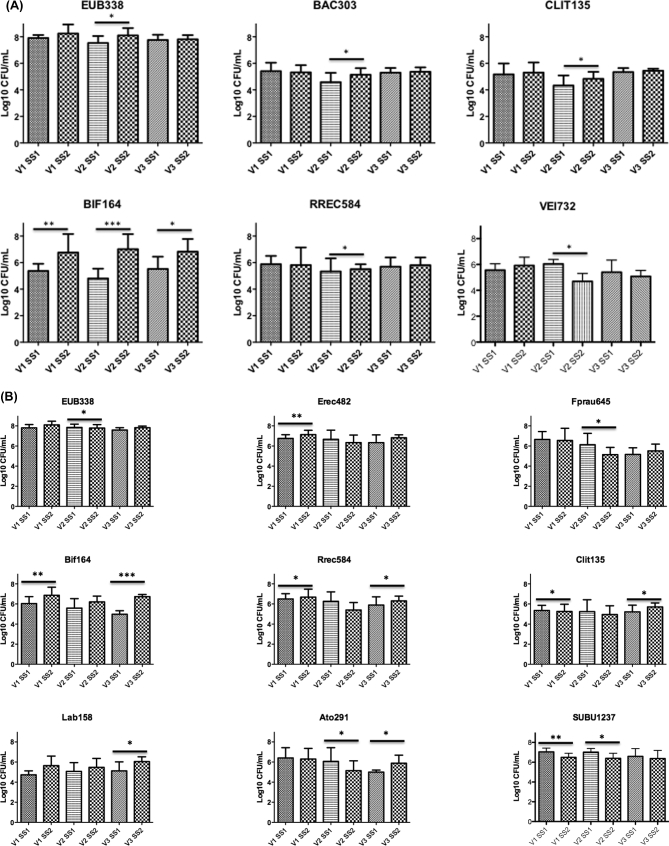
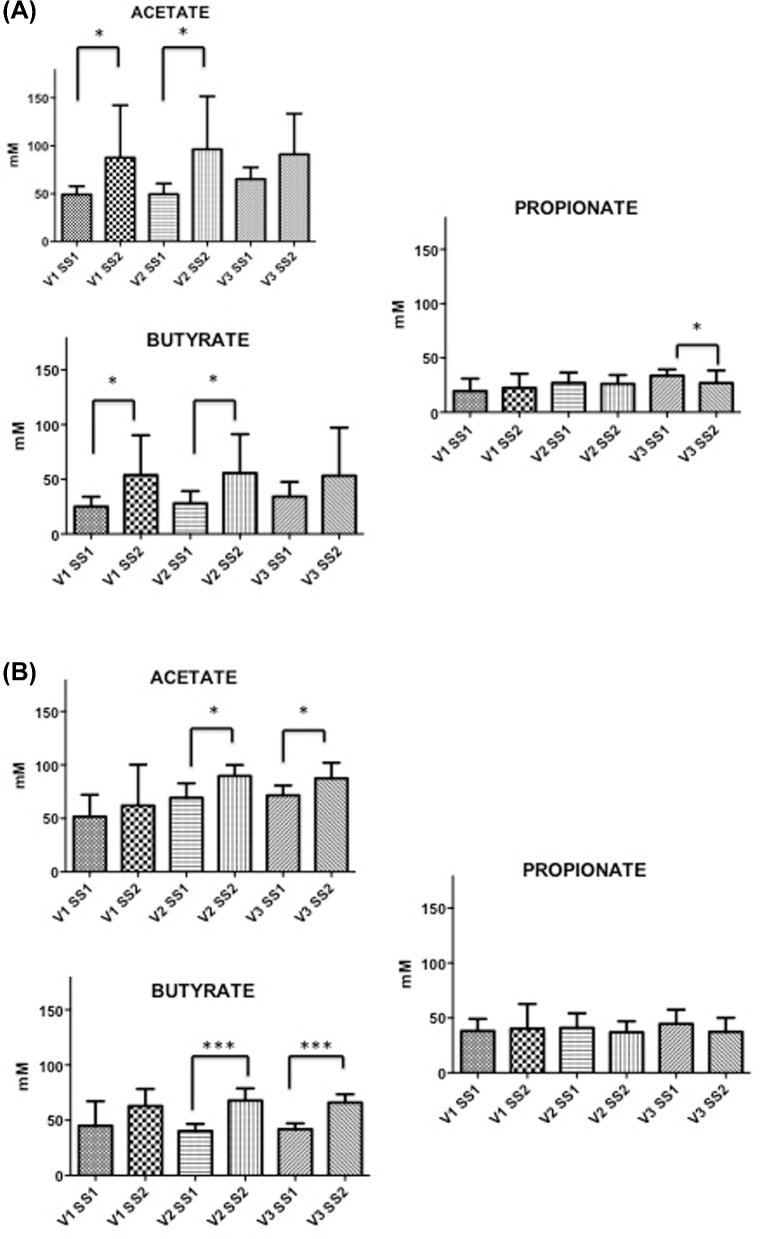
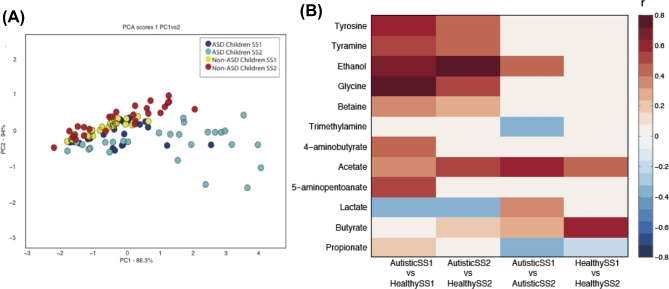
Children with autism spectrum disorders (ASD) often suffer gastrointestinal problems consistent with imbalances in the gut microbial population. Treatment with antibiotics or pro/prebiotics has been postulated to regulate microbiota and improve gut symptoms, but there is a lack of evidence for such approaches, especially for prebiotics. This study assessed the influence of a prebiotic galactooligosaccharide (B-GOS) on gut microbial ecology and metabolic function using faecal samples from autistic and non-autistic children in an in vitro gut model system. Bacteriology was analysed using flow cytometry combined with fluorescence in situ hybridization and metabolic activity by HPLC and 1H-NMR. Consistent with previous studies, the microbiota of children with ASD contained a higher number of Clostridium spp. and a lower number of bifidobacteria compared with non-autistic children. B-GOS administration significantly increased bifidobacterial populations in each compartment of the models, both with autistic and non-autistic-derived samples, and lactobacilli in the final vessel of non-autistic models. In addition, changes in other bacterial population have been seen in particular for Clostridium, Rosburia, Bacteroides, Atopobium, Faecalibacterium prausnitzii, Sutterella spp. and Veillonellaceae. Furthermore, the addition of B-GOS to the models significantly altered short-chain fatty acid production in both groups, and increased ethanol and lactate in autistic children.
Overview
The claims and statistics of this paper haven’t been checked yet.
Free: it reads the open-access text and checks the first 5 claims that cite a source we can check. Create a free account to check every claim.
Integrity signals
Registry
Cites
Statistics
Figures
Verification
Claims the paper makes
The claims and statistics of this paper haven’t been checked yet.
Free: it reads the open-access text and checks the first 5 claims that cite a source we can check. Create a free account to check every claim.
Claims other papers make about this one
Each is checked against this paper’s own text: does it say what the citing paper says it does?
The cited source says what the claim attributes to it.
In the citing paper
“The preclinical studies revealed that animals given propionate intracerebroventricularly presented behavioral and physiological symptoms corresponding to autism ASD, which can be used as an animal model of autism [262,289].”
From The Role of Microbiota-Gut-Brain Axis in Neuropsychiatric and Neurological Disorders (2021) · cites this paper as [262]
In the citing paper
“Increased blood serotonin and GABA concentrations were detected in autistic children [262,263]”
From The Role of Microbiota-Gut-Brain Axis in Neuropsychiatric and Neurological Disorders (2021) · cites this paper as [262]
In the citing paper
“Administration of galactooligosaccharide to gut models inoculated with fecal samples from children suffering from this disease resulted in reduced levels of Sutterella spp., Bacteroides, Clostridial cluster IX, Escherichia coli, Veillonellaceae, Ruminococcus spp., Clostridium leptum, Faecalibacterium prausnitzii and in increased growth of Bifidobacteria.Moreover, elevated levels of butyrate along”
From The Role of Microbiota-Gut-Brain Axis in Neuropsychiatric and Neurological Disorders (2021) · cites this paper as [262]
Self-check
Percentages, sums and reported differences re-computed from the paper’s own numbers.
The self-check needs the paper’s full text.
Citations
Cites
Gut–brain axis: How the microbiome influences anxiety and depression
Foster, J. A., & McVey Neufeld, K.-A. (2013) · Trends in Neurosciences · doi:10.1016/j.tins.2013.01.005 · Cited by 2,460 · cited 1×
“Several studies have demonstrated the role of the gut microbiota in neurodevelopment and mental health (Foster and McVey Neufeld 2013), and there is increasing evidence associating gut microbial dysbiosis with GI problems that might affect autistic children.”
Daims, H., Brühl, A., Amann, R., Schleifer, K.-H., & Wagner, M. (1999) · Systematic and Applied Microbiology · doi:10.1016/s0723-2020(99)80053-8 · Cited by 2,274 · cited 2×
“1998; Daims et al. 1999; Harmsen et al .”
InfluentialRegulation of short-chain fatty acid production
Macfarlane, S., & Macfarlane, G. T. (2003) · Proceedings of the Nutrition Society · doi:10.1079/pns2002207 · Cited by 1,939
Wallner, G., Amann, R., & Beisker, W. (1993) · Cytometry · doi:10.1002/cyto.990140205 · Cited by 1,212
Manz, W., Amann, R., Ludwig, W., Vancanneyt, M., & Schleifer, K.-H. (1996) · Microbiology · doi:10.1099/13500872-142-5-1097 · Cited by 1,175
Adams, J. B., Johansen, L. J., Powell, L. D., Quig, D., & Rubin, R. A. (2011) · BMC Gastroenterology · doi:10.1186/1471-230x-11-22 · Cited by 1,076 · cited 1×
“It was hypothesised that this was due to a compromised microbiota characterised by a lower number of bifidobacteria, consistent with microbial signatures observed here (Adams et al .”
Franks, A. H., Harmsen, H. J. M., Raangs, G. C., Jansen, G. J., Schut, F., & Welling, G. W. (1998) · Applied and Environmental Microbiology · doi:10.1128/aem.64.9.3336-3345.1998 · Cited by 1,056
Links between diet, gut microbiota composition and gut metabolism
Flint, H. J., Duncan, S. H., Scott, K. P., & Louis, P. (2015) · Proceedings of the Nutrition Society · doi:10.1017/s0029665114001463 · Cited by 1,020 · cited 1×
“2009; Flint et al .”
Pyrosequencing study of fecal microflora of autistic and control children
Finegold, S. M., Dowd, S. E., Gontcharova, V., Liu, C., Henley, K. E., Wolcott, R. D., Youn, E., Summanen, P. H., Granpeesheh, D., Dixon, D., et al. (2010) · Anaerobe · doi:10.1016/j.anaerobe.2010.06.008 · Cited by 977 · cited 1×
“Desulfovibrio group was found to be 10 times higher in the gut microbiota of autistic children comparedwith controls (Finegold et al. 2010; Finegold 2011).”
Reduced incidence of Prevotella and other fermenters in intestinal microflora of autistic children
Kang, D.-W., Park, J. G., Ilhan, Z. E., Wallstrom, G., LaBaer, J., Adams, J. B., & Krajmalnik-Brown, R. (2013) · PLoS ONE · doi:10.1371/journal.pone.0068322 · Cited by 976 · cited 1×
“in autistic individuals (Kang et al. 2013) with high genus Sutterella spp.”
Cited by
The Role of Microbiota-Gut-Brain Axis in Neuropsychiatric and Neurological Disorders
Socała, K., Doboszewska, U., Szopa, A., Serefko, A., Włodarczyk, M., Zielińska, A., Poleszak, E., Fichna, J., & Wlaź, P. (2021) · Pharmacological Research · doi:10.1016/j.phrs.2021.105840 · Cited by 857
A Comprehensive Review on the Role of the Gut Microbiome in Human Neurological Disorders
Sorboni, S. G., Moghaddam, H. S., Jafarzadeh-Esfehani, R., & Soleimanpour, S. (2022) · Clinical Microbiology Reviews · doi:10.1128/cmr.00338-20 · Cited by 522
Autism Spectrum Disorders and the Gut Microbiota
Fattorusso, A., Di Genova, L., Dell’Isola, G., Mencaroni, E., & Esposito, S. (2019) · Nutrients · doi:10.3390/nu11030521 · Cited by 484
“These findings have arisen from the not widely accepted “opioid excess theory”, which posits that the breakdown products of dietary protein, especially casein and gluten, act as agonists of opioid receptors that can exert effects on the CNS and neurobehaviours [147].”
BackgroundThe Gut Microbiota and Autism Spectrum Disorders
Li, Q., Han, Y., Dy, A. B. C., & Hagerman, R. J. (2017) · Frontiers in Cellular Neuroscience · doi:10.3389/fncel.2017.00120 · Cited by 462
“in an in vitro gut model, as demonstrated through the analysis of fecal samples from children with ASD and controls (Grimaldi et al., 2017).”
BackgroundModulation of Gut Microbiota and Immune System by Probiotics, Pre-biotics, and Post-biotics
Liu, Y., Wang, J., & Wu, C. (2022) · Frontiers in Nutrition · doi:10.3389/fnut.2021.634897 · Cited by 385
Gut Microbiota Dysbiosis: Pathogenesis, Diseases, Prevention, and Therapy
Shen, Y., Fan, N., Ma, S., Cheng, X., Yang, X., & Wang, G. (2025) · MedComm · doi:10.1002/mco2.70168 · Cited by 301
The Possible Role of the Microbiota-Gut-Brain-Axis in Autism Spectrum Disorder
Srikantha, P., & Mohajeri, M. H. (2019) · International Journal of Molecular Sciences · doi:10.3390/ijms20092115 · Cited by 400
“A general observed trend is that Bifidobacterium spp are scarcer represented in the guts of autistic children, whereas Clostridia spp are higher abundant [98].”
BackgroundInfluentialWhole Fruits and Fruit Fiber Emerging Health Effects
Dreher, M. (2018) · Nutrients · doi:10.3390/nu10121833 · Cited by 370
“This can interfere with gut-brain axis communications, which may exacerbate ASD behavior traits [351,352].”
BackgroundA prebiotic intervention study in children with autism spectrum disorders (ASDs)
Grimaldi, R., Gibson, G. R., Vulevic, J., Giallourou, N., Castro-Mejía, J. L., Hansen, L. H., Leigh Gibson, E., Nielsen, D. S., & Costabile, A. (2018) · Microbiome · doi:10.1186/s40168-018-0523-3 · Cited by 369
Self-citationGut microbiome composition and diversity are related to human personality traits
Johnson, K. V.-A. (2020) · Human Microbiome Journal · doi:10.1016/j.humic.2019.100069 · Cited by 240
Gastrointestinal Symptoms in Autism Spectrum Disorder: A Systematic Review
Leader, G., Abberton, C., Cunningham, S., Gilmartin, K., Grudzien, M., Higgins, E., Joshi, L., Whelan, S., & Mannion, A. (2022) · Nutrients · doi:10.3390/nu14071471 · Cited by 156
“[34] RCT double-blind Investigated effect of exclusion diet and prebiotic on gut microbiota, metabolism and behavior.”
BackgroundMethodMicrobiota-gut brain axis involvement in neuropsychiatric disorders
Iannone, L. F., Preda, A., Blottière, H. M., Clarke, G., Albani, D., Belcastro, V., Carotenuto, M., Cattaneo, A., Citraro, R., Ferraris, C., et al. (2019) · Expert Review of Neurotherapeutics · doi:10.1080/14737175.2019.1638763 · Cited by 177
Gialloreti, L. E., Mazzone, L., Benvenuto, A., Fasano, A., García-Alcón, A., Kraneveld, A. D., Moavero, R., Raz, R., Riccio, M. P., Siracusano, M., et al. (2019) · Journal of Clinical Medicine · doi:10.3390/jcm8020217 · Cited by 194
The Human Gut Microbiome as a Potential Factor in Autism Spectrum Disorder
Alharthi, A., Alhazmi, S., Alburae, N., & Bahieldin, A. (2022) · International Journal of Molecular Sciences · doi:10.3390/ijms23031363 · Cited by 98
“Studies on ASD patients using prebiotics are limited, and there is a lack of available solid data [88].”
BackgroundKao, A. C.-C., Spitzer, S., Anthony, D. C., Lennox, B., & Burnet, P. W. J. (2018) · Translational Psychiatry · doi:10.1038/s41398-018-0116-8 · Cited by 128
Eating Disorders and Gastrointestinal Diseases
Santonicola, A., Gagliardi, M., Guarino, M. P. L., Siniscalchi, M., Ciacci, C., & Iovino, P. (2019) · Nutrients · doi:10.3390/nu11123038 · Cited by 107
García-Gutiérrez, E., Narbad, A., & Rodríguez, J. M. (2020) · Frontiers in Neuroscience · doi:10.3389/fnins.2020.578666 · Cited by 136
“Although the use of prebiotics is well-established and health benefits are reported from their use, studies conducted with prebiotics in ASD patients are very few and the evidence provided is limited and non-conclusive (Grimaldi et al., 2017; Fattorusso et al., 2019).”
Diet: the keystone of autism spectrum disorder?
Peretti, S., Mariano, M., Mazzocchetti, C., Mazza, M., Pino, M. C., Verrotti Di Pianella, A., & Valenti, M. (2019) · Nutritional Neuroscience · doi:10.1080/1028415x.2018.1464819 · Cited by 106
Pham, V. T., & Mohajeri, M. H. (2018) · Beneficial Microbes · doi:10.3920/bm2017.0164 · Cited by 125
Cao, X., Liu, K., Liu, J., Liu, Y.-W., Li, X., Wang, H., Zhu, Y., Wang, P., Li, Z., Wen, J., et al. (2021) · Frontiers in Neuroscience · doi:10.3389/fnins.2021.635925 · Cited by 119
An Update on Prebiotics and on Their Health Effects
Bevilacqua, A., Campaniello, D., Speranza, B., Racioppo, A., Sinigaglia, M., & Corbo, M. R. (2024) · Foods · doi:10.3390/foods13030446 · Cited by 115
“B-GOS positively affected behavioral stereotyping, the levels of sociality, and lethargy and improved the qualitative composition of gut microbiota, increasing the concentration of bifidobacteria and other useful microorganisms [27–29].”
BackgroundQu, W., Liu, S., Zhang, W., Zhu, H., Tao, Q., Wang, H., & Yan, H. (2019) · Food & Function · doi:10.1039/c9fo00399a · Cited by 103
Gronier, B., Savignac, H. M., Di Miceli, M., Idriss, S. M., Tzortzis, G., Anthony, D., & Burnet, P. W. J. (2018) · European Neuropsychopharmacology · doi:10.1016/j.euroneuro.2017.11.001 · Cited by 91
“Increased enteric butyric acid following B-GOSs intake (Grimaldi et al., 2016, 2017) has significant effects on the gut epithelium and may influence central functions via the established routes (eg immunity) of the gut-brain axis (Stilling et al., 2016).”
BackgroundSelf-citationChen, P., Hei, M., Kong, L., Liu, Y., Yu, Y., Mu, H., Zhang, X., Zhao, S., & Duan, J. (2019) · Food & Function · doi:10.1039/c9fo01178a · Cited by 94
The Promising Role of Probiotics in Managing the Altered Gut in Autism Spectrum Disorders
Abdellatif, B., McVeigh, C., Bendriss, G., & Chaari, A. (2020) · International Journal of Molecular Sciences · doi:10.3390/ijms21114159 · Cited by 84
The Gut Microbiota and Oxidative Stress in Autism Spectrum Disorders (ASD)
Hu, T., Dong, Y., He, C., Zhao, M., & He, Q. (2020) · Oxidative Medicine and Cellular Longevity · doi:10.1155/2020/8396708 · Cited by 84
Galactooligosaccharides: Synthesis, metabolism, bioactivities and food applications
Wang, K., Duan, F., Sun, T., Zhang, Y., & Lu, L. (2023) · Critical Reviews in Food Science and Nutrition · doi:10.1080/10408398.2022.2164244 · Cited by 83
Ligezka, A. N., Sonmez, A. I., Corral-Frias, M. P., Golebiowski, R., Lynch, B., Croarkin, P. E., & Romanowicz, M. (2021) · Progress in Neuro-Psychopharmacology and Biological Psychiatry · doi:10.1016/j.pnpbp.2020.110187 · Cited by 56
Lasheras, I., Seral, P., Latorre, E., Barroso, E., Gracia‐García, P., & Santabárbara, J. (2019) · Asian Journal of Psychiatry · doi:10.1016/j.ajp.2019.101874 · Cited by 72
The Gut-Brain-Immune Axis in Autism Spectrum Disorders: A State-of-Art Report
Puricelli, C., Rolla, R., Gigliotti, C. L., Boggio, E. M., Beltrami, E., Dianzani, U., & Keller, R. (2022) · Frontiers in Psychiatry · doi:10.3389/fpsyt.2021.755171 · Cited by 72
Duque, A. L. R. F., Demarqui, F. M., Santoni, M. M., Zanelli, C. F., Adorno, M. Â. T., Milenković, D., Mesa, V., & Sivieri, K. (2021) · Food Research International · doi:10.1016/j.foodres.2021.110657 · Cited by 70
Fleming, S. A., Monaikul, S., Patsavas, A. J., Waworuntu, R. V., Berg, B. M., & Dilger, R. N. (2019) · Nutritional Neuroscience · doi:10.1080/1028415x.2017.1415280 · Cited by 57
Song, W., Zhang, M., Teng, L., Wang, Y., & Zhu, L. (2022) · Journal of Medical Microbiology · doi:10.1099/jmm.0.001510 · Cited by 64
Wilson, B., Eyice, Ö., Koumoutsos, I., Lomer, M. C. E., Irving, P. M., Lindsay, J. O., & Whelan, K. (2021) · Nutrients · doi:10.3390/nu13103598 · Cited by 59
“The lack of differences in fecal SCFAs was not anticipated as previous studies of GOS supplementation had reported this [40].”
ResultJackson, P. P. J., Wijeyesekera, A., Williams, C. M., Theis, S., Harsselaar, J. V., & Rastall, R. A. (2023) · American Journal of Clinical Nutrition · doi:10.1016/j.ajcnut.2023.08.016 · Cited by 54
“FISH-FLOW was carried out as previously described [40].”
Methodde Carvalho, N. M., Walton, G., Poveda, C. G., Silva, S., Amorim, M., Madureira, A. R., Pintado, M., Gibson, G. R., & Jauregi, P. (2019) · Journal of Functional Foods · doi:10.1016/j.jff.2019.05.024 · Cited by 49
Self-citationWang, M., Xie, Z., Li, L., Chen, Y., Yuan, L., Wang, Y., Lu, B., Zhang, S., Ma, F., Ma, C., et al. (2019) · Food & Function · doi:10.1039/c8fo02565g · Cited by 49
Berding, K., & Donovan, S. M. (2020) · Frontiers in Nutrition · doi:10.3389/fnut.2019.00193 · Cited by 43
“Higher abundances of Clostridium are often observed in the ASD population (41, 42) and it has been hypothesized that Clostridium contributes to ASD symptoms due to the production of entero- and neurotoxins (43).”
BackgroundDietary galactosyl and mannosyl carbohydrates: In-vitro assessment of prebiotic effects
Wei, X., Fu, X., Xiao, M., Liu, Z., Zhang, L., & Mou, H. (2020) · Food Chemistry · doi:10.1016/j.foodchem.2020.127179 · Cited by 47
Between Dysbiosis, Maternal Immune Activation and Autism: Is There a Common Pathway?
Suprunowicz, M., Tomaszek, N., Urbaniak, A., Zackiewicz, K., Modzelewski, S., & Waszkiewicz, N. (2024) · Nutrients · doi:10.3390/nu16040549 · Cited by 44
“Moreover, autistic children exhibit increased levels of gamma-amino-butyric acid (GABA), an inhibitory neurotransmitter [130].”
BackgroundThe Microbiota‐Gut‐Brain Connection: A New Horizon in Neurological and Neuropsychiatric Disorders
Faysal, M. F., Zehravi, M., Sutradhar, B., Amin, M. A., Shanmugarajan, T. S., Arjun, U. V. N. V., Ethiraj, S., Durairaj, A., Dayalan, G., Ahamad, S. K., et al. (2025) · CNS Neuroscience & Therapeutics · doi:10.1111/cns.70593 · Cited by 49
“Preclinical research indicates that rats given propionate intra-cerebroventricularly displayed behavioral and physiological signs of autistic ASD [191, 192].”
Microglial contribution to the pathology of neurodevelopmental disorders in humans
Matulevičiūtė, R., Akinluyi, E. T., Muntslag, T. A. O., Dewing, J. M., Long, K. R., Vernon, A. C., Tremblay, M., & Menassa, D. A. (2023) · Acta Neuropathologica · doi:10.1007/s00401-023-02629-2 · Cited by 44
“Microbiome-modulating therapies such as prebiotics [55, 87], probiotics [33, 166], synbiotics [210], and fecal microbiome transplantation [86] have been shown to improve behavioural outcomes in patients with ASCs and SZ (reviewed in [189] by modulating micro-glial maturation and reactivity via…”
BackgroundSingh, V., Son, H., Lee, G., Lee, S., Unno, T., & Shin, J. (2022) · Biotechnology and Bioengineering · doi:10.1002/bit.28206 · Cited by 37
Bashir, Y., & Khan, A. U. (2022) · Frontiers in Neuroscience · doi:10.3389/fnins.2022.1030694 · Cited by 38
Neuroprotective Potential of Non-Digestible Oligosaccharides: An Overview of Experimental Evidence
Divyashri, G., Sadanandan, B., Murthy, K. N. C., Shetty, K., & Mamta, K. (2021) · Frontiers in Pharmacology · doi:10.3389/fphar.2021.712531 · Cited by 36
Palmer, J. K., van der Pols, J. C., Sullivan, K. A., Staudacher, H. M., & Byrne, R. (2024) · Journal of Autism and Developmental Disorders · doi:10.1007/s10803-024-06239-z · Cited by 36
Sun, Y., Liang, J., Zhang, Z., Sun, D., Li, H., & Chen, L. (2024) · Food Chemistry · doi:10.1016/j.foodchem.2024.140103 · Cited by 34
Fecal Microbiota Transplantation in Autism Spectrum Disorder
Li, Y., Wang, Y., & Zhang, T. (2022) · Neuropsychiatric Disease and Treatment · doi:10.2147/ndt.s382571 · Cited by 38
Kao, A. C.-C., Chan, K. W., Anthony, D. C., Lennox, B. R., & Burnet, P. W. (2019) · Neuropharmacology · doi:10.1016/j.neuropharm.2019.02.014 · Cited by 32
“The fermentation of B-GOS yields significant amounts of the short chain fatty acids (SCFAs) acetate, propionate and butyrate (Grimaldi et al., 2017), and we have demonstrated that B-GOS®-derived acetate enters the circulation and influences central gene expression (Gronier et al.”
Eastwood, J., van Hemert, S., Poveda, C. G., Elmore, S., Williams, C. M., Lamport, D. J., & Walton, G. (2023) · Nutrients · doi:10.3390/nu15112563 · Cited by 31
“Preparation of samples followed the protocol of Grimaldi and colleagues [31].”
MethodMoradi, K., Ashraf‐Ganjouei, A., Tavolinejad, H., Bagheri, S., & Akhondzadeh, S. (2020) · Progress in Neuro-Psychopharmacology and Biological Psychiatry · doi:10.1016/j.pnpbp.2020.110091 · Cited by 36
Brighina, S., Poveda, C. G., Restuccia, C., Walton, G., Fallico, B., Oruña-Concha, M. J., & Arena, E. (2020) · Food Chemistry · doi:10.1016/j.foodchem.2020.128237 · Cited by 30
The effect of probiotic, prebiotic and gut microbiota on ASD: A review and future perspectives
Şanlıer, N., & Kocabaş, Ş. (2021) · Critical Reviews in Food Science and Nutrition · doi:10.1080/10408398.2021.1973957 · Cited by 33
Mitchell, L. K., & Davies, P. S. W. (2021) · European Journal of Clinical Nutrition · doi:10.1038/s41430-021-01027-9 · Cited by 30
Autism spectrum disorder research: knowledge mapping of progress and focus between 2011 and 2022
Jiang, M., Lu, T., Yang, K., Li, X., Zhao, L., Zhang, D., Li, J., & Wang, L. (2023) · Frontiers in Psychiatry · doi:10.3389/fpsyt.2023.1096769 · Cited by 33
“Probiotics can modulate gut microbiota structure and increase the relative abundance of Bifidobacteria, and clinical studies have shown that supplementation with probiotic strains improves attention problems in children with autism (81, 82).”
BackgroundInchingolo, A. M., Patano, A., Piras, F., Mancini, A., Inchingolo, A. D., Paduanelli, G., Inchingolo, F., Palermo, A., Dipalma, G., & Malcangi, G. (2023) · Microorganisms · doi:10.3390/microorganisms11061477 · Cited by 33
“Lactobacilli species were also increased by prebiotic administration with galactooligosaccharide B-GOS® [21,65].”
BackgroundInfluentialMarín‐Manzano, M. C., Hernández‐Hernández, O., Díez‐Municio, M., Delgado‐Andrade, C., Moreno, F. J., & Clemente, A. (2020) · Foods · doi:10.3390/foods9070921 · Cited by 32
Hetta, H. F., Alanazi, F. E., Alqifari, S. F., Ali, M. A. S., Albalwi, M. A., Albalawi, A. A., & Ramadan, Y. N. (2025) · Molecular Neurobiology · doi:10.1007/s12035-025-05321-6 · Cited by 28
Wang, W., & Fu, P. (2023) · Microorganisms · doi:10.3390/microorganisms11020291 · Cited by 24
Blanco-Morales, V., García‐Llatas, G., Yebra, M. J., Sentandreu, V., Lagarda, M. J., & Alegría, A. (2019) · Journal of Agricultural and Food Chemistry · doi:10.1021/acs.jafc.9b04796 · Cited by 23
An Update on Microbial Interventions in Autism Spectrum Disorder with Gastrointestinal Symptoms
Moreno, R. J., & Ashwood, P. (2024) · International Journal of Molecular Sciences · doi:10.3390/ijms252313078 · Cited by 21
Vila-Real, C., Costa, C. M., Pimenta‐Martins, A., Mbugua, S. K., Hagrétou, S.-L., Katina, K., Maina, N. H., Pinto, E. C. B., & Gomes, A. (2025) · Foods · doi:10.3390/foods14030433 · Cited by 26
Hassib, L., Kanashiro, A., Pedrazzi, J. F. C., Vercesi, B. F., Higa, S., Arruda, Í., Soares, Y., de Souza, A. P., Barichello, T., Guimarães, F. S., et al. (2025) · Progress in Neuro-Psychopharmacology and Biological Psychiatry · doi:10.1016/j.pnpbp.2025.111385 · Cited by 22
Patel, M., Atluri, L. M., Gonzalez, N. A., Sakhamuri, N., Athiyaman, S., Randhi, B., Gutlapalli, S. D., Pu, J., Zaidi, M. F., & Khan, S. (2022) · Cureus · doi:10.7759/cureus.32313 · Cited by 23
“The main presumption of this theory is that autism is the result of a metabolic disorder [37].”
BackgroundInfluentialCollins, S. M., Gibson, G. R., Kennedy, O. B., Walton, G., Rowland, I. R., & Commane, D. M. (2021) · FEMS Microbiology Ecology · doi:10.1093/femsec/fiab101 · Cited by 20
Self-citationDo high-protein diets have the potential to reduce gut barrier function in a sex-dependent manner?
James, D., Poveda, C. G., Walton, G., Elmore, J. S., Linden, B., Gibson, J., Griffin, B. A., Robertson, M. D., & Lewis, M. C. (2024) · European Journal of Nutrition · doi:10.1007/s00394-024-03407-w · Cited by 19
Blanco, G., Sánchez, B., Fdez‐Riverola, F., Margollés, A., & Lourenço, A. M. G. (2019) · Frontiers in Microbiology · doi:10.3389/fmicb.2019.00517 · Cited by 19
“prausnitzii in the human gut microbiota (Azcarate-Peril et al., 2017; Grimaldi et al., 2017).”
Li, H., Wang, P., Zhou, Y., Zhao, F., Gao, X. M., Wu, C., Wu, T., Jiang, L., & Zhang, D. (2022) · Genes Brain & Behavior · doi:10.1111/gbb.12806 · Cited by 23
Gut microbiota and autism spectrum disorders: where do we stand?
Zyoud, S. H., Shakhshir, M. H., Abushanab, A. S., Koni, A. A., Shahwan, M. J., Jairoun, A. A., Taha, A. A., & Al‐Jabi, S. W. (2023) · Gut Pathogens · doi:10.1186/s13099-023-00575-8 · Cited by 17
“Various approaches, including diet [117], probiotics [118], pre-biotics [119], antibiotics [120], antifungal supplementation [121], fecal microbiota transplantation [122], and microbiota transfer therapy [123], have been proposed as potential therapeutic options for ASD.”
BackgroundComparison of prebiotic candidates in ulcerative colitis using an in vitro fermentation model
Kennedy, J. M., Silva, A. D., Walton, G., Poveda, C. G., & Gibson, G. R. (2024) · Journal of Applied Microbiology · doi:10.1093/jambio/lxae034 · Cited by 17
Self-citationMamun, A. A., Geng, P., Wang, S., Shao, C., & Xiao, J. (2024) · Pharmacological Research · doi:10.1016/j.phrs.2024.107559 · Cited by 16
Poveda, C. G., Pereira, D. I. A., Lewis, M. C., & Walton, G. (2020) · Nutrients · doi:10.3390/nu12123819 · Cited by 19
Manufacture and Prebiotic Potential of Xylooligosaccharides Derived From Eucalyptus nitens Wood
Míguez, B., Gullón, P., Cotos-Yáñez, T. R., Massot‐Cladera, M., Pérez-Cano, F. J., Vila, C., & Alonsó, J. L. (2021) · Frontiers in Chemical Engineering · doi:10.3389/fceng.2021.670440 · Cited by 15
Costabile, A., Bergillos-Meca, T., Landriscina, L., Bevilacqua, A., Gonzalez‐Salvador, I., Corbo, M. R., Petruzzi, L., Sinigaglia, M., & Lamacchia, C. (2017) · Frontiers in Microbiology · doi:10.3389/fmicb.2017.01722 · Cited by 14
“A small-scale version of the validated system by Macfarlane et al. (1998) has been used in this study, as suggested by Grimaldi et al. (2017).”
MethodSelf-citationSaxami, G., Mitsou, E. K., Kerezoudi, E. N., Mavrouli, I., Vlassopoulou, M., Koutrotsios, G., Mountzouris, K. C., Zervakis, G. I., & Kyriacou, A. (2023) · Microorganisms · doi:10.3390/microorganisms11020414 · Cited by 15
“Improvement of gut symptoms in ASD with pro/prebiotics has been postulated, but the evidence for the effects of prebiotics on ASD is scarce [16].”
InfluentialJaskiw, G. E., Obrenovich, M. E., & Donskey, C. J. (2019) · Psychopharmacology · doi:10.1007/s00213-019-05267-3 · Cited by 13
A Galactooligosaccharide Product Decreases the Rotavirus Infection in Suckling Rats
Massot‐Cladera, M., Rigo-Adrover, M. D. M., Herrero, L., Franch, À., Castell, M., Vulevic, J., Pérez-Cano, F. J., & Rodríguez-Lagunas, M. J. (2022) · Cells · doi:10.3390/cells11101669 · Cited by 13
Self-citationLeng, J., Walton, G., Swann, J. R., Darby, A. C., Ragione, R. M. L., & PROUDMAN, C. J. (2019) · Applied and Environmental Microbiology · doi:10.1128/aem.02093-19 · Cited by 12
“In vitro and in vivo approaches were taken to study the effect of the prebiotic GOS on the gut microbiota of children with autism (10, 11).”
BackgroundSelf-citationSampaio, K. B., Nascimento, D. D. S., Garcia, E. F., & de Souza, E. L. (2022) · Archives of Microbiology · doi:10.1007/s00203-022-03090-7 · Cited by 12
Willemsen, Y., Ou, Y., Belzer, C., Vásquez, A. A., Smidt, H., Beijers, R., & de Weerth, C. (2023) · Development and Psychopathology · doi:10.1017/s0954579423001402 · Cited by 12
Lindner, C., Looijesteijn, E., van Dijck, H., Bovee-Oudenhoven, I. M. J., Heerikhuisen, M., van den Broek, T. J., Marzorati, M., Triantis, V., & Nauta, A. (2023) · Children · doi:10.3390/children10030430 · Cited by 10
van der Linde, C., Barone, M., Turroni, S., Brigidi, P., Keleszade, E., Swann, J. R., & Costabile, A. (2021) · Molecules · doi:10.3390/molecules26082330 · Cited by 10
Self-citationSeeing beyond words: Visualizing autism spectrum disorder biomarker insights
Xie, X., Zhou, R., Fang, Z., Zhang, Y., Wang, Q., & Liu, X. (2024) · Heliyon · doi:10.1016/j.heliyon.2024.e30420 · Cited by 9
Online Database for Retrieval Information about Prebiotics and Their Activity
Guseva, E., Karetkin, B., Батыргазиева, Д. Р., Menshutina, N., & Panfilov, V. (2020) · Applied Sciences · doi:10.3390/app10093328 · Cited by 5
Cauli, O., Guevara-González, J., Guevara-Campos, J., & González, L. (2021) · Current Clinical Pharmacology · doi:10.2174/2772432816666210805141257 · Cited by 9
Modulation of gut microbiota in autism spectrum disorders: a systematic review
Lasheras, I., Gracia‐García, P., & Santabárbara, J. (2021) · The European Journal of Psychiatry · doi:10.1016/j.ejpsy.2020.12.003 · Cited by 8
Effects of food matrix on the prebiotic efficacy of inulin-type fructans: a randomised trial
Jackson, P. P. J., Wijeyesekera, A., Theis, S., Harsselaar, J. V., & Rastall, R. A. (2023) · Beneficial Microbes · doi:10.1163/18762891-20220120 · Cited by 6
Tong, Y., Liao, Z., Yang, Q., Chen, X., Zeng, D., Yang, C., Ma, H., Hu, T., & Lv, M. (2021) · Aquaculture Reports · doi:10.1016/j.aqrep.2021.100647 · Cited by 6
Morales, P. S., Wijeyesekera, A., Robertson, M. D., Major, G., Boulangé, C. L., Jackson, P. P. J., Turrado, C. G. P., & Gibson, G. R. (2025) · Gut Microbiome · doi:10.1017/gmb.2025.2 · Cited by 5
“Fluorescent in situ hybridisation with flow cytometry (Flow-FISH) Preparation of samples followed the Grimaldi et al. ’ s (Grimaldi et al., 2017) protocol.”
Self-citationYu, J., Wang, J., Cao, C., Gong, J., Cao, J., Yin, J., Wu, S., Huang, P., Tan, B., & Fan, Z. (2024) · Frontiers in Microbiology · doi:10.3389/fmicb.2024.1367877 · Cited by 4
Role of Gut Microbiota in Psychiatric Disorders: From Mechanistic Insights to Therapeutic Strategies
Kim, Y. S., Woo, S., Ha, E., Ahn, S., Kim, E., Kim, S. I., Lim, W., & Kim, S. (2026) · Journal of Korean Medical Science · doi:10.3346/jkms.2026.41.e78 · Cited by 3
Pretorius, L., Coetzee, J. A., dos Santos, A. P., & Smith, C. (2025) · Molecular Medicine · doi:10.1186/s10020-025-01232-3 · Cited by 4
Advancement on the Association between Gut Microbiota and Autism Spectrum Disorder in Children
Abulaiti, A., Yu, H., Ma, J., Wuji, A., & Chi, H. (2025) · Annals of Nutrition and Metabolism · doi:10.1159/000549716 · Cited by 3
“Furthermore, the Advancement on the Association between Gut Microbiota and ASD addition of B-GOS can promote the logarithmic growth of Bifidobacterium [98].”
Karner, T., Forbes, P., Berry, D., & Wagner, I. C. (2026) · Neurobiology of Stress · doi:10.1016/j.ynstr.2026.100807 · Cited by 2
“…the administration of prebiotics, which are known to increase SCFA-producing bacteria as well as SCFA concentrations (Davani-Davari et al., 2019; Grimaldi et al., 2017) was shown to reduce the cortisol awakening response and partly decreased attentional vigilance to negative information…”
Kennedy, J. M., Silva, A. N. D., Morales, P. S., Poveda, C. G., Walton, G., & Gibson, G. R. (2026) · Journal of Crohn s and Colitis · doi:10.1093/ecco-jcc/jjag120 · Cited by 2
Self-citationGurbanov, R. (2020) · Arşiv Kaynak Tarama Dergisi · doi:10.17827/aktd.487677 · Cited by 3
Suplementação de prebióticos e probióticos em crianças autistas: revisão integrativa
Brandão, T. L. S., Silva, J. C. L., Campos, S. É. D., & Francelino, J. O. (2022) · Research Society and Development · doi:10.33448/rsd-v11i1.24061 · Cited by 17
Gonçalves, L. V. P., Holanda, P. F. D. G., Cabral, A. V. D. S., Nunes, R. G. D. S., Lira, Y. V. D. S., Costa, M. R., Mendonça, I. P., de lima, A. A., de Oliveira, Ê. A. G., Peixoto, C. A., et al. (2026) · Nutritional Neuroscience · doi:10.1080/1028415x.2026.2649604 · Cited by 1
Oxytocin and RAGE signaling at the intersection of social neurodevelopment and inflammation
Shoup, J., Sadle, C., Buckley, A., Song, Z.-H., Nagarajan, N., & Barnes, G. (2026) · Journal of Translational Medicine · doi:10.1186/s12967-026-08395-5 · Cited by 1
“Furthermore, intraventricular injection of propionic acid was shown to lead to an autistic phenotype in mice [104].”
Gut Flora in Autistic Children as Biomarker for Autism in Thi-Qar Province/Iraq
Abbas, F. N., Munshed, F. A., & Issa, A. H. (2020) · University of Thi-Qar Journal of Science · doi:10.32792/utq/utjsci/vol7/2/17 · Cited by 2
“Often, autistic children suffer gastrointestinal difficulties consistent with altered composition of gut microbial inhabitants (Grimaldi et al., 2017).”
BackgroundResultInfluential
Metadata
- Authors
- Grimaldi, R., Cela, D., Swann, J. R., Vulevic, J., Gibson, G. R., Tzortzis, G., & Costabile, A.
- Affiliations
- University of Reading (GB)
- Democritus University of Thrace (GR)
- Imperial College London (GB)
- University of Roehampton (GB)
- Corresponding author
- Grimaldi, Roberta
- ORCID
- Venue
- FEMS Microbiology Ecology
- Publisher
- Oxford University Press (OUP)
- Published
- 2016-11-16
- Volume
- 93
- Issue
- 2
- Pages
- fiw233
- ISSN
- 0168-6496 (ISSN-L)
- 1574-6941
- PMC
- PMC5155555
- OpenAlex
- W2553893874
- Cited by
- 109
- References
- 59
- Citations by year
- 2026: 8 · 2025: 9 · 2024: 11 · 2023: 12 · 2022: 17 · 2021: 13 · 2020: 13 · 2019: 16 · 2018: 6 · 2017: 4
- FWCI
- 4.51
- Type
- journal article
- Language
- en
- Open access
- hybrid
- doi.org
- Licence
- cc-by-nc
- Locations
- FEMS Microbiology Ecology (publishedVersion, cc-by-nc)
- PubMed Central (publishedVersion, cc-by-nc)
- PubMed (publishedVersion)
- ePrints Soton (University of Southampton) (acceptedVersion)
- CentAUR (University of Reading) (submittedVersion)
- HighWire Press Open Archive (submittedVersion)
- Spiral (Imperial College London) (submittedVersion, other-oa)
- Funders
- Biotechnology and Biological Sciences Research Council (BB/M006484/1, BB/N005953/1)
- Topics
- Life Sciences › Biochemistry, Genetics and Molecular Biology › Molecular Biology › Gut microbiota and health
- Health Sciences › Nursing › Nutrition and Dietetics › Microbial Metabolites in Food Biotechnology
- Life Sciences › Agricultural and Biological Sciences › Food Science › Probiotics and Fermented Foods
- Keywords
- galactooligosaccharides, prebiotics, autism spectrum disorder, gut microbiota, in vitro gut model, fecal bacteria, Bifidobacterium, Clostridium, short-chain fatty acids, gut fermentation, ethanol production, lactate, children
- MeSH terms
- Anti-Bacterial Agents, Autistic Disorder, Bacteroides, Bifidobacterium, Child, Clostridium, Fatty Acids, Volatile, Feces, Fermentation, Humans, Lactobacillus, Oligosaccharides, In Situ Hybridization, Fluorescence, Lactic Acid, Prebiotics, Microbiota
About these checks
Registry, retraction, Cites and statistics results are computed, not judged, with one exception: a printed reference that no index lists is read once by a model before it counts as a citation error. Claims are extracted by a model and kept only when their quote appears verbatim in the text; each cited source is then checked, with a model’s help, for whether it says what the claim relies on. Those verdicts can be wrong — read the claim’s quote and the cited source before relying on one.
Statistics and arithmetic are recomputed, not judged.
Confidence bands are shown only for fields calibrated on our annotated test set. None is calibrated yet, so no band is shown.
What counts as a claim ›How we measure confidence ›How we check this ›
Are you an author, or do you see a problem with this page? Request a review
Data sources
Bibliographic data: Semantic Scholar, OpenAlex, Crossref.
Contains information from the Semantic Scholar Academic Graph Datasets, made available under the ODC Attribution License (ODC-BY 1.0).
Semantic Scholar’s data is described in: Kinney, R., et al. (2023). The Semantic Scholar Open Data Platform. arXiv:2301.10140.
