

Mendelian randomization: genetic anchors for causal inference in epidemiological studies
Open accessThe DOI matches its Crossref record; 92 of the 92 references it cites were found in a registry or an index.
Abstract
Observational epidemiological studies are prone to confounding, reverse causation and various biases and have generated findings that have proved to be unreliable indicators of the causal effects of modifiable exposures on disease outcomes. Mendelian randomization (MR) is a method that utilizes genetic variants that are robustly associated with such modifiable exposures to generate more reliable evidence regarding which interventions should produce health benefits. The approach is being widely applied, and various ways to strengthen inference given the known potential limitations of MR are now available. Developments of MR, including two-sample MR, bidirectional MR, network MR, two-step MR, factorial MR and multiphenotype MR, are outlined in this review. The integration of genetic information into population-based epidemiological studies presents translational opportunities, which capitalize on the investment in genomic discovery research.
Overview
The claims and statistics of this paper haven’t been checked yet.
Free: it reads the open-access text and checks the first 5 claims that cite a source we can check. Create a free account to check every claim.
Integrity signals
Registry
Cites
Statistics
Figures
Verification
Claims the paper makes
The claims and statistics of this paper haven’t been checked yet.
Free: it reads the open-access text and checks the first 5 claims that cite a source we can check. Create a free account to check every claim.
Claims other papers make about this one
Each is checked against this paper’s own text: does it say what the citing paper says it does?
The source backs part of the claim, not all of it — or backs it for a different population, condition or comparison.
In the citing paper
“Similarly, violation of the ‘exclusion restriction criteria’33–37 could bias causal estimates in IV analyses when used to test effects of intermediates in RCTs or when used in observational data (including MR)”
From Triangulation in aetiological epidemiology (2017) · cites this paper as [35]
Experimental — accuracy not yet measuredThe cited source says what the claim attributes to it.
In the citing paper
“Discrepancies between MR findings and observational studies are frequently observed[9,17].”
From Evaluating genetic insights into ulcerative colitis and anxiety: Limitations and future directions (2024) · cites this paper as [17]
The cited source says what the claim attributes to it.
In the citing paper
“This pattern is consistent with a directional influence of disease liability on longevity27,64 and is also compatible with vertical pleiotropy65.”
From Genetic trade-offs in fertility and longevity explain the maintenance of disease-associated alleles in humans (2026) · cites this paper as [64]
The check wasn’t confident either way, so it gives no verdict — never disputed.
In the citing paper
“Varespladib (a drug targeting sPLA 2 -IIA) failed in VISTA16 41”
From Integrating genomics with biomarkers and therapeutic targets to invigorate cardiovascular drug development (2021) · cites this paper as [41]
Experimental — accuracy not yet measuredThe check wasn’t confident either way, so it gives no verdict — never disputed.
In the citing paper
“unlike the impact of weak instrument bias in one-sample MR (which biases effects towards the confounded multivariable regression result), in two-sample MR weak instrument bias is towards the null.”
From Commentary: Two-sample Mendelian randomization: opportunities and challenges (2016) · cites this paper as [3]
Experimental — accuracy not yet measured
5 more claims about this paper
Create a free account to see every claim other papers make about this one.
Self-check
Percentages, sums and reported differences re-computed from the paper’s own numbers.
The self-check needs the paper’s full text.
Citations
Cites
Genetics of Food Intake Self-Regulation in Childhood: Literature Review and Research Opportunities
Faith, M. S., Carnell, S., & Kral, T. V. E. (2013) · Human Heredity · doi:10.1159/000353879 · Cited by 7,601
Lippa, N. C., & Sanderson, S. C. (2013) · Human Heredity · doi:10.1159/000353712 · Cited by 6,078
Davey Smith, G., & Ebrahim, S. (2003) · International Journal of Epidemiology · doi:10.1093/ije/dyg070 · Cited by 5,882 · cited 1×
“A successful approach is to use genetic variants as exposure indicators that are not subject to the influences that vitiate conventional study designs, an approach known as Mendelian randomization (MR) (8,9).”
Common polygenic variation contributes to risk of schizophrenia and bipolar disorder
The International Schizophrenia Consortium (2009) · Nature · doi:10.1038/nature08185 · Cited by 4,821 · cited 1×
“significance thresholds are also included, the rationale being that these will include false-negatives owing to small effect size (56).”
BackgroundMendelian randomization: Using genes as instruments for making causal inferences in epidemiology
Lawlor, D. A., Harbord, R. M., Sterne, J. A. C., Timpson, N., & Davey Smith, G. (2008) · Statistics in Medicine · doi:10.1002/sim.3034 · Cited by 4,618
Frayling, T. M., Timpson, N. J., Weedon, M. N., Zeggini, E., Freathy, R. M., Lindgren, C. M., Perry, J. R. B., Elliott, K. S., Lango, H., Rayner, N. W., et al. (2007) · Science · doi:10.1126/science.1141634 · Cited by 4,531
Self-citationEffects of torcetrapib in patients at high risk for coronary events
Barter, P. J., Caulfield, M., Eriksson, M., Grundy, S. M., Kastelein, J. J. P., Komajda, M., Lopez-Sendon, J., Mosca, L., Tardif, J.-C., Waters, D. D., et al. (2007) · New England Journal of Medicine · doi:10.1056/nejmoa0706628 · Cited by 3,139
Willer (2013) · doi:10.1038/ng.2797 · Cited by 2,983
Inference to the Best Explanation
Lipton, P. (2003) · Routledge eBooks · doi:10.4324/9780203470855 · Cited by 2,130
Genetic variants in novel pathways influence blood pressure and cardiovascular disease risk
The International Consortium for Blood Pressure Genome-Wide Association Studies (2011) · Nature · doi:10.1038/nature10405 · Cited by 2,033
Calculating statistical power in Mendelian randomization studies.
Brion, M.-J. A., Shakhbazov, K., & Visscher, P. M. (2013) · International Journal of Epidemiology · doi:10.1093/ije/dyt179 · Cited by 1,751 · cited 1×
“By increasing the number of variants, the proportion of variance explained by the instrument increases, thus improving precision in two-stage least-squares regression (Box 1) (50).”
MethodPierce, B. L., & Burgess, S. (2013) · American Journal of Epidemiology · doi:10.1093/aje/kwt084 · Cited by 1,389 · cited 6×
“Pierce, B.L. and Burgess, S. (2013) Efficient design for Mendelian randomization studies: subsample and 2-sample instrumental variable estimators.”
MethodInfluentialThe International Journal of Developmental Biology
Aréchaga, J. (2012) · Dialnet (Universidad de la Rioja) · Cited by 1,273
Mendelian randomization: prospects, potentials, and limitations
Smith, G. D. (2004) · International Journal of Epidemiology · doi:10.1093/ije/dyh132 · Cited by 1,222
(2012) · The Lancet · doi:10.1016/s0140-6736(12)60110-x · Cited by 1,146
Pleiotropy in complex traits: challenges and strategies
Solovieff, N., Cotsapas, C., Lee, P. H., Purcell, S. M., & Smoller, J. W. (2013) · Nature Reviews Genetics · doi:10.1038/nrg3461 · Cited by 1,085 · cited 1×
“Amongst its many names, the former has been termed ‘spurious pleiotropy’ (35,36), ‘mediated pleiotropy’ (37) or ‘type II pleiotropy’ (36); the latter ‘biological pleiotropy’ (37) or ‘type I pleiotropy’ (36).”
BackgroundVimaleswaran, K. S., Berry, D. J., Lu, C., Tikkanen, E., Pilz, S., Hiraki, L. T., Cooper, J. D., Dastani, Z., Li, R., Houston, D. K., et al. (2013) · PLoS Medicine · doi:10.1371/journal.pmed.1001383 · Cited by 1,046
Ference, B. A., Yoo, W., Alesh, I., Mahajan, N., Mirowska, K. K., Mewada, A., Kahn, J., Afonso, L., Williams, K. A., & Flack, J. M. (2012) · Journal of the American College of Cardiology · doi:10.1016/j.jacc.2012.09.017 · Cited by 898
Common variants associated with plasma triglycerides and risk for coronary artery disease
Do, R., Willer, C. J., Schmidt, E. M., Sengupta, S., Gao, C., Peloso, G. M., Gustafsson, S., Kanoni, S., Ganna, A., Chen, J., et al. (2013) · Nature Genetics · doi:10.1038/ng.2795 · Cited by 862 · cited 1×
“An initial way of interrogating this problem is to use regression methods to attempt to separate the effects, and two independent studies utilizing this approach have recently suggested that the causal influence of triglycerides was robust, whereas the apparent protective effect of HDL-C was not (81,82).”
(2012) · The Lancet · doi:10.1016/s0140-6736(11)61931-4 · Cited by 823
Mendelian randomization of blood lipids for coronary heart disease
Holmes, M. V., Asselbergs, F. W., Palmer, T. M., Drenos, F., Lanktree, M. B., Nelson, C. P., Dale, C. E., Padmanabhan, S., Finan, C., Swerdlow, D. I., et al. (2015) · European Heart Journal · doi:10.1093/eurheartj/eht571 · Cited by 748 · cited 1×
“An initial way of interrogating this problem is to use regression methods to attempt to separate the effects, and two independent studies utilizing this approach have recently suggested that the causal influence of triglycerides was robust, whereas the apparent protective effect of HDL-C was not (81,82).”
MethodThe Impact of Residual and Unmeasured Confounding in Epidemiologic Studies: A Simulation Study
Fewell, Z., Davey Smith, G., & Sterne, J. A. C. (2007) · American Journal of Epidemiology · doi:10.1093/aje/kwm165 · Cited by 734
The pleiotropic structure of the genotype–phenotype map: the evolvability of complex organisms
Wagner, G. P., & Zhang, J. (2011) · Nature Reviews Genetics · doi:10.1038/nrg2949 · Cited by 722 · cited 3×
“Whereas factorial MR can be applied to multiphenotype relationships when different SNPs can be taken to be instrumental variables for each phenotype, in this case, this is not possible because constructing an instrument that purely relates to one phenotype is currently not possible.”
BackgroundC Reactive Protein Coronary Heart Disease Genetics Collaboration (CCGC) (2011) · BMJ · doi:10.1136/bmj.d548 · Cited by 642
Smith, G. D., Lawlor, D. A., Harbord, R., Timpson, N., Day, I., & Ebrahim, S. (2007) · PLoS Medicine · doi:10.1371/journal.pmed.0040352 · Cited by 569 · cited 3×
“Empirical evidence that there is a general lack of confounding of genetic variants with factors that confound exposures in conventional observational epidemiological studies is extensive (16,17), although it is important to take appropriate measures to avoid introducing confounding through population stratification.”
BackgroundRelton, C. L., & Davey Smith, G. (2012) · International Journal of Epidemiology · doi:10.1093/ije/dyr233 · Cited by 567 · cited 1×
“This has been referred to as two-step MR (74).”
Methodological Challenges in Mendelian Randomization
VanderWeele, T. J., Tchetgen Tchetgen, E. J., Cornelis, M., & Kraft, P. (2014) · Epidemiology · doi:10.1097/ede.0000000000000081 · Cited by 555
Dehghan, A., Dupuis, J., Barbalic, M., Bis, J. C., Eiriksdottir, G., Lu, C., Pellikka, N., Wallaschofski, H., Kettunen, J., Henneman, P., et al. (2011) · Circulation · doi:10.1161/circulationaha.110.948570 · Cited by 511
One Hundred Years of Pleiotropy: A Retrospective
Stearns, F. W. (2010) · Genetics · doi:10.1534/genetics.110.122549 · Cited by 492
PERSPECTIVE: EVOLUTIONARY DEVELOPMENTAL BIOLOGY AND THE PROBLEM OF VARIATION
Stern, D. L. (2000) · Evolution · doi:10.1111/j.0014-3820.2000.tb00544.x · Cited by 483
Use of allele scores as instrumental variables for Mendelian randomization
Burgess, S., & Thompson, S. G. (2013) · International Journal of Epidemiology · doi:10.1093/ije/dyt093 · Cited by 452 · cited 1×
“Combining these into a weighted allele score is generally the optimal approach in this context (51).”
BackgroundData dredging, bias, or confounding: They can all get you into the BMJ and the Friday papers
Smith, G. D., & Ebrahim, S. (2002) · BMJ · doi:10.1136/bmj.325.7378.1437 · Cited by 434 · cited 2×
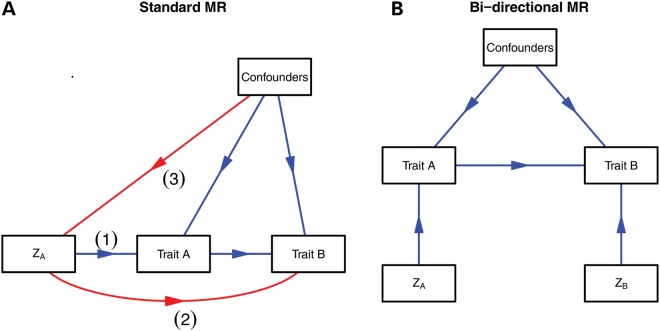
“(A) Mendelian randomization can be used to test the hypothesis that trait A causes trait B, provided that conditions (1), (2) and (3) are met adequately, governing that ZA is a valid instrument, in that (1) it is associated with the intermediate phenotype of interest; (2) has no association with the outcome except thr…”
BackgroundSelf-citationHart, C. L., Morrison, D. S., Batty, G. D., Mitchell, R. J., & Davey Smith, G. (2010) · BMJ · doi:10.1136/bmj.c1240 · Cited by 422 · cited 1×
“For example, evidence exists that the combined influence of obesity and heavy alcohol consumption on the risk of liver disease is greater than multiplicative (77).”
Ebrahim, S., & Davey Smith, G. (2008) · Human Genetics · doi:10.1007/s00439-007-0448-6 · Cited by 410 · cited 1×
“Empirical evidence that there is a general lack of confounding of genetic variants with factors that confound exposures in conventional observational epidemiological studies is extensive (16,17), although it is important to take appropriate measures to avoid introducing confounding through population stratification.”
BackgroundMendelian Randomisation and Causal Inference in Observational Epidemiology
Sheehan, N. A., Didelez, V., Burton, P. R., & Tobin, M. D. (2008) · PLoS Medicine · doi:10.1371/journal.pmed.0050177 · Cited by 372
From promises to practical strategies in epigenetic epidemiology
Mill, J., & Heijmans, B. T. (2013) · Nature Reviews Genetics · doi:10.1038/nrg3405 · Cited by 354 · cited 1×
“Intermediate phenotypes, such as DNA methylation, can show tissue specificity, in that both genetic and phenotypic associations can differ between tissues, and assays of easily accessible samples (such as methylation of DNA extracted from blood) may not be representative of DNA methylation in the tissue that is respon…”
BackgroundTwo-Sample Instrumental Variables Estimators
Inoue, A., & Solon, G. (2010) · Review of Economics and Statistics · doi:10.1162/rest_a_00011 · Cited by 350
Yang, Q., Köttgen, A., Dehghan, A., Smith, A. V., Glazer, N. L., Chen, M.-H., Chasman, D. I., Aspelund, T., Eiriksdottir, G., Harris, T. B., et al. (2010) · Circulation: Cardiovascular Genetics · doi:10.1161/circgenetics.109.934455 · Cited by 320 · cited 1×
“Similarly, it has been suggested that the interpretation of MR studies purporting to show that elevated uric acid levels do not increase risk of hypertension (20,54) is rendered problematic by the fact that the main genetic variant utilized in such studies, whilst increasing circulating uric acid levels, does not incr…”
BackgroundDesign, analysis and presentation of factorial randomised controlled trials
Montgomery, A. A., Peters, T. J., & Little, P. (2003) · BMC Medical Research Methodology · doi:10.1186/1471-2288-3-26 · Cited by 318
Freathy, R. M., Timpson, N. J., Lawlor, D. A., Pouta, A., Ben-Shlomo, Y., Ruokonen, A., Ebrahim, S., Shields, B., Zeggini, E., Weedon, M. N., et al. (2008) · Diabetes · doi:10.2337/db07-1466 · Cited by 316
Chen, L., Davey Smith, G., Harbord, R. M., & Lewis, S. J. (2008) · PLoS Medicine · doi:10.1371/journal.pmed.0050052 · Cited by 314
Timpson, N. J., Nordestgaard, B. G., Harbord, R. M., Zacho, J., Frayling, T. M., Tybjærg-Hansen, A., & Davey Smith, G. (2011) · International Journal of Obesity · doi:10.1038/ijo.2010.137 · Cited by 310 · cited 1×
“This method has been used to demonstrate that BMI influences CRP levels (61,62), vitamin D (63), uric acid (20,64) and fetuin-A (65), and not vice versa.”
MethodPalmer, T. M., Nordestgaard, B. G., Benn, M., Tybjaerg-Hansen, A., Davey Smith, G., Lawlor, D. A., & Timpson, N. J. (2013) · BMJ · doi:10.1136/bmj.f4262 · Cited by 282 · cited 11×
“Similarly, genetic variants with a primary influence on BMI appear amongst the top hits in GWAS of CRP (66) but obviously cannot be utilized as instruments for CRP levels.”
BackgroundMethodInfluentialNordestgaard, B. G., Palmer, T. M., Benn, M., Zacho, J., Tybjærg-Hansen, A., Davey Smith, G., & Timpson, N. J. (2012) · PLoS Medicine · doi:10.1371/journal.pmed.1001212 · Cited by 280 · cited 1×
“Thus, the instrument of common variation in FTO, known to influence BMI (38), probably through influencing caloric intake (39,40), is associated with a wide range of downstream phenotypes; blood pressure and hypertension (41), coronary heart disease (42), fasting insulin, glucose, HDL cholesterol and trigylcerides (43…”
BackgroundThe fat mass–and obesity-associated locus and dietary intake in children
Timpson, N. J., Emmett, P. M., Frayling, T. M., Rogers, I., Hattersley, A. T., McCarthy, M. I., & Davey Smith, G. (2008) · The American Journal of Clinical Nutrition · doi:10.1093/ajcn/88.4.971 · Cited by 276
Phillips, A. N., & Smith, G. D. (1991) · Journal of Clinical Epidemiology · doi:10.1016/0895-4356(91)90155-3 · Cited by 275
Smith, G. D. (2008) · Basic & Clinical Pharmacology & Toxicology · doi:10.1111/j.1742-7843.2007.00191.x · Cited by 257
Genomic patterns of pleiotropy and the evolution of complexity
Wang, Z., Liao, B.-Y., & Zhang, J. (2010) · Proceedings of the National Academy of Sciences · doi:10.1073/pnas.1004666107 · Cited by 256
(2015) · Nutritional Biochemistry · doi:10.1201/b18536-15 · Cited by 255
The meta-analysis of genome-wide association studies
Thompson, J. R., Attia, J., & Minelli, C. (2011) · Briefings in Bioinformatics · doi:10.1093/bib/bbr020 · Cited by 236
Pleiotropic scaling of gene effects and the ‘cost of complexity’
Wagner, G. P., Kenney-Hunt, J. P., Pavlicev, M., Peck, J. R., Waxman, D., & Cheverud, J. M. (2008) · Nature · doi:10.1038/nature06756 · Cited by 235 · cited 1×
“Greater pleiotropic effects are seen for mutations with larger effects on the primary trait (48,49), as would be anticipated for type II pleiotropic influences that are downstream effects of considerable perturbation of the primary trait.”
BackgroundEpidemiology—is it time to call it a day?
Smith, G. D., & Ebrahim, S. (2001) · International Journal of Epidemiology · doi:10.1093/ije/30.1.1 · Cited by 215 · cited 4×
“Many examples exist of apparently robust observational associations between behavioural, pharmacological or physiological measures and disease risk which, when subjected to randomized controlled trials (RCTs), do not deliver the anticipated health benefits (1).”
BackgroundInfluentialA Nondegenerate Code of Deleterious Variants in Mendelian Loci Contributes to Complex Disease Risk
Blair, D. R., Lyttle, C. S., Mortensen, J. M., Bearden, C. F., Jensen, A. B., Khiabanian, H., Melamed, R., Rabadan, R., Bernstam, E. V., Brunak, S., et al. (2013) · Cell · doi:10.1016/j.cell.2013.08.030 · Cited by 215
Toward a Molecular Understanding of Pleiotropy
He, X., & Zhang, J. (2006) · Genetics · doi:10.1534/genetics.106.060269 · Cited by 215 · cited 1×
“Estimates of the degree of pleiotropy suggest that type II pleiotropy is the more pervasive form (36,46), with type I pleiotropy being more pronounced at the level of the gene than at the level of single SNPs (36,47).”
BackgroundCommentary: The seven plagues of epigenetic epidemiology
Heijmans, B. T., & Mill, J. (2012) · International Journal of Epidemiology · doi:10.1093/ije/dyr225 · Cited by 208
Timpson, N. J., Harbord, R., Davey Smith, G., Zacho, J., Tybjærg-Hansen, A., & Nordestgaard, B. G. (2009) · Hypertension · doi:10.1161/hypertensionaha.109.130005 · Cited by 187
Lawlor, D. A., Timpson, N. J., Harbord, R. M., Leary, S., Ness, A., McCarthy, M. I., Frayling, T. M., Hattersley, A. T., & Smith, G. D. (2008) · PLoS Medicine · doi:10.1371/journal.pmed.0050033 · Cited by 180 · cited 1×
“Maternal influences (corrected for genetic correlation between mother and child) Alcohol consumption Childhood school performance The observational finding that moderate maternal alcohol intake is associated with more favourable school performance is due to confounding, and the casual association is in the opposite di…”
BackgroundSerum Iron Levels and the Risk of Parkinson Disease: A Mendelian Randomization Study
Pichler, I., Del Greco M., F., Gögele, M., Lill, C. M., Bertram, L., Do, C. B., Eriksson, N., Foroud, T., Myers, R. H., PD GWAS Consortium, et al. (2013) · PLoS Medicine · doi:10.1371/journal.pmed.1001462 · Cited by 173 · cited 1×
“Biomarkers CRP Coronary heart disease Observational association between CRP and coronary heart disease is a result of confounding and/or reverse causation (18) Serum iron Parkinson’s disease Higher serum iron levels lower the risk of Parkinson’s disease (19) Uric acid Coronary heart disease Observational association b…”
BackgroundRichmond, R. C., Davey Smith, G., Ness, A. R., den Hoed, M., McMahon, G., & Timpson, N. J. (2014) · PLoS Medicine · doi:10.1371/journal.pmed.1001618 · Cited by 167 · cited 2×
“Use of allele scores in bidirectional MR studies will increase the likelihood of incorrectly including a variant primarily influencing trait A as one that primarily influences trait B, with consequent misinterpretation, and findings from such studies need to be treated with caution (59).”
BackgroundMethodHodgkin, J. (1998) · The International Journal of Developmental Biology · doi:10.1387/ijdb.9654038 · Cited by 157 · cited 1×
“a locus influences one particular protein product, and this causes perturbations in many other phenotypes); or a single locus directly influencing multiple phenotypes (33,34).”
BackgroundStender, S., Nordestgaard, B. G., & Tybjaerg-Hansen, A. (2013) · Hepatology · doi:10.1002/hep.26563 · Cited by 153 · cited 1×
“Behaviours Smoking Anxiety/depression Anxiety and depression amongst smokers does not appear to be a consequence of smoking (24,25) Alcohol consumption Blood pressure Alcohol use increases blood pressure (26) Physiological measures BMI Symptomatic gallstone disease Higher BMI increases the risk of symptomatic gall sto…”
BackgroundLyngdoh, T., Vuistiner, P., Marques-Vidal, P., Rousson, V., Waeber, G., Vollenweider, P., & Bochud, M. (2012) · PLoS ONE · doi:10.1371/journal.pone.0039321 · Cited by 150 · cited 1×
“This method has been used to demonstrate that BMI influences CRP levels (61,62), vitamin D (63), uric acid (20,64) and fetuin-A (65), and not vice versa.”
MethodJuul, K., Tybjærg-Hansen, A., Marklund, S., Heegaard, N. H. H., Steffensen, R., Sillesen, H., Jensen, G., & Nordestgaard, B. G. (2004) · Circulation · doi:10.1161/01.cir.0000105720.28086.6c · Cited by 148
Welsh, P., Polisecki, E., Robertson, M., Jahn, S., Buckley, B. M., de Craen, A. J. M., Ford, I., Jukema, J. W., Macfarlane, P. W., Packard, C. J., et al. (2010) · The Journal of Clinical Endocrinology & Metabolism · doi:10.1210/jc.2009-1064 · Cited by 140
Davey Smith, G. (2011) · Genes & Nutrition · doi:10.1007/s12263-010-0181-y · Cited by 134 · cited 1×
“When less well-characterized variants, or combinations of variants, are utilized, then the ways of exploring the potential contribution of pleiotropy detailed in this review and elsewhere (15) need to be implemented.”
BackgroundComputing Generalized Method of Moments and Generalized Empirical Likelihood withR
Chaussé, P. (2010) · Journal of Statistical Software · doi:10.18637/jss.v034.i11 · Cited by 130
VanderWeele, T. J., Valeri, L., & Ogburn, E. L. (2012) · Epidemiology · doi:10.1097/ede.0b013e318258f5e4 · Cited by 122
Chaibub Neto, E., Keller, M. P., Attie, A. D., & Yandell, B. S. (2010) · The Annals of Applied Statistics · doi:10.1214/09-aoas288 · Cited by 110
Herder, C., Klopp, N., Baumert, J., Müller‐Nurasyid, M., Khuseyinova, N., Meisinger, C., Martin, S., Illig, T., Köenig, W., & Thorand, B. (2007) · Diabetologia · doi:10.1007/s00125-007-0800-3 · Cited by 94
How Does Body Fat Influence Bone Mass in Childhood? A Mendelian Randomization Approach
Timpson, N. J., Sayers, A., Davey-Smith, G., & Tobias, J. H. (2009) · Journal of Bone and Mineral Research · doi:10.1359/jbmr.081109 · Cited by 94 · cited 1×
“Thus, the instrument of common variation in FTO, known to influence BMI (38), probably through influencing caloric intake (39,40), is associated with a wide range of downstream phenotypes; blood pressure and hypertension (41), coronary heart disease (42), fasting insulin, glucose, HDL cholesterol and trigylcerides (43…”
BackgroundAn analysis of the “pleiotropic” effects of a new lethal mutation in the rat ( Mus norvegicus )
Grüneberg, H. (1938) · Proceedings of the Royal Society of London. Series B - Biological Sciences · doi:10.1098/rspb.1938.0017 · Cited by 93
Negative Control Exposures in Epidemiologic Studies
Smith, G. D. (2012) · Epidemiology · doi:10.1097/ede.0b013e318245912c · Cited by 88 · cited 1×
“The recognition of these problematic aspects of epidemiological investigation has led to the application of a series of methods aimed at improving causal inference (6,7).”
BackgroundZuccolo, L., Lewis, S. J., Davey Smith, G., Sayal, K., Draper, E. S., Fraser, R., Barrow, M., Alati, R., Ring, S., Macleod, J., et al. (2013) · International Journal of Epidemiology · doi:10.1093/ije/dyt172 · Cited by 83
le Cessie, S., Debeij, J., Rosendaal, F. R., Cannegieter, S. C., & Vandenbroucke, J. P. (2012) · Epidemiology · doi:10.1097/ede.0b013e318254f5de · Cited by 81
Usefulness of Mendelian Randomization in Observational Epidemiology
Bochud, M., & Rousson, V. (2010) · International Journal of Environmental Research and Public Health · doi:10.3390/ijerph7030711 · Cited by 76
Misclassification of the mediator matters when estimating indirect effects
Blakely, T., McKenzie, S., & Carter, K. (2013) · Journal of Epidemiology and Community Health · doi:10.1136/jech-2012-201813 · Cited by 76
Mining the Human Phenome Using Allelic Scores That Index Biological Intermediates
Evans, D. M., Brion, M. J. A., Paternoster, L., Kemp, J. P., McMahon, G., Munafò, M., Whitfield, J. B., Medland, S. E., Montgomery, G. W., The GIANT consortium, et al. (2013) · PLoS Genetics · doi:10.1371/journal.pgen.1003919 · Cited by 75 · cited 2×
“As high-throughput ‘omics technologies continue to reduce in time- and financial-cost, datasets with comprehensive genotyping and phenotyping are destined to grow, and in principle, it should be possible to construct instruments for many exposures and through data mining obtain evidence regarding outcomes caused by th…”
BackgroundMendelian Randomization: Application to Cardiovascular Disease
Timpson, N. J., Wade, K. H., & Smith, G. D. (2011) · Current Hypertension Reports · doi:10.1007/s11906-011-0242-7 · Cited by 72 · cited 1×
“A successful approach is to use genetic variants as exposure indicators that are not subject to the influences that vitiate conventional study designs, an approach known as Mendelian randomization (MR) (8,9).”
Bjørngaard, J. H., Gunnell, D., Elvestad, M. B., Smith, G. D., Skorpen, F., Krokan, H., Vatten, L., & Romundstad, P. (2013) · Psychological Medicine · doi:10.1017/s0033291712001274 · Cited by 71 · cited 1×
“Behaviours Smoking Anxiety/depression Anxiety and depression amongst smokers does not appear to be a consequence of smoking (24,25) Alcohol consumption Blood pressure Alcohol use increases blood pressure (26) Physiological measures BMI Symptomatic gallstone disease Higher BMI increases the risk of symptomatic gall sto…”
BackgroundFolate supplementation and cardiovascular disease
Smith, G. D., & Ebrahim, S. B. J. (2005) · The Lancet · doi:10.1016/s0140-6736(05)67676-3 · Cited by 66
What Are the Key Arguments Against Uric Acid as a True Risk Factor for Hypertension?
Johnson, R. J., Sánchez‐Lozada, L. G., Mazzali, M., Feig, D. I., Kanbay, M., & Sautin, Y. Y. (2013) · Hypertension · doi:10.1161/hypertensionaha.111.00650 · Cited by 63
Mendelian randomization analysis of case‐control data using structural mean models
Bowden, J., & Vansteelandt, S. (2011) · Statistics in Medicine · doi:10.1002/sim.4138 · Cited by 55 · cited 7×
“Similarly, genetic variants with a primary influence on BMI appear amongst the top hits in GWAS of CRP (66) but obviously cannot be utilized as instruments for CRP levels.”
BackgroundInfluentialLewis, S. J., Araya, R., Davey Smith, G., Freathy, R., Gunnell, D., Palmer, T., & Munafò, M. (2011) · PLoS ONE · doi:10.1371/journal.pone.0021689 · Cited by 53 · cited 1×
“Behaviours Smoking Anxiety/depression Anxiety and depression amongst smokers does not appear to be a consequence of smoking (24,25) Alcohol consumption Blood pressure Alcohol use increases blood pressure (26) Physiological measures BMI Symptomatic gallstone disease Higher BMI increases the risk of symptomatic gall sto…”
BackgroundHubacek, J. A., Viklický, O., Dlouhá, D., Bloudíčková, S. R., Kubínová, R., Peasey, A., Pikhart, H., Adámková, V., Brabcová, I., Pokorná, E., et al. (2011) · Nephrology Dialysis Transplantation · doi:10.1093/ndt/gfr418 · Cited by 52 · cited 1×
“Thus, the instrument of common variation in FTO, known to influence BMI (38), probably through influencing caloric intake (39,40), is associated with a wide range of downstream phenotypes; blood pressure and hypertension (41), coronary heart disease (42), fasting insulin, glucose, HDL cholesterol and trigylcerides (43…”
BackgroundDavey Smith, G. (2011) · Epidemiology · doi:10.1097/ede.0b013e31821d0426 · Cited by 48 · cited 2×
“More speculatively, generating instruments from within the data and performing split-sample or jackknife IV analysis, including bi-directional analysis, could allow resolution of causal direction within networks of phenotypes, without advance specification of which exposure or outcome is being examined (67).”
BackgroundPleiotropy revisited: Molecular explanations of a classic concept
Pyeritz, R. E. (1989) · American Journal of Medical Genetics · doi:10.1002/ajmg.1320340120 · Cited by 47 · cited 1×
“a locus influences one particular protein product, and this causes perturbations in many other phenotypes); or a single locus directly influencing multiple phenotypes (33,34).”
BackgroundThakkinstian, A., Chailurkit, L., Warodomwichit, D., Ratanachaiwong, W., Yamwong, S., Chanprasertyothin, S., Attia, J., Sritara, P., & Ongphiphadhanakul, B. (2014) · Clinical Endocrinology · doi:10.1111/cen.12303 · Cited by 25
Causal inference of gene regulation with subnetwork assembly from genetical genomics data
Peng, C.-H., Jiang, Y.-Z., Tai, A., Liu, C.-B., Peng, S.-C., Liao, C., Yen, T., & Hsieh, W. (2013) · Nucleic Acids Research · doi:10.1093/nar/gkt1277 · Cited by 18 · cited 1×
“Such ‘network MR’ is an area of current active development, with parallel logic to the application of genetic anchors in the causal dissection of networks of gene interactions (68,69).”
BackgroundNegative Control Exposures in Epidemiologic Studies
Lipsitch, M., Tchetgen, E. T., & Cohen, T. (2012) · Epidemiology · doi:10.1097/ede.0b013e3182460c23 · Cited by 16
(2008) · Basic & Clinical Pharmacology & Toxicology · doi:10.1111/j.1742-7843.2007.246_2.x · Cited by 12 · cited 1×
“The recognition of these problematic aspects of epidemiological investigation has led to the application of a series of methods aimed at improving causal inference (6,7).”
BackgroundSelf-citationRecent Findings on the Genetics of Obesity: Is there Public Health Relevance?
Richmond, R. C., & Timpson, N. J. (2012) · Current Nutrition Reports · doi:10.1007/s13668-012-0027-x · Cited by 3
Research works printed but not linked: 17
- 2007, New England Journal of Medicine, 357, 2109, 10.1056/nejmoa0706628 · DOI · Paper page
- 2007, American Journal of Epidemiology, 166, 646, 10.1093/aje/kwm165 · DOI · Paper page
- 2013, Psychological medicine, 43, 711, 10.1017/s0033291712001274 · DOI · Paper page
- 2013, International Journal of Epidemiology, 42, 1358, 10.1093/ije/dyt172 · DOI · Paper page
- 2013, American Journal of Epidemiology, 178, 1177, 10.1093/aje/kwt084 · DOI · Paper page
- 2013, Nature reviews. Genetics, 14, 483, 10.1038/nrg3461 · DOI · Paper page
- 2012, Nephrology Dialysis Transplantation, 27, 1030, 10.1093/ndt/gfr418 · DOI
- 2013, International Journal of Epidemiology, 42, 1497, 10.1093/ije/dyt179 · DOI · Paper page
- 2013, International Journal of Epidemiology, 42, 1134, 10.1093/ije/dyt093 · DOI · Paper page
- 2012, Journal of the American College of Cardiology, 60, 2631, 10.1016/j.jacc.2012.09.017 · DOI · Paper page
- 2010, Circulation: Cardiovascular Genetics, 3, 523, 10.1161/circgenetics.109.934455 · DOI · Paper page
- 2010, The review of economics and statistics, 92, 57
- 2011, International journal of obesity, 35, 300, 10.1038/ijo.2010.137 · DOI · Paper page
- 2009, Journal of Clinical Endocrinology & Metabolism, 95, 93
- 2013, Journal of Epidemiology & Community Health, 67, 458, 10.1136/jech-2012-201813 · DOI · Paper page
- 2012, International Journal of Epidemiology, 41, 161, 10.1093/ije/dyr233 · DOI · Paper page
- 2013, Nature reviews. Genetics, 14, 585, 10.1038/nrg3405 · DOI · Paper page
Cited by
Bowden, J., Davey Smith, G., & Burgess, S. (2015) · International Journal of Epidemiology · doi:10.1093/ije/dyv080 · Cited by 9,816
“Introduction Mendelian randomization(1) is becoming an established method for testing whether a modifiable exposure has a causal role in the aetiology of a disease.(2,3) As the subject moves forward, ever more ambitious analyses are being attempted.”
BackgroundMethodBowden, J., Davey Smith, G., Haycock, P. C., & Burgess, S. (2016) · Genetic Epidemiology · doi:10.1002/gepi.21965 · Cited by 8,922
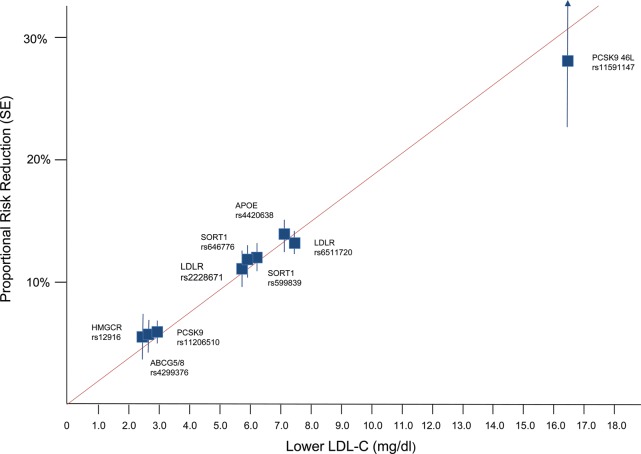
“However, empirical evidence for the causal effect of LDL-c on CAD risk provides no evidence of causal effect heterogeneity despite genetic variants having different mechanisms and substantially different magnitudes of association with LDL-c (Davey Smith and Hemani, 2014).”
BackgroundThe MR-Base platform supports systematic causal inference across the human phenome
Hemani, G., Zheng, J., Elsworth, B., Wade, K. H., Haberland, V., Baird, D., Laurin, C., Burgess, S., Bowden, J., Langdon, R., et al. (2018) · eLife · doi:10.7554/elife.34408 · Cited by 7,959
“MR ( Davey Smith and Ebrahim, 2003 ; Davey Smith and Hemani, 2014 ) uses genetic variation to mimic the design of randomised controlled trials (RCT) (although for interpretive caveats see Holmes et al., 2017 ).”
BackgroundMethodInfluentialSelf-citationReading Mendelian randomisation studies: a guide, glossary, and checklist for clinicians
Davies, N. M., Holmes, M. V., & Davey Smith, G. (2018) · BMJ · doi:10.1136/bmj.k601 · Cited by 4,404
An atlas of genetic correlations across human diseases and traits
ReproGen Consortium, Bulik-Sullivan, B., Psychiatric Genomics Consortium, Genetic Consortium for Anorexia Nervosa of the Wellcome Trust Case Control Consortium 3, Finucane, H. K., Anttila, V., Gusev, A., Day, F. R., Loh, P.-R., Duncan, L., et al. (2015) · Nature Genetics · doi:10.1038/ng.3406 · Cited by 4,255
“If we know the correct value of the intercept term N N N S / 1 2 ahead of time, we can reduce the standard error by constraining the intercept to this value, using the –constrain-intercept flag in ldsc (for pairs of binary traits, we give corresponding expression in terms of the number of overlapping cases (2) and co…”
Method
Metadata
- Authors
- Davey Smith, G., & Hemani, G.
- Affiliations
- University of Bristol (GB)
- ORCID
- Hemani, G.
- Venue
- Human Molecular Genetics
- Publisher
- Oxford University Press (OUP)
- Published
- 2014-07-04
- Volume
- 23
- Issue
- R1
- Pages
- R89-R98
- ISSN
- 0964-6906 (ISSN-L)
- 1460-2083
- PMC
- PMC4170722
- OpenAlex
- W2103783427
- Semantic Scholar
- e86fe9b56bac5e159a1b18d9e5003ec06cd14314
- Cited by
- 4,677
- References
- 91
- Citations by year
- 2026: 457 · 2025: 807 · 2024: 1310 · 2023: 734 · 2022: 349 · 2021: 231 · 2020: 223 · 2019: 178 · 2018: 143 · 2017: 101 · 2016: 89 · 2015: 43 · 2014: 11
- FWCI
- 10.78
- Type
- journal article
- Language
- en
- Open access
- hybrid
- doi.org
- Licence
- cc-by
- Locations
- Human Molecular Genetics (publishedVersion, cc-by)
- Europe PMC (PubMed Central) (publishedVersion, cc-by)
- PubMed Central (publishedVersion, cc-by)
- PubMed (publishedVersion)
- Explore Bristol Research (publishedVersion)
- Funders
- University of Bristol (MC_UU_12013/1, MC_UU_12013/1,9, MC_UU_12013)
- Medical Research Council (MC_UU_12013, MC_UU_12013/1‐9, MCUU12013/1)
- Topics
- Life Sciences › Biochemistry, Genetics and Molecular Biology › Genetics › Genetic Associations and Epidemiology
- Physical Sciences › Mathematics › Statistics and Probability › Advanced Causal Inference Techniques
- Physical Sciences › Mathematics › Statistics and Probability › Statistical Methods in Epidemiology
- Keywords
- Mendelian randomization, causal inference, genetic variants, confounding, reverse causality, bidirectional Mendelian randomization, two-sample Mendelian randomization
- MeSH terms
- Humans, Genetic Variation, Causality, Epidemiologic Studies, Randomized Controlled Trials as Topic, Mendelian Randomization Analysis
About these checks
Registry, retraction, Cites and statistics results are computed, not judged, with one exception: a printed reference that no index lists is read once by a model before it counts as a citation error. Claims are extracted by a model and kept only when their quote appears verbatim in the text; each cited source is then checked, with a model’s help, for whether it says what the claim relies on. Those verdicts can be wrong — read the claim’s quote and the cited source before relying on one.
Statistics and arithmetic are recomputed, not judged.
Confidence bands are shown only for fields calibrated on our annotated test set. None is calibrated yet, so no band is shown.
What counts as a claim ›How we measure confidence ›How we check this ›
Are you an author, or do you see a problem with this page? Request a review
Data sources
Bibliographic data: Semantic Scholar, OpenAlex, Crossref.
Contains information from the Semantic Scholar Academic Graph Datasets, made available under the ODC Attribution License (ODC-BY 1.0).
Semantic Scholar’s data is described in: Kinney, R., et al. (2023). The Semantic Scholar Open Data Platform. arXiv:2301.10140.
