

Mendelian randomization: genetic anchors for causal inference in epidemiological studies
Open accessThe DOI matches its Crossref record; 92 of the 92 references it cites were found in a registry or an index.
Abstract
Observational epidemiological studies are prone to confounding, reverse causation and various biases and have generated findings that have proved to be unreliable indicators of the causal effects of modifiable exposures on disease outcomes. Mendelian randomization (MR) is a method that utilizes genetic variants that are robustly associated with such modifiable exposures to generate more reliable evidence regarding which interventions should produce health benefits. The approach is being widely applied, and various ways to strengthen inference given the known potential limitations of MR are now available. Developments of MR, including two-sample MR, bidirectional MR, network MR, two-step MR, factorial MR and multiphenotype MR, are outlined in this review. The integration of genetic information into population-based epidemiological studies presents translational opportunities, which capitalize on the investment in genomic discovery research.
Overview
The claims and statistics of this paper haven’t been checked yet.
Free: it reads the open-access text and checks the first 5 claims that cite a source we can check. Create a free account to check every claim.
Integrity signals
Registry
Cites
Statistics
Figures
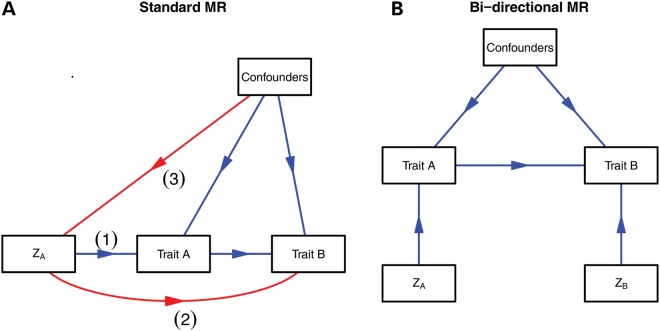
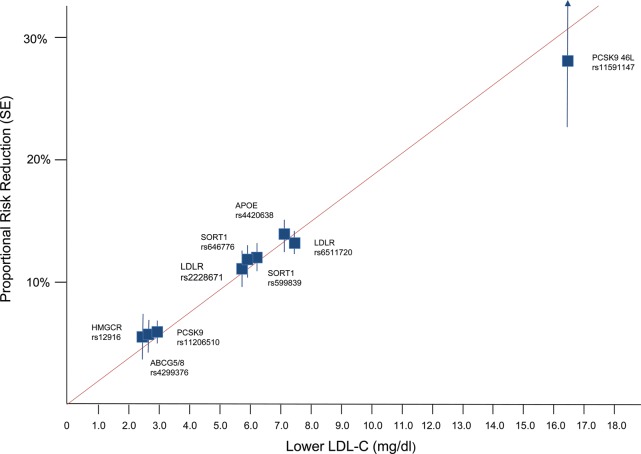
Verification
Claims the paper makes
The claims and statistics of this paper haven’t been checked yet.
Free: it reads the open-access text and checks the first 5 claims that cite a source we can check. Create a free account to check every claim.
Claims other papers make about this one
Each is checked against this paper’s own text: does it say what the citing paper says it does?
The source backs part of the claim, not all of it — or backs it for a different population, condition or comparison.
In the citing paper
“Similarly, violation of the ‘exclusion restriction criteria’33–37 could bias causal estimates in IV analyses when used to test effects of intermediates in RCTs or when used in observational data (including MR)”
From Triangulation in aetiological epidemiology (2017) · cites this paper as [35]
Experimental — accuracy not yet measuredThe cited source says what the claim attributes to it.
In the citing paper
“Discrepancies between MR findings and observational studies are frequently observed[9,17].”
From Evaluating genetic insights into ulcerative colitis and anxiety: Limitations and future directions (2024) · cites this paper as [17]
The cited source says what the claim attributes to it.
In the citing paper
“This pattern is consistent with a directional influence of disease liability on longevity27,64 and is also compatible with vertical pleiotropy65.”
From Genetic trade-offs in fertility and longevity explain the maintenance of disease-associated alleles in humans (2026) · cites this paper as [64]
The check wasn’t confident either way, so it gives no verdict — never disputed.
In the citing paper
“Varespladib (a drug targeting sPLA 2 -IIA) failed in VISTA16 41”
From Integrating genomics with biomarkers and therapeutic targets to invigorate cardiovascular drug development (2021) · cites this paper as [41]
Experimental — accuracy not yet measuredThe check wasn’t confident either way, so it gives no verdict — never disputed.
In the citing paper
“unlike the impact of weak instrument bias in one-sample MR (which biases effects towards the confounded multivariable regression result), in two-sample MR weak instrument bias is towards the null.”
From Commentary: Two-sample Mendelian randomization: opportunities and challenges (2016) · cites this paper as [3]
Experimental — accuracy not yet measured
5 more claims about this paper
Create a free account to see every claim other papers make about this one.
Self-check
Percentages, sums and reported differences re-computed from the paper’s own numbers.
The self-check needs the paper’s full text.
Citations
Cites
Genetics of Food Intake Self-Regulation in Childhood: Literature Review and Research Opportunities
Faith, M. S., Carnell, S., & Kral, T. V. E. (2013) · Human Heredity · doi:10.1159/000353879 · Cited by 7,601
Lippa, N. C., & Sanderson, S. C. (2013) · Human Heredity · doi:10.1159/000353712 · Cited by 6,078
Davey Smith, G., & Ebrahim, S. (2003) · International Journal of Epidemiology · doi:10.1093/ije/dyg070 · Cited by 5,882 · cited 1×
“A successful approach is to use genetic variants as exposure indicators that are not subject to the influences that vitiate conventional study designs, an approach known as Mendelian randomization (MR) (8,9).”
Common polygenic variation contributes to risk of schizophrenia and bipolar disorder
The International Schizophrenia Consortium (2009) · Nature · doi:10.1038/nature08185 · Cited by 4,821 · cited 1×
“significance thresholds are also included, the rationale being that these will include false-negatives owing to small effect size (56).”
BackgroundMendelian randomization: Using genes as instruments for making causal inferences in epidemiology
Lawlor, D. A., Harbord, R. M., Sterne, J. A. C., Timpson, N., & Davey Smith, G. (2008) · Statistics in Medicine · doi:10.1002/sim.3034 · Cited by 4,618
Frayling, T. M., Timpson, N. J., Weedon, M. N., Zeggini, E., Freathy, R. M., Lindgren, C. M., Perry, J. R. B., Elliott, K. S., Lango, H., Rayner, N. W., et al. (2007) · Science · doi:10.1126/science.1141634 · Cited by 4,531
Self-citationEffects of torcetrapib in patients at high risk for coronary events
Barter, P. J., Caulfield, M., Eriksson, M., Grundy, S. M., Kastelein, J. J. P., Komajda, M., Lopez-Sendon, J., Mosca, L., Tardif, J.-C., Waters, D. D., et al. (2007) · New England Journal of Medicine · doi:10.1056/nejmoa0706628 · Cited by 3,139
Willer (2013) · doi:10.1038/ng.2797 · Cited by 2,983
Inference to the Best Explanation
Lipton, P. (2003) · Routledge eBooks · doi:10.4324/9780203470855 · Cited by 2,130
Genetic variants in novel pathways influence blood pressure and cardiovascular disease risk
The International Consortium for Blood Pressure Genome-Wide Association Studies (2011) · Nature · doi:10.1038/nature10405 · Cited by 2,033
Research works printed but not linked: 17
- 2007, New England Journal of Medicine, 357, 2109, 10.1056/nejmoa0706628 · DOI · Paper page
- 2007, American Journal of Epidemiology, 166, 646, 10.1093/aje/kwm165 · DOI · Paper page
- 2013, Psychological medicine, 43, 711, 10.1017/s0033291712001274 · DOI · Paper page
- 2013, International Journal of Epidemiology, 42, 1358, 10.1093/ije/dyt172 · DOI · Paper page
- 2013, American Journal of Epidemiology, 178, 1177, 10.1093/aje/kwt084 · DOI · Paper page
- 2013, Nature reviews. Genetics, 14, 483, 10.1038/nrg3461 · DOI · Paper page
- 2012, Nephrology Dialysis Transplantation, 27, 1030, 10.1093/ndt/gfr418 · DOI
- 2013, International Journal of Epidemiology, 42, 1497, 10.1093/ije/dyt179 · DOI · Paper page
- 2013, International Journal of Epidemiology, 42, 1134, 10.1093/ije/dyt093 · DOI · Paper page
- 2012, Journal of the American College of Cardiology, 60, 2631, 10.1016/j.jacc.2012.09.017 · DOI · Paper page
- 2010, Circulation: Cardiovascular Genetics, 3, 523, 10.1161/circgenetics.109.934455 · DOI · Paper page
- 2010, The review of economics and statistics, 92, 57
- 2011, International journal of obesity, 35, 300, 10.1038/ijo.2010.137 · DOI · Paper page
- 2009, Journal of Clinical Endocrinology & Metabolism, 95, 93
- 2013, Journal of Epidemiology & Community Health, 67, 458, 10.1136/jech-2012-201813 · DOI · Paper page
- 2012, International Journal of Epidemiology, 41, 161, 10.1093/ije/dyr233 · DOI · Paper page
- 2013, Nature reviews. Genetics, 14, 585, 10.1038/nrg3405 · DOI · Paper page
Cited by
Bowden, J., Davey Smith, G., & Burgess, S. (2015) · International Journal of Epidemiology · doi:10.1093/ije/dyv080 · Cited by 9,816
“Introduction Mendelian randomization(1) is becoming an established method for testing whether a modifiable exposure has a causal role in the aetiology of a disease.(2,3) As the subject moves forward, ever more ambitious analyses are being attempted.”
BackgroundMethodBowden, J., Davey Smith, G., Haycock, P. C., & Burgess, S. (2016) · Genetic Epidemiology · doi:10.1002/gepi.21965 · Cited by 8,922
“However, empirical evidence for the causal effect of LDL-c on CAD risk provides no evidence of causal effect heterogeneity despite genetic variants having different mechanisms and substantially different magnitudes of association with LDL-c (Davey Smith and Hemani, 2014).”
BackgroundThe MR-Base platform supports systematic causal inference across the human phenome
Hemani, G., Zheng, J., Elsworth, B., Wade, K. H., Haberland, V., Baird, D., Laurin, C., Burgess, S., Bowden, J., Langdon, R., et al. (2018) · eLife · doi:10.7554/elife.34408 · Cited by 7,959
“MR ( Davey Smith and Ebrahim, 2003 ; Davey Smith and Hemani, 2014 ) uses genetic variation to mimic the design of randomised controlled trials (RCT) (although for interpretive caveats see Holmes et al., 2017 ).”
BackgroundMethodInfluentialSelf-citationReading Mendelian randomisation studies: a guide, glossary, and checklist for clinicians
Davies, N. M., Holmes, M. V., & Davey Smith, G. (2018) · BMJ · doi:10.1136/bmj.k601 · Cited by 4,404
An atlas of genetic correlations across human diseases and traits
ReproGen Consortium, Bulik-Sullivan, B., Psychiatric Genomics Consortium, Genetic Consortium for Anorexia Nervosa of the Wellcome Trust Case Control Consortium 3, Finucane, H. K., Anttila, V., Gusev, A., Day, F. R., Loh, P.-R., Duncan, L., et al. (2015) · Nature Genetics · doi:10.1038/ng.3406 · Cited by 4,255
“If we know the correct value of the intercept term N N N S / 1 2 ahead of time, we can reduce the standard error by constraining the intercept to this value, using the –constrain-intercept flag in ldsc (for pairs of binary traits, we give corresponding expression in terms of the number of overlapping cases (2) and co…”
MethodRobust inference in summary data Mendelian randomization via the zero modal pleiotropy assumption
Hartwig, F. P., Davey Smith, G., & Bowden, J. (2017) · International Journal of Epidemiology · doi:10.1093/ije/dyx102 · Cited by 3,485
“Using germline genetic variants as instrumental variables of modifiable exposure phenotypes can strengthen causal inference in observational studies by applying the principles of Mendelian randomisation (MR).(1,2) This method has already been used to address causality in several exposureoutcome combinations and has be…”
MethodIntegration of summary data from GWAS and eQTL studies predicts complex trait gene targets
Zhu, Z., Zhang, F., Hu, H., Bakshi, A., Robinson, M. R., Powell, J. E., Montgomery, G. W., Goddard, M. E., Wray, N. R., Visscher, P. M., et al. (2016) · Nature Genetics · doi:10.1038/ng.3538 · Cited by 3,352
“This is a quadric form of standard normal variables, the distribution of which is not explicit but can be approximated by the Satterthwaite or Saddlepoint method 47,48 .”
MethodAn Expanded View of Complex Traits: From Polygenic to Omnigenic
Boyle, E. A., Li, Y. I., & Pritchard, J. K. (2017) · Cell · doi:10.1016/j.cell.2017.05.038 · Cited by 2,851
“If network pleiotropy is widespread, this raises challenges for the interpretation of genetic correlations and for Mendelian Randomization studies (Bulik-Sullivan et al., 2015a; Davey Smith and Hemani, 2014).”
BackgroundOrienting the causal relationship between imprecisely measured traits using GWAS summary data.
Hemani, G., Tilling, K., & Davey Smith, G. (2017) · PLoS Genetics · doi:10.1371/journal.pgen.1007081 · Cited by 2,607
“If multiple instruments are available for an hypothesised exposure, which is increasingly typical for complex traits that are analysed in large GWAS consortia, then techniques can be applied to mitigate these issues [16].”
BackgroundMethodSelf-citationMendelian Randomization as an Approach to Assess Causality Using Observational Data
Sekula, P., Del Greco M, F., Pattaro, C., & Köttgen, A. (2016) · Journal of the American Society of Nephrology · doi:10.1681/asn.2016010098 · Cited by 2,351
Sanderson, E., Glymour, M. M., Holmes, M. V., Kang, H., Morrison, J., Munafò, M. R., Palmer, T., Schooling, C. M., Wallace, C., Zhao, Q., et al. (2022) · Nature Reviews Methods Primers · doi:10.1038/s43586-021-00092-5 · Cited by 2,229
A framework for the investigation of pleiotropy in two‐sample summary data Mendelian randomization
Bowden, J., Del Greco M, F., Minelli, C., Davey Smith, G., Sheehan, N., & Thompson, J. (2017) · Statistics in Medicine · doi:10.1002/sim.7221 · Cited by 1,887
“Pleiotropy occurs when a single SNP affects multiple phenotypes related to the outcome [2, 7], and is a potential barrier to obtaining reliable inferences via MR.”
BackgroundInterpretation of the evidence for the efficacy and safety of statin therapy
Collins, R., Reith, C., Emberson, J., Armitage, J., Baigent, C., Blackwell, L., Blumenthal, R., Danesh, J., Smith, G. D., DeMets, D., et al. (2016) · The Lancet · doi:10.1016/s0140-6736(16)31357-5 · Cited by 1,857
Guidelines for performing Mendelian randomization investigations
Burgess, S., Davey Smith, G., Davies, N. M., Dudbridge, F., Gill, D., Glymour, M. M., Hartwig, F. P., Holmes, M. V., Minelli, C., Relton, C. L., et al. (2019) · Wellcome Open Research · doi:10.12688/wellcomeopenres.15555.1 · Cited by 1,834
Skrivankova, V. W., Richmond, R. C., Woolf, B. A. R., Davies, N. M., Swanson, S. A., VanderWeele, T. J., Timpson, N. J., Higgins, J. P. T., Dimou, N., Langenberg, C., et al. (2021) · BMJ · doi:10.1136/bmj.n2233 · Cited by 1,648
Bowden, J., Del Greco M., F., Minelli, C., Davey Smith, G., Sheehan, N. A., & Thompson, J. R. (2016) · International Journal of Epidemiology · doi:10.1093/ije/dyw220 · Cited by 1,565
“This could introduce `horizontal pleiotropy' [9] and lead to violation of assumption (ii) or (iii) due to variants affecting the outcome via a different biological pathway.”
BackgroundEvaluating the potential role of pleiotropy in Mendelian randomization studies
Hemani, G., Bowden, J., & Davey Smith, G. (2018) · Human Molecular Genetics · doi:10.1093/hmg/ddy163 · Cited by 1,496
“In these cases, extending the analogy to RCTs, each instrumenting SNP is considered an independent experiment (in the sense that they independently modify the exposure), and as such the results from each experiment can be meta-analysed to give an overall estimate (7,46,47).”
MethodInfluentialSelf-citationGuidelines for performing Mendelian randomization investigations
Burgess, S., Davey Smith, G., Davies, N. M., Dudbridge, F., Gill, D., Glymour, M. M., Hartwig, F. P., Holmes, M. V., Minelli, C., Relton, C. L., et al. (2020) · Wellcome Open Research · doi:10.12688/wellcomeopenres.15555.2 · Cited by 1,273
Firth, J., Solmi, M., Wootton, R. E., Vancampfort, D., Schuch, F. B., Hoare, E., Gilbody, S., Torous, J., Teasdale, S. B., Jackson, S. E., et al. (2020) · World Psychiatry · doi:10.1002/wps.20773 · Cited by 1,242
Mendelian randomisation for mediation analysis: current methods and challenges for implementation
Carter, A. R., Sanderson, E., Hammerton, G., Richmond, R. C., Davey Smith, G., Heron, J., Taylor, A. E., Davies, N. M., & Howe, L. D. (2021) · European Journal of Epidemiology · doi:10.1007/s10654-021-00757-1 · Cited by 1,215
“Two MR estimates are calculated i) the causal effect of the exposure on the mediator and ii) the causal effect of the mediator on the outcome (Figure 1C) [21, 26, 23].”
BackgroundDetection and interpretation of shared genetic influences on 42 human traits
Pickrell, J. K., Berisa, T., Liu, J. Z., Ségurel, L., Tung, J. Y., & Hinds, D. A. (2016) · Nature Genetics · doi:10.1038/ng.3570 · Cited by 1,151
Recent Developments in Mendelian Randomization Studies
Zheng, J., Baird, D., Borges, M.-C., Bowden, J., Hemani, G., Haycock, P., Evans, D. M., & Smith, G. D. (2017) · Current Epidemiology Reports · doi:10.1007/s40471-017-0128-6 · Cited by 1,147
Self-citationTriangulation in aetiological epidemiology
Lawlor, D. A., Tilling, K., & Davey Smith, G. (2017) · International Journal of Epidemiology · doi:10.1093/ije/dyw314 · Cited by 1,129
Nordestgaard, B. G. (2016) · Circulation Research · doi:10.1161/circresaha.115.306249 · Cited by 1,116
Sanderson, E., Davey Smith, G., Windmeijer, F., & Bowden, J. (2019) · International Journal of Epidemiology · doi:10.1093/ije/dyy262 · Cited by 1,085
“The causes and consequences of pleiotropy in MR are described in detail elsewhere.(1,9,10,13,14,20) In addition to assumptions IV1–IV3, there are additional assumptions and considerations that apply to all instrumental variable estimation, including MR and MVMR.”
BackgroundCohort Profile: The Korean Genome and Epidemiology Study (KoGES) Consortium
Kim, Y., Han, B.-G., & the KoGES group (2017) · International Journal of Epidemiology · doi:10.1093/ije/dyv316 · Cited by 1,017
“Mendelian randomization studies) to estimate direct and indirect effects of exposures on outcomes.(39,40) Second, all biospecimens were prepared and stored using uniformed standard protocols to be used for validation of already measured markers and the development of new biomarkers.”
Bowden, J., Del Greco M, F., Minelli, C., Zhao, Q., Lawlor, D. A., Sheehan, N. A., Thompson, J., & Davey Smith, G. (2019) · International Journal of Epidemiology · doi:10.1093/ije/dyy258 · Cited by 995
“Another potential source of heterogeneity that has received a lot of attention in the literature in recent years is that some or all of the SNPs could in fact exert a direct effect on the outcome not through the exposure [6] by violating IV2, IV3 or both, which is termed ’horizontal pleiotropy’ [7, 8].”
BackgroundCausal associations between risk factors and common diseases inferred from GWAS summary data
Zhu, Z., Zheng, Z., Zhang, F., Wu, Y., Trzaskowski, M., Maier, R., Robinson, M. R., McGrath, J. J., Visscher, P. M., Wray, N. R., et al. (2018) · Nature Communications · doi:10.1038/s41467-017-02317-2 · Cited by 951
The MRC IEU OpenGWAS data infrastructure
Elsworth, B., Lyon, M., Alexander, T., Liu, Y., Matthews, P., Hallett, J., Bates, P., Palmer, T., Haberland, V., Smith, G. D., et al. (2020) · bioRxiv (Cold Spring Harbor Laboratory) · doi:10.1101/2020.08.10.244293 · Cited by 916
Self-citationBowden, J., Spiller, W., Del Greco M, F., Sheehan, N., Thompson, J., Minelli, C., & Davey Smith, G. (2018) · International Journal of Epidemiology · doi:10.1093/ije/dyy101 · Cited by 880
“Much attention has focused on detecting and adjusting for one specific source of violation referred to as horizontal pleiotropy.(8,9) This occurs when SNPs exert a direct effect on the outcome through pathways other than the exposure.”
BackgroundZheng, J., Erzurumluoglu, A. M., Elsworth, B. L., Kemp, J. P., Howe, L., Haycock, P. C., Hemani, G., Tansey, K., Laurin, C., Early Genetics and Lifecourse Epidemiology (EAGLE) Eczema Consortium, et al. (2017) · Bioinformatics · doi:10.1093/bioinformatics/btw613 · Cited by 869
Self-citationHartwig, F. P., Davies, N. M., Hemani, G., & Davey Smith, G. (2016) · International Journal of Epidemiology · doi:10.1093/ije/dyx028 · Cited by 860
Self-citationRichardson, T. G., Sanderson, E., Palmer, T. M., Ala-Korpela, M., Ference, B. A., Davey Smith, G., & Holmes, M. V. (2020) · PLOS Medicine · doi:10.1371/journal.pmed.1003062 · Cited by 843
“A genetic instrument consists of one or more genetic variants that has characteristics that enable its use as an instrumental variable in MR [27,42,43].”
BackgroundMendelian Randomization: Concepts and Scope
Richmond, R. C., & Davey Smith, G. (2022) · Cold Spring Harbor Perspectives in Medicine · doi:10.1101/cshperspect.a040501 · Cited by 841
Zhao, Q., Wang, J., Hemani, G., Bowden, J., & Small, D. S. (2020) · The Annals of Statistics · doi:10.1214/19-aos1866 · Cited by 836
“Empirically, there is generally a lack of confounding of genetic variants with factors that confound exposures in conventional observational epidemiological studies [19].”
BackgroundSelf-citationMultivariable Mendelian Randomization and Mediation
Sanderson, E. (2021) · Cold Spring Harbor Perspectives in Medicine · doi:10.1101/cshperspect.a038984 · Cited by 827
“There are a number of sensitivity analyses that can be used to try to identify pleiotropic effects in the MR analysis (Chen et al. 2008; Davey Smith and Hemani 2014; Bowden et al. 2015; Bowden et al. 2016; Bowden et al. 2017; Hartwig et al. 2017; Spiller et al. 2018).”
BackgroundMethodCommentary: Two-sample Mendelian randomization: opportunities and challenges
Lawlor, D. A. (2016) · International Journal of Epidemiology · doi:10.1093/ije/dyw127 · Cited by 810
“Weak instrument bias in one-sample MR results in bias towards the confounded multivariable regression result, but in two-sample MR the bias is towards the null (Table 1).(3) Gao and colleagues do not provide any information on the strength of the different instrumental variables, such as the F-statistic or R(2) for th…”
BackgroundMethodInfluentialKanai, M., Akiyama, M., Takahashi, A., Matoba, N., Momozawa, Y., Ikeda, M., Iwata, N., Ikegawa, S., Hirata, M., Matsuda, K., et al. (2018) · Nature Genetics · doi:10.1038/s41588-018-0047-6 · Cited by 801
Kettunen, J., Demirkan, A., Würtz, P., Draisma, H. H. M., Haller, T., Rawal, R., Vaarhorst, A., Kangas, A. J., Lyytikäinen, L.-P., Pirinen, M., et al. (2016) · Nature Communications · doi:10.1038/ncomms11122 · Cited by 738
Guidelines for performing Mendelian randomization investigations: update for summer 2023
Burgess, S., Davey Smith, G., Davies, N. M., Dudbridge, F., Gill, D., Glymour, M. M., Hartwig, F. P., Kutalik, Z., Holmes, M. V., Minelli, C., et al. (2023) · Wellcome Open Research · doi:10.12688/wellcomeopenres.15555.3 · Cited by 721
Mendelian randomization in cardiometabolic disease: challenges in evaluating causality
Holmes, M. V., Ala-Korpela, M., & Smith, G. D. (2017) · Nature Reviews Cardiology · doi:10.1038/nrcardio.2017.78 · Cited by 679
Carreras-Torres, R., Johansson, M., Haycock, P. C., Wade, K. H., Relton, C. L., Martin, R. M., Davey Smith, G., Albanes, D., Aldrich, M. C., Andrew, A., et al. (2017) · PLOS ONE · doi:10.1371/journal.pone.0177875 · Cited by 662
“Inherited gene variants associated with the risk factors of interest should act as unconfounded markers of those risk factors, assuming an absence of pleiotropy [16].”
Ahola-Olli, A. V., Würtz, P., Havulinna, A. S., Aalto, K., Pitkänen, N., Lehtimäki, T., Kähönen, M., Lyytikäinen, L.-P., Raitoharju, E., Seppälä, I., et al. (2017) · The American Journal of Human Genetics · doi:10.1016/j.ajhg.2016.11.007 · Cited by 628
“Instrumental variable analysis of the VEGF cascade effects were performed with two-stage least-squares regression using ivreg from the R-package AER.(14) A weighted gene score based on the sum of cytokine-increasing alleles of the two independent variants associated with VEGF (rs6921438 and rs12214617) was used as the…”
MethodResultInfluentialMendelian randomization studies: a review of the approaches used and the quality of reporting
Boef, A. G. C., Dekkers, O. M., & le Cessie, S. (2015) · International Journal of Epidemiology · doi:10.1093/ije/dyv071 · Cited by 610
“When considering whether a formal IV analysis is appropriate, further aspects of the underlying biology of the genotype-phenotype association need to be taken into account to avoid misleading inferences.(192) A recent paper discusses a number of situations in which a formal IV analysis may give biased results, but a M…”
BackgroundHaycock, P. C., Burgess, S., Wade, K. H., Bowden, J., Relton, C., & Davey Smith, G. (2016) · The American Journal of Clinical Nutrition · doi:10.3945/ajcn.115.118216 · Cited by 600
“The key steps in the approach involve finding genetic polymorphisms to use as proxies, or “instruments,” for a target exposure and then testing the association of the genetic instrument with the outcome of interest (9, 11).”
BackgroundSystematic identification of genetic influences on methylation across the human life course
Gaunt, T. R., Shihab, H. A., Hemani, G., Min, J. L., Woodward, G., Lyttleton, O., Zheng, J., Duggirala, A., McArdle, W. L., Ho, K., et al. (2016) · Genome Biology · doi:10.1186/s13059-016-0926-z · Cited by 598
“Whilst this means that some of our mQTL have a potentially small biological effect, these results will still be of value in Mendelian randomization analysis [25] and analysis of the genetic architecture of DNA methylation.”
BackgroundSelf-citationSanderson, E., Spiller, W., & Bowden, J. (2021) · Statistics in Medicine · doi:10.1002/sim.9133 · Cited by 595
Morrison, J., Knoblauch, N., Marcus, J. H., Stephens, M., & He, X. (2020) · Nature Genetics · doi:10.1038/s41588-020-0631-4 · Cited by 591
“Equation (2) captures the patterns in Fig.”
Wootton, R. E., Richmond, R. C., Stuijfzand, B. G., Lawn, R. B., Sallis, H. M., Taylor, G. M. J., Hemani, G., Jones, H. J., Zammit, S., Davey Smith, G., et al. (2020) · Psychological Medicine · doi:10.1017/s0033291719002678 · Cited by 587
Self-citationNordestgaard, B. G., & Langsted, A. (2016) · Journal of Lipid Research · doi:10.1194/jlr.r071233 · Cited by 575
van Rheenen, W., van der Spek, R. A. A., Bakker, M. K., van Vugt, J. J. F. A., Hop, P. J., Zwamborn, R. A. J., de Klein, N., Westra, H.-J., Bakker, O. B., Deelen, P., et al. (2021) · Nature Genetics · doi:10.1038/s41588-021-00973-1 · Cited by 542
Mendelian Randomization: New Applications in the Coming Age of Hypothesis-Free Causality
Evans, D. M., & Davey Smith, G. (2015) · Annual Review of Genomics and Human Genetics · doi:10.1146/annurev-genom-090314-050016 · Cited by 528
“, independent of the mediator) and the effect of exposure on the outcome that is mediated through the intermediate variable (20, 36, 134).”
BackgroundMillwood, I. Y., Walters, R. G., Mei, X. W., Guo, Y., Yang, L., Bian, Z., Bennett, D. A., Chen, Y., Dong, C., Hu, R., et al. (2019) · The Lancet · doi:10.1016/s0140-6736(18)31772-0 · Cited by 514
Saturated Fat Consumption and Risk of Coronary Heart Disease and Ischemic Stroke: A Science Update
Nettleton, J. A., Brouwer, I. A., Geleijnse, J. M., & Hornstra, G. (2017) · Annals of Nutrition and Metabolism · doi:10.1159/000455681 · Cited by 510
Genomic and phenotypic insights from an atlas of genetic effects on DNA methylation
Min, J. L., Hemani, G., Hannon, E., Dekkers, K. F., Castillo-Fernandez, J., Luijk, R., Carnero-Montoro, E., Lawson, D. J., Burrows, K., Suderman, M., et al. (2021) · Nature Genetics · doi:10.1038/s41588-021-00923-x · Cited by 506
Self-citationthe 23andMe Research Team, Pasman, J. A., The Substance Use Disorders Working Group of the Psychiatric Genomics Consortium, International Cannabis Consortium, Verweij, K. J. H., Gerring, Z., Stringer, S., Sanchez-Roige, S., Treur, J. L., Abdellaoui, A., et al. (2018) · Nature Neuroscience · doi:10.1038/s41593-018-0206-1 · Cited by 498
Type 2 diabetes mellitus and psychological stress — a modifiable risk factor
Hackett, R. A., & Steptoe, A. (2017) · Nature Reviews Endocrinology · doi:10.1038/nrendo.2017.64 · Cited by 480
Vitamin D and Risk of Multiple Sclerosis: A Mendelian Randomization Study
Mokry, L. E., Ross, S., Ahmad, O. S., Forgetta, V., Smith, G. D., Leong, A., Greenwood, C. M. T., Thanassoulis, G., & Richards, J. B. (2015) · PLOS Medicine · doi:10.1371/journal.pmed.1001866 · Cited by 445
“However, in MR, a SNP may influence the outcome via other factors if the SNP acts upon the other factors through the exposure itself [27].”
BackgroundUsing genetic data to strengthen causal inference in observational research
Pingault, J.-B., O’Reilly, P. F., Schoeler, T., Ploubidis, G. B., Rijsdijk, F., & Dudbridge, F. (2018) · Nature Reviews Genetics · doi:10.1038/s41576-018-0020-3 · Cited by 444
Depression Heterogeneity and Its Biological Underpinnings: Toward Immunometabolic Depression
Milaneschi, Y., Lamers, F., Berk, M., & Penninx, B. W. J. H. (2020) · Biological Psychiatry · doi:10.1016/j.biopsych.2020.01.014 · Cited by 425
Frei, O., Holland, D., Smeland, O. B., Shadrin, A. A., Fan, C. C., Maeland, S., O’Connell, K. S., Wang, Y., Djurovic, S., Thompson, W. K., et al. (2019) · Nature Communications · doi:10.1038/s41467-019-10310-0 · Cited by 421
Genetic correlations of polygenic disease traits: from theory to practice
van Rheenen, W., Peyrot, W. J., Schork, A. J., Lee, S. H., & Wray, N. R. (2019) · Nature Reviews Genetics · doi:10.1038/s41576-019-0137-z · Cited by 403
Brumpton, B., Sanderson, E., Heilbron, K., Hartwig, F. P., Harrison, S., Vie, G. Å., Cho, Y., Howe, L. D., Hughes, A., Boomsma, D. I., et al. (2020) · Nature Communications · doi:10.1038/s41467-020-17117-4 · Cited by 402
Self-citationCausal relationship between gut microbiota and cancers: a two-sample Mendelian randomisation study
Long, Y., Tang, L., Zhou, Y., Zhao, S., & Zhu, H. (2023) · BMC Medicine · doi:10.1186/s12916-023-02761-6 · Cited by 401
Probabilistic fine-mapping of transcriptome-wide association studies
Mancuso, N., Freund, M. K., Johnson, R., Shi, H., Kichaev, G., Gusev, A., & Pasaniuc, B. (2019) · Nature Genetics · doi:10.1038/s41588-019-0367-1 · Cited by 396
Distinguishing genetic correlation from causation across 52 diseases and complex traits
O’Connor, L. J., & Price, A. L. (2018) · Nature Genetics · doi:10.1038/s41588-018-0255-0 · Cited by 394
Update on NAFLD genetics: From new variants to the clinic
Trépo, E., & Valenti, L. (2020) · Journal of Hepatology · doi:10.1016/j.jhep.2020.02.020 · Cited by 393
Jones, S. E., Tyrrell, J., Wood, A. R., Beaumont, R. N., Ruth, K. S., Tuke, M. A., Yaghootkar, H., Hu, Y., Teder-Laving, M., Hayward, C., et al. (2016) · PLOS Genetics · doi:10.1371/journal.pgen.1006125 · Cited by 388
“Identifying genetic variants associated with sleep duration and chronotype will provide instruments to help test the causality of epidemiological associations [11].”
BackgroundSelecting instruments for Mendelian randomization in the wake of genome-wide association studies.
Swerdlow, D. I., Kuchenbaecker, K. B., Shah, S., Sofat, R., Holmes, M. V., White, J., Mindell, J. S., Kivimaki, M., Brunner, E. J., Whittaker, J. C., et al. (2016) · International Journal of Epidemiology · doi:10.1093/ije/dyw088 · Cited by 387
“This has been termed horizontal pleiotropy.(87) By contrast, the assumptions of an MR analysis hold if the associations of a genetic variant with several biomarkers arise because of the serial and sequential effects of the biomarker of interest on others residing more distally on the same causal pathway to disease.”
BackgroundKar, S. P., Quiros, P. M., Gu, M., Jiang, T., Mitchell, J., Langdon, R., Iyer, V., Barcena, C., Vijayabaskar, M. S., Fabre, M. A., et al. (2022) · Nature Genetics · doi:10.1038/s41588-022-01121-z · Cited by 377
Richmond, R. C., Simpkin, A. J., Woodward, G., Gaunt, T. R., Lyttleton, O., McArdle, W. L., Ring, S. M., Smith, A. D. A. C., Timpson, N. J., Tilling, K., et al. (2015) · Human Molecular Genetics · doi:10.1093/hmg/ddu739 · Cited by 372
“In addition, whether DNAmethylation is a truemediatingmechanism of these associations or simply an exposure indicatormay be explored by extending causal inference (35,47,60).”
BackgroundComorbidities, multimorbidity and COVID-19
Russell, C. D., Lone, N. I., & Baillie, J. K. (2023) · Nature Medicine · doi:10.1038/s41591-022-02156-9 · Cited by 368
Dongiovanni, P., Stender, S., Pietrelli, A., Mancina, R. M., Cespiati, A., Petta, S., Pelusi, S., Pingitore, P., Badiali, S., Maggioni, M., et al. (2018) · Journal of Internal Medicine · doi:10.1111/joim.12719 · Cited by 367
Review: Diabetes, Obesity, and Cancer—Pathophysiology and Clinical Implications
Lega, I. C., & Lipscombe, L. L. (2020) · Endocrine Reviews · doi:10.1210/endrev/bnz014 · Cited by 364
“Since these variants are randomly allocated at conception and their association with exposures is generally independent of other factors, they support causal inferences about the effect of modifiable risk factors on health outcomes by minimizing effects of unmeasured biases (177–179).”
Physiology of sedentary behavior
Pinto, A. J., Bergouignan, A., Dempsey, P. C., Roschel, H., Owen, N., Gualano, B., & Dunstan, D. W. (2023) · Physiological Reviews · doi:10.1152/physrev.00022.2022 · Cited by 358
Local Genetic Correlation Gives Insights into the Shared Genetic Architecture of Complex Traits
Shi, H., Mancuso, N., Spendlove, S., & Pasaniuc, B. (2017) · The American Journal of Human Genetics · doi:10.1016/j.ajhg.2017.09.022 · Cited by 354
Ong, J., & MacGregor, S. (2019) · Genetic Epidemiology · doi:10.1002/gepi.22207 · Cited by 350
“Where applicable, bidirectional MR (Davey Smith & Hemani, 2014) can be conducted to clarify horizontal pleiotropy from mediation/vertical pleiotropy.”
MethodUsing Mendelian Randomization to Improve the Design of Randomized Trials
Ference, B. A., Holmes, M. V., & Smith, G. D. (2021) · Cold Spring Harbor Perspectives in Medicine · doi:10.1101/cshperspect.a040980 · Cited by 338
Welsh, P., Preiss, D., Hayward, C., Shah, A. S. V., McAllister, D., Briggs, A., Boachie, C., McConnachie, A., Padmanabhan, S., Welsh, C., et al. (2019) · Circulation · doi:10.1161/circulationaha.118.038529 · Cited by 326
Can the impact of childhood adiposity on disease risk be reversed? A Mendelian randomization study.
Richardson, T. G., Sanderson, E., Elsworth, B., Tilling, K., & Davey Smith, G. (2019) · doi:10.1101/19008011 · Cited by 321
Carter, A. R., Gill, D., Davies, N. M., Taylor, A. E., Tillmann, T., Vaucher, J., Wootton, R. E., Munafò, M. R., Hemani, G., Malik, R., et al. (2019) · BMJ · doi:10.1136/bmj.l1855 · Cited by 319
Self-citationCausal role of immune cells in schizophrenia: Mendelian randomization (MR) study
Wang, C., Zhu, D., Zhang, D., Zuo, X., Yao, L., Liu, T., Ge, X., He, C., Zhou, Y., & Shen, Z. (2023) · BMC Psychiatry · doi:10.1186/s12888-023-05081-4 · Cited by 317
Apparent latent structure within the UK Biobank sample has implications for epidemiological analysis
Haworth, S., Mitchell, R., Corbin, L., Wade, K. H., Dudding, T., Budu-Aggrey, A., Carslake, D., Hemani, G., Paternoster, L., Smith, G. D., et al. (2019) · Nature Communications · doi:10.1038/s41467-018-08219-1 · Cited by 314
Self-citationMendelian randomization for studying the effects of perturbing drug targets
Gill, D., Georgakis, M. K., Walker, V. M., Schmidt, A. F., Gkatzionis, A., Freitag, D. F., Finan, C., Hingorani, A. D., Howson, J. M. M., Burgess, S., et al. (2021) · Wellcome Open Research · doi:10.12688/wellcomeopenres.16544.2 · Cited by 133
Ference, B. A., Kastelein, J. J. P., Ginsberg, H. N., Chapman, M. J., Nicholls, S. J., Ray, K. K., Packard, C. J., Laufs, U., Brook, R. D., Oliver-Williams, C., et al. (2017) · JAMA · doi:10.1001/jama.2017.11467 · Cited by 304
Mendelian randomization: where are we now and where are we going?
Burgess, S., Timpson, N. J., Ebrahim, S., & Davey Smith, G. (2015) · International Journal of Epidemiology · doi:10.1093/ije/dyv108 · Cited by 304
Education and myopia: assessing the direction of causality by mendelian randomisation
Mountjoy, E., Davies, N. M., Plotnikov, D., Smith, G. D., Rodriguez, S., Williams, C. E., Guggenheim, J. A., & Atan, D. (2018) · BMJ · doi:10.1136/bmj.k2022 · Cited by 299
Cohort Profile: The Korean Genome and Epidemiology Study (KoGES) Consortium
Kim, Y., Han, B.-G., & the KoGES group (2017) · International Journal of Epidemiology · doi:10.1093/ije/dyx105 · Cited by 297
Statistical and integrative system-level analysis of DNA methylation data
Teschendorff, A. E., & Relton, C. L. (2018) · Nature Reviews Genetics · doi:10.1038/nrg.2017.86 · Cited by 296
Comparing Within- and Between-Family Polygenic Score Prediction
Selzam, S., Ritchie, S. J., Pingault, J.-B., Reynolds, C. A., O’Reilly, P. F., & Plomin, R. (2019) · The American Journal of Human Genetics · doi:10.1016/j.ajhg.2019.06.006 · Cited by 289
Insights into modifiable risk factors of cholelithiasis: A Mendelian randomization study
Chen, L., Yang, H., Li, H., He, C., Yang, L., & Lv, G. (2022) · Hepatology · doi:10.1002/hep.32183 · Cited by 288
“It uses genetic variants, which are randomly allocated at conception, as the instrumental variables to estimate the causal effect of exposure on outcome, and can reduce the bias caused by confounders or reverse causation.[14] Here, we included 20 predominant risk factors, including both definite and controversial, to…”
BackgroundMethodDavey Smith, G., Holmes, M. V., Davies, N. M., & Ebrahim, S. (2020) · European Journal of Epidemiology · doi:10.1007/s10654-020-00622-7 · Cited by 287
Bowden, J., Spiller, W., Del Greco M, F., Sheehan, N., Thompson, J., Minelli, C., & Davey Smith, G. (2018) · International Journal of Epidemiology · doi:10.1093/ije/dyy265 · Cited by 281
“Much attention has focused on detecting and adjusting for one specific source of violation referred to as horizontal pleiotropy.(8,9) This occurs when SNPs exert a direct effect on the outcome through pathways other than the exposure.”
BackgroundWürtz, P., Wang, Q., Kangas, A. J., Richmond, R. C., Skarp, J., Tiainen, M., Tynkkynen, T., Soininen, P., Havulinna, A. S., Kaakinen, M., et al. (2014) · PLoS Medicine · doi:10.1371/journal.pmed.1001765 · Cited by 280
“Alcohol usage (g/d) — 4 [1–11] 5 [0–15] 4 [0–11]”
BackgroundMethodInfluentialMancuso, N., Shi, H., Goddard, P., Kichaev, G., Gusev, A., & Pasaniuc, B. (2017) · The American Journal of Human Genetics · doi:10.1016/j.ajhg.2017.01.031 · Cited by 273
Potential drug targets for multiple sclerosis identified through Mendelian randomization analysis
Lin, J., Zhou, J., & Xu, Y. (2023) · Brain · doi:10.1093/brain/awad070 · Cited by 271
“23 Complete summary statistics for proteins were obtained from three previous studies.”
Paternoster, L., Tilling, K., & Davey Smith, G. (2017) · PLOS Genetics · doi:10.1371/journal.pgen.1006944 · Cited by 271
Rao, S., Lau, A., & So, H.-C. (2020) · Diabetes Care · doi:10.2337/dc20-0643 · Cited by 268
Kidney damage causally affects the brain cortical structure: A Mendelian randomization study
Chen, X., Kong, J., Pan, J., Huang, K., Zhou, W., Diao, X., Cai, J., Zheng, J., Yang, X., Xie, W., et al. (2021) · eBioMedicine · doi:10.1016/j.ebiom.2021.103592 · Cited by 267
“Mendelian randomization (MR), using genetic variants indexing of exposure to the inter-causality of risk factors related to diseases, can overcome confounding biases inherent in observational studies [12,13].”
BackgroundMendelian randomization for studying the effects of perturbing drug targets
Gill, D., Georgakis, M. K., Walker, V. M., Schmidt, A. F., Gkatzionis, A., Freitag, D. F., Finan, C., Hingorani, A. D., Howson, J. M. M., Burgess, S., et al. (2021) · Wellcome Open Research · doi:10.12688/wellcomeopenres.16544.1 · Cited by 266
Self-citation
Metadata
- Authors
- Davey Smith, G., & Hemani, G.
- Affiliations
- University of Bristol (GB)
- ORCID
- Hemani, G.
- Venue
- Human Molecular Genetics
- Publisher
- Oxford University Press (OUP)
- Published
- 2014-07-04
- Volume
- 23
- Issue
- R1
- Pages
- R89-R98
- ISSN
- 0964-6906 (ISSN-L)
- 1460-2083
- PMC
- PMC4170722
- OpenAlex
- W2103783427
- Semantic Scholar
- e86fe9b56bac5e159a1b18d9e5003ec06cd14314
- Cited by
- 4,677
- References
- 91
- Citations by year
- 2026: 457 · 2025: 807 · 2024: 1310 · 2023: 734 · 2022: 349 · 2021: 231 · 2020: 223 · 2019: 178 · 2018: 143 · 2017: 101 · 2016: 89 · 2015: 43 · 2014: 11
- FWCI
- 10.78
- Type
- journal article
- Language
- en
- Open access
- hybrid
- doi.org
- Licence
- cc-by
- Locations
- Human Molecular Genetics (publishedVersion, cc-by)
- Europe PMC (PubMed Central) (publishedVersion, cc-by)
- PubMed Central (publishedVersion, cc-by)
- PubMed (publishedVersion)
- Explore Bristol Research (publishedVersion)
- Funders
- University of Bristol (MC_UU_12013/1, MC_UU_12013/1,9, MC_UU_12013)
- Medical Research Council (MC_UU_12013, MC_UU_12013/1‐9, MCUU12013/1)
- Topics
- Life Sciences › Biochemistry, Genetics and Molecular Biology › Genetics › Genetic Associations and Epidemiology
- Physical Sciences › Mathematics › Statistics and Probability › Advanced Causal Inference Techniques
- Physical Sciences › Mathematics › Statistics and Probability › Statistical Methods in Epidemiology
- Keywords
- Mendelian randomization, causal inference, genetic variants, confounding, reverse causality, bidirectional Mendelian randomization, two-sample Mendelian randomization
- MeSH terms
- Humans, Genetic Variation, Causality, Epidemiologic Studies, Randomized Controlled Trials as Topic, Mendelian Randomization Analysis
About these checks
Registry, retraction, Cites and statistics results are computed, not judged, with one exception: a printed reference that no index lists is read once by a model before it counts as a citation error. Claims are extracted by a model and kept only when their quote appears verbatim in the text; each cited source is then checked, with a model’s help, for whether it says what the claim relies on. Those verdicts can be wrong — read the claim’s quote and the cited source before relying on one.
Statistics and arithmetic are recomputed, not judged.
Confidence bands are shown only for fields calibrated on our annotated test set. None is calibrated yet, so no band is shown.
What counts as a claim ›How we measure confidence ›How we check this ›
Are you an author, or do you see a problem with this page? Request a review
Data sources
Bibliographic data: Semantic Scholar, OpenAlex, Crossref.
Contains information from the Semantic Scholar Academic Graph Datasets, made available under the ODC Attribution License (ODC-BY 1.0).
Semantic Scholar’s data is described in: Kinney, R., et al. (2023). The Semantic Scholar Open Data Platform. arXiv:2301.10140.
