

The neXtProt knowledgebase on human proteins: 2017 update
Open accessThe DOI matches its Crossref record; 25 of the 25 references it cites were found in a registry or an index.
Abstract
The neXtProt human protein knowledgebase (https://www.nextprot.org) continues to add new content and tools, with a focus on proteomics and genetic variation data. neXtProt now has proteomics data for over 85% of the human proteins, as well as new tools tailored to the proteomics community.Moreover, the neXtProt release 2016-08-25 includes over 8000 phenotypic observations for over 4000 variations in a number of genes involved in hereditary cancers and channelopathies. These changes are presented in the current neXtProt update. All of the neXtProt data are available via our user interface and FTP site. We also provide an API access and a SPARQL endpoint for more technical applications.
Overview
The claims and statistics of this paper haven’t been checked yet.
Free: it reads the open-access text and checks the first 5 claims that cite a source we can check. Create a free account to check every claim.
Integrity signals
Registry
Cites
Statistics
Figures
Verification
Claims the paper makes
The claims and statistics of this paper haven’t been checked yet.
Free: it reads the open-access text and checks the first 5 claims that cite a source we can check. Create a free account to check every claim.
Claims other papers make about this one
Each is checked against this paper’s own text: does it say what the citing paper says it does?
The check wasn’t confident either way, so it gives no verdict — never disputed.
In the citing paper
“Thanks to the human genome project, we can now estimate the number of protein-coding genes to be in the range of 19,587-20,245 (refs. 1,3,4).”
From How many human proteoforms are there? (2018) · cites this paper as [1]
Experimental — accuracy not yet measured
Self-check
Percentages, sums and reported differences re-computed from the paper’s own numbers.
The self-check needs the paper’s full text.
Citations
Cites
Gene Ontology Consortium: going forward
The Gene Ontology Consortium (2015) · Nucleic Acids Research · doi:10.1093/nar/gku1179 · Cited by 3,492
Towards a knowledge-based Human Protein Atlas
Uhlen, M., Oksvold, P., Fagerberg, L., Lundberg, E., Jonasson, K., Forsberg, M., Zwahlen, M., Kampf, C., Wester, K., Hober, S., et al. (2010) · Nature Biotechnology · doi:10.1038/nbt1210-1248 · Cited by 2,440 · cited 2×
“Our main data sources are listed in Table 1: UniProtKB (4), Bgee (5), HPA (6), PeptideAtlas (7), SRMAtlas (8), GOA (9), dbSNP (10), Ensembl (11), COSMIC (12), DKF GFP-cDNA localization (13,14), Weizmann Institute of Science’s Kahn Dynamic Proteomics Database (15) and IntAct (16).”
COSMIC: exploring the world's knowledge of somatic mutations in human cancer
Forbes, S. A., Beare, D., Gunasekaran, P., Leung, K., Bindal, N., Boutselakis, H., Ding, M., Bamford, S., Cole, C., Ward, S., et al. (2015) · Nucleic Acids Research · doi:10.1093/nar/gku1075 · Cited by 2,283 · cited 3×
“Data content of the neXtProt 2016-08-25 release Entries Statistics Change since previous release Source Protein entries / isoforms 22 061/42 024 +6/+32 UniProtKB Binary interactions 140 270 +18 351 IntAct Post-translational modifications (PTMs) 142 453 +172 PeptideAtlas, UniProtKB, neXtProt Variants (including disease…”
The MIntAct project—IntAct as a common curation platform for 11 molecular interaction databases
Orchard, S., Ammari, M., Aranda, B., Breuza, L., Briganti, L., Broackes-Carter, F., Campbell, N. H., Chavali, G., Chen, C., del-Toro, N., et al. (2014) · Nucleic Acids Research · doi:10.1093/nar/gkt1115 · Cited by 1,831 · cited 3×
“Data content of the neXtProt 2016-08-25 release Entries Statistics Change since previous release Source Protein entries / isoforms 22 061/42 024 +6/+32 UniProtKB Binary interactions 140 270 +18 351 IntAct Post-translational modifications (PTMs) 142 453 +172 PeptideAtlas, UniProtKB, neXtProt Variants (including disease…”
The Ensembl gene annotation system
Aken, B. L., Ayling, S., Barrell, D., Clarke, L., Curwen, V., Fairley, S., Fernandez Banet, J., Billis, K., García Girón, C., Hourlier, T., et al. (2016) · Database · doi:10.1093/database/baw093 · Cited by 1,086 · cited 2×
“Our main data sources are listed in Table 1: UniProtKB (4), Bgee (5), HPA (6), PeptideAtlas (7), SRMAtlas (8), GOA (9), dbSNP (10), Ensembl (11), COSMIC (12), DKF GFP-cDNA localization (13,14), Weizmann Institute of Science’s Kahn Dynamic Proteomics Database (15) and IntAct (16).”
ChEBI in 2016: Improved services and an expanding collection of metabolites
Hastings, J., Owen, G., Dekker, A., Ennis, M., Kale, N., Muthukrishnan, V., Turner, S., Swainston, N., Mendes, P., & Steinbeck, C. (2016) · Nucleic Acids Research · doi:10.1093/nar/gkv1031 · Cited by 1,083
The GOA database: Gene Ontology annotation updates for 2015
Huntley, R. P., Sawford, T., Mutowo-Meullenet, P., Shypitsyna, A., Bonilla, C., Martin, M. J., & O'Donovan, C. (2015) · Nucleic Acids Research · doi:10.1093/nar/gku1113 · Cited by 612
Systematic subcellular localization of novel proteins identified by large‐scale cDNA sequencing
Simpson, J. C., Wellenreuther, R., Poustka, A., Pepperkok, R., & Wiemann, S. (2000) · EMBO reports · doi:10.1093/embo-reports/kvd058 · Cited by 354 · cited 1×
“Our main data sources are listed in Table 1: UniProtKB (4), Bgee (5), HPA (6), PeptideAtlas (7), SRMAtlas (8), GOA (9), dbSNP (10), Ensembl (11), COSMIC (12), DKF GFP-cDNA localization (13,14), Weizmann Institute of Science’s Kahn Dynamic Proteomics Database (15) and IntAct (16).”
Site-specific characterization of the Asp- and Glu-ADP-ribosylated proteome
Zhang, Y., Wang, J., Ding, M., & Yu, Y. (2013) · Nature Methods · doi:10.1038/nmeth.2603 · Cited by 352 · cited 1×
“Moreover, for the first time ADP-ribosylation sites have been integrated (18), and new acetylation sites with their corresponding peptides have also been loaded (19).”
BackgroundHuman SRMAtlas: A Resource of Targeted Assays to Quantify the Complete Human Proteome
Kusebauch, U., Campbell, D. S., Deutsch, E. W., Chu, C. S., Spicer, D. A., Brusniak, M.-Y., Slagel, J., Sun, Z., Stevens, J., Grimes, B., et al. (2016) · Cell · doi:10.1016/j.cell.2016.06.041 · Cited by 310 · cited 2×
“Our main data sources are listed in Table 1: UniProtKB (4), Bgee (5), HPA (6), PeptideAtlas (7), SRMAtlas (8), GOA (9), dbSNP (10), Ensembl (11), COSMIC (12), DKF GFP-cDNA localization (13,14), Weizmann Institute of Science’s Kahn Dynamic Proteomics Database (15) and IntAct (16).”
Cited by
How many human proteoforms are there?
Aebersold, R., Agar, J. N., Amster, I. J., Baker, M. S., Bertozzi, C. R., Boja, E. S., Costello, C. E., Cravatt, B. F., Fenselau, C., Garcia, B. A., et al. (2018) · Nature Chemical Biology · doi:10.1038/nchembio.2576 · Cited by 907
A deep proteome and transcriptome abundance atlas of 29 healthy human tissues
Wang, D., Eraslan, B., Wieland, T., Hallström, B., Hopf, T., Zolg, D. P., Zecha, J., Asplund, A., Li, L., Meng, C., et al. (2019) · Molecular Systems Biology · doi:10.15252/msb.20188503 · Cited by 750
“…identified proteins in this study is smaller than that of other (community-based) resources such as ProteomicsDB (Schmidt et al. 2018) and neXtProt (Gaudet et al. 2017) (coverage of 15,721 and 17,470 protein coding genes respectively), it provides a highly consistent collection of tissue proteomes…”
BackgroundA deep proteome and transcriptome abundance atlas of 29 healthy human tissues
Wang, D., Eraslan, B., Wieland, T., Hallström, B., Hopf, T., Zolg, D. P., Zecha, J., Asplund, A., Li, L.-H., Meng, C., et al. (2018) · doi:10.1101/357137 · Cited by 750
The ProteomeXchange consortium in 2020: enabling ‘big data’ approaches in proteomics
Deutsch, E. W., Bandeira, N., Sharma, V., Perez-Riverol, Y., Carver, J. J., Kundu, D. J., García-Seisdedos, D., Jarnuczak, A. F., Hewapathirana, S., Pullman, B. S., et al. (2019) · Nucleic Acids Research · doi:10.1093/nar/gkz984 · Cited by 697
“Figure 1 highlights some of those resources, including: (i) Protein knowledge bases (UniProt (19) and neXtProt (33)), to support information about each protein’s experimental evidence; (ii) Genome browsers (Ensembl (20) and UCSC Genome Browser (34)), where it is possible to integrate proteomics and genomics informatio…”
BackgroundA genome-wide transcriptomic analysis of protein-coding genes in human blood cells
Uhlen, M., Karlsson, M. J., Zhong, W., Tebani, A., Pou, C., Mikes, J., Lakshmikanth, T., Forsström, B., Edfors, F., Odeberg, J., et al. (2019) · Science · doi:10.1126/science.aax9198 · Cited by 594
“We therefore revised (35) the number of genes for which evidence at protein level is present by combining our antibody-based data with the manual annotation of literature by the UniProt consortium (36) and the results from mass spectrometry– based proteogenomics analyses (37).”
Kasten, M., Hartmann, C., Hampf, J., Schaake, S., Westenberger, A., Vollstedt, E., Balck, A., Domingo, A., Vulinovic, F., Dulovic, M., et al. (2018) · Movement Disorders · doi:10.1002/mds.27352 · Cited by 316
Beyond mass spectrometry, the next step in proteomics
Timp, W., & Timp, G. (2020) · Science Advances · doi:10.1126/sciadv.aax8978 · Cited by 302
The neXtProt knowledgebase in 2020: data, tools and usability improvements
Zahn-Zabal, M., Michel, P.-A., Gateau, A., Nikitin, F., Schaeffer, M., Audot, E., Gaudet, P., Duek, P. D., Teixeira, D., Rech de Laval, V., et al. (2019) · Nucleic Acids Research · doi:10.1093/nar/gkz995 · Cited by 214
“Table 1 summarizes the changes in the content since our last neXtProt update (1).”
BackgroundSelf-citationSchmidt, T., Samaras, P., Frejno, M., Gessulat, S., Barnert, M., Kienegger, H., Krcmar, H., Schlegl, J., Ehrlich, H.-C., Aiche, S., et al. (2018) · Nucleic Acids Research · doi:10.1093/nar/gkx1029 · Cited by 221
“A comparison to the Human Proteome Project (13,14) can be found in the Supplementary Table S1.”
ResultProteomics: a powerful tool to study plant responses to biotic stress
Liu, Y., Lu, S., Liu, K., Wang, S., Huang, L., & Guo, L. (2019) · Plant Methods · doi:10.1186/s13007-019-0515-8 · Cited by 200
A high-stringency blueprint of the human proteome
Adhikari, S., Nice, E. C., Deutsch, E. W., Lane, L., Omenn, G. S., Pennington, S. R., Paik, Y.-K., Overall, C. M., Corrales, F. J., Cristea, I. M., et al. (2020) · Nature Communications · doi:10.1038/s41467-020-19045-9 · Cited by 210
Self-citationAn update on sORFs.org: a repository of small ORFs identified by ribosome profiling
Olexiouk, V., Van Criekinge, W., & Menschaert, G. (2018) · Nucleic Acids Research · doi:10.1093/nar/gkx1130 · Cited by 194
“To build in a second layer of translational evidence based on MS, integration of sORFs.org with PeptideAtlas (41) and NextProt (42) is investigated.”
BackgroundSABIO-RK: an updated resource for manually curated biochemical reaction kinetics
Wittig, U., Rey, M., Weidemann, A., Kania, R., & Müller, W. (2018) · Nucleic Acids Research · doi:10.1093/nar/gkx1065 · Cited by 204
“SABIO-RK is cross-referenced by several other biological databases and online platforms which allows the users of these external resources to gain further knowledge about enzymatic activities of enzymes (links from UniProtKB, BRENDA, NextProt (27), ChloroKB (28), MetaCrop) and detailed information about kinetics of bi…”
BackgroundCicenas, J., Zalyte, E., Bairoch, A., & Gaudet, P. (2018) · Cancers · doi:10.3390/cancers10030063 · Cited by 171
Self-citationiPTMnet: an integrated resource for protein post-translational modification network discovery
Huang, H., Arighi, C. N., Ross, K. E., Ren, J., Li, G., Chen, S.-C., Wang, Q., Cowart, J., Vijay-Shanker, K., & Wu, C. H. (2018) · Nucleic Acids Research · doi:10.1093/nar/gkx1104 · Cited by 186
“ELM: expert curated database for phosphorylation sites in animal proteins (11); (iii) PhosPhAt: protein phosphorylation sites identified by mass spectrometry in Arabidopsis thaliana; (iv) PhosphoGrid: experimentally verified in vivo protein phosphorylation sites in Saccharomyces cerevisiae (26); (v) PomBase: a compreh…”
BackgroundExploration of databases and methods supporting drug repurposing: a comprehensive survey
Tanoli, Z., Seemab, U., Scherer, A., Wennerberg, K., Tang, J., & Vähä-Koskela, M. (2021) · Briefings in Bioinformatics · doi:10.1093/bib/bbaa003 · Cited by 131
The methyltransferase METTL3 negatively regulates nonalcoholic steatohepatitis (NASH) progression
Li, X., Yuan, B., Lu, M. M., Wang, Y., Ding, N., Liu, C., Gao, M., Yao, Z., Zhang, S., Zhao, Y., et al. (2021) · Nature Communications · doi:10.1038/s41467-021-27539-3 · Cited by 129
Protein biomarkers for subtyping breast cancer and implications for future research
Mueller, C., Haymond, A. N., Davis, J. B., Williams, A. W., & Espina, V. A. (2018) · Expert Review of Proteomics · doi:10.1080/14789450.2018.1421071 · Cited by 118
Li, Y., Zhou, H., Chen, X., Zheng, Y., Kang, Q., Hao, D., Zhang, L., Song, T., Luo, H., Hao, Y., et al. (2021) · Genomics Proteomics & Bioinformatics · doi:10.1016/j.gpb.2021.09.002 · Cited by 112
“Other proteomic databases such as UniProt, neXtProt [72], andOpenProt [73] are not specifically designed for small proteins.”
BackgroundThe landscape of chimeric RNAs in non-diseased tissues and cells
Singh, S., Qin, F., Kumar, S., Elfman, J., Lin, E., Pham, L.-P., Yang, A. X., & Li, H. (2020) · Nucleic Acids Research · doi:10.1093/nar/gkz1223 · Cited by 108
“We expanded this database via inclusion of protein sequences from the neXtProt (45) database to the database of chimeric peptides.”
MethodOverview and considerations in bottom-up proteomics
Miller, R., & Smith, L. M. (2022) · The Analyst · doi:10.1039/d2an01246d · Cited by 101
Castrec, B., Dian, C., Ciccone, S., Ebert, C. L., Bienvenut, W. V., Caër, J. L., Steyaert, J., Giglione, C., & Meinnel, T. (2018) · Nature Chemical Biology · doi:10.1038/s41589-018-0077-5 · Cited by 103
Fast Open Modification Spectral Library Searching through Approximate Nearest Neighbor Indexing
(2018) · doi:10.1021/acs.jproteome.8b00359 · Cited by 85
van der Spek, R. A. A., van Rheenen, W., Pulit, S. L., Kenna, K. P., van den Berg, L. H., Veldink, J. H., & on behalf of the Project MinE ALS Sequencing Consortium (2019) · Amyotrophic Lateral Sclerosis and Frontotemporal Degeneration · doi:10.1080/21678421.2019.1606244 · Cited by 83
DECIPHER: Improving Genetic Diagnosis Through Dynamic Integration of Genomic and Clinical Data
Foreman, J., Perrett, D., Mazaika, E., Hunt, S. E., Ware, J. S., & Firth, H. V. (2023) · Annual Review of Genomics and Human Genetics · doi:10.1146/annurev-genom-102822-100509 · Cited by 87
Mudge, J. M., Jungreis, I., Hunt, T., Gonzalez, J. M., Wright, J. C., Kay, M., Davidson, C., Fitzgerald, S., Seal, R., Tweedie, S., et al. (2019) · Genome Research · doi:10.1101/gr.246462.118 · Cited by 80
“Human Protein Atlas (HPA) RNA-seq and human and mouse FANTOM5 CAGE data show high transcription in gastrointestinal tissues.”
BackgroundInfluentialToward an Integrated Machine Learning Model of a Proteomics Experiment
Neely, B. A., Dorfer, V., Martens, L., Bludau, I., Bouwmeester, R., Degroeve, S., Deutsch, E. W., Gessulat, S., Käll, L., Palczynski, P., et al. (2023) · Journal of Proteome Research · doi:10.1021/acs.jproteome.2c00711 · Cited by 84
Carter, A., Brackley, S., Gao, J., & Mann, J. P. (2018) · Journal of Hepatology · doi:10.1016/j.jhep.2018.09.028 · Cited by 83
Abbott, R. C., Cross, R. S., & Jenkins, M. R. (2020) · International Journal of Molecular Sciences · doi:10.3390/ijms21020515 · Cited by 85
ECO, the Evidence & Conclusion Ontology: community standard for evidence information
Giglio, M., Tauber, R., Nadendla, S., Munro, J., Olley, D., Ball, S., Mitraka, E., Schriml, L. M., Gaudet, P., Hobbs, E. T., et al. (2019) · Nucleic Acids Research · doi:10.1093/nar/gky1036 · Cited by 67
“Recently, neXtA5, a semi-automatic annotation application developed through a collaboration between the Swiss Institute of Bioinformatics Text Mining and CALIPHO groups, predicts ECO classes as part of the data extraction step (17,18).”
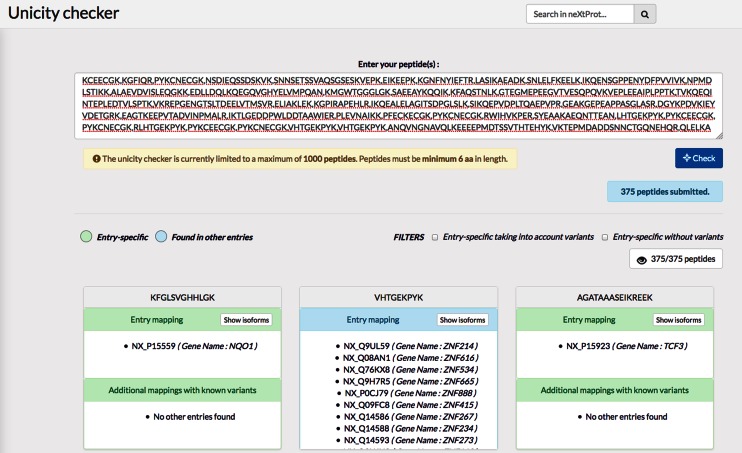
MethodSelf-citationThe neXtProt peptide uniqueness checker: a tool for the proteomics community
Schaeffer, M., Gateau, A., Teixeira, D., Michel, P.-A., Zahn-Zabal, M., & Lane, L. (2017) · Bioinformatics · doi:10.1093/bioinformatics/btx318 · Cited by 70
Self-citationProgress on the HUPO Draft Human Proteome: 2017 Metrics of the Human Proteome Project
Omenn, G. S., Lane, L., Lundberg, E. K., Overall, C. M., & Deutsch, E. W. (2017) · Journal of Proteome Research · doi:10.1021/acs.jproteome.7b00375 · Cited by 56
“Three chromosomes (1, 11, 19) have >200 missing proteins.”
BackgroundSelf-citationHuVarBase: A human variant database with comprehensive information at gene and protein levels
Ganesan, K., Kulandaisamy, A., Binny Priya, S., & Gromiha, M. M. (2019) · PLOS ONE · doi:10.1371/journal.pone.0210475 · Cited by 51
Paik, Y.-K., Lane, L., Kawamura, T., Chen, Y.-J., Cho, J.-Y., LaBaer, J., Yoo, J. S., Domont, G., Corrales, F., Omenn, G. S., et al. (2018) · Journal of Proteome Research · doi:10.1021/acs.jproteome.8b00383 · Cited by 49
Self-citationPineau, C., Hikmet, F., Zhang, C., Oksvold, P., Chen, S., Fagerberg, L., Uhlén, M., & Lindskog, C. (2019) · Journal of Proteome Research · doi:10.1021/acs.jproteome.9b00351 · Cited by 50
Progress, Challenges, and Surprises in Annotating the Human Genome
Zerbino, D. R., Frankish, A., & Flicek, P. (2020) · Annual Review of Genomics and Human Genetics · doi:10.1146/annurev-genom-121119-083418 · Cited by 51
“A relatively small number of protein-coding genes have been thoroughly investigated in direct experimental assays to establish their function, although approximately 87% have been detected in high-confidence proteomic experiments (53) (see also the sidebar titled Second Surprise: Lilliput Genes).”
BackgroundExploring the Uncharacterized Human Proteome Using neXtProt
Duek, P., Gateau, A., Bairoch, A., & Lane, L. (2018) · Journal of Proteome Research · doi:10.1021/acs.jproteome.8b00537 · Cited by 45
Self-citationIslam, M. J., Parves, M. R., Mahmud, S., Tithi, F. A., & Reza, M. A. (2019) · Computational Biology and Chemistry · doi:10.1016/j.compbiolchem.2019.03.004 · Cited by 44
Omenn, G. S., Lane, L., Overall, C. M., Corrales, F. J., Schwenk, J. M., Paik, Y.-K., Van Eyk, J. E., Liu, S., Pennington, S., Snyder, M. P., et al. (2019) · Journal of Proteome Research · doi:10.1021/acs.jproteome.9b00434 · Cited by 40
Self-citationZaccaria, A., Antinori, P., Licker, V., Kövari, E., Lobrinus, J. A., & Burkhard, P. R. (2021) · Cellular and Molecular Neurobiology · doi:10.1007/s10571-021-01146-8 · Cited by 40
Digging More Missing Proteins Using an Enrichment Approach with ProteoMiner
Li, S., He, Y., Lin, Z., Xu, S., Zhou, R., Liang, F., Wang, J., Yang, H., Liu, S., & Ren, Y. (2017) · Journal of Proteome Research · doi:10.1021/acs.jproteome.7b00353 · Cited by 39
Zhang, C., Wei, X., Omenn, G. S., & Zhang, Y. (2018) · Journal of Proteome Research · doi:10.1021/acs.jproteome.8b00453 · Cited by 34
Na, C. H., Sharma, N., Madugundu, A. K., Chen, R., Aksit, M. A., Rosson, G. D., Cutting, G. R., & Pandey, A. (2019) · Molecular & Cellular Proteomics · doi:10.1074/mcp.ra118.001101 · Cited by 35
“Efforts are ongoing to identify all genes at the protein level, but there are still 2,187 missing proteins that have never been identified (24).”
BackgroundProteomics Standards Initiative Extended FASTA Format
Binz, P., Shofstahl, J., Vizcaíno, J. A., Barsnes, H., Chalkley, R. J., Menschaert, G., Alpi, E., Clauser, K. R., Eng, J. K., Lane, L., et al. (2019) · Journal of Proteome Research · doi:10.1021/acs.jproteome.9b00064 · Cited by 37
Self-citationHuang, L., ROSS, K. E., Baffi, T. R., Drabkin, H., Kochut, K., Ruan, Z., D’Eustachio, P., McSkimming, D. I., Arighi, C. N., Chen, C., et al. (2018) · Scientific Reports · doi:10.1038/s41598-018-24457-1 · Cited by 34
Self-citationIDPpi: Protein-Protein Interaction Analyses of Human Intrinsically Disordered Proteins
Perović, V., Šumonja, N., Marsh, L. A., Radovanović, S., Vukičević, M., Roberts, S. G. E., & Veljković, N. (2018) · Scientific Reports · doi:10.1038/s41598-018-28815-x · Cited by 32
Exploring the HeLa Dark Mitochondrial Proteome
Marini, F., Carregari, V. C., Greco, V., Ronci, M., Iavarone, F., Persichilli, S., Castagnola, M., Urbani, A., & Pieroni, L. (2020) · Frontiers in Cell and Developmental Biology · doi:10.3389/fcell.2020.00137 · Cited by 31
“Data on human proteins are integrated in the human– centric platform neXtProt, which includes all manually reviewed UniProtKB entries combined with related information derived from proteomics, transcriptomics and genomics data, to report intra- and inter-individual diversity (Gaudet et al., 2017).”
BackgroundPRECOG: PREdicting COupling probabilities of G-protein coupled receptors
Singh, G., Inoue, A., Gutkind, J. S., Russell, R. B., & Raimondi, F. (2019) · Nucleic Acids Research · doi:10.1093/nar/gkz392 · Cited by 27
“org/) to view protein structure in 3D and neXtProt (23) sequence viewer to draw protein sequences in a readable format.”
BackgroundChemical Space and Biological Target Network of Anti-Inflammatory Natural Products
Zhang, R., Jing, L., Zou, Y., Zhang, X., & Xiao, W. (2018) · Journal of Chemical Information and Modeling · doi:10.1021/acs.jcim.8b00560 · Cited by 31
Automated feature engineering improves prediction of protein–protein interactions
Šumonja, N., Gemović, B., Veljković, N., & Perović, V. (2019) · Amino Acids · doi:10.1007/s00726-019-02756-9 · Cited by 31
Bell, P. A., Solis, N., Kizhakkedathu, J. N., Matthew, I., & Overall, C. M. (2019) · Journal of Proteome Research · doi:10.1021/acs.jproteome.9b00445 · Cited by 26
Advances in the Chromosome-Centric Human Proteome Project: looking to the future
Paik, Y., Omenn, G. S., Hancock, W. S., Lane, L., & Overall, C. M. (2017) · Expert Review of Proteomics · doi:10.1080/14789450.2017.1394189 · Cited by 25
“In addition, it provides the sequences of synthetic peptides that can be used for quantitative proteomics analysis according to SRMAtlas [26,27]. neXtProt also built two important tools for C-HPP: a graphical view of the status of protein validation in each chromosome, and a tool to assess the uniqueness of peptides a…”
MethodSelf-citationIntegrated Transcriptomic and Proteomic Analysis of Primary Human Umbilical Vein Endothelial Cells
Madugundu, A. K., Na, C. H., Nirujogi, R. S., Renuse, S., Kim, K. P., Burns, K. H., Wilks, C., Langmead, B., Ellis, S., Collado‐Torres, L., et al. (2019) · PROTEOMICS · doi:10.1002/pmic.201800315 · Cited by 25
Chen, Q., Britto, R., Erill, I., Jeffery, C. J., Liberzon, A., Magrane, M., Onami, J.-I., Robinson‐Rechavi, M., Sponarova, J., Zobel, J., et al. (2020) · Genomics Proteomics & Bioinformatics · doi:10.1016/j.gpb.2018.11.006 · Cited by 27
Schaschl, H., & Wallner, B. (2020) · BMC Evolutionary Biology · doi:10.1186/s12862-019-1575-0 · Cited by 24
Carapito, C., Duek, P. D., Macron, C., Seffals, M., Rondel, K., Delalande, F., Lindskog, C., Fréour, T., Vandenbrouck, Y., Lane, L., et al. (2017) · Journal of Proteome Research · doi:10.1021/acs.jproteome.7b00374 · Cited by 26
Self-citationTurewicz, M., Kohl, M., Ahrens, M., Mayer, G., Uszkoreit, J., Naboulsi, W., Bracht, T., Megger, D. A., Sitek, B., Marcus, K., et al. (2017) · Journal of Biotechnology · doi:10.1016/j.jbiotec.2017.06.005 · Cited by 26
Identifying High-Priority Proteins Across the Human Diseasome Using Semantic Similarity
Lau, E., Venkatraman, V., Thomas, C. T., Wu, J. C., Eyk, J. E. V., & Lam, M. P. Y. (2018) · Journal of Proteome Research · doi:10.1021/acs.jproteome.8b00393 · Cited by 24
Loss and gain of N-linked glycosylation sequons due to single-nucleotide variation in cancer
Fan, Y., Hu, Y., Yan, C., Goldman, R., Pan, Y., Mazumder, R., & Dingerdissen, H. (2018) · Scientific Reports · doi:10.1038/s41598-018-22345-2 · Cited by 27
Zhang, C., Lane, L., Omenn, G. S., & Zhang, Y. (2019) · Journal of Proteome Research · doi:10.1021/acs.jproteome.9b00537 · Cited by 22
Self-citationFrantzi, M., Čulig, Z., Heidegger, I. M., Mokou, M., Latosińska, A., Roesch, M. C., Merseburger, A. S., Makridakis, M., Vlahou, A., Blanca, A., et al. (2023) · Cancers · doi:10.3390/cancers15041166 · Cited by 22
“Additional evidence supporting the protein presence was retrieved from NextProt Database [44].”
MethodUnderstanding missing proteins: a functional perspective
Zhou, L., Wong, L., & Goh, W. W. B. (2017) · Drug Discovery Today · doi:10.1016/j.drudis.2017.11.011 · Cited by 22
Pillonel, T., Tagini, F., Bertelli, C., & Greub, G. (2019) · Nucleic Acids Research · doi:10.1093/nar/gkz924 · Cited by 24
Soler‐Ventura, A., Gay, M., Jodar, M., Vilanova, M., Castillo, J., Arauz‐Garofalo, G., Villarreal, L., Ballescà, J. L., Vilaseca, M., & Oliva, R. (2019) · Journal of Proteome Research · doi:10.1021/acs.jproteome.9b00499 · Cited by 22
The Y Chromosome: A Complex Locus for Genetic Analyses of Complex Human Traits
Parker, K., Erzurumluoglu, A. M., & Rodríguez, S. (2020) · Genes · doi:10.3390/genes11111273 · Cited by 23
Wang, J., Choi, H., Chung, N. C., Cao, Q., Ng, D. C. M., Mirza, B., Scruggs, S. B., Wang, D., Garlid, A. O., & Ping, P. (2018) · Journal of Proteome Research · doi:10.1021/acs.jproteome.8b00372 · Cited by 20
Gobeill, J., Caucheteur, D., Michel, P.-A., Mottin, L., Pasche, E., & Ruch, P. (2020) · Nucleic Acids Research · doi:10.1093/nar/gkaa328 · Cited by 20
“In January 2020, a dozen of vocabularies are exploited, including Drugbank (26) for drugs, the NCI Thesaurus (27) for diseases, neXtProt (28) for human genes or the NCBI taxonomy (29) for species.”
BackgroundSelf-citationIdentification of Missing Proteins in the Phosphoproteome of Kidney Cancer
Peng, X., Xu, F., Liu, S., Li, S., Huang, Q., Chang, L., Wang, L., Ma, X., He, F., & Xu, P. (2017) · Journal of Proteome Research · doi:10.1021/acs.jproteome.7b00332 · Cited by 20
Current status of clinical proteogenomics in lung cancer
Nishimura, T., Nakamura, H., Végvári, Á., Marko‐Varga, G., Furuya, N., & Saji, H. (2019) · Expert Review of Proteomics · doi:10.1080/14789450.2019.1654861 · Cited by 21
Bergeron, J. J. M., Au, C. E., Thomas, D. Y., & Hermo, L. (2017) · Molecular & Cellular Proteomics · doi:10.1074/mcp.mr117.000068 · Cited by 20
“cell homeostasis that may be informative for strategies to unravel the functions of the thousands of proteins discovered by -omics technologies (7).”
BackgroundSystematic Protein Prioritization for Targeted Proteomics Studies through Literature Mining
Yu, K., Lee, M. T., Wang, C.-S., Chen, Y., Ré, C., Kou, S. C., Chiang, J.-H., Kohane, I. S., & Snyder, M. P. (2018) · Journal of Proteome Research · doi:10.1021/acs.jproteome.7b00772 · Cited by 20
Adenosine‐to‐Inosine RNA Editing in Mouse and Human Brain Proteomes
Levitsky, L. I., Kliuchnikova, A. A., Kuznetsova, K. G., Karpov, D. S., Ivanov, M. V., Pyatnitskiy, M. A., Kalinina, O. V., Gorshkov, M. V., & Moshkovskii, S. A. (2019) · PROTEOMICS · doi:10.1002/pmic.201900195 · Cited by 21
Zhang, J., Kanoatov, M., Jarvi, K. A., Gauthier-Fisher, A., Moskovtsev, S. I., Librach, C. L., & Drabovich, A. P. (2023) · Molecular & Cellular Proteomics · doi:10.1016/j.mcpro.2023.100556 · Cited by 18
“Integration of Mol Cell Proteomics (2023) 22(6) 100556 9 our experimental proteomic data with mining of the Human Protein Atlas (41) and NextProt (42) data revealed that spermatozoa expressed 578 testis-specific proteins, of which 129 and 55 proteins had at least a single membrane-bound or secreted isoform, respective…”
MethodInfluentialEnhanced Missing Proteins Detection in NCI60 Cell Lines Using an Integrative Search Engine Approach
Guruceaga, E., Garín-Muga, A., Prieto, G., Bejarano, B., Marcilla, M., Marín‐Vicente, C., Pérez‐Riverol, Y., Casal, J. I., Vizcaíno, J. A., Corrales, F. J., et al. (2017) · Journal of Proteome Research · doi:10.1021/acs.jproteome.7b00388 · Cited by 19
Hassan, M., Shahzadi, S., Alashwal, H., Zaki, N., Seo, S., & Moustafa, A. A. (2018) · Neurological Sciences · doi:10.1007/s10072-018-3430-2 · Cited by 18
The clinical potential of prm-PASEF mass spectrometry
Lesur, A., & Dittmar, G. (2021) · Expert Review of Proteomics · doi:10.1080/14789450.2021.1908895 · Cited by 17
Pullman, B. S., Wertz, J., Carver, J., & Bandeira, N. (2018) · Journal of Proteome Research · doi:10.1021/acs.jproteome.8b00496 · Cited by 18
“In brief, protein existence tiers are defined as PE1 if there is evidence at protein level, PE2 if evidence at transcript level, PE3 if inferred from homology, PE4 if predicted and PE5 if uncertain; proteins are also referred to as “missing” if classified as PE2, PE3 or PE4 and “dubious” if classified as PE5 18 .”
BackgroundInfluentialVariomes: a high recall search engine to support the curation of genomic variants
Pasche, E., Mottaz, A., Caucheteur, D., Gobeill, J., Michel, P.-A., & Ruch, P. (2022) · Bioinformatics · doi:10.1093/bioinformatics/btac146 · Cited by 17
“The following terminologies were selected: neXtProt (Gaudet et al. , 2017) for genes, NCI Thesaurus (Sioutos et al. , 2007) for diseases and DrugBank (Wishart et al. , 2018) for drugs.”
Self-citationLast rolls of the yoyo: Assessing the human canonical protein count
Southan, C. (2017) · F1000Research · doi:10.12688/f1000research.11119.1 · Cited by 20
Quantifying Missing (Phospho)Proteome Regions with the Broad-Specificity Protease Subtilisin
Gonczarowska-Jorge, H., Loroch, S., Dell’Aica, M., Sickmann, A., Roos, A., & Zahedi, R. P. (2017) · Analytical Chemistry · doi:10.1021/acs.analchem.7b02395 · Cited by 17
Sjöstedt, E., Sivertsson, Å., Hikmet, F., Katona, B., Näsström, Å., Vuu, J., Kesti, D., Oksvold, P., Edqvist, P.-H. D., Olsson, I., et al. (2018) · Journal of Proteome Research · doi:10.1021/acs.jproteome.8b00406 · Cited by 17
Fu, Z., Rais, Y., Dara, D., Jackson, D., & Drabovich, A. P. (2022) · Analytical Chemistry · doi:10.1021/acs.analchem.2c01325 · Cited by 16
Resources and tools for the high-throughput, multi-omic study of intestinal microbiota
Blanco‐Míguez, A., Fdez‐Riverola, F., Sánchez, B., & Lourenço, A. M. G. (2017) · Briefings in Bioinformatics · doi:10.1093/bib/bbx156 · Cited by 16
“ExPASy databases include Swiss-Prot [185], STRING [186], SWISS-MODEL [187], PROSITE [188], ViralZone [189] and neXtProt [190].”
MethodAn Overview of Mass Spectrometry-Based Methods for Functional Proteomics
O’Neill, J. R. (2018) · Methods in molecular biology · doi:10.1007/978-1-4939-8814-3_13 · Cited by 18
Buxton, K. E., Kennedy‐Darling, J., Shortreed, M. R., Zaidan, N. Z., Olivier, M., Scalf, M., Sridharan, R., & Smith, L. M. (2017) · Journal of Proteome Research · doi:10.1021/acs.jproteome.7b00448 · Cited by 15
Zhao, P., Zhong, J., Liu, W., Zhao, J., & Zhang, G. (2017) · Journal of Proteome Research · doi:10.1021/acs.jproteome.7b00463 · Cited by 15
Proteogenomics in the context of the Human Proteome Project (HPP)
González-Gomariz, J., Guruceaga, E., López-Sánchez, M., & Segura, V. (2019) · Expert Review of Proteomics · doi:10.1080/14789450.2019.1571916 · Cited by 16
“Currently, the information about the protein evidence of the human proteins are centralized in the neXtProt database [20] and the requirements for a MP to be considered PE1 are perfectly described in the HPP guidelines [21].”
BackgroundReview: Utility of mass spectrometry in rare disease research and diagnosis
Zhao, T., Hock, D. H., Pitt, J. J., Thorburn, D. R., Stroud, D. A., & Christodoulou, J. (2025) · npj Genomic Medicine · doi:10.1038/s41525-025-00487-3 · Cited by 14
“There are approximately 20,000 protein-coding genes according to the Human Genome Project 48 , implying that there should be a similar number of proteins in the human proteome 49 .”
Elguoshy, A., Hirao, Y., Xu, B., Saito, S., Quadery, A. F., Yamamoto, K., Mitsui, T., Yamamoto, T., & Chromosome X Project Team of JProS (2017) · Journal of Proteome Research · doi:10.1021/acs.jproteome.7b00423 · Cited by 14
Pooyan, P., Karamzadeh, R., Mirzaei, M., Meyfour, A., Amirkhan, A., Wu, Y., Gupta, V., Baharvand, H., Javan, M., & Salekdeh, G. H. (2020) · GigaScience · doi:10.1093/gigascience/giaa116 · Cited by 14
“, TPPP3, GPM6B, TMOD1, DCLK2, DES, and PLEC [107]), a pivotal BP in OPC generation, differentiation, and migration in conjunction with OL generation and myelination.”
InfluentialAdhikari, S., Sharma, S., Ahn, S. B., & Baker, M. S. (2019) · Journal of Proteome Research · doi:10.1021/acs.jproteome.8b00494 · Cited by 13
Prediction of Peptide Detectability Based on CapsNet and Convolutional Block Attention Module
Yu, M., Duan, Y., Li, Z., & Zhang, Y. (2021) · International Journal of Molecular Sciences · doi:10.3390/ijms222112080 · Cited by 13
“The MS evidence of the human proteome offered by the HPP project is applied data are extracted from the neXtProt database [19] to build an additional The peptides of this database (also covered in GPMDB, but not related to the training and test sets of peptides according to Ref Figure 5a,b show the…”
MethodHalder, A., Biswas, D., Chauhan, A., Saha, A., Auromahima, S., Yadav, D., Nissa, M. U., Iyer, G., Parihari, S., Sharma, G., et al. (2023) · Clinical Proteomics · doi:10.1186/s12014-023-09426-9 · Cited by 13
“The peptides were filtered out based on uniqueness for each protein checked from NextProt [41] and 0 missed cleavages.”
MethodComparing intestinal versus diffuse gastric cancer using a PEFF-oriented proteomic pipeline
Wippel, H. H., Santos, M. D. M., Clasen, M. A., Kurt, L. U., Nogueira, F. C. S., Carvalho, C. E. D. S., McCormick, T. M., Neto, G. P. B., Alves, L. R., Carvalho, M. D. G., et al. (2017) · Journal of Proteomics · doi:10.1016/j.jprot.2017.10.005 · Cited by 13
Deciphering the Dark Proteome: Use of the Testis and Characterization of Two Dark Proteins
Melaine, N., Com, E., Bellaud, P., Laetitia Guillot, D., Lagarrigue, M., MORRICE, N. A., Guével, B., Lavigne, R., de la Calle, J.-F. V., Dojahn, J., et al. (2018) · Journal of Proteome Research · doi:10.1021/acs.jproteome.8b00387 · Cited by 13
Hadžiselimović, F., Cathomas, G., Verkauskas, G., Dasevičius, D., & Stadler, M. B. (2018) · Genes · doi:10.3390/genes9080391 · Cited by 14
Zhang, Y., Lin, Z., Tan, Y., Bu, F., Hao, P., Zhang, K., Yang, H., Liu, S., & Ren, Y. (2019) · Journal of Proteome Research · doi:10.1021/acs.jproteome.9b00590 · Cited by 13
Improvement of Peptide Separation for Exploring the Missing Proteins Localized on Membranes
Zhang, Y., Lin, Z., Hao, P., Hou, K., Sui, Y., Zhang, K., He, Y., Li, H., Yang, H., Liu, S., et al. (2018) · Journal of Proteome Research · doi:10.1021/acs.jproteome.8b00409 · Cited by 13
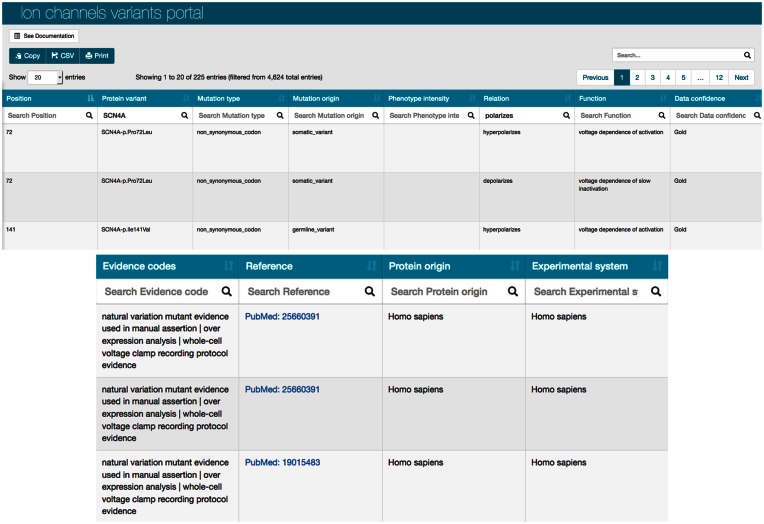
Annotation of functional impact of voltage-gated sodium channel mutations
Hinard, V., Britan, A., Schaeffer, M., Zahn‐Zabal, M., Thomet, U., Rougier, J., Bairoch, A., Abriel, H., & Gaudet, P. (2017) · Human Mutation · doi:10.1002/humu.23191 · Cited by 12
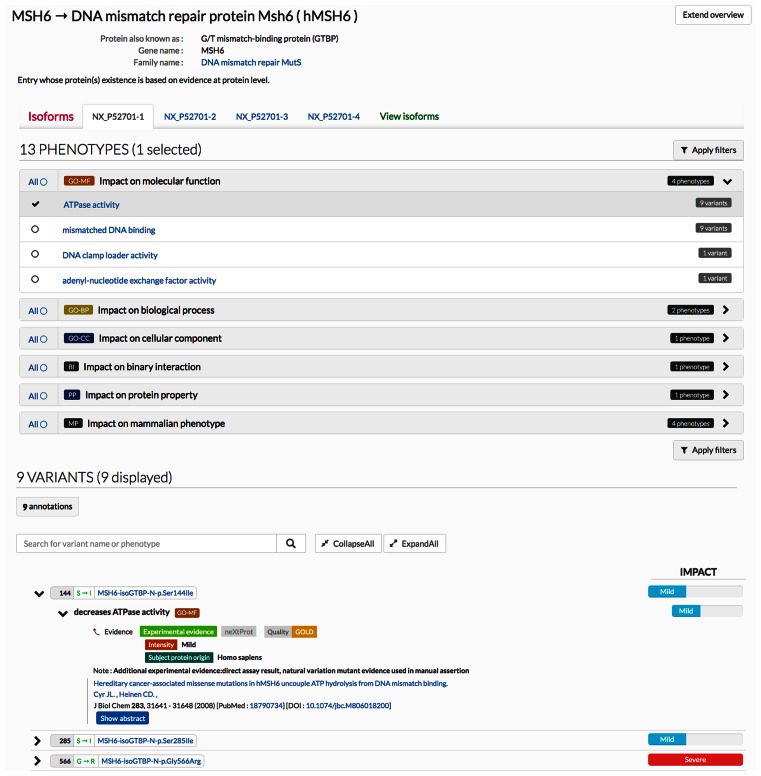
“…our group (Hinard et al., 2016), (3) mammalian phenotypes from the Mammalian Phenotype Ontology (Smith & Eppig, 2012), (4) proteins, represented by Gaudet et al. 2017 to describe effects on protein–protein interactions, or (5) protein property, such as protein abundance and stability, represented…”
BackgroundSelf-citationLarge Scale Identification of Variant Proteins in Glioma Stem Cells
Mostovenko, E., Végvári, Á., Rezeli, M., Lichti, C. F., Fenyö, D., Wang, Q., Lang, F. F., Sulman, E. P., Sahlin, K. B., Marko‐Varga, G., et al. (2017) · ACS Chemical Neuroscience · doi:10.1021/acschemneuro.7b00362 · Cited by 13
Metadata
- Authors
- Gaudet, P., Michel, P.-A., Zahn-Zabal, M., Britan, A., Cusin, I., Domagalski, M., Duek, P. D., Gateau, A., Gleizes, A., Hinard, V., Rech de Laval, V., Lin, J., Nikitin, F., Schaeffer, M., Teixeira, D., Lane, L., & Bairoch, A.
- Affiliations
- University of Geneva (CH)
- SIB Swiss Institute of Bioinformatics (CH)
- Sun Yat-sen University (CN)
- Corresponding author
- Gaudet, Pascale
- ORCID
- Venue
- Nucleic Acids Research
- Publisher
- Oxford University Press (OUP)
- Published
- 2016-11-29
- Volume
- 45
- Issue
- D1
- Pages
- D177-D182
- ISSN
- 0305-1048 (ISSN-L)
- 1362-4962
- PMC
- PMC5210547
- OpenAlex
- W2560310361
- Cited by
- 164
- References
- 25
- Citations by year
- 2026: 2 · 2025: 9 · 2024: 4 · 2023: 9 · 2022: 6 · 2021: 10 · 2020: 22 · 2019: 39 · 2018: 36 · 2017: 27
- FWCI
- 17.11
- Type
- journal article
- Language
- en
- Open access
- gold
- doi.org
- Licence
- Locations
- Nucleic Acids Research (publishedVersion, cc-by-nc)
- PubMed Central (publishedVersion, cc-by-nc)
- PubMed (publishedVersion)
- Archive ouverte UNIGE (University of Geneva) (publishedVersion, other-oa)
- HighWire Press Open Archive (submittedVersion)
- Archive ouverte UNIGE (University of Geneva) (submittedVersion, cc-by)
- Funders
- Université de Genève
- Swiss Cancer Research Foundation (KFS-3297-08-2013)
- Swiss Institute of Bioinformatics
- Topics
- Physical Sciences › Chemistry › Spectroscopy › Advanced Proteomics Techniques and Applications
- Life Sciences › Biochemistry, Genetics and Molecular Biology › Molecular Biology › Bioinformatics and Genomic Networks
- Health Sciences › Medicine › Health Informatics › Biomedical Text Mining and Ontologies
- Keywords
- neXtProt, proteomics data, genetic variation, hereditary cancer, channelopathies, protein annotation, SPARQL endpoint, API access
- MeSH terms
- Humans, Phenotype, Software, Genetic Variation, Internet, Databases, Protein, Proteomics, Genetic Association Studies, Web Browser
About these checks
Registry, retraction, Cites and statistics results are computed, not judged, with one exception: a printed reference that no index lists is read once by a model before it counts as a citation error. Claims are extracted by a model and kept only when their quote appears verbatim in the text; each cited source is then checked, with a model’s help, for whether it says what the claim relies on. Those verdicts can be wrong — read the claim’s quote and the cited source before relying on one.
Statistics and arithmetic are recomputed, not judged.
Confidence bands are shown only for fields calibrated on our annotated test set. None is calibrated yet, so no band is shown.
What counts as a claim ›How we measure confidence ›How we check this ›
Are you an author, or do you see a problem with this page? Request a review
Data sources
Bibliographic data: Semantic Scholar, OpenAlex, Crossref.
Contains information from the Semantic Scholar Academic Graph Datasets, made available under the ODC Attribution License (ODC-BY 1.0).
Semantic Scholar’s data is described in: Kinney, R., et al. (2023). The Semantic Scholar Open Data Platform. arXiv:2301.10140.
