

Neural and Behavioral Correlates of Aberrant Salience in Individuals at Risk for Psychosis
Open accessThe DOI matches its Crossref record; 44 of the 45 references it cites were found in a registry or an index.
Abstract
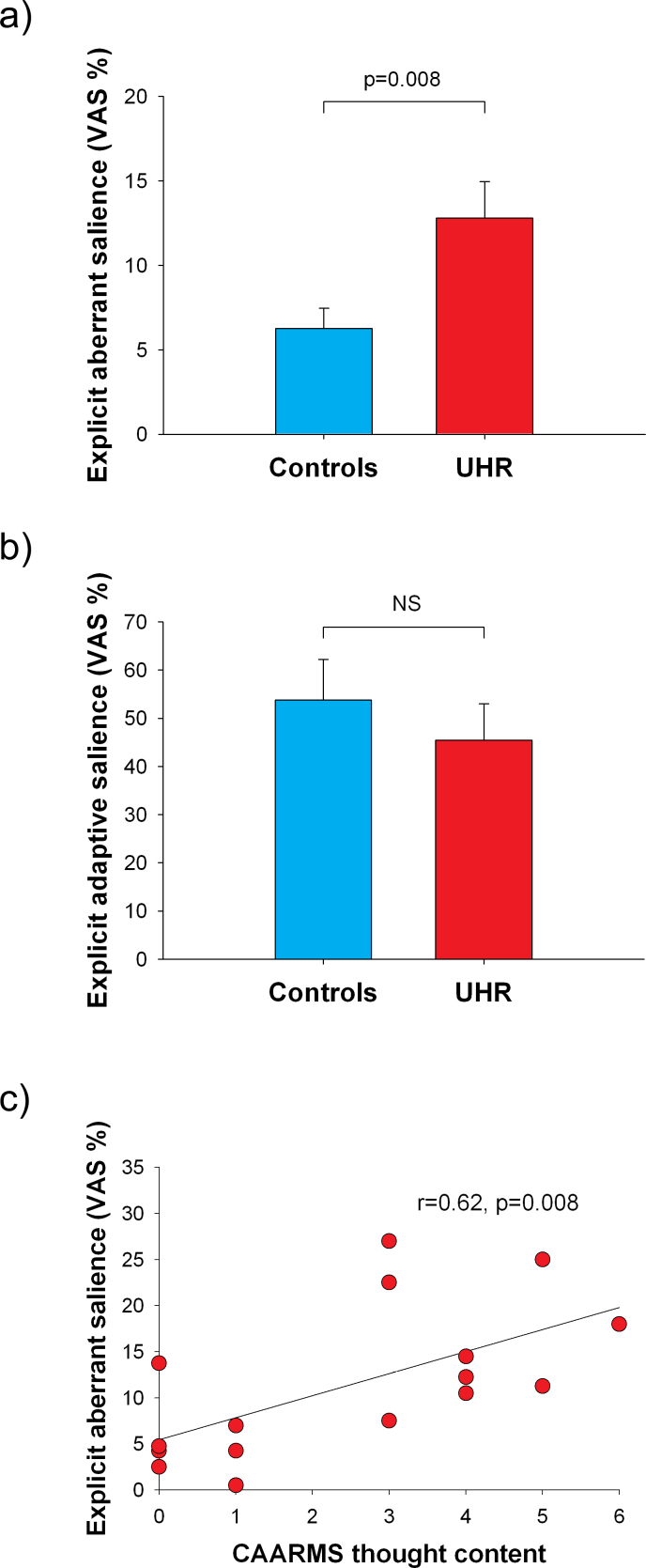
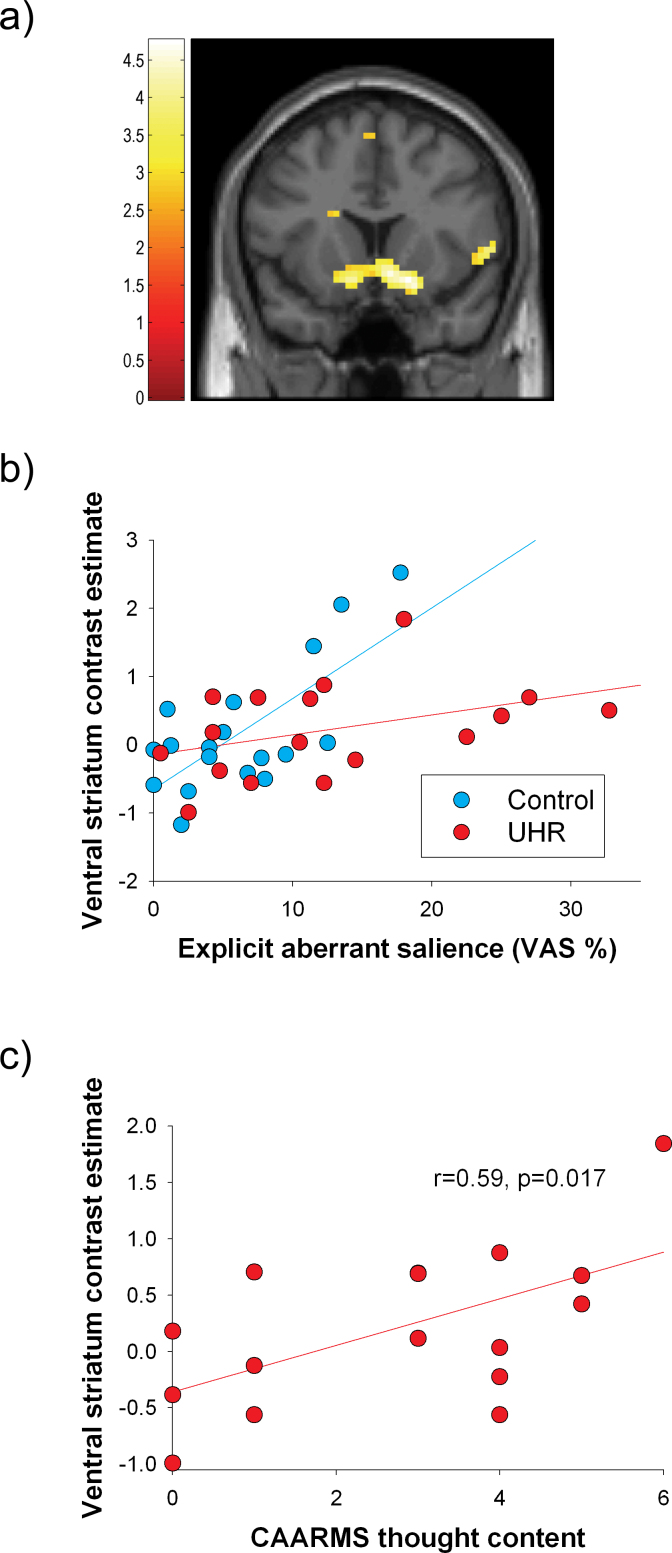
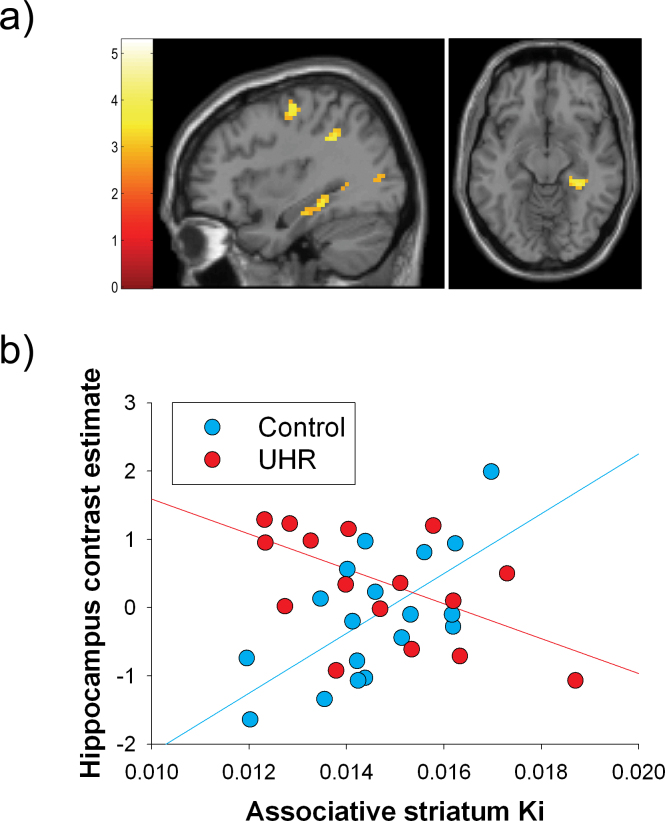
The "aberrant salience" model proposes that psychotic symptoms first emerge when chaotic brain dopamine transmission leads to the attribution of significance to stimuli that would normally be considered irrelevant. This is thought to occur during the prodromal phase of psychotic disorders, but this prediction has not been tested previously. In the present study, we tested this model in 18 healthy volunteers and 18 unmedicated individuals at ultra-high risk of psychosis. Subjects performed the Salience Attribution Test, which provides behavioral measures of adaptive and aberrant motivational salience, during functional magnetic resonance imaging to assess neural responses to relevant and irrelevant stimulus features. On a separate occasion, the same subjects were also studied with [(18)F]fluorodopa positron emission tomography to measure dopamine synthesis capacity. Individuals at ultra-high risk of psychosis were more likely to attribute motivational salience to irrelevant stimulus features (t(26.7) = 2.8, P = .008), and this bias was related to the severity of their delusion-like symptoms (r = .62, P = .008). Ventral striatal responses to irrelevant stimulus features were also correlated with delusion-like symptoms in the ultra-high risk group (r = .59, P = .017). Striatal dopamine synthesis capacity correlated negatively with hippocampal responses to irrelevant stimulus features in ultra-high risk individuals, but this relationship was positive in controls. These data are consistent with the hypothesis that aberrant salience processing underlies psychotic symptoms and involves functional alterations in the striatum, hippocampus, and the subcortical dopamine system.
Overview
The claims and statistics of this paper haven’t been checked yet.
Free: it reads the open-access text and checks the first 5 claims that cite a source we can check. Create a free account to check every claim.
Integrity signals
Registry
Cites
Statistics
Figures
Verification
Claims the paper makes
The claims and statistics of this paper haven’t been checked yet.
Free: it reads the open-access text and checks the first 5 claims that cite a source we can check. Create a free account to check every claim.
Claims other papers make about this one
Each is checked against this paper’s own text: does it say what the citing paper says it does?
The source backs part of the claim, not all of it — or backs it for a different population, condition or comparison.
In the citing paper
“The consequence may be enhanced salience attribution to environmental stimuli, which may underlie delusional and paranoid symptoms, as suggested by others [128,137] .”
From The traumagenic neurodevelopmental model of psychosis revisited (2014) · cites this paper as [137]
Experimental — accuracy not yet measuredThe cited source says what the claim attributes to it.
In the citing paper
“Overall, the tendency is for CHR to show increased explicit (but not implicit, such as that measured with reaction time) aberrant salience compared to controls (80, 82).”
From Aberrant Salience, Information Processing, and Dopaminergic Signaling in People at Clinical High Risk for Psychosis (2020) · cites this paper as [82]
The cited source says what the claim attributes to it.
In the citing paper
“CHR subjects rate irrelevant cues as more relevant than HC do (80, 82),”
From Aberrant Salience, Information Processing, and Dopaminergic Signaling in People at Clinical High Risk for Psychosis (2020) · cites this paper as [82]
The cited source says what the claim attributes to it.
In the citing paper
“Taken together, this evidence indicates altered salience processing (80-83), reward anticipation (7577) and PE-signalling (78, 79) in CHR relative to HC.”
From Aberrant Salience, Information Processing, and Dopaminergic Signaling in People at Clinical High Risk for Psychosis (2020) · cites this paper as [82]
The cited source says what the claim attributes to it.
In the citing paper
“Moreover, VS activation during aberrant salience processing correlates with delusion-like symptoms (82),”
From Aberrant Salience, Information Processing, and Dopaminergic Signaling in People at Clinical High Risk for Psychosis (2020) · cites this paper as [82]
1 more claim about this paper
Create a free account to see every claim other papers make about this one.
Self-check
Percentages, sums and reported differences re-computed from the paper’s own numbers.
The self-check needs the paper’s full text.
Citations
Cites
The Positive and Negative Syndrome Scale (PANSS) for schizophrenia.
Kay, S. R., Fiszbein, A., & Opler, L. A. (1987) · Schizophrenia Bulletin · doi:10.1093/schbul/13.2.261 · Cited by 21,378
(1998) · The Journal of Clinical Psychiatry · Cited by 19,139
(1998) · PubMed · Cited by 10,216
No adjustments are needed for multiple comparisons.
Rothman, K. J. (1990) · Epidemiology · doi:10.1097/00001648-199001000-00010 · Cited by 5,965
The mini international neuropsychiatric interview
Lecrubier, Y., Sheehan, D., Hergueta, T., & Weiller, E. (1998) · European Psychiatry · doi:10.1016/s0924-9338(99)80239-9 · Cited by 5,872
Wechsler Abbreviated Scale of Intelligence
Dumont, R., Willis, J. O., Veizel, K., & Zibulsky, J. (2014) · Encyclopedia of Special Education · doi:10.1002/9781118660584.ese2519 · Cited by 5,521
Maldjian, J. A., Laurienti, P. J., Kraft, R. A., & Burdette, J. H. (2003) · NeuroImage · doi:10.1016/s1053-8119(03)00169-1 · Cited by 5,085
Wechsler Abbreviated Scale of Intelligence
Wechsler, D. (2012) · PsycTESTS Dataset · doi:10.1037/t15170-000 · Cited by 4,596
What is the role of dopamine in reward: hedonic impact, reward learning, or incentive salience?
Berridge, K. C., & Robinson, T. E. (1998) · Brain Research Reviews · doi:10.1016/s0165-0173(98)00019-8 · Cited by 4,127
Kapur, S. (2003) · American Journal of Psychiatry · doi:10.1176/appi.ajp.160.1.13 · Cited by 2,813 · cited 3×
“Two contrast images were generated per participant, representing (1) adaptive reward prediction and (2) aberrant reward prediction.”
Background
Research works printed but not linked: 1
- Nelson HE National Adult Reading Test (NART): Test Manual. Windsor, United Kingdom: NFER-Nelson; 1982
Cited by
Kahn, R. S., Sommer, I. E., Murray, R. M., Meyer-Lindenberg, A., Weinberger, D. R., Cannon, T. D., O'Donovan, M., Correll, C. U., Kane, J. M., van Os, J., et al. (2015) · Nature Reviews Disease Primers · doi:10.1038/nrdp.2015.67 · Cited by 1,124
Glutamate and dopamine in schizophrenia: An update for the 21 st century
Howes, O., McCutcheon, R., & Stone, J. (2015) · Journal of Psychopharmacology · doi:10.1177/0269881114563634 · Cited by 702
“In addition, there is also evidence that patients with current delusions and people with prodromal-type symptoms who are at risk of psychosis show greater assignment of importance to irrelevant stimuli, supporting the aberrant salience hypothesis (Roiser et al., 2009, 2013).”
BackgroundSelf-citationMore than skin deep: Stress neurobiology and mental health consequences of racial discrimination
Berger, M., & Sarnyai, Z. (2015) · Stress · doi:10.3109/10253890.2014.989204 · Cited by 606
“Salience dysregulation also occurs in a number of illnesses, most notably Parkinson’s disease (Nagy et al., 2012), schizophrenia (Roiser et al., 2009, 2013), addiction (Ma et al., 2010) and perhaps chronic pain (Borsook et al., 2013).”
BackgroundVentral Striatal Activation During Reward Processing in Psychosis: A Neurofunctional Meta-Analysis
Radua, J., Schmidt, A., Borgwardt, S., Heinz, A., Schlagenhauf, F., McGuire, P., & Fusar-Poli, P. (2015) · JAMA Psychiatry · doi:10.1001/jamapsychiatry.2015.2196 · Cited by 342
Self-citationReininghaus, U., Kempton, M. J., Valmaggia, L., Craig, T. K. J., Garety, P., Onyejiaka, A., Gayer-Anderson, C., So, S. H., Hubbard, K., Beards, S., et al. (2016) · Schizophrenia Bulletin · doi:10.1093/schbul/sbv190 · Cited by 304
Self-citationAn integrative perspective on the role of dopamine in schizophrenia
Maia, T. V., & Frank, M. J. (2017) · Biological Psychiatry · doi:10.1016/j.biopsych.2016.05.021 · Cited by 293
“In a task in which one cue feature predicts reward and another does not, psychotic (or psychotic-like) symptoms correlate with an increased tendency to consider the irrelevant feature also predictive of reward in unmedicated participants at ultrahigh risk for psychosis (55), medicated schizophrenia patients (56), and…”
Computational psychiatry: towards a mathematically informed understanding of mental illness
Adams, R. A., Huys, Q. J. M., & Roiser, J. P. (2015) · Journal of Neurology, Neurosurgery & Psychiatry · doi:10.1136/jnnp-2015-310737 · Cited by 285
“108 A weakness of the aberrant salience hypothesis is that the connection between aberrant motivational signalling and the abnormal inference (hallucinations) and abnormal learning (delusions) found in positive symptoms is not intuitive (assuming that delusions do indeed involve abnormal learning).”
BackgroundSelf-citationThe traumagenic neurodevelopmental model of psychosis revisited
Read, J., Fosse, R., Moskowitz, A., & Perry, B. (2014) · Neuropsychiatry · doi:10.2217/npy.13.89 · Cited by 262
Dopaminergic basis of salience dysregulation in psychosis
Winton-Brown, T. T., Fusar-Poli, P., Ungless, M. A., & Howes, O. D. (2014) · Trends in Neurosciences · doi:10.1016/j.tins.2013.11.003 · Cited by 231
Self-citationHow Schizophrenia Develops: Cognitive and Brain Mechanisms Underlying Onset of Psychosis
Cannon, T. D. (2015) · Trends in Cognitive Sciences · doi:10.1016/j.tics.2015.09.009 · Cited by 228
“If increased dopamine synthesis and release began to occur in contexts without prior rewardbased contingencies, this could result in a heightened sense of salience of otherwise innocuous stimuli, which could plausibly play a role in the development of ideas of reference and paranoia [82].”
Secondary negative symptoms — A review of mechanisms, assessment and treatment
Kirschner, M., Aleman, A., & Kaiser, S. (2017) · Schizophrenia Research · doi:10.1016/j.schres.2016.05.003 · Cited by 215
Cannabis-associated psychosis: Neural substrate and clinical impact
Murray, R. M., Englund, A., Abi-Dargham, A., Lewis, D. A., Di Forti, M., Davies, C., Sherif, M., McGuire, P., & D'Souza, D. C. (2017) · Neuropharmacology · doi:10.1016/j.neuropharm.2017.06.018 · Cited by 200
Self-citationMayo, D., Corey, S., Kelly, L. H., Yohannes, S., Youngquist, A. L., Stuart, B. K., Niendam, T. A., & Loewy, R. L. (2017) · Frontiers in Psychiatry · doi:10.3389/fpsyt.2017.00055 · Cited by 200
Howes, O. D., Williams, M., Ibrahim, K., Leung, G., Egerton, A., McGuire, P. K., & Turkheimer, F. (2013) · Brain · doi:10.1093/brain/awt264 · Cited by 198
“…between groups in cigarette consumption or alcohol use [median (IQR) cigarette use for control subjects = 0.1 (7) and schizophrenia 5 0.1 (10) cigarettes/day, Z = 0.6, P = 0.54; median (IQR) alcohol use for control subjects = 6 (10) and schizophrenia = 2 (8) units/week, Z = 1.2, P = 0.24].”
InfluentialSelf-citationTrauma and the psychosis spectrum: A review of symptom specificity and explanatory mechanisms
Gibson, L. E., Alloy, L. B., & Ellman, L. M. (2016) · Clinical Psychology Review · doi:10.1016/j.cpr.2016.08.003 · Cited by 196
Menon, V., Palaniyappan, L. K., & Supekar, K. (2022) · Biological Psychiatry · doi:10.1016/j.biopsych.2022.09.029 · Cited by 189
Translational perspectives for computational neuroimaging
Stephan, K. E., Iglesias, S., Heinzle, J., & Diaconescu, A. O. (2015) · Neuron · doi:10.1016/j.neuron.2015.07.008 · Cited by 169
Translating the MAM model of psychosis to humans
Modinos, G., Allen, P., Grace, A. A., & McGuire, P. (2015) · Trends in Neurosciences · doi:10.1016/j.tins.2014.12.005 · Cited by 165
Self-citationNeurobiology of emotional trauma
Giotakos, O. (2020) · Psychiatriki · doi:10.22365/jpsych.2020.312.162 · Cited by 148
Howes, O. D., Hird, E. J., Adams, R. A., Corlett, P. R., & McGuire, P. (2020) · Biological Psychiatry · doi:10.1016/j.biopsych.2020.03.012 · Cited by 110
Self-citationSocial Adversity in the Etiology of Psychosis: A Review of the Evidence
Longden, E., & Read, J. (2016) · American Journal of Psychotherapy · doi:10.1176/appi.psychotherapy.2016.70.1.5 · Cited by 110
Structural and functional imaging markers for susceptibility to psychosis
Andreou, C., & Borgwardt, S. (2020) · Molecular Psychiatry · doi:10.1038/s41380-020-0679-7 · Cited by 106
Dopaminergic basis for signaling belief updates, but not surprise, and the link to paranoia
Nour, M. M., Dahoun, T., Schwartenbeck, P., Adams, R. A., FitzGerald, T. H. B., Coello, C., Wall, M. B., Dolan, R. J., & Howes, O. D. (2018) · Proceedings of the National Academy of Sciences · doi:10.1073/pnas.1809298115 · Cited by 101
Self-citationBarkus, C., Sanderson, D. J., Rawlins, J. N. P., Walton, M. E., Harrison, P. J., & Bannerman, D. M. (2014) · Molecular Psychiatry · doi:10.1038/mp.2014.91 · Cited by 101
The neurophenomenology of early psychosis: An integrative empirical study
Nelson, B., Lavoie, S., Gawęda, Ł., Li, E., Sass, L. A., Koren, D., McGorry, P. D., Jack, B. N., Parnas, J., Polari, A., et al. (2020) · Consciousness and Cognition · doi:10.1016/j.concog.2019.102845 · Cited by 99
Dopamine, cognitive biases and assessment of certainty: A neurocognitive model of delusions
Broyd, A., Balzan, R. P., Woodward, T. S., & Allen, P. (2017) · Clinical Psychology Review · doi:10.1016/j.cpr.2017.04.006 · Cited by 95
Ermakova, A. O., Knolle, F., Justicia, A., Bullmore, E. T., Jones, P. B., Robbins, T. W., Fletcher, P. C., & Murray, G. K. (2018) · Neuropsychopharmacology · doi:10.1038/s41386-018-0056-2 · Cited by 91
“Brain prediction-error signalling has not been examined in this group before, although there is some evidence for abnormal cortical and/or striatal processing of salience [35, 36] or reward anticipation in at-risk patients [37, 38].”
BackgroundComprehensive review: Computational modelling of schizophrenia
Valton, V., Romaniuk, L., Steele, J. D., Lawrie, S. M., & Seriès, P. (2017) · Neuroscience & Biobehavioral Reviews · doi:10.1016/j.neubiorev.2017.08.022 · Cited by 95
Deserno, L., Boehme, R., Heinz, A., & Schlagenhauf, F. (2013) · Frontiers in Psychiatry · doi:10.3389/fpsyt.2013.00172 · Cited by 88
Fabro, L. D., Schmidt, A., Fortea, L., Delvecchio, G., D’Agostino, A., Raduà, J., Borgwardt, S., & Brambilla, P. (2021) · Neuroscience & Biobehavioral Reviews · doi:10.1016/j.neubiorev.2021.06.020 · Cited by 86
Aberrant Salience Is Related to Dysfunctional Self-Referential Processing in Psychosis
Pankow, A., Katthagen, T., Diner, S., Deserno, L., Boehme, R., Kathmann, N., Gleich, T., Gaebler, M., Walter, H., Heinz, A., et al. (2015) · Schizophrenia Bulletin · doi:10.1093/schbul/sbv098 · Cited by 86
Neural signals encoding shifts in beliefs
Schwartenbeck, P., FitzGerald, T. H. B., & Dolan, R. (2016) · NeuroImage · doi:10.1016/j.neuroimage.2015.10.067 · Cited by 82
Atypical processing of uncertainty in individuals at risk for psychosis
Cole, D. M., Diaconescu, A. O., Pfeiffer, U. J., Brodersen, K. H., Mathys, C. D., Julkowski, D., Ruhrmann, S., Schilbach, L., Tittgemeyer, M., Vogeley, K., et al. (2020) · NeuroImage: Clinical · doi:10.1016/j.nicl.2020.102239 · Cited by 72
Wilson, R., Bossong, M. G., Appiah-Kusi, E., Petros, N., Brammer, M., Perez, J., Allen, P., McGuire, P., & Bhattacharyya, S. (2019) · Translational Psychiatry · doi:10.1038/s41398-019-0534-2 · Cited by 63
Self-citationApathy and Motivation: Biological Basis and Drug Treatment
Costello, H., Husain, M., & Roiser, J. P. (2023) · The Annual Review of Pharmacology and Toxicology · doi:10.1146/annurev-pharmtox-022423-014645 · Cited by 64
Self-citationWotruba, D., Heekeren, K., Michels, L., Buechler, R., Simon, J. J., Theodoridou, A., Kollias, S., Rössler, W., & Kaiser, S. (2014) · Frontiers in Behavioral Neuroscience · doi:10.3389/fnbeh.2014.00382 · Cited by 61
“Furthermore, motivational salience processing and associated responses in the VS (Roiser et al., 2013), as well as reduced activation during loss-avoidance anticipation in pre-psychotic individuals has been observed (Juckel et al., 2012).”
BackgroundOrganic psychosis: The pathobiology and treatment of delusions
Joyce, E. M. (2018) · CNS Neuroscience & Therapeutics · doi:10.1111/cns.12973 · Cited by 61
Self-citationDopamine neuron dependent behaviors mediated by glutamate cotransmission
Mingote, S., Chuhma, N., Kalmbach, A., Thomsen, G. M., Wang, Y., Mihali, A., Sferrazza, C. E., Zucker-Scharff, I., Siena, A.-C., Welch, M. G., et al. (2017) · eLife · doi:10.7554/elife.27566 · Cited by 59
Striatal dopamine, reward, and decision making in schizophrenia
Deserno, L., Schlagenhauf, F., & Heinz, A. (2016) · Dialogues in Clinical Neuroscience · doi:10.31887/dcns.2016.18.1/ldeserno · Cited by 58
Hippocampal Hyperactivity as a Druggable Circuit-Level Origin of Aberrant Salience in Schizophrenia
Kätzel, D., Wolff, A. R., Bygrave, A. M., & Bannerman, D. M. (2020) · Frontiers in Pharmacology · doi:10.3389/fphar.2020.486811 · Cited by 57
Kafadar, E., Mittal, V. A., Strauss, G. P., Chapman, H. C., Ellman, L. M., Bansal, S., Gold, J. M., Alderson‐Day, B., Evans, S., Moffatt, J. A., et al. (2020) · Schizophrenia Research · doi:10.1016/j.schres.2020.04.017 · Cited by 58
Terminology and assessment tools of psychosis: A systematic narrative review
Seiler, N., Nguyen, T., Yung, A. R., & O'Donoghue, B. N. (2020) · Psychiatry and Clinical Neurosciences · doi:10.1111/pcn.12966 · Cited by 57
Modulation of motivational salience processing during the early stages of psychosis
Smieskova, R., Roiser, J. P., Chaddock, C. A., Schmidt, A., Harrisberger, F., Bendfeldt, K., Simon, A., Walter, A., Fusar-Poli, P., McGuire, P. K., et al. (2015) · Schizophrenia Research · doi:10.1016/j.schres.2015.04.036 · Cited by 56
“These neural deficitsmay be a part of a dysfunctional cognitive network in early schizophrenia, rather than being specifically related to motivational salience dysfunction (Roiser et al., 2013).”
BackgroundResultInfluentialSelf-citationNeurosurgery for schizophrenia: an update on pathophysiology and a novel therapeutic target
Mikell, C. B., Sinha, S. R., & Sheth, S. A. (2015) · Journal of neurosurgery · doi:10.3171/2015.4.jns15120 · Cited by 56
Neural Circuitry of Salience and Reward Processing in Psychosis
Kesby, J. P., Murray, G. K., & Knolle, F. (2023) · Biological Psychiatry Global Open Science · doi:10.1016/j.bpsgos.2021.12.003 · Cited by 55
Boehme, R., Deserno, L., Gleich, T., Katthagen, T., Pankow, A., Behr, J., Buchert, R., Roiser, J. P., Heinz, A., & Schlagenhauf, F. (2015) · Journal of Neuroscience · doi:10.1523/jneurosci.0805-15.2015 · Cited by 52
Self-citationPrenatal inflammation and risk for schizophrenia: A role for immune proteins in neurodevelopment
Allswede, D. M., & Cannon, T. D. (2018) · Development and Psychopathology · doi:10.1017/s0954579418000317 · Cited by 53
Winton-Brown, T., Schmidt, A., Roiser, J. P., Howes, O. D., Egerton, A., Fusar-Poli, P., Bunzeck, N., Grace, A. A., Duzel, E., Kapur, S., et al. (2017) · Translational Psychiatry · doi:10.1038/tp.2017.174 · Cited by 51
Self-citationSagheddu, C., Traccis, F., Serra, V., Congiu, M., Frau, R., Cheer, J. F., & Melis, M. (2020) · Progress in Neuro-Psychopharmacology and Biological Psychiatry · doi:10.1016/j.pnpbp.2020.110128 · Cited by 51
Kowalski, J., Aleksandrowicz, A., Dąbkowska, M., & Gawęda, Ł. (2021) · Journal of Clinical Medicine · doi:10.3390/jcm10184126 · Cited by 50
Salokangas, R. K. R., Dingemans, P., Heinimaa, M., Svirskis, T., Luutonen, S., Hietala, J., Ruhrmann, S., Juckel, G., Graf von Reventlow, H., Linszen, D., et al. (2013) · European Psychiatry · doi:10.1016/j.eurpsy.2013.01.001 · Cited by 50
Toward integrated understanding of salience in psychosis
Miyata, J. (2019) · Neurobiology of Disease · doi:10.1016/j.nbd.2019.03.002 · Cited by 50
Kirschner, M., Hager, O. M., Muff, L., Bischof, M., Hartmann-Riemer, M. N., Kluge, A., Habermeyer, B., Seifritz, E., Tobler, P. N., & Kaiser, S. (2016) · Schizophrenia Bulletin · doi:10.1093/schbul/sbw142 · Cited by 49
Gene-sex interactions in schizophrenia: focus on dopamine neurotransmission
Godar, S. C., & Bortolato, M. (2014) · Frontiers in Behavioral Neuroscience · doi:10.3389/fnbeh.2014.00071 · Cited by 47
Triangles, tricks and tics: Hyper-mentalizing in response to animated shapes in Tourette syndrome
Eddy, C. M., & Cavanna, A. E. (2015) · Cortex · doi:10.1016/j.cortex.2015.06.003 · Cited by 47
Dysfunctional insular connectivity during reward prediction in patients with first-episode psychosis
Schmidt, A., Palaniyappan, L. K., Smieskova, R., Simon, A. E., Riecher‐Rössler, A., Lang, U. E., Fusar‐Poli, P., McGuire, P. K., & Borgwardt, S. (2016) · Journal of Psychiatry and Neuroscience · doi:10.1503/jpn.150234 · Cited by 44
Self-citationCognition in at-risk mental states for psychosis
de Paula, A. L. D., Hallak, J. E. C., Maia-de-Oliveira, J. P., Bressan, R. A., & Machado-de-Sousa, J. P. (2015) · Neuroscience & Biobehavioral Reviews · doi:10.1016/j.neubiorev.2015.09.006 · Cited by 43
Modinos, G., Richter, A., Egerton, A., Bonoldi, I., Azis, M., Antoniades, M., Bossong, M. G., Crossley, N. A., Pérez, J. M., Stone, J. M., et al. (2021) · Neuropsychopharmacology · doi:10.1038/s41386-021-01019-0 · Cited by 43
Self-citationEmerging Temporal Lobe Dysfunction in People at Clinical High Risk for Psychosis
Allen, P., Moore, H. M., Corcoran, C. M., Gilleen, J., Kozhuharova, P., Reichenberg, A., & Malaspina, D. (2019) · Frontiers in Psychiatry · doi:10.3389/fpsyt.2019.00298 · Cited by 42
Piantadosi, P. T., & Floresco, S. B. (2014) · Neuropsychopharmacology · doi:10.1038/npp.2014.99 · Cited by 42
Dourron, H. M., Strauss, C. K., & Hendricks, P. S. (2022) · Pharmacological Reviews · doi:10.1124/pharmrev.121.000514 · Cited by 42
Davies, C., Wilson, R. P., Appiah‐Kusi, E., Blest‐Hopley, G., Brammer, M. J., Pérez, J. M., Murray, R. M., Allen, P., Bossong, M. G., McGuire, P. K., et al. (2020) · Translational Psychiatry · doi:10.1038/s41398-020-0862-2 · Cited by 41
Self-citationFrom apathy to addiction: Insights from neurology and psychiatry
Kirschner, M., Rabinowitz, A. G., Singer, N., & Dagher, A. (2020) · Progress in Neuro-Psychopharmacology and Biological Psychiatry · doi:10.1016/j.pnpbp.2020.109926 · Cited by 41
Ariza-Salamanca, D. F., Corrales-Hernández, M. G., Pachón-Londoño, M. J., & Hernández-Duarte, I. (2022) · Frontiers in Molecular Neuroscience · doi:10.3389/fnmol.2022.993671 · Cited by 40
Millman, Z. B., Gallagher, K., Demro, C., Schiffman, J., Reeves, G. M., Gold, J. M., Rakhshan Rouhakhtar, P. J., Fitzgerald, J., Andorko, N. D., Redman, S., et al. (2020) · Schizophrenia Research · doi:10.1016/j.schres.2019.03.017 · Cited by 39
The claustrum and consciousness: An update
Liaw, Y. S., & Augustine, G. J. (2023) · International Journal of Clinical and Health Psychology · doi:10.1016/j.ijchp.2023.100405 · Cited by 40
Reininghaus, U., Oorschot, M., Moritz, S., Gayer-Anderson, C. E., Kempton, M. J., Valmaggia, L., McGuire, P. K., Murray, R. M., Garety, P. A., Wykes, T., et al. (2018) · Schizophrenia Bulletin · doi:10.1093/schbul/sby116 · Cited by 39
Self-citationLin, P., Wang, X., Zhang, B., Kirkpatrick, B. W., Öngür, D., Levitt, J. J., Jovicich, J., Yao, S., & Wang, X. (2017) · Human Brain Mapping · doi:10.1002/hbm.23879 · Cited by 39
Schmidt, A., Antoniades, M., Allen, P., Egerton, A., Chaddock, C. A., Borgwardt, S., Fusar-Poli, P., Roiser, J. P., Howes, O., & McGuire, P. (2017) · Psychological Medicine · doi:10.1017/s0033291716002439 · Cited by 38
“The VS region of interest was defined using coordinates taken from a previous SAT fMRI study in an independent UHR cohort (Roiser et al. 2013): right (x = 12; y = 12; z =−3) and left (x =−12; y = 9; z =−3).”
BackgroundMethodResultInfluentialSelf-citationFrydecka, D., Misiak, B., Kotowicz, K., Pionke‐Ubych, R., Krężołek, M., Cechnicki, A., & Gawęda, Ł. (2020) · European Psychiatry · doi:10.1192/j.eurpsy.2020.31 · Cited by 38
Knolle, F., Ermakova, A. O., Justicia, A., Fletcher, P. C., Bunzeck, N., Düzel, E., & Murray, G. K. (2018) · Translational Psychiatry · doi:10.1038/s41398-018-0250-3 · Cited by 37
Examination of the Neural Basis of Psychoticlike Experiences in Adolescence During Reward Processing
Papanastasiou, E., Mouchlianitis, E. D., Joyce, D. W., McGuire, P. K., Banaschewski, T., Bokde, A. L. W., Bromberg, U., Büchel, C., Quinlan, E. B., Desrivières, S., et al. (2018) · JAMA Psychiatry · doi:10.1001/jamapsychiatry.2018.1973 · Cited by 37
Self-citationHyperresponsivity and impaired prefrontal control of the mesolimbic reward system in schizophrenia
Richter, A., Petrovic, A., Diekhof, E. K., Trost, S., Wolter, S., & Gruber, O. (2015) · Journal of Psychiatric Research · doi:10.1016/j.jpsychires.2015.09.005 · Cited by 37
Lancaster, T. M., Dimitriadis, S. L., Tansey, K. E., Perry, G., Ihssen, N., Jones, D. K., Singh, K. D., Holmans, P., Pocklington, A., Davey Smith, G., et al. (2019) · Schizophrenia Bulletin · doi:10.1093/schbul/sby037 · Cited by 36
Computational Psychiatry: From Mechanistic Insights to the Development of New Treatments
Huys, Q. J. M., Maia, T. V., & Paulus, M. P. (2016) · Biological Psychiatry Cognitive Neuroscience and Neuroimaging · doi:10.1016/j.bpsc.2016.08.001 · Cited by 36
Aberrant Salience Across Levels of Processing in Positive and Negative Schizotypy
Chun, C. A., Brugger, P., & Kwapil, T. R. (2019) · Frontiers in Psychology · doi:10.3389/fpsyg.2019.02073 · Cited by 36
McCutcheon, R. A., Bloomfield, M. A. P., Dahoun, T., Mehta, M., & Howes, O. D. (2019) · Schizophrenia Research · doi:10.1016/j.schres.2018.12.011 · Cited by 35
“Abnormal salience processing has also been demonstrated in those at high clinical risk of psychosis, and in dependent cannabis users (Bloomfield et al., 2016; Roiser et al., 2013); while in healthy controls greater dopamine synthesis capacity within the ventral striatum has been linked to higher aberrant salience scor…”
Self-citationMulti-echo fMRI, resting-state connectivity, and high psychometric schizotypy
Waltmann, M., O’Daly, O., Egerton, A., McMullen, K., Kumari, V., Barker, G. J., Williams, S., & Modinos, G. (2018) · NeuroImage Clinical · doi:10.1016/j.nicl.2018.11.013 · Cited by 33
Lewis, G., Dykxhoorn, J. L., Karlsson, H., Khandaker, G. M., Lewis, G., Dalman, C., & Kirkbride, J. B. (2020) · JAMA Psychiatry · doi:10.1001/jamapsychiatry.2020.0103 · Cited by 33
Neural circuitry of novelty salience processing in psychosis risk: Association with clinical outcome
Modinos, G., Allen, P., Zugman, A., Dima, D., Azis, M., Samson, C., Bonoldi, I., Quinn, B., Gifford, G. W. G., Smart, S. E., et al. (2020) · Schizophrenia Bulletin · doi:10.1093/schbul/sbz089 · Cited by 31
Self-citationEllis, J. K., Walker, E. F., & Goldsmith, D. R. (2020) · Frontiers in Psychiatry · doi:10.3389/fpsyt.2020.567534 · Cited by 31
Farde, L., Plavén‐Sigray, P., Borg, J., & Červenka, S. (2018) · Philosophical Transactions of the Royal Society B Biological Sciences · doi:10.1098/rstb.2017.0156 · Cited by 31
Resting state connectivity dynamics in individuals at risk for psychosis.
Pelletier‐Baldelli, A., Andrews‐Hanna, J. R., & Mittal, V. A. (2018) · Journal of Abnormal Psychology · doi:10.1037/abn0000330 · Cited by 31
Ceaser, A. E., & Barch, D. M. (2016) · Frontiers in Human Neuroscience · doi:10.3389/fnhum.2015.00687 · Cited by 30
Katthagen, T., Dammering, F., Kathmann, N., Kaminski, J. A., Walter, H., Heinz, A., & Schlagenhauf, F. (2016) · Schizophrenia Research Cognition · doi:10.1016/j.scog.2016.10.001 · Cited by 30
Walter, A., Suenderhauf, C., Smieskova, R., Lenz, C., Harrisberger, F., Schmidt, A., Vogel, T., Lang, U. E., Riecher‐Rössler, A., Eckert, A., et al. (2016) · Frontiers in Psychiatry · doi:10.3389/fpsyt.2016.00189 · Cited by 30
Hubl, D., Schultze‐Lutter, F., Hauf, M., Dierks, T., Federspiel, A., Kaess, M., Michel, C., SCHIMMELMANN, B. G., & Kindler, J. (2018) · Schizophrenia Research · doi:10.1016/j.schres.2018.06.018 · Cited by 30
Altered temporal, but intact spatial, features of transient network dynamics in psychosis
Wang, D., Peng, X., Pelletier‐Baldelli, A., Orlov, N. D., Farabaugh, A. H., Nasr, S., Eryilmaz, H., Fava, M., Holmes, A. J., Roffman, J. L., et al. (2021) · Molecular Psychiatry · doi:10.1038/s41380-020-00983-1 · Cited by 31
Modeling subjective relevance in schizophrenia and its relation to aberrant salience
Katthagen, T., Mathys, C., Deserno, L., Walter, H., Kathmann, N., Heinz, A., & Schlagenhauf, F. (2018) · PLOS Computational Biology · doi:10.1371/journal.pcbi.1006319 · Cited by 29
Wulff, S., Nielsen, M. Ø., Rostrup, E., Svarer, C., Jensen, L. T., Pinborg, L. H., & Glenthoj, B. Y. (2019) · Psychological Medicine · doi:10.1017/s0033291718004099 · Cited by 29
Muscatello, M. R. A., Rizzo, A., Celebre, L., Mento, C., Pandolfo, G., Cedro, C., Battaglia, F., Zoccali, R. A., & Bruno, A. (2019) · International Journal of Social Psychiatry · doi:10.1177/0020764019872227 · Cited by 30
Models of neuromodulation for computational psychiatry
Iglesias, S., Tomiello, S., Schneebeli, M., & Stephan, K. E. (2017) · WIREs Cognitive Science · doi:10.1002/wcs.1420 · Cited by 26
Spark, J., Gawęda, Ł., Allott, K., Hartmann, J., Jack, B. N., Koren, D., Lavoie, S., Li, E., McGorry, P. D., Parnas, J., et al. (2021) · Schizophrenia Research · doi:10.1016/j.schres.2020.11.061 · Cited by 26
Probabilistic Category Learning and Striatal Functional Activation in Psychosis Risk
Karcher, N. R., Hua, J. P. Y., & Kerns, J. G. (2018) · Schizophrenia Bulletin · doi:10.1093/schbul/sby033 · Cited by 25
Aberrant salience and reward processing: a comparison of measures in schizophrenia and anxiety
Neumann, S. R., Glue, P., & Linscott, R. J. (2020) · Psychological Medicine · doi:10.1017/s0033291720000264 · Cited by 25
Are persistent delusions in schizophrenia associated with aberrant salience?
Abboud, R., Roiser, J. P., Khalifeh, H., Ali, S., Harrison, I., Killaspy, H. T., & Joyce, E. M. (2016) · Schizophrenia Research Cognition · doi:10.1016/j.scog.2016.04.002 · Cited by 24
Self-citationPoletti, M., Pelizza, L., Azzali, S., Garlassi, S., Scazza, I., Paterlini, F., Chiri, L. R., Pupo, S., & Raballo, A. (2021) · Nordic Journal of Psychiatry · doi:10.1080/08039488.2021.1942547 · Cited by 24
Salience attribution and its relationship to cannabis-induced psychotic symptoms
Bloomfield, M., Mouchlianitis, E. D., Morgan, C. J. A., Freeman, T. P., Curran, H. V., Roiser, J. P., & Howes, O. D. (2016) · Psychological Medicine · doi:10.1017/s0033291716002051 · Cited by 24
Self-citationAzzali, S., Pelizza, L., Scazza, I., Paterlini, F., Garlassi, S., Chiri, L. R., Poletti, M., Pupo, S., & Raballo, A. (2022) · Schizophrenia Research · doi:10.1016/j.schres.2021.12.025 · Cited by 24
Abnormal Resting State fMRI Activity Predicts Processing Speed Deficits in First-Episode Psychosis
Árgyelán, M., Gallego, J. A., Robinson, D. G., Ikuta, T., Sarpal, D. K., John, M., Kingsley, P. B., Kane, J. M., Malhotra, A. K., & Szeszko, P. R. (2015) · Neuropsychopharmacology · doi:10.1038/npp.2015.7 · Cited by 24
Metadata
- Authors
- Roiser, J. P., Howes, O. D., Chaddock, C. A., Joyce, E. M., & McGuire, P.
- Affiliations
- University College London (GB)
- King's College London (GB)
- UCL Queen Square Institute of Neurology (GB)
- Corresponding author
- Roiser, Jonathan P.
- Venue
- Schizophrenia Bulletin
- Publisher
- Oxford University Press (OUP)
- Published
- 2012-12-12
- Volume
- 39
- Issue
- 6
- Pages
- 1328-1336
- ISSN
- 0586-7614 (ISSN-L)
- 1745-1701
- PMC
- PMC3796080
- OpenAlex
- W2120310131
- Cited by
- 205
- References
- 45
- Citations by year
- 2026: 5 · 2025: 8 · 2024: 12 · 2023: 8 · 2022: 17 · 2021: 18 · 2020: 23 · 2019: 16 · 2018: 21 · 2017: 14 · 2016: 25 · 2015: 18 · 2014: 15 · 2013: 5
- FWCI
- 8.63
- Type
- journal article
- Language
- en
- Open access
- hybrid
- doi.org
- Licence
- cc-by-nc
- Locations
- Schizophrenia Bulletin (publishedVersion, cc-by-nc)
- Europe PMC (PubMed Central) (publishedVersion, cc-by-nc)
- PubMed Central (publishedVersion, cc-by-nc)
- PubMed (publishedVersion)
- UCL Discovery (University College London) (submittedVersion)
- Research Portal (King's College London) (submittedVersion, other-oa)
- Funders
- University College London
- University of California, San Francisco
- Medical Research Council
- Menzies Centre for Australian Studies, King's College London, University of London
- Topics
- Health Sciences › Medicine › Psychiatry and Mental health › Schizophrenia research and treatment
- Life Sciences › Neuroscience › Cellular and Molecular Neuroscience › Neurotransmitter Receptor Influence on Behavior
- Life Sciences › Neuroscience › Cognitive Neuroscience › Neural and Behavioral Psychology Studies
- Keywords
- aberrant salience
- MeSH terms
- Adult, Basal Ganglia, Delusions, Dihydroxyphenylalanine, Dopamine, Female, Hippocampus, Humans, Magnetic Resonance Imaging, Male, Psychotic Disorders, Risk, Severity of Illness Index, Positron-Emission Tomography, Cerebrum, Young Adult, Functional Neuroimaging, Prodromal Symptoms
About these checks
Registry, retraction, Cites and statistics results are computed, not judged, with one exception: a printed reference that no index lists is read once by a model before it counts as a citation error. Claims are extracted by a model and kept only when their quote appears verbatim in the text; each cited source is then checked, with a model’s help, for whether it says what the claim relies on. Those verdicts can be wrong — read the claim’s quote and the cited source before relying on one.
Statistics and arithmetic are recomputed, not judged.
Confidence bands are shown only for fields calibrated on our annotated test set. None is calibrated yet, so no band is shown.
What counts as a claim ›How we measure confidence ›How we check this ›
Are you an author, or do you see a problem with this page? Request a review
Data sources
Bibliographic data: Semantic Scholar, OpenAlex, Crossref.
Contains information from the Semantic Scholar Academic Graph Datasets, made available under the ODC Attribution License (ODC-BY 1.0).
Semantic Scholar’s data is described in: Kinney, R., et al. (2023). The Semantic Scholar Open Data Platform. arXiv:2301.10140.
