

The DOI matches its Crossref record; 148 of the 148 references it cites were found in a registry or an index.
Biological structure and function emerge from scaling unsupervised learning to 250 million protein sequences
Open accessPreprint — published as 10.1073/pnas.2016239118 · Paper page
Abstract
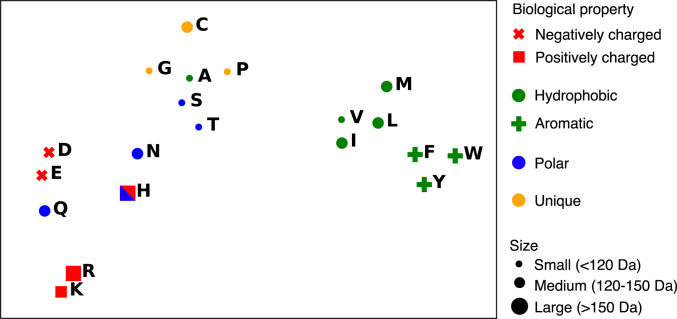
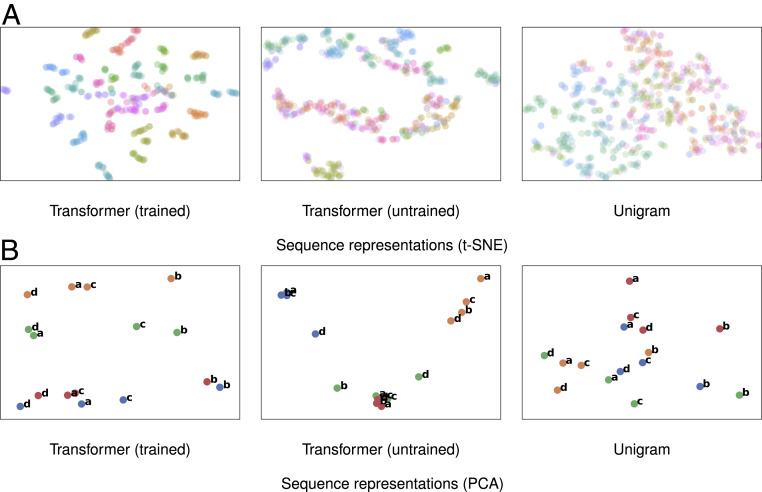
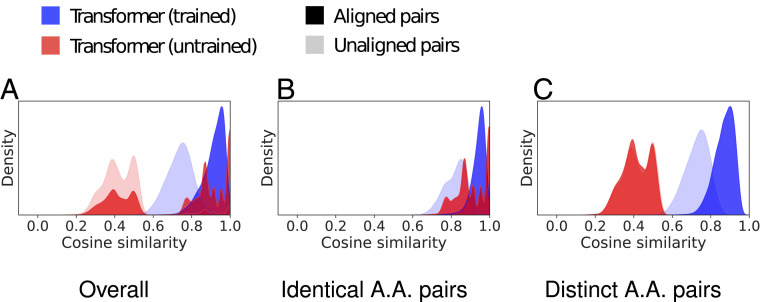
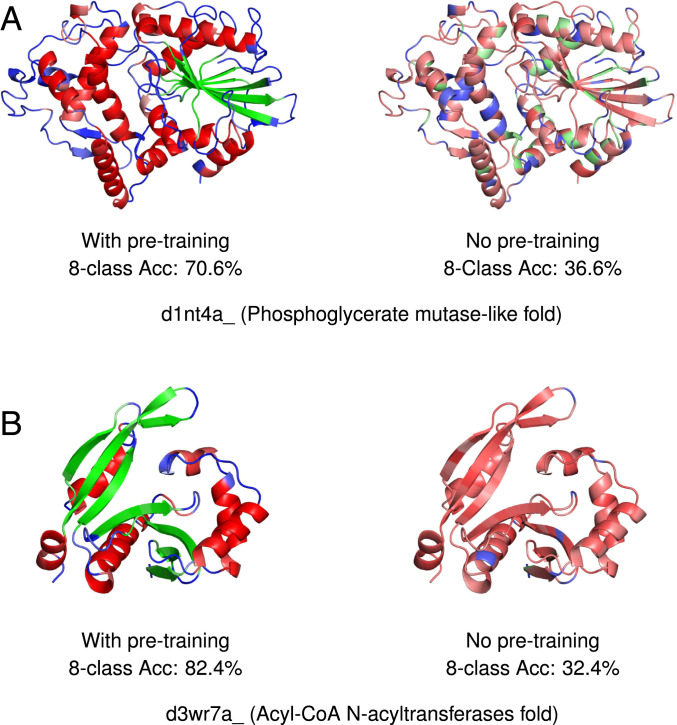
In the field of artificial intelligence, a combination of scale in data and model capacity enabled by un-supervised learning has led to major advances in representation learning and statistical generation. In the life sciences, the anticipated growth of sequencing promises unprecedented data on natural sequence diversity. Protein language modeling at the scale of evolution is a logical step toward predictive and generative artificial intelligence for biology. To this end we use unsupervised learning to train a deep contextual language model on 86 billion amino acids across 250 million protein sequences spanning evolutionary diversity. The resulting model contains information about biological properties in its representations. The representations are learned from sequence data alone. The learned representation space has a multi-scale organization reflecting structure from the level of biochemical properties of amino acids to remote homology of proteins. Information about secondary and tertiary structure is encoded in the representations and can be identified by linear projections. Representation learning produces features that generalize across a range of applications, enabling state-of-the-art supervised prediction of mutational effect and secondary structure, and improving state-of-the-art features for long-range contact prediction.
Overview
The claims and statistics of this paper haven’t been checked yet.
Run the check — free, no account needed. It reads the open-access text and checks the sources it cites.
Integrity signals
Registry
Cites
Statistics
Figures
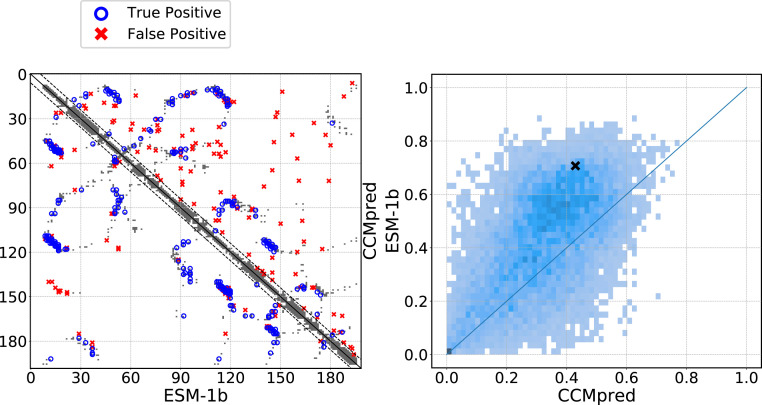
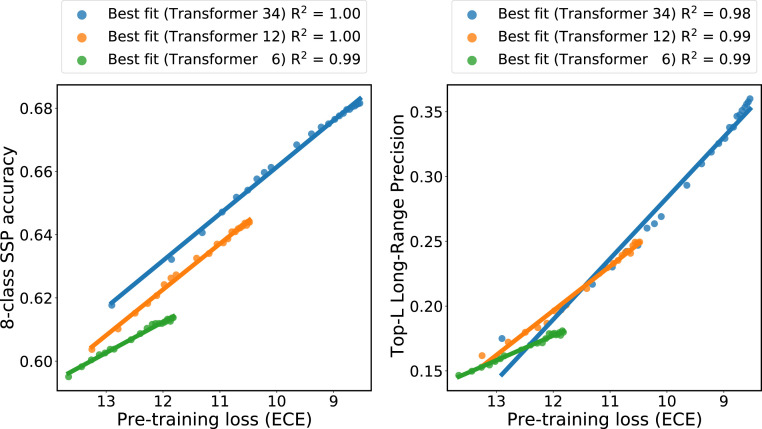
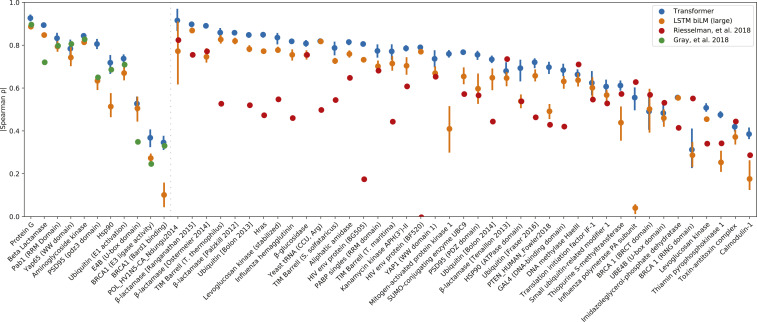
Verification
Claims the paper makes
The claims and statistics of this paper haven’t been checked yet.
Run the check — free, no account needed. It reads the open-access text and checks the sources it cites.
Self-check
Percentages, sums and reported differences re-computed from the paper’s own numbers.
The self-check needs the paper’s full text.
Citations
Cites
Vaswani, A., Shazeer, N., Parmar, N., Uszkoreit, J., Jones, L., Gomez, A. N., Kaiser, L., & Polosukhin, I. (2017) · arXiv · doi:10.48550/arxiv.1706.03762 · Cited by 120,404 · cited 3×
“We investigate the Transformer (Vaswani et al., 2017), which has emerged as a powerful general-purpose model architecture for representation learning and generative modeling of textual data, and outperforms more traditionally employed recurrent and convolutional architectures, such as LSTM and GConv networks (Hochreit…”
MethodHochreiter, S., & Schmidhuber, J. (1997) · Neural Computation · doi:10.1162/neco.1997.9.8.1735 · Cited by 102,318
Basic local alignment search tool
Altschul, S. F., Gish, W., Miller, W., Myers, E. W., & Lipman, D. J. (1990) · Journal of Molecular Biology · doi:10.1006/jmbi.1990.9999 · Cited by 98,669
BERT: Pre-training of Deep Bidirectional Transformers for Language Understanding
Devlin, J., Chang, M.-W., Lee, K., & Toutanova, K. (2018) · arXiv · doi:10.48550/arxiv.1810.04805 · Cited by 73,173 · cited 5×
“…a form of unsupervised learning in which context within the text is used to predict missing words, have been shown to materialize representations of word meaning that can generalize across problems (Collobert & Weston, 2008; Dai & Le, 2015; Peters et al., 2018; Devlin et al., 2018).”
BackgroundMethodInfluentialBERT: Pre-training of Deep Bidirectional Transformers for Language Understanding
Devlin, J., Chang, M.-W., Lee, K., & Toutanova, K. (2019) · Proceedings of the 2019 Conference of the North American Chapter of the Association for Computational Linguistics: Human Language Technologies, Volume 1 (Long and Short Papers) · doi:10.18653/v1/n19-1423 · Cited by 54,325 · cited 5×
“…a form of unsupervised learning in which context within the text is used to predict missing words, have been shown to materialize representations of word meaning that can generalize across problems (Collobert & Weston, 2008; Dai & Le, 2015; Peters et al., 2018; Devlin et al., 2018).”
BackgroundMethodInfluentialGlove: Global Vectors for Word Representation
Pennington, J., Socher, R., & Manning, C. (2014) · Proceedings of the 2014 Conference on Empirical Methods in Natural Language Processing (EMNLP) · doi:10.3115/v1/d14-1162 · Cited by 34,071 · cited 1×
“A.1 B ACKGROUND ON LANGUAGE MODELS AND EMBEDDINGS Deep language models are parametric functions that map sequences into distributed word representations in a learned vector space (Bengio et al., 2003; Mikolov et al., 2013a;b; Pennington et al., 2014; Lample et al., 2017).”
Background(2008) · Journal of Machine Learning Research · Cited by 33,051
Efficient Estimation of Word Representations in Vector Space
Mikolov, T., Chen, K., Corrado, G., & Dean, J. (2013) · arXiv · doi:10.48550/arxiv.1301.3781 · Cited by 26,568 · cited 1×
“A.1 B ACKGROUND ON LANGUAGE MODELS AND EMBEDDINGS Deep language models are parametric functions that map sequences into distributed word representations in a learned vector space (Bengio et al., 2003; Mikolov et al., 2013a;b; Pennington et al., 2014; Lample et al., 2017).”
BackgroundDistributed Representations of Words and Phrases and their Compositionality
Mikolov, T., Sutskever, I., Chen, K., Corrado, G., & Dean, J. (2013) · arXiv · doi:10.48550/arxiv.1310.4546 · Cited by 24,533 · cited 1×
“A.1 B ACKGROUND ON LANGUAGE MODELS AND EMBEDDINGS Deep language models are parametric functions that map sequences into distributed word representations in a learned vector space (Bengio et al., 2003; Mikolov et al., 2013a;b; Pennington et al., 2014; Lample et al., 2017).”
BackgroundReducing the dimensionality of data with neural networks
Hinton, G. E., & Salakhutdinov, R. R. (2006) · Science · doi:10.1126/science.1127647 · Cited by 20,928
Research works printed but not linked: 24
- 10.1103/PhysRevE.87 · DOI
- Mikolov, T. , Sutskever, I. , Deoras, A. , Le, H.-S. , Kom-brink, S. , and Cernocky, J. Subword language modeling with neural networks. preprint (http://www.fit.vutbr.cz/imikolov/rnnlm/char.pdf), 8, 2012.
- Riesselman, A. J. , Shin, J.-E. , Kollasch, A. W. , McMahon, C. , Simon, E. , Sander, C. , Manglik, A. , Kruse, A. C. , and Marks, D. S. Accelerating protein design using autoregressive generative models. bioRxiv, pp. 757252, 2019.
- 2011, Learning generative models for protein fold families, Proteins: Structure, Function, and Bioinformatics, 79, 1061, 10.1002/prot.22934 · DOI · Paper page
- 10.1093/nar/gkt1223 · DOI · Paper page
- Devlin, J. , Chang, M. , Lee, K. , and Toutanova, K. BERT: pre-training of deep bidirectional transformers for language understanding. CoRR, abs/1810.04805, 2018b. URL http://arxiv.org/abs/1810.04805. · arXiv
- 2013, Improved contact prediction in proteins: using pseu-dolikelihoods to infer potts models, Physical Review E, 87, 012707, 10.1103/PhysRevE.87.012707 · DOI · Paper page
- 10.1093/nar/gkt1240 · DOI · Paper page
- 2018, Quantitative missense variant effect pre-diction using large-scale mutagenesis data, Cell systems, 6, 116, 10.1016/j.cels.2017.11.003 · DOI
- 10.1093/nar/gky1085 · DOI
- Johnson, J. , Douze, M. , and Jégou, H. Billion-scale similarity search with gpus. CoRR, abs/1702.08734, 2017. URL http://arxiv.org/abs/1702.08734. · arXiv
- 2019, NetSurfP-2.0: Improved prediction of protein structural features by integrated deep learning, Proteins, 87, 520, 10.1002/prot.25674 · DOI
- Liu, Y. , Ott, M. , Goyal, N. , Du, J. , Joshi, M. , Chen, D. , Levy, O. , Lewis, M. , Zettlemoyer, L. , and Stoyanov, V. RoBERTa: A Robustly Optimized BERT Pretraining Approach. 7 2019. URL http://arxiv.org/abs/1907.11692. · arXiv
- 10.1093/nar/gkw1081 · DOI
- 10.1038/nmeth.1818 · DOI · Paper page
- 10.1038/s41592-018-0138-4 · DOI · Paper page
- 10.1093/bioinformatics/btu500 · DOI
- 10.1016/j.sbi.2011.03.005 · DOI
- 10.1093/bioinformatics/btu739 · DOI · Paper page
- 10.1093/nar/gkm895 · DOI
- 2008, Graphical models of residue coupling in protein families, IEEE/ACM Transactions on Computational Biology and Bioinformatics, 5, 183, 10.1109/TCBB.2007.70225 · DOI · Paper page
- Vaswani, A. , Shazeer, N. , Parmar, N. , Uszkoreit, J. , Jones, L. , Gomez, A. N. , Kaiser, Ł. , and Polosukhin, I. Attention is all you need. In Advances in neural information processing systems, pp. 5998–6008, 2017b.
- 2017, Accurate de novo prediction of protein contact map by ultra-deep learning model, PLoS computational biology, 13, e1005324, 10.1371/journal.pcbi.1005324 · DOI · Paper page
- 10.1073/pnas.0805923106 · DOI · Paper page
Cited by
Sorted by citations
Items 801–900 of 1,006
Ensembling machine learning models to boost molecular affinity prediction
Druchok, M., Yarish, D., Garkot, S., Nikolaienko, T. Y., & Gurbych, O. (2021) · Computational Biology and Chemistry · doi:10.1016/j.compbiolchem.2021.107529 · Cited by 19
“In study by Rives et al. (2019), encodings of protein sequences are learned by BERT model from a large-scale unlabeled dataset and thoroughly tested on the subject of encoding diverse protein aspects.”
BackgroundConstructing benchmark test sets for biological sequence analysis using independent set algorithms
Petti, S., & Eddy, S. R. (2022) · PLoS Computational Biology · doi:10.1371/journal.pcbi.1009492 · Cited by 19
“This is a concern because we and others are exploring increasingly complex and parameter-rich models for remote sequence homology recognition that can require thousands of sequences for training [8, 9, 10, 11, 12, 13].”
BackgroundModeling Protein Using Large-scale Pretrain Language ModelPreprint
Xiao, Y., Qiu, J., Li, Z., Hsieh, C., & Tang, J. (2021) · arXiv (Cornell University) · doi:10.48550/arxiv.2108.07435 · Cited by 39
“Besides, the information encoded in an individual sequence is limited, MSA Transformer[20], ESM[21] leverage sequence alignment information to model protein even better.”
Design of Peptide-Based Protein Degraders via Contrastive Deep LearningPreprint
Palepu, K., Ponnapati, M. R., Bhat, S., Tysinger, E., Stan, T., Brixi, G., Koseki, S., & Chatterjee, P. (2022) · bioRxiv (Cold Spring Harbor Laboratory) · doi:10.1101/2022.05.23.493169 · Cited by 18
Levy, B., Xu, Z., Zhao, L., Kremling, K. A. G., Altman, R., Wong, P., & Tanner, C. (2022) · Research Square · doi:10.21203/rs.3.rs-1927200/v1 · Cited by 20
Protein Representation Learning via Knowledge Enhanced Primary Structure ModelingPreprint
Zhou, H.-Y., Fu, Y., Zhang, Z., Bian, C., & Yu, Y. (2023) · bioRxiv (Cold Spring Harbor Laboratory) · doi:10.1101/2023.01.26.525795 · Cited by 27
“, 2021), ESM-1b (Rives et al., 2021), and ProtT5-XL (Elnaggar et al.”
BackgroundMethodInfluentialOn Pre-trained Language Models for AntibodyPreprint
Wang, D., Ye, F., & Hao, Z. (2023) · bioRxiv (Cold Spring Harbor Laboratory) · doi:10.1101/2023.01.29.525793 · Cited by 27
“Finally, we implement several PPLMs and PALMs baselines and design an evolution-aware PALM to incorporate the biological mechanism into the pre-training process.”
MethodVariant Effect Prediction in the Age of Machine LearningPreprint
Bromberg, Y., Prabakaran, R., Kabir, A., & Shehu, A. (2024) · Cold Spring Harbor Perspectives in Biology · doi:10.1101/cshperspect.a041467 · Cited by 19
ProLLM: Protein Chain-of-Thoughts Enhanced LLM for Protein-Protein Interaction PredictionPreprint
Jin, M., Xue, H., Wang, Z., Kang, B., Ye, R., Zhou, K., Du, M., & Zhang, Y. (2024) · bioRxiv (Cold Spring Harbor Laboratory) · doi:10.1101/2024.04.18.590025 · Cited by 31
“Furthermore, we explore how protein pre-training can influence the PPI, we include ProBERT [7], SM-1b [52], GearNet-Edge [53], and KeAP [54] as pre-trained baselines.”
MethodIntegrating Computational Design and Experimental Approaches for Next-Generation Biologics
Son, A., Park, J., Kim, W., Lee, W., Yoon, Y., Ji, J., & Kim, H. (2024) · Biomolecules · doi:10.3390/biom14091073 · Cited by 29
“This model has demonstrated impressive capabilities in predicting protein properties, and functions directly from individual sequences ESM-1b can be used for tasks such as predicting the effects of mutations, inferring protein structure, and annotating protein function [42].”
BackgroundMethodProtein A-like Peptide Design Based on Diffusion and ESM2 Models
Zhao, L., He, Q., Song, H., Zhou, T., Luo, A., Wen, Z., Wang, T., & Lin, X. (2024) · Molecules · doi:10.3390/molecules29204965 · Cited by 20
Li, B., Luo, S., Wang, W., Xu, J., Liu, D., Shameem, M., Mattila, J., Franklin, M. C., Hawkins, P. G., & Atwal, G. S. (2025) · mAbs · doi:10.1080/19420862.2025.2474521 · Cited by 20
“…Sequence Featurizer component in Figure 1, and Supplementary Table S1), extract sequence embeddings from pretrained protein language models (PLMs) 34,37 (not shown in Figure 1), employ a deep learning-based protein 3D structure prediction method to predict the 3D structure for the Fv domain 36…”
Wang, Y., Cheng, L., Zhang, Y., Cao, Y., & Alghazzawi, D. (2025) · Briefings in Bioinformatics · doi:10.1093/bib/bbaf187 · Cited by 22
“Benefiting from the latest advancements in natural language processing [18, 19], recent studies have increasingly employed large pretrained language models [20, 21] to represent protein sequences.”
DeepMolecules: a web server for predicting enzyme and transporter–small molecule interactions
Kroll, A., Rousset, Y., Spitzlei, T., & Lercher, M. J. (2025) · Nucleic Acids Research · doi:10.1093/nar/gkaf343 · Cited by 18
“Protein sequences are embedded using ESM-1b [ 25 ], a transformer-based protein language model pre-trained on masked amino acid prediction tasks.”
Tran, D. T., Pham, N. T., Nguyen, N. D. H., Wei, L., & Manavalan, B. (2025) · Journal of Pharmaceutical Analysis · doi:10.1016/j.jpha.2025.101410 · Cited by 20
“To capture the relationships within peptide sequences, we employed five pre-trained PLMs, evolutionary scale modeling (ESM)-1 [35], ESM-2 [36], and three variants of ProtTrans [37] (ProtT5, ProtBERT, and ProtALBERT), which have shown superior performance in recent protein and peptide-related…”
Zhang, W., Meng, Q., Wang, J., & Guo, F. (2022) · Briefings in Bioinformatics · doi:10.1093/bib/bbac169 · Cited by 18
Villalobos-Alva, J., Ochoa-Toledo, L., Villalobos-Alva, M. J., Aliseda, A., Escamirosa, F. P., Altamirano-Bustamante, N. F., Ochoa-Fernández, F., Zamora-Solís, R., Villalobos-Alva, S., Revilla, M., et al. (2022) · Frontiers in Bioengineering and Biotechnology · doi:10.3389/fbioe.2022.788300 · Cited by 19
Ten quick tips for sequence-based prediction of protein properties using machine learning
Hou, Q., Waury, K., Gogishvili, D., & Feenstra, K. A. (2022) · PLoS Computational Biology · doi:10.1371/journal.pcbi.1010669 · Cited by 20
Sun, J., Kulandaisamy, A., Liu, J., Hu, K., Gromiha, M. M., & Zhang, Y. (2023) · Computational and Structural Biotechnology Journal · doi:10.1016/j.csbj.2023.01.036 · Cited by 21
“For example, both DeepTMHMM and DeepTMpred adopted the pretrained ESM model [159], while TMbed took advantage of the ProtT5 model pretrained on a number of auto-regressive and auto-encoder models [31].”
MethodSelf-citationDeCOIL: Optimization of Degenerate Codon Libraries for Machine Learning-Assisted Protein Engineering
Yang, J., Ducharme, J., Johnston, K. E., Li, F.-Z., Yue, Y., & Arnold, F. H. (2023) · ACS Synthetic Biology · doi:10.1021/acssynbio.3c00301 · Cited by 20
Simplifying complex antibody engineering using machine learning
Makowski, E. K., Chen, H.-T., & Tessier, P. M. (2023) · Cell Systems · doi:10.1016/j.cels.2023.04.009 · Cited by 19
An Effective Plant Small Secretory Peptide Recognition Model Based on Feature Correction Strategy
Wang, R., Zhou, Z., Wu, X., Jiang, X., Zhuo, L., Liu, M., Li, H., Fu, X., & Yao, X. (2023) · Journal of Chemical Information and Modeling · doi:10.1021/acs.jcim.3c00868 · Cited by 18
Fuse feeds as one: cross-modal framework for general identification of AMPs
Zhang, W., Xu, Y., Wang, A., Chen, G., & Zhao, J. (2023) · Briefings in Bioinformatics · doi:10.1093/bib/bbad336 · Cited by 20
Assessing protein model quality based on deep graph coupled networks using protein language model
(2023) · doi:10.1093/bib/bbad420 · Cited by 18
“Specifically, the network models GraphCPLMQA-Single 1 and GraphCPLMQA-Single 2 were retrained with the high-dimensional sequence embedding of the ESM-1b [56] and ESM-1v [57] language models, respectively.”
MethodSelf-citationWhen Protein Structure Embedding Meets Large Language Models
Ali, S., Chourasia, P., & Patterson, M. (2023) · Genes · doi:10.3390/genes15010025 · Cited by 15
Wang, H., Hao, X., He, Y., & Fan, L. (2024) · PLoS ONE · doi:10.1371/journal.pone.0296737 · Cited by 18
Martínez‐Mauricio, K. L., García‐Jacas, C. R., & Cordoves‐Delgado, G. (2024) · Protein Science · doi:10.1002/pro.4928 · Cited by 19
Biophysical principles predict fitness of SARS-CoV-2 variants
Wang, D., Huot, M., Mohanty, V., & Shakhnovich, E. I. (2024) · Proceedings of the National Academy of Sciences · doi:10.1073/pnas.2314518121 · Cited by 19
Soleymani, F., Paquet, E., Viktor, H. L., & Michalowski, W. (2024) · Computational and Structural Biotechnology Journal · doi:10.1016/j.csbj.2024.06.021 · Cited by 17
“…domains, a notable example being the generation of photorealistic images from text [39–41], substantial efforts have been devoted to developing generative models of protein space [12,24,38,42–50], such as unsupervised sequence generation and representation learning using language models [24,47].”
BackgroundDraizen, E. J., Veretnik, S., Mura, C., & Bourne, P. E. (2024) · Nature Communications · doi:10.1038/s41467-024-52020-2 · Cited by 20
“Finally, we also compared our DeepUrfold results against the ESM pre-trained protein language model [78].”
Deep learning in template-free de novo biosynthetic pathway design of natural products
Xie, X., Gui, L., Qiao, B., Wang, G., Huang, S., Zhao, Y., & Sun, S. (2024) · Briefings in Bioinformatics · doi:10.1093/bib/bbae495 · Cited by 21
“Mutant effects are assessed by comparing the probabilities of mutant and the wildtype amino acid [75] or sequences [109].”
BackgroundMethodKnot data analysis using multiscale Gauss link integral
Shen, L., Feng, H., Li, F., Lei, F., Wu, J., & Wei, G. (2024) · Proceedings of the National Academy of Sciences · doi:10.1073/pnas.2408431121 · Cited by 21
Anti-symmetric framework for balanced learning of protein–protein interactions
Tang, T., Li, T., Li, W., Cao, X., Liu, Y., & Zeng, X. (2024) · Bioinformatics · doi:10.1093/bioinformatics/btae603 · Cited by 20
“…(NLP) techniques are also preferred for the ability to extract local and global information simultaneously, including Transformer (Nambiar et al. 2020), Bidirectional Encoder Representations from Transformers (BERT) (Jha et al. 2023), and deep contextual language model (Rives et al. 2021).”
Quake, S. R. (2024) · Cell · doi:10.1016/j.cell.2024.10.029 · Cited by 20
Considerations in the search for epistasis
Balvert, M., Cooper‐Knock, J., Stamp, J., Byrne, R. P., Mourragui, S. M. C., van Gils, J. H. M., Benónísdóttir, S., Schlüter, J., Kenna, K. P., Abeln, S., et al. (2024) · Genome biology · doi:10.1186/s13059-024-03427-z · Cited by 21
“Firstly, extrapolating from protein structure work, we expect that well-designed models will exhibit emergent information in the latent space [51].”
Deep protein representations enable recombinant protein expression prediction
Martiny, H.-M., Armenteros, J. J. A., Johansen, A. R., Salomon, J., & Nielsen, H. (2021) · Computational Biology and Chemistry · doi:10.1016/j.compbiolchem.2021.107596 · Cited by 16
Artificial Intelligence in the 21st Century
奥宮, 正. (2023) · Research on Intelligent Manufacturing and Assembly · doi:10.25082/rima.2023.01.002 · Cited by 21
End-to-end multitask learning, from protein language to protein features without alignmentsPreprint
Elnaggar, A., Heinzinger, M., Dallago, C., & Rost, B. (2019) · bioRxiv (Cold Spring Harbor Laboratory) · doi:10.1101/864405 · Cited by 17
Fast and flexible design of novel proteins using graph neural networksPreprint
Strokach, A. V., Becerra, D., Corbi‐Verge, C., Perez-Riba, A., & Kim, P. M. (2019) · bioRxiv (Cold Spring Harbor Laboratory) · doi:10.1101/868935 · Cited by 18
Microdroplet screening rapidly profiles a biocatalyst to enable its AI-assisted engineeringPreprint
Gantz, M., Mathis, S. V., Nintzel, F. E. H., Penner, M., Zurek, P. J., Knaus, T., Tseliou, V., Patel, E., Boros, D., Weberling, F.-M., et al. (2024) · bioRxiv (Cold Spring Harbor Laboratory) · doi:10.1101/2024.04.08.588565 · Cited by 22
“To reduce the computational cost, we instead use the PLL difference versus the wildtype sequence, which only differs from PLL(𝑥) by a constant and can further be approximated as 46,73 .”
MethodMixture of Experts Enable Efficient and Effective Protein Understanding and DesignPreprint
Sun, N., Zou, S., Tao, T., Mahbub, S., Li, D., Zhuang, Y., Wang, H., Cheng, X., Song, L., & Xing, E. P. (2024) · bioRxiv (Cold Spring Harbor Laboratory) · doi:10.1101/2024.11.29.625425 · Cited by 26
“The huge success of large language models (LLMs) in natural language processing (NLP) inspire researchers to apply self-supervised pre-training in the protein domain, using protein sequences without any structural and functional labels [5, 6, 7, 8, 9, 10, 11, 12, 13, 3, 14, 15, 4].”
Praljak, N., Lian, X., Ranganathan, R., & Ferguson, A. L. (2023) · ACS Synthetic Biology · doi:10.1021/acssynbio.3c00261 · Cited by 18
Enzyme functional classification using artificial intelligence
Kim, H. R., Ji, H., Kim, G. B., & Lee, S. Y. (2025) · Trends in biotechnology · doi:10.1016/j.tibtech.2025.03.003 · Cited by 18
Foundation neural-networks quantum states as a unified Ansatz for multiple hamiltonians
Rende, R., Viteritti, L. L., Becca, F., Scardicchio, A., Laio, A., & Carleo, G. (2025) · Nature Communications · doi:10.1038/s41467-025-62098-x · Cited by 46
“Built upon the Transformer architecture 2 , these models have transcended their origins in language tasks 3,4 to establish new paradigms across domains, from image generation 5 to protein structure prediction 6,7 .”
From machine learning to multimodal models: The AI revolution in enzyme engineering
Shi, Z., Xu, S., Xue, S., Chen, K., Lu, Y., Wang, F., Long, S., Tian, Y., Zhang, P., Wang, J., et al. (2025) · BioDesign Research · doi:10.1016/j.bidere.2025.100044 · Cited by 19
“ESM-MSA-1b demonstrated that a large Transformer can infer contact maps directly from MSAs by masked-language pre-training [92].”
Evaluation of Machine Learning-Assisted Directed Evolution Across Diverse Combinatorial Landscapes
Li, F.-Z., Yang, J., Johnston, K. E., Gürsoy, E., Yue, Y., & Arnold, F. H. (2024) · Cell Systems · doi:10.1016/j.cels.2025.101387 · Cited by 20
Cerchione, R., Liccardo, G., & Passaro, R. (2025) · Journal of Innovation & Knowledge · doi:10.1016/j.jik.2025.100866 · Cited by 37
LDBT instead of DBTL: combining machine learning and rapid cell-free testing
Clark‐ElSayed, A., Harrison, I. M., Olsen, M. L., Lazar, J. T., Jewett, M. C., & Ellington, A. D. (2025) · Nature Communications · doi:10.1038/s41467-025-65281-2 · Cited by 19
Transforming microfluidics for single-cell analysis with robotics and artificial intelligence
Cheng, J., Anne, R., & Chen, Y. (2025) · Lab on a Chip · doi:10.1039/d5lc00216h · Cited by 21
Engineered base editors with reduced bystander editing through directed evolution
Perrotta, R. M., Vinke, S., Ferreira, R., Moret, M., Mahas, A., Chiappino-Pepe, A., Riedmayr, L. M., Mehra, A.-T., Lehmann, L. S., & Church, G. M. (2025) · Nature Biotechnology · doi:10.1038/s41587-025-02937-w · Cited by 26
Artificial intelligence for microbiology and microbiome research
Wang, X.-W., Wang, T. D., & Liu, Y. (2026) · Cell Systems · doi:10.1016/j.cels.2026.101531 · Cited by 24
Transformers and the Representation of Biomedical Background Knowledge
Wysocki, O., Zhou, Z., O’Regan, P., Ferreira, D. M., Wysocka, M., Landers, D., & Freitas, A. (2022) · Computational Linguistics · doi:10.1162/coli_a_00462 · Cited by 17
“For example, previous probing studies [15] have found that training language models across amino acid sequences can create embeddings that encode biological structure at multiple levels, including proteins and evolutionary homology.”
BackgroundArtificial intelligence for template-free protein structure prediction: a comprehensive review
Mufassirin, M. M. M., Newton, M. A. H., & Sattar, A. (2022) · Artificial Intelligence Review · doi:10.1007/s10462-022-10350-x · Cited by 19
The intramembrane COOH-terminal domain of PRRT2 regulates voltage-dependent Na+ channels
Franchi, F., Marte, A., Corradi, B., Sterlini, B., Alberini, G., Romei, A., Fusco, A. D., Vogel, A., Maragliano, L., Baldelli, P., et al. (2023) · Journal of Biological Chemistry · doi:10.1016/j.jbc.2023.104632 · Cited by 17
“Two additional models of the same protein segment were generated using AlphaFold2 (39) and ESMFold (40).”
BackgroundMethodResultInfluentialDeciphering the protein landscape with ProtFlash, a lightweight language model
Wang, L., Zhang, H., Xu, W. M., Xue, Z., & Wang, Y. (2023) · Cell Reports Physical Science · doi:10.1016/j.xcrp.2023.101600 · Cited by 20
Accurate prediction of functional effect of single amino acid variants with deep learning
Derbel, H., Zhao, Z., & Liu, Q. (2023) · Computational and Structural Biotechnology Journal · doi:10.1016/j.csbj.2023.11.017 · Cited by 16
“The first published method is ESM [38,39], a pretrained model Fig.”
MethodInfluentialWang, L., Zeng, Z., Xue, Z., & Wang, Y. (2023) · Computational and Structural Biotechnology Journal · doi:10.1016/j.csbj.2023.12.004 · Cited by 18
“A pre-trained language model called ESM[26], based on the Transformer architecture, was trained to predict protein contact maps using over 680 million parameters.”
MethodLearning the shape of protein microenvironments with a holographic convolutional neural network
Pun, M. N., Ivanov, A., Bellamy, Q., Montague, Z., LaMont, C., Bradley, P. H., Otwinowski, J., & Nourmohammad, A. (2024) · Proceedings of the National Academy of Sciences · doi:10.1073/pnas.2300838121 · Cited by 18
Palacios, A. V., Acharya, P., Peidl, A. S., Beck, M. R., Blanco, E., Mishra, A., Bawa‐Khalfe, T., & Pakhrin, S. C. (2024) · NAR Genomics and Bioinformatics · doi:10.1093/nargab/lqae011 · Cited by 17
“Due to the availability of large number of protein sequences in the UniProt knowledge base and other resources, we now have a wide variety of PLMs under development ( 39–46 ).”
BackgroundPartial order relation–based gene ontology embedding improves protein function prediction
Li, W., Wang, B., Dai, J., Kou, Y., Chen, X., Pan, Y. F., Hu, S., & Xu, Z. Z. (2024) · Briefings in Bioinformatics · doi:10.1093/bib/bbae077 · Cited by 18
“In this paper, we used the ESM-1b [4] to obtain protein embedding from AA sequences since ESM-1b is superior in terms of moderate model size and strong feature representation ability [4, 11].”
BackgroundMethodHuang, Z., Chen, S., He, K., Yu, T., Fu, J., Gao, S., & Li, H. (2024) · Horticulture Research · doi:10.1093/hr/uhae082 · Cited by 18
KEGG orthology prediction of bacterial proteins using natural language processing
Chen, J., Wu, H., & Wang, N. (2024) · BMC Bioinformatics · doi:10.1186/s12859-024-05766-x · Cited by 17
“Pre-trained large-scale protein language models have extracted many biological features from protein sequences through unsupervised pre-training on a large corpus, and fine-tuning or feature extraction in downstream tasks can achieve good results [26–28].”
BackgroundEnabling high-throughput enzyme discovery and engineering with a low-cost, robot-assisted pipeline
Norton‐Baker, B., Denton, M. C. R., Murphy, N. P., Fram, B. J., Lim, S., Erickson, E., Gauthier, N. P., & Beckham, G. T. (2024) · Scientific Reports · doi:10.1038/s41598-024-64938-0 · Cited by 17
Tao, W., Lin, X., Liu, Y., Li, Z., Ma, T., Cheng, N., Jiang, J., Zeng, X., & Yuan, S. (2024) · BMC Biology · doi:10.1186/s12915-024-02049-y · Cited by 17
“Specifically, we use ESM [27], a pre-trained deep Transformer [28], as our protein encoder.”
MethodDeep Learning for Protein–Protein Interaction Site Prediction
Jamasb, A. R., Day, B., Cangea, C., Lió, P., & Blundell, T. L. (2021) · Methods in molecular biology · doi:10.1007/978-1-0716-1641-3_16 · Cited by 19
PRESTO: Rapid protein mechanical strength prediction with an end-to-end deep learning model
Liu, F. Y. C., Ni, B., & Buehler, M. J. (2022) · Extreme Mechanics Letters · doi:10.1016/j.eml.2022.101803 · Cited by 17
Language modelling for biological sequences – curated datasets and baselinesPreprint
Armenteros, J. J. A., Johansen, A. R., Winther, O., & Nielsen, H. (2020) · bioRxiv (Cold Spring Harbor Laboratory) · doi:10.1101/2020.03.09.983585 · Cited by 19
Protein Structural Alignments From SequencePreprint
Morton, J. T., Strauss, C. E. M., Blackwell, R., Berenberg, D., Gligorijević, V., & Bonneau, R. (2020) · bioRxiv (Cold Spring Harbor Laboratory) · doi:10.1101/2020.11.03.365932 · Cited by 17
Dual-view Molecule Pre-trainingPreprint
Zhu, J., Xia, Y., Qin, T., Zhou, W., Li, H., & Liu, T. (2021) · arXiv (Cornell University) · doi:10.48550/arxiv.2106.10234 · Cited by 33
“Inspired by the great success of exploiting unlabeled data in CV and NLP [20, 16], pre-training has been introduced into cheminformatics [23, 3, 53] and bioinformatics [42, 44].”
BackgroundTM-Vec: template modeling vectors for fast homology detection and alignmentPreprint
Hamamsy, T., Morton, J. T., Berenberg, D., Carriero, N. J., Gligorijević, V., Blackwell, R., Strauss, C. E. M., Leman, J. K., Cho, K., & Bonneau, R. (2022) · bioRxiv (Cold Spring Harbor Laboratory) · doi:10.1101/2022.07.25.501437 · Cited by 16
“Multiple studies have shown the merits of these models when performing protein structure prediction, remote homology and protein design [29, 55, 28, 31, 30, 32, 33].”
BackgroundRNAGenesis: A Generalist Foundation Model for Functional RNA TherapeuticsPreprint
Zhang, Z., Jin, R., Chao, L., Xu, G., Zhang, Y., Zhou, G., Yin, D., Guo, Y., Fu, Y., Yang, Y., et al. (2024) · bioRxiv (Cold Spring Harbor Laboratory) · doi:10.1101/2024.12.30.630826 · Cited by 19
ProtMamba: a homology-aware but alignment-free protein state space model
Sgarbossa, D., Malbranke, C., & Bitbol, A.-F. (2025) · Bioinformatics · doi:10.1093/bioinformatics/btaf348 · Cited by 27
Do protein language models learn phylogeny?
Tule, S., Foley, G., & Bodén, M. (2024) · Briefings in Bioinformatics · doi:10.1093/bib/bbaf047 · Cited by 19
Thrift, W. J., Lounsbury, N., Broadwell, Q., Heidersbach, A. J., Freund, E. C., Abdolazimi, Y., Phung, Q. T., Chen, J., Capietto, A.-H., Tong, A.-J., et al. (2024) · Nature Communications · doi:10.1038/s41467-024-54887-7 · Cited by 20
“We used Evolutionary Scale Model (ESM) 1b 43 to extract a gene-level embedding, from which a FFNN (depicted in Fig.”
Predicting pathogen evolution and immune evasion in the age of artificial intelligence
Hamelin, D. J., Scicluna, M., Saadie, I., Mostefai, F., Grenier, J., Baron, C., Caron, É., & Hussin, J. (2025) · Computational and Structural Biotechnology Journal · doi:10.1016/j.csbj.2025.03.044 · Cited by 21
“Initial implementations of such an approach trained transformers on >200 million protein sequences to unveil valuable information regarding protein biological properties, homology, secondary and tertiary structures, as well as Protein-Protein Interactions (PPI) [89,90,53].”
Dublino, R., & Ercolano, M. R. (2025) · The Crop Journal · doi:10.1016/j.cj.2025.05.008 · Cited by 17
Shi, J., Zhang, C., Deng, R., Fernie, A. R., Chen, M., & Zhang, Y. (2025) · Plant Communications · doi:10.1016/j.xplc.2025.101460 · Cited by 16
“Mutation data are then integrated with AI models (Supplemental (Rives et al., 2021a).”
AlphaBind, a domain-specific model to predict and optimize antibody–antigen binding affinity
Agarwal, A. A., Harrang, J., Noble, D., McGowan, K. L., Lange, A. W., Engelhart, E., Lahman, M. C., Adamo, J., Yu, X., Serang, O., et al. (2025) · mAbs · doi:10.1080/19420862.2025.2534626 · Cited by 21
“12– 14 15–17 Given any such technique for sampling valid sequences, design of a novel therapeutic sequence can be further accelerated via prioritizing proposals for in vitro validation based on an appropriate fitness landscape, assuming a suitable prediction of fitness is available.”
Quantifying uncertainty in protein representations across models and tasks
Prabakaran, R., & Bromberg, Y. (2026) · Nature Methods · doi:10.1038/s41592-026-03028-7 · Cited by 20
“6,8)—and the ProtTrans T5 family, comprising ProtT5 (ProtT5-XL-U50) and ProtTrans T5-BFD 34 .”
How artificial intelligence is reengineering protein engineering
Listgarten, J., & Jiang, H. (2026) · Science · doi:10.1126/science.aec8444 · Cited by 20
TLCrys: Transfer Learning Based Method for Protein Crystallization Prediction
Jin, C., Shi, Z., Kang, C., Lin, K. Y., & Zhang, H. (2022) · International Journal of Molecular Sciences · doi:10.3390/ijms23020972 · Cited by 16
“As a result, these pre-trained tasks learn representations [24,25] of protein, which can be used for transfer learning and help to achieve good performance in downstream tasks such as secondary structure prediction and interaction prediction [24,26].”
BackgroundHan, W. J., Wu, Y., Zeng, L., & Zhao, S. (2022) · Science China Life Sciences · doi:10.1007/s11427-021-2081-6 · Cited by 16
“…a site with the same residue in ≥ 15 communities, (ii) similar site, a site with different but physio-chemically similar residues in ≥ 15 communities (Rives et al., 2021), and (iii) diverse site, a site with different and physiochemically dissimilar residues in ≥ 15 communities (Figure S8 in…”
BackgroundProtein sequence profile prediction using ProtAlbert transformer
Behjati, A., Zare‐Mirakabad, F., Arab, S. S., & Nowzari-Dalini, A. (2022) · Computational Biology and Chemistry · doi:10.1016/j.compbiolchem.2022.107717 · Cited by 22
Mardikoraem, M., & Woldring, D. (2023) · Pharmaceutics · doi:10.3390/pharmaceutics15051337 · Cited by 16
“Previous reports have observed that there are sequence motifs, conserved regions, and evolutionary information in the protein databases that can be learned by language models [33,34,67].”
BackgroundWu, J., Qing, H., Ouyang, J., Zhou, J., Gao, Z., Mason, C. E., Liu, Z., & Shi, T. (2023) · Briefings in Bioinformatics · doi:10.1093/bib/bbad311 · Cited by 18
“Several methods have been proposed that could resemble the protein or DNA sequences as protein language and declared that the complex sequence-structure–function relationships can be extracted [28, 29].”
Group Activity Recognition in Basketball Tracking Data – Neural Embeddings in Team Sports (NETS)
Hauri, S., & Vučetić, S. (2023) · Frontiers in artificial intelligence and applications · doi:10.3233/faia230373 · Cited by 23
Zeng, W., Lv, D., Liu, X., Chen, G., Liu, W., & Peng, S. (2023) · IEEE International Conference on Bioinformatics and Biomedicine (BIBM) · doi:10.1109/bibm58861.2023.10385509 · Cited by 16
“The large number of protein sequences provided by high-throughput sequencing technology creates a sufficient knowledge base for protein language model (PLM) [37-39].”
BackgroundMethodUsing explainable machine learning to uncover the kinase–substrate interaction landscape
Zhou, Z., Yeung, W., Soleymani, S., Gravel, N., Salcedo, M. V., Li, S., & Kannan, N. (2024) · Bioinformatics · doi:10.1093/bioinformatics/btae033 · Cited by 16
“We built Phosformer-ST by fine-tuning pretrained ESM2 protein language models (Rives et al. 2021).”
MethodInfluentialLanguage model and its interpretability in biomedicine: A scoping review
Lyu, D., Wang, X., Chen, Y., & Wang, F. (2024) · iScience · doi:10.1016/j.isci.2024.109334 · Cited by 17
“96 Rives et al. 89 proposed to use the language model for the tasks of remote homology detection, prediction of secondary structure, long-range residue-residue contacts, and mutational effect for protein sequences.”
BackgroundBoshar, S., Trop, E., de Almeida, B. P., Copoiu, L., & Pierrot, T. (2024) · Bioinformatics · doi:10.1093/bioinformatics/btae529 · Cited by 16
“Indeed, this approach has seen success in both natural language processing (NLP) and computer vision.”
Model Breadcrumbs: Scaling Multi-task Model Merging with Sparse Masks
Davari, M., & Belilovsky, E. (2024) · Lecture notes in computer science · doi:10.1007/978-3-031-73226-3_16 · Cited by 60
Protein engineering in the deep learning era
Zhou, B., Tan, Y., Hu, Y., Zheng, L., Zhong, B., & Hong, L. (2024) · mLife · doi:10.1002/mlf2.12157 · Cited by 18
Annotating protein functions via fusing multiple biological modalities
Ma, W., Bi, X., Jiang, H., Wei, Z., & Zhang, S. (2024) · Communications Biology · doi:10.1038/s42003-024-07411-y · Cited by 16
Accelerating protein engineering with fitness landscape modelling and reinforcement learning
Sun, H., He, L., Deng, P., Liu, G., Zhao, Z., Jiang, Y., Cao, C., Ju, F., Wu, L., Liu, H., et al. (2025) · Nature Machine Intelligence · doi:10.1038/s42256-025-01103-w · Cited by 19
“Notably, previous models [16, 19] often use the term i ∈ M log p ( x imt ) p ( x iwt ) for mutational effect prediction, where M is the set of mutated positions, and p ( x ) and p ( x ) are the estimated probabilities for the i -th residues of the mutant-type and wild-type sequences, respectively.”
InfluentialApplication of Sequence Embedding in Protein Sequence-Based Predictions
Ibtehaz, N., & Kihara, D. (2022) · WORLD SCIENTIFIC eBooks · doi:10.1142/9789811258589_0002 · Cited by 18
Not All Memories are Created Equal: Learning to Forget by ExpiringPreprint
Sukhbaatar, S., Ju, D., Poff, S., Roller, S., Szlam, A. D., Weston, J., & Fan, A. (2021) · arXiv (Cornell University) · doi:10.48550/arxiv.2105.06548 · Cited by 17
“Processing long sequences with Transformers is an active area with applications in language understanding (Brown et al., 2020), reinforcement learning (Parisotto et al., 2020), video processing (Wu et al., 2019), and protein folding (Rives et al., 2019; Choromanski et al., 2020).”
Chen, T., Dumas, M., Watson, R., Vincoff, S., Peng, C., Zhao, L., Hong, L., Pertsemlidis, S., Shaepers-Cheu, M., Wang, T. Z., et al. (2023) · PubMed · doi:10.48550/arxiv.2310.03842 · Cited by 24
Fast and accurate modeling and design of antibody-antigen complex using tFoldPreprint
Wu, F., Zhao, Y. S., Wu, J., Jiang, B., He, B., Huang, L.-K., Qin, C., Yang, F., Huang, N., Xiao, Y., et al. (2024) · bioRxiv (Cold Spring Harbor Laboratory) · doi:10.1101/2024.02.05.578892 · Cited by 16
ProteinCLIP: enhancing protein language models with natural languagePreprint
Wu, K., Chang, H. Y., & Zou, J. (2024) · bioRxiv (Cold Spring Harbor Laboratory) · doi:10.1101/2024.05.14.594226 · Cited by 19
“There is a rich body of work focused on leveraging pLMs to predict variant effects [30, 2, 12]; these works typically isolate the pLM embeddings or likelihoods at specific mutated positions, which yields a more focused, position-specific signal than averaging across the length of an entire…”
Background
Metadata
- Authors
- Rives, A., Meier, J., Sercu, T., Goyal, S., Lin, Z., Liu, J., Guo, D., Ott, M., Zitnick, C. L., Ma, J., & Fergus, R.
- Affiliations
- Meta (United States) (US)
- New York University (US)
- Harvard University (US)
- Yale University (US)
- Corresponding author
- Rives, Alexander
- ORCID
- Venue
- Proceedings of the National Academy of Sciences
- Publisher
- openRxiv
- Published
- 2019-04-29
- Volume
- 118
- Issue
- 15
- ISSN
- 0027-8424 (ISSN-L)
- PMC
- PMC8053943
- OpenAlex
- W3146944767
- Cited by
- 3,280
- References
- 100
- Citations by year
- 2026: 780 · 2025: 816 · 2024: 697 · 2023: 448 · 2022: 305 · 2021: 161 · 2020: 51 · 2019: 18
- FWCI
- 126.76
- Type
- journal article
- Language
- en
- Open access
- hybrid
- doi.org
- Licence
- cc-by-nc-nd
- Locations
- Proceedings of the National Academy of Sciences (publishedVersion, cc-by-nc-nd)
- bioRxiv (Cold Spring Harbor Laboratory) (acceptedVersion, cc-by-nc-nd)
- PubMed Central (publishedVersion, cc-by-nc-nd)
- PubMed (publishedVersion)
- Knowledge@UChicago (University of Chicago) (submittedVersion, cc-by-nc-nd)
- University of Chicago
- Funders
- National Science Foundation (1339362)
- Topics
- Life Sciences › Biochemistry, Genetics and Molecular Biology › Molecular Biology › Machine Learning in Bioinformatics
- Life Sciences › Biochemistry, Genetics and Molecular Biology › Molecular Biology › Protein Structure and Dynamics
- Life Sciences › Biochemistry, Genetics and Molecular Biology › Molecular Biology › RNA and protein synthesis mechanisms
- Keywords
- protein language models, unsupervised learning, protein evolution, protein structure prediction, secondary structure prediction, protein tertiary structure, remote homology
- MeSH terms
- Unsupervised Machine Learning, Amino Acids, Protein Conformation, Sequence Homology, Amino Acid, Sequence Analysis, Protein
About these checks
Registry, retraction, Cites and statistics results are computed, not judged, with one exception: a printed reference that no index lists is read once by a model before it counts as a citation error. Claims are extracted by a model and kept only when their quote appears verbatim in the text; each cited source is then checked, with a model’s help, for whether it says what the claim relies on. Those verdicts can be wrong — read the claim’s quote and the cited source before relying on one.
Statistics and arithmetic are recomputed, not judged.
Confidence bands are shown only for fields calibrated on our annotated test set. None is calibrated yet, so no band is shown.
What counts as a claim ›How we measure confidence ›How we check this ›
Are you an author, or do you see a problem with this page? Request a review
