

The DOI matches its Crossref record; 148 of the 148 references it cites were found in a registry or an index.
Biological structure and function emerge from scaling unsupervised learning to 250 million protein sequences
Open accessPreprint — published as 10.1073/pnas.2016239118 · Paper page
Abstract
In the field of artificial intelligence, a combination of scale in data and model capacity enabled by un-supervised learning has led to major advances in representation learning and statistical generation. In the life sciences, the anticipated growth of sequencing promises unprecedented data on natural sequence diversity. Protein language modeling at the scale of evolution is a logical step toward predictive and generative artificial intelligence for biology. To this end we use unsupervised learning to train a deep contextual language model on 86 billion amino acids across 250 million protein sequences spanning evolutionary diversity. The resulting model contains information about biological properties in its representations. The representations are learned from sequence data alone. The learned representation space has a multi-scale organization reflecting structure from the level of biochemical properties of amino acids to remote homology of proteins. Information about secondary and tertiary structure is encoded in the representations and can be identified by linear projections. Representation learning produces features that generalize across a range of applications, enabling state-of-the-art supervised prediction of mutational effect and secondary structure, and improving state-of-the-art features for long-range contact prediction.
Overview
The claims and statistics of this paper haven’t been checked yet.
Run the check — free, no account needed. It reads the open-access text and checks the sources it cites.
Integrity signals
Registry
Cites
Statistics
Figures
Verification
Claims the paper makes
The claims and statistics of this paper haven’t been checked yet.
Run the check — free, no account needed. It reads the open-access text and checks the sources it cites.
Self-check
Percentages, sums and reported differences re-computed from the paper’s own numbers.
The self-check needs the paper’s full text.
Citations
Cites
Vaswani, A., Shazeer, N., Parmar, N., Uszkoreit, J., Jones, L., Gomez, A. N., Kaiser, L., & Polosukhin, I. (2017) · arXiv · doi:10.48550/arxiv.1706.03762 · Cited by 120,404 · cited 3×
“We investigate the Transformer (Vaswani et al., 2017), which has emerged as a powerful general-purpose model architecture for representation learning and generative modeling of textual data, and outperforms more traditionally employed recurrent and convolutional architectures, such as LSTM and GConv networks (Hochreit…”
MethodHochreiter, S., & Schmidhuber, J. (1997) · Neural Computation · doi:10.1162/neco.1997.9.8.1735 · Cited by 102,318
Basic local alignment search tool
Altschul, S. F., Gish, W., Miller, W., Myers, E. W., & Lipman, D. J. (1990) · Journal of Molecular Biology · doi:10.1006/jmbi.1990.9999 · Cited by 98,669
BERT: Pre-training of Deep Bidirectional Transformers for Language Understanding
Devlin, J., Chang, M.-W., Lee, K., & Toutanova, K. (2018) · arXiv · doi:10.48550/arxiv.1810.04805 · Cited by 73,173 · cited 5×
“…a form of unsupervised learning in which context within the text is used to predict missing words, have been shown to materialize representations of word meaning that can generalize across problems (Collobert & Weston, 2008; Dai & Le, 2015; Peters et al., 2018; Devlin et al., 2018).”
BackgroundMethodInfluentialBERT: Pre-training of Deep Bidirectional Transformers for Language Understanding
Devlin, J., Chang, M.-W., Lee, K., & Toutanova, K. (2019) · Proceedings of the 2019 Conference of the North American Chapter of the Association for Computational Linguistics: Human Language Technologies, Volume 1 (Long and Short Papers) · doi:10.18653/v1/n19-1423 · Cited by 54,325 · cited 5×
“…a form of unsupervised learning in which context within the text is used to predict missing words, have been shown to materialize representations of word meaning that can generalize across problems (Collobert & Weston, 2008; Dai & Le, 2015; Peters et al., 2018; Devlin et al., 2018).”
BackgroundMethodInfluentialGlove: Global Vectors for Word Representation
Pennington, J., Socher, R., & Manning, C. (2014) · Proceedings of the 2014 Conference on Empirical Methods in Natural Language Processing (EMNLP) · doi:10.3115/v1/d14-1162 · Cited by 34,071 · cited 1×
“A.1 B ACKGROUND ON LANGUAGE MODELS AND EMBEDDINGS Deep language models are parametric functions that map sequences into distributed word representations in a learned vector space (Bengio et al., 2003; Mikolov et al., 2013a;b; Pennington et al., 2014; Lample et al., 2017).”
Background(2008) · Journal of Machine Learning Research · Cited by 33,051
Efficient Estimation of Word Representations in Vector Space
Mikolov, T., Chen, K., Corrado, G., & Dean, J. (2013) · arXiv · doi:10.48550/arxiv.1301.3781 · Cited by 26,568 · cited 1×
“A.1 B ACKGROUND ON LANGUAGE MODELS AND EMBEDDINGS Deep language models are parametric functions that map sequences into distributed word representations in a learned vector space (Bengio et al., 2003; Mikolov et al., 2013a;b; Pennington et al., 2014; Lample et al., 2017).”
BackgroundDistributed Representations of Words and Phrases and their Compositionality
Mikolov, T., Sutskever, I., Chen, K., Corrado, G., & Dean, J. (2013) · arXiv · doi:10.48550/arxiv.1310.4546 · Cited by 24,533 · cited 1×
“A.1 B ACKGROUND ON LANGUAGE MODELS AND EMBEDDINGS Deep language models are parametric functions that map sequences into distributed word representations in a learned vector space (Bengio et al., 2003; Mikolov et al., 2013a;b; Pennington et al., 2014; Lample et al., 2017).”
BackgroundReducing the dimensionality of data with neural networks
Hinton, G. E., & Salakhutdinov, R. R. (2006) · Science · doi:10.1126/science.1127647 · Cited by 20,928
Kabsch, W., & Sander, C. (1983) · Biopolymers · doi:10.1002/bip.360221211 · Cited by 15,320
(2010) · International Conference on Machine Learning · Cited by 13,995
Advances in Neural Information Processing Systems 29
Teymur, O., Zygalakis, K., & Calderhead, B. (2016) · Cited by 13,881
Layer NormalizationPreprint
Ba, J., Kiros, J., & Hinton, G. E. (2016) · arXiv.org · doi:10.48550/arxiv.1607.06450 · Cited by 13,762
Decoupled Weight Decay Regularization
Loshchilov, I., & Hutter, F. (2017) · arXiv · doi:10.48550/arxiv.1711.05101 · Cited by 12,522
Deep Contextualized Word Representations
Peters, M., Neumann, M., Iyyer, M., Gardner, M., Clark, C., Lee, K., & Zettlemoyer, L. (2018) · Proceedings of the 2018 Conference of the North American Chapter of the Association for Computational Linguistics: Human Language Technologies, Volume 1 (Long Papers) · doi:10.18653/v1/n18-1202 · Cited by 11,983 · cited 2×
“Peters et al. (2018) used a coupled language model objective to train bidirectional LSTMs in order to extract context dependent word embeddings.”
BackgroundMethodIdentity mappings in deep residual networks
He, K., Zhang, X., Ren, S., & Sun, J. (2016) · Lecture Notes in Computer Science · doi:10.1007/978-3-319-46493-0_38 · Cited by 10,741
Analysis of protein-coding genetic variation in 60,706 humans
Exome Aggregation Consortium, Lek, M., Karczewski, K. J., Minikel, E. V., Samocha, K. E., Banks, E., Fennell, T., O’Donnell-Luria, A. H., Ware, J. S., Hill, A. J., et al. (2016) · Nature · doi:10.1038/nature19057 · Cited by 9,587 · cited 1×
“The mutational fitness landscape provides deep insight into biology: determining protein activity (Fowler & Fields, 2014), linking genetic variation to human health (Lek et al., 2016; Bycroft et al., 2018; Karczewski et al., 2019), and enabling for rational protein engineering (Slaymaker et al.”
BackgroundThe UK Biobank resource with deep phenotyping and genomic data
Bycroft, C., Freeman, C., Petkova, D., Band, G., Elliott, L. T., Sharp, K., Motyer, A., Vukcevic, D., Delaneau, O., O’Connell, J., et al. (2018) · Nature · doi:10.1038/s41586-018-0579-z · Cited by 8,876 · cited 1×
“The mutational fitness landscape provides deep insight into biology: determining protein activity (Fowler & Fields, 2014), linking genetic variation to human health (Lek et al., 2016; Bycroft et al., 2018; Karczewski et al., 2019), and enabling for rational protein engineering (Slaymaker et al.”
BackgroundKumar, P., Henikoff, S., & Ng, P. C. (2009) · Nature Protocols · doi:10.1038/nprot.2009.86 · Cited by 6,521 · cited 1×
“Computational variant effect predictors are useful for assessing the effect of point mutations (Gray et al., 2018; Adzhubei et al., 2013; Kumar et al., 2009; Hecht et al., 2015; Rentzsch et al., 2018).”
BackgroundPfam: the protein families database
Finn, R. D., Bateman, A., Clements, J., Coggill, P., Eberhardt, R. Y., Eddy, S. R., Heger, A., Hetherington, K., Holm, L., Mistry, J., et al. (2014) · Nucleic Acids Research · doi:10.1093/nar/gkt1223 · Cited by 6,148
Jones, D. T. (1999) · Journal of Molecular Biology · doi:10.1006/jmbi.1999.3091 · Cited by 5,522 · cited 2×
“…we compare to (1) one-hot amino acid representations, which results in the prior that predicts the most likely label for each position’s amino acid, and (2) representations from family-level frequencies summarized in position-specific scoring matrices (“PSSM”s; Jones, 1999) for each protein.”
MethodEddy, S. R. (1998) · Bioinformatics · doi:10.1093/bioinformatics/14.9.755 · Cited by 5,515 · cited 1×
“Efficient sequence search methods have been the computational foundation for extracting biological information from sequences (Altschul et al., 1990; Altschul & Koonin, 1998; Eddy, 1998; Remmert et al., 2011).”
MethodA unified architecture for natural language processing: deep neural networks with multitask learning
Collobert, R., & Weston, J. (2008) · Proceedings of the 25th international conference on Machine learning - ICML '08 · doi:10.1145/1390156.1390177 · Cited by 5,058 · cited 1×
“…a form of unsupervised learning in which context within the text is used to predict missing words, have been shown to materialize representations of word meaning that can generalize across problems (Collobert & Weston, 2008; Dai & Le, 2015; Peters et al., 2018; Devlin et al., 2018).”
BackgroundHuerta‐Cepas, J., Szklarczyk, D., Heller, D., Hernández-Plaza, A., Forslund, S. K., Cook, H., Mende, D. R., Letunić, I., Rattei, T., Jensen, L. J., et al. (2018) · Nucleic Acids Research · doi:10.1093/nar/gky1085 · Cited by 4,934 · cited 2×
“Generally, these genes will have different sequences but retain the same function (Huerta-Cepas et al., 2018).”
BackgroundMethodInfluentialMMseqs2 enables sensitive protein sequence searching for the analysis of massive data sets
Steinegger, M., & Söding, J. (2017) · Nature Biotechnology · doi:10.1038/nbt.3988 · Cited by 4,840
Harris, Z. S. (1954) · WORD · doi:10.1080/00437956.1954.11659520 · Cited by 4,807
Chapelle, O., Schölkopf, B., & Zien, A. (2006) · The MIT Press eBooks · doi:10.7551/mitpress/9780262033589.001.0001 · Cited by 4,642 · cited 1×
“For the analysis in Section 4.3, we define various translation operations on the representation space of the diverse orthology dataset described above.”
MethodInfluentialBillion-scale similarity search with GPUs
Johnson, J., Douze, M., & Jegou, H. (2021) · IEEE Transactions on Big Data · doi:10.1109/tbdata.2019.2921572 · Cited by 4,228
The Universal Protein Resource (UniProt)
Bairoch, A. (2004) · Nucleic Acids Research · doi:10.1093/nar/gki070 · Cited by 3,774
Predicting Functional Effect of Human Missense Mutations Using PolyPhen‐2
Adzhubei, I., Jordan, D. M., & Sunyaev, S. R. (2013) · Current Protocols in Human Genetics · doi:10.1002/0471142905.hg0720s76 · Cited by 3,705
Gaussian Error Linear Units (GELUs)
Hendrycks, D., & Gimpel, K. (2016) · arXiv · doi:10.48550/arxiv.1606.08415 · Cited by 3,537
CADD: predicting the deleteriousness of variants throughout the human genome
Rentzsch, P., Witten, D., Cooper, G. M., Shendure, J., & Kircher, M. (2019) · Nucleic Acids Research · doi:10.1093/nar/gky1016 · Cited by 3,534 · cited 1×
“Computational variant effect predictors are useful for assessing the effect of point mutations (Gray et al., 2018; Adzhubei et al., 2013; Kumar et al., 2009; Hecht et al., 2015; Rentzsch et al., 2018).”
BackgroundA Neural Probabilistic Language Model
Bengio, Y., Ducharme, R., Vincent, P., Jauvin, C., Jaz, K., Hofmann, T., Poggio, T., & Shawe-Taylor, J. S. (2000) · Cited by 3,451
Improved protein structure prediction using potentials from deep learning
Senior, A. W., Evans, R., Jumper, J., Kirkpatrick, J., Sifre, L., Green, T., Qin, C., Žídek, A., Nelson, A. W. R., Bridgland, A., et al. (2020) · Nature · doi:10.1038/s41586-019-1923-7 · Cited by 3,378 · cited 2×
“State-of-the-art neural networks for tertiary structure and contact prediction use deep residual architectures with two-dimensional convolutions over pairwise feature maps to output a contact prediction or distance potential for each pair of residues (54, 56, 59).”
BackgroundRives, A., Meier, J., Sercu, T., Goyal, S., Lin, Z., Liu, J., Guo, D., Ott, M., Zitnick, C. L., Ma, J., et al. (2021) · Proceedings of the National Academy of Sciences · doi:10.1073/pnas.2016239118 · Cited by 3,286
Self-citationCATH – a hierarchic classification of protein domain structures
Orengo, C., Michie, A. D., Jones, S., Jones, D., Swindells, M. B., & Thornton, J. M. (1997) · Structure · doi:10.1016/s0969-2126(97)00260-8 · Cited by 2,658
A neural probabilistic language model
BengioYoshua, DucharmeRéjean, VincentPascal, & JanvinChristian (2003) · Journal of Machine Learning Research · doi:10.5555/944919.944966 · Cited by 2,646
fairseq: A Fast, Extensible Toolkit for Sequence Modeling
Ott, M., Edunov, S., Baevski, A., Fan, A., Gross, S., Ng, N., Grangier, D., & Auli, M. (2019) · Conference of the North American Chapter of the Association for Computational Linguistics: Human Language Technologies (NAACL-HLT) · doi:10.18653/v1/n19-4009 · Cited by 2,475 · cited 1×
“All models were trained using the fairseq toolkit (Ott et al., 2019) on 128 NVIDIA V100 GPUs for ˜ 4 days with sinusoidal positional embeddings (Vaswani et al., 2017), without layer norm in the final layer, and using half A.6 O RTHOLOGY VISUALATIONS Full orthology dataset For the analyses in Section…”
MethodSelf-citationProtein homology detection by HMM–HMM comparison
Söding, J. (2004) · Bioinformatics · doi:10.1093/bioinformatics/bti125 · Cited by 2,459 · cited 1×
“…the model to predict the effect of changing a single amino acid (e.g. for mutagenesis prediction), we regress l π ( mtAA ) l π ( wtAA ) to the scaled mutational effect where π maps an amino acid to its corresponding index; mt AA is the mutant amino acid; and wt AA is the wildtype amino acid.”
BackgroundRationally engineered Cas9 nucleases with improved specificity
Slaymaker, I. M., Gao, L., Zetsche, B., Scott, D. A., Yan, W. X., & Zhang, F. (2016) · Science · doi:10.1126/science.aad5227 · Cited by 2,414 · cited 1×
“…mutational fitness landscape provides deep insight into biology: determining protein activity (Fowler & Fields, 2014), linking genetic variation to human health (Lek et al., 2016; Bycroft et al., 2018; Karczewski et al., 2019), and enabling for rational protein engineering (Slaymaker et al., 2016).”
BackgroundHHblits: lightning-fast iterative protein sequence searching by HMM-HMM alignment
Remmert, M., Biegert, A., Hauser, A., & Söding, J. (2012) · Nature Methods · doi:10.1038/nmeth.1818 · Cited by 2,288 · cited 1×
“Efficient sequence search methods have been the computational foundation for extracting biological information from sequences (Altschul et al., 1990; Altschul & Koonin, 1998; Eddy, 1998; Remmert et al., 2011).”
MethodWhat is the best multi-stage architecture for object recognition?
Jarrett, K., Kavukcuoglu, K., Ranzato, M. A., & LeCun, Y. (2009) · 2009 IEEE 12th International Conference on Computer Vision · doi:10.1109/iccv.2009.5459469 · Cited by 2,153 · cited 1×
“Randomly initialized networks can produce features that perform well without any learning (41).”
BackgroundUniRef clusters: a comprehensive and scalable alternative for improving sequence similarity searches
Suzek, B. E., Wang, Y., Huang, H., McGarvey, P. B., Wu, C. H., & the UniProt Consortium (2015) · Bioinformatics · doi:10.1093/bioinformatics/btu739 · Cited by 1,928 · cited 2×
“We use UniRef (Suzek et al., 2015) to create three pre-training datasets with differing levels of diversity: (i) the low-diversity dataset (UR100) uses the UniRef100 representative sequences; (ii) the high-diversity sparse dataset (UR50/S) uses the UniRef50 representative sequences; (iii) the high-diversity dense data…”
MethodThe mutational constraint spectrum quantified from variation in 141,456 humans
Karczewski, K. J., Francioli, L. C., Tiao, G., Cummings, B. B., Alföldi, J., Wang, Q., Collins, R. L., Laricchia, K. M., Ganna, A., Birnbaum, D. P., et al. (2019) · doi:10.1101/531210 · Cited by 1,662 · cited 1×
“…mutational fitness landscape provides deep insight into biology: determining protein activity (Fowler & Fields, 2014), linking genetic variation to human health (Lek et al., 2016; Bycroft et al., 2018; Karczewski et al., 2019), and enabling for rational protein engineering (Slaymaker et al., 2016).”
BackgroundUniRef: comprehensive and non-redundant UniProt reference clusters
Suzek, B. E., Huang, H., McGarvey, P., Mazumder, R., & Wu, C. H. (2007) · Bioinformatics · doi:10.1093/bioinformatics/btm098 · Cited by 1,613
Character-Aware Neural Language Models
Kim, Y., Jernite, Y., Sontag, D. A., & Rush, A. M. (2016) · Proceedings of the AAAI Conference on Artificial Intelligence · doi:10.1609/aaai.v30i1.10362 · Cited by 1,590
Evolved Cas9 variants with broad PAM compatibility and high DNA specificity
Hu, J. H., Miller, S. M., Geurts, M. H., Tang, W., Chen, L., Sun, N., Zeina, C. M., Gao, X., Rees, H. A., Lin, Z., et al. (2018) · Nature · doi:10.1038/nature26155 · Cited by 1,552 · cited 1×
“…the introduction of mutations to enhance protein function (Romero & Arnold, 2009), inform protein design using a combination of activating mutants (Hu et al., 2018), and make rational substitutions to optimize protein properties such as substrate specificity (Packer et al., 2017), stability (Tan…”
BackgroundSelf-citationCharacter-Aware Neural Language Models
Kim, Y., Jernite, Y., Sontag, D., & Rush, A. M. (2015) · arXiv · doi:10.48550/arxiv.1508.06615 · Cited by 1,530
GARCÍA-ALONSO, C. R., Pérez, L. M., & Fernández, J. C. F. (2011) · Annals of Operations Research · doi:10.1007/s10479-011-0841-3 · Cited by 1,435
Morcos, F., Pagnani, A., Lunt, B., Bertolino, A., Marks, D. S., Sander, C., Zecchina, R., Onuchic, J. N., Hwa, T., & Weigt, M. (2011) · Proceedings of the National Academy of Sciences · doi:10.1073/pnas.1111471108 · Cited by 1,434 · cited 1×
“Maximum entropy methods disentangle direct interactions from indirect interactions by inferring parameters of a posited generating distribution for the sequence family (Weigt et al., 2009; Marks et al., 2011; Morcos et al., 2011; Jones et al., 2011; Balakrishnan et al., 2011; Ekeberg et al., 2013b).”
MethodA series of PDB related databases for everyday needs
Joosten, R. P., Beek, T. A. H. T., Krieger, E., Hekkelman, M. L., Hooft, R. W. W., Schneider, R., Sander, C., & Vriend, G. (2010) · Nucleic Acids Research · doi:10.1093/nar/gkq1105 · Cited by 1,313
Gradient Flow in Recurrent Nets: The Difficulty of Learning LongTerm Dependencies
(2009) · Institute of Electrical and Electronics Engineers eBooks · doi:10.1109/9780470544037.ch14 · Cited by 1,312
Deep mutational scanning: a new style of protein science
Fowler, D. M., & Fields, S. (2014) · Nature Methods · doi:10.1038/nmeth.3027 · Cited by 1,287
Exploring the Limits of Language ModelingPreprint
Józefowicz, R., Vinyals, O., Schuster, M., Shazeer, N., & Wu, Y. (2016) · arXiv (Cornell University) · doi:10.48550/arxiv.1602.02410 · Cited by 1,238
Exploring protein fitness landscapes by directed evolution
Romero, P. A., & Arnold, F. H. (2009) · Nature Reviews Molecular Cell Biology · doi:10.1038/nrm2805 · Cited by 1,163 · cited 2×
“…iteratively querying a model of the mutational fitness landscape could help efficiently guide the introduction of mutations to enhance protein function (Romero & Arnold, 2009), inform protein design using a combination of activating mutants (Hu et al., 2018), and make rational substitutions to…”
BackgroundHH-suite3 for fast remote homology detection and deep protein annotation
Steinegger, M., Meier, M., Mirdita, M., Vöhringer, H., Haunsberger, S. J., & Söding, J. (2019) · BMC Bioinformatics · doi:10.1186/s12859-019-3019-7 · Cited by 1,145
Protein 3D Structure Computed from Evolutionary Sequence Variation
Marks, D. S., Colwell, L. J., Sheridan, R., Hopf, T. A., Pagnani, A., Zecchina, R., & Sander, C. (2011) · PLoS ONE · doi:10.1371/journal.pone.0028766 · Cited by 1,144 · cited 1×
“Contacts can be inferred through evolutionary correlations between residues in a sequence family (Marks et al., 2011; Anishchenko et al., 2017).”
BackgroundUnified rational protein engineering with sequence-based deep representation learning
Alley, E. C., Khimulya, G., Biswas, S., AlQuraishi, M., & Church, G. M. (2019) · Nature Methods · doi:10.1038/s41592-019-0598-1 · Cited by 1,131
Machine-learning-guided directed evolution for protein engineering
Yang, K. K., Wu, Z., & Arnold, F. H. (2019) · Nature Methods · doi:10.1038/s41592-019-0496-6 · Cited by 1,130
Generating Long Sequences with Sparse Transformers
Child, R., Gray, S., Radford, A., & Sutskever, I. (2019) · arXiv · doi:10.48550/arxiv.1904.10509 · Cited by 1,063 · cited 1×
“Layer norm placement Recent works Child et al. (2019) and Shoeybi et al. (2020) have suggested that pre-activation layer norm results in more stable training for larger models.”
BackgroundIdentification of direct residue contacts in protein–protein interaction by message passing
Weigt, M., White, R. A., Szurmant, H., Hoch, J. A., & Hwa, T. (2009) · Proceedings of the National Academy of Sciences · doi:10.1073/pnas.0805923106 · Cited by 1,025 · cited 2×
“Raw covariance, correlation, and mutual information have confounding effects from indirect couplings (Weigt et al., 2009).”
BackgroundMethodSemi-supervised Sequence Learning
Dai, A. M., & Le, Q. V. (2015) · arXiv · doi:10.48550/arxiv.1511.01432 · Cited by 994 · cited 1×
“…a form of unsupervised learning in which context within the text is used to predict missing words, have been shown to materialize representations of word meaning that can generalize across problems (Collobert & Weston, 2008; Dai & Le, 2015; Peters et al., 2018; Devlin et al., 2018).”
BackgroundAccurate De Novo Prediction of Protein Contact Map by Ultra-Deep Learning Model
Wang, S., Sun, S., Li, Z., Zhang, R., & Xu, J. (2017) · PLOS Computational Biology · doi:10.1371/journal.pcbi.1005324 · Cited by 931 · cited 15×
“This z 1 ∈ R 2 d 2 × L × L is then concatenated in the first (feature map or channel) dimension, with the pairwise features z 2 ∈ R 6 × L × L i.e. the pairwise RaptorX features described in previous subsection and/or the msa embedding covariance features ( z 3 ∈ R 256 × L × L ) described in the next subsection.”
BackgroundMethodInfluentialMegatron-LM: Training Multi-Billion Parameter Language Models Using Model Parallelism
Shoeybi, M., Patwary, M., Puri, R., LeGresley, P., Casper, J., & Catanzaro, B. (2019) · arXiv · doi:10.48550/arxiv.1909.08053 · Cited by 893
Correlated mutations and residue contacts in proteins
Göbel, U., Sander, C., Schneider, R., & Valencia, A. (1994) · Proteins Structure Function and Bioinformatics · doi:10.1002/prot.340180402 · Cited by 863 · cited 6×
“Out of the possible random perturbations to a sequence, evolution is biased toward selecting those that are consistent with fitness (Göbel et al., 1994).”
BackgroundInfluentialThe Universal Protein Resource (UniProt)
The UniProt Consortium (2007) · Nucleic Acids Research · doi:10.1093/nar/gkm895 · Cited by 824
Jones, D. T., Buchan, D. W. A., Cozzetto, D., & Pontil, M. (2011) · Bioinformatics · doi:10.1093/bioinformatics/btr638 · Cited by 787
Mutation effects predicted from sequence co-variation
Hopf, T. A., Ingraham, J. B., Poelwijk, F. J., Schärfe, C. P. I., Springer, M., Sander, C., & Marks, D. S. (2017) · Nature Biotechnology · doi:10.1038/nbt.3769 · Cited by 775 · cited 2×
“…properties that affect fitness directly, such as activity, stability, structure, binding, and other properties under selection (Hormoz, 2013; Hopf et al., 2017) as well as by contributions from phylogenetic bias (Gabaldon, 2007), experimental and selection biases (Wang et al., 2019;…”
BackgroundFox, N. K., Brenner, S. E., & Chandonia, J.-M. (2014) · Nucleic Acids Research · doi:10.1093/nar/gkt1240 · Cited by 762 · cited 1×
“We construct a dataset to evaluate remote homology detection using SCOPe (Fox et al., 2014).”
Method(2017) · International Conference on Machine Learning · Cited by 758
Uniclust databases of clustered and deeply annotated protein sequences and alignments
Mirdita, M., von den Driesch, L., Galiez, C., Martin, M. J., Söding, J., & Steinegger, M. (2016) · Nucleic Acids Research · doi:10.1093/nar/gkw1081 · Cited by 726 · cited 1×
“MSAs for the baselines are generated from the UniClust30 (Mirdita et al., 2017) database using 3 iterations of search by Hhblits.”
MethodEvaluating Protein Transfer Learning with TAPE
Rao, R., Bhattacharya, N., Thomas, N., Duan, Y., Chen, X., Canny, J., Abbeel, P., & Song, Y. S. (2019) · doi:10.1101/676825 · Cited by 719 · cited 1×
“We use a deep bidirectional Transformer encoder model (Devlin et al., 2018; Vaswani et al., 2017) and process data at the character-level, corresponding to individual amino-acids in our application.”
MethodCritical assessment of methods of protein structure prediction (CASP) — round x
Moult, J., Fidelis, K. A., Kryshtafovych, A., Schwede, T. F., & Tramontano, A. L. (2013) · Proteins Structure Function and Bioinformatics · doi:10.1002/prot.24452 · Cited by 687
Iterated profile searches with PSI-BLAST—a tool for discovery in protein databases
Altschul, S. F., & Koonin, E. V. (1998) · Trends in Biochemical Sciences · doi:10.1016/s0968-0004(98)01298-5 · Cited by 679 · cited 1×
“To do well at this prediction task, the learned representations must encode the underlying factors that influence sequence variation in the data.”
BackgroundEvaluation and improvement of multiple sequence methods for protein secondary structure prediction
Cuff, J. A., & Barton, G. J. (1999) · Proteins Structure Function and Bioinformatics · doi:10.1002/(sici)1097-0134(19990301)34:4 · Cited by 662
Improved contact prediction in proteins: using pseudolikelihoods to infer Potts models
Ekeberg, M., Lövkvist, C., Lan, Y., Weigt, M., & Aurell, E. (2013) · Physical Review E · doi:10.1103/physreve.87.012707 · Cited by 661
Conformational preferences of amino acids in globular proteins
Levitt, M. (1978) · Biochemistry · doi:10.1021/bi00613a026 · Cited by 654 · cited 1×
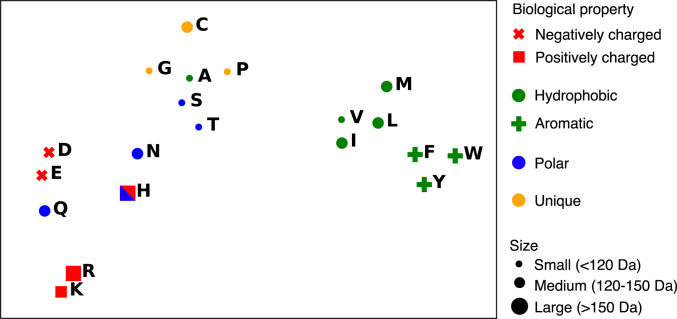
“Local biochemical and structural contexts are reflected in preferences for distinct classes of amino acids (Levitt, 1978).”
BackgroundModeling aspects of the language of life through transfer-learning protein sequences
Heinzinger, M., Elnaggar, A., Wang, Y., Dallago, C., Nechaev, D., Matthes, F., & Rost, B. (2019) · BMC Bioinformatics · doi:10.1186/s12859-019-3220-8 · Cited by 606 · cited 1×
“If representation space is organized linearly by species, then adding the difference in average representations to a protein in species s will recover the corresponding protein in species t .”
BackgroundDeep generative models of genetic variation capture the effects of mutations
Riesselman, A. J., Ingraham, J. B., & Marks, D. S. (2018) · Nature Methods · doi:10.1038/s41592-018-0138-4 · Cited by 601 · cited 1×
“The generative picture can be extended to include latent variables parameterized by neural networks that capture higher order interactions than pairwise (Riesselman et al., 2018).”
Background(2019) · doi:10.18653/v1/n19-1419 · Cited by 601 · cited 3×
“…To learn the distance projection used in the phylogenetic organization analysis, we applied an adapted version of the technique of Hewitt & Manning (2019), originally employed toward learning a natural language parse-tree encoding; we modify the technique to instead learn a phylogenetic…”
MethodInfluentialUnsupervised Machine Translation Using Monolingual Corpora Only
Lample, G., Conneau, A., Denoyer, L., & Ranzato, M. (2017) · arXiv · doi:10.48550/arxiv.1711.00043 · Cited by 584
NetSurfP‐2.0: Improved prediction of protein structural features by integrated deep learning
Klausen, M. S., Jespersen, M. C., Nielsen, H., Jensen, K. K., Jurtz, V. I., Sønderby, C. K., Sommer, M. O. A., Winther, O., Nielsen, M., Petersen, B., et al. (2019) · Proteins Structure Function and Bioinformatics · doi:10.1002/prot.25674 · Cited by 581
Better prediction of functional effects for sequence variants
Hecht, M., Bromberg, Y., & Rost, B. (2015) · BMC Genomics · doi:10.1186/1471-2164-16-s8-s1 · Cited by 569 · cited 1×
“Computational variant effect predictors are useful for assessing the effect of point mutations (Gray et al., 2018; Adzhubei et al., 2013; Kumar et al., 2009; Hecht et al., 2015; Rentzsch et al., 2018).”
Protein Secondary Structure Prediction Using Deep Convolutional Neural Fields
Wang, S., Peng, J., Ma, J., & Xu, J. (2016) · Scientific Reports · doi:10.1038/srep18962 · Cited by 567 · cited 2×
“For calibration, current state-of-the-art on the same dataset is 84 % on the Q3 (3-class) task (Wang et al., 2016) or 70.5% on Q8 (8-class) task (Drori et al., 2018) using a technique considerably more sophisticated than linear projection.”
MethodInfluentialSelf-citationProtein structure determination using metagenome sequence data
Ovchinnikov, S., Park, H., Varghese, N., Huang, P.-S., Pavlopoulos, G. A., Kim, D. E., Kamisetty, H., Kyrpides, N. C., & Baker, D. (2017) · Science · doi:10.1126/science.aah4043 · Cited by 520 · cited 1×
“Contacts predicted from evolutionary data have enabled large-scale computational prediction of protein structures (Ovchinnikov et al., 2017).”
BackgroundCritical assessment of methods of protein structure prediction (CASP)—Round XIII
Kryshtafovych, A., Schwede, T., Topf, M., Fidelis, K., & Moult, J. (2019) · Proteins: Structure, Function, and Bioinformatics · doi:10.1002/prot.25823 · Cited by 506 · cited 1×
“We evaluate models on the CB513 test set (Cuff & Barton, 1999) and the CASP13 domains (Kryshtafovych et al., 2019).”
MethodCCMpred—fast and precise prediction of protein residue–residue contacts from correlated mutations
Seemayer, S., Gruber, M., & Söding, J. (2014) · Bioinformatics · doi:10.1093/bioinformatics/btu500 · Cited by 416 · cited 2×
“(ii) unsupervised contacts predicted by the CCMpred implementation (Seemayer et al., 2014) of direct coupling analysis.”
BackgroundDistance-based protein folding powered by deep learning
Xu, J. (2019) · Proceedings of the National Academy of Sciences · doi:10.1073/pnas.1821309116 · Cited by 401 · cited 1×
“For inputs, these methods use raw frequency and covariance statistics, or parameters of maximum-entropy sequence models fitted on MSAs (Jones & Kandathil, 2018; Xu, 2018; Senior et al., 2018).”
MethodThe crystal structure of MarR, a regulator of multiple antibiotic resistance, at 2.3 A resolution.
Alekshun, M. N., Levy, S. B., Mealy, T. R., Seaton, B. A., & Head, J. W. (2001) · Nature Structural Biology · doi:10.1038/90429 · Cited by 391 · cited 2×
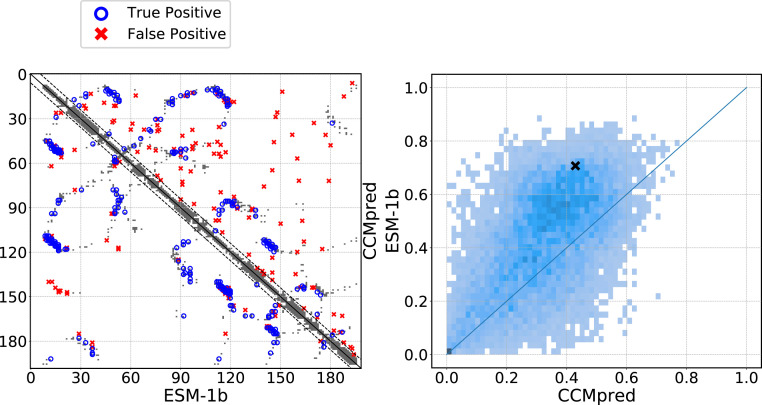
“Figure 6: Pre-trained Transformer models accurately predict contacts for chain A of the MarR protein (PDB: 1JGS; Alekshun et al., 2001).”
BackgroundMethodExpanding functional protein sequence spaces using generative adversarial networks
Repecka, D., Jauniskis, V., Karpus, L., Rembeza, E., Rokaitis, I., Zrimec, J., Poviloniene, S., Laurynenas, A., Viknander, S., Abuajwa, W., et al. (2021) · Nature Machine Intelligence · doi:10.1038/s42256-021-00310-5 · Cited by 388
ProGen: Language Modeling for Protein GenerationPreprint
Madani, A., McCann, B., Naik, N., Keskar, N. S., Anand, N., Eguchi, R. R., Huang, P., & Socher, R. (2020) · bioRxiv (Cold Spring Harbor Laboratory) · doi:10.1101/2020.03.07.982272 · Cited by 383
BERTology Meets Biology: Interpreting Attention in Protein Language Models
Vig, J., Madani, A., Varshney, L. R., Xiong, C., Socher, R., & Rajani, N. F. (2020) · doi:10.1101/2020.06.26.174417 · Cited by 338
Critical assessment of methods of protein structure prediction (CASP)—Round XII
Moult, J., Fidelis, K. A., Kryshtafovych, A., Schwede, T. F., & Tramontano, A. L. (2017) · Proteins Structure Function and Bioinformatics · doi:10.1002/prot.25415 · Cited by 325 · cited 1×
“The Test (59) and CASP11 (60) test sets evaluate with sequence identity holdout at 25%, the CASP12 (61) test set implements a temporal holdout with the structural training data, and the CASP13 (58) experiment implements a full temporal holdout of both the pretraining and training data.”
Learning generative models for protein fold families
Balakrishnan, S., Kamisetty, H., Carbonell, J. G., Lee, S., & Langmead, C. J. (2011) · Proteins: Structure, Function, and Bioinformatics · doi:10.1002/prot.22934 · Cited by 316
Learned protein embeddings for machine learning
Yang, K., Wu, Z., Bedbrook, C. N., & Arnold, F. H. (2018) · Bioinformatics · doi:10.1093/bioinformatics/bty178 · Cited by 316 · cited 1×
“In contrast to models that are based on recurrent or convolutional neural networks, the Transformer makes no assumptions on the ordering of the input and instead uses position embeddings.”
Sharp nearby, fuzzy far away: How neural language models use context
Khandelwal, U., He, H., Qi, P., & Jurafsky, D. (2018) · Proceedings of the 56th Annual Meeting of the Association for Computational Linguistics (Volume 1: Long Papers) · doi:10.18653/v1/p18-1027 · Cited by 303
Sharp Nearby, Fuzzy Far Away: How Neural Language Models Use Context
Khandelwal, U., He, H., Qi, P., & Jurafsky, D. (2018) · arXiv · doi:10.48550/arxiv.1805.04623 · Cited by 302
Altschuh, D., Lesk, A. M., Bloomer, A. C., & Klug, A. (1987) · Journal of Molecular Biology · doi:10.1016/0022-2836(87)90352-4 · Cited by 284 · cited 1×
“The idea that biological function and structure are recorded in the statistics of protein sequences selected through evolution has a long history (Yanofsky et al., 1964; Altschuh et al., 1987; 1988).”
BackgroundCoevolutionary Landscape Inference and the Context-Dependence of Mutations in Beta-Lactamase TEM-1
Figliuzzi, M., Jacquier, H., Schug, A. H., Tenaillon, O., & Weigt, M. (2015) · Molecular Biology and Evolution · doi:10.1093/molbev/msv211 · Cited by 275 · cited 1×
“…inductive bias of the models and frequency biases in the data, we compare against (1) untrained contextual language models: an untrained LSTM, and the Transformer at its initial state prior to training; and (2) a frequency baseline that maps a sequence to a vector of normalized amino acid counts.”
MethodHopf, T. A., Ingraham, J., Poelwijk, F. J., Springer, M., Sander, C., & Marks, D. S. (2015) · arXiv (Cornell University) · doi:10.48550/arxiv.1510.04612 · Cited by 249 · cited 2×
“…properties that affect fitness directly, such as activity, stability, structure, binding, and other properties under selection (Hormoz, 2013; Hopf et al., 2017) as well as by contributions from phylogenetic bias (Gabaldon, 2007), experimental and selection biases (Wang et al., 2019;…”
BackgroundBERT has a Mouth, and It Must Speak: BERT as a Markov Random Field Language ModelPreprint
Wang, A., & Cho, K. (2019) · arXiv (Cornell University) · doi:10.48550/arxiv.1902.04094 · Cited by 234 · cited 1×
“The models we have trained can be used to generate new sequences (Wang & Cho, 2019”
MethodMoult, J., Fidelis, K. A., Kryshtafovych, A., Schwede, T. F., & Tramontano, A. L. (2016) · Proteins Structure Function and Bioinformatics · doi:10.1002/prot.25064 · Cited by 226 · cited 1×
“The Test (59) and CASP11 (60) test sets evaluate with sequence identity holdout at 25%, the CASP12 (61) test set implements a temporal holdout with the structural training data, and the CASP13 (58) experiment implements a full temporal holdout of both the pretraining and training data.”
Learning protein sequence embeddings using information from structure
Bepler, T., & Berger, B. (2019) · arXiv · doi:10.48550/arxiv.1902.08661 · Cited by 219 · cited 1×
“In contrast to models that are based on recurrent or convolutional neural networks, the Transformer makes no assumptions on the ordering of the input and instead uses position embeddings.”
Generating functional protein variants with variational autoencoders
Hawkins‐Hooker, A., Depardieu, F., Baur, S., Couairon, G., Chen, A., & Bikard, D. (2021) · PLoS Computational Biology · doi:10.1371/journal.pcbi.1008736 · Cited by 217
Cloze-driven Pretraining of Self-attention Networks
Baevski, A., Edunov, S., Liu, Y., Zettlemoyer, L., & Auli, M. (2019) · Proceedings of the 2019 Conference on Empirical Methods in Natural Language Processing and the 9th International Joint Conference on Natural Language Processing (EMNLP-IJCNLP) · doi:10.18653/v1/d19-1539 · Cited by 215 · cited 1×
“The ability to learn such representations improves significantly with larger training datasets (Baevski et al., 2019; Radford et al., 2019).”
BackgroundQuantitative Missense Variant Effect Prediction Using Large-Scale Mutagenesis Data
Gray, V. E., Hause, R. J., Luebeck, J., Shendure, J., & Fowler, D. M. (2017) · Cell Systems · doi:10.1016/j.cels.2017.11.003 · Cited by 210
Selection Forces and Constraints on Retroviral Sequence Variation
Overbaugh, J. M., & Bangham, C. R. M. (2001) · Science · doi:10.1126/science.1059128 · Cited by 200 · cited 1×
“…and other properties under selection (Hormoz, 2013; Hopf et al., 2017) as well as by contributions from phylogenetic bias (Gabaldon, 2007), experimental and selection biases (Wang et al., 2019; Overbaugh & Bangham, 2001), and sources of noise such as random genetic drift (Kondrashov et al., 2003).”
BackgroundUDSMProt: universal deep sequence models for protein classification
Strodthoff, N., Wagner, P., Wenzel, M. A., & Samek, W. (2020) · Bioinformatics · doi:10.1093/bioinformatics/btaa003 · Cited by 192
Origins of coevolution between residues distant in protein 3D structures
Anishchenko, I., Ovchinnikov, S., Kamisetty, H., & Baker, D. (2017) · Proceedings of the National Academy of Sciences · doi:10.1073/pnas.1702664114 · Cited by 185 · cited 2×
“Contacts can be inferred through evolutionary correlations between residues in a sequence family (Marks et al., 2011; Anishchenko et al., 2017).”
BackgroundJones, D. T., & Kandathil, S. M. (2018) · Bioinformatics · doi:10.1093/bioinformatics/bty341 · Cited by 183 · cited 1×
“We use a dilated convolutional residual network similar to recent state-of-the-art methods for tertiary structure prediction (Xu, 2018; Jones & Kandathil, 2018; Senior et al., 2018).”
MethodDeepSF: deep convolutional neural network for mapping protein sequences to folds
Hou, J., Adhikari, B., & Cheng, J. (2017) · Bioinformatics · doi:10.1093/bioinformatics/btx780 · Cited by 183
Sequence comparison and protein structure prediction
Dunbrack, R. L. (2006) · Current Opinion in Structural Biology · doi:10.1016/j.sbi.2006.05.006 · Cited by 175 · cited 1×
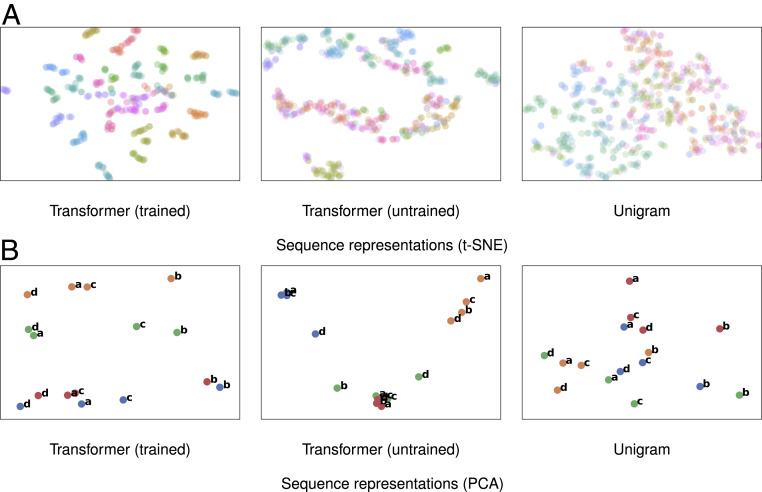
“Figure 2b visualizes the projected representations of four orthologous groups across four species.”
BackgroundVideoBERT: A Joint Model for Video and Language Representation LearningPreprint
Sun, C., Myers, A., Vondrick, C., et al. (2019) · arXiv (Cornell University) · doi:10.48550/arxiv.1904.01766 · Cited by 148
Phage-assisted continuous evolution of proteases with altered substrate specificity
Packer, M. S., Rees, H. A., & Liu, D. R. (2017) · Nature Communications · doi:10.1038/s41467-017-01055-9 · Cited by 141 · cited 1×
“…function (Romero & Arnold, 2009), inform protein design using a combination of activating mutants (Hu et al., 2018), and make rational substitutions to optimize protein properties such as substrate specificity (Packer et al., 2017), stability (Tan et al., 2014), and binding (Ricatti et al., 2019).”
BackgroundCorrelated mutations in models of protein sequences: phylogenetic and structural effects
Lapedes, A. S., Giraud, B., Liu, L., & Stormo, G. D. (1999) · Institute of Mathematical Statistics Lecture Notes - Monograph Series · doi:10.1214/lnms/1215455556 · Cited by 124
Zhou, J., & Troyanskaya, O. G. (2014) · arXiv (Cornell University) · doi:10.48550/arxiv.1403.1347 · Cited by 123
The effect of long‐range interactions on the secondary structure formation of proteins
Kihara, D. (2005) · Protein Science · doi:10.1110/ps.051479505 · Cited by 98 · cited 1×
“It is well known that structural properties of protein sequences are reflected in long-range dependencies (Kihara, 2005).”
BackgroundProtein Structure Relationships Revealed by Mutational Analysis
Yanofsky, C., Horn, V., & Thorpe, D. (1964) · Science · doi:10.1126/science.146.3651.1593 · Cited by 98 · cited 1×
“The idea that biological function and structure are recorded in the statistics of protein sequences selected through evolution has a long history (Yanofsky et al., 1964; Altschuh et al., 1987; 1988).”
BackgroundCoordinated amino acid changes in homologous protein families
Altschuh, D., Vernet, T., Berti, P. J., Moras, D., & Nagai, K. (1988) · Protein Engineering Design and Selection · doi:10.1093/protein/2.3.193 · Cited by 96 · cited 1×
“The idea that biological function and structure are recorded in the statistics of protein sequences selected through evolution has a long history (Yanofsky et al., 1964; Altschuh et al., 1987; 1988).”
BackgroundMRFalign: Protein Homology Detection through Alignment of Markov Random Fields
Ma, J., Wang, S., Wang, Z., & Xu, J. (2014) · PLoS Computational Biology · doi:10.1371/journal.pcbi.1003500 · Cited by 90
Self-citationOn the Mechanism of the Reaction Catalyzed by Glucose 6-Phosphate Dehydrogenase,
Cosgrove, M. S., Naylor, C. E., Paludan, S. R., et al. (1998) · Biochemistry · doi:10.1021/bi972069y · Cited by 88 · cited 1×
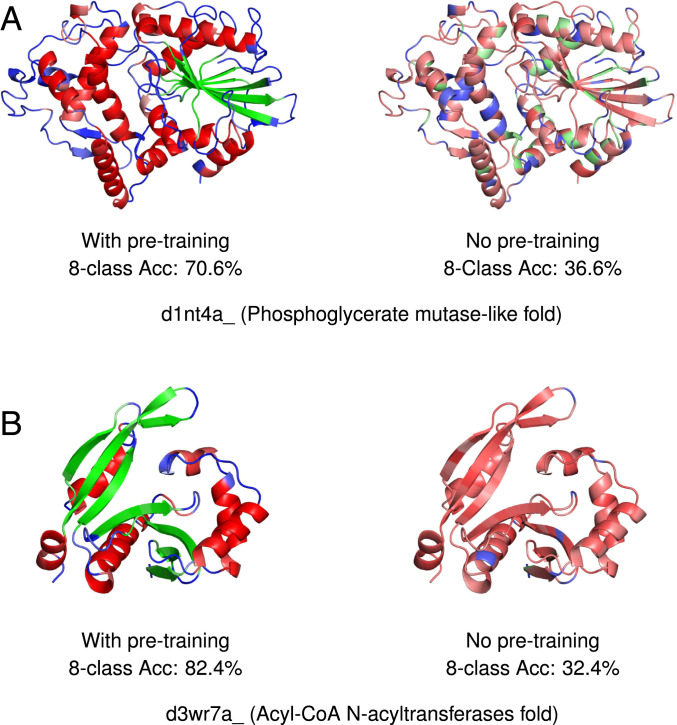
“(b) illustrates the 3-class representation projections on representative proteins (PDB IDs 2DPG and 1BDJ; Cosgrove et al., 1998; Kato et al., 1999) selected for dissimilarity with the training dataset, having sequence identity no higher than 0.”
BackgroundProtein sequence comparison and fold recognition: progress and good-practice benchmarking
Söding, J., & Remmert, M. (2011) · Current Opinion in Structural Biology · doi:10.1016/j.sbi.2011.03.005 · Cited by 80 · cited 1×
“Following standard practices (45), we exclude Rossmann-like folds (c.”
MethodGraphical Models of Residue Coupling in Protein Families
Thomas, J., Ramakrishnan, N., & Bailey-Kellogg, C. (2008) · IEEE/ACM Transactions on Computational Biology and Bioinformatics · doi:10.1109/tcbb.2007.70225 · Cited by 77 · cited 1×
“Direct coupling analysis (Lapedes et al., 1999; Thomas et al., 2008; Weigt et al., 2009) infers constraints on the structure of a protein by fitting a generative model in the form of a Markov Random Field (MRF) to the sequences in the protein’s MSA.”
MethodBelle, V., den Broeck, G. V., & Passerini, A. (2016) · National Conference on Artificial Intelligence · Cited by 75
Amino acid composition of proteins reduces deleterious impact of mutations
Hormoz, S. (2013) · Scientific Reports · doi:10.1038/srep02919 · Cited by 71
Amimeur, T., Shaver, J. M., Ketchem, R. R., Taylor, J. A., Clark, R. H., Smith, J., Citters, D. V., Siska, C. C., Smidt, P., Sprague, M., et al. (2020) · bioRxiv (Cold Spring Harbor Laboratory) · doi:10.1101/2020.04.12.024844 · Cited by 64 · cited 1×
“Classical methods that aim to detect pairwise dependencies in multiple sequence alignments are able to model entire sequences.”
BackgroundDEEPCON: protein contact prediction using dilated convolutional neural networks with dropout
Adhikari, B. (2019) · Bioinformatics · doi:10.1093/bioinformatics/btz593 · Cited by 49
Evolution of Proteins and Proteomes: A Phylogenetics Approach
Gabaldón, T. (2005) · Evolutionary Bioinformatics · doi:10.1177/117693430500100004 · Cited by 43
ProGen: Language Modeling for Protein GenerationPreprint
Madani, A., McCann, B., Naik, N., Keskar, N. S., Anand, N., Eguchi, R. R., Huang, P., & Socher, R. (2020) · arXiv (Cornell University) · doi:10.48550/arxiv.2004.03497 · Cited by 42
Protein Design and Variant Prediction Using Autoregressive Generative ModelsPreprint
Shin, J.-E., Riesselman, A. J., Kollasch, A. W., McMahon, C., Simon, E. P., Sander, C., Manglik, A., Kruse, A. C., & Marks, D. S. (2019) · bioRxiv (Cold Spring Harbor Laboratory) · doi:10.1101/757252 · Cited by 40
Distance-based Protein Folding Powered by Deep LearningPreprint
Xu, J. (2018) · bioRxiv (Cold Spring Harbor Laboratory) · doi:10.1101/465955 · Cited by 39
Sequence-based protein stabilization in the absence of glycosylation
Tan, N. Y. J., Bailey, U., Jamaluddin, M. F. B., Mahmud, S. H. B., Raman, S. C., & Schulz, B. L. (2014) · Nature Communications · doi:10.1038/ncomms4099 · Cited by 38 · cited 2×
“, 2017), stability (Tan et al., 2014), and binding (Ricatti et al.”
BackgroundImpact of selection, mutation rate and genetic drift on human genetic variation
Sunyaev, S. R. (2003) · Human Molecular Genetics · doi:10.1093/hmg/ddg359 · Cited by 37 · cited 1×
“, 2019; Overbaugh & Bangham, 2001), and sources of noise such as random genetic drift (Kondrashov et al., 2003).”
BackgroundGenerating functional protein variants with variational autoencodersPreprint
Hawkins‐Hooker, A., Depardieu, F., Baur, S., et al. (2020) · bioRxiv (Cold Spring Harbor Laboratory) · doi:10.1101/2020.04.07.029264 · Cited by 34
Structure and dynamics of the B12‐binding subunit of glutamate mutase from Clostridium cochlearium
Hoffmann, B., Konrat, R., Bothe, H., et al. (1999) · European Journal of Biochemistry · doi:10.1046/j.1432-1327.1999.00482.x · Cited by 32
Expanding functional protein sequence space using generative adversarial networksPreprint
Repecka, D., Jauniškis, V., Karpus, L., et al. (2019) · bioRxiv (Cold Spring Harbor Laboratory) · doi:10.1101/789719 · Cited by 31 · cited 1×
“It is well known that structural properties of protein sequences are reflected in long-range dependencies (Kihara, 2005).”
BackgroundCorrelated mutations in protein sequences: Phylogenetic and structural effects
Los Alamos National Lab., T. D., Lapedes, A. S., Liu, L. C., GIRAUD, B. G., Liu, L., & Stormo, G. D. (1998) · doi:10.2172/296863 · Cited by 25
High Quality Prediction of Protein Q8 Secondary Structure by Diverse Neural Network ArchitecturesPreprint
Drori, I., Dwivedi, I., Shrestha, P., et al. (2018) · arXiv (Cornell University) · doi:10.48550/arxiv.1811.07143 · Cited by 25 · cited 1×
“For calibration, current state-of-the-art on the same dataset is 84 % on the Q3 (3-class) task (Wang et al., 2016) or 70.5% on Q8 (8-class) task (Drori et al., 2018) using a technique considerably more sophisticated than linear projection.”
MethodInfluentialRevealing evolutionary constraints on proteins through sequence analysis
Wang, S., Bitbol, A., & Wingreen, N. S. (2019) · PLoS Computational Biology · doi:10.1371/journal.pcbi.1007010 · Cited by 25 · cited 2×
“, 2017) as well as by contributions from phylogenetic bias (Gabaldon, 2007), experimental and selection biases (Wang et al., 2019; Overbaugh & Bangham, 2001), and sources of noise such as random genetic drift (Kondrashov et al.”
BackgroundRicatti, M. J., Acquasaliente, L., Ribaudo, G., Filippis, V. D., Bellini, M., Llovera, R. E., Barollo, S., Pezzani, R., Zagotto, G., Persaud, K. C., et al. (2019) · Scientific Reports · doi:10.1038/s41598-018-36391-3 · Cited by 23 · cited 1×
“…function (Romero & Arnold, 2009), inform protein design using a combination of activating mutants (Hu et al., 2018), and make rational substitutions to optimize protein properties such as substrate specificity (Packer et al., 2017), stability (Tan et al., 2014), and binding (Ricatti et al., 2019).”
BackgroundEnd-to-end multitask learning, from protein language to protein features without alignmentsPreprint
Elnaggar, A., Heinzinger, M., Dallago, C., & Rost, B. (2019) · bioRxiv (Cold Spring Harbor Laboratory) · doi:10.1101/864405 · Cited by 17 · cited 1×
“One key factor affecting the performance of LSTMs on these tasks is the path lengths that must be traversed by forward activation and backward gradient signals in the network (Hochreiter et al., 2001).”
BackgroundKato, M., Shimizu, T., Mizuno, T., et al. (1999) · Acta Crystallographica Section D Biological Crystallography · doi:10.1107/s0907444999005053 · Cited by 16
Evolutionary Context-Integrated Deep Sequence Modeling for Protein Engineering
Luo, Y., Vo, L. T., Ding, H., Su, Y., Liu, Y., Qian, W. W., Zhao, H., & Peng, J. (2020) · Lecture notes in computer science · doi:10.1007/978-3-030-45257-5_30 · Cited by 15
Evolutionary context-integrated deep sequence modeling for protein engineeringPreprint
Luo, Y., Vo, L. T., Ding, H., et al. (2020) · bioRxiv (Cold Spring Harbor Laboratory) · doi:10.1101/2020.01.16.908509 · Cited by 13 · cited 1×
“Subsequent to our preprint, related works have built on its exploration of protein sequence modeling, exploring generative models (71, 72), internal representations of Transformers (73), and applications of representation learning and generative modeling such as classification (74, 75), mutational effect prediction (8…”
BackgroundMRFalign: Protein Homology Detection through Alignment of Markov Random Fields
Ma, J., Wang, S., Wang, Z., & Xu, J. (2014) · Lecture notes in computer science · doi:10.1007/978-3-319-05269-4_13 · Cited by 6
Self-citationDEEPCON: Protein Contact Prediction using Dilated Convolutional Neural Networks with DropoutPreprint
Adhikari, B. (2019) · bioRxiv (Cold Spring Harbor Laboratory) · doi:10.1101/590455 · Cited by 5
Research works printed but not linked: 24
- 10.1103/PhysRevE.87 · DOI
- Mikolov, T. , Sutskever, I. , Deoras, A. , Le, H.-S. , Kom-brink, S. , and Cernocky, J. Subword language modeling with neural networks. preprint (http://www.fit.vutbr.cz/imikolov/rnnlm/char.pdf), 8, 2012.
- Riesselman, A. J. , Shin, J.-E. , Kollasch, A. W. , McMahon, C. , Simon, E. , Sander, C. , Manglik, A. , Kruse, A. C. , and Marks, D. S. Accelerating protein design using autoregressive generative models. bioRxiv, pp. 757252, 2019.
- 2011, Learning generative models for protein fold families, Proteins: Structure, Function, and Bioinformatics, 79, 1061, 10.1002/prot.22934 · DOI · Paper page
- 10.1093/nar/gkt1223 · DOI · Paper page
- Devlin, J. , Chang, M. , Lee, K. , and Toutanova, K. BERT: pre-training of deep bidirectional transformers for language understanding. CoRR, abs/1810.04805, 2018b. URL http://arxiv.org/abs/1810.04805. · arXiv
- 2013, Improved contact prediction in proteins: using pseu-dolikelihoods to infer potts models, Physical Review E, 87, 012707, 10.1103/PhysRevE.87.012707 · DOI · Paper page
- 10.1093/nar/gkt1240 · DOI · Paper page
- 2018, Quantitative missense variant effect pre-diction using large-scale mutagenesis data, Cell systems, 6, 116, 10.1016/j.cels.2017.11.003 · DOI
- 10.1093/nar/gky1085 · DOI
- Johnson, J. , Douze, M. , and Jégou, H. Billion-scale similarity search with gpus. CoRR, abs/1702.08734, 2017. URL http://arxiv.org/abs/1702.08734. · arXiv
- 2019, NetSurfP-2.0: Improved prediction of protein structural features by integrated deep learning, Proteins, 87, 520, 10.1002/prot.25674 · DOI
- Liu, Y. , Ott, M. , Goyal, N. , Du, J. , Joshi, M. , Chen, D. , Levy, O. , Lewis, M. , Zettlemoyer, L. , and Stoyanov, V. RoBERTa: A Robustly Optimized BERT Pretraining Approach. 7 2019. URL http://arxiv.org/abs/1907.11692. · arXiv
- 10.1093/nar/gkw1081 · DOI
- 10.1038/nmeth.1818 · DOI · Paper page
- 10.1038/s41592-018-0138-4 · DOI · Paper page
- 10.1093/bioinformatics/btu500 · DOI
- 10.1016/j.sbi.2011.03.005 · DOI
- 10.1093/bioinformatics/btu739 · DOI · Paper page
- 10.1093/nar/gkm895 · DOI
- 2008, Graphical models of residue coupling in protein families, IEEE/ACM Transactions on Computational Biology and Bioinformatics, 5, 183, 10.1109/TCBB.2007.70225 · DOI · Paper page
- Vaswani, A. , Shazeer, N. , Parmar, N. , Uszkoreit, J. , Jones, L. , Gomez, A. N. , Kaiser, Ł. , and Polosukhin, I. Attention is all you need. In Advances in neural information processing systems, pp. 5998–6008, 2017b.
- 2017, Accurate de novo prediction of protein contact map by ultra-deep learning model, PLoS computational biology, 13, e1005324, 10.1371/journal.pcbi.1005324 · DOI · Paper page
- 10.1073/pnas.0805923106 · DOI · Paper page
Cited by
Sorted by citations
Highly accurate protein structure prediction with AlphaFold
Jumper, J., Evans, R., Pritzel, A., Green, T., Figurnov, M., Ronneberger, O., Tunyasuvunakool, K., Bates, R., Žídek, A., Potapenko, A., et al. (2021) · Nature · doi:10.1038/s41586-021-03819-2 · Cited by 43,764
“In parallel, the success of attention-based networks for language processing 52 and, more recently, computer vision 31,53 has inspired the exploration of attention-based methods for interpreting protein sequences 54–56 .”
Evolutionary-scale prediction of atomic level protein structure with a language model
Lin, Z., Akin, H., Rao, R., Hie, B., Zhu, Z., Lu, W., Smetanin, N., Verkuil, R., Kabeli, O., Shmueli, Y., et al. (2022) · doi:10.1101/2022.07.20.500902 · Cited by 5,990
“[14] Alexander Rives, Joshua Meier, Tom Sercu, Siddharth Goyal, Zeming Lin, Jason Liu, Demi Guo, Myle Ott, C.”
BackgroundSelf-citationRives, A., Meier, J., Sercu, T., Goyal, S., Lin, Z., Liu, J., Guo, D., Ott, M., Zitnick, C. L., Ma, J., et al. (2021) · Proceedings of the National Academy of Sciences · doi:10.1073/pnas.2016239118 · Cited by 3,286
Self-citationSignalP 6.0 predicts all five types of signal peptides using protein language models
Teufel, F., Armenteros, J. J. A., Johansen, A. R., Gíslason, M. H., Pihl, S. I., Tsirigos, K. D., Winther, O., Brunak, S., von HEIJNE, G., & Nielsen, H. (2022) · Nature Biotechnology · doi:10.1038/s41587-021-01156-3 · Cited by 3,088
ProtTrans: Toward Understanding the Language of Life Through Self-Supervised Learning
Elnaggar, A., Heinzinger, M., Dallago, C., Rehawi, G., Wang, Y., Jones, L., Gibbs, T., Feher, T., Angerer, C., Steinegger, M., et al. (2022) · IEEE Transactions on Pattern Analysis and Machine Intelligence · doi:10.1109/tpami.2021.3095381 · Cited by 2,329
“As previously established for another protein LM [24], the t-SNE projections (Fig.”
BackgroundMethodResultInfluential
Metadata
- Authors
- Rives, A., Meier, J., Sercu, T., Goyal, S., Lin, Z., Liu, J., Guo, D., Ott, M., Zitnick, C. L., Ma, J., & Fergus, R.
- Affiliations
- Meta (United States) (US)
- New York University (US)
- Harvard University (US)
- Yale University (US)
- Corresponding author
- Rives, Alexander
- ORCID
- Venue
- Proceedings of the National Academy of Sciences
- Publisher
- openRxiv
- Published
- 2019-04-29
- Volume
- 118
- Issue
- 15
- ISSN
- 0027-8424 (ISSN-L)
- PMC
- PMC8053943
- OpenAlex
- W3146944767
- Cited by
- 3,280
- References
- 100
- Citations by year
- 2026: 780 · 2025: 816 · 2024: 697 · 2023: 448 · 2022: 305 · 2021: 161 · 2020: 51 · 2019: 18
- FWCI
- 126.76
- Type
- journal article
- Language
- en
- Open access
- hybrid
- doi.org
- Licence
- cc-by-nc-nd
- Locations
- Proceedings of the National Academy of Sciences (publishedVersion, cc-by-nc-nd)
- bioRxiv (Cold Spring Harbor Laboratory) (acceptedVersion, cc-by-nc-nd)
- PubMed Central (publishedVersion, cc-by-nc-nd)
- PubMed (publishedVersion)
- Knowledge@UChicago (University of Chicago) (submittedVersion, cc-by-nc-nd)
- University of Chicago
- Funders
- National Science Foundation (1339362)
- Topics
- Life Sciences › Biochemistry, Genetics and Molecular Biology › Molecular Biology › Machine Learning in Bioinformatics
- Life Sciences › Biochemistry, Genetics and Molecular Biology › Molecular Biology › Protein Structure and Dynamics
- Life Sciences › Biochemistry, Genetics and Molecular Biology › Molecular Biology › RNA and protein synthesis mechanisms
- Keywords
- protein language models, unsupervised learning, protein evolution, protein structure prediction, secondary structure prediction, protein tertiary structure, remote homology
- MeSH terms
- Unsupervised Machine Learning, Amino Acids, Protein Conformation, Sequence Homology, Amino Acid, Sequence Analysis, Protein
About these checks
Registry, retraction, Cites and statistics results are computed, not judged, with one exception: a printed reference that no index lists is read once by a model before it counts as a citation error. Claims are extracted by a model and kept only when their quote appears verbatim in the text; each cited source is then checked, with a model’s help, for whether it says what the claim relies on. Those verdicts can be wrong — read the claim’s quote and the cited source before relying on one.
Statistics and arithmetic are recomputed, not judged.
Confidence bands are shown only for fields calibrated on our annotated test set. None is calibrated yet, so no band is shown.
What counts as a claim ›How we measure confidence ›How we check this ›
Are you an author, or do you see a problem with this page? Request a review
