

The DOI matches its Crossref record; 9 of the 9 references it cites were found in a registry or an index.
Nanotechnology: emerging tools for biology and medicine
Abstract
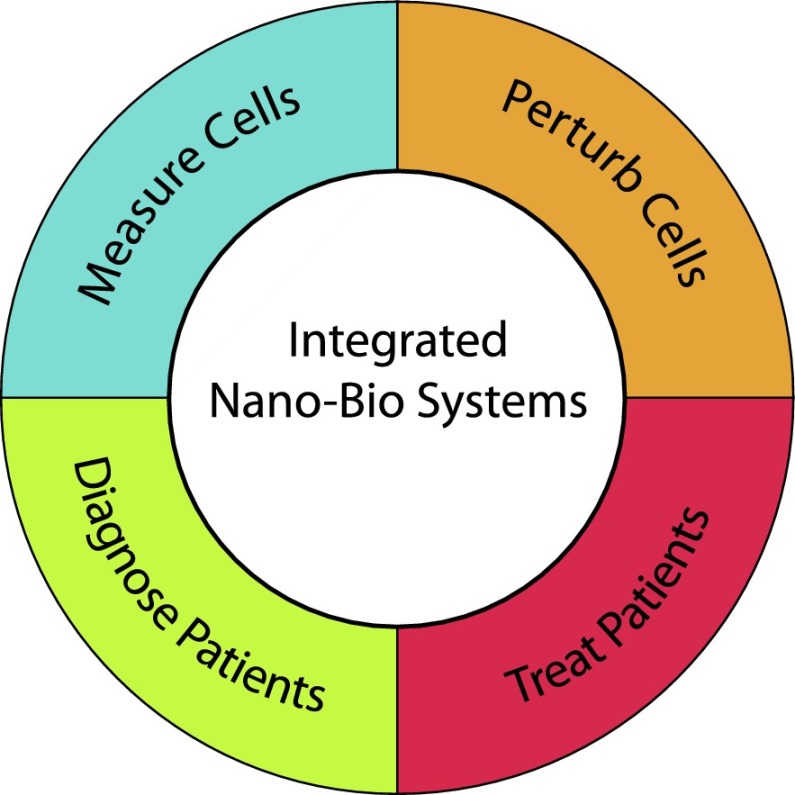
Historically, biomedical research has been based on two paradigms. First, measurements of biological behaviors have been based on bulk assays that average over large populations. Second, these behaviors have then been crudely perturbed by systemic administration of therapeutic treatments. Nanotechnology has the potential to transform these paradigms by enabling exquisite structures comparable in size with biomolecules as well as unprecedented chemical and physical functionality at small length scales. Here, we review nanotechnology-based approaches for precisely measuring and perturbing living systems. Remarkably, nanotechnology can be used to characterize single molecules or cells at extraordinarily high throughput and deliver therapeutic payloads to specific locations as well as exhibit dynamic biomimetic behavior. These advances enable multimodal interfaces that may yield unexpected insights into systems biology as well as new therapeutic strategies for personalized medicine.
Overview
The claims and statistics of this paper haven’t been checked yet.
Run the check — free, no account needed. It reads the open-access text and checks the sources it cites.
Integrity signals
Registry
Cites
Statistics
Figures
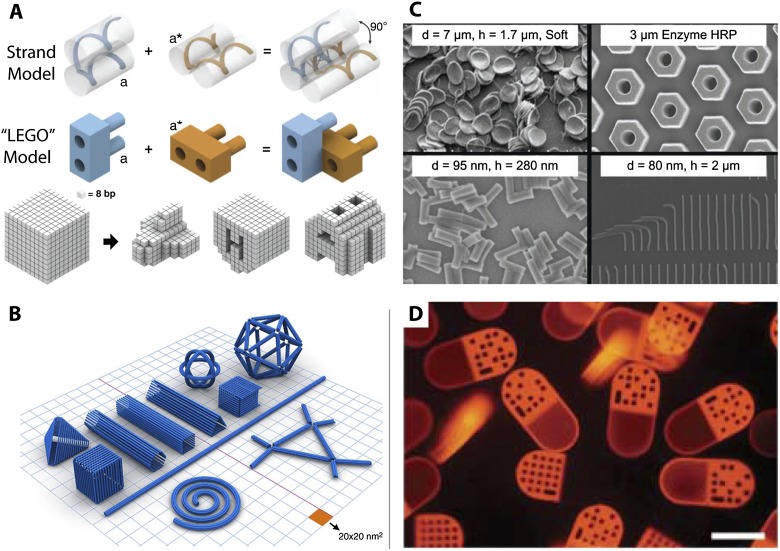
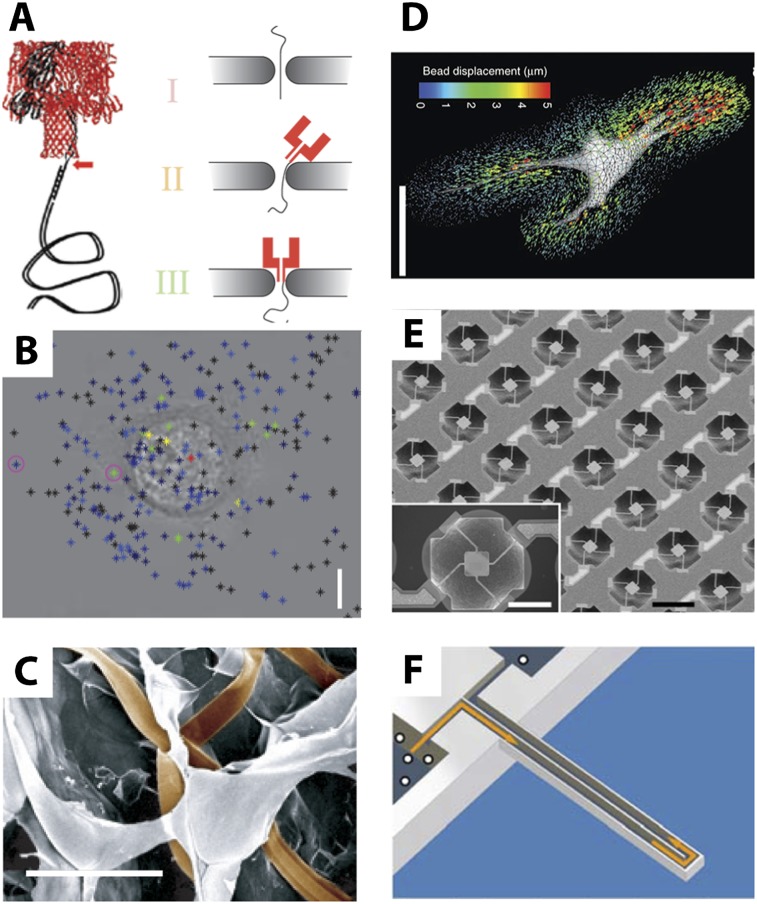
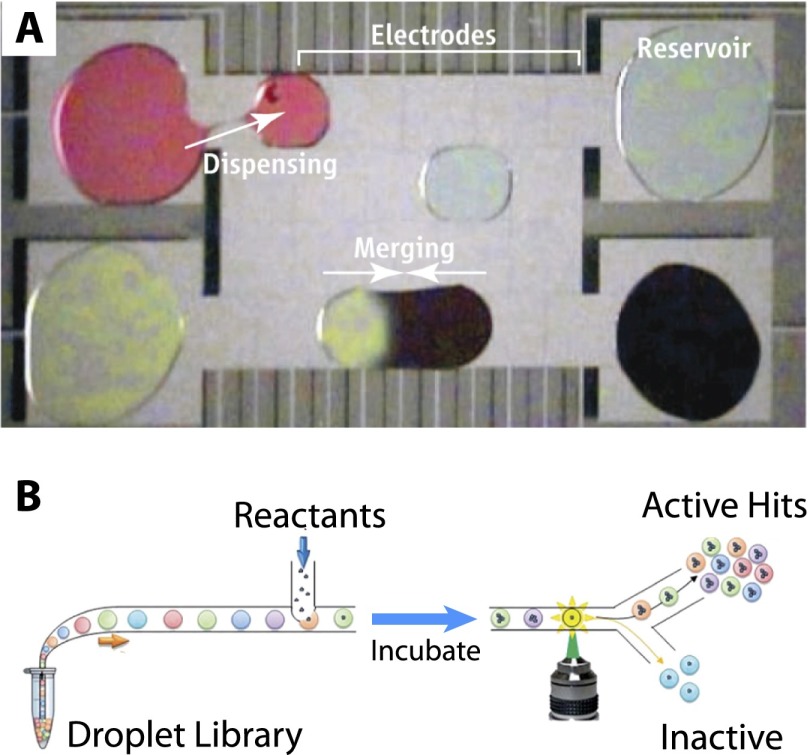
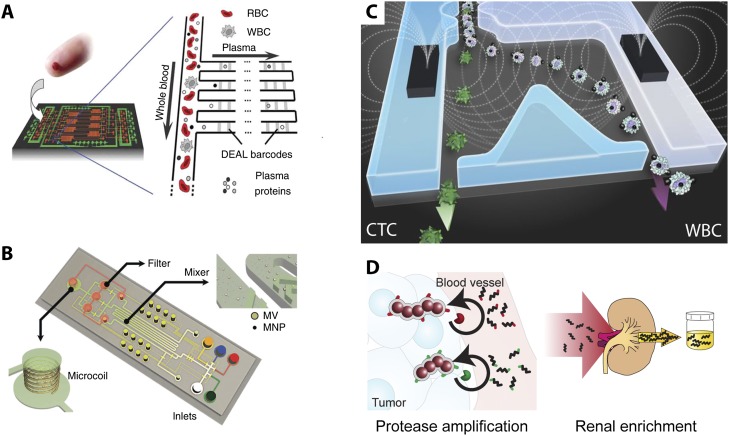
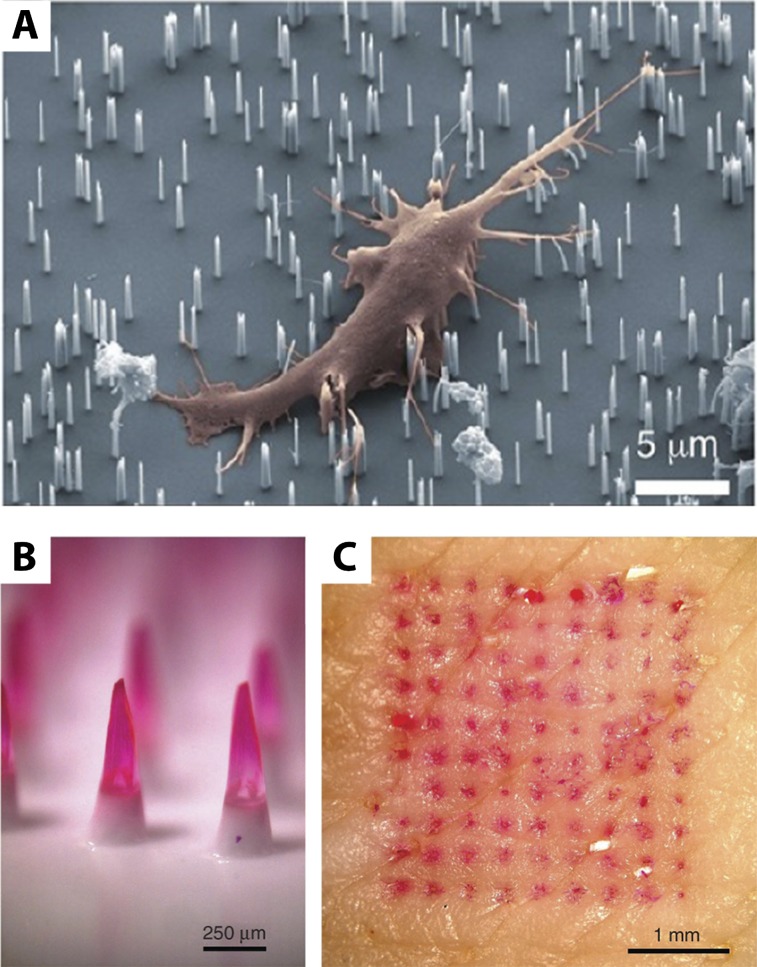
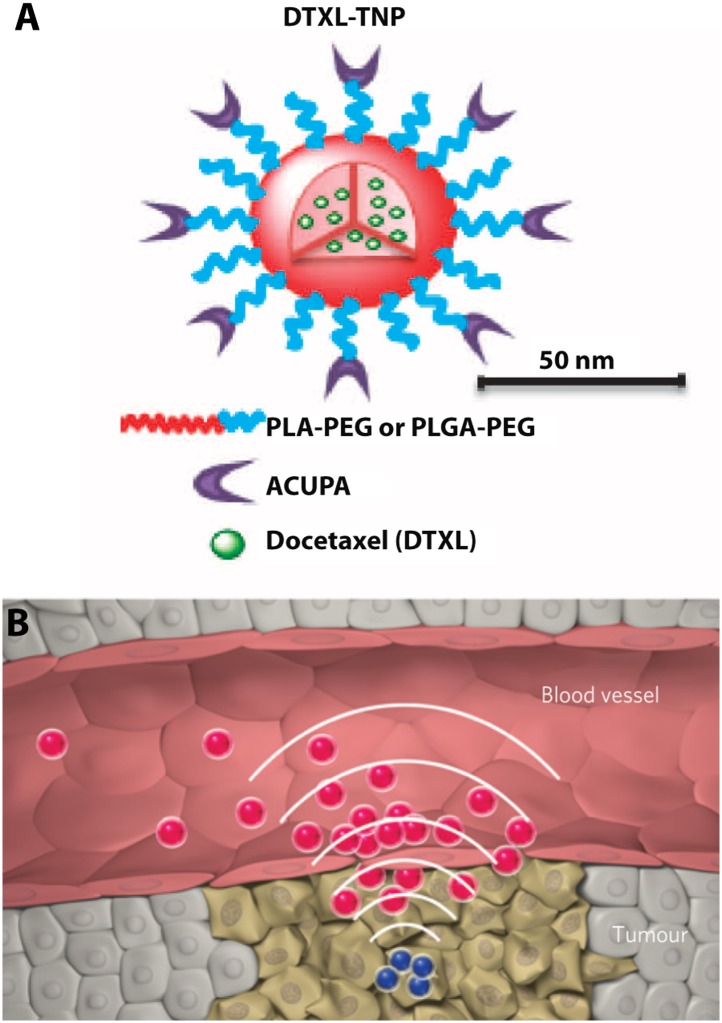
Verification
Claims the paper makes
The claims and statistics of this paper haven’t been checked yet.
Run the check — free, no account needed. It reads the open-access text and checks the sources it cites.
Claims other papers make about this one
Each is checked against this paper’s own text: does it say what the citing paper says it does?
In the citing paper
“magnetic nanoparticles (MNPs) are of particular interest because of their unique magnetic properties, surface modifiability, and the ability to interact with external magnetic fields [3]. These factors also make MNPs suitable for many applications, such as targeted drug delivery, imaging, diagnostics, and hyperthermia treatments [4].”
From Advances in green-synthesized magnetic nanoparticles for targeted cancer therapy: mechanisms, applications, and future perspectives (2026) · cites this paper as [3]
Self-check
Percentages, sums and reported differences re-computed from the paper’s own numbers.
The self-check needs the paper’s full text.
Citations
Cites
Nanoparticle therapeutics: an emerging treatment modality for cancer
Davis, M. E., Chen, Z., & Shin, D. M. (2008) · Nature Reviews Drug Discovery · doi:10.1038/nrd2614 · Cited by 4,233
Knocking down barriers: advances in siRNA delivery
Whitehead, K. A., Langer, R., & Anderson, D. G. (2009) · Nature Reviews Drug Discovery · doi:10.1038/nrd2742 · Cited by 3,115
Detection of Mutations in EGFR in Circulating Lung-Cancer Cells
Maheswaran, S., Sequist, L. V., Nagrath, S., Ulkus, L., Brannigan, B., Collura, C. V., Inserra, E., Diederichs, S., Iafrate, A. J., Bell, D. W., et al. (2008) · New England Journal of Medicine · doi:10.1056/nejmoa0800668 · Cited by 1,617
Self-citationReverse engineering of biological complexity
Csete, M. E., & Doyle, J. C. (2002) · Science · doi:10.1126/science.1069981 · Cited by 1,215
Flexible and Stretchable Electronics for Biointegrated Devices
Kim, D.-H., Ghaffari, R., Lu, N., & Rogers, J. A. (2012) · Annual Review of Biomedical Engineering · doi:10.1146/annurev-bioeng-071811-150018 · Cited by 749 · cited 2×
“There has been extensive work to develop integrated circuits that are highly flexible, stretchable, and biocompatible (Kim et al. 2012a).”
BackgroundDelivery of Molecular and Nanoscale Medicine to Tumors: Transport Barriers and Strategies
Chauhan, V. P., Stylianopoulos, T., Boucher, Y., & Jain, R. K. (2011) · Annual Review of Chemical and Biomolecular Engineering · doi:10.1146/annurev-chembioeng-061010-114300 · Cited by 597
Ma, C., Fan, R., Ahmad, H., Shi, Q., Comin-Anduix, B., Chodon, T., Koya, R. C., Liu, C.-C., Kwong, G. A., Radu, C. G., et al. (2011) · Nature Medicine · doi:10.1038/nm.2375 · Cited by 441
Dynamics extracted from fixed cells reveal feedback linking cell growth to cell cycle
Kafri, R., Levy, J., Ginzberg, M. B., Oh, S., Lahav, G., & Kirschner, M. W. (2013) · Nature · doi:10.1038/nature11897 · Cited by 232
Direct observation of mammalian cell growth and size regulation
Son, S., Tzur, A., Weng, Y., Jorgensen, P., Kim, J., Kirschner, M. W., & Manalis, S. R. (2012) · Nature Methods · doi:10.1038/nmeth.2133 · Cited by 220
Research works printed but not linked: 86
- 10.1073/pnas.0910781107 · DOI
- 10.1126/science.1154533 · DOI
- 10.1038/nbt927 · DOI
- 10.1021/nn4012847 · DOI
- 10.1074/mcp.R200007-MCP200 · DOI · Paper page
- 10.1038/nmeth.2027 · DOI
- 10.1242/jcs.079509 · DOI · Paper page
- 10.1146/annurev-bioeng-071812-152409 · DOI
- 10.1038/35093038 · DOI
- 10.1038/nbt.1495 · DOI
- 10.1038/nphoton.2012.266 · DOI
- 10.1146/annurev-bioeng-071811-150118 · DOI
- 10.1126/science.1226338 · DOI
- 10.1039/c2lc21204h · DOI
- 10.1021/nl802511z · DOI
- 10.1038/nature08956 · DOI
- 10.1038/nmat3550 · DOI
- 10.1146/annurev.physiol.62.1.919 · DOI
- 10.1073/pnas.0704958104 · DOI
- 10.1126/science.1174251 · DOI
- 10.1126/science.1214081 · DOI
- 10.1038/nrd2552 · DOI
- 10.1016/j.ceb.2005.08.015 · DOI
- 10.1038/nbt.1507 · DOI
- 10.1038/nnano.2007.70 · DOI · Paper page
- 10.1039/c2lc21147e · DOI
- 10.1038/nnano.2010.237 · DOI
- 10.1016/j.cocis.2011.01.005 · DOI
- 10.1126/scitranslmed.3003110 · DOI
- 2012, Preclinical development and clinical translation of a PSMA-targeted docetaxel nanoparticle with a differentiated pharmacological profile, Sci Transl Med, 4, 128ra139
- 10.1039/c1lc20524b · DOI
- 10.1038/nnano.2010.24 · DOI
- 10.1126/science.1227268 · DOI
- 10.1083/jcb.201108062 · DOI
- 2013, Mass-encoded synthetic biomarkers for multiplexed urinary monitoring of disease, Nat Biotechnol, 31, 63, 10.1038/nbt.2464 · DOI
- 10.1038/nmeth0706-541 · DOI
- 10.1038/nm.1711 · DOI · Paper page
- 10.1038/nmeth.1531 · DOI
- 10.1002/aic.12413 · DOI
- 10.1073/pnas.0910603106 · DOI · Paper page
- 10.1039/c2lc41104k · DOI
- Madou MJ . 2012. Fundamentals of microfabrication and nanotechnology. CRC Press, Boca Raton, FL.
- 10.1146/annurev.biophys.36.040306.132646 · DOI
- 10.1073/pnas.1010013108 · DOI
- 10.1038/nmat2344 · DOI · Paper page
- 10.1126/scitranslmed.3000105 · DOI
- 10.1038/nature06385 · DOI
- 10.1038/nmat2442 · DOI · Paper page
- 10.1146/annurev.cellbio.22.010305.104315 · DOI
- 2013, Inertial focusing for tumor antigen-dependent and -independent sorting of rare circulating tumor cells, Sci Transl Med, 5, 179ra147
- 10.1073/pnas.1011365107 · DOI
- 10.1126/science.1136907 · DOI
- 10.1038/nrd1304 · DOI
- 10.1126/science.1134929 · DOI
- 10.1126/scitranslmed.3003778 · DOI
- 10.1038/nature04586 · DOI
- 10.1002/adma.201200454 · DOI
- 10.1021/ac400257c · DOI
- 10.1038/nature01406 · DOI
- 10.1073/pnas.0909350107 · DOI
- 10.1021/nl3042917 · DOI
- 10.1038/nm.2994 · DOI
- 10.1021/nl102184c · DOI
- 10.1016/j.sbi.2010.03.009 · DOI
- 10.1126/science.164.3880.717 · DOI
- 10.1038/nrm3044 · DOI
- 10.1146/annurev.fluid.36.050802.122124 · DOI
- 10.1073/pnas.1012539107 · DOI
- 10.1016/j.ccr.2009.10.013 · DOI
- 10.1038/nm.2182 · DOI · Paper page
- 10.1073/pnas.0908201106 · DOI · Paper page
- 10.1038/nmat3404 · DOI · Paper page
- 10.1146/annurev.bioeng.7.011205.135108 · DOI
- 10.1021/nl204051v · DOI
- 10.1038/nnano.2011.129 · DOI
- 10.1039/b917851a · DOI
- 10.1038/nmat3049 · DOI
- 10.1002/smll.201100442 · DOI
- 10.1002/anie.201005853 · DOI
- 10.1021/nl2018838 · DOI
- 10.1126/science.1165719 · DOI
- 10.1038/nbt872 · DOI
- 10.1146/annurev.bioeng.3.1.335 · DOI
- 10.1021/nn400874a · DOI
- 10.1038/nrd3499 · DOI
- 10.1083/jcb.201010021 · DOI
Cited by
Sorted by citations
Stimuli responsive nanosonosensitizers for sonodynamic therapy
Jiang, Z., Xiao, W., & Fu, Q. (2023) · Journal of Controlled Release · doi:10.1016/j.jconrel.2023.08.003 · Cited by 173
El-khawaga, A. M., Youssef, O. I., El-dydamoni, O. A., Ragab, W. M., & Mohammed, R. A. E. (2026) · European Journal of Medical Research · doi:10.1186/s40001-025-03804-9 · Cited by 14
Metadata
- Authors
- Wong, I. Y., Bhatia, S. N., & Toner, M.
- Venue
- Genes & Development
- Publisher
- Cold Spring Harbor Laboratory
- Published
- 2013-11-15
- Volume
- 27
- Issue
- 22
- Pages
- 2397-2408
- ISSN
- 0890-9369
- 1549-5477
- PMC
- PMC3841729
- Cited by
- 132
- References
- 9
- Language
- en
About these checks
Registry, retraction, Cites and statistics results are computed, not judged, with one exception: a printed reference that no index lists is read once by a model before it counts as a citation error. Claims are extracted by a model and kept only when their quote appears verbatim in the text; each cited source is then checked, with a model’s help, for whether it says what the claim relies on. Those verdicts can be wrong — read the claim’s quote and the cited source before relying on one.
Statistics and arithmetic are recomputed, not judged.
Confidence bands are shown only for fields calibrated on our annotated test set. None is calibrated yet, so no band is shown.
What counts as a claim ›How we measure confidence ›How we check this ›
Are you an author, or do you see a problem with this page? Request a review
