

Candida albicans-Induced Epithelial Damage Mediates Translocation through Intestinal Barriers
Open accessThe DOI matches its Crossref record; 83 of the 85 references it cites were found in a registry or an index.
Abstract
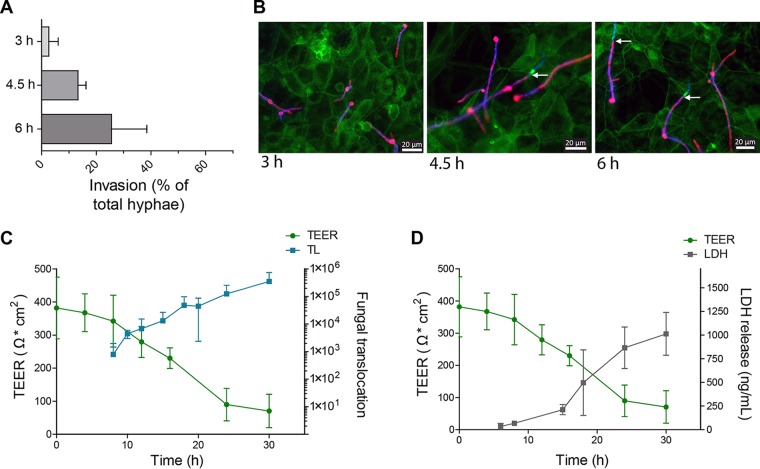
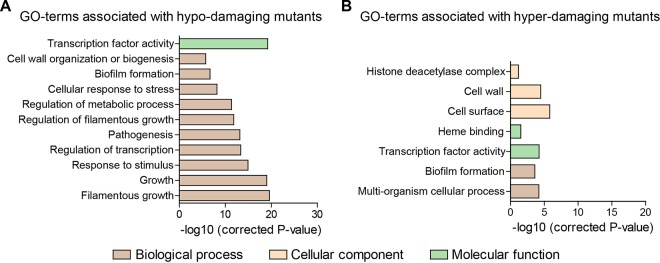
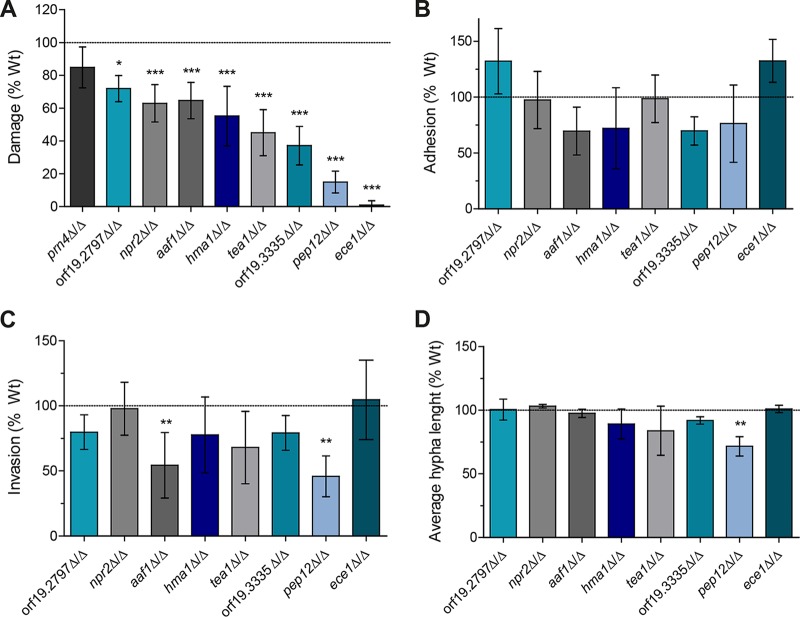
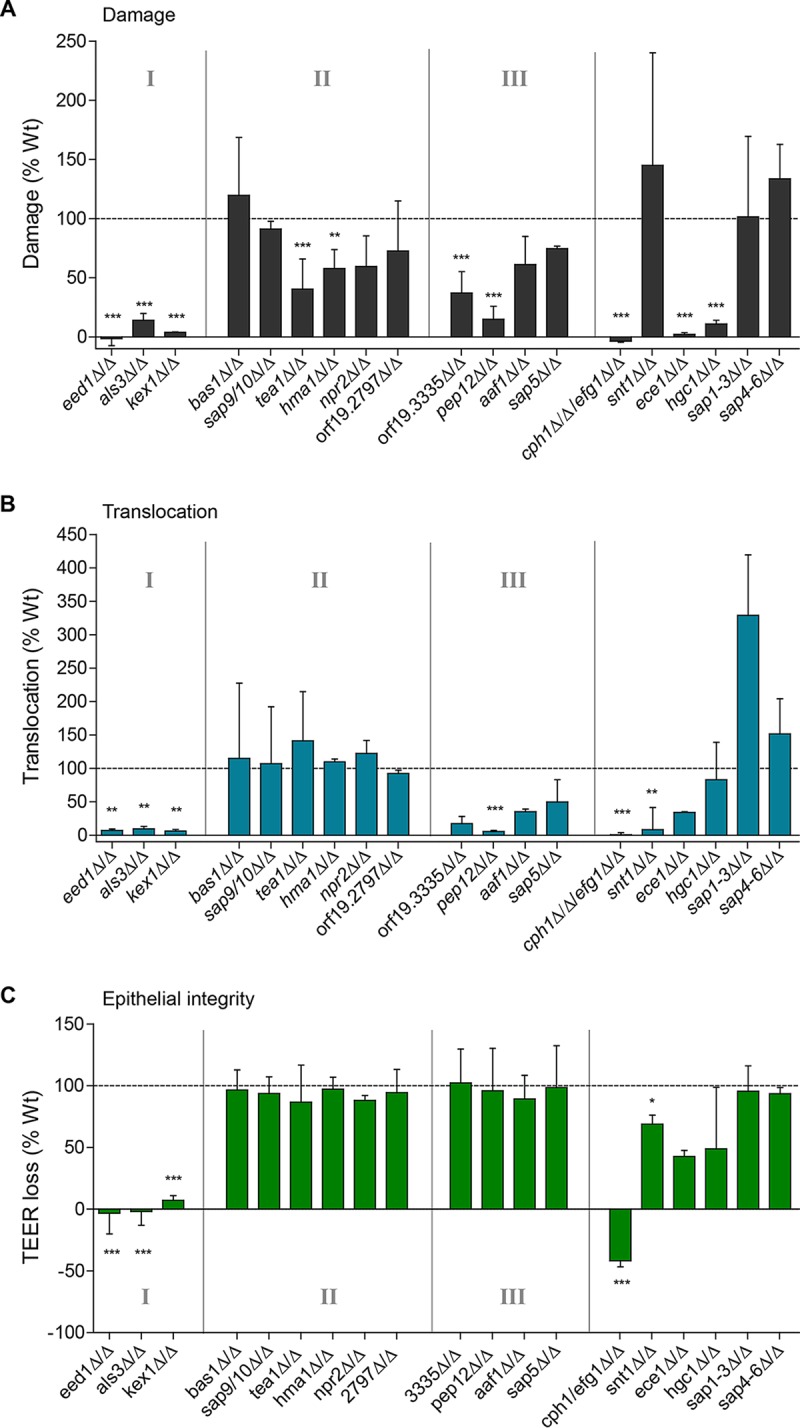
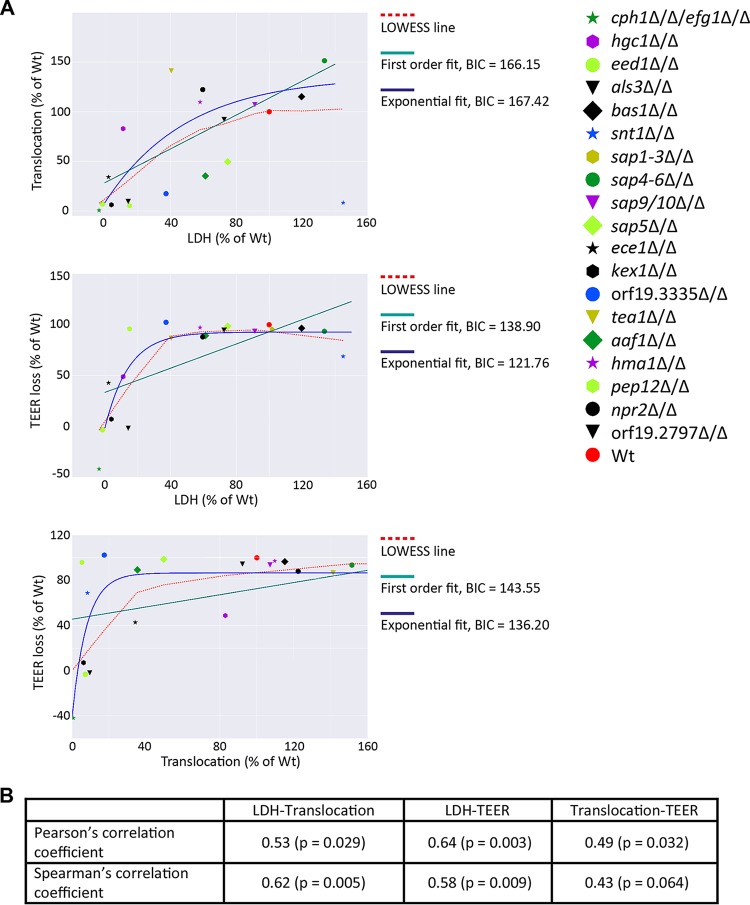
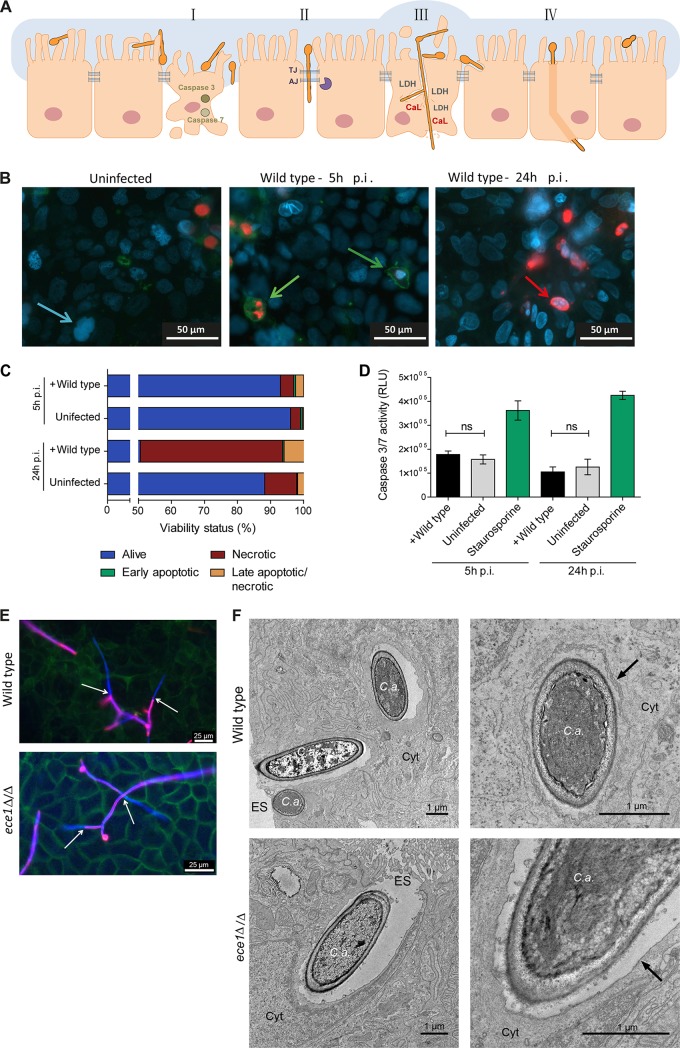
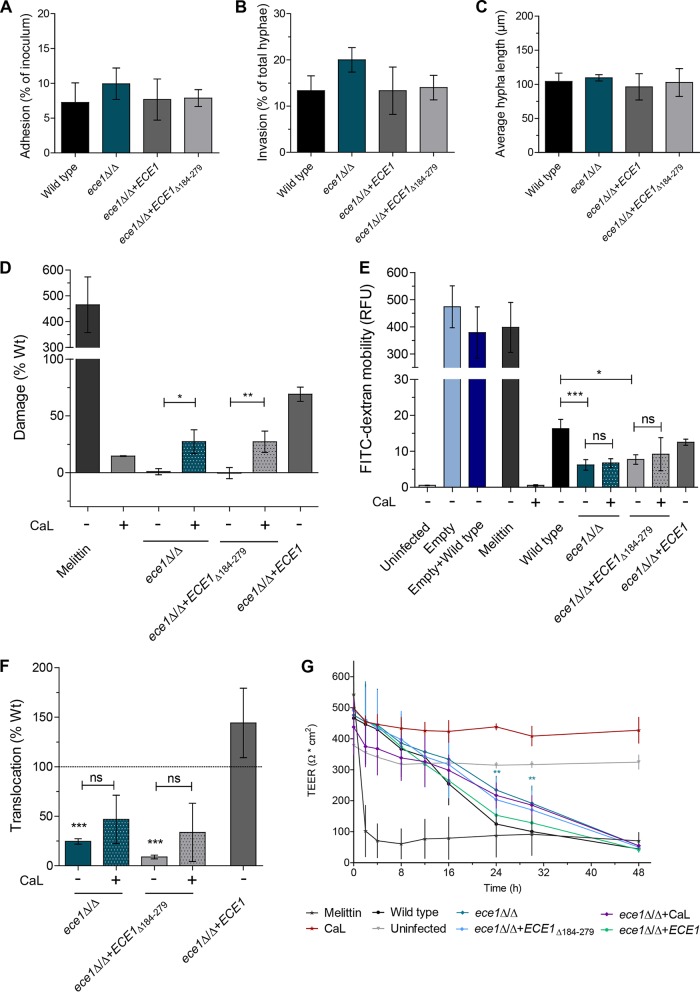
Life-threatening systemic infections often occur due to the translocation of pathogens across the gut barrier and into the bloodstream. While the microbial and host mechanisms permitting bacterial gut translocation are well characterized, these mechanisms are still unclear for fungal pathogens such as Candida albicans , a leading cause of nosocomial fungal bloodstream infections. In this study, we dissected the cellular mechanisms of translocation of C. albicans across intestinal epithelia in vitro and identified fungal genes associated with this process. We show that fungal translocation is a dynamic process initiated by invasion and followed by cellular damage and loss of epithelial integrity. A screen of >2,000 C. albicans deletion mutants identified genes required for cellular damage of and translocation across enterocytes. Correlation analysis suggests that hypha formation, barrier damage above a minimum threshold level, and a decreased epithelial integrity are required for efficient fungal translocation. Translocation occurs predominantly via a transcellular route, which is associated with fungus-induced necrotic epithelial damage, but not apoptotic cell death. The cytolytic peptide toxin of C. albicans , candidalysin, was found to be essential for damage of enterocytes and was a key factor in subsequent fungal translocation, suggesting that transcellular translocation of C. albicans through intestinal layers is mediated by candidalysin. However, fungal invasion and low-level translocation can also occur via non-transcellular routes in a candidalysin-independent manner. This is the first study showing translocation of a human-pathogenic fungus across the intestinal barrier being mediated by a peptide toxin. IMPORTANCE Candida albicans , usually a harmless fungus colonizing human mucosae, can cause lethal bloodstream infections when it manages to translocate across the intestinal epithelium. This can result from antibiotic treatment, immune dysfunction, or intestinal damage (e.g., during surgery). However, fungal processes may also contribute. In this study, we investigated the translocation process of C. albicans using in vitro cell culture models. Translocation occurs as a stepwise process starting with invasion, followed by epithelial damage and loss of epithelial integrity. The ability to secrete candidalysin, a peptide toxin deriving from the hyphal protein Ece1, is key: C. albicans hyphae, secreting candidalysin, take advantage of a necrotic weakened epithelium to translocate through the intestinal layer.
Overview
The claims and statistics of this paper haven’t been checked yet.
Free: it reads the open-access text and checks the first 5 claims that cite a source we can check. Create a free account to check every claim.
Integrity signals
Registry
Cites
Statistics
Figures
Verification
Claims the paper makes
The claims and statistics of this paper haven’t been checked yet.
Free: it reads the open-access text and checks the first 5 claims that cite a source we can check. Create a free account to check every claim.
Claims other papers make about this one
Each is checked against this paper’s own text: does it say what the citing paper says it does?
In the citing paper
“These organisms can cause lethal bloodstream infections (candidemia) and lead to invasive disease when they manage to cross the intestinal epithelium [193].”
From Mechanisms of fungal dissemination (2021) · cites this paper as [193]
In the citing paper
“While a considerable proportion of C. albicans infections arise from indwelling medical devices [192], studies have identified the intestinal population of C. albicans as the main source of endogenous infection, especially following immunosuppression [193].”
From Mechanisms of fungal dissemination (2021) · cites this paper as [193]
In the citing paper
“The cytolytic peptide toxin candidalysin, was also found to be essential for C. albicans to damage host enterocytes [193].”
From Mechanisms of fungal dissemination (2021) · cites this paper as [193]
Self-check
Percentages, sums and reported differences re-computed from the paper’s own numbers.
The self-check needs the paper’s full text.
Citations
Cites
Scikit-learn: Machine Learning in Python
Pedregosa, F., Varoquaux, G., Gramfort, A., Michel, V., Thirion, B., Grisel, O., Blondel, M., Müller, A., Nothman, J., Louppe, G., et al. (2012) · arXiv · doi:10.48550/arxiv.1201.0490 · Cited by 71,016 · cited 1×
“Clusters were identified in Python using the scikit-learn library (81) applying the densitybased spatial clustering of applications with noise (DBSCAN) algorithm (49).”
MethodThe Elements of Statistical Learning
Hastie, T., Tibshirani, R., & Friedman, J. (2009) · Springer Series in Statistics · doi:10.1007/978-0-387-84858-7 · Cited by 25,970
(1996) · Cited by 20,179
The Elements of Statistical Learning: Data Mining, Inference, and Prediction
John Lu, Z. Q. (2010) · Journal of the Royal Statistical Society Series A: Statistics in Society · doi:10.1111/j.1467-985x.2010.00646_6.x · Cited by 12,390
Robust Locally Weighted Regression and Smoothing Scatterplots
Cleveland, W. S. (1979) · Journal of the American Statistical Association · doi:10.1080/01621459.1979.10481038 · Cited by 11,594 · cited 2×
“We plotted the fitted polynomials and the LOWESS line (51) (i.”
MethodLocally Weighted Regression: An Approach to Regression Analysis by Local Fitting
Cleveland, W. S., & Devlin, S. J. (1988) · Journal of the American Statistical Association · doi:10.1080/01621459.1988.10478639 · Cited by 5,742 · cited 1×
“To visualize overall trends, the locally weighted scatterplot smoothing (LOWESS) line was used (51, 80).”
MethodHidden Killers: Human Fungal Infections
Brown, G. D., Denning, D. W., Gow, N. A. R., Levitz, S. M., Netea, M. G., & White, T. C. (2012) · Science Translational Medicine · doi:10.1126/scitranslmed.3004404 · Cited by 4,284
Epidemiology of Invasive Candidiasis: a Persistent Public Health Problem
Pfaller, M. A., & Diekema, D. J. (2007) · Clinical Microbiology Reviews · doi:10.1128/cmr.00029-06 · Cited by 4,174 · cited 1×
“, due to chemotherapy or immunosuppressive therapy), or damage of epithelial barrier functions by iatrogenic impairment, for instance due to cytostatic treatment, surgery, or trauma (17, 18).”
BackgroundIsogenic strain construction and gene mapping in Candida albicans.
Fonzi, W. A., & Irwin, M. Y. (1993) · Genetics · doi:10.1093/genetics/134.3.717 · Cited by 1,687
Characterization of the oral fungal microbiome (mycobiome) in healthy individuals
Ghannoum, M. A., Jurevic, R. J., Mukherjee, P. K., Cui, F., Sikaroodi, M., Naqvi, A., & Gillevet, P. M. (2010) · PLoS Pathogens · doi:10.1371/journal.ppat.1000713 · Cited by 1,150 · cited 1×
“Candida albicans is one of the predominant fungal species that colonizes the mucosal surfaces of most humans as a harmless member of the normal microbiota (1, 2).”
BackgroundCandidalysin is a fungal peptide toxin critical for mucosal infection
Moyes, D. L., Wilson, D., Richardson, J. P., Mogavero, S., Tang, S. X., Wernecke, J., Höfs, S., Gratacap, R. L., Robbins, J., Runglall, M., et al. (2016) · Nature · doi:10.1038/nature17625 · Cited by 942 · cited 6×
“albicans damage and translocation included Kex1, a Golgi protease involved in the processing of candidalysin (35, 57), and Als3, a glycosylphosphatidylinositol (GPI)-”
BackgroundMethodInfluentialSelf-citationEpidemiology of Candida species infections in critically ill non-immunosuppressed patients
Eggimann, P., Garbino, J., & Pittet, D. (2003) · The Lancet Infectious Diseases · doi:10.1016/s1473-3099(03)00801-6 · Cited by 900 · cited 1×
“albicans population of the human intestinal tract (8, 10, 55).”
BackgroundZaoutis, T. E., Argon, J., Chu, J., Berlin, J. A., Walsh, T. J., & Feudtner, C. (2005) · Clinical Infectious Diseases · doi:10.1086/496922 · Cited by 784
Rapid Hypothesis Testing with Candida albicans through Gene Disruption with Short Homology Regions
Wilson, R. B., Davis, D., & Mitchell, A. P. (1999) · Journal of Bacteriology · doi:10.1128/jb.181.6.1868-1874.1999 · Cited by 762 · cited 2×
“Gene deletions were performed as previously described (48).”
MethodNoble, S. M., French, S., Kohn, L. A., Chen, V., & Johnson, A. D. (2010) · Nature Genetics · doi:10.1038/ng.605 · Cited by 678 · cited 1×
“associated traits (41), including transcriptional regulators (43).”
Als3 Is a Candida albicans Invasin That Binds to Cadherins and Induces Endocytosis by Host Cells
Phan, Q. T., Myers, C. L., Fu, Y., Sheppard, D. C., Yeaman, M. R., Welch, W. H., Ibrahim, A. S., Edwards, J. E., & Filler, S. G. (2007) · PLoS Biology · doi:10.1371/journal.pbio.0050064 · Cited by 641 · cited 2×
“anchored adhesin and invasin that is the main trigger of induced endocytosis for certain types of epithelial and endothelial cells (33, 58).”
BackgroundSkrzypek, M. S., Binkley, J., Binkley, G., Miyasato, S. R., Simison, M., & Sherlock, G. (2017) · Nucleic Acids Research · doi:10.1093/nar/gkw924 · Cited by 455
A Phenotypic Profile of the Candida albicans Regulatory Network
Homann, O. R., Dea, J., Noble, S. M., & Johnson, A. D. (2009) · PLoS Genetics · doi:10.1371/journal.pgen.1000783 · Cited by 444 · cited 1×
“associated traits (41), including transcriptional regulators (43).”
The Process of Microbial Translocation
ALEXANDER, J. W., BOYCE, S. T., BABCOCK, G. F., GIANOTTI, L., PECK, M. D., DUNN, D. L., PYLES, T., CHILDRESS, C. P., & ASH, S. K. (1990) · Annals of Surgery · doi:10.1097/00000658-199010000-00012 · Cited by 436
Revisiting the source of candidemia: skin or gut?
Nucci, M., & Anaissie, E. (2001) · Clinical Infectious Diseases · doi:10.1086/323759 · Cited by 424 · cited 1×
“albicans population of the human intestinal tract (8, 10, 55).”
BackgroundAwad, W., Hess, C., & Hess, M. (2017) · Toxins · doi:10.3390/toxins9020060 · Cited by 405
Tight junctions as targets of infectious agents
Guttman, J. A., & Finlay, B. B. (2009) · Biochimica et Biophysica Acta (BBA) - Biomembranes · doi:10.1016/j.bbamem.2008.10.028 · Cited by 404 · cited 1×
“Host defense against translocation is further augmented by the physical barrier functions of the epithelial layer, with tight junctions and adherens junctions sealing paracellular spaces (12), and a mucous layer that protects the epithelium, thereby directly affecting C.”
BackgroundPeterson, M. D., & Mooseker, M. S. (1992) · Journal of Cell Science · doi:10.1242/jcs.102.3.581 · Cited by 387
Clark, M. A., Hirst, B. H., & Jepson, M. A. (1998) · Infection and Immunity · doi:10.1128/iai.66.3.1237-1243.1998 · Cited by 363
Mucosal damage and neutropenia are required for Candida albicans dissemination
Koh, A. Y., Köhler, J. R., Coggshall, K. T., Van Rooijen, N., & Pier, G. B. (2008) · PLoS Pathogens · doi:10.1371/journal.ppat.0040035 · Cited by 360 · cited 2×
“barrier dysfunction in order to establish disseminated disease (24).”
BackgroundFUNGÆMIA AND FUNGURIA AFTER ORAL ADMINISTRATION OF CANDIDA ALBICANS
Krause, W., Matheis, H., & Wulf, K. (1969) · The Lancet · doi:10.1016/s0140-6736(69)91534-7 · Cited by 352
Cellular interactions of Candida albicans with human oral epithelial cells and enterocytes
Dalle, F., Wächtler, B., L'Ollivier, C., Holland, G., Bannert, N., Wilson, D., Labruère, C., Bonnin, A., & Hube, B. (2010) · Cellular Microbiology · doi:10.1111/j.1462-5822.2009.01394.x · Cited by 347
Self-citationImportance of the Candida albicans cell wall during commensalism and infection
Gow, N. A., & Hube, B. (2012) · Current Opinion in Microbiology · doi:10.1016/j.mib.2012.04.005 · Cited by 347
Self-citationAlmeida, R. S., Brunke, S., Albrecht, A., Thewes, S., Laue, M., Edwards, J. E., Filler, S. G., & Hube, B. (2008) · PLoS Pathogens · doi:10.1371/journal.ppat.1000217 · Cited by 330 · cited 1×
“associated expression of ALS3 permits not only adhesion (32) but also induced endocytosis (33) and iron acquisition (34).”
BackgroundSelf-citationZheng, X., Wang, Y., & Wang, Y. (2004) · The EMBO Journal · doi:10.1038/sj.emboj.7600195 · Cited by 326
Hube, B., Sanglard, D., Odds, F. C., Hess, D., Monod, M., Schäfer, W., Brown, A. J., & Gow, N. A. (1997) · Infection and Immunity · doi:10.1128/iai.65.9.3529-3538.1997 · Cited by 311
Self-citationCIp10, an efficient and convenient integrating vector for Candida albicans
Murad, A. M. A., Lee, P. R., Broadbent, I. D., Barelle, C. J., & Brown, A. J. P. (2000) · Yeast · doi:10.1002/1097-0061(20000315)16:4<325::aid-yea538>3.0.co;2-# · Cited by 303
IL-17–Mediated Immunity to the Opportunistic Fungal Pathogen Candida albicans
Conti, H. R., & Gaffen, S. L. (2015) · The Journal of Immunology · doi:10.4049/jimmunol.1500909 · Cited by 301
Wisplinghoff, H., Ebbers, J., Geurtz, L., Stefanik, D., Major, Y., Edmond, M. B., Wenzel, R. P., & Seifert, H. (2014) · International Journal of Antimicrobial Agents · doi:10.1016/j.ijantimicag.2013.09.005 · Cited by 293
Zakikhany, K., Naglik, J. R., Schmidt-Westhausen, A., Holland, G., Schaller, M., & Hube, B. (2007) · Cellular Microbiology · doi:10.1111/j.1462-5822.2007.01009.x · Cited by 288
Self-citationSanglard, D., Hube, B., Monod, M., Odds, F. C., & Gow, N. A. (1997) · Infection and Immunity · doi:10.1128/iai.65.9.3539-3546.1997 · Cited by 282
Self-citationCandida albicans interactions with epithelial cells and mucosal immunity
Naglik, J. R., Moyes, D. L., Wächtler, B., & Hube, B. (2011) · Microbes and Infection · doi:10.1016/j.micinf.2011.06.009 · Cited by 277
Self-citationWächtler, B., Wilson, D., Haedicke, K., Dalle, F., & Hube, B. (2011) · PLoS ONE · doi:10.1371/journal.pone.0017046 · Cited by 270 · cited 2×
“mutant (58) rather than direct action of Als3 on the gut barrier.”
BackgroundSelf-citationCharacterization of the Vaginal Micro- and Mycobiome in Asymptomatic Reproductive-Age Estonian Women
Drell, T., Lillsaar, T., Tummeleht, L., Simm, J., Aaspõllu, A., Väin, E., Saarma, I., Salumets, A., Donders, G. G. G., & Metsis, M. (2013) · PLoS ONE · doi:10.1371/journal.pone.0054379 · Cited by 262 · cited 1×
“Candida albicans is one of the predominant fungal species that colonizes the mucosal surfaces of most humans as a harmless member of the normal microbiota (1, 2).”
BackgroundMavor, A., Thewes, S., & Hube, B. (2005) · Current Drug Targets · doi:10.2174/138945005774912735 · Cited by 252
Self-citationWächtler, B., Citiulo, F., Jablonowski, N., Förster, S., Dalle, F., Schaller, M., Wilson, D., & Hube, B. (2012) · PLoS ONE · doi:10.1371/journal.pone.0036952 · Cited by 250
Self-citationCandida colonisation as a source for candidaemia
Miranda, L. N., van der Heijden, I. M., Costa, S. F., Sousa, A. P. I., Sienra, R. A., Gobara, S., Santos, C. R., Lobo, R. D., Pessoa, V. P., & Levin, A. S. (2009) · Journal of Hospital Infection · doi:10.1016/j.jhin.2009.02.009 · Cited by 250 · cited 1×
“albicans population of the human intestinal tract (8, 10, 55).”
BackgroundInvestigation of the sequence of colonization and candidemia in nonneutropenic patients
Voss, A., Hollis, R. J., Pfaller, M. A., Wenzel, R. P., & Doebbeling, B. N. (1994) · Journal of Clinical Microbiology · doi:10.1128/jcm.32.4.975-980.1994 · Cited by 231
Reagan, D. R., Pfaller, M. A., Hollis, R. J., & Wenzel, R. P. (1990) · Journal of Clinical Microbiology · doi:10.1128/jcm.28.12.2733-2738.1990 · Cited by 219
Park, H., Myers, C. L., Sheppard, D. C., Phan, Q. T., Sanchez, A. A., E. Edwards, J., & Filler, S. G. (2004) · Cellular Microbiology · doi:10.1111/j.1462-5822.2004.00476.x · Cited by 207
Bacterial translocation in the gut
Wiest, R., & Rath, H. C. (2003) · Best Practice & Research Clinical Gastroenterology · doi:10.1016/s1521-6918(03)00024-6 · Cited by 205
Structural insight into tight junction disassembly by Clostridium perfringens enterotoxin
Saitoh, Y., Suzuki, H., Tani, K., Nishikawa, K., Irie, K., Ogura, Y., Tamura, A., Tsukita, S., & Fujiyoshi, Y. (2015) · Science · doi:10.1126/science.1261833 · Cited by 205
Villar, C. C., Kashleva, H., Nobile, C. J., Mitchell, A. P., & Dongari-Bagtzoglou, A. (2007) · Infection and Immunity · doi:10.1128/iai.00054-07 · Cited by 200 · cited 1×
“Possible candidates contributing to the paracellular route of translocation are the secreted aspartic proteases (SAPs), which may promote degradation of the adherens junction protein E-cadherin (29, 62, 63).”
BackgroundRichardson, J. P., Willems, H. M. E., Moyes, D. L., Shoaie, S., Barker, K. S., Tan, S. L., Palmer, G. E., Hube, B., Naglik, J. R., & Peters, B. M. (2018) · Infection and Immunity · doi:10.1128/iai.00645-17 · Cited by 195 · cited 1×
“gene, is known to be critical for oral and vaginal EC damage (35, 52).”
BackgroundSelf-citationSansonetti, P. J., Arondel, J., Cantey, J. R., Prévost, M. C., & Huerre, M. (1996) · Infection and Immunity · doi:10.1128/iai.64.7.2752-2764.1996 · Cited by 185
Bougnoux, M.-E., Diogo, D., François, N., Sendid, B., Veirmeire, S., Colombel, J. F., Bouchier, C., Van Kruiningen, H., d'Enfert, C., & Poulain, D. (2006) · Journal of Clinical Microbiology · doi:10.1128/jcm.44.5.1810-1820.2006 · Cited by 159
Interactions of Candida albicans with host epithelial surfaces
Williams, D. W., Jordan, R. P. C., Wei, X.-Q., Alves, C. T., Wise, M. P., Wilson, M. J., & Lewis, M. A. O. (2013) · Journal of Oral Microbiology · doi:10.3402/jom.v5i0.22434 · Cited by 149
Mucins Suppress Virulence Traits of Candida albicans
Kavanaugh, N. L., Zhang, A. Q., Nobile, C. J., Johnson, A. D., & Ribbeck, K. (2014) · mBio · doi:10.1128/mbio.01911-14 · Cited by 140 · cited 1×
“albicans physiology and morphology (13).”
Candida albicans commensalism in the gastrointestinal tract
Neville, B. A., d'Enfert, C., & Bougnoux, M.-E. (2015) · FEMS Yeast Research · doi:10.1093/femsyr/fov081 · Cited by 139
Digestive tract mycobiota: a source of infection
Gouba, N., & Drancourt, M. (2015) · Médecine et Maladies Infectieuses · doi:10.1016/j.medmal.2015.01.007 · Cited by 138
Interplay between Candida albicans and the Antimicrobial Peptide Armory
Swidergall, M., & Ernst, J. F. (2014) · Eukaryotic Cell · doi:10.1128/ec.00093-14 · Cited by 131 · cited 1×
“In addition, a balanced and diverse microbiota (14), the secretion of antimicrobial peptides (AMPs) (15), and the concerted activity of the innate and adaptive immune systems (14, 16) act to reduce hyphal burdens during periods of fungal overgrowth and restrict the fungus to the commensal (yeast) morphology.”
BackgroundCorrelation of in vitro cytotoxicity with paracellular permeability in Caco-2 cells
Konsoula, R., & Barile, F. A. (2005) · Toxicology in Vitro · doi:10.1016/j.tiv.2005.03.006 · Cited by 129 · cited 1×
“(39), we propose that damage and destruction of epithelial integrity can be independent processes and that loss of epithelial integrity may be caused by necrotic cell damage (59) or opening of cell-cell connections (e.”
BackgroundMurine Models of Candida Gastrointestinal Colonization and Dissemination
Koh, A. Y. (2013) · Eukaryotic Cell · doi:10.1128/ec.00196-13 · Cited by 125
The Missing Link between Candida albicans Hyphal Morphogenesis and Host Cell Damage
Wilson, D., Naglik, J. R., & Hube, B. (2016) · PLOS Pathogens · doi:10.1371/journal.ppat.1005867 · Cited by 116 · cited 2×
“Expression of ECE1 (encoding the peptide toxin candidalysin) is essential for epithelial damage (35) and is the missing link between hypha formation and host cell damage (36).”
BackgroundSelf-citationProcessing of Candida albicans Ece1p Is Critical for Candidalysin Maturation and Fungal Virulence
Richardson, J. P., Mogavero, S., Moyes, D. L., Blagojevic, M., Krüger, T., Verma, A. H., Coleman, B. M., De La Cruz Diaz, J., Schulz, D., Ponde, N. O., et al. (2018) · mBio · doi:10.1128/mbio.02178-17 · Cited by 104 · cited 1×
“albicans damage and translocation included Kex1, a Golgi protease involved in the processing of candidalysin (35, 57), and Als3, a glycosylphosphatidylinositol (GPI)-”
BackgroundSelf-citationFrank, C. F., & Hostetter, M. K. (2007) · Translational research · doi:10.1016/j.trsl.2006.11.006 · Cited by 97 · cited 1×
“Possible candidates contributing to the paracellular route of translocation are the secreted aspartic proteases (SAPs), which may promote degradation of the adherens junction protein E-cadherin (29, 62, 63).”
BackgroundEvaluation of CHROMagar Candida for rapid screening of clinical specimens for Candida species
Willinger, B., & Manafi, M. (1999) · Mycoses · doi:10.1046/j.1439-0507.1999.00406.x · Cited by 86
Vautier, S., Drummond, R. A., Chen, K., Murray, G. I., Kadosh, D., Brown, A. J. P., Gow, N. A. R., MacCallum, D. M., Kolls, J. K., & Brown, G. D. (2015) · Cellular Microbiology · doi:10.1111/cmi.12388 · Cited by 72
Dectin-1 Is Not Required for Controlling Candida albicans Colonization of the Gastrointestinal Tract
Vautier, S., Drummond, R. A., Redelinghuys, P., Murray, G. I., MacCallum, D. M., & Brown, G. D. (2012) · Infection and Immunity · doi:10.1128/iai.00559-12 · Cited by 60 · cited 2×
“of enhanced fungal colonization following antibiotic pretreatment (23), and it does not always result in systemic disease in immunocompetent mice (25).”
BackgroundLarge-Scale Gene Disruption Using the UAU1 Cassette
Nobile, C. J., & Mitchell, A. P. (2009) · Methods in Molecular Biology · doi:10.1007/978-1-60327-151-6_17 · Cited by 59
A hypothetical model of host-pathogen interaction ofStreptococcus suisin the gastro-intestinal tract
Ferrando, M. L., & Schultsz, C. (2016) · Gut Microbes · doi:10.1080/19490976.2016.1144008 · Cited by 57
Risk factors and outcome for nosocomial breakthrough candidaemia
Pasqualotto, A. C., Nedel, W. L., Machado, T. S., & Severo, L. C. (2006) · Journal of Infection · doi:10.1016/j.jinf.2005.04.020 · Cited by 54 · cited 1×
“, due to chemotherapy or immunosuppressive therapy), or damage of epithelial barrier functions by iatrogenic impairment, for instance due to cytostatic treatment, surgery, or trauma (17, 18).”
BackgroundGoyer, M., Loiselet, A., Bon, F., L’Ollivier, C., Laue, M., Holland, G., Bonnin, A., & Dalle, F. (2016) · PLOS ONE · doi:10.1371/journal.pone.0149159 · Cited by 54 · cited 1×
“albicans into differentiated enterocytes (Caco-2) is a hypha-dependent, fungus-driven process that occurs via active penetration, but not induced endocytosis, in contrast to other epithelial cells such as oral ECs (29, 40).”
BackgroundBendel, C. M., Wiesner, S. M., Garni, R. M., Cebelinski, E. A., & Wells, C. L. (2002) · Pediatric Research · doi:10.1203/00006450-200203000-00005 · Cited by 51
Cota, E., & Hoyer, L. L. (2015) · Future Microbiology · doi:10.2217/fmb.15.79 · Cited by 45 · cited 1×
“associated expression of ALS3 permits not only adhesion (32) but also induced endocytosis (33) and iron acquisition (34).”
BackgroundCandida albicans morphology: still in focus
Jacobsen, I. D., & Hube, B. (2017) · Expert Review of Anti-infective Therapy · doi:10.1080/14787210.2017.1290524 · Cited by 45
Self-citationBöhringer, M., Pohlers, S., Schulze, S., Albrecht-Eckardt, D., Piegsa, J., Weber, M., Martin, R., Hünniger, K., Linde, J., Guthke, R., et al. (2016) · Cellular Microbiology · doi:10.1111/cmi.12566 · Cited by 44
Intensive care unit-acquired weakness: Framing the topic
Vincent, J.-L., & Norrenberg, M. (2009) · Critical Care Medicine · doi:10.1097/ccm.0b013e3181b6f1e1 · Cited by 43
Albac, S., Schmitz, A., Lopez-Alayon, C., d'Enfert, C., Sautour, M., Ducreux, A., Labruère-Chazal, C., Laue, M., Holland, G., Bonnin, A., et al. (2016) · Cellular Microbiology · doi:10.1111/cmi.12495 · Cited by 42
Maher, S., Feighery, L. M., Brayden, D. J., & McClean, S. (2007) · Pharmaceutical Research · doi:10.1007/s11095-007-9288-2 · Cited by 41 · cited 1×
“As a means of comparison, we also administered melittin, a cytolytic peptide toxin in bee venom, as a positive control (53) in the damage and barrier integrity assays.”
MethodCaveolae-mediated entry of Salmonella typhimurium in a human M-cell model
Lim, J. S., Na, H. S., Lee, H. C., Choy, H. E., Park, S. C., Han, J. M., & Cho, K. A. (2009) · Biochemical and Biophysical Research Communications · doi:10.1016/j.bbrc.2009.10.145 · Cited by 39
Elamin, E., Masclee, A., Troost, F., Dekker, J., & Jonkers, D. (2014) · Alcoholism: Clinical and Experimental Research · doi:10.1111/acer.12234 · Cited by 36
Unanticipated Heterogeneity in Growth Rate and Virulence among Candida albicans AAF1 Null Mutants
Rieg, G., Fu, Y., Ibrahim, A. S., Zhou, X., Filler, S. G., & Edwards, J. E. (1999) · Infection and Immunity · doi:10.1128/iai.67.7.3193-3198.1999 · Cited by 36
Candida albicans PEP12 Is Required for Biofilm Integrity and In Vivo Virulence
Palanisamy, S. K. A., Ramirez, M. A., Lorenz, M., & Lee, S. A. (2010) · Eukaryotic Cell · doi:10.1128/ec.00295-09 · Cited by 34
Seike, S., Takehara, M., Takagishi, T., Miyamoto, K., Kobayashi, K., & Nagahama, M. (2017) · Biochimica et Biophysica Acta (BBA) - Biomembranes · doi:10.1016/j.bbamem.2017.10.003 · Cited by 33 · cited 1×
“a -pore-forming-toxin, which is cytotoxic to Caco-2 cells and functions to reduce epithelial integrity (TEER) and increase permeability without altering tight junctions (68).”
BackgroundFu, Y., Filler, S. G., Spellberg, B. J., Fonzi, W., Ibrahim, A. S., Kanbe, T., Ghannoum, M. A., & Edwards, J. E. (1998) · Infection and Immunity · doi:10.1128/iai.66.5.2078-2084.1998 · Cited by 31
Caco‐2 monolayer as a model for transepithelial migration of the fungal pathogen Candida albicans
Weide, M. R., & Ernst, J. F. (1999) · Mycoses · doi:10.1111/j.1439-0507.1999.tb00015.x · Cited by 28 · cited 1×
“line Caco-2 (37), in a transwell system, by modifying previous protocols (29, 38, 39).”
MethodPhospholipase C-mediated intestinal mucosal damage is ameliorated by quinacrine
Otamiri, T. (1989) · Food and Chemical Toxicology · doi:10.1016/0278-6915(89)90146-4 · Cited by 12 · cited 1×
“perfringens alpha-toxin results in increased gut permeability, most likely due to the redistribution and/or degradation of tight junction proteins (70).”
Background
Cited by
Candida albicans—The Virulence Factors and Clinical Manifestations of Infection
Talapko, J., Juzbašić, M., Matijević, T., Pustijanac, E., Bekić, S., Kotris, I., & Škrlec, I. (2021) · Journal of Fungi · doi:10.3390/jof7020079 · Cited by 794
“albicans cells phagocytosed by host immune cells, direct damage of mucosal barriers, and spread from fungal biofilms [49,91].”
BackgroundInfluentialPathogenesis and virulence of Candida albicans
Lopes, J. P., & Lionakis, M. S. (2022) · Virulence · doi:10.1080/21505594.2021.2019950 · Cited by 477
“hypha-associated proteins with known damage and immune activation capabilities [50].”
Backgroundd'Enfert, C., Kaune, A.-K., Alaban, L.-R., Chakraborty, S., Cole, N., Delavy, M., Kosmala, D., Marsaux, B., Fróis-Martins, R., Morelli, M., et al. (2021) · FEMS Microbiology Reviews · doi:10.1093/femsre/fuaa060 · Cited by 347
Self-citationKasper, L., König, A., Koenig, P.-A., Gresnigt, M. S., Westman, J., Drummond, R. A., Lionakis, M. S., Groß, O., Ruland, J., Naglik, J. R., et al. (2018) · Nature Communications · doi:10.1038/s41467-018-06607-1 · Cited by 297
Self-citationPlasma membrane integrity: implications for health and disease
Ammendolia, D. A., Bement, W. M., & Brumell, J. H. (2021) · BMC Biology · doi:10.1186/s12915-021-00972-y · Cited by 257
“During the filamentous growth of yeast, hyphae protrusions damage the plasma membrane of epithelial cells [73, 74].”
Background
Metadata
- Authors
- Allert, S., Förster, T. M., Svensson, C.-M., Richardson, J. P., Pawlik, T., Hebecker, B., Rudolphi, S., Juraschitz, M., Schaller, M., Blagojevic, M., Morschhäuser, J., Figge, M. T., Jacobsen, I. D., Naglik, J. R., Kasper, L., Mogavero, S., & Hube, B.
- Affiliations
- Leibniz-Institut für Naturstoff-Forschung und Infektionsbiologie e. V. - Hans-Knöll-Institut (HKI) (DE)
- King's College London (GB)
- University of Aberdeen (GB)
- Universitätsklinikum Tübingen (DE)
- University of Würzburg (DE)
- Corresponding author
- Hube, Bernhard
- ORCID
- Venue
- mBio
- Publisher
- American Society for Microbiology
- Published
- 2018-07-05
- Volume
- 9
- Issue
- 3
- ISSN
- 2150-7511 (ISSN-L)
- 2161-2129
- PMC
- PMC5989070
- OpenAlex
- W2806470471
- Cited by
- 208
- References
- 85
- Citations by year
- 2026: 23 · 2025: 29 · 2024: 23 · 2023: 25 · 2022: 29 · 2021: 23 · 2020: 31 · 2019: 20 · 2018: 5
- FWCI
- 14.94
- Type
- journal article
- Language
- en
- Open access
- gold
- doi.org
- Licence
- cc-by
- creativecommons.org/licenses/by/4.0/ (vor)
- journals.asm.org/non-commercial-tdm-license (tdm)
- Locations
- mBio (publishedVersion, cc-by)
- Europe PMC (PubMed Central) (publishedVersion, cc-by)
- PubMed Central (publishedVersion, cc-by)
- PubMed (publishedVersion)
- DOAJ (DOAJ: Directory of Open Access Journals) (submittedVersion)
- DOAJ (DOAJ: Directory of Open Access Journals) (submittedVersion, cc-by-sa)
- Research Portal (King's College London) (submittedVersion, cc-by)
- Online Publication Service of Würzburg University (Würzburg University) (submittedVersion, cc-by)
- Funders
- EU FP7-PEOPLE-2013 Initial Training Network (606786)
- NIH Research at Guys
- King's College London Biomedical Research Centre (IS-BRC-1215-20006)
- Deutsche Forschungsgemeinschaft Research Fellowship (GZ:HE7565/1-1)
- Biotechnology & Biological Sciences Research Council (BB/N014677/1)
- Deutsche Forschungsgemeinschaft Collaborative Research Center/Transregio 124 FungiNet (DFG CRC/TR 124)
- St. Thomas's NHS Foundation Trust
- HHS | National Institutes of Health (R37-DE022550)
- Rosetrees Trust (M680)
- RCUK | Medical Research Council (MR/M011372/1)
- King's Health Partners (R170501)
- Topics
- Health Sciences › Medicine › Infectious Diseases › Antifungal resistance and susceptibility
- Life Sciences › Biochemistry, Genetics and Molecular Biology › Molecular Biology › Fungal and yeast genetics research
- Health Sciences › Medicine › Infectious Diseases › Fungal Infections and Studies
- Keywords
- Candida albicans, fungal translocation, intestinal epithelial barrier, candidalysin, endothelin-converting enzyme-1, hyphal invasion, necrosis, epithelial damage, candidiasis, bloodstream infection, peptide toxins, enterocytes, fungal virulence genes
- MeSH terms
- Candida albicans, Candidiasis, Epithelial Cells, Humans, Intestinal Mucosa, Intestines, Apoptosis, Enterocytes, Host-Pathogen Interactions
About these checks
Registry, retraction, Cites and statistics results are computed, not judged, with one exception: a printed reference that no index lists is read once by a model before it counts as a citation error. Claims are extracted by a model and kept only when their quote appears verbatim in the text; each cited source is then checked, with a model’s help, for whether it says what the claim relies on. Those verdicts can be wrong — read the claim’s quote and the cited source before relying on one.
Statistics and arithmetic are recomputed, not judged.
Confidence bands are shown only for fields calibrated on our annotated test set. None is calibrated yet, so no band is shown.
What counts as a claim ›How we measure confidence ›How we check this ›
Are you an author, or do you see a problem with this page? Request a review
Data sources
Bibliographic data: Semantic Scholar, OpenAlex, Crossref.
Contains information from the Semantic Scholar Academic Graph Datasets, made available under the ODC Attribution License (ODC-BY 1.0).
Semantic Scholar’s data is described in: Kinney, R., et al. (2023). The Semantic Scholar Open Data Platform. arXiv:2301.10140.
