

Candida albicans-Induced Epithelial Damage Mediates Translocation through Intestinal Barriers
Open accessThe DOI matches its Crossref record; 83 of the 85 references it cites were found in a registry or an index.
Abstract
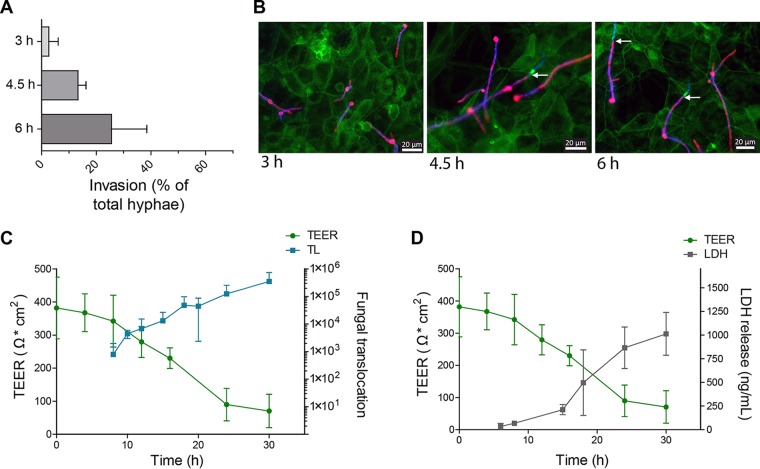
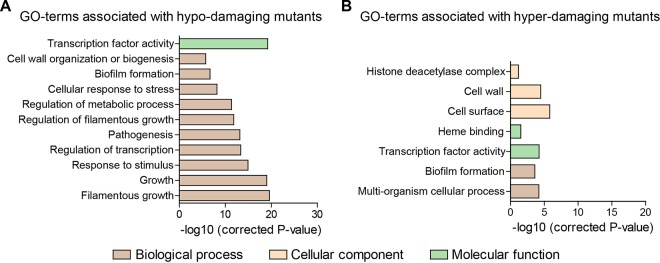
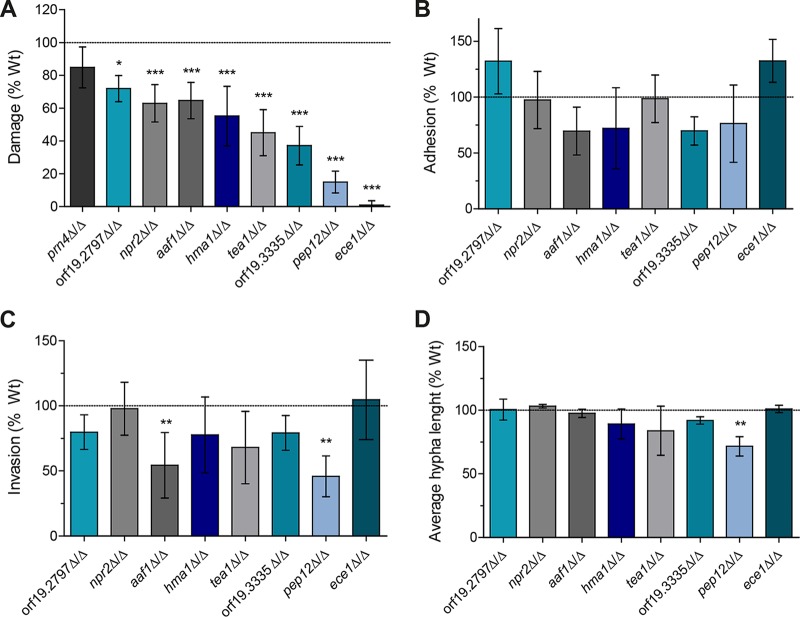
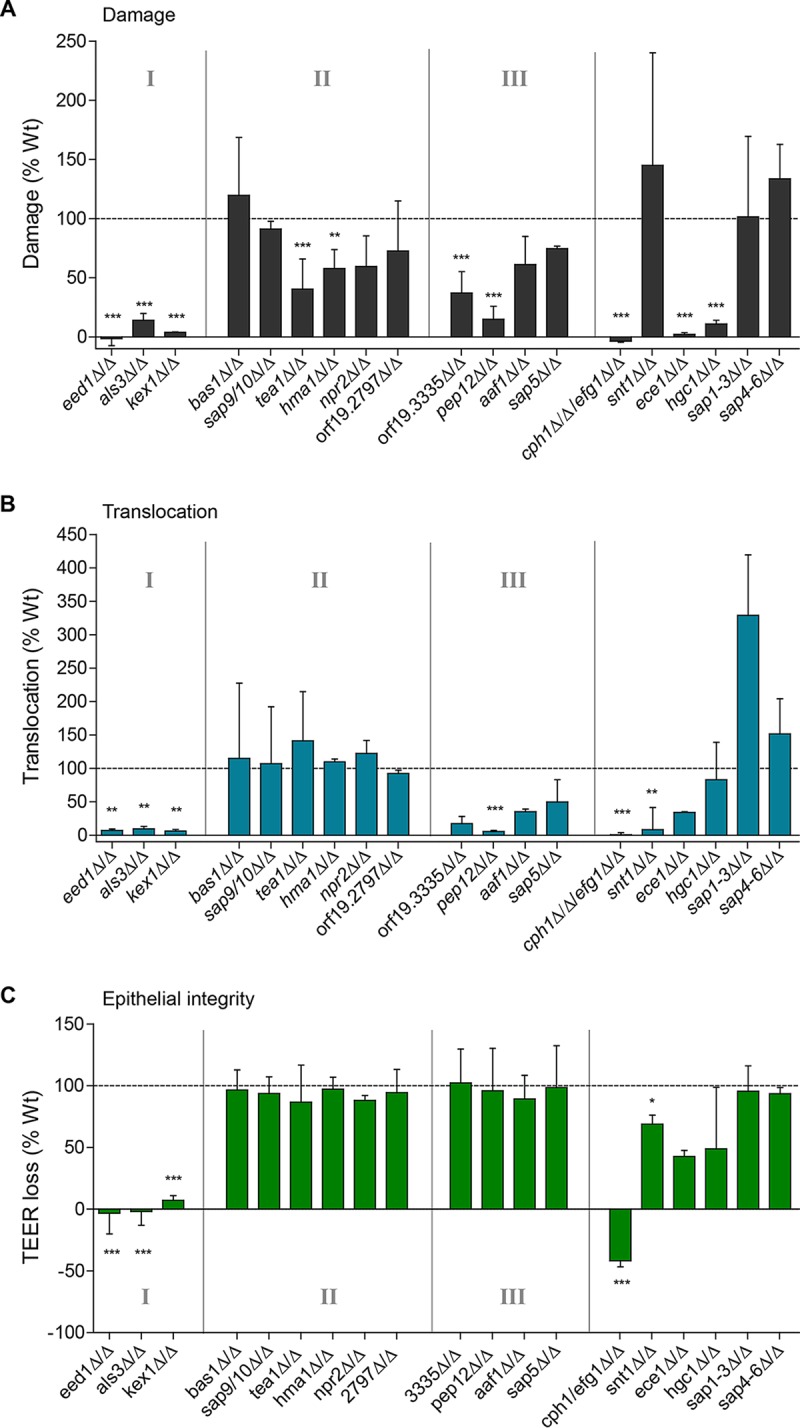
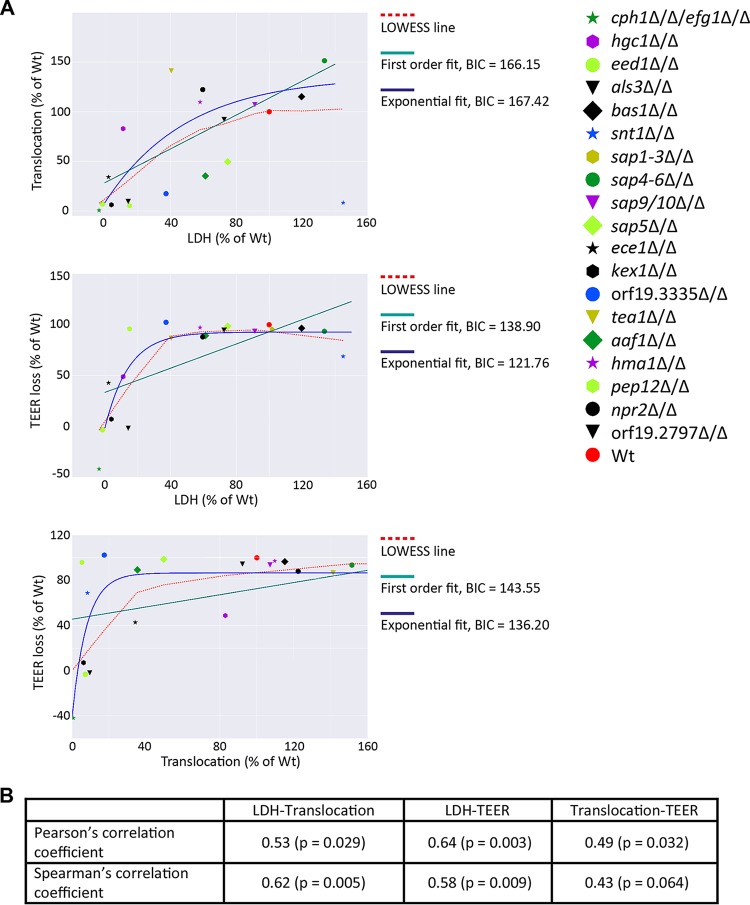
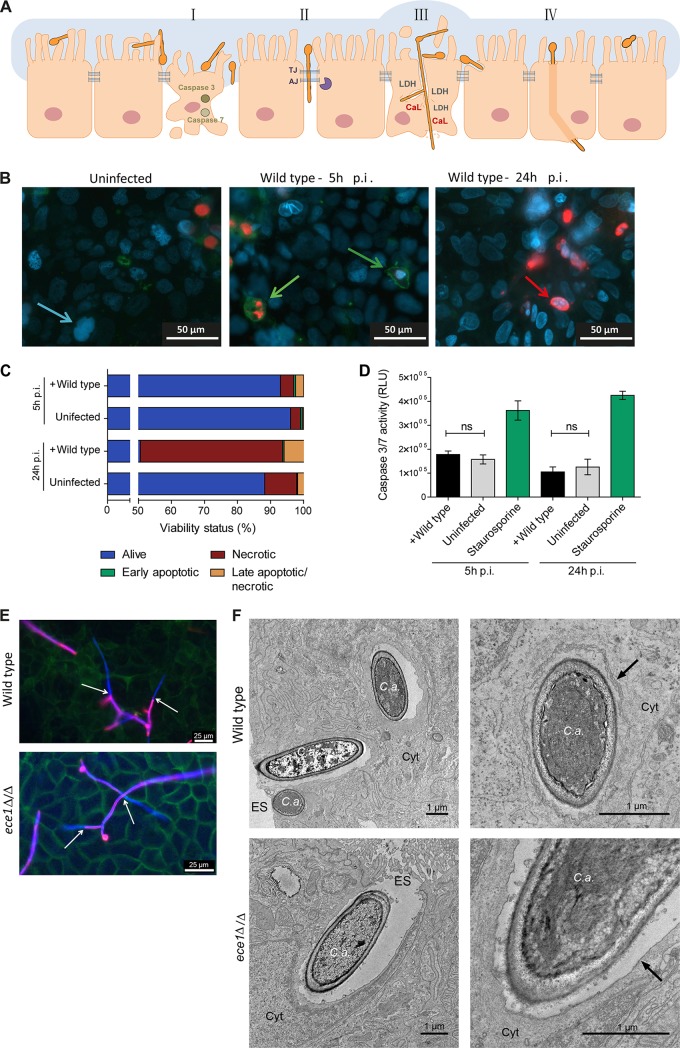
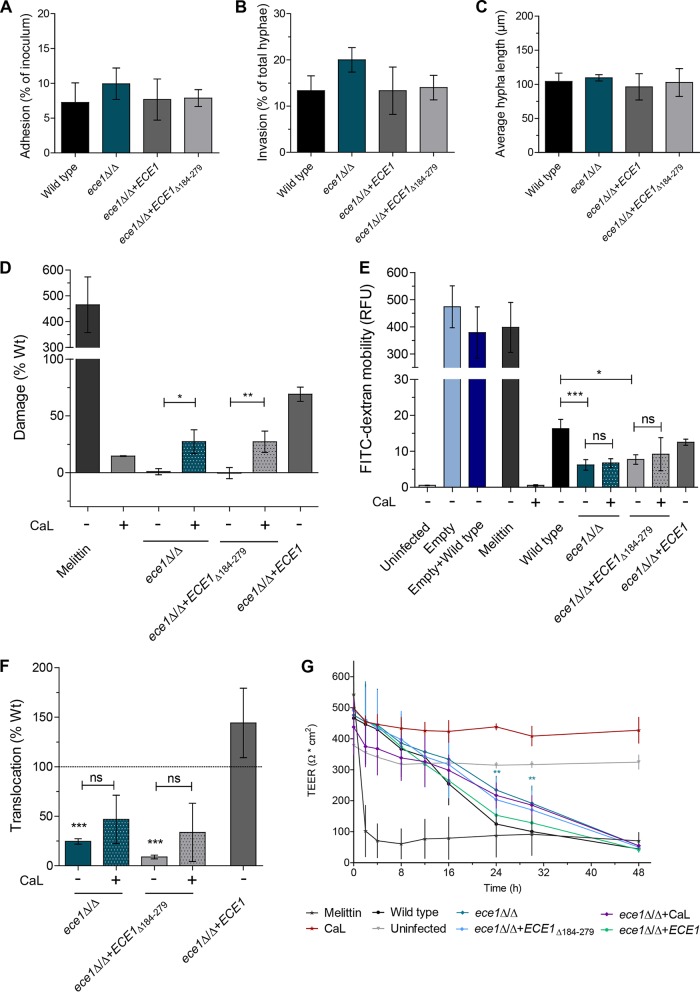
Life-threatening systemic infections often occur due to the translocation of pathogens across the gut barrier and into the bloodstream. While the microbial and host mechanisms permitting bacterial gut translocation are well characterized, these mechanisms are still unclear for fungal pathogens such as Candida albicans , a leading cause of nosocomial fungal bloodstream infections. In this study, we dissected the cellular mechanisms of translocation of C. albicans across intestinal epithelia in vitro and identified fungal genes associated with this process. We show that fungal translocation is a dynamic process initiated by invasion and followed by cellular damage and loss of epithelial integrity. A screen of >2,000 C. albicans deletion mutants identified genes required for cellular damage of and translocation across enterocytes. Correlation analysis suggests that hypha formation, barrier damage above a minimum threshold level, and a decreased epithelial integrity are required for efficient fungal translocation. Translocation occurs predominantly via a transcellular route, which is associated with fungus-induced necrotic epithelial damage, but not apoptotic cell death. The cytolytic peptide toxin of C. albicans , candidalysin, was found to be essential for damage of enterocytes and was a key factor in subsequent fungal translocation, suggesting that transcellular translocation of C. albicans through intestinal layers is mediated by candidalysin. However, fungal invasion and low-level translocation can also occur via non-transcellular routes in a candidalysin-independent manner. This is the first study showing translocation of a human-pathogenic fungus across the intestinal barrier being mediated by a peptide toxin. IMPORTANCE Candida albicans , usually a harmless fungus colonizing human mucosae, can cause lethal bloodstream infections when it manages to translocate across the intestinal epithelium. This can result from antibiotic treatment, immune dysfunction, or intestinal damage (e.g., during surgery). However, fungal processes may also contribute. In this study, we investigated the translocation process of C. albicans using in vitro cell culture models. Translocation occurs as a stepwise process starting with invasion, followed by epithelial damage and loss of epithelial integrity. The ability to secrete candidalysin, a peptide toxin deriving from the hyphal protein Ece1, is key: C. albicans hyphae, secreting candidalysin, take advantage of a necrotic weakened epithelium to translocate through the intestinal layer.
Overview
The claims and statistics of this paper haven’t been checked yet.
Free: it reads the open-access text and checks the first 5 claims that cite a source we can check. Create a free account to check every claim.
Integrity signals
Registry
Cites
Statistics
Figures
Verification
Claims the paper makes
The claims and statistics of this paper haven’t been checked yet.
Free: it reads the open-access text and checks the first 5 claims that cite a source we can check. Create a free account to check every claim.
Claims other papers make about this one
Each is checked against this paper’s own text: does it say what the citing paper says it does?
In the citing paper
“These organisms can cause lethal bloodstream infections (candidemia) and lead to invasive disease when they manage to cross the intestinal epithelium [193].”
From Mechanisms of fungal dissemination (2021) · cites this paper as [193]
In the citing paper
“While a considerable proportion of C. albicans infections arise from indwelling medical devices [192], studies have identified the intestinal population of C. albicans as the main source of endogenous infection, especially following immunosuppression [193].”
From Mechanisms of fungal dissemination (2021) · cites this paper as [193]
In the citing paper
“The cytolytic peptide toxin candidalysin, was also found to be essential for C. albicans to damage host enterocytes [193].”
From Mechanisms of fungal dissemination (2021) · cites this paper as [193]
Self-check
Percentages, sums and reported differences re-computed from the paper’s own numbers.
The self-check needs the paper’s full text.
Citations
Cites
Scikit-learn: Machine Learning in Python
Pedregosa, F., Varoquaux, G., Gramfort, A., Michel, V., Thirion, B., Grisel, O., Blondel, M., Müller, A., Nothman, J., Louppe, G., et al. (2012) · arXiv · doi:10.48550/arxiv.1201.0490 · Cited by 71,016 · cited 1×
“Clusters were identified in Python using the scikit-learn library (81) applying the densitybased spatial clustering of applications with noise (DBSCAN) algorithm (49).”
MethodThe Elements of Statistical Learning
Hastie, T., Tibshirani, R., & Friedman, J. (2009) · Springer Series in Statistics · doi:10.1007/978-0-387-84858-7 · Cited by 25,970
(1996) · Cited by 20,179
The Elements of Statistical Learning: Data Mining, Inference, and Prediction
John Lu, Z. Q. (2010) · Journal of the Royal Statistical Society Series A: Statistics in Society · doi:10.1111/j.1467-985x.2010.00646_6.x · Cited by 12,390
Robust Locally Weighted Regression and Smoothing Scatterplots
Cleveland, W. S. (1979) · Journal of the American Statistical Association · doi:10.1080/01621459.1979.10481038 · Cited by 11,594 · cited 2×
“We plotted the fitted polynomials and the LOWESS line (51) (i.”
MethodLocally Weighted Regression: An Approach to Regression Analysis by Local Fitting
Cleveland, W. S., & Devlin, S. J. (1988) · Journal of the American Statistical Association · doi:10.1080/01621459.1988.10478639 · Cited by 5,742 · cited 1×
“To visualize overall trends, the locally weighted scatterplot smoothing (LOWESS) line was used (51, 80).”
MethodHidden Killers: Human Fungal Infections
Brown, G. D., Denning, D. W., Gow, N. A. R., Levitz, S. M., Netea, M. G., & White, T. C. (2012) · Science Translational Medicine · doi:10.1126/scitranslmed.3004404 · Cited by 4,284
Epidemiology of Invasive Candidiasis: a Persistent Public Health Problem
Pfaller, M. A., & Diekema, D. J. (2007) · Clinical Microbiology Reviews · doi:10.1128/cmr.00029-06 · Cited by 4,174 · cited 1×
“, due to chemotherapy or immunosuppressive therapy), or damage of epithelial barrier functions by iatrogenic impairment, for instance due to cytostatic treatment, surgery, or trauma (17, 18).”
BackgroundIsogenic strain construction and gene mapping in Candida albicans.
Fonzi, W. A., & Irwin, M. Y. (1993) · Genetics · doi:10.1093/genetics/134.3.717 · Cited by 1,687
Characterization of the oral fungal microbiome (mycobiome) in healthy individuals
Ghannoum, M. A., Jurevic, R. J., Mukherjee, P. K., Cui, F., Sikaroodi, M., Naqvi, A., & Gillevet, P. M. (2010) · PLoS Pathogens · doi:10.1371/journal.ppat.1000713 · Cited by 1,150 · cited 1×
“Candida albicans is one of the predominant fungal species that colonizes the mucosal surfaces of most humans as a harmless member of the normal microbiota (1, 2).”
Background
Cited by
Candida albicans—The Virulence Factors and Clinical Manifestations of Infection
Talapko, J., Juzbašić, M., Matijević, T., Pustijanac, E., Bekić, S., Kotris, I., & Škrlec, I. (2021) · Journal of Fungi · doi:10.3390/jof7020079 · Cited by 794
“albicans cells phagocytosed by host immune cells, direct damage of mucosal barriers, and spread from fungal biofilms [49,91].”
BackgroundInfluentialPathogenesis and virulence of Candida albicans
Lopes, J. P., & Lionakis, M. S. (2022) · Virulence · doi:10.1080/21505594.2021.2019950 · Cited by 477
“hypha-associated proteins with known damage and immune activation capabilities [50].”
Backgroundd'Enfert, C., Kaune, A.-K., Alaban, L.-R., Chakraborty, S., Cole, N., Delavy, M., Kosmala, D., Marsaux, B., Fróis-Martins, R., Morelli, M., et al. (2021) · FEMS Microbiology Reviews · doi:10.1093/femsre/fuaa060 · Cited by 347
Self-citationKasper, L., König, A., Koenig, P.-A., Gresnigt, M. S., Westman, J., Drummond, R. A., Lionakis, M. S., Groß, O., Ruland, J., Naglik, J. R., et al. (2018) · Nature Communications · doi:10.1038/s41467-018-06607-1 · Cited by 297
Self-citationPlasma membrane integrity: implications for health and disease
Ammendolia, D. A., Bement, W. M., & Brumell, J. H. (2021) · BMC Biology · doi:10.1186/s12915-021-00972-y · Cited by 257
“During the filamentous growth of yeast, hyphae protrusions damage the plasma membrane of epithelial cells [73, 74].”
BackgroundGut Mycobiota in Immunity and Inflammatory Disease
Li, X. V., Leonardi, I., & Iliev, I. D. (2019) · Immunity · doi:10.1016/j.immuni.2019.05.023 · Cited by 246
The Candida albicans exotoxin candidalysin promotes alcohol-associated liver disease
Chu, H., Duan, Y., Lang, S., Jiang, L., Wang, Y., Llorente, C., Liu, J., Mogavero, S., Bosques-Padilla, F., Abraldes, J. G., et al. (2020) · Journal of Hepatology · doi:10.1016/j.jhep.2019.09.029 · Cited by 228
Self-citationCandidalysin: discovery and function in Candida albicans infections
Naglik, J. R., Gaffen, S. L., & Hube, B. (2019) · Current Opinion in Microbiology · doi:10.1016/j.mib.2019.06.002 · Cited by 229
Self-citationCui, Y., Wang, Q., Chang, R., Zhou, X., & Xu, C. (2019) · Journal of Agricultural and Food Chemistry · doi:10.1021/acs.jafc.9b00080 · Cited by 217
Kumamoto, C. A., Gresnigt, M. S., & Hube, B. (2020) · Current Opinion in Microbiology · doi:10.1016/j.mib.2020.05.006 · Cited by 208
“Consequently, mutants incapable of adhesion, filamentation, or inflicting damage are severely impaired in translocation [38].”
BackgroundInfluentialSelf-citationCandida albicans and Candida glabrata : global priority pathogens
Katsipoulaki, M., Stappers, M. H. T., Malavia-Jones, D., Brunke, S., Hube, B., & Gow, N. A. R. (2024) · Microbiology and Molecular Biology Reviews · doi:10.1128/mmbr.00021-23 · Cited by 180
“Hyphal morphogenesis is critical in C. albicans for invasive infiltration into human tissue and translocation from the gut into the bloodstream (156, 157, 158).”
BackgroundSelf-citationDoron, I., Mesko, M., Li, X. V., Kusakabe, T., Leonardi, I., Shaw, D. G., Fiers, W. D., Lin, W.-Y., Bialt-DeCelie, M., Román, E., et al. (2021) · Nature Microbiology · doi:10.1038/s41564-021-00983-z · Cited by 149
Drummond, R. A., Desai, J. V., Ricotta, E. E., Swamydas, M., Deming, C., Conlan, S., Quinones, M., Matei-Rascu, V., Sheriff, L., Lecky, D., et al. (2022) · Cell Host & Microbe · doi:10.1016/j.chom.2022.04.013 · Cited by 141
Effects of Intestinal Fungi and Viruses on Immune Responses and Inflammatory Bowel Diseases
Iliev, I. D., & Cadwell, K. (2020) · Gastroenterology · doi:10.1053/j.gastro.2020.06.100 · Cited by 139
Mechanisms of fungal dissemination
Strickland, A. B., & Shi, M. (2021) · Cellular and Molecular Life Sciences · doi:10.1007/s00018-020-03736-z · Cited by 127
Swidergall, M., Khalaji, M., Solis, N. V., Moyes, D. L., Drummond, R. A., Hube, B., Lionakis, M. S., Murdoch, C., Filler, S. G., & Naglik, J. R. (2019) · The Journal of Infectious Diseases · doi:10.1093/infdis/jiz322 · Cited by 111
“Given that candidalysin is known to promote C albicans translocation across the gut barrier [17], the data support the notion that candidalysin may also facilitate C albicans invasion through parenchymal organs during systemic infections.”
BackgroundSelf-citationAmornphimoltham, P., Yuen, P. S. T., Star, R. A., & Leelahavanichkul, A. (2019) · Digestive Diseases and Sciences · doi:10.1007/s10620-019-05581-y · Cited by 109
Divergent Approaches to Virulence in C. albicans and C. glabrata: Two Sides of the Same Coin
Galocha, M., Pais, P., Cavalheiro, M., Pereira, D., Viana, R., & Teixeira, M. C. (2019) · International Journal of Molecular Sciences · doi:10.3390/ijms20092345 · Cited by 105
“On one hand, these cells are interconnected through “tight junctions” preventing the entry of microorganisms into interepithelial space and eventually into the bloodstream [24,25].”
BackgroundCandida albicans Interactions with Mucosal Surfaces during Health and Disease
Nikou, S.-A., Kichik, N., Brown, R., Ponde, N., Ho, J., Naglik, J., & Richardson, J. (2019) · Pathogens · doi:10.3390/pathogens8020053 · Cited by 103
“albicans is transcellular rather than paracellular (occurring through epithelial cells as opposed to between them), a process that is facilitated by the peptide toxin candidalysin [73].”
BackgroundSelf-citationOrgan-on-chip models for infectious disease research
Alonso‐Román, R., Mosig, A. S., Figge, M. T., Papenfort, K., Eggeling, C., Schacher, F. H., Hube, B., & Gresnigt, M. S. (2024) · Nature Microbiology · doi:10.1038/s41564-024-01645-6 · Cited by 101
“Many pathogens can disseminate via the bloodstream to other organs, causing life-threatening systemic diseases 46,47 .”
Self-citationFungal toxins and host immune responses
Brown, R., Priest, E., Naglik, J. R., & Richardson, J. P. (2021) · Frontiers in Microbiology · doi:10.3389/fmicb.2021.643639 · Cited by 94
Self-citation“ Candida Albicans Interactions With The Host: Crossing The Intestinal Epithelial Barrier”
Basmaciyan, L., Bon, F., Paradis, T., Lapaquette, P., & Dalle, F. (2019) · Tissue Barriers · doi:10.1080/21688370.2019.1612661 · Cited by 89
“observed the ability of the ece1Δ/Δ mutant to compromise epithelium integrity and to translocate across the intestinal epithelial barrier through damage-independent factors and without damaging the cells.(179) The authors hypothesized that these factors probably alter the cell-cell connections (i.”
InfluentialCandidalysins Are a New Family of Cytolytic Fungal Peptide Toxins
Richardson, J. P., Brown, R., Kichik, N., Lee, S., Priest, E. L., Mogavero, S., Maufrais, C., Wickramasinghe, D. N., Tsavou, A., Kotowicz, N. K., et al. (2022) · mBio · doi:10.1128/mbio.03510-21 · Cited by 88
Self-citationGraf, K., Last, A., Gratz, R., Allert, S., Linde, S., Westermann, M., Gröger, M., Mosig, A. S., Gresnigt, M. S., & Hube, B. (2019) · Disease Models & Mechanisms · doi:10.1242/dmm.039719 · Cited by 83
“Although phosphatidylserine exposure and caspase 3/7 activity were also observed during infection with C. albicans alone, this was paired with increased LDH release, suggesting predominantly necrotic cell death (Allert et al., 2018; Chan et al., 2013).”
InfluentialSelf-citationCommensalism and pathogenesis of Candida albicans at the mucosal interface
Schille, T. B., Sprague, J. L., Naglik, J. R., Brunke, S., & Hube, B. (2025) · Nature Reviews Microbiology · doi:10.1038/s41579-025-01174-x · Cited by 88
Self-citationCandida albicans and candidalysin in inflammatory disorders and cancer
Ho, J., Camilli, G., Griffiths, J. S., Richardson, J. P., Kichik, N., & Naglik, J. R. (2021) · Immunology · doi:10.1111/imm.13255 · Cited by 77
Self-citationApplication of Probiotic Yeasts on Candida Species Associated Infection
Kunyeit, L., Anu‐Appaiah, K. A., & Rao, R. P. (2020) · Journal of Fungi · doi:10.3390/jof6040189 · Cited by 83
“Pathogens also downregulate IgA and other proteins of the tight junction thereby increasing intestinal permeability [46,47].”
BackgroundFusco, A., Savio, V., Donniacuo, M., Perfetto, B., & Donnarumma, G. (2021) · Frontiers in Cellular and Infection Microbiology · doi:10.3389/fcimb.2021.666900 · Cited by 79
Mogavero, S., Sauer, F. M., Brunke, S., Allert, S., Schulz, D., Wisgott, S., Jablonowski, N., Elshafee, O., Krüger, T., Kniemeyer, O., et al. (2021) · Cellular Microbiology · doi:10.1111/cmi.13378 · Cited by 104
“Also, the damage induced by synthetic, exogenously added candidalysin is higher in the presence of an ece1ΔΔ mutant than in its absence (Allert et al., 2018), indicating that fungal hyphae facilitate candidalysin toxicity.”
BackgroundMethodInfluentialSelf-citationThe Role of Host and Fungal Factors in the Commensal-to-Pathogen Transition of Candida albicans
Jacobsen, I. D. (2023) · Current Clinical Microbiology Reports · doi:10.1007/s40588-023-00190-w · Cited by 79
Self-citationDunker, C., Polke, M., Schulze-Richter, B., Schubert, K., Rudolphi, S., Gressler, A. E., Pawlik, T., Prada Salcedo, J. P., Niemiec, M. J., Slesiona-Künzel, S., et al. (2021) · Nature Communications · doi:10.1038/s41467-021-24095-8 · Cited by 66
Self-citationRelevance of biomarkers indicating gut damage and microbial translocation in people living with HIV
Ouyang, J., Yan, J., Zhou, X., Isnard, S., Harypursat, V., Cui, H., Routy, J., & Chen, Y. (2023) · Frontiers in Immunology · doi:10.3389/fimmu.2023.1173956 · Cited by 73
Commensal fungi in intestinal health and disease
Ost, K. S., & Round, J. L. (2023) · Nature Reviews Gastroenterology & Hepatology · doi:10.1038/s41575-023-00816-w · Cited by 76
“…still needed to define the intestinal epithelial response to fungi, but, in one study, adherence of C. albicans and its production of candidalysin damaged human colon epithelial cells in vitro, an effect that is similar to that of C. albicans interactions with other types of epithelial cells 103 .”
ResultEmergence and evolution of virulence in human pathogenic fungi
Siscar-Lewin, S., Hube, B., & Brunke, S. (2022) · Trends in Microbiology · doi:10.1016/j.tim.2021.12.013 · Cited by 75
Self-citationSaftien, A., Puschhof, J., & Elinav, E. (2023) · Gut · doi:10.1136/gutjnl-2022-327952 · Cited by 70
Riera, F. O., Caeiro, J. P., Angiolini, S. C., Vigezzi, C., Rodriguez, E., Icely, P. A., & Sotomayor, C. E. (2022) · Antibiotics · doi:10.3390/antibiotics11070877 · Cited by 65
“Four leading conditions predispose an invasive human infection (Figure 2) [1,12,29].”
BackgroundSprague, J. L., Kasper, L., & Hube, B. (2022) · Gut Microbes · doi:10.1080/19490976.2022.2154548 · Cited by 69
Self-citationLemberg, C., Vicente, K. M. D. S., Fróis-Martins, R., Altmeier, S., Tran, V. D. T., Mertens, S., Amorim-Vaz, S., Rai, L. S., d’Enfert, C., Pagni, M., et al. (2022) · PLoS Pathogens · doi:10.1371/journal.ppat.1010012 · Cited by 74
Intestinal Candida albicans Promotes Hepatocarcinogenesis by Up-Regulating NLRP6
Liu, Z., Li, Y., Li, C., Lei, G., Zhou, L., Chen, X., Jia, X., & Lu, Y. (2022) · Frontiers in Microbiology · doi:10.3389/fmicb.2022.812771 · Cited by 75
“albicans can enter the bloodstream by translocating through the intestinal barrier (Allert et al., 2018; Zhai et al., 2020) and has been closely related to the progression of several serious systemic diseases, including cancer (Ramirez-Garcia et al.”
BackgroundWestman, J., Plumb, J. D., Licht, A., Yang, M., Allert, S., Naglik, J. R., Hube, B., Grinstein, S., & Maxson, M. E. (2022) · Cell Reports · doi:10.1016/j.celrep.2021.110187 · Cited by 66
Self-citationCandida albicans at Host Barrier Sites: Pattern Recognition Receptors and Beyond
Swidergall, M. (2019) · Pathogens · doi:10.3390/pathogens8010040 · Cited by 59
“albicans-mediated necrotic epithelial damage mediates translocation through the intestinal barrier via a transcellular route [126].”
BackgroundChong, P., Chin, V., Wong, W., Madhavan, P., Yong, V., & Looi, C. (2018) · Genes · doi:10.3390/genes9110540 · Cited by 57
“albicans, is crucial for this process [10].”
Candidalysin Is a Potent Trigger of Alarmin and Antimicrobial Peptide Release in Epithelial Cells
Ho, J., Wickramasinghe, D. N., Nikou, S.-A., Hube, B., Richardson, J. P., & Naglik, J. R. (2020) · Cells · doi:10.3390/cells9030699 · Cited by 56
“albicans can infect mucosal tissues and potentially translocate across epithelial barriers to cause life-threatening systemic disease [2,3].”
BackgroundSelf-citationKönig, A., Hube, B., & Kasper, L. (2020) · Toxins · doi:10.3390/toxins12080469 · Cited by 49
“Candidalysindependent damage has been seen in in vitro models of oral, vaginal, and intestinal epithelial, as well as endothelial models [19,30,65,102].”
BackgroundSelf-citationBorder Control: The Role of the Microbiome in Regulating Epithelial Barrier Function
Schreiber, F., Balas, I., Robinson, M. J., & Bakdash, G. (2024) · Cells · doi:10.3390/cells13060477 · Cited by 58
Mirhakkak, M. H., Schäuble, S., Klassert, T. E., Brunke, S., Brandt, P., Loos, D., Vazquez-Uribe, R., Lino, F. S. D. O., Ni, Y., Vylkova, S., et al. (2020) · The ISME Journal · doi:10.1038/s41396-020-00848-z · Cited by 57
Self-citationCandidalysin triggers epithelial cellular stresses that induce necrotic death
Blagojevic, M., Camilli, G., Maxson, M. E., Hube, B., Moyes, D. L., Richardson, J. P., & Naglik, J. R. (2021) · Cellular Microbiology · doi:10.1111/cmi.13371 · Cited by 60
“ate with fungus-induced necrotic, but not apoptotic, intestinal epithelial cell death (Allert et al., 2018).”
BackgroundSelf-citationThe research progress in the interaction between Candida albicans and cancers
Yu, D., & Liu, Z. (2022) · Frontiers in Microbiology · doi:10.3389/fmicb.2022.988734 · Cited by 54
Antifungal therapy: Novel drug delivery strategies driven by new targets
Wu, S., Song, R., Liu, T., & Li, C. (2023) · Advanced Drug Delivery Reviews · doi:10.1016/j.addr.2023.114967 · Cited by 57
Recent advances in understanding Candida albicans hyphal growth
Arkowitz, R. A., & Bassilana, M. (2019) · F1000Research · doi:10.12688/f1000research.18546.1 · Cited by 51
In vitroinfection models to study fungal–host interactions
Last, A., Maurer, M., Mosig, A. S., Gresnigt, M. S., & Hube, B. (2021) · FEMS Microbiology Reviews · doi:10.1093/femsre/fuab005 · Cited by 49
Self-citationHiengrach, P., Panpetch, W., Chindamporn, A., & Leelahavanichkul, A. (2022) · Scientific Reports · doi:10.1038/s41598-022-13098-0 · Cited by 48
Is Candida albicans a contributor to cancer? A critical review based on the current evidence
Wang, X., Zhang, W., Wu, W., Wu, S., Young, A., & Yan, Z. (2023) · Microbiological Research · doi:10.1016/j.micres.2023.127370 · Cited by 44
Integrity under stress: Host membrane remodelling and damage by fungal pathogens
Westman, J., Hube, B., & Fairn, G. D. (2019) · Cellular Microbiology · doi:10.1111/cmi.13016 · Cited by 42
Self-citationPerillaldehyde: A promising antifungal agent to treat oropharyngeal candidiasis
Chen, L., Qu, S., Yang, K., Liu, M., Li, Y.-X., Keller, N. P., Zeng, X., & Tian, J. (2020) · Biochemical Pharmacology · doi:10.1016/j.bcp.2020.114201 · Cited by 48
Lachat, J., Pascault, A., Thibaut, D., Borgne, R. L., Verbavatz, J., & Weiner, A. (2022) · Nature Communications · doi:10.1038/s41467-022-31237-z · Cited by 46
Albumin Neutralizes Hydrophobic Toxins and Modulates Candida albicans Pathogenicity
Austermeier, S., Pekmezovic, M. G., Porschitz, P., Lee, S., Kichik, N., Moyes, D. L., Ho, J., Kotowicz, N. K., Naglik, J. R., Hube, B., et al. (2021) · mBio · doi:10.1128/mbio.00531-21 · Cited by 55
“albicans and its potential to translocate through intestinal barriers (27, 28).”
BackgroundMethodSelf-citationOpportunistic yeast pathogen Candida spp.: Secreted and membrane-bound virulence factors
Lim, S. J., Ali, M. S. M., Sabri, S., Noor, N. D. M., Salleh, A. B., & Oslan, S. N. (2021) · Medical Mycology · doi:10.1093/mmy/myab053 · Cited by 50
From Birth and Throughout Life: Fungal Microbiota in Nutrition and Metabolic Health
Fiers, W. D., Leonardi, I., & Iliev, I. D. (2020) · Annual Review of Nutrition · doi:10.1146/annurev-nutr-013120-043659 · Cited by 52
“These trigger a danger response signaling pathway that activates epithelial immunity(2, 84, 120, 121) as well as IL-1β secretion by macrophages (60, 100) (113).”
BackgroundRuben, S., Garbe, E., Mogavero, S., Albrecht-Eckardt, D., Hellwig, D., Häder, A., Krüger, T., Gerth, K., Jacobsen, I. D., Elshafee, O., et al. (2020) · mBio · doi:10.1128/mbio.00206-20 · Cited by 45
“This novel role of Ahr1 might explain why the deletion mutant not only is attenuated in an oral epithelium infection model but also fails to induce pyroptosis in infected phagocytes (7, 33, 34), for which candidalysin plays an important role (8, 35).”
BackgroundSelf-citationNanoparticle-based antifungal therapies innovations mechanisms and future prospects
Wu, Q., Cen, F., Xie, Y., Ning, X., Wang, J., Lin, Z., & Huang, J. (2025) · PeerJ · doi:10.7717/peerj.19199 · Cited by 46
Mechanical force-induced morphology changes in a human fungal pathogen
Puerner, C., Kukhaleishvili, N., Thomson, D., Schaub, S., Noblin, X., Seminara, A., Bassilana, M., & Arkowitz, R. A. (2020) · BMC Biology · doi:10.1186/s12915-020-00833-0 · Cited by 35
Regulators of commensal and pathogenic life‐styles of an opportunistic fungus— Candida albicans
Rai, L. S., van Wijlick, L., Bougnoux, M., Bachellier‐Bassi, S., & d’Enfert, C. (2021) · Yeast · doi:10.1002/yea.3550 · Cited by 46
Candidalysin Is the Hemolytic Factor of Candida albicans
Mogavero, S., Hoefs, S., Lauer, A. N., Müller, R., Brunke, S., Allert, S., Gerwien, F., Groth, S., Dolk, E., Wilson, D., et al. (2022) · Toxins · doi:10.3390/toxins14120874 · Cited by 40
“albicans translocation through the intestinal epithelium is its secreted peptide toxin candidalysin [4], the first peptide toxin discovered in a human fungal pathogen and critical for mucosal and systemic infections [4–9].”
BackgroundSelf-citationSprague, J. L., Schille, T. B., Allert, S., Trümper, V., Lier, A., Großmann, P., Priest, E. L., Tsavou, A., Panagiotou, G., Naglik, J. R., et al. (2024) · PLoS Pathogens · doi:10.1371/journal.ppat.1012031 · Cited by 38
Self-citationT cell immunity to commensal fungi
Scheffold, A., Bächer, P., & LeibundGut‐Landmann, S. (2020) · Current Opinion in Microbiology · doi:10.1016/j.mib.2020.09.008 · Cited by 38
Lapaquette, P., Ducreux, A., Basmaciyan, L., Paradis, T., Bon, F., Bataille, A., Winckler, P., Hube, B., d’Enfert, C., Esclatine, A., et al. (2022) · Gut Microbes · doi:10.1080/19490976.2021.2004798 · Cited by 36
Self-citationCandida albicans dwelling in the mammalian gut
Pérez, J. C. (2019) · Current Opinion in Microbiology · doi:10.1016/j.mib.2019.04.007 · Cited by 36
Fungal Colonization and Infections—Interactions with Other Human Diseases
Mahalingam, S. S., Jayaraman, S., & Pandiyan, P. (2022) · Pathogens · doi:10.3390/pathogens11020212 · Cited by 40
Gutierrez, M. W., Bernardes, E. V. T., Changirwa, D., McDonald, B., & Arrieta, M. (2022) · Mucosal Immunology · doi:10.1038/s41385-022-00515-w · Cited by 39
Immunoglobulins at the interface of the gut mycobiota and anti-fungal immunity
Doron, I., Kusakabe, T., & Iliev, I. D. (2023) · Seminars in Immunology · doi:10.1016/j.smim.2023.101757 · Cited by 34
Karkowska‐Kuleta, J., Smolarz, M., Seweryn-Ozog, K., Satała, D., Zawrotniak, M., Wronowska, E., Bocheńska, O., Kozik, A., Nobbs, A. H., Gogól, M., et al. (2021) · Cells · doi:10.3390/cells10102736 · Cited by 32
Scherer, A. K., Blair, B. A., Park, J., Seman, B. G., Kelley, J. B., & Wheeler, R. T. (2020) · PLOS Pathogens · doi:10.1371/journal.ppat.1008414 · Cited by 30
Chen, J., Li, S., Zhu, J., Su, W., Jian, C., Zhang, J., Wu, J., Wang, T., Zhang, W., Zeng, F., et al. (2023) · Arthritis Research & Therapy · doi:10.1186/s13075-023-03049-z · Cited by 32
“We found that the relative abundance of Candida also increased significantly in RA, which may further induce gut dysbiosis, epithelial cell damage, and invasive infection [26, 27].”
BackgroundHanaoka, M., & Domae, E. (2020) · International Immunology · doi:10.1093/intimm/dxaa070 · Cited by 33
Issara-Amphorn, J., Dang, C. P., Saisorn, W., Limbutara, K., & Leelahavanichkul, A. (2021) · International Journal of Molecular Sciences · doi:10.3390/ijms22095031 · Cited by 28
Increased Intestinal Permeability: An Avenue for the Development of Autoimmune Disease?
English, J., Connolly, L., & Stewart, L. D. (2023) · Exposure and Health · doi:10.1007/s12403-023-00578-5 · Cited by 28
“…by antibiotic administration has also been associated with enhancing pathogenic colonisation, including by the fungal species Candida albicans known to modulate the permeability and integrity of the gut barrier during infection (Allert et al. 2018; Basmaciyan et al. 2019; Guinan et al. 2019).”
More than a leaky gut: how gut priming shapes arthritis
Kuhn, K. A., Yomogida, K., Knoop, K. A., Wu, H.-J. J., & Zaiss, M. M. (2025) · Nature Reviews Rheumatology · doi:10.1038/s41584-025-01282-1 · Cited by 31
“…pathobionts 46 , such as the fungal species Candida albicans , which can invade and destroy enterocytes, enables transcellular bacterial translocation through necrotic epithelial cells 47 , although overt epithelial cell death might enable unrestricted paracellular translocation of microbes 17 .”
Ponde, N. O., Lortal, L., Tsavou, A., Hepworth, O. W., Wickramasinghe, D. N., Ho, J., Richardson, J. P., Moyes, D. L., Gaffen, S. L., & Naglik, J. R. (2022) · Journal of Biological Chemistry · doi:10.1016/j.jbc.2022.102419 · Cited by 31
Self-citationMorelli, M., & Queiroz, K. C. S. (2025) · Toxins · doi:10.3390/toxins17020089 · Cited by 27
“Contrary to our observations, they did not observe a decrease in TEER or an increase in 4 kDa dextran permeability after 24 h of 70 µ M candidalysin exposure using the Caco-2 subclone C2BBe1 in Transwells [10].”
InfluentialQian, W., Li, X., Liu, Q., Lu, J., Wang, T., & Zhang, Q. (2022) · Frontiers in Cellular and Infection Microbiology · doi:10.3389/fcimb.2022.884793 · Cited by 25
Russell, C. M., Rybak, J. A., Miao, J., Peters, B. M., & Barrera, F. N. (2022) · Journal of Biological Chemistry · doi:10.1016/j.jbc.2022.102829 · Cited by 30
“(60) who showed that CL was essential for invasion, damage of, and translocation across enterocyte monolayers.”
BackgroundKaden, T., Alonso‐Román, R., Akbarimoghaddam, P., Mosig, A. S., Graf, K., Raasch, M., Hoffmann, B., Figge, M. T., Hube, B., & Gresnigt, M. S. (2024) · Biomaterials · doi:10.1016/j.biomaterials.2024.122525 · Cited by 27
Self-citationAntivirulence and avirulence genes in human pathogenic fungi
Siscar-Lewin, S., Hube, B., & Brunke, S. (2019) · Virulence · doi:10.1080/21505594.2019.1688753 · Cited by 30
“hyphae to cross the epithelial barriers [113,114].”
Self-citationMicrobial adaptive pathogenicity strategies to the host inflammatory environment
Hitzler, S. U. J., Fernández-Fernández, C., Montaño, D. E., Dietschmann, A., & Gresnigt, M. S. (2024) · FEMS Microbiology Reviews · doi:10.1093/femsre/fuae032 · Cited by 28
“…yeast Candida albicans lyses host cells using its toxin candidalysin (Mo y es et al. 2016 ) and thereby can translocate through the intestinal epithelium (Allert et al. 2018 ) from the intestine (its commensal niche) to the bloodstream (Kullberg and Arendrup 2015 , Ku-mamoto et al. 2020 ).”
Rąpała‐Kozik, M., Surowiec, M., Juszczak, M., Wronowska, E., Kulig, K., Bednarek, A., Gonzalez‐Gonzalez, M., Karkowska‐Kuleta, J., Zawrotniak, M., Satała, D., et al. (2023) · Yeast · doi:10.1002/yea.3855 · Cited by 32
“host epithelial cells results in the translocation of fungal cells (Allert et al., 2018), triggers cellular stress (Blagojevic et al.”
Metagenomic symphony of the intestinal ecosystem: How the composition affects the mind
Malan-Müller, S., Martín-Hernández, D., Caso, J. R., Matthijnssens, J., Rodríguez-Urrutia, A., Lowry, C. A., & Leza, J. C. (2025) · Brain, Behavior, and Immunity · doi:10.1016/j.bbi.2024.09.033 · Cited by 24
“The candidalysin peptide toxin of C. albicans is essential for enterocyte damage and plays a key role in fungal translocation 125 .”
BackgroundCategorizing Sequences of Concern by Function To Better Assess Mechanisms of Microbial Pathogenesis
Godbold, G. D., Kappell, A. D., LeSassier, D. S., Treangen, T. J., & Ternus, K. L. (2021) · Infection and Immunity · doi:10.1128/iai.00334-21 · Cited by 29
Competitive fungal commensalism mitigates candidiasis pathology
Kralova, J. S., Donic, C., Dassa, B., Livyatan, I., Jansen, P. M., Ben‐Dor, S., Fidel, L., Trzebanski, S., Narunsky-Haziza, L., Asraf, O., et al. (2024) · The Journal of Experimental Medicine · doi:10.1084/jem.20231686 · Cited by 23
“To directly gauge the impact of K. weizmannii on host cells, we performed an epithelial cell (EC) coculture assay (Allert et al., 2018).”
BackgroundMethodInfluentialSelf-citationAnuța, V., Talianu, M.-T., Dinu‐Pîrvu, C., Ghica, M. V., Prisada, R. M., Kaya, M. G. A., & Popa, L. (2022) · International Journal of Molecular Sciences · doi:10.3390/ijms23147520 · Cited by 26
“In severely immunocompromised patients receiving chemotherapy and in the absence of appropriate treatment, it was stated that oral candidiasis can expand its development through the pharynx and esophagus, reaching the bloodstream by accessing the intestinal epithelium [70,71].”
BackgroundDynamic expression of candidalysin facilitates oral colonization of Candida albicans in mice
Fróis-Martins, R., Lagler, J., Schille, T. B., Elshafee, O., Vicente, K. M. D. S., Mertens, S., Stokmaier, M., Kilb, I., Sertour, N., Bachellier‐Bassi, S., et al. (2025) · Nature Microbiology · doi:10.1038/s41564-025-02122-4 · Cited by 23
Self-citationRecent Advances in Understanding the Human Fungal Pathogen Hypoxia Response in Disease Progression
Puerner, C. T. S., Vellanki, S., Strauch, J. L., & Cramer, R. A. (2023) · Annual Review of Microbiology · doi:10.1146/annurev-micro-032521-021745 · Cited by 23
Human albumin enhances the pathogenic potential of Candida glabrata on vaginal epithelial cells
Pekmezovic, M. G., Kaune, A.-K., Austermeier, S., Hitzler, S. U. J., Mogavero, S., Hovhannisyan, H., Gabaldón, T., Gresnigt, M. S., & Hube, B. (2021) · PLoS Pathogens · doi:10.1371/journal.ppat.1010037 · Cited by 24
Self-citationFungal feelings in the irritable bowel syndrome: the intestinal mycobiome and abdominal pain
van Thiel, I. A. M., de Jonge, W., & van den Wijngaard, R. M. (2023) · Gut Microbes · doi:10.1080/19490976.2023.2168992 · Cited by 20
Dehydrocostus lactone inhibits Candida albicans growth and biofilm formation
Zhang, J., Sun, J., Zhang, Y., Zhang, M., Liu, X., Yang, L., & Yin, Y. (2023) · AMB Express · doi:10.1186/s13568-023-01587-y · Cited by 20
Glycine can prevent and fight virus invasiveness by reinforcing the extracellular matrix
Meléndez‐Hevia, E., de Paz-Lugo, P., & Sánchez, G. (2020) · Journal of Functional Foods · doi:10.1016/j.jff.2020.104318 · Cited by 20
Genetic and phenotypic diversity of fecal Candida albicans strains in irritable bowel syndrome
van Thiel, I. A. M., Stavrou, A. A., de Jong, A. W., Theelen, B., Davids, M., Hakvoort, T. B. M., Admiraal, I., Weert, I., Hesselink, M., Vu, D., et al. (2022) · Scientific Reports · doi:10.1038/s41598-022-09436-x · Cited by 24
Ge, S., Yang, Y., Zuo, L., Song, X., Wen, H., Geng, Z., He, Y., Xu, Z., Wu, H., Shen, M., et al. (2022) · European Journal of Pharmacology · doi:10.1016/j.ejphar.2022.175464 · Cited by 20
Functional analysis of the Candida albicans ECE1 Promoter
Garbe, E., Thielemann, N., Hohner, S., Kumar, A., Vylkova, S., Kurzai, O., & Martin, R. (2023) · Microbiology Spectrum · doi:10.1128/spectrum.00253-23 · Cited by 19
“which is required for consequent translocation through intestinal barriers (4).”
BackgroundUnconventional Yeasts Isolated from Chilean Honey: A Probiotic and Phenotypic Characterization
Machado, A. R., Mella, C., Hurtado-Murillo, J. J., Gomes-Lobo, C. J., Zúñiga, R. N., & Franco, W. (2024) · Foods · doi:10.3390/foods13101582 · Cited by 18
“Studies have identified the intestinal population of C. albicans as one of the main sources of infection [54].”
Background
Metadata
- Authors
- Allert, S., Förster, T. M., Svensson, C.-M., Richardson, J. P., Pawlik, T., Hebecker, B., Rudolphi, S., Juraschitz, M., Schaller, M., Blagojevic, M., Morschhäuser, J., Figge, M. T., Jacobsen, I. D., Naglik, J. R., Kasper, L., Mogavero, S., & Hube, B.
- Affiliations
- Leibniz-Institut für Naturstoff-Forschung und Infektionsbiologie e. V. - Hans-Knöll-Institut (HKI) (DE)
- King's College London (GB)
- University of Aberdeen (GB)
- Universitätsklinikum Tübingen (DE)
- University of Würzburg (DE)
- Corresponding author
- Hube, Bernhard
- ORCID
- Venue
- mBio
- Publisher
- American Society for Microbiology
- Published
- 2018-07-05
- Volume
- 9
- Issue
- 3
- ISSN
- 2150-7511 (ISSN-L)
- 2161-2129
- PMC
- PMC5989070
- OpenAlex
- W2806470471
- Cited by
- 208
- References
- 85
- Citations by year
- 2026: 23 · 2025: 29 · 2024: 23 · 2023: 25 · 2022: 29 · 2021: 23 · 2020: 31 · 2019: 20 · 2018: 5
- FWCI
- 14.94
- Type
- journal article
- Language
- en
- Open access
- gold
- doi.org
- Licence
- cc-by
- creativecommons.org/licenses/by/4.0/ (vor)
- journals.asm.org/non-commercial-tdm-license (tdm)
- Locations
- mBio (publishedVersion, cc-by)
- Europe PMC (PubMed Central) (publishedVersion, cc-by)
- PubMed Central (publishedVersion, cc-by)
- PubMed (publishedVersion)
- DOAJ (DOAJ: Directory of Open Access Journals) (submittedVersion)
- DOAJ (DOAJ: Directory of Open Access Journals) (submittedVersion, cc-by-sa)
- Research Portal (King's College London) (submittedVersion, cc-by)
- Online Publication Service of Würzburg University (Würzburg University) (submittedVersion, cc-by)
- Funders
- EU FP7-PEOPLE-2013 Initial Training Network (606786)
- NIH Research at Guys
- King's College London Biomedical Research Centre (IS-BRC-1215-20006)
- Deutsche Forschungsgemeinschaft Research Fellowship (GZ:HE7565/1-1)
- Biotechnology & Biological Sciences Research Council (BB/N014677/1)
- Deutsche Forschungsgemeinschaft Collaborative Research Center/Transregio 124 FungiNet (DFG CRC/TR 124)
- St. Thomas's NHS Foundation Trust
- HHS | National Institutes of Health (R37-DE022550)
- Rosetrees Trust (M680)
- RCUK | Medical Research Council (MR/M011372/1)
- King's Health Partners (R170501)
- Topics
- Health Sciences › Medicine › Infectious Diseases › Antifungal resistance and susceptibility
- Life Sciences › Biochemistry, Genetics and Molecular Biology › Molecular Biology › Fungal and yeast genetics research
- Health Sciences › Medicine › Infectious Diseases › Fungal Infections and Studies
- Keywords
- Candida albicans, fungal translocation, intestinal epithelial barrier, candidalysin, endothelin-converting enzyme-1, hyphal invasion, necrosis, epithelial damage, candidiasis, bloodstream infection, peptide toxins, enterocytes, fungal virulence genes
- MeSH terms
- Candida albicans, Candidiasis, Epithelial Cells, Humans, Intestinal Mucosa, Intestines, Apoptosis, Enterocytes, Host-Pathogen Interactions
About these checks
Registry, retraction, Cites and statistics results are computed, not judged, with one exception: a printed reference that no index lists is read once by a model before it counts as a citation error. Claims are extracted by a model and kept only when their quote appears verbatim in the text; each cited source is then checked, with a model’s help, for whether it says what the claim relies on. Those verdicts can be wrong — read the claim’s quote and the cited source before relying on one.
Statistics and arithmetic are recomputed, not judged.
Confidence bands are shown only for fields calibrated on our annotated test set. None is calibrated yet, so no band is shown.
What counts as a claim ›How we measure confidence ›How we check this ›
Are you an author, or do you see a problem with this page? Request a review
Data sources
Bibliographic data: Semantic Scholar, OpenAlex, Crossref.
Contains information from the Semantic Scholar Academic Graph Datasets, made available under the ODC Attribution License (ODC-BY 1.0).
Semantic Scholar’s data is described in: Kinney, R., et al. (2023). The Semantic Scholar Open Data Platform. arXiv:2301.10140.
