

The DOI matches its Crossref record; 49 of the 50 references it cites were found in a registry or an index; 10 of the 75 sources its claims cite were checked for support.
Resveratrol Attenuates Trimethylamine- N -Oxide (TMAO)-Induced Atherosclerosis by Regulating TMAO Synthesis and Bile Acid Metabolism via Remodeling of the Gut Microbiota
Open accessAbstract
The gut microbiota is found to be strongly associated with atherosclerosis (AS). Resveratrol (RSV) is a natural phytoalexin with anti-AS effects; however, its mechanisms of action remain unclear. Therefore, we sought to determine whether the anti-AS effects of RSV were related to changes in the gut microbiota. We found that RSV attenuated trimethylamine- N -oxide (TMAO)-induced AS in ApoE −/− mice. Meanwhile, RSV decreased TMAO levels by inhibiting commensal microbial trimethylamine (TMA) production via gut microbiota remodeling in mice. Moreover, RSV increased levels of the genera Lactobacillus and Bifidobacterium , which increased the bile salt hydrolase activity, thereby enhancing bile acid (BA) deconjugation and fecal excretion in C57BL/6J and ApoE −/− mice. This was associated with a decrease in ileal BA content, repression of the enterohepatic farnesoid X receptor (FXR)-fibroblast growth factor 15 (FGF15) axis, and increased cholesterol 7a-hydroxylase (CYP7A1) expression and hepatic BA neosynthesis. An FXR antagonist had the same effect on FGF15 and CYP7A1 expression as RSV, while an FXR agonist abolished RSV-induced alterations in FGF15 and CYP7A1 expression. In mice treated with antibiotics, RSV neither decreased TMAO levels nor increased hepatic BA synthesis. Additionally, RSV-induced inhibition of TMAO-caused AS was also markedly abolished by antibiotics. In conclusion, RSV attenuated TMAO-induced AS by decreasing TMAO levels and increasing hepatic BA neosynthesis via gut microbiota remodeling, and the BA neosynthesis was partially mediated through the enterohepatic FXR-FGF15 axis. IMPORTANCE Recently, trimethylamine- N -oxide (TMAO) has been identified as a novel and independent risk factor for promoting atherosclerosis (AS) partially through inhibiting hepatic bile acid (BA) synthesis. The gut microbiota plays a key role in the pathophysiology of TMAO-induced AS. Resveratrol (RSV) is a natural phytoalexin with prebiotic benefits. A growing body of evidence supports the hypothesis that phenolic phytochemicals with poor bioavailability are possibly acting primarily through remodeling of the gut microbiota. The current study showed that RSV attenuated TMAO-induced AS by decreasing TMAO levels and increasing hepatic BA neosynthesis via gut microbiota remodeling. And RSV-induced hepatic BA neosynthesis was partially mediated through downregulating the enterohepatic farnesoid X receptor-fibroblast growth factor 15 axis. These results offer new insights into the mechanisms responsible for RSV’s anti-AS effects and indicate that the gut microbiota may become an interesting target for pharmacological or dietary interventions to decrease the risk of developing cardiovascular diseases.
Overview
AI snapshot
Written from the paper’s full text.
TL;DR
Resveratrol (RSV) attenuated trimethylamine-N-oxide (TMAO)-induced atherosclerosis in mice by remodeling the gut microbiota, reducing microbial TMA production, and increasing hepatic bile acid synthesis. The bile acid effects were partially mediated by downregulation of the enterohepatic FXR-FGF15 axis.
Key findings
- RSV attenuated TMAO-induced atherosclerosis in ApoE−/− mice; this protection was markedly abolished by antibiotics, indicating dependence on the gut microbiota.
- RSV decreased serum TMA and TMAO levels by inhibiting gut microbial TMA production, while increasing hepatic FMO3 expression and FMO activity, so the TMAO reduction was not due to decreased liver FMO3.
- RSV increased Lactobacillus and Bifidobacterium, increased bile salt hydrolase (BSH) activity, enhanced bile acid deconjugation and fecal bile acid excretion, decreased ileal bile acid content, repressed ileal FXR-FGF15, and increased hepatic CYP7A1 expression and bile acid neosynthesis. An FXR antagonist mimicked RSV effects on FGF15/CYP7A1, while an FXR agonist abolished them.
- In choline-treated ApoE−/− mice, RSV increased Bacteroidetes abundance from 20.6% to 34.0% and decreased Firmicutes from 60.1% to 50.1%; RSV also increased Bacteroides, Lactobacillus, Bifidobacterium, and Akkermansia and decreased Prevotella, Ruminococcaceae_unclassified, and Biophila.
Methods
- Female 8-week-old C57BL/6J and ApoE−/− mice were fed chow with or without RSV (0.4%), in the presence or absence of choline (1%) and/or antibiotics; some experiments used single doses of choline (400 mg/kg) or TMA (40 mg/kg). Treatment durations were 30 days for C57BL/6J studies and 4 months for ApoE−/− atherosclerosis studies, with n = 5 or 10 per group.
- TMA/TMAO and bile acids were measured by LC/MS; gut microbiota was analyzed by 16S rRNA gene sequencing and qPCR; liver/ileal expression was assessed by qPCR and Western blotting; FMO and BSH activities were measured; atherosclerosis was assessed by ultrasound, Oil red O staining, and aortic cholesterol content.
- Statistical analysis used Student’s t test or one-way ANOVA with Tukey-Kramer post hoc tests; correlations used Pearson’s tests with FDR adjustment for multiple comparisons.
Limitations
- The paper states that the exact mechanisms by which circulating TMAO promotes atherosclerosis, whether TMAO acts through a specific receptor, and whether RSV reverses other TMAO-caused signaling changes remain largely unknown and need further elucidation.
- The paper notes that RSV has poor bioavailability, and the exact mechanisms linking RSV, SIRT1-FXR signaling, FMO3 regulation, and bile acid transport need further clarification.
- Evident from the text: findings are from female mouse models only, with no human clinical outcomes; antibiotic treatment is nonselective and may affect microbiota beyond TMA production, so microbiota-dependent conclusions are correlative and ablation-based rather than mechanism-specific.
Model-written summary. Check it against the paper before relying on it.
Integrity signals
Registry
Cites
Statistics
Figures
Verification
Claims the paper makes
67 Own result · 41 Not checked yet · 37 Own interpretation · 2 Supported · 2 Partly supported · 1 Couldn’t confirm · 1 No basis given · accuracy not yet measured
Every source the paper cites for this claim was checked and supports it.
In the paper
“Recently, plasma TMAO was identified as a metabolite strongly associated with AS (2–4).”
§ Resveratrol Attenuates Trimethylamine-N-Oxide (TMAO)-Induced Atherosclerosis by Regulating TMAO Synthesis and Bile Acid Metabolism via Remodeling of the Gut Microbiota > DISCUSSION
What the sources say
- Supportedcites [2] Wang Z, Klipfell E, Bennett BJ, Koeth R, Levison BS, Dugar B, Feldstein AE, Britt EB, Fu X, Chung YM, Wu Y, Schauer P, Smith JD, Allayee H, Tang WH, DiDonato JA, Lusis AJ, Hazen SL 2011 Gut flora metabolism of phosphatidylcholine promotes cardiovascular disease. Nature 472: 57– 63. doi: 10.1038/nature09922. 21475195 PMC3086762 source
The Discussion reports strong associations between systemic TMAO levels and angiographic measures of coronary atherosclerotic burden. The Results section on dietary supplementation also reports a dose-response relationship between TMAO levels and clinical atherosclerotic plaque burden in subjects undergoing coronary angiography. (LLM, conf=0.94)
- Supportedcites [3] Tang WH, Wang Z, Levison BS, Koeth RA, Britt EB, Fu X, Wu Y, Hazen SL 2013 Intestinal microbial metabolism of phosphatidylcholine and cardiovascular risk. N Engl J Med 368: 1575– 1584. doi: 10.1056/NEJMoa1109400. 23614584 PMC3701945 source
The Discussion describes TMAO as a “proatherogenic metabolite.” The Clinical Outcomes section also reports that higher plasma TMAO was significantly associated with greater cardiovascular-event risk. Together, these passages support the broad association claimed, though the paper’s measured outcome was cardiovascular events rather than atherosclerosis progression. (LLM, conf=0.86)
- Supportedcites [4] Koeth RA, Wang Z, Levison BS, Buffa JA, Org E, Sheehy BT, Britt EB, Fu X, Wu Y, Li L, Smith JD, DiDonato JA, Chen J, Li H, Wu GD, Lewis JD, Warrier M, Brown JM, Krauss RM, Tang WH 2013 Intestinal microbiota metabolism of l-carnitine, a nutrient in red meat, promotes atherosclerosis. Nat Med 19: 576– 585. doi: 10.1038/nm.3145. 23563705 PMC3650111 source
The Results section (“Plasma levels of L-carnitine are associated with CVD”; page unavailable) reports that cardiovascular-event risk associated with carnitine was observed only in subjects with high plasma TMAO and identifies TMAO as the likely driver of the association. The Discussion also describes the TMAO pathway as contributing to atherosclerotic cardiovascular risk. This supports the citing sentence’s broad association claim. (LLM, conf=0.88)
boostedcorrelational- Asserted: passes — The authors put it forward as true.
- Checkable: passes — It can be checked against evidence.
- Load-bearing: passes — The paper’s conclusions depend on it.
- Based: passes — The paper gives a reason why it holds.
- Supported
The cited sources that could be checked couldn’t confirm or dispute this claim.
In the paper
“Moreover, RSV increased the expression and activity of FMO3 in the liver, corresponding with previously published results (34).”
§ Resveratrol Attenuates Trimethylamine-N-Oxide (TMAO)-Induced Atherosclerosis by Regulating TMAO Synthesis and Bile Acid Metabolism via Remodeling of the Gut Microbiota > DISCUSSION
What the sources say
- Could not verifycites [34] Kemper JK, Xiao Z, Ponugoti B, Miao J, Fang S, Kanamaluru D, Tsang S, Wu SY, Chiang CM, Veenstra TD 2009 FXR acetylation is normally dynamically regulated by p300 and SIRT1 but constitutively elevated in metabolic disease states. Cell Metab 10: 392– 404. doi: 10.1016/j.cmet.2009.09.009. 19883617 PMC2785075 sourceExperimental — accuracy not yet measured
The Results section on FXR acetylation reports that resveratrol decreased acetylated FXR levels in ob/ob mice and changed Shp mRNA levels and bile acid pool size in western-diet mice (page unavailable). Searches for FMO3 and flavin-containing monooxygenase found no passage reporting that resveratrol increased hepatic FMO3 expression or activity. (LLM, conf=0.75)
plaindirect- Asserted: passes — The authors put it forward as true.
- Checkable: passes — It can be checked against evidence.
- Load-bearing: unclear — It is unclear whether the paper’s conclusions depend on it.
- Based: passes — The paper gives a reason why it holds.
- Could not verify
The cited sources support only part of this claim — read each source’s verdict below.
In the paper
“Enhanced AS, as observed by dietary choline supplementation, is entirely dependent on the gut microbiota.”
§ Resveratrol Attenuates Trimethylamine-N-Oxide (TMAO)-Induced Atherosclerosis by Regulating TMAO Synthesis and Bile Acid Metabolism via Remodeling of the Gut Microbiota > DISCUSSION
What the sources say
- Supportedcites [2] Wang Z, Klipfell E, Bennett BJ, Koeth R, Levison BS, Dugar B, Feldstein AE, Britt EB, Fu X, Chung YM, Wu Y, Schauer P, Smith JD, Allayee H, Tang WH, DiDonato JA, Lusis AJ, Hazen SL 2011 Gut flora metabolism of phosphatidylcholine promotes cardiovascular disease. Nature 472: 57– 63. doi: 10.1038/nature09922. 21475195 PMC3086762 source
In the Results section, choline supplementation increased atherosclerosis nearly threefold in mice with intact intestinal flora, while suppressing that flora completely inhibited the choline-mediated increase. This supports the claim for the mouse experiment reported in the paper. (LLM, conf=0.94)
- Partly supportedcites [4] Koeth RA, Wang Z, Levison BS, Buffa JA, Org E, Sheehy BT, Britt EB, Fu X, Wu Y, Li L, Smith JD, DiDonato JA, Chen J, Li H, Wu GD, Lewis JD, Warrier M, Brown JM, Krauss RM, Tang WH 2013 Intestinal microbiota metabolism of l-carnitine, a nutrient in red meat, promotes atherosclerosis. Nat Med 19: 576– 585. doi: 10.1038/nm.3145. 23563705 PMC3650111 sourceExperimental — accuracy not yet measured
The Results section ('TMAO inhibits reverse cholesterol transport'; page unavailable) reports that antibiotics completely blocked the effect of choline supplementation on reverse cholesterol transport. The atherosclerosis experiment in 'Dietary L-carnitine promotes microbiota dependent atherosclerosis' (page unavailable) instead tested L-carnitine. Our copy does not show that enhanced atherosclerosis from choline supplementation was entirely microbiota-dependent. (LLM, conf=0.87)
boosteddirect- Asserted: passes — The authors put it forward as true.
- Checkable: passes — It can be checked against evidence.
- Load-bearing: passes — The paper’s conclusions depend on it.
- Based: passes — The paper gives a reason why it holds.
- Supported
A result the paper reports from its own data — it cites no other source for it, so there is none to check. The quote shows it is in the paper.
In the paper
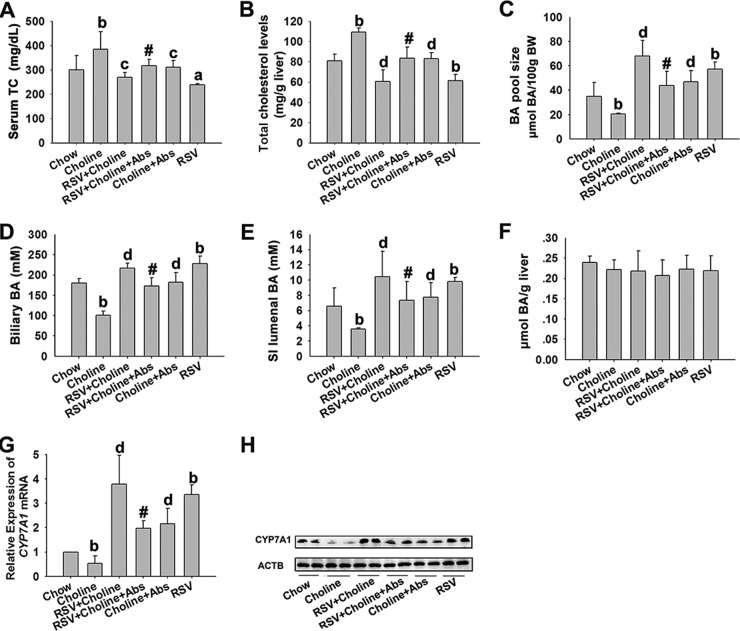
“and reversed the choline-induced decrease of CYP7A1 mRNA and protein expression in ApoE−/− mice (Fig. 8G and H).”
§ Resveratrol Attenuates Trimethylamine-N-Oxide (TMAO)-Induced Atherosclerosis by Regulating TMAO Synthesis and Bile Acid Metabolism via Remodeling of the Gut Microbiota > RESULTS > RSV induced hepatic BA synthesis in choline-treated ApoE−/− mice.
plaindirect- Asserted: passes — The authors put it forward as true.
- Checkable: passes — It can be checked against evidence.
- Load-bearing: passes — The paper’s conclusions depend on it.
- Based: passes — The paper gives a reason why it holds.
A result the paper reports from its own data — it cites no other source for it, so there is none to check. The quote shows it is in the paper.
In the paper
“these effects were reversed by treatment with RSV (Fig. 8A to E).”
§ Resveratrol Attenuates Trimethylamine-N-Oxide (TMAO)-Induced Atherosclerosis by Regulating TMAO Synthesis and Bile Acid Metabolism via Remodeling of the Gut Microbiota > RESULTS > RSV induced hepatic BA synthesis in choline-treated ApoE−/− mice.
plaindirect- Asserted: passes — The authors put it forward as true.
- Checkable: passes — It can be checked against evidence.
- Load-bearing: passes — The paper’s conclusions depend on it.
- Based: passes — The paper gives a reason why it holds.
A result the paper reports from its own data — it cites no other source for it, so there is none to check. The quote shows it is in the paper.
In the paper
“And there were no significant differences in liver BA content among the groups (Fig. 8F).”
§ Resveratrol Attenuates Trimethylamine-N-Oxide (TMAO)-Induced Atherosclerosis by Regulating TMAO Synthesis and Bile Acid Metabolism via Remodeling of the Gut Microbiota > RESULTS > RSV induced hepatic BA synthesis in choline-treated ApoE−/− mice.
plain- Asserted: passes — The authors put it forward as true.
- Checkable: passes — It can be checked against evidence.
- Load-bearing: unclear — It is unclear whether the paper’s conclusions depend on it.
- Based: passes — The paper gives a reason why it holds.
A result the paper reports from its own data — it cites no other source for it, so there is none to check. The quote shows it is in the paper.
In the paper
“The Proteobacteria and Actinobacteria phyla showed no significant changes after choline treatment in ApoE−/− mice (see Fig. S4A).”
§ Resveratrol Attenuates Trimethylamine-N-Oxide (TMAO)-Induced Atherosclerosis by Regulating TMAO Synthesis and Bile Acid Metabolism via Remodeling of the Gut Microbiota > RESULTS > RSV reduced TMAO levels by decreasing TMA generation via remodeling microbiota in ApoE−/− mice.
plain- Asserted: passes — The authors put it forward as true.
- Checkable: passes — It can be checked against evidence.
- Load-bearing: unclear — It is unclear whether the paper’s conclusions depend on it.
- Based: passes — The paper gives a reason why it holds.
A result the paper reports from its own data — it cites no other source for it, so there is none to check. The quote shows it is in the paper.
In the paper
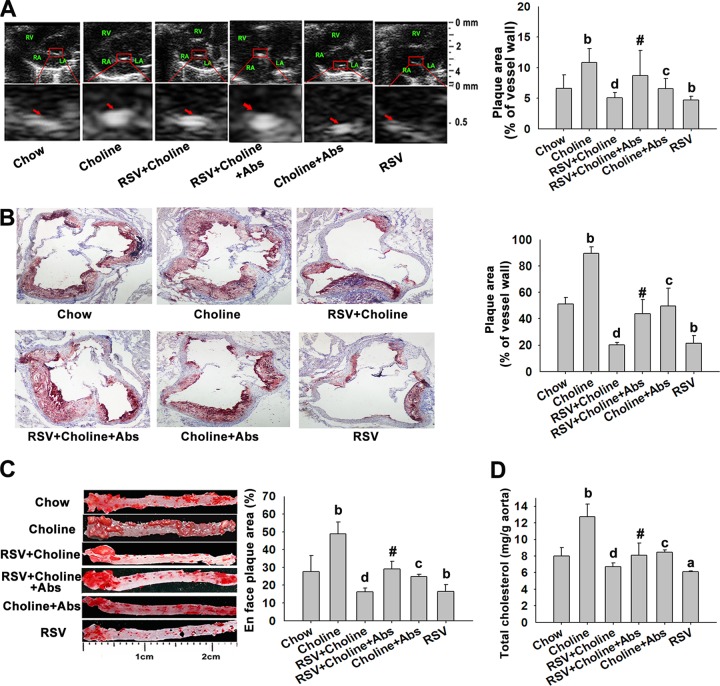
“Moreover, when the gut microbiota was suppressed by Abs, RSV-induced inhibition of TMAO-caused AS was significantly abolished (Fig. 6).”
§ Resveratrol Attenuates Trimethylamine-N-Oxide (TMAO)-Induced Atherosclerosis by Regulating TMAO Synthesis and Bile Acid Metabolism via Remodeling of the Gut Microbiota > RESULTS > RSV protected ApoE−/− mice from TMAO-induced AS in a gut microbiota-dependent manner.
plaindirect- Asserted: passes — The authors put it forward as true.
- Checkable: passes — It can be checked against evidence.
- Load-bearing: passes — The paper’s conclusions depend on it.
- Based: passes — The paper gives a reason why it holds.
- Rests on an assumption: Antibiotic treatment suppresses the gut microbiota sufficiently to test its role in the effects of resveratrol.
A result the paper reports from its own data — it cites no other source for it, so there is none to check. The quote shows it is in the paper.
In the paper
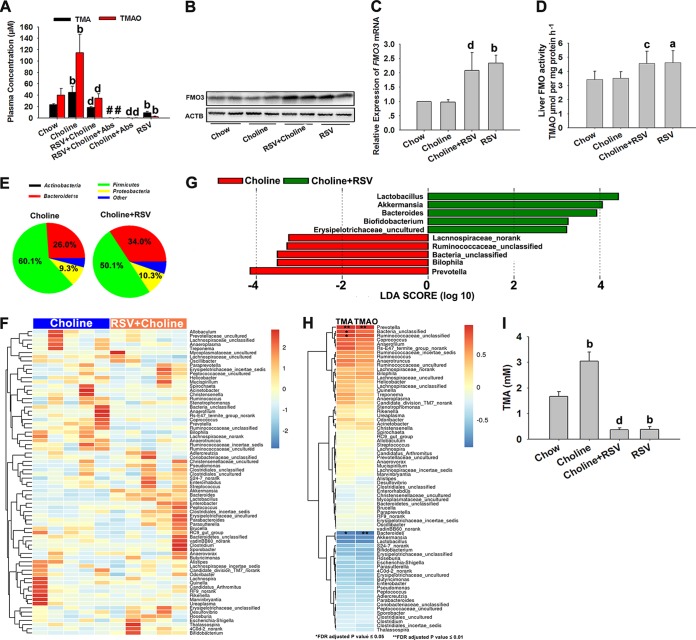
“As expected, treatment with RSV resulted in an increase in Bacteroidetes abundance (from 20.6 to 34.0%) at the expense of Firmicutes (from 60.1 to 50.1%) in choline-treated ApoE−/− mice (Fig. 7E).”
§ Resveratrol Attenuates Trimethylamine-N-Oxide (TMAO)-Induced Atherosclerosis by Regulating TMAO Synthesis and Bile Acid Metabolism via Remodeling of the Gut Microbiota > RESULTS > RSV reduced TMAO levels by decreasing TMA generation via remodeling microbiota in ApoE−/− mice.
plaindirect- Asserted: passes — The authors put it forward as true.
- Checkable: passes — It can be checked against evidence.
- Load-bearing: passes — The paper’s conclusions depend on it.
- Based: passes — The paper gives a reason why it holds.
A result the paper reports from its own data — it cites no other source for it, so there is none to check. The quote shows it is in the paper.
In the paper
“Using Pearson’s correlation tests, we found that, in general, taxa that were present at a relatively high proportion coincident with high plasma TMA concentrations also tended to be present at a relatively high proportion coincident with high plasma TMAO concentrations.”
§ Resveratrol Attenuates Trimethylamine-N-Oxide (TMAO)-Induced Atherosclerosis by Regulating TMAO Synthesis and Bile Acid Metabolism via Remodeling of the Gut Microbiota > RESULTS > RSV inhibited TMAO synthesis by decreasing TMA generation via remodeling microbiota.
hedgedcorrelational- Asserted: passes — The authors put it forward as true.
- Checkable: passes — It can be checked against evidence.
- Load-bearing: unclear — It is unclear whether the paper’s conclusions depend on it.
- Based: passes — The paper gives a reason why it holds.
- Probably not a substantial claim. 27
- It may state two separate claims as one. 43
- The quote only partly states this claim. 8
Every source the paper cites for this claim was checked and supports it.
In the paper
“Additionally, tempol, an antioxidant and protective agent against radiation, can alter the gut microbiome, leading to the accumulation of intestinal T-βMCA, thereby inhibiting intestinal FXR signaling and decreasing obesity (12).”
§ Resveratrol Attenuates Trimethylamine-N-Oxide (TMAO)-Induced Atherosclerosis by Regulating TMAO Synthesis and Bile Acid Metabolism via Remodeling of the Gut Microbiota > INTRODUCTION
What the sources say
- Supportedcites [12] Li F, Jiang CT, Krausz KW, Li YF, Albert I, Hao HP, Fabre KM, Mitchell JB, Patterson AD, Gonzalez FJ 2013 Microbiome remodelling leads to inhibition of intestinal farnesoid X receptor signalling and decreased obesity. Nat Commun 4: 2384. doi: 10.1038/ncomms3384. 24064762 PMC6595219 source
The Introduction (page unavailable) describes tempol as an antioxidant and radiation protector. The Abstract and Discussion (pages unavailable) report that, in mice, tempol alters the gut microbiome, increases intestinal T-β-MCA, inhibits intestinal FXR signalling, and reduces obesity. (LLM, conf=0.93)
plaindirect- Asserted: passes — The authors put it forward as true.
- Checkable: passes — It can be checked against evidence.
- Load-bearing: fails — The paper’s conclusions may not depend on it.
- Based: passes — The paper gives a reason why it holds.
Probably not a substantial claim. The paper’s conclusions may not depend on it. It may state two separate claims as one.
- Supported
The cited sources support only part of this claim — read each source’s verdict below.
In the paper
“It has been demonstrated that the gene encoding FMO3 is a direct FXR target gene, and FXR has been found to be a target of sirtuin 1 (SIRT1) in metabolic regulation (23, 34, 35).”
§ Resveratrol Attenuates Trimethylamine-N-Oxide (TMAO)-Induced Atherosclerosis by Regulating TMAO Synthesis and Bile Acid Metabolism via Remodeling of the Gut Microbiota > DISCUSSION
What the sources say
- Could not verifycites [23] Bennett BJ, de Aguiar Vallim TQ, Wang Z, Shih DM, Meng Y, Gregory J, Allayee H, Lee R, Graham M, Crooke R, Edwards PA, Hazen SL, Lusis AJ 2013 Trimethylamine-N-oxide, a metabolite associated with atherosclerosis, exhibits complex genetic and dietary regulation. Cell Metab 17: 49– 60. doi: 10.1016/j.cmet.2012.12.011. 23312283 PMC3771112 sourceExperimental — accuracy not yet measured
The Results section, “Regulation of FMO3 by FXR” (page unavailable), identifies FMO3 as a direct FXR target, but does not address whether FXR is a SIRT1 target. Searches for SIRT1, sirtuin, and FXR deacetylation found no passage in our copy supporting the attributed relationship. (LLM, conf=0.76)
- Supportedcites [34] Kemper JK, Xiao Z, Ponugoti B, Miao J, Fang S, Kanamaluru D, Tsang S, Wu SY, Chiang CM, Veenstra TD 2009 FXR acetylation is normally dynamically regulated by p300 and SIRT1 but constitutively elevated in metabolic disease states. Cell Metab 10: 392– 404. doi: 10.1016/j.cmet.2009.09.009. 19883617 PMC2785075 source
The Introduction explicitly states that FXR is a target of SIRT1 in metabolic regulation. The Results further report that reducing SIRT1 increases FXR acetylation in mouse liver. (LLM, conf=0.95)
- Supportedcites [35] Purushotham A, Xu Q, Lu J, Foley JF, Yan X, Kim DH, Kemper JK, Li X 2012 Hepatic deletion of SIRT1 decreases hepatocyte nuclear factor 1 alpha/farnesoid X receptor signaling and induces formation of cholesterol gallstones in mice. Mol Cell Biol 32: 1226– 1236. doi: 10.1128/MCB.05988-11. 22290433 PMC3302441 source
The section “Hepatic deletion of SIRT1 reduces the expression of FXR” reports that SIRT1 positively regulates FXR signaling in hepatocytes. The Discussion also reports that SIRT1 regulates FXR expression and contributes to its activation through deacetylation. No page numbers are provided in the supplied passages. (LLM, conf=0.93)
boosteddirect- Asserted: passes — The authors put it forward as true.
- Checkable: passes — It can be checked against evidence.
- Load-bearing: fails — The paper’s conclusions may not depend on it.
- Based: passes — The paper gives a reason why it holds.
Probably not a substantial claim. The paper’s conclusions may not depend on it.
- Could not verify
A result the paper reports from its own data — it cites no other source for it, so there is none to check. The quote shows it is in the paper.
In the paper
“Additionally, via a direct ex vivo assay, we found that the production of TMA from choline was higher in cecal content from choline-treated mice and that the effect was reversed by RSV administration (Fig. 7I).”
§ Resveratrol Attenuates Trimethylamine-N-Oxide (TMAO)-Induced Atherosclerosis by Regulating TMAO Synthesis and Bile Acid Metabolism via Remodeling of the Gut Microbiota > RESULTS > RSV reduced TMAO levels by decreasing TMA generation via remodeling microbiota in ApoE−/− mice.
plaindirect- Asserted: passes — The authors put it forward as true.
- Checkable: passes — It can be checked against evidence.
- Load-bearing: passes — The paper’s conclusions depend on it.
- Based: passes — The paper gives a reason why it holds.
It may state two separate claims as one. The quote only partly states this claim.
A result the paper reports from its own data — it cites no other source for it, so there is none to check. The quote shows it is in the paper.
In the paper
“Finally, we observed a reduction in the mRNA levels of the BA transporters organic solute transporter alpha (OSTα) and beta (OSTβ) in RSV-treated mice”
§ Resveratrol Attenuates Trimethylamine-N-Oxide (TMAO)-Induced Atherosclerosis by Regulating TMAO Synthesis and Bile Acid Metabolism via Remodeling of the Gut Microbiota > RESULTS > RSV enhanced BA deconjugation and fecal excretion through microbiota modulation.
plaindirect- Asserted: passes — The authors put it forward as true.
- Checkable: passes — It can be checked against evidence.
- Load-bearing: passes — The paper’s conclusions depend on it.
- Based: passes — The paper gives a reason why it holds.
The quote only partly states this claim.
A result the paper reports from its own data — it cites no other source for it, so there is none to check. The quote shows it is in the paper.
In the paper
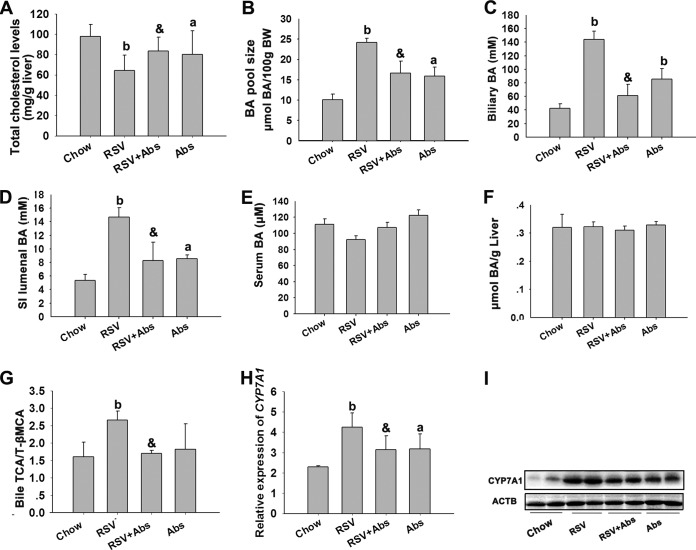
“As shown in Fig. 4G to I and in Table S4 in the supplemental material, RSV increased the bile TCA/TβMCA ratio and induced CYP7A1 mRNA and protein expression and the effects were inhibited by Abs treatment.”
§ Resveratrol Attenuates Trimethylamine-N-Oxide (TMAO)-Induced Atherosclerosis by Regulating TMAO Synthesis and Bile Acid Metabolism via Remodeling of the Gut Microbiota > RESULTS > RSV induced hepatic BA synthesis in C57BL/6J mice.
plaindirect- Asserted: passes — The authors put it forward as true.
- Checkable: passes — It can be checked against evidence.
- Load-bearing: passes — The paper’s conclusions depend on it.
- Based: passes — The paper gives a reason why it holds.
It may state two separate claims as one.
- Rests on an assumption: Antibiotic treatment suppresses the gut microbiota sufficiently to test its role in the effects of resveratrol.
A result the paper reports from its own data — it cites no other source for it, so there is none to check. The quote shows it is in the paper.
In the paper
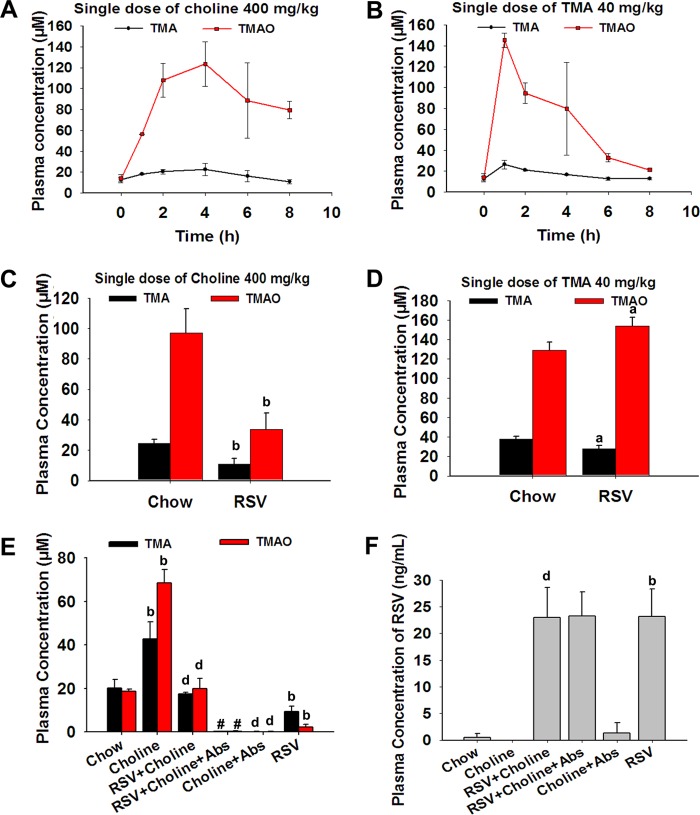
“For RSV-treated mice given TMA, TMAO levels were higher and TMA levels were lower than those in the control group (Fig. 1D)”
§ Resveratrol Attenuates Trimethylamine-N-Oxide (TMAO)-Induced Atherosclerosis by Regulating TMAO Synthesis and Bile Acid Metabolism via Remodeling of the Gut Microbiota > RESULTS > RSV inhibited TMAO synthesis in C57BL/6J mice.
plaincorrelational- Asserted: passes — The authors put it forward as true.
- Checkable: passes — It can be checked against evidence.
- Load-bearing: passes — The paper’s conclusions depend on it.
- Based: passes — The paper gives a reason why it holds.
It may state two separate claims as one.
A result the paper reports from its own data — it cites no other source for it, so there is none to check. The quote shows it is in the paper.
In the paper
“The atherosclerotic lesion area and the cholesterol content in the whole aorta, as indexes of AS severity, were much higher in mice fed with choline than in chow-fed mice, and the effects were markedly reversed by RSV or Abs administration (Fig. 6).”
§ Resveratrol Attenuates Trimethylamine-N-Oxide (TMAO)-Induced Atherosclerosis by Regulating TMAO Synthesis and Bile Acid Metabolism via Remodeling of the Gut Microbiota > RESULTS > RSV protected ApoE−/− mice from TMAO-induced AS in a gut microbiota-dependent manner.
plaindirect- Asserted: passes — The authors put it forward as true.
- Checkable: passes — It can be checked against evidence.
- Load-bearing: passes — The paper’s conclusions depend on it.
- Based: passes — The paper gives a reason why it holds.
It may state two separate claims as one.
- Rests on an assumption: Antibiotic treatment suppresses the gut microbiota sufficiently to test its role in the effects of resveratrol.
A result the paper reports from its own data — it cites no other source for it, so there is none to check. The quote shows it is in the paper.
In the paper
“We found that RSV significantly decreased the liver cholesterol level and increased the BA pool size and the gallbladder and SI luminal BA content; these effects were reversed by treatment with Abs (Fig. 4A to D).”
§ Resveratrol Attenuates Trimethylamine-N-Oxide (TMAO)-Induced Atherosclerosis by Regulating TMAO Synthesis and Bile Acid Metabolism via Remodeling of the Gut Microbiota > RESULTS > RSV induced hepatic BA synthesis in C57BL/6J mice.
plaindirect- Asserted: passes — The authors put it forward as true.
- Checkable: passes — It can be checked against evidence.
- Load-bearing: passes — The paper’s conclusions depend on it.
- Based: passes — The paper gives a reason why it holds.
It may state two separate claims as one.
- Rests on an assumption: Antibiotic treatment suppresses the gut microbiota sufficiently to test its role in the effects of resveratrol.
A result the paper reports from its own data — it cites no other source for it, so there is none to check. The quote shows it is in the paper.
In the paper
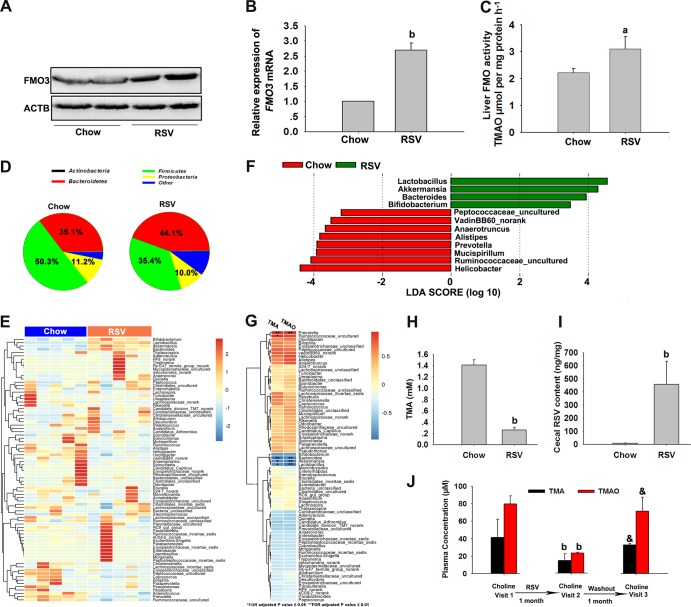
“RSV also markedly increased FMO activity in the liver (Fig. 2C).”
§ Resveratrol Attenuates Trimethylamine-N-Oxide (TMAO)-Induced Atherosclerosis by Regulating TMAO Synthesis and Bile Acid Metabolism via Remodeling of the Gut Microbiota > RESULTS > RSV inhibited TMAO synthesis by decreasing TMA generation via remodeling microbiota.
plaindirect- Asserted: passes — The authors put it forward as true.
- Checkable: passes — It can be checked against evidence.
- Load-bearing: unclear — It is unclear whether the paper’s conclusions depend on it.
- Based: passes — The paper gives a reason why it holds.
The quote only partly states this claim.
A result the paper reports from its own data — it cites no other source for it, so there is none to check. The quote shows it is in the paper.
In the paper
“Moreover, compared to chow-fed ApoE−/− mice, choline significantly increased the number of Prevotella and decreased the concentrations of Bacteroides, Lactobacillus, and Bifidobacterium (see Fig. S4B).”
§ Resveratrol Attenuates Trimethylamine-N-Oxide (TMAO)-Induced Atherosclerosis by Regulating TMAO Synthesis and Bile Acid Metabolism via Remodeling of the Gut Microbiota > RESULTS > RSV reduced TMAO levels by decreasing TMA generation via remodeling microbiota in ApoE−/− mice.
plaindirect- Asserted: passes — The authors put it forward as true.
- Checkable: passes — It can be checked against evidence.
- Load-bearing: passes — The paper’s conclusions depend on it.
- Based: passes — The paper gives a reason why it holds.
It may state two separate claims as one.
A result the paper reports from its own data — it cites no other source for it, so there is none to check. The quote shows it is in the paper.
In the paper
“Via liquid chromatography-tandem mass spectrometry (LC/MS), we found that peak concentrations of TMA and TMAO occurred 4 h after choline administration and 1 h after TMA administration (Fig. 1A and B).”
§ Resveratrol Attenuates Trimethylamine-N-Oxide (TMAO)-Induced Atherosclerosis by Regulating TMAO Synthesis and Bile Acid Metabolism via Remodeling of the Gut Microbiota > RESULTS > RSV inhibited TMAO synthesis in C57BL/6J mice.
plain- Asserted: passes — The authors put it forward as true.
- Checkable: passes — It can be checked against evidence.
- Load-bearing: unclear — It is unclear whether the paper’s conclusions depend on it.
- Based: passes — The paper gives a reason why it holds.
It may state two separate claims as one.
A result the paper reports from its own data — it cites no other source for it, so there is none to check. The quote shows it is in the paper.
In the paper
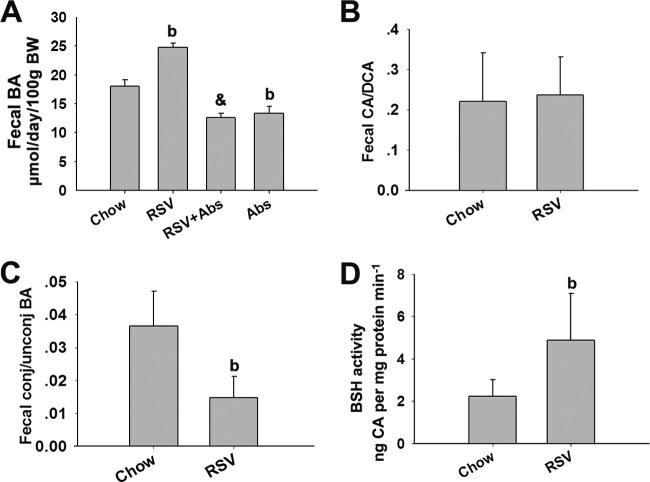
“In contrast, there was a significant decrease in the fecal conjugated/unconjugated BA ratio, along with an increase in bile salt hydrolase (BSH) enzyme activity, in the feces of RSV-treated mice (Fig. 3C and D; see also Table S4).”
§ Resveratrol Attenuates Trimethylamine-N-Oxide (TMAO)-Induced Atherosclerosis by Regulating TMAO Synthesis and Bile Acid Metabolism via Remodeling of the Gut Microbiota > RESULTS > RSV enhanced BA deconjugation and fecal excretion through microbiota modulation.
plaindirect- Asserted: passes — The authors put it forward as true.
- Checkable: passes — It can be checked against evidence.
- Load-bearing: passes — The paper’s conclusions depend on it.
- Based: passes — The paper gives a reason why it holds.
It may state two separate claims as one. The quote only partly states this claim.
A result the paper reports from its own data — it cites no other source for it, so there is none to check. The quote shows it is in the paper.
In the paper
“Via qPCR and sequencing 16S rRNA assays, we found that choline administration markedly increased the bacterial concentrations of Bacteroidetes phyla and decreased the concentrations of Firmicutes phyla compared to the control group (see Fig. S4A in the supplemental material).”
§ Resveratrol Attenuates Trimethylamine-N-Oxide (TMAO)-Induced Atherosclerosis by Regulating TMAO Synthesis and Bile Acid Metabolism via Remodeling of the Gut Microbiota > RESULTS > RSV reduced TMAO levels by decreasing TMA generation via remodeling microbiota in ApoE−/− mice.
plaindirect- Asserted: passes — The authors put it forward as true.
- Checkable: passes — It can be checked against evidence.
- Load-bearing: passes — The paper’s conclusions depend on it.
- Based: passes — The paper gives a reason why it holds.
It may state two separate claims as one.
A result the paper reports from its own data — it cites no other source for it, so there is none to check. The quote shows it is in the paper.
In the paper
“Genus-level analysis showed that RSV induced an increase in the relative abundances of Bacteroides, Lactobacillus, Bifidobacterium, and Akkermansia in mice (Fig. 2E and F).”
§ Resveratrol Attenuates Trimethylamine-N-Oxide (TMAO)-Induced Atherosclerosis by Regulating TMAO Synthesis and Bile Acid Metabolism via Remodeling of the Gut Microbiota > RESULTS > RSV inhibited TMAO synthesis by decreasing TMA generation via remodeling microbiota.
plaindirect- Asserted: passes — The authors put it forward as true.
- Checkable: passes — It can be checked against evidence.
- Load-bearing: passes — The paper’s conclusions depend on it.
- Based: passes — The paper gives a reason why it holds.
The quote only partly states this claim.
A result the paper reports from its own data — it cites no other source for it, so there is none to check. The quote shows it is in the paper.
In the paper
“Moreover, the addition of 1% choline over 30 days significantly increased the levels of TMA and TMAO in mice; however, this was reversed by RSV administration (Fig. 1E).”
§ Resveratrol Attenuates Trimethylamine-N-Oxide (TMAO)-Induced Atherosclerosis by Regulating TMAO Synthesis and Bile Acid Metabolism via Remodeling of the Gut Microbiota > RESULTS > RSV inhibited TMAO synthesis in C57BL/6J mice.
plaindirect- Asserted: passes — The authors put it forward as true.
- Checkable: passes — It can be checked against evidence.
- Load-bearing: passes — The paper’s conclusions depend on it.
- Based: passes — The paper gives a reason why it holds.
It may state two separate claims as one.
A result the paper reports from its own data — it cites no other source for it, so there is none to check. The quote shows it is in the paper.
In the paper
“As shown in Fig. 7A to D, RSV administration markedly decreased TMA and TMAO contents and increased the expression levels of liver FMO3 and FMO activity.”
§ Resveratrol Attenuates Trimethylamine-N-Oxide (TMAO)-Induced Atherosclerosis by Regulating TMAO Synthesis and Bile Acid Metabolism via Remodeling of the Gut Microbiota > RESULTS > RSV reduced TMAO levels by decreasing TMA generation via remodeling microbiota in ApoE−/− mice.
plaindirect- Asserted: passes — The authors put it forward as true.
- Checkable: passes — It can be checked against evidence.
- Load-bearing: passes — The paper’s conclusions depend on it.
- Based: passes — The paper gives a reason why it holds.
It may state two separate claims as one.
A result the paper reports from its own data — it cites no other source for it, so there is none to check. The quote shows it is in the paper.
In the paper
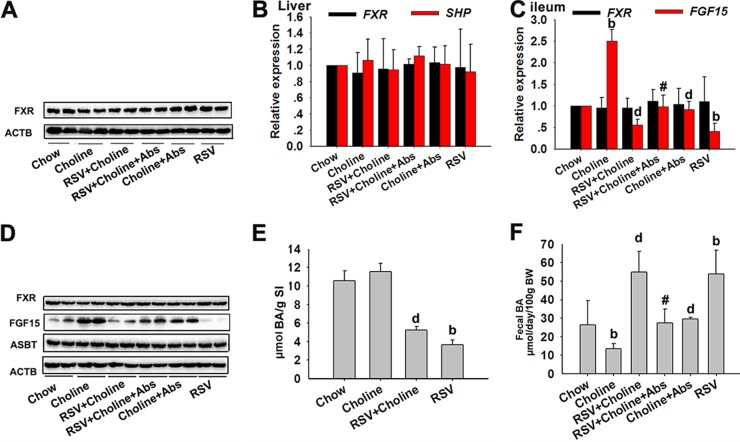
“In the liver, RSV treatment appeared to have no significant effect on the mRNA level of the SHP gene and the mRNA and protein levels of FXR (see Fig. S3A and B in the supplemental material).”
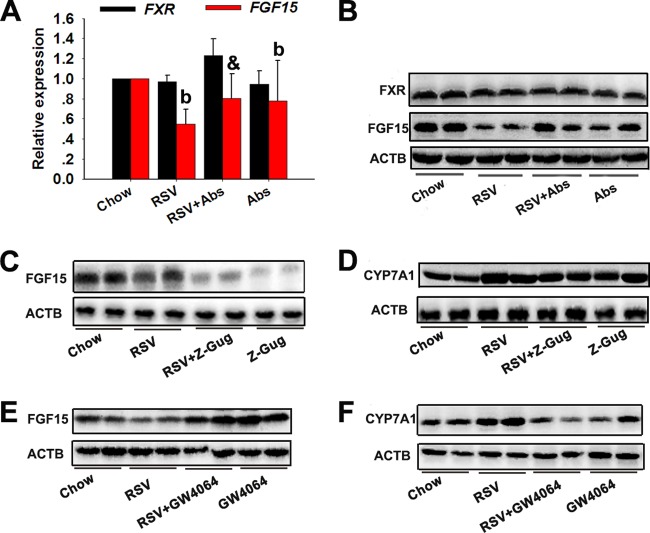
§ Resveratrol Attenuates Trimethylamine-N-Oxide (TMAO)-Induced Atherosclerosis by Regulating TMAO Synthesis and Bile Acid Metabolism via Remodeling of the Gut Microbiota > RESULTS > The enterohepatic FXR-FGF15 axis played a key role in RSV-induced BA synthesis.
hedged- Asserted: passes — The authors put it forward as true.
- Checkable: passes — It can be checked against evidence.
- Load-bearing: passes — The paper’s conclusions depend on it.
- Based: passes — The paper gives a reason why it holds.
It may state two separate claims as one.
A result the paper reports from its own data — it cites no other source for it, so there is none to check. The quote shows it is in the paper.
In the paper
“RSV significantly enhanced fecal BA loss, which was inhibited by Abs (Fig. 3A).”
§ Resveratrol Attenuates Trimethylamine-N-Oxide (TMAO)-Induced Atherosclerosis by Regulating TMAO Synthesis and Bile Acid Metabolism via Remodeling of the Gut Microbiota > RESULTS > RSV enhanced BA deconjugation and fecal excretion through microbiota modulation.
plaindirect- Asserted: passes — The authors put it forward as true.
- Checkable: passes — It can be checked against evidence.
- Load-bearing: passes — The paper’s conclusions depend on it.
- Based: passes — The paper gives a reason why it holds.
It may state two separate claims as one. The quote only partly states this claim.
- Rests on an assumption: Antibiotic treatment suppresses the gut microbiota sufficiently to test its role in the effects of resveratrol.
A result the paper reports from its own data — it cites no other source for it, so there is none to check. The quote shows it is in the paper.
In the paper
“RSV also increased the relative abundances of Bacteroides, Lactobacillus, Bifidobacterium, and Akkermansia and decreased the relative abundances of Prevotella, Ruminococcaceae_unclassified, and Biophila in choline-fed ApoE−/− mice (Fig. 7F and G).”
§ Resveratrol Attenuates Trimethylamine-N-Oxide (TMAO)-Induced Atherosclerosis by Regulating TMAO Synthesis and Bile Acid Metabolism via Remodeling of the Gut Microbiota > RESULTS > RSV reduced TMAO levels by decreasing TMA generation via remodeling microbiota in ApoE−/− mice.
plaindirect- Asserted: passes — The authors put it forward as true.
- Checkable: passes — It can be checked against evidence.
- Load-bearing: passes — The paper’s conclusions depend on it.
- Based: passes — The paper gives a reason why it holds.
It may state two separate claims as one.
A result the paper reports from its own data — it cites no other source for it, so there is none to check. The quote shows it is in the paper.
In the paper
“Moreover, we found that the same mice fed with RSV could show markedly decreased TMA and TMAO levels after choline treatment; however, after washout with a chow diet for 1 month, they failed to reduce TMA and TMAO contents after choline administration (Fig. 2J).”
§ Resveratrol Attenuates Trimethylamine-N-Oxide (TMAO)-Induced Atherosclerosis by Regulating TMAO Synthesis and Bile Acid Metabolism via Remodeling of the Gut Microbiota > RESULTS > RSV inhibited TMAO synthesis by decreasing TMA generation via remodeling microbiota.
plaindirect- Asserted: passes — The authors put it forward as true.
- Checkable: passes — It can be checked against evidence.
- Load-bearing: passes — The paper’s conclusions depend on it.
- Based: passes — The paper gives a reason why it holds.
It may state two separate claims as one.
A result the paper reports from its own data — it cites no other source for it, so there is none to check. The quote shows it is in the paper.
In the paper
“Additionally, plasma RSV content was higher in mice fed RSV than in mice fed a standard diet (Fig. 1F).”
§ Resveratrol Attenuates Trimethylamine-N-Oxide (TMAO)-Induced Atherosclerosis by Regulating TMAO Synthesis and Bile Acid Metabolism via Remodeling of the Gut Microbiota > RESULTS > RSV inhibited TMAO synthesis in C57BL/6J mice.
plaincorrelational- Asserted: passes — The authors put it forward as true.
- Checkable: passes — It can be checked against evidence.
- Load-bearing: fails — The paper’s conclusions may not depend on it.
- Based: passes — The paper gives a reason why it holds.
Probably not a substantial claim. The paper’s conclusions may not depend on it.
A result the paper reports from its own data — it cites no other source for it, so there is none to check. The quote shows it is in the paper.
In the paper
“Via a direct ex vivo assay, we found that the production of TMA from choline was lower in cecal content from RSV-treated mice”
§ Resveratrol Attenuates Trimethylamine-N-Oxide (TMAO)-Induced Atherosclerosis by Regulating TMAO Synthesis and Bile Acid Metabolism via Remodeling of the Gut Microbiota > RESULTS > RSV inhibited TMAO synthesis by decreasing TMA generation via remodeling microbiota.
plaindirect- Asserted: passes — The authors put it forward as true.
- Checkable: passes — It can be checked against evidence.
- Load-bearing: passes — The paper’s conclusions depend on it.
- Based: passes — The paper gives a reason why it holds.
The quote only partly states this claim.
A result the paper reports from its own data — it cites no other source for it, so there is none to check. The quote shows it is in the paper.
In the paper
“RSV treatment resulted in a significant decrease in ileal FGF15 mRNA and protein levels; however, ileal FXR mRNA and protein levels were unchanged (Fig. 5A and B).”
§ Resveratrol Attenuates Trimethylamine-N-Oxide (TMAO)-Induced Atherosclerosis by Regulating TMAO Synthesis and Bile Acid Metabolism via Remodeling of the Gut Microbiota > RESULTS > The enterohepatic FXR-FGF15 axis played a key role in RSV-induced BA synthesis.
plaindirect- Asserted: passes — The authors put it forward as true.
- Checkable: passes — It can be checked against evidence.
- Load-bearing: passes — The paper’s conclusions depend on it.
- Based: passes — The paper gives a reason why it holds.
It may state two separate claims as one.
A result the paper reports from its own data — it cites no other source for it, so there is none to check. The quote shows it is in the paper.
In the paper
“The proportion of sequences assigned to Bacteroidetes was significantly increased in metagenomes of RSV-fed animals at the expense of Firmicutes (Fig. 2D).”
§ Resveratrol Attenuates Trimethylamine-N-Oxide (TMAO)-Induced Atherosclerosis by Regulating TMAO Synthesis and Bile Acid Metabolism via Remodeling of the Gut Microbiota > RESULTS > RSV inhibited TMAO synthesis by decreasing TMA generation via remodeling microbiota.
plaindirect- Asserted: passes — The authors put it forward as true.
- Checkable: passes — It can be checked against evidence.
- Load-bearing: passes — The paper’s conclusions depend on it.
- Based: passes — The paper gives a reason why it holds.
The quote only partly states this claim.
A result the paper reports from its own data — it cites no other source for it, so there is none to check. The quote shows it is in the paper.
In the paper
“The mRNA level of the SHP gene and the mRNA and protein levels of FXR in the liver were unchanged by RSV (Fig. 9A and B).”
§ Resveratrol Attenuates Trimethylamine-N-Oxide (TMAO)-Induced Atherosclerosis by Regulating TMAO Synthesis and Bile Acid Metabolism via Remodeling of the Gut Microbiota > RESULTS > RSV downregulated the enterohepatic FXR-FGF15 axis in choline-treated ApoE−/− mice.
plain- Asserted: passes — The authors put it forward as true.
- Checkable: passes — It can be checked against evidence.
- Load-bearing: unclear — It is unclear whether the paper’s conclusions depend on it.
- Based: passes — The paper gives a reason why it holds.
It may state two separate claims as one.
A result the paper reports from its own data — it cites no other source for it, so there is none to check. The quote shows it is in the paper.
In the paper
“We observed that RSV significantly increased the expression of CYP7A1, subsequently inducing BA synthesis in the liver.”
§ Resveratrol Attenuates Trimethylamine-N-Oxide (TMAO)-Induced Atherosclerosis by Regulating TMAO Synthesis and Bile Acid Metabolism via Remodeling of the Gut Microbiota > DISCUSSION
plaindirect- Asserted: passes — The authors put it forward as true.
- Checkable: passes — It can be checked against evidence.
- Load-bearing: passes — The paper’s conclusions depend on it.
- Based: passes — The paper gives a reason why it holds.
It may state two separate claims as one.
None of the sources cited for this claim have been checked yet.
In the paper
“We also found that RSV decreased the activity of ileal FXR and the expression of FGF15 by decreasing the levels of FXR agonists (TCA and CDCA) in SI tissues (45, 46).”
§ Resveratrol Attenuates Trimethylamine-N-Oxide (TMAO)-Induced Atherosclerosis by Regulating TMAO Synthesis and Bile Acid Metabolism via Remodeling of the Gut Microbiota > DISCUSSION
What the sources say
- Not checked yetcites [45] De Aguiar Vallim TQ, Tarling EJ, Edwards PA 2013 Pleiotropic roles of bile acids in metabolism. Cell Metab 17: 657– 669. doi: 10.1016/j.cmet.2013.03.013. 23602448 PMC3654004 source
- Not checked yetcites [46] Sayin SI, Wahlström A, Felin J, Jäntti S, Marschall HU, Bamberg K, Angelin B, Hyötyläinen T, Orešič M, Bäckhed F 2013 Gut microbiota regulates bile acid metabolism by reducing the levels of tauro-beta-muricholic acid, a naturally occurring FXR antagonist. Cell Metab 17: 225– 235. doi: 10.1016/j.cmet.2013.01.003. 23395169 source
plaindirect- Asserted: passes — The authors put it forward as true.
- Checkable: passes — It can be checked against evidence.
- Load-bearing: passes — The paper’s conclusions depend on it.
- Based: passes — The paper gives a reason why it holds.
It may state two separate claims as one.
A result the paper reports from its own data — it cites no other source for it, so there is none to check. The quote shows it is in the paper.
In the paper
“When Z-Gug, a natural antagonist of FXR, was administered, RSV failed to reduce FGF15 expression and to induce the expression of CYP7A1 in mice.”
§ Resveratrol Attenuates Trimethylamine-N-Oxide (TMAO)-Induced Atherosclerosis by Regulating TMAO Synthesis and Bile Acid Metabolism via Remodeling of the Gut Microbiota > DISCUSSION
plain- Asserted: passes — The authors put it forward as true.
- Checkable: passes — It can be checked against evidence.
- Load-bearing: passes — The paper’s conclusions depend on it.
- Based: passes — The paper gives a reason why it holds.
It may state two separate claims as one.
- Rests on an assumption: Z-Gug and GW4064 specifically modulate FXR without off-target effects on FGF15 and CYP7A1 expression.
In the paper
“TMAO generation is dependent on the gut microbiota, which first metabolizes dietary choline to trimethylamine (TMA). Thereafter, the TMA is metabolized to TMAO by enzymes of the flavin monooxygenase (FMO) family in the liver (4).”
§ Resveratrol Attenuates Trimethylamine-N-Oxide (TMAO)-Induced Atherosclerosis by Regulating TMAO Synthesis and Bile Acid Metabolism via Remodeling of the Gut Microbiota > INTRODUCTION
What the sources say
- Not checked yetcites [4] Koeth RA, Wang Z, Levison BS, Buffa JA, Org E, Sheehy BT, Britt EB, Fu X, Wu Y, Li L, Smith JD, DiDonato JA, Chen J, Li H, Wu GD, Lewis JD, Warrier M, Brown JM, Krauss RM, Tang WH 2013 Intestinal microbiota metabolism of l-carnitine, a nutrient in red meat, promotes atherosclerosis. Nat Med 19: 576– 585. doi: 10.1038/nm.3145. 23563705 PMC3650111 source
plaindirect- Asserted: passes — The authors put it forward as true.
- Checkable: passes — It can be checked against evidence.
- Load-bearing: passes — The paper’s conclusions depend on it.
- Based: passes — The paper gives a reason why it holds.
It may state two separate claims as one.
In the paper
“Primary BAs are synthesized from cholesterol in the liver and further metabolized by the gut microbiota into secondary BAs via deconjugation, dehydrogenation, and dehydroxylation in the gut (6).”
§ Resveratrol Attenuates Trimethylamine-N-Oxide (TMAO)-Induced Atherosclerosis by Regulating TMAO Synthesis and Bile Acid Metabolism via Remodeling of the Gut Microbiota > INTRODUCTION
What the sources say
- Not checked yetcites [6] Jones ML, Tomaro-Duchesneau C, Prakash S 2014 The gut microbiome, probiotics, bile acids axis, and human health. Trends Microbiol 22: 306– 308. doi: 10.1016/j.tim.2014.04.010. 24836108 source
plaindirect- Asserted: passes — The authors put it forward as true.
- Checkable: passes — It can be checked against evidence.
- Load-bearing: passes — The paper’s conclusions depend on it.
- Based: passes — The paper gives a reason why it holds.
Probably not a substantial claim.
A conclusion the paper draws from its own results — it cites no other source for it, so there is none to check. The quote shows it is in the paper.
In the paper
“These findings highlighted that RSV downregulated the ileal FXR-FGF15 axis, which might result from RSV-induced significant reduction in FXR agonists (TCA, DCA, CA, and CDCA) in SI tissues (see Table S4).”
§ Resveratrol Attenuates Trimethylamine-N-Oxide (TMAO)-Induced Atherosclerosis by Regulating TMAO Synthesis and Bile Acid Metabolism via Remodeling of the Gut Microbiota > RESULTS > The enterohepatic FXR-FGF15 axis played a key role in RSV-induced BA synthesis.
hedgedconditional- Asserted: passes — The authors put it forward as true.
- Checkable: passes — It can be checked against evidence.
- Load-bearing: passes — The paper’s conclusions depend on it.
- Based: passes — The paper gives a reason why it holds.
It may state two separate claims as one.
None of the sources cited for this claim have been checked yet.
In the paper
“Researchers have confirmed that a polyphenol-rich cranberry extract and metformin attenuate diet-induced metabolic syndrome in mice in a gut microbiota-dependent manner (16, 17).”
§ Resveratrol Attenuates Trimethylamine-N-Oxide (TMAO)-Induced Atherosclerosis by Regulating TMAO Synthesis and Bile Acid Metabolism via Remodeling of the Gut Microbiota > INTRODUCTION
What the sources say
- Not checked yetcites [16] Shin NR, Lee JC, Lee HY, Kim MS, Whon TW, Lee MS, Bae JW 2014 An increase in the Akkermansia spp. population induced by metformin treatment improves glucose homeostasis in diet-induced obese mice. Gut 63: 727– 735. doi: 10.1136/gutjnl-2012-303839. 23804561 source
- Not checked yetcites [17] Anhê FF, Roy D, Pilon G, Dudonné S, Matamoros S, Varin TV, Garofalo C, Moine Q, Desjardins Y, Levy E, Marette A 2015 A polyphenol-rich cranberry extract protects from diet-induced obesity, insulin resistance and intestinal inflammation in association with increased Akkermansia spp. population in the gut microbiota of mice. Gut 64: 872– 883 doi: 10.1136/gutjnl-2014-307142. 25080446 source
boosteddirect- Asserted: passes — The authors put it forward as true.
- Checkable: passes — It can be checked against evidence.
- Load-bearing: fails — The paper’s conclusions may not depend on it.
- Based: passes — The paper gives a reason why it holds.
Probably not a substantial claim. The paper’s conclusions may not depend on it.
A conclusion the paper draws from its own results — it cites no other source for it, so there is none to check. The quote shows it is in the paper.
In the paper
“In conclusion, RSV attenuated TMAO-induced AS by decreasing TMAO levels and increasing hepatic BA neosynthesis via gut microbiota remodeling, and the BA neosynthesis was partially mediated through the enterohepatic FXR-FGF15 axis.”
§ Resveratrol Attenuates Trimethylamine-N-Oxide (TMAO)-Induced Atherosclerosis by Regulating TMAO Synthesis and Bile Acid Metabolism via Remodeling of the Gut Microbiota > Abstract
plaindirect- Asserted: passes — The authors put it forward as true.
- Checkable: passes — It can be checked against evidence.
- Load-bearing: passes — The paper’s conclusions depend on it.
- Based: passes — The paper gives a reason why it holds.
It may state two separate claims as one.
In the paper
“VSL#3 probiotics can induce hepatic BA neosynthesis via downregulation of the gut-liver FXR-FGF15 axis (10).”
§ Resveratrol Attenuates Trimethylamine-N-Oxide (TMAO)-Induced Atherosclerosis by Regulating TMAO Synthesis and Bile Acid Metabolism via Remodeling of the Gut Microbiota > INTRODUCTION
What the sources say
- Not checked yetcites [10] Degirolamo C, Rainaldi S, Bovenga F, Murzilli S, Moschetta A 2014 Microbiota modification with probiotics induces hepatic bile acid synthesis via downregulation of the FXR-FGF15 axis in mice. Cell Rep 7: 12– 18. doi: 10.1016/j.celrep.2014.02.032. 24656817 source
plaindirect- Asserted: passes — The authors put it forward as true.
- Checkable: passes — It can be checked against evidence.
- Load-bearing: fails — The paper’s conclusions may not depend on it.
- Based: passes — The paper gives a reason why it holds.
Probably not a substantial claim. The paper’s conclusions may not depend on it.
None of the sources cited for this claim have been checked yet.
In the paper
“Sayin et al. found that the gut microbiota can reduce the levels of tauro-beta-muricholic acid (T-βMCA), a naturally occurring FXR antagonist. This subsequently inhibits cholesterol 7a-hydroxylase (CYP7A1), the rate-limiting enzyme in BA synthesis, by activating FXR-FGF15 signaling and ultimately regulating BA metabolism in the liver (5, 11).”
§ Resveratrol Attenuates Trimethylamine-N-Oxide (TMAO)-Induced Atherosclerosis by Regulating TMAO Synthesis and Bile Acid Metabolism via Remodeling of the Gut Microbiota > INTRODUCTION
What the sources say
- Not checked yetcites [5] Sayin SI, Wahlström A, Felin J, Jäntti S, Marschall HU, Bamberg K, Angelin B, Hyötyläinen T, Orešič M, Bäckhed F 2013 Gut microbiota regulates bile acid metabolism by reducing the levels of tauro-beta-muricholic acid, a naturally occurring FXR antagonist. Cell Metab 17: 225– 235. doi: 10.1016/j.cmet.2013.01.003. 23395169 source
- Not checked yetcites [11] Miyata M, Sakaida Y, Matsuzawa H, Yoshinari K, Yamazoe Y 2011 Fibroblast growth factor 19 treatment ameliorates disruption of hepatic lipid metabolism in farnesoid X receptor (FXR)-null mice. Biol Pharm Bull 34: 1885– 1889. doi: 10.1248/bpb.34.1885. 22130247 source
plaindirect- Asserted: passes — The authors put it forward as true.
- Checkable: passes — It can be checked against evidence.
- Load-bearing: passes — The paper’s conclusions depend on it.
- Based: passes — The paper gives a reason why it holds.
It may state two separate claims as one.
A conclusion the paper draws from its own results — it cites no other source for it, so there is none to check. The quote shows it is in the paper.
In the paper
“These results suggested that RSV could be a good candidate for prebiotics and could be used to promote the growth of beneficial commensals and thus to confer health benefits to the host.”
§ Resveratrol Attenuates Trimethylamine-N-Oxide (TMAO)-Induced Atherosclerosis by Regulating TMAO Synthesis and Bile Acid Metabolism via Remodeling of the Gut Microbiota > INTRODUCTION
hedgedconditional- Asserted: passes — The authors put it forward as true.
- Checkable: passes — It can be checked against evidence.
- Load-bearing: passes — The paper’s conclusions depend on it.
- Based: passes — The paper gives a reason why it holds.
It may state two separate claims as one.
In the paper
“Resveratrol (RSV) is a natural polyphenol that mainly occurs in grapes, berries, and other dietary constituents and is beneficial for treatment of many metabolic diseases, including AS (13).”
§ Resveratrol Attenuates Trimethylamine-N-Oxide (TMAO)-Induced Atherosclerosis by Regulating TMAO Synthesis and Bile Acid Metabolism via Remodeling of the Gut Microbiota > INTRODUCTION
What the sources say
- Not checked yetcites [13] Chung JH, Manganiello V, Dyck JR 2012 Resveratrol as a calorie restriction mimetic: therapeutic implications. Trends Cell Biol 22: 546– 554. doi: 10.1016/j.tcb.2012.07.004. 22885100 PMC3462230 source
plaindirect- Asserted: passes — The authors put it forward as true.
- Checkable: passes — It can be checked against evidence.
- Load-bearing: fails — The paper’s conclusions may not depend on it.
- Based: passes — The paper gives a reason why it holds.
Probably not a substantial claim. The paper’s conclusions may not depend on it. It may state two separate claims as one.
A conclusion the paper draws from its own results — it cites no other source for it, so there is none to check. The quote shows it is in the paper.
In the paper
“These results indicated that RSV remodeled the gut microbiome in mice, which might contribute to decreased gut microbial TMA production, thereby inhibiting TMAO synthesis.”
§ Resveratrol Attenuates Trimethylamine-N-Oxide (TMAO)-Induced Atherosclerosis by Regulating TMAO Synthesis and Bile Acid Metabolism via Remodeling of the Gut Microbiota > RESULTS > RSV inhibited TMAO synthesis by decreasing TMA generation via remodeling microbiota.
hedgedconditional- Asserted: passes — The authors put it forward as true.
- Checkable: passes — It can be checked against evidence.
- Load-bearing: passes — The paper’s conclusions depend on it.
- Based: passes — The paper gives a reason why it holds.
It may state two separate claims as one.
None of the sources cited for this claim have been checked yet.
In the paper
“This process is controlled by a negative-feedback loop through the activation of the nuclear farnesoid X receptor (FXR) in the ileum and liver (7, 8).”
§ Resveratrol Attenuates Trimethylamine-N-Oxide (TMAO)-Induced Atherosclerosis by Regulating TMAO Synthesis and Bile Acid Metabolism via Remodeling of the Gut Microbiota > INTRODUCTION
What the sources say
- Not checked yetcites [7] Li-Hawkins J, Gåfvels M, Olin M, Lund EG, Andersson U, Schuster G, Björkhem I, Russell DW, Eggertsen G 2002 Cholic acid mediates negative feedback regulation of bile acid synthesis in mice. J Clin Invest 110: 1191– 1200. doi: 10.1172/JCI16309. 12393855 PMC150802 source
- Not checked yetcites [8] Hylemon PB, Zhou H, Pandak WM, Ren S, Gil G, Dent P 2009 Bile acids as regulatory molecules. J Lipid Res 50: 1509– 1520. doi: 10.1194/jlr.R900007-JLR200. 19346331 PMC2724047 source
plaindirect- Asserted: passes — The authors put it forward as true.
- Checkable: passes — It can be checked against evidence.
- Load-bearing: passes — The paper’s conclusions depend on it.
- Based: passes — The paper gives a reason why it holds.
Probably not a substantial claim.
None of the sources cited for this claim have been checked yet.
In the paper
“Previous investigations have shown that the physiological effects of dietary RSV are in striking contrast to its poor bioavailability, which is a major concern for the development of this class of compounds into therapeutic agents (14, 15).”
§ Resveratrol Attenuates Trimethylamine-N-Oxide (TMAO)-Induced Atherosclerosis by Regulating TMAO Synthesis and Bile Acid Metabolism via Remodeling of the Gut Microbiota > INTRODUCTION
What the sources say
- Not checked yetcites [14] Subramanian L, Youssef S, Bhattacharya S, Kenealey J, Polans AS, van Ginkel PR 2010 Resveratrol: challenges in translation to the clinic—a critical discussion. Clin Cancer Res 16: 5942– 5948. doi: 10.1158/1078-0432.CCR-10-1486. 21045084 PMC3057445 source
- Not checked yetcites [15] Asensi M, Medina I, Ortega A, Carretero J, Baño MC, Obrador E, Estrela JM 2002 Inhibition of cancer growth by resveratrol is related to its low bioavailability. Free Radic Biol Med 33: 387– 398. doi: 10.1016/S0891-5849(02)00911-5. 12126761 source
plaincorrelational- Asserted: passes — The authors put it forward as true.
- Checkable: passes — It can be checked against evidence.
- Load-bearing: fails — The paper’s conclusions may not depend on it.
- Based: passes — The paper gives a reason why it holds.
Probably not a substantial claim. The paper’s conclusions may not depend on it. It may state two separate claims as one.
A conclusion the paper draws from its own results — it cites no other source for it, so there is none to check. The quote shows it is in the paper.
In the paper
“These results suggested that RSV-induced modulation of the gut microbiome contributed to increased BSH activity and subsequently promoted the generation of unconjugated BAs from conjugated BAs, thereby enhancing fecal BA loss.”
§ Resveratrol Attenuates Trimethylamine-N-Oxide (TMAO)-Induced Atherosclerosis by Regulating TMAO Synthesis and Bile Acid Metabolism via Remodeling of the Gut Microbiota > RESULTS > RSV enhanced BA deconjugation and fecal excretion through microbiota modulation.
hedgeddirect- Asserted: passes — The authors put it forward as true.
- Checkable: passes — It can be checked against evidence.
- Load-bearing: passes — The paper’s conclusions depend on it.
- Based: passes — The paper gives a reason why it holds.
It may state two separate claims as one.
A conclusion the paper draws from its own results — it cites no other source for it, so there is none to check. The quote shows it is in the paper.
In the paper
“These results were consistent with our findings in C57BL/6J mice, suggesting the important role of the gut microbiota in the RSV-induced decrease of TMAO levels.”
§ Resveratrol Attenuates Trimethylamine-N-Oxide (TMAO)-Induced Atherosclerosis by Regulating TMAO Synthesis and Bile Acid Metabolism via Remodeling of the Gut Microbiota > RESULTS > RSV reduced TMAO levels by decreasing TMA generation via remodeling microbiota in ApoE−/− mice.
hedgeddirect- Asserted: passes — The authors put it forward as true.
- Checkable: passes — It can be checked against evidence.
- Load-bearing: passes — The paper’s conclusions depend on it.
- Based: passes — The paper gives a reason why it holds.
It may state two separate claims as one.
A conclusion the paper draws from its own results — it cites no other source for it, so there is none to check. The quote shows it is in the paper.
In the paper
“These results indicated that chronic choline supplementation might alter cecal microbial composition, thereby enhancing the synthesis of TMA and TMAO and ultimately increasing AS.”
§ Resveratrol Attenuates Trimethylamine-N-Oxide (TMAO)-Induced Atherosclerosis by Regulating TMAO Synthesis and Bile Acid Metabolism via Remodeling of the Gut Microbiota > RESULTS > RSV reduced TMAO levels by decreasing TMA generation via remodeling microbiota in ApoE−/− mice.
hedgedconditional- Asserted: passes — The authors put it forward as true.
- Checkable: passes — It can be checked against evidence.
- Load-bearing: passes — The paper’s conclusions depend on it.
- Based: passes — The paper gives a reason why it holds.
It may state two separate claims as one.
A conclusion the paper draws from its own results — it cites no other source for it, so there is none to check. The quote shows it is in the paper.
In the paper
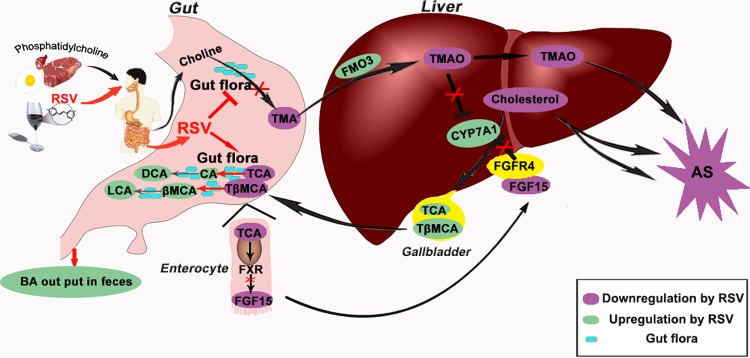
“We found that RSV reduced TMAO levels by inhibiting gut microbial TMA formation via remodeling gut microbiota, thereby attenuating TMAO-induced AS.”
- Also stated in: § DISCUSSION · plain
“Here, we found that RSV inhibited TMAO synthesis by decreasing gut microbial TMA production through gut microbiota modulation, which subsequently attenuated TMAO-induced AS.”
§ Resveratrol Attenuates Trimethylamine-N-Oxide (TMAO)-Induced Atherosclerosis by Regulating TMAO Synthesis and Bile Acid Metabolism via Remodeling of the Gut Microbiota > DISCUSSION
plaindirect- Asserted: passes — The authors put it forward as true.
- Checkable: passes — It can be checked against evidence.
- Load-bearing: passes — The paper’s conclusions depend on it.
- Based: passes — The paper gives a reason why it holds.
It may state two separate claims as one.
- Rests on an assumption: Suppression of gut microbiota by antibiotics specifically suppresses gut microbiota without affecting other host pathways relevant to bile acid synthesis and atherosclerosis.
- Also stated in: § DISCUSSION · plain
In the paper
“Bacterial BSH activity affects systemic metabolic processes and adiposity in the host.”
§ Resveratrol Attenuates Trimethylamine-N-Oxide (TMAO)-Induced Atherosclerosis by Regulating TMAO Synthesis and Bile Acid Metabolism via Remodeling of the Gut Microbiota > DISCUSSION
What the sources say
- Not checked yetcites [42] Joyce SA, MacSharry J, Casey PG, Kinsella M, Murphy EF, Shanahan F, Hill C, Gahan CG 2014 Regulation of host weight gain and lipid metabolism by bacterial bile acid modification in the gut. Proc Natl Acad Sci U S A 111: 7421– 7426. doi: 10.1073/pnas.1323599111. 24799697 PMC4034235 source
plaindirect- Asserted: passes — The authors put it forward as true.
- Checkable: passes — It can be checked against evidence.
- Load-bearing: fails — The paper’s conclusions may not depend on it.
- Based: passes — The paper gives a reason why it holds.
Probably not a substantial claim. The paper’s conclusions may not depend on it.
In the paper
“The gut microbiota is important for BA metabolism, as it mediates primary BA deconjugation and subsequent conversion to secondary BAs, which are responsible for BA synthesis in the liver (5).”
§ Resveratrol Attenuates Trimethylamine-N-Oxide (TMAO)-Induced Atherosclerosis by Regulating TMAO Synthesis and Bile Acid Metabolism via Remodeling of the Gut Microbiota > DISCUSSION
What the sources say
- Not checked yetcites [5] Sayin SI, Wahlström A, Felin J, Jäntti S, Marschall HU, Bamberg K, Angelin B, Hyötyläinen T, Orešič M, Bäckhed F 2013 Gut microbiota regulates bile acid metabolism by reducing the levels of tauro-beta-muricholic acid, a naturally occurring FXR antagonist. Cell Metab 17: 225– 235. doi: 10.1016/j.cmet.2013.01.003. 23395169 source
plaindirect- Asserted: passes — The authors put it forward as true.
- Checkable: passes — It can be checked against evidence.
- Load-bearing: passes — The paper’s conclusions depend on it.
- Based: passes — The paper gives a reason why it holds.
It may state two separate claims as one.
A conclusion the paper draws from its own results — it cites no other source for it, so there is none to check. The quote shows it is in the paper.
In the paper
“Our results contradict those previously published, possibly because we were experimenting in vivo, which is a more complex environment than that in vitro.”
§ Resveratrol Attenuates Trimethylamine-N-Oxide (TMAO)-Induced Atherosclerosis by Regulating TMAO Synthesis and Bile Acid Metabolism via Remodeling of the Gut Microbiota > DISCUSSION
hedgedconditional- Asserted: passes — The authors put it forward as true.
- Checkable: passes — It can be checked against evidence.
- Load-bearing: fails — The paper’s conclusions may not depend on it.
- Based: passes — The paper gives a reason why it holds.
Probably not a substantial claim. The paper’s conclusions may not depend on it. It may state two separate claims as one.
In the paper
“Dietary RSV has been shown to increase the expression of hepatic CYP7A1 and to ameliorate hypercholesterolemia in high-fat-fed C57BL/6J mice (43).”
§ Resveratrol Attenuates Trimethylamine-N-Oxide (TMAO)-Induced Atherosclerosis by Regulating TMAO Synthesis and Bile Acid Metabolism via Remodeling of the Gut Microbiota > DISCUSSION
What the sources say
- Not checked yetcites [43] Chen Q, Wang E, Ma L, Zhai P 2012 Dietary resveratrol increases the expression of hepatic 7alpha-hydroxylase and ameliorates hypercholesterolemia in high-fat fed C57BL/6J mice. Lipids Health Dis 11: 56. doi: 10.1186/1476-511X-11-56. 22607622 PMC3439360 source
plaindirect- Asserted: passes — The authors put it forward as true.
- Checkable: passes — It can be checked against evidence.
- Load-bearing: unclear — It is unclear whether the paper’s conclusions depend on it.
- Based: passes — The paper gives a reason why it holds.
It may state two separate claims as one.
In the paper
“RSV promotes the degradation of ASBT in vitro, which might have some clinical relevance with regard to the observed cholesterol-lowering effects of RSV (44).”
§ Resveratrol Attenuates Trimethylamine-N-Oxide (TMAO)-Induced Atherosclerosis by Regulating TMAO Synthesis and Bile Acid Metabolism via Remodeling of the Gut Microbiota > DISCUSSION
What the sources say
- Not checked yetcites [44] Chothe PP, Swaan PW 2014 Resveratrol promotes degradation of the human bile acid transporter ASBT (SLC10A2). Biochem J 459: 301– 312. doi: 10.1042/BJ20131428. 24498857 source
plaindirect- Asserted: passes — The authors put it forward as true.
- Checkable: passes — It can be checked against evidence.
- Load-bearing: fails — The paper’s conclusions may not depend on it.
- Based: passes — The paper gives a reason why it holds.
Probably not a substantial claim. The paper’s conclusions may not depend on it.
None of the sources cited for this claim have been checked yet.
In the paper
“It has been demonstrated that the gene encoding FMO3 is a direct FXR target gene, and FXR has been found to be a target of sirtuin 1 (SIRT1) in metabolic regulation (23, 34, 35).”
§ Resveratrol Attenuates Trimethylamine-N-Oxide (TMAO)-Induced Atherosclerosis by Regulating TMAO Synthesis and Bile Acid Metabolism via Remodeling of the Gut Microbiota > DISCUSSION
What the sources say
- Not checked yetcites [23] Bennett BJ, de Aguiar Vallim TQ, Wang Z, Shih DM, Meng Y, Gregory J, Allayee H, Lee R, Graham M, Crooke R, Edwards PA, Hazen SL, Lusis AJ 2013 Trimethylamine-N-oxide, a metabolite associated with atherosclerosis, exhibits complex genetic and dietary regulation. Cell Metab 17: 49– 60. doi: 10.1016/j.cmet.2012.12.011. 23312283 PMC3771112 source
- Not checked yetcites [34] Kemper JK, Xiao Z, Ponugoti B, Miao J, Fang S, Kanamaluru D, Tsang S, Wu SY, Chiang CM, Veenstra TD 2009 FXR acetylation is normally dynamically regulated by p300 and SIRT1 but constitutively elevated in metabolic disease states. Cell Metab 10: 392– 404. doi: 10.1016/j.cmet.2009.09.009. 19883617 PMC2785075 source
- Not checked yetcites [35] Purushotham A, Xu Q, Lu J, Foley JF, Yan X, Kim DH, Kemper JK, Li X 2012 Hepatic deletion of SIRT1 decreases hepatocyte nuclear factor 1 alpha/farnesoid X receptor signaling and induces formation of cholesterol gallstones in mice. Mol Cell Biol 32: 1226– 1236. doi: 10.1128/MCB.05988-11. 22290433 PMC3302441 source
boosteddirect- Asserted: passes — The authors put it forward as true.
- Checkable: passes — It can be checked against evidence.
- Load-bearing: fails — The paper’s conclusions may not depend on it.
- Based: passes — The paper gives a reason why it holds.
Probably not a substantial claim. The paper’s conclusions may not depend on it.
None of the sources cited for this claim have been checked yet.
In the paper
“Moreover, RSV is a well-known activator of SIRT1 and our previous study also found that RSV improved hepatic steatosis partially by inducing autophagy via the SIRT1 signaling pathway in vitro and in vivo (36–38).”
§ Resveratrol Attenuates Trimethylamine-N-Oxide (TMAO)-Induced Atherosclerosis by Regulating TMAO Synthesis and Bile Acid Metabolism via Remodeling of the Gut Microbiota > DISCUSSION
What the sources say
- Not checked yetcites [36] Kulkarni SS, Cantó C 2015 The molecular targets of resveratrol. Biochim Biophys Acta 1852: 1114– 1123. doi: 10.1016/j.bbadis.2014.10.005. 25315298 source
- Not checked yetcites [37] El-Mowafy AM, El-Mesery ME, Salem HA, Al-Gayyar MM, Darweish MM 2010 Prominent chemopreventive and chemoenhancing effects for resveratrol: unraveling molecular targets and the role of C-reactive protein. Chemotherapy 56: 60– 65. doi: 10.1159/000298821. 20299793 source
- Not checked yetcites [38] Zhang Y, Chen ML, Zhou Y, Yi L, Gao YX, Ran L, Chen SH, Zhang T, Zhou X, Zou D, Wu B, Wu Y, Chang H, Zhu JD, Zhang QY, Mi MT 2015 Resveratrol improves hepatic steatosis by inducing autophagy through the cAMP signaling pathway. Mol Nutr Food Res 59: 1443– 1457. doi: 10.1002/mnfr.201500016. 25943029 source
boosteddirect- Asserted: passes — The authors put it forward as true.
- Checkable: passes — It can be checked against evidence.
- Load-bearing: passes — The paper’s conclusions depend on it.
- Based: passes — The paper gives a reason why it holds.
Probably not a substantial claim.
In the paper
“It also represents a key mechanistic target for the control of obesity and hypercholesterolemia, acting by deconjugating BAs to generate unconjugated BAs (42).”
§ Resveratrol Attenuates Trimethylamine-N-Oxide (TMAO)-Induced Atherosclerosis by Regulating TMAO Synthesis and Bile Acid Metabolism via Remodeling of the Gut Microbiota > DISCUSSION
What the sources say
- Not checked yetcites [42] Joyce SA, MacSharry J, Casey PG, Kinsella M, Murphy EF, Shanahan F, Hill C, Gahan CG 2014 Regulation of host weight gain and lipid metabolism by bacterial bile acid modification in the gut. Proc Natl Acad Sci U S A 111: 7421– 7426. doi: 10.1073/pnas.1323599111. 24799697 PMC4034235 source
plaindirect- Asserted: passes — The authors put it forward as true.
- Checkable: passes — It can be checked against evidence.
- Load-bearing: fails — The paper’s conclusions may not depend on it.
- Based: passes — The paper gives a reason why it holds.
Probably not a substantial claim. The paper’s conclusions may not depend on it.
A conclusion the paper draws from its own results — it cites no other source for it, so there is none to check. The quote shows it is in the paper.
In the paper
“Meanwhile, we found that RSV increased BSH activity, thereby enhancing BA deconjugation.”
§ Resveratrol Attenuates Trimethylamine-N-Oxide (TMAO)-Induced Atherosclerosis by Regulating TMAO Synthesis and Bile Acid Metabolism via Remodeling of the Gut Microbiota > DISCUSSION
plaindirect- Asserted: passes — The authors put it forward as true.
- Checkable: passes — It can be checked against evidence.
- Load-bearing: passes — The paper’s conclusions depend on it.
- Based: passes — The paper gives a reason why it holds.
It may state two separate claims as one.
In the paper
“Recently, it was found that ASBT plays a key role in the enterohepatic recycling of BAs and indirectly contributes to cholesterol homoeostasis (26).”
§ Resveratrol Attenuates Trimethylamine-N-Oxide (TMAO)-Induced Atherosclerosis by Regulating TMAO Synthesis and Bile Acid Metabolism via Remodeling of the Gut Microbiota > DISCUSSION
What the sources say
- Not checked yetcites [26] Alrefai WA, Gill RK 2007 Bile acid transporters: structure, function, regulation and pathophysiological implications. Pharm Res 24: 1803– 1823. doi: 10.1007/s11095-007-9289-1. 17404808 source
plaindirect- Asserted: passes — The authors put it forward as true.
- Checkable: passes — It can be checked against evidence.
- Load-bearing: fails — The paper’s conclusions may not depend on it.
- Based: passes — The paper gives a reason why it holds.
Probably not a substantial claim. The paper’s conclusions may not depend on it. It may state two separate claims as one.
A conclusion the paper draws from its own results — it cites no other source for it, so there is none to check. The quote shows it is in the paper.
In the paper
“Overall, we came to the conclusion that RSV attenuated TMAO-induced AS, partially by regulating BA synthesis through the enterohepatic FXR-FGF15 axis in a gut microbiota-dependent manner.”
§ Resveratrol Attenuates Trimethylamine-N-Oxide (TMAO)-Induced Atherosclerosis by Regulating TMAO Synthesis and Bile Acid Metabolism via Remodeling of the Gut Microbiota > RESULTS > RSV downregulated the enterohepatic FXR-FGF15 axis in choline-treated ApoE−/− mice.
plaindirect- Asserted: passes — The authors put it forward as true.
- Checkable: passes — It can be checked against evidence.
- Load-bearing: passes — The paper’s conclusions depend on it.
- Based: passes — The paper gives a reason why it holds.
It may state two separate claims as one.
- Rests on an assumption: Suppression of gut microbiota by antibiotics specifically suppresses gut microbiota without affecting other host pathways relevant to bile acid synthesis and atherosclerosis.
In the paper
“BAs are synthesized from cholesterol by CYP7A1 in the liver and play a central role in cholesterol homoeostasis (8).”
§ Resveratrol Attenuates Trimethylamine-N-Oxide (TMAO)-Induced Atherosclerosis by Regulating TMAO Synthesis and Bile Acid Metabolism via Remodeling of the Gut Microbiota > DISCUSSION
What the sources say
- Not checked yetcites [8] Hylemon PB, Zhou H, Pandak WM, Ren S, Gil G, Dent P 2009 Bile acids as regulatory molecules. J Lipid Res 50: 1509– 1520. doi: 10.1194/jlr.R900007-JLR200. 19346331 PMC2724047 source
plaindirect- Asserted: passes — The authors put it forward as true.
- Checkable: passes — It can be checked against evidence.
- Load-bearing: fails — The paper’s conclusions may not depend on it.
- Based: passes — The paper gives a reason why it holds.
Probably not a substantial claim. The paper’s conclusions may not depend on it. It may state two separate claims as one.
None of the sources cited for this claim have been checked yet.
In the paper
“Moreover, RSV is a well-known activator of SIRT1 and our previous study also found that RSV improved hepatic steatosis partially by inducing autophagy via the SIRT1 signaling pathway in vitro and in vivo (36–38).”
§ Resveratrol Attenuates Trimethylamine-N-Oxide (TMAO)-Induced Atherosclerosis by Regulating TMAO Synthesis and Bile Acid Metabolism via Remodeling of the Gut Microbiota > DISCUSSION
What the sources say
- Not checked yetcites [36] Kulkarni SS, Cantó C 2015 The molecular targets of resveratrol. Biochim Biophys Acta 1852: 1114– 1123. doi: 10.1016/j.bbadis.2014.10.005. 25315298 source
- Not checked yetcites [37] El-Mowafy AM, El-Mesery ME, Salem HA, Al-Gayyar MM, Darweish MM 2010 Prominent chemopreventive and chemoenhancing effects for resveratrol: unraveling molecular targets and the role of C-reactive protein. Chemotherapy 56: 60– 65. doi: 10.1159/000298821. 20299793 source
- Not checked yetcites [38] Zhang Y, Chen ML, Zhou Y, Yi L, Gao YX, Ran L, Chen SH, Zhang T, Zhou X, Zou D, Wu B, Wu Y, Chang H, Zhu JD, Zhang QY, Mi MT 2015 Resveratrol improves hepatic steatosis by inducing autophagy through the cAMP signaling pathway. Mol Nutr Food Res 59: 1443– 1457. doi: 10.1002/mnfr.201500016. 25943029 source
plaindirect- Asserted: passes — The authors put it forward as true.
- Checkable: passes — It can be checked against evidence.
- Load-bearing: fails — The paper’s conclusions may not depend on it.
- Based: passes — The paper gives a reason why it holds.
Probably not a substantial claim. The paper’s conclusions may not depend on it.
None of the sources cited for this claim have been checked yet.
In the paper
“Previous studies have shown that FXR activation induces SHP and FGF15, thereby suppressing CYP7A1 expression and ultimately inhibiting BA synthesis (31, 32).”
§ Resveratrol Attenuates Trimethylamine-N-Oxide (TMAO)-Induced Atherosclerosis by Regulating TMAO Synthesis and Bile Acid Metabolism via Remodeling of the Gut Microbiota > DISCUSSION
What the sources say
- Not checked yetcites [31] Inagaki T, Choi M, Moschetta A, Peng L, Cummins CL, McDonald JG, Luo G, Jones SA, Goodwin B, Richardson JA, Gerard RD, Repa JJ, Mangelsdorf DJ, Kliewer SA 2005 Fibroblast growth factor 15 functions as an enterohepatic signal to regulate bile acid homeostasis. Cell Metab 2: 217– 225. doi: 10.1016/j.cmet.2005.09.001. 16213224 source
- Not checked yetcites [32] Lu TT, Makishima M, Repa JJ, Schoonjans K, Kerr TA, Auwerx J, Mangelsdorf DJ 2000 Molecular basis for feedback regulation of bile acid synthesis by nuclear receptors. Mol Cell 6: 507– 515. doi: 10.1016/S1097-2765(00)00050-2. 11030331 source
plaindirect- Asserted: passes — The authors put it forward as true.
- Checkable: passes — It can be checked against evidence.
- Load-bearing: passes — The paper’s conclusions depend on it.
- Based: passes — The paper gives a reason why it holds.
Probably not a substantial claim.
In the paper
“The gut microbiome produces potent ligands corresponding to BA receptors; probiotics or prebiotics could act as therapeutics of BA dysmetabolism, indicating that microbiota-targeted therapies could be effective in preventing and/or treating gut-related diseases, including AS (40).”
§ Resveratrol Attenuates Trimethylamine-N-Oxide (TMAO)-Induced Atherosclerosis by Regulating TMAO Synthesis and Bile Acid Metabolism via Remodeling of the Gut Microbiota > DISCUSSION
What the sources say
- Not checked yetcites [40] Swann JR, Want EJ, Geier FM, Spagou K, Wilson ID, Sidaway JE, Nicholson JK, Holmes E 2011 Systemic gut microbial modulation of bile acid metabolism in host tissue compartments. Proc Natl Acad Sci U S A 108: 4523– 4530. doi: 10.1073/pnas.1006734107. 20837534 PMC3063584 source
plaindirect- Asserted: passes — The authors put it forward as true.
- Checkable: passes — It can be checked against evidence.
- Load-bearing: fails — The paper’s conclusions may not depend on it.
- Based: passes — The paper gives a reason why it holds.
Probably not a substantial claim. The paper’s conclusions may not depend on it.
A conclusion the paper draws from its own results — it cites no other source for it, so there is none to check. The quote shows it is in the paper.
In the paper
“Interestingly, the SI lumenal BA content was higher upon RSV treatment, which was presumably a result of increased biliary output.”
§ Resveratrol Attenuates Trimethylamine-N-Oxide (TMAO)-Induced Atherosclerosis by Regulating TMAO Synthesis and Bile Acid Metabolism via Remodeling of the Gut Microbiota > DISCUSSION
hedgedconditional- Asserted: passes — The authors put it forward as true.
- Checkable: passes — It can be checked against evidence.
- Load-bearing: fails — The paper’s conclusions may not depend on it.
- Based: fails — The paper may give no reason why it holds.
Probably not a substantial claim. The paper’s conclusions may not depend on it. The paper may give no reason why it holds.
In the paper
“Meanwhile, a recent report showed that 3,3-dimethyl-1-butanol can reduce TMAO levels by inhibiting the formation of TMA from microbes in mice, thereby attenuating choline diet-enhanced AS (39).”
§ Resveratrol Attenuates Trimethylamine-N-Oxide (TMAO)-Induced Atherosclerosis by Regulating TMAO Synthesis and Bile Acid Metabolism via Remodeling of the Gut Microbiota > DISCUSSION
What the sources say
- Not checked yetcites [39] Wang Z, Roberts AB, Buffa JA, Levison BS, Zhu W, Org E, Gu X, Huang Y, Zamanian-Daryoush M, Culley MK, DiDonato AJ, Fu X, Hazen JE, Krajcik D, DiDonato JA, Lusis AJ, Hazen SL 2015 Non-lethal inhibition of gut microbial trimethylamine production for the treatment of atherosclerosis. Cell 163: 1585– 1595. doi: 10.1016/j.cell.2015.11.055. 26687352 PMC4871610 source
plaindirect- Asserted: passes — The authors put it forward as true.
- Checkable: passes — It can be checked against evidence.
- Load-bearing: fails — The paper’s conclusions may not depend on it.
- Based: passes — The paper gives a reason why it holds.
Probably not a substantial claim. The paper’s conclusions may not depend on it. It may state two separate claims as one.
In the paper
“FXR is required for the negative-feedback regulation of BA biosynthesis and the enterohepatic cycle (30).”
§ Resveratrol Attenuates Trimethylamine-N-Oxide (TMAO)-Induced Atherosclerosis by Regulating TMAO Synthesis and Bile Acid Metabolism via Remodeling of the Gut Microbiota > DISCUSSION
What the sources say
- Not checked yetcites [30] Sinal CJ, Tohkin M, Miyata M, Ward JM, Lambert G, Gonzalez FJ 2000 Targeted disruption of the nuclear receptor FXR/BAR impairs bile acid and lipid homeostasis. Cell 102: 731– 744. doi: 10.1016/S0092-8674(00)00062-3. 11030617 source
plaindirect- Asserted: passes — The authors put it forward as true.
- Checkable: passes — It can be checked against evidence.
- Load-bearing: passes — The paper’s conclusions depend on it.
- Based: passes — The paper gives a reason why it holds.
Probably not a substantial claim.
A conclusion the paper draws from its own results — it cites no other source for it, so there is none to check. The quote shows it is in the paper.
In the paper
“Our findings were the first to indicate the crucial role of the gut microbiota in RSV-induced cholesterol metabolism in the liver, indicating that RSV could attenuate TMAO-caused AS, partially by inducing BA synthesis in a gut microbiota-dependent manner.”
§ Resveratrol Attenuates Trimethylamine-N-Oxide (TMAO)-Induced Atherosclerosis by Regulating TMAO Synthesis and Bile Acid Metabolism via Remodeling of the Gut Microbiota > DISCUSSION
hedgedconditional- Asserted: passes — The authors put it forward as true.
- Checkable: passes — It can be checked against evidence.
- Load-bearing: passes — The paper’s conclusions depend on it.
- Based: passes — The paper gives a reason why it holds.
It may state two separate claims as one.
- Rests on an assumption: Suppression of gut microbiota by antibiotics specifically suppresses gut microbiota without affecting other host pathways relevant to bile acid synthesis and atherosclerosis.
In the paper
“whereas TMA has been reported to influence signal transduction by direct interaction with a family of G protein-coupled receptors (47).”
§ Resveratrol Attenuates Trimethylamine-N-Oxide (TMAO)-Induced Atherosclerosis by Regulating TMAO Synthesis and Bile Acid Metabolism via Remodeling of the Gut Microbiota > DISCUSSION
What the sources say
- Not checked yetcites [47] Liberles SD, Buck LB 2006 A second class of chemosensory receptors in the olfactory epithelium. Nature 442: 645– 650. doi: 10.1038/nature05066. 16878137 source
plaindirect- Asserted: passes — The authors put it forward as true.
- Checkable: passes — It can be checked against evidence.
- Load-bearing: fails — The paper’s conclusions may not depend on it.
- Based: passes — The paper gives a reason why it holds.
Probably not a substantial claim. The paper’s conclusions may not depend on it.
None of the sources cited for this claim have been checked yet.
In the paper
“TMAO, a small quaternary amine with an aliphatic character, is reportedly capable of directly inducing conformational changes in proteins and of stabilizing protein folding and acting as a small-molecule protein chaperone (48, 49).”
§ Resveratrol Attenuates Trimethylamine-N-Oxide (TMAO)-Induced Atherosclerosis by Regulating TMAO Synthesis and Bile Acid Metabolism via Remodeling of the Gut Microbiota > DISCUSSION
What the sources say
- Not checked yetcites [48] Bai C, Biwersi J, Verkman AS, Matthay MA 1998 A mouse model to test the in vivo efficacy of chemical chaperones. J Pharmacol Toxicol Methods 40: 39– 45. doi: 10.1016/S1056-8719(98)00034-3. 9920533 source
- Not checked yetcites [49] Mello CC, Barrick D 2003 Measuring the stability of partly folded proteins using TMAO. Protein Sci 12: 1522– 1529. doi: 10.1110/ps.0372903. 12824497 PMC2323936 source
hedgeddirect- Asserted: passes — The authors put it forward as true.
- Checkable: passes — It can be checked against evidence.
- Load-bearing: fails — The paper’s conclusions may not depend on it.
- Based: passes — The paper gives a reason why it holds.
Probably not a substantial claim. The paper’s conclusions may not depend on it. It may state two separate claims as one.
In the paper
“BA synthesis and modulation of the enterohepatic FXR-FGF15 axis are seen in germ-free, gnotobiotic, and antibiotic-treated animals (5).”
§ Resveratrol Attenuates Trimethylamine-N-Oxide (TMAO)-Induced Atherosclerosis by Regulating TMAO Synthesis and Bile Acid Metabolism via Remodeling of the Gut Microbiota > DISCUSSION
What the sources say
- Not checked yetcites [5] Sayin SI, Wahlström A, Felin J, Jäntti S, Marschall HU, Bamberg K, Angelin B, Hyötyläinen T, Orešič M, Bäckhed F 2013 Gut microbiota regulates bile acid metabolism by reducing the levels of tauro-beta-muricholic acid, a naturally occurring FXR antagonist. Cell Metab 17: 225– 235. doi: 10.1016/j.cmet.2013.01.003. 23395169 source
plain- Asserted: passes — The authors put it forward as true.
- Checkable: passes — It can be checked against evidence.
- Load-bearing: fails — The paper’s conclusions may not depend on it.
- Based: passes — The paper gives a reason why it holds.
Probably not a substantial claim. The paper’s conclusions may not depend on it.
In the paper
“Results from a recent study demonstrate that probiotic VSL#3 affects hepatic BA synthesis by downregulating the gut-liver FXR-FGF15 axis.”
§ Resveratrol Attenuates Trimethylamine-N-Oxide (TMAO)-Induced Atherosclerosis by Regulating TMAO Synthesis and Bile Acid Metabolism via Remodeling of the Gut Microbiota > DISCUSSION
What the sources say
- Not checked yetcites [10] Degirolamo C, Rainaldi S, Bovenga F, Murzilli S, Moschetta A 2014 Microbiota modification with probiotics induces hepatic bile acid synthesis via downregulation of the FXR-FGF15 axis in mice. Cell Rep 7: 12– 18. doi: 10.1016/j.celrep.2014.02.032. 24656817 source
boosteddirect- Asserted: passes — The authors put it forward as true.
- Checkable: passes — It can be checked against evidence.
- Load-bearing: fails — The paper’s conclusions may not depend on it.
- Based: passes — The paper gives a reason why it holds.
Probably not a substantial claim. The paper’s conclusions may not depend on it.
The paper relies on this without support.
The mechanisms by which resveratrol exerts its anti-atherosclerosis effects remain unclear.
“Resveratrol (RSV) is a natural phytoalexin with anti-AS effects; however, its mechanisms of action remain unclear.”
The paper relies on this without support.
The gut microbiota is strongly associated with atherosclerosis.
“The gut microbiota is found to be strongly associated with atherosclerosis (AS).”
The paper relies on this without support.
Antibiotics have side effects and resistance potential that limit their utility.
“However, the side effects and resistance potential of Abs limit their utility.”
The paper relies on this without support.
Phenolic phytochemicals with poor bioavailability possibly act primarily through remodeling the gut microbiota.
“However, a growing body of evidence supports the hypothesis that phenolic phytochemicals with poor bioavailability are possibly acting primarily through remodeling the gut microbiota.”
The paper relies on this without support.
Antibiotic treatment suppresses the gut microbiota sufficiently to test its role in the effects of resveratrol.
“Moreover, when the gut microbiota was suppressed by Abs, RSV-induced inhibition of TMAO-caused AS was significantly abolished (Fig. 6).”
The paper relies on this without support.
Suppression of gut microbiota by antibiotics specifically suppresses gut microbiota without affecting other host pathways relevant to bile acid synthesis and atherosclerosis.
“when the gut microbiota was suppressed by Abs”
“in the absence or presence of Abs”
The paper relies on this without support.
Z-Gug and GW4064 specifically modulate FXR without off-target effects on FGF15 and CYP7A1 expression.
“When Z-Gug, a natural antagonist of FXR, was administered”
“the presence of GW4064, a synthetic FXR agonist”
Claims other papers make about this one
Each is checked against this paper’s own text: does it say what the citing paper says it does?
The source backs part of the claim, not all of it — or backs it for a different population, condition or comparison.
In the citing paper
“Recent evidence suggests that resveratrol, for example, may act to remodel the gut microbiome to yield cardiovascular benefits, antiobesity effects, and improvements in glucose homeostasis (Chen et al., 2016;Bird et al., 2017;Sung et al., 2017).”
From Gut reactions: Breaking down xenobiotic–microbiome interactions (2019) · cites this paper as Chen et al., 2016
Experimental — accuracy not yet measuredIn the citing paper
“Thus, plasma TMAO levels decrease.”
From Implication of Trimethylamine N-Oxide (TMAO) in Disease: Potential Biomarker or New Therapeutic Target (2018) · cites this paper as [101]
In the citing paper
“Other compounds such as resveratrol could modulate gut composition, decreasing TMA-forming bacteria and increasing the amount of Lactobacillus and Bifidobacterium.”
From Implication of Trimethylamine N-Oxide (TMAO) in Disease: Potential Biomarker or New Therapeutic Target (2018) · cites this paper as [101]
In the citing paper
“Resveratrol did not show beneficial effects when antibiotics were used concomitantly [101].”
From Implication of Trimethylamine N-Oxide (TMAO) in Disease: Potential Biomarker or New Therapeutic Target (2018) · cites this paper as [101]
In the citing paper
“Resveratrol, a natural phytoalexin, also reduced plasma TMAO concentrations in Apo e -/-mice by inhibiting TMA production from gut microbiota (27).”
From Trimethylamine N -Oxide, the Microbiome, and Heart and Kidney Disease (2017) · cites this paper as [27]
In the citing paper
“Treatment with RSV resulted in an increase in Bacteroidetes abundance at the expense of Firmicutes in choline-treated apoE−/− mice.”
From Trimethylamine N-oxide: the good, the bad and the unknown. (2016) · cites this paper as [55]
In the citing paper
“Serum TMA and TMAO levels were much lower in RSV-treated mice fed with choline than in those in the control group [55].”
From Trimethylamine N-oxide: the good, the bad and the unknown. (2016) · cites this paper as [55]
Self-check
Percentages, sums and reported differences re-computed from the paper’s own numbers.
Each contradiction between two passages listed here was confirmed by an independent check.
Rated minor: it would not touch a result — a value no result rests on, a p-value that stays on the same side of the significance level, or a conflict that is clerical, resolved elsewhere in the paper, or outside its own findings.
In the paper
§ Resveratrol Attenuates Trimethylamine-N-Oxide (TMAO)-Induced Atherosclerosis by Regulating TMAO Synthesis and Bile Acid Metabolism via Remodeling of the Gut Microbiota > RESULTS > RSV enhanced BA deconjugation and fecal excretion through microbiota modulation.
“there was a significant decrease in the fecal conjugated/unconjugated BA ratio”
§ Resveratrol Attenuates Trimethylamine-N-Oxide (TMAO)-Induced Atherosclerosis by Regulating TMAO Synthesis and Bile Acid Metabolism via Remodeling of the Gut Microbiota > RESULTS > RSV downregulated the enterohepatic FXR-FGF15 axis in choline-treated ApoE−/− mice.
“RSV also increased fecal BA loss and fecal conjugated/unconjugated BA levels and increased BSH activity, with fecal CA/DCA ratios unchanged in choline-fed ApoE−/− mice (Fig. 9F; see also Fig. S5B to D and Table S4). These results were similar to those found in C57BL/6J mice.”
Rated minor: it would not touch a result — a value no result rests on, a p-value that stays on the same side of the significance level, or a conflict that is clerical, resolved elsewhere in the paper, or outside its own findings.
In the paper
§ Resveratrol Attenuates Trimethylamine-N-Oxide (TMAO)-Induced Atherosclerosis by Regulating TMAO Synthesis and Bile Acid Metabolism via Remodeling of the Gut Microbiota > RESULTS > RSV downregulated the enterohepatic FXR-FGF15 axis in choline-treated ApoE−/− mice.
“The mRNA level of the SHP gene and the mRNA and protein levels of FXR in the liver were unchanged by RSV (Fig. 9A and B).”
§ Resveratrol Attenuates Trimethylamine-N-Oxide (TMAO)-Induced Atherosclerosis by Regulating TMAO Synthesis and Bile Acid Metabolism via Remodeling of the Gut Microbiota > RESULTS > RSV downregulated the enterohepatic FXR-FGF15 axis in choline-treated ApoE−/− mice.
“(A) Expression of CYP7A1 was analyzed by Western blotting.”
Citations
Cites
Murray, C. J. L., & López, A. D. (1997) · The Lancet · doi:10.1016/s0140-6736(96)07492-2 · Cited by 7,007
Gut flora metabolism of phosphatidylcholine promotes cardiovascular disease
Wang, Z., Klipfell, E., Bennett, B. J., Koeth, R., Levison, B. S., DuGar, B., Feldstein, A. E., Britt, E. B., Fu, X., Chung, Y.-M., et al. (2011) · Nature · doi:10.1038/nature09922 · Cited by 5,597 · cited 4×
“Current evidence suggests that TMAO appears to contribute to the development of AS, in part by regulating cholesterol elimination and BA synthesis (2, 4).”
BackgroundInfluentialIntestinal microbiota metabolism of l-carnitine, a nutrient in red meat, promotes atherosclerosis
Koeth, R. A., Wang, Z., Levison, B. S., Buffa, J. A., Org, E., Sheehy, B. T., Britt, E. B., Fu, X., Wu, Y., Li, L., et al. (2013) · Nature Medicine · doi:10.1038/nm.3145 · Cited by 4,386
Intestinal microbial metabolism of phosphatidylcholine and cardiovascular risk
Tang, W. H. W., Wang, Z., Levison, B. S., Koeth, R. A., Britt, E. B., Fu, X., Wu, Y., & Hazen, S. L. (2013) · New England Journal of Medicine · doi:10.1056/nejmoa1109400 · Cited by 3,400 · cited 1×
“A recent metabolomics approach identified that plasma trimethylamine-N-oxide (TMAO), a choline metabolite, is a novel and independent risk factor for promoting AS (2, 3).”
BackgroundBile salt biotransformations by human intestinal bacteria
Ridlon, J. M., Kang, D.-J., & Hylemon, P. B. (2006) · Journal of Lipid Research · doi:10.1194/jlr.r500013-jlr200 · Cited by 2,829 · cited 13×
“Recently, it was found that ASBT plays a key role in the enterohepatic recycling of BAs and indirectly contributes to cholesterol homoeostasis (26).”
BackgroundInfluentialSayin, S. I., Wahlström, A., Felin, J., Jäntti, S., Marschall, H.-U., Bamberg, K., Angelin, B., Hyötyläinen, T., Orešič, M., & Bäckhed, F. (2013) · Cell Metabolism · doi:10.1016/j.cmet.2013.01.003 · Cited by 2,331
Fibroblast growth factor 15 functions as an enterohepatic signal to regulate bile acid homeostasis
Inagaki, T., Choi, M., Moschetta, A., Peng, L., Cummins, C. L., McDonald, J. G., Luo, G., Jones, S. A., Goodwin, B., Richardson, J. A., et al. (2005) · Cell Metabolism · doi:10.1016/j.cmet.2005.09.001 · Cited by 1,865 · cited 2×
“Previous studies have shown that FXR activation induces SHP and FGF15, thereby suppressing CYP7A1 expression and ultimately inhibiting BA synthesis (31, 32).”
BackgroundTargeted Disruption of the Nuclear Receptor FXR/BAR Impairs Bile Acid and Lipid Homeostasis
Sinal, C. J., Tohkin, M., Miyata, M., Ward, J. M., Lambert, G., & Gonzalez, F. J. (2000) · Cell · doi:10.1016/s0092-8674(00)00062-3 · Cited by 1,819 · cited 2×
“The feedback suppression of CYP7A1 gene transcription by FXR is one of the most important mechanisms in the maintenance of BA homeostasis (30).”
BackgroundShin, N.-R., Lee, J.-C., Lee, H.-Y., Kim, M.-S., Whon, T. W., Lee, M.-S., & Bae, J.-W. (2014) · Gut · doi:10.1136/gutjnl-2012-303839 · Cited by 1,550 · cited 1×
“Researchers have confirmed that a polyphenol-rich cranberry extract and metformin attenuate diet-induced metabolic syndrome in mice in a gut microbiota-dependent manner (16, 17).”
BackgroundBile acids: regulation of synthesis
Chiang, J. Y. L. (2009) · Journal of Lipid Research · doi:10.1194/jlr.r900010-jlr200 · Cited by 1,515 · cited 1×
“In addition, the expression of CYP7A1 mRNA and protein, which is the rate-limiting enzyme in hepatic BA synthesis, was also investigated (29).”
Background
Research works printed but not linked: 2
- 10.1172/jci16309 · DOI · Paper page
- 10.1016/j.cmet.2013.01.003 · DOI · Paper page
Cited by
Sorted by citations
Dietary metabolism, the gut microbiome, and heart failure
Tang, W. H. W., Li, D. Y., & Hazen, S. L. (2019) · Nature Reviews Cardiology · doi:10.1038/s41569-018-0108-7 · Cited by 789
Huang, F., Zheng, X., Ma, X., Jiang, R., Zhou, W., Zhou, S., Zhang, Y., Lei, S., Wang, S., Kuang, J., et al. (2019) · Nature Communications · doi:10.1038/s41467-019-12896-x · Cited by 799
Self-citationRole of gut microbiota in atherosclerosis
Jonsson, A. L., & Bäckhed, F. (2016) · Nature Reviews Cardiology · doi:10.1038/nrcardio.2016.183 · Cited by 662
Janeiro, M., Ramírez, M., Milagro, F., Martínez, J., & Solas, M. (2018) · Nutrients · doi:10.3390/nu10101398 · Cited by 631
Chen, M., Zhu, X., Ran, L., Lang, H., Yi, L., & Mi, M. (2017) · Journal of the American Heart Association · doi:10.1161/jaha.117.006347 · Cited by 600
Self-citation
Metadata
- Authors
- Chen, M.-L., Yi, L., Zhang, Y., Zhou, X., Ran, L., Yang, J., Zhu, J.-D., Zhang, Q.-Y., & Mi, M.-T.
- Affiliations
- Research Center for Nutrition and Food Safety, Institute of Military Preventive Medicine, Third Military Medical University, Chongqing, People’s Republic of China
- Army Medical University (CN)
- Venue
- mBio
- Publisher
- American Society for Microbiology
- Published
- 2016-05-04
- Volume
- 7
- Issue
- 2
- Pages
- e02210-15
- ISSN
- 2150-7511 (ISSN-L)
- 2161-2129
- PMC
- PMC4817264
- OpenAlex
- W2324161694
- Semantic Scholar
- 650b0822927c9be31027805f7cbd4489831ba45c
- Cited by
- 754
- References
- 50
- Citations by year
- 2026: 45 · 2025: 76 · 2024: 93 · 2023: 98 · 2022: 107 · 2021: 92 · 2020: 82 · 2019: 71 · 2018: 51 · 2017: 30 · 2016: 8
- FWCI
- 27.88
- Type
- journal article
- Language
- en
- Open access
- gold
- doi.org
- Licence
- Locations
- mBio (publishedVersion, cc-by)
- PubMed Central (publishedVersion, cc-by)
- PubMed (publishedVersion)
- DOAJ (DOAJ: Directory of Open Access Journals) (submittedVersion, cc-by-sa)
- DOAJ (DOAJ: Directory of Open Access Journals) (submittedVersion)
- Funders
- National Natural Science Foundation of China (81470562)
- Topics
- Life Sciences › Biochemistry, Genetics and Molecular Biology › Molecular Biology › Gut microbiota and health
- Health Sciences › Medicine › Geriatrics and Gerontology › Sirtuins and Resveratrol in Medicine
- Life Sciences › Biochemistry, Genetics and Molecular Biology › Biochemistry › Cholesterol and Lipid Metabolism
- Keywords
- resveratrol, trimethylamine N-oxide, atherosclerosis, gut microbiota, bile acid metabolism, bile salt hydrolase, farnesoid X receptor, FGF15, CYP7A1, hepatic bile acid synthesis, ApoE-deficient mice
- MeSH terms
- Gastrointestinal Microbiome, Resveratrol, Animals, Bacteria, Bile Acids and Salts, Cholesterol 7-alpha-Hydroxylase, Female, Humans, Liver, Methylamines, Mice, Inbred C57BL, Stilbenes, Atherosclerosis, Mice
About these checks
Registry, retraction, Cites and statistics results are computed, not judged, with one exception: a printed reference that no index lists is read once by a model before it counts as a citation error. Claims are extracted by a model and kept only when their quote appears verbatim in the text; each cited source is then checked, with a model’s help, for whether it says what the claim relies on. Those verdicts can be wrong — read the claim’s quote and the cited source before relying on one.
A language model drew the claims from the paper on 2026-10-07, under version 3 of the claim definition (model deepseek-v4.1-flash, prompt extract-v3).
A second model labelled each claim on 2026-10-07 (model jev-1.13-20260917, definition revision gold-guideline-v0.2).
Cited sources are checked with a language model’s help (gpt-6-sol).
Statistics and arithmetic are recomputed, not judged.
Confidence bands are shown only for fields calibrated on our annotated test set. None is calibrated yet, so no band is shown.
What counts as a claim ›How we measure confidence ›How we check this ›
Are you an author, or do you see a problem with this page? Request a review
