

The DOI matches its Crossref record; 112 of the 112 references it cites were found in a registry or an index.
Efficacy of psychosocial interventions for psychological and pregnancy outcomes in infertile women and men: a systematic review and meta-analysis
Open accessAbstract
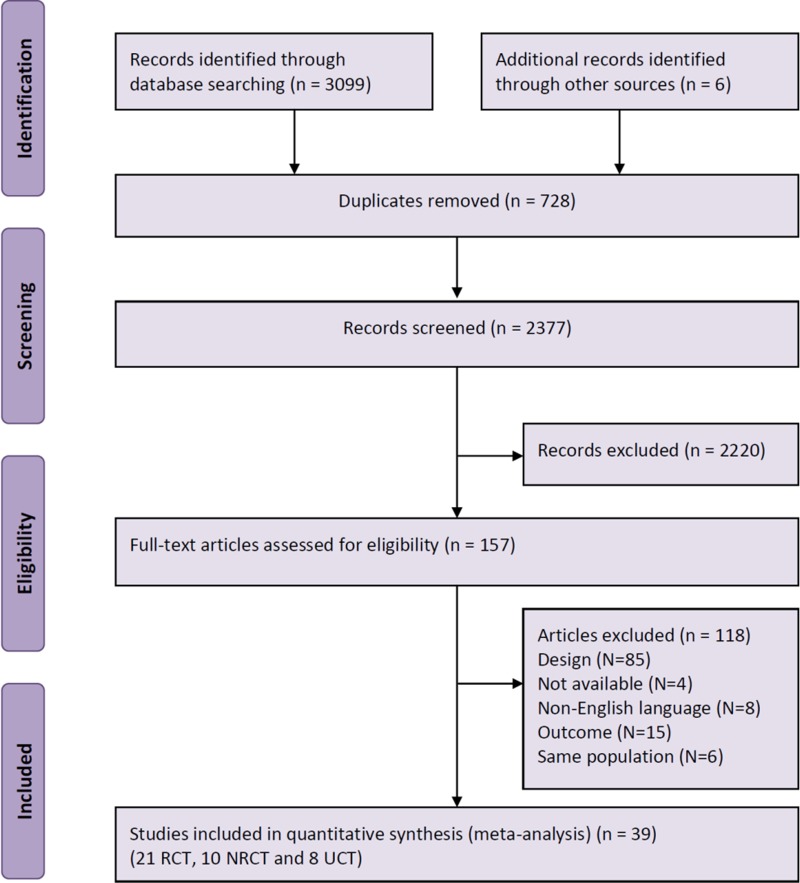
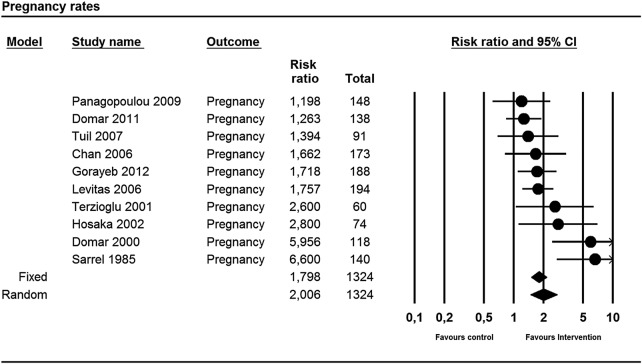
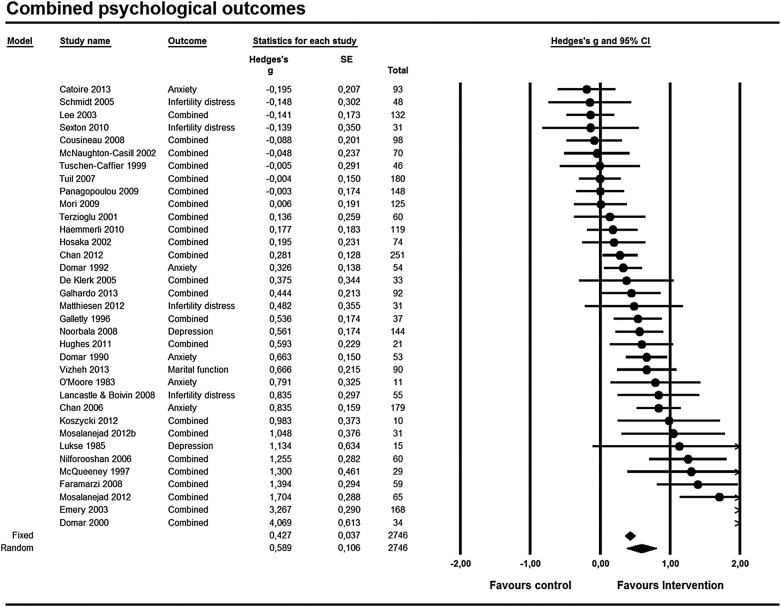
Objective: To evaluate the evidence on the efficacy of psychosocial interventions for improving pregnancy rates and reducing distress for couples in treatment with assisted reproductive technology (ART). Design: Systematic review and meta-analysis. Data sources: PsycINFO, PubMed, EMBASE, CINAHL, Web of Science and The Cochrane Library between 1978 and April 2014. Study selection: Studies were considered eligible if they evaluated the effect of any psychosocial intervention on clinical pregnancy and/or distress in infertile participants, used a quantitative approach and were published in English. Data extraction: Study characteristics and results were extracted and the methodological quality was assessed. Effect sizes (ES; Hedges g) were pooled using a random effects model. Heterogeneity was assessed using the Q statistic and I 2 , and publication bias was evaluated using Egger’s method. Possible moderators and mediators were explored with meta-analyses of variances (ANOVAs) and meta-regression. Results: We identified 39 eligible studies (total N=2746 men and women) assessing the effects of psychological treatment on pregnancy rates and/or adverse psychological outcomes, including depressive symptoms, anxiety, infertility stress and marital function. Statistically significant and robust overall effects of psychosocial intervention were found for both clinical pregnancy (risk ratio=2.01; CI 1.48 to 2.73; p<0.001) and combined psychological outcomes (Hedges g=0.59; CI 0.38 to 0.80; p=0.001). The pooled ES for psychological outcomes were generally larger for women (g: 0.51 to 0.73) than men (0.13 to 0.34), but the difference only reached statistical significance for depressive symptoms (p=0.004). Meta-regression indicated that larger reductions in anxiety were associated with greater improvement in pregnancy rates (Slope 0.19; p=0.004). No clear-cut differences were found between effects of cognitive–behavioural therapy (CBT; g=0.84), mind–body interventions (0.61) and other intervention types (0.50). Conclusions: The present meta-analysis suggests that psychosocial interventions for couples in treatment for infertility, in particular CBT, could be efficacious, both in reducing psychological distress and in improving clinical pregnancy rates.
Overview
The claims and statistics of this paper haven’t been checked yet.
Run the check — free, no account needed. It reads the open-access text and checks the sources it cites.
Integrity signals
Registry
Cites
Statistics
Figures
Verification
Claims the paper makes
The claims and statistics of this paper haven’t been checked yet.
Run the check — free, no account needed. It reads the open-access text and checks the sources it cites.
Claims other papers make about this one
Each is checked against this paper’s own text: does it say what the citing paper says it does?
The source backs part of the claim, not all of it — or backs it for a different population, condition or comparison.
In the citing paper
“Furthermore, the overall effect size associated with randomised controlled trials of psychological interventions on combined psychological outcomes was non-significant and efficacy was not found to differ according to intervention type.”
From Infertility-related distress and clinical targets for psychotherapy: A qualitative study (2021) · cites this paper as [15]
Experimental — accuracy not yet measuredThe source backs part of the claim, not all of it — or backs it for a different population, condition or comparison.
In the citing paper
“Although mindfulness approaches have proven to be of limited efficacy for infertility-related distress, one mindfulness-based approach that has yet to be applied to infertility is loving-kindness meditation (LKM),41 which seems to map on well to both shame/self-blame and severed relationships with others.”
From Infertility-related distress and clinical targets for psychotherapy: A qualitative study (2021) · cites this paper as [15]
Experimental — accuracy not yet measuredThe source backs part of the claim, not all of it — or backs it for a different population, condition or comparison.
In the citing paper
“Though CBT has been applied to infertility in a number of studies, with limited results, there are a number of CBT-based techniques that have yet to be used but that may address some of the specific infertility-related psychological challenges raised in this study.”
From Infertility-related distress and clinical targets for psychotherapy: A qualitative study (2021) · cites this paper as [15]
Experimental — accuracy not yet measuredThe source backs part of the claim, not all of it — or backs it for a different population, condition or comparison.
In the citing paper
“While cognitive restructuring, progressive muscle relaxation, and mindfulness meditation are the most-used and tested approaches to date for the treatment of infertility-related distress, their efficacy in this population is limited.15”
From Infertility-related distress and clinical targets for psychotherapy: A qualitative study (2021) · cites this paper as [15]
Experimental — accuracy not yet measuredThe cited source says what the claim attributes to it.
In the citing paper
“Though they were found to result in small reductions in anxiety, they were not found to improve depressive symptoms, infertility distress or marital functioning when adjusting for publication bias.”
From Infertility-related distress and clinical targets for psychotherapy: A qualitative study (2021) · cites this paper as [15]
In the citing paper
“Bai et al. [45] used the effect size d = 0.59 (medium effect [41]) for the calculation of the power analysis, which was determined in the meta-analysis by Frederiksen et al. [19].”
In the citing paper
“Furthermore, Frederiksen et al. [19] made some miscalculations in their meta-analysis [62].”
Self-check
Percentages, sums and reported differences re-computed from the paper’s own numbers.
The self-check needs the paper’s full text.
Citations
Cites
Preferred Reporting Items for Systematic Reviews and Meta-Analyses: the PRISMA statement
Moher, D., Liberati, A., Tetzlaff, J., Altman, D. G., & for the PRISMA Group (2009) · BMJ · doi:10.1136/bmj.b2535 · Cited by 83,823
The Measurement of Observer Agreement for Categorical Data
Landis, J. R., & Koch, G. G. (1977) · Biometrics · doi:10.2307/2529310 · Cited by 81,148
Statistical power analysis for the behavioral sciences
Cohen, J. (1990) · Computers Environment and Urban Systems · doi:10.1016/0198-9715(90)90050-4 · Cited by 65,417
Preferred Reporting Items for Systematic Reviews and Meta-Analyses: The PRISMA Statement
Moher, D., Liberati, A., Tetzlaff, J., Altman, D. G., & The PRISMA Group (2009) · PLoS Medicine · doi:10.1371/journal.pmed.1000097 · Cited by 64,042 · cited 1×
“Adjusted for publication bias (34)¶ – – – – – 0.”
Measuring inconsistency in meta-analyses
Higgins, J. P. T., Thompson, S. G., Deeks, J. J., & Altman, D. G. (2003) · BMJ · doi:10.1136/bmj.327.7414.557 · Cited by 63,139
Bias in meta-analysis detected by a simple, graphical test
Egger, M., Smith, G. D., Schneider, M., & Minder, C. (1997) · BMJ · doi:10.1136/bmj.315.7109.629 · Cited by 56,722 · cited 2×
“Catoire et al(77) France I: 50 (50) UCT Hypnosis MBI Individual 4 1 A: STAI − 4 (7) Galhardo et al(97) Portugal I: 55 (55)”
BackgroundPreferred reporting items for systematic reviews and meta-analyses: the PRISMA Statement.
(2009) · PubMed Central · Cited by 44,859
Liberati, A., Altman, D. G., Tetzlaff, J., Mulrow, C., Gøtzsche, P. C., Ioannidis, J. P. A., Clarke, M., Devereaux, P. J., Kleijnen, J., & Moher, D. (2009) · PLoS Medicine · doi:10.1371/journal.pmed.1000100 · Cited by 28,164
Cochrane Handbook for Systematic Reviews of Interventions: Cochrane Book Series
(2008) · doi:10.1002/9780470712184 · Cited by 25,048
Wang, G., Ma, R., Qiao, G., Wada, K., Aizawa, Y., & Satoh, T. (2015) · Integrative Medicine International · doi:10.1159/000368408 · Cited by 18,762
Research works printed but not linked: 6
- 10.1093/humrep/ · DOI
- 10.1037//0033-2909.86.3.638 · DOI · Paper page
- Gutierrez, 2008, Group psychological intervention in assisted human reproduction, Rev Iberoam Fertil Reprod Hum, 25, 47
- Bjornsen K . Opening the door to fertility. retreat to fertile ground: sometimes the secret to getting pregnant lies in just getting away from it all. Altern Med 2006 (88):80–1. http://search.ebscohost.com/login.aspx?direct=true&db=c8h&AN=2009216983&site=ehost-live
- 10.1037/0278-6133.19.6.568 · DOI
- Galhardo, 2013, Developing mindfulness and acceptance skills in infertility: the mindfulness based program for infertility, Aten Primaria, 45, 143
Cited by
Sorted by citations
Items 101–200 of 379
Lang, J., Zhang, B., Meng, Y., Du, Y., Cui, L., & Li, W. (2019) · Reproductive BioMedicine Online · doi:10.1016/j.rbmo.2019.09.002 · Cited by 22
Solati, K. (2016) · JOURNAL OF CLINICAL AND DIAGNOSTIC RESEARCH · doi:10.7860/jcdr/2016/17836.8077 · Cited by 20
“[18] Efficacy of psychosocial interventions for psychological and pregnancy outcomes in infertile women and men: a systematic review and meta-analysis.”
BackgroundKıyak, S., & Koçoğlu, D. (2021) · Research in Nursing & Health · doi:10.1002/nur.22187 · Cited by 19
Warchoł-Biedermann, K. (2019) · American Journal of Men s Health · doi:10.1177/1557988318823904 · Cited by 19
Alirezaei, S., Taghipour, A., & Latifnejad Roudsari, R. (2022) · International Journal of Reproductive BioMedicine (IJRM) · doi:10.18502/ijrm.v20i10.12264 · Cited by 21
“Moreover, the results of another systematic review and meta-analysis, which examined the effectiveness of psychosocial and psycho-cognitive interventions on infertile men and women, showed that these interventions could be effective for infertile couples, reduce their marital distress, and improve their marital relati…”
ResultCao, L.-B., Hao, Q., Liu, Y., Sun, Q., Wu, B., Chen, L., & Yan, L. (2021) · Frontiers in Psychiatry · doi:10.3389/fpsyt.2021.647483 · Cited by 18
“of infertile patients has been reported by many researchers (33, 34).”
BackgroundPsychological Impact of Infertility. Directions for the Development of Interventions
Vioreanu, A.-M. (2021) · Mental Health Global Challenges Journal · doi:10.32437/mhgcj.v4i1.113 · Cited by 25
“For example, some meta-analyzes (Ying et al., 2016; Chu et al., 2017) have suggested that psychological interventions lead to a significant reduction in negative affect caused by infertility, help increase the likelihood of becoming pregnant, and improve marital function ( Frederiksen et al., 2015).”
BackgroundWang, S., Chen, L., Zhu, Y., & Jiang, W. (2021) · Annals of Translational Medicine · doi:10.21037/atm-21-5029 · Cited by 18
“Introduction In vitro fertilization (IVF) is an effective and powerful assisted reproductive technology (ART), and has been commonly used to treat about 16% of couples who suffer from infertility worldwide (1).”
BackgroundInfertility-related stress and quality of life in women experiencing concurrent reproductive trauma
Swift, A., Reis, P., & Swanson, M. (2021) · Journal of Psychosomatic Obstetrics & Gynecology · doi:10.1080/0167482x.2021.2008901 · Cited by 18
Guo, Y., Fang, Z., Yu, L., Sun, X., Li, F., & Jin, L. (2023) · Journal of Ovarian Research · doi:10.1186/s13048-023-01095-4 · Cited by 18
Volpini, L., Mazza, C., Mallia, L., Guglielmino, N., Berluti, F. R., Fernandes, M., & Violani, C. (2019) · Journal of Reproductive and Infant Psychology · doi:10.1080/02646838.2019.1698017 · Cited by 17
Njogu, A. N., Kaburu, F., Njogu, J. N., Barasa, E., Mutisya, A. K., & Luo, Y. (2023) · Journal of Assisted Reproduction and Genetics · doi:10.1007/s10815-023-02771-6 · Cited by 17
Experiences of involuntary childlessness and treatment in the UK: what has changed in 20 years?
Payne, N., Seenan, S., & van den Akker, O. (2019) · Human Fertility · doi:10.1080/14647273.2019.1687946 · Cited by 17
“In contrast, other research has obtained more positive findings, as well as the finding that psychological intervention is associated with higher pregnancy rates (e.g. Frederiksen et al., 2015).”
BackgroundResultKalaitzaki, A. E., Mavrogiannaki, S., & Makrigiannakis, A. (2019) · Journal of Obstetrics and Gynaecology · doi:10.1080/01443615.2019.1631766 · Cited by 18
“The more recent meta-analysis of 39 studies by Frederiksen et al. (2015) also concluded that psychosocial interventions in infertile couples are effective both in reducing psychological distress and improving pregnancy CONTACT Argyroula E. Kalaitzaki akalaitzaki@staff.teicrete.gr Laboratory of…”
MethodResultLäänelaid, S., Ortega, F. B., Kallak, T. K., Joelsson, L. S., Ruiz, J. R., Hreinsson, J. G., Wånggren, K., Stavreus-Evers, A. C., Kalda, R., Salumets, A., et al. (2021) · International Journal of Environmental Research and Public Health · doi:10.3390/ijerph18052718 · Cited by 23
“The effects of how exactly PA could influence human reproduction are not well studied, but different mechanisms are proposed: PA may influence hormone production [46]; PA regulates energy balance and affects BMI, which in turn, can influence reproduction [47]; PA can increase the expression of antioxidant enzymes thro…”
BackgroundScreening for Psychological Conditions in Infertile Women: Provider Perspectives
Hoff, H. S., Crawford, N., & Mersereau, J. E. (2017) · Journal of Women s Health · doi:10.1089/jwh.2017.6332 · Cited by 17
“evaluated 39 studies in women undergoing IVF with depression or anxiety and noted a significant increase in pregnancy rates and improvement in psychological outcomes in women participating in psychological interventions, particularly cognitivebehavioral therapy.(31) Ying et al.”
Rowbottom, B., Galhardo, A., Donovan, E., & Gameiro, S. (2022) · Human Reproduction · doi:10.1093/humrep/deac168 · Cited by 16
“Indeed, although many initiatives to support people while they are actively trying to conceive have been developed and successfully evaluated (Frederiksen et al. , 2015), none was designed to help people coming to terms with the fact they may never fulfil their wish for children.”
Lee, S. S., Sutter, M. E., Lee, S., Schiffman, M. R., Kramer, Y. G., McCulloh, D. H., & Licciardi, F. L. (2020) · Journal of Assisted Reproduction and Genetics · doi:10.1007/s10815-020-01916-1 · Cited by 16
Judit Szigeti, F., Kazinczi, C., Szabó, G., Sipos, M., Ujma, P. P., & Purebl, G. (2024) · Human Reproduction · doi:10.1093/humrep/deae119 · Cited by 16
“Not much is known about the differential effect of psychosocial interventions on general versus infertility-specific distress, with not more than one meta-analysis examining this aspect, and finding evidence for improvement in generic, but not in specific constructs (Frederiksen et al. , 2015).”
BackgroundResultInfluentialChu, K., Zhang, Q., Han, H., Xu, C., Pang, W., Ma, Y., Sun, N., & Li, W. (2017) · International Journal of Gynecology & Obstetrics · doi:10.1002/ijgo.12310 · Cited by 17
“superior to individual interventions, which is consistent with the findings from previous reviews studying psychological interventions in infertile patients [4,54].”
BackgroundResultInfluentialMasoumi, S. Z., Parsa, P., Kalhori, F., Mohagheghi, H., & Mohammadi, Y. (2019) · Iranian Journal of Psychiatry · doi:10.18502/ijps.v14i2.996 · Cited by 16
“(1) conceptual and measurement models; (2) reliability; (3) validity; (4) responsiveness; (5) interpretability; (6)”
BackgroundBalsom, A. A., & Gordon, J. L. (2021) · Journal of Psychosomatic Research · doi:10.1016/j.jpsychores.2021.110465 · Cited by 15
Effects of emotions on IVF/ICSI outcomes in infertile women: a systematic review and meta-analysis
Lu, Q., Cheng, Y., Zhou, Z., Fan, J., Chen, J., Chen, Y., Zeng, X., Yang, J., & Wang, X. (2025) · Journal of Assisted Reproduction and Genetics · doi:10.1007/s10815-025-03388-7 · Cited by 15
“Previous studies have shown that psychosocial interventions including mind–body interventions and cognitive behavioral therapy may be beneficial for improving the pregnancy outcome in infertile women undergoing ART [79, 80].”
Suleiman, M., August, F., Nanyaro, M.-W. A., Wangwe, P. J., Kikula, A. I., Balandya, B., Ngarina, M., & Muganyizi, P. S. (2023) · BMC Women s Health · doi:10.1186/s12905-023-02536-4 · Cited by 15
“All these distressing and negative emotional experiences can lead to poor outcome of fertility treatment and it has been reported it can lead to stopping the pursuit of fertility treatment [8].”
BackgroundUrata, Y., Harada, M., Komiya, S., Akiyama, I., Tuchida, C., Nakaoka, Y., Fukuda, A. “., Morimoto, Y., Kawahara, T., Ishikawa, Y., et al. (2024) · Frontiers in Endocrinology · doi:10.3389/fendo.2024.1346084 · Cited by 18
Donarelli, Z., Salerno, L., Coco, G. L., Allegra, A., Marino, A. A., & Kivlighan, D. M. (2018) · Journal of Reproductive and Infant Psychology · doi:10.1080/02646838.2018.1548757 · Cited by 18
“This finding is in line with previous studies that showed the effectiveness of psychosocial interventions in improving infertile patients’ well-being with regard to different outcome domains (Domar et al., 2015; Frederiksen et al., 2015; Luk & Loke, 2016).”
BackgroundResultInfluentialHa, J.-Y., & Ban, S.-H. (2021) · Asian Nursing Research · doi:10.1016/j.anr.2021.02.003 · Cited by 18
Psychological characteristics of and counseling for carriers of structural chromosome abnormalities
Wang, H. L., Wu, B., Guo, K., & Tian, R. (2016) · Genetics and Molecular Research · doi:10.4238/gmr.15028159 · Cited by 14
“Psychosocial interventions for couples undergoing treatment for infertility could be efficacious for reducing psychological distress and for improving clinical pregnancy rates (Frederiksen et al., 2015).”
BackgroundPinto, P. R., Paredes, A. C., Costa, P., Carvalho, M., Lopes, M., Fernandes, S., Pedras, S., & Almeida, A. (2017) · BMJ Open · doi:10.1136/bmjopen-2017-016973 · Cited by 14
Biringer, E., Keßler, U., Howard, L. M., Pasupathy, D., & Mykletun, A. (2018) · Journal of Psychosomatic Research · doi:10.1016/j.jpsychores.2018.07.001 · Cited by 14
“(2015) [16], suggested the presence of a publication bias in favour of studies detecting positive”
Partner support during the prenatal testing period after assisted conception
Darwiche, J., Milek, A., Antonietti, J., & Vial, Y. (2018) · Women and Birth · doi:10.1016/j.wombi.2018.07.006 · Cited by 14
Ahmadi, S. M., Shahverdi, J., Rezaei, M., Bakhtiari, M., Sadeghi, K., Veisy, F., & Shahverdi, M. (2019) · Europe PMC (PubMed Central) · Cited by 14
Péloquin, K., Boucher, S., Benoit, Z., Jean, M., Beauvilliers, L., Carranza‐Mamane, B., & Brassard, A. (2022) · Journal of Marital and Family Therapy · doi:10.1111/jmft.12608 · Cited by 13
Levinson, A. L., Igonina, T. N., Rozhkova, I. N., Brusentsev, E. Y., & Amstislavsky, S. Y. (2022) · Vavilov Journal of Genetics and Breeding · doi:10.18699/vjgb-22-53 · Cited by 13
“Frederik sen et al. (2015) performed a meta-analysis of 39 original articles and reported that women receiving some form of psychotherapeutic intervention were about twice as likely to become pregnant compared with women receiving standard treatment (Frederiksen et al., 2015).”
BackgroundSwift, A., Reis, P. J., & Swanson, M. S. (2023) · Human Fertility · doi:10.1080/14647273.2022.2163465 · Cited by 13
Czamanski‐Cohen, J., Sarid, O., Cwikel, J., Levitas, E., Lunenfeld, E., & Har‐Vardi, I. (2016) · Journal of Reproductive Health and Medicine · doi:10.1016/j.jrhm.2016.09.001 · Cited by 13
Thompson, J. (2021) · Australian and New Zealand Journal of Family Therapy · doi:10.1002/anzf.1446 · Cited by 12
Petre, L. M., Gemescu, M., & Bulgari, D. (2021) · The Arts in Psychotherapy · doi:10.1016/j.aip.2021.101758 · Cited by 12
Infertility as a lonely struggle? Coping stories of previously infertile women
Lehto, S., Sevón, E., Laakso, M., & Rönkä, A. K. (2021) · Health Care For Women International · doi:10.1080/07399332.2021.2007246 · Cited by 11
“Various psychological interventions have been demonstrated to reduce psychiatric symptoms, particularly anxiety and stress (Chow et al., 2016; Frederiksen et al., 2015).”
BackgroundVousden, N., Geddes‐Barton, D., Hanley, S. J., Roberts, N. W., & Knight, M. (2025) · BMC Public Health · doi:10.1186/s12889-025-22283-5 · Cited by 11
Ha, J.-Y., Park, H.-J., & Ban, S.-H. (2022) · Journal of Psychosomatic Obstetrics & Gynecology · doi:10.1080/0167482x.2022.2142777 · Cited by 11
“Psychosocial interventions for infertile women undergoing IVF include cognitive behavioral therapy, mind-body therapy, counseling, education, and expressive writing [17].”
BackgroundResultInfluential김미옥 (2016) · JOURNAL OF THE KOREAN SOCIETY OF MATERNAL AND CHILD HEALTH · doi:10.21896/jksmch.2016.20.2.140 · Cited by 11
Dancet, E. A. F., D’Hooghe, T. M., Dreischor, F., van Wely, M., Laan, E. T. M., Lambalk, C. B., Repping, S., & Custers, I. M. (2019) · BMJ Open · doi:10.1136/bmjopen-2018-025845 · Cited by 11
Fertility clinics have a duty of care towards patients who do not have children with treatment
Gameiro, S., Leone, D., & Mertes, H. (2024) · Human Reproduction · doi:10.1093/humrep/deae128 · Cited by 10
“Clinics should contribute to ease this adjustment process, but research indicates a lack of investment in this endeavour (Frederiksen et al. , 2015; Kraaij et al. , 2016; Rowbottom et al. , 2022; Warne et al. , 2023) and patients feel abandoned by their clinics and left to their own devices,…”
BackgroundAdhikary, P., Mburu, G., Kabra, R., Habib, N. A., Kiarie, J., Dhabhai, N., Chowdhury, R., & Mazumder, S. (2024) · PLOS ONE · doi:10.1371/journal.pone.0304029 · Cited by 11
Scaravelli, G., Fedele, F., Spoletini, R., Monaco, S., Renzi, A., & Trani, M. D. (2022) · Journal of Personalized Medicine · doi:10.3390/jpm13010073 · Cited by 10
Bian, C., Cao, J., Chen, K., Xia, X., & Yu, X. (2023) · Biotechnology and Genetic Engineering Reviews · doi:10.1080/02648725.2023.2213080 · Cited by 11
“Five reviews were published in 2003, 2005, 2009, 2015, and 2016 to investigate the impact of various psychosocial interventions on infertility patients undergoing infertility treatment (Boivin, 2003; de Liz & Strauss, 2005; Frederiksen et al., 2015; Hämmerli et al., 2009; Ying et al., 2016).”
Supporting the treatment of infertility using psychological methods
Humeniuk, E., Pucek, W., Wdowiak, A., Filip, M., Bojar, I., & Wdowiak, A. (2023) · Annals of Agricultural and Environmental Medicine · doi:10.26444/aaem/171874 · Cited by 10
“The above-mentioned consequences result most frequently not only from infertility itself, but also from invasive medical procedures, treatment, and its adverse effects, difficulties resulting from a demanding treatment schedule, as well as unpredictable results and lack of positive outcomes of treatment [13, 14].”
BackgroundTaste receptor type 1 member 3 is required for the fertility of male mice
Shon, W.-J., Seong, H., Song, J. W., & Shin, D. (2024) · Heliyon · doi:10.1016/j.heliyon.2024.e24577 · Cited by 10
Role of miRNAs in assisted reproductive technology
Nadri, P., Nadri, T., Gholami, D., Zahmatkesh, A., Ghaffari, M. H., Vargová, K., Savvulidi, F. G., & LaMarre, J. (2024) · Gene · doi:10.1016/j.gene.2024.148703 · Cited by 11
The Experience of Infertility: An Unexpected Barrier in the Transition to Parenthood
Peterson, B. D., & Place, J. M. (2019) · Springer eBooks · doi:10.1007/978-3-030-24864-2_2 · Cited by 10
Santi, D., Spaggiari, G., Romeo, M., Ebert, R., Corradini, F., Baraldi, C., Granata, A. R. M., Rochira, V., Simoni, M., Gavioli, L., et al. (2022) · Andrology · doi:10.1111/andr.13225 · Cited by 10
Clinical, demographic and psychological characteristics of infertile male smokers in Northeast China
Zhang, M., Zhang, Q.-S., Zheng, H., Wang, X., Feng, S., Tian, W., & Fan, H. (2015) · Journal of International Medical Research · doi:10.1177/0300060515606285 · Cited by 10
“Psychosocial interventions are efficacious for couples undergoing infertility treatment, since reducing psychological distress can improve clinical pregnancy rates.(26) The management of psychological factors has an important preventative role in treating infertility:(27,28) psychological interventions from each perso…”
BackgroundRomano, G. A., Zaig, I. F., Halevy, A., Azem, F., Amit, A., & Bloch, M. (2018) · Archives of Women s Mental Health · doi:10.1007/s00737-018-0911-5 · Cited by 10
Casale, M. A. J., & Carlqvist, A. (2021) · PLoS ONE · doi:10.1371/journal.pone.0252492 · Cited by 11
“Moreover, two of these reviews synthesise studies assessing efficacy of psychosocial interventions on psychological or pregnancy outcomes [19, 32], which is distinct from assessing associations with measurable dimensions of social support.”
BackgroundInfluentialPsychological distress and infertility: prevalence, impact, and interventions
Clifton, J., & Domar, A. D. (2022) · Elsevier eBooks · doi:10.1016/b978-0-12-818309-0.00013-7 · Cited by 11
Domar, A. D., Jasulaitis, L., Matevossian, K., Jasulaitis, S., Grill, E. A., & Meike, L. U. (2023) · Journal of Human Reproductive Sciences · doi:10.4103/jhrs.jhrs_75_23 · Cited by 9
“[13] Thus, there is a lack of effective tools available to men dealing with the psychological effects of infertility.”
BackgroundFata, S., & Tokat, M. A. (2020) · Biological Research For Nursing · doi:10.1177/1099800420976916 · Cited by 9
“Such interventions can be easily integrated into infertility clinics (Agwu & Okoye, 2007; Domar et al., 2011; Frederiksen et al., 2015; Valiani et al., 2010).”
BackgroundMethodArpin, V., Brassard, A., Amiri, S. E., & Péloquin, K. (2019) · Journal of Sex & Marital Therapy · doi:10.1080/0092623x.2018.1526836 · Cited by 9
Leeners, B., Krüger, T. H. C., Geraedts, K., Tronci, E., Mancini, T., Egli, M., Röblitz, S., Saleh, L., Spanaus, K. S., Schippert, C., et al. (2019) · Frontiers in Psychology · doi:10.3389/fpsyg.2019.01296 · Cited by 11
Péloquin, S., García-Velasco, J. A., Blockeel, C., Rienzi, L. F., de Mesmaeker, G., Lazure, P., Beligotti, F., & Murray, S. (2021) · Reproductive BioMedicine Online · doi:10.1016/j.rbmo.2021.06.020 · Cited by 9
Casale, M. A. J. (2022) · Journal of Chinese Integrative Medicine · doi:10.1016/j.joim.2022.02.004 · Cited by 9
Zou, F., Fang, Y., Lin, Y., Feng, Z., Cai, S., Huang, J., Zheng, S., & Li, J. (2024) · BMC Psychology · doi:10.1186/s40359-024-02246-y · Cited by 10
“Individuals undergoing IVF-ET often face substantial psychological distress due to infertility, rigorous medical procedures, high costs, and unpredictable outcomes [5].”
Tetecher, L., Cocchiaro, T., Guarino, A., Giannini, T., Maucione, S., Trani, M. D., Rago, R., & Ciocca, G. (2023) · Journal of Endocrinological Investigation · doi:10.1007/s40618-023-02134-z · Cited by 8
“Several studies show that psychological interventions for couples undergoing infertility treatments can reduce problems and improve pregnancy rates [2].”
Ehsan, Z., Yazdkhasti, M., Rahimzadeh, M., Ataee, M., & Saeieh, S. E. (2019) · Europe PMC (PubMed Central) · Cited by 8
Golyshkina, M. S., Геворгян, М. М., Nikolenko, V. N., Oganesyan, M. V., Павлюк, П. А., Rizaeva, N. A., & Unanyan, A. L. (2021) · Neurology neuropsychiatry Psychosomatics · doi:10.14412/2074-2711-2021-2-97-103 · Cited by 8
“в 1,5 раза меньше [3], что подтверждается и данными других исследований [27].”
InfluentialImpact of psychological stress on the outcomes of assisted reproduction in Tunisian infertile women
Sallem, A., Essoussi, H., Mustapha, H., Zaouali, M., & Ajina, M. (2021) · Pan African Medical Journal · doi:10.11604/pamj.2021.40.250.32207 · Cited by 8
“Being involuntarily childless and going through various ART procedures imposes considerable stress on the couple [14] and especially for the female partner because literature data have shown that the picture seems to be genderrelated [15,16].”
BackgroundAbbasi, M., Bavazin, F., & Mansouri, L. (2017) · نشریه روان پرستاری · doi:10.21859/ijpn-05034 · Cited by 8
Aulakh, R. K., Uppal, H. K., & Pahwa, S. (2024) · Journal of Education and Health Promotion · doi:10.4103/jehp.jehp_1990_23 · Cited by 7
Health Information Needs of Couples Undergoing Assisted Reproductive Techniques
Latifi, M., Allahbakhshian, L., Eini, F., Karami, N. A., & Al‐Suqri, M. N. (2022) · Iranian Journal of Nursing and Midwifery Research · doi:10.4103/ijnmr.ijnmr_328_21 · Cited by 7
“[11] However, some studies have reported that infertile couples are reluctant to know about the etiology of infertility due to fear and stress.[30,31] Moreover, we found out that it was important for the couples to know the primary cause of infertility so that they could decide on choosing the proper treatment method.”
MethodKhan, N. H., Shahnawaz, M., Patel, A., Kashyap, P., & Singh, C. B. (2023) · Human Fertility · doi:10.1080/14647273.2023.2219400 · Cited by 9
“There is evidence that low infertility-related anxiety and distress, positive coping, and high resilience would increase the odds of pregnancy (Aslzaker et al., 2016; de Liz & Strauss, 2005; Frederiksen et al., 2015; Santa-Cruz et al., 2020; Zhou & Dong, 2016).”
BackgroundThe effect of serum calcium on the association of depression with infertility among U.S. women
Huang, J., Xiao, X., Zhang, L., Gao, S., Wang, X., & Yang, J. (2023) · Heliyon · doi:10.1016/j.heliyon.2023.e22220 · Cited by 7
“Moreover, a meta-analysis by Frederiksen et al. concluded that psychosocial interventions for infertile couples could improve clinical pregnancy rates [61].”
Kissiwaa, A. V. M., & Fouché, N. (2024) · BMC Pregnancy and Childbirth · doi:10.1186/s12884-024-06365-7 · Cited by 7
“Women who suffer from infertility may endure considerable societal humiliation in many African cultures [6, 7].”
BackgroundLifestyle Related Fertility Disorders in North Jordan: Potential for Improvement
Hamadneh, J., Amarin, Z. O., Hamadneh, S., Obeidat, N. A., Kassab, M. I., & Hani, M. B. (2017) · International Journal of Women s Health and Reproduction Sciences · doi:10.15296/ijwhr.2017.45 · Cited by 7
Raad, G., Tanios, J., Kerbaj, S., Mourad, Y., Fakih, F., Shamas, F., Azouri, J., & Fakih, C. (2020) · Psychotherapy and Psychosomatics · doi:10.1159/000512530 · Cited by 7
Carvalho, C. F. F., Mattia, M. M. C., da Silva, H., Bredemeier, F. G. F. S., Arpini, N. E., Chapon, R. D. C. B., Fleck, M. P. D. A., & Cunha‐Filho, J. S. (2021) · Journal of Affective Disorders · doi:10.1016/j.jad.2021.05.063 · Cited by 7
Fertility awareness and subclinical infertility among women trying to get pregnant at home
Iino, K., Fukuhara, R., Yokota, M., & Yokoyama, Y. (2022) · BMC Women s Health · doi:10.1186/s12905-022-01626-z · Cited by 7
Noda, A., Ishikuro, M., Obara, T., Murakami, K., Ueno, F., Matsuzaki, F., Onuma, T., Watanabe, Z., Shiga, N., Iwama, N., et al. (2022) · BMJ Open · doi:10.1136/bmjopen-2022-060944 · Cited by 7
Schuette, S. A., Andrade, F. C., Woodward, J. T., & Smoski, M. J. (2023) · Journal of Health Psychology · doi:10.1177/13591053231185549 · Cited by 7
“Many studies have sought to address psychological health using behavioral interventions among individuals experiencing infertility (Frederiksen et al., 2015).”
BackgroundHealth and Gender Perspective in Infertility
Gras, R. M. L. (2017) · Elsevier eBooks · doi:10.1016/b978-0-12-803864-2.00013-4 · Cited by 6
Zeynep, B. A. L., & Uçar, T. (2023) · Reproductive BioMedicine Online · doi:10.1016/j.rbmo.2023.103612 · Cited by 7
Aker, M. N., & Özdemir, F. (2022) · Health Care For Women International · doi:10.1080/07399332.2022.2087075 · Cited by 6
“Infertility treatment is a complex and stressful process (Boivin et al., 2011; Frederiksen et al., 2015; Gameiro et al., 2015).”
BackgroundShi, H., Pan, M., Jia, E., Lu, W., Zhou, Y., Sheng, Y., Zhao, X., Cai, L., & Ge, Q. (2023) · Clinical Science · doi:10.1042/cs20220495 · Cited by 6
Impact of virtual reality with or without hypnosis before oocyte retrieval: A randomised study
Pirard, C., Laurent, P., Wyns, C., Giudice, M.-G., Watremez, C., Momeni, M., & Roelants, F. (2025) · Complementary Therapies in Medicine · doi:10.1016/j.ctim.2024.103125 · Cited by 6
Sexual function among distressed women struggling to conceive without medical intervention
Balsom, A. A., & Gordon, J. L. (2021) · The Canadian Journal of Human Sexuality · doi:10.3138/cjhs.2021-0015 · Cited by 11
Mirzaasgari, H., Momeni, F., Pourshahbaz, A., Keshavarzi, F., & Hatami, M. (2023) · Iranian Journal of Psychiatry · doi:10.18502/ijps.v18i2.12366 · Cited by 6
“Based on the studies by Frederiksen (46) and Turner (36), Infertile women may develop resilience through different ways to confront and treat infertility stress with the support of friends, family, and healthcare professionals, by seeking help from a psychotherapist and practicing healthy behaviors.”
BackgroundInfluentialIVI-RMA Madrid and Universidad Rey Juan Carlos, M., Santa-Cruz, D. C., Chamorro, S., MADRID., I. R., García-Velasco, J. A., & IVI-RMA Madrid and Universidad Rey Juan Carlos, M. (2019) · International Journal of Psychological Research and Reviews · doi:10.28933/ijprr-2019-09-2105 · Cited by 6
Chan, C. H. Y., Lau, B. H. P., Wong, Q. S., Tam, M. Y. J., So, G. Y. K., Leung, H. T., Fung, Y. L., Chan, C., Li, R., & Ng, E. H. Y. (2019) · Asia Pacific Journal of Social Work and Development · doi:10.1080/02185385.2019.1578684 · Cited by 5
Salarfard, M., Mahmoudinia, M., Rahimi, M., & Roudsari, R. L. (2025) · BMC Psychology · doi:10.1186/s40359-025-03430-4 · Cited by 5
“The results of our systematic review corroborate those of prior meta-analyses, such as those of Alirezaei et al. (2022) and Frederiksen et al. (2015).”
Poulter, M. M. L., Wahl, T. D., Kiviharju, M. J., Campbell, T. S., & Gordon, J. L. (2025) · Human Reproduction · doi:10.1093/humrep/deaf237 · Cited by 5
“…behavioral, mind-body, and mindfulness-based approaches to be largely successful at reducing infertility-related distress, depression, and anxiety (Frederiksen et al. 2015; Abdollahpour et al. , 2022; Wang et al. , 2022, 2023a, 2023b; Kremer et al. , 2023; Warne et al. , 2023) and improving…”
Gordon, J. L., Poulter, M. M. L., Balsom, A. A., & Campbell, T. S. (2023) · JMIR Research Protocols · doi:10.2196/52662 · Cited by 5
“Our conclusions confirm findings from a previous meta-analysis [12] and those of a recent review [13] concluding that “a new intervention (targeting infertility-related distress) should be developed.””
ResultShafierizi, S., Basirat, Z., Amiri, F. N., Kheirkhah, F., Geraili, Z., Pasha, H., & Faramarzi, M. (2024) · BMC Psychiatry · doi:10.1186/s12888-023-05484-3 · Cited by 7
Clark, C. J., Al‐Hamdan, Z. M., Bawadi, H. A., Alsalem, H., Hamadneh, J., Abualhaija, A., Hadd, A. R., Spencer, R. A., Bergenfeld, I., & Hall‐Clifford, R. (2024) · Reproductive Health · doi:10.1186/s12978-024-01860-8 · Cited by 6
“It is among the most frequently used psychosocial therapy for fertility service-seeking patients [11, 28] and has been shown to improve infertile patients mental health and chances of conception [29].”
BackgroundPilot trial of a new self-directed psychological intervention for infertility-related distress
Poulter, M. M. L., Balsom, A. A., & Gordon, J. L. (2024) · Pilot and Feasibility Studies · doi:10.1186/s40814-024-01535-y · Cited by 8
“Previous meta-analyses have produced conflicting results, often finding improvement in some domains but not others [28–31].”
BackgroundResultQu, H., Liu, G., Zhang, X., Han, X., Yan, L., Ge, L., & Fang, Y. (2024) · BMC Psychiatry · doi:10.1186/s12888-024-06236-7 · Cited by 5
“The current meta-analysis suggests that psychosocial interventions for couples to treat infertility may be effective in reducing psychological distress and improving clinical pregnancy rates [36].”
MethodDoghor, O. N., Haimovici, F., Mathias, D. M., Gonzalez, D. K., & Freid, C. M. (2017) · Harvard Review of Psychiatry · doi:10.1097/hrp.0000000000000126 · Cited by 5
“In a 2015 meta-analysis of studies regarding the effectiveness of psychological treatment on pregnancy outcomes and symptom reduction, psychosocial interventions, particularly CBT, were associated with improved pregnancy rates.(11)”
MethodLee, Y. J., Kim, S. Y., Kang, S. Y., Kang, Y. J., Jin, L., Jung, H. Y., & Kim, H. W. (2018) · Korean journal of women health nursing/Yeoseong geon'gang ganho hag'hoeji/Yeoseong geon-gang ganho hakoeji · doi:10.4069/kjwhn.2018.24.1.90 · Cited by 5
Stress und artifizielle Reproduktionstechnologien – Gibt es einen Einfluss?
Dorn, C., Stiel, M., & Dorn, A. (2019) · Der Gynäkologe · doi:10.1007/s00129-019-4468-9 · Cited by 5
“Eine Metaanalyse von 39 Studien mit 2746 Patienten [8] zeigte außerdem, dass psychosoziale Interventionen die Stresslevel reduzieren können [8].”
BackgroundInfluentialImpact of anxiety levels on difficulty of intrauterine insemination and treatment outcomes
Kan, Ö., Görkem, Ü., Başer, E., & Alkılıç, A. (2020) · Journal of obstetrics and gynaecology research · doi:10.1111/jog.14398 · Cited by 6
“There have been numerous studies addressing the efficacy of psychological support on the infertile women.(33,34) However, in a Cochrane review, the authors reported that the competence and quality of the included studies did not warrant any conclusion.”
BackgroundBarranco, P. P. C., Osuna, M. J. P., Casas‐Rosal, J. C., & Herruzo, J. (2022) · Family Process · doi:10.1111/famp.12820 · Cited by 5
Metadata
- Authors
- Frederiksen, Y., Farver-Vestergaard, I., Skovgård, N. G., Ingerslev, H. J., & Zachariae, R.
- Affiliations
- Aarhus University (DK)
- Aarhus University Hospital (DK)
- Corresponding author
- Frederiksen, Yoon
- Venue
- BMJ Open
- Publisher
- BMJ
- Published
- 2015-01
- Volume
- 5
- Issue
- 1
- Pages
- e006592
- ISSN
- 2044-6055 (ISSN-L)
- PMC
- PMC4316425
- OpenAlex
- W2103859384
- Cited by
- 380
- References
- 112
- Citations by year
- 2026: 27 · 2025: 34 · 2024: 46 · 2023: 43 · 2022: 35 · 2021: 50 · 2020: 35 · 2019: 37 · 2018: 29 · 2017: 20 · 2016: 18 · 2015: 6
- FWCI
- 3.69
- Type
- journal article
- Language
- en
- Open access
- gold
- doi.org
- Licence
- cc-by-nc
- Locations
- BMJ Open (publishedVersion, cc-by-nc)
- Europe PMC (PubMed Central) (publishedVersion, cc-by-nc)
- PubMed Central (publishedVersion, cc-by-nc)
- PubMed (publishedVersion)
- Funders
- Aarhus Universitet
- Topics
- Health Sciences › Medicine › Reproductive Medicine › Reproductive Health and Technologies
- Health Sciences › Medicine › Public Health, Environmental and Occupational Health › Maternal Mental Health During Pregnancy and Postpartum
- Health Sciences › Medicine › Pediatrics, Perinatology and Child Health › Assisted Reproductive Technology and Twin Pregnancy
- Keywords
- psychosocial interventions, infertility, assisted reproduction, clinical pregnancy rate, psychological distress, depressive symptoms, anxiety, infertility stress, couples, cognitive behavioral therapy, mind-body interventions
- MeSH terms
- Mental Disorders, Female, Humans, Infertility, Male, Pregnancy, Pregnancy Outcome, Psychotherapy, Treatment Outcome, Pregnancy Rate, Reproductive Techniques, Assisted
About these checks
Registry, retraction, Cites and statistics results are computed, not judged, with one exception: a printed reference that no index lists is read once by a model before it counts as a citation error. Claims are extracted by a model and kept only when their quote appears verbatim in the text; each cited source is then checked, with a model’s help, for whether it says what the claim relies on. Those verdicts can be wrong — read the claim’s quote and the cited source before relying on one.
Statistics and arithmetic are recomputed, not judged.
Confidence bands are shown only for fields calibrated on our annotated test set. None is calibrated yet, so no band is shown.
What counts as a claim ›How we measure confidence ›How we check this ›
Are you an author, or do you see a problem with this page? Request a review
