

The DOI matches its Crossref record; 112 of the 112 references it cites were found in a registry or an index.
Efficacy of psychosocial interventions for psychological and pregnancy outcomes in infertile women and men: a systematic review and meta-analysis
Open accessAbstract
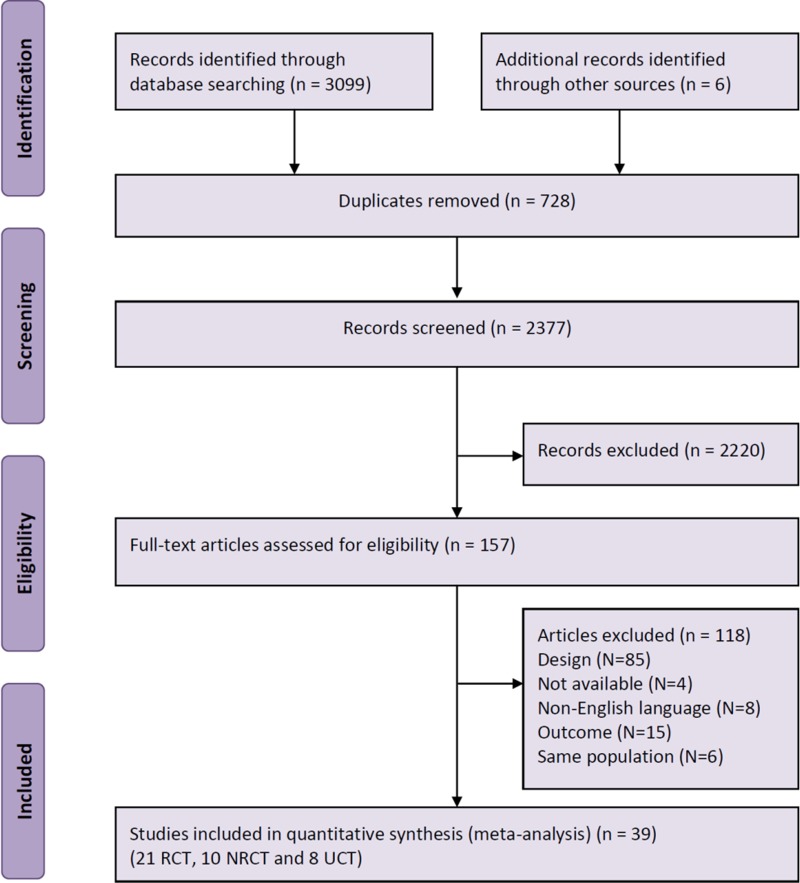
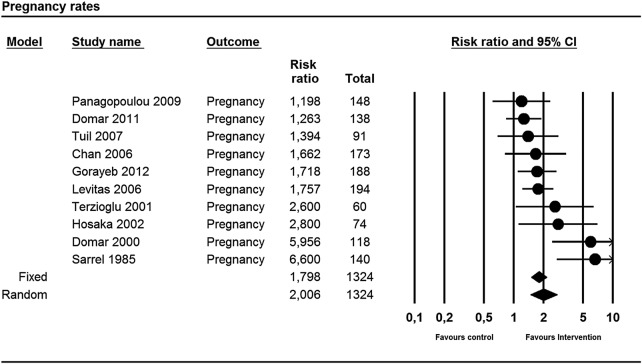
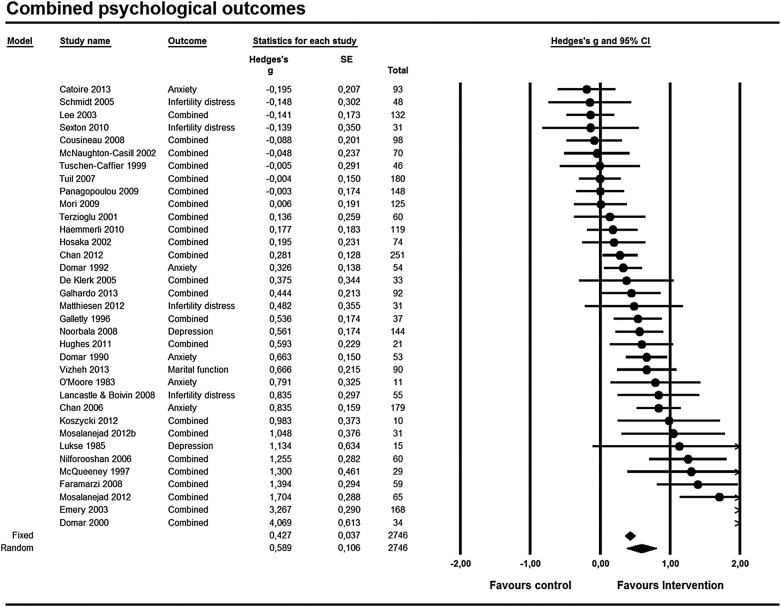
Objective: To evaluate the evidence on the efficacy of psychosocial interventions for improving pregnancy rates and reducing distress for couples in treatment with assisted reproductive technology (ART). Design: Systematic review and meta-analysis. Data sources: PsycINFO, PubMed, EMBASE, CINAHL, Web of Science and The Cochrane Library between 1978 and April 2014. Study selection: Studies were considered eligible if they evaluated the effect of any psychosocial intervention on clinical pregnancy and/or distress in infertile participants, used a quantitative approach and were published in English. Data extraction: Study characteristics and results were extracted and the methodological quality was assessed. Effect sizes (ES; Hedges g) were pooled using a random effects model. Heterogeneity was assessed using the Q statistic and I 2 , and publication bias was evaluated using Egger’s method. Possible moderators and mediators were explored with meta-analyses of variances (ANOVAs) and meta-regression. Results: We identified 39 eligible studies (total N=2746 men and women) assessing the effects of psychological treatment on pregnancy rates and/or adverse psychological outcomes, including depressive symptoms, anxiety, infertility stress and marital function. Statistically significant and robust overall effects of psychosocial intervention were found for both clinical pregnancy (risk ratio=2.01; CI 1.48 to 2.73; p<0.001) and combined psychological outcomes (Hedges g=0.59; CI 0.38 to 0.80; p=0.001). The pooled ES for psychological outcomes were generally larger for women (g: 0.51 to 0.73) than men (0.13 to 0.34), but the difference only reached statistical significance for depressive symptoms (p=0.004). Meta-regression indicated that larger reductions in anxiety were associated with greater improvement in pregnancy rates (Slope 0.19; p=0.004). No clear-cut differences were found between effects of cognitive–behavioural therapy (CBT; g=0.84), mind–body interventions (0.61) and other intervention types (0.50). Conclusions: The present meta-analysis suggests that psychosocial interventions for couples in treatment for infertility, in particular CBT, could be efficacious, both in reducing psychological distress and in improving clinical pregnancy rates.
Overview
The claims and statistics of this paper haven’t been checked yet.
Run the check — free, no account needed. It reads the open-access text and checks the sources it cites.
Integrity signals
Registry
Cites
Statistics
Figures
Verification
Claims the paper makes
The claims and statistics of this paper haven’t been checked yet.
Run the check — free, no account needed. It reads the open-access text and checks the sources it cites.
Claims other papers make about this one
Each is checked against this paper’s own text: does it say what the citing paper says it does?
The source backs part of the claim, not all of it — or backs it for a different population, condition or comparison.
In the citing paper
“Furthermore, the overall effect size associated with randomised controlled trials of psychological interventions on combined psychological outcomes was non-significant and efficacy was not found to differ according to intervention type.”
From Infertility-related distress and clinical targets for psychotherapy: A qualitative study (2021) · cites this paper as [15]
Experimental — accuracy not yet measuredThe source backs part of the claim, not all of it — or backs it for a different population, condition or comparison.
In the citing paper
“Although mindfulness approaches have proven to be of limited efficacy for infertility-related distress, one mindfulness-based approach that has yet to be applied to infertility is loving-kindness meditation (LKM),41 which seems to map on well to both shame/self-blame and severed relationships with others.”
From Infertility-related distress and clinical targets for psychotherapy: A qualitative study (2021) · cites this paper as [15]
Experimental — accuracy not yet measuredThe source backs part of the claim, not all of it — or backs it for a different population, condition or comparison.
In the citing paper
“Though CBT has been applied to infertility in a number of studies, with limited results, there are a number of CBT-based techniques that have yet to be used but that may address some of the specific infertility-related psychological challenges raised in this study.”
From Infertility-related distress and clinical targets for psychotherapy: A qualitative study (2021) · cites this paper as [15]
Experimental — accuracy not yet measuredThe source backs part of the claim, not all of it — or backs it for a different population, condition or comparison.
In the citing paper
“While cognitive restructuring, progressive muscle relaxation, and mindfulness meditation are the most-used and tested approaches to date for the treatment of infertility-related distress, their efficacy in this population is limited.15”
From Infertility-related distress and clinical targets for psychotherapy: A qualitative study (2021) · cites this paper as [15]
Experimental — accuracy not yet measuredThe cited source says what the claim attributes to it.
In the citing paper
“Though they were found to result in small reductions in anxiety, they were not found to improve depressive symptoms, infertility distress or marital functioning when adjusting for publication bias.”
From Infertility-related distress and clinical targets for psychotherapy: A qualitative study (2021) · cites this paper as [15]
In the citing paper
“Bai et al. [45] used the effect size d = 0.59 (medium effect [41]) for the calculation of the power analysis, which was determined in the meta-analysis by Frederiksen et al. [19].”
In the citing paper
“Furthermore, Frederiksen et al. [19] made some miscalculations in their meta-analysis [62].”
Self-check
Percentages, sums and reported differences re-computed from the paper’s own numbers.
The self-check needs the paper’s full text.
Citations
Cites
Preferred Reporting Items for Systematic Reviews and Meta-Analyses: the PRISMA statement
Moher, D., Liberati, A., Tetzlaff, J., Altman, D. G., & for the PRISMA Group (2009) · BMJ · doi:10.1136/bmj.b2535 · Cited by 83,823
The Measurement of Observer Agreement for Categorical Data
Landis, J. R., & Koch, G. G. (1977) · Biometrics · doi:10.2307/2529310 · Cited by 81,148
Statistical power analysis for the behavioral sciences
Cohen, J. (1990) · Computers Environment and Urban Systems · doi:10.1016/0198-9715(90)90050-4 · Cited by 65,417
Preferred Reporting Items for Systematic Reviews and Meta-Analyses: The PRISMA Statement
Moher, D., Liberati, A., Tetzlaff, J., Altman, D. G., & The PRISMA Group (2009) · PLoS Medicine · doi:10.1371/journal.pmed.1000097 · Cited by 64,042 · cited 1×
“Adjusted for publication bias (34)¶ – – – – – 0.”
Measuring inconsistency in meta-analyses
Higgins, J. P. T., Thompson, S. G., Deeks, J. J., & Altman, D. G. (2003) · BMJ · doi:10.1136/bmj.327.7414.557 · Cited by 63,139
Bias in meta-analysis detected by a simple, graphical test
Egger, M., Smith, G. D., Schneider, M., & Minder, C. (1997) · BMJ · doi:10.1136/bmj.315.7109.629 · Cited by 56,722 · cited 2×
“Catoire et al(77) France I: 50 (50) UCT Hypnosis MBI Individual 4 1 A: STAI − 4 (7) Galhardo et al(97) Portugal I: 55 (55)”
BackgroundPreferred reporting items for systematic reviews and meta-analyses: the PRISMA Statement.
(2009) · PubMed Central · Cited by 44,859
Liberati, A., Altman, D. G., Tetzlaff, J., Mulrow, C., Gøtzsche, P. C., Ioannidis, J. P. A., Clarke, M., Devereaux, P. J., Kleijnen, J., & Moher, D. (2009) · PLoS Medicine · doi:10.1371/journal.pmed.1000100 · Cited by 28,164
Cochrane Handbook for Systematic Reviews of Interventions: Cochrane Book Series
(2008) · doi:10.1002/9780470712184 · Cited by 25,048
Wang, G., Ma, R., Qiao, G., Wada, K., Aizawa, Y., & Satoh, T. (2015) · Integrative Medicine International · doi:10.1159/000368408 · Cited by 18,762
Research works printed but not linked: 6
- 10.1093/humrep/ · DOI
- 10.1037//0033-2909.86.3.638 · DOI · Paper page
- Gutierrez, 2008, Group psychological intervention in assisted human reproduction, Rev Iberoam Fertil Reprod Hum, 25, 47
- Bjornsen K . Opening the door to fertility. retreat to fertile ground: sometimes the secret to getting pregnant lies in just getting away from it all. Altern Med 2006 (88):80–1. http://search.ebscohost.com/login.aspx?direct=true&db=c8h&AN=2009216983&site=ehost-live
- 10.1037/0278-6133.19.6.568 · DOI
- Galhardo, 2013, Developing mindfulness and acceptance skills in infertility: the mindfulness based program for infertility, Aten Primaria, 45, 143
Cited by
Sorted by citations
The relationship between stress and infertility
Rooney, K. L., & Domar, A. D. (2018) · Dialogues in Clinical Neuroscience · doi:10.31887/dcns.2018.20.1/klrooney · Cited by 626
Recurrent implantation failure: A comprehensive summary from etiology to treatment
Ma, J., Gao, W., & Li, D. (2023) · Frontiers in Endocrinology · doi:10.3389/fendo.2022.1061766 · Cited by 212
Pasch, L. A., Holley, S. R., Bleil, M. E., Shehab, D., Katz, P., & Adler, N. E. (2016) · Fertility and Sterility · doi:10.1016/j.fertnstert.2016.03.006 · Cited by 180
Lifestyle and fertility: the influence of stress and quality of life on female fertility
Palomba, S., Daolio, J., Romeo, S., Battaglia, F. A., Marci, R., & Sala, G. B. L. (2018) · Reproductive Biology and Endocrinology · doi:10.1186/s12958-018-0434-y · Cited by 183
Aging and the environment affect gamete and embryo potential: can we intervene?
Meldrum, D. R., Casper, R. F., Diez-Juan, A., Simon, C., Domar, A. D., & Frydman, R. (2016) · Fertility and Sterility · doi:10.1016/j.fertnstert.2016.01.013 · Cited by 159
Ying, L., Wu, L. H., & Loke, A. Y. (2016) · Journal of Assisted Reproduction and Genetics · doi:10.1007/s10815-016-0690-8 · Cited by 176
“The two more recent reviews reported contradictory results on the effects of interventions on emotional distress and pregnancy outcomes, but both reported some effects, although non-significant, on interpersonal or marital function [19, 20].”
BackgroundResultInfluentialDomar, A. D., Gross, J., Rooney, K. L., & Boivin, J. (2015) · Fertility and Sterility · doi:10.1016/j.fertnstert.2015.05.009 · Cited by 116
Infertility and Perinatal Loss: When the Bough Breaks
Bhat, A., & Byatt, N. (2016) · Current Psychiatry Reports · doi:10.1007/s11920-016-0663-8 · Cited by 106
Infertile women who screen positive for depression are less likely to initiate fertility treatments
Crawford, N., Hoff, H. S., & Mersereau, J. E. (2016) · Human Reproduction · doi:10.1093/humrep/dew351 · Cited by 101
“Attempts to reduce the psychological stress associated with infertility have been associated with higher quality of life and higher pregnancy rates, but not a decrease in the rate of patient drop out (Domar et al., 2015; Frederiksen et al., 2015).”
BackgroundEvolution of psychology and counseling in infertility
Boivin, J., & Gameiro, S. (2015) · Fertility and Sterility · doi:10.1016/j.fertnstert.2015.05.035 · Cited by 101
Purewal, S., Chapman, S., & van den Akker, O. (2018) · Reproductive BioMedicine Online · doi:10.1016/j.rbmo.2018.03.010 · Cited by 91
Suicidal risk among infertile women undergoing in-vitro fertilization: Incidence and risk factors
Shani, C., Stukalina, Y., Ben‐Kimhy, R., Shulman, A., & Hamdan, S. (2016) · Psychiatry Research · doi:10.1016/j.psychres.2016.04.003 · Cited by 90
Shaohua, L., & Shorey, S. (2021) · International Journal of Nursing Studies · doi:10.1016/j.ijnurstu.2021.103871 · Cited by 91
Maroufizadeh, S., Ghaheri, A., Almasi‐Hashiani, A., Mohammadi, M., Navid, B., Ezabadi, Z., & Samani, R. O. (2017) · Middle East Fertility Society Journal · doi:10.1016/j.mefs.2017.09.003 · Cited by 89
The prevalence of anxiety symptoms in infertile women: a systematic review and meta-analysis
Kiani, Z., Simbar, M., Hajian, S., Zayeri, F., Shahidi, M., Naz, M. S. G., & Ghasemi, V. (2020) · Fertility Research and Practice · doi:10.1186/s40738-020-00076-1 · Cited by 90
Practical Clinical and Diagnostic Pathway for the Investigation of the Infertile Couple
Garolla, A., Pizzol, D., Carosso, A. R., Borini, A., Ubaldi, F. M., Calogero, A. E., Ferlin, A., Lanzone, A., Tomei, F., Engl, B., et al. (2021) · Frontiers in Endocrinology · doi:10.3389/fendo.2020.591837 · Cited by 91
Psychosocial interventions for infertile couples: a critical review
Chow, K., Cheung, M., & Cheung, I. K. (2016) · Journal of Clinical Nursing · doi:10.1111/jocn.13361 · Cited by 83
Figueiredo, M. C., Caldeira, C. M., Eikey, E. V., Mazmanian, M., & Chen, Y. (2018) · Proceedings of the ACM on Human-Computer Interaction · doi:10.1145/3274309 · Cited by 79
“, negative emotions, such as stress, may reduce chances of getting pregnant [22]), making understanding the emotional impact critical.”
BackgroundRao, M., Zeng, Z., & Tang, L. (2018) · Reproductive Biology and Endocrinology · doi:10.1186/s12958-018-0328-z · Cited by 74
“Additionally, regular physical activity can help relieve stress and anxiety, which have been shown to be important risk factors affecting the assisted reproductive outcome [33, 42].”
BackgroundLinking Stress and Infertility: A Novel Role for Ghrelin
Sominsky, L., Hodgson, D. M., McLaughlin, E. A., Smith, R., Wall, H. M., & Spencer, S. J. (2017) · Endocrine Reviews · doi:10.1210/er.2016-1133 · Cited by 79
The impact of stress on fertility treatment
Rooney, K. L., & Domar, A. D. (2016) · Current Opinion in Obstetrics & Gynecology · doi:10.1097/gco.0000000000000261 · Cited by 76
Dube, L., Bright, K., Hayden, K. A., & Gordon, J. L. (2023) · Human Reproduction Update · doi:10.1093/humupd/dmac034 · Cited by 75
Major depression, antidepressant use, and male and female fertility
Evans-Hoeker, E. A., Eisenberg, E., Diamond, M. P., Legro, R. S., Alvero, R. J., Coutifaris, C., Casson, P. R., Christman, G. M., Hansen, K. R., Heping Zhang, D., et al. (2018) · Fertility and Sterility · doi:10.1016/j.fertnstert.2018.01.029 · Cited by 74
“Furthermore, studies assessing non-pharmacologic treatments have demonstrated improvement in depression scores (23,24) and a meta-analysis assessing the effect of psychosocial interventions for infertile couples with depressive symptoms, anxiety, infertility stress and/or marital dysfunction found that psychosocial in…”
BackgroundPsychosocial Aspects of Fertility and Assisted Reproductive Technology
Stanhiser, J., & Steiner, A. Z. (2018) · Obstetrics and Gynecology Clinics of North America · doi:10.1016/j.ogc.2018.04.006 · Cited by 74
Meta-analysis of psychosocial interventions for people with dementia and anxiety or depression
Noone, D., Stott, J. C. H., Aguirre, E., Llanfear, K., & Spector, A. E. (2018) · Aging & Mental Health · doi:10.1080/13607863.2018.1495177 · Cited by 72
Nicoloro‐SantaBarbara, J. M., Busso, C. E., Moyer, A. E., & Lobel, M. (2018) · Social Science & Medicine · doi:10.1016/j.socscimed.2018.06.033 · Cited by 72
Bai, C.-F., Cui, N.-X., Xu, X., Mi, G.-L., Sun, J.-W., Shao, D., Li, J., Jiang, Y.-Z., Yang, Q.-Q., Zhang, X., et al. (2019) · Human Reproduction · doi:10.1093/humrep/dez066 · Cited by 65
Current understanding of hypothalamic amenorrhoea
Roberts, R. E., Farahani, L., Webber, L. J., & Jayasena, C. N. (2020) · Therapeutic Advances in Endocrinology and Metabolism · doi:10.1177/2042018820945854 · Cited by 75
Bhushan, D., Kotz, K. J., McCall, J., Wirtz, S., Gilgoff, R., Dube, S. R., Powers, C., Olson-Morgan, J., Galeste, M., Patterson, K., et al. (2020) · doi:10.48019/peam8812 · Cited by 79
Alosaimi, F. D., Altuwariqi, M. H., Bukhari, M. E., Abotalib, Z. M., & Binsaleh, S. (2015) · Annals of Saudi Medicine · doi:10.5144/0256-4947.2015.359 · Cited by 61
Cesta, C. E., Johansson, A. L. V., Hreinsson, J. G., Rodriguez‐Wallberg, K. A., Olofsson, J. I., Holte, J., Wramsby, H., Wramsby, M., Cnattingius, S., Skalkidou, A., et al. (2017) · Acta Obstetricia Et Gynecologica Scandinavica · doi:10.1111/aogs.13280 · Cited by 60
Patel, A., Sharma, P. V. N., & Kumar, P. (2018) · Journal of Human Reproductive Sciences · doi:10.4103/jhrs.jhrs_41_18 · Cited by 57
Psychological variables in medically assisted reproduction: a systematic review
Burgio, S., Polizzi, C., Buzzaccarini, G., Laganà, A. S., Gullo, G., Perricone, G., Perino, A., Cucinella, G., & Alesi, M. (2022) · Menopause Review/Przegląd Menopauzalny · doi:10.5114/pm.2022.114404 · Cited by 62
“These complications include anxiety and depressive disorders, compulsive behaviour to manage anxious states, and inclinations to self-blame [9, 10].”
BackgroundThe effect of expressive writing intervention for infertile couples: a randomized controlled trial
Frederiksen, Y., O’Toole, M. S., Mehlsen, M. Y., Hauge, B., Elbæk, H. O., Zachariae, R. H., & Ingerslev, H. J. (2016) · Human Reproduction · doi:10.1093/humrep/dew320 · Cited by 53
“Furthermore, a recent meta-analysis showed that general distress was reduced after psychosocial intervention and the chance of pregnancy increased (Frederiksen et al., 2015).”
BackgroundMethodResultInfluentialSelf-citationGaitzsch, H., Bénard, J., Hugon‐Rodin, J., Benzakour, L., & Streuli, I. (2020) · Archives of Women s Mental Health · doi:10.1007/s00737-019-01009-8 · Cited by 57
Infertility-related distress and clinical targets for psychotherapy: A qualitative study
Dube, L., Nkosi-Mafutha, N., Balsom, A. A., & Gordon, J. L. (2021) · BMJ Open · doi:10.1136/bmjopen-2021-050373 · Cited by 54
Santoro, N. F., Eisenberg, E., Trussell, J. C., Craig, L. B., Gracia, C. R., Huang, H., Alvero, R. J., Casson, P. R., Christman, G. M., Coutifaris, C., et al. (2016) · Human Reproduction · doi:10.1093/humrep/dew175 · Cited by 52
Kim, M., Moon, S.-H., & Kim, J.-E. (2020) · Archives of Psychiatric Nursing · doi:10.1016/j.apnu.2020.05.001 · Cited by 49
Katyal, N., Poulsen, C. M., Knudsen, U. B., & Frederiksen, Y. (2021) · European Journal of Obstetrics & Gynecology and Reproductive Biology · doi:10.1016/j.ejogrb.2021.02.012 · Cited by 48
Self-citationInsights from clinical experience in treating IVF poor responders
Gonda, K. J., Domar, A. D., Gleicher, N., & Marrs, R. P. (2017) · Reproductive BioMedicine Online · doi:10.1016/j.rbmo.2017.09.016 · Cited by 46
Howard, L. M., Wilson, C. A., Reilly, T. J., Moss, K. M., Mishra, G. D., Coupland‐Smith, E., Riecher‐Rössler, A., Seedat, S., Smith, S. M., Steinberg, J. R., et al. (2025) · World Psychiatry · doi:10.1002/wps.21305 · Cited by 61
Sax, M. R., & Lawson, A. K. (2022) · Women · doi:10.3390/women2010008 · Cited by 44
LoGiudice, J. A., & Massaro, J. (2017) · Applied Nursing Research · doi:10.1016/j.apnr.2017.11.025 · Cited by 44
“The results demonstrated that CBT and MBI intervention to be beneficial in reducing distress and improving pregnancy outcomes of ART (Frederiksen et al., 2015).”
ResultInfluentialRahimi, R., Hasanpour, S., Mirghafourvand, M., & Esmaeilpour, K. (2021) · BMC Psychiatry · doi:10.1186/s12888-021-03280-5 · Cited by 43
Effectiveness of a psychological intervention focused on stress management for women prior to IVF
Heredia, A., Padilla, F., Castilla, J. A., & Garcia-Retamero, R. (2020) · Journal of Reproductive and Infant Psychology · doi:10.1080/02646838.2019.1601170 · Cited by 41
Nicoloro‐SantaBarbara, J. M., Lobel, M., Bocca, S., Stelling, J. R., & Pastore, L. M. (2017) · Fertility and Sterility · doi:10.1016/j.fertnstert.2017.05.008 · Cited by 42
The current status and future of andrology: A consensus report from the Cairo workshop group
Cairo Consensus Workshop Group (2019) · Andrology · doi:10.1111/andr.12720 · Cited by 45
Prevalence of depression in infertile men: a systematic review and meta-analysis
Kiani, Z., Fakari, F. R., Hakimzadeh, A., Hajian, S., Fakari, F. R., & Nasiri, M. (2023) · BMC Public Health · doi:10.1186/s12889-023-16865-4 · Cited by 41
“Fertility outcomes will also be improved by informing men about psychological consequences [93], and using appropriate interventions [94, 95].”
BackgroundAlosaimi, F. D., Bukhari, M. E., Altuwariqi, M. H., Habous, M., Madbouly, K., Abotalib, Z. M., & Binsaleh, S. (2016) · Human Fertility · doi:10.1080/14647273.2016.1245448 · Cited by 41
“treatment for infertility, in particular, cognitive–behavioural therapy, could be efficacious both in reducing psychological distress and in improving clinical pregnancy rates (Frederiksen et al., 2015).”
BackgroundSalari, N., Babajani, F., Far, A. H., Hasheminezhad, R., Abdoli, N., Haydarisharaf, P., & Mohammadi, M. (2024) · Archives of Gynecology and Obstetrics · doi:10.1007/s00404-024-07444-y · Cited by 39
van Dongen, A. J. C. M., Nelen, W. L. D. M., IntHout, J., Kremer, J. A. M., & Verhaak, C. M. (2016) · Human Reproduction · doi:10.1093/humrep/dew040 · Cited by 42
Toftager, M., Sylvest, R., Schmidt, L., Bogstad, J. W., Løssl, K., Prætorius, L., Zedeler, A., Bryndorf, T., & Pinborg, A. B. (2017) · Fertility and Sterility · doi:10.1016/j.fertnstert.2017.09.020 · Cited by 39
Abdollahpour, S., Taghipour, A., Mousavi Vahed, S. H., & Latifnejad Roudsari, R. (2022) · Journal of Obstetrics and Gynaecology · doi:10.1080/01443615.2021.1904217 · Cited by 33
“2016) and Frederiksen study (Frederiksen et al. 2015) but in H€ammerli study (H€ammerli et al.”
BackgroundResultPsychological assessment in infertility: A systematic review and meta-analysis
Tavousi, S. A., Behjati, M., Milajerdi, A., & Mohammadi, A. H. (2022) · Frontiers in Psychology · doi:10.3389/fpsyg.2022.961722 · Cited by 38
Pregnancy or Psychological Outcomes of Psychotherapy Interventions for Infertility: A Meta-Analysis
Zhou, R., Cao, Y.-M., Liu, D., & Xiao, J.-S. (2021) · Frontiers in Psychology · doi:10.3389/fpsyg.2021.643395 · Cited by 38
Raad, G., Tanios, J., Azoury, J., Daher, A., Fakih, C., & Bakos, H. W. (2020) · Human Reproduction Update · doi:10.1093/humupd/dmaa048 · Cited by 43
Meyers, A. J., & Domar, A. D. (2021) · Reproductive BioMedicine Online · doi:10.1016/j.rbmo.2020.12.004 · Cited by 36
Cashin, A. G., Lee, H., Lamb, S. E., Hopewell, S., Mansell, G., Williams, C. M., Kamper, S. J., Henschke, N., & McAuley, J. H. (2019) · Journal of Clinical Epidemiology · doi:10.1016/j.jclinepi.2019.03.005 · Cited by 36
“[31] Frederiksen Y, Farver-Vestergaard I, Skovgard NG, Ingerslev HJ, Zachariae R.”
Coward, R. M., Stetter, C., Kunselman, A. R., Trussell, J. C., Lindgren, M. C., Alvero, R. J., Casson, P. R., Christman, G. M., Coutifaris, C., Diamond, M. P., et al. (2019) · The Journal of Urology · doi:10.1097/ju.0000000000000205 · Cited by 38
“Results of a recent metaanalysis suggest that interventions aimed at reducing psychosocial stress in couples undergoing assisted reproduction may improve the clinical pregnancy rate.(15) Most previous studies have focused on female infertility with only a few addressing the men of infertile couples, and the role of QO…”
BackgroundAddressing the emotional barriers to access to reproductive care
Rich, C. W., & Domar, A. D. (2016) · Fertility and Sterility · doi:10.1016/j.fertnstert.2016.02.017 · Cited by 43
Courbière, B., Lacan, A., Grynberg, M., Grelat, A., Rio, V., Arbo, E., & Solignac, C. (2020) · PLoS ONE · doi:10.1371/journal.pone.0238945 · Cited by 34
“concluded that psychological support could reduce psychological distress and improve pregnancy rates [30].”
BackgroundWarne, E., Oxlad, M., & Best, T. (2023) · Health Psychology Review · doi:10.1080/17437199.2022.2058582 · Cited by 34
Experiences and psychological distress of fertility treatment and employment
Payne, N., Seenan, S., & van den Akker, O. (2018) · Journal of Psychosomatic Obstetrics & Gynecology · doi:10.1080/0167482x.2018.1460351 · Cited by 34
“Although the evidence is equivocal, the distress experienced may itself affect treatment outcomes [4,5] and psychological support may improve outcomes [6], so it is important to understand the difficulties experienced during treatment and the conditions that may create psychological distress.”
BackgroundMaleki-Saghooni, N., Amirian, M., Sadeghi, R., & Roudsari, R. L. (2017) · International Journal of Reproductive BioMedicine (IJRM) · doi:10.29252/ijrm.15.7.391 · Cited by 33
“analysis assessed the efficacy of psychosocial interventions for psychological and pregnancy outcomes and showed that psychosocial interventions increase the chance of pregnancy (25).”
MethodJensen, K. H. K., Krog, M. C., Koert, E., Hedegaard, S., Chonovitsch, M., Schmidt, L., Kolte, A. M., & Nielsen, H. S. (2021) · Reproductive BioMedicine Online · doi:10.1016/j.rbmo.2021.04.018 · Cited by 37
An update on the management of male infertility
Karavolos, S., Panagiotopoulou, N., Alahwany, H., & da Silva, S. M. (2020) · The Obstetrician & Gynaecologist · doi:10.1111/tog.12688 · Cited by 34
Infertility and Psychological and Social Health of Iranian Infertile Women: A Systematic Review
Yazdi, H. Z. G., Sharbaf, H. A., Kareshki, H., & Amirian, M. (2020) · Iranian Journal of Psychiatry · doi:10.18502/ijps.v15i1.2441 · Cited by 31
“treatment and pregnancy of infertile women (21),”
Hosseinpanahi, M., Mirghafourvand, M., Farshbaf-Khalili, A., Esmaeilpour, K., Rezaei, M., & Malakouti, J. (2020) · Journal of Education and Health Promotion · doi:10.4103/jehp.jehp_512_20 · Cited by 29
“Reports indicated positive effects of psychological intervention on the rate of fertility and psychological consequences of infertility, such as anxiety, depression, stress, and marital relationship.[28] In a meta‐analytical study (2014), 1821 patients with mental disorders and physical problems have been examined.”
BackgroundStress and Quality of Life for Taiwanese Women Who Underwent Infertility Treatment
Cheng, C., Stevenson, E. L., Yang, C., & Liou, S. (2018) · Journal of Obstetric, Gynecologic & Neonatal Nursing · doi:10.1016/j.jogn.2018.03.005 · Cited by 29
Zhu, H., Shi, L., Wang, R., Cui, L., Wang, J., Tang, M., Qian, H., Wei, M., Wang, L., Zhou, H., et al. (2022) · Frontiers in Endocrinology · doi:10.3389/fendo.2022.889845 · Cited by 39
Renzi, A., Solano, L., Trani, M. D., Ginobbi, F., Minutolo, E., & Tambelli, R. (2019) · Psychology and Health · doi:10.1080/08870446.2019.1667500 · Cited by 28
Application of Mindfulness-Based Psychological Interventions in Infertility
Patel, A., Sharma, P. V. N., & Kumar, P. (2020) · Journal of Human Reproductive Sciences · doi:10.4103/jhrs.jhrs_51_19 · Cited by 26
“The main conclusions which emerge from the present body of literature[31,15-22,25,26,27,39,41,42] are as following: a.”
BackgroundInfluentialThe impact of infertility on the mental health of women undergoing in vitro fertilization treatment
Moutzouroulia, A., Asimakopoulou, Z., Tzavara, C. K., Asimakopoulos, K., Adonakis, G., & Kaponis, A. I. (2025) · Sexual & Reproductive Healthcare · doi:10.1016/j.srhc.2025.101072 · Cited by 26
Online peer support communities in the infertility journey: A systematic mixed-studies review
Lin, J. W., & Shorey, S. (2023) · International Journal of Nursing Studies · doi:10.1016/j.ijnurstu.2023.104454 · Cited by 30
Pinto, P. R., Paredes, A. C., & Almeida, A. (2018) · Pain Medicine · doi:10.1093/pm/pny309 · Cited by 26
Sahraian, K., Abdollahpour Ranjbar, H., Namavar Jahromi, B., Cheung, H. N., Ciarrochi, J., & Habibi Asgarabad, M. (2024) · BMC Psychiatry · doi:10.1186/s12888-023-05411-6 · Cited by 27
Hamzehgardeshi, Z., Yazdani, F., Elyasi, F., Moosazadeh, M., Peyvandi, S., Gelehkolaee, K. S., & Shahidi, M. (2019) · International Journal of Reproductive BioMedicine (IJRM) · doi:10.18502/ijrm.v17i1.3821 · Cited by 25
“Frederiksen showed in a meta-analysis study that, like cognitive behavioral therapies, mental interventions for couples seeking fertility treatment could be useful in reducing mental stress and improving fertility treatment (31).”
BackgroundEvaluations of psychosocial cancer support services: A scoping review
Lingens, S. P., Schulz, H., & Bleich, C. (2021) · PLoS ONE · doi:10.1371/journal.pone.0251126 · Cited by 25
“Primarily, our results reveal the lack of high-quality research on the evaluation of psychosocial cancer support services—specifically in form of RCTs.”
BackgroundRoozitalab, S., Rahimzadeh, M., Mirmajidi, S. R., Ataee, M., & Saeieh, S. E. (2021) · Journal of Reproduction & Infertility · doi:10.18502/jri.v22i4.7654 · Cited by 25
“The results of various studies have revealed that the lack of psychological intervention increased the symptoms of PTSD (27, 28).”
BackgroundZaake, D., Kayiira, A., & Namagembe, I. (2019) · Fertility Research and Practice · doi:10.1186/s40738-019-0058-8 · Cited by 24
Towards a more pragmatic and wiser approach to infertility care
The Annual Capri Workshop Group, Bhattacharya, S., Evers, J. L. H., Gameiro, S., Negri, E., Somigliana, E., Vercellini, P., Wellings, K., Baird, D. T., Crosignani, P., et al. (2019) · Human Reproduction · doi:10.1093/humrep/dez101 · Cited by 25
Sõritsa, D., Mäestu, E., Nuut, M., Mäestu, J., Migueles, J. H., Läänelaid, S., Ehrenberg, A., Sekavin, A., Sõritsa, A., Salumets, A., et al. (2020) · Journal of Assisted Reproduction and Genetics · doi:10.1007/s10815-020-01864-w · Cited by 27
“In our study, the regression coefficient for oocytes and embryos of the described models were 1.8 (P = 0.03) and 1.2 (P = 0.03), respectively (these values were rounded to the closest entire number in the figure for simplicity) hormones via the hypothalamic-pituitary-ovarian-axis [28]; (2) PA can impact reproductive f…”
BackgroundInfluentialVatanparast, M., Ardekani, S. M. Y., Anvari, M., Kalantari, A., Yaghmaie, F., & Royani, Z. (2020) · Journal of Reproductive and Infant Psychology · doi:10.1080/02646838.2020.1843613 · Cited by 24
“couples during the period of diagnosis when an infertile couple starts treatment, which may improve the ART outcome, as mentioned in previous studies (Cousineau & Domar, 2007; Frederiksen et al., 2015).”
BackgroundMethodInfluentialDepressive symptoms, anxiety, and quality of life of Japanese women at initiation of ART treatment
Kato, T., Sampei, M., Saito, K., Morisaki, N., & Urayama, K. Y. (2021) · Scientific Reports · doi:10.1038/s41598-021-87057-6 · Cited by 24
Stress and Anxiety Levels in Couples who Undergo Fertility Treatment: a Review of Systematic Reviews
Paraskevi, L., Sarantaki, A., & Gourounti, K. (2021) · Materia Socio Medica · doi:10.5455/msm.2021.33.60-64 · Cited by 29
“Also, they investigate the possibility of better treatment outcomes as a result of providing a comparison of outcomes between couples who participated in an interventional group and those who did not (1, 3, 4, 5, 13).”
BackgroundMethodInfluentialReproductive problems and intensity of anxiety and depression in women treated for infertility
Wdowiak, A., Makara‐Studzińska, M., Raczkiewicz, D., & CYRANKA, K. M. (2022) · Psychiatria Polska · doi:10.12740/pp/125885 · Cited by 24
Tabatabaei, F., Tahernia, H., Ghaedi, A., Bazrgar, A., & Khanzadeh, S. (2023) · BMC Women s Health · doi:10.1186/s12905-023-02692-7 · Cited by 26
“These challenges encompass issues like anxiety and depressive disorders, and tendencies toward self-blame [11, 12].”
BackgroundCreating a collaborative model of mental health counseling for the future
Domar, A. D. (2015) · Fertility and Sterility · doi:10.1016/j.fertnstert.2015.05.026 · Cited by 23
Kremer, F., Ditzen, B., & Wischmann, T. (2023) · PLoS ONE · doi:10.1371/journal.pone.0282065 · Cited by 22
RetractedGalhardo, A., Cunha, M., & Pinto‐Gouveia, J. (2019) · Clinical Psychology & Psychotherapy · doi:10.1002/cpp.2362 · Cited by 23
Bright, K. S., Dube, L., Hayden, A., & Gordon, J. L. (2020) · BMJ Open · doi:10.1136/bmjopen-2019-036030 · Cited by 22
Boedt, T., Dancet, E. A. F., Fong, S. L., Peeraer, K., Neubourg, D. D., Pelckmans, S., van de Vijver, A., Seghers, J., der Gucht, K. V., CALSTER, B. V., et al. (2019) · BMJ Open · doi:10.1136/bmjopen-2019-029665 · Cited by 26
“18 A meta-analysis of interventional studies recently concluded that psychosocial interventions for couples undergoing IVF are effective, both in reducing emotional distress and in improving IVF-pregnancy rates.(19) Psychosocial interventions focussing on mindfulness are promising as it has recently been shown to resu…”
BackgroundGolshani, F., Mirghafourvand, M., Hasanpour, S., & Seiiedi Biarag, L. (2020) · Iranian Journal of Psychiatry and Behavioral Sciences · doi:10.5812/ijpbs.96715 · Cited by 21
“(2015) in a review and meta-analysis showed that the psychological interventions, especially CBT, are effective in improving infertility and also in reducing psychological depression and improving clinical pregnancy (30).”
BackgroundWillis, M. D., Wesselink, A. K., Hystad, P., Jimenez, M. P., Coleman, C. M., Kirwa, K., Hatch, E. E., & Wise, L. A. (2023) · Environmental Health Perspectives · doi:10.1289/ehp10648 · Cited by 22
Obst, K. L., Oxlad, M., Turnbull, D. A., & McPherson, N. O. (2023) · American Journal of Men s Health · doi:10.1177/15579883231209210 · Cited by 21
“Traditionally, fertility has been viewed as a “women’s problem” given that women undertake most treatments and procedures associated with infertility and pregnancy (Culley et al., 2013; Frederiksen et al., 2015; Wischmann & Thorn, 2013).”
BackgroundChen, S., Wang, T., Zhang, S., Zhao, L., & Chen, L. (2019) · Journal of Psychosomatic Research · doi:10.1016/j.jpsychores.2019.03.016 · Cited by 22
“%) evaluated the association of infertility treatment with the risk of perinatal depressive symptoms, as the rests evaluated the association of ART with the risk of perinatal depressive symptoms.”
BackgroundInfluentialPatient perspectives and experiences with in vitro fertilization and genetic testing options
Rothwell, E., Lamb, B., Johnson, E. P., Gurtcheff, S. E., Riches, N. O., Fagan, M. B., Sabatello, M., & Johnstone, E. B. (2020) · Therapeutic Advances in Reproductive Health · doi:10.1177/2633494119899942 · Cited by 21
Kruglova, K., O’Connell, S. B. L., Dawadi, S., Gelgoot, E. N., Miner, S. A., Robins, S., Schinazi, J., & Zelkowitz, P. (2021) · JMIR Formative Research · doi:10.2196/28136 · Cited by 20
Margan, R., Margan, M.-M., Fira-Mlădinescu, C., Putnoky, S., Sas, I. T., Bagiu, R. V., Popa, Z. L., Bernad, E. S., Ciucă, I. M., Bratosin, F., et al. (2022) · International Journal of Environmental Research and Public Health · doi:10.3390/ijerph19063256 · Cited by 20
“the detrimental consequences of hazardous sexual conduct or an imbalanced lifestyle on fertility [24,25].”
BackgroundRodino, I. S., Gignac, G. E., & Sanders, K. A. (2018) · Reproductive Biomedicine & Society Online · doi:10.1016/j.rbms.2018.03.002 · Cited by 20
“Moreover, psychological interventions in patients undergoing fertility treatment have shown a positive effect on patient psychological well-being, fertility treatment retention rates and subsequent pregnancy rates, highlighting the beneficial effects of addressing patient vulnerabilities with adjunct psychological car…”
Background
Metadata
- Authors
- Frederiksen, Y., Farver-Vestergaard, I., Skovgård, N. G., Ingerslev, H. J., & Zachariae, R.
- Affiliations
- Aarhus University (DK)
- Aarhus University Hospital (DK)
- Corresponding author
- Frederiksen, Yoon
- Venue
- BMJ Open
- Publisher
- BMJ
- Published
- 2015-01
- Volume
- 5
- Issue
- 1
- Pages
- e006592
- ISSN
- 2044-6055 (ISSN-L)
- PMC
- PMC4316425
- OpenAlex
- W2103859384
- Cited by
- 380
- References
- 112
- Citations by year
- 2026: 27 · 2025: 34 · 2024: 46 · 2023: 43 · 2022: 35 · 2021: 50 · 2020: 35 · 2019: 37 · 2018: 29 · 2017: 20 · 2016: 18 · 2015: 6
- FWCI
- 3.69
- Type
- journal article
- Language
- en
- Open access
- gold
- doi.org
- Licence
- cc-by-nc
- Locations
- BMJ Open (publishedVersion, cc-by-nc)
- Europe PMC (PubMed Central) (publishedVersion, cc-by-nc)
- PubMed Central (publishedVersion, cc-by-nc)
- PubMed (publishedVersion)
- Funders
- Aarhus Universitet
- Topics
- Health Sciences › Medicine › Reproductive Medicine › Reproductive Health and Technologies
- Health Sciences › Medicine › Public Health, Environmental and Occupational Health › Maternal Mental Health During Pregnancy and Postpartum
- Health Sciences › Medicine › Pediatrics, Perinatology and Child Health › Assisted Reproductive Technology and Twin Pregnancy
- Keywords
- psychosocial interventions, infertility, assisted reproduction, clinical pregnancy rate, psychological distress, depressive symptoms, anxiety, infertility stress, couples, cognitive behavioral therapy, mind-body interventions
- MeSH terms
- Mental Disorders, Female, Humans, Infertility, Male, Pregnancy, Pregnancy Outcome, Psychotherapy, Treatment Outcome, Pregnancy Rate, Reproductive Techniques, Assisted
About these checks
Registry, retraction, Cites and statistics results are computed, not judged, with one exception: a printed reference that no index lists is read once by a model before it counts as a citation error. Claims are extracted by a model and kept only when their quote appears verbatim in the text; each cited source is then checked, with a model’s help, for whether it says what the claim relies on. Those verdicts can be wrong — read the claim’s quote and the cited source before relying on one.
Statistics and arithmetic are recomputed, not judged.
Confidence bands are shown only for fields calibrated on our annotated test set. None is calibrated yet, so no band is shown.
What counts as a claim ›How we measure confidence ›How we check this ›
Are you an author, or do you see a problem with this page? Request a review
