

Human gut microbiome: hopes, threats and promises
Open accessThe DOI matches its Crossref record; 136 of the 138 references it cites were found in a registry or an index.
Abstract
The microbiome has received increasing attention over the last 15 years. Although gut microbes have been explored for several decades, investigations of the role of microorganisms that reside in the human gut has attracted much attention beyond classical infectious diseases. For example, numerous studies have reported changes in the gut microbiota during not only obesity, diabetes, and liver diseases but also cancer and even neurodegenerative diseases. The human gut microbiota is viewed as a potential source of novel therapeutics. Between 2013 and 2017, the number of publications focusing on the gut microbiota was, remarkably, 12 900, which represents four-fifths of the total number of publications over the last 40 years that investigated this topic. This review discusses recent evidence of the impact of the gut microbiota on metabolic disorders and focus on selected key mechanisms. This review also aims to provide a critical analysis of the current knowledge in this field, identify putative key issues or problems and discuss misinterpretations. The abundance of metagenomic data generated on comparing diseased and healthy subjects can lead to the erroneous claim that a bacterium is causally linked with the protection or the onset of a disease. In fact, environmental factors such as dietary habits, drug treatments, intestinal motility and stool frequency and consistency are all factors that influence the composition of the microbiota and should be considered. The cases of the bacteria Prevotella copri and Akkermansia muciniphila will be discussed as key examples.
Overview
The claims and statistics of this paper haven’t been checked yet.
Free: it reads the open-access text and checks the first 5 claims that cite a source we can check. Create a free account to check every claim.
Integrity signals
Registry
Cites
Statistics
Figures
Verification
Claims the paper makes
The claims and statistics of this paper haven’t been checked yet.
Free: it reads the open-access text and checks the first 5 claims that cite a source we can check. Create a free account to check every claim.
Claims other papers make about this one
Each is checked against this paper’s own text: does it say what the citing paper says it does?
The cited source doesn’t support the claim as written.
In the citing paper
“Akkermansia is a mucin-degrading bacterium and investigations on mice have found that Akkermansia can deplete the intestinal mucosal layer, decrease the number of goblet cells, produce drier stools, slow colonic transit, and impair intestinal barrier function [106–108].”
From The gut–brain axis in early Parkinson’s disease: from prodrome to prevention (2025) · cites this paper as [108]
Checked by a reasoning model — may be wrong.
Experimental — accuracy not yet measuredThe source backs part of the claim, not all of it — or backs it for a different population, condition or comparison.
In the citing paper
“In fact, it has been widely studied that the gut microbiota may produce or transform molecules affecting several aspects of human health, including: host’s metabolism modulation, gut barrier integrity maintenance, xenobiotics and drug metabolism, protection against gastro-intestinal pathogens and host’s immune system modulation [31,32,33,34].”
From Gut Microbiota and Cancer: From Pathogenesis to Therapy (2019) · cites this paper as [34]
Experimental — accuracy not yet measuredThe source backs part of the claim, not all of it — or backs it for a different population, condition or comparison.
In the citing paper
“In particular, these approaches are crucial for non-traditional probiotic candidates derived from gut commensals that lack a long history of safe use—such as Akkermansia, Faecalibacterium, Bacteroides, and Clostridium species—where in silico analyses complement phenotypic testing to accelerate safe development [153,162].”
From Current Concepts in Probiotic Safety and Efficacy (2026) · cites this paper as [162]
Experimental — accuracy not yet measuredThe cited source says what the claim attributes to it.
In the citing paper
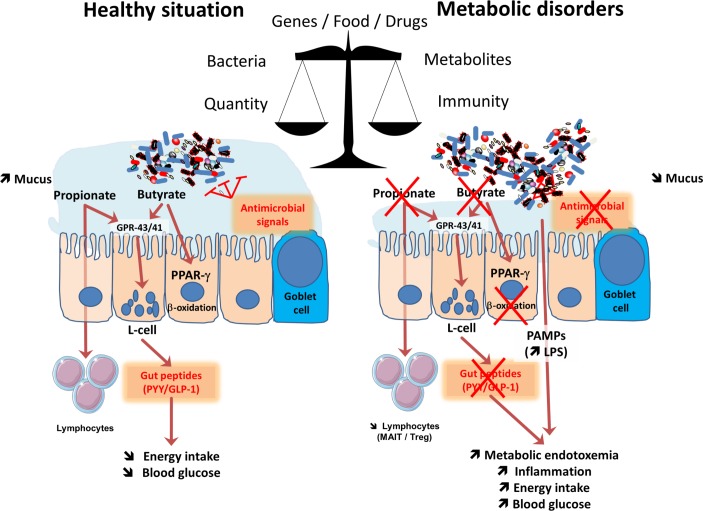
“Butyrate activates PPAR-γ leading to beta-oxidation and oxygen consumption, a phenomenon contributing to maintaining anaerobic condition in the gut lumen [239].”
From Gut-pancreas-liver Axis as a target for treatment of NAFLD/NASH (2020) · cites this paper as [239]
The cited source says what the claim attributes to it.
In the citing paper
“Dysbiosis is associated with increased intestinal permeability, which is known as the “leaky gut syndrome” (Figure 3) [112,113,114,115,116].”
From Bone diseases in patients with chronic liver disease (2019) · cites this paper as [116]
Self-check
Percentages, sums and reported differences re-computed from the paper’s own numbers.
The self-check needs the paper’s full text.
Citations
Cites
An obesity-associated gut microbiome with increased capacity for energy harvest
Turnbaugh, P. J., Ley, R. E., Mahowald, M. A., Magrini, V., Mardis, E. R., & Gordon, J. I. (2006) · Nature · doi:10.1038/nature05414 · Cited by 12,444 · cited 1×
“60 Since this discovery, not all papers have been able to replicate this finding, which gives rise to the following question: should we focus only on the general composition at the phylum level or should we go deeper (ie, the genus and species levels)?”
BackgroundHill (2014) · doi:10.1038/nrgastro.2014.66 · Cited by 9,592 · cited 1×
“129 Prebiotics : These are substrates that are selectively utilised by host microorganisms conferring health benefits.”
BackgroundA metagenome-wide association study of gut microbiota in type 2 diabetes
Qin, J., Li, Y., Cai, Z., Li, S., Zhu, J., Zhang, F., Liang, S., Zhang, W., Guan, Y., Shen, D., et al. (2012) · Nature · doi:10.1038/nature11450 · Cited by 6,762 · cited 1×
“118 122 Thus, one may argue that we should take into account of such confounding factor for all the future studies, including neurodegenerative disorders.”
BackgroundMetabolic Endotoxemia Initiates Obesity and Insulin Resistance
Cani, P. D., Amar, J., Iglesias, M. A., Poggi, M., Knauf, C., Bastelica, D., Neyrinck, A. M., Fava, F., Tuohy, K. M., Chabo, C., et al. (2007) · Diabetes · doi:10.2337/db06-1491 · Cited by 6,638
Self-citationGut microbiome influences efficacy of PD-1-based immunotherapy against epithelial tumors
Routy, B., Le Chatelier, E., Derosa, L., Duong, C. P. M., Alou, M. T., Daillère, R., Fluckiger, A., Messaoudene, M., Rauber, C., Roberti, M. P., et al. (2018) · Science · doi:10.1126/science.aan3706 · Cited by 5,671
Gibson, G. R., Hutkins, R., Sanders, M. E., Prescott, S. L., Reimer, R. A., Salminen, S. J., Scott, K., Stanton, C., Swanson, K. S., Cani, P. D., et al. (2017) · Nature Reviews Gastroenterology & Hepatology · doi:10.1038/nrgastro.2017.75 · Cited by 5,634
Self-citationCross-talk between Akkermansia muciniphila and intestinal epithelium controls diet-induced obesity
Everard, A., Belzer, C., Geurts, L., Ouwerkerk, J. P., Druart, C., Bindels, L. B., Guiot, Y., Derrien, M., Muccioli, G. G., Delzenne, N. M., et al. (2013) · Proceedings of the National Academy of Sciences · doi:10.1073/pnas.1219451110 · Cited by 4,511
Self-citationIntestinal microbiota metabolism of l-carnitine, a nutrient in red meat, promotes atherosclerosis
Koeth, R. A., Wang, Z., Levison, B. S., Buffa, J. A., Org, E., Sheehy, B. T., Britt, E. B., Fu, X., Wu, Y., Li, L., et al. (2013) · Nature Medicine · doi:10.1038/nm.3145 · Cited by 4,386
Anticancer immunotherapy by CTLA-4 blockade relies on the gut microbiota
Vétizou, M., Pitt, J. M., Daillère, R., Lepage, P., Waldschmitt, N., Flament, C., Rusakiewicz, S., Routy, B., Roberti, M. P., Duong, C. P. M., et al. (2015) · Science · doi:10.1126/science.aad1329 · Cited by 3,488
Regulation of inflammatory responses by gut microbiota and chemoattractant receptor GPR43
Maslowski, K. M., Vieira, A. T., Ng, A., Kranich, J., Sierro, F., Yu, D., Schilter, H. C., Rolph, M. S., Mackay, F., Artis, D., et al. (2009) · Nature · doi:10.1038/nature08530 · Cited by 3,241 · cited 1×
“53 Notably, propionate also regulates immune cells to produce antimicrobial factors and, therefore, may act as an immune regulator, 54 including a reduction of cancer cell proliferation.”
Background
Research works printed but not linked: 1
- 10.2337/diabetes · doi:10.2337/diabetes · Paper page
Cited by
Items 101–200 of 1,000
Bioactive molecules of probiotic bacteria and their mechanism of action: A review
Indira, M., Venkateswarulu, T. C., Abraham Peele, K., Nazneen Bobby, M., & Krupanidhi, S. (2019) · 3 Biotech · doi:10.1007/s13205-019-1841-2 · Cited by 147
“The human gut microbiome is a potential source for novel therapeutics in the form of probiotics that produce therapeutic molecules to address the issues such as obesity, metabolic disorders, microbial infections and host immunity (Patrice 2018).”
BackgroundInfluentialT-Cell-Driven Inflammation as a Mediator of the Gut-Brain Axis Involved in Parkinson's Disease
Campos-Acuña, J., Elgueta, D., & Pacheco, R. (2019) · Frontiers in Immunology · doi:10.3389/fimmu.2019.00239 · Cited by 147
Lai, W.-T., Deng, W.-F., Xu, S.-X., Zhao, J., Xu, D., Liu, Y.-H., Guo, Y.-Y., Wang, M.-B., He, F.-S., Ye, S.-W., et al. (2021) · Psychological Medicine · doi:10.1017/s0033291719003027 · Cited by 146
Li, Z., Zhang, Y., Hong, W., Wang, B., Chen, Y., Yang, P., Zhou, J., Fan, J., Zeng, Z., & Du, S. (2022) · Gut Microbes · doi:10.1080/19490976.2022.2119055 · Cited by 146
Protective role of butyrate in obesity and diabetes: New insights
Mayorga-Ramos, A., Barba‐Ostria, C., Simancas‐Racines, D., & Guamán, L. P. (2022) · Frontiers in Nutrition · doi:10.3389/fnut.2022.1067647 · Cited by 145
Focus on the Gut–Kidney Axis in Health and Disease
Stavropoulou, E., Kantartzi, K. M., Tsigalou, C., Konstantinidis, T. G., Romanidou, G. V., Voidarou, C. C., & Bezirtzoglou, E. (2021) · Frontiers in Medicine · doi:10.3389/fmed.2020.620102 · Cited by 142
Microbiome or Infections: Amyloid-Containing Biofilms as a Trigger for Complex Human Diseases
Miller, A. L., Bessho, S., Grando, K. C. M., & Tükel, Ç. (2021) · Frontiers in Immunology · doi:10.3389/fimmu.2021.638867 · Cited by 141
Gut microbiota controlling radiation-induced enteritis and intestinal regeneration
Moraitis, I., Guiu, J., & Rubert, J. (2023) · Trends in Endocrinology and Metabolism · doi:10.1016/j.tem.2023.05.006 · Cited by 140
Predicting butyrate- and propionate-forming bacteria of gut microbiota from sequencing data
Kircher, B., Woltemate, S., Gutzki, F. M., Schlüter, D., Geffers, R., Bähre, H., & Vital, M. (2022) · Gut Microbes · doi:10.1080/19490976.2022.2149019 · Cited by 140
Nutrition and the ageing brain: Moving towards clinical applications
Flanagan, E. C., Lamport, D. J., Brennan, L., Burnet, P. W. J., Calabrese, V., Cunnane, S. C., de Wilde, M. C., Dye, L., Farrimond, J. A., Lombardo, N. B. E., et al. (2020) · Ageing Research Reviews · doi:10.1016/j.arr.2020.101079 · Cited by 139
Fijan, S., Frauwallner, A., Langerholc, T., Krebs, B., ter Haar (née Younes), J. A., Heschl, A., Mičetić Turk, D., & Rogelj, I. (2019) · BioMed Research International · doi:10.1155/2019/7585486 · Cited by 138
Paone, P., Suriano, F., Jian, C., Korpela, K., Delzenne, N. M., Hul, M. V., Salonen, A., & Cani, P. D. (2022) · Gut Microbes · doi:10.1080/19490976.2022.2152307 · Cited by 136
Self-citationWang, H., Wang, G., Banerjee, N., Liang, Y., Du, X., Boor, P. J., Hoffman, K. L., & Khan, M. F. (2021) · Frontiers in Immunology · doi:10.3389/fimmu.2021.651191 · Cited by 135
Neutrophils Actively Contribute to Obesity-Associated Inflammation and Pathological Complications
Uribe‐Querol, E., & Rosales, C. (2022) · Cells · doi:10.3390/cells11121883 · Cited by 134
Advances in bulk and single-cell multi-omics approaches for systems biology and precision medicine
Li, Y., Ma, L., Wu, D., & Chen, G. (2021) · Briefings in Bioinformatics · doi:10.1093/bib/bbab024 · Cited by 133
Feng, Y., Weng, H., Ling, L., Zeng, T., Zhang, Y., Chen, D., & Li, H. (2019) · International Journal of Biological Macromolecules · doi:10.1016/j.ijbiomac.2019.03.242 · Cited by 132
Velikonja, A., Lipoglavšek, L., Zorec, M., Orel, R., & Avguštin, G. (2018) · Anaerobe · doi:10.1016/j.anaerobe.2018.11.002 · Cited by 128
The human gut archaeome: identification of diverse haloarchaea in Korean subjects
Kim, J. Y., Whon, T. W., Lim, M. Y., Kim, Y. B., Kim, N., Kwon, M., Kim, J., Lee, S. H., Choi, H., Nam, I.-H., et al. (2020) · Microbiome · doi:10.1186/s40168-020-00894-x · Cited by 130
Romero-Figueroa, M. D. S., Ramírez‐Durán, N., Montiel-Jarquín, Á. J., & Horta‐Baas, G. (2023) · Frontiers in Cellular and Infection Microbiology · doi:10.3389/fcimb.2023.1092118 · Cited by 127
Kulecka, M., Frączek, B., Mikuła, M., Żeber‐Lubecka, N., Karczmarski, J., Paziewska, A., Ambrożkiewicz, F., Jagusztyn-Krynicka, E. K., Cięszczyk, P., & Ostrowski, J. (2020) · Gut Microbes · doi:10.1080/19490976.2020.1758009 · Cited by 125
The complexities of the diet-microbiome relationship: advances and perspectives
Leeming, E. R., Louca, P., Gibson, R., Menni, C., Spector, T. D., & Roy, C. I. L. (2021) · Genome Medicine · doi:10.1186/s13073-020-00813-7 · Cited by 123
Li, S., Liang, T., Zhang, Y., Huang, K., Shu-ya, Y., Lv, H., Chen, Y., Zhang, C., & Guan, X. (2021) · Free Radical Biology and Medicine · doi:10.1016/j.freeradbiomed.2021.05.028 · Cited by 123
Diet, Gut Microbiota and Non-Alcoholic Fatty Liver Disease: Three Parts of the Same Axis
Quesada‐Vázquez, S., Aragonès, G., Bas-Prior, J. M. D., & Escoté, X. (2020) · Cells · doi:10.3390/cells9010176 · Cited by 122
Bioactive Dietary Fibers Selectively Promote Gut Microbiota to Exert Antidiabetic Effects
Nie, Q., Hu, J., Gao, H., Li, M., Sun, Y., Chen, H., Zuo, S., Fang, Q., Huang, X., Yin, J., et al. (2021) · Journal of Agricultural and Food Chemistry · doi:10.1021/acs.jafc.1c01465 · Cited by 122
Khan, M. S., Ikram, M. A., Park, J. S., Park, T. J., & Kim, M. O. (2020) · Cells · doi:10.3390/cells9040853 · Cited by 122
Toxicomicrobiomics: The Human Microbiome vs. Pharmaceutical, Dietary, and Environmental Xenobiotics
Abdelsalam, N. A., Ramadan, A. T., ElRakaiby, M. T., & Aziz, R. K. (2020) · Frontiers in Pharmacology · doi:10.3389/fphar.2020.00390 · Cited by 122
Gagnon, É., Mitchell, P. L., Manikpurage, H. D., Abner, E., Taba, N., Esko, T., Ghodsian, N., Thériault, S., Mathieu, P., & Arsenault, B. J. (2023) · Journal of Translational Medicine · doi:10.1186/s12967-022-03799-5 · Cited by 122
Cao, P., Wu, S., Wu, T., Deng, Y., Zhang, Q., Wang, K., & Zhang, Y. (2020) · Carbohydrate Polymers · doi:10.1016/j.carbpol.2020.116346 · Cited by 121
Chemistry of Pterostilbene and Its Metabolic Effects
Kim, H., Seo, K., & YOKOYAMA, W. H. (2020) · Journal of Agricultural and Food Chemistry · doi:10.1021/acs.jafc.0c00070 · Cited by 121
Ma, J., Li, J., Chen, J., Yang, J., Zheng, C., Chen, K., Xie, Y., Yang, Y., Bo, Z., Wang, J., et al. (2022) · Liver International · doi:10.1111/liv.15466 · Cited by 120
Kim, C.-S. (2023) · Advances in Nutrition · doi:10.1016/j.advnut.2023.10.008 · Cited by 118
Gut microbiome mediates the protective effects of exercise after myocardial infarction
Zhou, Q., Deng, J., Pan, X., Meng, D., Zhu, Y., Bai, Y., Shi, C., Duan, Y., Wang, T., Li, X., et al. (2022) · Microbiome · doi:10.1186/s40168-022-01271-6 · Cited by 118
From Gut Microbiota through Low-Grade Inflammation to Obesity: Key Players and Potential Targets
Vetrani, C., Nisio, A. D., Paschou, S. Α., Barrea, L., Muscogiuri, G., Graziadio, C., Savastano, S., Colao, A., & On Behalf Of The Obesity Programs Of Nutrition Education Research And Assessment Opera Group (2022) · Nutrients · doi:10.3390/nu14102103 · Cited by 117
Moreno‐Navarrete, J. M., & Fernández‐Real, J. M. (2019) · Reviews in Endocrine and Metabolic Disorders · doi:10.1007/s11154-019-09523-x · Cited by 117
Yeast cell wall mannan structural features, biological activities, and production strategies
Baek, K.-R., Ramakrishnan, S., Kim, S., & Seo, S. (2024) · Heliyon · doi:10.1016/j.heliyon.2024.e27896 · Cited by 117
Zhao, C., Hu, X., Qiu, M., Bao, L., Wu, K., Meng, X., Zhao, Y., Feng, L., Duan, S., He, Y., et al. (2023) · Microbiome · doi:10.1186/s40168-023-01528-8 · Cited by 117
Quantifying bias introduced by sample collection in relative and absolute microbiome measurements
Maghini, D. G., Dvorak, M., Dahlen, A., Roos, M., Doyle, B., Kuersten, S., & Bhatt, A. S. (2024) · Nature Biotechnology · doi:10.1038/s41587-023-01754-3 · Cited by 116
The Potential of Honey as a Prebiotic Food to Re-engineer the Gut Microbiome Toward a Healthy State
Schell, K. R., Fernandes, K. E., Shanahan, E. R., Wilson, I., Blair, S., Carter, D. A., & Cokcetin, N. N. (2022) · Frontiers in Nutrition · doi:10.3389/fnut.2022.957932 · Cited by 116
The duodenal microbiome is altered in small intestinal bacterial overgrowth
Leite, G., Morales, W., Weitsman, S., Celly, S., Parodi, G., Mathur, R., Barlow, G. M., Sedighi, R., Millan, M. J. V., Rezaie, A., et al. (2020) · PLOS ONE · doi:10.1371/journal.pone.0234906 · Cited by 116
Unraveling the Role of the Human Gut Microbiome in Health and Diseases
Khalil, M., Ciaula, A. D., Mahdi, L., Jaber, N., Palo, D. M. D., Graziani, A., Baffy, G., & Portincasa, P. (2024) · Microorganisms · doi:10.3390/microorganisms12112333 · Cited by 114
Association between the gut and oral microbiome with obesity
Benahmed, A. G., Gasmi, A., Doşa, A., Chirumbolo, S., Mujawdiya, P. K., Aaseth, J., Dadar, M., & Bjørklund, G. (2020) · Anaerobe · doi:10.1016/j.anaerobe.2020.102248 · Cited by 114
Microbiota-accessible pectic poly- and oligosaccharides in gut health
Tingirikari, J. M. R. (2018) · Food & Function · doi:10.1039/c8fo01296b · Cited by 114
Bone diseases in patients with chronic liver disease
Jeong, H., & Kim, D. (2019) · International Journal of Molecular Sciences · doi:10.3390/ijms20174270 · Cited by 113
“Constituents of gram-negative bacteria lipopolysaccharides (LPS) circulate at a very low level in the blood and trigger low-grade inflammation [115,116].”
BackgroundGut Microbiota, in the Halfway between Nutrition and Lung Function
Santo, C. E., Caseiro, C., Martins, M. J., Monteiro, R., & Brandão, I. (2021) · Nutrients · doi:10.3390/nu13051716 · Cited by 113
Zhu, X., Shen, J., Feng, S., Huang, C., Wang, H., Huo, F., & Liu, H. (2023) · Microbiome · doi:10.1186/s40168-023-01567-1 · Cited by 113
Ehmann, D., Wendler, J., Koeninger, L., Larsen, I. S., Klag, T., Berger, J., Marette, A., Schaller, M., Stange, E. F., Malek, N. P., et al. (2019) · Proceedings of the National Academy of Sciences · doi:10.1073/pnas.1817376116 · Cited by 112
“muciniphila is associated with a healthy microbiome and a decreased risk of metabolic syndrome (44).”
BackgroundPanda, M., Kumar, A., Rahman, T., Das, A., Das, R., Sarma, A., Kataki, A., & Chattopadhyay, I. (2019) · Archives of Microbiology · doi:10.1007/s00203-019-01790-1 · Cited by 112
Zhao, F., Liu, Q., Cao, J., Xu, Y., Pei, Z., Fan, H., Yuan, Y., Shen, X., & Li, C. (2019) · Food and Chemical Toxicology · doi:10.1016/j.fct.2019.110886 · Cited by 111
Jouy, S. H., Mohan, S., Scichilone, G., Mostafa, A., & Mahmoud, A. M. (2024) · Biomedicines · doi:10.3390/biomedicines12092129 · Cited by 110
Featured Gut Microbiomes Associated With the Progression of Chronic Hepatitis B Disease
Chen, Z., Xie, Y., Zhou, F., Zhang, B., Wu, J., Yang, L., Xu, S., Stedtfeld, R. D., Chen, Q., Liu, J., et al. (2020) · Frontiers in Microbiology · doi:10.3389/fmicb.2020.00383 · Cited by 110
Alterations in the Gut Microbiome in the Progression of Cirrhosis to Hepatocellular Carcinoma
Lapidot, Y., Amir, A., Nosenko, R., Uzan-Yulzari, A., Veitsman, E., Cohen‐Ezra, O., Davidov, Y., Weiss, P., Bradichevski, T., Segev, S., et al. (2020) · mSystems · doi:10.1128/msystems.00153-20 · Cited by 108
Human Gut Microbiome: A Connecting Organ Between Nutrition, Metabolism, and Health
Valencia, S., Zuluaga, M., Pérez, M. C. F., Montoya-Quintero, K. F., Candamil-Cortés, M. S., & Robledo, S. (2025) · International Journal of Molecular Sciences · doi:10.3390/ijms26094112 · Cited by 108
Gut dysbiosis as a driver in alcohol-induced liver injury
Fairfield, B., & Schnabl, B. (2021) · JHEP Reports · doi:10.1016/j.jhepr.2020.100220 · Cited by 108
He, Q., Han, C., Huang, L., Yang, H., Hu, J., Chen, H., Dou, R., Ren, D., & Lin, H. (2020) · Journal of Cellular and Molecular Medicine · doi:10.1111/jcmm.15586 · Cited by 107
Iljazović, A., Amend, L., Gálvez, E. J. C., de Oliveira, R., & Strowig, T. (2021) · International Journal of Medical Microbiology · doi:10.1016/j.ijmm.2021.151472 · Cited by 106
Tomás-Barberán, F. A., & Espín, J. C. (2019) · Annual Review of Food Science and Technology · doi:10.1146/annurev-food-032818-121615 · Cited by 106
Probiotics in microbiome ecological balance providing a therapeutic window against cancer
Sehrawat, N., Yadav, M. K., Singh, M. P., Kumar, V., Sharma, V., & Sharma, A. K. (2020) · Seminars in Cancer Biology · doi:10.1016/j.semcancer.2020.06.009 · Cited by 105
Fecal Microbial Transplantation and Its Potential Application in Cardiometabolic Syndrome
Leshem, A., Horesh, N., & Elinav, E. (2019) · Frontiers in Immunology · doi:10.3389/fimmu.2019.01341 · Cited by 104
Future foods: a manifesto for research priorities in structural design of foods
McClements, D. J. (2020) · Food & Function · doi:10.1039/c9fo02076d · Cited by 104
THE INTESTINAL MICROBIOME IN HUMAN HEALTH AND DISEASE.
DuPont, H. L., Jiang, Z., Dupont, A. W., & Utay, N. S. (2020) · Transactions of the American Clinical and Climatological Association · Cited by 103
Interactions between the microbiota and enteric nervous system during gut-brain disorders
Fried, S. G., Wemelle, E., Cani, P. D., & Knauf, C. (2021) · Neuropharmacology · doi:10.1016/j.neuropharm.2021.108721 · Cited by 102
Self-citationBrayden, D. J., & Maher, S. (2021) · Expert Opinion on Drug Delivery · doi:10.1080/17425247.2021.1942838 · Cited by 102
State of the Art in the Culture of the Human Microbiota: New Interests and Strategies
Alou, M. T., Naud, S., Khelaifia, S., Bonnet, M., Lagier, J., & Raoult, D. (2020) · Clinical Microbiology Reviews · doi:10.1128/cmr.00129-19 · Cited by 101
Metabolomics and microbiomes as potential tools to evaluate the effects of the Mediterranean diet
Jin, Q., Black, A., Kales, S. N., Vattem, D., Ruiz-Canela, M., & Sotos-Prieto, M. (2019) · Nutrients · doi:10.3390/nu11010207 · Cited by 100
“This knowledge can have a significant impact on the shaping of policy and the advancement of targeted precision/personalized nutrition-based therapeutic approaches for the prevention and management of chronic diseases [110,115].”
BackgroundInfluentialLiu, J., Segovia, I., Yuan, X., & Gao, Z. (2020) · International Journal of Molecular Sciences · doi:10.3390/ijms21030910 · Cited by 100
Daniel, N., Nachbar, R. T., Tran, T. T. T., Ouellette, A., Varin, T. V., Cotillard, A., Quinquis, L., Gagné, A., St‐Pierre, P., Trottier, J., et al. (2022) · Nature Communications · doi:10.1038/s41467-022-29005-0 · Cited by 100
Gut Microbiota: Its Potential Roles in Pancreatic Cancer
Li, Q., Jin, M., Liu, Y., & Jin, L. (2020) · Frontiers in Cellular and Infection Microbiology · doi:10.3389/fcimb.2020.572492 · Cited by 99
Ben-Yacov, O., Godneva, A., Rein, M., Shilo, S., Lotan‐Pompan, M., Weinberger, A., & Segal, E. (2023) · Gut · doi:10.1136/gutjnl-2022-329201 · Cited by 98
Jiménez-Arroyo, C., Tamargo, A., Molinero, N., & Moreno-Arribas, M. V. (2022) · Microbial Biotechnology · doi:10.1111/1751-7915.14182 · Cited by 98
Mucins, gut microbiota, and postbiotics role in colorectal cancer
Pothuraju, R., Chaudhary, S., Rachagani, S., Kaur, S., Roy, H. K., Bouvet, M., & Batra, S. K. (2021) · Gut Microbes · doi:10.1080/19490976.2021.1974795 · Cited by 98
Shen, Z., Cui, T., Liu, Y., Wu, S., Han, C., & Li, J. (2023) · Phytomedicine · doi:10.1016/j.phymed.2023.155129 · Cited by 97
INTEDE: interactome of drug-metabolizing enzymes
Yin, J., Li, F., Zhou, Y., Mou, M., Lu, Y., Chen, K., Jia, X., Luo, Y., Fu, J., He, X., et al. (2020) · Nucleic Acids Research · doi:10.1093/nar/gkaa755 · Cited by 97
Daytime radiative cooling dressings for accelerating wound healing under sunlight
Zhang, Q., Qi, C., Wang, X., Zhu, B., Li, W., Xiao, X., Fu, H., Hu, S., Zhu, S. N., Xu, W., et al. (2024) · Nature Chemical Engineering · doi:10.1038/s44286-024-00050-4 · Cited by 97
Prebiotics: tools to manipulate the gut microbiome and metabolome
Enam, F., & Mansell, T. J. (2019) · Journal of Industrial Microbiology & Biotechnology · doi:10.1007/s10295-019-02203-4 · Cited by 96
Alrafas, H. R., Busbee, P. B., Chitrala, K. N., Nagarkatti, M., & Nagarkatti, P. S. (2020) · Journal of Clinical Medicine · doi:10.3390/jcm9061796 · Cited by 96
Hu, J., Zuo, J., Li, J., Zhang, Y., Ai, X., Zhang, J., Gong, D.-H., & Sun, D.-M. (2021) · The Science of The Total Environment · doi:10.1016/j.scitotenv.2021.149736 · Cited by 96
Cancer pharmacoprevention: Targeting polyamine metabolism to manage risk factors for colon cancer
Gerner, E. W., Bruckheimer, E., & Cohen, A. M. (2018) · Journal of Biological Chemistry · doi:10.1074/jbc.tm118.003343 · Cited by 96
Gut Microbiota as an Endocrine Organ: Unveiling Its Role in Human Physiology and Health
Pires, L., Gonzaléz‐Paramás, A. M., Heleno, S. A., & Calhelha, R. C. (2024) · Applied Sciences · doi:10.3390/app14209383 · Cited by 95
Dash, H. R., & Das, S. (2020) · Applied Microbiology and Biotechnology · doi:10.1007/s00253-020-10922-3 · Cited by 94
Alferink, L. J. M., Radjabzadeh, D., Erler, N. S., Vojinović, D., Medina‐Gómez, C., Uitterlinden, A. G., de Knegt, R. J., Amin, N., Ikram, M. A., Janssen, H. L. A., et al. (2021) · Hepatology · doi:10.1002/hep.31417 · Cited by 93
Evolving trends in next-generation probiotics: a 5W1H perspective
Almeida, D., Machado, D., Andrade, J. C., Mendo, S., Gomes, A. M., & Freitas, A. C. (2020) · Critical Reviews in Food Science and Nutrition · doi:10.1080/10408398.2019.1599812 · Cited by 92
Barathikannan, K., Chelliah, R., Rubab, M., Daliri, E. B., Elahi, F., Kim, D.-H., Agastian, P., Oh, S.-Y., & Oh, D. H. (2019) · Microorganisms · doi:10.3390/microorganisms7100456 · Cited by 92
The Dark Side of Antibiotics: Adverse Effects on the Infant Immune Defense Against Infection
Shekhar, S., & Petersen, F. C. (2020) · Frontiers in Pediatrics · doi:10.3389/fped.2020.544460 · Cited by 92
Buelow, E., Ploy, M.-C., & Dagot, C. (2021) · Current Opinion in Microbiology · doi:10.1016/j.mib.2021.10.005 · Cited by 91
The role of gut microbiome in inflammatory skin disorders: a systematic review
Widhiati, S., Purnomosari, D., Wibawa, T., & Soebono, H. (2021) · Dermatology Reports · doi:10.4081/dr.2022.9188 · Cited by 91
Blanco‐Míguez, A., Gálvez, E. J. C., Pasolli, E., Filippis, F. D., Amend, L., Huang, K. D., Manghi, P., Lesker, T.-R., Riedel, T., Cova, L., et al. (2023) · Cell Host & Microbe · doi:10.1016/j.chom.2023.09.013 · Cited by 90
The Molecular Link from Diet to Cancer Cell Metabolism
Bose, S., Allen, A. E., & Locasale, J. W. (2020) · Molecular Cell · doi:10.1016/j.molcel.2020.05.018 · Cited by 90
Precision Medicine and Public Health: New Challenges for Effective and Sustainable Health
Traversi, D., Pulliero, A., Izzotti, A., Franchitti, E., Iacoviello, L., Gianfagna, F., Gialluisi, A., Izzi, B., Agodi, A., Barchitta, M., et al. (2021) · Journal of Personalized Medicine · doi:10.3390/jpm11020135 · Cited by 90
Shining Light on Human Gut Bacteriophages
Guerin, E., & Hill, C. (2020) · Frontiers in Cellular and Infection Microbiology · doi:10.3389/fcimb.2020.00481 · Cited by 90
Function of Akkermansia muciniphila in type 2 diabetes and related diseases
Li, J., Yang, G., Zhang, Q., Liu, Z., Jiang, X. M., & Xin, Y. (2023) · Frontiers in Microbiology · doi:10.3389/fmicb.2023.1172400 · Cited by 90
D’Aquila, P., Carelli, L. L., Rango, F. D., Passarino, G., & Bellizzi, D. (2020) · Nutrients · doi:10.3390/nu12030597 · Cited by 89
Impact of contaminants on microbiota: linking the gut–brain axis with neurotoxicity
Balaguer-Trias, J., Deepika, D., Schuhmacher, M., & Kumar, V. (2022) · International Journal of Environmental Research and Public Health · doi:10.3390/ijerph19031368 · Cited by 88
The Potential Role of Gut Mycobiome in Irritable Bowel Syndrome
Gu, Y., Zhou, G., Qin, X., Huang, S., Wang, B., & Cao, H. (2019) · Frontiers in Microbiology · doi:10.3389/fmicb.2019.01894 · Cited by 88
Li, Z., Zhang, B., Wang, N., Zuo, Z., Hong Kui, W. E. I., & Zhao, F. (2022) · Gut · doi:10.1136/gutjnl-2022-328035 · Cited by 87
Targeting Carbohydrates and Polyphenols for a Healthy Microbiome and Healthy Weight
Hul, M. V., & Cani, P. D. (2019) · Current Nutrition Reports · doi:10.1007/s13668-019-00281-5 · Cited by 87
Self-citationJing, N., Liu, X., Jin, M., Yang, X., Hu, X., Li, C., & Zhao, K. (2020) · Food & Function · doi:10.1039/d0fo01282c · Cited by 87
Interaction between gut microbiota and ethnomedicine constituents
Wu, X., & Tan, R. X. (2019) · Natural Product Reports · doi:10.1039/c8np00041g · Cited by 86
Microbiome-immune interactions in tuberculosis
Mori, G., Morrison, M., & Blumenthal, A. (2021) · PLoS Pathogens · doi:10.1371/journal.ppat.1009377 · Cited by 86
Li, Y., Chi, Y., Yu, C., Xie, Y., Xia, M., Zhang, C., Han, X., & Peng, Q. (2020) · Carbohydrate Polymers · doi:10.1016/j.carbpol.2020.116386 · Cited by 86
Commensal Obligate Anaerobic Bacteria and Health: Production, Storage, and Delivery Strategies
Andrade, J. C., Almeida, D., Domingos, M., Seabra, C. L., Machado, D., Freitas, A. C., & Gomes, A. (2020) · Frontiers in Bioengineering and Biotechnology · doi:10.3389/fbioe.2020.00550 · Cited by 85
Metadata
- Authors
- Cani, P. D.
- Affiliations
- Walloon Excellence in Lifesciences and Biotechnology (BE)
- Corresponding author
- Cani, Patrice D
- ORCID
- Cani, Patrice D
- Venue
- Gut
- Publisher
- BMJ
- Published
- 2018-06-22
- Volume
- 67
- Issue
- 9
- Pages
- 1716-1725
- ISSN
- 0017-5749 (ISSN-L)
- 1468-3288
- PMC
- PMC6109275
- OpenAlex
- W2809439583
- Cited by
- 1,386
- References
- 138
- Citations by year
- 2026: 95 · 2025: 134 · 2024: 181 · 2023: 179 · 2022: 188 · 2021: 204 · 2020: 244 · 2019: 139 · 2018: 21
- FWCI
- 14.84
- Type
- journal article
- Language
- en
- Open access
- hybrid
- doi.org
- Licence
- cc-by-nc
- Locations
- Gut (publishedVersion, cc-by-nc)
- Europe PMC (PubMed Central) (publishedVersion, cc-by-nc)
- PubMed Central (publishedVersion, cc-by-nc)
- PubMed (publishedVersion)
- Digital Access to Libraries (Université catholique de Louvain (UCL), l'Université de Namur (UNamur) and the Université Saint-Louis (USL-B)) (submittedVersion, other-oa)
- HighWire Press Open Archive (submittedVersion)
- Funders
- FP7 Ideas: European Research Council
- Funds Baillet-Latour
- Fonds De La Recherche Scientifique - FNRS
- WELBIO
- Topics
- Life Sciences › Biochemistry, Genetics and Molecular Biology › Molecular Biology › Gut microbiota and health
- Health Sciences › Dentistry › Periodontics › Oral microbiology and periodontitis research
- Health Sciences › Medicine › Gastroenterology › Gastrointestinal motility and disorders
- Keywords
- gut microbiota, human gut microbiome, metabolic disorders, obesity, diabetes mellitus, liver disease, cancer, neurodegenerative diseases, microbiota-based therapy, metagenomics, dietary factors, intestinal motility, stool consistency, Prevotella copri, Akkermansia muciniphila
- MeSH terms
- Gastrointestinal Microbiome, Diabetes Mellitus, Humans, Liver Diseases, Metabolic Diseases, Neoplasms, Obesity, Prevotella, Evidence-Based Medicine, Neurodegenerative Diseases, Verrucomicrobia, Dysbiosis
About these checks
Registry, retraction, Cites and statistics results are computed, not judged, with one exception: a printed reference that no index lists is read once by a model before it counts as a citation error. Claims are extracted by a model and kept only when their quote appears verbatim in the text; each cited source is then checked, with a model’s help, for whether it says what the claim relies on. Those verdicts can be wrong — read the claim’s quote and the cited source before relying on one.
Statistics and arithmetic are recomputed, not judged.
Confidence bands are shown only for fields calibrated on our annotated test set. None is calibrated yet, so no band is shown.
What counts as a claim ›How we measure confidence ›How we check this ›
Are you an author, or do you see a problem with this page? Request a review
Data sources
Bibliographic data: Semantic Scholar, OpenAlex, Crossref.
Contains information from the Semantic Scholar Academic Graph Datasets, made available under the ODC Attribution License (ODC-BY 1.0).
Semantic Scholar’s data is described in: Kinney, R., et al. (2023). The Semantic Scholar Open Data Platform. arXiv:2301.10140.
