

Human gut microbiome: hopes, threats and promises
Open accessThe DOI matches its Crossref record; 136 of the 138 references it cites were found in a registry or an index.
Abstract
The microbiome has received increasing attention over the last 15 years. Although gut microbes have been explored for several decades, investigations of the role of microorganisms that reside in the human gut has attracted much attention beyond classical infectious diseases. For example, numerous studies have reported changes in the gut microbiota during not only obesity, diabetes, and liver diseases but also cancer and even neurodegenerative diseases. The human gut microbiota is viewed as a potential source of novel therapeutics. Between 2013 and 2017, the number of publications focusing on the gut microbiota was, remarkably, 12 900, which represents four-fifths of the total number of publications over the last 40 years that investigated this topic. This review discusses recent evidence of the impact of the gut microbiota on metabolic disorders and focus on selected key mechanisms. This review also aims to provide a critical analysis of the current knowledge in this field, identify putative key issues or problems and discuss misinterpretations. The abundance of metagenomic data generated on comparing diseased and healthy subjects can lead to the erroneous claim that a bacterium is causally linked with the protection or the onset of a disease. In fact, environmental factors such as dietary habits, drug treatments, intestinal motility and stool frequency and consistency are all factors that influence the composition of the microbiota and should be considered. The cases of the bacteria Prevotella copri and Akkermansia muciniphila will be discussed as key examples.
Overview
The claims and statistics of this paper haven’t been checked yet.
Free: it reads the open-access text and checks the first 5 claims that cite a source we can check. Create a free account to check every claim.
Integrity signals
Registry
Cites
Statistics
Figures
Verification
Claims the paper makes
The claims and statistics of this paper haven’t been checked yet.
Free: it reads the open-access text and checks the first 5 claims that cite a source we can check. Create a free account to check every claim.
Claims other papers make about this one
Each is checked against this paper’s own text: does it say what the citing paper says it does?
The cited source doesn’t support the claim as written.
In the citing paper
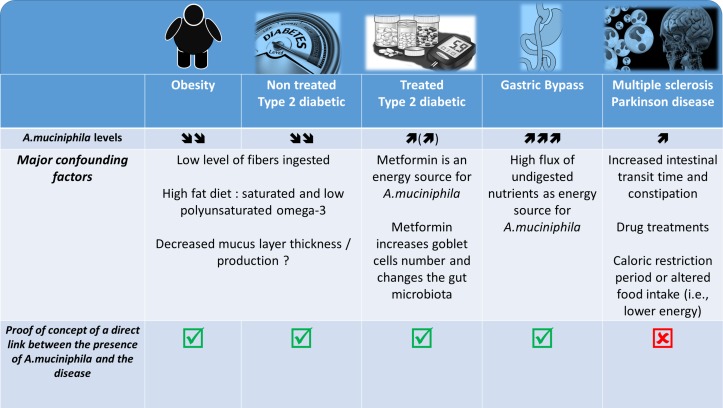
“Akkermansia is a mucin-degrading bacterium and investigations on mice have found that Akkermansia can deplete the intestinal mucosal layer, decrease the number of goblet cells, produce drier stools, slow colonic transit, and impair intestinal barrier function [106–108].”
From The gut–brain axis in early Parkinson’s disease: from prodrome to prevention (2025) · cites this paper as [108]
Checked by a reasoning model — may be wrong.
Experimental — accuracy not yet measuredThe source backs part of the claim, not all of it — or backs it for a different population, condition or comparison.
In the citing paper
“In fact, it has been widely studied that the gut microbiota may produce or transform molecules affecting several aspects of human health, including: host’s metabolism modulation, gut barrier integrity maintenance, xenobiotics and drug metabolism, protection against gastro-intestinal pathogens and host’s immune system modulation [31,32,33,34].”
From Gut Microbiota and Cancer: From Pathogenesis to Therapy (2019) · cites this paper as [34]
Experimental — accuracy not yet measuredThe source backs part of the claim, not all of it — or backs it for a different population, condition or comparison.
In the citing paper
“In particular, these approaches are crucial for non-traditional probiotic candidates derived from gut commensals that lack a long history of safe use—such as Akkermansia, Faecalibacterium, Bacteroides, and Clostridium species—where in silico analyses complement phenotypic testing to accelerate safe development [153,162].”
From Current Concepts in Probiotic Safety and Efficacy (2026) · cites this paper as [162]
Experimental — accuracy not yet measuredThe cited source says what the claim attributes to it.
In the citing paper
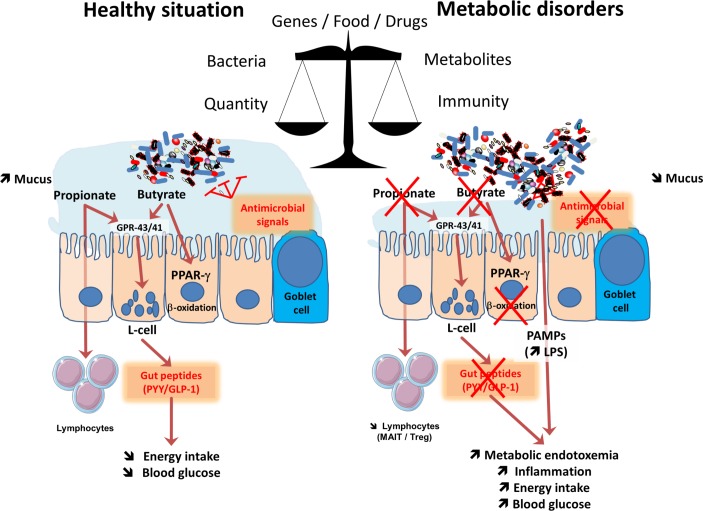
“Butyrate activates PPAR-γ leading to beta-oxidation and oxygen consumption, a phenomenon contributing to maintaining anaerobic condition in the gut lumen [239].”
From Gut-pancreas-liver Axis as a target for treatment of NAFLD/NASH (2020) · cites this paper as [239]
The cited source says what the claim attributes to it.
In the citing paper
“Dysbiosis is associated with increased intestinal permeability, which is known as the “leaky gut syndrome” (Figure 3) [112,113,114,115,116].”
From Bone diseases in patients with chronic liver disease (2019) · cites this paper as [116]
Self-check
Percentages, sums and reported differences re-computed from the paper’s own numbers.
The self-check needs the paper’s full text.
Citations
Cites
An obesity-associated gut microbiome with increased capacity for energy harvest
Turnbaugh, P. J., Ley, R. E., Mahowald, M. A., Magrini, V., Mardis, E. R., & Gordon, J. I. (2006) · Nature · doi:10.1038/nature05414 · Cited by 12,444 · cited 1×
“60 Since this discovery, not all papers have been able to replicate this finding, which gives rise to the following question: should we focus only on the general composition at the phylum level or should we go deeper (ie, the genus and species levels)?”
BackgroundHill (2014) · doi:10.1038/nrgastro.2014.66 · Cited by 9,592 · cited 1×
“129 Prebiotics : These are substrates that are selectively utilised by host microorganisms conferring health benefits.”
BackgroundA metagenome-wide association study of gut microbiota in type 2 diabetes
Qin, J., Li, Y., Cai, Z., Li, S., Zhu, J., Zhang, F., Liang, S., Zhang, W., Guan, Y., Shen, D., et al. (2012) · Nature · doi:10.1038/nature11450 · Cited by 6,762 · cited 1×
“118 122 Thus, one may argue that we should take into account of such confounding factor for all the future studies, including neurodegenerative disorders.”
BackgroundMetabolic Endotoxemia Initiates Obesity and Insulin Resistance
Cani, P. D., Amar, J., Iglesias, M. A., Poggi, M., Knauf, C., Bastelica, D., Neyrinck, A. M., Fava, F., Tuohy, K. M., Chabo, C., et al. (2007) · Diabetes · doi:10.2337/db06-1491 · Cited by 6,638
Self-citationGut microbiome influences efficacy of PD-1-based immunotherapy against epithelial tumors
Routy, B., Le Chatelier, E., Derosa, L., Duong, C. P. M., Alou, M. T., Daillère, R., Fluckiger, A., Messaoudene, M., Rauber, C., Roberti, M. P., et al. (2018) · Science · doi:10.1126/science.aan3706 · Cited by 5,671
Gibson, G. R., Hutkins, R., Sanders, M. E., Prescott, S. L., Reimer, R. A., Salminen, S. J., Scott, K., Stanton, C., Swanson, K. S., Cani, P. D., et al. (2017) · Nature Reviews Gastroenterology & Hepatology · doi:10.1038/nrgastro.2017.75 · Cited by 5,634
Self-citationCross-talk between Akkermansia muciniphila and intestinal epithelium controls diet-induced obesity
Everard, A., Belzer, C., Geurts, L., Ouwerkerk, J. P., Druart, C., Bindels, L. B., Guiot, Y., Derrien, M., Muccioli, G. G., Delzenne, N. M., et al. (2013) · Proceedings of the National Academy of Sciences · doi:10.1073/pnas.1219451110 · Cited by 4,511
Self-citationIntestinal microbiota metabolism of l-carnitine, a nutrient in red meat, promotes atherosclerosis
Koeth, R. A., Wang, Z., Levison, B. S., Buffa, J. A., Org, E., Sheehy, B. T., Britt, E. B., Fu, X., Wu, Y., Li, L., et al. (2013) · Nature Medicine · doi:10.1038/nm.3145 · Cited by 4,386
Anticancer immunotherapy by CTLA-4 blockade relies on the gut microbiota
Vétizou, M., Pitt, J. M., Daillère, R., Lepage, P., Waldschmitt, N., Flament, C., Rusakiewicz, S., Routy, B., Roberti, M. P., Duong, C. P. M., et al. (2015) · Science · doi:10.1126/science.aad1329 · Cited by 3,488
Regulation of inflammatory responses by gut microbiota and chemoattractant receptor GPR43
Maslowski, K. M., Vieira, A. T., Ng, A., Kranich, J., Sierro, F., Yu, D., Schilter, H. C., Rolph, M. S., Mackay, F., Artis, D., et al. (2009) · Nature · doi:10.1038/nature08530 · Cited by 3,241 · cited 1×
“53 Notably, propionate also regulates immune cells to produce antimicrobial factors and, therefore, may act as an immune regulator, 54 including a reduction of cancer cell proliferation.”
Background
Research works printed but not linked: 1
- 10.2337/diabetes · doi:10.2337/diabetes · Paper page
Cited by
Gut microbiome and health: mechanistic insights
de Vos, W. M., Tilg, H., Van Hul, M., & Cani, P. D. (2022) · Gut · doi:10.1136/gutjnl-2021-326789 · Cited by 2,388
Self-citationSwanson, K. S., Gibson, G. R., Hutkins, R., Reimer, R. A., Reid, G., Verbeke, K., Scott, K. P., Holscher, H. D., Azad, M. B., Delzenne, N. M., et al. (2020) · Nature Reviews Gastroenterology & Hepatology · doi:10.1038/s41575-020-0344-2 · Cited by 2,196
Mucus barrier, mucins and gut microbiota: the expected slimy partners?
Paone, P., & Cani, P. D. (2020) · Gut · doi:10.1136/gutjnl-2020-322260 · Cited by 1,578
Self-citationAkkermansia muciniphila: paradigm for next-generation beneficial microorganisms
Cani, P. D., Depommier, C., Derrien, M., Everard, A., & de Vos, W. M. (2022) · Nature Reviews Gastroenterology & Hepatology · doi:10.1038/s41575-022-00631-9 · Cited by 1,192
Self-citationThe intestinal microbiota fuelling metabolic inflammation
Tilg, H., Zmora, N., Adolph, T. E., & Elinav, E. (2020) · Nature Reviews Immunology · doi:10.1038/s41577-019-0198-4 · Cited by 1,089
Asnicar, F., Berry, S. E., Valdes, A. M., Nguyen, L. H., Piccinno, G., Drew, D. A., Leeming, E., Gibson, R., Le Roy, C., Khatib, H. A., et al. (2021) · Nature Medicine · doi:10.1038/s41591-020-01183-8 · Cited by 995
Human gut microbiota in health and disease: Unveiling the relationship
Afzaal, M., Saeed, F., Shah, Y. A., Hussain, M., Rabail, R., Socol, C. T., Hassoun, A., Pateiro, M., Lorenzo, J. M., Rusu, A. V., et al. (2022) · Frontiers in Microbiology · doi:10.3389/fmicb.2022.999001 · Cited by 762
Prevotella Diversity, Niches and Interactions with the Human Host
Tett, A., Pasolli, E., Masetti, G., Ercolini, D., & Segata, N. (2021) · Nature Reviews Microbiology · doi:10.1038/s41579-021-00559-y · Cited by 748
Gut Microbiota and Obesity: A Role for Probiotics
Abenavoli, L., Scarpellini, E., Colica, C., Boccuto, L., Salehi, B., Sharifi-Rad, J., Aiello, V., Romano, B., De Lorenzo, A., Izzo, A. A., et al. (2019) · Nutrients · doi:10.3390/nu11112690 · Cited by 615
“In fact, it has been proposed that the genetic pool of the microbiota represents an extension of the nuclear and mitochondrial genomes, leading to the definition of the meta-genome to describe such extension [8].”
BackgroundGut Microbiota and Cancer: From Pathogenesis to Therapy
Vivarelli, S., Salemi, R., Candido, S., Falzone, L., Santagati, M., Stefani, S., Torino, F., Banna, G. L., Tonini, G., & Libra, M. (2019) · Cancers · doi:10.3390/cancers11010038 · Cited by 586
Meslier, V., Laiola, M., Roager, H. M., De Filippis, F., Roume, H., Quinquis, B., Giacco, R., Mennella, I., Ferracane, R., Pons, N., et al. (2020) · Gut · doi:10.1136/gutjnl-2019-320438 · Cited by 583
Microbial regulation of organismal energy homeostasis
Cani, P. D., Van Hul, M., Lefort, C., Depommier, C., Rastelli, M., & Everard, A. (2019) · Nature Metabolism · doi:10.1038/s42255-018-0017-4 · Cited by 569
Self-citationHow Probiotics Affect the Microbiota
Wieërs, G., Belkhir, L., Enaud, R., Leclercq, S., Philippart de Foy, J.-M., Dequenne, I., de Timary, P., & Cani, P. D. (2020) · Frontiers in Cellular and Infection Microbiology · doi:10.3389/fcimb.2019.00454 · Cited by 525
Self-citationTett, A., Huang, K. D., Asnicar, F., Fehlner-Peach, H., Pasolli, E., Karcher, N., Armanini, F., Manghi, P., Bonham, K., Zolfo, M., et al. (2019) · Cell Host & Microbe · doi:10.1016/j.chom.2019.08.018 · Cited by 476
Pierantonelli, I., & Svegliati-Baroni, G. (2019) · Transplantation · doi:10.1097/tp.0000000000002480 · Cited by 460
Chen, R., Xu, Y., Wu, P., Zhou, H., Lasanajak, Y., Fang, Y., Tang, L., Ye, L., Li, X., Cai, Z., et al. (2019) · Pharmacological Research · doi:10.1016/j.phrs.2019.104403 · Cited by 417
Precision Nutrition and the Microbiome, Part I: Current State of the Science
Mills, S., Stanton, C., Lane, J., Smith, G., & Ross, R. (2019) · Nutrients · doi:10.3390/nu11040923 · Cited by 399
De Filippis, F., Pasolli, E., Tett, A., Tarallo, S., Naccarati, A., De Angelis, M., Neviani, E., Cocolin, L., Gobbetti, M., Segata, N., et al. (2019) · Cell Host & Microbe · doi:10.1016/j.chom.2019.01.004 · Cited by 397
Romani, A., Ieri, F., Urciuoli, S., Noce, A., Marrone, G., Nediani, C., & Bernini, R. (2019) · Nutrients · doi:10.3390/nu11081776 · Cited by 394
The microbiome–gut–brain axis in Parkinson disease — from basic research to the clinic
Tan, A. H., Lim, S. Y., & Lang, A. E. (2022) · Nature Reviews Neurology · doi:10.1038/s41582-022-00681-2 · Cited by 392
Microbial imbalance in inflammatory bowel disease patients at different taxonomic levels
Alam, M. T., Amos, G. C. A., Murphy, A. R. J., Murch, S., Wellington, E. M. H., & Arasaradnam, R. P. (2020) · Gut Pathogens · doi:10.1186/s13099-019-0341-6 · Cited by 380
Gut-derived low-grade endotoxaemia, atherothrombosis and cardiovascular disease
Violi, F., Cammisotto, V., Bartimoccia, S., Pignatelli, P., Carnevale, R., & Nocella, C. (2023) · Nature Reviews Cardiology · doi:10.1038/s41569-022-00737-2 · Cited by 374
Next generation probiotics in disease amelioration
Chang, C.-J., Lin, T.-L., Tsai, Y.-L., Wu, T.-R., Lai, W.-F., Lu, C.-C., & Lai, H.-C. (2019) · Journal of Food and Drug Analysis · doi:10.1016/j.jfda.2018.12.011 · Cited by 369
Tulkens, J., Vergauwen, G., Van Deun, J., Geeurickx, E., Dhondt, B., Lippens, L., De Scheerder, M.-A., Miinalainen, I., Rappu, P., De Geest, B. G., et al. (2020) · Gut · doi:10.1136/gutjnl-2018-317726 · Cited by 337
Ruminococcus gnavus : friend or foe for human health
Crost, E. H., Coletto, E., Bell, A., & Juge, N. (2023) · FEMS Microbiology Reviews · doi:10.1093/femsre/fuad014 · Cited by 335
“They also play a role in regulating bacteria–bacteria interactions within the gut microbiota community (Cani 2018).”
BackgroundGut microbiome, big data and machine learning to promote precision medicine for cancer
Cammarota, G., Ianiro, G., Ahern, A., Carbone, C., Temko, A., Claesson, M. J., Gasbarrini, A., & Tortora, G. (2020) · Nature Reviews Gastroenterology & Hepatology · doi:10.1038/s41575-020-0327-3 · Cited by 324
The mutual interplay of gut microbiota, diet and human disease
Illiano, P., Brambilla, R., & Parolini, C. (2020) · The FEBS Journal · doi:10.1111/febs.15217 · Cited by 322
Gut microbiota-derived succinate: Friend or foe in human metabolic diseases?
Fernández-Veledo, S., & Vendrell, J. (2019) · Reviews in Endocrine and Metabolic Disorders · doi:10.1007/s11154-019-09513-z · Cited by 308
The Gut Microbiome Influences Host Endocrine Functions
Rastelli, M., Cani, P. D., & Knauf, C. (2019) · Endocrine Reviews · doi:10.1210/er.2018-00280 · Cited by 307
Self-citationThe food-gut axis: lactic acid bacteria and their link to food, the gut microbiome and human health
De Filippis, F., Pasolli, E., & Ercolini, D. (2020) · FEMS Microbiology Reviews · doi:10.1093/femsre/fuaa015 · Cited by 303
Curcumin and colorectal cancer: An update and current perspective on this natural medicine
Weng, W., & Goel, A. (2022) · Seminars in Cancer Biology · doi:10.1016/j.semcancer.2020.02.011 · Cited by 287
Scazzocchio, B., Minghetti, L., & D’Archivio, M. (2020) · Nutrients · doi:10.3390/nu12092499 · Cited by 280
Grigor’eva, I. N. (2020) · Journal of Personalized Medicine · doi:10.3390/jpm11010013 · Cited by 277
The Protective Role of Butyrate against Obesity and Obesity-Related Diseases
Coppola, S., Avagliano, C., Calignano, A., & Berni Canani, R. (2021) · Molecules · doi:10.3390/molecules26030682 · Cited by 261
Gut Microbial Dysbiosis in the Pathogenesis of Gastrointestinal Dysmotility and Metabolic Disorders
Singh, R., Zogg, H., Wei, L., Bartlett, A., Ghoshal, U. C., Rajender, S., & Ro, S. (2021) · Journal of Neurogastroenterology and Motility · doi:10.5056/jnm20149 · Cited by 259
Ma, Z., Zuo, T., Frey, N., & Rangrez, A. Y. (2024) · Signal Transduction and Targeted Therapy · doi:10.1038/s41392-024-01946-6 · Cited by 259
The NF-κB Signaling Pathway, the Microbiota, and Gastrointestinal Tumorigenesis: Recent Advances
Peng, C., Ouyang, Y., Lu, N., & Li, N. (2020) · Frontiers in Immunology · doi:10.3389/fimmu.2020.01387 · Cited by 249
Lipidomic biomarkers and mechanisms of lipotoxicity in non-alcoholic fatty liver disease
Svegliati-Baroni, G., Pierantonelli, I., Torquato, P., Marinelli, R., Ferreri, C., Chatgilialoglu, C., Bartolini, D., & Galli, F. (2019) · Free Radical Biology and Medicine · doi:10.1016/j.freeradbiomed.2019.05.029 · Cited by 249
Gut microbiota and metabolic syndrome
Wang, P.-X., Deng, X.-R., Zhang, C.-H., & Yuan, H.-J. (2020) · Chinese Medical Journal · doi:10.1097/cm9.0000000000000696 · Cited by 246
“When the metabolism is healthy (eg, in individuals who eat a high-fiber diet), gut microorganisms regulate the integrity of the intestine through a variety of mechanisms of action.([30,31]) Dendritic cells extract microbial antigens from the gut lumen and induce the activation of immune cells such as retinoid-related…”
BackgroundPascale, A., Marchesi, N., Govoni, S., Coppola, A., & Gazzaruso, C. (2019) · Current Opinion in Pharmacology · doi:10.1016/j.coph.2019.03.011 · Cited by 240
Twarog, C., Fattah, S., Heade, J., Maher, S., Fattal, E., & Brayden, D. J. (2019) · Pharmaceutics · doi:10.3390/pharmaceutics11020078 · Cited by 236
“Surfactants may impair the protective mucus layer, facilitating the diffusion of luminal bacteria to the intestinal epithelium and ultimately disturbing the host microbiota [87].”
BackgroundThe influence of Akkermansia muciniphila on intestinal barrier function
Mo, C., Lou, X., Xue, J., Shi, Z., Zhao, Y., Wang, F., & Chen, G. (2024) · Gut Pathogens · doi:10.1186/s13099-024-00635-7 · Cited by 226
“Changes in intestinal microbiota are closely related to metabolic disorders such as obesity, insulin resistance, glucose intolerance, dyslipidemia, and hepatic steatosis [9].”
BackgroundZhang, X., Wen, K., Ding, D., Liu, J., Lei, Z., Chen, X., Ye, G., Zhang, J., Shen, H., Yan, C., et al. (2021) · Environment International · doi:10.1016/j.envint.2021.106452 · Cited by 223
Recent Advances in Metabolic Pathways of Sulfate Reduction in Intestinal Bacteria
Kushkevych, I., Cejnar, J., Treml, J., Dordević, D., Kollar, P., & Vítězová, M. (2020) · Cells · doi:10.3390/cells9030698 · Cited by 221
“Although intestinal bacteria have been studied for several decades, their role in the intestines has been found more interesting than classical infectious microorganisms [3].”
BackgroundMicrobiota and metabolites in metabolic diseases
Cani, P. D. (2019) · Nature Reviews Endocrinology · doi:10.1038/s41574-018-0143-9 · Cited by 221
Self-citationThe human microbiome in disease and pathology
Manos, J. (2022) · APMIS · doi:10.1111/apm.13225 · Cited by 220
“maturation of the immune response, is critical to development of a healthy gut microbiome [68].”
BackgroundFrom correlation to causality: the case of Subdoligranulum
Van Hul, M., Le Roy, T., Prifti, E., Dao, M. C., Paquot, A., Zucker, J.-D., Delzenne, N. M., Muccioli, G. G., Clément, K., & Cani, P. D. (2020) · Gut Microbes · doi:10.1080/19490976.2020.1849998 · Cited by 219
Self-citationThe Role of Gut Microbiota on Cholesterol Metabolism in Atherosclerosis
Vourakis, M., Mayer, G., & Rousseau, G. (2021) · International Journal of Molecular Sciences · doi:10.3390/ijms22158074 · Cited by 217
“Most of these disorders may increase the permeability of the intestine, leading to increased systemic levels of bacterial products which in turn cause low-grade chronic inflammation [6].”
BackgroundObesity, diabetes, and the gut microbiome: an updated review
Singer-Englar, T., Barlow, G., & Mathur, R. (2019) · Expert Review of Gastroenterology & Hepatology · doi:10.1080/17474124.2019.1543023 · Cited by 214
Herath, M., Hosie, S., Bornstein, J. C., Franks, A. E., & Hill-Yardin, E. L. (2020) · Frontiers in Cellular and Infection Microbiology · doi:10.3389/fcimb.2020.00248 · Cited by 213
“Such an increase could be beneficial (i.e., in the case of obesity) but detrimental in neurodegenerative diseases such as multiple sclerosis and Parkinson’s Disease (Cani, 2018).”
BackgroundThe Molecular Hallmarks of the Serrated Pathway in Colorectal Cancer
De Palma, F., D’Argenio, V., Pol, J., Kroemer, G., Maiuri, M., & Salvatore, F. (2019) · Cancers · doi:10.3390/cancers11071017 · Cited by 213
“Human gut microbiota, whose composition varies across gut segments and between individuals, plays a multitude of functions, such as structural and metabolic roles or homeostasis maintenance of the intestinal immune system which constitutes a natural barrier to pathogen infection [142,143].”
BackgroundIntestinal Barrier and Permeability in Health, Obesity and NAFLD
Portincasa, P., Bonfrate, L., Khalil, M., Angelis, M. D., Calabrese, F. M., D’Amato, M., Wang, D. Q.-H., & Di Ciaula, A. (2021) · Biomedicines · doi:10.3390/biomedicines10010083 · Cited by 211
“As the prevalence of overweight and obesity are rising worldwide, the impact of gut microbiota on the development of type 2 diabetes mellitus is becoming clearer [464].”
BackgroundBioactive compounds produced by probiotics in food products
Chugh, B., & Kamal-Eldin, A. (2020) · Current Opinion in Food Science · doi:10.1016/j.cofs.2020.02.003 · Cited by 209
Song, X., Zhong, L., Lyu, N., Liu, F., Li, B., Hao, Y., Xue, Y., Li, J., Feng, Y., Ma, Y., et al. (2019) · Genomics, Proteomics & Bioinformatics · doi:10.1016/j.gpb.2019.03.001 · Cited by 208
“These gut peptides have positive effects on reducing food intake and improving glucose metabolism [17].”
Sasso, J. M., Ammar, R. M., Tenchov, R., Lemmel, S., Kelber, O., Grieswelle, M., & Zhou, Q. A. (2023) · ACS Chemical Neuroscience · doi:10.1021/acschemneuro.3c00127 · Cited by 204
Yu, G., Xu, C., Zhang, D., Ju, F., & Ni, Y. (2022) · iMeta · doi:10.1002/imt2.10 · Cited by 204
“The fundamental role of the human metabolome and microbiome has been interrogated in many diseases including obesity, inflammatory bowel disease, cardiovascular diseases, neurodegenerative diseases, and cancers [1].”
BackgroundObesity I: Overview and molecular and biochemical mechanisms
Lustig, R. H., Collier, D., Kassotis, C., Roepke, T. A., Kim, M. J., Blanc, E., Barouki, R., Bansal, A., Cave, M. C., Chatterjee, S., et al. (2022) · Biochemical Pharmacology · doi:10.1016/j.bcp.2022.115012 · Cited by 203
Gut Microbial Ecosystem in Parkinson Disease: New Clinicobiological Insights from Multi‐Omics
Tan, A. H., Chong, C. W., Lim, S., Yap, I. K. S., Teh, C. S. J., Loke, M. F., Song, S., Tan, J. Y., Ang, B. H., Tan, Y. Q., et al. (2021) · Annals of Neurology · doi:10.1002/ana.25982 · Cited by 196
“It functions as an excitatory neurotransmitter in the central as well as the enteric nervous system (eg, facilitating intestinal contractions and secretory function).65 Alterations in glutamate metabolism have been reported in psychiatric, neurodevelopmental, and neurodegenerative disorders.66 Another interesting find…”
BackgroundInfluentialGut microbiota shapes cancer immunotherapy responses
Lei, W., Zhou, K., Lei, Y., Li, Q., & Zhu, H. (2025) · npj Biofilms and Microbiomes · doi:10.1038/s41522-025-00786-8 · Cited by 196
Gut microbiota in overweight and obesity: crosstalk with adipose tissue
Cani, P. D., & Van Hul, M. (2024) · Nature Reviews Gastroenterology & Hepatology · doi:10.1038/s41575-023-00867-z · Cited by 194
“…is also known as endotoxin-induced metabolic inflammation and refers to a condition characterized by increased levels of circulating lipopolysaccharides (LPS; frequently referred to as endotoxins) in the bloodstream, which can lead to low-grade chronic inflammation and metabolic dysfunction 128 .”
Self-citationSynthetic ecology of the human gut microbiota
Vrancken, G., Gregory, A. C., Huys, G. R. B., Faust, K., & Raes, J. (2019) · Nature Reviews Microbiology · doi:10.1038/s41579-019-0264-8 · Cited by 193
Probiotics: How Effective Are They in the Fight against Obesity?
Mazloom, K., Siddiqi, I., & Covasa, M. (2019) · Nutrients · doi:10.3390/nu11020258 · Cited by 192
A Review and Tutorial of Machine Learning Methods for Microbiome Host Trait Prediction
Zhou, Y.-H., & Gallins, P. (2019) · Frontiers in Genetics · doi:10.3389/fgene.2019.00579 · Cited by 192
“Other reviews have covered the remarkable advances in understanding that have resulted recently in understanding connections of, e.g., human gut microbiome populations to human health (Cani, 2018).”
BackgroundDi Lorenzo, F., De Castro, C., Silipo, A., & Molinaro, A. (2019) · FEMS Microbiology Reviews · doi:10.1093/femsre/fuz002 · Cited by 190
Li, S., You, J., Wang, Z., Liu, Y., Wang, B., Du, M., & Zou, T. (2021) · Food Research International · doi:10.1016/j.foodres.2021.110270 · Cited by 190
Nguyen, N. K., Deehan, E. C., Zhang, Z., Jin, M., Baskota, N., Perez-Muñoz, M. E., Cole, J., Tuncil, Y. E., Seethaler, B., Wang, T., et al. (2020) · Microbiome · doi:10.1186/s40168-020-00887-w · Cited by 189
“, enhanced rheumatoid arthritis susceptibility [72]) that are likely dependent on strain-level differences, dietary environments, and host predisposition [19, 73], this species was associated with improved glucose metabolism after whole grain barley treatment [8], and correlated with weight loss in volunteers that con…”
BackgroundFrost, F., Kacprowski, T., Rühlemann, M., Pietzner, M., Bang, C., Franke, A., Nauck, M., Völker, U., Völzke, H., Dörr, M., et al. (2021) · Gut · doi:10.1136/gutjnl-2020-322753 · Cited by 187
Maternal exposures and the infant gut microbiome: a systematic review with meta-analysis
Grech, A., Collins, C. E., Holmes, A., Lal, R., Duncanson, K., Taylor, R., & Gordon, A. (2021) · Gut Microbes · doi:10.1080/19490976.2021.1897210 · Cited by 186
Islam, M. R., Rauf, A., Akash, S., Trisha, S. I., Nasim, A. H., Akter, M., Dhar, P. S., Ogaly, H. A., Hemeg, H. A., Wilairatana, P., et al. (2023) · Biomedicine & Pharmacotherapy · doi:10.1016/j.biopha.2023.116034 · Cited by 182
van Deuren, T., Blaak, E. E., & Canfora, E. E. (2022) · Obesity Reviews · doi:10.1111/obr.13498 · Cited by 181
Metagenomics: An Effective Approach for Exploring Microbial Diversity and Functions
Nam, N., Do, H., Loan Trinh, K., & Lee, N. (2023) · Foods · doi:10.3390/foods12112140 · Cited by 181
Gut microbiome, endocrine control of gut barrier function and metabolic diseases
Régnier, M., Van Hul, M., Knauf, C., & Cani, P. D. (2021) · Journal of Endocrinology · doi:10.1530/joe-20-0473 · Cited by 179
Self-citationDiet influences the functions of the human intestinal microbiome
De Angelis, M., Ferrocino, I., Calabrese, F. M., De Filippis, F., Cavallo, N., Siragusa, S., Rampelli, S., Di Cagno, R., Rantsiou, K., Vannini, L., et al. (2020) · Scientific Reports · doi:10.1038/s41598-020-61192-y · Cited by 178
Host-diet-gut microbiome interactions influence human energy balance: a randomized clinical trial
Corbin, K. D., Carnero, E. A., Dirks, B., Igudesman, D., Yi, F., Marcus, A., Davis, T. L., Pratley, R. E., Rittmann, B. E., Krajmalnik-Brown, R., et al. (2023) · Nature Communications · doi:10.1038/s41467-023-38778-x · Cited by 177
Gut microbiota: A new target for T2DM prevention and treatment
Liu, L., Zhang, J., Cheng, Y., Zhu, M., Xiao, Z., Ruan, G., & Wei, Y. (2022) · Frontiers in Endocrinology · doi:10.3389/fendo.2022.958218 · Cited by 176
The Role of Gut–Liver Axis in Gut Microbiome Dysbiosis Associated NAFLD and NAFLD-HCC
Song, Q., & Zhang, X. (2022) · Biomedicines · doi:10.3390/biomedicines10030524 · Cited by 175
Vasapolli, R., Schütte, K., Schulz, C., Vital, M., Schomburg, D., Pieper, D. H., Vilchez-Vargas, R., & Malfertheiner, P. (2019) · Gastroenterology · doi:10.1053/j.gastro.2019.05.068 · Cited by 174
Longevity of centenarians is reflected by the gut microbiome with youth-associated signatures
Pang, S., Chen, X., Lu, Z., Meng, L., Huang, Y., Yu, X., Huang, L., Ye, P., Chen, X., Liang, J., et al. (2023) · Nature Aging · doi:10.1038/s43587-023-00389-y · Cited by 173
Mapping Interactions of Microbial Metabolites with Human G-Protein-Coupled Receptors
Colosimo, D. A., Kohn, J. A., Luo, P. M., Piscotta, F. J., Han, S. M., Pickard, A. J., Rao, A., Cross, J. R., Cohen, L. J., & Brady, S. F. (2019) · Cell Host & Microbe · doi:10.1016/j.chom.2019.07.002 · Cited by 173
“Although these informatics-based methods have served as powerful tools for uncovering correlations between changes in themicrobiota and health and disease, they are somewhat limited in their ability to reveal the mechanistic details of how the microbiota might alter mammalian physiology (Cani, 2018).”
MethodCorb Aron, R. A., Abid, A., Vesa, C. M., Nechifor, A. C., Behl, T., Ghitea, T. C., Munteanu, M. A., Fratila, O., Andronie-Cioara, F. L., Toma, M. M., et al. (2021) · Microorganisms · doi:10.3390/microorganisms9030618 · Cited by 169
Endometriosis and the microbiome: a systematic review
Leonardi, M., Hicks, C., El‐Assaad, F., El‐Omar, E., & Condous, G. (2020) · BJOG: An International Journal of Obstetrics & Gynaecology · doi:10.1111/1471-0528.15916 · Cited by 169
Effects of a personalized nutrition program on cardiometabolic health: a randomized controlled trial
Bermingham, K. M., Linenberg, I., Polidori, L., Asnicar, F., Arrè, A., Wolf, J., Badri, F., Bernard, H., Capdevila, J., Bulsiewicz, W. J., et al. (2024) · Nature Medicine · doi:10.1038/s41591-024-02951-6 · Cited by 166
“The gut microbiome has a central role in human health and disease, specifically cardiometabolic health 29,30 .”
Rinott, E., Meir, A. Y., Tsaban, G., Zelicha, H., Kaplan, A., Knights, D., Tuohy, K., Scholz, M. U., Koren, O., Stampfer, M. J., et al. (2022) · Genome Medicine · doi:10.1186/s13073-022-01015-z · Cited by 165
“These findings support the hypothesis that Prevotella may not be beneficial or deleterious per se, but should be examined in light of other environmental and hostspecific factors, requiring further investigations [5, 58].”
ResultPeriodontitis and cardiometabolic disorders: The role of lipopolysaccharide and endotoxemia
Pussinen, P. J., Kopra, E., Pietiäinen, M., Lehto, M. J., Zarić, S., Paju, S., & Salminen, A. (2022) · Periodontology 2000 · doi:10.1111/prd.12433 · Cited by 165
Gut microbiome-Mediterranean diet interactions in improving host health
Nagpal, R., Shively, C. A., Register, T. C., Craft, S., & Yadav, H. (2019) · F1000Research · doi:10.12688/f1000research.18992.1 · Cited by 164
“…or severity, level of dietary adherence, etc. which otherwise remain to be explicated and hence would be prerequisite to pinpoint the factors contributing to the outcome of MD on gut microbiome and deliver conclusive data on the role of gut microbiome in MD’s beneficial health outcomes 124,125 .”
BackgroundEnhancing the tropism of bacteria via genetically programmed biosensors
Chien, T., Harimoto, T., Kepecs, B., Gray, K., Coker, C., Hou, N., Pu, K., Azad, T., Nolasco, A., Pavlicova, M., et al. (2021) · Nature Biomedical Engineering · doi:10.1038/s41551-021-00772-3 · Cited by 164
Phytochemicals as modifiers of gut microbial communities
Dingeo, G., Brito, A., Samouda, H., Iddir, M., La Frano, M. R., & Bohn, T. (2020) · Food & Function · doi:10.1039/d0fo01483d · Cited by 164
Gestational diabetes is driven by microbiota-induced inflammation months before diagnosis
Pinto, Y., Frishman, S., Turjeman, S., Eshel, A., Nuriel-Ohayon, M., Shtossel, O., Ziv, O., Walters, W., Parsonnet, J., Ley, C., et al. (2023) · Gut · doi:10.1136/gutjnl-2022-328406 · Cited by 163
“As an illustrative example, P. copri, which is known to play a role in glucose homeostasis 43 and has been reported to be more abundant in women diagnosed with GDM, 41 44 was found to be under-represented in women with GDM in our primary cohort,”
BackgroundA random forest based biomarker discovery and power analysis framework for diagnostics research
Acharjee, A., Larkman, J., Xu, Y., Cardoso, V. R., & Gkoutos, G. V. (2020) · BMC Medical Genomics · doi:10.1186/s12920-020-00826-6 · Cited by 163
The microbiota-gut-bone axis and bone health
Tu, Y., Yang, R., Xu, X., & Zhou, X. (2021) · Journal of Leukocyte Biology · doi:10.1002/jlb.3mr0321-755r · Cited by 160
Extraction, purification, bioactivity and pharmacological effects of capsaicin: a review
Wang, F., Xue, Y., Fu, L., Wang, Y., He, M. M., Zhao, L., & Liao, X. (2021) · Critical Reviews in Food Science and Nutrition · doi:10.1080/10408398.2021.1884840 · Cited by 160
Origins of human milk microbiota: new evidence and arising questions
Moossavi, S., & Azad, M. B. (2019) · Gut Microbes · doi:10.1080/19490976.2019.1667722 · Cited by 156
Green, J. E., Davis, J. A., Berk, M., Hair, C., Loughman, A., Castle, D., Athan, E., Nierenberg, A. A., Cryan, J. F., Jacka, F., et al. (2020) · Gut Microbes · doi:10.1080/19490976.2020.1854640 · Cited by 155
The Microbiota–Gut–Brain Axis and Neurological Disorders: A Comprehensive Review
Nakhal, M. M., Yassin, L. K., Alyaqoubi, R., Saeed, S., Alderei, A., Alhammadi, A., Alshehhi, M., Almehairbi, A., Houqani, S. A., BaniYas, S., et al. (2024) · Life · doi:10.3390/life14101234 · Cited by 154
Bacteroides uniformis combined with fiber amplifies metabolic and immune benefits in obese mice
López-Almela, I., Romaní-Pérez, M., Bullich-Vilarrubias, C., Benítez-Páez, A., Gómez Del Pulgar, E. M., Francés, R., Liebisch, G., & Sanz, Y. (2021) · Gut Microbes · doi:10.1080/19490976.2020.1865706 · Cited by 153
Probiotics for Parkinson’s Disease
Gazerani, P. (2019) · International Journal of Molecular Sciences · doi:10.3390/ijms20174121 · Cited by 151
Gut microbiota modulate CD8 + T cell immunity in gastric cancer through Butyrate/GPR109A/HOPX
Yu, X., Ou, J., Wang, L., Li, Z., Ren, Y., Xie, L., Chen, Z., Liang, J., Shen, G., Zou, Z., et al. (2024) · Gut Microbes · doi:10.1080/19490976.2024.2307542 · Cited by 151
Pancreatic cancer in 2021: What you need to know to win
Tonini, V., & Zanni, M. (2021) · World Journal of Gastroenterology · doi:10.3748/wjg.v27.i35.5851 · Cited by 150
The Gut Microbiome in Myalgic Encephalomyelitis (ME)/Chronic Fatigue Syndrome (CFS)
König, R. S., Albrich, W. C., Kahlert, C. R., Bahr, L. S., Löber, U., Vernazza, P., Scheibenbogen, C., & Forslund, S. K. (2022) · Frontiers in Immunology · doi:10.3389/fimmu.2021.628741 · Cited by 149
Gut microbiota composition is associated with temperament traits in infants
Aatsinki, A.-K., Lahti, L., Uusitupa, H.-M., Munukka, E., Keskitalo, A., Nolvi, S., O'Mahony, S., Pietilä, S., Elo, L. L., Eerola, E., et al. (2019) · Brain Behavior and Immunity · doi:10.1016/j.bbi.2019.05.035 · Cited by 148
“The gut microbiota is a densely populated microbial ecosystem that is a central component in host physiology and metabolism (Cani, 2018; Lynch and Pedersen, 2016).”
Metadata
- Authors
- Cani, P. D.
- Affiliations
- Walloon Excellence in Lifesciences and Biotechnology (BE)
- Corresponding author
- Cani, Patrice D
- ORCID
- Cani, Patrice D
- Venue
- Gut
- Publisher
- BMJ
- Published
- 2018-06-22
- Volume
- 67
- Issue
- 9
- Pages
- 1716-1725
- ISSN
- 0017-5749 (ISSN-L)
- 1468-3288
- PMC
- PMC6109275
- OpenAlex
- W2809439583
- Cited by
- 1,386
- References
- 138
- Citations by year
- 2026: 95 · 2025: 134 · 2024: 181 · 2023: 179 · 2022: 188 · 2021: 204 · 2020: 244 · 2019: 139 · 2018: 21
- FWCI
- 14.84
- Type
- journal article
- Language
- en
- Open access
- hybrid
- doi.org
- Licence
- cc-by-nc
- Locations
- Gut (publishedVersion, cc-by-nc)
- Europe PMC (PubMed Central) (publishedVersion, cc-by-nc)
- PubMed Central (publishedVersion, cc-by-nc)
- PubMed (publishedVersion)
- Digital Access to Libraries (Université catholique de Louvain (UCL), l'Université de Namur (UNamur) and the Université Saint-Louis (USL-B)) (submittedVersion, other-oa)
- HighWire Press Open Archive (submittedVersion)
- Funders
- FP7 Ideas: European Research Council
- Funds Baillet-Latour
- Fonds De La Recherche Scientifique - FNRS
- WELBIO
- Topics
- Life Sciences › Biochemistry, Genetics and Molecular Biology › Molecular Biology › Gut microbiota and health
- Health Sciences › Dentistry › Periodontics › Oral microbiology and periodontitis research
- Health Sciences › Medicine › Gastroenterology › Gastrointestinal motility and disorders
- Keywords
- gut microbiota, human gut microbiome, metabolic disorders, obesity, diabetes mellitus, liver disease, cancer, neurodegenerative diseases, microbiota-based therapy, metagenomics, dietary factors, intestinal motility, stool consistency, Prevotella copri, Akkermansia muciniphila
- MeSH terms
- Gastrointestinal Microbiome, Diabetes Mellitus, Humans, Liver Diseases, Metabolic Diseases, Neoplasms, Obesity, Prevotella, Evidence-Based Medicine, Neurodegenerative Diseases, Verrucomicrobia, Dysbiosis
About these checks
Registry, retraction, Cites and statistics results are computed, not judged, with one exception: a printed reference that no index lists is read once by a model before it counts as a citation error. Claims are extracted by a model and kept only when their quote appears verbatim in the text; each cited source is then checked, with a model’s help, for whether it says what the claim relies on. Those verdicts can be wrong — read the claim’s quote and the cited source before relying on one.
Statistics and arithmetic are recomputed, not judged.
Confidence bands are shown only for fields calibrated on our annotated test set. None is calibrated yet, so no band is shown.
What counts as a claim ›How we measure confidence ›How we check this ›
Are you an author, or do you see a problem with this page? Request a review
Data sources
Bibliographic data: Semantic Scholar, OpenAlex, Crossref.
Contains information from the Semantic Scholar Academic Graph Datasets, made available under the ODC Attribution License (ODC-BY 1.0).
Semantic Scholar’s data is described in: Kinney, R., et al. (2023). The Semantic Scholar Open Data Platform. arXiv:2301.10140.
