

Fungal Biofilm Resistance
Open accessThe DOI matches its Crossref record; 186 of the 186 references it cites were found in a registry or an index.
Abstract
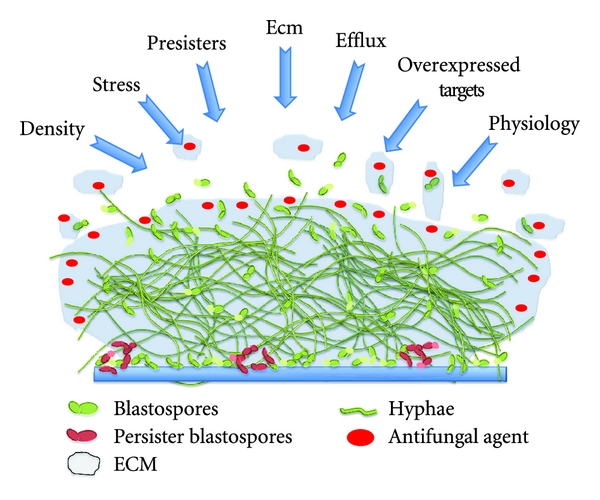
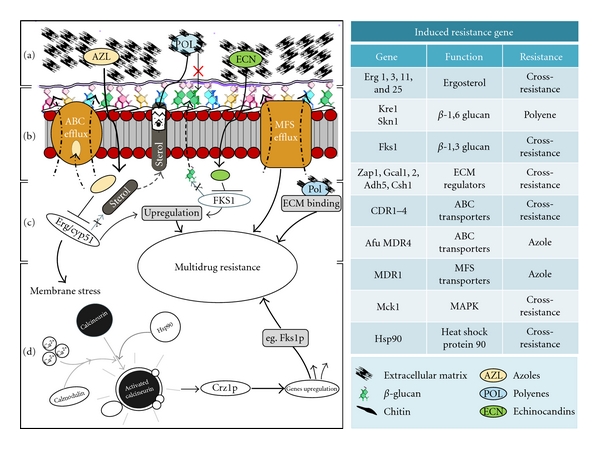
Fungal biofilm infections have become increasingly recognised as a significant clinical problem. One of the major reasons behind this is the impact that these have upon treatment, as antifungal therapy often fails and surgical intervention is required. This places a large financial burden on health care providers. This paper aims to illustrate the importance of fungal biofilms, particularly Candida albicans , and discusses some of the key fungal biofilm resistance mechanisms that include, extracellular matrix (ECM), efflux pump activity, persisters, cell density, overexpression of drug targets, stress responses, and the general physiology of the cell. The paper demonstrates the multifaceted nature of fungal biofilm resistance, which encompasses some of the newest data and ideas in the field.
Overview
The claims and statistics of this paper haven’t been checked yet.
Free: it reads the open-access text and checks the first 5 claims that cite a source we can check. Create a free account to check every claim.
Integrity signals
Registry
Cites
Statistics
Figures
Verification
Claims the paper makes
The claims and statistics of this paper haven’t been checked yet.
Free: it reads the open-access text and checks the first 5 claims that cite a source we can check. Create a free account to check every claim.
Claims other papers make about this one
Each is checked against this paper’s own text: does it say what the citing paper says it does?
The source backs part of the claim, not all of it — or backs it for a different population, condition or comparison.
In the citing paper
“Specific biofilm formation genes are being brought up regarding different roles in biofilm resistance: peroxisomal catalase (CTA1), the biosynthesis and degradation of tyrosine genes (ARO), the muscle creatine kinase (MSK), the heat shock protein 90 (HSP 90), the sphingolipid biosynthesis (SKN 1 and KRE1), SIR, RIF, and, finally, the extracellular matrix (ECM) regulators: zinc regulated genes (ZAP”
From Candida glabrata Biofilms: How Far Have We Come? (2017) · cites this paper as [130]
Experimental — accuracy not yet measuredThe source backs part of the claim, not all of it — or backs it for a different population, condition or comparison.
In the citing paper
“These include (in addition to Candida) members from Acremonium, Aspergillus, Cladosporium, Fusarium, and Pneumocystis (9, 20, 35, 42, 79, 160, 176).”
From Candida albicans Biofilms and Human Disease (2015) · cites this paper as [160]
Experimental — accuracy not yet measuredThe cited source says what the claim attributes to it.
In the citing paper
“C. albicans biofilms are resistant to standard antifungal drugs; not only do biofilms provide physical protection from drugs, cells in biofilms become intrinsically resistant to antimicrobial compounds because of their altered metabolic states and their constitutive upregulation of drug efflux pumps (7–10).”
From A Histone Deacetylase Complex Mediates Biofilm Dispersal and Drug Resistance in Candida albicans (2014) · cites this paper as [9]
The cited source says what the claim attributes to it.
In the citing paper
“Several general mechanisms of biofilm drug resistance are thought to confer resistance to multiple classes of antifungals in Candida species biofilms: the up-regulation of efflux pumps, cell wall composition, increased cell density and quorum sensing effect, presence of an extracellular matrix, changes in metabolism, the presence of persister cells, and cellular signalling and stress responses [”
From Candida glabrata Biofilms: How Far Have We Come? (2017) · cites this paper as [130]
The cited source says what the claim attributes to it.
In the citing paper
“It is well recognized that the inoculum size can affect susceptibility results [130,144,145,146,147].”
From Candida glabrata Biofilms: How Far Have We Come? (2017) · cites this paper as [130]
7 more claims about this paper
Create a free account to see every claim other papers make about this one.
Self-check
Percentages, sums and reported differences re-computed from the paper’s own numbers.
The self-check needs the paper’s full text.
Citations
Cites
Miller, M. B., & Bassler, B. L. (2001) · Annual Review of Microbiology · doi:10.1146/annurev.micro.55.1.165 · Cited by 5,105 · cited 1×
“provides the ability of microorganisms to communicate and coordinate their behaviour via the secretion of signalling molecules in a population-dependent manner [103].”
BackgroundCosterton, J. W., Lewandowski, Z., Caldwell, D. E., Korber, D. R., & Lappin-Scott, H. M. (1995) · Annual Review of Microbiology · doi:10.1146/annurev.mi.49.100195.003431 · Cited by 4,544
Biofilms: Microbial Life on Surfaces
Donlan, R. M. (2002) · Emerging Infectious Diseases · doi:10.3201/eid0809.020063 · Cited by 4,145 · cited 1×
“Estimates suggest that up to 80% of all microorganisms in the environment exist in biofilm communities [41].”
BackgroundABC Transporters: From Microorganisms to Man
Higgins, C. F. (1992) · Annual Review of Cell Biology · doi:10.1146/annurev.cb.08.110192.000435 · Cited by 3,985 · cited 1×
“The ABC transporters include a membrane pore composed of transmembrane segments and two ABCs on the cytosolic side of the membrane, which provide the energy source for the pump [128, 129].”
BackgroundLewis, K. (2010) · Annual Review of Microbiology · doi:10.1146/annurev.micro.112408.134306 · Cited by 1,858 · cited 1×
“Persister cells are “dormant variants of regular cells that form stochastically in microbial populations and are highly tolerant to antibiotics” [168].”
BackgroundChandra, J., Kuhn, D. M., Mukherjee, P. K., Hoyer, L. L., McCormick, T., & Ghannoum, M. A. (2001) · Journal of Bacteriology · doi:10.1128/jb.183.18.5385-5394.2001 · Cited by 1,578 · cited 5×
“, XTT-based assays) confirm that cells within biofilms are undergoing mitochondrial respiration during development [55, 58, 62, 65, 70].”
BackgroundMethodInfluentialMultidrug-resistance efflux pumps ? not just for resistance
Piddock, L. J. V. (2006) · Nature Reviews Microbiology · doi:10.1038/nrmicro1464 · Cited by 1,522 · cited 1×
“Their primary role may be for homeostasis within complex environments to protect themselves from acute toxicity [146], but within clinical environments exposure to azoles dugs may enhance the levels of efflux pump expression, therefore either contributing towards or inducing clinical resistance [139].”
BackgroundGenomic sequence of the pathogenic and allergenic filamentous fungus Aspergillus fumigatus
Nierman, W. C., Pain, A., Anderson, M. J., Wortman, J. R., Kim, H. S., Arroyo, J., Berriman, M., Abe, K., Archer, D. B., Bermejo, C., et al. (2005) · Nature · doi:10.1038/nature04332 · Cited by 1,391 · cited 1×
“fumigatus has 278 different MFS and 49 ABC transporters [140].”
BackgroundComparison of multiple methods for quantification of microbial biofilms grown in microtiter plates
Peeters, E., Nelis, H. J., & Coenye, T. (2008) · Journal of Microbiological Methods · doi:10.1016/j.mimet.2007.11.010 · Cited by 1,143 · cited 1×
“The oxidation reduction indicator Alamar blue has also been shown to be a reproducible and cheaper alternative to XTT in recent years, which merits further study [72, 73].”
BackgroundPierce, C. G., Uppuluri, P., Tristan, A. R., Wormley, F. L., Mowat, E., Ramage, G., & Lopez-Ribot, J. L. (2008) · Nature Protocols · doi:10.1038/nprot.2008.141 · Cited by 1,041 · cited 1×
“The recent interest in Aspergillus and Cryptococcus biofilms, as well as others like Pneumocystis, has led to further modifications of these, but in essence the platforms and techniques remain largely similar [67].”
BackgroundSelf-citation
Research works printed but not linked: 1
- Odds FC Candida and Candidosis 1988 2nd edition London, UK Bailliere Tindall
Cited by
Items 201–300 of 614
Chronic Illness Associated with Mold and Mycotoxins: Is Naso-Sinus Fungal Biofilm the Culprit?
Brewer, J., Thrasher, J. D., & Hooper, D. G. (2013) · Toxins · doi:10.3390/toxins6010066 · Cited by 35
“This would explain the chronic nature of the fungi/mold in the sinuses and explain the difficulty in treatment [39,64,83].”
BackgroundInfluentialMarena, G. D., Ramos, M. A. D. S., Carvalho, G. C., de Lima, L. C., do Nascimento, A. L. C. S., Sábio, R. M., Rodero, C. F., Spósito, L., Bauab, T. M., & Chorilli, M. (2022) · Journal of Drug Delivery Science and Technology · doi:10.1016/j.jddst.2022.103566 · Cited by 33
Seddiki, S. M. L., Boucherit‐Otmani, Z., Boucherit, K., & Kunkel, D. D. (2015) · Journal de Mycologie Médicale · doi:10.1016/j.mycmed.2015.03.003 · Cited by 42
Marioni, J., da Silva, M. A., Cabrera, J. L., Montoya, S. C. N., & Paraje, M. G. (2016) · Phytomedicine · doi:10.1016/j.phymed.2016.07.008 · Cited by 40
Alves, F., Mima, E. G. D. O., Passador, R. C. P., Bagnato, V. S., Jorge, J. H., & Pavarina, A. C. (2017) · Lasers in Medical Science · doi:10.1007/s10103-017-2177-y · Cited by 31
“Organization into biofilms may be considered an important virulence factor [5] since it is intimately associated with the capacity to cause infections, protect development of the microorganism in hostile environments, and prevent the penetration of antifungal drugs [5].”
BackgroundRodrigues, C. F., & Henriques, M. (2018) · Genes · doi:10.3390/genes9040205 · Cited by 32
Garcia, L. M., Costa-Orlandi, C. B., Bila, N. M., Vaso, C. O., Gonçalves, L. N. C., Fusco‐Almeida, A. M., & Mendes‐Giannini, M. J. S. (2020) · Frontiers in Microbiology · doi:10.3389/fmicb.2020.01980 · Cited by 30
Pierantoni, D. C., Corte, L., Casadevall, A., Robert, V., Cardinali, G., & Tascini, C. (2021) · Mycoses · doi:10.1111/myc.13291 · Cited by 31
Brilhante, R. S. N., de Oliveira, J. S., Evangelista, A. J. D. J., Serpa, R., da Silva, A. L., de Aguiar, F. R. M., Pereira, V. S., Castelo‐Branco, D. D. S. C. M., Pereira‐Neto, W. D. A., Cordeiro, R. D. A., et al. (2016) · Veterinary Microbiology · doi:10.1016/j.vetmic.2016.07.022 · Cited by 29
Nuño, G., Rosa, A. M., Catiana, Z. I., Cuello, S., Ordóñez, R. M., Sayago, J. E., Veronica, B., Wunderlin, D. A., & Inés, I. M. (2014) · Natural Product Communications · doi:10.1177/1934578x1400900712 · Cited by 29
Reen, F. J., Phelan, J. P., Woods, D. F., Shanahan, R., Cano, R., Clarke, S., McGlacken, G. P., & O’Gara, F. (2016) · Frontiers in Microbiology · doi:10.3389/fmicb.2016.02074 · Cited by 28
“fumigatus has recently been associated with medical device infections (Ramage et al., 2012; Ramage and Williams, 2013; Nett and Andes, 2015).”
BackgroundFuture Research Priorities in Fungal Resistance
McCarthy, M. W., Denning, D. W., & Walsh, T. J. (2017) · The Journal of Infectious Diseases · doi:10.1093/infdis/jix103 · Cited by 32
“Important fungal biofilm resistance mechanisms include: extracellular matrix, efflux pump activity, overexpression of drug targets, metabolic heterogeneity intrinsic to biofilms, and stress responses [92].”
BackgroundReen, F. J., Phelan, J. P., Gallagher, L., Woods, D. F., Shanahan, R., Cano, R., Muimhneacháin, E. Ó., McGlacken, G. P., & O’Gara, F. (2016) · Antimicrobial Agents and Chemotherapy · doi:10.1128/aac.00190-16 · Cited by 30
“The formation of biofilms in bacteria, yeasts, and fungi is a highly ordered process involving multicellular behavior and has been defined in several stages (22).”
BackgroundHost immune response against fungal biofilms
Mannan, M. A., Nabeela, S., Mishra, R., & Uppuluri, P. (2024) · Current Opinion in Microbiology · doi:10.1016/j.mib.2024.102520 · Cited by 29
Peralta, M. A., Ortega, M. G., Cabrera, J. L., & Paraje, M. G. (2018) · Food and Chemical Toxicology · doi:10.1016/j.fct.2018.02.042 · Cited by 29
“Untreated (controls) biofilms with DMSO (1% v/v) were also performed (Peralta et al., 2015; Ramage et al., 2012).”
MethodGranato, M. Q., de Mello, T. P., Nascimento, R., Pereira, M. D., Rosa, T. L. S. A., Pessolani, M. C. V., McCann, M., Devereux, M. M., Branquinha, M. H., dos Santos, A. L. S., et al. (2021) · Frontiers in Microbiology · doi:10.3389/fmicb.2021.641258 · Cited by 27
“This matrix is one of the most relevant structures of the biofilm and is directly associated with antimicrobial resistance (Ramage et al., 2012; Santos et al., 2018).”
BackgroundMalassezia virulence factors and their role in dermatological disorders
Kurniadi, I., Wijaya, W. H., & Timotius, K. H. (2022) · Acta Dermatovenerologica Alpina Pannonica et Adriatica · doi:10.15570/actaapa.2022.8 · Cited by 44
“The barrier contains a high concentration of protein, phosphorus, and carbohydrates, which may sequester and consequently dampen the effect of antifungal agents (41).”
Chatterjee, S., Mahanty, S., Das, P., Chaudhuri, P., & Das, S. (2022) · Journal of Water Process Engineering · doi:10.1016/j.jwpe.2022.103325 · Cited by 28
Liposomal Formulation Decreases Toxicity of Amphotericin B In Vitro and In Vivo
Roberts, J., Bingham, J., McLaren, A. C., & McLemore, R. Y. (2015) · Clinical Orthopaedics and Related Research · doi:10.1007/s11999-015-4232-y · Cited by 27
“0 lg/ mL) for the same fungi not in a biofilm [13].”
BackgroundMethodEspinosa-Ortiz, E. J., Péchaud, Y., Lauchnor, E. G., Rene, E. R., Gerlach, R., Peyton, B., van Hullebusch, E. D., & Lens, P. N. L. (2016) · Bioresource Technology · doi:10.1016/j.biortech.2016.02.074 · Cited by 27
“Biofilms have been suggested to be more productive and metabolically active than planktonic cells, or the dispersed mycelium in the case of fungi, due to high concentrations of active enzymes and extracellular proteins (Ramage et al., 2012).”
BackgroundBiofilm disruption with rotating microrods enhances antimicrobial efficacy
Mair, L. O., Nacev, A. N., Hilaman, R., Stepanov, P. Y., Chowdhury, S., Jafari, S., Hausfeld, J. N., Karlsson, A. J., Shirtliff, M. E., Shapiro, B., et al. (2016) · Journal of Magnetism and Magnetic Materials · doi:10.1016/j.jmmm.2016.10.100 · Cited by 27
“One characteristic of biofilms that makes them particularly difficult to treat is their increased resistance to antimicrobial therapy [2].”
Identification and biofilm development by a new fungal keratitis aetiologic agent
Calvillo‐Medina, R. P., Martínez‐Neria, M., Mena‐Portales, J., Barba‐Escoto, L., Raymundo, T., Campos‐Guillén, J., Jones, G. H., Reyes‐Grajeda, J. P., González-y-Merchand, J. A., & Lucio, V. M. B. (2018) · Mycoses · doi:10.1111/myc.12849 · Cited by 28
Tits, J., Cools, F., Cremer, K. D., Brucker, K. D., Berman, J. G., Verbruggen, K., Gevaert, B., Cos, P., Cammue, B. P. A., & Thevissen, K. (2020) · Antimicrobial Agents and Chemotherapy · doi:10.1128/aac.01296-20 · Cited by 31
de Vasconcellos, A. A., Gonçalves, L. M., Cury, A. A. D. B., & da Silva, W. J. (2014) · Microbial Pathogenesis · doi:10.1016/j.micpath.2014.03.009 · Cited by 35
“These results can be attributed to the fungistatic nature of FLZ since it is capable to interfere in the ergosterol biosynthesis by acting on fungal cytochrome P450 which is responsible for mitochondrial activities [29,32].”
BackgroundO’Donnell, L. E., Alalwan, H. K. A., Kean, R., Calvert, G., Nile, C. J., Lappin, D. F., Robertson, D. P., Williams, C., Ramage, G., & Sherry, L. (2016) · Journal of Medical Microbiology · doi:10.1099/jmm.0.000419 · Cited by 33
“albicans is able to adhere to the denture surface and form complex microbial communities known as biofilms [5], surrounded by an extracellular matrix, which confers protection from antimicrobials [6, 7].”
BackgroundSelf-citationSato, M. R., Oshiro, J. A., Rodero, C. F., Boni, F. I., Araújo, V. H. S., Bauab, T. M., Nicholas, D., Callan, J. F., & Chorilli, M. (2023) · Pharmaceuticals · doi:10.3390/ph16081094 · Cited by 26
“Therefore, even though light activation in Hy did not entirely inhibit the biofilm cultures, they were shown to overcome one of the main resistance mechanisms, the extracellular matrix and the high cell density of the biofilm surrounding the microbial cells, and act as a physical barrier [33,34].”
BackgroundAspergillus Biofilms in Human Disease
Williams, C., Rajendran, R., & Ramage, G. (2016) · Advances in experimental medicine and biology · doi:10.1007/5584_2016_4 · Cited by 27
Self-citationThe non-Geldanamycin Hsp90 inhibitors enhanced the antifungal activity of fluconazole.
Li, L., An, M., Shen, H., Huang, X., Yao, X., Liu, J., Zhu, F., Zhang, S., Chen, S., He, L., et al. (2015) · PubMed Central · Cited by 33
Corte, L., Roscini, L., Colabella, C., Tascini, C., Leonildi, A., Sozio, E., Menichetti, F., Merelli, M., Scarparo, C., Meyer, W., et al. (2016) · Scientific Reports · doi:10.1038/srep26860 · Cited by 26
Kim, J.-S., Lee, K.-T., & Bahn, Y.-S. (2023) · Microbiology Spectrum · doi:10.1128/spectrum.02152-23 · Cited by 24
“Biofilm formation is a crucial component of virulence for Candida and other pathogenic fungi, as it confers resistance to antifungal medications and environmental stresses (33– 35).”
Pruitt, H. M., Zhu, J., Riley, S. P., & Shi, M. (2025) · Journal of Fungi · doi:10.3390/jof11030236 · Cited by 26
“Fungal biofilms are an emerging public health threat, prompting significant efforts to identify effective treatments for biofilm-associated infections [310].”
Pippi, B., Machado, G. D. R. M., Bergamo, V. Z., Alves, R. J., de Andrade, S. F., & Fuentefría, A. M. (2018) · Journal of Medical Microbiology · doi:10.1099/jmm.0.000850 · Cited by 27
Sodium butyrate inhibits planktonic cells and biofilms of Trichosporon spp.
Cordeiro, R. D. A., Aguiar, A. L. R., Pereira, V. S., Pereira, L. M. G., Portela, F. V. M., Brilhante, R. S. N., Camargo, Z. P. D., Sidrim, J. J. C., Castelo‐Branco, D. D. S. C. M., & Rocha, M. F. G. (2019) · Microbial Pathogenesis · doi:10.1016/j.micpath.2019.03.013 · Cited by 26
Rossoni, R. D., de Barros, P. P., Lopes, L. A. D. C., Ribeiro, F. D. C., Nakatsuka, T., Kasaba, H., & Junqueira, J. C. (2019) · Biofouling · doi:10.1080/08927014.2019.1686485 · Cited by 27
“…unique environment is conducive to microbial pathogens, providing protection from host immune defenses, resistance to physical and chemical stresses, increased nutrient availability, enhanced complex community interactions, and metabolic cooperation (Ramage et al. 2012; Vipulanandan et al. 2018).”
BackgroundThe battle against biofilm infections: juglone loaded nanoparticles as an anticandidal agent
Gumus, B., Acar, T., Atabey, T., Derman, S., Şahin, F., & Arasoğlu, T. (2020) · Journal of Biotechnology · doi:10.1016/j.jbiotec.2020.04.009 · Cited by 25
Zheng, S., Chang, W., Zhang, M., Shi, H., & Lou, H. (2018) · Scientific Reports · doi:10.1038/s41598-017-18717-9 · Cited by 23
Liu, C., Xu, C., Du, Y., Liu, J., & Yang, N. (2021) · FEMS Microbiology Letters · doi:10.1093/femsle/fnab089 · Cited by 27
Li, L., Huang, X., & Chen, H. (2024) · Gut Microbes · doi:10.1080/19490976.2024.2328868 · Cited by 23
“61,73,74 C. albicans possess a strong propensity for invasion through the epithelial cells in their hyphae form, an important factor in their pathogenesis.”
BackgroundTargeting Fibronectin To Disrupt In Vivo Candida albicans Biofilms
Nett, J. E., Cabezas‐Olcoz, J., Marchillo, K., Mosher, D. F., & Andes, D. R. (2016) · Antimicrobial Agents and Chemotherapy · doi:10.1128/aac.03094-15 · Cited by 25
“higher than those needed to kill free-floating cells (2, 3).”
BackgroundCataldi, V., Campli, E. D., Fazii, P., Traini, T., Cellini, L., & Giulio, M. D. (2016) · Medical Mycology · doi:10.1093/mmy/myw126 · Cited by 27
Dynamics of Mixed– Candida Species Biofilms in Response to Antifungals
Vipulanandan, G., Herrera, M. L., Wiederhold, N. P., Li, X., Mintz, J. D., Wickes, B. L., & Kadosh, D. (2017) · Journal of Dental Research · doi:10.1177/0022034517729351 · Cited by 26
Reichhardt, C., Joubert, L., Clemons, K. V., Stevens, D. A., & Cegelski, L. (2019) · Medical Mycology · doi:10.1093/mmy/myy140 · Cited by 24
Fakhruddin, K. S., Egusa, H., Ngo, H. C., Panduwawala, C., Pesee, S., Venkatachalam, T., & Samaranayake, L. P. (2020) · BMC Microbiology · doi:10.1186/s12866-020-01776-w · Cited by 24
Mat-Rani, S., Chotprasert, N., Srimaneekarn, N., & Choonharuangdej, S. (2021) · Journal of International Society of Preventive and Community Dentistry · doi:10.4103/jispcd.jispcd_63_21 · Cited by 23
“The complexity of the architectural structure of microbial biofilms, including synergistic and antagonistic interactions, metabolic cooperation, and quorum sensing, causes the microbial community more resistant to drugs and antimicrobial agents.[30] Therefore, the fungicidal effect of lemongrass essential oil against…”
BackgroundEffects of essential oil combinations on pathogenic yeasts and moulds
Horváth, G., Jenei, J. T., Vágvölgyi, C., Böszörményi, A., & Krisch, J. (2016) · Acta Biologica Hungarica · doi:10.1556/018.67.2016.2.8 · Cited by 24
“, are resistant to amphotericin B [3, 29], and the number of fluconazole-resistant Candida species is also increasing [1, 26].”
BackgroundCosta-Orlandi, C. B., Martinez, L. R., Bila, N. M., Friedman, J. M., Friedman, A., Mendes‐Giannini, M. J. S., & Nosanchuk, J. D. (2021) · Frontiers in Cellular and Infection Microbiology · doi:10.3389/fcimb.2021.684150 · Cited by 23
Fungi, Water Supply and Biofilms
Kauffmann‐Lacroix, C., Costa, D., & Imbert, C. (2016) · Advances in experimental medicine and biology · doi:10.1007/5584_2016_8 · Cited by 22
Exopolysaccharide matrix of developed candida albicans biofilms after exposure to antifungal agents
da Silva, W. J., Gonçalves, L. M., Seneviratne, C. J., Parahitiyawa, N., Samaranayake, L. P., & Cury, A. A. D. B. (2012) · Brazilian Dental Journal · doi:10.1590/s0103-64402012000600016 · Cited by 25
“The antifungal agents most commonly used to treat patients with CADS are azoles or polyenes (8,9) and the mechanism of actions of these antifungal agents is directly related to alterations of the biofilm’s metabolic and structural levels (5-7).”
BackgroundInfluentialReal-Time Approach to Flow Cell Imaging of Candida albicans Biofilm Development
McCall, A. D., & Edgerton, M. (2017) · Journal of Fungi · doi:10.3390/jof3010013 · Cited by 23
“Formation of biofilms by fungal cells contributes to drug resistance due to the higher cell density preventing efficient drug trafficking into cells, the presence of a protective extracellular matrix (ECM), and alterations in gene expression of cells within the biofilm [3].”
BackgroundReginatto, P., Bergamo, V. Z., Berlitz, S. J., Külkamp‐Guerreiro, I. C., de Andrade, S. F., & Fuentefría, A. M. (2020) · Brazilian Journal of Microbiology · doi:10.1007/s42770-020-00242-z · Cited by 22
“Thus, new formulations, novel antifungal agents, and/or the use of combination therapy, based mainly on broad spectrum polyenes, azole, and echinocandins, are necessary to increase the efficacy of fungal therapy [1, 5, 19, 20].”
BackgroundAndrade, A. L., de Vasconcelos, M. A., Arruda, F. V. S., Neto, L. G. D. N., Carvalho, J. M. D. S., Gondim, A. C. S., Lopes, L. G. D. F., Sousa, E. H. S., & Teixeira, E. H. (2020) · Biofouling · doi:10.1080/08927014.2020.1771317 · Cited by 27
“…bacteria from the environment, enhances metabolic cooperation, regulates gene expression, and increases tolerance to physical and chemical stresses (Ramage et al. 2012); biofilms can confer up to 1,000-fold increased resistance to antibiotic treatments over planktonic specimens (Fux CONTACT Edson…”
BackgroundActivities of nine antifungal agents against Candida auris biofilms
Chatzimoschou, A., Giampani, A., Meis, J. F. G. M., & Roilides, E. (2020) · Mycoses · doi:10.1111/myc.13223 · Cited by 24
Cattò, C., Vincenti, L. D., Borgonovo, G., Bassoli, A., Marai, S. V., Villa, F., Cappitelli, F., & Saracchi, M. (2019) · Journal of Environmental Management · doi:10.1016/j.jenvman.2019.05.096 · Cited by 22
Brilhante, R. S. N., Gotay, W. J. P., Pereira, V. S., de Oliveira, J. S., Pereira‐Neto, W. D. A., Castelo‐Branco, D. D. S. C. M., Cordeiro, R. D. A., Sidrim, J. J. C., & Rocha, M. F. G. (2020) · Medical Mycology · doi:10.1093/mmy/myz140 · Cited by 23
Oregano essential oil inhibits Candida spp. biofilms
Hacıoğlu, M., Oyardı, Ö., & Kirinti, A. (2021) · Zeitschrift für Naturforschung C · doi:10.1515/znc-2021-0002 · Cited by 28
Cordeiro, R. D. A., Serpa, R., Mendes, P. B. L., Evangelista, A. J. D. J., de Andrade, A. R. C., Franco, J. D. S., Pereira, V. S., de Alencar, L. P., de Oliveira, J. S., Camargo, Z. P. D., et al. (2017) · Biofouling · doi:10.1080/08927014.2017.1350947 · Cited by 22
“The ability to disrupt cellular associations in mature biofilms represents a major challenge in the control of persistent infections (Ramage et al. 2012) and efforts should be focused on discovering more effective anti-biofilm molecules.”
BackgroundThe Dual Pathogen Fusarium: Diseases, Incidence, Azole Resistance, and Biofilms
Li, D., Amburgey-Crovetti, K., Applebach, E., Steen, T. Y., & Calderone, R. (2025) · Journal of Fungi · doi:10.3390/jof11040294 · Cited by 24
“Gaining a deeper understanding of these Fusarium -specific mechanisms is crucial for developing targeted antifungal strategies to improve treatment outcomes.”
Cordeiro, R. D. A., Pereira, L. M. G., de Sousa, J. K., Serpa, R., de Andrade, A. R. C., Portela, F. V. M., Evangelista, A. J. D. J., Sales, J. A., Aguiar, A. L. R., Mendes, P. B. L., et al. (2018) · Medical Mycology · doi:10.1093/mmy/myy160 · Cited by 20
Learning the ABC of oral fungal drug resistance
Cannon, R. D., & Holmes, A. R. (2015) · Molecular Oral Microbiology · doi:10.1111/omi.12109 · Cited by 24
Hacıoğlu, M., Tan, A. S. B., Döşler, S., İnan, N., & Ötük, G. (2018) · PeerJ · doi:10.7717/peerj.5263 · Cited by 21
“Fungal biofilms have been reported to be up to 1,000 times more resistant to antifungal agents than their planktonic cell counterparts, largely due to the physiological state within the biofilm, which includes an increased cell density, quorum sensing, over expression of drug targets, efflux pumps and extracellular ma…”
BackgroundDas, S., Czuni, L., Báló, V., Papp, G., Gazdag, Z., Papp, N., & Kőszegi, T. (2020) · Molecules · doi:10.3390/molecules25030476 · Cited by 22
“As a consequence, the resistant new population may form biofilms with altered phenotype that might be responsible for the hostility in some of the tested Candida species [50].”
BackgroundIbrahim, N. H., Melake, N. A., Somily, A. M., Zakaria, A. S., Baddour, M., & Mahmoud, A. Z. (2013) · Saudi Pharmaceutical Journal · doi:10.1016/j.jsps.2013.12.007 · Cited by 26
“Persister cells are now known as an important mechanism of resistance in chronic infections and they have gathered great attention recently in the context of fungal biofilms’ resistance (Bink et al., 2011; Ramage et al., 2012).”
Candida albicans Niche Specialization: Features That Distinguish Biofilm Cells from Commensal Cells
Herwald, S. E., & Kumamoto, C. A. (2014) · Current Fungal Infection Reports · doi:10.1007/s12281-014-0178-x · Cited by 25
Recurrent Candida Vulvovaginitis
Nsenga, L., & Bongomin, F. (2022) · Venereology · doi:10.3390/venereology1010008 · Cited by 27
“, biofilm-contained Candida cells, have been shown to tolerate antifungal concentrations 1000-fold greater than their planktonic counterparts [44].”
Backgroundde Mello, T. P., Oliveira, S. S. C., Branquinha, M. H., & dos Santos, A. L. S. (2022) · Medical Mycology · doi:10.1093/mmy/myac036 · Cited by 20
Li, G., Lv, K., Pan, X., Zhou, S., Xing, H., Xu, J., Ma, D., Hu, Y., & Xu, H. (2022) · Acta Biomaterialia · doi:10.1016/j.actbio.2022.11.006 · Cited by 19
Liu, Y., Zhang, Y., Zhao, X., Lu, W., Zhong, Y., & Fu, Y. V. (2023) · Microbiology Spectrum · doi:10.1128/spectrum.04562-22 · Cited by 20
“required for SP1 to act on biofilms was higher than that in planktonic cells (8 versus 1 MIC), this is much lower than the estimated concentration (100 to 1,000 MIC) of antifungal agents according to previous studies (53, 54).”
ResultKimani, B. G., Takó, M., Veres, C., Krisch, J., Papp, T., Kerekes, E. B., & Vágvölgyi, C. (2023) · Foods · doi:10.3390/foods12061338 · Cited by 21
“In fact, fungal cells in biofilms can be up to a thousand-fold more resistant to conventional antimicrobial agents than in planktonic forms [45].”
BackgroundHaddaji, N., Bahloul, B., Bahia, W., Bechambi, O., & Mahdhi, A. (2023) · Pharmaceutics · doi:10.3390/pharmaceutics15082133 · Cited by 20
“It has been suggested that sessile cells provide favorable conditions for microbial viability, making them less susceptible to elimination than planktonic forms of the same microorganisms [49].”
BackgroundArias, L. S., Brown, J. L., Butcher, M. C., Delaney, C., Monteiro, D. R., & Ramage, G. (2020) · Journal of Oral Microbiology · doi:10.1080/20002297.2020.1771071 · Cited by 22
Self-citationLotfali, E., Fattahi, A., Sayyahfar, S., Ghasemi, R., Rabiei, M. M., Fathi, M., Vakili, K. G., Deravi, N., Soheili, A., Toreyhi, H., et al. (2021) · Microbial Drug Resistance · doi:10.1089/mdr.2020.0235 · Cited by 23
PVC grafted zinc oxide nanoparticles as an inhospitable surface to microbes
Donnadio, A., Roscini, L., Michele, A. D., Corazzini, V., Cardinali, G., & Ambrogi, V. (2021) · Materials Science and Engineering C · doi:10.1016/j.msec.2021.112290 · Cited by 22
Fernandes, L., Costa, R. H. S., Henriques, M., & Rodrigues, M. E. (2022) · Journal de Mycologie Médicale · doi:10.1016/j.mycmed.2022.101329 · Cited by 19
Biofilm Formation as a Pathogenicity Factor of Medically Important Fungi
Vila, T. V. M., & Rozental, S. (2016) · InTech eBooks · doi:10.5772/62768 · Cited by 30
“albicans exclusively against fluconazole [55].”
BackgroundInfluentialCordeiro, R. D. A., Cedro, E. W. C., de Andrade, A. R. C., Serpa, R., Evangelista, A. J. D. J., de Oliveira, J. S., Pereira, V. S., de Alencar, L. P., Mendes, P. B. L., Farias, B. C. S., et al. (2018) · Biofouling · doi:10.1080/08927014.2018.1437617 · Cited by 19
“2011; Ramage et al. 2012; Liao et al. 2015).”
Madhavan, P., Jamal, F., Chong, P. P., Othman, F., Karunanidhi, A., & Ng, K. P. (2018) · Mycopathologia · doi:10.1007/s11046-018-0243-z · Cited by 20
Morphology of Penicillium rubens Biofilms Formed in Space
Hupka, M., Kedia, R., Schauer, R., Shepard, B., Granados-Presa, M., Hei, M. V., Flores, P., & Zea, L. (2023) · Life · doi:10.3390/life13041001 · Cited by 20
“The ability of fungi, eukaryotic organisms, to form biofilms depends, in part, on the substratum upon which they form [3], and occurs in a six-phase fashion: arrival at substratum, adhesion, colonization, ECM production, biofilm maturation, and dispersal [4].”
BackgroundInfluentialBrilhante, R. S., Pereira, V. S., de Oliveira, J. S., Lopes, R. G. P., Rodrigues, A. M., Camargo, Z. P. D., Pereira‐Neto, W. D. A., Castelo‐Branco, D. D. S. C. M., Cordeiro, R. D. A., Sidrim, J. J. C., et al. (2018) · Future Microbiology · doi:10.2217/fmb-2018-0070 · Cited by 18
Biofilm Formation by Histoplasma capsulatum in Different Culture Media and Oxygen Atmospheres
Gonçalves, L. N. C., Costa-Orlandi, C. B., Bila, N. M., Vaso, C. O., da Silva, R. A. M., Mendes‐Giannini, M. J. S., Taylor, M. L., & Fusco‐Almeida, A. M. (2020) · Frontiers in Microbiology · doi:10.3389/fmicb.2020.01455 · Cited by 20
Epidemiology and risk factors of candidemia due to Candida parapsilosis in an intensive care unit
Zuo, X., Liu, Y., & Hu, K. (2021) · Revista do Instituto de Medicina Tropical de São Paulo · doi:10.1590/s1678-9946202163020 · Cited by 21
Sousa, I. S., de Mello, T. P., Paiva-Pereira, E., Granato, M. Q., Alviano, C. S., dos Santos, A. L. S., & Kneipp, L. F. (2022) · Journal of Fungi · doi:10.3390/jof8090963 · Cited by 20
“A fundamental characteristic of biofilm resistance is the presence of extracellular matrix, mainly composed of polysaccharides, (glycol)proteins, (glycol)lipids, minerals, extracellular deoxyribonucleic acid (eDNA) and water, functioning as a protection for cells against the surrounding environment [32,35].”
BackgroundBui, T. T., Suga, K., & Umakoshi, H. (2019) · The Journal of Physical Chemistry B · doi:10.1021/acs.jpcb.9b03413 · Cited by 21
Antibiofilm Effect of Lavandula multifida Essential Oil: A New Approach for Chronic Infections
Alves-Silva, J. M., Zuzarte, M., Cavaleiro, C., & Salgueiro, L. (2023) · Pharmaceutics · doi:10.3390/pharmaceutics15082142 · Cited by 18
“These highly organized complex microbial communities, involved by self-produced extracellular matrix, are known to protect the fungi from the surrounding environment and constitute reservoirs for persistent infections [28].”
BackgroundVélez, N., Argel, A., Kissmann, A., Alpízar-Pedraza, D., Escandón, P., Rosenau, F., Ständker, L., & Firacative, C. (2024) · Frontiers in Cellular and Infection Microbiology · doi:10.3389/fcimb.2024.1389020 · Cited by 19
Inhalation Exposure and Toxic Effects of Mycotoxins
Ammann, H. M. (2016) · Fungal biology · doi:10.1007/978-3-319-29137-6_20 · Cited by 22
N,N′-diaryl-bishydrazones in a biphenyl platform: Broad spectrum antifungal agents
Chandrika, N. T., Dennis, E. K., Shrestha, S. K., Ngo, H., Green, K. D., Kwiatkowski, S., Deaciuc, A. G., Dwoskin, L. P., Watt, D. S., & Garneau‐Tsodikova, S. (2018) · European Journal of Medicinal Chemistry · doi:10.1016/j.ejmech.2018.12.042 · Cited by 18
de Chaves, M. A., do Amaral, T. F., Coutinho, N. M. D. S. R., Kaminski, T. F. A., Teixeira, M. L., de Oliveira, L. F. S., de Andrade, S. F., & Fuentefría, A. M. (2020) · Mycoses · doi:10.1111/myc.13142 · Cited by 22
The in vitro effects of new D186 dendrimer on virulence factors of Candida albicans
Staniszewska, M., Bondaryk, M., Zielińska, P., & Urbańczyk-Lipkowska, Z. (2014) · The Journal of Antibiotics · doi:10.1038/ja.2014.25 · Cited by 18
Dekkerová, J., Lopez-Ribot, J. L., & Bujdáková, H. (2018) · European Journal of Clinical Microbiology & Infectious Diseases · doi:10.1007/s10096-018-3400-x · Cited by 17
Nanoformulations for dismantling fungal biofilms: The latest arsenals of antifungal therapy
Gupta, P., Meher, M. K., Tripathi, S., & Poluri, K. M. (2024) · Molecular Aspects of Medicine · doi:10.1016/j.mam.2024.101290 · Cited by 18
Brilhante, R. S. N., Vago, P. B., Castelo‐Branco, D. D. S. C. M., Guedes, G. M. D. M., de Oliveira, J. S., de Alencar, L. P., Cordeiro, R. D. A., Pinheiro, M. D. N. S. M., Nogueira‐Filho, E. F., Pereira‐Neto, W. D. A., et al. (2017) · Veterinary Ophthalmology · doi:10.1111/vop.12465 · Cited by 19
Ghorbel, D., Hadrich, I., Neji, S., Trabelsi, H., Bellâaj, H., Sellami, H., Cheikhrouhou, F., Makni, F., & Ayadi, M. A. (2019) · Journal de Mycologie Médicale · doi:10.1016/j.mycmed.2019.100900 · Cited by 18
Bui, T. T., Suga, K., Kuhl, T. L., & Umakoshi, H. (2019) · Langmuir · doi:10.1021/acs.langmuir.9b01538 · Cited by 19
A thin-film extensional flow model for biofilm expansion by sliding motility
Tam, A., Green, J. E. F., Balasuriya, S., Tek, E. L., Gardner, J. M., Sundstrom, J. F., Jiranek, V., & Binder, B. J. (2019) · Proceedings of the Royal Society A Mathematical Physical and Engineering Sciences · doi:10.1098/rspa.2019.0175 · Cited by 16
“However, yeast species such as the pathogenic Candida albicans, often form biofilms on indwelling medical devices [10].”
BackgroundBlanc, A. R., Sortino, M. A., Butassi, E., & Svetaz, L. A. (2023) · Phytomedicine Plus · doi:10.1016/j.phyplu.2023.100481 · Cited by 15
“Biofilms are less susceptible to antimicrobial agents than planktonic cells, thus increasing resistance to antifungal drugs and host defenses, leading to failure of conventional antifungal therapy (Ramage et al., 2012).”
Enhancement of the antibiofilm activity of amphotericin B by polyamine biosynthesis inhibitors
Liao, Z., ZhangGuan, X., Zhu, Z., Yao, X., Yang, Y., Jiang, Y., & Cao, Y. (2015) · International Journal of Antimicrobial Agents · doi:10.1016/j.ijantimicag.2015.02.021 · Cited by 15
“hus, antifungal therapy of patients with biofilm-associated infecions is increasingly considered to be a critical clinical problem [4].”
BackgroundSidrim, J. J. C., de Maria, G. L., Paiva, M. D. A. N., Araújo, G. D. S., da Graça-Filho, R. V., de Oliveira, J. S., Sales, J. A., Pereira‐Neto, W. D. A., Guedes, G. M. D. M., Castelo‐Branco, D. D. S. C. M., et al. (2021) · Microbial Ecology · doi:10.1007/s00248-021-01694-y · Cited by 18
Montanari, L. B., Sartori, F. G., Ribeiro, D., Leandro, L. F., Pires, R. H., Melhem, M. D. S. C., de Mello, C. A., & Martins, C. H. G. (2017) · Journal of Water and Health · doi:10.2166/wh.2017.334 · Cited by 16
Singulani, J. D. L., Oliveira, L. T., Ramos, M. D., Fregonezi, N. F., Gomes, P. C., Galeane, M. C., Palma, M. S., Fusco‐Almeida, A. M., & Mendes‐Giannini, M. J. S. (2021) · Antimicrobial Agents and Chemotherapy · doi:10.1128/aac.00904-21 · Cited by 15
Efficacy of Ethanol against Trichosporon asahii Biofilm in vitro
Liao, Y., Zhao, H., Lu, X., Yang, S., Zhou, J.-F., & Yang, R. (2015) · Medical Mycology · doi:10.1093/mmy/myv006 · Cited by 16
“asahii CR-BSIs [1,7], aiding in pathogen escape from antifungal drugs and the host immune system [10].”
Background
Metadata
- Authors
- Ramage, G., Rajendran, R., Sherry, L., & Williams, C.
- Affiliations
- University of Glasgow (GB)
- Royal Hospital for Children (GB)
- Corresponding author
- Ramage, Gordon
- Venue
- International Journal of Microbiology
- Publisher
- Wiley
- Published
- 2012
- Volume
- 2012
- Pages
- 1-14
- ISSN
- 1687-918X (ISSN-L)
- 1687-9198
- PMC
- PMC3299327
- OpenAlex
- W2039886457
- Cited by
- 583
- References
- 185
- Citations by year
- 2026: 28 · 2025: 43 · 2024: 27 · 2023: 45 · 2022: 46 · 2021: 45 · 2020: 45 · 2019: 37 · 2018: 37 · 2017: 52 · 2016: 52 · 2015: 41 · 2014: 38 · 2013: 35 · 2012: 11
- FWCI
- 27.73
- Type
- journal article
- Language
- en
- Open access
- gold
- doi.org
- Locations
- International Journal of Microbiology (publishedVersion, cc-by)
- PubMed Central (publishedVersion, cc-by)
- PubMed (publishedVersion)
- ENLIGHTEN (Jurnal Bimbingan dan Konseling Islam) (acceptedVersion)
- DOAJ (DOAJ: Directory of Open Access Journals) (submittedVersion, cc-by-sa)
- Topics
- Health Sciences › Medicine › Infectious Diseases › Antifungal resistance and susceptibility
- Life Sciences › Biochemistry, Genetics and Molecular Biology › Molecular Biology › Fungal and yeast genetics research
- Life Sciences › Biochemistry, Genetics and Molecular Biology › Molecular Biology › Bacterial biofilms and quorum sensing
- Keywords
- fungal biofilms, antifungal resistance, Candida albicans, extracellular matrix, efflux pumps, persister cells, cell density, stress response, biofilm physiology
About these checks
Registry, retraction, Cites and statistics results are computed, not judged, with one exception: a printed reference that no index lists is read once by a model before it counts as a citation error. Claims are extracted by a model and kept only when their quote appears verbatim in the text; each cited source is then checked, with a model’s help, for whether it says what the claim relies on. Those verdicts can be wrong — read the claim’s quote and the cited source before relying on one.
Statistics and arithmetic are recomputed, not judged.
Confidence bands are shown only for fields calibrated on our annotated test set. None is calibrated yet, so no band is shown.
What counts as a claim ›How we measure confidence ›How we check this ›
Are you an author, or do you see a problem with this page? Request a review
Data sources
Bibliographic data: Semantic Scholar, OpenAlex, Crossref.
Contains information from the Semantic Scholar Academic Graph Datasets, made available under the ODC Attribution License (ODC-BY 1.0).
Semantic Scholar’s data is described in: Kinney, R., et al. (2023). The Semantic Scholar Open Data Platform. arXiv:2301.10140.
