

Fungal Biofilm Resistance
Open accessThe DOI matches its Crossref record; 186 of the 186 references it cites were found in a registry or an index.
Abstract
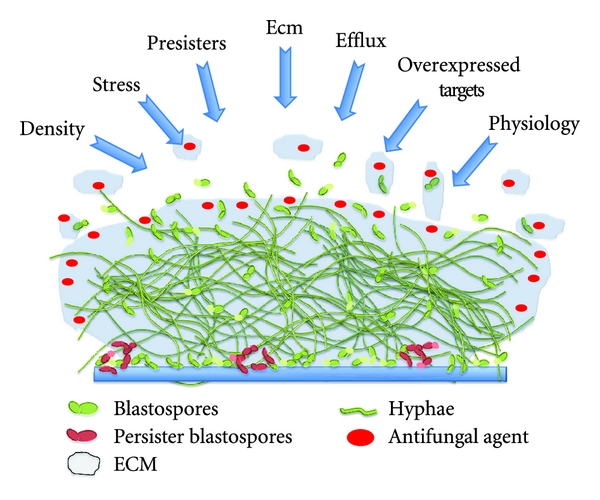
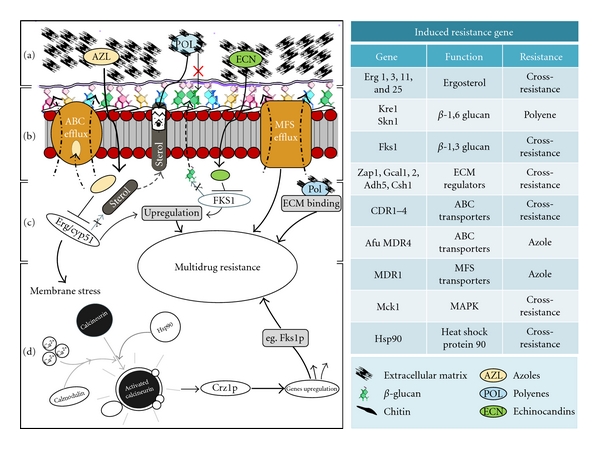
Fungal biofilm infections have become increasingly recognised as a significant clinical problem. One of the major reasons behind this is the impact that these have upon treatment, as antifungal therapy often fails and surgical intervention is required. This places a large financial burden on health care providers. This paper aims to illustrate the importance of fungal biofilms, particularly Candida albicans , and discusses some of the key fungal biofilm resistance mechanisms that include, extracellular matrix (ECM), efflux pump activity, persisters, cell density, overexpression of drug targets, stress responses, and the general physiology of the cell. The paper demonstrates the multifaceted nature of fungal biofilm resistance, which encompasses some of the newest data and ideas in the field.
Overview
The claims and statistics of this paper haven’t been checked yet.
Free: it reads the open-access text and checks the first 5 claims that cite a source we can check. Create a free account to check every claim.
Integrity signals
Registry
Cites
Statistics
Figures
Verification
Claims the paper makes
The claims and statistics of this paper haven’t been checked yet.
Free: it reads the open-access text and checks the first 5 claims that cite a source we can check. Create a free account to check every claim.
Claims other papers make about this one
Each is checked against this paper’s own text: does it say what the citing paper says it does?
The source backs part of the claim, not all of it — or backs it for a different population, condition or comparison.
In the citing paper
“Specific biofilm formation genes are being brought up regarding different roles in biofilm resistance: peroxisomal catalase (CTA1), the biosynthesis and degradation of tyrosine genes (ARO), the muscle creatine kinase (MSK), the heat shock protein 90 (HSP 90), the sphingolipid biosynthesis (SKN 1 and KRE1), SIR, RIF, and, finally, the extracellular matrix (ECM) regulators: zinc regulated genes (ZAP”
From Candida glabrata Biofilms: How Far Have We Come? (2017) · cites this paper as [130]
Experimental — accuracy not yet measuredThe source backs part of the claim, not all of it — or backs it for a different population, condition or comparison.
In the citing paper
“These include (in addition to Candida) members from Acremonium, Aspergillus, Cladosporium, Fusarium, and Pneumocystis (9, 20, 35, 42, 79, 160, 176).”
From Candida albicans Biofilms and Human Disease (2015) · cites this paper as [160]
Experimental — accuracy not yet measuredThe cited source says what the claim attributes to it.
In the citing paper
“C. albicans biofilms are resistant to standard antifungal drugs; not only do biofilms provide physical protection from drugs, cells in biofilms become intrinsically resistant to antimicrobial compounds because of their altered metabolic states and their constitutive upregulation of drug efflux pumps (7–10).”
From A Histone Deacetylase Complex Mediates Biofilm Dispersal and Drug Resistance in Candida albicans (2014) · cites this paper as [9]
The cited source says what the claim attributes to it.
In the citing paper
“Several general mechanisms of biofilm drug resistance are thought to confer resistance to multiple classes of antifungals in Candida species biofilms: the up-regulation of efflux pumps, cell wall composition, increased cell density and quorum sensing effect, presence of an extracellular matrix, changes in metabolism, the presence of persister cells, and cellular signalling and stress responses [”
From Candida glabrata Biofilms: How Far Have We Come? (2017) · cites this paper as [130]
The cited source says what the claim attributes to it.
In the citing paper
“It is well recognized that the inoculum size can affect susceptibility results [130,144,145,146,147].”
From Candida glabrata Biofilms: How Far Have We Come? (2017) · cites this paper as [130]
7 more claims about this paper
Create a free account to see every claim other papers make about this one.
Self-check
Percentages, sums and reported differences re-computed from the paper’s own numbers.
The self-check needs the paper’s full text.
Citations
Cites
Miller, M. B., & Bassler, B. L. (2001) · Annual Review of Microbiology · doi:10.1146/annurev.micro.55.1.165 · Cited by 5,105 · cited 1×
“provides the ability of microorganisms to communicate and coordinate their behaviour via the secretion of signalling molecules in a population-dependent manner [103].”
BackgroundCosterton, J. W., Lewandowski, Z., Caldwell, D. E., Korber, D. R., & Lappin-Scott, H. M. (1995) · Annual Review of Microbiology · doi:10.1146/annurev.mi.49.100195.003431 · Cited by 4,544
Biofilms: Microbial Life on Surfaces
Donlan, R. M. (2002) · Emerging Infectious Diseases · doi:10.3201/eid0809.020063 · Cited by 4,145 · cited 1×
“Estimates suggest that up to 80% of all microorganisms in the environment exist in biofilm communities [41].”
BackgroundABC Transporters: From Microorganisms to Man
Higgins, C. F. (1992) · Annual Review of Cell Biology · doi:10.1146/annurev.cb.08.110192.000435 · Cited by 3,985 · cited 1×
“The ABC transporters include a membrane pore composed of transmembrane segments and two ABCs on the cytosolic side of the membrane, which provide the energy source for the pump [128, 129].”
BackgroundLewis, K. (2010) · Annual Review of Microbiology · doi:10.1146/annurev.micro.112408.134306 · Cited by 1,858 · cited 1×
“Persister cells are “dormant variants of regular cells that form stochastically in microbial populations and are highly tolerant to antibiotics” [168].”
BackgroundChandra, J., Kuhn, D. M., Mukherjee, P. K., Hoyer, L. L., McCormick, T., & Ghannoum, M. A. (2001) · Journal of Bacteriology · doi:10.1128/jb.183.18.5385-5394.2001 · Cited by 1,578 · cited 5×
“, XTT-based assays) confirm that cells within biofilms are undergoing mitochondrial respiration during development [55, 58, 62, 65, 70].”
BackgroundMethodInfluentialMultidrug-resistance efflux pumps ? not just for resistance
Piddock, L. J. V. (2006) · Nature Reviews Microbiology · doi:10.1038/nrmicro1464 · Cited by 1,522 · cited 1×
“Their primary role may be for homeostasis within complex environments to protect themselves from acute toxicity [146], but within clinical environments exposure to azoles dugs may enhance the levels of efflux pump expression, therefore either contributing towards or inducing clinical resistance [139].”
BackgroundGenomic sequence of the pathogenic and allergenic filamentous fungus Aspergillus fumigatus
Nierman, W. C., Pain, A., Anderson, M. J., Wortman, J. R., Kim, H. S., Arroyo, J., Berriman, M., Abe, K., Archer, D. B., Bermejo, C., et al. (2005) · Nature · doi:10.1038/nature04332 · Cited by 1,391 · cited 1×
“fumigatus has 278 different MFS and 49 ABC transporters [140].”
BackgroundComparison of multiple methods for quantification of microbial biofilms grown in microtiter plates
Peeters, E., Nelis, H. J., & Coenye, T. (2008) · Journal of Microbiological Methods · doi:10.1016/j.mimet.2007.11.010 · Cited by 1,143 · cited 1×
“The oxidation reduction indicator Alamar blue has also been shown to be a reproducible and cheaper alternative to XTT in recent years, which merits further study [72, 73].”
BackgroundPierce, C. G., Uppuluri, P., Tristan, A. R., Wormley, F. L., Mowat, E., Ramage, G., & Lopez-Ribot, J. L. (2008) · Nature Protocols · doi:10.1038/nprot.2008.141 · Cited by 1,041 · cited 1×
“The recent interest in Aspergillus and Cryptococcus biofilms, as well as others like Pneumocystis, has led to further modifications of these, but in essence the platforms and techniques remain largely similar [67].”
BackgroundSelf-citation
Research works printed but not linked: 1
- Odds FC Candida and Candidosis 1988 2nd edition London, UK Bailliere Tindall
Cited by
Sardi, J. C. O., Scorzoni, L., Bernardi, T., Fusco-Almeida, A. M., & Mendes Giannini, M. J. S. (2013) · Journal of Medical Microbiology · doi:10.1099/jmm.0.045054-0 · Cited by 1,184
“In this study, C. albicans persisters were detected only in biofilms and not in various planktonic populations (LaFleur et al., 2006; Ramage et al., 2012).”
BackgroundInfluentialCandida albicans Biofilms and Human Disease
Nobile, C. J., & Johnson, A. D. (2015) · Annual Review of Microbiology · doi:10.1146/annurev-micro-091014-104330 · Cited by 1,057
The global problem of antifungal resistance: prevalence, mechanisms, and management
Perlin, D. S., Rautemaa-Richardson, R., & Alastruey-Izquierdo, A. (2017) · The Lancet Infectious Diseases · doi:10.1016/s1473-3099(17)30316-x · Cited by 1,055
Vulvovaginal candidiasis: Epidemiology, microbiology and risk factors
Gonçalves, B., Ferreira, C., Alves, C. T., Henriques, M., Azeredo, J., & Silva, S. (2016) · Critical Reviews in Microbiology · doi:10.3109/1040841x.2015.1091805 · Cited by 669
Mechanisms of Candida Biofilm Drug Resistance
Taff, H. T., Mitchell, K. F., Edward, J. A., & Andes, D. R. (2013) · Future Microbiology · doi:10.2217/fmb.13.101 · Cited by 422
“tropicalis biofilms have also shown upregulation of efflux pumps [20,41].”
BackgroundAntifungal Therapy: New Advances in the Understanding and Treatment of Mycosis
Scorzoni, L., de Paula e Silva, A. C. A., Marcos, C. M., Assato, P. A., de Melo, W. C. M. A., de Oliveira, H. C., Costa-Orlandi, C. B., Mendes-Giannini, M. J. S., & Fusco-Almeida, A. M. (2017) · Frontiers in Microbiology · doi:10.3389/fmicb.2017.00036 · Cited by 418
“The presence of e-DNA, which is an important component of the ECM, has prompted some strategies using DNase to decrease biofilm biomass and to enhance the activity of antifungal agents (Martins et al., 2010).”
BackgroundInfluentialAntimicrobial Metal Nanomaterials: From Passive to Stimuli‐Activated Applications
Cheeseman, S., Christofferson, A. J., Kariuki, R., Cozzolino, D., Daeneke, T., Crawford, R. J., Truong, V. K., Chapman, J., & Elbourne, A. (2020) · Advanced Science · doi:10.1002/advs.201902913 · Cited by 337
Gupta, A. K., Stec, N., Summerbell, R. C., Shear, N. H., Piguet, V., Tosti, A., & Piraccini, B. M. (2020) · Journal of the European Academy of Dermatology and Venereology · doi:10.1111/jdv.16394 · Cited by 289
Candida Species Biofilms’ Antifungal Resistance
Silva, S., Rodrigues, C., Araújo, D., Rodrigues, M., & Henriques, M. (2017) · Journal of Fungi · doi:10.3390/jof3010008 · Cited by 302
“Ramage and colleagues (2009) [166] demonstrated that transcription of both MDR1 and CDR1 was more abundant in C.”
BackgroundNovel Entries in a Fungal Biofilm Matrix Encyclopedia
Zarnowski, R., Westler, W. M., Lacmbouh, G. A., Marita, J. M., Bothe, J. R., Bernhardt, J., Lounes-Hadj Sahraoui, A., Fontaine, J., Sanchez, H., Hatfield, R. D., et al. (2014) · mBio · doi:10.1128/mbio.01333-14 · Cited by 315
“Arguably, the most clinically relevant phenotype of biofilm growth in the medical setting is resistance to antimicrobial therapy and the immune system (2, 59, 60).”
BackgroundNanotechnology-based drug delivery systems for control of microbial biofilms: a review
Dos Santos Ramos, M. A., Da Silva, P., Spósito, L., De Toledo, L., Bonifácio, B., Rodero, C. F., Dos Santos, K., Chorilli, M., & Bauab, T. M. (2018) · International Journal of Nanomedicine · doi:10.2147/ijn.s146195 · Cited by 277
“79 The incidence of infections caused by microbial biofilms is a problem for the entire health care system and our society.”
McCarty, T. P., & Pappas, P. G. (2016) · Infectious Disease Clinics of North America · doi:10.1016/j.idc.2015.10.013 · Cited by 285
Immune defence to invasive fungal infections: A comprehensive review
Pathakumari, B., Liang, G., & Liu, W. (2020) · Biomedicine & Pharmacotherapy · doi:10.1016/j.biopha.2020.110550 · Cited by 264
Candida glabrata: A review of its features and resistance
Rodrigues, C. F., Silva, S., & Henriques, M. (2014) · European Journal of Clinical Microbiology & Infectious Diseases · doi:10.1007/s10096-013-2009-3 · Cited by 268
Candidemia and Invasive Candidiasis
McCarty, T. P., White, C. M., & Pappas, P. G. (2021) · Infectious Disease Clinics of North America · doi:10.1016/j.idc.2021.03.007 · Cited by 260
“17 Second is the development of persister cells.”
Fungal Biofilms and Polymicrobial Diseases
Costa-Orlandi, C., Sardi, J., Pitangui, N., De Oliveira, H., Scorzoni, L., Galeane, M., Medina-Alarcón, K., Melo, W., Marcelino, M., Braz, J., et al. (2017) · Journal of Fungi · doi:10.3390/jof3020022 · Cited by 231
“Farnesol was described for the first time in C. albicans by Hornby et al. [197] as a QSM. Contact between C. albicans and exogenous farnesol results in several responses, including activation of genes involved in drug resistance (CaFCR1 and CaPDR16) [189,198].”
BackgroundSilva-Dias, A., Miranda, I. M., Branco, J., Monteiro-Soares, M., Pina-Vaz, C., & Rodrigues, A. G. (2015) · Frontiers in Microbiology · doi:10.3389/fmicb.2015.00205 · Cited by 222
“This fact triggers serious clinical concerns, not only in the treatment of patient infection but also for public health (Kuhn et al., 2002b; Uppuluri et al., 2009, 2010; Ramage et al., 2012).”
BackgroundMethodCosta-de-Oliveira, S., & Rodrigues, A. G. (2020) · Microorganisms · doi:10.3390/microorganisms8020154 · Cited by 229
Invasive candidiasis: current clinical challenges and unmet needs in adult populations
Soriano, A., Honore, P. M., Puerta-Alcalde, P., Garcia-Vidal, C., Pagotto, A., Gonçalves-Bradley, D. C., & Verweij, P. E. (2023) · Journal of Antimicrobial Chemotherapy · doi:10.1093/jac/dkad139 · Cited by 190
Candida and Candidiasis—Opportunism Versus Pathogenicity: A Review of the Virulence Traits
Ciurea, C. N., Kosovski, I.-B., Mare, A. D., Toma, F., Pintea-Simon, I. A., & Man, A. (2020) · Microorganisms · doi:10.3390/microorganisms8060857 · Cited by 183
“While planktonic cells usually undergo irreversible genetical chances to maintain a drug-resistant phenotype, biofilms provide an inducible resistant phenotype, which relies on cell density and complex regulatory processes [92].”
BackgroundMolecular Mechanisms Associated with Antifungal Resistance in Pathogenic Candida Species
Czajka, K. M., Venkataraman, K., Brabant-Kirwan, D., Santi, S. A., Verschoor, C., Appanna, V. D., Singh, R., Saunders, D. P., & Tharmalingam, S. (2023) · Cells · doi:10.3390/cells12222655 · Cited by 180
Freires, I. D. A., Murata, R. M., Furletti, V. F., Sartoratto, A., Alencar, S. M. D., Figueira, G. M., de Oliveira Rodrigues, J. A., Duarte, M. C. T., & Rosalen, P. L. (2014) · PLoS ONE · doi:10.1371/journal.pone.0099086 · Cited by 187
“From a clinical perspective, fungal biofilm formation leads to negative consequences to health, since such biofilms act as protected reservoirs of microorganisms [47] displaying properties that are extremely different from planktonic populations, mainly high-level resistance to a number of antifungal agents [48].”
BackgroundInvasive fungal disease in humans: are we aware of the real impact?
Firacative, C. (2020) · Memórias do Instituto Oswaldo Cruz · doi:10.1590/0074-02760200430 · Cited by 184
“(14) The formation of biofilms additionally leads to upregulation of antifungal-resistance mechanisms, as well as the development of complex regulatory processes that favour even higher levels of antifungal resistance, most notably to azoles and polyenes.(15) Directly related with medical interventions, nosocomial can…”
BackgroundThe vaginal mycobiome: A contemporary perspective on fungi in women's health and diseases
Bradford, L. L., & Ravel, J. (2017) · Virulence · doi:10.1080/21505594.2016.1237332 · Cited by 191
“pathology of VVC, anti-fungal treatment failures and recurrent infections.(97,98) Genomic microvariations in C.”
BackgroundReactive Oxygen Species-Inducing Antifungal Agents and Their Activity Against Fungal Biofilms
Delattin, N., Cammue, B. P., & Thevissen, K. (2014) · Future Medicinal Chemistry · doi:10.4155/fmc.13.189 · Cited by 189
Azole resistance mechanisms in Aspergillus: update and recent advances
Pérez-Cantero, A., López-Fernández, L., Guarro, J., & Capilla, J. (2020) · International Journal of Antimicrobial Agents · doi:10.1016/j.ijantimicag.2019.09.011 · Cited by 172
Community participation in biofilm matrix assembly and function
Mitchell, K. F., Zarnowski, R., Sanchez, H., Edward, J. A., Reinicke, E. L., Nett, J. E., Mitchell, A. P., & Andes, D. R. (2015) · Proceedings of the National Academy of Sciences · doi:10.1073/pnas.1421437112 · Cited by 183
The Candida albicans Biofilm Matrix: Composition, Structure and Function
Pierce, C., Vila, T., Romo, J., Montelongo-Jauregui, D., Wall, G., Ramasubramanian, A., & Lopez-Ribot, J. (2017) · Journal of Fungi · doi:10.3390/jof3010014 · Cited by 159
“Although biofilm resistance is multifactorial [25,26], the protection exerted by the matrix is a major contributor to the high levels of resistance displayed by C.”
BackgroundUpdate on Candida krusei , a potential multidrug-resistant pathogen
Jamiu, A. T., Albertyn, J., Sebolai, O. M., & Pohl, C. H. (2020) · Medical Mycology · doi:10.1093/mmy/myaa031 · Cited by 213
Antifungal therapy with an emphasis on biofilms
Pierce, C. G., Srinivasan, A., Uppuluri, P., Ramasubramanian, A. K., & López-Ribot, J. L. (2013) · Current Opinion in Pharmacology · doi:10.1016/j.coph.2013.08.008 · Cited by 173
“Cells within these biofilms display properties that are dramatically different from planktonic (free-living) populations, most notably high-level resistance to most antifungal agents [49].”
Rajendran, R., Williams, C., Lappin, D. F., Millington, O., Martins, M., & Ramage, G. (2013) · Eukaryotic Cell · doi:10.1128/ec.00287-12 · Cited by 173
“Numerous studies have shown the integral relationship between biofilm ECM and antifungal resistance (10).”
BackgroundSelf-citationBalducci, E., Papi, F., Capialbi, D. E., & Bino, L. D. (2023) · International Journal of Molecular Sciences · doi:10.3390/ijms24044030 · Cited by 194
The Interface between Fungal Biofilms and Innate Immunity
Kernien, J. F., Snarr, B. D., Sheppard, D. C., & Nett, J. E. (2018) · Frontiers in Immunology · doi:10.3389/fimmu.2017.01968 · Cited by 142
Aspergillus Cell Wall and Biofilm
Beauvais, A., Fontaine, T., Aimanianda, V., & Latgé, J. (2014) · Mycopathologia · doi:10.1007/s11046-014-9766-0 · Cited by 171
“fumigatus develops a biofilm characterized by mycelia embedded in an extracellular matrix, referred to as a mycetoma [4, 12, 13].”
BackgroundWhat are the advantages of living in a community? A microbial biofilm perspective!
dos Santos, A. L. S., Galdino, A. C. M., de Mello, T. P., Ramos, L. S., Branquinha, M. H., Bolognese, A. M., Neto, J. C., & Roudbary, M. (2018) · Memórias do Instituto Oswaldo Cruz · doi:10.1590/0074-02760180212 · Cited by 181
“(12) It is important to emphasise that biofilms have varied structures, 3D architectures, and chemical compositions, and that these factors are influenced by the particular microbial genera, species, and strains, as well as by the environmental conditions.(4-6,8,11,13-15) Interestingly, exposing the microorganism to s…”
BackgroundPlasma membrane lipids and their role in fungal virulence
Rella, A., Farnoud, A. M., & Del Poeta, M. (2016) · Progress in Lipid Research · doi:10.1016/j.plipres.2015.11.003 · Cited by 149
Liu, S., Hou, Y., Chen, X., Gao, Y., Li, H., & Sun, S. (2014) · International Journal of Antimicrobial Agents · doi:10.1016/j.ijantimicag.2013.12.009 · Cited by 164
Highlights in pathogenic fungal biofilms
Sardi, J. D. C. O., Pitangui, N. D. S., Rodríguez-Arellanes, G., Taylor, M. L., Fusco‐Almeida, A. M., & Mendes‐Giannini, M. J. S. (2013) · Revista Iberoamericana de Micología · doi:10.1016/j.riam.2013.09.014 · Cited by 166
Sherry, L., Rajendran, R., Lappin, D. F., Borghi, E., Perdoni, F., Falleni, M., Tosi, D., Smith, K., Williams, C., Jones, B., et al. (2014) · BMC Microbiology · doi:10.1186/1471-2180-14-182 · Cited by 134
“albicans biofilms is their insensitivity to sterol active antifungal agents [5].”
BackgroundInfluentialSelf-citationFungal persister cells: The basis for recalcitrant infections?
Wuyts, J., Van Dijck, P., & Holtappels, M. (2018) · PLOS Pathogens · doi:10.1371/journal.ppat.1007301 · Cited by 136
Lowman, D. W., Greene, R. R., Bearden, D. W., Kruppa, M. D., Pottier, M., Monteiro, M. A., Soldatov, D. V., Ensley, H. E., Cheng, S.-C., Netea, M. G., et al. (2014) · Journal of Biological Chemistry · doi:10.1074/jbc.m113.529131 · Cited by 132
“albicans to form biofilms “has a profound impact” on the ability of the organisms to cause disease (3).”
BackgroundTackling Fungal Resistance by Biofilm Inhibitors
Wu, S., Wang, Y., Liu, N., Dong, G., & Sheng, C. (2017) · Journal of Medicinal Chemistry · doi:10.1021/acs.jmedchem.6b01203 · Cited by 132
Stringaro, A., Vavala, E., Colone, M., Pepi, F., Mignogna, G., Garzoli, S., Cecchetti, S., Ragno, R., & Angiolella, L. (2014) · Evidence-based Complementary and Alternative Medicine · doi:10.1155/2014/125904 · Cited by 131
“The different factors involved are cell density, stress, persistence, extra cellular matrix, efflux, overexpressed targets, and the general physiology of the biofilm [5].”
BackgroundCandida glabrata Biofilms: How Far Have We Come?
Rodrigues, C., Rodrigues, M., Silva, S., & Henriques, M. (2017) · Journal of Fungi · doi:10.3390/jof3010011 · Cited by 129
“Up-Regulation of Efflux Pumps and Cell Wall Composition Two main classes of efflux pumps contribute to antifungal drug resistance: the ATP binding cassette (ABC) transporter superfamily containing CDR1 and CDR2, and the MFS superfamily containing MDR1 [130,134,135].”
BackgroundInfluentialEmerging New Targets for the Treatment of Resistant Fungal Infections
Liu, N., Tu, J., Dong, G., Wang, Y., & Sheng, C. (2018) · Journal of Medicinal Chemistry · doi:10.1021/acs.jmedchem.7b01413 · Cited by 139
Bondaryk, M., Kurzątkowski, W., & Staniszewska, M. (2013) · Advances in Dermatology and Allergology · doi:10.5114/pdia.2013.38358 · Cited by 126
Efflux pumps and microbial biofilm formation
Hajiagha, M. N., & Kafil, H. S. (2023) · Infection Genetics and Evolution · doi:10.1016/j.meegid.2023.105459 · Cited by 143
Overcoming antifungal resistance
Srinivasan, A., Lopez-Ribot, J. L., & Ramasubramanian, A. K. (2014) · Drug Discovery Today Technologies · doi:10.1016/j.ddtec.2014.02.005 · Cited by 148
Candida albicans biofilms: building a heterogeneous, drug-tolerant environment
Bonhomme, J., & d’Enfert, C. (2013) · Current Opinion in Microbiology · doi:10.1016/j.mib.2013.03.007 · Cited by 120
Ramakrishnan, R., Singh, A. K., Singh, S., Chakravortty, D., & Das, D. (2022) · Journal of Biological Chemistry · doi:10.1016/j.jbc.2022.102352 · Cited by 123
“Like bacteria, fungi also tend to form biofilms and flourish in aggregated communities enclosed in an extracellular matrix (20, 21).”
BackgroundMolecular basis of antifungal drug resistance in yeasts
Morio, F., Jensen, R. H., Le Pape, P., & Arendrup, M. C. (2017) · International Journal of Antimicrobial Agents · doi:10.1016/j.ijantimicag.2017.05.012 · Cited by 114
Cellular quiescence in budding yeast
Sun, S., & Gresham, D. (2021) · Yeast · doi:10.1002/yea.3545 · Cited by 124
Antifungal Quinoline Alkaloids from Waltheria indica
Cretton, S., Dorsaz, S., Azzollini, A., Favre-Godal, Q., Marcourt, L., Ebrahimi, S. N., Voinesco, F., Michellod, E., Sanglard, D., Gindro, K., et al. (2016) · Journal of Natural Products · doi:10.1021/acs.jnatprod.5b00896 · Cited by 112
Antifungal Resistance and the Role of New Therapeutic Agents
Logan, A., Wolfe, A. L., & Williamson, J. (2022) · Current Infectious Disease Reports · doi:10.1007/s11908-022-00782-5 · Cited by 117
Role of matrix β-1,3 glucan in antifungal resistance of non-albicans Candida biofilms
Mitchell, K. F., Taff, H. T., Cuevas, M. A., Reinicke, E. L., Sanchez, H., & Andes, D. R. (2013) · Antimicrobial Agents and Chemotherapy · doi:10.1128/aac.02378-12 · Cited by 104
“lenging due to high levels of drug resistance (4, 5).”
BackgroundMelo, W., Celiešiūtė-Germanienė, R., Šimonis, P., & Stirkė, A. (2021) · Virulence · doi:10.1080/21505594.2021.1960105 · Cited by 112
“(ECM), high cell density that changes the microbial physiological state, and the presence of quorum sensing molecules (QS) and persister cells [29,30].”
BackgroundAspergillus Biofilm In Vitro and In Vivo
Beauvais, A., & Latgé, J.-P. (2015) · Microbiology Spectrum · doi:10.1128/microbiolspec.mb-0017-2015 · Cited by 93
“Among them, 140 efflux pump genes including the ABC transporters MDR1 (AFUA_5G06070), MDR2 (AFUA_4G10000), and MDR4 (AFUA_1G12690) are upregulated in biofilm conditions in vitro (15, 48).”
BackgroundNatural and Synthetic Peptides with Antifungal Activity
Ciociola, T., Giovati, L., Conti, S., Magliani, W., Santinoli, C., & Polonelli, L. (2016) · Future Medicinal Chemistry · doi:10.4155/fmc-2016-0035 · Cited by 100
Morelli, K. A., Kerkaert, J. D., & Cramer, R. A. (2021) · PLoS Pathogens · doi:10.1371/journal.ppat.1009794 · Cited by 106
“fumigatus genome contains 49 predicted ABC transporters as well as 278 predicted MFS proteins, of which 35 are putative multidrug permeases [77,78].”
BackgroundFacilitators of adaptation and antifungal resistance mechanisms in clinically relevant fungi
Hokken, M., Zwaan, B. J., Melchers, W. J. G., & Verweij, P. E. (2019) · Fungal Genetics and Biology · doi:10.1016/j.fgb.2019.103254 · Cited by 110
“(ECM) that provides protection against a stressful environment (Ramage et al., 2012).”
BackgroundAntioxidant, Antifungal, Antibiofilm, and Cytotoxic Activities of Mentha spp. Essential Oils
Stringaro, A., Colone, M., & Angiolella, L. (2018) · Medicines · doi:10.3390/medicines5040112 · Cited by 116
Spaceflight Enhances Cell Aggregation and Random Budding in Candida albicans
Crabbé, A., Nielsen-Preiss, S. M., Woolley, C. M., Barrila, J., Buchanan, K., McCracken, J., Inglis, D. O., Searles, S. C., Nelman-Gonzalez, M. A., Ott, C. M., et al. (2013) · PLoS ONE · doi:10.1371/journal.pone.0080677 · Cited by 95
“albicans through increased cell density, production of extracellular matrix proteins, and the presence of persisters [64,96].”
BackgroundThe Extracellular Matrix of Fungal Biofilms
Mitchell, K. F., Żarnowski, R., & Andes, D. R. (2016) · Advances in experimental medicine and biology · doi:10.1007/5584_2016_6 · Cited by 111
Vriens, K., Cools, T. L., Harvey, P. J., Craik, D. J., Spincemaille, P., Cassiman, D. M., Braem, A., Vleugels, J., Nibbering, P. H., Drijfhout, J. W., et al. (2015) · PLoS ONE · doi:10.1371/journal.pone.0132701 · Cited by 99
“To date, only miconazole, caspofungin, anidulafungin and liposomal formulations of amphotericin B are used to effectively treat these infections [29–31], and hence, there is a need to identify novel antibiofilm compounds.”
BackgroundMcKloud, E., Delaney, C., Sherry, L., Kean, R., Williams, S., Metcalfe, R., Thomas, R., Rautemaa‐Richardson, R., Gerasimidis, K., Nile, C. J., et al. (2021) · mSystems · doi:10.1128/msystems.00622-21 · Cited by 104
“Indeed, sessile cells have been shown to tolerate antifungal concentrations 1,000fold greater than their planktonic counterparts (26).”
BackgroundSelf-citationGalactosaminogalactan (GAG) and its multiple roles in Aspergillus pathogenesis
Speth, C., Rambach, G., Lass-Flörl, C., Howell, P. L., & Sheppard, D. C. (2019) · Virulence · doi:10.1080/21505594.2019.1568174 · Cited by 89
“Biofilms consist of stratified communities of organisms growing within a thick slime-like matrix of polysaccharides, proteins, lipids and nucleic acids that protect fungi from immune mediated killing and enhance resistance to antifungal agents [2,3].”
BackgroundStrength in numbers: antifungal strategies against fungal biofilms
Ramage, G., Robertson, S. N., & Williams, C. (2013) · International Journal of Antimicrobial Agents · doi:10.1016/j.ijantimicag.2013.10.023 · Cited by 103
“followed by microcolony formation, subsequently spreading into one another during maturation to form an intertwined meshwork of hyphae interspersed with budding yeast cells covered with a thick layer of ECM [3].”
BackgroundSelf-citationA Histone Deacetylase Complex Mediates Biofilm Dispersal and Drug Resistance in Candida albicans
Nobile, C. J., Fox, E. P., Hartooni, N., Mitchell, K. F., Hnisz, D., Andes, D. R., Kuchler, K., & Johnson, A. D. (2014) · mBio · doi:10.1128/mbio.01201-14 · Cited by 87
Cardoso, N. N. R., Alviano, C. S., Blank, A. F., Romanos, M. T. V., Fonseca, B. B., Rozental, S., Rodrigues, I. A., & Alviano, D. S. (2016) · Evidence-based Complementary and Alternative Medicine · doi:10.1155/2016/5647182 · Cited by 95
“Moreover, fungi communities structured in extracellular polysaccharide matrices possess increased resistance to antifungal therapy [3, 4].”
BackgroundRajendran, R., Sherry, L., Deshpande, A., Johnson, E. M., Hanson, M. F., Williams, C., Munro, C. A., Jones, B. L., & Ramage, G. (2016) · Frontiers in Microbiology · doi:10.3389/fmicb.2016.00915 · Cited by 81
“Biofilm formation by Candida spp. including C. albicans in indwelling lines is considerably difficult to treat with antifungals due to their intrinsic drug resistance (Ramage et al., 2012).”
BackgroundSelf-citationEnhanced Killing and Antibiofilm Activity of Encapsulated Cinnamaldehyde against Candida albicans
Khan, S. N., Khan, S., Iqbal, J., Khan, R., & Khan, A. U. (2017) · Frontiers in Microbiology · doi:10.3389/fmicb.2017.01641 · Cited by 87
“The overexpression of Erg11p also contributes the fungal resistance (Ramage et al., 2012).”
BackgroundManoharan, R. K., Lee, J.-H., & Lee, J. (2017) · Frontiers in Microbiology · doi:10.3389/fmicb.2017.01476 · Cited by 83
“Indeed, Candida biofilms are resistant to many antifungal agents (Ramage et al., 2012).”
BackgroundBiofilm Specific Activity: A Measure to Quantify Microbial Biofilm
Corte, L., Pierantoni, D. C., Tascini, C., Roscini, L., & Cardinali, G. (2019) · Microorganisms · doi:10.3390/microorganisms7030073 · Cited by 111
A Comprehensive Review of Trichosporon spp.: An Invasive and Emerging Fungus
Mehta, V., Nayyar, C., Gulati, N., Singla, N., Rai, S., & Chandar, J. (2021) · Cureus · doi:10.7759/cureus.17345 · Cited by 83
“asahii showed morphologies such as budding yeast cells and filamentous forms, engulfed in an extracellular polysaccharide matrix which was the main constituent of the ultrastructure of a mature biofilm [13].”
BackgroundCordeiro, R. D. A., de Oliveira, J. S., Castelo‐Branco, D. D. S. C. M., Teixeira, C. E. C., Marques, F. J. D. F., Vago, P. B., Carvalho, V. L., Bandeira, T. D. J. P. G., Brilhante, R. S. N., Moreira, J. L. B., et al. (2014) · Medical Mycology · doi:10.1093/mmy/myu081 · Cited by 89
“tropicalis isolates from animals have high capacity to form biofilms, which provides resistance to antifungals and can cause infections that are difficult to treat [45,46].”
BackgroundBonincontro, G., Scuderi, S. A., Marino, A., & Simonetti, G. (2023) · Pharmaceuticals · doi:10.3390/ph16111531 · Cited by 91
Vulvovaginal Candidosis: Current Concepts, Challenges and Perspectives
Sustr, V., Foessleitner, P., Kiss, H., & Farr, A. (2020) · Journal of Fungi · doi:10.3390/jof6040267 · Cited by 94
Liu, S., Le Mauff, F., Sheppard, D. C., & Zhang, S. (2022) · npj Biofilms and Microbiomes · doi:10.1038/s41522-022-00347-3 · Cited by 72
Future directions for anti-biofilm therapeutics targetingCandida
Nett, J. E. (2014) · Expert Review of Anti-infective Therapy · doi:10.1586/14787210.2014.885838 · Cited by 96
“The degree of biofilm resistance has been shown to vary among the in vitro and in vivo models employed [29].”
BackgroundFungal Biofilms: Targets for the Development of Novel Strategies in Plant Disease Management
Villa, F., Cappitelli, F., Cortesi, P., & Kunova, A. (2017) · Frontiers in Microbiology · doi:10.3389/fmicb.2017.00654 · Cited by 92
“Efflux pumps became important in the 1990s as they were involved in the multidrug resistance of tumors, and later also in human pathogens, against clinical fungicides (Sanglard et al., 1995; De Waard et al., 2006; Ramage et al., 2012).”
BackgroundDe Cremer, K., Lanckacker, E., Cools, T. L., Bax, M., De Brucker, K., Cos, P., Cammue, B. P. A., & Thevissen, K. (2015) · Antimicrobial Agents and Chemotherapy · doi:10.1128/aac.04229-14 · Cited by 77
“Multiple fungal species possess the capacity to form biofilms characterized by increased resistance against commonly used antimycotics on both biotic and abiotic surfaces (1, 2).”
BackgroundZacchino, S. A., Butassi, E., Cordisco, E., & Svetaz, L. A. (2017) · Phytomedicine · doi:10.1016/j.phymed.2017.10.021 · Cited by 82
Vriens, K., Cools, T. L., Harvey, P. J., Craik, D. J., Braem, A., Vleugels, J., Coninck, B. D., Cammue, B. P. A., & Thevissen, K. (2015) · Peptides · doi:10.1016/j.peptides.2015.11.001 · Cited by 80
Combination Therapy to Treat Fungal Biofilm-Based Infections
Tits, J., Cammue, B. P. A., & Thevissen, K. (2020) · International Journal of Molecular Sciences · doi:10.3390/ijms21228873 · Cited by 69
“Microbial cells within a biofilm are physiologically distinct from planktonic cells of the same organism and are generally highly tolerant to current antimicrobial drug classes [4,6,7].”
BackgroundMalavazi, I., Goldman, G. H., & Brown, N. A. (2014) · Briefings in Functional Genomics · doi:10.1093/bfgp/elu027 · Cited by 81
“Aspergilli form true biofilms consisting of multicellular hyphae enclosed by an extracellular matrix [29].”
BackgroundInfluentialFungal biofilms in human health and disease
Ramage, G., Kean, R., Rautemaa-Richardson, R., Williams, C., & Lopez-Ribot, J. L. (2025) · Nature Reviews Microbiology · doi:10.1038/s41579-025-01147-0 · Cited by 72
“In general, azole antifungals have poor in vitro and in vivo activity against biofilms independent of the plank-tonic minimum inhibitory concentrations 145 .”
Self-citationScarsini, M., Tomasinsig, L., Arzese, A., D’Este, F., Oro, D., & Skerlavaj, B. (2015) · Peptides · doi:10.1016/j.peptides.2015.07.023 · Cited by 72
Fungal Biofilms: In Vivo Models for Discovery of Anti-Biofilm Drugs
Nett, J. E., & R. Andes, D. (2015) · Microbiology Spectrum · doi:10.1128/microbiolspec.mb-0008-2014 · Cited by 60
Action mechanisms of probiotics on Candida spp. and candidiasis prevention: an update
Ribeiro, F. D. C., Rossoni, R. D., de Barros, P. P., dos Santos, J. D., Fugisaki, L. R. D. O., Leão, M. V. P., & Junqueira, J. (2020) · Journal of Applied Microbiology · doi:10.1111/jam.14511 · Cited by 91
“Thus, cells that exist as part of biofilms are much less susceptible to host defences and antimicrobials than planktonic cells (Davis 2003; Ramage et al. 2012; Davies et al., 2017), emphasizing the relevance of fungal biofilms in clinical settings because they can give rise to life-threatening…”
BackgroundFungal Biofilms: Update on Resistance
Borghi, E., Borgo, F., & Morace, G. (2016) · Advances in experimental medicine and biology · doi:10.1007/5584_2016_7 · Cited by 76
In Vitro Antibiofilm Activity of Eucarobustol E against Candida albicans
Liu, R.-H., Shang, Z.-C., Li, T.-X., Yang, M.-H., & Kong, L.-Y. (2017) · Antimicrobial Agents and Chemotherapy · doi:10.1128/aac.02707-16 · Cited by 68
“-demethylase, and the allylamines, which inhibit squalene epoxidase (60).”
BackgroundLinking Cellular Morphogenesis with Antifungal Treatment and Susceptibility in Candida Pathogens
Sharma, J., Rosiana, S., Razzaq, I., & Shapiro, R. S. (2019) · Journal of Fungi · doi:10.3390/jof5010017 · Cited by 65
“While Candida biofilms are, in general, more resistant to antifungals, they are particularly resistant to the azole class of antifungals [106], and are generally more susceptible to the echinocandins and liposomal formulations of the polyene amphotericin B [219,220].”
BackgroundCandida auris: a comparison between planktonic and biofilm susceptibility to antifungal drugs
Romera, D., Aguilera-Correa, J. J., Gadea, I., Viñuela-Sandoval, L., García-Rodríguez, J., & Esteban, J. (2019) · Journal of Medical Microbiology · doi:10.1099/jmm.0.001036 · Cited by 67
Ras Signaling Gets Fine-Tuned: Regulation of Multiple Pathogenic Traits of Candida albicans
Inglis, D. O., & Sherlock, G. (2013) · Eukaryotic Cell · doi:10.1128/ec.00094-13 · Cited by 66
“This strategy for colonization is thought to enable microbes to maintain a protected antimicrobial, drug-resistant environment for growth and dissemination (5, 9, 10, 70).”
BackgroundCórdova-Alcántara, I. M., Venegas-Cortés, D. L., Martínez-Rivera, M. Á., Pérez, N. O., & Rodríguez-Tovar, A. V. (2019) · The Journal of Microbiology · doi:10.1007/s12275-019-8637-2 · Cited by 71
Screening the Pathogen Box for Identification of Candida albicans Biofilm Inhibitors
Vila, T. V. M., & Lopez-Ribot, J. L. (2016) · Antimicrobial Agents and Chemotherapy · doi:10.1128/aac.02006-16 · Cited by 68
El-Houssaini, H. H., Elnabawy, O. M., Nasser, H. A., & Elkhatib, W. F. (2018) · Microbial Pathogenesis · doi:10.1016/j.micpath.2018.12.028 · Cited by 71
Extracellular DNA release confers heterogeneity in Candida albicans biofilm formation
Rajendran, R., Sherry, L., Lappin, D. F., Nile, C. J., Smith, K., Williams, C., Munro, C. A., & Ramage, G. (2014) · BMC Microbiology · doi:10.1186/s12866-014-0303-6 · Cited by 66
“Extracellular matrix (ECM) is an important and defining characteristic of biofilms, providing a structural scaffold whilst coincidentally facilitating protection from external factors, including antifungal agents [7,11].”
BackgroundSelf-citationSav, H., Rafati, H., Öz, Y., Cılo, B. D., Ener, B., Mohammadi, F., İlkit, M., van Diepeningen, A., & Seyedmousavi, S. (2018) · Journal of Fungi · doi:10.3390/jof4010016 · Cited by 69
“Several studies have demonstrated that in Candida species, biofilm formation leads to dramatically increased levels of resistance to the most commonly used antifungal agents [39], and that the reason is multifactorial (mechanical, biochemical, and genetical factors); one mechanism of the increased resistance proves to…”
BackgroundMauff, F. L., Bamford, N. C., Alnabelseya, N., Zhang, Y., Baker, P., Robinson, H. H., Codée, J. D. C., Howell, P. L., & Sheppard, D. C. (2019) · Journal of Biological Chemistry · doi:10.1074/jbc.ra119.008511 · Cited by 71
Metadata
- Authors
- Ramage, G., Rajendran, R., Sherry, L., & Williams, C.
- Affiliations
- University of Glasgow (GB)
- Royal Hospital for Children (GB)
- Corresponding author
- Ramage, Gordon
- Venue
- International Journal of Microbiology
- Publisher
- Wiley
- Published
- 2012
- Volume
- 2012
- Pages
- 1-14
- ISSN
- 1687-918X (ISSN-L)
- 1687-9198
- PMC
- PMC3299327
- OpenAlex
- W2039886457
- Cited by
- 583
- References
- 185
- Citations by year
- 2026: 28 · 2025: 43 · 2024: 27 · 2023: 45 · 2022: 46 · 2021: 45 · 2020: 45 · 2019: 37 · 2018: 37 · 2017: 52 · 2016: 52 · 2015: 41 · 2014: 38 · 2013: 35 · 2012: 11
- FWCI
- 27.73
- Type
- journal article
- Language
- en
- Open access
- gold
- doi.org
- Locations
- International Journal of Microbiology (publishedVersion, cc-by)
- PubMed Central (publishedVersion, cc-by)
- PubMed (publishedVersion)
- ENLIGHTEN (Jurnal Bimbingan dan Konseling Islam) (acceptedVersion)
- DOAJ (DOAJ: Directory of Open Access Journals) (submittedVersion, cc-by-sa)
- Topics
- Health Sciences › Medicine › Infectious Diseases › Antifungal resistance and susceptibility
- Life Sciences › Biochemistry, Genetics and Molecular Biology › Molecular Biology › Fungal and yeast genetics research
- Life Sciences › Biochemistry, Genetics and Molecular Biology › Molecular Biology › Bacterial biofilms and quorum sensing
- Keywords
- fungal biofilms, antifungal resistance, Candida albicans, extracellular matrix, efflux pumps, persister cells, cell density, stress response, biofilm physiology
About these checks
Registry, retraction, Cites and statistics results are computed, not judged, with one exception: a printed reference that no index lists is read once by a model before it counts as a citation error. Claims are extracted by a model and kept only when their quote appears verbatim in the text; each cited source is then checked, with a model’s help, for whether it says what the claim relies on. Those verdicts can be wrong — read the claim’s quote and the cited source before relying on one.
Statistics and arithmetic are recomputed, not judged.
Confidence bands are shown only for fields calibrated on our annotated test set. None is calibrated yet, so no band is shown.
What counts as a claim ›How we measure confidence ›How we check this ›
Are you an author, or do you see a problem with this page? Request a review
Data sources
Bibliographic data: Semantic Scholar, OpenAlex, Crossref.
Contains information from the Semantic Scholar Academic Graph Datasets, made available under the ODC Attribution License (ODC-BY 1.0).
Semantic Scholar’s data is described in: Kinney, R., et al. (2023). The Semantic Scholar Open Data Platform. arXiv:2301.10140.
