

Fungal Biofilm Resistance
Open accessThe DOI matches its Crossref record; 186 of the 186 references it cites were found in a registry or an index.
Abstract
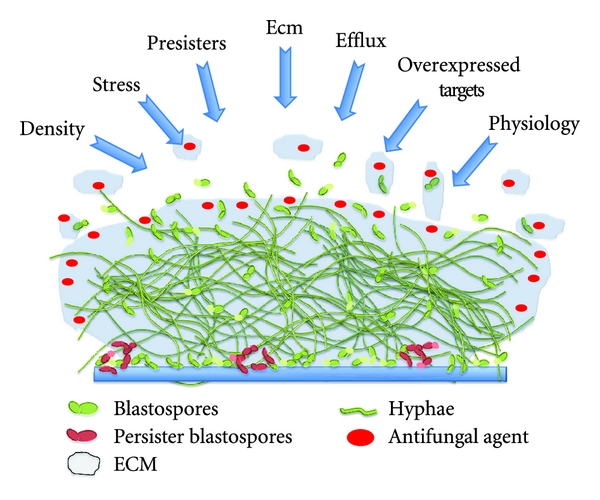
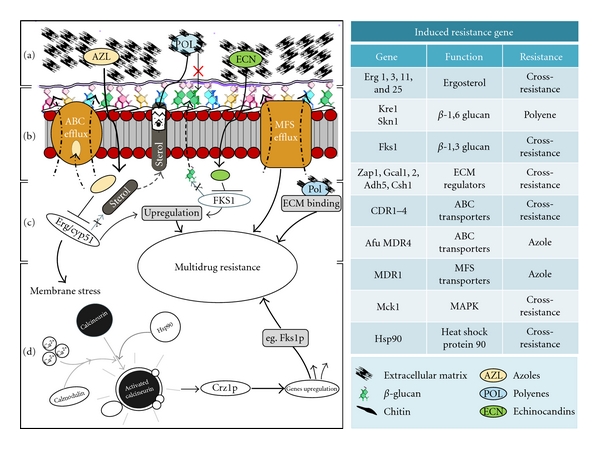
Fungal biofilm infections have become increasingly recognised as a significant clinical problem. One of the major reasons behind this is the impact that these have upon treatment, as antifungal therapy often fails and surgical intervention is required. This places a large financial burden on health care providers. This paper aims to illustrate the importance of fungal biofilms, particularly Candida albicans , and discusses some of the key fungal biofilm resistance mechanisms that include, extracellular matrix (ECM), efflux pump activity, persisters, cell density, overexpression of drug targets, stress responses, and the general physiology of the cell. The paper demonstrates the multifaceted nature of fungal biofilm resistance, which encompasses some of the newest data and ideas in the field.
Overview
The claims and statistics of this paper haven’t been checked yet.
Free: it reads the open-access text and checks the first 5 claims that cite a source we can check. Create a free account to check every claim.
Integrity signals
Registry
Cites
Statistics
Figures
Verification
Claims the paper makes
The claims and statistics of this paper haven’t been checked yet.
Free: it reads the open-access text and checks the first 5 claims that cite a source we can check. Create a free account to check every claim.
Claims other papers make about this one
Each is checked against this paper’s own text: does it say what the citing paper says it does?
The source backs part of the claim, not all of it — or backs it for a different population, condition or comparison.
In the citing paper
“Specific biofilm formation genes are being brought up regarding different roles in biofilm resistance: peroxisomal catalase (CTA1), the biosynthesis and degradation of tyrosine genes (ARO), the muscle creatine kinase (MSK), the heat shock protein 90 (HSP 90), the sphingolipid biosynthesis (SKN 1 and KRE1), SIR, RIF, and, finally, the extracellular matrix (ECM) regulators: zinc regulated genes (ZAP”
From Candida glabrata Biofilms: How Far Have We Come? (2017) · cites this paper as [130]
Experimental — accuracy not yet measuredThe source backs part of the claim, not all of it — or backs it for a different population, condition or comparison.
In the citing paper
“These include (in addition to Candida) members from Acremonium, Aspergillus, Cladosporium, Fusarium, and Pneumocystis (9, 20, 35, 42, 79, 160, 176).”
From Candida albicans Biofilms and Human Disease (2015) · cites this paper as [160]
Experimental — accuracy not yet measuredThe cited source says what the claim attributes to it.
In the citing paper
“C. albicans biofilms are resistant to standard antifungal drugs; not only do biofilms provide physical protection from drugs, cells in biofilms become intrinsically resistant to antimicrobial compounds because of their altered metabolic states and their constitutive upregulation of drug efflux pumps (7–10).”
From A Histone Deacetylase Complex Mediates Biofilm Dispersal and Drug Resistance in Candida albicans (2014) · cites this paper as [9]
The cited source says what the claim attributes to it.
In the citing paper
“Several general mechanisms of biofilm drug resistance are thought to confer resistance to multiple classes of antifungals in Candida species biofilms: the up-regulation of efflux pumps, cell wall composition, increased cell density and quorum sensing effect, presence of an extracellular matrix, changes in metabolism, the presence of persister cells, and cellular signalling and stress responses [”
From Candida glabrata Biofilms: How Far Have We Come? (2017) · cites this paper as [130]
The cited source says what the claim attributes to it.
In the citing paper
“It is well recognized that the inoculum size can affect susceptibility results [130,144,145,146,147].”
From Candida glabrata Biofilms: How Far Have We Come? (2017) · cites this paper as [130]
7 more claims about this paper
Create a free account to see every claim other papers make about this one.
Self-check
Percentages, sums and reported differences re-computed from the paper’s own numbers.
The self-check needs the paper’s full text.
Citations
Cites
Miller, M. B., & Bassler, B. L. (2001) · Annual Review of Microbiology · doi:10.1146/annurev.micro.55.1.165 · Cited by 5,105 · cited 1×
“provides the ability of microorganisms to communicate and coordinate their behaviour via the secretion of signalling molecules in a population-dependent manner [103].”
BackgroundCosterton, J. W., Lewandowski, Z., Caldwell, D. E., Korber, D. R., & Lappin-Scott, H. M. (1995) · Annual Review of Microbiology · doi:10.1146/annurev.mi.49.100195.003431 · Cited by 4,544
Biofilms: Microbial Life on Surfaces
Donlan, R. M. (2002) · Emerging Infectious Diseases · doi:10.3201/eid0809.020063 · Cited by 4,145 · cited 1×
“Estimates suggest that up to 80% of all microorganisms in the environment exist in biofilm communities [41].”
BackgroundABC Transporters: From Microorganisms to Man
Higgins, C. F. (1992) · Annual Review of Cell Biology · doi:10.1146/annurev.cb.08.110192.000435 · Cited by 3,985 · cited 1×
“The ABC transporters include a membrane pore composed of transmembrane segments and two ABCs on the cytosolic side of the membrane, which provide the energy source for the pump [128, 129].”
BackgroundLewis, K. (2010) · Annual Review of Microbiology · doi:10.1146/annurev.micro.112408.134306 · Cited by 1,858 · cited 1×
“Persister cells are “dormant variants of regular cells that form stochastically in microbial populations and are highly tolerant to antibiotics” [168].”
BackgroundChandra, J., Kuhn, D. M., Mukherjee, P. K., Hoyer, L. L., McCormick, T., & Ghannoum, M. A. (2001) · Journal of Bacteriology · doi:10.1128/jb.183.18.5385-5394.2001 · Cited by 1,578 · cited 5×
“, XTT-based assays) confirm that cells within biofilms are undergoing mitochondrial respiration during development [55, 58, 62, 65, 70].”
BackgroundMethodInfluentialMultidrug-resistance efflux pumps ? not just for resistance
Piddock, L. J. V. (2006) · Nature Reviews Microbiology · doi:10.1038/nrmicro1464 · Cited by 1,522 · cited 1×
“Their primary role may be for homeostasis within complex environments to protect themselves from acute toxicity [146], but within clinical environments exposure to azoles dugs may enhance the levels of efflux pump expression, therefore either contributing towards or inducing clinical resistance [139].”
BackgroundGenomic sequence of the pathogenic and allergenic filamentous fungus Aspergillus fumigatus
Nierman, W. C., Pain, A., Anderson, M. J., Wortman, J. R., Kim, H. S., Arroyo, J., Berriman, M., Abe, K., Archer, D. B., Bermejo, C., et al. (2005) · Nature · doi:10.1038/nature04332 · Cited by 1,391 · cited 1×
“fumigatus has 278 different MFS and 49 ABC transporters [140].”
BackgroundComparison of multiple methods for quantification of microbial biofilms grown in microtiter plates
Peeters, E., Nelis, H. J., & Coenye, T. (2008) · Journal of Microbiological Methods · doi:10.1016/j.mimet.2007.11.010 · Cited by 1,143 · cited 1×
“The oxidation reduction indicator Alamar blue has also been shown to be a reproducible and cheaper alternative to XTT in recent years, which merits further study [72, 73].”
BackgroundPierce, C. G., Uppuluri, P., Tristan, A. R., Wormley, F. L., Mowat, E., Ramage, G., & Lopez-Ribot, J. L. (2008) · Nature Protocols · doi:10.1038/nprot.2008.141 · Cited by 1,041 · cited 1×
“The recent interest in Aspergillus and Cryptococcus biofilms, as well as others like Pneumocystis, has led to further modifications of these, but in essence the platforms and techniques remain largely similar [67].”
BackgroundSelf-citation
Research works printed but not linked: 1
- Odds FC Candida and Candidosis 1988 2nd edition London, UK Bailliere Tindall
Cited by
Items 401–500 of 614
The Significance of Fungal Biofilms in Association with Plants and Soils
Harding, M. W., Marques, L. L. R., Shore, B., & Daniels, G. C. (2017) · Wiley eBooks · doi:10.1002/9781119246329.ch8 · Cited by 6
Role of major facilitator superfamily transporter Qdr2p in biofilm formation by Candida glabrata
Widiyanto, T. W., Chen, X., Iwatani, S., Chibana, H., & Kajiwara, S. (2019) · Mycoses · doi:10.1111/myc.13005 · Cited by 7
Current and emerging therapies for fungal biofilms and systemic infections
Elgammal, Y., Martinez, R. I. G., Requejo, A., & Martinez, L. R. (2025) · Critical Reviews in Microbiology · doi:10.1080/1040841x.2025.2570185 · Cited by 4
“…of polysaccharides such as β-glucans, and mannans (Robertson and casadevall 2009; Zarnowski et al. 2014; Mitchell et al. 2015; Mitchell et al. 2016). these characteristics make biofilm-derived cells more than 1000-fold resistant to antifungals, compared to planktonic cells (Ramage et al. 2012).”
InfluentialIvanov, M., Petrović, J. D., Carević, T., Gašić, U. M., Milinčić, D. D., Pešić, M. B., & Ćirić, A. (2025) · South African Journal of Botany · doi:10.1016/j.sajb.2025.11.009 · Cited by 4
Handayani, R. J., Chairunnisa, I. P. M., Forestrania, R. C., Gusmira, A., Adawiyah, R., Rozaliyani, A., Makau, J. N., Raekiansyah, M., & Rahmasari, R. (2023) · Journal of Applied Pharmaceutical Science · doi:10.7324/japs.2023.130106 · Cited by 5
“components, and other macromolecules (Ramage et al., 2012).”
BackgroundReversal of Azole Resistance in Candida albicans by Human Neutrophil Peptide
Khan, M. I., Choudhry, H., Jahan, S., & Rather, I. A. (2023) · Biomedicines · doi:10.3390/biomedicines11020513 · Cited by 4
Environmental and Social Determinants Related to Candidiasis
Morales-Ramírez, K. D. C., Ávila-Sosa, R., Cid-Pérez, T. S., Avelino-Flores, F., Duarte-Escalante, E., & Munguía-Pérez, R. (2024) · IntechOpen eBooks · doi:10.5772/intechopen.1004600 · Cited by 7
Jabbar, A., Muhammad Ilyas, Y., Hamzah, H., Raharjeng, A. R. P., Sari, R., Handayani, T. T., & Pratiwi, S. U. T. (2024) · Research Journal of Pharmacy and Technology · doi:10.52711/0974-360x.2024.00564 · Cited by 4
In Vivo Candida Device Biofilm Models
Andes, D. R. (2017) · Springer eBooks · doi:10.1007/978-3-319-50409-4_7 · Cited by 5
Piecuch, A., Cal, M., & Ogórek, R. (2024) · Brazilian Journal of Microbiology · doi:10.1007/s42770-024-01321-1 · Cited by 4
Evolution of antimicrobial drug resistance in human pathogenic fungi
Mir, M. A. (2022) · Elsevier eBooks · doi:10.1016/b978-0-323-96127-1.00009-7 · Cited by 5
Berberine–fluconazole microparticle-based combination therapy to treat candidiasis infections
Simões, L. P., Costa, E. H. E., Fernandez, C. M. M., Lorenzetti, F. B., Fonseca, D. P., Gomes, A. V., Baldoqui, D. C., Fernandes, C. S., Ueda‐Nakamura, T., Nakamura, C. V., et al. (2023) · Journal of Applied Microbiology · doi:10.1093/jambio/lxad291 · Cited by 6
Candida Biofilm: Clinical Implications of Recent Advances in Research
Press, E. G., Shields, R. K., & Clancy, C. J. (2014) · Current Fungal Infection Reports · doi:10.1007/s12281-014-0176-z · Cited by 6
“reactive oxygen species, disallowing proper immune triggering [54].”
BackgroundDelattin, N., Brucker, K. D., Craik, D. J., Cheneval, O., Coninck, B. D., Cammue, B. P. A., & Thevissen, K. (2014) · Antimicrobial Agents and Chemotherapy · doi:10.1128/aac.03336-14 · Cited by 4
“Such biofilms are characterized by an increased resistance toward the human immune system and the currently available antimycotics (2, 3).”
BackgroundLiu, C., Hu, M., Zhang, B., & Zeng, X. (2016) · Clinical and Experimental Dermatology · doi:10.1111/ced.12979 · Cited by 4
USE OF FUNGI AND BACTERIA FOR THE REMOVAL OF RECALCITRANT COMPOUNDS FROM TANNERY WASTEWATER
Spennati, F. (2018) · LA Referencia (Red Federada de Repositorios Institucionales de Publicaciones Científicas) · Cited by 5
Biofilm formation in Zymoseptoria triticiPreprint
Tyzack, T. E., Hacker, C., Thomas, G., & Fones, H. N. (2023) · bioRxiv (Cold Spring Harbor Laboratory) · doi:10.1101/2023.07.26.550639 · Cited by 10
“The hyphae are often arranged in bundles within a dense interwoven network of layered hyphae embedded in ECM which appears to include water channels similar to those reported in other fungal biofilms present a structure similar to that seen in other filamentous plant pathogen biofilms[29, 36].”
BackgroundAcridine Derivatives as Antifungal and Antivirulence Agents Against Candida albicans
Yunus, A., Faleye, O. O., Lee, J., & Lee, J. (2025) · International Journal of Molecular Sciences · doi:10.3390/ijms26157228 · Cited by 3
“These factors contribute to persistent infections, treatment failure, and higher mortality [22,23].”
de Oliveira, J. B. M., Barbieri, M. B., Corrêa-Junior, D., Schmitt, M., Santos, L. L. R., Bahia, A. C., Parente, C. E. T., & Frasés, S. (2025) · Pathogens · doi:10.3390/pathogens14080759 · Cited by 5
“The ability of these fungi to persist in polluted environments, form biofilms, and resist antifungal agents complicates both environmental management and clinical treatment [57,60].”
Emerging Role of Antifungal Peptides in Novel Therapeutic Strategies Against Candidiasis
Zare‐Zardini, H., Salehi, Z., & Seyedjavadi, S. S. (2025) · Infectious diseases · doi:10.5772/intechopen.1012626 · Cited by 3
Urbanowicz, K. A., Marek‐Urban, P. H., Wrochna, K., Rogalska, M., Lewandowska-Andrałojć, A., Kotwica, K., Pluczyk, S., Blacha‐Grzechnik, A., Nasiłowska, I., Trzaskowski, M., et al. (2026) · Journal of Medicinal Chemistry · doi:10.1021/acs.jmedchem.6c00280 · Cited by 5
da Silva, J. S. S. C., Mata, L., Monteiro, V. N., Ribeiro, E. L., Dias, L. D., & Naves, P. L. F. (2026) · Lasers in Medical Science · doi:10.1007/s10103-026-04924-2 · Cited by 3
“…with intrinsic properties of mature biofilms, particularly the extracellular polymeric matrix, which limits photosensitizer penetration and ROS diffusion, as well as the presence of metabolically heterogeneous and persister cell populations, known to confer tolerance to oxidative stress [23 ].”
Mediation of Candida species growth and virulence by the proinflammatory cytokine IL-6
Ciurea, C. N., Kosovski, I.-B., Toma, F., Mareș, M., Tudor, B., & Man, A. (2021) · Acta Marisiensis. Seria Medica · doi:10.2478/amma-2021-0036 · Cited by 3
Antifungal Resistance in Candida albicans
Seyedjavadi, S. S., Hatami, F., & Jahanshiri, Z. (2024) · IntechOpen eBooks · doi:10.5772/intechopen.1004578 · Cited by 3
Radchenkova, N., Stefanova, P. P., & Gouliamova, D. E. (2025) · Life · doi:10.3390/life15060889 · Cited by 3
Shailaja, A., Kerrigan, J., Bruce, T. F., & Gerard, P. D. (2021) · Microscopy and Microanalysis · doi:10.1017/s1431927621006917 · Cited by 3
Castelo‐Branco, D. D. S. C. M., da Rocha, M. G., de Oliveira, J. S., Araújo, G. D. S., Martins, D. V., Garcia, L. G. S., Cordeiro, R. D. A., Sidrim, J. J. C., Pereira‐Neto, W. D. A., Guedes, G. M. D. M., et al. (2022) · Canadian Journal of Microbiology · doi:10.1139/cjm-2021-0362 · Cited by 3
Rukadikar, A. R., Mendiratta, D., & Siddiqui, R. (2022) · Archives of Pathology and Clinical Research · doi:10.29328/journal.apcr.1001031 · Cited by 4
Ferreira, G. R. S., da Silva, P. M., Lopes, W., Feitosa, A. P. S., Coelho, L. C. B. B., Brayner, F. A., Alves, L. C., Paiva, P. M. G., de Moura, M. C., Vainstein, M. H., et al. (2023) · Journal of Applied Microbiology · doi:10.1093/jambio/lxad150 · Cited by 3
O’Donnell, L. E., Robertson, D. P., & Ramage, G. (2015) · Springer eBooks · doi:10.1007/978-3-662-47194-4_2 · Cited by 7
Self-citationFungal Biofilms: Formation, Resistance and Pathogenicity
Sardi, J. D. C. O., de Souza, N., Gullo, F. P., Fusco‐Almeida, A. M., & Mendes‐Giannini, M. J. S. (2015) · CRC Press eBooks · doi:10.1201/b18707-17 · Cited by 3
The Role of Biofilm Matrix in Mediating Antifungal Resistance
Nett, J. E., & Andes, D. R. (2017) · Springer eBooks · doi:10.1007/978-1-4939-0694-9_20 · Cited by 4
Yeast Infections After Solid Organ Transplantation
McCarty, T. P., & Pappas, P. G. (2016) · Springer eBooks · doi:10.1007/978-3-319-28797-3_38 · Cited by 3
Fungal Drug Resistance: Azoles
Lopez-Ribot, J. L., Wiederhold, N. P., & Patterson, T. F. (2017) · Springer eBooks · doi:10.1007/978-3-319-46718-4_27 · Cited by 3
5 / Protein kinase A governs growth and virulence in Candida tropicalis
Lin, C. C. (2018) · doi:10.26226/morressier.5ac39997d462b8028d89a0e9 · Cited by 3
Wei, J., Yu, J. C., Xu, H., Zong, Y., & Jiang, C. (2025) · Journal of Materials Science · doi:10.1007/s10853-025-11299-2 · Cited by 2
“These biofilms, composed of microorganisms surrounded by an exopolymeric substance [5], and are linked to several persistent infections that are resistant to standard antibiotic treatments [6, 7].”
Kauser, S., Gulzar, M., Hasan, G. M., & Kumar, P. S. (2025) · Archives of Microbiology · doi:10.1007/s00203-025-04519-5 · Cited by 2
“The micro assay-based method thus tends to subdue the limitations of traditional biofilm assay, mak - ing it a more effective tool for antifungal research (Ramage et al. 2012).”
Utami, A. N., Tasya, A. N., Nora, R. L. D., & Wibawa, T. (2025) · Journal of Medical Microbiology · doi:10.1099/jmm.0.002106 · Cited by 2
“This hinders access to the target fungal cells by forming a physical barrier to antifungal diffusion or penetration [39].”
Bolotnikov, G., Gruber, D., Walter, J.-C., Kühnel, K., Kemal, T., Rodriguez, A., Preising, N., Ständker, L., Firacative, C., Spellerberg, B., et al. (2026) · Pharmaceuticals · doi:10.3390/ph19020286 · Cited by 2
“In vitro Candida biofilms show resistance against azoles, yet are more susceptible in vivo, likely due to host immune contributions and altered biofilm architecture [93].”
Fungal Antimicrobial Resistance: Mechanisms, Drivers, and Global Clinical Burden
Baral, B. (2026) · ChemFoodChem · doi:10.1002/cfch.70026 · Cited by 2
El-Houssaini, H., Elkhatib, W., Elnabawy, O., & Nasser, H. (2019) · Archives of Pharmaceutical Sciences Ain Shams University · doi:10.21608/aps.2019.20210 · Cited by 2
“Moreover, biofilms are associated with soaring rates of resistance to environmental stresses, as well as altered gene expression profiles [5].”
BackgroundBIOFILMS PRODUCED BY CANDIDA YEASTS AND ITS CONSEQUENCES: A REVIEW
Anupama Prasad, D., Prasad, B. R., Shetty, V., & Shastry, C. S. (2013) · Journal of Health and Allied Sciences NU · doi:10.1055/s-0040-1703666 · Cited by 2
Microbial biofilms and some aspects of anti-inflammatory drug use
Rumynska, T. M., Hural, A. R., Konechnyi, Y., Vynnytska, R. B., Lozynskyi, A., Salyha, Y. T., Kornіychuk, O., & Lesyk, R. (2021) · Biopolymers and Cell · doi:10.7124/bc.000a57 · Cited by 3
“Film formation is one of the essential factors in the pathogenicity of Candida fungi, and such strains were characterized by resistance to chlorhexidine [25].”
BackgroundCan Aggregate-Associated Organisms Influence the Fouling in a SWRO Desalination Plant?
Jamieson, T. L., Whiley, H., Gascooke, J. R., & Leterme, S. C. (2022) · Microorganisms · doi:10.3390/microorganisms10040682 · Cited by 2
Oral Health: The Need for Both Conventional Microbial and Molecular Characterization
Friedman, E., Alizadeh, N., & Loewy, Z. G. (2017) · Microarrays · doi:10.3390/ht6030002 · Cited by 2
Choudhary, N., Panday, D., Mishra, D., Lahiri, K., Sil, A., & Chaddha, R. (2024) · Cureus · doi:10.7759/cureus.51686 · Cited by 2
“The spread of infection depends on host immunity, drug penetration, drug resistance, patient compliance, and persistence of infection foci due to the sharing of fomites, irregular hygiene practices, and poor cleanliness [5-8].”
BackgroundMoreno, X., Núñez, G. M. M., Rosales, O., Ferrara, G. A., & Panizo, M. M. (2023) · ACTA CIENTIFICA DE LA SOCIEDAD VENEZOLANA DE BIOANALISTAS ESPECIALISTAS · doi:10.71034/svbe.2021.24.2.02 · Cited by 3
Ko, B. S., Park, S. G., & Rhee, M. S. (2025) · Journal of Infection and Public Health · doi:10.1016/j.jiph.2025.102882 · Cited by 2
Les champignons de l’eau : maîtrise du risque d’infection fongique lié à l’eau
Kauffmann‐Lacroix, C., Costa, D., Bousseau, A., & Imbert, C. (2014) · Revue Francophone des Laboratoires · doi:10.1016/s1773-035x(14)72366-4 · Cited by 2
Maiorana, A., Bugli, F., Papi, M., Torelli, R., Maulucci, G., Posteraro, B., Chiarpotto, M., Posteraro, B., Sterbini, F. P., Palmieri, V., et al. (2014) · doi:10.4081/microscopie.2014.4993 · Cited by 2
“…less effective when A. fumigatus is grown as a biofilm than when it is grown in the planktonic state (Müller et al, 2011; Fiori et al., 2011; Ramage et al., 2012), presumably as a reflection of multiple resistance mechanisms, including the ECM, which would prevent drug diffusion by acting…”
BackgroundApplications de la bioréduction du sélénite et/ou de la tellurite par Phanerochaete chrysosporium
Espinosa-Ortiz, E. J. (2015) · CRC Press eBooks · doi:10.70675/2ba1a8d3zd8bfz4cd3z9102z82ef12f25518 · Cited by 2
Candida Albicans Biofilm as a Clinical Challenge
Jadhav, A. K., & Karuppayil, S. M. (2017) · Springer eBooks · doi:10.1007/978-981-10-4768-8_13 · Cited by 4
Sadik, O., Diţu, L.-M., Gheorghe, I., Holban, A. M., Curuțiu, C., Pîrcălăbioru, G. G., Avram, I., Banu, O., Al-mahdawy, O., Alkurjia, D. A., et al. (2019) · Revista română de medicină de laborator · doi:10.2478/rrlm-2019-0007 · Cited by 2
“Biofilms decrease the host immune system by an increased microbial resistance to antimicrobial agents (10, 13-15) and thus play a significant role in virulence.”
BackgroundBrilhante, R. S. N., Paixão, G. C., Pereira, V. S., de Oliveira, J. S., Maciel, J. M., Pereira‐Neto, W. D. A., de Lima-Neto, R. G., Castelo‐Branco, D. D. S. C. M., Cordeiro, R. D. A., Sidrim, J. J. C., et al. (2021) · Microbiology · doi:10.1099/mic.0.001018 · Cited by 2
Moreno, X., Marcano-Vásquez, M. E., Ferrara, G. A., Panizo, M. M., & García-Centeno, N. J. (2020) · Zenodo (CERN European Organization for Nuclear Research) · doi:10.5281/zenodo.3660109 · Cited by 2
Sarkar, R., Adhikary, K., Banerjee, A., Ganguly, K., Sarkar, R., Mohanty, S., Dhua, R., Bhattacharya, K., Ahuja, D., Pal, S., et al. (2024) · Heliyon · doi:10.1016/j.heliyon.2024.e35835 · Cited by 2
“…of cells inside the biofilms, variations in the expression of genes linked to resistance like efflux pumps, varying sterol substance, and stresses are some of the multiple causing mechanisms that could lead to the antifungal drug susceptibility displayed by the cells within the biofilms [23,24].”
BackgroundRetractedSialic acid metabolism in the opportunistic fungal pathogen, Aspergillus fumigatus
Yeung, J. H. F. (2015) · Summit (Simon Fraser University) · Cited by 5
Sistemas de liberação para anfotericina B e miltefosina no tratamento das candidíases.
de Bastiani, F. W. M. D. S. (2019) · Digital Library of Theses and Dissertations (Universidade de São Paulo) · doi:10.11606/d.42.2019.tde-28012019-153532 · Cited by 3
Mathematical Modelling of Pattern Formation in Yeast Biofilms
Tam, A. (2019) · Adelaide Research & Scholarship (AR&S) (University of Adelaide) · Cited by 6
Super Glue Production by Dermatophytes: Review
Yassein, S. N. (2023) · International Journal of Current Science Research and Review · doi:10.47191/ijcsrr/v6-i6-09 · Cited by 1
“The first surface attachment is influenced by a range of environmental parameters, including as the flow of the surrounding media (urine, blood, saliva, and mucus), pH, temperature, osmolarity, bacteria, the presence of antimicrobial agents, and host immunological components.[25].”
BackgroundFiracative, C., Vélez, N., Kissmann, A., Alpízar-Pedraza, D., Walter, J.-C., Ständker, L., & Rosenau, F. (2025) · Pathogens · doi:10.3390/pathogens14060511 · Cited by 1
“Adding to the aforementioned is the specific pathogenicity feature that many Candida species have, which is the ability to form biofilms that protect them from external factors such as the host’s immune system and antifungal drugs [18].”
Kadhim, I. K., Ahmed, M. M., & Abood, Z. H. (2025) · Romanian Journal of Infectious Diseases · doi:10.37897/rjid.2025.2.9 · Cited by 1
Abrantes, P. M. D. S., Stuurman, K. C., Klaasen, J. A., & Africa, C. W. J. (2024) · Europe PMC (PubMed Central) · doi:10.22034/cmm.2024.345240.1541 · Cited by 4
de Almeida, H. L., de Assis, T. M., Faria, E. C., & Gimenes, V. M. F. (2025) · Anais Brasileiros de Dermatologia · doi:10.1016/j.abd.2025.501140 · Cited by 1
Ahmadessa, S. M., & Ali, S. J. (2025) · Kurdistan Journal of Applied Research · doi:10.24017/science.2025.2.6 · Cited by 2
Gómez-Casanova, N., Copa-Patiño, J. L., Gómez, R., Sánchez‐Nieves, J., & Heredero‐Bermejo, I. (2025) · Scientific Reports · doi:10.1038/s41598-025-22695-8 · Cited by 1
Kraus, K., Mikziński, P., Widelski, J., & Paluch, E. (2025) · Molecules · doi:10.3390/molecules30234500 · Cited by 3
“The upregulation of efflux pump expression has been particularly observed in C. albicans biofilms; however, studies have also shown that the situation is similar in C. tropicalis and C. glabrata biofilms [27,28].”
Tanjapatkul, C., Channarong, M., Kaewchutima, N., Zakariah, S. Z., & Precha, N. (2025) · Global Health Journal · doi:10.1016/j.glohj.2025.11.001 · Cited by 1
Gruber, D., Walter, J.-C., Bolotnikov, G., Miegel, B., Bierla, E., Bellmann, A., Einsiedler, C. S., Eiblmayr, A. T., Maser, M., Obert, D., et al. (2025) · Virulence · doi:10.1080/21505594.2025.2597576 · Cited by 1
“Microcolony formation occurs in the early phases of biofilm formation and is characterized by an already occurring resistance against antifungal agents, such as fluconazole, which is then surmounted to full resistance (up to 1000-fold) in mature biofilms [80].”
de Freitas, I. O., Souza, P. F. N., Filho, J. H. A., Brito, D. M. D. S., da Silva, E. L., Moor, L. F. E., da Costa, T. M., Vasconcelos, T. R. A., Malveira, E. A., Castelo‐Branco, D. D. S. C. M., et al. (2025) · Future Microbiology · doi:10.1080/17460913.2025.2600871 · Cited by 1
Barbosa, G. D. S., de Sousa, B. R., Ferro, L., Ferreira, M. R. A., Soares, L. A. L., Chaves, G. M., de Souza, A. F., de Lima, M. A. B., Neves, R. P., & Magalhães, O. M. C. (2026) · Natural Product Research · doi:10.1080/14786419.2026.2616800 · Cited by 1
Alginate-Amphotericin B bifunctional conjugates have improved solubility and reduced toxicity
Gravdahl, M., Molesworth, P. P., Åslund, A., Åstrand, O. A. H., Kaniusaite, M., Wågbø, A. M., Christensen, B. E., Tøndervik, A., Klinkenberg, G., Dessen, A., et al. (2026) · Carbohydrate Polymers · doi:10.1016/j.carbpol.2026.125105 · Cited by 1
Tam, A., Netherwood, D. J., Gardner, J. M., Zhang, J., Gourlay, C. W., Jiranek, V., Binder, B. J., & Green, J. E. F. (2026) · Soft Matter · doi:10.1039/d5sm01051a · Cited by 1
Rivera-Yañez, N., Hernández-Sánchez, K. M., Hernández-Rosas, N. A., Francisco-Cruz, L., Nieto-Yáñez, Ó., Ortega, C. C. B., Pozo‐Molina, G., Méndez-Catalá, C. F., Méndez‐Cruz, A. R., Ruiz-Hurtado, P. A., et al. (2026) · Journal of Fungi · doi:10.3390/jof12050301 · Cited by 1
“Considering the well-documented resistance of fungal biofilms to conventional antifungal agents [44,45], these findings further support the potential relevance of propolis-derived products in antifungal therapeutic strategies.”
Puerner, C. T. S., Wilkins, O. M., & Cramer, R. A. (2026) · mBio · doi:10.1128/mbio.03487-25 · Cited by 1
“The cellular adaptations of cells within the biofilm to these dynamic microenvironmental changes contribute to emergent properties of the biofilm such as antimicrobial resistance or resistance to host defense systems (9–11).”
Antifungal peptides for biofilm disruption: Mechanisms, design strategies, and translational outlook
Saini, Y., Wani, M. Y., & Hameed, S. (2026) · Microbial Pathogenesis · doi:10.1016/j.micpath.2026.108601 · Cited by 1
Fujita, Y., Mochizuki, T., Takagi, S., Someya, K., & Kawashima, H. (2026) · JBJS Case Connector · doi:10.2106/jbjs.cc.26.00121 · Cited by 1
Bayode, M. T., Oguntuase, S. S., Chimezie, J., Okiti, A. F., Oyedeji, E., Ajayi, I., & Adesanya, J. A. (2026) · Frontiers in Natural Products · doi:10.3389/fntpr.2026.1879559 · Cited by 1
Hang, S., Jiang, B., Li, W., Xu, X., Xu, L., Xiong, J., Jiang, Y., & Lu, H. (2026) · Biochemical Pharmacology · doi:10.1016/j.bcp.2026.118302 · Cited by 1
Finkina, E. I., Shevchenko, O. V., Gerasimova, А. А., Fateeva, S. I., Баландин, С. В., & Ovchinnikova, T. V. (2026) · International Journal of Molecular Sciences · doi:10.3390/ijms27188141 · Cited by 1
The Role of Biofilm Matrix in Mediating Antifungal Resistance
Nett, J. E., & Andes, D. R. (2014) · Springer eBooks · doi:10.1007/978-1-4939-0667-3_20-1 · Cited by 2
Pierce, C. G., Srinivasan, A., Uppuluri, P., Ramasubramanian, A. K., & Lopez-Ribot, J. L. (2014) · Springer series on biofilms · doi:10.1007/978-3-642-53833-9_13 · Cited by 1
Candidosen als Folge einer Chemotherapie: Hefepilze auf Haut und Schleimhaut
Nenoff, P. (2014) · hautnah dermatologie · doi:10.1007/s15012-014-1762-z · Cited by 1
Iman, E. W., Rasha, H. B., Eman, A. E. S., Amira, E., Rahman, A. A. R. A., Amina, A. S., & Reem, F. (2013) · African Journal of Microbiology Research · doi:10.5897/ajmr2013.5622 · Cited by 1
“, 2010), a major contributor to drug resistance in Candida biofilms (Ramage et al., 2012).”
BackgroundKaşkatepe, B., & Yıldız, S. S. (2013) · Tropical Journal of Pharmaceutical Research · doi:10.4314/tjpr.v12i5.24 · Cited by 4
“When bacteria exist in the biofilm form they are 10 - 1000 times more resistant to antibiotics than are planktonic cells [1,4].”
BackgroundAtmaja, R. F. D., Sulistyoningrum, D. C., Huriyati, E., Sadewa, A. H., & Susilowati, R. (2016) · Journal of the Medical Sciences (Berkala Ilmu Kedokteran) · doi:10.19106/jmedsci004801201602 · Cited by 1
Biofilm Antifungal Susceptibility of Candida Urine Isolated from Ambulatory Patients
Bullé, D. J., Becker, D. L., Rodrigues, P. L., dos Santos, O., Lana, D. F. D., & Fuentefría, A. M. (2016) · Revista de Epidemiologia e Controle de Infecção · doi:10.17058/reci.v6i3.6934 · Cited by 1
Sengupta, J., Saha, S., Banerjee, D., & Mandal, S. (2017) · International Journal of Advanced Research · doi:10.21474/ijar01/5892 · Cited by 1
Novas tendências de combate ao biofilme de Candida em próteses dentárias
Bergamo, V. Z., Lana, D. F. D., Pippi, B., Külkamp‐Guerreiro, I. C., & Fuentefría, A. M. (2018) · Clinical & Biomedical Research · doi:10.4322/2357-9730.79880 · Cited by 1
Rational therapy of candidous vulvovaginitis in pregnancy
Romanenko, T. G., Staselovych, L. Y., & Sulimenko, O. M. (2020) · Reproductive Endocrinology · doi:10.18370/2309-4117.2020.53.105-108 · Cited by 3
Vulvovaginal candidiasis therapy in reproductive age women
Romanenko, T. G., & Sulimenko, O. M. (2020) · Reproductive Endocrinology · doi:10.18370/2309-4117.2020.54.86-88 · Cited by 1
Phenomic profiling of a novel sibling species within the Scedosporium complex in Thailand
Kitisin, T., Ampawong, S., Muangkaew, W., & Sukphopetch, P. (2021) · BMC Microbiology · doi:10.1186/s12866-021-02105-5 · Cited by 1
“One of the critical features of pathogenic fungi is their ability to form biofilms, a network of cells embedded in their surrounding ECM, which protects against stressful environments [50].”
BackgroundErtürk, E. Y., & Kasar, T. (2021) · Kahramanmaraş Sütçü İmam Üniversitesi Tıp Fakültesi Dergisi · doi:10.17517/ksutfd.896828 · Cited by 1
Microbial Nanotechnology in Treating Multidrug-Resistance Pathogens
Alfahad, A. J., Aldossary, A. M., Alshehri, A. A., Alomary, M. N., Almughem, F. A., Alyahya, S. A., & Tawfik, E. A. (2021) · Springer eBooks · doi:10.1007/978-981-16-1923-6_10 · Cited by 1
Oral Health: The Need for Both Conventional Microbial and Molecular Characterization
Friedman, E., Alizadeh, N., & Loewy, Z. G. (2017) · Microarrays · doi:10.3390/ht6010002 · Cited by 1
Wang, J. (2021) · Updates in clinical dermatology · doi:10.1007/978-3-030-68321-4_15 · Cited by 1
Yoganand, R., Mahadevaiah, P., Rudresh, S. M., & Ravi, G. S. (2023) · Indian Journal of Microbiology Research · doi:10.18231/j.ijmr.2022.048 · Cited by 1
"Mycoviruses: Harnessing Fungal Viruses for Medical Applications and Disease Control"
Hamid, M. R. (2023) · Biomedical Journal of Scientific & Technical Research · doi:10.26717/bjstr.2023.51.008135 · Cited by 1
Can Candida Albicans Induce Oral Cancer Development and Progression?
Gupta, K., Mohanty, L., & Babu, C. N. (2023) · Scholars Journal of Dental Sciences · doi:10.36347/sjds.2023.v10i09.003 · Cited by 1
Kendil, W., Dergal, F., Tefiani, I., Mahdad, Y. M., Benladghem, Z., Ziani‐Cherif, C., & Seddiki, S. M. L. (2024) · Biofouling · doi:10.1080/08927014.2024.2376637 · Cited by 1
“According to several authors (Yeater et al. 2007; Ramage et al. 2012; Ghannoum et al. 2016; Seddiki 2021); structural and architectural heterogeneity seems to be a common property of bio-films formed by this specie.”
Metadata
- Authors
- Ramage, G., Rajendran, R., Sherry, L., & Williams, C.
- Affiliations
- University of Glasgow (GB)
- Royal Hospital for Children (GB)
- Corresponding author
- Ramage, Gordon
- Venue
- International Journal of Microbiology
- Publisher
- Wiley
- Published
- 2012
- Volume
- 2012
- Pages
- 1-14
- ISSN
- 1687-918X (ISSN-L)
- 1687-9198
- PMC
- PMC3299327
- OpenAlex
- W2039886457
- Cited by
- 583
- References
- 185
- Citations by year
- 2026: 28 · 2025: 43 · 2024: 27 · 2023: 45 · 2022: 46 · 2021: 45 · 2020: 45 · 2019: 37 · 2018: 37 · 2017: 52 · 2016: 52 · 2015: 41 · 2014: 38 · 2013: 35 · 2012: 11
- FWCI
- 27.73
- Type
- journal article
- Language
- en
- Open access
- gold
- doi.org
- Locations
- International Journal of Microbiology (publishedVersion, cc-by)
- PubMed Central (publishedVersion, cc-by)
- PubMed (publishedVersion)
- ENLIGHTEN (Jurnal Bimbingan dan Konseling Islam) (acceptedVersion)
- DOAJ (DOAJ: Directory of Open Access Journals) (submittedVersion, cc-by-sa)
- Topics
- Health Sciences › Medicine › Infectious Diseases › Antifungal resistance and susceptibility
- Life Sciences › Biochemistry, Genetics and Molecular Biology › Molecular Biology › Fungal and yeast genetics research
- Life Sciences › Biochemistry, Genetics and Molecular Biology › Molecular Biology › Bacterial biofilms and quorum sensing
- Keywords
- fungal biofilms, antifungal resistance, Candida albicans, extracellular matrix, efflux pumps, persister cells, cell density, stress response, biofilm physiology
About these checks
Registry, retraction, Cites and statistics results are computed, not judged, with one exception: a printed reference that no index lists is read once by a model before it counts as a citation error. Claims are extracted by a model and kept only when their quote appears verbatim in the text; each cited source is then checked, with a model’s help, for whether it says what the claim relies on. Those verdicts can be wrong — read the claim’s quote and the cited source before relying on one.
Statistics and arithmetic are recomputed, not judged.
Confidence bands are shown only for fields calibrated on our annotated test set. None is calibrated yet, so no band is shown.
What counts as a claim ›How we measure confidence ›How we check this ›
Are you an author, or do you see a problem with this page? Request a review
Data sources
Bibliographic data: Semantic Scholar, OpenAlex, Crossref.
Contains information from the Semantic Scholar Academic Graph Datasets, made available under the ODC Attribution License (ODC-BY 1.0).
Semantic Scholar’s data is described in: Kinney, R., et al. (2023). The Semantic Scholar Open Data Platform. arXiv:2301.10140.
