

Fungal Biofilm Resistance
Open accessThe DOI matches its Crossref record; 186 of the 186 references it cites were found in a registry or an index.
Abstract
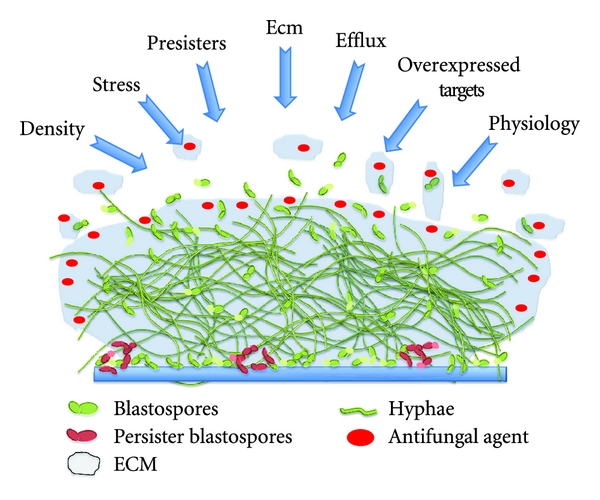
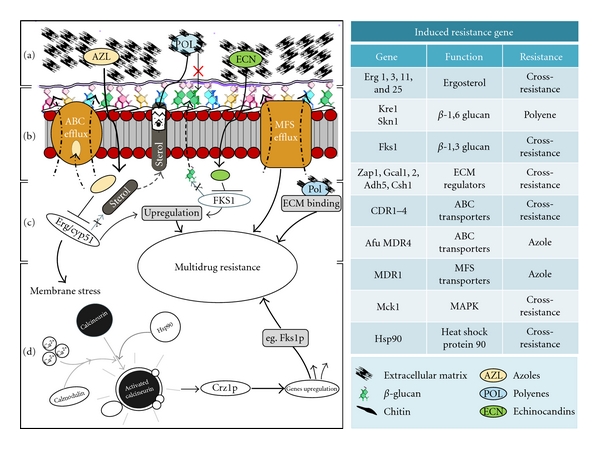
Fungal biofilm infections have become increasingly recognised as a significant clinical problem. One of the major reasons behind this is the impact that these have upon treatment, as antifungal therapy often fails and surgical intervention is required. This places a large financial burden on health care providers. This paper aims to illustrate the importance of fungal biofilms, particularly Candida albicans , and discusses some of the key fungal biofilm resistance mechanisms that include, extracellular matrix (ECM), efflux pump activity, persisters, cell density, overexpression of drug targets, stress responses, and the general physiology of the cell. The paper demonstrates the multifaceted nature of fungal biofilm resistance, which encompasses some of the newest data and ideas in the field.
Overview
The claims and statistics of this paper haven’t been checked yet.
Free: it reads the open-access text and checks the first 5 claims that cite a source we can check. Create a free account to check every claim.
Integrity signals
Registry
Cites
Statistics
Figures
Verification
Claims the paper makes
The claims and statistics of this paper haven’t been checked yet.
Free: it reads the open-access text and checks the first 5 claims that cite a source we can check. Create a free account to check every claim.
Claims other papers make about this one
Each is checked against this paper’s own text: does it say what the citing paper says it does?
The source backs part of the claim, not all of it — or backs it for a different population, condition or comparison.
In the citing paper
“Specific biofilm formation genes are being brought up regarding different roles in biofilm resistance: peroxisomal catalase (CTA1), the biosynthesis and degradation of tyrosine genes (ARO), the muscle creatine kinase (MSK), the heat shock protein 90 (HSP 90), the sphingolipid biosynthesis (SKN 1 and KRE1), SIR, RIF, and, finally, the extracellular matrix (ECM) regulators: zinc regulated genes (ZAP”
From Candida glabrata Biofilms: How Far Have We Come? (2017) · cites this paper as [130]
Experimental — accuracy not yet measuredThe source backs part of the claim, not all of it — or backs it for a different population, condition or comparison.
In the citing paper
“These include (in addition to Candida) members from Acremonium, Aspergillus, Cladosporium, Fusarium, and Pneumocystis (9, 20, 35, 42, 79, 160, 176).”
From Candida albicans Biofilms and Human Disease (2015) · cites this paper as [160]
Experimental — accuracy not yet measuredThe cited source says what the claim attributes to it.
In the citing paper
“C. albicans biofilms are resistant to standard antifungal drugs; not only do biofilms provide physical protection from drugs, cells in biofilms become intrinsically resistant to antimicrobial compounds because of their altered metabolic states and their constitutive upregulation of drug efflux pumps (7–10).”
From A Histone Deacetylase Complex Mediates Biofilm Dispersal and Drug Resistance in Candida albicans (2014) · cites this paper as [9]
The cited source says what the claim attributes to it.
In the citing paper
“Several general mechanisms of biofilm drug resistance are thought to confer resistance to multiple classes of antifungals in Candida species biofilms: the up-regulation of efflux pumps, cell wall composition, increased cell density and quorum sensing effect, presence of an extracellular matrix, changes in metabolism, the presence of persister cells, and cellular signalling and stress responses [”
From Candida glabrata Biofilms: How Far Have We Come? (2017) · cites this paper as [130]
The cited source says what the claim attributes to it.
In the citing paper
“It is well recognized that the inoculum size can affect susceptibility results [130,144,145,146,147].”
From Candida glabrata Biofilms: How Far Have We Come? (2017) · cites this paper as [130]
7 more claims about this paper
Create a free account to see every claim other papers make about this one.
Self-check
Percentages, sums and reported differences re-computed from the paper’s own numbers.
The self-check needs the paper’s full text.
Citations
Cites
Miller, M. B., & Bassler, B. L. (2001) · Annual Review of Microbiology · doi:10.1146/annurev.micro.55.1.165 · Cited by 5,105 · cited 1×
“provides the ability of microorganisms to communicate and coordinate their behaviour via the secretion of signalling molecules in a population-dependent manner [103].”
BackgroundCosterton, J. W., Lewandowski, Z., Caldwell, D. E., Korber, D. R., & Lappin-Scott, H. M. (1995) · Annual Review of Microbiology · doi:10.1146/annurev.mi.49.100195.003431 · Cited by 4,544
Biofilms: Microbial Life on Surfaces
Donlan, R. M. (2002) · Emerging Infectious Diseases · doi:10.3201/eid0809.020063 · Cited by 4,145 · cited 1×
“Estimates suggest that up to 80% of all microorganisms in the environment exist in biofilm communities [41].”
BackgroundABC Transporters: From Microorganisms to Man
Higgins, C. F. (1992) · Annual Review of Cell Biology · doi:10.1146/annurev.cb.08.110192.000435 · Cited by 3,985 · cited 1×
“The ABC transporters include a membrane pore composed of transmembrane segments and two ABCs on the cytosolic side of the membrane, which provide the energy source for the pump [128, 129].”
BackgroundLewis, K. (2010) · Annual Review of Microbiology · doi:10.1146/annurev.micro.112408.134306 · Cited by 1,858 · cited 1×
“Persister cells are “dormant variants of regular cells that form stochastically in microbial populations and are highly tolerant to antibiotics” [168].”
BackgroundChandra, J., Kuhn, D. M., Mukherjee, P. K., Hoyer, L. L., McCormick, T., & Ghannoum, M. A. (2001) · Journal of Bacteriology · doi:10.1128/jb.183.18.5385-5394.2001 · Cited by 1,578 · cited 5×
“, XTT-based assays) confirm that cells within biofilms are undergoing mitochondrial respiration during development [55, 58, 62, 65, 70].”
BackgroundMethodInfluentialMultidrug-resistance efflux pumps ? not just for resistance
Piddock, L. J. V. (2006) · Nature Reviews Microbiology · doi:10.1038/nrmicro1464 · Cited by 1,522 · cited 1×
“Their primary role may be for homeostasis within complex environments to protect themselves from acute toxicity [146], but within clinical environments exposure to azoles dugs may enhance the levels of efflux pump expression, therefore either contributing towards or inducing clinical resistance [139].”
BackgroundGenomic sequence of the pathogenic and allergenic filamentous fungus Aspergillus fumigatus
Nierman, W. C., Pain, A., Anderson, M. J., Wortman, J. R., Kim, H. S., Arroyo, J., Berriman, M., Abe, K., Archer, D. B., Bermejo, C., et al. (2005) · Nature · doi:10.1038/nature04332 · Cited by 1,391 · cited 1×
“fumigatus has 278 different MFS and 49 ABC transporters [140].”
BackgroundComparison of multiple methods for quantification of microbial biofilms grown in microtiter plates
Peeters, E., Nelis, H. J., & Coenye, T. (2008) · Journal of Microbiological Methods · doi:10.1016/j.mimet.2007.11.010 · Cited by 1,143 · cited 1×
“The oxidation reduction indicator Alamar blue has also been shown to be a reproducible and cheaper alternative to XTT in recent years, which merits further study [72, 73].”
BackgroundPierce, C. G., Uppuluri, P., Tristan, A. R., Wormley, F. L., Mowat, E., Ramage, G., & Lopez-Ribot, J. L. (2008) · Nature Protocols · doi:10.1038/nprot.2008.141 · Cited by 1,041 · cited 1×
“The recent interest in Aspergillus and Cryptococcus biofilms, as well as others like Pneumocystis, has led to further modifications of these, but in essence the platforms and techniques remain largely similar [67].”
BackgroundSelf-citationModulation of natural killer cell activity by viruses
Lisnić, V. J., Krmpotić, A., & Jonjić, S. (2010) · Current Opinion in Microbiology · doi:10.1016/j.mib.2010.05.011 · Cited by 1,003
Quorum Sensing in the Dimorphic Fungus Candida albicans Is Mediated by Farnesol
Hornby, J. M., Jensen, E. C., Lisec, A. D., Tasto, J. J., Jahnke, B., Shoemaker, R., Dussault, P., & Nickerson, K. W. (2001) · Applied and Environmental Microbiology · doi:10.1128/aem.67.7.2982-2992.2001 · Cited by 983 · cited 1×
“albicans when Hornby and colleagues identified farnesol trans, trans-3,7,11trimethyl-2,6,10-dodecatrien-1-ol [104].”
BackgroundTHE SPECTRUM OF THE DISEASE IN 98 PATIENTS
YOUNG, R. C., BENNETT, J. E., VOGEL, C. L., CARBONE, P. P., & DEVITA, V. T. (1970) · Medicine · doi:10.1097/00005792-197003000-00002 · Cited by 972 · cited 1×
“Aspergillary bronchitis has also been reported, which is characterized by bronchial casts containing mucus and mycelia [25].”
BackgroundRNAi-Mediated Chromatin Silencing in Fission Yeast
White, S. A., & Allshire, R. C. (2008) · Current Topics in Microbiology and Immunology · doi:10.1007/978-3-540-75157-1_8 · Cited by 971
Silva, S., Negri, M., Henriques, M., Oliveira, R., Williams, D. W., & Azeredo, J. (2012) · FEMS Microbiology Reviews · doi:10.1111/j.1574-6976.2011.00278.x · Cited by 969
Calderone, R. (2012) · ASM Press eBooks · Cited by 912
Optical sectioning of microbial biofilms
Lawrence, J. R., Korber, D. R., Hoyle, B. D., Costerton, J. W., & Caldwell, D. E. (1991) · Journal of Bacteriology · doi:10.1128/jb.173.20.6558-6567.1991 · Cited by 828 · cited 1×
“Mature biofilms, whilst densely populated, exhibit spatial heterogeneity with microcolonies and water channels being present, and features are common to both bacterial and fungal biofilms [55, 98, 99].”
BackgroundMultidrug Tolerance of Biofilms and Persister Cells
Lewis, K. (2008) · Current Topics in Microbiology and Immunology · doi:10.1007/978-3-540-75418-3_6 · Cited by 804
Kuhn, D. M., George, T., Chandra, J., Mukherjee, P. K., & Ghannoum, M. A. (2002) · Antimicrobial Agents and Chemotherapy · doi:10.1128/aac.46.6.1773-1780.2002 · Cited by 764
Standardized Method for In Vitro Antifungal Susceptibility Testing of Candida albicans Biofilms
Ramage, G., Vande Walle, K., Wickes, B. L., & López-Ribot, J. L. (2001) · Antimicrobial Agents and Chemotherapy · doi:10.1128/aac.45.9.2475-2479.2001 · Cited by 753 · cited 3×
“This assay measures the collective metabolic activity of the cells within biofilm and is used as the basis for developing a standardized high-throughput susceptibility screen on Candida biofilms, which is now widely used by the research community [55, 58].”
BackgroundMethodSelf-citationHoward, S. J., Cerar, D., Anderson, M. J., Albarrag, A., Fisher, M. C., Pasqualotto, A. C., Laverdiere, M., Arendrup, M. C., Perlin, D. S., & Denning, D. W. (2009) · Emerging Infectious Diseases · doi:10.3201/eid1507.090043 · Cited by 750
Emergence of Azole Resistance in Aspergillus fumigatus and Spread of a Single Resistance Mechanism
Snelders, E., van der Lee, H. A. L., Kuijpers, J., Rijs, A. J. M. M., Varga, J., Samson, R. A., Mellado, E., Donders, A. R. T., Melchers, W. J. G., & Verweij, P. E. (2008) · PLoS Medicine · doi:10.1371/journal.pmed.0050219 · Cited by 727
Hsp90 Potentiates the Rapid Evolution of New Traits: Drug Resistance in Diverse Fungi
Cowen, L. E., & Lindquist, S. (2005) · Science · doi:10.1126/science.1118370 · Cited by 698 · cited 1×
“albicans, at least in part via calcineurin [179].”
BackgroundGenetic control of Candida albicans biofilm development
Finkel, J. S., & Mitchell, A. P. (2011) · Nature Reviews Microbiology · doi:10.1038/nrmicro2475 · Cited by 612 · cited 1×
“albicans, we now have a clearer perspective on the molecular characteristics of fungal biofilm development [3, 6, 37, 38].”
BackgroundWhite, T. C. (1997) · Antimicrobial Agents and Chemotherapy · doi:10.1128/aac.41.7.1482 · Cited by 612 · cited 1×
“albicans azole resistance, and its overexpression leads to exclusive fluconazole resistance [46, 113].”
BackgroundEfflux-Mediated Antifungal Drug Resistance
Cannon, R. D., Lamping, E., Holmes, A. R., Niimi, K., Baret, P. V., Keniya, M. V., Tanabe, K., Niimi, M., Goffeau, A., & Monk, B. C. (2009) · Clinical Microbiology Reviews · doi:10.1128/cmr.00051-08 · Cited by 608 · cited 2×
“Currently, however, there is little evidence to suggest that these play an active role in clinical resistance [143].”
BackgroundResultBiofilm formation by Candida species on the surface of catheter materials in vitro
Hawser, S. P., & Douglas, L. J. (1994) · Infection and Immunity · doi:10.1128/iai.62.3.915-921.1994 · Cited by 599 · cited 1×
“albicans biofilms utilised some of the earliest models, from which quantitative assessment using dry weight measurements, tetrazolium salt (MTT) reduction assays, and incorporation of [3H] leucine were described [60, 61].”
MethodAntifungal Resistance of Candidal Biofilms Formed on Denture Acrylic in vitro
Chandra, J., Mukherjee, P. K., Leidich, S. D., Faddoul, F. F., Hoyer, L. L., Douglas, L. J., & Ghannoum, M. A. (2001) · Journal of Dental Research · doi:10.1177/00220345010800031101 · Cited by 597 · cited 1×
“For example, a “seed and feed” modified Robin’s device that permits multiple biofilms to be formed under constant flow conditions, cylindrical cellulose filters, constant depth film fermenters, perfusion fermenters, flow chambers, and a Robbin’s device have all been described [51, 52, 54, 55, 77, 78].”
Sanglard, D., Ischer, F., Monod, M., & Bille, J. (1997) · Microbiology · doi:10.1099/00221287-143-2-405 · Cited by 587
Bakers' Yeast, a Model for Fungal Biofilm Formation
Reynolds, T. B., & Fink, G. R. (2001) · Science · doi:10.1126/science.291.5505.878 · Cited by 585 · cited 3×
“Blastoschizomyces capitatus, Malassezia pachydermatis, Saccharomyces cerevisiae, Rhizopus oryzae, Lichtheimia corymbifera, Rhizomucor pusillus, and Apophysomyces elegans are all reported to produce ECM in their biofilms [10, 11, 13, 163].”
BackgroundCandida biofilms on implanted biomaterials: a clinically significant problem
Ramage, G., MartÃnez, J. P., & López-Ribot, J. L. (2006) · FEMS Yeast Research · doi:10.1111/j.1567-1364.2006.00117.x · Cited by 575 · cited 2×
“In addition to providing safe sanctuary for microorganisms, biofilms may also act as reservoirs for persistent sources of infection in a patient and as such adversely effect the health of an increasing number of individuals, including patients with HIV-infection, cancer, transplants, patients requiring surgery or inte…”
BackgroundSelf-citationAl-Fattani, M. A., & Douglas, L. J. (2006) · Journal of Medical Microbiology · doi:10.1099/jmm.0.46569-0 · Cited by 548 · cited 2×
“albicans biofilms with beta-1,3 glucanase helps detach biofilms from a substrate [147].”
BackgroundHow to build a biofilm: a fungal perspective
Blankenship, J. R., & Mitchell, A. P. (2006) · Current Opinion in Microbiology · doi:10.1016/j.mib.2006.10.003 · Cited by 530 · cited 2×
“These key phases include arriving at an appropriate substratum, adhesion, colonisation, extracellular matrix (ECM) production, biofilm maturation, and dispersal [37, 55, 59].”
BackgroundQuorum sensing inhibitors: a bargain of effects
Rasmussen, T. B., & Givskov, M. (2006) · Microbiology · doi:10.1099/mic.0.28601-0 · Cited by 523 · cited 1×
“Clinically, these are important as they are refractory to antifungal treatment, which poses a major problem to clinicians as the dose required to eradicate the biofilm can exceed the highest therapeutically attainable concentrations of antibiotics [39].”
BackgroundCandida albicans Biofilms Produce Antifungal-Tolerant Persister Cells
LaFleur, M. D., Kumamoto, C. A., & Lewis, K. (2006) · Antimicrobial Agents and Chemotherapy · doi:10.1128/aac.00684-06 · Cited by 521 · cited 2×
“albicans biofilms, a small subset of yeast cells have been described that are highly resistant to amphotericin B following adhesion, which is independent of upregulation of efflux pumps and cell membrane composition [76, 166].”
BackgroundMukherjee, P. K., Chandra, J., Kuhn, D. M., & Ghannoum, M. A. (2003) · Infection and Immunity · doi:10.1128/iai.71.8.4333-4340.2003 · Cited by 511 · cited 7×
“albicans strains were utilised where it was shown that 6 h old biofilms formed by double and triple mutants were >4- to 16-fold more susceptible to fluconazole than the wild-type strain [102].”
BackgroundResultInfluentialMellado, E., Garcia-Effron, G., Alcázar-Fuoli, L., Melchers, W. J. G., Verweij, P. E., Cuenca-Estrella, M., & Rodríguez-Tudela, J. L. (2007) · Antimicrobial Agents and Chemotherapy · doi:10.1128/aac.01092-06 · Cited by 490
Prasad, R., De Wergifosse, P., Goffeau, A., & Balzi, E. (1995) · Current Genetics · doi:10.1007/bf00352101 · Cited by 486
Our Current Understanding of Fungal Biofilms
Ramage, G., Mowat, E., Jones, B., Williams, C., & Lopez-Ribot, J. (2009) · Critical Reviews in Microbiology · doi:10.3109/10408410903241436 · Cited by 483 · cited 5×
“Biofilms are defined as highly structured communities of microorganisms that are either surface associated or attached to one another and are enclosed within a self-produced protective extracellular matrix (ECM) [6].”
BackgroundInfluentialSelf-citationPerea, S., López-Ribot, J. L., Kirkpatrick, W. R., McAtee, R. K., Santillán, R. A., Martı́nez, M., Calabrese, D., Sanglard, D., & Patterson, T. F. (2001) · Antimicrobial Agents and Chemotherapy · doi:10.1128/aac.45.10.2676-2684.2001 · Cited by 470
Ramage, G. (2002) · Journal of Antimicrobial Chemotherapy · doi:10.1093/jac/dkf049 · Cited by 468 · cited 6×
“Nevertheless, similar to the study by Ramage and coworkers [108], C. albicans biofilms were shown to express CaCDR and CaMDR1 genes in all three phases (6, 12, and 48 h), whilst planktonic cells expressed these genes transiently.”
BackgroundResultInfluentialSelf-citationSanglard, D., Ischer, F., Koymans, L., & Bille, J. (1998) · Antimicrobial Agents and Chemotherapy · doi:10.1128/aac.42.2.241 · Cited by 465
Characteristics of biofilm formation by Candida albicans.
Ramage, G., VandeWalle, K., Wickes, B. L., & Lopez-Ribot, J. L. (2001) · PubMed · Cited by 455
Self-citationDispersion as an Important Step in the Candida albicans Biofilm Developmental Cycle
Uppuluri, P., Chaturvedi, A. K., Srinivasan, A., Banerjee, M., Ramasubramaniam, A. K., Köhler, J. R., Kadosh, D., & Lopez-Ribot, J. L. (2010) · PLoS Pathogens · doi:10.1371/journal.ppat.1000828 · Cited by 432 · cited 1×
“It has recently been shown that the cells that detach from the biofilm have a greater association with mortality than equivalent planktonic yeasts [2].”
BackgroundFauvart, M., De Groote, V. N., & Michiels, J. (2011) · Journal of Medical Microbiology · doi:10.1099/jmm.0.030932-0 · Cited by 425 · cited 1×
“Persister cells are an important mechanism of resistance in chronic infections [164], and a mechanism of resistance that has gathered some attention recently in fungal biofilms [165–167].”
BackgroundPutative Role of β-1,3 Glucans in Candida albicans Biofilm Resistance
Nett, J., Lincoln, L., Marchillo, K., Massey, R., Holoyda, K., Hoff, B., VanHandel, M., & Andes, D. (2007) · Antimicrobial Agents and Chemotherapy · doi:10.1128/aac.01056-06 · Cited by 407
Resistance of Candida albicans biofilms to antifungal agents in vitro
Hawser, S. P., & Douglas, L. J. (1995) · Antimicrobial Agents and Chemotherapy · doi:10.1128/aac.39.9.2128 · Cited by 406 · cited 1×
“albicans biofilms utilised some of the earliest models, from which quantitative assessment using dry weight measurements, tetrazolium salt (MTT) reduction assays, and incorporation of [3H] leucine were described [60, 61].”
MethodBiofilms of non-Candida albicans Candida species: quantification, structure and matrix composition
Silva, S., Henriques, M., Martins, A., Oliveira, R., Williams, D., & Azeredo, J. (2009) · Medical Mycology · doi:10.3109/13693780802549594 · Cited by 390
Baillie, G. S. (2000) · Journal of Antimicrobial Chemotherapy · doi:10.1093/jac/46.3.397 · Cited by 389 · cited 1×
“albicans ECM was shown to increase when biofilms are grown under dynamic flow conditions [47, 48, 53].”
BackgroundAndes, D., Nett, J., Oschel, P., Albrecht, R., Marchillo, K., & Pitula, A. (2004) · Infection and Immunity · doi:10.1128/iai.72.10.6023-6031.2004 · Cited by 389 · cited 2×
“Animal studies have also shown that biofilms formed on implanted catheters express efflux pumps [84, 118].”
BackgroundMarichal, P., Koymans, L., Willemsens, S., Bellens, D., Verhasselt, P., Luyten, W., Borgers, M., Ramaekers, F. C. S., Odds, F. C., & Vanden Bossche, H. (1999) · Microbiology · doi:10.1099/00221287-145-10-2701 · Cited by 382
Evolution of antifungal-drug resistance: mechanisms and pathogen fitness
Anderson, J. B. (2005) · Nature Reviews Microbiology · doi:10.1038/nrmicro1179 · Cited by 375 · cited 5×
“The principle drug target, Erg11p, can develop point mutations or be overexpressed [111–113].”
BackgroundInfluentialDenture Plaque and Adherence of Candida Albicans To Denture-Base Materials in Vivo and in Vitro
Radford, D. R., Challacombe, S., & Walter, J. D. (1999) · Critical Reviews in Oral Biology & Medicine · doi:10.1177/10454411990100010501 · Cited by 367
Hsp90 Governs Echinocandin Resistance in the Pathogenic Yeast Candida albicans via Calcineurin
Singh, S. D., Robbins, N., Zaas, A. K., Schell, W. A., Perfect, J. R., & Cowen, L. E. (2009) · PLoS Pathogens · doi:10.1371/journal.ppat.1000532 · Cited by 362 · cited 1×
“It physically interacts with the catalytic subunit of calcineurin, keeping it stable and poised for activation [180].”
BackgroundGarcía-Sánchez, S., Aubert, S., Iraqui, I., Janbon, G., Ghigo, J.-M., & d'Enfert, C. (2004) · Eukaryotic Cell · doi:10.1128/ec.3.2.536-545.2004 · Cited by 353 · cited 1×
“albicans biofilm studies to use microarray analysis, overexpression of CaERG25 and CaERG11 was reported [56].”
MethodSanglard, D., Ischer, F., Marchetti, O., Entenza, J., & Bille, J. (2003) · Molecular Microbiology · doi:10.1046/j.1365-2958.2003.03495.x · Cited by 350 · cited 1×
“albicans survival during azole treatment [174].”
Tumbarello, M., Posteraro, B., Trecarichi, E. M., Fiori, B., Rossi, M., Porta, R., de Gaetano Donati, K., La Sorda, M., Spanu, T., Fadda, G., et al. (2007) · Journal of Clinical Microbiology · doi:10.1128/jcm.00131-07 · Cited by 343
Uses and Limitations of the XTT Assay in Studies of Candida Growth and Metabolism
Kuhn, D. M., Balkis, M., Chandra, J., Mukherjee, P. K., & Ghannoum, M. A. (2003) · Journal of Clinical Microbiology · doi:10.1128/jcm.41.1.506-508.2003 · Cited by 339 · cited 2×
“A caveat to its use is that it does not quantify biofilm-dependant characteristics, such as biomass or morphological status, and caution must be exercised when evaluating XTT data from different isolates as there is often dramatic variability between strains [65].”
BackgroundAzole antifungal resistance in Aspergillus fumigatus: 2008 and 2009
Bueid, A., Howard, S. J., Moore, C. B., Richardson, M. D., Harrison, E., Bowyer, P., & Denning, D. W. (2010) · Journal of Antimicrobial Chemotherapy · doi:10.1093/jac/dkq279 · Cited by 338 · cited 2×
“Their primary role may be for homeostasis within complex environments to protect themselves from acute toxicity [146], but within clinical environments exposure to azoles dugs may enhance the levels of efflux pump expression, therefore either contributing towards or inducing clinical resistance [139].”
BackgroundResultBiofilm Matrix Regulation by Candida albicans Zap1
Nobile, C. J., Nett, J. E., Hernday, A. D., Homann, O. R., Deneault, J.-S., Nantel, A., Andes, D. R., Johnson, A. D., & Mitchell, A. P. (2009) · PLoS Biology · doi:10.1371/journal.pbio.1000133 · Cited by 337 · cited 2×
“albicans biofilm models through expression profiling and full genome chromatin immunoprecipitation [156].”
BackgroundShin, J. H., Kee, S. J., Shin, M. G., Kim, S. H., Shin, D. H., Lee, S. K., Suh, S. P., & Ryang, D. W. (2002) · Journal of Clinical Microbiology · doi:10.1128/jcm.40.4.1244-1248.2002 · Cited by 334
Ramage, G., VandeWalle, K., López-Ribot, J. L., & Wickes, B. L. (2002) · FEMS Microbiology Letters · doi:10.1016/s0378-1097(02)00853-4 · Cited by 334
Self-citationHarnessing calcineurin as a novel anti-infective agent against invasive fungal infections.
Steinbach, W. J., Reedy, J. L., Cramer, R. A., Perfect, J. R., & Heitman, J. (2007) · Nature Reviews Microbiology · doi:10.1038/nrmicro1680 · Cited by 313 · cited 1×
“Calcineurin is a Ca2+-calmodulin-activated serine/ threonine-specific protein phosphatase that plays many critical stress roles in the fungal cell, including amongst other things antifungal drug responses [173].”
BackgroundThe evolution of fungal drug resistance: modulating the trajectory from genotype to phenotype.
Cowen, L. E. (2008) · Nature Reviews Microbiology · doi:10.1038/nrmicro1835 · Cited by 311 · cited 1×
“albicans induces a strong directional selection on the surviving population to evolve drug resistance [109, 110].”
BackgroundRole of dimorphism in the development of Candida albicans biofilms
BAILLIE, G. S., & DOUGLAS, L. J. (1999) · Journal of Medical Microbiology · doi:10.1099/00222615-48-7-671 · Cited by 304 · cited 1×
“For example, a “seed and feed” modified Robin’s device that permits multiple biofilms to be formed under constant flow conditions, cylindrical cellulose filters, constant depth film fermenters, perfusion fermenters, flow chambers, and a Robbin’s device have all been described [51, 52, 54, 55, 77, 78].”
Candida albicans forms biofilms on the vaginal mucosa
Harriott, M. M., Lilly, E. A., Rodriguez, T. E., Fidel, P. L., & Noverr, M. C. (2010) · Microbiology · doi:10.1099/mic.0.039354-0 · Cited by 301 · cited 1×
“In addition, there are now also a significant number of biofilm models available for in vivo investigations, and many of these have been utilised to elucidate biofilm resistance mechanisms [83], including an implanted chamber under the skin [71], catheter models [84, 85], vaginal model [86], and denture model [87].”
BackgroundRegulation of multidrug resistance in pathogenic fungi
Morschhäuser, J. (2010) · Fungal Genetics and Biology · doi:10.1016/j.fgb.2009.08.002 · Cited by 300 · cited 1×
“Collectively, this data in addition to the available literature support the hypothesis that efflux pumps are an important, but not exclusive, determinant of fungal biofilm resistance to azoles [143, 145].”
ResultAn update on antifungal targets and mechanisms of resistance in Candidaalbicans
Akins, R. A. (2005) · Medical Mycology · doi:10.1080/13693780500138971 · Cited by 291 · cited 1×
“Azoles actively target the 14αdemethylase enzyme encoded by ERG11, blocking ergosterol biosynthesis and leads to depletion of the ergosterol content of membranes and results in the accumulation of toxic sterol pathway intermediates, such as 14 α-methylergosta-8,24(28)dien-3b,6a-diol, which inhibits growth [111, 112].”
BackgroundHsp90 Governs Dispersion and Drug Resistance of Fungal Biofilms
Robbins, N., Uppuluri, P., Nett, J., Rajendran, R., Ramage, G., Lopez-Ribot, J. L., Andes, D., & Cowen, L. E. (2011) · PLoS Pathogens · doi:10.1371/journal.ppat.1002257 · Cited by 291 · cited 2×
“albicans biofilm growth and maturation in vitro and interestingly impaired dispersal of biofilm cells [181].”
BackgroundSelf-citationFungus balls of the paranasal sinuses: a review
Grosjean, P., & Weber, R. (2007) · European Archives of Oto-Rhino-Laryngology · doi:10.1007/s00405-007-0281-5 · Cited by 291
Liquid flow in heterogeneous biofilms
de Beer, D., Stoodley, P., & Lewandowski, Z. (1994) · Biotechnology and Bioengineering · doi:10.1002/bit.260440510 · Cited by 289 · cited 1×
“Mature biofilms, whilst densely populated, exhibit spatial heterogeneity with microcolonies and water channels being present, and features are common to both bacterial and fungal biofilms [55, 98, 99].”
BackgroundIn Vitro Activity of Caspofungin against Candida albicans Biofilms
Bachmann, S. P., VandeWalle, K., Ramage, G., Patterson, T. F., Wickes, B. L., Graybill, J. R., & López-Ribot, J. L. (2002) · Antimicrobial Agents and Chemotherapy · doi:10.1128/aac.46.11.3591-3596.2002 · Cited by 288 · cited 1×
“However, given that echinocandins are highly effective against biofilms suggests cell density has a limited effect against this compound [92].”
BackgroundSelf-citationOnyewu, C., Blankenship, J. R., Del Poeta, M., & Heitman, J. (2003) · Antimicrobial Agents and Chemotherapy · doi:10.1128/aac.47.3.956-964.2003 · Cited by 282
Yeast multidrug resistance: The PDR network
Balzi, E., & Goffeau, A. (1995) · Journal of Bioenergetics and Biomembranes · doi:10.1007/bf02110333 · Cited by 279 · cited 1×
“The ABC transporters include a membrane pore composed of transmembrane segments and two ABCs on the cytosolic side of the membrane, which provide the energy source for the pump [128, 129].”
BackgroundCoco, B. J., Bagg, J., Cross, L. J., Jose, A., Cross, J., & Ramage, G. (2008) · Oral Microbiology and Immunology · doi:10.1111/j.1399-302x.2008.00439.x · Cited by 276 · cited 1×
“Malassezia pachydermatis has been isolated from patients undergoing parenteral nutrition [13], Blastoschizomyces capitatus has been associated with catheter-related fungemia [11], Saccharomyces cerevisiae has been detected from dentures of stomatitis patients [24], and recurrent meningitis has been associated with a C…”
BackgroundSelf-citationIn vivo biofilm composition of Aspergillus fumigatus
Loussert, C., Schmitt, C., Prevost, M.-C., Balloy, V., Fadel, E., Philippe, B., Kauffmann-Lacroix, C., Latgé, J. P., & Beauvais, A. (2010) · Cellular Microbiology · doi:10.1111/j.1462-5822.2009.01409.x · Cited by 269
An extracellular matrix glues together the aerial-grown hyphae of Aspergillus fumigatus
Beauvais, A., Schmidt, C., Guadagnini, S., Roux, P., Perret, E., Henry, C., Paris, S., Mallet, A., Prévost, M.-C., & Latgé, J. P. (2007) · Cellular Microbiology · doi:10.1111/j.1462-5822.2007.00895.x · Cited by 262 · cited 1×
“In an aerial static model, the presence of extracellular hydrophobic ECM is composed of galactomannan, alpha-1,3 glucans, monosaccharides, polyols, melanin, and proteins, including major antigens and hydrophobins [159].”
BackgroundMultiple efflux mechanisms are involved in Candida albicans fluconazole resistance
Albertson, G. D., Niimi, M., Cannon, R. D., & Jenkinson, H. F. (1996) · Antimicrobial Agents and Chemotherapy · doi:10.1128/aac.40.12.2835 · Cited by 260
Mowat, E., Butcher, J., Lang, S., Williams, C., & Ramage, G. (2007) · Journal of Medical Microbiology · doi:10.1099/jmm.0.47247-0 · Cited by 259
Self-citationNascimento, A. M., Goldman, G. H., Park, S., Marras, S. A. E., Delmas, G., Oza, U., Lolans, K., Dudley, M. N., Mann, P. A., & Perlin, D. S. (2003) · Antimicrobial Agents and Chemotherapy · doi:10.1128/aac.47.5.1719-1726.2003 · Cited by 258 · cited 1×
“fumigatus MDR pumps have previously been shown to be associated with increased resistance to itraconazole [141, 142].”
BackgroundGenetic Basis of Candida Biofilm Resistance Due to Drug‐Sequestering Matrix Glucan
Nett, J. E., Sanchez, H., Cain, M. T., & Andes, D. R. (2010) · The Journal of Infectious Diseases · doi:10.1086/651200 · Cited by 250 · cited 1×
“The group has recently shown that the ECM β-1,3 glucan is synthesised from Fks1p using a defined knockout and overexpressing strain [152].”
BackgroundMartins, M., Uppuluri, P., Thomas, D. P., Cleary, I. A., Henriques, M., Lopez-Ribot, J. L., & Oliveira, R. (2010) · Mycopathologia · doi:10.1007/s11046-009-9264-y · Cited by 250 · cited 1×
“albicans [148], as the addition of DNase improves the efficacy of polyenes and echinocandins, but not to azoles [149].”
BackgroundRamage, G., VandeWalle, K., Bachmann, S. P., Wickes, B. L., & López-Ribot, J. L. (2002) · Antimicrobial Agents and Chemotherapy · doi:10.1128/aac.46.11.3634-3636.2002 · Cited by 244
Self-citationPatients with Long-Term Oral Carriage Harbor High-Persister Mutants of Candida albicans
LaFleur, M. D., Qi, Q., & Lewis, K. (2010) · Antimicrobial Agents and Chemotherapy · doi:10.1128/aac.00860-09 · Cited by 237 · cited 1×
“2 to 9%, and strains isolated from patients with long-term carriage had high levels of persisters, whereas those from transient carriage did not [170].”
BackgroundPenetration of Candida Biofilms by Antifungal Agents
Al-Fattani, M. A., & Douglas, L. J. (2004) · Antimicrobial Agents and Chemotherapy · doi:10.1128/aac.48.9.3291-3297.2004 · Cited by 235 · cited 2×
“albicans ECM was shown to increase when biofilms are grown under dynamic flow conditions [47, 48, 53].”
BackgroundEffect of Growth Rate on Resistance of Candida albicans Biofilms to Antifungal Agents
Baillie, G. S., & Douglas, L. J. (1998) · Antimicrobial Agents and Chemotherapy · doi:10.1128/aac.42.8.1900 · Cited by 234 · cited 2×
“For example, a “seed and feed” modified Robin’s device that permits multiple biofilms to be formed under constant flow conditions, cylindrical cellulose filters, constant depth film fermenters, perfusion fermenters, flow chambers, and a Robbin’s device have all been described [51, 52, 54, 55, 77, 78].”
BackgroundSeidler, M. J., Salvenmoser, S., & Müller, F.-M. C. (2008) · Antimicrobial Agents and Chemotherapy · doi:10.1128/aac.00234-08 · Cited by 229 · cited 1×
“fumigatus, that were resistant to antifungal agents [162].”
BackgroundSynergistic Effect of Calcineurin Inhibitors and Fluconazole against Candida albicans Biofilms
Uppuluri, P., Nett, J., Heitman, J., & Andes, D. (2008) · Antimicrobial Agents and Chemotherapy · doi:10.1128/aac.01397-07 · Cited by 228 · cited 1×
“Calcineurin has also been implicated in mediating resistance to the azoles in both in vitro and in vivo models of biofilm formation [176].”
BackgroundDi Bonaventura, G., Pompilio, A., Picciani, C., Iezzi, M., D'Antonio, D., & Piccolomini, R. (2006) · Antimicrobial Agents and Chemotherapy · doi:10.1128/aac.00556-06 · Cited by 226 · cited 3×
“Different Trichosporon species can cause disseminated life-threatening infections associated with biofilm-related infections [14, 19, 20], including cardiac grafts [21], catheters [22], and breast implants [23].”
BackgroundCao, Y.-Y., Cao, Y.-B., Xu, Z., Ying, K., Li, Y., Xie, Y., Zhu, Z.-Y., Chen, W.-S., & Jiang, Y.-Y. (2005) · Antimicrobial Agents and Chemotherapy · doi:10.1128/aac.49.2.584-589.2005 · Cited by 222 · cited 2×
“Exposing C. albicans to exogenous farnesol results in genome wide responses, including activation of genes involved in drug resistance (CaFCR1 and CaPDR16) [105, 106].”
BackgroundCandida albicans biofilm development, modeling a host–pathogen interaction
Nett, J., & Andes, D. (2006) · Current Opinion in Microbiology · doi:10.1016/j.mib.2006.06.007 · Cited by 210 · cited 1×
“In addition, there are now also a significant number of biofilm models available for in vivo investigations, and many of these have been utilised to elucidate biofilm resistance mechanisms [83], including an implanted chamber under the skin [71], catheter models [84, 85], vaginal model [86], and denture model [87].”
BackgroundA contact-activated kinase signals Candida albicans invasive growth and biofilm development
Kumamoto, C. A. (2005) · Proceedings of the National Academy of Sciences · doi:10.1073/pnas.0407097102 · Cited by 209 · cited 1×
“This indicates that Mck1p is involved in biofilm resistance through a stress pathway [172].”
BackgroundCandida albicans drug resistance—Another way to cope with stress
Cannon, R. D., Lamping, E., Holmes, A. R., Niimi, K., Tanabe, K., Niimi, M., & Monk, B. C. (2007) · Microbiology · doi:10.1099/mic.0.2007/010405-0 · Cited by 208 · cited 3×
“Pathogenic fungi encounter a range of physiological stresses from different environments, including temperature changes, ionic stress, changes in osmolarity, and oxidative stress, such as that experienced in the phagosomes of neutrophils [112].”
BackgroundNett, J. E., Crawford, K., Marchillo, K., & Andes, D. R. (2010) · Antimicrobial Agents and Chemotherapy · doi:10.1128/aac.00227-10 · Cited by 207 · cited 1×
“Further studies have shown that they are also responsible for sequestering echinocandins, pyrimidines, and polyenes [153].”
BackgroundSnelders, E., Karawajczyk, A., Schaftenaar, G., Verweij, P. E., & Melchers, W. J. G. (2010) · Antimicrobial Agents and Chemotherapy · doi:10.1128/aac.01599-09 · Cited by 206
Candida biofilms and oral candidosis: treatment and prevention
Williams, D. W., Kuriyama, T., Silva, S., Malic, S., & Lewis, M. A. O. (2011) · Periodontology 2000 · doi:10.1111/j.1600-0757.2009.00338.x · Cited by 205 · cited 1×
“albicans azole resistance, and its overexpression leads to exclusive fluconazole resistance [46, 113].”
BackgroundSusceptibility of Cryptococcus neoformans Biofilms to Antifungal Agents In Vitro
Martinez, L. R., & Casadevall, A. (2006) · Antimicrobial Agents and Chemotherapy · doi:10.1128/aac.50.3.1021-1033.2006 · Cited by 199 · cited 4×
“neoformans also have the ability to form biofilm structures in vitro and produce ECM [68].”
BackgroundMethodInfluentialProduction of extracellular matrix by Candida albicans biofilms
Hawser, S. P., Baillie, G. S., & Douglas, L. J. (1998) · Journal of Medical Microbiology · doi:10.1099/00222615-47-3-253 · Cited by 183 · cited 3×
“As mentioned, the presence of flowing liquid over the biofilm can alter antifungal sensitivity [47].”
BackgroundDiethylcarbamazine-related antimicrobial activity in Mycobacterium tuberculosis-infected blood
Kitchen, L. (1998) · Journal of Antimicrobial Chemotherapy · doi:10.1093/jac/42.2.241 · Cited by 183
Vediyappan, G., Rossignol, T., & d'Enfert, C. (2010) · Antimicrobial Agents and Chemotherapy · doi:10.1128/aac.01638-09 · Cited by 183 · cited 1×
“albicans biofilms and beta-glucans [154].”
Rabbit Model of Candida albicans Biofilm Infection: Liposomal Amphotericin B Antifungal Lock Therapy
Schinabeck, M. K., Long, L. A., Hossain, M. A., Chandra, J., Mukherjee, P. K., Mohamed, S., & Ghannoum, M. A. (2004) · Antimicrobial Agents and Chemotherapy · doi:10.1128/aac.48.5.1727-1732.2004 · Cited by 180 · cited 1×
“In addition, there are now also a significant number of biofilm models available for in vivo investigations, and many of these have been utilised to elucidate biofilm resistance mechanisms [83], including an implanted chamber under the skin [71], catheter models [84, 85], vaginal model [86], and denture model [87].”
BackgroundMartins, M., Henriques, M., Lopez‐Ribot, J. L., & Oliveira, R. (2012) · Mycoses · doi:10.1111/j.1439-0507.2011.02047.x · Cited by 174 · cited 1×
“albicans [148], as the addition of DNase improves the efficacy of polyenes and echinocandins, but not to azoles [149].”
BackgroundNett, J. E., Sanchez, H., Cain, M. T., Ross, K. M., & Andes, D. R. (2011) · Eukaryotic Cell · doi:10.1128/ec.05126-11 · Cited by 168 · cited 2×
“Subsequent studies have identified a role for the CaSMI1, a gene involved in cell wall glucans, in biofilm ECM production and development of a drug-resistant phenotype, which appears to act through transcription factor CaRlmp and glucan synthase Fks1p [155].”
BackgroundBizerra, F. C., Nakamura, C. V., De Poersch, C., Estivalet Svidzinski, T. I., Borsato Quesada, R. M., Goldenberg, S., Krieger, M. A., & Yamada-Ogatta, S. F. (2008) · FEMS Yeast Research · doi:10.1111/j.1567-1364.2007.00347.x · Cited by 168 · cited 1×
“tropicalis biofilms has also been reported [134].”
Antifungal drug resistance of oral fungi
Niimi, M., Firth, N. A., & Cannon, R. D. (2010) · Odontology · doi:10.1007/s10266-009-0118-3 · Cited by 166 · cited 1×
“Specifically, these include alterations or overexpression of target molecules, active extrusion through efflux pumps, limited diffusion, tolerance, and cell density, which are all characterised mechanisms utilised by fungi to combat the effects of antifungal treatment [93].”
BackgroundRuan, S., Chien, J., & Hsueh, P. (2009) · Clinical Infectious Diseases · doi:10.1086/599614 · Cited by 166 · cited 1×
“Different Trichosporon species can cause disseminated life-threatening infections associated with biofilm-related infections [14, 19, 20], including cardiac grafts [21], catheters [22], and breast implants [23].”
BackgroundRole for Cell Density in Antifungal Drug Resistance in Candida albicans Biofilms
Perumal, P., Mekala, S., & Chaffin, W. L. (2007) · Antimicrobial Agents and Chemotherapy · doi:10.1128/aac.01237-06 · Cited by 165 · cited 3×
“It was demonstrated that both planktonic and resuspended biofilm cells exhibited azole sensitivity at low cell numbers (103 cells/ml), which became increasingly resistant as the density of the cells increased tenfold [100], a phenomenon also been demonstrated in A.”
BackgroundInfluentialTime Course Global Gene Expression Analysis of an In Vivo Candida Biofilm
Nett, J. E., Lepak, A. J., Marchillo, K., & Andes, D. R. (2009) · The Journal of Infectious Diseases · doi:10.1086/599838 · Cited by 162 · cited 2×
“Animal studies have also shown that biofilms formed on implanted catheters express efflux pumps [84, 118].”
BackgroundDevelopment and Validation of an In Vivo Candida albicans Biofilm Denture Model
Nett, J. E., Marchillo, K., Spiegel, C. A., & Andes, D. R. (2010) · Infection and Immunity · doi:10.1128/iai.00480-10 · Cited by 161 · cited 1×
“In addition, there are now also a significant number of biofilm models available for in vivo investigations, and many of these have been utilised to elucidate biofilm resistance mechanisms [83], including an implanted chamber under the skin [71], catheter models [84, 85], vaginal model [86], and denture model [87].”
BackgroundTranscriptome analysis of Aspergillus fumigatus exposed to voriconazole
Ferreira, M. E. D. S., Malavazi, I., Savoldi, M., Brakhage, A. A., Goldman, M. H. S., Kim, H. S., Nierman, W. C., & Goldman, G. H. (2006) · Current Genetics · doi:10.1007/s00294-006-0073-2 · Cited by 160 · cited 2×
“Global transcriptional analyses of voriconazole-treated A. fumigatus mycelia of over 2000 genes were shown to be differentially expressed, and amongst these was a cluster of 15 different transporters mRNA at significantly increased levels, including MDR proteins of the ABC and MFS classes, such as AfMDR1 and AfMDR2 [1…”
BackgroundAzole Resistance of Aspergillus fumigatus Biofilms Is Partly Associated with Efflux Pump Activity
Rajendran, R., Mowat, E., McCulloch, E., Lappin, D. F., Jones, B., Lang, S., Majithiya, J. B., Warn, P., Williams, C., & Ramage, G. (2011) · Antimicrobial Agents and Chemotherapy · doi:10.1128/aac.01189-10 · Cited by 159 · cited 4×
“fumigatus biofilms revealed increased resistance to azoles, polyenes, and echinocandins as each biofilm matured from 8 to 12 to 24 h [70, 71].”
BackgroundInfluentialSelf-citationCandida albicans Biofilm-Defective Mutants
Richard, M. L., Nobile, C. J., Bruno, V. M., & Mitchell, A. P. (2005) · Eukaryotic Cell · doi:10.1128/ec.4.8.1493-1502.2005 · Cited by 155
Nett, J. E., Cain, M. T., Crawford, K., & Andes, D. R. (2011) · Journal of Clinical Microbiology · doi:10.1128/jcm.02273-10 · Cited by 153 · cited 1×
“The XTT assay is noninvasive and nondestructive, requiring minimal postprocessing of samples compared to other methods, such as viable cell counts [64].”
Methodda Silva Ferreira, M. E., Capellaro, J. L., dos Reis Marques, E., Malavazi, I., Perlin, D., Park, S., Anderson, J. B., Colombo, A. L., Arthington-Skaggs, B. A., Goldman, M. H. S., et al. (2004) · Antimicrobial Agents and Chemotherapy · doi:10.1128/aac.48.11.4405-4413.2004 · Cited by 147 · cited 1×
“fumigatus MDR pumps have previously been shown to be associated with increased resistance to itraconazole [141, 142].”
BackgroundEnjalbert, B., & Whiteway, M. (2005) · Eukaryotic Cell · doi:10.1128/ec.4.7.1203-1210.2005 · Cited by 145 · cited 2×
“Exposing C. albicans to exogenous farnesol results in genome wide responses, including activation of genes involved in drug resistance (CaFCR1 and CaPDR16) [105, 106].”
BackgroundThe Two-Component Signal Transduction Protein Chk1p Regulates Quorum Sensing in Candida albicans
Kruppa, M., Krom, B. P., Chauhan, N., Bambach, A. V., Cihlar, R. L., & Calderone, R. A. (2004) · Eukaryotic Cell · doi:10.1128/ec.3.4.1062-1065.2004 · Cited by 144 · cited 2×
“It has now been shown that quorum sensing in C. albicans is likely driven by the two-component regulatory system of Chk1p [107].”
BackgroundDumitru, R., Hornby, J. M., & Nickerson, K. W. (2004) · Antimicrobial Agents and Chemotherapy · doi:10.1128/aac.48.7.2350-2354.2004 · Cited by 143 · cited 1×
“albicans biofilms were resistant to the high levels of amphotericin B and different azole antifungals [95].”
BackgroundHawser, S. P., Norris, H., Jessup, C. J., & Ghannoum, M. A. (1998) · Journal of Clinical Microbiology · doi:10.1128/jcm.36.5.1450-1452.1998 · Cited by 140 · cited 1×
“Therefore, methods for rapid high-throughput testing were preferable, and around this time, the 2,3-bis(2-methoxy-4-nitro-5sulfophenyl)-5-[(phenylamino)-carbonyl]-2H-tetrazolium hydroxide (XTT) colorimetric method was described for investigating yeast adhesion and susceptibility [62, 63].”
MethodTemporal analysis of Candida albicans gene expression during biofilm development
Yeater, K. M., Chandra, J., Cheng, G., Mukherjee, P. K., Zhao, X., Rodriguez-Zas, S. L., Kwast, K. E., Ghannoum, M. A., & Hoyer, L. L. (2007) · Microbiology · doi:10.1099/mic.0.2007/006163-0 · Cited by 140 · cited 1×
“development grown on both denture acrylic and catheter substrates [151].”
BackgroundNikawa, H., Jin, C., Makihira, S., Egusa, H., Hamada, T., & Kumagai, H. (2003) · Journal of Oral Rehabilitation · doi:10.1046/j.1365-2842.2003.01024.x · Cited by 135
Niimi, K., Maki, K., Ikeda, F., Holmes, A. R., Lamping, E., Niimi, M., Monk, B. C., & Cannon, R. D. (2006) · Antimicrobial Agents and Chemotherapy · doi:10.1128/aac.50.4.1148-1155.2006 · Cited by 134 · cited 1×
“Echinocandin sensitivity is unaffected by efflux pumps [130].”
BackgroundThe characteristics of Aspergillus fumigatus mycetoma development: is this a biofilm?
Mowat, E., Williams, C., Jones, B., Mcchlery, S., & Ramage, G. (2009) · Medical Mycology · doi:10.1080/13693780802238834 · Cited by 131 · cited 5×
“Extensive ECM production was also reported as the maturity of the biofilm increases [9].”
BackgroundInfluentialSelf-citationMowat, E., Lang, S., Williams, C., McCulloch, E., Jones, B., & Ramage, G. (2008) · Journal of Antimicrobial Chemotherapy · doi:10.1093/jac/dkn402 · Cited by 129 · cited 3×
“fumigatus biofilms revealed increased resistance to azoles, polyenes, and echinocandins as each biofilm matured from 8 to 12 to 24 h [70, 71].”
BackgroundSelf-citationKucharíková, S., Tournu, H., Lagrou, K., Van Dijck, P., & Bujdáková, H. (2011) · Journal of Medical Microbiology · doi:10.1099/jmm.0.032037-0 · Cited by 123
Tré‐Hardy, M., Vanderbist, F., Traore, H., & Devleeschouwer, M. J. (2008) · International Journal of Antimicrobial Agents · doi:10.1016/j.ijantimicag.2007.12.005 · Cited by 122 · cited 1×
“Fungi have been reported to be up to 1000-fold more resistant to antifungal agents than planktonic free-floating cells, yet this recalcitrance to antimicrobial therapy has yet to be fully elucidated [14, 58, 88].”
BackgroundKatragkou, Α., Chatzimoschou, A., Simitsopoulou, M., Dalakiouridou, M., Diza-Mataftsi, E., Tsantali, C., & Roilides, E. (2008) · Antimicrobial Agents and Chemotherapy · doi:10.1128/aac.00856-07 · Cited by 121 · cited 1×
“parapsilosis biofilms [120], which are also resistant to azole antifungal therapy [121].”
BackgroundSuperoxide dismutases are involved in Candida albicans biofilm persistence against miconazole
Bink, A., Vandenbosch, D., Coenye, T., Nelis, H., Cammue, B. P. A., & Thevissen, K. (2011) · Antimicrobial Agents and Chemotherapy · doi:10.1128/aac.00280-11 · Cited by 119 · cited 1×
“in an 18-fold reduction of the miconazole-tolerant persister cells and increased endogenous ROS levels in these cells [165].”
BackgroundAdherence of Candida albicans to Silicone Induces Immediate Enhanced Tolerance to Fluconazole
Mateus, C., Crow, S. A., & Ahearn, D. G. (2004) · Antimicrobial Agents and Chemotherapy · doi:10.1128/aac.48.9.3358-3366.2004 · Cited by 113 · cited 5×
“Nevertheless, similar to the study by Ramage and coworkers [108], C. albicans biofilms were shown to express CaCDR and CaMDR1 genes in all three phases (6, 12, and 48 h), whilst planktonic cells expressed these genes transiently.”
BackgroundInfluentialFungicidal activity of miconazole against Candida spp. biofilms
Vandenbosch, D., Braeckmans, K., Nelis, H. J., & Coenye, T. (2010) · Journal of Antimicrobial Chemotherapy · doi:10.1093/jac/dkq019 · Cited by 113 · cited 1×
“albicans cells was investigated as they are known to be induced by high concentrations of miconazole, allowing 12% of miconazole-tolerant cells to persist [171].”
BackgroundStudy of bioadhesion on a flat plate with a yeast/glass model system
Mercier‐Bonin, M., Ouazzani, K., Schmitz, P., & Lorthois, S. (2004) · Journal of Colloid and Interface Science · doi:10.1016/j.jcis.2003.11.045 · Cited by 110
Biofilm formation by zygomycetes: quantification, structure and matrix composition
Singh, R., Rudramurthy, S. M., & Chakrabarti, A. (2011) · Microbiology · doi:10.1099/mic.0.048504-0 · Cited by 107 · cited 2×
“Blastoschizomyces capitatus, Malassezia pachydermatis, Saccharomyces cerevisiae, Rhizopus oryzae, Lichtheimia corymbifera, Rhizomucor pusillus, and Apophysomyces elegans are all reported to produce ECM in their biofilms [10, 11, 13, 163].”
BackgroundCalcineurin controls drug tolerance, hyphal growth, and virulence in Candida dubliniensis
Chen, Y.-L., Brand, A., Morrison, E. L., Silao, F. G. S., Bigol, U. G., Malbas, F. F., Nett, J. E., Andes, D. R., Solis, N. V., Filler, S. G., et al. (2011) · Eukaryotic Cell · doi:10.1128/ec.00310-10 · Cited by 107 · cited 1×
“dubliniensis calcineurin inhibitors were unable to form biofilms [177].”
BackgroundEllepola, A. N. B., & Samaranayake, L. P. (1998) · Archives of Oral Biology · doi:10.1016/s0003-9969(98)00075-2 · Cited by 105
Khot, P. D., Suci, P. A., Miller, R. L., Nelson, R. D., & Tyler, B. J. (2006) · Antimicrobial Agents and Chemotherapy · doi:10.1128/aac.00997-06 · Cited by 104 · cited 2×
“albicans biofilms, a small subset of yeast cells have been described that are highly resistant to amphotericin B following adhesion, which is independent of upregulation of efflux pumps and cell membrane composition [76, 166].”
BackgroundMethodUppuluri, P., Srinivasan, A., Ramasubramanian, A., & Lopez-Ribot, J. L. (2011) · Antimicrobial Agents and Chemotherapy · doi:10.1128/aac.01701-10 · Cited by 100 · cited 1×
“Interestingly, perfusion of biofilms created under flow with these two antifungal agents showed time- and dosedependant activity, which were potent against dispersed cells [80].”
BackgroundAbsence of Amphotericin B-Tolerant Persister Cells in Biofilms of Some Candida Species
Al-Dhaheri, R. S., & Douglas, L. J. (2008) · Antimicrobial Agents and Chemotherapy · doi:10.1128/aac.01473-07 · Cited by 99 · cited 1×
“parapsilosis biofilms treated with amphotericin B was also described [169].”
MethodWalsh, T. J., Schlegel, R., Moody, M. M., Costerton, J. W., & Salcman, M. (1986) · Neurosurgery · doi:10.1227/00006123-198603000-00025 · Cited by 97
Biofilm Formation by Pneumocystis spp
Cushion, M. T., Collins, M. S., & Linke, M. J. (2009) · Eukaryotic Cell · doi:10.1128/ec.00202-08 · Cited by 96 · cited 4×
“The recent interest in Aspergillus and Cryptococcus biofilms, as well as others like Pneumocystis, has led to further modifications of these, but in essence the platforms and techniques remain largely similar [67].”
BackgroundInfluentialIron-Limited Biofilms of Candida albicans and Their Susceptibility to Amphotericin B
Baillie, G. S., & Douglas, L. J. (1998) · Antimicrobial Agents and Chemotherapy · doi:10.1128/aac.42.8.2146 · Cited by 96 · cited 1×
“albicans grown under glucose- and ironlimited conditions were shown to both be highly resistant to amphotericin B [94].”
BackgroundLopez-Ribot, J. L., McAtee, R. K., Perea, S., Kirkpatrick, W. R., Rinaldi, M. G., & Patterson, T. F. (1999) · Antimicrobial Agents and Chemotherapy · doi:10.1128/aac.43.7.1621 · Cited by 94
Correlation between Biofilm Formation and the Hypoxic Response in Candida parapsilosis
Rossignol, T., Ding, C., Guida, A., d'Enfert, C., Higgins, D. G., & Butler, G. (2009) · Eukaryotic Cell · doi:10.1128/ec.00350-08 · Cited by 91 · cited 1×
“parapsilosis biofilms [120], which are also resistant to azole antifungal therapy [121].”
BackgroundFormation of Candida albicans biofilms on non‐shedding oral surfaces
Lamfon, H., Porter, S. R., McCullough, M., & Pratten, J. (2003) · European Journal of Oral Sciences · doi:10.1111/j.0909-8836.2003.00084.x · Cited by 89 · cited 1×
“For example, a “seed and feed” modified Robin’s device that permits multiple biofilms to be formed under constant flow conditions, cylindrical cellulose filters, constant depth film fermenters, perfusion fermenters, flow chambers, and a Robbin’s device have all been described [51, 52, 54, 55, 77, 78].”
Antifungal Combinations against Candida albicans Biofilms In Vitro
Bachmann, S. P., Ramage, G., VandeWalle, K., Patterson, T. F., Wickes, B. L., & López-Ribot, J. L. (2003) · Antimicrobial Agents and Chemotherapy · doi:10.1128/aac.47.11.3657-3659.2003 · Cited by 89
Self-citationDavis, L. E., Cook, G., & Costerton, J. W. (2002) · Emerging Infectious Diseases · doi:10.3201/eid0804.010103 · Cited by 86 · cited 2×
“Malassezia pachydermatis has been isolated from patients undergoing parenteral nutrition [13], Blastoschizomyces capitatus has been associated with catheter-related fungemia [11], Saccharomyces cerevisiae has been detected from dentures of stomatitis patients [24], and recurrent meningitis has been associated with a C…”
BackgroundMukherjee, P. K., Long, L. A., Kim, H., & Ghannoum, M. A. (2008) · International Journal of Antimicrobial Agents · doi:10.1016/j.ijantimicag.2008.07.030 · Cited by 83 · cited 1×
“These systems will prove useful for future investigations of invasive candidiasis where biofilms are common, particularly for catheter-related infections in the ICU, where there is a growing interest in catheter-lock therapy [81, 82].”
BackgroundVillena, G. K., & Gutiérrez-Correa, M. (2007) · Letters in Applied Microbiology · doi:10.1111/j.1472-765x.2007.02183.x · Cited by 79 · cited 1×
“niger, after germination upon a support, the new hyphae also produce an ECM [161].”
BackgroundBiofilm development by clinical isolates of Malassezia pachydermatis
Cannizzo, F. T., Eraso, E., Ezkurra, P. A., Villar-Vidal, M., Bollo, E., Castellá, G., Javier Cabañes, F., Vidotto, V., & Quindós, G. (2007) · Medical Mycology · doi:10.1080/13693780701225767 · Cited by 76 · cited 3×
“Blastoschizomyces capitatus, Malassezia pachydermatis, Saccharomyces cerevisiae, Rhizopus oryzae, Lichtheimia corymbifera, Rhizomucor pusillus, and Apophysomyces elegans are all reported to produce ECM in their biofilms [10, 11, 13, 163].”
BackgroundProteomics of drug resistance in Candida glabrata biofilms
Seneviratne, C. J., Wang, Y., Jin, L., Abiko, Y., & Samaranayake, L. P. (2010) · PROTEOMICS · doi:10.1002/pmic.200900611 · Cited by 74 · cited 2×
“glabrata biofilm proteome demonstrated upregulation of a heat shock protein (Hsp12p) and other stress proteins (Trx1p, Pep4p) [182].”
BackgroundUppuluri, P., Chaturvedi, A. K., & Lopez-Ribot, J. L. (2009) · Mycopathologia · doi:10.1007/s11046-009-9205-9 · Cited by 70 · cited 1×
“The LopezRibot group recently described a simple flow model based on a gravity-fed flow method that enabled the group to demonstrate that biofilms were thicker and more resistant to polyenes and echinocandins by 4- and 2-fold, respectively [79].”
MethodBeauvais, A., Loussert, C., Prevost, M. C., Verstrepen, K., & Latgé, J. P. (2009) · FEMS Yeast Research · doi:10.1111/j.1567-1364.2009.00482.x · Cited by 68 · cited 1×
“Blastoschizomyces capitatus, Malassezia pachydermatis, Saccharomyces cerevisiae, Rhizopus oryzae, Lichtheimia corymbifera, Rhizomucor pusillus, and Apophysomyces elegans are all reported to produce ECM in their biofilms [10, 11, 13, 163].”
BackgroundBorecká‐Melkusová, S., Moran, G. P., Sullivan, D. J., Kucharíková, S., Chorvát Jr, D., & Bujdáková, H. (2009) · Mycoses · doi:10.1111/j.1439-0507.2008.01550.x · Cited by 61 · cited 2×
“dubliniensis, where incubation with fluconazole and formation of biofilm was coupled with upregulation of the CdERG3 and CdERG25 [119].”
BackgroundTranscriptional response to fluconazole and amphotericin B in Candida albicans biofilms
Nailis, H., Vandenbosch, D., Deforce, D. L. D., Nelis, H. J. C. F., & Coenye, T. (2010) · Research in Microbiology · doi:10.1016/j.resmic.2010.02.004 · Cited by 55 · cited 1×
“albicans has shown that transcriptional responses in young and mature biofilms after exposure to high doses of fluconazole or amphotericin B demonstrated differential antifungal drug responses [117].”
BackgroundAdhesion of different Candida spp. to plastic: XTT formazan determinations
Hawser, S. (1996) · Medical Mycology · doi:10.1080/02681219680000721 · Cited by 54 · cited 2×
“, XTT-based assays) confirm that cells within biofilms are undergoing mitochondrial respiration during development [55, 58, 62, 65, 70].”
BackgroundMethodA case of prosthetic valve endocarditis caused by Cryptococcus neoformans var.neoformans
Banerjee, U., Gupta, K., & Venugopal, P. (1997) · Medical Mycology · doi:10.1080/02681219780001031 · Cited by 52 · cited 1×
“Cryptococcus neoformans has been shown to colonize and subsequently form biofilms on ventricular shunts [15], peritoneal dialysis fistulas [16], prosthetic hip joints [17], and cardiac valves [18].”
BackgroundCanine sino-nasal aspergillosis: parallels with human disease
Day, M. J. (2008) · Medical Mycology · doi:10.1080/13693780802056038 · Cited by 47
Development of a High-Throughput Candida albicans Biofilm Chip
Srinivasan, A., Uppuluri, P., Lopez-Ribot, J., & Ramasubramanian, A. K. (2011) · PLoS ONE · doi:10.1371/journal.pone.0019036 · Cited by 47 · cited 1×
“albicans biofilms is achievable, creating 768 equivalent and spatially distinct nanobiofilms on a single glass microarray [66].”
BackgroundProsthetic hip infection due to Cryptococcus neoformans: case report
Jóhannsson, B., & Callaghan, J. J. (2009) · Diagnostic Microbiology and Infectious Disease · doi:10.1016/j.diagmicrobio.2009.01.005 · Cited by 47 · cited 1×
“Cryptococcus neoformans has been shown to colonize and subsequently form biofilms on ventricular shunts [15], peritoneal dialysis fistulas [16], prosthetic hip joints [17], and cardiac valves [18].”
BackgroundIsolation of Trichosporon in a hematology ward
Pini, G., Faggi, E., Donato, R., & Fanci, R. (2005) · Mycoses · doi:10.1111/j.1439-0507.2004.01062.x · Cited by 46 · cited 1×
“Different Trichosporon species can cause disseminated life-threatening infections associated with biofilm-related infections [14, 19, 20], including cardiac grafts [21], catheters [22], and breast implants [23].”
BackgroundSaliva Promotes Candida albicans Adherence to Human Epithelial Cells
Holmes, A. R., Bandara, B. M. K., & Cannon, R. D. (2002) · Journal of Dental Research · doi:10.1177/002203450208100107 · Cited by 45
Cryptococcal Infection of a Prosthetic Dialysis Fistula
Braun, D. K., Janssen, D. A., Marcus, J. R., & Kauffman, C. A. (1994) · American Journal of Kidney Diseases · doi:10.1016/s0272-6386(12)80683-4 · Cited by 44 · cited 1×
“Cryptococcus neoformans has been shown to colonize and subsequently form biofilms on ventricular shunts [15], peritoneal dialysis fistulas [16], prosthetic hip joints [17], and cardiac valves [18].”
BackgroundTemperature affects the susceptibility of Cryptococcus neoformans biofilms to antifungal agents
Pettit, R. K., Repp, K. K., & Hazen, K. C. (2009) · Medical Mycology · doi:10.1080/13693780903136879 · Cited by 44 · cited 1×
“Nevertheless, factors including pH, temperature, oxygen availability, and other environmental stresses will alter the biofilm architecture, and possibly antifungal sensitivity [96, 97].”
BackgroundSimvastatin inhibits Candida albicans biofilm in vitro
Liu, G., Vellucci, V. F., Kyc, S., & Hostetter, M. K. (2009) · Pediatric Research · doi:10.1203/pdr.0b013e3181bd5bf8 · Cited by 43 · cited 1×
“albicans biofilms, thus providing a potential novel strategy of combating these tenacious infections [122].”
BackgroundMicroplate Alamar blue assay for susceptibility testing of Candida albicans biofilms
Repp, K. K., Menor, S. A., & Pettit, R. K. (2007) · Medical Mycology · doi:10.1080/13693780701581458 · Cited by 43 · cited 1×
“The oxidation reduction indicator Alamar blue has also been shown to be a reproducible and cheaper alternative to XTT in recent years, which merits further study [72, 73].”
BackgroundRamage, G., Wickes, B. L., & Lopez-Ribot, J. L. (2008) · Revista Iberoamericana de Micología · doi:10.1016/s1130-1406(08)70009-3 · Cited by 42 · cited 1×
“For example, a “seed and feed” modified Robin’s device that permits multiple biofilms to be formed under constant flow conditions, cylindrical cellulose filters, constant depth film fermenters, perfusion fermenters, flow chambers, and a Robbin’s device have all been described [51, 52, 54, 55, 77, 78].”
Self-citationLepak, A., Nett, J., Lincoln, L., Marchillo, K., & Andes, D. (2006) · Antimicrobial Agents and Chemotherapy · doi:10.1128/aac.50.4.1311-1319.2006 · Cited by 42 · cited 4×
“Transcript upregulation of CaCDR2 at 12 h (1.5-fold) and CaMDR1 at both 12 h (2.1-fold) and 24 h (1.9- fold) was demonstrated [118].”
BackgroundInfluentialLass‐Flörl, C., Speth, C., Kofler, G., Dierch, M. P., Gunsilius, E., & Würzner, R. (2003) · International Journal of Antimicrobial Agents · doi:10.1016/s0924-8579(02)00189-9 · Cited by 38
D’Antonio, D., Parruti, G., Pontieri, E., Bonaventura, G. D., Manzoli, L., Sferra, R., Vetuschi, A., Piccolomini, R., Romano, F., & Staniscia, T. (2004) · European Journal of Clinical Microbiology & Infectious Diseases · doi:10.1007/s10096-004-1207-4 · Cited by 36 · cited 3×
“Blastoschizomyces capitatus, Malassezia pachydermatis, Saccharomyces cerevisiae, Rhizopus oryzae, Lichtheimia corymbifera, Rhizomucor pusillus, and Apophysomyces elegans are all reported to produce ECM in their biofilms [10, 11, 13, 163].”
BackgroundAğırbaşlı, H., Bilgen, H., Özcan, S. K., Otlu, B., Şınık, G., Çerikçioğlu, N., Durmaz, R., Can, E., Yalman, N., Gedikoğlu, G., et al. (2008) · Japanese Journal of Infectious Diseases · doi:10.7883/yoken.jjid.2008.130 · Cited by 36 · cited 1×
“Different Trichosporon species can cause disseminated life-threatening infections associated with biofilm-related infections [14, 19, 20], including cardiac grafts [21], catheters [22], and breast implants [23].”
BackgroundAspergillus infection after total knee arthroplasty.
Langer, P., Kassim, R. A., Macari, G., & Saleh, K. J. (2003) · PubMed · Cited by 33
Walsh, T. J., Kasai, M., Francesconi, A., Landsman, D., & Chanock, S. J. (1997) · Medical Mycology · doi:10.1080/02681219780001021 · Cited by 33 · cited 2×
“albicans constitute a multigene family, which includes several CDR genes (CDR1-4) [126, 127].”
BackgroundExpression of CgCDR1,CgCDR2, and CgERG11 in Candida glabrata biofilms formed by bloodstream isolates
Song, J. W., Shin, J. H., Kee, S. J., Kim, S. H., Shin, M. G., Suh, S. P., & Ryang, D. W. (2009) · Medical Mycology · doi:10.1080/13693780802210726 · Cited by 32 · cited 2×
“glabrata CDR genes were also observed [133].”
ResultBreast Implant Infection Caused by Trichosporon beigelii
Reddy, B. T., Torres, H. A., & Kontoyiannis, D. P. (2002) · Scandinavian Journal of Infectious Diseases · doi:10.1080/00365540110026895 · Cited by 31 · cited 1×
“Different Trichosporon species can cause disseminated life-threatening infections associated with biofilm-related infections [14, 19, 20], including cardiac grafts [21], catheters [22], and breast implants [23].”
BackgroundAspergillosis of the Maxillary Sinus Associated With a Zygomatic Implant
Sato, F. R. L., Sawazaki, R., Berretta, D., Moreira, R. W. F., Vargas, P. A., & de Almeida, O. P. (2010) · The Journal of the American Dental Association · doi:10.14219/jada.archive.2010.0050 · Cited by 30
Escande, W., Fayad, G., Modine, T., Verbrugge, E., Koussa, M., Senneville, É., & Leroy, O. (2011) · The Annals of Thoracic Surgery · doi:10.1016/j.athoracsur.2011.01.102 · Cited by 30
Jayshree, R. S., Shafiulla, M., George, J., David, J. K., Bapsy, P. P., & Chakrabarti, A. (2006) · Journal of Medical Microbiology · doi:10.1099/jmm.0.46394-0 · Cited by 25 · cited 1×
“Bronchopulmonary lavage (BAL) of patients with aspergillosis may also reveal the presence of numerous hyphae in the form of a complex multicellular mycetoma structure samples when examined histologically [26].”
BackgroundElving, G. J., van der Mei, H. C., Busscher, H. J., van Weissenbruch, R., & Albers, F. W. J. (2003) · Antonie van Leeuwenhoek · doi:10.1023/a:1022952712257 · Cited by 24
ASPERGILLUS FLAVUS CULTURED FROM A SALINE-FILLED IMPLANT
Rosenblatt, W. B., & Pollock, A. (1997) · Plastic & Reconstructive Surgery · doi:10.1097/00006534-199704001-00059 · Cited by 23
Lee, S. W. (2010) · Korean journal of urology · doi:10.4111/kju.2010.51.3.216 · Cited by 22 · cited 1×
“fumigatus, has been reported to support an aspergilloma [31, 32].”
BackgroundCatheter outflow obstruction due to an aspergilloma.
Jeloka, T. K., Shrividya, S., & Wagholikar, G. D. (2011) · PubMed · doi:10.3747/pdi.2010.00099 · Cited by 21
Trichosporon asahii infection of a dialysis PTFE arteriovenous graft
Krzossok, S., Birck, R., Henke, S., Hof, H., Woude, F. J. V. D., & Braun, C. (2004) · Clinical Nephrology · doi:10.5414/cnp62066 · Cited by 21 · cited 1×
“Different Trichosporon species can cause disseminated life-threatening infections associated with biofilm-related infections [14, 19, 20], including cardiac grafts [21], catheters [22], and breast implants [23].”
BackgroundKaneko, Y., Ohno, H., Fukazawa, H., Murakami, Y., Imamura, Y., Kohno, S., & Miyazaki, Y. (2009) · Medical Mycology · doi:10.3109/13693780903426721 · Cited by 20 · cited 1×
“To investigate the mechanism of antagonism, an inhibitor of calcineurin was evaluated, which reversed the voriconazoleinduced resistance to micafungin [178].”
BackgroundMartínez-Pajares, J. D., Martinez-Ferriz, M. C., Moreno‐Pérez, D., Garcia-Ramirez, M., Martin-Carballido, S., & Blanch-Iribarne, P. (2009) · Journal of Medical Microbiology · doi:10.1099/jmm.0.012799-0 · Cited by 19 · cited 1×
“fumigatus, has been reported to support an aspergilloma [31, 32].”
BackgroundSaliva Promotes Candida albicans Adherence to Human Epithelial Cells
Holmes, A. R., Bandara, B. M. K., & Cannon, R. D. (2002) · Journal of Dental Research · doi:10.1177/154405910208100107 · Cited by 19
Ghannoum, M. A., Isham, N. C., & Jacobs, M. R. (2011) · Antimicrobial Agents and Chemotherapy · doi:10.1128/aac.00677-11 · Cited by 15 · cited 1×
“These systems will prove useful for future investigations of invasive candidiasis where biofilms are common, particularly for catheter-related infections in the ICU, where there is a growing interest in catheter-lock therapy [81, 82].”
BackgroundASPERGILLUS FLAVUS CULTURED FROM A SALINE-FILLED IMPLANT
Rosenblatt, W. B., & Pollock, A. A. (1997) · Plastic & Reconstructive Surgery · doi:10.1097/00006534-199705000-00059 · Cited by 13
Aspergillus Infections in the Head and Neck
Laury, A. M., & DelGaudio, J. M. (2010) · Current Infectious Disease Reports · doi:10.1007/s11908-010-0095-2 · Cited by 8
Research works printed but not linked: 1
- Odds FC Candida and Candidosis 1988 2nd edition London, UK Bailliere Tindall
Cited by
Sardi, J. C. O., Scorzoni, L., Bernardi, T., Fusco-Almeida, A. M., & Mendes Giannini, M. J. S. (2013) · Journal of Medical Microbiology · doi:10.1099/jmm.0.045054-0 · Cited by 1,184
“In this study, C. albicans persisters were detected only in biofilms and not in various planktonic populations (LaFleur et al., 2006; Ramage et al., 2012).”
BackgroundInfluentialCandida albicans Biofilms and Human Disease
Nobile, C. J., & Johnson, A. D. (2015) · Annual Review of Microbiology · doi:10.1146/annurev-micro-091014-104330 · Cited by 1,057
The global problem of antifungal resistance: prevalence, mechanisms, and management
Perlin, D. S., Rautemaa-Richardson, R., & Alastruey-Izquierdo, A. (2017) · The Lancet Infectious Diseases · doi:10.1016/s1473-3099(17)30316-x · Cited by 1,055
Vulvovaginal candidiasis: Epidemiology, microbiology and risk factors
Gonçalves, B., Ferreira, C., Alves, C. T., Henriques, M., Azeredo, J., & Silva, S. (2016) · Critical Reviews in Microbiology · doi:10.3109/1040841x.2015.1091805 · Cited by 669
Mechanisms of Candida Biofilm Drug Resistance
Taff, H. T., Mitchell, K. F., Edward, J. A., & Andes, D. R. (2013) · Future Microbiology · doi:10.2217/fmb.13.101 · Cited by 422
“tropicalis biofilms have also shown upregulation of efflux pumps [20,41].”
Background
Metadata
- Authors
- Ramage, G., Rajendran, R., Sherry, L., & Williams, C.
- Affiliations
- University of Glasgow (GB)
- Royal Hospital for Children (GB)
- Corresponding author
- Ramage, Gordon
- Venue
- International Journal of Microbiology
- Publisher
- Wiley
- Published
- 2012
- Volume
- 2012
- Pages
- 1-14
- ISSN
- 1687-918X (ISSN-L)
- 1687-9198
- PMC
- PMC3299327
- OpenAlex
- W2039886457
- Cited by
- 583
- References
- 185
- Citations by year
- 2026: 28 · 2025: 43 · 2024: 27 · 2023: 45 · 2022: 46 · 2021: 45 · 2020: 45 · 2019: 37 · 2018: 37 · 2017: 52 · 2016: 52 · 2015: 41 · 2014: 38 · 2013: 35 · 2012: 11
- FWCI
- 27.73
- Type
- journal article
- Language
- en
- Open access
- gold
- doi.org
- Locations
- International Journal of Microbiology (publishedVersion, cc-by)
- PubMed Central (publishedVersion, cc-by)
- PubMed (publishedVersion)
- ENLIGHTEN (Jurnal Bimbingan dan Konseling Islam) (acceptedVersion)
- DOAJ (DOAJ: Directory of Open Access Journals) (submittedVersion, cc-by-sa)
- Topics
- Health Sciences › Medicine › Infectious Diseases › Antifungal resistance and susceptibility
- Life Sciences › Biochemistry, Genetics and Molecular Biology › Molecular Biology › Fungal and yeast genetics research
- Life Sciences › Biochemistry, Genetics and Molecular Biology › Molecular Biology › Bacterial biofilms and quorum sensing
- Keywords
- fungal biofilms, antifungal resistance, Candida albicans, extracellular matrix, efflux pumps, persister cells, cell density, stress response, biofilm physiology
About these checks
Registry, retraction, Cites and statistics results are computed, not judged, with one exception: a printed reference that no index lists is read once by a model before it counts as a citation error. Claims are extracted by a model and kept only when their quote appears verbatim in the text; each cited source is then checked, with a model’s help, for whether it says what the claim relies on. Those verdicts can be wrong — read the claim’s quote and the cited source before relying on one.
Statistics and arithmetic are recomputed, not judged.
Confidence bands are shown only for fields calibrated on our annotated test set. None is calibrated yet, so no band is shown.
What counts as a claim ›How we measure confidence ›How we check this ›
Are you an author, or do you see a problem with this page? Request a review
Data sources
Bibliographic data: Semantic Scholar, OpenAlex, Crossref.
Contains information from the Semantic Scholar Academic Graph Datasets, made available under the ODC Attribution License (ODC-BY 1.0).
Semantic Scholar’s data is described in: Kinney, R., et al. (2023). The Semantic Scholar Open Data Platform. arXiv:2301.10140.
