

Fungal Biofilm Resistance
Open accessThe DOI matches its Crossref record; 186 of the 186 references it cites were found in a registry or an index.
Abstract
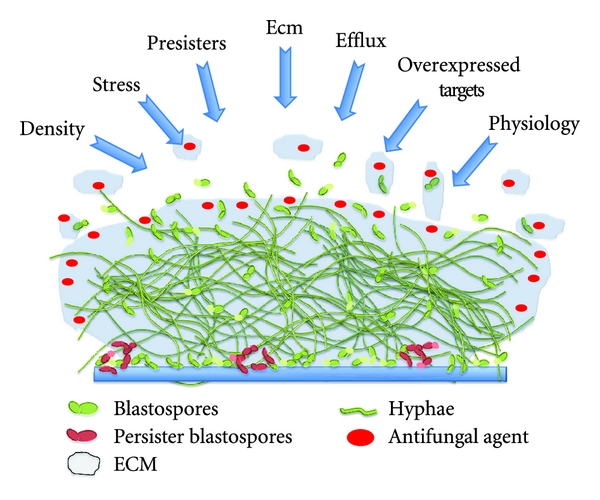
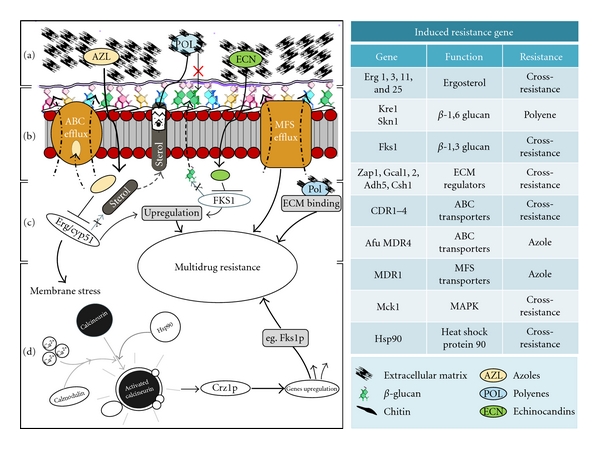
Fungal biofilm infections have become increasingly recognised as a significant clinical problem. One of the major reasons behind this is the impact that these have upon treatment, as antifungal therapy often fails and surgical intervention is required. This places a large financial burden on health care providers. This paper aims to illustrate the importance of fungal biofilms, particularly Candida albicans , and discusses some of the key fungal biofilm resistance mechanisms that include, extracellular matrix (ECM), efflux pump activity, persisters, cell density, overexpression of drug targets, stress responses, and the general physiology of the cell. The paper demonstrates the multifaceted nature of fungal biofilm resistance, which encompasses some of the newest data and ideas in the field.
Overview
The claims and statistics of this paper haven’t been checked yet.
Free: it reads the open-access text and checks the first 5 claims that cite a source we can check. Create a free account to check every claim.
Integrity signals
Registry
Cites
Statistics
Figures
Verification
Claims the paper makes
The claims and statistics of this paper haven’t been checked yet.
Free: it reads the open-access text and checks the first 5 claims that cite a source we can check. Create a free account to check every claim.
Claims other papers make about this one
Each is checked against this paper’s own text: does it say what the citing paper says it does?
The source backs part of the claim, not all of it — or backs it for a different population, condition or comparison.
In the citing paper
“Specific biofilm formation genes are being brought up regarding different roles in biofilm resistance: peroxisomal catalase (CTA1), the biosynthesis and degradation of tyrosine genes (ARO), the muscle creatine kinase (MSK), the heat shock protein 90 (HSP 90), the sphingolipid biosynthesis (SKN 1 and KRE1), SIR, RIF, and, finally, the extracellular matrix (ECM) regulators: zinc regulated genes (ZAP”
From Candida glabrata Biofilms: How Far Have We Come? (2017) · cites this paper as [130]
Experimental — accuracy not yet measuredThe source backs part of the claim, not all of it — or backs it for a different population, condition or comparison.
In the citing paper
“These include (in addition to Candida) members from Acremonium, Aspergillus, Cladosporium, Fusarium, and Pneumocystis (9, 20, 35, 42, 79, 160, 176).”
From Candida albicans Biofilms and Human Disease (2015) · cites this paper as [160]
Experimental — accuracy not yet measuredThe cited source says what the claim attributes to it.
In the citing paper
“C. albicans biofilms are resistant to standard antifungal drugs; not only do biofilms provide physical protection from drugs, cells in biofilms become intrinsically resistant to antimicrobial compounds because of their altered metabolic states and their constitutive upregulation of drug efflux pumps (7–10).”
From A Histone Deacetylase Complex Mediates Biofilm Dispersal and Drug Resistance in Candida albicans (2014) · cites this paper as [9]
The cited source says what the claim attributes to it.
In the citing paper
“Several general mechanisms of biofilm drug resistance are thought to confer resistance to multiple classes of antifungals in Candida species biofilms: the up-regulation of efflux pumps, cell wall composition, increased cell density and quorum sensing effect, presence of an extracellular matrix, changes in metabolism, the presence of persister cells, and cellular signalling and stress responses [”
From Candida glabrata Biofilms: How Far Have We Come? (2017) · cites this paper as [130]
The cited source says what the claim attributes to it.
In the citing paper
“It is well recognized that the inoculum size can affect susceptibility results [130,144,145,146,147].”
From Candida glabrata Biofilms: How Far Have We Come? (2017) · cites this paper as [130]
7 more claims about this paper
Create a free account to see every claim other papers make about this one.
Self-check
Percentages, sums and reported differences re-computed from the paper’s own numbers.
The self-check needs the paper’s full text.
Citations
Cites
Miller, M. B., & Bassler, B. L. (2001) · Annual Review of Microbiology · doi:10.1146/annurev.micro.55.1.165 · Cited by 5,105 · cited 1×
“provides the ability of microorganisms to communicate and coordinate their behaviour via the secretion of signalling molecules in a population-dependent manner [103].”
BackgroundCosterton, J. W., Lewandowski, Z., Caldwell, D. E., Korber, D. R., & Lappin-Scott, H. M. (1995) · Annual Review of Microbiology · doi:10.1146/annurev.mi.49.100195.003431 · Cited by 4,544
Biofilms: Microbial Life on Surfaces
Donlan, R. M. (2002) · Emerging Infectious Diseases · doi:10.3201/eid0809.020063 · Cited by 4,145 · cited 1×
“Estimates suggest that up to 80% of all microorganisms in the environment exist in biofilm communities [41].”
BackgroundABC Transporters: From Microorganisms to Man
Higgins, C. F. (1992) · Annual Review of Cell Biology · doi:10.1146/annurev.cb.08.110192.000435 · Cited by 3,985 · cited 1×
“The ABC transporters include a membrane pore composed of transmembrane segments and two ABCs on the cytosolic side of the membrane, which provide the energy source for the pump [128, 129].”
BackgroundLewis, K. (2010) · Annual Review of Microbiology · doi:10.1146/annurev.micro.112408.134306 · Cited by 1,858 · cited 1×
“Persister cells are “dormant variants of regular cells that form stochastically in microbial populations and are highly tolerant to antibiotics” [168].”
BackgroundChandra, J., Kuhn, D. M., Mukherjee, P. K., Hoyer, L. L., McCormick, T., & Ghannoum, M. A. (2001) · Journal of Bacteriology · doi:10.1128/jb.183.18.5385-5394.2001 · Cited by 1,578 · cited 5×
“, XTT-based assays) confirm that cells within biofilms are undergoing mitochondrial respiration during development [55, 58, 62, 65, 70].”
BackgroundMethodInfluentialMultidrug-resistance efflux pumps ? not just for resistance
Piddock, L. J. V. (2006) · Nature Reviews Microbiology · doi:10.1038/nrmicro1464 · Cited by 1,522 · cited 1×
“Their primary role may be for homeostasis within complex environments to protect themselves from acute toxicity [146], but within clinical environments exposure to azoles dugs may enhance the levels of efflux pump expression, therefore either contributing towards or inducing clinical resistance [139].”
BackgroundGenomic sequence of the pathogenic and allergenic filamentous fungus Aspergillus fumigatus
Nierman, W. C., Pain, A., Anderson, M. J., Wortman, J. R., Kim, H. S., Arroyo, J., Berriman, M., Abe, K., Archer, D. B., Bermejo, C., et al. (2005) · Nature · doi:10.1038/nature04332 · Cited by 1,391 · cited 1×
“fumigatus has 278 different MFS and 49 ABC transporters [140].”
BackgroundComparison of multiple methods for quantification of microbial biofilms grown in microtiter plates
Peeters, E., Nelis, H. J., & Coenye, T. (2008) · Journal of Microbiological Methods · doi:10.1016/j.mimet.2007.11.010 · Cited by 1,143 · cited 1×
“The oxidation reduction indicator Alamar blue has also been shown to be a reproducible and cheaper alternative to XTT in recent years, which merits further study [72, 73].”
BackgroundPierce, C. G., Uppuluri, P., Tristan, A. R., Wormley, F. L., Mowat, E., Ramage, G., & Lopez-Ribot, J. L. (2008) · Nature Protocols · doi:10.1038/nprot.2008.141 · Cited by 1,041 · cited 1×
“The recent interest in Aspergillus and Cryptococcus biofilms, as well as others like Pneumocystis, has led to further modifications of these, but in essence the platforms and techniques remain largely similar [67].”
BackgroundSelf-citation
Research works printed but not linked: 1
- Odds FC Candida and Candidosis 1988 2nd edition London, UK Bailliere Tindall
Cited by
Items 101–200 of 614
Rao, H., Choo, S., Rajeswari Mahalingam, S. R., Adisuri, D. S., Madhavan, P., Md. Akim, A., & Chong, P. P. (2021) · Molecules · doi:10.3390/molecules26071870 · Cited by 61
“We examine the roles of some of these characteristics including the physiological state of microbes within biofilms as well as the ECM components and their contribution towards AMR below.”
BackgroundInfluentialPropolis: A Potential Natural Product to Fight Candida Species Infections
Tobaldini-Valério, F. K., Mendonca, P., Rosseto, H. C., Bruschi, M. L., Henriques, M., Negri, M., Silva, S. M., & Svidzinski, T. I. E. (2016) · Future Microbiology · doi:10.2217/fmb-2015-0016 · Cited by 83
The Impact of Biofilm Formation on the Persistence of Candidemia
Li, W.-S., Chen, Y.-C., Kuo, S.-F., Chen, F.-J., & Lee, C.-H. (2018) · Frontiers in Microbiology · doi:10.3389/fmicb.2018.01196 · Cited by 62
“Biofilm formation by the Candida species may also be responsible for these fungi being well adapted to colonization of tissues and indwelling devices, which may lead to difficulties in eradicating these micro-organisms from the blood (Ramage et al., 2012; Taff et al., 2013).”
BackgroundEvidence for biofilms in onychomycosis
Gupta, A. K., & Foley, K. A. (2019) · Giornale Italiano di Dermatologia e Venereologia · doi:10.23736/s0392-0488.18.06001-7 · Cited by 72
Benaducci, T., Sardi, J. D. C. O., Lourencetti, N. M. S., Scorzoni, L., Gullo, F. P., Rossi, S. A., Braz, J. D., Prata, M. C. D. A., Fusco‐Almeida, A. M., & Mendes‐Giannini, M. J. S. (2016) · Frontiers in Microbiology · doi:10.3389/fmicb.2016.00290 · Cited by 73
“The kinetics of biofilm formation was similar in both strains analyzed and showed no significant differences (Figure 3).”
BackgroundFungal Deterioration of Cultural Heritage Objects
Savković, Ž. D., Stupar, M., Unković, N., Knežević, A., Vukojević, J. B., & Grbić, M. L. (2021) · IntechOpen eBooks · doi:10.5772/intechopen.98620 · Cited by 84
Shailaja, A., Bruce, T. F., Gerard, P. D., Powell, R. R., Pettigrew, C. A., & Kerrigan, J. (2022) · Biofilm · doi:10.1016/j.bioflm.2022.100090 · Cited by 68
“The main advantages include the possibility of multiple labeling with microbial cells and an extraordinary insight into the dynamics of labeled molecules within the microbial cells and their structures [3,12,19,32,35,37,40,42,45,46].”
BackgroundAslanyan, L., Sanchez, D. A., Valdebenito, S., Eugenín, E. A., Ramos, R. L., & Martinez, L. R. (2017) · Journal of Fungi · doi:10.3390/jof3010010 · Cited by 69
“Currently, it is clear that microbial biofilms show variable phenotypic characteristics compared to those of their planktonic counterparts, including differences in metabolomics, proteomics, and community-based regulation of gene expression mediated by chemical communication or quorum sensing [74,75].”
BackgroundBrilhante, R. S. N., Correia, E. E. M., Guedes, G. M. D. M., Pereira, V. S., de Oliveira, J. S., Bandeira, S. P., de Alencar, L. P., de Andrade, A. R. C., Castelo‐Branco, D. D. S. C. M., Cordeiro, R. D. A., et al. (2017) · Journal of Medical Microbiology · doi:10.1099/jmm.0.000528 · Cited by 60
“11 On: Fri, 07 Dec 2018 21:32:33 favourable conditions for fungal survival in the environment and within the host, providing protection against environmental stressors, host immune system and antimicrobial compounds, hence aiding the process of host colonization and infection [4].”
BackgroundKadry, A. A., El-Ganiny, A. M., & El-Baz, A. M. (2018) · African Health Sciences · doi:10.4314/ahs.v18i4.37 · Cited by 53
Cabral, V., Znaidi, S., Walker, L. A., Martin-Yken, H., Dague, E., Legrand, M., Lee, K., Chauvel, M., Firon, A., Rossignol, T., et al. (2014) · PLoS Pathogens · doi:10.1371/journal.ppat.1004542 · Cited by 59
“albicans virulence as they result in decreased susceptibility to both antimicrobial agents and the host immune system [2,5–7].”
BackgroundConserved Inhibition of Neutrophil Extracellular Trap Release by Clinical Candida albicans Biofilms
Kernien, J. F., Johnson, C. J., & Nett, J. E. (2017) · Journal of Fungi · doi:10.3390/jof3030049 · Cited by 63
Cordeiro, R. D. A., Teixeira, C. E. C., Brilhante, R. S. N., Castelo‐Branco, D. D. S. C. M., de Alencar, L. P., de Oliveira, J. S., Monteiro, A. J., Bandeira, T. J. P. G., Sidrim, J. J. C., Moreira, J. L. B., et al. (2015) · FEMS Yeast Research · doi:10.1093/femsyr/fov012 · Cited by 67
“Indeed, when C. albicans cells were treated with farnesol at 300 μM, thin biofilms formed predominantly of blastoconidia and pseudohyphae were seen (Ramage et al. 2012).”
BackgroundBiofilm formation in Candida glabrata: What have we learnt from functional genomics approaches?
d'Enfert, C., & Janbon, G. (2016) · FEMS Yeast Research · doi:10.1093/femsyr/fov111 · Cited by 53
“Candida biofilms are especially resistant to azoles and amphotericin B while sensitive to echinocandins (d’Enfert 2006; Ramage et al. 2012; Mathe and Van Dijck 2013).”
BackgroundAnti-fungal properties and mechanisms of melittin
Memariani, H., & Memariani, M. (2020) · Applied Microbiology and Biotechnology · doi:10.1007/s00253-020-10701-0 · Cited by 58
Potential Strategies to Control the Risk of Antifungal Resistance in Humans: A Comprehensive Review
Rabaan, A. A., Sulaiman, T., Al-Ahmed, S. H., Buhaliqah, Z. A., Buhaliqah, A. A., AlYuosof, B., Alfaresi, M. S., Fares, M. A. A., Alwarthan, S. M., Alkathlan, M. S., et al. (2023) · Antibiotics · doi:10.3390/antibiotics12030608 · Cited by 67
“Fungal biofilms also show resistance to echinocandin and azole antifungal drugs [108,109].”
BackgroundThe Clinical Importance of Fungal Biofilms
Ramage, G., & Williams, C. (2013) · Advances in applied microbiology · doi:10.1016/b978-0-12-407673-0.00002-3 · Cited by 62
Self-citationSoldini, S., Posteraro, B., Vella, A., Carolis, E. D., Borghi, E., Falleni, M., Losito, A. R., Maiuro, G., Trecarichi, E. M., Sanguinetti, M., et al. (2017) · Clinical Microbiology and Infection · doi:10.1016/j.cmi.2017.11.005 · Cited by 64
“From these reservoirs, persister (antifungal tolerant) Candida cells [10,11] tend to migrate into the”
Ning, Y., Ling, J., & Wu, C. D. (2015) · Archives of Oral Biology · doi:10.1016/j.archoralbio.2015.07.001 · Cited by 56
“antimicrobials and host defence compared with the planktonic cells (Douglas, 2003; Ramage et al., 2012).”
BackgroundUppuluri, P., Singh, S., Alqarihi, A., Schmidt, C. S., Hennessey, J. P., Yeaman, M. R., Filler, S. G., Edwards, J. E., & Ibrahim, A. S. (2018) · Frontiers in Immunology · doi:10.3389/fimmu.2018.01349 · Cited by 56
“Candida albicans has multiple putative virulence capabilities including avid adherence to abiotic and host surfaces (7), the capacity to produce tissue-invading filaments (hyphae) (8), and the development of biofilms that promote immune evasion and impede efficacy of antifungal therapy (6).”
BackgroundBiofilm Formation and Structure in the Filamentous Fungus Fusarium graminearum, a Plant Pathogen
Shay, R., Wiegand, A. A., & Trail, F. (2022) · Microbiology Spectrum · doi:10.1128/spectrum.00171-22 · Cited by 60
Pathogenesis of Fungal Infections in Cystic Fibrosis
Williams, C., Ranjendran, R., & Ramage, G. (2016) · Current Fungal Infection Reports · doi:10.1007/s12281-016-0268-z · Cited by 62
“The Aspergillus galactosaminogalactan allows adherence to host constituents and conceals hyphal beta-glucan from the immune system [25, 26], and the extracellular DNA is important for protection from environmental stresses, including antifungal therapy [64].”
BackgroundSelf-citationChen, B., Sun, Y., Zhang, J., Chen, R., Xiurong, Z., Wu, X., Zheng, L., & Zhao, J. (2019) · Frontiers in Microbiology · doi:10.3389/fmicb.2019.01228 · Cited by 57
“The formation of biofilm is crucial for the microbial survival, sheltering microbes from a variety of environmental assaults, such as desiccation, UV-irradiation, antibiotics, and host immune system (Ceri et al., 2001; Ramage et al., 2012; CostaOrlandi et al., 2014).”
BackgroundTherapeutic Potential of Thiazolidinedione-8 as an Antibiofilm Agent against Candida albicans
Feldman, M., Al-Quntar, A., Polacheck, I., Friedman, M., & Steinberg, D. (2014) · PLoS ONE · doi:10.1371/journal.pone.0093225 · Cited by 55
“drug resistance, particularly those encoding efflux pumps, (v) and multidrug tolerance due to persistant cells [11,13,15,16]The outcome of immobilized fungi in biofilm in terms of pathogenicity”
BackgroundJia, W., Zhang, H., Li, C., Li, G., Liu, X., & Wei, J. (2016) · BMC Microbiology · doi:10.1186/s12866-016-0728-1 · Cited by 52
“albicans) continues to be a major cause of high mortality among immunocompromised and hospitalized patients, and the bloodstream Candida infection has been listed as the third most common causes of nosocomial bacteremia and the most common etiologic agent of fungal-related biofilm infection [1, 2].”
Antifungal therapy of Candida biofilms: Past, present and future
Ajetunmobi, O. H., Badali, H., Romo, J. A., Ramage, G., & Lopez-Ribot, J. L. (2023) · Biofilm · doi:10.1016/j.bioflm.2023.100126 · Cited by 52
Self-citationVila, T. V. M., Ishida, K., Seabra, S. H., & Rozental, S. (2016) · International Journal of Antimicrobial Agents · doi:10.1016/j.ijantimicag.2016.07.022 · Cited by 54
“Increased resistance to drugs is the most clinically relevant phenotypic alteration displayed by cells that grow as biofilms [4,7] and several mechanisms have been proposed to explain this reduced susceptibility [8], including overexpression of drug efflux pumps [9,10] and the ability of the ECM to act as a drug seque…”
BackgroundCommercialization of antifungal peptides
Duncan, V. M. S., & O′Neil, D. A. (2012) · Fungal Biology Reviews · doi:10.1016/j.fbr.2012.11.001 · Cited by 54
Kumari, P., Arora, N., Chatrath, A., Gangwar, R., Pruthi, V., Poluri, K. M., & Prasad, R. (2019) · ACS Omega · doi:10.1021/acsomega.9b01482 · Cited by 60
“26 A signi fi cant reduction in the capsule size and total carbohydrate content of EPM after terpene treatment indicates their fi nal line of action (Figures 3B and 9; panel G).”
Song, X., Gaascht, F., Schmidt‐Dannert, C., & Salomon, C. E. (2020) · Molecules · doi:10.3390/molecules25040963 · Cited by 51
“albicans are important pathogens associated with human biofilm infections, and demonstrate significant resistance to clinical antifungals [38,39].”
BackgroundTrindade, L. A., Cordeiro, L. V., Silva, D., de Figueiredo, P. T. R., de Pontes, M. L. C., Lima, E. D. O., & Carvalho, A. D. A. T. (2022) · Brazilian Journal of Microbiology · doi:10.1007/s42770-022-00740-2 · Cited by 52
Freires, I. A., Bueno‐Silva, B., Galvão, L. C. D. C., Duarte, M. C. T., Sartoratto, A., Figueira, G. M., de Alencar, S. M., & Rosalen, P. L. (2015) · Evidence-based Complementary and Alternative Medicine · doi:10.1155/2015/871316 · Cited by 53
“7 to 125μg/mL were tested at 600μg/mL and 800μg/mL, respectively, in view of the higher microbial resistance observed in biofilm cultures [16].”
BackgroundBugli, F., Posteraro, B., Papi, M., Torelli, R., Maiorana, A., Sterbini, F. P., Posteraro, P., Sanguinetti, M., & Spirito, M. D. (2012) · Antimicrobial Agents and Chemotherapy · doi:10.1128/aac.01875-12 · Cited by 53
“fumigatus is grown as a biofilm than when it is grown in the planktonic state (4, 7, 9, 12, 13), presumably as a reflection of multiple resistance mechanisms, including the ECM, which would prevent drug diffusion by acting as a physical barrier (14).”
BackgroundIntegrating Candida albicans metabolism with biofilm heterogeneity by transcriptome mapping
Rajendran, R., May, A., Sherry, L., Kean, R., Williams, C., Jones, B. L., Burgess, K. V., Heringa, J., Abeln, S., Brandt, B. W., et al. (2016) · Scientific Reports · doi:10.1038/srep35436 · Cited by 48
Self-citationPanariello, B. H. D., Klein, M. I., Pavarina, A. C., & Duarte, S. (2017) · Journal of Oral Microbiology · doi:10.1080/20002297.2017.1385372 · Cited by 51
“torial [33], the protection exerted by the ECM is a key factor in the high levels of antifungal drug resistance displayed by C.”
Background‘Acridines’ as New Horizons in Antifungal Treatment
Gabriel, I. (2020) · Molecules · doi:10.3390/molecules25071480 · Cited by 49
“The most important with respect to antifungal agents seems to be its increased resistance to antimicrobial agents [20].”
BackgroundVila, T. V. M., Chaturvedi, A. K., Rozental, S., & Lopez-Ribot, J. L. (2015) · Antimicrobial Agents and Chemotherapy · doi:10.1128/aac.01890-15 · Cited by 47
“The list of resistance mechanisms proposed for fungal biofilms includes the association of antifungals with the extracellular matrix, high cellular density, the expression of drug efflux pumps (mainly CDR1, CDR2, and MDR, in Candida albicans), and the existence of a subpopulation of dormant cells (persister cells) (10…”
BackgroundDevelopment and characterisation of a novel three-dimensional inter-kingdom wound biofilm model
Townsend, E. R., Sherry, L., Rajendran, R., Hansom, D., Butcher, J. P., Mackay, W. G., Williams, C., & Ramage, G. (2016) · Biofouling · doi:10.1080/08927014.2016.1252337 · Cited by 51
Self-citationZinc oxide nanoparticles hinder fungal biofilm development in an ancient Egyptian tomb
Gambino, M., Ahmed, M. A., Villa, F., & Cappitelli, F. (2017) · International Biodeterioration & Biodegradation · doi:10.1016/j.ibiod.2017.05.011 · Cited by 54
“fold better than planktonic cells (Ramage et al. 2012).”
Rodrigues, C. F., & Henriques, M. (2017) · Pathogens · doi:10.3390/pathogens6040062 · Cited by 49
Antifungal susceptibility ofMalassezia pachydermatisbiofilm
Figueredo, L. A., Cafarchia, C., & Otranto, D. (2013) · Medical Mycology · doi:10.3109/13693786.2013.805440 · Cited by 64
Role of the extracellular matrix in Candida biofilm antifungal resistance
Massey, J., Żarnowski, R., & Andes, D. R. (2023) · FEMS Microbiology Reviews · doi:10.1093/femsre/fuad059 · Cited by 52
Aspergillus Biofilm In Vitro and In Vivo
Beauvais, A., & Latgé, J.-P. (2015) · Microbial Biofilms · doi:10.1128/9781555817466.ch8 · Cited by 47
Biofilm formation in clinically relevant filamentous fungi: a therapeutic challenge
Roudbary, M., Vahedi‐Shahandashti, R., dos Santos, A. L. S., Mohammadi, S. R., Aslani, P., Lass‐Flörl, C., & Rodrigues, C. F. (2021) · Critical Reviews in Microbiology · doi:10.1080/1040841x.2021.1950121 · Cited by 51
Ding, T., Liu, C., & Li, Z. (2025) · Molecular Cancer · doi:10.1186/s12943-025-02227-8 · Cited by 48
“Factors like hyphal morphology, ECM, resistance-associated gene expression, fungal-bacteria interactions, and biofilm extracellular vesicles all contribute to this mechanism [271, 273, 274].”
Sherry, L., Millhouse, E., Lappin, D. F., Murray, C. A., Culshaw, S., Nile, C. J., & Ramage, G. (2013) · BMC Oral Health · doi:10.1186/1472-6831-13-47 · Cited by 51
“Abbreviations CHD-FA: Carbohydrate derived fulvic acid; ECM: Extracellular matrix; CHX: Chlorhexidine; SEM: Scanning electron microscopy; CI: Confidence intervals; SD: Standard deviation; PMIC: Planktonic minimum inhibitory concentration; PMBC: Planktonic minimum bactericidal concentration; SMIC: Sessile minimum inhib…”
BackgroundInfluentialSelf-citationCandida albicans interaction with Gram-positive bacteria within interkingdom biofilms
Bernard, C., Girardot, M., & Imbert, C. (2019) · Journal de Mycologie Médicale · doi:10.1016/j.mycmed.2019.100909 · Cited by 54
Biofilm-Associated Candidiasis: Pathogenesis, Prevalence, Challenges and Therapeutic Options
Amann, V., Kissmann, A., Firacative, C., & Rosenau, F. (2025) · Pharmaceuticals · doi:10.3390/ph18040460 · Cited by 48
“The emergence of such (multi-) resistant pathogens is closely linked to biofilm formation [195,196].”
In vitro modulation of probiotic bacteria on the biofilm of Candida glabrata
Chew, S. Y., Cheah, Y. K., Seow, H. F., Sandai, D. A., & Than, L. T. L. (2015) · Anaerobe · doi:10.1016/j.anaerobe.2015.05.009 · Cited by 52
Li, X., Yu, C., Huang, X., & Sun, S. (2016) · PLoS ONE · doi:10.1371/journal.pone.0168936 · Cited by 44
Pereira, J. V., Freires, I. A., de Castilho, A. R. F., da Cunha, M. G., Alves, H. D. S., & Rosalen, P. L. (2016) · Pharmaceutical Biology · doi:10.3109/13880209.2016.1155629 · Cited by 43
“Not surprisingly, this non-diverse arsenal is sometimes ineffective upon microbial resistance (Ramage et al. 2012) leading to either persistent or recurrent fungal infections in the clinical setting.”
BackgroundŞahal, G., Nasseri, B., Ebrahimi, A., & Bilkay, I. S. (2019) · Biotechnology Letters · doi:10.1007/s10529-019-02660-y · Cited by 44
Perdoni, F., Signorelli, P., Cirasola, D., Caretti, A., Galimberti, V., Biggiogera, M., Gasco, P., Musicanti, C., Morace, G., & Borghi, E. (2015) · BMC Microbiology · doi:10.1186/s12866-015-0588-0 · Cited by 44
“fumigatus has been demonstrated to develop a thick biofilm that promotes its persistence [3, 4].”
BackgroundEffect of progesterone on Candida albicans vaginal pathogenicity
Alves, C. T., Silva, S. M., Pereira, L., Williams, D. W., Azeredo, J., & Henriques, M. (2014) · International Journal of Medical Microbiology · doi:10.1016/j.ijmm.2014.07.004 · Cited by 50
pH-Responsive copolymer micelles to enhance itraconazole efficacy against Candida albicans biofilms
Albayaty, Y. N., Thomas, N., Ramírez-García, P. D., Davis, T. P., Quinn, J. F., Whittaker, M. R., & Prestidge, C. A. (2020) · Journal of Materials Chemistry B · doi:10.1039/c9tb02586c · Cited by 44
Giacobino, J., Montelli, A. C., Barretti, P., Bruder-Nascimento, A., Caramori, J. C. T., Barbosa, L., & Bagagli, E. (2016) · Medical Mycology · doi:10.1093/mmy/myw030 · Cited by 41
“Douglas et al. (2003), Ramage et al. (2012). and SilvaDias et al (2015)43–45 also observed greater in vitro biofilm production in isolates of C. albicans and lower production in C. parapsilosis.”
BackgroundBueno, J. (2011) · Journal of Microbial & Biochemical Technology · doi:10.4172/1948-5948.s3-004 · Cited by 48
“All these factors contribute to biofilm cells being 1000fold more resistant to antimicrobial agents than planktonic cells [2,13].”
BackgroundMaliszewska, I., Lisiak, B., Popko, K., & Matczyszyn, K. (2017) · Photochemistry and Photobiology · doi:10.1111/php.12733 · Cited by 44
“dida biofilm cells are enclosed in a matrix of extracellular polysaccharides, and therefore, their phenotypic characteristics differ from those for phytoplankton cells (6,7).”
BackgroundAdhesion and biofilm formation by the opportunistic pathogen Candida tropicalis: what do we know?
de Souza, C. M., dos Santos, M. M., Furlaneto-Maia, L., & Furlaneto, M. C. (2023) · Canadian Journal of Microbiology · doi:10.1139/cjm-2022-0195 · Cited by 44
Anti-Candida albicans biofilm effect of novel heterocyclic compounds
Kagan, S. A., Jabbour, A. R., Sionov, E., Al-Quntar, A., Steinberg, D., Srebnik, M., Nir‐Paz, R., Weiss, A. M., & Polacheck, I. (2013) · Journal of Antimicrobial Chemotherapy · doi:10.1093/jac/dkt365 · Cited by 45
Alves, F., Carmello, J. C., Mima, E. G. D. O., Costa, C. A. D. S., Bagnato, V. S., & Pavarina, A. C. (2018) · Medical Mycology · doi:10.1093/mmy/myy083 · Cited by 42
Bumroongthai, K., Chetanachan, P., Niyomtham, W., Yurayart, C., & Prapasarakul, N. (2016) · Medical Mycology · doi:10.1093/mmy/myw002 · Cited by 40
Implications of Antimicrobial Combinations in Complex Wound Biofilms Containing Fungi
Townsend, E. R., Sherry, L., Kean, R., Hansom, D., Mackay, W. G., Williams, C., Butcher, J. P., & Ramage, G. (2017) · Antimicrobial Agents and Chemotherapy · doi:10.1128/aac.00672-17 · Cited by 42
Self-citationDelattin, N., Brucker, K. D., Craik, D. J., Cheneval, O., Fröhlich, M., Veber, M., Girandon, L., Davis, T. R., Weeks, A. E., Kumamoto, C. A., et al. (2014) · Antimicrobial Agents and Chemotherapy · doi:10.1128/aac.01274-13 · Cited by 43
“Biofilms have a great significance for public health, as they are critical in the development of clinical infections and are frequently refractory to conventional antimicrobial agents (8, 9).”
BackgroundFungal Biofilm Composition and Opportunities in Drug Discovery
Reichhardt, C., Stevens, D. A., & Cegelski, L. (2016) · Future Medicinal Chemistry · doi:10.4155/fmc-2016-0049 · Cited by 36
Tan, Y., Ma, S., Leonhard, M., Moser, D., & Schneider‐Stickler, B. (2017) · International Journal of Biological Macromolecules · doi:10.1016/j.ijbiomac.2017.11.003 · Cited by 40
Nanosystems against candidiasis: a review of studies performed over the last two decades
Araújo, V. H. S., Duarte, J. L., Carvalho, G. C., Silvestre, A. L. P., Fonseca‐Santos, B., Marena, G. D., Ribeiro, T. D. C., Ramos, M. A. D. S., Bauab, T. M., & Chorilli, M. (2020) · Critical Reviews in Microbiology · doi:10.1080/1040841x.2020.1803208 · Cited by 39
Traven, A., Jänicke, A., Harrison, P., Swaminathan, A., Seemann, T., & Beilharz, T. H. (2012) · PLoS ONE · doi:10.1371/journal.pone.0046243 · Cited by 37
“albicans biofilm-derived cells are more resistant to antifungal drugs than their planktonic counterparts [5].”
BackgroundAntibiofilm Activity of Propolis Extract onFusariumSpecies from Onychomycosis
Galletti, J., Tobaldini-Valério, F. K., Silva, S. M., Kioshima, É. S., Trierveiler‐Pereira, L., Bruschi, M. L., Negri, M., & Svidzinski, T. I. E. (2017) · Future Microbiology · doi:10.2217/fmb-2017-0052 · Cited by 37
Manfiolli, A. O., dos Reis, T. F., de Assis, L. J., de Castro, P. A., Silva, L. P., Hori, J. I., Walker, L. A., Munro, C. A., Rajendran, R., Ramage, G., et al. (2018) · The Cell Surface · doi:10.1016/j.tcsw.2018.03.002 · Cited by 39
“…of A. fumigatus biofilms to antifungal drugs include the increased expression of multidrug resistance (MDR) pumps (Muszkieta et al., 2013, Ramage et al., 2012), antioxidant defenses (Bruns et al., 2010; Delattin et al., 2014), Hsp90 (Robbins et al., 2011), and the presence of persister…”
BackgroundSelf-citationPrevalence and public health implications of mycotoxigenic fungi in treated drinking water systems
Mhlongo, N. T., Tekere, M., & Sibanda, T. (2019) · Journal of Water and Health · doi:10.2166/wh.2019.122 · Cited by 37
From Biology to Drug Development: New Approaches to Combat the Threat of Fungal Biofilms
Pierce, C. G., Srinivasan, A., Ramasubramanian, A. K., & Lopez-Ribot, J. L. (2015) · Microbiology Spectrum · doi:10.1128/microbiolspec.mb-0007-2014 · Cited by 43
“Subsequent in vitro studies demonstrated excellent activity of therapeutic concentrations of liposomal formulations of amphotericin B and the echinocandins against Candida biofilms (31–33), although this new class of antifungal agents may not be universally active against biofilms formed by other fungal species, in pa…”
BackgroundSusceptibility of Candida glabrata biofilms to echinocandins: alterations in the matrix composition
Rodrigues, C. F., Rodrigues, M. E., & Henriques, M. (2018) · Biofouling · doi:10.1080/08927014.2018.1472244 · Cited by 35
“Infections caused by biofilms are complicated due to inducible gene networks encoding different proteins that confer tolerance or resistance to many of the available antifungal drugs (Ramage et al. 2012).”
BackgroundInterkingdom interactions on the denture surface: Implications for oral hygiene
Delaney, C., O’Donnell, L. E., Kean, R., Sherry, L., Brown, J. L., Calvert, G., Nile, C. J., Cross, L. J., Bradshaw, D. J., Brandt, B. W., et al. (2019) · Biofilm · doi:10.1016/j.bioflm.2019.100002 · Cited by 39
Self-citationde Paula, S. B., Morey, A. T., Santos, J. P., dos Santos, P. M. C., Gameiro, D. G., Kerbauy, G., Sena, E. M., Ueda, L. T., Carneiro, M., Pinge‐Filho, P., et al. (2015) · The Journal of Infection in Developing Countries · doi:10.3855/jidc.6970 · Cited by 40
“These factors include adhesins (host recognition molecules), secreted aspartic proteases, phospholipases, morphogenesis (yeast-hyphal reversible transition), phenotypic switching, and biofilm formation [20-22].”
BackgroundVandenbosch, D., De Canck, E., Dhondt, I., Rigole, P., Nelis, H. J., & Coenye, T. (2013) · FEMS Yeast Research · doi:10.1111/1567-1364.12071 · Cited by 35
Mattana, S., Cardinali, M. A., Caponi, S., Pierantoni, D. C., Corte, L., Roscini, L., Cardinali, G., & Fioretto, D. (2017) · Biophysical Chemistry · doi:10.1016/j.bpc.2017.06.008 · Cited by 37
“The importance of biofilms of fungal, bacterial and mixed origin depends on their increased resistance to antibiotics, anti-fungal drugs and extreme conditions[23-25].”
BackgroundInteraction of Amphotericin B with Lipid Monolayers
Foglia, F., Fragneto, G., Clifton, L. A., Lawrence, M. J., & Barlow, D. J. (2014) · Langmuir · doi:10.1021/la501835p · Cited by 35
Miltefosine is effective against Candida albicans and Fusarium oxysporum nail biofilms in vitro
Vila, T. V. M., Quintanilha, N. S., & Rozental, S. (2015) · Journal of Medical Microbiology · doi:10.1099/jmm.0.000175 · Cited by 38
“It is notoriously difficult to fully eliminate fungal biofilms (Douglas, 2003; Martinez & Fries, 2010; Ramage et al., 2012), which represent reservoirs of pathogens in catheters and prosthetic devices, leading to continuous patient reinfection (Baillie & Douglas, 2000).”
BackgroundLopes, M. D. C. G., Alves, C. T., Raju, B. R., Gonçalves, M. S. T., Coutinho, P. J. G., Henriques, M., & Belo, I. (2014) · Journal of Photochemistry and Photobiology B Biology · doi:10.1016/j.jphotobiol.2014.09.006 · Cited by 37
Ramos, L. S., de Mello, T. P., Branquinha, M. H., & dos Santos, A. L. S. (2020) · Journal of Fungi · doi:10.3390/jof6020046 · Cited by 35
“Several studies have documented the participation of ECM biofilm in adhesion to surfaces, structural maintenance, defense against external aggressors, signaling, and enzymatic issues; however, the enhanced antimicrobial resistance is the most clinically important phenotype of biofilm mode of growth, which is of specia…”
BackgroundMethodFiori, A., Kucharíková, S., Govaert, G., Cammue, B. P. A., Thevissen, K., & Van Dijck, P. (2012) · Eukaryotic Cell · doi:10.1128/ec.00147-12 · Cited by 33
Fungal Metabolites for the Control of Biofilm Infections
Estrela, A. B., & Abraham, W. (2016) · Agriculture · doi:10.3390/agriculture6030037 · Cited by 37
“Similar high resistances have been reported for fungal biofilms [24].”
BackgroundAryl-alkyl-lysines: Membrane-Active Fungicides That Act against Biofilms of Candida albicans
Ghosh, C., Yadav, V., Younis, W., Mohammad, H. T., Hegazy, Y. A., Seleem, M. N., Sanyal, K., & Haldar, J. (2017) · ACS Infectious Diseases · doi:10.1021/acsinfecdis.6b00192 · Cited by 35
Marioni, J., Bresolí‐Obach, R., Agut, M., Comini, L. R., Cabrera, J. L., Paraje, M. G., Nonell, S., & Montoya, S. C. N. (2017) · PLoS ONE · doi:10.1371/journal.pone.0181517 · Cited by 38
Huang, M.-C., Shen, M., Huang, Y.-J., Lin, H.-C., & Chen, C. (2018) · International Journal of Molecular Sciences · doi:10.3390/ijms19020434 · Cited by 36
“It has been reported that Candida cells in the biofilm environment are up to 1000-fold more azoleresistant than planktonic cells [25,26], suggesting that azole drugs are ineffective against the Candida biofilm.”
BackgroundLi, Z., Liu, N., Tu, J., Ji, C., Han, G., & Sheng, C. (2019) · ACS Infectious Diseases · doi:10.1021/acsinfecdis.9b00086 · Cited by 34
Micro/nanosystems and biomaterials for controlled delivery of antimicrobial and anti-biofilm agents
Bianchera, A., Buttini, F., & Bettini, R. (2020) · Expert Opinion on Therapeutic Patents · doi:10.1080/13543776.2020.1839415 · Cited by 34
Metagenomic insights into taxonomic, functional diversity and inhibitors of microbial biofilms
Imchen, M., Anju, V. T., Busi, S., Mohan, M. S., Pattnaik, S., Dyavaiah, M., & Kumavath, R. (2022) · Microbiological Research · doi:10.1016/j.micres.2022.127207 · Cited by 38
Candida albicans Biofilms Are Generally Devoid of Persister Cells
Denega, I., d’Enfert, C., & Bachellier-Bassi, S. (2019) · Antimicrobial Agents and Chemotherapy · doi:10.1128/aac.01979-18 · Cited by 32
Beyond Conventional Antifungals: Combating Resistance Through Novel Therapeutic Pathways
Hetta, H. F., Melhem, T., Aljohani, H. M., Salama, A., Ahmed, R., Elfadil, H., Alanazi, F. E., Ramadan, Y. N., Battah, B., Rottura, M., et al. (2025) · Pharmaceuticals · doi:10.3390/ph18030364 · Cited by 35
“Biofilm formation is another significant drug-resistance mechanism that enhances microbial resistance or promotes other mechanisms like the drug exporter pump [99,100].”
Brilhante, R. S. N., Correia, E. E. M., Guedes, G. M. D. M., de Oliveira, J. S., Castelo‐Branco, D. D. S. C. M., Cordeiro, R. D. A., Pinheiro, A. D. Q., Chaves, L. J. Q., Neto, W. D. A. P., Sidrim, J. J. C., et al. (2018) · Mycoses · doi:10.1111/myc.12763 · Cited by 33
Li, Y., Du, J., Huang, S. H., Wang, S., Wang, Y., Cai, Z., Lei, L., & Huang, X. (2021) · Photodiagnosis and Photodynamic Therapy · doi:10.1016/j.pdpdt.2021.102691 · Cited by 32
Bitar, I., Khalaf, R. A., Harastani, H., & Tokajian, S. T. (2014) · BioMed Research International · doi:10.1155/2014/931372 · Cited by 32
Host-Pathogen Interaction and Resistance Mechanisms in Dermatophytes
Dubljanin, E., Žunić, J., Vujcic, I. S., Čalovski, I. Č., Grujičić, S. Š., Mijatović, S., & Džamić, A. (2024) · Pathogens · doi:10.3390/pathogens13080657 · Cited by 40
“Biofilms are one of the most prevalent forms of microbial growth in nature, and many bacteria and Candida species are well-known etiological agents of biofilm infections [47,48].”
BackgroundEl-Houssaini, H. H., Elnabawy, O. M., Nasser, H. A., & Elkhatib, W. F. (2019) · BMC Infectious Diseases · doi:10.1186/s12879-019-3685-0 · Cited by 35
“include protection against the environment, resistance to physical and chemical stresses, metabolic cooperation and joint regulation of gene expression for the associated microorganisms [10].”
BackgroundBellavita, R., Maione, A., Merlino, F., Siciliano, A., Dardano, P., Stefano, L. D., Galdiero, S., Galdiero, E., Grieco, P., & Falanga, A. (2022) · Pharmaceutics · doi:10.3390/pharmaceutics14020454 · Cited by 31
“Unfortunately, most of these antifungal agents are unable to eliminate the biofilm-associated infections, as the fungal cells within biofilm have shown a high level of drug resistance due to several mechanisms, such as the development of subpopulations of persister cells, the expression of genes encoding efflux pumps,…”
BackgroundNaveen, K. V., Saravanakumar, K., Sathiyaseelan, A., MubarakAli, D., & Wang, M. (2022) · Applied Biochemistry and Biotechnology · doi:10.1007/s12010-022-03979-5 · Cited by 36
“It is also proposed that cystine-rich environment is required for the detoxification of ROS in biofilm cells [8, 26].”
BackgroundProtein kinase A governs growth and virulence in Candida tropicalis
Lin, C.-J., Wu, C.-Y., Yu, & Chen, Y.-L. (2018) · Virulence · doi:10.1080/21505594.2017.1414132 · Cited by 30
“utes to antifungal drug tolerance [31, 32].”
Schroeder, J. A., Wilson, C. M., & Pappas, P. G. (2024) · Infectious Disease Clinics of North America · doi:10.1016/j.idc.2024.11.007 · Cited by 32
Metadata
- Authors
- Ramage, G., Rajendran, R., Sherry, L., & Williams, C.
- Affiliations
- University of Glasgow (GB)
- Royal Hospital for Children (GB)
- Corresponding author
- Ramage, Gordon
- Venue
- International Journal of Microbiology
- Publisher
- Wiley
- Published
- 2012
- Volume
- 2012
- Pages
- 1-14
- ISSN
- 1687-918X (ISSN-L)
- 1687-9198
- PMC
- PMC3299327
- OpenAlex
- W2039886457
- Cited by
- 583
- References
- 185
- Citations by year
- 2026: 28 · 2025: 43 · 2024: 27 · 2023: 45 · 2022: 46 · 2021: 45 · 2020: 45 · 2019: 37 · 2018: 37 · 2017: 52 · 2016: 52 · 2015: 41 · 2014: 38 · 2013: 35 · 2012: 11
- FWCI
- 27.73
- Type
- journal article
- Language
- en
- Open access
- gold
- doi.org
- Locations
- International Journal of Microbiology (publishedVersion, cc-by)
- PubMed Central (publishedVersion, cc-by)
- PubMed (publishedVersion)
- ENLIGHTEN (Jurnal Bimbingan dan Konseling Islam) (acceptedVersion)
- DOAJ (DOAJ: Directory of Open Access Journals) (submittedVersion, cc-by-sa)
- Topics
- Health Sciences › Medicine › Infectious Diseases › Antifungal resistance and susceptibility
- Life Sciences › Biochemistry, Genetics and Molecular Biology › Molecular Biology › Fungal and yeast genetics research
- Life Sciences › Biochemistry, Genetics and Molecular Biology › Molecular Biology › Bacterial biofilms and quorum sensing
- Keywords
- fungal biofilms, antifungal resistance, Candida albicans, extracellular matrix, efflux pumps, persister cells, cell density, stress response, biofilm physiology
About these checks
Registry, retraction, Cites and statistics results are computed, not judged, with one exception: a printed reference that no index lists is read once by a model before it counts as a citation error. Claims are extracted by a model and kept only when their quote appears verbatim in the text; each cited source is then checked, with a model’s help, for whether it says what the claim relies on. Those verdicts can be wrong — read the claim’s quote and the cited source before relying on one.
Statistics and arithmetic are recomputed, not judged.
Confidence bands are shown only for fields calibrated on our annotated test set. None is calibrated yet, so no band is shown.
What counts as a claim ›How we measure confidence ›How we check this ›
Are you an author, or do you see a problem with this page? Request a review
Data sources
Bibliographic data: Semantic Scholar, OpenAlex, Crossref.
Contains information from the Semantic Scholar Academic Graph Datasets, made available under the ODC Attribution License (ODC-BY 1.0).
Semantic Scholar’s data is described in: Kinney, R., et al. (2023). The Semantic Scholar Open Data Platform. arXiv:2301.10140.
