

Deep Learning for Computer Vision: A Brief Review
Open accessThe DOI matches its Crossref record; 91 of the 93 references it cites were found in a registry or an index, and 2 are not checked yet.
Abstract
Over the last years deep learning methods have been shown to outperform previous state-of-the-art machine learning techniques in several fields, with computer vision being one of the most prominent cases. This review paper provides a brief overview of some of the most significant deep learning schemes used in computer vision problems, that is, Convolutional Neural Networks, Deep Boltzmann Machines and Deep Belief Networks, and Stacked Denoising Autoencoders. A brief account of their history, structure, advantages, and limitations is given, followed by a description of their applications in various computer vision tasks, such as object detection, face recognition, action and activity recognition, and human pose estimation. Finally, a brief overview is given of future directions in designing deep learning schemes for computer vision problems and the challenges involved therein.
Overview
The claims and statistics of this paper haven’t been checked yet.
Free: it reads the open-access text and checks the first 5 claims that cite a source we can check. Create a free account to check every claim.
Integrity signals
Registry
Cites
Statistics
Figures
Verification
Claims the paper makes
The claims and statistics of this paper haven’t been checked yet.
Free: it reads the open-access text and checks the first 5 claims that cite a source we can check. Create a free account to check every claim.
Claims other papers make about this one
Each is checked against this paper’s own text: does it say what the citing paper says it does?
The cited source says what the claim attributes to it.
In the citing paper
“Additionally, HAR with image/video processing has been extensively studied in the computer vision community [79,80], and the methodologies commonly used differ significantly from techniques used for IMUs, EEG, PPG, etc.”
From Deep Learning in Human Activity Recognition with Wearable Sensors: A Review on Advances (2022) · cites this paper as [79]
Self-check
Percentages, sums and reported differences re-computed from the paper’s own numbers.
The self-check needs the paper’s full text.
Citations
Cites
Hochreiter, S., & Schmidhuber, J. (1997) · Neural Computation · doi:10.1162/neco.1997.9.8.1735 · Cited by 102,318 · cited 4×
“In [95], the authors propose a multimodal multistream deep learning framework to tackle the egocentric activity recognition problem, using both the video and sensor data and employing a dual CNNs and Long Short-Term Memory architecture.”
BackgroundInfluentialFaster R-CNN: Towards Real-Time Object Detection with Region Proposal Networks
Ren, S., He, K., Girshick, R., & Sun, J. (2017) · IEEE Transactions on Pattern Analysis and Machine Intelligence · doi:10.1109/tpami.2016.2577031 · Cited by 73,472
Faster R-CNN: Towards Real-Time Object Detection with Region Proposal Networks
Ren, S., He, K., Girshick, R., & Sun, J. (2015) · arXiv · doi:10.48550/arxiv.1506.01497 · Cited by 70,812
Gradient-based learning applied to document recognition
Lecun, Y., Bottou, L., Bengio, Y., & Haffner, P. (1998) · Proceedings of the IEEE · doi:10.1109/5.726791 · Cited by 58,805 · cited 2×
“In an attempt to compare these models (for a summary see Table 2), we can say that CNNs have generally performed better than DBNs in current literature on benchmark computer vision datasets such as MNIST.”
MethodGoing deeper with convolutions
Szegedy, C., Liu, W., Jia, Y., Sermanet, P., Reed, S., Anguelov, D., Erhan, D., Vanhoucke, V., & Rabinovich, A. (2015) · 2015 IEEE Conference on Computer Vision and Pattern Recognition (CVPR) · doi:10.1109/cvpr.2015.7298594 · Cited by 48,562
Fully convolutional networks for semantic segmentation
Long, J., Shelhamer, E., & Darrell, T. (2015) · 2015 IEEE Conference on Computer Vision and Pattern Recognition (CVPR) · doi:10.1109/cvpr.2015.7298965 · Cited by 38,834
Rich Feature Hierarchies for Accurate Object Detection and Semantic Segmentation
Girshick, R., Donahue, J., Darrell, T., & Malik, J. (2014) · 2014 IEEE Conference on Computer Vision and Pattern Recognition · doi:10.1109/cvpr.2014.81 · Cited by 32,684
Girshick, R. (2015) · 2015 IEEE International Conference on Computer Vision (ICCV) · doi:10.1109/iccv.2015.169 · Cited by 28,105
Reducing the dimensionality of data with neural networks
Hinton, G. E., & Salakhutdinov, R. R. (2006) · Science · doi:10.1126/science.1127647 · Cited by 20,928
A logical calculus of the ideas immanent in nervous activity
McCulloch, W. S., & Pitts, W. (1943) · The Bulletin of Mathematical Biophysics · doi:10.1007/bf02478259 · Cited by 18,566
Research works printed but not linked: 21
- LeCun Y. Boser B. Denker J. Touretzky D. Handwritten digit recognition with a back-propagation network Advances in Neural Information Processing Systems 2 (NIPS∗89) 1990 Denver, CO, USA
- Frederic B. Lamblin P. Pascanu R. Theano: new features and speed improvements Deep Learning and Unsupervised Feature Learning NIPS 2012 Workshop 2012 http://deeplearning.net/software/theano/
- Chen X. Yuille A. L. Articulated pose estimation by a graphical model with image dependent pairwise relations Proceedings of the NIPS 2014
- Boureau Y. L. Ponce J. LeCun Y. A theoretical analysis of feature pooling in visual recognition Proceedings of the ICML 2010
- Krizhevsky A. Sutskever I. Hinton G. E. Imagenet classification with deep convolutional neural networks Proceedings of the 26th Annual Conference on Neural Information Processing Systems (NIPS '12) December 2012 Lake Tahoe, Nev, USA 1097 1105 2-s2.0-84876231242
- Smolensky P. Information processing in dynamical systems: Foundations of harmony theory In Parallel Distributed Processing: Explorations in the Microstructure of Cognition 1986 1 Cambridge, MA, USA MIT Press 194 281
- Hinton G. E. Sejnowski T. J. Learning and Relearning in Boltzmann Machines 1986 1 Cambridge, MA MIT Press p. 4.2
- Carreira-Perpinan M. A. Hinton G. E. On contrastive divergence learning Proceedings of the tenth international workshop on artificial intelligence and statistics., NP: Society for Artificial Intelligence and Statistics 2005 33 40
- Hinton G. A practical guide to training restricted Boltzmann machines Momentum 2010 9 p. 926
- Salakhutdinov R. Larochelle H. Efficient learning of deep Boltzmann machines Proceedings of the AISTATS 2010
- Salakhutdinov R. Hinton G. An efficient learning procedure for deep Boltzmann machines Neural Computation 2012 24 8 1967 2006 MR2978160 10.1162/NECO_a_00311 Zbl1247.68223 2-s2.0-84874125782 22509963 · DOI · Paper page
- Salakhutdinov R. Hinton G. A better way to pretrain Deep Boltzmann Machines Proceedings of the 26th Annual Conference on Neural Information Processing Systems 2012, NIPS 2012 December 2012 usa 2447 2455 2-s2.0-84877755914
- Goodfellow I. Mirza M. Courville A. Multi-prediction deep Boltzmann machines Proceedings of the NIPS 2013
- Vincent P. Larochelle H. Bengio Y. Manzagol P.-A. Cohen W. W. McCallum A. Roweis S. T. Extracting and composing robust features with denoising autoencoders in Proceedings of the Twenty-fifth International Conference on Machine Learning (ICML'08) 2008 ACM 1096 1103
- Gallinari P. LeCun Y. Thiria S. Fogelman-Soulie F. Memoires associatives distribuees Proceedings of the in Proceedings of COGNITIVA 87 1987 Paris, La Villette
- Bengio Y. Lamblin P. Popovici D. Larochelle H. Sch B. Platt J. and. Hoffman T. Schölkopf B. Greedy layer-wise training of deep networks Advances in Neural Information Processing Systems (NIPS06) 2007 19 MIT Press 153 160
- Hosang J. Benenson R. Schiele B. How good are detection proposals, really? Proceedings of the 25th British Machine Vision Conference, BMVC 2014 September 2014 gbr 2-s2.0-84919779754
- Nair V. Hinton G. E. 3D object recognition with deep belief nets Proceedings of the NIPS 2009
- Kitsikidis A. Dimitropoulos K. Douka S. Grammalidis N. Dance analysis using multiple kinect sensors Proceedings of the 9th International Conference on Computer Vision Theory and Applications, VISAPP 2014 January 2014 prt 789 795 2-s2.0-84906896563
- Jain A. Tompson J. Andriluka M. Learning human pose estimation features with convolutional networks Proceedings of the ICLR 2014
- Tompson J. J. Jain A. LeCun Y. Joint training of a convolutional network and a graphical model for human pose estimation Proceedings of the NIPS 2014
Cited by
Items 901–1,000 of 1,008
Estimating Children Engagement Interacting with Robots in Special Education Using Machine Learning
Papakostas, G. A., Sidiropoulos, G. K., Lytridis, C., Bazinas, C., Kaburlasos, V. G., Kourampa, E., Karageorgiou, E., Kechayas, P., & Papadopoulou, M. T. (2021) · Mathematical Problems in Engineering · doi:10.1155/2021/9955212 · Cited by 28
“many disciplines such as signal processing [45] and computer vision [46].”
BackgroundDeep Perceptual Image Enhancement Network for Exposure Restoration
Panetta, K. A., M., S. K. K., Rao, S. P., & Agaian, S. S. (2022) · IEEE Transactions on Cybernetics · doi:10.1109/tcyb.2021.3140202 · Cited by 28
“Intelligent systems use these captured images for various computer vision tasks, such as image enhancement, object detection, classification and recognition, segmentation, 3-D scene understanding, and modeling [1].”
BackgroundWiercioch, M., & Kirchmair, J. (2022) · Expert Systems with Applications · doi:10.1016/j.eswa.2022.119055 · Cited by 28
Heart rate estimation network from facial videos using spatiotemporal feature image
Jaiswal, K. B., & Meenpal, T. (2022) · Computers in Biology and Medicine · doi:10.1016/j.compbiomed.2022.106307 · Cited by 27
Full waveform inversion based on inversion network reparameterized velocity
Jiang, P., Wang, Q., Ren, Y., Yang, S., & Li, N. (2022) · Geophysical Prospecting · doi:10.1111/1365-2478.13292 · Cited by 26
“Until now, the deep learning method has been successfully applied in various fields like computer vision (Kendall & Gal, 2017; LeCun et al., 2015; Voulodimos et al., 2018) and natural language processing (Collobert & Weston, 2008; Yin et al., 2017; Young et al., 2018) and also in the field of…”
MethodDominguez, G., Álvarez, E. F., Córdoba, A. T., & Reina, D. G. (2023) · Soft Computing · doi:10.1007/s00500-023-07874-x · Cited by 30
“Neural networks (NN) represent probably the most popular deep learning algorithms (Voulodimos et al. 2018; Young et al. 2018).”
BackgroundMethodHigh-Definition Maps Construction Based on Visual Sensor: A Comprehensive Survey
Tang, X., Jiang, K., Yang, M., Liu, Z., Jia, P., Wijaya, B., Wen, T., Cui, L., & Yang, D. (2023) · IEEE Transactions on Intelligent Vehicles · doi:10.1109/tiv.2023.3336940 · Cited by 39
Mathieu, L., Reder, M., Siah, A., Ducasse, A., Langlands-Perry, C., Marcel, T. C., Morel, J., Saintenac, C., & Ballini, E. (2024) · Plant Methods · doi:10.1186/s13007-024-01136-z · Cited by 26
“Deep learning has shown very promising results in the field of computer vision, including object detection, semantic segmentation, image classification, etc. [33].”
BackgroundDeep models for multi-view 3D object recognition: a review
Alzahrani, M. S., Usman, M., Jarraya, S. K., Anwar, S., & Helmy, T. (2024) · Artificial Intelligence Review · doi:10.1007/s10462-024-10941-w · Cited by 30
Text Classification Using the N-Gram Graph Representation Model Over High Frequency Data Streams
Violos, J., Tserpes, K., Varlamis, I., & Varvarigou, T. A. (2018) · Frontiers in Applied Mathematics and Statistics · doi:10.3389/fams.2018.00041 · Cited by 26
$\beta$ -Dropout: A Unified Dropout
Liu, L., Luo, Y., Shen, X., Sun, M., & Li, B. (2019) · IEEE Access · doi:10.1109/access.2019.2904881 · Cited by 26
“INTRODUCTION Deep neural networks (DNNs) are a popular family of learning models that have shown state-of-the-art performance in many important applications [1]–[6].”
Luo, Z., Yu, H., & Zhang, Y. (2020) · Sensors · doi:10.3390/s20164430 · Cited by 26
“People use deep-learning to address key tasks in computer vision, such as object detection, face recognition, action recognition and human-pose estimation [7].”
BackgroundYoon, S., Kim, T. H., Joo, S., & Oh, S. E. (2020) · Journal of Applied Biomedicine · doi:10.32725/jab.2020.013 · Cited by 27
“From a clinical perspective, different tasks using deep learning algorithms are not crucial; it would be preferable to allow the detection and localization of objects in a single workflow (Voulodimos et al., 2018).”
BackgroundA web-based Diagnostic Tool for COVID-19 Using Machine Learning on Chest Radiographs (CXR)Preprint
Kana, E. B. G., Kana, M. G. Z., Kana, A. F. D., & Kenfack, R. H. A. (2020) · medRxiv · doi:10.1101/2020.04.21.20063263 · Cited by 26
Improved prediction of MHC-peptide binding using protein language models
Hashemi, N., Hao, B., Ignatov, M., Paschalidis, I. C., Vakili, P., Vajda, S., & Kozakov, D. (2023) · Frontiers in Bioinformatics · doi:10.3389/fbinf.2023.1207380 · Cited by 25
“In recent years, a number of more complex yet efficient methods such as deep neural networks have shown promising results in a number of fields (Deng et al., 2013; LeCun et al., 2015; Khan and Yairi, 2018; Voulodimos et al., 2018; Iuchi et al., 2021; Mohammadzadeh and Lejeune, 2021).”
BackgroundKhalid, M. U., Laplante, S. J., Masino, C., Alseidi, A. A., Jayaraman, S., Zhang, H. C., Mashouri, P., Protserov, S., Hunter, J., Brudno, M., et al. (2023) · Surgical Endoscopy · doi:10.1007/s00464-023-10403-4 · Cited by 25
“Recent advancements in artificial intelligence (AI) have enabled the development of computer vision (CV) algorithms that are capable of achieving high-level perceptual functions on images and videos [10].”
BackgroundJiang, B., Wang, Q., Wu, S., Wang, Y., & Lu, G. (2024) · Energies · doi:10.3390/en17061381 · Cited by 33
The role of saliency maps in enhancing ophthalmologists’ trust in artificial intelligence models
Wong, C. Y. T., Antaki, F., Woodward-Court, P., Ong, A. Y., & Keane, P. A. (2024) · Asia-Pacific Journal of Ophthalmology · doi:10.1016/j.apjo.2024.100087 · Cited by 31
An improved frontier-based robot exploration strategy combined with deep reinforcement learning
Wang, R., Zhang, J., Lyu, M., Yan, C., & Chen, Y. (2024) · Robotics and Autonomous Systems · doi:10.1016/j.robot.2024.104783 · Cited by 33
Speckle Noise Reduction for Medical Ultrasound Images Using Hybrid CNN-Transformer Network
Sivaanpu, A., Punithakumar, K., Zheng, R., Noga, M., Ta, D., Lou, E., & Le, L. H. (2024) · IEEE Access · doi:10.1109/access.2024.3496907 · Cited by 25
Deep Learning for Visual Navigation of Unmanned Ground Vehicles : A review
O’Mahony, N., Campbell, S., Krpálková, L., Riordan, D., Walsh, J. L., Murphy, A., & Ryan, C. (2018) · Irish Signals and Systems Conference · doi:10.1109/issc.2018.8585381 · Cited by 32
“There are two categories of deep learning algorithms: restricted Boltzmann machines (RBMs) and CNNs [1] of which CNNs are most popular in CV and so will be the focus of this paper.”
BackgroundInfluentialYang, D., Jia, X., Xiao, Y., Wang, X., Wang, Z., & Yang, Z. (2019) · BioMed Research International · doi:10.1155/2019/9783106 · Cited by 25
Liu, Q., Feng, C., Song, Z., Louis, J., & Zhou, J. H. (2019) · Applied Sciences · doi:10.3390/app9224871 · Cited by 25
“…computers and related instruments, to replace human eyes to make observations and judgements about real-world scenes [20 Currently, the industry adopts deep learning models, like convolutional neural networks (CNN), deep Boltzmann machines, deep belief networks etc., to achieve machine vision [22].”
BackgroundRethinking glottal midline detection
Kist, A. M., Zilker, J., Gómez, P., Schützenberger, A., & Döllinger, M. (2020) · Scientific Reports · doi:10.1038/s41598-020-77216-6 · Cited by 26
Protein Secondary Structure Prediction Using Character Bi-gram Embedding and Bi-LSTM
Sharma, A. K., & Srivastava, R. (2020) · Current Bioinformatics · doi:10.2174/15748936mta3imdeu1 · Cited by 25
Kothadiya, D., Chaudhari, A., Macwan, R., Patel, K., & Bhatt, C. (2021) · Atlantis Highlights in Computer Sciences/Atlantis highlights in computer sciences · doi:10.2991/ahis.k.210913.003 · Cited by 25
“Computer vision has a very important role to make remarkable improvements [2].”
BackgroundDeveloping a Deep Learning Based Approach for Anomalies Detection from EEG Data
Alvi, A. M., Siuly, S., & Wang, H. (2021) · Lecture notes in computer science · doi:10.1007/978-3-030-90888-1_45 · Cited by 29
A Vision Transformer network SeedViT for classification of maize seeds
Chen, J., Luo, T., Wu, J., Wang, Z., & Zhang, H. (2022) · Journal of Food Process Engineering · doi:10.1111/jfpe.13998 · Cited by 27
Liang, Y., Lee, K. S., Bovi, J. A., Palmer, J. D., Brown, P. D., Gondi, V., Tomé, W. A., Benzinger, T. L. S., Mehta, M. P., & Li, X. A. (2022) · International Journal of Radiation Oncology*Biology*Physics · doi:10.1016/j.ijrobp.2022.06.081 · Cited by 25
Manzoor, S., Kim, E., Joo, S.-H., Bae, S.-H., In, G.-G., Joo, K.-J., Choi, J.-H., & Kuc, T. (2022) · IEEE Access · doi:10.1109/access.2022.3190538 · Cited by 28
SALAI-Net: species-agnostic local ancestry inference network
Sàbat, B. O., Montserrat, D. M., Giró-i-Nieto, X., & Ioannidis, A. G. (2022) · Bioinformatics · doi:10.1093/bioinformatics/btac464 · Cited by 26
Jin, J., Zhang, Q., Dong, B., Ma, T., Mei, X., Wang, X., Song, S., Peng, J., Wu, A., Dong, L., et al. (2022) · Frontiers in Oncology · doi:10.3389/fonc.2022.927868 · Cited by 29
Wang, H., Dalton, L. E., Guo, R., McClure, J. E., Crandall, D. M., & Chen, C. (2023) · Advances in Water Resources · doi:10.1016/j.advwatres.2023.104385 · Cited by 26
A Convolutional Neural Network Face Recognition Method Based on BiLSTM and Attention Mechanism
Qi, X., Wu, C., Shi, Y., Qi, H., Duan, K., & Wang, X. (2023) · Computational Intelligence and Neuroscience · doi:10.1155/2023/2501022 · Cited by 25
An Improved YOLOv5 Model for Detecting Laser Welding Defects of Lithium Battery Pole
Yang, Y., Zhou, Y., Din, N. U., Li, J., He, Y., & Zhang, L. (2023) · Applied Sciences · doi:10.3390/app13042402 · Cited by 27
“At the same time, the manufacturing process of new energy power batteries has also attracted widespread attention [1].”
ConvLSTM-Att: An Attention-Based Composite Deep Neural Network for Tool Wear Prediction
Li, R., Ye, X., Yang, F., & Du, K.-L. (2023) · Machines · doi:10.3390/machines11020297 · Cited by 25
“It is widely used in the fields of computer vision [16], speech recognition [17], natural language processing [18], and mechanical fault diagnosis [19].”
BackgroundA Comprehensive Analysis of Blockchain Applications for Securing Computer Vision Systems
Ramalingam, M., Selvi, G. C., Victor, N., Chengoden, R., Bhattacharya, S., Maddikunta, P. K. R., Lee, D., Piran, M. J., Khare, N., Yenduri, G., et al. (2023) · IEEE Access · doi:10.1109/access.2023.3319089 · Cited by 30
“Thus, CV has the potential to revolutionize the way we interact with machines and the world around us [6], [7].”
BackgroundHigh-throughput measurement method for rice seedling based on improved UNet model
Liu, S., Huang, Z., Xu, Z., Zhao, F., Xiong, D., Peng, S., & Huang, J. (2024) · Computers and Electronics in Agriculture · doi:10.1016/j.compag.2024.108770 · Cited by 25
Gao, H., Sheng, R., Chen, Z., Liu, H., Xu, S., & Zhang, B. (2024) · IEEE Transactions on Geoscience and Remote Sensing · doi:10.1109/tgrs.2024.3390928 · Cited by 36
“Due to the widespread application of deep learning (DL) in related fields such as natural language processing (NLP) [24] and computer vision [25].”
BackgroundMelchiorre, J., D’Amato, L., Agostini, F., & Rizzo, A. M. (2024) · Developments in the Built Environment · doi:10.1016/j.dibe.2024.100449 · Cited by 32
Tekle, E., Dese, K., Girma, S., Adissu, W., Krishnamoorthy, J., & Kwa, T. (2024) · BMC Medical Imaging · doi:10.1186/s12880-024-01333-1 · Cited by 27
“An accurate and timely diagnosis of diseases leads to a positive outcome for the patients treatment [4–6].”
BackgroundBendig, D., & Bräunche, A. (2024) · Management Review Quarterly · doi:10.1007/s11301-024-00451-y · Cited by 29
“For example, researchers frequently use ML algorithms in NLP (Lauriola et al. 2022; Li 2017), computer vision (Voulodimos et al. 2018), and speech recognition (Nassif et al. 2019).”
Enhancing medical image segmentation with MA-UNet: a multi-scale attention framework
Li, H., Ren, Z., Guoqing, Z., Liang, Y., Cui, H. G., Wang, C., & Wang, J. (2025) · The Visual Computer · doi:10.1007/s00371-024-03774-9 · Cited by 33
“In recent years, deep learning, with its ability to automatically learn features and mimic the working of human brain neural networks, has demonstrated tremendous potential in medical image segmentation [4–6].”
Zhu, J., Ye, Z., Ren, M., & Ma, G. (2024) · Frontiers in Neuroscience · doi:10.3389/fnins.2024.1353257 · Cited by 27
Stephanian, B., Karki, S., Debnath, K., Saltychev, M., Rossi-Meyer, M. K., Kandathil, C. K., & Most, S. P. (2024) · Facial Plastic Surgery & Aesthetic Medicine · doi:10.1089/fpsam.2024.0204 · Cited by 30
Review on computer vision-based inspection and monitoring for bridge cables
Ji, W., Luo, K., & Luo, K. (2025) · Measurement · doi:10.1016/j.measurement.2025.116892 · Cited by 24
Qiao, M., Wang, Y., Guo, Y., Huang, L., Xia, L., & Tao, Q. (2020) · Medical Physics · doi:10.1002/mp.14341 · Cited by 29
“While it is not a common image classification or segmentation task, 10 – 12 cardiac motion tracking can be formulated as an optimal flow computation problem.”
BackgroundAhlswede, S., Asam, S., & Röder, A. (2021) · Journal of Applied Remote Sensing · doi:10.1117/1.jrs.15.018501 · Cited by 26
“40,41,65,66 Augmentation allows for robust recognition of objects by exposing the network to variations of object features.”
BackgroundSaini, M., & Susan, S. (2021) · Multimedia Tools and Applications · doi:10.1007/s11042-021-10612-w · Cited by 27
“Recent advancements in deep learning were observed in various fields of computer vision ranging from object detection [22], image classification [4], image segmentation [19], human pose detection [54] to visual tracking [58].”
BackgroundRiedel, H., Mokdad, S., Schulz, I., Kocer, C., Rosendahl, P. L., Schneider, J., Kraus, M. A., & Drass, M. (2022) · Automation in Construction · doi:10.1016/j.autcon.2022.104144 · Cited by 30
“In general, DNNs are used in almost every part of society, due to their complexity and adaptability (Voulodimos et al 2018).”
Deep Learning-Enabled Technologies for Bioimage Analysis
Rabbi, F., Dabbagh, S. R., Angın, P., Yetisen, A. K., & Taşoğlu, S. (2022) · Micromachines · doi:10.3390/mi13020260 · Cited by 30
“This was followed by deep belief networks (DBNs) (2006) [31,35], deep Boltzmann machine (2009) [36], and AlexNet, which was the commencement of image classification by CNNs (2012) [31,37,38].”
BackgroundCai, G., Zhang, B., Liu, L., Weng, H., Wang, W., & He, B. (2022) · Aerospace Science and Technology · doi:10.1016/j.ast.2022.107852 · Cited by 24
Zhu, Y., Newbrook, D. W., Dai, P. C., Liu, J., de Groot, C. H., & Huang, R. (2022) · Energy and AI · doi:10.1016/j.egyai.2022.100225 · Cited by 26
Masked Face Recognition System Based on Attention Mechanism
Wang, Y., Li, Y., & Zou, H. (2023) · Information · doi:10.3390/info14020087 · Cited by 27
Organic Memristor with Synaptic Plasticity for Neuromorphic Computing Applications
Zeng, J., Chen, X., Liu, S., Chen, Q., & Liu, G. (2023) · Nanomaterials · doi:10.3390/nano13050803 · Cited by 25
Khokher, M. R., Liao, Q., Smith, A. L., Sun, C., Mackenzie, D. H., Thomas, M. R., Wang, D., & Edwards, E. J. (2023) · IEEE Access · doi:10.1109/access.2023.3263238 · Cited by 25
A machine vision-based method for crowd density estimation and evacuation simulation
Huang, S., Ji, J., Wang, Y. H., Li, W., & Zheng, Y. (2023) · Safety Science · doi:10.1016/j.ssci.2023.106285 · Cited by 24
Affection: Learning Affective Explanations for Real-World Visual Data
Achlioptas, P., Ovsjanikov, M., Guibas, L. J., & Tulyakov, S. (2023) · IEEE Computer Society Conference on Computer Vision and Pattern Recognition/Proceedings - IEEE Computer Society Conference on Computer Vision and Pattern Recognition/Proceedings · doi:10.1109/cvpr52729.2023.00642 · Cited by 40
Hamza, A., Khan, M. A., Rehman, S. U., Al-Khalidi, M., Alzahrani, A. I., Alalwan, N., & Masood, A. (2024) · IEEE Journal of Selected Topics in Applied Earth Observations and Remote Sensing · doi:10.1109/jstars.2023.3348874 · Cited by 24
GraphsformerCPI: Graph Transformer for Compound–Protein Interaction Prediction
Ma, J., Zhao, Z., Li, T., Liu, Y., Ma, J., & Zhang, R. (2024) · Interdisciplinary Sciences Computational Life Sciences · doi:10.1007/s12539-024-00609-y · Cited by 28
Pohlodek, J., Morabito, B., Schlauch, C., Zometa, P., & Findeisen, R. (2024) · International Journal of Robust and Nonlinear Control · doi:10.1002/rnc.7275 · Cited by 25
“The combination of these factors boosted the quality and quantity of results in many fields such as medicine, 8 autonomous driving, 9 transportation, 10 Internet of Things, 11 image recognition 12 and many others.”
Sejan, M. A. S., Rahman, M. H., Aziz, M. A., Tabassum, R., You, Y., Hwang, D., & Song, H. (2024) · Mathematics · doi:10.3390/math12111755 · Cited by 24
A Theory for Semantic Channel Coding With Many-to-One Source
Ma, S., Chuanhui, Z., Qi, H., Li, H., Bi, Y., Shi, G., & Al‐Dhahir, N. (2025) · IEEE Transactions on Cognitive Communications and Networking · doi:10.1109/tccn.2025.3544275 · Cited by 29
“…to the explosive growth of intelligent services, such as augmented reality/virtual reality, holographic communication, and autonomous driving [2], [3], [4], the fifth generation communications (5G) system is facing many bottlenecks: channel capacity is approaching Shannon limit [5], [6], [7],…”
Can human posture and range of motion be measured automatically by smart mobile applications?
Moreira, R., Teles, A. S., Fialho, R., dos Santos, T. C. P., Vasconcelos, S. S., de Sá, I. C., Bastos, V. H., Silva, F., & Teixeira, S. S. (2020) · Medical Hypotheses · doi:10.1016/j.mehy.2020.109741 · Cited by 26
Fast Monte Carlo dose calculation in proton therapy
Holmes, J., Feng, H., Zhang, L., Fix, M. K., Jiang, S. B., & Liu, W. (2024) · Physics in Medicine and Biology · doi:10.1088/1361-6560/ad67a7 · Cited by 25
“AI-based image processing can achieve near real-time, ultra-high-quality outputs in many applications (Voulodimos et al 2018, O’Mahony et al 2019, Chai et al 2021).”
Multiscale Segmentation-Guided Fusion Network for Hyperspectral Image Classification
Gao, H., Sheng, R., Su, Y., Chen, Z., Xu, S., & Gao, L. (2025) · IEEE Transactions on Image Processing · doi:10.1109/tip.2025.3611146 · Cited by 23
“In recent years, deep learning (DL) methods have achieved remarkable success across diverse fields, including natural language processing (NLP) [22], computer vision (CV) [23], and bioinformatics [24].”
A Systematic Review of Skeleton-Based Action Recognition: Methods, Challenges, and Future Directions
Liu, Y., Liu, R., Hu, Y., Wu, M., Xin, W., Miao, Q., Wu, S., & Li, L. (2025) · IEEE Transactions on Neural Networks and Learning Systems · doi:10.1109/tnnls.2025.3632689 · Cited by 33
“As one of the core research directions in computer vision [17], [18], [19] and artificial intelligence [20], [21], [22], it aims to automatically understand and explain human behavior patterns by analyzing video [23], [24], skeleton [25], [26], or sensor data [27], [28], [29].”
Rizvi, S. S. R., Khan, M. A., Abbas, S., Asadullah, M., Anwer, N., & Fatima, A. (2020) · The Computer Journal · doi:10.1093/comjnl/bxaa042 · Cited by 23
Xu, Z., Guo, Y., & Saleh, J. H. (2020) · IEEE Access · doi:10.1109/access.2020.3047764 · Cited by 23
“With the recent significant advances in computational power, computer vision [10], [11], [12], and machine learning (ML), visual fire detection methods have been developed [13]–[15] and integrated into buildings and outdoors camera surveillance systems.”
BackgroundJaihuni, M., Khan, F., Lee, D., Basak, J. K., Bhujel, A., Moon, B. E., Park, J., & Kim, H. T. (2021) · IEEE Access · doi:10.1109/access.2021.3059314 · Cited by 23
Image processing meets time series analysis: Predicting Forex profitable technical pattern positions
Moghaddam, A. H., & Momtazi, S. (2021) · Applied Soft Computing · doi:10.1016/j.asoc.2021.107460 · Cited by 30
Deep Learning Seismic Inversion Based on Prestack Waveform Datasets
Zhang, J., Sun, H., Zhang, G., & Zhao, X. (2022) · IEEE Transactions on Geoscience and Remote Sensing · doi:10.1109/tgrs.2022.3195858 · Cited by 30
External Features-Based Approach to Date Grading and Analysis with Image Processing
Habib, S., Khan, I., Aladhadh, S., Islam, M., & Khan, S. (2022) · Emerging Science Journal · doi:10.28991/esj-2022-06-04-03 · Cited by 23
A deep learning approach for solving linear programming problems
Wu, D., & Lisser, A. (2022) · Neurocomputing · doi:10.1016/j.neucom.2022.11.053 · Cited by 29
A Dynamic Weighted Tabular Method for Convolutional Neural Networks
Iqbal, M. I., Mukta, M. S. H., Hasan, A. R., & Islam, S. (2022) · IEEE Access · doi:10.1109/access.2022.3231102 · Cited by 25
“DL is applied in a wide domain such as computer vision (CV) [19], natural languages processing (NLP) [20], [21] and speech recognition (SR) [22].”
BackgroundSTFE-Net: A Spatial-Temporal Feature Extraction Network for Continuous Sign Language Translation
Hu, J., Liu, Y., Lam, K., & Lou, P. (2023) · IEEE Access · doi:10.1109/access.2023.3234743 · Cited by 24
“SLR is a typical interdisciplinary problem involving several fields, such as computer vision, natural language processing, image recognition, human-computer interaction, and pattern recognition [3].”
BackgroundZhao, S., Li, G., Zhou, M., & Li, M. (2023) · Engineering Applications of Artificial Intelligence · doi:10.1016/j.engappai.2023.107134 · Cited by 23
A Deep Learning-Based Framework for Visual Inspection of Plastic Bottles
Kazmi, M., Hafeez, B., Aftab, F., Shahid, J., & Qazi, S. A. (2023) · IEEE Access · doi:10.1109/access.2023.3329565 · Cited by 24
“Another approach is the Deep Learning (DL) based automatic feature selection [6] method which is highly accurate in practical scenarios but at the expense of high computation complexity [7], [8].”
BackgroundWang, Y., Yu, X., Yang, Y., Zeng, S., Xu, Y., & Feng, R. (2024) · Neural Processing Letters · doi:10.1007/s11063-024-11533-z · Cited by 23
“With the extensive and in-depth study of deep learning, Computer Vision (CV) has been fully and significantly developed with rich technologies and extensive applications [1].”
Review of remote sensing change detection in deep learning: Bibliometric and analysis
Yang, B., Mao, Y., Chen, J., Liu, J., Chen, J., Yan, K., & 自然资源部国家卫星海洋应用中心, 北. 1. N. S. O. A. S. (2023) · National Remote Sensing Bulletin · doi:10.11834/jrs.20222156 · Cited by 26
Enhanced Flood Detection Through Precise Water Segmentation Using Advanced Deep Learning Models
Bahrami, B., & Arbabkhah, H. (2024) · Journal of Civil Engineering Researchers · doi:10.61186/jcer.6.1.1 · Cited by 23
Τέμενος, Α., Voulodimos, A. S., Korelidou, V., Gelasakis, A. Ι., Kalogeras, D., Doulamis, A. D., & Doulamis, N. D. (2024) · Journal of Agriculture and Food Research · doi:10.1016/j.jafr.2024.101174 · Cited by 23
Self-citationDeep Learning for Historical Cadastral Maps Digitization: Overview, Challenges and Potential
Ignjatić, J., Nikolic, B. Z., Rikalović, A., & Culibrk, D. R. (2018) · Computer Science Research Notes · doi:10.24132/csrn.2018.2803.6 · Cited by 24
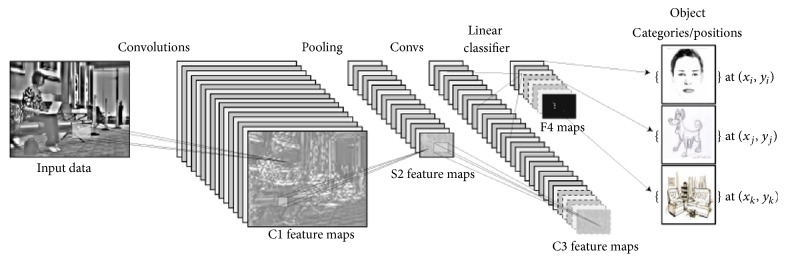
“The fully connected layers are used for high-level reasoning in the neural network [Vou18] which combine the outputs of the top convolutional layer and convert the 2D feature maps into a 1D feature [Vou18], [Cir11].”
MethodAutomatic vocal tract landmark localization from midsagittal MRI data
Eslami, M., Neuschaefer-Rube, C., & Serrurier, A. (2020) · Scientific Reports · doi:10.1038/s41598-020-58103-6 · Cited by 24
Choreographic Pose Identification using Convolutional Neural Networks
Bakalos, N., Rallis, I., Doulamis, N. D., Doulamis, A. D., Protopapadakis, E. E., & Voulodimos, A. S. (2019) · International Conference on Virtual Worlds and Games for Serious Applications (VS-Games) · doi:10.1109/vs-games.2019.8864522 · Cited by 24
“Deep learning methods have been shown to outperform previous state-of-the-art machine learning techniques in several fields, with computer vision being one of the most prominent cases [14] .”
BackgroundSelf-citationMulti-label deep learning models for continuous monitoring of road infrastructures
Protopapadakis, E. E., Katsamenis, I., & Doulamis, A. D. (2020) · International Conference on PErvasive Technologies Related to Assistive Environments (PETRA) · doi:10.1145/3389189.3397997 · Cited by 27
“However, these approaches are narrowed to limited research, i.e. a handful of specific defects, and require significant effort for the parameterization and training process [6].”
BackgroundSelf-citationDrone-Based Cattle Detection Using Deep Neural Networks
Aburasain, R. Y., Edirisinghe, E. A., & Albatay, A. (2020) · Advances in intelligent systems and computing · doi:10.1007/978-3-030-55180-3_44 · Cited by 23
A Study of Defect Detection Techniques for Metallographic Images
Wu, W.-H., Lee, J.-C., & Wang, Y. (2020) · Sensors · doi:10.3390/s20195593 · Cited by 23
“The recent surge of interest in deep learning methods [13,14] is due to the fact that they have been shown to outperform previous state-of-the-art techniques in several tasks, as well as the abundance of complex data from different sources (e.”
BackgroundA survey of deep learning methods for multiple sclerosis identification using brain MRI images
Şah, M., & Direkoğlu, C. (2022) · Neural Computing and Applications · doi:10.1007/s00521-022-07099-3 · Cited by 23
“…layers with an activation function, pooling layer, batch normalization layer, fully connected layer(s), softmax layer and classification layer [61, 62]. activation maps is generally larger than the dimensions of input image data, down-sampling is required in order to decrease the size of…”
BackgroundTu, S., Waqas, M., Badshah, A., Yin, M., & Abbas, G. (2023) · IEEE Transactions on Services Computing · doi:10.1109/tsc.2023.3319953 · Cited by 22
Zhu, T., Jiang, M., Wang, Y., & Wang, Y.-S. (2024) · Thin-Walled Structures · doi:10.1016/j.tws.2024.112255 · Cited by 22
Mehrnia, S. S., Safahi, Z., Mousavi, A., Panahandeh, F., Farmani, A., Yuan, R., Rahmim, A., & Salmanpour, M. R. (2025) · Journal of Imaging Informatics in Medicine · doi:10.1007/s10278-025-01458-x · Cited by 25
“[32, 190, 191].”
Chen, G., Song, T., Wang, Q., Ma, Z., Hu, J., Li, Q., & Wu, C. (2025) · Neurocomputing · doi:10.1016/j.neucom.2025.131230 · Cited by 28
Liu, R., Walker, E., Friedman, L., Arrington, C. M., & Solovey, E. (2020) · Journal on Multimodal User Interfaces · doi:10.1007/s12193-020-00325-z · Cited by 29
“and deep learning techniques, have achieved state-of-the-art results on many machine learning problems [12,22,65], and”
BackgroundWidyantoko, Z., Widowati, T. P., Isnaini, I., & Trapsiladi, P. (2021) · IAES International Journal of Artificial Intelligence · doi:10.11591/ijai.v10.i1.pp93-100 · Cited by 22
“Arguably machine learning is the leading technology in image recognition righ now, with the deep learning method be the most successfull of its subset [13].”
DV-DCNN: Dual-view deep convolutional neural network for matching detected masses in mammograms
Alghamdi, M., & Abdel-Mottaleb, M. S. (2021) · Computer Methods and Programs in Biomedicine · doi:10.1016/j.cmpb.2021.106152 · Cited by 25
Classification of cardioembolic stroke based on a deep neural network using chest radiographs
Jeong, H., Kim, B. J., Kim, T., Kang, J., Kim, J. Y., Kim, J., Kim, J., Park, J., Kim, J. G., Hong, J., et al. (2021) · EBioMedicine · doi:10.1016/j.ebiom.2021.103466 · Cited by 23
SIGNATURE VERIFICATION USING SIAMESE NEURAL NETWORK ONE-SHOT LEARNING
Arısoy, M. V. (2021) · International Journal of Engineering and Innovative Research · doi:10.47933/ijeir.972796 · Cited by 25
Understanding Implicit Regularization in Over-Parameterized Single Index Model
Fan, J., Yang, Z., & Yu, M. (2022) · Journal of the American Statistical Association · doi:10.1080/01621459.2022.2044824 · Cited by 35
“With the astonishing empirical success in various application domains such as computer vision (Voulodimos et al. 2018), natural language processing (Otter, Medina, and Kalita 2020; Torfi et al. 2020), and reinforcement learning (Arulkumaran et al. 2017; Li 2017), deep learning (LeCun, Bengio, and…”
BackgroundJoshi, S. Y., Singh, S. K., & Deshmukh, S. A. (2022) · npj Computational Materials · doi:10.1038/s41524-022-00725-7 · Cited by 23
Metadata
- Authors
- Voulodimos, A., Doulamis, N., Doulamis, A., & Protopapadakis, E.
- Affiliations
- National Technical University of Athens (GR)
- Corresponding author
- Voulodimos, Athanasios
- Venue
- Computational Intelligence and Neuroscience
- Publisher
- Wiley
- Published
- 2018
- Volume
- 2018
- Pages
- 1-13
- ISSN
- 1687-5265 (ISSN-L)
- 1687-5273
- PMC
- PMC5816885
- OpenAlex
- W2794284562
- Cited by
- 3,403
- References
- 56
- Citations by year
- 2026: 202 · 2025: 447 · 2024: 586 · 2023: 541 · 2022: 570 · 2021: 496 · 2020: 375 · 2019: 153 · 2018: 32
- FWCI
- 30.98
- Type
- journal article
- Language
- en
- Open access
- hybrid
- doi.org
- Locations
- Computational Intelligence and Neuroscience (publishedVersion, cc-by)
- Europe PMC (PubMed Central) (publishedVersion, cc-by)
- PubMed Central (publishedVersion, cc-by)
- PubMed (publishedVersion)
- Funders
- State Scholarships Foundation
- European Social Fund
- Greek national funds
- Topics
- Physical Sciences › Computer Science › Computer Vision and Pattern Recognition › Advanced Neural Network Applications
- Physical Sciences › Computer Science › Computer Vision and Pattern Recognition › Advanced Image and Video Retrieval Techniques
- Physical Sciences › Computer Science › Artificial Intelligence › Domain Adaptation and Few-Shot Learning
- Keywords
- deep learning, computer vision, convolutional neural networks, deep Boltzmann machine, deep belief network, stacked denoising autoencoder, object detection, face recognition, human action recognition, activity recognition, human pose estimation
- MeSH terms
- Machine Learning, Algorithms, Humans, Neural Networks, Computer
About these checks
Registry, retraction, Cites and statistics results are computed, not judged, with one exception: a printed reference that no index lists is read once by a model before it counts as a citation error. Claims are extracted by a model and kept only when their quote appears verbatim in the text; each cited source is then checked, with a model’s help, for whether it says what the claim relies on. Those verdicts can be wrong — read the claim’s quote and the cited source before relying on one.
Statistics and arithmetic are recomputed, not judged.
Confidence bands are shown only for fields calibrated on our annotated test set. None is calibrated yet, so no band is shown.
What counts as a claim ›How we measure confidence ›How we check this ›
Are you an author, or do you see a problem with this page? Request a review
Data sources
Bibliographic data: Semantic Scholar, OpenAlex, Crossref.
Contains information from the Semantic Scholar Academic Graph Datasets, made available under the ODC Attribution License (ODC-BY 1.0).
Semantic Scholar’s data is described in: Kinney, R., et al. (2023). The Semantic Scholar Open Data Platform. arXiv:2301.10140.
