

Deep Learning for Computer Vision: A Brief Review
Open accessThe DOI matches its Crossref record; 91 of the 93 references it cites were found in a registry or an index, and 2 are not checked yet.
Abstract
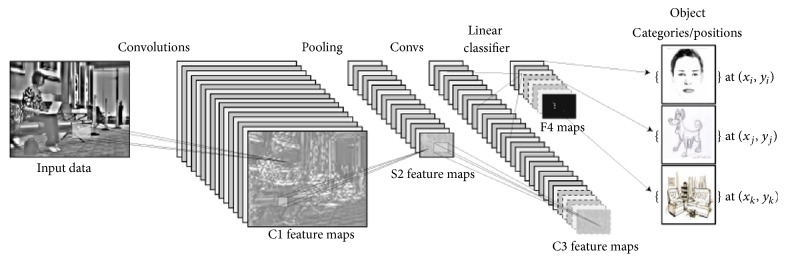
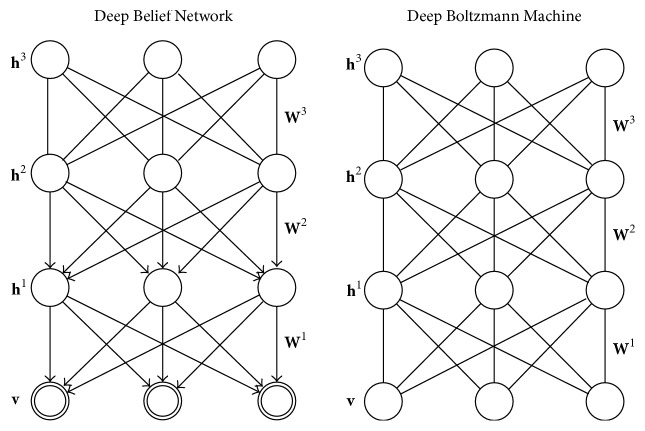
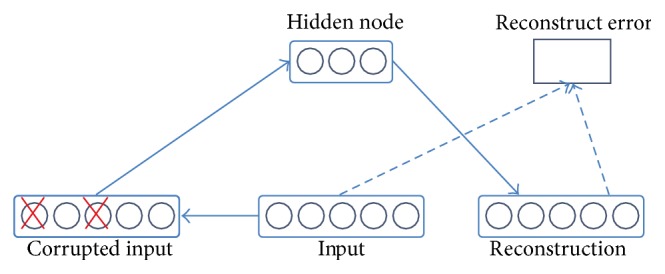
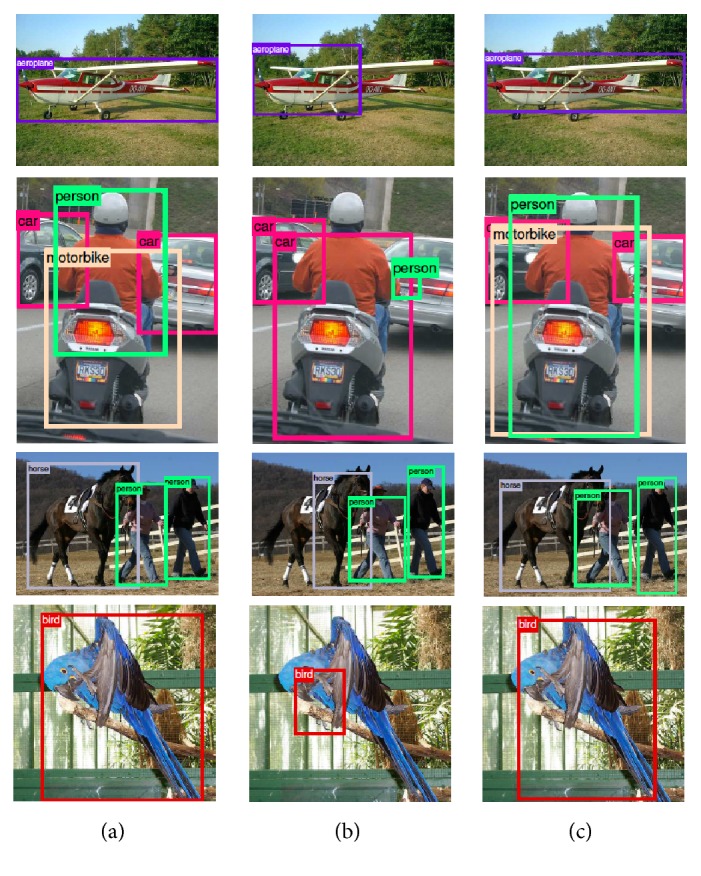
Over the last years deep learning methods have been shown to outperform previous state-of-the-art machine learning techniques in several fields, with computer vision being one of the most prominent cases. This review paper provides a brief overview of some of the most significant deep learning schemes used in computer vision problems, that is, Convolutional Neural Networks, Deep Boltzmann Machines and Deep Belief Networks, and Stacked Denoising Autoencoders. A brief account of their history, structure, advantages, and limitations is given, followed by a description of their applications in various computer vision tasks, such as object detection, face recognition, action and activity recognition, and human pose estimation. Finally, a brief overview is given of future directions in designing deep learning schemes for computer vision problems and the challenges involved therein.
Overview
The claims and statistics of this paper haven’t been checked yet.
Free: it reads the open-access text and checks the first 5 claims that cite a source we can check. Create a free account to check every claim.
Integrity signals
Registry
Cites
Statistics
Figures
Verification
Claims the paper makes
The claims and statistics of this paper haven’t been checked yet.
Free: it reads the open-access text and checks the first 5 claims that cite a source we can check. Create a free account to check every claim.
Claims other papers make about this one
Each is checked against this paper’s own text: does it say what the citing paper says it does?
The cited source says what the claim attributes to it.
In the citing paper
“Additionally, HAR with image/video processing has been extensively studied in the computer vision community [79,80], and the methodologies commonly used differ significantly from techniques used for IMUs, EEG, PPG, etc.”
From Deep Learning in Human Activity Recognition with Wearable Sensors: A Review on Advances (2022) · cites this paper as [79]
Self-check
Percentages, sums and reported differences re-computed from the paper’s own numbers.
The self-check needs the paper’s full text.
Citations
Cites
Hochreiter, S., & Schmidhuber, J. (1997) · Neural Computation · doi:10.1162/neco.1997.9.8.1735 · Cited by 102,318 · cited 4×
“In [95], the authors propose a multimodal multistream deep learning framework to tackle the egocentric activity recognition problem, using both the video and sensor data and employing a dual CNNs and Long Short-Term Memory architecture.”
BackgroundInfluentialFaster R-CNN: Towards Real-Time Object Detection with Region Proposal Networks
Ren, S., He, K., Girshick, R., & Sun, J. (2017) · IEEE Transactions on Pattern Analysis and Machine Intelligence · doi:10.1109/tpami.2016.2577031 · Cited by 73,472
Faster R-CNN: Towards Real-Time Object Detection with Region Proposal Networks
Ren, S., He, K., Girshick, R., & Sun, J. (2015) · arXiv · doi:10.48550/arxiv.1506.01497 · Cited by 70,812
Gradient-based learning applied to document recognition
Lecun, Y., Bottou, L., Bengio, Y., & Haffner, P. (1998) · Proceedings of the IEEE · doi:10.1109/5.726791 · Cited by 58,805 · cited 2×
“In an attempt to compare these models (for a summary see Table 2), we can say that CNNs have generally performed better than DBNs in current literature on benchmark computer vision datasets such as MNIST.”
MethodGoing deeper with convolutions
Szegedy, C., Liu, W., Jia, Y., Sermanet, P., Reed, S., Anguelov, D., Erhan, D., Vanhoucke, V., & Rabinovich, A. (2015) · 2015 IEEE Conference on Computer Vision and Pattern Recognition (CVPR) · doi:10.1109/cvpr.2015.7298594 · Cited by 48,562
Fully convolutional networks for semantic segmentation
Long, J., Shelhamer, E., & Darrell, T. (2015) · 2015 IEEE Conference on Computer Vision and Pattern Recognition (CVPR) · doi:10.1109/cvpr.2015.7298965 · Cited by 38,834
Rich Feature Hierarchies for Accurate Object Detection and Semantic Segmentation
Girshick, R., Donahue, J., Darrell, T., & Malik, J. (2014) · 2014 IEEE Conference on Computer Vision and Pattern Recognition · doi:10.1109/cvpr.2014.81 · Cited by 32,684
Girshick, R. (2015) · 2015 IEEE International Conference on Computer Vision (ICCV) · doi:10.1109/iccv.2015.169 · Cited by 28,105
Reducing the dimensionality of data with neural networks
Hinton, G. E., & Salakhutdinov, R. R. (2006) · Science · doi:10.1126/science.1127647 · Cited by 20,928
A logical calculus of the ideas immanent in nervous activity
McCulloch, W. S., & Pitts, W. (1943) · The Bulletin of Mathematical Biophysics · doi:10.1007/bf02478259 · Cited by 18,566
Research works printed but not linked: 21
- LeCun Y. Boser B. Denker J. Touretzky D. Handwritten digit recognition with a back-propagation network Advances in Neural Information Processing Systems 2 (NIPS∗89) 1990 Denver, CO, USA
- Frederic B. Lamblin P. Pascanu R. Theano: new features and speed improvements Deep Learning and Unsupervised Feature Learning NIPS 2012 Workshop 2012 http://deeplearning.net/software/theano/
- Chen X. Yuille A. L. Articulated pose estimation by a graphical model with image dependent pairwise relations Proceedings of the NIPS 2014
- Boureau Y. L. Ponce J. LeCun Y. A theoretical analysis of feature pooling in visual recognition Proceedings of the ICML 2010
- Krizhevsky A. Sutskever I. Hinton G. E. Imagenet classification with deep convolutional neural networks Proceedings of the 26th Annual Conference on Neural Information Processing Systems (NIPS '12) December 2012 Lake Tahoe, Nev, USA 1097 1105 2-s2.0-84876231242
- Smolensky P. Information processing in dynamical systems: Foundations of harmony theory In Parallel Distributed Processing: Explorations in the Microstructure of Cognition 1986 1 Cambridge, MA, USA MIT Press 194 281
- Hinton G. E. Sejnowski T. J. Learning and Relearning in Boltzmann Machines 1986 1 Cambridge, MA MIT Press p. 4.2
- Carreira-Perpinan M. A. Hinton G. E. On contrastive divergence learning Proceedings of the tenth international workshop on artificial intelligence and statistics., NP: Society for Artificial Intelligence and Statistics 2005 33 40
- Hinton G. A practical guide to training restricted Boltzmann machines Momentum 2010 9 p. 926
- Salakhutdinov R. Larochelle H. Efficient learning of deep Boltzmann machines Proceedings of the AISTATS 2010
- Salakhutdinov R. Hinton G. An efficient learning procedure for deep Boltzmann machines Neural Computation 2012 24 8 1967 2006 MR2978160 10.1162/NECO_a_00311 Zbl1247.68223 2-s2.0-84874125782 22509963 · DOI · Paper page
- Salakhutdinov R. Hinton G. A better way to pretrain Deep Boltzmann Machines Proceedings of the 26th Annual Conference on Neural Information Processing Systems 2012, NIPS 2012 December 2012 usa 2447 2455 2-s2.0-84877755914
- Goodfellow I. Mirza M. Courville A. Multi-prediction deep Boltzmann machines Proceedings of the NIPS 2013
- Vincent P. Larochelle H. Bengio Y. Manzagol P.-A. Cohen W. W. McCallum A. Roweis S. T. Extracting and composing robust features with denoising autoencoders in Proceedings of the Twenty-fifth International Conference on Machine Learning (ICML'08) 2008 ACM 1096 1103
- Gallinari P. LeCun Y. Thiria S. Fogelman-Soulie F. Memoires associatives distribuees Proceedings of the in Proceedings of COGNITIVA 87 1987 Paris, La Villette
- Bengio Y. Lamblin P. Popovici D. Larochelle H. Sch B. Platt J. and. Hoffman T. Schölkopf B. Greedy layer-wise training of deep networks Advances in Neural Information Processing Systems (NIPS06) 2007 19 MIT Press 153 160
- Hosang J. Benenson R. Schiele B. How good are detection proposals, really? Proceedings of the 25th British Machine Vision Conference, BMVC 2014 September 2014 gbr 2-s2.0-84919779754
- Nair V. Hinton G. E. 3D object recognition with deep belief nets Proceedings of the NIPS 2009
- Kitsikidis A. Dimitropoulos K. Douka S. Grammalidis N. Dance analysis using multiple kinect sensors Proceedings of the 9th International Conference on Computer Vision Theory and Applications, VISAPP 2014 January 2014 prt 789 795 2-s2.0-84906896563
- Jain A. Tompson J. Andriluka M. Learning human pose estimation features with convolutional networks Proceedings of the ICLR 2014
- Tompson J. J. Jain A. LeCun Y. Joint training of a convolutional network and a graphical model for human pose estimation Proceedings of the NIPS 2014
Cited by
Items 101–200 of 1,008
Adversarial Machine Learning in Wireless Communications Using RF Data: A Review
Adesina, D., Hsieh, C.-C., Sagduyu, Y. E., & Qian, L. (2023) · IEEE Communications Surveys & Tutorials · doi:10.1109/comst.2022.3205184 · Cited by 174
“For instance in the computer vision domain, surveys have focused on applications of DL, including object detection [133], [134], [135], [136], 3D Data processing [163], [164], [165], [166], Hyperspectral Image Analysis [167], [168], [169], [170], [171], Dialogue Systems [137], [138], [139], [140] and speech processing…”
MethodDeLancey, E. R., Simms, J. F., Mahdianpari, M., Brisco, B., Mahoney, C., & Kariyeva, J. (2019) · Remote Sensing · doi:10.3390/rs12010002 · Cited by 190
Deep Neuro-Fuzzy System application trends, challenges, and future perspectives: a systematic survey
Talpur, N., Abdulkadir, S. J., Alhussian, H., Hasan, M. H., Aziz, N., & Bamhdi, A. (2023) · Artificial Intelligence Review · doi:10.1007/s10462-022-10188-3 · Cited by 188
“In comparison to various existing state-of-the-art methods, the importance of deep learning approaches is growing rapidly owing to their extraordinary performance in several applications, such as visual, audio, social, and medical data (Voulodimos et al. 2018).”
BackgroundSource-free unsupervised domain adaptation: A survey
Fang, Y., Yap, P.-T., Lin, W., Zhu, H., & Liu, M. (2024) · Neural Networks · doi:10.1016/j.neunet.2024.106230 · Cited by 175
Wu, T.-W., Zhang, H., Peng, W., Lü, F., & He, P.-J. (2023) · Resources, Conservation and Recycling · doi:10.1016/j.resconrec.2022.106813 · Cited by 168
Context Aware Energy Disaggregation Using Adaptive Bidirectional LSTM Models
Kaselimi, M., Doulamis, N., Voulodimos, A., Protopapadakis, E., & Doulamis, A. (2020) · IEEE Transactions on Smart Grid · doi:10.1109/tsg.2020.2974347 · Cited by 190
“Convolutional Neural Networks (CNNs) traditionally attain very good results in a variety of pattern recognition problems ([21], [25], [26]).”
BackgroundSelf-citationClinical concept extraction: A methodology review
Fu, S., Chen, D., He, H., Liu, S., Moon, S., Peterson, K. J., Shen, F., Wang, L., Wang, Y., Wen, A., et al. (2020) · Journal of Biomedical Informatics · doi:10.1016/j.jbi.2020.103526 · Cited by 183
“Deep learning has led to revolutionary developments in many fields including computer vision (175, 176), robotics (177, 178), and NLP (17, 84, 179).”
BackgroundA Review on Deep Learning-Based Approaches for Automatic Sonar Target Recognition
Neupane, D., & Seok, J. (2020) · Electronics · doi:10.3390/electronics9111972 · Cited by 192
“based sensing, fractional Fourier transform (FrFT)-based features, and a 3-hidden-layer DBN was proposed.”
MethodInfluentialKhalifa, N. E. M., Taha, M. H. N., Hassanien, A. E., & Elghamrawy, S. M. (2022) · Lecture notes on data engineering and communications technologies · doi:10.1007/978-3-031-20601-6_22 · Cited by 201
A Survey on Data Pricing: From Economics to Data Science
Pei, J. (2020) · IEEE Transactions on Knowledge and Data Engineering · doi:10.1109/tkde.2020.3045927 · Cited by 251
“Recently, machine learning, particularly deep learning [148], becomes disruptive in many applications, such as computer vision [149], [150] and natural language processing [151].”
BackgroundMachine learning applications to non-destructive defect detection in horticultural products
Nturambirwe, J. F. I., & Opara, U. L. (2020) · Biosystems Engineering · doi:10.1016/j.biosystemseng.2019.11.011 · Cited by 173
Machine learning in bioprocess development: from promise to practice
Helleckes, L. M., Hemmerich, J., Wiechert, W., von Lieres, E., & Grünberger, A. (2023) · Trends in Biotechnology · doi:10.1016/j.tibtech.2022.10.010 · Cited by 163
Application of Machine Learning in Optimizing Proton Exchange Membrane Fuel Cells: A Review
Ding, R., Zhang, S., Chen, Y., Rui, Z., Hua, K., Wu, Y., Li, X., Duan, X., Wang, X., Li, J., et al. (2022) · Energy and AI · doi:10.1016/j.egyai.2022.100170 · Cited by 171
A spatial-channel hierarchical deep learning network for pixel-level automated crack detection
Pan, Y., Zhang, G., & Zhang, L. (2020) · Automation in Construction · doi:10.1016/j.autcon.2020.103357 · Cited by 176
Wang, G., Wang, C., Zhang, X., Li, Z., Zhou, J., & Sun, Z. (2024) · iScience · doi:10.1016/j.isci.2024.109673 · Cited by 227
Almaraz-Damian, J.-A., Ponomaryov, V., Sadovnychiy, S., & Castillejos-Fernandez, H. (2020) · Entropy · doi:10.3390/e22040484 · Cited by 172
“Based on the discrete convolution operation, the CNN [38,39] represents one type of method, namely, deep learning strategies [40], the basis of which is to obtain the information of an image I ( i , j ) , using filters K ( m , n ) , which are trained on a neural network as feed-forward and…”
MethodMeli, R., Morris, G. M., & Biggin, P. C. (2022) · Frontiers in Bioinformatics · doi:10.3389/fbinf.2022.885983 · Cited by 155
“Thegreat successes of deep learning (DL) in the fi elds of computer vision (Voulodimos et al., 2018), natural language processing (NLP) (Young et al., 2018), and other fi elds of computer science in recent years kick-started the research and application of deep learning in many scienti fi c…”
BackgroundContent-based image retrieval: A review of recent trends
Hameed, I. M., Abdulhussain, S. H., & Mahmmod, B. M. (2021) · Cogent Engineering · doi:10.1080/23311916.2021.1927469 · Cited by 165
“…deep neural network (DNN), deep belief network, and Boltzmann machine, with CNN exhibiting outstanding performance in computer vision applications such as face recognition, object detection and semantic segmentation (Voulodimos et al., 2018) and specifically in the CBIR domain (Latif et al., 2019).”
BackgroundInfluentialA review of machine learning methods applied to structural dynamics and vibroacoustic
Cunha, B. Z., Droz, C., Zine, A., Foulard, S., & Ichchou, M. N. (2023) · Mechanical Systems and Signal Processing · doi:10.1016/j.ymssp.2023.110535 · Cited by 210
“…as in health-care decision-making [2], autonomous vehicles [3], economic forecasts [4], detection of fake-news [5], suggestions for consumption of content and goods [6, 7], mastering games [8], image classification and generation [9, 10], translations and speech recognition [11], and other subjects.”
BackgroundImage inpainting based on deep learning: A review
Zhang, X., Zhai, D., Li, T., Zhou, Y., & Lin, Y. (2023) · Information Fusion · doi:10.1016/j.inffus.2022.08.033 · Cited by 164
Fang, Y., Qin, Y., Luo, H., Zhao, F., Xu, B., Zeng, L., & Wang, C. (2023) · IEEE International Conference on Data Engineering (ICDE) · doi:10.1109/icde55515.2023.00046 · Cited by 273
“With the success of deep learning [28] in some research areas [29], [30], a line of traffic forecasting methods modeled temporal patterns in the traffic data for each sensor individually, such as LSTM [31], TCN [32], and Transformer [33].”
BackgroundGoshisht, M. K. (2024) · ACS Omega · doi:10.1021/acsomega.3c05913 · Cited by 161
“136 Imaging applications in synthetic biology can involve automated detection of appropriate ties within an image, including colony growth on a plate or microscopy data analysis.”
Artificial Intelligence in Biological Sciences
Bhardwaj, A., Kishore, S., & Pandey, D. K. (2022) · Life · doi:10.3390/life12091430 · Cited by 210
“Face recognition [82], cancer prediction in tissue [83] and metabolic flux analysis [84] are just a few examples of significant advances made with AI approaches, and there is a potential to achieve a similar revolution in the agricultural field.”
BackgroundOpportunities and Challenges in Deep Learning Adversarial Robustness: A SurveyPreprint
Silva, S. H., & Najafirad, P. (2020) · arXiv (Cornell University) · doi:10.48550/arxiv.2007.00753 · Cited by 208
“One of the most popular variations of DL architecture, Convolutional Neural Networks (CNN) have significantly boosted the performance of DL algorithms in computer vision (CV) applications ( [12]), bringing it to several areas of CV such as, object detection ( [13], [14], action recognition [15], [16], pose estimation…”
BackgroundProtopapadakis, E., Voulodimos, A., Doulamis, A., Doulamis, N., & Stathaki, T. (2019) · Applied Intelligence · doi:10.1007/s10489-018-01396-y · Cited by 169
“In recent years, several feature extraction related disadvantages have been mitigated via deep learning approaches [10, 11].”
BackgroundSelf-citationMeta-learning approaches for learning-to-learn in deep learning: A survey
Tian, Y., Zhao, X., & Huang, W. (2022) · Neurocomputing · doi:10.1016/j.neucom.2022.04.078 · Cited by 161
Deep Learning-Based Transfer Learning for Classification of Skin Cancer
Jain, S., Singhania, U., Tripathy, B., Nasr, E. A., Aboudaif, M. K., & Kamrani, A. K. (2021) · Sensors · doi:10.3390/s21238142 · Cited by 169
“To classify the images from HAM10000 dataset into seven different types of skin cancer.”
MethodDeep Learning Based Systems Developed for Fall Detection: A Review
Islam, M. M., Tayan, O., Islam, M. R., Islam, M. S., Nooruddin, S., Nomani Kabir, M., & Islam, M. R. (2020) · IEEE Access · doi:10.1109/access.2020.3021943 · Cited by 159
“CNN architectures are great for finding patterns and shapes within given images [48], [52].”
BackgroundMathew, D. E., Ebem, D. U., Ikegwu, A. C., Ukeoma, P. E., & Dibiaezue, N. F. (2025) · Neural Processing Letters · doi:10.1007/s11063-025-11732-2 · Cited by 168
Adversarial Transfer Learning for Deep Learning Based Automatic Modulation Classification
Bu, K., He, Y., Jing, X., & Han, J. (2020) · IEEE Signal Processing Letters · doi:10.1109/lsp.2020.2991875 · Cited by 163
“In recent decades, advances in deep learning lead to the development of various technical fields, such as computer vision [5], information retrieval [6] and natural language processing [7], and also promote manyworks on signalmodulation classification [8]–[12].”
BackgroundSheng, H., & Yang, C. (2020) · Journal of Computational Physics · doi:10.1016/j.jcp.2020.110085 · Cited by 198
Human-AI interaction research agenda: A user-centered perspective
Tingting, J., Sun, Z., Fu, S., & Lv, Y. (2024) · Data and Information Management · doi:10.1016/j.dim.2024.100078 · Cited by 218
Overview of Hyperspectral Image Classification
Lv, W., & Wang, X. (2020) · Journal of Sensors · doi:10.1155/2020/4817234 · Cited by 171
“It is worth noting that deep learning [32] has excellent capabilities in image processing.”
BackgroundReal-Time Face Mask Detection Method Based on YOLOv3
Jiang, X., Gao, T., Zhu, Z., & Zhao, Y. (2021) · Electronics · doi:10.3390/electronics10070837 · Cited by 180
“Computer vision is an interdisciplinary scientific field that involves how computers gain advanced understanding from digital images or videos [6].”
BackgroundSong, R., Zhang, S., Li, C., Zhang, Y., Cheng, J., & Chen, X. (2020) · IEEE Transactions on Instrumentation and Measurement · doi:10.1109/tim.2020.2984168 · Cited by 160
“In recent years, deep learning (DL) technique has achieved a great success in the fields of computer vision [8] and natural language processing [9].”
BackgroundData-driven Optical Fiber Channel Modeling: A Deep Learning Approach
Wang, D., Song, Y., Li, J., Qin, J., Yang, T., Zhang, M., Chen, X., & Boucouvalas, A. C. (2020) · Journal of Lightwave Technology · doi:10.1109/jlt.2020.2993271 · Cited by 168
“processing, data augmentation, human activity understanding, and affective computing [6–8].”
Wang, M., Zhang, Q., Lam, S., Cai, J., & Yang, R. (2020) · Frontiers in Oncology · doi:10.3389/fonc.2020.580919 · Cited by 149
Zolfaghari, M., & Gholami, S. (2021) · Expert Systems with Applications · doi:10.1016/j.eswa.2021.115149 · Cited by 157
Physical Adversarial Attack Meets Computer Vision: A Decade Survey
Wei, H., Tang, H., Jia, X., Wang, Z., Yu, H., Li, Z., Satoh, S., Gool, L. V., & Wang, Z. (2024) · IEEE Transactions on Pattern Analysis and Machine Intelligence · doi:10.1109/tpami.2024.3430860 · Cited by 207
“Deep Neural Networks (DNNs) have achieved impressive results in a variety of fields: from computer vision [130] to natural language processing [96] to speech processing [94], and it is increasingly empowering many aspects of modern society.”
BackgroundA Survey on Deep Learning Techniques in Wireless Signal Recognition
Li, X., Dong, F., Zhang, S., & Guo, W. (2019) · Wireless Communications and Mobile Computing · doi:10.1155/2019/5629572 · Cited by 181
“A new dawn seems to have arrived, since the DL performs very well in computer vision (CV) [7], machine translation (MT) [8], and natural language processing (NLP) [9].”
BackgroundAdvances in UAV Path Planning: A Comprehensive Review of Methods, Challenges, and Future Directions
Meng, W., Zhang, X., Zhou, L., Guo, H., & Hu, X. (2025) · Drones · doi:10.3390/drones9050376 · Cited by 153
“Physics-Informed Neural Networks (PINNs) [157] represent a novel paradigm in machine learning, integrating physical laws described by partial differential equations directly into the training process of neural networks.”
Recent Advances for Quantum Neural Networks in Generative Learning
Tian, J., Sun, X., Du, Y., Zhao, S., Liu, Q., Zhang, K., Yi, W., Huang, W., Wang, C., Wu, X., et al. (2023) · IEEE Transactions on Pattern Analysis and Machine Intelligence · doi:10.1109/tpami.2023.3272029 · Cited by 111
“D EEP generative learning models (GLM) have revolutionized the classical world during the past decade [1], including but not limited to computer vision [2], natural language processing [3], and drug discovery [4].”
BackgroundDeep Generative Adversarial Networks for Image-to-Image Translation: A Review
Alotaibi, A. (2020) · Symmetry · doi:10.3390/sym12101705 · Cited by 176
A smart surface inspection system using faster R-CNN in cloud-edge computing environment
Wang, Y., Liu, M., Zheng, P., Yang, H., & Zou, J. T. (2020) · Advanced Engineering Informatics · doi:10.1016/j.aei.2020.101037 · Cited by 156
Review of the Typical Damage and Damage-Detection Methods of Large Wind Turbine Blades
Wang, W., Xue, Y., He, C., & Zhao, Y. (2022) · Energies · doi:10.3390/en15155672 · Cited by 146
Bayesian-optimized Bidirectional LSTM Regression Model for Non-intrusive Load Monitoring
Kaselimi, M., Doulamis, N. D., Doulamis, A. D., Voulodimos, A. S., & Protopapadakis, E. E. (2019) · IEEE International Conference on Acoustics Speech and Signal Processing · doi:10.1109/icassp.2019.8683110 · Cited by 145
“Particularly, the works of [16], [18] investigate the use of Convolutional Neural Networks (CNNs).”
BackgroundSelf-citationMarkerless vs. Marker-Based Gait Analysis: A Proof of Concept Study
Moro, M., Marchesi, G., Hesse, F., Odone, F., & Casadio, M. (2022) · Sensors · doi:10.3390/s22052011 · Cited by 163
“In the last decades, deep learning algorithms have moved forward in solving computer vision problems [9].”
BackgroundDetecting Adversarial Samples Using Influence Functions and Nearest Neighbors
Cohen, G., Sapiro, G., & Giryes, R. (2020) · IEEE Computer Society Conference on Computer Vision and Pattern Recognition/Proceedings - IEEE Computer Society Conference on Computer Vision and Pattern Recognition/Proceedings · doi:10.1109/cvpr42600.2020.01446 · Cited by 197
Data-driven reduced order model with temporal convolutional neural network
Wu, P., Sun, J., Chang, X., Zhang, W., Arcucci, R., Guo, Y., & Pain, C. C. (2019) · Computer Methods in Applied Mechanics and Engineering · doi:10.1016/j.cma.2019.112766 · Cited by 144
Artificial intelligence, machine learning, and deep learning for clinical outcome prediction
Pettit, R. W., Fullem, R., Cheng, C., & Amos, C. I. (2021) · Emerging Topics in Life Sciences · doi:10.1042/etls20210246 · Cited by 120
RANSAC for Robotic Applications: A Survey
Martínez‐Otzeta, J. M., Rodríguez-Moreno, I., Mendialdua, I., & Sierra, B. (2022) · Sensors · doi:10.3390/s23010327 · Cited by 171
Robust Information Bottleneck for Task-Oriented Communication With Digital Modulation
Xie, S., Ma, S., Ding, M., Shi, Y., Tang, M., & Wu, Y. (2023) · IEEE Journal on Selected Areas in Communications · doi:10.1109/jsac.2023.3288252 · Cited by 172
“Subsequently, we vary the codebook size K ∈ [2, 64] with different β over AWGN channels with PSNR = 12dB.”
BackgroundMethodInterpretation of deep learning in genomics and epigenomics
Talukder, A., Barham, C., Li, X., & Hu, H. (2021) · Briefings in Bioinformatics · doi:10.1093/bib/bbaa177 · Cited by 142
“In the past decade,there has been an increasing interest in finding ways to interpret the features discovered by neural networks, particularly in computer vision and NLP [4, 5].”
BackgroundLoh, H. W., Ooi, C. P., Vicnesh, J., Oh, S. L., Faust, O., Gertych, A., & Acharya, U. R. (2020) · Applied Sciences · doi:10.3390/app10248963 · Cited by 152
“It plays the role of a bottleneck, which retains only those features that are necessary to reconstruct the input data on the AE output [47].”
BackgroundA systematic review of digital transformation technologies in museum exhibition
Li, J., Zheng, X., Watanabe, I., & Ochiai, Y. (2024) · Computers in Human Behavior · doi:10.1016/j.chb.2024.108407 · Cited by 136
Deep learning wavefront sensing and aberration correction in atmospheric turbulence
Wang, K., Zhang, M., Tang, J., Wang, L., Hu, L., Wu, X., Wei, 李. L., Di, J., Liu, G., & Zhao, J. (2021) · PhotoniX · doi:10.1186/s43074-021-00030-4 · Cited by 136
“Supervised deep learning has played an important role in computer vision [4, 5].”
BackgroundThe state-of-the-art in computer generated holography for 3D display
Blinder, D., Birnbaum, T., Ito, T., & Shimobaba, T. (2022) · Light Advanced Manufacturing · doi:10.37188/lam.2022.035 · Cited by 181
Jamil, S., & Roy, A. M. (2023) · Computers in Biology and Medicine · doi:10.1016/j.compbiomed.2023.106734 · Cited by 140
Machine Learning-Assisted Approaches in Modernized Plant Breeding Programs
Yoosefzadeh-Najafabadi, M., Hesami, M., & Eskandari, M. (2023) · Genes · doi:10.3390/genes14040777 · Cited by 149
“Computer-vision algorithms can be used for tasks such as facial recognition, object tracking, and image classification [47].”
MethodRafiq, H., Manandhar, P., Rodríguez-Ubiñas, E., Qureshi, O. A., & Palpanas, T. (2024) · Energy and Buildings · doi:10.1016/j.enbuild.2024.113890 · Cited by 149
Deep learning in dermatology: a systematic review of current approaches, outcomes, and limitations
Jeong, H. K., Park, C., Henao, R., & Kheterpal, M. (2023) · JID Innovations · doi:10.1016/j.xjidi.2022.100150 · Cited by 134
“It has advanced the process of medical image evaluation with higher accuracy and more efficient analysis (Voulodimos et al., 2018).”
BackgroundMachine learning for condensed matter physics
Bedolla-Montiel, E. A., Padierna, L. C., & Castañeda-Priego, R. (2020) · Journal of Physics Condensed Matter · doi:10.1088/1361-648x/abb895 · Cited by 152
Sharma, S., Singh, G., & Sharma, M. (2021) · Computers in Biology and Medicine · doi:10.1016/j.compbiomed.2021.104450 · Cited by 155
Geometry-aware fruit grasping estimation for robotic harvesting in apple orchards
Wang, X., Kang, H., Zhou, H., Au, W., & Chen, C. (2022) · Computers and Electronics in Agriculture · doi:10.1016/j.compag.2022.106716 · Cited by 142
“Fruit detection is an essential step in robotic harvesting [20].”
BackgroundHuman Action Recognition Systems: A Review of the Trends and State-of-the-Art
Karim, M. F. A., Khalid, S., Aleryani, A., Khan, J., Ullah, I., & Ali, Z. (2024) · IEEE Access · doi:10.1109/access.2024.3373199 · Cited by 148
“…of frames from videos pose several challenges, including variations between different classes, similarities within the same class, poor image quality, interactions between individuals in a group, long-distance shots, complex backgrounds, and interactions involving multiple subjects [120], [121].”
BackgroundKaselimi, M., Protopapadakis, E. E., Voulodimos, A. S., Doulamis, N. D., & Doulamis, A. D. (2022) · Sensors · doi:10.3390/s22155872 · Cited by 147
“Although Convolutional Neural Networks (CNN) are traditionally developed for two-dimensional imagery data ([38]), one-dimensional CNN can be used to model the temporal character of sequential timeseries data.”
BackgroundSelf-citationWaisman, A., Greca, A. L., Möbbs, A. M., Scarafia, M. A., Velazque, N. L. S., Neiman, G., Moro, L. N., Luzzani, C., Sevlever, G. E., Guberman, A., et al. (2019) · Stem Cell Reports · doi:10.1016/j.stemcr.2019.02.004 · Cited by 136
“DL has proved to be particularly useful in computer vision, where it allows image recognition by learning visual patterns through the use of the so-called convolutional neural networks (CNNs) (Camacho et al., 2018; Cao et al., 2018; Voulodimos et al., 2018).”
Deep-learning seismic full-waveform inversion for realistic structural models
Liu, B., Yang, S., Ren, Y., Xu, X., Jiang, P., & Chen, Y. (2021) · Geophysics · doi:10.1190/geo2019-0435.1 · Cited by 136
Machine learning and deep learning for sentiment analysis across languages: A survey
Mercha, E. M., & Benbrahim, H. (2023) · Neurocomputing · doi:10.1016/j.neucom.2023.02.015 · Cited by 156
Zhang, Y., Yu, K., Lei, Z., Ge, J., Xu, Y., Li, Z., Ren, Z., & Feng, K. (2023) · Expert Systems with Applications · doi:10.1016/j.eswa.2023.120854 · Cited by 131
Automatic Modulation Classification Based on Deep Learning for Unmanned Aerial Vehicles
Zhang, D., Ding, W., Zhang, B., Xie, C., Liu, C., Han, J., & Li, H. (2018) · Sensors · doi:10.3390/s18030924 · Cited by 136
“The gradient of backpropagation [40] is calculated as follows:”
MethodArshad, H., Khan, M. A., Sharif, M. I., Yasmin, M., Tavares, J. M. R. S., Zhang, Y., & Satapathy, S. C. (2020) · Expert Systems · doi:10.1111/exsy.12541 · Cited by 130
“Each CNN layer converts an input size to an output size of neuron initiation that is finally given to FC layer by mapping the input data in to 1D feature vector (Voulodimos, Doulamis, Doulamis, & Protopapadakis, 2018).”
MethodA bird's-eye view of deep learning in bioimage analysis
Meijering, E. (2020) · Computational and Structural Biotechnology Journal · doi:10.1016/j.csbj.2020.08.003 · Cited by 126
“The task of identifying images or objects therein as belonging to one of multiple predefined classes is a fundamental problem of computer vision in general [239–241] and a recurring theme also in bioimage analysis [242–244].”
BackgroundVariations in Variational Autoencoders - A Comparative Evaluation
Wei, R., Garcia, C., El-Sayed, A., Peterson, V., & Mahmood, A. (2020) · IEEE Access · doi:10.1109/access.2020.3018151 · Cited by 145
“However, one major limitation of them is high computational cost during inference process [24].”
BackgroundDiabetic retinopathy classification based on multipath CNN and machine learning classifiers
Gayathri, S. G., Gopi, V. P., & Palanisamy, P. (2021) · Physical and Engineering Sciences in Medicine · doi:10.1007/s13246-021-01012-3 · Cited by 145
“The method called transfer learning via feature extraction [30] is adopted.”
MethodJamwal, A., Agrawal, R., & Sharma, M. (2022) · International Journal of Information Management Data Insights · doi:10.1016/j.jjimei.2022.100107 · Cited by 146
Deep learning for processing and analysis of remote sensing big data: a technical review
Zhang, X., Zhou, Y., & Luo, J. (2021) · Big Earth Data · doi:10.1080/20964471.2021.1964879 · Cited by 137
“The derived vector can either be fed forward into a certain number of categories for classification or can be considered a feature vector for further processing (Voulodimos, Doulamis, Doulamis, & Protopapadakis, 2018).”
BackgroundKhalifa, N. E. M., Taha, M. H. N., Ezzat, D., Słowik, A., & Hassanien, A. E. (2020) · IEEE Access · doi:10.1109/access.2020.2970210 · Cited by 133
“Deep learning (DL), as a branch of Artificial Intelligence, depends on algorithms for data processing and thinking process simulation or for developing abstractions [18]–[20].”
BackgroundMarkoulidakis, I., Kopsiaftis, G., Rallis, I., & Georgoulas, I. (2021) · International Conference on PErvasive Technologies Related to Assistive Environments (PETRA) · doi:10.1145/3453892.3461323 · Cited by 149
“This is due to the fact that these activation functions seem to work better than other approaches as is proven through the deep learning paradigm [31].”
BackgroundExtracting apple tree crown information from remote imagery using deep learning
Wu, J., Yang, G., Yang, H. F., Zhu, Y., Li, Z., Lei, L., & Zhao, C. (2020) · Computers and Electronics in Agriculture · doi:10.1016/j.compag.2020.105504 · Cited by 123
Automatic detection of sewer defects based on improved you only look once algorithm
Tan, Y., Cai, R., Li, J., Chen, P., & Wang, M. (2021) · Automation in Construction · doi:10.1016/j.autcon.2021.103912 · Cited by 126
Conventional to Deep Ensemble Methods for Hyperspectral Image Classification: A Comprehensive Survey
Ullah, F., Ullah, I., Khan, R. U., Khan, S., Khan, K., & Pau, G. (2024) · IEEE Journal of Selected Topics in Applied Earth Observations and Remote Sensing · doi:10.1109/jstars.2024.3353551 · Cited by 131
“Adopting Hubel and Wiesel’s [169] natural visual recognition process, Neocognitron [170] isrecognizedastheoriginalhierarchicalposition-invariant pattern recognition model [171] and can be regarded as the prior of CNN [172].”
MethodPauly, L., Rharbaoui, W., Shneider, C., Rathinam, A., Gaudillière, V., & Aouada, D. (2023) · Acta Astronautica · doi:10.1016/j.actaastro.2023.08.001 · Cited by 121
“Algorithms The use of DL has had significant implications in developing computer vision algorithms over the last decade [166], [22], improving their performance and robustness for applications such as image classification [173], segmentation [99], and object tracking [26].”
MethodHou, X., Bai, Y., Li, Y., Shang, C., & Shen, Q. (2021) · ISPRS Journal of Photogrammetry and Remote Sensing · doi:10.1016/j.isprsjprs.2021.05.001 · Cited by 123
OmiEmbed: A Unified Multi-Task Deep Learning Framework for Multi-Omics Data
Zhang, X., Xing, Y., Sun, K., & Guo, Y. (2021) · Cancers · doi:10.3390/cancers13123047 · Cited by 110
“Inspired by the significant success in fields like computer vision [Voulodimos et al., 2018] and natural language processing [Young et al., 2018], deep learning approaches have been applied to analyse the complicated and nonlinear relationships between molecular features of high-dimensional omics…”
MethodJi, S., Dai, P., Lü, M., & Zhang, Y. (2020) · IEEE Transactions on Geoscience and Remote Sensing · doi:10.1109/tgrs.2020.2994349 · Cited by 123
Apolo-Apolo, O. E., Ruiz, M. P., Martínez-Guanter, J., & Valente, J. R. P. (2020) · Frontiers in Plant Science · doi:10.3389/fpls.2020.01086 · Cited by 133
“Apparently, the application of data augmentation helped to overcome the problems in object detection caused by illumination conditions, the distance to the fruit, and fruit clustering, among others, as suggested by Voulodimos et al. (2018).”
BackgroundAdaptive Deep Learning-Based Point Cloud Geometry Coding
Guarda, A. F. R., Rodrigues, N. M. M., & Pereira, F. M. B. (2020) · IEEE Journal of Selected Topics in Signal Processing · doi:10.1109/jstsp.2020.3047520 · Cited by 119
“vision, with a dominating performance in most tasks [7].”
BackgroundEigen-CAM: Visual Explanations for Deep Convolutional Neural Networks
Muhammad, M. B., & Yeasin, M. (2021) · SN Computer Science · doi:10.1007/s42979-021-00449-3 · Cited by 139
Improving classification accuracy of fine-tuned CNN models: Impact of hyperparameter optimization
Wojciuk, M., Świderska-Chadaj, Ż., Siwek, K., & Gertych, A. (2024) · Heliyon · doi:10.1016/j.heliyon.2024.e26586 · Cited by 133
“The growing interest in hyperparameter optimization is closely tied to the pursuit of creating reliable deep-learning models for numerous applications [1–7].”
BackgroundDeep learning: as the new frontier in high-throughput plant phenotyping
Arya, S., Sandhu, K. S., Singh, J., & Kumar, S. (2022) · Euphytica · doi:10.1007/s10681-022-02992-3 · Cited by 124
“Deep learning evolved from simple neural networks as a need to achieve a higher level of abstraction to capture intricate structure inherent in the big data made possible by multiple hidden layers as processing units (Bengio et al. 2015; Voulodimos et al. 2018).”
Huang, Q., Peng, S., Deng, J., Zeng, H., Zhang, Z., Liu, Y., & Yuan, P. (2023) · Heliyon · doi:10.1016/j.heliyon.2023.e13883 · Cited by 149
Deep Learning in Drug Target Interaction Prediction: Current and Future Perspectives
Abbasi, K., Razzaghi, P., Poso, A., Ghanbari-Ara, S., & Masoudi‐Nejad, A. (2020) · Current Medicinal Chemistry · doi:10.2174/0929867327666200907141016 · Cited by 140
Privacy and Artificial Intelligence
Curzon, J., Kosa, T. A., Akalu, R., & El‐Khatib, K. (2021) · IEEE Transactions on Artificial Intelligence · doi:10.1109/tai.2021.3088084 · Cited by 147
Dual attention deep learning network for automatic steel surface defect segmentation
Pan, Y., & Zhang, L. (2021) · Computer-Aided Civil and Infrastructure Engineering · doi:10.1111/mice.12792 · Cited by 122
“At the center of computer vision, CNN has gained great success in sophisticated tasks like face recognition, vision in robots, self-driving cars, and others (Voulodimos et al., 2018).”
BackgroundFruit sizing using AI: A review of methods and challenges
Miranda, J. C., Gené-Mola, J., Zude-Sasse, M., Tsoulias, N., Escolà, A., Arnó, J., Rosell-Polo, J. R., Sanz, R., Martínez-Casasnovas, J. A., & Gregorio, E. (2023) · Postharvest Biology and Technology · doi:10.1016/j.postharvbio.2023.112587 · Cited by 123
Bridging Nanomanufacturing and Artificial Intelligence—A Comprehensive Review
Nandipati, M., Fatoki, O., & Desai, S. S. (2024) · Materials · doi:10.3390/ma17071621 · Cited by 129
“…its superiority in various fields, such as autonomous driving [35], natural language processing [36], medical diagnosis [37], computer vision [38], intelligent manufacturing [39], computer (imaging) vision [40], spectral informatics [41], ultrafast photonics [42], fiber lasers [43], and drug…”
BackgroundSemi-supervised learning with GAN for automatic defect detection from images
Zhang, G., Pan, Y., & Zhang, L. (2021) · Automation in Construction · doi:10.1016/j.autcon.2021.103764 · Cited by 124
Moutik, O., Sekkat, H., Tigani, S., Chehri, A., Saadane, R., Tchakoucht, T. A., & Paul, A. (2023) · Sensors · doi:10.3390/s23020734 · Cited by 121
“With the emergence of deep learning, computer vision (CV) pushed the limits of what was possible in the digital world [1–3].”
BackgroundRoy, A. M., & Guha, S. (2023) · Engineering Applications of Artificial Intelligence · doi:10.1016/j.engappai.2023.106049 · Cited by 116
Metadata
- Authors
- Voulodimos, A., Doulamis, N., Doulamis, A., & Protopapadakis, E.
- Affiliations
- National Technical University of Athens (GR)
- Corresponding author
- Voulodimos, Athanasios
- Venue
- Computational Intelligence and Neuroscience
- Publisher
- Wiley
- Published
- 2018
- Volume
- 2018
- Pages
- 1-13
- ISSN
- 1687-5265 (ISSN-L)
- 1687-5273
- PMC
- PMC5816885
- OpenAlex
- W2794284562
- Cited by
- 3,403
- References
- 56
- Citations by year
- 2026: 202 · 2025: 447 · 2024: 586 · 2023: 541 · 2022: 570 · 2021: 496 · 2020: 375 · 2019: 153 · 2018: 32
- FWCI
- 30.98
- Type
- journal article
- Language
- en
- Open access
- hybrid
- doi.org
- Locations
- Computational Intelligence and Neuroscience (publishedVersion, cc-by)
- Europe PMC (PubMed Central) (publishedVersion, cc-by)
- PubMed Central (publishedVersion, cc-by)
- PubMed (publishedVersion)
- Funders
- State Scholarships Foundation
- European Social Fund
- Greek national funds
- Topics
- Physical Sciences › Computer Science › Computer Vision and Pattern Recognition › Advanced Neural Network Applications
- Physical Sciences › Computer Science › Computer Vision and Pattern Recognition › Advanced Image and Video Retrieval Techniques
- Physical Sciences › Computer Science › Artificial Intelligence › Domain Adaptation and Few-Shot Learning
- Keywords
- deep learning, computer vision, convolutional neural networks, deep Boltzmann machine, deep belief network, stacked denoising autoencoder, object detection, face recognition, human action recognition, activity recognition, human pose estimation
- MeSH terms
- Machine Learning, Algorithms, Humans, Neural Networks, Computer
About these checks
Registry, retraction, Cites and statistics results are computed, not judged, with one exception: a printed reference that no index lists is read once by a model before it counts as a citation error. Claims are extracted by a model and kept only when their quote appears verbatim in the text; each cited source is then checked, with a model’s help, for whether it says what the claim relies on. Those verdicts can be wrong — read the claim’s quote and the cited source before relying on one.
Statistics and arithmetic are recomputed, not judged.
Confidence bands are shown only for fields calibrated on our annotated test set. None is calibrated yet, so no band is shown.
What counts as a claim ›How we measure confidence ›How we check this ›
Are you an author, or do you see a problem with this page? Request a review
Data sources
Bibliographic data: Semantic Scholar, OpenAlex, Crossref.
Contains information from the Semantic Scholar Academic Graph Datasets, made available under the ODC Attribution License (ODC-BY 1.0).
Semantic Scholar’s data is described in: Kinney, R., et al. (2023). The Semantic Scholar Open Data Platform. arXiv:2301.10140.
