

‘People should be allowed to do what they like’: Autistic adults’ views and experiences of stimming
Open accessThe DOI matches its Crossref record; 53 of the 53 references it cites were found in a registry or an index.
Abstract
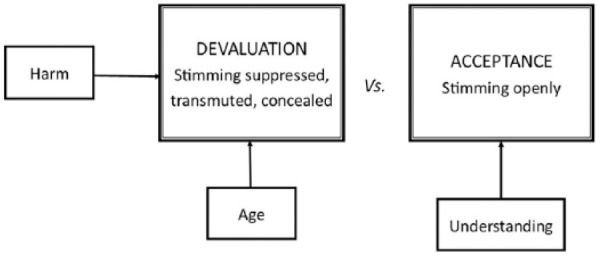
‘Stereotyped or repetitive motor movements’ are characterised as core features in the diagnosis of autism, yet many autistic adults (and the neurodiversity movement) have reclaimed them as ‘stimming’. Supported by a growing body of scientific research, autistic adults argue that these behaviours may serve as useful coping mechanisms, yet little research has examined stimming from the perspective of autistic adults. Through interviews and focus groups, we asked 32 autistic adults to share their perceptions and experiences of stimming, including the reasons they stim, any value doing so may hold for them and their perceptions of others’ reactions to stimming. Using thematic analysis, we identified two themes: stimming as (1) a self-regulatory mechanism and (2) lacking in social acceptance, but can become accepted through understanding. Autistic adults highlighted the importance of stimming as an adaptive mechanism that helps them to soothe or communicate intense emotions or thoughts and thus objected to treatment that aims to eliminate the behaviour.
Overview
The claims and statistics of this paper haven’t been checked yet.
Free: it reads the open-access text and checks the first 5 claims that cite a source we can check. Create a free account to check every claim.
Integrity signals
Registry
Cites
Statistics
Figures
Verification
Claims the paper makes
The claims and statistics of this paper haven’t been checked yet.
Free: it reads the open-access text and checks the first 5 claims that cite a source we can check. Create a free account to check every claim.
Claims other papers make about this one
Each is checked against this paper’s own text: does it say what the citing paper says it does?
The source backs part of the claim, not all of it — or backs it for a different population, condition or comparison.
In the citing paper
“workplace practices often remain oriented towards normative expectations surrounding communication, behavior, and participation in work (Kapp et al., 2019; Erbil et al., 2024)”
From The system-level organisational design framework: a neuro-cognitive trait interaction approach to workplace inclusion for autistic people (2026) · cites this paper as Kapp et al., 2019
Experimental — accuracy not yet measuredThe source backs part of the claim, not all of it — or backs it for a different population, condition or comparison.
In the citing paper
“Repetitive behaviors and focused interests are important to the internal regulation and well-being of many Autistic individuals (Kapp et al., 2019; Manor-Binyamini & Schreiber-Divon, 2019; Milton & Sims, 2016; see also Grove et al., 2018).”
From Neurodiversity and Autism Intervention: Reconciling Perspectives Through a Naturalistic Developmental Behavioral Intervention Framework (2022) · cites this paper as Kapp et al., 2019
Experimental — accuracy not yet measuredThe cited source says what the claim attributes to it.
In the citing paper
“repetitive behaviour or 'stimming' is common and usual (Kapp et al, 2019; Charlton et al, 2021).”
From Autistic SPACE: a novel framework for meeting the needs of autistic people in healthcare settings (2023) · cites this paper as Kapp et al, 2019
The cited source says what the claim attributes to it.
In the citing paper
“In fact, it now seems likely that they often serve a regulatory, soothing function for autistic people (e.g. Joyce, Honey, Leekam, Barrett, & Rodgers, 2017; Kapp et al., 2019).”
From Annual Research Review: Shifting from ‘normal science’ to neurodiversity in autism science (2022) · cites this paper as Kapp et al., 2019
The cited source says what the claim attributes to it.
In the citing paper
“Non-harmful self-stimulatory or repetitive behavior is often used to regulate emotions, and these behaviors may serve as adaptive coping skills for many individuals (Kapp et al., 2019; Manor-Binyamini & Schreiber-Divon, 2019).”
From Neurodiversity and Autism Intervention: Reconciling Perspectives Through a Naturalistic Developmental Behavioral Intervention Framework (2022) · cites this paper as Kapp et al., 2019
1 more claim about this paper
Create a free account to see every claim other papers make about this one.
Self-check
Percentages, sums and reported differences re-computed from the paper’s own numbers.
The self-check needs the paper’s full text.
Citations
Cites
Using thematic analysis in psychology
Braun, V., & Clarke, V. (2006) · Qualitative Research in Psychology · doi:10.1191/1478088706qp063oa · Cited by 194,414 · cited 1×
“Data were analysed thematically, following Braun and Clarke (2006).”
MethodDiagnostic and Statistical Manual of Mental Disorders
American Psychiatric Association (2013) · doi:10.1176/appi.books.9780890425596 · Cited by 116,369
Braun, V., & Clarke, V. (2012) · APA handbook of research methods in psychology, Vol 2: Research designs: Quantitative, qualitative, neuropsychological, and biological. · doi:10.1037/13620-004 · Cited by 10,299
(1943) · The Nervous child · Cited by 8,870
Autistic disturbances of affective contact.
Kanner, L. (1968) · PubMed · Cited by 3,130
On the ontological status of autism: the ‘double empathy problem’
Milton, D. E. M. (2012) · Disability & Society · doi:10.1080/09687599.2012.710008 · Cited by 2,082 · cited 1×
“Potentially, other people’s imitation of their stims may facilitate autistic people’s self-other awareness (see Kapp, 2016, p. 70) and help bridge the difficulties autistic and non-autistic people share in understanding one another, which Milton (2012) terms the ‘double empathy problem’.”
BackgroundWhen the world becomes ‘too real’: a Bayesian explanation of autistic perception
Pellicano, E., & Burr, D. (2012) · Trends in Cognitive Sciences · doi:10.1016/j.tics.2012.08.009 · Cited by 1,156 · cited 3×
“Email: s.k.kapp@exeter.ac.uk have suggested that stimming may provide familiar and reliable self-generated feedback in response to difficulties with unpredictable, overwhelming and novel circumstances (e.g. Lawson, Rees, & Friston, 2014; Pellicano & Burr, 2012).”
BackgroundResultSelf-citationConcept Evolution in Sensory Integration: A Proposed Nosology for Diagnosis
Miller, L. J., Anzalone, M. E., Lane, S. J., Cermak, S. A., & Osten, E. T. (2007) · American Journal of Occupational Therapy · doi:10.5014/ajot.61.2.135 · Cited by 953
‘Autistic psychopathy’ in childhood
Asperger, H. (1991) · Autism and Asperger Syndrome · doi:10.1017/cbo9780511526770.002 · Cited by 765
Research works printed but not linked: 5
- Bascom J., 2012, Loud hands: Autistic people, speaking
- Kanner L., 1943, Nervous Child, 2, 217
- Lilley R, 2018, What’s in a flap? The curious history of autism and hand stereotypies
- Nicolaidis C., 2012, Virtual Mentor: American Medical Association Journal of Ethics, 14, 503
- World Health Organization, 1992, The ICD-10 Classification of Mental and Behavioural Disorders: Diagnostic Criteria for Research, 2
Cited by
Items 101–200 of 600
Yao, D. P., Sy, M., Martinez, P. G. V., & Laboy, E. C. (2022) · Cadernos Brasileiros de Terapia Ocupacional · doi:10.1590/2526-8910.ctore252733032 · Cited by 25
“We should acknowledge that stimming behaviours are part of the holistic identity of the disabled person as it is an adaptive mechanism they need to soothe and communicate emotions and thoughts (Kapp et al., 2019) and, arguably, to deal with the oppression around them.”
BackgroundArmstrong, M., Sharaievska, I., Crowe, B. M., & Gagnon, R. J. (2022) · Journal of Intellectual & Developmental Disability · doi:10.3109/13668250.2022.2104449 · Cited by 25
“Stimming is a self-regulatory activity that helps with coping with various situations that might be overstimulating and/or anxiety-provoking (Kapp et al., 2019).”
BackgroundLewis, J., & Holm, S. (2023) · Medicine Health Care and Philosophy · doi:10.1007/s11019-023-10159-7 · Cited by 27
“…a diagnosis of autism is taken as a reason to be sceptical about autonomy in general (Parsi and Elster 2015; Graber 2017; Späth and Jongsma states, and the cognitive processes that have traditionally been theorised as the primary components of autonomous choice (Davidson 2010; Kapp et al. 2019).”
BackgroundInfluentialBent, C. A., Aulich, A., Constantine, C., Fidock, E., Dwyer, P. S. R., Green, C. C., Smith, J., Gurba, A. N., Harrington, L. T., Gore, K., et al. (2024) · Autism · doi:10.1177/13623613241262077 · Cited by 24
“…communication cues may meet an immediate need and contribute to reduction in Autistic sensory/ motor behaviours, which serve an adaptive coping function (Joyce et al., 2017; Kapp et al., 2019) – though deliberately aiming to reduce such behaviours would be contrary to neuro-affirming practice.”
Hu, C., Li, W., Ruan, M., Yu, X., Deshpande, S., Paul, L. K., Wang, S., & Li, X. (2025) · npj Digital Medicine · doi:10.1038/s41746-025-02133-9 · Cited by 29
The Need for SpEED: Reimagining Accessibility through Special Education Embodied Design
Tancredi, S., Chen, R. S. Y., Krause, C., & Siu, Y.-T. (2022) · The MIT Press eBooks · doi:10.7551/mitpress/13593.003.0021 · Cited by 27
Uljarević, M., Cooper, M. N., Bebbington, K., Glasson, E. J., Maybery, M. T., Varcin, K., Alvares, G. A., Wray, J., Leekam, S. R., & Whitehouse, A. J. O. (2020) · Journal of Child Psychology and Psychiatry · doi:10.1111/jcpp.13203 · Cited by 23
Beyond the death drive: Entropy and free energy
Rabeyron, T. (2021) · The International Journal of Psychoanalysis · doi:10.1080/00207578.2021.1932514 · Cited by 26
“A recent study in Autism (Kapp et al. 2019) points out, moreover, the pertinence of respecting these stereotypies, and another study suggests that behavioural approaches could even induce PTSD (Kupferstein 2018). objectalizaing function”, an effect of the unbinding of the death drive pushed to its limits.”
BackgroundUnderstanding Noise Sensitivity through Interactions in Two Online Autism Forums
Hicks, E., Johnson, J., Black, R. W., & Hayes, G. R. (2023) · International ACM SIGACCESS Conference on Computers and Accessibility (ASSETS) · doi:10.1145/3597638.3608413 · Cited by 24
Finke, E. H., & Dunn, D. H. (2023) · Disability & Society · doi:10.1080/09687599.2023.2295802 · Cited by 25
“Furthermore, attention has been shifted toward centering autistic voices (e.g. Kapp et al. 2019; Stenning 2020) including providing space for autistic people to express their preferences regarding expectations for communication and how they want to construct their social worlds (e.g. Finke,…”
Scheerer, N. E., Aime, H., Boucher, T. Q., & Iarocci, G. (2020) · Autism in Adulthood · doi:10.1089/aut.2019.0062 · Cited by 23
“4 These behaviors can cause observers to develop a negative perception of the autistic individual, even after very little exposure.”
Pearson, A., & Hodgetts, S. (2024) · Autism in Adulthood · doi:10.1089/aut.2022.0103 · Cited by 25
“23,24 BDSM practitioners often report that participating in physical bondage (e.g., using rope to restrict movement) can elicit a sense of safety and calmness in those who are bound.”
Thalamic functional connectivity and sensorimotor processing in neurodevelopmental disorders
Achuthan, S. K., Stavrinos, D., Argueta, P., Vanderburgh, C., Bednarz, H. M., & Kana, R. K. (2023) · Frontiers in Neuroscience · doi:10.3389/fnins.2023.1279909 · Cited by 23
“These repetitive motor behaviors remain present in many autistic adults (Kapp et al., 2019).”
BackgroundMarsden, S. J. E., Eastham, R., & Kaley, A. (2024) · Autism · doi:10.1177/13623613241271931 · Cited by 24
“Linked mainly to autistic children in the psychiatric literature, these behaviours are stigmatised if they are experienced as being exhibited by adults (Kapp et al., 2019), as they fall outside what is ‘normal’ or acceptable, creating minority stress.”
Preference to Eat Alone: Autistic Adults' Desire for Freedom of Choice for a Peaceful Space
Park-Cardoso, J., & da Silva, A. P. S. (2021) · Autism in Adulthood · doi:10.1089/aut.2020.0066 · Cited by 24
“8,9 Environmental psychology has explored the roles of the environment on autistic behaviors.”
“I have to charge my social battery”: Perspectives from autistic young adults on Quality of Life
Øverland, E., Hauge, Å. L., Orm, S., Øie, M. G., Skogli, E. W., Pellicano, E., & Andersen, P. N. (2024) · Autism · doi:10.1177/13623613241245578 · Cited by 21
“We drew on previous existing research to inform the basis of the interview guide (Crompton et al., 2020; Kapp et al., 2019; Lilley et al., 2022).”
MethodSelf-citationSynapse: A co-designed neurodivergent peer support programme for higher education settings
Coyle, A., O’Hare, L., & Ramey, D. (2025) · Autism · doi:10.1177/13623613251320448 · Cited by 23
“For neurodivergent students to achieve a sense of community, they need others who are accepting of behaviours that default from a neuro-normative perspective (e.g. hand flapping, stim-ming, averted eye contact; Kapp et al., 2019).”
The Role of Family Accommodation of RRBs in Disruptive Behavior Among Children with Autism
Koller, J., David, T., Bar, N., & Lebowitz, E. R. (2021) · Journal of Autism and Developmental Disorders · doi:10.1007/s10803-021-05163-w · Cited by 22
Vanaken, G., Noens, I. L. J., Steyaert, J. G., van Esch, L., Warreyn, P., & Hens, K. (2023) · Journal of Autism and Developmental Disorders · doi:10.1007/s10803-023-06139-8 · Cited by 24
“For example, phenomenological research on stimming among autistics has highlighted such behaviors serve a multitude of potentially valuable purposes, ranging from emotional coping to experiencing pleasure (Kapp et al., 2019 ).”
BackgroundOrtega, J. V., Clayton, K., Pérez‐Bustamante, A., Gaerlan, B. F. S., & Fahmie, T. A. (2022) · Journal of Applied Behavior Analysis · doi:10.1002/jaba.900 · Cited by 21
The Human Spectrum: A Critique of “Neurodiversity”
Maynard, D. W. (2024) · Symbolic Interaction · doi:10.1002/symb.691 · Cited by 20
Leonardi, S., Cara, M. D., Giliberto, S., Piccolo, A., Domenico, C. D., Leonardi, G., Alito, A., Siracusano, R., Calabrò, R. S., Quartarone, A., et al. (2025) · Autism · doi:10.1177/13623613251320424 · Cited by 28
“Therefore, the present findings may be useful if interpreted as a means to foster more personalized and less oppressive therapeutic environments for autistic people (Kapp et al., 2019; Williams et al., 2024).”
Sensory–movement underpinnings of lifelong neurodivergence: getting a grip on autism
Kapp, S. K. (2025) · Frontiers in Integrative Neuroscience · doi:10.3389/fnint.2025.1489322 · Cited by 24
Self-citationPhysical Activity for Autistic Adults: Recommendations for a Shift in Approach
Hallett, R. (2019) · Autism in Adulthood · doi:10.1089/aut.2019.0016 · Cited by 21
“24 Studies frequently report reductions in stimming while overlooking its purpose, although Lang et al. 14 suggest exercise may have a similar effect to stimming, and that autistic people may prefer activities that match preferred stims.”
Ignorance and Cultural Diversity: the Ethical Obligations of the Behavior Analyst
Arango, A., & Lustig, N. (2022) · Behavior Analysis in Practice · doi:10.1007/s40617-022-00701-z · Cited by 19
“Culturally and linguistically diverse parents bring their 3-year-old autistic son, Chi, with level 2 support, into a local ABA clinic with concerns of delayed communication, hand-flapping (Kapp et al., 2019), and disruptive behavior such as being destructive with his toys during play.”
BackgroundThe problem with picking: Permittance, escape and shame in problematic skin picking
Anderson, S., Clarke, V., & Thomas, Z. (2022) · Psychology and Psychotherapy Theory Research and Practice · doi:10.1111/papt.12427 · Cited by 20
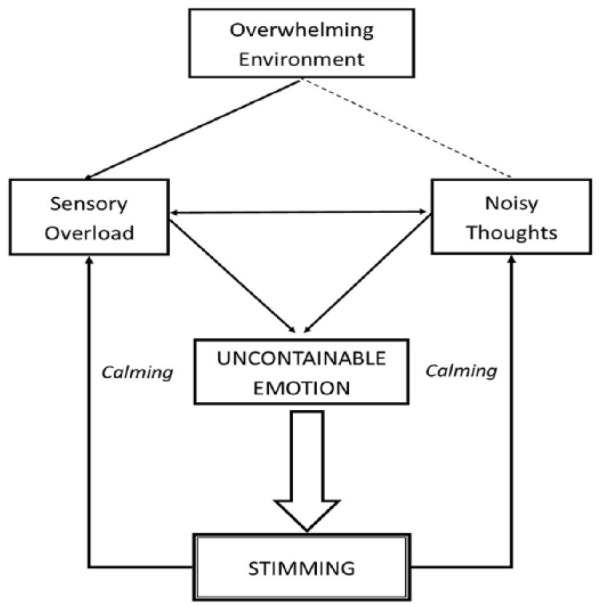
“…behaviour (patterns of repetitive, purposeless movements [Mackenzie, 2018], which are felt to regulate sensory overload and uncontainable emotion [Kapp et al., 2019]) associated with autism, explained how her SP reduced overwhelm: When I'm in an environment with bright lights and lots of people…”
BackgroundMethodInfluentialPoor synchronization yet adequate tempo‐keeping in adults with autism
Kasten, K., Jacoby, N., & Ahissar, M. (2023) · Autism Research · doi:10.1002/aur.2926 · Cited by 19
“Second, RRB is an involuntary behavior (Freeman et al., 2010), and individuals with ASC often report a lack of awareness of the initiation of these behaviors (Kapp et al., 2019), while the synchronizationcontinuation task requires intentional and accurate performance.”
BackgroundNarvekar, N., Leno, V. C., Pasco, G., Ali, J. B., Johnson, M. H., Charman, T., Jones, E. J. H., & The STAARS Team (2024) · Journal of Child Psychology and Psychiatry · doi:10.1111/jcpp.13941 · Cited by 19
“With regards to the effect of hyperreactivity on RRB, some posit that RRB might reflect a compensatory strategy to reduce negative affect/arousal (Kapp et al., 2019).”
McConnell, K., Keenan, C., Storey, C., & Thurston, A. (2024) · Campbell Systematic Reviews · doi:10.1002/cl2.1405 · Cited by 19
“Sensory seeking behaviours, often experienced by autistic people can be misinterpreted as problem behaviours despite them being reported as useful behaviours by autistic persons (Kapp et al., 2019).”
BackgroundChen, R. S. Y. (2024) · Frontiers in Integrative Neuroscience · doi:10.3389/fnint.2024.1374882 · Cited by 20
“Stimming has been reported by Autistic individuals to bring both calmness and joy, having utility in both self-regulation and expression (Higashida, 2013; Conn, 2015; Coo, 2018; Kapp et al., 2019).”
Waizbard‐Bartov, E., Ferrer, E. E., Heath, B. E., Andrews, D. S., Rogers, S. J., Kerns, C. M., Nordahl, C. W., Solomon, M., & Amaral, D. G. (2023) · Autism · doi:10.1177/13623613231195108 · Cited by 20
“Autistic adults report that performing certain types of RRB acts as a self-regulation mechanism (Kapp et al., 2019), an idea also suggested by special education teachers of autistic children (Jaffey & Ashwin, 2022).”
BackgroundSmees, R., Rinaldi, L. J., Simmons, D. R., & Simner, J. (2022) · Journal of Child and Family Studies · doi:10.1007/s10826-022-02489-6 · Cited by 20
“However, other sensory sensitivity measures are available, such as the Sensory Experiences Questionnaire or indeed the Sensory Integration and Praxis Tests which we were unable to run on our large sample of >600 children given its labour-intensity (e.g., 2 h complete test).”
BackgroundInfluentialAffordances and spatial agency in psychopathology
Krueger, J. W. (2023) · Philosophical Psychology · doi:10.1080/09515089.2023.2243975 · Cited by 24
“Others may do things like intentionally squint, or wear sunglasses, headphones, or a wide-brimmed hat, when negotiating noisy or brightly lit spaces like gyms and large super-markets (Kapp et al., 2019).”
InfluentialEmbracing gestalt language development as a fundamental neurodiversity-affirmative practice
Haydock, A., Harrison, L., Baldwin, K., & Leadbitter, K. (2024) · Autism · doi:10.1177/13623613241234598 · Cited by 21
“…in the Diagnostic and Statistical Manual of Mental Disorders (5th ed., text rev.; DSM-5-TR; American Psychiatric Association [APA], 2022) along with other poorly understood and stigmatised autistic characteristics, such as stimming and highly focused and intense interests (Kapp et al., 2019).”
BackgroundConsolidating a framework of autistic camouflaging strategies: An integrative systematic review
Nel, J., Spedding, M. F., & Malcolm‐Smith, S. (2025) · Autism · doi:10.1177/13623613251335472 · Cited by 20
Early Learning in Autism as an Atypical Balance between Assimilation and Accommodation Processes
Vivanti, G., Rogers, S. J., Dwyer, P. S. R., & Rivera, S. M. (2022) · Human Development · doi:10.1159/000526416 · Cited by 21
Nwaordu, G., & Charlton, R. A. (2023) · Journal of Autism and Developmental Disorders · doi:10.1007/s10803-023-06133-0 · Cited by 19
“In contrast, recent studies with autistic adults describe stimming as largely positive (Charlton et al., 2021; Joyce et al., 2017; Kapp et al., 2019; Stewart, 2015).”
BackgroundResultInfluentialCompassion-focused therapy with autistic adults
Mason, D., Acland, J., Stark, E. A., Happe, F. G. E., & Spain, D. (2023) · Frontiers in Psychology · doi:10.3389/fpsyg.2023.1267968 · Cited by 18
“This may be due to the impact of traumatic events (Kerns et al., 2022), or lack of opportunity to develop reciprocal relationships.”
BackgroundPisula, E., Płatos, M., Banasiak, A., Danielewicz, D., Gosztyła, T., Podgórska-Jachnik, D., Pyszkowska, A., Rumińska, A., & Winczura, B. (2024) · Oficyna Wydawnicza "Impuls" eBooks · doi:10.62634/9788382943139 · Cited by 27
Examining predictive coding accounts of typical and autistic neurocognitive development
Rapaport, H., & Sowman, P. F. (2024) · Neuroscience & Biobehavioral Reviews · doi:10.1016/j.neubiorev.2024.105905 · Cited by 16
A Qualitative Study of Self and Caregiver Perspectives on How Autistic Individuals Cope With Trauma
Ng‐Cordell, E., Rai, A., Peracha, H., Garfield, T., Lankenau, S. E., Robins, D. L., Berkowitz, S. J., Newschaffer, C. J., & Kerns, C. M. (2022) · Frontiers in Psychiatry · doi:10.3389/fpsyt.2022.825008 · Cited by 18
Wilkinson, E. H., Vo, L. T. V., London, Z., Wilson, S., & Bal, V. H. (2022) · Journal of Autism and Developmental Disorders · doi:10.1007/s10803-021-05405-x · Cited by 38
“For example, although “stimming” is often classified as a stereotypic behavior, autistic adults highlight its positive role as a mechanism to regulate emotions (Kapp et al., 2019).”
BackgroundExamining Feasibility and Outcomes of the PEERS® for Preschoolers Program
Factor, R. S., Rea, H. M., Laugeson, E. A., & Scarpa, A. (2022) · Journal of Autism and Developmental Disorders · doi:10.1007/s10803-022-05502-5 · Cited by 19
Integrating autistic perspectives into autism science: A role for autistic autobiographies
Dinishak, J., & Akhtar, N. (2022) · Autism · doi:10.1177/13623613221123731 · Cited by 16
“While many autistic people report experiencing eye contact as uncomfortable, even painful (e.g. Kedar, 2012; Lawson, 1998), others report eye contact experiences (e.g. being told that they are staring relentlessly) that suggest the absence of hyperarousal (Trevisan et al., 2017).”
BackgroundNovack, L. I., Schnell, L. K., Feuerbacher, E. N., & Fernandez, E. J. (2023) · Animals · doi:10.3390/ani13111850 · Cited by 16
McCormack, L., Wong, S. W., & Campbell, L. E. (2023) · Journal of Autism and Developmental Disorders · doi:10.1007/s10803-022-05644-6 · Cited by 15
Involvement of Autistic Adults in the Participatory Design of Technology: A Scoping Review
Maye, L., & Hansen, N. B. (2025) · CHI Conference on Human Factors in Computing Systems · doi:10.1145/3706598.3713961 · Cited by 17
“Many autistic people engage in self-stimulatory movements, such as hand rocking and fidgeting, that help regulate emotions [46].”
Schaaf, R. C., Ridgway, E. M., Jones, E. A., Dumont, R. L., Foxe, J. J., Conly, T., Sancimino, C., Yi, M., Mailloux, Z., Hunt, J., et al. (2025) · Autism Research · doi:10.1002/aur.70099 · Cited by 17
“Some items on the RBS-R (e.g., “body rocking”) may be part of the autistic individual's identity and have positive impacts on well-being (e.g., soothing; Kapp et al. 2019).”
Collier‐Meek, M. A., Kratochwill, T. R., Luh, H.-J., Sanetti, L. M. H., & Susilo, A. (2022) · Journal of Educational and Psychological Consultation · doi:10.1080/10474412.2022.2131558 · Cited by 15
“…interventions can be highly effective in shifting student behavior (Hurl et al., 2016), though applied behavior analysis has been critiqued for being race-neutral (Fong et al., 2017) and insufficiently prioritizing the rights and preferences of clients with disabilities (Kapp et al., 2019).”
BackgroundSagar, E., Khera, S. N., & Garg, N. (2023) · Autism in Adulthood · doi:10.1089/aut.2022.0096 · Cited by 15
“Kapp et al. 35 conducted the second study on stimming.”
Long, H., Cooper, K., & Russell, A. (2024) · Autism · doi:10.1177/13623613241251512 · Cited by 15
“…has been associated with pursuing interests and pleasure (Turner-Brown et al., 2011) with the earlier mentioned qualitative findings adding nuance in that, for some individuals, these behaviours are an adaptive way of coping with negative emotional states (Kapp et al., 2019; Collis et al., 2022).”
BackgroundInfluentialEnactivism and the Paradox of Moral Perception
van Grunsven, J. (2021) · Topoi · doi:10.1007/s11245-021-09767-w · Cited by 16
Ostrovsky, A., Willa, M., Cho, T., Strandberg, M., Howard, S., & Davitian, C. (2022) · World Journal of Pediatrics · doi:10.1007/s12519-022-00643-0 · Cited by 15
Cohn, E. G., Harrison, M., & McVilly, K. (2023) · Autism · doi:10.1177/13623613231195795 · Cited by 16
“Neurodiversity-affirming communities seek to shift the conversation towards acceptance, inclusivity of individual identity (including identifying terminology), among other endeavours (den Houting, 2019; Kapp et al., 2019; Monk et al., 2022; Pellicano & den Houting, 2022; Shaw et al., 2022).”
BackgroundCamouflaging and autism: Conceptualisation and methodological issues
Arnold, W. M., Bitsika, V., & Sharpley, C. F. (2026) · Autism · doi:10.1177/13623613261420085 · Cited by 17
“…traits (RRBs) are masked by autistic people, including behavioural indicators of sensory overload (overstimulation resulting from sensory hypersensitivity) and stimming (self-stimulatory behaviours which can regulate stress levels, among other functions; Charlton et al., 2021; Kapp et al., 2019).”
McMahon, C. M., Linthicum, M., & Stoll, B. (2021) · Disability & Society · doi:10.1080/09687599.2021.1881882 · Cited by 16
Mok, T., Tang, A., McCrimmon, A. W., & Oehlberg, L. (2023) · International ACM SIGACCESS Conference on Computers and Accessibility (ASSETS) · doi:10.1145/3597638.3608416 · Cited by 16
“Autistic people often feel pressure to suppress or change their behaviours in social situations when dealing with non-autistic people [30].”
BackgroundNewson, A., Quinn, S., & Nese, R. N. T. (2024) · Frontiers in Education · doi:10.3389/feduc.2023.1308664 · Cited by 17
Bottema‐Beutel, K., McKinnon, R., Mohiuddin, S. S., Crowley, S., & Kim, S. Y. (2024) · Autism · doi:10.1177/13623613241229159 · Cited by 15
“Behaviors like stimming are conceptualized as adaptive responses to an environmental and social milieu not designed with autistic people in mind—there-fore combining both neurobiological/neurocognitive and sociological considerations (Kapp et al., 2019; Pellicano & den Houting, 2022).”
Merrington, H., Gibbs, V., Haas, K., Clark, T., Robinson, A., Ansari, M. A., & Pellicano, E. (2025) · Autism in Adulthood · doi:10.1089/aut.2023.0127 · Cited by 17
Self-citationAlabood, L., Dow, T., Feeley, K. B., Jaswal, V. K., & Krishnamurthy, D. (2024) · CHI Conference on Human Factors in Computing Systems · doi:10.1145/3613904.3642626 · Cited by 15
“This could be especially advantageous for this population given the importance of movement for self-regulation in autism [24] [27].”
BackgroundBottema‐Beutel, K., Sasson, N. J., McKinnon, R., Braun, C., Guo, R., Hand, B. N., Kapp, S. K., Espinas, D. R., Bailin, A., Lester, J. N., et al. (2024) · Language Speech and Hearing Services in Schools · doi:10.1044/2024_lshss-24-00036 · Cited by 14
Self-citationØverland, E., Hauge, Å. L., Orm, S., Pellicano, E., Øie, M. G., Skogli, E. W., & Andersen, P. N. (2022) · Frontiers in Psychiatry · doi:10.3389/fpsyt.2022.1058601 · Cited by 14
Self-citationRevealing the Double Empathy Problem
DeThorne, L. S. (2020) · ASHA Leader · doi:10.1044/leader.ftr2.25042020.58 · Cited by 16
Beyond ‘bad’ behaviors: A call for occupational scientists to rethink autism
Taylor, E. E. (2022) · Journal of Occupational Science · doi:10.1080/14427591.2022.2136231 · Cited by 14
“Many autistic people, however, contest the notion that their stims are harmful exclusively for being ‘ autistic ’ (Charlton et al., 2021; Felep-chuk, 2021; Kapp et al., 2019).”
BackgroundResultInfluentialFerenc, K., Byrka, K., & Król, M. E. (2021) · Research in Autism · doi:10.1016/j.rasd.2021.101826 · Cited by 13
Autistic adults’ experiences of managing wellbeing and implications for social prescribing
Featherstone, C., Sharpe, R. A., Axford, N., Asthana, S., & Husk, K. (2023) · Disability & Society · doi:10.1080/09687599.2023.2263628 · Cited by 15
“…medical diagnostic criteria and functional differences considered maladaptive such as how self-stimulatory behaviour may aid emotion regulation (Kapp et al. 2019) and have elicited concepts shared in autism-related communities but not classified in diagnostic criteria, including meltdowns,…”
BackgroundLauder, K. (2025) · Journal of Organizational Psychology · doi:10.33423/jop.v24i4.7481 · Cited by 14
“Interviewees were reminded of the option to take breaks, were invited to self-regulate through movement, known as stimming (Kapp, 2019), and could turn their cameras off if online.”
Suckle, E., Chown, N., Tarbox, J., & Mathur, S. K. (2025) · Disability & Society · doi:10.1080/09687599.2025.2478049 · Cited by 14
“Suckle & Chown (9): Kapp et al. (2019, 1782) reported that ‘Autistic adults highlighted the importance of stimming as an adaptive mechanism that helps them to soothe or communicate intense emotions or thoughts and thus objected to treatment that aims to eliminate the behaviour.’”
Saure, E., & Keski‐Rahkonen, A. (2025) · Current Opinion in Psychiatry · doi:10.1097/yco.0000000000001042 · Cited by 14
Executive function, repetitive behaviour and restricted interests in neurodevelopmental disorders
Perry, V., Ellis, K., Moss, J. F., Beck, S. R., Singla, G., Crawford, H., Waite, J., Richards, C., & Oliver, C. (2022) · Research in Developmental Disabilities · doi:10.1016/j.ridd.2021.104166 · Cited by 13
Harrop, C., Sterrett, K., Shih, W., Landa, R. J., Kaiser, A. P., & Kasari, C. L. (2021) · Autism Research · doi:10.1002/aur.2528 · Cited by 14
“Therefore, caution must be used when interpreting reductions in RRBs as these behaviors may serve important functions for individuals with ASD (Kapp et al., 2019).”
BackgroundBarriers to an autistic identity: How RRBs may contribute to the underdiagnosis of females
Cary, E., Rao, A., Matsuba, E. S. M., & Russo, N. (2023) · Research in Autism Spectrum Disorders · doi:10.1016/j.rasd.2023.102275 · Cited by 12
Autonomic Nervous System Functioning in ADHD
Bellato, A., Wiersema, J. R., & Groom, M. J. (2023) · Autism and child psychopathology series · doi:10.1007/978-3-031-41709-2_3 · Cited by 14
Menezes, M., Pappagianopoulos, J. E., Smith, J. V., Howard, M., Brunt, S., Witte, L., Anderson, S., Boyd, B. A., & Mazurek, M. O. (2025) · Autism · doi:10.1177/13623613241312445 · Cited by 13
“…facial expressions) and restricted/repetitive behaviors (e.g., motor mannerisms) can be perceived as “weird” or even “dangerous” by the general population (Kapp et al., 2019; Turnock et al., 2022), with negative attitudes about autistic people found even at first impression (Sasson et al., 2017).”
Gillies-Walker, L., Ramzan, N., Rankin, J., Nimbley, E., & Gillespie‐Smith, K. (2022) · Journal of Autism and Developmental Disorders · doi:10.1007/s10803-021-05392-z · Cited by 13
“Since research on technology as a stimming aid is limited, further exploration on appropriate and effective technological supports aiming to regulate emotions and reduce anxiety is needed (Kapp et al, 2019).”
BackgroundA comparison of RIRD within chained and multiple schedules in the treatment of vocal stereotypy
Sloman, K. N., McGarry, K. M., Kishel, C. B., & Hawkins, A. (2022) · Journal of Applied Behavior Analysis · doi:10.1002/jaba.906 · Cited by 12
Concerns about Ableism in Applied Behavior Analysis: An Evaluation and Recommendations
Arthur, S. M., Linnehan, A. M., Leaf, J. B., Russell, N., Weiss, M. J., Kelly, A. N., Saunders, M. S., & Ross, R. K. (2023) · Education and Training in Autism and Developmental Disabilities · doi:10.1177/215416472305800202 · Cited by 19
“These critiques are found in peer reviewed journals (Kapp et al., 2019; Sandoval-Norton & Shkedy, 2019; Kupferstein, 2018), advocacy groups (Ashburn, 2021; Autistic Self-Advocacy Network, n.d., silentlyspeakingvolumes, 2020), on social media (Listen, Learn, Lead, n.d., Therapist Neurodiversity…”
Mylett, M. L. (n.d.) · Summit (Simon Fraser University) · Cited by 12
Unmasking the Power of Play Through TUI Designs
Nonnis, A., & Bryan–Kinns, N. (2024) · ACM Transactions on Computer-Human Interaction · doi:10.1145/3648619 · Cited by 11
“Stimming, or self-regulatory movements, may be exhibited in the child’s fascination or fixation for something, which usually manifests in rocking, hand-flapping, twiddling strings, spinning, tapping body parts, finger flickering, spinning, leg jiggling, etc. [ 63 ].”
Schuck, R. K., Geng, A., Doss, Y., Lin, F., Crousore, H., Baiden, K. M. P., Dwyer, P. S. R., Williams, Z. J., & Wang, M. (2024) · Neurodiversity · doi:10.1177/27546330241266718 · Cited by 11
“…has shown that self-stimulatory behavior, which is often a target of behavior reduction (Leekam et al., 2011), is recognized by autistic individuals as frequently involuntary, soothing for some, and unnecessarily stigmatized (Jaffey & Ashwin, 2022; McCarty & Brumback, 2021; Kapp et al., 2019).”
A study on dance/movement therapy to improve core symptoms in children with autism spectrum disorder
Gulandanmu, M., & Zisu, W. A. N. G. (2025) · The Arts in Psychotherapy · doi:10.1016/j.aip.2025.102300 · Cited by 13
Informing the Design of Mobile and Wearable Technology for Noise Sensitivity MHCI017
Hicks, E., Park, S., Mavrovounioti, A., Du, W., Hu, J., Na, K., Serrano, N., Munoz, R. C., Ankrah, E. A., Min, A., et al. (2025) · Proceedings of the ACM on Human-Computer Interaction · doi:10.1145/3743725 · Cited by 11
“Some actions are considered self-stimulating and can help the person regulate and feel calmer; however, due to the stigmatizing nature and lack of understanding of some self-stimulating behaviors, PWNS may resort to masking, suppressing, or camouflaging [36].”
A DeepSeek cross-modal platform for personalized art education in Autism Spectrum Disorder
Ding, Y., Li, Z., Zou, Y., & Dong, X. (2025) · Scientific Reports · doi:10.1038/s41598-025-28518-0 · Cited by 11
“In art education specifically, conventional pedagogical approaches—predicated on neurotypical assumptions about sensory processing and creative expression—inadvertently construct such “disabling environments” for many neurodivergent learners 23,31 .”
Robertson, Z. S., & Jaswal, V. K. (2022) · Social Development · doi:10.1111/sode.12600 · Cited by 11
Chen, R. S. Y. (2022) · Cognitive Linguistics · doi:10.1515/cog-2021-0047 · Cited by 12
O'Brien, C., Jellett, R., & Flower, R. L. (2025) · Autism in Adulthood · doi:10.1089/aut.2023.0135 · Cited by 10
“Although there is emerging research exploring Autistic experiences relevant to mental health care (e.g., burnout 47 and stimming 48 ), much of the literature relating to the experiences of Autistic adults has excluded the perspective of Autistic people until recently.”
Self-Report of Restricted Repetitive Behaviors in Autistic Adults: A Systematic Review
Collis, E., Dark, E., Russell, A., & Brosnan, M. (2024) · Autism in Adulthood · doi:10.1089/aut.2023.0111 · Cited by 10
“All three studies on repetitive movements 10,23,33 described them as having a self-regulatory function both in terms of attention and emotion.”
InfluentialRobinson, E., & Crane, L. (2025) · British Journal of Special Education · doi:10.1111/1467-8578.70000 · Cited by 11
Self-citationCharlton, R. A., McQuaid, G. A., & Wallace, G. L. (2024) · Research in Autism · doi:10.1016/j.rasd.2024.102460 · Cited by 11
PEERS® for Preschoolers preliminary outcomes and predictors of treatment response
Antezana, L., Albright, J., Scarpa, A., Richey, J. A., Laugeson, E. A., & Factor, R. S. (2022) · Journal of Autism and Developmental Disorders · doi:10.1007/s10803-022-05724-7 · Cited by 10
Spackman, E. K., Geng, A., Smillie, L. D., Frazier, T. W., Hardan, A. Y., Alvarez, G. A., Whitehouse, A., Schuck, R. K., Leekam, S. R., & Uljarević, M. (2024) · Journal of Autism and Developmental Disorders · doi:10.1007/s10803-024-06404-4 · Cited by 10
“…context, such instruments could provide insight into the potentially Importantly, and in line with previous self-report studies (Joyce et al., 2017; Kapp et al., 2019), parents frequently reported multiple responses to this question, suggesting that the same behaviours may serve different purposes…”
Jones, C. R. G., Livingston, L. A., Fretwell, C., Uljarević, M., Carrington, S. J., Shah, P., & Leekam, S. (2024) · Molecular Autism · doi:10.1186/s13229-024-00603-7 · Cited by 10
“This reflects a myriad of studies that have shown that anxiety is associated with RRBs in autistic people [34, 72, 73], with RRBs thought to offer a soothing and self-regulatory function [74].”
BackgroundThe Pictorial is Neurodivergent: A Case for More Fidgets and Fewer Fixes
Sabinson, E. B. (2024) · Designing Interactive Systems Conference · doi:10.1145/3643834.3660755 · Cited by 9
“Stimming, or self-stimulatory behavior, includes repetitive actions [26], and can entail things like finger/hand flapping, rocking, humming, and many other examples.”
BackgroundOperationalizing the ICF Core Sets for Autism and ADHD: A Multiple-Methods Feasibility Study
Alehagen, L., Hasslinger, J., Wessman, E., Black, M. H., Remnélius, K. L., Helander, J., Zander, E., & Bölte, S. (2025) · Journal of Autism and Developmental Disorders · doi:10.1007/s10803-024-06717-4 · Cited by 10
“…revision aligns with research emphasizing that stimming can be experienced by autistic individuals as a useful self-regulatory behavior observed in neurotypical and atypical individuals (Charlton et al., 2021), despite the potential negative attention it may attract from others (Kapp et al., 2019).”
Towards an Augmented Reality Agent to Support Communication for Nonspeaking Autistic People
Dow, T., Pratishtha, P., Alabood, L., Jaswal, V. K., & Krishnamurthy, D. (2024) · CHI Conference Extended Abstracts on Human Factors in Computing Systems (CHI EA) · doi:10.1145/3613905.3651063 · Cited by 9
“Additionally, AR interfaces can be designed to automatically follow an individual’s movements, which could be especially advantageous for this population given the importance of movement for self-regulation in autism [8, 10].”
BackgroundDetermining the scope of epistemic injustice within psychiatry
Pantazakos, T., & Arnaud, S. (2024) · Philosophical Psychology · doi:10.1080/09515089.2024.2377291 · Cited by 11
“ABA, critics maintain, often forces autistic individuals to leave perfectly harmless behaviors of, e.g., self-regulation, behind (Kapp et al., 2019; Milton & Sims, 2016), as well as to take on new ones that are meaningless for them, thus failing to improve their quality of life.”
Leisure and Adaptive Behavior for Individuals with Autism
Manente, C. J., LaRue, R. H., Maraventano, J. C., Butler, C., Budge, J. L., Scarpa, C., & Kahng, S. (2022) · Autism and child psychopathology series · doi:10.1007/978-3-030-98507-3_19 · Cited by 9
McMain, E. M. (2023) · Power and Education · doi:10.1177/17577438231200344 · Cited by 9
“Stimming can be recognized as a personally and socially valuable form of soothing, processing, communicating, and even enjoying one ’ s emotional experiences (Bakan, 2014; Kapp et al., 2019).”
Embodied design for non-speaking Autistic children: the emergence of rhythmical joint action
Chen, R. S. Y. (2021) · ACM International Conference on Interaction Design and Children (IDC) · doi:10.1145/3459990.3463396 · Cited by 10
Metadata
- Authors
- Kapp, S. K., Steward, R., Crane, L., Elliott, D., Elphick, C., Pellicano, E., & Russell, G.
- Affiliations
- University of Exeter (GB)
- University College London (GB)
- Corresponding author
- Kapp, Steven K
- Venue
- Autism
- Publisher
- SAGE Publications
- Published
- 2019-02-28
- Volume
- 23
- Issue
- 7
- Pages
- 1782-1792
- ISSN
- 1362-3613 (ISSN-L)
- 1461-7005
- PMC
- PMC6728747
- OpenAlex
- W2912195587
- Semantic Scholar
- 8e9fcb1de03b4ce92ab15abdadbbb112c8e48ce3
- Cited by
- 495
- References
- 53
- Citations by year
- 2026: 89 · 2025: 89 · 2024: 106 · 2023: 80 · 2022: 71 · 2021: 33 · 2020: 20 · 2019: 7
- FWCI
- 19.04
- Type
- journal article
- Language
- en
- Open access
- hybrid
- doi.org
- Licence
- cc-by
- journals.sagepub.com/page/policies/text-and-data-mining-license (tdm)
- Locations
- Autism (publishedVersion, cc-by)
- PubMed Central (publishedVersion, cc-by)
- PubMed (publishedVersion)
- UCL Discovery (University College London) (submittedVersion)
- Figshare (submittedVersion, cc-by)
- Open Research Exeter (University of Exeter) (submittedVersion, cc-by)
- University of Birmingham Research Portal (University of Birmingham) (submittedVersion)
- Funders
- Wellcome Trust (108676/Z/15/Z)
- leverhulme trust
- Topics
- Life Sciences › Neuroscience › Cognitive Neuroscience › Autism Spectrum Disorder Research
- Social Sciences › Psychology › Developmental and Educational Psychology › Behavioral and Psychological Studies
- Social Sciences › Psychology › Clinical Psychology › Obsessive-Compulsive Spectrum Disorders
- Keywords
- stimming, autistic adults, self-regulation, coping strategies, neurodiversity movement, autistic identity, sensory regulation, autism treatment
- MeSH terms
- Adaptation, Psychological, Adult, Attitude, Autistic Disorder, Female, Humans, Interviews as Topic, Male, Middle Aged, Focus Groups, Stereotypic Movement Disorder, Young Adult
About these checks
Registry, retraction, Cites and statistics results are computed, not judged, with one exception: a printed reference that no index lists is read once by a model before it counts as a citation error. Claims are extracted by a model and kept only when their quote appears verbatim in the text; each cited source is then checked, with a model’s help, for whether it says what the claim relies on. Those verdicts can be wrong — read the claim’s quote and the cited source before relying on one.
Statistics and arithmetic are recomputed, not judged.
Confidence bands are shown only for fields calibrated on our annotated test set. None is calibrated yet, so no band is shown.
What counts as a claim ›How we measure confidence ›How we check this ›
Are you an author, or do you see a problem with this page? Request a review
Data sources
Bibliographic data: Semantic Scholar, OpenAlex, Crossref.
Contains information from the Semantic Scholar Academic Graph Datasets, made available under the ODC Attribution License (ODC-BY 1.0).
Semantic Scholar’s data is described in: Kinney, R., et al. (2023). The Semantic Scholar Open Data Platform. arXiv:2301.10140.
