

Global report on preterm birth and stillbirth (1 of 7): definitions, description of the burden and opportunities to improve data
Open accessThe DOI matches its Crossref record; 101 of the 102 references it cites were found in a registry or an index.
Abstract
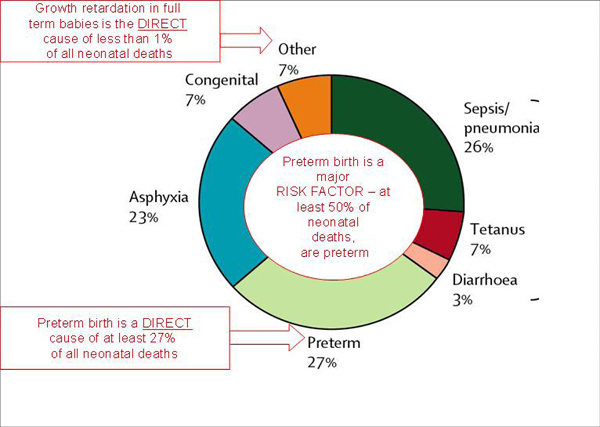
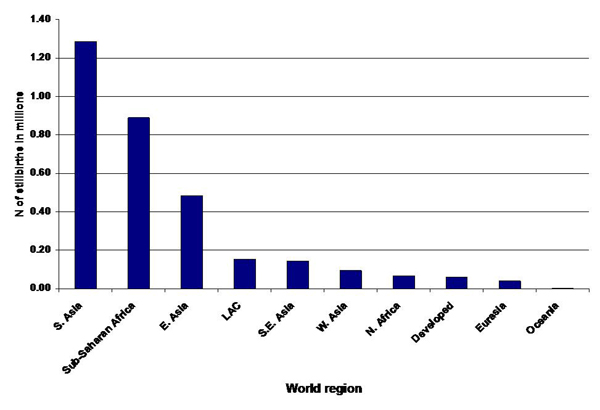
INTRODUCTION: This is the first of seven articles from a preterm birth and stillbirth report. Presented here is an overview of the burden, an assessment of the quality of current estimates, review of trends, and recommendations to improve data. PRETERM BIRTH: Few countries have reliable national preterm birth prevalence data. Globally, an estimated 13 million babies are born before 37 completed weeks of gestation annually. Rates are generally highest in low- and middle-income countries, and increasing in some middle- and high-income countries, particularly the Americas. Preterm birth is the leading direct cause of neonatal death (27%); more than one million preterm newborns die annually. Preterm birth is also the dominant risk factor for neonatal mortality, particularly for deaths due to infections. Long-term impairment is an increasing issue. STILLBIRTH: Stillbirths are currently not included in Millennium Development Goal tracking and remain invisible in global policies. For international comparisons, stillbirths include late fetal deaths weighing more than 1000g or occurring after 28 weeks gestation. Only about 2% of all stillbirths are counted through vital registration and global estimates are based on household surveys or modelling. Two global estimation exercises reached a similar estimate of around three million annually; 99% occur in low- and middle-income countries. One million stillbirths occur during birth. Global stillbirth cause-of-death estimates are impeded by multiple, complex classification systems. RECOMMENDATIONS TO IMPROVE DATA: (1) increase the capture and quality of pregnancy outcome data through household surveys, the main data source for countries with 75% of the global burden; (2) increase compliance with standard definitions of gestational age and stillbirth in routine data collection systems; (3) strengthen existing data collection mechanisms--especially vital registration and facility data--by instituting a standard death certificate for stillbirth and neonatal death linked to revised International Classification of Diseases coding; (4) validate a simple, standardized classification system for stillbirth cause-of-death; and (5) improve systems and tools to capture acute morbidity and long-term impairment outcomes following preterm birth. CONCLUSION: Lack of adequate data hampers visibility, effective policies, and research. Immediate opportunities exist to improve data tracking and reduce the burden of preterm birth and stillbirth.
Overview
The claims and statistics of this paper haven’t been checked yet.
Free: it reads the open-access text and checks the first 5 claims that cite a source we can check. Create a free account to check every claim.
Integrity signals
Registry
Cites
Statistics
Figures
Verification
Claims the paper makes
The claims and statistics of this paper haven’t been checked yet.
Free: it reads the open-access text and checks the first 5 claims that cite a source we can check. Create a free account to check every claim.
Claims other papers make about this one
Each is checked against this paper’s own text: does it say what the citing paper says it does?
The source backs part of the claim, not all of it — or backs it for a different population, condition or comparison.
In the citing paper
“The rate of preterm birth in Pakistan is 15·7% whereas it is 6·6% in Australia1 [4].”
From The association between parity, infant gender, higher level of paternal education and preterm birth in Pakistan: a cohort study (2011) · cites this paper as [4]
Experimental — accuracy not yet measuredIn the citing paper
“Complications related to PTB are the leading causes of death for children aged under 5, resulting in about a million deaths worldwide in 2015 [14,15].”
From A Comprehensive Review on Social Inequalities and Pregnancy Outcome—Identification of Relevant Pathways and Mechanisms (2022) · cites this paper as [15]
In the citing paper
“Moreover, adverse consequences related to LBW and PTB contribute very significantly to global health costs [15,16,17,18,19].”
From A Comprehensive Review on Social Inequalities and Pregnancy Outcome—Identification of Relevant Pathways and Mechanisms (2022) · cites this paper as [15]
Self-check
Percentages, sums and reported differences re-computed from the paper’s own numbers.
The self-check needs the paper’s full text.
Citations
Cites
Grading quality of evidence and strength of recommendations
(2004) · BMJ · doi:10.1136/bmj.328.7454.1490 · Cited by 8,477
Epidemiology and causes of preterm birth
Goldenberg, R. L., Culhane, J. F., Iams, J. D., & Romero, R. (2008) · The Lancet · doi:10.1016/s0140-6736(08)60074-4 · Cited by 7,801 · cited 9×
“Tomashek KM, Shapiro-Mendoza CK, Davidoff MJ, Petrini JR: Diff erences in mortality between late-preterm and term singleton infants in the United States, 1995-2002.”
BackgroundInfluential4 million neonatal deaths: When? Where? Why?
Lawn, J. E., Cousens, S., & Zupan, J. (2005) · The Lancet · doi:10.1016/s0140-6736(05)71048-5 · Cited by 3,670 · cited 10×
“Why?, 10, 2005, with permission from Elsevier.”
BackgroundInfluentialSelf-citationGlobal Burden of Disease and Risk Factors
(2006) · World Bank, Washington, DC eBooks · doi:10.1596/978-0-8213-6262-4 · Cited by 2,605
Grading quality of evidence and strength of recommendations for diagnostic tests and strategies
Schünemann, H. J., Oxman, A. D., Brozek, J., Glasziou, P., Jaeschke, R., Vist, G. E., Williams, J. W., Kunz, R., Craig, J., Montori, V. M., et al. (2008) · BMJ · doi:10.1136/bmj.39500.677199.ae · Cited by 1,782
Low birthweight: country regional and global estimates.
Wardlaw, T., Blanc, A. K., Zupan, J., & Åhman, A. (2004) · Cited by 1,773
Preterm Birth: Causes, Consequences, and Prevention
Outcomes, A. H., Behrman, R. E., & Butler, A. S. (2007) · Cited by 1,577
Evidence-based, cost-effective interventions: How many newborn babies can we save?
Darmstadt, G. L., Bhutta, Z. A., Cousens, S., Adam, T., Walker, N., & de Bernis, L. (2005) · The Lancet · doi:10.1016/s0140-6736(05)71088-6 · Cited by 1,541 · cited 2×
“on achieving high coverage of evidence-based interventions to prevent preterm delivery and to improve survival for preterm newborns [ 5 ].”
BackgroundThe Worldwide Incidence of Preterm Birth: A Systematic Review of Maternal Mortality and Morbidity
Beck, S., Wojdyla, D., Say, L., Pilar Bertran, A., Meraldi, M., Harris Requejo, J., Rubens, C., Menon, R., & Van Look, P. (2010) · Bulletin of the World Health Organization · doi:10.2471/blt.08.062554 · Cited by 1,523 · cited 2×
“Preterm birth prevalence rates A recent publication estimates about 13 million preterm babies are born each year worldwide [21].”
BackgroundSelf-citationNeurologic and Developmental Disability after Extremely Preterm Birth
Wood, N. S., Marlow, N., Costeloe, K., Gibson, A. T., & Wilkinson, A. R. (2000) · New England Journal of Medicine · doi:10.1056/nejm200008103430601 · Cited by 1,357
Research works printed but not linked: 9
- Lawn JZ J Begkoyian G Newborn Survival 2005 2 The World Bank and the National Institutes of Health
- WHO International Classification of Diseases and Related Health Problems, 10th Revision. Volume 2 1993
- WHO Perinatal and neonatal mortality for the year 2000: Country, regional and global estimates. 2006 World Health Organization
- Pattison R Saving Babies 2001: 2nd Perinatal Care Survey of South Africa. 2004
- Lawn JE MB Ross SR The Healthy Newborn: A reference guide for program managers. 2001
- Parker J Stanton C Lawn J A systematic review of methods for gestational age assessment. 2008
- International Centre for Diarrheal Disease Research B Registration of Health and Demographic Events 2000; Health and Demographic Surveillance System, Matlab. 2002 International Centre for Diarrheal Disease Research, Bangladesh
- Stanton C Perinatal mortality in the Philippines: an investigation into the use of demographic survey data for the study of perinatal mortality and its determinants. [A PhD Thesis]. The Johns Hopkins University School of Hygiene and Public Health 1996 Department of Population Dynamics
- Espeut D A validation of birth and pregnancy histories in Matlab, Bangladesh; Dissertation. Department of Population, Family and Reproductive Health Sciences 2002 The Johns Hopkins School of Hygiene and Public Health
Cited by
Items 101–200 of 808
Quayyum, Z., Khan, M. N. U., Quayyum, T., Nasreen, H. E., Chowdhury, M., & Ensor, T. (2013) · International Journal for Equity in Health · doi:10.1186/1475-9276-12-22 · Cited by 67
McClure, E., Garces, A., Saleem, S., Moore, J., Bose, C., Esamai, F., Goudar, S., Chomba, E., Mwenechanya, M., Pasha, O., et al. (2018) · BJOG: An International Journal of Obstetrics & Gynaecology · doi:10.1111/1471-0528.14493 · Cited by 68
Sex Differences Are Here to Stay: Relevance to Prenatal Care
Inkster, A. M., Fernández-Boyano, I., & Robinson, W. P. (2021) · Journal of Clinical Medicine · doi:10.3390/jcm10133000 · Cited by 64
Guo, L., Chen, Y., Mi, B., Dang, S., Zhao, D., Liu, R., Wang, H., & Yan, H. (2019) · Journal of Zhejiang University SCIENCE B · doi:10.1631/jzus.b1800122 · Cited by 70
“For example, PTB is the main cause of neonatal death and the second main cause of death among children under five years of age (Lawn et al., 2010).”
BackgroundRetractedAdachi, K. N., Nielsen-Saines, K., & Klausner, J. D. (2021) · Frontiers in Public Health · doi:10.3389/fpubh.2021.531073 · Cited by 66
“Given the greater recognition in recent years of the association of preterm birth with worldwide morbidity and mortality, the possible role that chlamydial infections in pregnancy may play and the potential to treat these infections assumes even greater importance (3, 67).”
BackgroundGlobal report on preterm birth and stillbirth (4 of 7): delivery of interventions
the GAPPS Review Group, Victora, C. G., & Rubens, C. E. (2010) · BMC Pregnancy and Childbirth · doi:10.1186/1471-2393-10-s1-s4 · Cited by 62
Self-citationForests, women and health: opportunities and challenges for conservation
Wan, M., Colfer, C. J. P., & Powell, B. (2011) · The International Forestry Review · doi:10.1505/146554811798293854 · Cited by 79
“10 See Dry and Leach (2010) for a fascinating collection of papers on diseases, many of which are relevant for tropical forest contexts.”
BackgroundPollock, D., Pearson, E., Cooper, M., Ziaian, T., Foord, C., & Warland, J. (2020) · Women and Birth · doi:10.1016/j.wombi.2019.03.002 · Cited by 65
Adachi, K., Klausner, J. D., Xu, J., Ank, B., Bristow, C. C., Morgado, M. G., Watts, D. H., Weir, F., Persing, D., Mofenson, L. M., et al. (2016) · Pediatric Infectious Disease Journal · doi:10.1097/inf.0000000000001199 · Cited by 63
“13 Preterm birth and low birth weight have been attributed to many different risk factors.(17, 18) It”
BackgroundAssociation between antenatal care visit and preterm birth: a cohort study in rural Bangladesh
Pervin, J., Rahman, S. M., Rahman, M., Aktar, S., & Rahman, A. M. (2020) · BMJ Open · doi:10.1136/bmjopen-2019-036699 · Cited by 64
Determinants of Stillbirth in Zambia
Stringer, E. M., Vwalika, B., Killam, W. P., Giganti, M. J., Mbewe, R., Chi, B. H., Chintu, N., Rouse, D. J., Goldenberg, R. L., & Stringer, J. S. A. (2011) · Obstetrics and Gynecology · doi:10.1097/aog.0b013e3182167627 · Cited by 63
Birth Status, Child Growth, and Adult Outcomes in Low- and Middle-Income Countries
Stein, A. D., Barros, F. C., Bhargava, S. K., Hao, W., Horta, B. L., Lee, N., Kuzawa, C. W., Martorell, R., Ramji, S., Stein, A. L., et al. (2013) · The Journal of Pediatrics · doi:10.1016/j.jpeds.2013.08.012 · Cited by 68
Effects of a Psychosocial Couple-Based Prevention Program on Adverse Birth Outcomes
Feinberg, M. E., Roettger, M. E., Jones, D. E., Paul, I. M., & Kan, M. L. (2015) · Maternal and Child Health Journal · doi:10.1007/s10995-014-1500-5 · Cited by 55
Lake, E. A., & Fite, R. O. (2019) · International Journal of Pediatrics · doi:10.1155/2019/4628301 · Cited by 65
Origins of Primary Hypertension in Children: Early Vascular or Biological Aging?
Litwin, M., & Feber, J. (2020) · Hypertension · doi:10.1161/hypertensionaha.120.14586 · Cited by 69
Impact of health financing policies in Cambodia: A 20 year experience
Ensor, T., Chhim, C., Kimsun, T., McPake, B., & Edoka, I. (2017) · Social Science & Medicine · doi:10.1016/j.socscimed.2017.01.034 · Cited by 64
Determinants of preterm birth at Jimma University Medical Center, southwest Ethiopia
Abaraya, M., Seid, S. S., & Ibro, S. A. (2018) · Pediatric Health Medicine and Therapeutics · doi:10.2147/phmt.s174789 · Cited by 62
Brown, H. K., Speechley, K., Macnab, J. J., Natale, R., & Campbell, M. K. (2014) · BJOG An International Journal of Obstetrics & Gynaecology · doi:10.1111/1471-0528.13191 · Cited by 65
Mast cell degranulation by a hemolytic lipid toxin decreases GBS colonization and infection
Gendrin, C., Vornhagen, J., Ngo, L., Whidbey, C., Boldenow, E., Santana-Ufret, V., Clauson, M., Burnside, K. L., Galloway, D. P., Waldorf, K. M. A., et al. (2015) · Science Advances · doi:10.1126/sciadv.1400225 · Cited by 65
“Bacterial infection and inflammation aremajor causes of neonatal morbidity and mortality (1, 2).”
BackgroundDandona, R., Kumar, G. A., Kumar, A., Singh, P., George, S., Akbar, M., & Dandona, L. (2017) · PLoS Medicine · doi:10.1371/journal.pmed.1002363 · Cited by 64
Preterm birth in low-middle income Countries
Swarray‐Deen, A., Sepenu, P., Mensah, T. A., Osei-Agyapong, J., Sefogah, P. E., Appiah-Sakyi, K., Ahmed, B., & Konje, J. C. (2024) · Best Practice & Research Clinical Obstetrics & Gynaecology · doi:10.1016/j.bpobgyn.2024.102518 · Cited by 65
Perinatal Lamb Model of Respiratory Syncytial Virus (RSV) Infection
Derscheid, R. J., & Ackermann, M. R. (2012) · Viruses · doi:10.3390/v4102359 · Cited by 65
“3%, or approximately one half million [12] and worldwide, there are an estimated 13 million preterm births annually [13].”
Preventive Effects on Birth Outcomes: Buffering Impact of Maternal Stress, Depression, and Anxiety
Feinberg, M. E., Jones, D. E., Roettger, M. E., Hostetler, M. L., Sakuma, K.-L. K., Paul, I. M., & Ehrenthal, D. B. (2015) · Maternal and Child Health Journal · doi:10.1007/s10995-015-1801-3 · Cited by 68
Adverse Birth Outcomes Related to NO2 and PM Exposure: European Systematic Review and Meta-Analysis
Simoncic, V., Enaux, C., Deguen, S., & Kihal-Talantikite, W. (2020) · International Journal of Environmental Research and Public Health · doi:10.3390/ijerph17218116 · Cited by 58
Demissie, M. W., Kulkarni, S., & Aniley, T. T. (2017) · Annals of Data Science · doi:10.1007/s40745-017-0107-2 · Cited by 59
Adverse fetal outcomes and its associated factors in Ethiopia: a systematic review and meta-analysis
Gedefaw, G. A., Alemnew, B. T. T., & Demis, A. (2020) · BMC Pediatrics · doi:10.1186/s12887-020-02176-9 · Cited by 57
“Each year estimated 13 million newborns born before 37 weeks of gestation which contributes to 27% of neonatal deaths; in the world; meaning more than one million preterm babies die each year due to prematurity [14].”
BackgroundAsmare, G., Berhan, N., Gobeza, M. B., & Alebel, A. (2018) · BMC Research Notes · doi:10.1186/s13104-018-3568-2 · Cited by 58
Tekelab, T., Yadecha, B., & Melka, A. S. (2015) · BMC Research Notes · doi:10.1186/s13104-015-1708-5 · Cited by 58
Kangaroo mother care and infant biopsychosocial outcomes in the first year: A meta-analysis
Akbari, E. M., Binnoon-Erez, N., Rodrigues, M., Ricci, A. L., Schneider, J., Madigan, S. L., & Jenkins, J. M. (2018) · Early Human Development · doi:10.1016/j.earlhumdev.2018.05.004 · Cited by 64
Determinants and outcomes of preterm births at a tertiary hospital in Ghana
Adu‐Bonsaffoh, K., Gyamfi‐Bannerman, C., Oppong, S. A., & Seffah, J. D. (2019) · Placenta · doi:10.1016/j.placenta.2019.01.007 · Cited by 60
Mulu, G. B., Gebremichael, B., Desta, K. W., Kebede, M. A., Aynalem, Y. A., & Getahun, M. B. (2020) · Pediatric Health Medicine and Therapeutics · doi:10.2147/phmt.s246008 · Cited by 66
“In Africa, low birth weight is approximately 22%, and in sub-Saharan Africa, it is around 13–15% with a small variation across the continent.(10) According to the assessment carried out by the United Nations Children’s Fund (UNICEF), the national prevalence of LBW in Ethiopia was 20%.”
BackgroundThe psychological impact of stillbirth on women: a systematic review
Campbell-Jackson, L., & Horsch, A. (2014) · Illness, Crisis & Loss · doi:10.2190/il.22.3.d · Cited by 55
Retinopathy of prematurity: the need for prevention
Smith, L., Hellström, A., & Liegl, R. G.-H. (2016) · Eye and Brain · doi:10.2147/eb.s99038 · Cited by 62
Belay, G. M., Wondim, A., & Azagew, A. W. (2019) · BMC Research Notes · doi:10.1186/s13104-019-4128-0 · Cited by 55
Rowther, A. A., Kazi, A. K., Nazir, H., Atiq, M., Atif, N., Rauf, N., Malik, A., & Surkan, P. J. (2020) · International Journal of Environmental Research and Public Health · doi:10.3390/ijerph17144926 · Cited by 55
Global report on preterm birth and stillbirth (5 of 7): advocacy barriers and opportunities
the GAPPS Review Group, Sather, M., Fajon, A.-V., Zaentz, R., & Rubens, C. E. (2010) · BMC Pregnancy and Childbirth · doi:10.1186/1471-2393-10-s1-s5 · Cited by 52
Self-citationThe Bacterial Etiology of Preterm Birth
Jefferson, K. K. (2012) · Advances in applied microbiology · doi:10.1016/b978-0-12-394381-1.00001-5 · Cited by 57
Pan, X., Tang, L., Lee, A. H., Binns, C. W., Yang, C.-X., Xu, Z., Zhang, J., Yang, Y. T., Wang, H., & Sun, X. (2019) · World Journal of Pediatrics · doi:10.1007/s12519-018-0218-7 · Cited by 57
Thukral, A., Lockyer, J., Bucher, S., Berkelhamer, S. K., Bose, C. L., Deorari, A. K., Esamai, F., Faremo, S., Keenan, W., McMillan, D., et al. (2015) · BMC Pediatrics · doi:10.1186/s12887-015-0382-z · Cited by 54
“The main reason for high mortality in resourcelimited settings may relate to shortages of competent and adequately skilled health care professionals in community birth facilities [5].”
BackgroundMendis, L., Palaniswami, M. S., Brownfoot, F., & Keenan, E. (2023) · Bioengineering · doi:10.3390/bioengineering10091007 · Cited by 58
Wang, W., Lau, Y., Chow, A., & Chan, K. S. (2013) · Midwifery · doi:10.1016/j.midw.2013.07.015 · Cited by 52
Social and Cultural Factors Associated with Perinatal Grief in Chhattisgarh, India
Roberts, L. R., Montgomery, S., Lee, J. W., & Anderson, B. A. (2012) · Journal of Community Health · doi:10.1007/s10900-011-9485-0 · Cited by 46
Matendo, R., Engmann, C., Ditekemena, J., Gado, J., Tshefu, A. K., Kinoshita, R., McClure, E. M., Moore, J., Wallace, D., Carlo, W. A., et al. (2011) · BMC Medicine · doi:10.1186/1741-7015-9-93 · Cited by 59
Magnetic resonance imaging‐estimated placental perfusion in fetal growth assessment
Sohlberg, S., Mulic‐Lutvica, A., Olovsson, M., Weis, J., Axelssön, O., Wikström, J., & Wikström, A. (2015) · Ultrasound in Obstetrics and Gynecology · doi:10.1002/uog.14786 · Cited by 54
Degno, S., Lencha, B., Aman, R., Atlaw, D., Mekonnen, A., Woldeyohannes, D., Tekalegn, Y., Hailu, S., Woldemichael, B., & Yirgu, A. N. (2021) · Journal of International Medical Research · doi:10.1177/03000605211013209 · Cited by 51
“Birth outcomes are not always favorable and adverse birth outcomes can occur in both mothers and infants.(1) Reported adverse birth outcomes include stillbirth, preterm birth, low birthweight, and congenital abnormalities.”
BackgroundGathara, D., Opiyo, N., Wagai, J. N., Ntoburi, S., Ayieko, P., Opondo, C., Wamae, A., Migiro, S., Mogoa, W., Wasunna, A., et al. (2011) · BMC Health Services Research · doi:10.1186/1472-6963-11-307 · Cited by 56
Anto, E. O., Owiredu, W. K. B. A., Sakyi, S. A., Turpin, C. A., Ephraim, R. K. D., Fondjo, L. A., Obirikorang, C., Adua, E., & Acheampong, E. (2018) · PLoS ONE · doi:10.1371/journal.pone.0200581 · Cited by 51
Yu, H., Jiang, X., Bao, W., Xu, G., Yang, R. Z., & Shen, M. (2018) · BMC Pregnancy and Childbirth · doi:10.1186/s12884-018-2113-6 · Cited by 58
Dare, S., Oduro, A. R., Owusu‐Agyei, S., Mackay, D., Gruer, L. D., Manyeh, A. K., Nettey, O. E. A., Phillips, J. F., Asante, K. P., Welaga, P., et al. (2021) · Global Health Action · doi:10.1080/16549716.2021.1938871 · Cited by 59
“Most newborn deaths occur at home and are unrecorded [10,11].”
BackgroundHure, A. J., Powers, J. R., Mishra, G. D., Herbert, D. L., Byles, J. E., & Loxton, D. (2012) · PLoS ONE · doi:10.1371/journal.pone.0037109 · Cited by 46
Factors Influencing Stillbirth in B angladesh: A Case–Control Study
Nahar, S., Rahman, A., & Nasreen, H. E. (2012) · Paediatric and Perinatal Epidemiology · doi:10.1111/ppe.12026 · Cited by 50
Jabraeili, M., Sabet, T., MustafaGharebaghi, M., Jafarabadi, M. A., & Bostanabad, M. A. (2016) · Journal of Caring Sciences · doi:10.15171/jcs.2016.009 · Cited by 50
The Aetiologies and Impact of Fever in Pregnant Inpatients in Vientiane, Laos
Chansamouth, V., Thammasack, S., Phetsouvanh, R., Keoluangkot, V., Moore, C. E., Blacksell, S. D., Castonguay-Vanier, J., Dubot‐Pérès, A., Tangkhabuanbutra, J., Tongyoo, N., et al. (2016) · PLoS neglected tropical diseases · doi:10.1371/journal.pntd.0004577 · Cited by 59
Tadesse, A. W., Muluneh, M. D., & Sherif, S. (2019) · PLoS ONE · doi:10.1371/journal.pone.0225060 · Cited by 50
Chang, Y.-K., Tseng, Y., & Chen, K. (2020) · BMC Pregnancy and Childbirth · doi:10.1186/s12884-020-02903-1 · Cited by 58
“Multifetal pregnancies will have higher rate of spontaneous delivery or preterm birth due to PROM before 37 weeks of gestation [41].”
BackgroundTesema, G. A., Tessema, Z. T., Tamirat, K. S., & Teshale, A. B. (2021) · BMC Pregnancy and Childbirth · doi:10.1186/s12884-021-03883-6 · Cited by 53
“For international comparison, the World Health Organization (WHO) defines stillbirth as a baby born with no signs of life at or after 28 weeks gestation or birth weight of ≥ 1000 g [2].”
BackgroundAntibiotics for ureaplasma in the vagina in pregnancy
Raynes‐Greenow, C. H., Roberts, C. L., Bell, J. C., Peat, B., Gilbert, G. L., & Parker, S. M. (2011) · Cochrane Database of Systematic Reviews · doi:10.1002/14651858.cd003767.pub3 · Cited by 49
The Axonal Guidance Cue Semaphorin 3C Contributes to Alveolar Growth and Repair
Vadivel, A., Alphonse, R. S., Collins, J. J. P., van Haaften, T., O’Reilly, M., Eaton, F., & Thébaud, B. (2013) · PLoS ONE · doi:10.1371/journal.pone.0067225 · Cited by 50
Accurate prediction of gestational age using newborn screening analyte data
Wilson, K. R., Hawken, S., Potter, B. K., Chakraborty, P. K., WALKER, M. C., Ducharme, R., & Little, J. (2015) · American Journal of Obstetrics and Gynecology · doi:10.1016/j.ajog.2015.10.017 · Cited by 49
Epidemiology and Related Risk Factors of Preterm Labor as an obstetrics emergency.
Asl, A. A. H., Safari, S., & Hamrah, M. P. (2017) · Archives of Academic Emergency Medicine · doi:10.22037/aaem.v5i1.106 · Cited by 69
Melguizo, S. C., Sanfrutos, L., Martínez‐Payo, C., Ruíz‐Antorán, B., Adiego, B., Maza, J. M. C., García-González, C., Martínez-Guisasola, J., Carbajo, E. P., Teulón-González, M., et al. (2018) · Obstetrics and Gynecology · doi:10.1097/aog.0000000000002884 · Cited by 56
Mekonen, D. G., Yismaw, A. E., Nigussie, T. S., & Ambaw, W. M. (2019) · BMC Research Notes · doi:10.1186/s13104-018-4037-7 · Cited by 49
“Over 60% of preterm births occur in low- and middleincome countries (LMICs) and consistently risen in most countries [7].”
Luo, X., Shi, Q., Gu, Y., Pan, J., Hua, M., Liu, M., Dong, Z., Zhang, M., Wang, L., Gu, Y., et al. (2013) · PLoS ONE · doi:10.1371/journal.pone.0079897 · Cited by 52
“About one-third of PTBs result from the preterm premature rupture of membranes (PPROM) [2].”
BackgroundRajagopal, S. P., Hutchinson, J. L., Dorward, D. A., Rossi, A. G., & Norman, J. E. (2015) · Molecular Human Reproduction · doi:10.1093/molehr/gav027 · Cited by 52
“Preterm labour (PTL, defined as labour before 37 weeks of gestation) is the leading cause of neonatal mortality and morbidity (Lawn et al., 2010).”
BackgroundAynalem, Y. A., Mekonen, H., Akalu, T. Y., Habtewold, T. D., Endalamaw, A., Petrucka, P. M., & Shiferaw, W. S. (2020) · PLoS ONE · doi:10.1371/journal.pone.0235544 · Cited by 61
Yaseen, I., & Rather, R. A. (2024) · International Journal of Women s Health · doi:10.2147/ijwh.s454127 · Cited by 54
Edmonds, J. K., Paul, M., & Sibley, L. (2012) · Midwifery · doi:10.1016/j.midw.2011.12.004 · Cited by 57
Nsereko, E., Uwase, A., Mukabutera, A., Muvunyi, C. M., Rulisa, S., Ntirushwa, D., Moreland, P. J., Corwin, E. J., Santos, N., Nzayirambaho, M., et al. (2020) · BMC Pregnancy and Childbirth · doi:10.1186/s12884-020-03037-0 · Cited by 47
Determinants of adverse birth outcomes among women delivered in public hospitals of Ethiopia, 2020
Abadiga, M., Mosisa, G., Tsegaye, R., Oluma, A., Abdisa, E., & Bekala, T. (2022) · Archives of Public Health · doi:10.1186/s13690-021-00776-0 · Cited by 47
“Preterm complications are also the leading cause of approximately 27% of neonatal deaths which accounts for about four million every year [22].”
BackgroundA cohort study of low birth weight and health outcomes in the first year of life, Ghana
O’Leary, M., Edmond, K. M., Floyd, S., Newton, S., Gyan, T., & Thomas, S. L. (2017) · Bulletin of the World Health Organization · doi:10.2471/blt.16.180273 · Cited by 46
Birthweight: EN-BIRTH multi-country validation study
EN-BIRTH Study Group, Kong, S., Day, L. T., Zaman, S. B., Peven, K., Salim, N., Sunny, A. K., Shamba, D., Rahman, Q. S.-U., Ashish, K. C., et al. (2021) · BMC Pregnancy and Childbirth · doi:10.1186/s12884-020-03355-3 · Cited by 47
“• Improving data flow of currently available hospital birthweight data into Health Management Information Systems (HMIS) has potential to close the large LBW data gap in high-burden LMIC settings.”
BackgroundSelf-citationPeters, M. D. J., Lisy, K., Riitano, D., Jordan, Z., & Aromataris, E. (2016) · Journal of Perinatology · doi:10.1038/jp.2015.97 · Cited by 45
Headache and adverse pregnancy outcomes: a prospective study
Marozio, L., Facchinetti, F., Allais, G., Nappi, R. E., Enrietti, M., Neri, I., Picardo, E., & Benedetto, C. (2012) · European Journal of Obstetrics & Gynecology and Reproductive Biology · doi:10.1016/j.ejogrb.2011.12.030 · Cited by 45
“So as to perform a power analysis of the study, we considered that the prevalence of recurrent headaches in women of reproductive age to be around 54% [17] and that of preterm delivery in the general population around 10% [18].”
BackgroundContribution of Maternal Age to Preterm Birth Rates in Denmark and Quebec, 1981–2008
Auger, N., Hansen, A. V., & Mortensen, L. H. (2013) · American Journal of Public Health · doi:10.2105/ajph.2013.301523 · Cited by 47
Özcan, T., Bacak, S. J., Zozzaro-Smith, P., Li, D., Sagcan, S., Seligman, N. S., & Glantz, J. C. (2016) · Maternal and Child Health Journal · doi:10.1007/s10995-016-2134-6 · Cited by 46
“…cause of neonatal death contributing to 27 % of neonatal deaths worldwide with long term effects including neurodevelopmental deficits, increased risk of death in children younger than 5 years, and an increased risk of cardiovascular diseases in adulthood (Lawn et al. 2010; Mwaniki et al. 2012).”
BackgroundRecent advances in the prevention of preterm birth
Keelan, J. A., & Newnham, J. P. (2017) · F1000Research · doi:10.12688/f1000research.11385.1 · Cited by 53
MacGinty, R. P., Kariuki, S. M., Barnett, W., Wedderburn, C. J., Hardy, A., Hoffman, N., Newton, C. R. J. C., Zar, H. J., Donald, K. A., & Stein, D. J. (2019) · Comprehensive Psychiatry · doi:10.1016/j.comppsych.2019.152128 · Cited by 49
Maria, A., Litch, J. A., Stepanchak, M., Sarin, E., Wadhwa, R., & Kumar, H. (2021) · BMC Pediatrics · doi:10.1186/s12887-021-02644-w · Cited by 53
“proach has the potential to significantly improve neonatal outcomes in these settings [28].”
BackgroundDonor Funding for Newborn Survival: An Analysis of Donor-Reported Data, 2002–2010
Pitt, C., Lawn, J. E., Ranganathan, M., Mills, A., & Hanson, K. (2012) · PLoS Medicine · doi:10.1371/journal.pmed.1001332 · Cited by 43
Self-citationPrenatal gastrointestinal development in the pig and responses after preterm birth
Buddington, R. K., Sangild, P. T., Hance, B., Huang, E. Y., & Black, D. D. (2012) · Journal of Animal Science · doi:10.2527/jas.54604 · Cited by 44
MacVicar, S., Berrang‐Ford, L., Harper, S. L., Huang, Y., Namanya, D. B., & Yang, S. (2017) · PLoS ONE · doi:10.1371/journal.pone.0179010 · Cited by 43
Shaikh, K., Premji, S. S., Rose, M. S., Kazi, A., Khowaja, S., & Tough, S. (2011) · BMC Pregnancy and Childbirth · doi:10.1186/1471-2393-11-88 · Cited by 42
Goldenberg, R. L., Harrison, M. S., & McClure, E. M. (2016) · Clinics in Perinatology · doi:10.1016/j.clp.2016.04.004 · Cited by 45
Hunt, K. F., Kennedy, S., & Vatish, M. (2016) · European Journal of Obstetrics & Gynecology and Reproductive Biology · doi:10.1016/j.ejogrb.2016.08.029 · Cited by 47
Cantarutti, A., Merlino, L. G., Monzani, E., Giaquinto, C., & Corrao, G. (2016) · PLoS ONE · doi:10.1371/journal.pone.0168115 · Cited by 46
Maternal exposure to nickel in relation to preterm delivery
Chen, X., Li, Y., Zhang, B., Zhou, A., Zheng, T., Huang, Z. Y. X., Pan, X., Liu, W., Liu, H., Jiang, Y., et al. (2017) · Chemosphere · doi:10.1016/j.chemosphere.2017.11.121 · Cited by 44
The trends and associated factors of preterm deliveries from 2001 to 2011 in Taiwan
Chen, K.-H., Chen, I.-C., Yang, Y.-C., & Chen, K. (2019) · Medicine · doi:10.1097/md.0000000000015060 · Cited by 52
Nancarrow, S., Bradbury, J., & Avila, C. (2014) · Australasian Medical Journal · doi:10.4066/amj.2014.2098 · Cited by 50
Parity and institutional delivery in rural Tanzania: a multilevel analysis and policy implications
Ndao-Brumblay, S. K., Mbaruku, G., & Kruk, M. E. (2013) · Health Policy and Planning · doi:10.1093/heapol/czs104 · Cited by 41
Hidden Costs of Hospital Based Delivery from Two Tertiary Hospitals in Western Nepal
Acharya, J., Kaehler, N., Marahatta, S. B., Mishra, S. R., Subedi, S., & Adhikari, B. (2016) · PLoS ONE · doi:10.1371/journal.pone.0157746 · Cited by 41
Preterm birth rates in Japan from 1979 to 2014: Analysis of national vital statistics
Sakata, S., Konishi, S., Ng, C. F. S., & Watanabe, C. (2017) · Journal of obstetrics and gynaecology research · doi:10.1111/jog.13460 · Cited by 45
Dandona, R., Kumar, G. A., Akbar, M., Bhattacharya, D., Nanda, P., & Dandona, L. (2019) · BMC Medicine · doi:10.1186/s12916-019-1265-1 · Cited by 41
Christou, A., Alam, A., Hofiani, S. M. S., Rasooly, M. H., Mubasher, A., Rashidi, M. K., Dibley, M. J., & Raynes‐Greenow, C. H. (2019) · Social Science & Medicine · doi:10.1016/j.socscimed.2019.112413 · Cited by 43
Peinado, F. M., Artacho‐Cordón, F., Barrios‐Rodríguez, R., & Arrebola, J. P. (2020) · Environmental Research · doi:10.1016/j.envres.2020.109561 · Cited by 47
Chen, D., Yang, Z. Y., Chen, C., & Wang, P. (2021) · American Journal of Speech-Language Pathology · doi:10.1044/2021_ajslp-20-00322 · Cited by 42
Obare, F., Warren, C., Abuya, T., Askew, I., & Bellows, B. (2013) · Social Science & Medicine · doi:10.1016/j.socscimed.2013.12.007 · Cited by 41
Asta, F., Michelozzi, P., Cesaroni, G., De Sario, M., Badaloni, C., Davoli, M., & Schifano, P. (2019) · International Journal of Environmental Research and Public Health · doi:10.3390/ijerph16142497 · Cited by 40
Azaare, J., Akweongo, P., Aryeetey, G. C., & Dwomoh, D. (2020) · Reproductive Health · doi:10.1186/s12978-020-01011-9 · Cited by 46
Are birth outcomes in low risk birth cohorts related to hospital birth volumes? A systematic review
Walther, F., Küster, D., Bieber, A., Malzahn, J., Rüdiger, M., & Schmitt, J. M. (2021) · BMC Pregnancy and Childbirth · doi:10.1186/s12884-021-03988-y · Cited by 43
Filetici, N., de Velde, M. V., Roofthooft, E., & Devroe, S. (2022) · Best practice & research. Clinical anaesthesiology · doi:10.1016/j.bpa.2022.03.003 · Cited by 43
Metadata
- Authors
- the GAPPS Review Group, Lawn, J. E., Gravett, M. G., Nunes, T. M., Rubens, C. E., & Stanton, C.
- Affiliations
- Save the Children (US)
- University of Washington (US)
- Johns Hopkins University (US)
- Corresponding author
- Stanton, Cynthia
- Venue
- BMC Pregnancy and Childbirth
- Published
- 2010-02
- Volume
- 10
- Issue
- S1
- Pages
- S1-S1
- ISSN
- 1471-2393 (ISSN-L)
- PMC
- PMC2841772
- OpenAlex
- W2133911610
- Semantic Scholar
- 56d2c7a022b4dc8f68991bdf3437c881a360240b
- Cited by
- 784
- References
- 102
- Citations by year
- 2026: 15 · 2025: 20 · 2024: 27 · 2023: 45 · 2022: 43 · 2021: 92 · 2020: 50 · 2019: 52 · 2018: 49 · 2017: 57 · 2016: 69 · 2015: 63 · 2014: 60 · 2013: 49 · 2012: 45
- Type
- book review
- Language
- en
- Open access
- gold
- doi.org
- Licence
- cc-by
- creativecommons.org/licenses/by/2.0 (tdm)
- Locations
- BMC Pregnancy and Childbirth (publishedVersion, cc-by)
- PubMed Central (publishedVersion, cc-by)
- PubMed (publishedVersion)
- LSHTM Research Online (London School of Hygiene and Tropical Medicine) (acceptedVersion)
- DOAJ (DOAJ: Directory of Open Access Journals) (submittedVersion)
- Funders
- Bill and Melinda Gates Foundation
- Eunice Kennedy Shriver National Institute of Child Health and Human Development (R24HD042854)
- Topics
- Health Sciences › Medicine › Pediatrics, Perinatology and Child Health › Global Maternal and Child Health
- Health Sciences › Medicine › Pediatrics, Perinatology and Child Health › Maternal and Neonatal Healthcare
- Health Sciences › Medicine › Pediatrics, Perinatology and Child Health › Infant Development and Preterm Care
- Keywords
- preterm birth, stillbirth, neonatal mortality, global burden of disease, preterm birth prevalence, civil registration, household surveys, International Classification of Diseases, data quality, low- and middle-income countries, long-term impairment
- MeSH terms
- Cause of Death, Data Collection, Female, Fetal Death, Humans, Infant Mortality, Infant, Newborn, Pregnancy, Global Health, Prevalence, Premature Birth, Stillbirth
About these checks
Registry, retraction, Cites and statistics results are computed, not judged, with one exception: a printed reference that no index lists is read once by a model before it counts as a citation error. Claims are extracted by a model and kept only when their quote appears verbatim in the text; each cited source is then checked, with a model’s help, for whether it says what the claim relies on. Those verdicts can be wrong — read the claim’s quote and the cited source before relying on one.
Statistics and arithmetic are recomputed, not judged.
Confidence bands are shown only for fields calibrated on our annotated test set. None is calibrated yet, so no band is shown.
What counts as a claim ›How we measure confidence ›How we check this ›
Are you an author, or do you see a problem with this page? Request a review
Data sources
Bibliographic data: Semantic Scholar, OpenAlex, Crossref.
Contains information from the Semantic Scholar Academic Graph Datasets, made available under the ODC Attribution License (ODC-BY 1.0).
Semantic Scholar’s data is described in: Kinney, R., et al. (2023). The Semantic Scholar Open Data Platform. arXiv:2301.10140.
