

Global report on preterm birth and stillbirth (1 of 7): definitions, description of the burden and opportunities to improve data
Open accessThe DOI matches its Crossref record; 101 of the 102 references it cites were found in a registry or an index.
Abstract
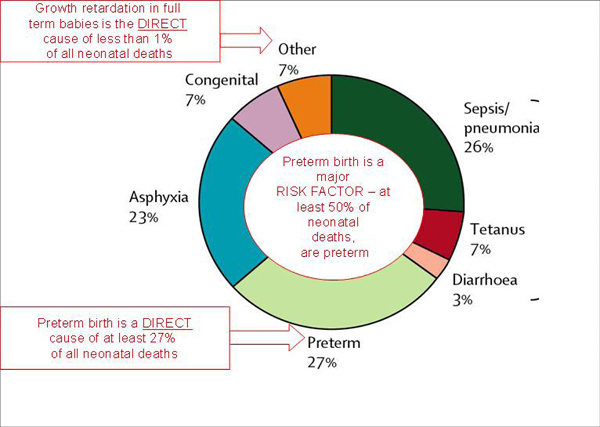
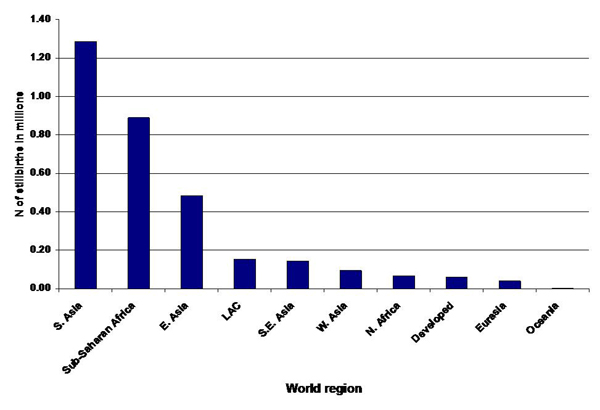
INTRODUCTION: This is the first of seven articles from a preterm birth and stillbirth report. Presented here is an overview of the burden, an assessment of the quality of current estimates, review of trends, and recommendations to improve data. PRETERM BIRTH: Few countries have reliable national preterm birth prevalence data. Globally, an estimated 13 million babies are born before 37 completed weeks of gestation annually. Rates are generally highest in low- and middle-income countries, and increasing in some middle- and high-income countries, particularly the Americas. Preterm birth is the leading direct cause of neonatal death (27%); more than one million preterm newborns die annually. Preterm birth is also the dominant risk factor for neonatal mortality, particularly for deaths due to infections. Long-term impairment is an increasing issue. STILLBIRTH: Stillbirths are currently not included in Millennium Development Goal tracking and remain invisible in global policies. For international comparisons, stillbirths include late fetal deaths weighing more than 1000g or occurring after 28 weeks gestation. Only about 2% of all stillbirths are counted through vital registration and global estimates are based on household surveys or modelling. Two global estimation exercises reached a similar estimate of around three million annually; 99% occur in low- and middle-income countries. One million stillbirths occur during birth. Global stillbirth cause-of-death estimates are impeded by multiple, complex classification systems. RECOMMENDATIONS TO IMPROVE DATA: (1) increase the capture and quality of pregnancy outcome data through household surveys, the main data source for countries with 75% of the global burden; (2) increase compliance with standard definitions of gestational age and stillbirth in routine data collection systems; (3) strengthen existing data collection mechanisms--especially vital registration and facility data--by instituting a standard death certificate for stillbirth and neonatal death linked to revised International Classification of Diseases coding; (4) validate a simple, standardized classification system for stillbirth cause-of-death; and (5) improve systems and tools to capture acute morbidity and long-term impairment outcomes following preterm birth. CONCLUSION: Lack of adequate data hampers visibility, effective policies, and research. Immediate opportunities exist to improve data tracking and reduce the burden of preterm birth and stillbirth.
Overview
The claims and statistics of this paper haven’t been checked yet.
Free: it reads the open-access text and checks the first 5 claims that cite a source we can check. Create a free account to check every claim.
Integrity signals
Registry
Cites
Statistics
Figures
Verification
Claims the paper makes
The claims and statistics of this paper haven’t been checked yet.
Free: it reads the open-access text and checks the first 5 claims that cite a source we can check. Create a free account to check every claim.
Claims other papers make about this one
Each is checked against this paper’s own text: does it say what the citing paper says it does?
The source backs part of the claim, not all of it — or backs it for a different population, condition or comparison.
In the citing paper
“The rate of preterm birth in Pakistan is 15·7% whereas it is 6·6% in Australia1 [4].”
From The association between parity, infant gender, higher level of paternal education and preterm birth in Pakistan: a cohort study (2011) · cites this paper as [4]
Experimental — accuracy not yet measuredIn the citing paper
“Complications related to PTB are the leading causes of death for children aged under 5, resulting in about a million deaths worldwide in 2015 [14,15].”
From A Comprehensive Review on Social Inequalities and Pregnancy Outcome—Identification of Relevant Pathways and Mechanisms (2022) · cites this paper as [15]
In the citing paper
“Moreover, adverse consequences related to LBW and PTB contribute very significantly to global health costs [15,16,17,18,19].”
From A Comprehensive Review on Social Inequalities and Pregnancy Outcome—Identification of Relevant Pathways and Mechanisms (2022) · cites this paper as [15]
Self-check
Percentages, sums and reported differences re-computed from the paper’s own numbers.
The self-check needs the paper’s full text.
Citations
Cites
Grading quality of evidence and strength of recommendations
(2004) · BMJ · doi:10.1136/bmj.328.7454.1490 · Cited by 8,477
Epidemiology and causes of preterm birth
Goldenberg, R. L., Culhane, J. F., Iams, J. D., & Romero, R. (2008) · The Lancet · doi:10.1016/s0140-6736(08)60074-4 · Cited by 7,801 · cited 9×
“Tomashek KM, Shapiro-Mendoza CK, Davidoff MJ, Petrini JR: Diff erences in mortality between late-preterm and term singleton infants in the United States, 1995-2002.”
BackgroundInfluential4 million neonatal deaths: When? Where? Why?
Lawn, J. E., Cousens, S., & Zupan, J. (2005) · The Lancet · doi:10.1016/s0140-6736(05)71048-5 · Cited by 3,670 · cited 10×
“Why?, 10, 2005, with permission from Elsevier.”
BackgroundInfluentialSelf-citationGlobal Burden of Disease and Risk Factors
(2006) · World Bank, Washington, DC eBooks · doi:10.1596/978-0-8213-6262-4 · Cited by 2,605
Grading quality of evidence and strength of recommendations for diagnostic tests and strategies
Schünemann, H. J., Oxman, A. D., Brozek, J., Glasziou, P., Jaeschke, R., Vist, G. E., Williams, J. W., Kunz, R., Craig, J., Montori, V. M., et al. (2008) · BMJ · doi:10.1136/bmj.39500.677199.ae · Cited by 1,782
Low birthweight: country regional and global estimates.
Wardlaw, T., Blanc, A. K., Zupan, J., & Åhman, A. (2004) · Cited by 1,773
Preterm Birth: Causes, Consequences, and Prevention
Outcomes, A. H., Behrman, R. E., & Butler, A. S. (2007) · Cited by 1,577
Evidence-based, cost-effective interventions: How many newborn babies can we save?
Darmstadt, G. L., Bhutta, Z. A., Cousens, S., Adam, T., Walker, N., & de Bernis, L. (2005) · The Lancet · doi:10.1016/s0140-6736(05)71088-6 · Cited by 1,541 · cited 2×
“on achieving high coverage of evidence-based interventions to prevent preterm delivery and to improve survival for preterm newborns [ 5 ].”
BackgroundThe Worldwide Incidence of Preterm Birth: A Systematic Review of Maternal Mortality and Morbidity
Beck, S., Wojdyla, D., Say, L., Pilar Bertran, A., Meraldi, M., Harris Requejo, J., Rubens, C., Menon, R., & Van Look, P. (2010) · Bulletin of the World Health Organization · doi:10.2471/blt.08.062554 · Cited by 1,523 · cited 2×
“Preterm birth prevalence rates A recent publication estimates about 13 million preterm babies are born each year worldwide [21].”
BackgroundSelf-citationNeurologic and Developmental Disability after Extremely Preterm Birth
Wood, N. S., Marlow, N., Costeloe, K., Gibson, A. T., & Wilkinson, A. R. (2000) · New England Journal of Medicine · doi:10.1056/nejm200008103430601 · Cited by 1,357
Research works printed but not linked: 9
- Lawn JZ J Begkoyian G Newborn Survival 2005 2 The World Bank and the National Institutes of Health
- WHO International Classification of Diseases and Related Health Problems, 10th Revision. Volume 2 1993
- WHO Perinatal and neonatal mortality for the year 2000: Country, regional and global estimates. 2006 World Health Organization
- Pattison R Saving Babies 2001: 2nd Perinatal Care Survey of South Africa. 2004
- Lawn JE MB Ross SR The Healthy Newborn: A reference guide for program managers. 2001
- Parker J Stanton C Lawn J A systematic review of methods for gestational age assessment. 2008
- International Centre for Diarrheal Disease Research B Registration of Health and Demographic Events 2000; Health and Demographic Surveillance System, Matlab. 2002 International Centre for Diarrheal Disease Research, Bangladesh
- Stanton C Perinatal mortality in the Philippines: an investigation into the use of demographic survey data for the study of perinatal mortality and its determinants. [A PhD Thesis]. The Johns Hopkins University School of Hygiene and Public Health 1996 Department of Population Dynamics
- Espeut D A validation of birth and pregnancy histories in Matlab, Bangladesh; Dissertation. Department of Population, Family and Reproductive Health Sciences 2002 The Johns Hopkins School of Hygiene and Public Health
Cited by
Items 401–500 of 808
Nutritional status and birth outcomes among pregnant adolescents in Ashanti Region, Ghana
Gyimah, L. A., Annan, R. A., Apprey, C., Asamoah‐Boakye, O., Aduku, L. N. E., Azanu, W. K., Lutterodt, H. E., & Edusei, A. K. (2021) · Human Nutrition & Metabolism · doi:10.1016/j.hnm.2021.200130 · Cited by 16
The effects of oxytocin and atosiban on the modulation of heart rate in pregnant women
Weissman, A., Tobia, R. S., Burke, Y. Z., Maxymovski, O., & Drugan, A. (2016) · The Journal of Maternal-Fetal & Neonatal Medicine · doi:10.3109/14767058.2016.1172564 · Cited by 15
Addressing Stillbirth in India Must Include Men
Roberts, L., Montgomery, S., Ganesh, G., Kaur, H. P., & Singh, R. (2017) · Issues in Mental Health Nursing · doi:10.1080/01612840.2017.1294220 · Cited by 14
“…morbidity and mortality (Aho et al., 2006; Burden et al., 2016; Cacciatore, 2013; Campbell-Jackson, Bezance, & Horsch, 2014; Heazell et al., 2016; Lawn et al., 2010; Turton et al., 2006), women typically grieve for longer periods of time than fathers (Cacciatore, 2013) and need more time to…”
BackgroundMillogo, T., Ouedraogo, H. G., Baguiya, A., Meda, I. B., Kouanda, S., & Sondo, B. (2016) · International Journal of Gynecology & Obstetrics · doi:10.1016/j.ijgo.2016.08.012 · Cited by 16
Preeclampsia mediates the association between shorter height and increased risk of preterm delivery
Morisaki, N., Ogawa, K., Urayama, K. Y., Sago, H., Sato, S., & Saito, S. (2017) · International Journal of Epidemiology · doi:10.1093/ije/dyx107 · Cited by 14
Macaulay, E. C., Donovan, E. L., Leask, M., Bloomfield, F. H., Vickers, M. H., Dearden, P. K., & Baker, P. N. (2014) · Journal of Developmental Origins of Health and Disease · doi:10.1017/s2040174414000488 · Cited by 18
Shillcutt, S. D., LeFevre, A. E., Lee, A. C., Baqui, A. H., Black, R. E., & Darmstadt, G. L. (2012) · Health Policy and Planning · doi:10.1093/heapol/czs075 · Cited by 14
“…access and care-seeking at health services, unsafe traditional practices, unawareness of beneficial health practices, suspicion of care providers perceived as outsiders, limited geographic mobility, and epidemiological patterns such as the increasing incidence of preterm birth (Lawn et al. 2010).”
BackgroundMethodLi, Y., Rosemberg, M.-A. S., & Seng, J. S. (2018) · Midwifery · doi:10.1016/j.midw.2018.04.002 · Cited by 18
Fulcher, I., Hedt, K., Marealle, S., Tibaijuka, J., Abdalla, O., Hofmann, R., Layer, E. H., Mitchell, M., & Hedt‐Gauthier, B. (2020) · BMC Health Services Research · doi:10.1186/s12913-020-4904-5 · Cited by 16
Corrao, G., Rea, F., Franchi, M., Beccalli, B., Locatelli, A., & Cantarutti, A. (2020) · International Journal of Environmental Research and Public Health · doi:10.3390/ijerph17186465 · Cited by 14
“The principal outcome of interest was preterm birth (less than 37 gestation weeks [24]).”
BackgroundPatel, M., Mukherjee, D., Farsiu, S., Muñoz, B., Blood, A. B., Wilson, C. G., & Griffin, J. (2019) · Frontiers in Pediatrics · doi:10.3389/fped.2019.00043 · Cited by 13
Razzaque, A., Rahman, A. M., Chowdhury, R., Mustafa, A. H. M. G., Naima, S., Begum, F., Shafique, S., Sarker, B. K., Islam, M. Z., Kim, M., et al. (2024) · PLoS ONE · doi:10.1371/journal.pone.0284005 · Cited by 16
Abrampah, N. A. M., Okwaraji, Y. B., Oteng, K. F., Asiedu, E. K., Larsen‐Reindorf, R., Blencowe, H. K., & Jackson, D. J. (2024) · BMC Pregnancy and Childbirth · doi:10.1186/s12884-024-06272-x · Cited by 14
“A study conducted at a tertiary hospital in the Ashanti region of Ghana found that using skin appearance is not an accurate proxy for still-birth classification due to its subjective nature [27, 30, 31].”
BackgroundSentenac, M., Chaimani, A., Twilhaar, E. S., Benhammou, V., Johnson, S. J., Morgan, A. S., & Zeitlin, J. A. (2021) · Paediatric and Perinatal Epidemiology · doi:10.1111/ppe.12846 · Cited by 13
Factors associated with short birth interval among reproductive-age women in East Africa
Tesema, G. A., Wolde, M., Tamirat, K. S., Worku, M. G., Fente, B. M., Tsega, S. S., Tadesse, A., & Teshale, A. B. (2023) · Women s Health · doi:10.1177/17455057231209879 · Cited by 16
Asia-Pacific women's experiences of stillbirth: A metasynthesis of qualitative literature
Cheer, K. (2015) · Health Care For Women International · doi:10.1080/07399332.2015.1080261 · Cited by 15
“There are over 37 known stillbirth classification systems (Lawn et al., 2010).”
BackgroundMaher, M. A., Sayyed, T., & El‐khadry, S. (2018) · BJOG An International Journal of Obstetrics & Gynaecology · doi:10.1111/1471-0528.15503 · Cited by 13
RetractedTrends and predictors of extreme preterm birth: Western Australian population-based cohort study
Farrant, B. M., White, S. W., & Shepherd, C. (2019) · PLoS ONE · doi:10.1371/journal.pone.0214445 · Cited by 14
Determining the cause of stillbirth in Kumasi, Ghana
Angell, J. N., Abdul‐Mumin, A. S., & Gold, K. J. (2019) · International Journal of Gynecology & Obstetrics · doi:10.1002/ijgo.12930 · Cited by 13
McKinney, C. M., Plange‐Rhule, G., Ansong, D., Cunningham, M. L., Agyeman, I., & Coffey, P. S. (2019) · PLoS ONE · doi:10.1371/journal.pone.0223951 · Cited by 15
Effects of Relaxation-Focused Nursing Care in Women in Preterm Labor
Özberk, H., Mete, S., & Bektaş, M. (2020) · Biological Research For Nursing · doi:10.1177/1099800420941253 · Cited by 15
“Worldwide, PLs are responsible for 28% of neonatal deaths with no congenital anomalies (Lawn et al., 2010).”
BackgroundPregnancy outcome in women with different rheumatic diseases: a retrospective analysis
Eisfeld, H., Glimm, A. M., Burmester, G. R., Ohrndorf, S., & Backhaus, M. (2021) · Scandinavian Journal of Rheumatology · doi:10.1080/03009742.2020.1849788 · Cited by 13
“Furthermore, preterm birth is the main risk factor for neonatal mortality, as was shown in a global report in 2010 (31).”
BackgroundTracking stillbirths by referral pattern and causes in a rural tertiary hospital in Southern Nigeria
Mbachu, I. I., Achigbu, K., Odinaka, K., Eleje, G. U., Osuagwu, I., & Osim, V. (2018) · Nigerian Postgraduate Medical Journal · doi:10.4103/npmj.npmj_73_18 · Cited by 15
Gestational age at birth and behavioral problems from four to 11 years of age: birth cohort study
Santos, I. S., Barros, F. C., Munhoz, T. N., & Matijasevich, A. (2017) · BMC Pediatrics · doi:10.1186/s12887-017-0936-3 · Cited by 17
Disparities and relative risk ratio of preterm birth in six Central and Eastern European centers
Arora, C. P., Kacerovsky, M., Zinner, B., Ertl, T., Ceausu, I., Rusnak, I., Shurpyak, S., Sandhu, M., Hobel, C. J., Dumesic, D. A., et al. (2015) · Croatian Medical Journal · doi:10.3325/cmj.2015.56.119 · Cited by 12
Birth Defects and Adverse Pregnancy Outcomes in Hospital-based Birth Surveillance in Eswatini
Gill, M. M., Khumalo, P. N., Hoffman, H. J., Chouraya, C., Kunene, M., Dlamini, F., Tukei, V. J., Scheuerle, A. E., Nhlabatsi, B., & MOFENSON, L. M. (2025) · The Pediatric Infectious Disease Journal · doi:10.1097/inf.0000000000004745 · Cited by 14
The Effect of Non-nutritive Sucking by Mothers on Full Oral Feeding Attainment in Preterm Neonates
Noori, F., Nariman, S., Rahmiaan, H., Hoseini, A. S. S., & Ravarian, A. (2018) · Journal of Comprehensive Pediatrics · doi:10.5812/compreped.59657 · Cited by 12
Głaz, S. (2022) · Journal of Religion and Health · doi:10.1007/s10943-022-01698-z · Cited by 12
Boo, Y. Y., Gwacham-Anisiobi, U., Thakrar, D. B., Roberts, N. W., Kurinczuk, J. J., Lakhanpaul, M., & Nair, M. (2023) · EClinicalMedicine · doi:10.1016/j.eclinm.2023.101976 · Cited by 12
Alencar, G. P., da Silva, Z. P., dos Santos, P. C., Raspantini, P. R., Moura, B. L. A., de Almeida, M. F., do Nascimento, F. P., & Rodrigues, L. C. (2015) · BMC Pregnancy and Childbirth · doi:10.1186/s12884-015-0572-6 · Cited by 16
“The proportion of preterm births is growing in several countries [1].”
A study of intrauterine fetal death in a tertiary care hospital
Divya, B. R. S., Ashwini, U., & Asha, O. V. (2015) · International Journal of Reproduction Contraception Obstetrics and Gynecology · doi:10.18203/2320-1770.ijrcog20151308 · Cited by 12
A model investigating environmental factors that play a role in female fecundity or birth rate
Boland, M. R. (2018) · PLoS ONE · doi:10.1371/journal.pone.0207932 · Cited by 12
Shaikh, K., Premji, S., Lalani, S. B., Forcheh, N., Dosani, A., Yim, I. S., Samia, P., Naugler, C. T., & Letourneau, N. L. (2020) · Journal of Affective Disorders · doi:10.1016/j.jad.2020.01.180 · Cited by 14
Stillbirth in Iran and associated factors (2014-2016): A population-based study
Khalili, N., Heidarzadeh, M., Habibelahi, A., Tayefi, B., Ramezani, M., Rampisheh, Z., Tehrani‐Banihashemi, A., Mirbaha-Hashemi, F., Raji, F., Babaee, E., et al. (2020) · Medical Journal of the Islamic Republic of Iran · doi:10.47176/mjiri.34.38 · Cited by 12
Meng, L., Lingling, Z., Haihong, Z., Zhang, X., Dandan, H., & Wu, S. (2022) · Applied Bionics and Biomechanics · doi:10.1155/2022/4924021 · Cited by 14
“Premature infants are newborns whose gestational age was less than 37 weeks (259 days), and their weight was mostly less than 2500 g [1].”
BackgroundRetractedGut hormone activity of children born to women with and without gestational diabetes
Chandler-Laney, P. C., Bush, N. C., Rouse, D. J., Mancuso, M., & Gower, B. A. (2013) · Pediatric Obesity · doi:10.1111/j.2047-6310.2012.00140.x · Cited by 13
Dificuldades para a identificação da causa do óbito fetal: como resolver?
Vieira, M. S. M., Siebert, E. C., Ceglio, W. Q. G. W., de Almeira, M. H., Batista, T. S., & Freitas, P. F. (2012) · Revista Brasileira Ginecologia e Obstetrícia · doi:10.1590/s0100-72032012000900003 · Cited by 12
de Diego, R., Sabrià, J., Vela, A., Rodriguez, D. A., & Gómez‐Roig, M. D. (2014) · Journal of Ultrasound in Medicine · doi:10.7863/ultra.33.4.673 · Cited by 12
Resuscitation of extremely preterm infants - controversies and current evidence
Patel, P. N., Banerjee, J., & Godambe, S. (2016) · World Journal of Clinical Pediatrics · doi:10.5409/wjcp.v5.i2.151 · Cited by 12
Effectiveness of elective cervical cerclage according to obstetric history
Korb, D., Marzouk, P., Deu, J., Oury, J., & Sibony, O. (2016) · Journal of Gynecology Obstetrics and Human Reproduction · doi:10.1016/j.jgyn.2016.09.006 · Cited by 12
Digital examination and transvaginal scan – competing or complementary for predicting preterm birth?
REITER, E., Nielsen, K. A., & Fedder, J. (2011) · Acta Obstetricia Et Gynecologica Scandinavica · doi:10.1111/j.1600-0412.2011.01341.x · Cited by 12
Mhango, P., Chipeta, E. K., Muula, A. S., Robb-McCord, J., White, P. M., Litch, J. A., Kamanga, I., Freeman, R., & Bergh, A. (2020) · African Journal of Primary Health Care & Family Medicine · doi:10.4102/phcfm.v12i1.2266 · Cited by 11
Causes of perinatal deaths in Australia: Slow progress in the preterm period
Tindal, K., Bimal, G., Flenady, V., Gordon, A., Farrell, T., & Davies-Tuck, M. L. (2022) · Australian and New Zealand Journal of Obstetrics and Gynaecology · doi:10.1111/ajo.13497 · Cited by 11
Classifying cesarean section using Robson Classification: An Indonesian tertiary hospital survey
Sungkar, A., Santoso, B. I., Surya, R., & Fattah, A. N. A. (2019) · Majalah Obstetri & Ginekologi · doi:10.20473/mog.v27i22019.66-70 · Cited by 11
Winkler, L. A., Stypulkowski, A., Noon, S., Babwanga, T., & Lutahoire, J. (2020) · African Health Sciences · doi:10.4314/ahs.v20i1.56 · Cited by 13
Suicide risk and prematurity: A study with pregnant adolescents
Soares, M. C., de Matos, M. B., da Cunha, G. K., Leite, C. F., Caruccio, H. S., Trettim, J. P., Scholl, C. C., Rubin, B. B., Coelho, F. M. D. C., Quevedo, L. D. Á., et al. (2020) · Journal of Psychiatric Research · doi:10.1016/j.jpsychires.2020.12.028 · Cited by 14
Risk Factors of Preterm Birth in Nepal: A Hospital-Based Matched Case-Control Study
Acharya, R., Khanal, P., Bhattarai, H. K., & Amatya, A. (2021) · Frontiers in Reproductive Health · doi:10.3389/frph.2021.697419 · Cited by 11
“Previous literature has identified a research gap in identifying risk factors of preterm birth in low-income countries, including Nepal (6, 12, 13).”
BackgroundNeonatal mortality in a public referral hospital in southern Haiti: a retrospective cohort study
Dev, A., Casseus, M., Baptiste, W. J., Winter, E. L., Joseph, P., & Wright, P. F. (2022) · BMC Pediatrics · doi:10.1186/s12887-022-03141-4 · Cited by 11
Guenther, K., Vach, W., Kachel, W., Bruder, I., & Hentschel, R. (2015) · Neonatology · doi:10.1159/000433414 · Cited by 13
Antenatal Maternal Emotional Distress and Duration of Pregnancy
Lukasse, M., Helbig, A., Benth, J. Š., & Eberhard‐Gran, M. (2014) · PLoS ONE · doi:10.1371/journal.pone.0101682 · Cited by 12
Millennium Development Goal 4: reducing perinatal and neonatal mortality in low‐resource settings
Smith, A., Mutangiri, W., Fox, R., & Crofts, J. F. (2013) · The Obstetrician & Gynaecologist · doi:10.1111/tog.12074 · Cited by 11
Placental alpha-microglobulin-1 and combined traditional diagnostic test: a cost-benefit analysis
Echebiri, N. C., McDoom, M. M., Pullen, J., Aalto, M. M., Patel, N. N., & Doyle, N. (2014) · American Journal of Obstetrics and Gynecology · doi:10.1016/j.ajog.2014.07.028 · Cited by 11
Improving reporting of infant deaths, maternal deaths and stillbirths in Haryana, India
Negandhi, P. H., Neogi, S. B., Chopra, S., Phogat, A., Sahota, R., Gupta, R. K., Gupta, R., & ZODPEY, S. P. (2016) · Bulletin of the World Health Organization · doi:10.2471/blt.15.157693 · Cited by 14
Mouzakiti, N., Sierra, F., Herzeg, A., Naimi, A. A., Reising, C., Bahlmann, F., & Kyvernitakis, I. (2019) · The Journal of Maternal-Fetal & Neonatal Medicine · doi:10.1080/14767058.2019.1668923 · Cited by 13
“Worldwide, preterm birth is the principal cause of neonatal deaths [5].”
BackgroundLewycka, S. O. (2011) · UCL Discovery (University College London) · Cited by 17
Muraca, G. M., Peled, T., Kirubarajan, A., Weiss, A., Sela, H. Y., Grisaru‐Granovsky, S., & Rottenstreich, M. (2024) · American Journal of Obstetrics & Gynecology MFM · doi:10.1016/j.ajogmf.2024.101326 · Cited by 11
Stillbirth and preterm birth and associated factors in one of the largest cities in central Vietnam
Giang, H. T. N., Pozza, S. B., Tran, H. T., & Ulrich, S. M. (2018) · Acta Paediatrica · doi:10.1111/apa.14534 · Cited by 10
“rates worldwide range from 5% in high-income countries to 25% in low-income countries (4).”
BackgroundInfluentialAssociation between prenatal care and neonatal deaths, 2000-2009, Londrina-PR
Ferrari, R. A. P., Bertolozzi, M. R., Dalmas, J. C., & Girotto, E. (2014) · Revista Brasileira de Enfermagem · doi:10.5935/0034-7167.20140046 · Cited by 10
Munabi, I. G., Luboga, S. A., & Mirembe, F. M. (2015) · BMC Research Notes · doi:10.1186/s13104-015-1183-z · Cited by 11
Gebremariam, A., & Modiba, L. M. (2019) · Pan African Medical Journal · doi:10.11604/pamj.2019.33.21.17728 · Cited by 11
Sentell, T. L., da Câmara, S. M. A., Ylli, A., Vélez, M. P., Domingues, M. R., Bassani, D. G., Guo, M. W., & Pirkle, C. M. (2019) · South Eastern European Journal of Public Health · doi:10.4119/unibi/seejph-2019-216 · Cited by 13
Taleghani, N. T., Fallahi, M., Soltanttooyeh, Z., Shamshiri, A. R., & Radfar, M. (2019) · Journal of Comprehensive Pediatrics · doi:10.5812/compreped.93379 · Cited by 10
Does antenatal corticosteroid therapy improve neonatal outcomes in late preterm birth?
Üstün, N., Hocaoğlu, M., Turgut, A., Arslanoğlu, S., & Ovalı, F. (2021) · The Journal of Maternal-Fetal & Neonatal Medicine · doi:10.1080/14767058.2021.2015576 · Cited by 11
Ecevit, A., Oğuz, S. Ş., Tarcan, A., Yazıcı, C., & Dilmen, U. (2012) · The Journal of Maternal-Fetal & Neonatal Medicine · doi:10.3109/14767058.2012.663820 · Cited by 10
Dawes, L. K., Subramoney, M., Miller, L. M., & Groom, K. M. (2017) · European Journal of Obstetrics & Gynecology and Reproductive Biology · doi:10.1016/j.ejogrb.2017.12.017 · Cited by 10
Korachais, C., Ir, P., Macouillard, E., & Meessen, B. (2019) · Health Policy and Planning · doi:10.1093/heapol/czz095 · Cited by 11
The increasing trend in preterm birth in public hospitals in northern Argentina
Weaver, E. H., Gibbons, L., Belizán, J. M., & Althabe, F. (2015) · International Journal of Gynecology & Obstetrics · doi:10.1016/j.ijgo.2015.02.026 · Cited by 10
“A rise in the prevalence of preterm birth is concerning not only because prematurity accounts for an average of 35%, and up to 65%, of deaths in the first 4 weeks of life [8], but also because surviving preterm neonates often require costly intensive care and are at increased risk of medium- and long-term health and d…”
BackgroundInfluentialEpidemiology of stillbirth and strategies for its prevention in Vietnam
Hirst, J. E., Arbuckle, S. M., Trong, M. H., Ha, L. T. T., & Jeffery, H. E. (2010) · International Journal of Gynecology & Obstetrics · doi:10.1016/j.ijgo.2010.03.028 · Cited by 11
Liu, X. R., Luo, X., Xiao, X. Q., & Qi, H. (2013) · Saudi Medical Journal · doi:10.15537/1658-3175.5775 · Cited by 10
Biselele, T., Bambi, J., Betukumesu, D.-M., Ndiyo, Y., Tabu, G., Kapinga, J., Bola, V., Makaya, P., Tjabbes, H., Vis, P., et al. (2020) · Pediatric Drugs · doi:10.1007/s40272-019-00373-3 · Cited by 10
Editorial: Cerebral Palsy: New Developments
Papavasiliou, A. S., Ben‐Pazi, H., Mastroyianni, S. D., & Ortibus, E. (2021) · Frontiers in Neurology · doi:10.3389/fneur.2021.738921 · Cited by 10
Esposito, G., Rossi, M., Favilli, A., Franchi, M., Corrao, G., Parazzini, F., & Vecchia, C. L. (2023) · Journal of Personalized Medicine · doi:10.3390/jpm13030499 · Cited by 10
“In particular, PTB was defined as any birth before 37 weeks and after 22 weeks of pregnancy [5], and LBW was defined as any child weighing 2500g or less [6].”
MethodWang, X., Wang, X., Gao, C., Xu, X., Li, L., Liu, Y., Li, Z., Xia, Y., & Fang, X. L. (2023) · International Journal of Public Health · doi:10.3389/ijph.2023.1606226 · Cited by 10
Chen, M., Zhou, Q., Li, Y., Qu, L., Bai, A., Ruan, F., Liu, Y., Jiang, Y., & Li, X. (2025) · BMC Medicine · doi:10.1186/s12916-024-03837-7 · Cited by 9
Qi, Y. P., Crider, K. S., Gutman, J., Centeno‐Tablante, E., Fothergill, A., Daniels, K., Yeung, L. F., Mai, C. T., Mehta, S., Williams, J. L., et al. (2026) · Cochrane Database of Systematic Reviews · doi:10.1002/14651858.cd014217.pub2 · Cited by 9
Temporal trends in stillbirth in the U nited S tates, 1992–2004: a population‐based cohort study
Zhang, X., & Ms, K. (2014) · BJOG An International Journal of Obstetrics & Gynaecology · doi:10.1111/1471-0528.12883 · Cited by 9
Localization of a major susceptibility locus influencing preterm birth
Chittoor, G., Farook, V. S., Puppala, S., Fowler, S. P., Schneider, J., Dyer, T. D., Cole, S. A., Lynch, J. L., Curran, J. E., Almasy, L. A., et al. (2013) · Molecular Human Reproduction · doi:10.1093/molehr/gat036 · Cited by 9
Aizawa, T. (2021) · Economics & Human Biology · doi:10.1016/j.ehb.2021.101058 · Cited by 10
Andalas, M., Hakimi, M., Nurdiati, D. S., Astuti, I., Imran, I., & Harapan, H. (2015) · Egyptian Journal of Medical Human Genetics · doi:10.1016/j.ejmhg.2015.05.001 · Cited by 9
Ukpong, D. I. (2011) · Journal of Obstetrics and Gynaecology · doi:10.3109/01443615.2010.538773 · Cited by 9
“The estimated causespecific rate for neonatal deaths directly due to pre-term birth is still very high in Nigeria (13.5 per 1,000 live births) (Lawn et al. 2010).”
InfluentialA Comparative Study on the Support Policy for Prematurity in Some OECD Countries
YURI, L. (2016) · Health and Social Welfare Review · doi:10.15709/hswr.2016.36.4.63 · Cited by 9
The Rise in Late Preterm Obstetric Intervention: Has It Done More Good Than Harm?
Kramer, M. S., Zhang, X., & Iams, J. D. (2012) · Paediatric and Perinatal Epidemiology · doi:10.1111/ppe.12031 · Cited by 8
Assessing the Effect on Outcomes of Public or Private Provision of Prenatal Care in Portugal
Correia, S., Rodrigues, T., & Barros, H. (2015) · Maternal and Child Health Journal · doi:10.1007/s10995-015-1667-4 · Cited by 11
“Despite an increase in coverage and the improvement in mortality indicators, low birthweight and preterm births have been rising in several countries, including Portugal [2–4].”
Althabe, F., Berrueta, M., Hemingway‐Foday, J., Mazzoni, A., Bonorino, C. A., Gowdak, A., Gibbons, L., Bellad, M. B., Metgud, M. C., Goudar, S. S., et al. (2015) · PLoS ONE · doi:10.1371/journal.pone.0117134 · Cited by 8
Diagnostic Potential of Evaluation of SDF-1αand sRAGE Levels in Threatened Premature Labor
Rzepka, R., Dołęgowska, B., Rajewska, A., Sałata, D., Budkowska, M., Kwiatkowski, S., & Torbè, A. (2016) · BioMed Research International · doi:10.1155/2016/2719460 · Cited by 9
Exposure to tobacco smoke and stillbirth: a national prospective cohort study in rural China
Qu, Y., Chen, S., Pan, H., Zhu, H., Yan, C., Zhang, S., & Jiang, Y. (2020) · Journal of Epidemiology & Community Health · doi:10.1136/jech-2019-213290 · Cited by 10
Defining Preterm Birth and Stillbirth in the Western Pacific: A Systematic Review
Connolly, M., Phung, L. C., Farrington, E., Scoullar, M. J. L., Wilson, A. N., Comrie‐Thomson, L., Homer, C., & Vogel, J. P. (2021) · Asia Pacific Journal of Public Health · doi:10.1177/10105395211026099 · Cited by 8
Is short first‐trimester crown–rump length associated with spontaneous preterm birth?
Kazemier, B. M., Kleinrouweler, C. E., Oudijk, M. A., van der Post, J., Mol, B. W., Vis, J. Y., & Pajkrt, E. (2012) · Ultrasound in Obstetrics and Gynecology · doi:10.1002/uog.11148 · Cited by 8
Medley, N., Vogel, J. P., Care, A., & Alfirević, Ž. (2017) · Cochrane Database of Systematic Reviews · doi:10.1002/14651858.cd012505 · Cited by 8
Ducarme, G., du Roure, F. D., Thuaut, A. L., Grange, J., Vital, M., & Dimet, J. (2018) · BMC Pregnancy and Childbirth · doi:10.1186/s12884-018-1696-2 · Cited by 8
del Barco, E., Molano, L.-A. G., Vargas, M., Miserachs, M., Puerto, L., Garrido‐Giménez, C., Soler, Z., Muñoz, B., Pratcorona, L., Rimbaut, S., et al. (2025) · Biomedicines · doi:10.3390/biomedicines13051141 · Cited by 8
Kumari, P., Kumar, M., Joseph, T., Kumari, M., Yadav, B., & Beck, M. M. (2023) · The Journal of Obstetrics and Gynecology of India · doi:10.1007/s13224-023-01845-w · Cited by 7
“Stillbirth was defined as the birth of a fetus beyond 28 weeks without signs of life [7].”
Zegeye, A. F., Mekonen, E. G., Tamir, T. T., Tekeba, B., Alemu, T. G., Ali, M. S., Gonete, A. T., Kassie, A. T., Wassie, M., & Workneh, B. S. (2025) · Maternal Health Neonatology and Perinatology · doi:10.1186/s40748-025-00205-y · Cited by 8
“As a result the majority of countries, especially those in Sub-Saharan Africa, do not disclose stillbirths in their vital statistics, hence the problem continues to be overlooked and underreported [16, 17].”
Critical evaluation of national vital statistics: the case of preterm birth trends in Portugal
Correia, S., Rodrigues, T., Montenegro, N. A. M. D. M., & Barros, H. (2015) · Acta Obstetricia Et Gynecologica Scandinavica · doi:10.1111/aogs.12730 · Cited by 7
“Preterm birth-related complications are the leading cause of neonatal mortality and contribute to child morbidity and long-term complications (1).”
BackgroundAir Pollution and Birth Outcomes: Health Impact and Economic Value Assessment in Spain
Canto, M. V., Guxens, M., García‐Altés, A., López, M. J., Marí-Dell’Olmo, M., García‐Pérez, J., & Ramis, R. (2023) · International Journal of Environmental Research and Public Health · doi:10.3390/ijerph20032290 · Cited by 10
Corzo, C. A. C., Gomez-Colque, S., Vilchez‐Cornejo, J., Hueda-Zavaleta, M., & Taype-Rondán, Á. (2023) · PLoS ONE · doi:10.1371/journal.pone.0292183 · Cited by 7
Hall, E. S., Connolly, N., Jones, D. E., & DeFranco, E. (2014) · PubMed · Cited by 7
Effectiveness of Vaginal versus Intramuscular Progesterone for the Prevention of Preterm Delivery
Wajid, R., Zafar, M., & Waheed, F. (2016) · Annals of King Edward Medical University · doi:10.21649/akemu.v22i4.1461 · Cited by 7
“About 15 million preterm deliveries take place per annum, making it more essential to study the role of progesterone in preterm labour.(8,9)”
BackgroundImproving Tanzanian childbirth service quality
Jaribu, J., Penfold, S. C., Green, C., Manzi, F., & Schellenberg, J. (2018) · International Journal of Health Care Quality Assurance · doi:10.1108/ijhcqa-10-2015-0122 · Cited by 8
Dev, A., O’Hern, K., Domerçant, J. Y., Lucien, G., Lucie, L., Grand-Pierre, R., & Wright, P. F. (2019) · Revista Panamericana de Salud Pública · doi:10.26633/rpsp.2019.95 · Cited by 7
Metadata
- Authors
- the GAPPS Review Group, Lawn, J. E., Gravett, M. G., Nunes, T. M., Rubens, C. E., & Stanton, C.
- Affiliations
- Save the Children (US)
- University of Washington (US)
- Johns Hopkins University (US)
- Corresponding author
- Stanton, Cynthia
- Venue
- BMC Pregnancy and Childbirth
- Published
- 2010-02
- Volume
- 10
- Issue
- S1
- Pages
- S1-S1
- ISSN
- 1471-2393 (ISSN-L)
- PMC
- PMC2841772
- OpenAlex
- W2133911610
- Semantic Scholar
- 56d2c7a022b4dc8f68991bdf3437c881a360240b
- Cited by
- 784
- References
- 102
- Citations by year
- 2026: 15 · 2025: 20 · 2024: 27 · 2023: 45 · 2022: 43 · 2021: 92 · 2020: 50 · 2019: 52 · 2018: 49 · 2017: 57 · 2016: 69 · 2015: 63 · 2014: 60 · 2013: 49 · 2012: 45
- Type
- book review
- Language
- en
- Open access
- gold
- doi.org
- Licence
- cc-by
- creativecommons.org/licenses/by/2.0 (tdm)
- Locations
- BMC Pregnancy and Childbirth (publishedVersion, cc-by)
- PubMed Central (publishedVersion, cc-by)
- PubMed (publishedVersion)
- LSHTM Research Online (London School of Hygiene and Tropical Medicine) (acceptedVersion)
- DOAJ (DOAJ: Directory of Open Access Journals) (submittedVersion)
- Funders
- Bill and Melinda Gates Foundation
- Eunice Kennedy Shriver National Institute of Child Health and Human Development (R24HD042854)
- Topics
- Health Sciences › Medicine › Pediatrics, Perinatology and Child Health › Global Maternal and Child Health
- Health Sciences › Medicine › Pediatrics, Perinatology and Child Health › Maternal and Neonatal Healthcare
- Health Sciences › Medicine › Pediatrics, Perinatology and Child Health › Infant Development and Preterm Care
- Keywords
- preterm birth, stillbirth, neonatal mortality, global burden of disease, preterm birth prevalence, civil registration, household surveys, International Classification of Diseases, data quality, low- and middle-income countries, long-term impairment
- MeSH terms
- Cause of Death, Data Collection, Female, Fetal Death, Humans, Infant Mortality, Infant, Newborn, Pregnancy, Global Health, Prevalence, Premature Birth, Stillbirth
About these checks
Registry, retraction, Cites and statistics results are computed, not judged, with one exception: a printed reference that no index lists is read once by a model before it counts as a citation error. Claims are extracted by a model and kept only when their quote appears verbatim in the text; each cited source is then checked, with a model’s help, for whether it says what the claim relies on. Those verdicts can be wrong — read the claim’s quote and the cited source before relying on one.
Statistics and arithmetic are recomputed, not judged.
Confidence bands are shown only for fields calibrated on our annotated test set. None is calibrated yet, so no band is shown.
What counts as a claim ›How we measure confidence ›How we check this ›
Are you an author, or do you see a problem with this page? Request a review
Data sources
Bibliographic data: Semantic Scholar, OpenAlex, Crossref.
Contains information from the Semantic Scholar Academic Graph Datasets, made available under the ODC Attribution License (ODC-BY 1.0).
Semantic Scholar’s data is described in: Kinney, R., et al. (2023). The Semantic Scholar Open Data Platform. arXiv:2301.10140.
