

Global report on preterm birth and stillbirth (1 of 7): definitions, description of the burden and opportunities to improve data
Open accessThe DOI matches its Crossref record; 101 of the 102 references it cites were found in a registry or an index.
Abstract
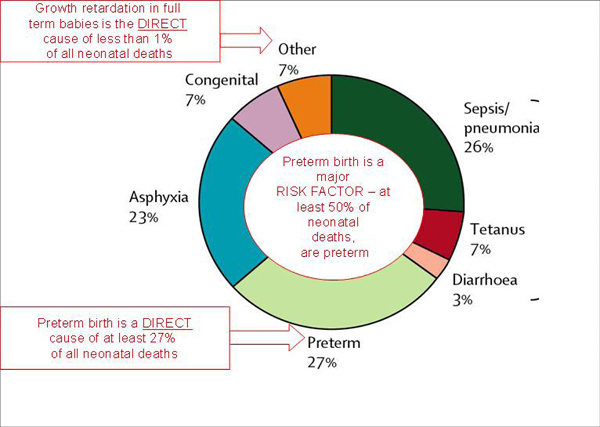
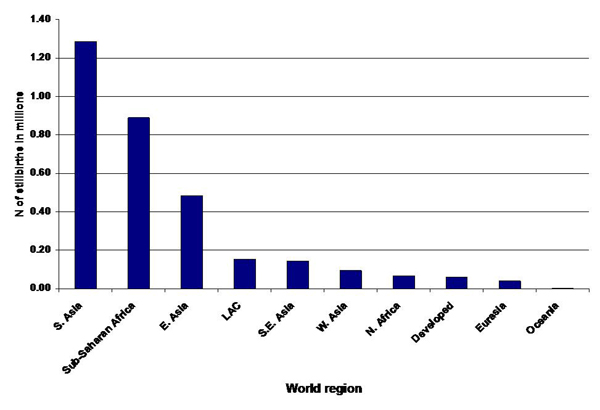
INTRODUCTION: This is the first of seven articles from a preterm birth and stillbirth report. Presented here is an overview of the burden, an assessment of the quality of current estimates, review of trends, and recommendations to improve data. PRETERM BIRTH: Few countries have reliable national preterm birth prevalence data. Globally, an estimated 13 million babies are born before 37 completed weeks of gestation annually. Rates are generally highest in low- and middle-income countries, and increasing in some middle- and high-income countries, particularly the Americas. Preterm birth is the leading direct cause of neonatal death (27%); more than one million preterm newborns die annually. Preterm birth is also the dominant risk factor for neonatal mortality, particularly for deaths due to infections. Long-term impairment is an increasing issue. STILLBIRTH: Stillbirths are currently not included in Millennium Development Goal tracking and remain invisible in global policies. For international comparisons, stillbirths include late fetal deaths weighing more than 1000g or occurring after 28 weeks gestation. Only about 2% of all stillbirths are counted through vital registration and global estimates are based on household surveys or modelling. Two global estimation exercises reached a similar estimate of around three million annually; 99% occur in low- and middle-income countries. One million stillbirths occur during birth. Global stillbirth cause-of-death estimates are impeded by multiple, complex classification systems. RECOMMENDATIONS TO IMPROVE DATA: (1) increase the capture and quality of pregnancy outcome data through household surveys, the main data source for countries with 75% of the global burden; (2) increase compliance with standard definitions of gestational age and stillbirth in routine data collection systems; (3) strengthen existing data collection mechanisms--especially vital registration and facility data--by instituting a standard death certificate for stillbirth and neonatal death linked to revised International Classification of Diseases coding; (4) validate a simple, standardized classification system for stillbirth cause-of-death; and (5) improve systems and tools to capture acute morbidity and long-term impairment outcomes following preterm birth. CONCLUSION: Lack of adequate data hampers visibility, effective policies, and research. Immediate opportunities exist to improve data tracking and reduce the burden of preterm birth and stillbirth.
Overview
The claims and statistics of this paper haven’t been checked yet.
Free: it reads the open-access text and checks the first 5 claims that cite a source we can check. Create a free account to check every claim.
Integrity signals
Registry
Cites
Statistics
Figures
Verification
Claims the paper makes
The claims and statistics of this paper haven’t been checked yet.
Free: it reads the open-access text and checks the first 5 claims that cite a source we can check. Create a free account to check every claim.
Claims other papers make about this one
Each is checked against this paper’s own text: does it say what the citing paper says it does?
The source backs part of the claim, not all of it — or backs it for a different population, condition or comparison.
In the citing paper
“The rate of preterm birth in Pakistan is 15·7% whereas it is 6·6% in Australia1 [4].”
From The association between parity, infant gender, higher level of paternal education and preterm birth in Pakistan: a cohort study (2011) · cites this paper as [4]
Experimental — accuracy not yet measuredIn the citing paper
“Complications related to PTB are the leading causes of death for children aged under 5, resulting in about a million deaths worldwide in 2015 [14,15].”
From A Comprehensive Review on Social Inequalities and Pregnancy Outcome—Identification of Relevant Pathways and Mechanisms (2022) · cites this paper as [15]
In the citing paper
“Moreover, adverse consequences related to LBW and PTB contribute very significantly to global health costs [15,16,17,18,19].”
From A Comprehensive Review on Social Inequalities and Pregnancy Outcome—Identification of Relevant Pathways and Mechanisms (2022) · cites this paper as [15]
Self-check
Percentages, sums and reported differences re-computed from the paper’s own numbers.
The self-check needs the paper’s full text.
Citations
Cites
Grading quality of evidence and strength of recommendations
(2004) · BMJ · doi:10.1136/bmj.328.7454.1490 · Cited by 8,477
Epidemiology and causes of preterm birth
Goldenberg, R. L., Culhane, J. F., Iams, J. D., & Romero, R. (2008) · The Lancet · doi:10.1016/s0140-6736(08)60074-4 · Cited by 7,801 · cited 9×
“Tomashek KM, Shapiro-Mendoza CK, Davidoff MJ, Petrini JR: Diff erences in mortality between late-preterm and term singleton infants in the United States, 1995-2002.”
BackgroundInfluential4 million neonatal deaths: When? Where? Why?
Lawn, J. E., Cousens, S., & Zupan, J. (2005) · The Lancet · doi:10.1016/s0140-6736(05)71048-5 · Cited by 3,670 · cited 10×
“Why?, 10, 2005, with permission from Elsevier.”
BackgroundInfluentialSelf-citationGlobal Burden of Disease and Risk Factors
(2006) · World Bank, Washington, DC eBooks · doi:10.1596/978-0-8213-6262-4 · Cited by 2,605
Grading quality of evidence and strength of recommendations for diagnostic tests and strategies
Schünemann, H. J., Oxman, A. D., Brozek, J., Glasziou, P., Jaeschke, R., Vist, G. E., Williams, J. W., Kunz, R., Craig, J., Montori, V. M., et al. (2008) · BMJ · doi:10.1136/bmj.39500.677199.ae · Cited by 1,782
Low birthweight: country regional and global estimates.
Wardlaw, T., Blanc, A. K., Zupan, J., & Åhman, A. (2004) · Cited by 1,773
Preterm Birth: Causes, Consequences, and Prevention
Outcomes, A. H., Behrman, R. E., & Butler, A. S. (2007) · Cited by 1,577
Evidence-based, cost-effective interventions: How many newborn babies can we save?
Darmstadt, G. L., Bhutta, Z. A., Cousens, S., Adam, T., Walker, N., & de Bernis, L. (2005) · The Lancet · doi:10.1016/s0140-6736(05)71088-6 · Cited by 1,541 · cited 2×
“on achieving high coverage of evidence-based interventions to prevent preterm delivery and to improve survival for preterm newborns [ 5 ].”
BackgroundThe Worldwide Incidence of Preterm Birth: A Systematic Review of Maternal Mortality and Morbidity
Beck, S., Wojdyla, D., Say, L., Pilar Bertran, A., Meraldi, M., Harris Requejo, J., Rubens, C., Menon, R., & Van Look, P. (2010) · Bulletin of the World Health Organization · doi:10.2471/blt.08.062554 · Cited by 1,523 · cited 2×
“Preterm birth prevalence rates A recent publication estimates about 13 million preterm babies are born each year worldwide [21].”
BackgroundSelf-citationNeurologic and Developmental Disability after Extremely Preterm Birth
Wood, N. S., Marlow, N., Costeloe, K., Gibson, A. T., & Wilkinson, A. R. (2000) · New England Journal of Medicine · doi:10.1056/nejm200008103430601 · Cited by 1,357
Research works printed but not linked: 9
- Lawn JZ J Begkoyian G Newborn Survival 2005 2 The World Bank and the National Institutes of Health
- WHO International Classification of Diseases and Related Health Problems, 10th Revision. Volume 2 1993
- WHO Perinatal and neonatal mortality for the year 2000: Country, regional and global estimates. 2006 World Health Organization
- Pattison R Saving Babies 2001: 2nd Perinatal Care Survey of South Africa. 2004
- Lawn JE MB Ross SR The Healthy Newborn: A reference guide for program managers. 2001
- Parker J Stanton C Lawn J A systematic review of methods for gestational age assessment. 2008
- International Centre for Diarrheal Disease Research B Registration of Health and Demographic Events 2000; Health and Demographic Surveillance System, Matlab. 2002 International Centre for Diarrheal Disease Research, Bangladesh
- Stanton C Perinatal mortality in the Philippines: an investigation into the use of demographic survey data for the study of perinatal mortality and its determinants. [A PhD Thesis]. The Johns Hopkins University School of Hygiene and Public Health 1996 Department of Population Dynamics
- Espeut D A validation of birth and pregnancy histories in Matlab, Bangladesh; Dissertation. Department of Population, Family and Reproductive Health Sciences 2002 The Johns Hopkins School of Hygiene and Public Health
Cited by
Items 301–400 of 808
Padilla, C. M., Kihal, W., Vieira, V. M., & Deguen, S. (2016) · International Journal of Environmental Research and Public Health · doi:10.3390/ijerph13060624 · Cited by 29
Vornhagen, J., Quach, P., Santana-Ufret, V., Alishetti, V., Brokaw, A. M., Armistead, B., Tang, H. Q., MacDonald, J. W., Bammler, T. K., Waldorf, K. M. A., et al. (2018) · The Journal of Infectious Diseases · doi:10.1093/infdis/jiy076 · Cited by 26
Ethanol for preventing preterm birth in threatened preterm labor
Haas, D. M., Morgan, A. M., Deans, S. J., & Schubert, F. P. (2015) · Cochrane Database of Systematic Reviews · doi:10.1002/14651858.cd011445.pub2 · Cited by 29
Labrique, A. B., Pereira, S., Christian, P., Murthy, N., Bartlett, L., & Mehl, G. (2012) · Reproductive Health Matters · doi:10.1016/s0968-8080(12)39631-6 · Cited by 24
Ndelema, B., Van den Bergh, R., Manzi, M., van den Boogaard, W., Kosgei, R. J., Zuniga, I., Juvenal, M., & Reid, A. (2016) · BMC Research Notes · doi:10.1186/s13104-015-1666-y · Cited by 24
Chuck, A. W., Thành, N. X., Chari, R. S., Wilson, R. D., Janes-Kelley, S., & Wesenberg, J. C. (2016) · Journal of Obstetrics and Gynaecology Canada · doi:10.1016/j.jogc.2016.02.013 · Cited by 24
Determining gestational age and preterm birth in rural Guatemala: A comparison of methods
Weinstein, J. R., Thompson, L. M., Díaz-Artiga, A., Bryan, J. P., Arriaga, W. E., Omer, S. B., & McCracken, J. P. (2018) · PLoS ONE · doi:10.1371/journal.pone.0193666 · Cited by 27
Bedwell, C., Blaikie, K., Danna, V. A., Sutton, C., Laisser, R. M., Kasengele, C. T., Wakasiaka, S., Victor, S., & Lavender, T. (2020) · BJOG An International Journal of Obstetrics & Gynaecology · doi:10.1111/1471-0528.16629 · Cited by 28
Predictors of adverse birth outcomes among pregnant adolescents in Ashanti Region, Ghana
Annan, R. A., Gyimah, L. A., Apprey, C., Asamoah‐Boakye, O., Aduku, L. N. E., Azanu, W. K., Lutterodt, H. E., & Edusei, A. K. (2021) · Journal of Nutritional Science · doi:10.1017/jns.2021.58 · Cited by 26
“Preterm birth was defined as delivery less than 37 completed weeks of gestation((48)).”
Boo, Y. Y., Bora, A. K., Chhabra, S. A., Choudhury, S. S., Deka, G., Kakoty, S. D., Kumar, P., Mahanta, P., Minz, B., Rani, A., et al. (2024) · International Journal of Gynecology & Obstetrics · doi:10.1002/ijgo.15367 · Cited by 26
“While the association between preterm birth and stillbirth is relatively well established, 7,10,34,35 research on the relative risk of intrapartum stillbirth associated with early term birth is limited.”
BackgroundWegleiter, K., Hermann, M., Posod, A., Wechselberger, K., Stanika, R. I., Obermair, G. J., Kiechl‐Kohlendorfer, U., Urbanek, M., & Griesmaier, E. (2014) · Experimental Neurology · doi:10.1016/j.expneurol.2014.07.022 · Cited by 25
“Advances in neonatal care have led to a marked increase in the survival of preterm infants (Lawn et al., 2010).”
BackgroundApps for Management of Sick Newborn: Evaluation of Impact on Health Care Professionals
Thukral, A., Joshi, M., Joshi, P., Prakash, V., Adkoli, B. V., & Deorari, A. K. (2014) · Journal of Tropical Pediatrics · doi:10.1093/tropej/fmu032 · Cited by 25
Application of ICD ‐ PM to preterm‐related neonatal deaths in South Africa and United Kingdom
Allanson, E., Vogel, J. P., Tunçalp, Ö., Gardosi, J. O., Pattinson, R., Francis, A., Erwich, J., Flenady, V., Frøen, J. F., Neilson, J. P., et al. (2016) · BJOG An International Journal of Obstetrics & Gynaecology · doi:10.1111/1471-0528.14245 · Cited by 28
“Approximately one million liveborn babies die each year from complications of PTB(4), and it is also a major cause of multiple perinatal morbidities, including respiratory distress syndrome, necrotizing enterocolitis, intra-ventricular haemorrhage (IVH) and sepsis(5).”
BackgroundInfluentialTrends, seasonality and effect of ambient temperature on preterm delivery
Walfisch, A., Kabakov, E., Friger, M. D., & Sheiner, E. (2016) · The Journal of Maternal-Fetal & Neonatal Medicine · doi:10.1080/14767058.2016.1253063 · Cited by 25
“As in previous decades, PTD remains the leading cause of neonatal mortality with a major impact on morbidity and cognitive development of the survivors [22].”
BackgroundS, Y. S. A. (2015) · Journal of Biometrics & Biostatistics · doi:10.4172/2155-6180.1000223 · Cited by 24
“Rates are generally highest in low and middle income countries and increasing in some middle and high income countries [5].”
BackgroundHigh preterm birth at Cipto Mangunkusumo Hospital as a national referral hospital in Indonesia
Sungkar, A., Fattah, A. N. A., Surya, R., Santoso, B. I., & Žalud, I. (2017) · Medical Journal of Indonesia · doi:10.13181/mji.v26i3.1454 · Cited by 24
Infant mortality and subsequent risk of stillbirth: a retrospective cohort study
August, E. M., Salihu, H., Weldeselasse, H. E., Biroscak, B. J., Mbah, A. K., & Alio, A. (2011) · BJOG An International Journal of Obstetrics & Gynaecology · doi:10.1111/j.1471-0528.2011.03137.x · Cited by 28
Weng, Y., Yang, C., & Chiu, Y.-W. (2017) · Archives of Environmental & Occupational Health · doi:10.1080/19338244.2017.1299084 · Cited by 25
“The etiologies of these birth outcomes are multifactorial and not completely understood yet.(13) Maternal responses to extreme ambient temperatures may interrupt fetal growth and development.”
BackgroundVinturache, A., McKeating, A., Daly, N., Sheehan, S., & Turner, M. (2017) · BMJ Open · doi:10.1136/bmjopen-2016-015258 · Cited by 23
Namiiro, F. B., Batte, A., Rujumba, J., Nabukeera‐Barungi, N., Okaba-Kayom, V., Munabi, I. G., Serunjogi, R., & Kiguli, S. (2023) · BMC Pediatrics · doi:10.1186/s12887-023-04356-9 · Cited by 27
“LBW is a predictor of prenatal mortality and morbidity and has been found to increase risk for noncommunicable diseases such as diabetes, cardiovascular diseases and malnutrition among survivors extending to early childhood and adult-hood [5, 8, 9].”
BackgroundMiranda, A. E., Pinto, V. M., Szwarcwald, C. L., & Golub, E. T. (2012) · Revista Panamericana de Salud Pública · doi:10.1590/s1020-49892012001100002 · Cited by 23
A Profile of Biomass Stove Use in Sri Lanka
Elledge, M. F., Phillips, M. J., Thornburg, V. E., Everett, K. H., & Nandasena, S. (2012) · International Journal of Environmental Research and Public Health · doi:10.3390/ijerph9041097 · Cited by 23
“Biomass smoke impairs fetal development, and increases the risk of miscarriages, preterm births stillbirth and low birth weight [25,26].”
BackgroundBarrios, Y. V., Sánchez, S. E., Qiu, C., Gelaye, B., & Williams, M. A. (2014) · International Journal of Women s Health · doi:10.2147/ijwh.s54269 · Cited by 27
“Introduction Preterm birth (PTB), defined as delivery before completing 37 weeks’ gestation, is a growing global public health problem.(1) PTB is the leading cause of mortality in children under 5 years of age,(1) and is a direct cause of at least 27% of all neonatal deaths.”
Roberts, L. R., & Montgomery, S. B. (2016) · Issues in Mental Health Nursing · doi:10.1080/01612840.2016.1236864 · Cited by 19
“Thus, a vicious cycle of further stigmatization and isolation is set in motion (Joshi, Dhapola, & Pelto, 2008; Lawn et al., 2010; Roberts, Anderson, et al., 2012).”
BackgroundChen, D., Cui, S., Liu, C., Qi, H., & Zhong, N. A. (2016) · The Lancet · doi:10.1016/s0140-6736(16)30461-5 · Cited by 23
Dandona, R., Kumar, G. A., Bhattacharya, D., Akbar, M., Atmavilas, Y., Nanda, P., & Dandona, L. (2019) · BMC Medicine · doi:10.1186/s12916-019-1372-z · Cited by 28
de Andrade, L., Kozhumam, A. S., Rocha, T. A. H., de Almeida, D. G., da Silva, N. C., Queiroz, R. C. D. S., Massago, M., Rent, S. M., Facchini, L. A., da Sílva, A. A. M., et al. (2022) · BMC Pregnancy and Childbirth · doi:10.1186/s12884-022-05201-0 · Cited by 26
Samarasinghe, T. D., Sands, S. A., Skuza, E. M., Joshi, M. S., Nold‐Petry, C. A., & Berger, P. J. (2015) · Journal of Applied Physiology · doi:10.1152/japplphysiol.01105.2014 · Cited by 23
“Antenatal inflammation may contribute to impaired gas exchange and unstable breathing in newborn infants and adversely affect long-term health. respiratory function; chemosensitivity; prenatal infection PRETERM BIRTH (PTB), defined as delivery occurring at 37 completed weeks of gestation, is a major risk factor for ne…”
BackgroundInfluentialA cross‐sectional comparison of three guidelines for intrapartum cardiotocography
Bhatia, M., Mahtani, K. R., Nunan, D., & Reddy, A. (2017) · International Journal of Gynecology & Obstetrics · doi:10.1002/ijgo.12161 · Cited by 22
Prenatal Maternal Anxiety in South Asia: A Rapid Best-Fit Framework Synthesis
Bright, K. S., Norris, J. M., Letourneau, N. L., Rosario, M. K., & Premji, S. (2018) · Frontiers in Psychiatry · doi:10.3389/fpsyt.2018.00467 · Cited by 23
“Nasreen et al. (60) assessed socio-economic/financial aspects of pregnancy-related anxiety including total land owned within the household (economic status) in their study of women from Bangladesh.”
BackgroundInfluentialGelaye, B., Domingue, A., Rebelo, F. M., Friedman, L. E., Qiu, C., Sánchez, S. E., Larrabure-Torrealva, G. T., & Williams, M. A. (2018) · Psychology Health & Medicine · doi:10.1080/13548506.2018.1539235 · Cited by 24
“Globally, approximately 13 million infants are born prematurely, and the preterm birth rate in South America is estimated as 7.9% (Lawn et al., 2010).”
BackgroundInfluentialAdverse Birth Outcomes and Birth Telomere Length: A Systematic Review and Meta-Analysis
Niu, Z., Li, K., Xie, C., & Wen, X. (2019) · The Journal of Pediatrics · doi:10.1016/j.jpeds.2019.08.040 · Cited by 24
The impact of HPV vaccination beyond cancer prevention: effect on pregnancy outcomes
Yuill, S., Velentzis, L. S., Smith, M. A., Egger, S. J., Wrede, C. D., Bateson, D. J., Arbyn, M., & Canfell, K. (2021) · Human Vaccines & Immunotherapeutics · doi:10.1080/21645515.2021.1936860 · Cited by 25
de Assunção, P. L., Novaes, H. M. D., Alencar, G. P., Melo, A., & de Almeida, M. F. (2012) · Cadernos de Saúde Pública · doi:10.1590/s0102-311x2012000600007 · Cited by 48
Moran, A. C., Wahed, T., & Afsana, K. (2010) · BJOG An International Journal of Obstetrics & Gynaecology · doi:10.1111/j.1471-0528.2010.02714.x · Cited by 21
Shattnawi, K. K., Khader, Y. S., Alyahya, M. S. I., Al-Sheyab, N., & Batieha, A. M. (2020) · BMC Pregnancy and Childbirth · doi:10.1186/s12884-020-03267-2 · Cited by 21
Stillbirths, Neonatal Morbidity, and Mortality in Health-Facility Deliveries in Urban Gambia
Camara, B., Oluwalana, C., Miyahara, R., Lush, A., Kampmann, B., Manneh, K., Okomo, U. A., D’Alessandro, U., & Roca, A. (2021) · Frontiers in Pediatrics · doi:10.3389/fped.2021.579922 · Cited by 26
“A stillbirth was considered a fresh stillbirth if the skin changes for maceration were absent (21).”
BackgroundMethodThe dynamics of cardiac autonomic control in sleeping preterm neonates exposed in utero to smoking
Blanchard, E. S., Chardon, K., Djeddi, D., Leke, A., Delanaud, S., Bach, V., & Telliez, F. (2016) · Clinical Neurophysiology · doi:10.1016/j.clinph.2016.05.001 · Cited by 21
Nachtnebel, M., O'Mahony, A., Pillai, N., & Hort, K. (2015) · Social Science & Medicine · doi:10.1016/j.socscimed.2015.05.021 · Cited by 21
An ecological study of stillbirths in Mexico from 2000 to 2013
Murguía-Peniche, T., Illescas-Zárate, D., Chico‐Barba, G., & Bhutta, Z. A. (2016) · Bulletin of the World Health Organization · doi:10.2471/blt.15.154922 · Cited by 22
Oxidative Stress in Women Treated with Atosiban for Impending Preterm Birth
Grzesiak, M., Gaj, Z., Kocyłowski, R., Suliburska, J., Oszukowski, P. J., Horzelski, W., von Kaisenberg, C., & Banach, M. (2018) · Oxidative Medicine and Cellular Longevity · doi:10.1155/2018/3919106 · Cited by 21
Hybridized neural networks for non-invasive and continuous mortality risk assessment in neonates
Baker, S., Xiang, W., & Atkinson, I. (2021) · Computers in Biology and Medicine · doi:10.1016/j.compbiomed.2021.104521 · Cited by 21
Amsalu, E. T., Kefale, B., Muche, A., Fentaw, Z., Dewau, R., Chanie, M. G., Melaku, M. S., Yalew, M., Arefaynie, M., Bitew, G., et al. (2021) · Scientific Reports · doi:10.1038/s41598-021-91821-z · Cited by 22
Adverse pregnancy outcomes in rural Maharashtra, India (2008–09): a retrospective cohort study
Doke, P. P., Karnataki, M. V., & Deshpande, S. R. (2012) · BMC Public Health · doi:10.1186/1471-2458-12-543 · Cited by 20
Almasi‐Hashiani, A., Sepidarkish, M., Safiri, S., Morasae, E. K., Shadi, Y., & Samani, R. O. (2017) · BMJ Open · doi:10.1136/bmjopen-2016-013644 · Cited by 22
“The rates of preterm birth and stillbirth diverge in countries and by sociodemographic variables.(10) The highest stillbirth rate, neonatal mortality rate and intrapartum-related mortality rates occur in areas with low socioeconomic status due to accessing care in rural areas, emergency obstetric care, immediate postn…”
‘The obesity paradox’: a reconsideration of obesity and the risk of preterm birth
Tsur, A., Mayo, J. A., Wong, R. J., Shaw, G. M., Stevenson, D. K., & Gould, J. B. (2017) · Journal of Perinatology · doi:10.1038/jp.2017.104 · Cited by 25
Adverse birth outcomes and their clinical phenotypes in an urban Zambian cohort
Price, J. T., Vwalika, B., Rittenhouse, K., Mwape, H., Winston, J., Freeman, B. L., Sindano, N., Stringer, E. M., Kasaro, M. P., Chi, B. H., et al. (2019) · Gates Open Research · doi:10.12688/gatesopenres.13046.2 · Cited by 22
HOGUE, C. J. R. (2011) · Wiley eBooks · doi:10.1002/9781444398038.ch4 · Cited by 19
serbesa, M. L., Assefa, N., & Tefera, M. (2022) · Frontiers in Global Women s Health · doi:10.3389/fgwh.2022.942668 · Cited by 23
“Pregnancy can be a time of happiness and anticipation, but it can also be a period of anxiety and concern (2).”
BackgroundClimate change and preterm birth: A narrative review
Bátiz, L. F., Illanes, S. E., Romero, R. J., Barrera, M. D. V., Mattar, C. N. Z., Choolani, M. A., & Kemp, M. W. (2022) · Environmental Advances · doi:10.1016/j.envadv.2022.100316 · Cited by 21
Wolde, J., Haile, D., Paulos, K., Alemayehu, M. A., Chernet, A., & Ayza, A. (2022) · PLoS ONE · doi:10.1371/journal.pone.0276220 · Cited by 19
The Role of Placental Non-Coding RNAs in Adverse Pregnancy Outcomes
Ren, J., Jin, H., & Zhu, Y. (2023) · International Journal of Molecular Sciences · doi:10.3390/ijms24055030 · Cited by 19
Tesema, G. A., Teshale, A. B., Yeshaw, Y., Angaw, D. A., & Lakew, A. M. (2023) · BMJ Open · doi:10.1136/bmjopen-2022-062149 · Cited by 19
Stillbirths: A high magnitude public health issue in India
Bhati, D. K. (2014) · South East Asia Journal of Public Health · doi:10.3329/seajph.v3i1.17704 · Cited by 24
Hichami, A., Yessoufou, A., Ghiringhelli, F., Salvadori, F., Moutairou, K. A., Zwetyenga, N., & Khan, N. A. (2016) · Biochimie · doi:10.1016/j.biochi.2016.09.001 · Cited by 19
Below normal birth weight in the Northwest part of Ethiopia
Dessie, W. K., Assimamaw, N. T., & Endalamaw, A. (2018) · BMC Research Notes · doi:10.1186/s13104-018-3723-9 · Cited by 21
Muhumed, I., Kebira, J. Y., & Mabalhin, M. O. (2021) · Research and Reports in Neonatology · doi:10.2147/rrn.s295820 · Cited by 19
AHR gene-dioxin interactions and birthweight in the Seveso Second Generation Health Study
Ames, J., Warner, M. L., Mocarelli, P., Brambilla, P., Signorini, S. G., Siracusa, C., Huen, K., Holland, N., & Eskenazi, B. (2018) · International Journal of Epidemiology · doi:10.1093/ije/dyy165 · Cited by 23
Preterm birth trend in T aiwan from 2001 to 2009
Wang, L., Chen, W., & Chen, C. (2014) · Journal of obstetrics and gynaecology research · doi:10.1111/jog.12400 · Cited by 18
“The present study revealed an increasing trend in preterm birth rate, similar to birth rates worldwide.(13,14) At the same time, the total number of births in Taiwan decreased.”
ResultAntenatal prediction of neonatal mortality in very premature infants
Ravelli, A. C. J., Schaaf, J. M., Mol, B. W., Tamminga, P., Eskes, M., van der Post, J., & Abu–Hanna, A. (2014) · European Journal of Obstetrics & Gynecology and Reproductive Biology · doi:10.1016/j.ejogrb.2014.02.030 · Cited by 18
van den Boogaard, W., Zuniga, I., Manzi, M., den Bergh, R. V., Lefèvre, A., Nanan-N’Zeth, K., Duchenne, B., Etienne, W., Juma, N., Ndelema, B., et al. (2017) · Tropical Medicine & International Health · doi:10.1111/tmi.12845 · Cited by 22
Population-Based Estimation of the Preterm Birth Rate in Lilongwe, Malawi: Making Every Birth Count
Antony, K. M., Kazembe, P. N., Pace, R. M., Levison, J. E., Phiri, H., Chiudzu, G., Harris, R. A., Chirwa, R., Nyondo, M., Marko, E., et al. (2020) · American Journal of Perinatology Reports · doi:10.1055/s-0040-1708491 · Cited by 19
Baye, N. D., Tazebew, A., Tarekegn, A. A., & Muche, A. (2020) · PLoS ONE · doi:10.1371/journal.pone.0238169 · Cited by 21
“The preterm newborns can be divided as moderately preterm (33 to 36 completed weeks of gestation), very preterm (28–32 weeks) and extremely preterm (<28 weeks) [2].”
BackgroundPerinatal outcomes among births to women with infection during pregnancy
Baguiya, A., Bonet, M., Cecatti, J. G., Brizuela, V., Curteanu, A., Minkauskienė, M., Jayaratne, K., Ribeiro-do-Valle, C. C., Budianu, M.-A., Souza, J. P., et al. (2021) · Archives of Disease in Childhood · doi:10.1136/archdischild-2021-321865 · Cited by 21
Lawn, J. E., Blencowe, H. K., Pattinson, R., Stanton, C., & Cousens, S. (2011) · Wiley eBooks · doi:10.1002/9781444398038.ch2 · Cited by 18
Self-citationEthical issues related to caring for low birth weight infants
Webb, M. S., Passmore, D., Cline, G. J., & Maguire, D. J. (2014) · Nursing Ethics · doi:10.1177/0969733013513919 · Cited by 18
Illness recognition and care-seeking for maternal and newborn complications in rural eastern Uganda
Okuga, M., Waiswa, P., Mandu, R., Wachira, J., Hanson, C., & Manzi, F. (2017) · Journal of Health Population and Nutrition · doi:10.1186/s41043-017-0125-x · Cited by 20
Dase, E., Wariri, O., Egwu, O., Alhassan, J. A. K., Jalo, I., Muhajarine, N., Okomo, U. A., & El-Nafaty, A. U. (2020) · BMC Pregnancy and Childbirth · doi:10.1186/s12884-020-03059-8 · Cited by 18
Zanetti, A., Zambon, A., Scirè, C. A., & Bortoluzzi, A. (2022) · RMD Open · doi:10.1136/rmdopen-2022-002412 · Cited by 18
“early and late spontaneous abortions as well as stillbirths (occurring after 28 weeks of gestation 16 ), elective TOP.”
Lapato, D. M., Moyer, S. W., Olivares, E., Amstadter, A. B., Kinser, P. A., Latendresse, S. J., Jackson‐Cook, C. K., Roberson‐Nay, R., Strauss, J. F., & York, T. P. (2018) · BMJ Open · doi:10.1136/bmjopen-2017-019721 · Cited by 17
Mekasha, A., Bonger, Z. T., Muhe, L. M., Abayneh, M., Gebreyesus, G., Demisse, A. G., Berhane, M., McClure, E. M., Goldenberg, R. L., & Nigussie, A. K. (2020) · Global Pediatric Health · doi:10.1177/2333794x20970005 · Cited by 17
Kassaw, M. W., Abebe, A. M., Kassie, A. M., Abate, B. B., & Masresha, S. A. (2021) · PLoS ONE · doi:10.1371/journal.pone.0246587 · Cited by 17
Sex Ratios at Birth Among Indian Immigrant Subgroups According to Time Spent in Canada
Brar, A., Wanigaratne, S., Pulver, A., Ray, J. G., & Urquia, M. L. (2017) · Journal of Obstetrics and Gynaecology Canada · doi:10.1016/j.jogc.2017.01.002 · Cited by 17
Oral, systemic and socioeconomic factors associated with preterm birth
Vieira, A. C. F., Alves, C. M. C., Rodrigues, V. P., Ribeiro, C. C. C., Gomes‐Filho, I. S., & Lopes, F. F. (2018) · Women and Birth · doi:10.1016/j.wombi.2018.02.007 · Cited by 17
Wudie, F. T., Tesfamicheal, F. A., Fisseha, H. Z., Weldehawaria, N. B., Misgena, K. H., Alema, H. B., Gebregziabher, Y. S., Fisseha, G. K., & Woldu, M. G. (2019) · South African Journal of Child Health · doi:10.7196/sajch.2019.v13i3.1479 · Cited by 17
La mortalité périnatale : ampleur et causes à Lubumbashi, République démocratique du Congo
Ntambue, A. M., Malonga, F. K., Dramaix-Wilmet, M., & Donnen, P. (2013) · Revue d Épidémiologie et de Santé Publique · doi:10.1016/j.respe.2013.07.684 · Cited by 23
Harrison, M. S., Mabeya, H., Goldenberg, R. L., & McClure, E. M. (2015) · Maternal Health Neonatology and Perinatology · doi:10.1186/s40748-015-0020-7 · Cited by 16
Long-term outcome for the tiniest or most immature babies: survival rates
Smith, L. K., Draper, E. S., & Field, D. J. (2013) · Seminars in Fetal and Neonatal Medicine · doi:10.1016/j.siny.2013.11.002 · Cited by 16
Predicting deaths in a resource-limited neonatal intensive care unit in Nepal
Shrestha, D., Dhoubhadel, B. G., Parry, C. M., Manandhar, B. P., Ariyoshi, K., & Mahaseth, C. (2017) · Transactions of the Royal Society of Tropical Medicine and Hygiene · doi:10.1093/trstmh/trx053 · Cited by 16
the Every Newborn-INDEPTH Study Collaborative Group, Haider, M. M., Mahmud, K., Blencowe, H. K., Ahmed, T., Akuze, J., Cousens, S., Delwar, N., Fisker, A. B., Hardy, V. P., et al. (2021) · Population Health Metrics · doi:10.1186/s12963-020-00230-3 · Cited by 16
Self-citationHundscheid, T. M., Huizing, M. J., Villamor-Martínez, E., Bartos̆, F., & Villamor, E. (2023) · Antioxidants · doi:10.3390/antiox12020534 · Cited by 16
Joining-up thinking: Loss in childbearing from inter-disciplinary perspectives
de Kok, B. C., Hussein, J., & Jeffery, P. M. (2010) · Social Science & Medicine · doi:10.1016/j.socscimed.2010.08.021 · Cited by 21
Newborn care behaviours and neonatal survival: evidence from sub‐ S aharan A frica
Penfold, S. C., Willey, B., & Schellenberg, J. (2013) · Tropical Medicine & International Health · doi:10.1111/tmi.12193 · Cited by 20
“Complications of preterm birth are not only the leading direct cause of neonatal mortality globally but also the dominant risk factor for neonatal mortality by other causes and have risks for long-term impairments to health (Lawn et al. 2005, 2010).”
BackgroundHezelgrave, N. L., Kuhrt, K., Cottam, K., Seed, P. T., Tribe, R. M., & Shennan, A. H. (2016) · European Journal of Obstetrics & Gynecology and Reproductive Biology · doi:10.1016/j.ejogrb.2016.11.027 · Cited by 16
Gonah, L., & Mutambara, J. (2017) · Annals of Global Health · doi:10.1016/j.aogh.2016.10.006 · Cited by 16
Koné, S., Hürlimann, E., Baïkoro, N., Dao, D., Bonfoh, B., N'Goran, E. K., Utzinger, J., & Jaeger, F. N. (2018) · BMC Pregnancy and Childbirth · doi:10.1186/s12884-018-1858-2 · Cited by 17
“Most of these factors are well known to impact negatively on foetal and neonatal health, such as a preterm birth [5, 36, 37] and a history of earlier miscarriage or stillbirth [38–40].”
BackgroundResultAbebe, G. F., Dasa, T. T., Negesse, Y., & Dulla, D. (2022) · PLoS ONE · doi:10.1371/journal.pone.0265594 · Cited by 16
and the Every Newborn-INDEPTH Study Collaborative Group, Stefano, L. M. D., Bottecchia, M., Yargawa, J., Akuze, J., Haider, M. M., Galiwango, E., Dzabeng, F., Fisker, A. B., Geremew, B. M., et al. (2021) · Population Health Metrics · doi:10.1186/s12963-020-00240-1 · Cited by 16
Self-citationChanie, E. S., Alemu, A. Y., Mekonen, D. K., Melese, B. D., Birhane, B. M., Hailemeskel, H. S., Asferie, W. N., Bayih, W. A., Munye, T., Birlie, T. A., et al. (2021) · Heliyon · doi:10.1016/j.heliyon.2021.e07256 · Cited by 15
RetractedKreutz, I. M., & Santos, I. S. (2023) · BMC Public Health · doi:10.1186/s12889-022-14913-z · Cited by 15
“The greatest proportion of preventable deaths occurring in the early neonatal period was due to complications of prematurity or other causes for which prematurity is a risk factor, particularly infections [22].”
BackgroundHassen, J. Y., Debella, A., Eyeberu, A., & Mussa, I. (2024) · International Health · doi:10.1093/inthealth/ihae015 · Cited by 15
Aboulatta, L., Kowalec, K., Leong, C., Delaney, J. A., Falk, J., Alessi‐Severini, S., Chateau, D. G., Tan, Q., Kearns, K. A., Raimondi, C., et al. (2023) · BMJ Paediatrics Open · doi:10.1136/bmjpo-2022-001686 · Cited by 17
Kruse, A., Ho, B. T. T., Phuong, C. N., Stensballe, L. G., Greisen, G. O., & Pedersen, F. K. (2012) · BMC Pediatrics · doi:10.1186/1471-2431-12-199 · Cited by 15
Beigi, A., Esmailzadeh, A., & Pirjani, R. (2016) · PubMed Central · doi:10.22074/ijfs.2016.4905 · Cited by 16
Zhang, C., Garrard, L., Keighley, J. D., Carlson, S., & Gajewski, B. J. (2017) · BMC Pregnancy and Childbirth · doi:10.1186/s12884-016-1189-0 · Cited by 15
Antony, K. M., Levison, J. E., Suter, M., Raine, S. P., Chiudzu, G., Phiri, H., Sclafani, J., Belfort, M. A., Kazembe, P. N., & Aagaard, K. M. (2019) · International Journal of Women s Health · doi:10.2147/ijwh.s185199 · Cited by 20
Birth defects in Brazil: Outcomes of a population-based study
Oliveira, C. I. F., Ferrarese, V. C. C., da Costa, A. R., & Fett‐Conte, A. C. (2019) · Genetics and Molecular Biology · doi:10.1590/1678-4685-gmb-2018-0186 · Cited by 17
Mahwasane, T., Maputle, M. S., Simane-Netshisaulu, K. G., & Malwela, T. N. (2020) · Annals of Global Health · doi:10.5334/aogh.2555 · Cited by 15
Does antenatal corticosteroid therapy improve neonatal outcomes in late preterm birth?
Üstün, N., Hocaoğlu, M., Turgut, A., Arslanoğlu, S., & Ovalı, F. (2020) · The Journal of Maternal-Fetal & Neonatal Medicine · doi:10.1080/14767058.2020.1808614 · Cited by 18
Sefidkar, R., Zayeri, F., Kazemi, E., Salehi, M., Dehnad, A., & HAFIZI, M. (2021) · Iranian Journal of Public Health · doi:10.18502/ijph.v50i2.5353 · Cited by 15
Metadata
- Authors
- the GAPPS Review Group, Lawn, J. E., Gravett, M. G., Nunes, T. M., Rubens, C. E., & Stanton, C.
- Affiliations
- Save the Children (US)
- University of Washington (US)
- Johns Hopkins University (US)
- Corresponding author
- Stanton, Cynthia
- Venue
- BMC Pregnancy and Childbirth
- Published
- 2010-02
- Volume
- 10
- Issue
- S1
- Pages
- S1-S1
- ISSN
- 1471-2393 (ISSN-L)
- PMC
- PMC2841772
- OpenAlex
- W2133911610
- Semantic Scholar
- 56d2c7a022b4dc8f68991bdf3437c881a360240b
- Cited by
- 784
- References
- 102
- Citations by year
- 2026: 15 · 2025: 20 · 2024: 27 · 2023: 45 · 2022: 43 · 2021: 92 · 2020: 50 · 2019: 52 · 2018: 49 · 2017: 57 · 2016: 69 · 2015: 63 · 2014: 60 · 2013: 49 · 2012: 45
- Type
- book review
- Language
- en
- Open access
- gold
- doi.org
- Licence
- cc-by
- creativecommons.org/licenses/by/2.0 (tdm)
- Locations
- BMC Pregnancy and Childbirth (publishedVersion, cc-by)
- PubMed Central (publishedVersion, cc-by)
- PubMed (publishedVersion)
- LSHTM Research Online (London School of Hygiene and Tropical Medicine) (acceptedVersion)
- DOAJ (DOAJ: Directory of Open Access Journals) (submittedVersion)
- Funders
- Bill and Melinda Gates Foundation
- Eunice Kennedy Shriver National Institute of Child Health and Human Development (R24HD042854)
- Topics
- Health Sciences › Medicine › Pediatrics, Perinatology and Child Health › Global Maternal and Child Health
- Health Sciences › Medicine › Pediatrics, Perinatology and Child Health › Maternal and Neonatal Healthcare
- Health Sciences › Medicine › Pediatrics, Perinatology and Child Health › Infant Development and Preterm Care
- Keywords
- preterm birth, stillbirth, neonatal mortality, global burden of disease, preterm birth prevalence, civil registration, household surveys, International Classification of Diseases, data quality, low- and middle-income countries, long-term impairment
- MeSH terms
- Cause of Death, Data Collection, Female, Fetal Death, Humans, Infant Mortality, Infant, Newborn, Pregnancy, Global Health, Prevalence, Premature Birth, Stillbirth
About these checks
Registry, retraction, Cites and statistics results are computed, not judged, with one exception: a printed reference that no index lists is read once by a model before it counts as a citation error. Claims are extracted by a model and kept only when their quote appears verbatim in the text; each cited source is then checked, with a model’s help, for whether it says what the claim relies on. Those verdicts can be wrong — read the claim’s quote and the cited source before relying on one.
Statistics and arithmetic are recomputed, not judged.
Confidence bands are shown only for fields calibrated on our annotated test set. None is calibrated yet, so no band is shown.
What counts as a claim ›How we measure confidence ›How we check this ›
Are you an author, or do you see a problem with this page? Request a review
Data sources
Bibliographic data: Semantic Scholar, OpenAlex, Crossref.
Contains information from the Semantic Scholar Academic Graph Datasets, made available under the ODC Attribution License (ODC-BY 1.0).
Semantic Scholar’s data is described in: Kinney, R., et al. (2023). The Semantic Scholar Open Data Platform. arXiv:2301.10140.
