

Global report on preterm birth and stillbirth (1 of 7): definitions, description of the burden and opportunities to improve data
Open accessThe DOI matches its Crossref record; 101 of the 102 references it cites were found in a registry or an index.
Abstract
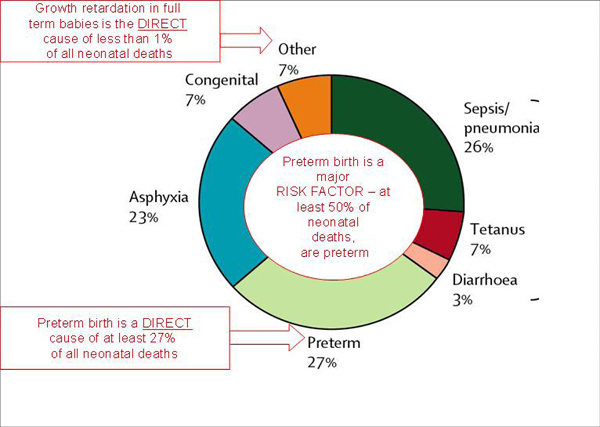
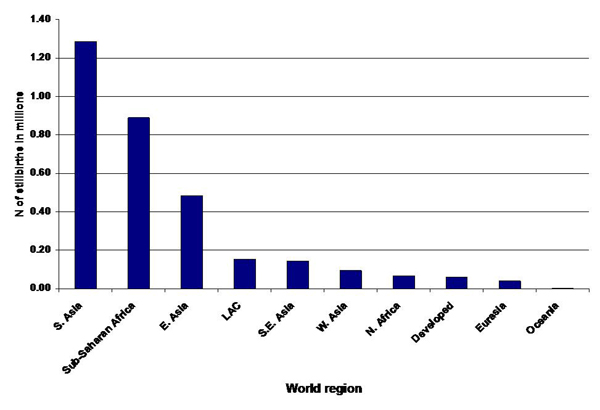
INTRODUCTION: This is the first of seven articles from a preterm birth and stillbirth report. Presented here is an overview of the burden, an assessment of the quality of current estimates, review of trends, and recommendations to improve data. PRETERM BIRTH: Few countries have reliable national preterm birth prevalence data. Globally, an estimated 13 million babies are born before 37 completed weeks of gestation annually. Rates are generally highest in low- and middle-income countries, and increasing in some middle- and high-income countries, particularly the Americas. Preterm birth is the leading direct cause of neonatal death (27%); more than one million preterm newborns die annually. Preterm birth is also the dominant risk factor for neonatal mortality, particularly for deaths due to infections. Long-term impairment is an increasing issue. STILLBIRTH: Stillbirths are currently not included in Millennium Development Goal tracking and remain invisible in global policies. For international comparisons, stillbirths include late fetal deaths weighing more than 1000g or occurring after 28 weeks gestation. Only about 2% of all stillbirths are counted through vital registration and global estimates are based on household surveys or modelling. Two global estimation exercises reached a similar estimate of around three million annually; 99% occur in low- and middle-income countries. One million stillbirths occur during birth. Global stillbirth cause-of-death estimates are impeded by multiple, complex classification systems. RECOMMENDATIONS TO IMPROVE DATA: (1) increase the capture and quality of pregnancy outcome data through household surveys, the main data source for countries with 75% of the global burden; (2) increase compliance with standard definitions of gestational age and stillbirth in routine data collection systems; (3) strengthen existing data collection mechanisms--especially vital registration and facility data--by instituting a standard death certificate for stillbirth and neonatal death linked to revised International Classification of Diseases coding; (4) validate a simple, standardized classification system for stillbirth cause-of-death; and (5) improve systems and tools to capture acute morbidity and long-term impairment outcomes following preterm birth. CONCLUSION: Lack of adequate data hampers visibility, effective policies, and research. Immediate opportunities exist to improve data tracking and reduce the burden of preterm birth and stillbirth.
Overview
The claims and statistics of this paper haven’t been checked yet.
Free: it reads the open-access text and checks the first 5 claims that cite a source we can check. Create a free account to check every claim.
Integrity signals
Registry
Cites
Statistics
Figures
Verification
Claims the paper makes
The claims and statistics of this paper haven’t been checked yet.
Free: it reads the open-access text and checks the first 5 claims that cite a source we can check. Create a free account to check every claim.
Claims other papers make about this one
Each is checked against this paper’s own text: does it say what the citing paper says it does?
The source backs part of the claim, not all of it — or backs it for a different population, condition or comparison.
In the citing paper
“The rate of preterm birth in Pakistan is 15·7% whereas it is 6·6% in Australia1 [4].”
From The association between parity, infant gender, higher level of paternal education and preterm birth in Pakistan: a cohort study (2011) · cites this paper as [4]
Experimental — accuracy not yet measuredIn the citing paper
“Complications related to PTB are the leading causes of death for children aged under 5, resulting in about a million deaths worldwide in 2015 [14,15].”
From A Comprehensive Review on Social Inequalities and Pregnancy Outcome—Identification of Relevant Pathways and Mechanisms (2022) · cites this paper as [15]
In the citing paper
“Moreover, adverse consequences related to LBW and PTB contribute very significantly to global health costs [15,16,17,18,19].”
From A Comprehensive Review on Social Inequalities and Pregnancy Outcome—Identification of Relevant Pathways and Mechanisms (2022) · cites this paper as [15]
Self-check
Percentages, sums and reported differences re-computed from the paper’s own numbers.
The self-check needs the paper’s full text.
Citations
Cites
Grading quality of evidence and strength of recommendations
(2004) · BMJ · doi:10.1136/bmj.328.7454.1490 · Cited by 8,477
Epidemiology and causes of preterm birth
Goldenberg, R. L., Culhane, J. F., Iams, J. D., & Romero, R. (2008) · The Lancet · doi:10.1016/s0140-6736(08)60074-4 · Cited by 7,801 · cited 9×
“Tomashek KM, Shapiro-Mendoza CK, Davidoff MJ, Petrini JR: Diff erences in mortality between late-preterm and term singleton infants in the United States, 1995-2002.”
BackgroundInfluential4 million neonatal deaths: When? Where? Why?
Lawn, J. E., Cousens, S., & Zupan, J. (2005) · The Lancet · doi:10.1016/s0140-6736(05)71048-5 · Cited by 3,670 · cited 10×
“Why?, 10, 2005, with permission from Elsevier.”
BackgroundInfluentialSelf-citationGlobal Burden of Disease and Risk Factors
(2006) · World Bank, Washington, DC eBooks · doi:10.1596/978-0-8213-6262-4 · Cited by 2,605
Grading quality of evidence and strength of recommendations for diagnostic tests and strategies
Schünemann, H. J., Oxman, A. D., Brozek, J., Glasziou, P., Jaeschke, R., Vist, G. E., Williams, J. W., Kunz, R., Craig, J., Montori, V. M., et al. (2008) · BMJ · doi:10.1136/bmj.39500.677199.ae · Cited by 1,782
Low birthweight: country regional and global estimates.
Wardlaw, T., Blanc, A. K., Zupan, J., & Åhman, A. (2004) · Cited by 1,773
Preterm Birth: Causes, Consequences, and Prevention
Outcomes, A. H., Behrman, R. E., & Butler, A. S. (2007) · Cited by 1,577
Evidence-based, cost-effective interventions: How many newborn babies can we save?
Darmstadt, G. L., Bhutta, Z. A., Cousens, S., Adam, T., Walker, N., & de Bernis, L. (2005) · The Lancet · doi:10.1016/s0140-6736(05)71088-6 · Cited by 1,541 · cited 2×
“on achieving high coverage of evidence-based interventions to prevent preterm delivery and to improve survival for preterm newborns [ 5 ].”
BackgroundThe Worldwide Incidence of Preterm Birth: A Systematic Review of Maternal Mortality and Morbidity
Beck, S., Wojdyla, D., Say, L., Pilar Bertran, A., Meraldi, M., Harris Requejo, J., Rubens, C., Menon, R., & Van Look, P. (2010) · Bulletin of the World Health Organization · doi:10.2471/blt.08.062554 · Cited by 1,523 · cited 2×
“Preterm birth prevalence rates A recent publication estimates about 13 million preterm babies are born each year worldwide [21].”
BackgroundSelf-citationNeurologic and Developmental Disability after Extremely Preterm Birth
Wood, N. S., Marlow, N., Costeloe, K., Gibson, A. T., & Wilkinson, A. R. (2000) · New England Journal of Medicine · doi:10.1056/nejm200008103430601 · Cited by 1,357
Research works printed but not linked: 9
- Lawn JZ J Begkoyian G Newborn Survival 2005 2 The World Bank and the National Institutes of Health
- WHO International Classification of Diseases and Related Health Problems, 10th Revision. Volume 2 1993
- WHO Perinatal and neonatal mortality for the year 2000: Country, regional and global estimates. 2006 World Health Organization
- Pattison R Saving Babies 2001: 2nd Perinatal Care Survey of South Africa. 2004
- Lawn JE MB Ross SR The Healthy Newborn: A reference guide for program managers. 2001
- Parker J Stanton C Lawn J A systematic review of methods for gestational age assessment. 2008
- International Centre for Diarrheal Disease Research B Registration of Health and Demographic Events 2000; Health and Demographic Surveillance System, Matlab. 2002 International Centre for Diarrheal Disease Research, Bangladesh
- Stanton C Perinatal mortality in the Philippines: an investigation into the use of demographic survey data for the study of perinatal mortality and its determinants. [A PhD Thesis]. The Johns Hopkins University School of Hygiene and Public Health 1996 Department of Population Dynamics
- Espeut D A validation of birth and pregnancy histories in Matlab, Bangladesh; Dissertation. Department of Population, Family and Reproductive Health Sciences 2002 The Johns Hopkins School of Hygiene and Public Health
Cited by
Items 501–600 of 808
Survival of Preterm Singleton Deliveries: A Population-Based Retrospective Study
Ibrahimou, B., Kodali, S., & Salihu, H. (2015) · Advances in Epidemiology · doi:10.1155/2015/858274 · Cited by 6
Fekene, D. B., Bulto, G. A., Seifu, B., Dina, G. D., & Mamo, K. (2021) · PubMed Central · doi:10.34763/jmotherandchild.20212501.d-21-00003 · Cited by 6
Kebede, B. F., Yetwale, A., Biyazin, T., & Dagnaw, Y. (2021) · Journal of Neonatal Nursing · doi:10.1016/j.jnn.2021.10.014 · Cited by 6
Pregnancy outcomes among women who gave birth at health institutions: A cross‐sectional study
Mihretie, G. N., & Habitamu, A. (2022) · Health Science Reports · doi:10.1002/hsr2.843 · Cited by 6
Group B streptococcal disease in infants
Cotton, M. F., & Rabie, H. (2012) · The Lancet · doi:10.1016/s0140-6736(11)61881-3 · Cited by 6
Andalas, M., Hakimi, M., Nurdiati, D. S., Astuti, I., Ichsan, I., Wahyuniati, N., Imran, I., & Harapan, H. (2016) · Polish Annals of Medicine · doi:10.1016/j.poamed.2016.11.020 · Cited by 6
Knowledge acquisition after Helping Babies Survive training in rural Tanzania
Dol, J., Campbell-Yeo, M. L., Bulemela, J., McMillan, D., Abel, Z., Nyamtema, A., & LeBlanc, J. C. (2018) · International Health · doi:10.1093/inthealth/ihy068 · Cited by 6
Pharmacokinetics and tolerability of a novel progesterone intravaginal ring in sheep
Weiss, H., Martell, B. A., Constantine, G. D., Davis, S. M., Vidal, J. D., Mayer, P. R., Doorbar, M., & Friend, D. R. (2019) · Drug Delivery and Translational Research · doi:10.1007/s13346-019-00646-x · Cited by 6
Makuluni, R., & Stones, W. R. (2021) · BMC Pregnancy and Childbirth · doi:10.1186/s12884-021-03867-6 · Cited by 8
Validation of the Postnatal Growth and Retinopathy of Prematurity (G-ROP) screening criteria
Fadakar, K., Abbas, H., Soltani, S., Tuli, S. S., Farahani, A. D., Fooladi, M. I., Taleghani, N. T., Esfandiarifard, S., Roohipourmoallai, R., Davoudi, S., et al. (2022) · Medical Hypothesis Discovery & Innovation in Ophthalmology · doi:10.51329/mehdiophthal1449 · Cited by 6
Causes of prematurity in the Bloemfontein Academic Complex
Brits, H., Adriaanse, M., Rall, D.-M., Biljon, M. V., der Walt, A. V., Wasserman, E., & Joubert, G. (2015) · South African Family Practice · doi:10.1080/20786190.2014.976960 · Cited by 6
Kawanishi, Y., Saijo, Y., Yoshioka, E., Nakagi, Y., Yoshida, T., Miyamoto, T., Sengoku, K., Ito, Y., Miyashita, C., Araki, A., et al. (2016) · PLoS ONE · doi:10.1371/journal.pone.0158155 · Cited by 6
Complexity of Cardiotocographic Signals as A Predictor of Labor
Monteiro-Santos, J., Henriques, T. S., Nunes, I., Amorim‐Costa, C., Bernardes, J., & Santos, C. (2020) · Entropy · doi:10.3390/e22010104 · Cited by 9
24-hour Holter findings in infants with in-utero exposure to the Zika virus: a series of cases
Orofino, D. H. G., Passos, S. R. L., Pone, S. M., Pone, M. V. D. S., de Aguiar, E. B., de Araújo, I. O., Ramos, T. M., Silva, L. M. L. E., de Oliveira, B. M., da Silva, L. N., et al. (2020) · Revista do Instituto de Medicina Tropical de São Paulo · doi:10.1590/s1678-9946202062050 · Cited by 6
Sullivan, E. A., Wang, Y. A., Norman, R. J., Chambers, G. M., Chughtai, A. A., & Farquhar, C. M. (2013) · BMC Pregnancy and Childbirth · doi:10.1186/1471-2393-13-177 · Cited by 6
“Standardization in perinatal data collection and reporting will help in monitoring ART treatment practices and is consistent with the recommendations from the Global report on preterm birth and stillbirth [20].”
BackgroundResultCash on Delivery Aid for Health: What Indicators Would Work Best?Preprint
Savedoff, W. D., & Martel, K. D. (2011) · SSRN Electronic Journal · doi:10.2139/ssrn.1972993 · Cited by 6
Nutrition Through the Life Cycle: Pregnancy
O’Brien, E. C., Tsoi, K. Y., Ronald, C. W., Hanson, M. A., Hod, M., & McAuliffe, F. M. (2018) · Elsevier eBooks · doi:10.1016/b978-0-08-100596-5.21912-4 · Cited by 7
Phanwichatkul, T., Burns, E., Liamputtong, P., & Schmied, V. (2019) · International Journal of Migration, Health and Social Care · doi:10.1108/ijmhsc-08-2017-0032 · Cited by 5
Asymptomatic short cervix and threatened preterm labor: A comparative study on perinatal outcomes
Amalric, C., Athiel, Y., Lepercq, J. A., & Girault, A. (2024) · Journal of Gynecology Obstetrics and Human Reproduction · doi:10.1016/j.jogoh.2024.102798 · Cited by 5
Simoncic, V., Hamann, V., Huber, L., Deruelle, P., Sananès, N., Enaux, C., Alter, M., Schillinger, C., Deguen, S., & Kihal, W. (2022) · BMJ Open · doi:10.1136/bmjopen-2021-058883 · Cited by 6
Abraha, T. A., Gebremariam, G. K., Asfaha, B. T., Weldegebreal, T. K., & Hailu, D. (2025) · BMC Pregnancy and Childbirth · doi:10.1186/s12884-025-07216-9 · Cited by 5
Maternal and neonatal profile of late-preterm survivors in a poorly resourced country
Olusanya, B. O., & Solanke, O. A. (2011) · The Journal of Maternal-Fetal & Neonatal Medicine · doi:10.3109/14767058.2011.577471 · Cited by 5
Totgeburten in Deutschland: Retrospektive Datenanalyse von 168 Fällen zwischen 2003 und 2011
Hübner, J., Gast, A., Müller, A., Bartmann, P., & Gembruch, U. (2015) · Zeitschrift für Geburtshilfe und Neonatologie · doi:10.1055/s-0034-1395654 · Cited by 6
Does prenatal maternal stress affect the outcome of pregnancy? A prospective study from North India
Aneja, J., Chavan, B., Garg, J., Huria, A., & Goel, P. (2018) · Journal of Mental Health and Human Behaviour · doi:10.4103/jmhhb.jmhhb_55_17 · Cited by 5
Shelley, K. D., Mpembeni, R. N. M., Frumence, G., Stuart, E. A., Killewo, J., Baqui, A. H., & Peters, D. H. (2019) · Maternal and Child Health Journal · doi:10.1007/s10995-019-02783-8 · Cited by 5
Bulut, A. N., Cündübey, C. R., Ceyhan, V., & Aydın, E. (2021) · International Journal of Gynecology & Obstetrics · doi:10.1002/ijgo.14028 · Cited by 5
Keepanasseril, A., Pal, K., Maurya, D. K., Kar, S. S., Bakshi, R. K., & D'Souza, R. D. (2024) · BMJ Open · doi:10.1136/bmjopen-2023-081996 · Cited by 5
“18 We also collected the details of previous miscarriages (any pregnancy loss at less than 28 weeks of gestation) 19 and previous perinatal loss (still-birth and early neonatal loss).”
MethodMechanisms of S. agalactiae promoting G. vaginalis biofilm formation leading to recurrence of BV
Li, M., Zeng, Z., Wang, X., Liu, Y., Wei, H., Liu, J., Zhu, S., Jiang, Q., Zhang, K., Wu, Y., et al. (2024) · npj Biofilms and Microbiomes · doi:10.1038/s41522-024-00601-w · Cited by 9
Belay, D. B., Birhan, N. A., Ali, M. T., & Chen, D. (2024) · Global Pediatrics · doi:10.1016/j.gpeds.2024.100241 · Cited by 6
Regulation of GTP-binding Protein (Gαs) Expression in Human Myometrial Cells
Webster, S. J., Waite, S. L., Cookson, V. J., Warren, A. Y., Khan, R. N., Gandhi, S. V., Europe‐Finner, G. N., & Chapman, N. (2013) · Journal of Biological Chemistry · doi:10.1074/jbc.m112.440602 · Cited by 5
Professionalizing Midwifery: Exploring Medically Imagined Labor Rooms in Rural Rajasthan
Price, S. (2014) · Medical Anthropology Quarterly · doi:10.1111/maq.12118 · Cited by 5
Nlend, A. E. N., Dibog, A. Z., & Nsoa, L. (2016) · Journal de Pédiatrie et de Puériculture · doi:10.1016/j.jpp.2016.01.006 · Cited by 9
Factores de riesgo asociados a mortalidad fetal intraparto en recién nacidos pretérmino
Zeballos-Sarrato, S., Castro, S. V., Navarro, C. R., Sarrato, G. Z., & Luna, M. S. (2016) · Anales de Pediatría · doi:10.1016/j.anpedi.2016.04.018 · Cited by 5
“Existen varios factores que pueden dificultar el análisis de la mortalidad fetal, entre ellos la variabilidad de la edad gestacional a partir de la cual se realizan los registros 9,26 , o la dificultad que en ocasiones hay para diferenciar la mortalidad fetal anteparto e intraparto 27 .”
McIntosh, S. E., Perez-Ramos, J. G., David, T. M., Demment, M. M., Avendaño, E., Ossip, D. J., & Dye, T. (2017) · Global Health Research and Policy · doi:10.1186/s41256-017-0027-x · Cited by 5
Dalili, M., Meybodi, M. A. K., Ghaforzadeh, M., Farajkhoda, T., & Vardanjani, H. M. (2013) · PubMed Central · Cited by 5
Fundamental motor skills in the first year of school: Associations with prematurity and disability
Temple, V. A., Guerra, D., Larocque, L., Crane, J. R., Sloan, E., & Stuart-Hill, L. A. (2017) · European Journal of Adapted Physical Activity · doi:10.5507/euj.2017.001 · Cited by 8
“However, Lawn et al. (2010) suggest that greater differentiation of preterm status i.e. moderately preterm (33–36 completed weeks of gestation), very preterm (<32 weeks) and extremely preterm (<28 weeks), is useful because developmental sequelae vary by weeks of completed gestation.”
BackgroundNurse’s Knowledge and Practice on the Care of Preterm Infants at Khartoum State Hospitals
Fadlalmola, H. A., & Elhusein, A. M. (2020) · Sudan Journal of Medical Sciences · doi:10.18502/sjms.v15i2.6974 · Cited by 5
“Preterm birth is the leading direct cause of neonatal death (27%); more than one million preterm newborns die annually [4].”
BackgroundMustikawati, I. S., Pratomo, H., Martha, E., & Murty, A. I. (2022) · Jurnal Kesehatan Masyarakat · doi:10.15294/kemas.v17i3.29548 · Cited by 5
“Email : intansilviana@esaunggul.ac.id pISSN 1858-1196 eISSN 2355-3596 Preterm birth accounts for 50% of all neonatal deaths (Lawn et al., 2010).”
BackgroundYismaw, A. E., Gelagay, A. A., Sisay, M. M., & Yismaw, Y. E. (2022) · PLoS ONE · doi:10.1371/journal.pone.0275366 · Cited by 5
Abbott, D. S., Radford, S. K., Foster, C., Vousden, N., & Shennan, A. H. (2013) · Journal of Obstetrics and Gynaecology · doi:10.3109/01443615.2013.772129 · Cited by 5
“Pre-term birth is the leading cause of neonatal morbidity and mortality, with 13 million pre-term births occurring annually (Lawn et al. 2010).”
BackgroundNegesse, Y., & Abebe, G. F. (2023) · Frontiers in Public Health · doi:10.3389/fpubh.2022.881963 · Cited by 4
“According to the World Health Organization, preterm birth is defined as a delivery that occurs before 37 completed weeks of gestation (1, 2).”
MethodTendência espaço-temporal da mortalidade fetal no Brasil, 1996–2021
da Rocha, J. B. F., Bezerra, Í. M. P., Oliveira, E. K. D. S., Sena, A. B. E., Leitão, F. N. C., & de Abreu, L. C. (2025) · Revista de Saúde Pública · doi:10.11606/s1518-8787.2025059006194 · Cited by 10
“On the other hand, reducing fetal mortality requires greater efforts to increase public awareness, improve data collection, evaluate progress, and understand local public health priorities 51 .”
Impact of non-communicable diseases on maternal and perinatal outcomes in a low resource setting
Tibaijuka, L., Boatin, A. A., Fajardo, Y., Owaraganise, A., Kayondo, M., Kanyesigye, H., Atukunda, E. C., Bebell, L. M., Bajunirwe, F., Geertruyden, J. V., et al. (2025) · Maternal Health Neonatology and Perinatology · doi:10.1186/s40748-025-00239-2 · Cited by 4
“…Clinical Care Guidelines (2022) [22]), stillbirth (a neonate born with no signs of life, including both macer-ated and fresh stillbirths [22, 23]), low birth weight ( 2.5 kg), preterm birth (gestational age 37 weeks [22, 23]), low Apgar score 7 at 5 min, admission to the neonatal…”
InfluentialThe hypoxic test in preterm neonates reinvestigated
Kouakam, C., Blanchard, E. S., Leke, A., Kongolo, G., Haraux, É., Delanaud, S., Telliez, F., & Chardon, K. (2017) · Pediatric Pulmonology · doi:10.1002/ppul.23907 · Cited by 4
Bizuayehu, H. M., Harris, M. L., Chojenta, C., Forder, P., & Loxton, D. J. (2022) · Midwifery · doi:10.1016/j.midw.2022.103334 · Cited by 5
Maternal and fetal risk factors for stillbirth in Otjozondjupa Region, Namibia: a case control study
Shikesho, R. N., Amakali-Nauiseb, T., & Nyarko, K. M. (2023) · Pan African Medical Journal · doi:10.11604/pamj.2023.44.73.26724 · Cited by 4
Prevalence of Preterm Birth in Saudi Arabia: A Systematic Review and Meta-Analysis
Almaghaslah, E., Ibrahim, I. A., Al-Zahir, S. S., & Saif, A. (2024) · Cureus · doi:10.7759/cureus.74562 · Cited by 5
“Preterm birth, defined as delivery before 37 completed weeks of gestation, is the leading cause of neonatal mortality and the second leading cause of death in children under 5 years of age [1,2], the majority (60”
Intimate Partner Violence and Location of Birth: The Case of Bangladesh
Schrag, R. V., Pandey, S., & Islam, M. S. (2015) · Social Work Research · doi:10.1093/swr/svv016 · Cited by 4
Tanaka, S., Kakizaki, I., Tanaka, K., Kodama, T., Ito-Fukuyama, A., Suto, S., Takahashi, R., & Yokoyama, Y. (2019) · Hypertension Research in Pregnancy · doi:10.14390/jsshp.hrp2018-011 · Cited by 4
The Association of Women’s Empowerment with Stillbirths in Nepal
Gurung, A., Bajracharya, K., Gurung, R., Budhathoki, S. S., Naresh Pratap, K. C., Shrestha, P. R., & Ashish, K. C. (2019) · Maternal and Child Health Journal · doi:10.1007/s10995-019-02827-z · Cited by 4
“Every year, around 2.6 million stillbirths occur worldwide, with 98% occurring primarily in low and middle-income countries (LMICs) (Blencowe et al. 2016).”
BackgroundInfluentialA stitch in time: narrative review of interventions to reduce preterm births in Malawi
Batura, R., & Colbourn, T. (2019) · International Health · doi:10.1093/inthealth/ihz101 · Cited by 4
Saidi, F., Chiudzu, G., Chagomerana, M., Milala, B., & Tang, J. H. (2021) · Obstetrics & Gynecology International Journal · doi:10.15406/ogij.2021.12.00594 · Cited by 4
Cantarutti, A., Porcu, G., Locatelli, A., & Corrao, G. (2022) · Expert Review of Clinical Pharmacology · doi:10.1080/17512433.2022.2072292 · Cited by 4
“The outcomes of interest were low 5-min Apgar score (less than 7 [19]), low birth weight (less than 2,500 grams [20]), and preterm birth (less than 37 gestation weeks [21]).”
BackgroundMerlo, I., Cantarutti, A., Allotta, A. V., Tavormina, E. E., Iommi, M., Pompili, M., Rea, F., Agodi, A., Locatelli, A., Zanini, R., et al. (2022) · Healthcare · doi:10.3390/healthcare10081443 · Cited by 4
Chanie, E. S., Engedaw, D., Eyayu, T., Admasu, F. T., Dejen, E., Azanaw, K. A., Kassaw, A., Feleke, D. G., Ayehu, G. W., Jimma, M. S., et al. (2022) · BMJ Open · doi:10.1136/bmjopen-2022-061385 · Cited by 4
Т.В., М. В. В. І. (2022) · Український медичний часопис · doi:10.32471/umj.1680-3051.151.234210 · Cited by 4
Awoyesuku, P. A., John, D. H., Josiah, A., Sapira-Ordu, L., Ohaka, C., & Amadi, S. C. (2023) · Nigerian Journal of Medicine · doi:10.4103/njm.njm_1_23 · Cited by 5
Development of risk prediction models for preterm delivery in a rural setting in Ethiopia
Pons‐Duran, C., Wilder, B., Hunegnaw, B. M., Haneuse, S., Goddard, F. G. B., Bekele, D., & Chan, G. J. (2023) · Journal of Global Health · doi:10.7189/jogh.13.04051 · Cited by 5
“However, preterm and stillbirth share common 93 causes and risk factors, and it is likely that the biological mechanisms that trigger preterm labor 94 or rupture of membranes may lead to the delivery of a preterm stillborn in extreme cases.(18,19) 95”
BackgroundMaternal Serum Amyloid A as a Marker of Preterm Birth/PROM: A Systematic Review and Meta-Analysis
Chiriac, I.-E., Vîlceanu, N., Maghiar, A. M., Andrei, C., Hanganu, B., Daina, L., Dunarintu, S., & Buhas, L.-C. (2023) · Medicina · doi:10.3390/medicina59061025 · Cited by 4
Azaare, J., Kolekang, A. S., & Agyeman, Y. N. (2023) · Public Health · doi:10.1016/j.puhe.2023.06.035 · Cited by 5
Frequency of Maternal and Newborn Birth Outcomes, Lima, Peru, 2013
Wynn, A., Cabeza, J., Adachi, K., Needleman, J., Garcia, P. J., & Klausner, J. D. (2015) · PLoS ONE · doi:10.1371/journal.pone.0116102 · Cited by 5
“[5] Many Latin American countries, including Peru, have recognized the importance of improving birth outcomes and are looking for solutions in prevention and care.[7] In light of global efforts to collect and improve maternal and infant indicators of morbidity and mortality, we aimed to describe the birth outcomes at…”
BackgroundAcompanhamento dos desfechos clínicos no primeiro ano de vida de prematuros
Nunes, C. R., Abdala, L. G., & Beghetto, M. G. (2013) · Revista gaúcha de enfermagem · doi:10.1590/s1983-14472013000400003 · Cited by 4
Uwemedimo, O. T., Arora, G., & Russ, C. M. (2016) · Current Opinion in Pediatrics · doi:10.1097/mop.0000000000000402 · Cited by 4
Negative childbirth experiences and future reproductive decisions: a systematic review protocol
Shorey, S., & Ang, E. N. K. (2016) · The JBI Database of Systematic Reviews and Implementation Reports · doi:10.11124/jbisrir-2016-003075 · Cited by 6
Mwenda, N., Nduati, R. W., Kosgei, M., & Kerich, G. K. (2021) · Frontiers in Pediatrics · doi:10.3389/fped.2021.544192 · Cited by 5
Makuluni, R., & Stones, W. R. (2021) · BMC Pregnancy and Childbirth · doi:10.1186/s12884-021-03961-9 · Cited by 4
Periodontitis and Adverse Pregnancy Outcomes: Mechanistic Evidence
Valentine, G. C., Bobetsis, Y. A., Shayo, B. C., Milgrom, P., & Madianos, P. N. (2026) · Journal of Periodontal Research · doi:10.1111/jre.70134 · Cited by 4
Mahmood, N. H., Kadir, D. H., Yahya, R. O., & Birdawod, H. Q. (2024) · Clinical Epidemiology and Global Health · doi:10.1016/j.cegh.2024.101710 · Cited by 3
Maternal plasma cell-free RNA as a predictive test for fetal lung maturation
Carter, S. W. D., Seah, K. Y. M., Poh, S. E., Koh, W. L. C., Usuda, H., Johnson, E. L., Kumagai, Y., Takahashi, T., Monteiro, L. J., Peñailillo, R. S., et al. (2025) · BMC Medicine · doi:10.1186/s12916-025-04256-y · Cited by 3
Anggara, M. Y., Gurnida, D. A., & Effendi, S. H. (2014) · Pteridines · doi:10.1515/pteridines-2014-0002 · Cited by 3
[Maternal risk factors associated to stillbirth in a public hospital at West of Mexico].
Molina, J. J. P., Quezada-López, C., Panduro-Barón, G., & Castro-Hernández, J. F. (2012) · PubMed · Cited by 3
de Oro, K. R., Gómez-Villa, J., Barrios-García, L., & Estrada, L. A. (2016) · Revista Colombiana de Obstetricia y Ginecología · doi:10.18597/rcog.766 · Cited by 10
Maternal Complications of Pregnancy that Affect Fetal Development
Longo, L. D. (2018) · Springer eBooks · doi:10.1007/978-1-4939-7483-2_11 · Cited by 3
Risk of stillbirth among Zambian women with a prior cesarean delivery
Castillo, M. C., Vwalika, B., Stoner, M. C. D., Chi, B. H., Stringer, J. S. A., Kasaro, M. P., Kumwenda, A., & Stringer, E. M. (2018) · International Journal of Gynecology & Obstetrics · doi:10.1002/ijgo.12668 · Cited by 3
Risk of small for gestational age babies in preterm delivery due to pregnancy-induced hypertension
Irwinda, R., Santoso, B. I., Surya, R., & Nembo, L. F. (2019) · Medical Journal of Indonesia · doi:10.13181/mji.v28i1.1795 · Cited by 3
Borghini, A., Forcada‐Guex, M., & Nix, C. M. (2014) · Presses Universitaires de France eBooks · doi:10.3917/puf.pres.2014.01.0247 · Cited by 3
Gebremariam, A., & Modiba, L. M. (2020) · PLoS ONE · doi:10.1371/journal.pone.0230478 · Cited by 4
“Despite the caveats inherent in the interpretation of the intrapartum stillbirth estimates, the situation clearly shows the magnitude of tragic loss of life just minutes and hours prior to birth [2].”
BackgroundBabirye, Z., Ekirapa, E. K., Okeny, G. G., Kisakye, A. N., & Ssengooba, F. (2021) · Journal of Interventional Epidemiology and Public Health · doi:10.37432/jieph.2021.4.3.37 · Cited by 3
Comparison of ultrasonographic estimated fetal weight and actual birth weight.
Hameed, S., Saleem, Z., Rauf, M., Aslam, T., Hafeez, A., & Mehmood, I. K. (2021) · The Professional Medical Journal · doi:10.29309/tpmj/2021.28.10.6385 · Cited by 3
Alipanahpour, S., Zarshenas, M., & Akbarzadeh, M. (2021) · Journal of Education and Health Promotion · doi:10.4103/jehp.jehp_924_20 · Cited by 4
Colonization of pregnant women with group B streptococcus: current view at the problem
Olenev, A. S., Коноплянников, А. Г., Songolova, E. N., & Stetsyuk, O. V. (2022) · Obstetrics Gynecology and Reproduction · doi:10.17749/2313-7347/ob.gyn.rep.2022.284 · Cited by 3
Asefa, Y. A., Persson, L. Å., Seale, A. C., & Assefa, N. (2022) · Gates Open Research · doi:10.12688/gatesopenres.13915.1 · Cited by 3
Torres-Muñoz, J., Cedeño, D., Murillo-Alvarado, J., Torres-Figueroa, S., & Torres-Figueroa, J. (2023) · Biomédica · doi:10.7705/biomedica.6863 · Cited by 3
ANALYSIS OF ELECTROHYSTEROGRAM SIGNALS AND PREDICTION OF PRETERM BIRTHS USING MACHINE LEARNING
Raghavan, D., Adithya, H. H., Raghuram, S., Suma, K. V., & Kulhalli, T. (2023) · Biomedical Engineering Applications Basis and Communications · doi:10.4015/s1016237223500291 · Cited by 3
Esposito, G., Cantarutti, A., Lupattelli, A., Franchi, M., Corrao, G., & Parazzini, F. (2024) · Frontiers in Pharmacology · doi:10.3389/fphar.2024.1325381 · Cited by 3
Andrushchenko, N. V., Muhamedrahimov, R. J., Iova, A., & Vershinina, E. A. (2024) · Vestnik of Saint Petersburg University Psychology · doi:10.21638/spbu16.2024.307 · Cited by 3
A SYSTEMATIC REVIEW OF BIRTH WEIGHT DISCORDANCE AND PERINATAL OUTCOMES
Jahanfar, S., & Lim, K. I. (2014) · Fetal and Maternal Medicine Review · doi:10.1017/s0965539516000012 · Cited by 3
Previous Preterm Birth and Current Maternal Complications as a Risk Factor of Subsequent Stillbirth
Ibrahimou, B., Anozie, C., de la Cruz, C., & Salihu, H. (2015) · Advances in Epidemiology · doi:10.1155/2015/819146 · Cited by 3
Veerapen, M. K., Pelaez, L., Potter, J. E., Duthely, L. M., Birusingh, R. J., Rampersaud, E., Bodamer, O. A., & Rodriguez, M. M. (2014) · Fetal and Pediatric Pathology · doi:10.3109/15513815.2014.913749 · Cited by 4
“Currently, PTB accounts for up to 75% and 80% of perinatal morbidity and mortality, respectively, [5].”
BackgroundChiuchetta, F. S., Munhoz, T. N., Santos, I. S., Menezes, A. M. B., Albernaz, E., Barros, F. C., & Matijasevich, A. (2015) · Cadernos de Saúde Pública · doi:10.1590/0102-311x00087614 · Cited by 3
Cheptum, J. J., Muiruri, N., Mutua, E., Gitonga, M., & Juma, M. (2016) · International Journal of Maternal and Child Health and AIDS · doi:10.21106/ijma.89 · Cited by 3
Avaliação das crenças parentais no cuidado domiciliar do recém-nascido prematuro
de Barros, P. L. L. M., Leão-Cordeiro, J. A. B., de Almeida, R. J., Vilanova-Costa, C. A. S. T., & Silva, A. M. T. C. (2021) · Enfermagem em Foco · doi:10.21675/2357-707x.2021.v12.n4.3799 · Cited by 3
“Entretanto, para alcançar esses números, torna-se necessária a tomada de medidas e intervenções efetivas, para minimizar as causas dos óbitos, especialmente em situação de prematuridade.(1) Embora a gestação seja vista como um processo natural da fisiologia da mulher, sabe-se que esse é um período exclusivo, pois cada…”
BackgroundTrapped on the Hunger Carousel: Generation After Generation
Biesalski, H. K. (2013) · Springer eBooks · doi:10.1007/978-3-642-33950-9_4 · Cited by 3
Pyhälä, R. (2012) · Helda - University of Helsinki Institutional Repository · Cited by 6
Midwifery primary health care groups during childbearing
Wisanskoonwong, P. (2012) · Cross Connect (Southern Cross University) · Cited by 8
Edad y origen de la madre como factores de riesgo de prematuridad
Baeza, R., & Javier, F. (2013) · LA Referencia (Red Federada de Repositorios Institucionales de Publicaciones Científicas) · Cited by 13
Modification of Life Events Questionnaire for use with Arabic-speaking pregnant women
Qandil, A. M. (2012) · OhioLink ETD Center (Ohio Library and Information Network) · Cited by 5
Ethanol for preventing preterm birth in threatened preterm labor
Haas, D. M., Morgan, A. M., Deans, S. J., & Schubert, F. P. (2014) · Cochrane Database of Systematic Reviews · doi:10.1002/14651858.cd011445 · Cited by 3
Partiot, C. (2018) · theses.fr (ABES) · doi:10.70675/f14c7622zdb7ez44c5z9431zf4cb6f1dd5f4 · Cited by 8
Moon, G., English, M., & Nagraj, S. (2023) · Wellcome Open Research · doi:10.12688/wellcomeopenres.19000.1 · Cited by 2
Metadata
- Authors
- the GAPPS Review Group, Lawn, J. E., Gravett, M. G., Nunes, T. M., Rubens, C. E., & Stanton, C.
- Affiliations
- Save the Children (US)
- University of Washington (US)
- Johns Hopkins University (US)
- Corresponding author
- Stanton, Cynthia
- Venue
- BMC Pregnancy and Childbirth
- Published
- 2010-02
- Volume
- 10
- Issue
- S1
- Pages
- S1-S1
- ISSN
- 1471-2393 (ISSN-L)
- PMC
- PMC2841772
- OpenAlex
- W2133911610
- Semantic Scholar
- 56d2c7a022b4dc8f68991bdf3437c881a360240b
- Cited by
- 784
- References
- 102
- Citations by year
- 2026: 15 · 2025: 20 · 2024: 27 · 2023: 45 · 2022: 43 · 2021: 92 · 2020: 50 · 2019: 52 · 2018: 49 · 2017: 57 · 2016: 69 · 2015: 63 · 2014: 60 · 2013: 49 · 2012: 45
- Type
- book review
- Language
- en
- Open access
- gold
- doi.org
- Licence
- cc-by
- creativecommons.org/licenses/by/2.0 (tdm)
- Locations
- BMC Pregnancy and Childbirth (publishedVersion, cc-by)
- PubMed Central (publishedVersion, cc-by)
- PubMed (publishedVersion)
- LSHTM Research Online (London School of Hygiene and Tropical Medicine) (acceptedVersion)
- DOAJ (DOAJ: Directory of Open Access Journals) (submittedVersion)
- Funders
- Bill and Melinda Gates Foundation
- Eunice Kennedy Shriver National Institute of Child Health and Human Development (R24HD042854)
- Topics
- Health Sciences › Medicine › Pediatrics, Perinatology and Child Health › Global Maternal and Child Health
- Health Sciences › Medicine › Pediatrics, Perinatology and Child Health › Maternal and Neonatal Healthcare
- Health Sciences › Medicine › Pediatrics, Perinatology and Child Health › Infant Development and Preterm Care
- Keywords
- preterm birth, stillbirth, neonatal mortality, global burden of disease, preterm birth prevalence, civil registration, household surveys, International Classification of Diseases, data quality, low- and middle-income countries, long-term impairment
- MeSH terms
- Cause of Death, Data Collection, Female, Fetal Death, Humans, Infant Mortality, Infant, Newborn, Pregnancy, Global Health, Prevalence, Premature Birth, Stillbirth
About these checks
Registry, retraction, Cites and statistics results are computed, not judged, with one exception: a printed reference that no index lists is read once by a model before it counts as a citation error. Claims are extracted by a model and kept only when their quote appears verbatim in the text; each cited source is then checked, with a model’s help, for whether it says what the claim relies on. Those verdicts can be wrong — read the claim’s quote and the cited source before relying on one.
Statistics and arithmetic are recomputed, not judged.
Confidence bands are shown only for fields calibrated on our annotated test set. None is calibrated yet, so no band is shown.
What counts as a claim ›How we measure confidence ›How we check this ›
Are you an author, or do you see a problem with this page? Request a review
Data sources
Bibliographic data: Semantic Scholar, OpenAlex, Crossref.
Contains information from the Semantic Scholar Academic Graph Datasets, made available under the ODC Attribution License (ODC-BY 1.0).
Semantic Scholar’s data is described in: Kinney, R., et al. (2023). The Semantic Scholar Open Data Platform. arXiv:2301.10140.
