

Global report on preterm birth and stillbirth (1 of 7): definitions, description of the burden and opportunities to improve data
Open accessThe DOI matches its Crossref record; 101 of the 102 references it cites were found in a registry or an index.
Abstract
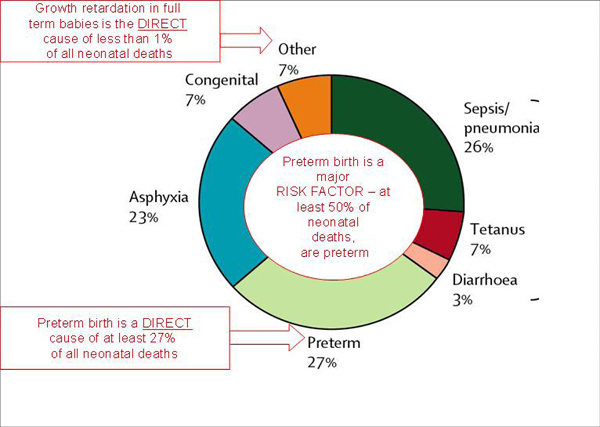
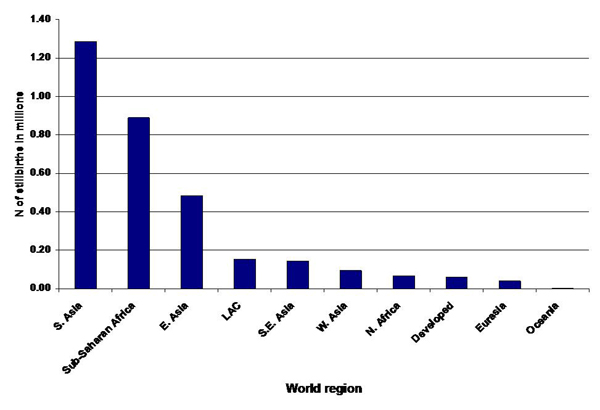
INTRODUCTION: This is the first of seven articles from a preterm birth and stillbirth report. Presented here is an overview of the burden, an assessment of the quality of current estimates, review of trends, and recommendations to improve data. PRETERM BIRTH: Few countries have reliable national preterm birth prevalence data. Globally, an estimated 13 million babies are born before 37 completed weeks of gestation annually. Rates are generally highest in low- and middle-income countries, and increasing in some middle- and high-income countries, particularly the Americas. Preterm birth is the leading direct cause of neonatal death (27%); more than one million preterm newborns die annually. Preterm birth is also the dominant risk factor for neonatal mortality, particularly for deaths due to infections. Long-term impairment is an increasing issue. STILLBIRTH: Stillbirths are currently not included in Millennium Development Goal tracking and remain invisible in global policies. For international comparisons, stillbirths include late fetal deaths weighing more than 1000g or occurring after 28 weeks gestation. Only about 2% of all stillbirths are counted through vital registration and global estimates are based on household surveys or modelling. Two global estimation exercises reached a similar estimate of around three million annually; 99% occur in low- and middle-income countries. One million stillbirths occur during birth. Global stillbirth cause-of-death estimates are impeded by multiple, complex classification systems. RECOMMENDATIONS TO IMPROVE DATA: (1) increase the capture and quality of pregnancy outcome data through household surveys, the main data source for countries with 75% of the global burden; (2) increase compliance with standard definitions of gestational age and stillbirth in routine data collection systems; (3) strengthen existing data collection mechanisms--especially vital registration and facility data--by instituting a standard death certificate for stillbirth and neonatal death linked to revised International Classification of Diseases coding; (4) validate a simple, standardized classification system for stillbirth cause-of-death; and (5) improve systems and tools to capture acute morbidity and long-term impairment outcomes following preterm birth. CONCLUSION: Lack of adequate data hampers visibility, effective policies, and research. Immediate opportunities exist to improve data tracking and reduce the burden of preterm birth and stillbirth.
Overview
The claims and statistics of this paper haven’t been checked yet.
Free: it reads the open-access text and checks the first 5 claims that cite a source we can check. Create a free account to check every claim.
Integrity signals
Registry
Cites
Statistics
Figures
Verification
Claims the paper makes
The claims and statistics of this paper haven’t been checked yet.
Free: it reads the open-access text and checks the first 5 claims that cite a source we can check. Create a free account to check every claim.
Claims other papers make about this one
Each is checked against this paper’s own text: does it say what the citing paper says it does?
The source backs part of the claim, not all of it — or backs it for a different population, condition or comparison.
In the citing paper
“The rate of preterm birth in Pakistan is 15·7% whereas it is 6·6% in Australia1 [4].”
From The association between parity, infant gender, higher level of paternal education and preterm birth in Pakistan: a cohort study (2011) · cites this paper as [4]
Experimental — accuracy not yet measuredIn the citing paper
“Complications related to PTB are the leading causes of death for children aged under 5, resulting in about a million deaths worldwide in 2015 [14,15].”
From A Comprehensive Review on Social Inequalities and Pregnancy Outcome—Identification of Relevant Pathways and Mechanisms (2022) · cites this paper as [15]
In the citing paper
“Moreover, adverse consequences related to LBW and PTB contribute very significantly to global health costs [15,16,17,18,19].”
From A Comprehensive Review on Social Inequalities and Pregnancy Outcome—Identification of Relevant Pathways and Mechanisms (2022) · cites this paper as [15]
Self-check
Percentages, sums and reported differences re-computed from the paper’s own numbers.
The self-check needs the paper’s full text.
Citations
Cites
Grading quality of evidence and strength of recommendations
(2004) · BMJ · doi:10.1136/bmj.328.7454.1490 · Cited by 8,477
Epidemiology and causes of preterm birth
Goldenberg, R. L., Culhane, J. F., Iams, J. D., & Romero, R. (2008) · The Lancet · doi:10.1016/s0140-6736(08)60074-4 · Cited by 7,801 · cited 9×
“Tomashek KM, Shapiro-Mendoza CK, Davidoff MJ, Petrini JR: Diff erences in mortality between late-preterm and term singleton infants in the United States, 1995-2002.”
BackgroundInfluential4 million neonatal deaths: When? Where? Why?
Lawn, J. E., Cousens, S., & Zupan, J. (2005) · The Lancet · doi:10.1016/s0140-6736(05)71048-5 · Cited by 3,670 · cited 10×
“Why?, 10, 2005, with permission from Elsevier.”
BackgroundInfluentialSelf-citationGlobal Burden of Disease and Risk Factors
(2006) · World Bank, Washington, DC eBooks · doi:10.1596/978-0-8213-6262-4 · Cited by 2,605
Grading quality of evidence and strength of recommendations for diagnostic tests and strategies
Schünemann, H. J., Oxman, A. D., Brozek, J., Glasziou, P., Jaeschke, R., Vist, G. E., Williams, J. W., Kunz, R., Craig, J., Montori, V. M., et al. (2008) · BMJ · doi:10.1136/bmj.39500.677199.ae · Cited by 1,782
Low birthweight: country regional and global estimates.
Wardlaw, T., Blanc, A. K., Zupan, J., & Åhman, A. (2004) · Cited by 1,773
Preterm Birth: Causes, Consequences, and Prevention
Outcomes, A. H., Behrman, R. E., & Butler, A. S. (2007) · Cited by 1,577
Evidence-based, cost-effective interventions: How many newborn babies can we save?
Darmstadt, G. L., Bhutta, Z. A., Cousens, S., Adam, T., Walker, N., & de Bernis, L. (2005) · The Lancet · doi:10.1016/s0140-6736(05)71088-6 · Cited by 1,541 · cited 2×
“on achieving high coverage of evidence-based interventions to prevent preterm delivery and to improve survival for preterm newborns [ 5 ].”
BackgroundThe Worldwide Incidence of Preterm Birth: A Systematic Review of Maternal Mortality and Morbidity
Beck, S., Wojdyla, D., Say, L., Pilar Bertran, A., Meraldi, M., Harris Requejo, J., Rubens, C., Menon, R., & Van Look, P. (2010) · Bulletin of the World Health Organization · doi:10.2471/blt.08.062554 · Cited by 1,523 · cited 2×
“Preterm birth prevalence rates A recent publication estimates about 13 million preterm babies are born each year worldwide [21].”
BackgroundSelf-citationNeurologic and Developmental Disability after Extremely Preterm Birth
Wood, N. S., Marlow, N., Costeloe, K., Gibson, A. T., & Wilkinson, A. R. (2000) · New England Journal of Medicine · doi:10.1056/nejm200008103430601 · Cited by 1,357
Research works printed but not linked: 9
- Lawn JZ J Begkoyian G Newborn Survival 2005 2 The World Bank and the National Institutes of Health
- WHO International Classification of Diseases and Related Health Problems, 10th Revision. Volume 2 1993
- WHO Perinatal and neonatal mortality for the year 2000: Country, regional and global estimates. 2006 World Health Organization
- Pattison R Saving Babies 2001: 2nd Perinatal Care Survey of South Africa. 2004
- Lawn JE MB Ross SR The Healthy Newborn: A reference guide for program managers. 2001
- Parker J Stanton C Lawn J A systematic review of methods for gestational age assessment. 2008
- International Centre for Diarrheal Disease Research B Registration of Health and Demographic Events 2000; Health and Demographic Surveillance System, Matlab. 2002 International Centre for Diarrheal Disease Research, Bangladesh
- Stanton C Perinatal mortality in the Philippines: an investigation into the use of demographic survey data for the study of perinatal mortality and its determinants. [A PhD Thesis]. The Johns Hopkins University School of Hygiene and Public Health 1996 Department of Population Dynamics
- Espeut D A validation of birth and pregnancy histories in Matlab, Bangladesh; Dissertation. Department of Population, Family and Reproductive Health Sciences 2002 The Johns Hopkins School of Hygiene and Public Health
Cited by
Items 201–300 of 808
Injectable silk-based biomaterials for cervical tissue augmentation: an in vitro study
Brown, J. E., Partlow, B. P., Berman, A. M., House, M. D., & Kaplan, D. L. (2015) · American Journal of Obstetrics and Gynecology · doi:10.1016/j.ajog.2015.08.046 · Cited by 41
Ayele, T. B., & Moyehodie, Y. A. (2023) · BMC Pregnancy and Childbirth · doi:10.1186/s12884-023-05517-5 · Cited by 48
“Despite this high preterm birth rate, it is challenging to determine the trend of preterm birth in the majority of low-income economies due to a lack of accurate data [9].”
BackgroundThe effect of zinc supplementation on pregnancy outcome: a randomized controlled trial
Sorouri, Z. Z., Sadeghi, H., & Pourmarzi, D. (2015) · The Journal of Maternal-Fetal & Neonatal Medicine · doi:10.3109/14767058.2015.1079615 · Cited by 39
Christou, A., Dibley, M. J., & Raynes‐Greenow, C. H. (2016) · Tropical Medicine & International Health · doi:10.1111/tmi.12828 · Cited by 41
“We found only four surveys completing verbal autopsy for stillbirths over the ten-year period examined, and none in the last five years, despite recommendations for increasing their frequency (4, 42).”
BackgroundTesema, G. A., Gezie, L. D., & Nigatu, S. G. (2020) · BMJ Open · doi:10.1136/bmjopen-2019-034562 · Cited by 41
Overview of the Global and US Burden of Preterm Birth
Ward, V. C., Lee, A. C., Hawken, S., Otieno, N. A., Mujuru, H. A., Chimhini, G., Wilson, K. R., & Darmstadt, G. L. (2024) · Clinics in Perinatology · doi:10.1016/j.clp.2024.02.015 · Cited by 41
New, Potent, and Selective Peptidic Oxytocin Receptor Agonists
Wiśniewski, K., Alagarsamy, S., Galyean, R., Tariga, H., Thompson, D., Ly, B., Wiśniewska, H., Qi, S., Croston, G. E., Laporte, R., et al. (2014) · Journal of Medicinal Chemistry · doi:10.1021/jm500365s · Cited by 41
Leyva, J. G. D., Canizalez‐Román, A., Alfaro, L. F. A., González-Ibarra, F. P., & Murillo‐Llanes, J. (2018) · Journal of obstetrics and gynaecology research · doi:10.1111/jog.13687 · Cited by 38
Liu, H., Chen, N., Yu, J., Tang, W., He, J., Xiao, H., Lin, S., Hu, F., Feng, Q., Tucker, J. D., et al. (2019) · BMC Infectious Diseases · doi:10.1186/s12879-019-3896-4 · Cited by 41
Luo, X., Pan, J., Wang, L., Wang, P., Zhang, M., Liu, M., Dong, Z., Meng, Q., Tao, X., Zhao, X., et al. (2015) · BMC Pregnancy and Childbirth · doi:10.1186/s12884-015-0460-0 · Cited by 40
“Preterm premature rupture of membranes (PPROM), which occurs in one-third of all preterm births (PTBs), is one of the major causes of prematurity [1].”
BackgroundNahar, T., Azad, K., Aumon, B. H., Younes, L., Shaha, S. K., Kuddus, A., Prost, A., Houweling, T. A. J., Costello, A. M. D. L., & Fottrell, E. F. (2012) · BMC Pregnancy and Childbirth · doi:10.1186/1471-2393-12-5 · Cited by 40
Mahande, M. J., Daltveit, A. K., Obure, J., Mmbaga, B. T., Masenga, G. G., Manongi, R. N., & Lie, R. T. (2013) · Tropical Medicine & International Health · doi:10.1111/tmi.12111 · Cited by 37
“This is about twice as high as the figures reported in high-income countries (Lawn et al. 2010).”
BackgroundResultFurther evidence for periodontal disease as a risk indicator for adverse pregnancy outcomes
Turton, M., & Africa, C. W. J. (2016) · International Dental Journal · doi:10.1111/idj.12274 · Cited by 44
Ashoush, S. A., Elkady, O. S., Elhawwary, G., & Othman, M. I. A. (2017) · Acta Obstetricia Et Gynecologica Scandinavica · doi:10.1111/aogs.13236 · Cited by 39
Arendt, E., Singh, N., & Campbell, O. M. R. (2018) · PLoS ONE · doi:10.1371/journal.pone.0192167 · Cited by 45
Periodontal disease and preterm birth: Findings from the 2015 Pelotas birth cohort study
de Oliveira, L. J. C., Cademartori, M. G., Schuch, H. S., Barros, F. C., da Silveira, M. F., Corrêa, M. B., & Demarco, F. F. (2020) · Oral Diseases · doi:10.1111/odi.13670 · Cited by 41
Rezzonico, R., Caccamo, L. M., Manfredini, V. A., Cartabia, M., Sanchez, N., Paredes, Z., Froesch, P., Cavalli, F., & Bonati, M. R. (2015) · BMC Pediatrics · doi:10.1186/s12887-015-0338-3 · Cited by 38
Preterm birth and neonatal mortality in a rural Bangladeshi cohort: implications for health programs
Baqui, A. H., Rosen, H., Lee, A. C. C., Applegate, J. A., Arifeen, S. E., Rahman, S. M., Begum, N., Shah, R., Darmstadt, G. L., & Black, R. E. (2013) · Journal of Perinatology · doi:10.1038/jp.2013.91 · Cited by 43
Fiorini, T., Susin, C., da Rocha, J. M., Weidlich, P., Vianna, P., Moreira, C. H. C., Chies, J. A. B., Rõsing, C. K., & Oppermann, R. V. (2012) · Journal of Periodontal Research · doi:10.1111/j.1600-0765.2012.01513.x · Cited by 36
Stillbirth undercount in the sample registration system and national family health survey, India
Dandona, R., George, S., Majumder, M., Akbar, M., & Kumar, G. A. (2023) · Bulletin of the World Health Organization · doi:10.2471/blt.22.288906 · Cited by 35
Prematurity and Genetic Testing for Neonatal Diabetes
Besser, R. E. J., Flanagan, S. E., Mackay, D., Temple, I. K., Shepherd, M. H., Shields, B. M., Ellard, S., & Hattersley, A. T. (2016) · PEDIATRICS · doi:10.1542/peds.2015-3926 · Cited by 40
Esposito, G., Franchi, M., Dalmartello, M., Scarfone, G., Negri, E., Parazzini, F., Vecchia, C. L., & Corrao, G. (2021) · BMC Pregnancy and Childbirth · doi:10.1186/s12884-020-03508-4 · Cited by 35
Kochar, P. S., Dandona, R., Kumar, G. A., & Dandona, L. (2014) · BMC Pregnancy and Childbirth · doi:10.1186/s12884-014-0413-z · Cited by 35
Cervical cerclage: A review of current evidence
Abbott, D. S., To, M. S., & Shennan, A. H. (2012) · Australian and New Zealand Journal of Obstetrics and Gynaecology · doi:10.1111/j.1479-828x.2012.01412.x · Cited by 35
Frequency of Antenatal Care Visits and Neonatal Mortality in Indonesia
Ibrahim, J., Yorifuji, T., Tsuda, T., Kashima, S., & Doi, H. (2011) · Journal of Tropical Pediatrics · doi:10.1093/tropej/fmr067 · Cited by 35
Wakuma, B., Berhanie, E., Desta, K. W., Dinsa, L. H., Fetensa, G., Etafa, W., & Tsegaye, R. (2020) · PLoS ONE · doi:10.1371/journal.pone.0231354 · Cited by 34
Tesema, G. A., Worku, M. G., & Teshale, A. B. (2021) · PLoS ONE · doi:10.1371/journal.pone.0247091 · Cited by 37
“Of which, 67% of the global stillbirth occurred in Sub-Saharan Africa including Ethiopia [10], and most of the stillbirths occur during the intrapartum period that can be preventable by optimizing birth interval [11, 12].”
BackgroundWubetu, A. D., Amare, Y. E., Haile, A. B., & Degu, M. W. (2021) · Pediatric Health Medicine and Therapeutics · doi:10.2147/phmt.s299202 · Cited by 47
Psaila, K., Kruske, S., Fowler, C., Homer, C., & Schmied, V. A. (2014) · BMC Pregnancy and Childbirth · doi:10.1186/1471-2393-14-151 · Cited by 38
Servan-Mori, E. E., Sosa-Rubí, S. G., Najera-Leon, E., & Darney, B. G. (2015) · Health Policy and Planning · doi:10.1093/heapol/czv082 · Cited by 38
Is preterm birth a human-specific syndrome?
Phillips, J. B., Abbot, P., & Rokas, A. (2015) · Evolution Medicine and Public Health · doi:10.1093/emph/eov010 · Cited by 37
“The significant impact of PTB on offspring fitness is indicated by the fact that PTB is the leading direct cause of neonate mortality (defined as deaths within the first 4 weeks of life) worldwide; for example, approximately 27% of the 4 million neonatal deaths in 2000 were attributed to complications from PTB [72].”
BackgroundRuíz, L., Moles, L., Gueimonde, M., & Rodríguez, J. M. (2016) · Journal of Pediatric Gastroenterology and Nutrition · doi:10.1097/mpg.0000000000001196 · Cited by 44
“Indeed, KMC started at the first week post-birth is associated with a 51% reduction in neonatal mortality for babies weighing <2000 g, compared to incubator care (3).”
BackgroundInfluentialGirguis, M. S., Strickland, M. J., Hu, X., Liu, Y., Chang, H. H., Kloog, I., Belanoff, C. M., Bartell, S. M., & Vieira, V. M. (2017) · Journal of Exposure Science & Environmental Epidemiology · doi:10.1038/s41370-017-0006-9 · Cited by 33
“5 exposure on preterm infants have widespread implications as currently more than 1 in 10 babies are born preterm and preterm birth rates are increasing internationally [37].”
BackgroundNonterah, E. A., Agorinya, I. A., Kanmiki, E. W., Kagura, J., Tamimu, M., Ayamba, E. Y., Nonterah, E. W., Kaburise, M. B., Al‐Hassan, M., Ofosu, W. K., et al. (2020) · PLoS ONE · doi:10.1371/journal.pone.0229013 · Cited by 37
Dahman, H. A. B. (2020) · Sudanese Journal of Paediatrics · doi:10.24911/sjp.106-1575722503 · Cited by 46
The Association between Preterm Birth and Ambient Air Pollution Exposure in Shiyan, China, 2015–2017
Chen, Q., Ren, Z., Liu, Y., Qiu, Y.-F., Yang, H., Zhou, Y., Wang, X., Jiao, K., Liao, J., & Ma, L. (2021) · International Journal of Environmental Research and Public Health · doi:10.3390/ijerph18084326 · Cited by 36
Cantarutti, A., Rea, F., Franchi, M., Beccalli, B., Locatelli, A., & Corrao, G. (2021) · International Journal of Environmental Research and Public Health · doi:10.3390/ijerph182312621 · Cited by 39
Yin, T., Yang, L., Lee, T.-Y., Li, C., Hua, Y., & Liaw, J. (2015) · International Journal of Nursing Studies · doi:10.1016/j.ijnurstu.2015.04.012 · Cited by 33
Validation of the Spanish version of mackey childbirth satisfaction rating scale
Caballero, P., Delgado-García, B. E., Orts‐Cortés, M. I., Vasallo, J. M., Pereyra-Zamora, P., & Nolasco, A. (2016) · BMC Pregnancy and Childbirth · doi:10.1186/s12884-016-0862-7 · Cited by 37
Garn, J. V., Nagulesapillai, T., Metcalfe, A., Tough, S., & Kramer, M. R. (2014) · Maternal and Child Health Journal · doi:10.1007/s10995-014-1576-y · Cited by 34
“International comparisons of risk factors for PTB have been limited by heterogeneity in how and which variables are collected, and by incompleteness or inadequacy of data [11].”
BackgroundChanges in risk factors for preterm birth in W estern A ustralia 1984–2006
Hammond, G., Langridge, A., Leonard, H., Hagan, R., Jacoby, P. A., de Klerk, N. H., Pennell, C. E., & Stanley, F. (2013) · BJOG An International Journal of Obstetrics & Gynaecology · doi:10.1111/1471-0528.12188 · Cited by 39
Zheng, J., Guan, Y., Zhao, Y., Zhao, W., Tang, X., Chen, H., Xu, M., Wu, L., Zhu, S., Liu, H., et al. (2015) · British Journal Of Nutrition · doi:10.1017/s0007114515004663 · Cited by 37
“However, accordingly to a recent global report on PTB and still birth((33)), the prevalence of PTB in China has decreased from 7·5 % in 1981–1982 to 3·5 % in 1998((34)).”
BackgroundCounseling and Knowledge of Danger Signs of Pregnancy Complications in Haiti, Malawi, and Senegal
Assaf, S. (2018) · Maternal and Child Health Journal · doi:10.1007/s10995-018-2563-5 · Cited by 32
Aynalem, Y. A., Shiferaw, W. S., Akalu, T. Y., Wubetu, A. D., Assefa, H. K., & Habtewold, T. D. (2021) · International Journal of Pediatrics · doi:10.1155/2021/7478108 · Cited by 33
Factors for Preterm Births in Germany – An Analysis of Representative German Data (KiGGS)
Weichert, A., Weichert, T., Bergmann, R. L., Henrich, W., Kalache, K. D., Richter, R., Neymeyer, J., & Bergmann, K. (2015) · Geburtshilfe und Frauenheilkunde · doi:10.1055/s-0035-1557817 · Cited by 50
Kalter, H. D., Roubanatou, A.-M., Koffi, A. K., & Black, R. E. (2015) · Journal of Global Health · doi:10.7189/jogh.05.010415 · Cited by 34
Psychobiobehavioral Model for Preterm Birth in Pregnant Women in Low- and Middle-Income Countries
Premji, S., Yim, I. S., Dosani, A., Kanji, Z., Sulaiman, S., Musana, J. W., Samia, P., Shaikh, K., Letourneau, N. L., & MiGHT Group (2015) · BioMed Research International · doi:10.1155/2015/450309 · Cited by 35
“Twelve of the 15 countries that contribute more than 60% to the global burden of PTB are low- and middle-income (LMI) countries [1].”
BackgroundQualidade das informações registradas nas declarações de óbito fetal em São Paulo, SP
de Almeida, M. F., Alencar, G. P., Schoeps, D., Minuci, E. G., da Silva, Z. P., Ortiz, L. P., Novaes, H. M. D., Alencar, A. P., Raspantini, P. R., & dos Santos, P. C. (2011) · Revista de Saúde Pública · doi:10.1590/s0034-89102011005000058 · Cited by 31
Stinson, L. F., Ireland, D. J., Kemp, M. W., Payne, M. S., Stock, S. J., Newnham, J. P., & Keelan, J. A. (2014) · Reproduction · doi:10.1530/rep-13-0576 · Cited by 31
Morisaki, N., Ganchimeg, T., Vogel, J. P., Zeitlin, J. A., Cecatti, J. G., Souza, J. P., Castro, C. P., Torloni, M., Ota, E., Mori, R., et al. (2017) · BJOG An International Journal of Obstetrics & Gynaecology · doi:10.1111/1471-0528.14548 · Cited by 35
Ananth, C. V., Friedman, A. M., Goldenberg, R. L., Wright, J. D., & Vintzileos, A. M. (2018) · Archives of Pediatrics and Adolescent Medicine · doi:10.1001/jamapediatrics.2018.1792 · Cited by 31
Mustafa, M., Garg, N., Banerjee, B., Sharma, T., Tyagi, V., Dar, S. A., Guleria, K., Ahmad, R. S., Vaid, N. B., & Tripathi, A. K. (2015) · Reproductive Toxicology · doi:10.1016/j.reprotox.2015.05.018 · Cited by 31
the PCP study team, Houweling, T. A. J., Azad, K., Younes, L., Kuddus, A., Shaha, S. K., Aumon, B. H., Nahar, T., Beard, J., Fottrell, E. F., et al. (2011) · Trials · doi:10.1186/1745-6215-12-208 · Cited by 32
Bortolotto, C. C., Santos, I. S., Vaz, J. D. S., Matijasevich, A., Barros, A. J. D., Barros, F. C., Santos, L. P., & Munhoz, T. N. (2021) · BMC Public Health · doi:10.1186/s12889-021-10368-w · Cited by 34
“Background Prematurity is globally recognized as a public health problem since its complications are the leading cause of neonatal and infant deaths in middle- and upper-income countries [1], including Brazil [2–4].”
BackgroundModerately and Late Preterm Infants: Short- and Long-Term Outcomes From a Registry-Based Cohort
Smyrni, N., Koutsaki, M., Petra, M., Nikaina, E., Gontika, M. P., Strataki, H., Davora, F., Bouza, H., Damianos, G., Skouteli, H. N., et al. (2021) · Frontiers in Neurology · doi:10.3389/fneur.2021.628066 · Cited by 30
Impact of National Rural Health Mission on perinatal mortality in rural India
Singh, S. K., Kaur, R., Gupta, M., & Kumar, R. (2011) · Indian Pediatrics · doi:10.1007/s13312-012-0022-8 · Cited by 30
Risk Factors for Stillbirth: Findings from a Population‐Based Case–Control Study, H aryana, I ndia
Neogi, S. B., Negandhi, P. H., Chopra, S., Das, A. M., ZODPEY, S. P., Gupta, R. K., & Gupta, R. (2015) · Paediatric and Perinatal Epidemiology · doi:10.1111/ppe.12246 · Cited by 38
Haftu, A. (2017) · Biomedical Journal of Scientific & Technical Research · doi:10.26717/bjstr.2017.01.000619 · Cited by 38
Hoyt, A. T., Canfield, M. A., Romitti, P. A., Botto, L. D., Anderka, M., Krikov, S. V., & Feldkamp, M. L. (2018) · Maternal and Child Health Journal · doi:10.1007/s10995-018-2522-1 · Cited by 30
Ontela, V., Dorairajan, G., Bhat, V. B., & Chinnakali, P. (2018) · Journal of Tropical Pediatrics · doi:10.1093/tropej/fmy001 · Cited by 31
Zang, H., Cheng, H., Wenya, S., Yang, M. J., Han, P., Chen, C., & Ding, R. (2019) · Environmental Science and Pollution Research · doi:10.1007/s11356-019-04157-7 · Cited by 30
McFarlin, B. L., Balash, J., Kumar, V., Bigelow, T. A., Pombar, X. F., Abramowicz, J. S., & O’Brien, W. D. (2015) · Ultrasound in Medicine & Biology · doi:10.1016/j.ultrasmedbio.2015.04.022 · Cited by 29
McClure, E. M., Bose, C. L., Garces, A., Esamai, F., Goudar, S. S., Patel, A., Chomba, E., Pasha, O., Tshefu, A., Kodkany, B. S., et al. (2015) · Maternal Health, Neonatology and Perinatology · doi:10.1186/s40748-015-0012-7 · Cited by 27
Goldenberg, R. L., Griffin, J., Kamath‐Rayne, B. D., Harrison, M. S., Rouse, D. J., Moran, K., Jones‐Hepler, B., Jobe, A., & McClure, E. M. (2016) · BJOG An International Journal of Obstetrics & Gynaecology · doi:10.1111/1471-0528.14304 · Cited by 32
Exploring antenatal education content for couples in Blantyre, Malawi
Chikalipo, M., Chirwa, E. M., & Muula, A. S. (2018) · BMC Pregnancy and Childbirth · doi:10.1186/s12884-018-2137-y · Cited by 29
Suff, N., Karda, R., Diaz, J. F. A., Ng, J., Baruteau, J., Perocheau, D. P. B., Taylor, P. W., Alber, D., Buckley, S. M. K., Bajaj‐Elliott, M., et al. (2020) · Frontiers in Immunology · doi:10.3389/fimmu.2020.00106 · Cited by 29
Pummara, P., Tongsong, T., Wanapirak, C., Sirichotiyakul, S., & Luewan, S. (2016) · Taiwanese Journal of Obstetrics and Gynecology · doi:10.1016/j.tjog.2015.12.007 · Cited by 34
Labour induction near term for women aged 35 or over: an economic evaluation
Walker, K. F., Dritsaki, M., Bugg, G. J., Macpherson, M., McCormick, C., Grace, N., Wildsmith, C., Bradshaw, L. E., Smith, G., & Thornton, J. (2017) · BJOG An International Journal of Obstetrics & Gynaecology · doi:10.1111/1471-0528.14557 · Cited by 29
Mustikawati, I. S., Pratomo, H., Martha, E., Murty, A. I., & Adisasmita, A. C. (2019) · Journal of Neonatal Nursing · doi:10.1016/j.jnn.2019.11.008 · Cited by 29
Neonatal Mortality Risks Among Preterm Births in a Rural B angladeshi Cohort
Shah, R., Mullany, L. C., Darmstadt, G. L., Talukder, M. R., Rahman, S. M., Mannan, I., Arifeen, S. E., Baqui, A. H., & ProjAHNMo Study Group in Bangladesh (2014) · Paediatric and Perinatal Epidemiology · doi:10.1111/ppe.12145 · Cited by 31
Oosthuizen, S. J., Bergh, A.-M., Grimbeek, J., & Pattinson, R. (2019) · South African Medical Journal · doi:10.7196/samj.2019.v109i2.13429 · Cited by 33
Genetic innovations and our understanding of stillbirth
Wilkins-Haug, L. E. (2020) · Human Genetics · doi:10.1007/s00439-020-02146-2 · Cited by 29
“While in high-resource countries, the stillbirth rate is already below this mark, a goal of 1 in 80 worldwide reflects that the majority of stillbirths currently occur in low-resource countries with higher rates and more deliveries (Lawn et al. 2010) (Fig.”
BackgroundStudy protocol: PoPE-Prediction of Preterm delivery by Electrohysterography
de Lau, H., Rabotti, C., Oosterbaan, H. P., Mischi, M., & Oei, S. G. (2014) · BMC Pregnancy and Childbirth · doi:10.1186/1471-2393-14-192 · Cited by 32
Levels, timing, and etiology of stillbirths in Sylhet district of Bangladesh
Baqui, A. H., Choi, Y., Williams, E., Arifeen, S. E., Mannan, I., Darmstadt, G. L., & Black, R. E. (2011) · BMC Pregnancy and Childbirth · doi:10.1186/1471-2393-11-25 · Cited by 29
The effect of antiemetics in childhood gastroenteritis
Das, J. K., Kumar, R., Salam, R. A., Freedman, S. B., & Bhutta, Z. A. (2013) · BMC Public Health · doi:10.1186/1471-2458-13-s3-s9 · Cited by 32
Mekuriyaw, A. M., Mihret, M. S., & Yismaw, A. E. (2020) · International Journal of Pediatrics · doi:10.1155/2020/1854073 · Cited by 28
Sociodemographic characteristics of mother’s population and risk of preterm birth in Chile
Orellana, P. L., & Bréart, G. (2013) · Reproductive Health · doi:10.1186/1742-4755-10-26 · Cited by 27
Ezeh, O. K., Uche-Nwachi, E. O., Abada, U. D., & Agho, K. (2019) · BMC Public Health · doi:10.1186/s12889-019-7151-0 · Cited by 27
The rise in singleton preterm births in the USA: the impact of labour induction
Zhang, X., & Ms, K. (2012) · BJOG An International Journal of Obstetrics & Gynaecology · doi:10.1111/j.1471-0528.2012.03453.x · Cited by 29
Zini, M. E., & Omo-Aghoja, L. O. (2019) · Ghana Medical Journal · doi:10.4314/gmj.v53i1.4 · Cited by 27
“Complications of preterm birth are the leading direct cause of neonatal mortality, accounting for an estimated 27% of the almost four million neonatal deaths annually, and act as a risk factor for many neonatal deaths due to other causes, particularly infections.(4) This study was carried out in two centres, DELSUTH,…”
BackgroundFree fetal DNA levels in patients at risk of preterm labour
Illanes, S. E., Gómez, R., Fornes, R., Horacio Figueroa, D., Manuel Schepeler, S., Searovic, P., Serra, R., Perez, A., & Nien, J. K. (2011) · Prenatal Diagnosis · doi:10.1002/pd.2838 · Cited by 27
“However, the overall preterm birth rate has remained unchanged (Lawn et al., 2010) and this is explained because 2/3 of all preterm deliveries occur in patients not identified at risk, and most importantly because of the lack of a full understanding of the pathophysiology and the molecular basis…”
BackgroundMcDonald, C. R., Darling, A. M., Conroy, A. L., Tran, V., Cabrera, A. L., Liles, W. C., Wang, M., Aboud, S., Urassa, W. K., Fawzi, W. W., et al. (2015) · PLoS ONE · doi:10.1371/journal.pone.0134619 · Cited by 28
“There is evidence of a linear relationship between increased risk of mortality and morbidity as gestational age at delivery decreases [9].”
BackgroundTrends in gestational age and birth weight in Chile, 1991–2008. A descriptive epidemiological study
Orellana, P. L., & Bréart, G. (2012) · BMC Pregnancy and Childbirth · doi:10.1186/1471-2393-12-121 · Cited by 26
Morisaki, N., Piedvache, A., Nagata, C., Michikawa, T., Morokuma, S., Kato, K., Sanefuji, M., Shibata, E., Tsuji, M., Shimono, M., et al. (2021) · Scientific Reports · doi:10.1038/s41598-021-93101-2 · Cited by 26
Deriba, B. S., & Jemal, K. (2021) · INQUIRY The Journal of Health Care Organization Provision and Financing · doi:10.1177/00469580211047199 · Cited by 26
Ghosh, P., Rohatgi, P., & Bose, K. (2021) · Social Science & Medicine · doi:10.1016/j.socscimed.2021.114604 · Cited by 30
Adugna, D. G. (2022) · PLoS ONE · doi:10.1371/journal.pone.0276793 · Cited by 26
“Those mothers with unknown LNMP or absent early pregnancy ultrasound evidence (�20 completed weeks of gestation) for gestational age (GA) calculation were excluded.”
BackgroundInfluentialChanges in Birth Weight between 2002 and 2012 in Guangzhou, China
Guo, Y. G., Liu, Y., He, J., Xia, X., Mo, W., Wang, P., Feng, Q., Larson, C. P., Xia, H., & Qiu, X. (2014) · PLoS ONE · doi:10.1371/journal.pone.0115703 · Cited by 26
“Classifications Newborns were categorized according to gestational age in completed weeks as: very preterm birth (28–31 weeks), moderate or late preterm birth (32–36 weeks) [13], early term birth (37–38 weeks), full term birth (39–40 weeks) and late term birth (41 weeks) [14, 15].”
MethodThe high burden of infant deaths in rural Burkina Faso: a prospective community-based cohort study
for the PROMISE-EBF study group, Diallo, A. H., Méda, N., Sommerfelt, H., Traore, G., Cousens, S., & Tylleskär, T. (2012) · BMC Public Health · doi:10.1186/1471-2458-12-739 · Cited by 26
Oxidative stress and DNA damage in the cord blood of preterm infants
Noorishadkam, M., Andishmand, S., Reza, J. Z., Sakhvidi, M. J. Z., & Hachesu, V. R. (2017) · Mutation Research/Genetic Toxicology and Environmental Mutagenesis · doi:10.1016/j.mrgentox.2017.10.003 · Cited by 26
Sloan, N. L., Storey, A., Fasawe, O., Yakubu, J. L., McCrystal, K., Wiwa, O., Lothe, L. J., & Grepstad, M. (2018) · Maternal and Child Health Journal · doi:10.1007/s10995-018-2476-3 · Cited by 31
Mirzamoradi, M., Nejhad, F. H., Jamali, R., Heidar, Z., & Bakhtiyari, M. (2019) · The Journal of Maternal-Fetal & Neonatal Medicine · doi:10.1080/14767058.2018.1554051 · Cited by 27
“6% worldwide, with over one million neonatal deaths annually [11].”
BackgroundUtility of local health registers in measuring perinatal mortality: A case study in rural Indonesia
Burke, L., Suswardany, D. L., Michener, K., Mazurki, S., Adair, T., Elmiyati, C., & Rao, C. (2011) · BMC Pregnancy and Childbirth · doi:10.1186/1471-2393-11-20 · Cited by 26
“Moreover, implementation of surveys require additional human, financial and technical resources, and the data are prone to recall and information bias, particularly regarding stillbirths [ 4 ].”
BackgroundStandardisation of neonatal clinical practice
Bhutta, Z., Giuliani, F., Haroon, A., Knight, H., Albernaz, E., Batra, M., Bhat, B., Bertino, E., McCormick, K., Ochieng, R., et al. (2013) · BJOG: An International Journal of Obstetrics & Gynaecology · doi:10.1111/1471-0528.12312 · Cited by 25
Rocha, T. A. H., Thomaz, É. B. A. F., de Almeida, D. G., da Silva, N. C., Queiroz, R. C. D. S., de Andrade, L., Facchini, L. A., Sartori, M. L. L., Costa, D. B., Campos, M. A. G., et al. (2021) · The Lancet Regional Health - Americas · doi:10.1016/j.lana.2021.100053 · Cited by 26
Gao, Y., Roe, Y. L., Hickey, S. D., Chadha, A., Kruske, S., Nelson, C., Carson, A., Watego, K., Reynolds, M., Costello, J., et al. (2023) · The Lancet Regional Health - Western Pacific · doi:10.1016/j.lanwpc.2023.100722 · Cited by 28
A Standardized Template for Clinical Studies in Preterm Birth
Myatt, L., Eschenbach, D. A., Lye, S. J., Mesiano, S. A., Murtha, A. P., Williams, S. M., Pennell, C. E., & Groups, I. P. B. C. (. P. A. S. B. W. (2012) · Reproductive Sciences · doi:10.1177/1933719111426602 · Cited by 29
Prevalência de nascimentos pré-termo por peso ao nascer: revisão sistemática
da Silveira, M. F., Matijasevich, A., Horta, B. L., Bettiol, H., Barbieri, M. A., da Sílva, A. A. M., Rondó, P. H. D. C., Lunardelli, A. N., Peres, M. A., Gurgel, R. Q., et al. (2013) · Revista de Saúde Pública · doi:10.1590/s0034-8910.2013047004997 · Cited by 25
Kanya, L., Obare, F., Warren, C., Abuya, T., Askew, I., & Bellows, B. (2013) · Health Policy and Planning · doi:10.1093/heapol/czt079 · Cited by 30
Phillips, J., & Millum, J. (2014) · Bioethics · doi:10.1111/bioe.12120 · Cited by 25
Metadata
- Authors
- the GAPPS Review Group, Lawn, J. E., Gravett, M. G., Nunes, T. M., Rubens, C. E., & Stanton, C.
- Affiliations
- Save the Children (US)
- University of Washington (US)
- Johns Hopkins University (US)
- Corresponding author
- Stanton, Cynthia
- Venue
- BMC Pregnancy and Childbirth
- Published
- 2010-02
- Volume
- 10
- Issue
- S1
- Pages
- S1-S1
- ISSN
- 1471-2393 (ISSN-L)
- PMC
- PMC2841772
- OpenAlex
- W2133911610
- Semantic Scholar
- 56d2c7a022b4dc8f68991bdf3437c881a360240b
- Cited by
- 784
- References
- 102
- Citations by year
- 2026: 15 · 2025: 20 · 2024: 27 · 2023: 45 · 2022: 43 · 2021: 92 · 2020: 50 · 2019: 52 · 2018: 49 · 2017: 57 · 2016: 69 · 2015: 63 · 2014: 60 · 2013: 49 · 2012: 45
- Type
- book review
- Language
- en
- Open access
- gold
- doi.org
- Licence
- cc-by
- creativecommons.org/licenses/by/2.0 (tdm)
- Locations
- BMC Pregnancy and Childbirth (publishedVersion, cc-by)
- PubMed Central (publishedVersion, cc-by)
- PubMed (publishedVersion)
- LSHTM Research Online (London School of Hygiene and Tropical Medicine) (acceptedVersion)
- DOAJ (DOAJ: Directory of Open Access Journals) (submittedVersion)
- Funders
- Bill and Melinda Gates Foundation
- Eunice Kennedy Shriver National Institute of Child Health and Human Development (R24HD042854)
- Topics
- Health Sciences › Medicine › Pediatrics, Perinatology and Child Health › Global Maternal and Child Health
- Health Sciences › Medicine › Pediatrics, Perinatology and Child Health › Maternal and Neonatal Healthcare
- Health Sciences › Medicine › Pediatrics, Perinatology and Child Health › Infant Development and Preterm Care
- Keywords
- preterm birth, stillbirth, neonatal mortality, global burden of disease, preterm birth prevalence, civil registration, household surveys, International Classification of Diseases, data quality, low- and middle-income countries, long-term impairment
- MeSH terms
- Cause of Death, Data Collection, Female, Fetal Death, Humans, Infant Mortality, Infant, Newborn, Pregnancy, Global Health, Prevalence, Premature Birth, Stillbirth
About these checks
Registry, retraction, Cites and statistics results are computed, not judged, with one exception: a printed reference that no index lists is read once by a model before it counts as a citation error. Claims are extracted by a model and kept only when their quote appears verbatim in the text; each cited source is then checked, with a model’s help, for whether it says what the claim relies on. Those verdicts can be wrong — read the claim’s quote and the cited source before relying on one.
Statistics and arithmetic are recomputed, not judged.
Confidence bands are shown only for fields calibrated on our annotated test set. None is calibrated yet, so no band is shown.
What counts as a claim ›How we measure confidence ›How we check this ›
Are you an author, or do you see a problem with this page? Request a review
Data sources
Bibliographic data: Semantic Scholar, OpenAlex, Crossref.
Contains information from the Semantic Scholar Academic Graph Datasets, made available under the ODC Attribution License (ODC-BY 1.0).
Semantic Scholar’s data is described in: Kinney, R., et al. (2023). The Semantic Scholar Open Data Platform. arXiv:2301.10140.
