

Warwick-Edinburgh Mental Well-being Scale (WEMWBS): Validated for teenage school students in England and Scotland. A mixed methods assessment
Open accessThe DOI matches its Crossref record; 39 of the 41 references it cites were found in a registry or an index.
Abstract
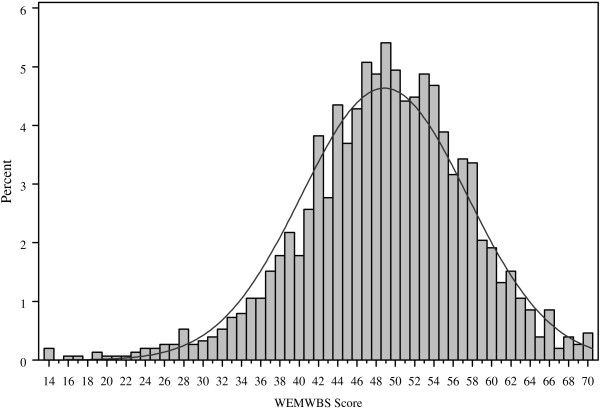
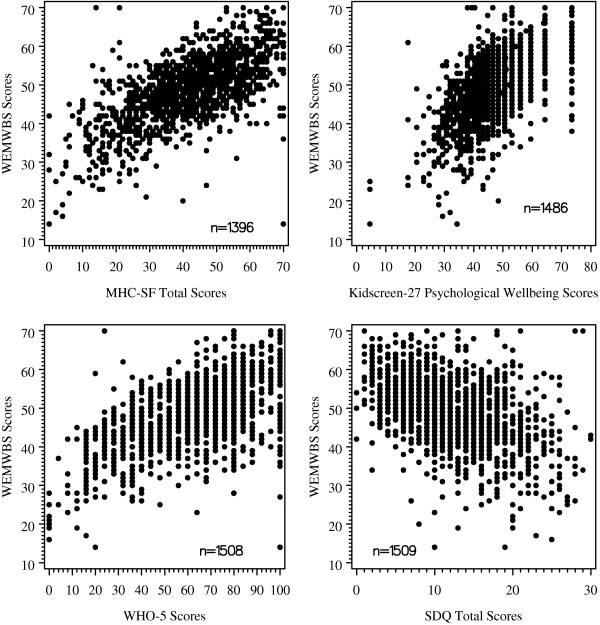
BACKGROUND: Understanding and measuring mental health and wellbeing amongst teenagers has recently become a priority. The Warwick-Edinburgh Mental Well-being Scale (WEMWBS) is validated for measuring mental wellbeing in populations aged 16 years and over in the UK. We report here a study designed to establish the validity and reliability of WEMWBS in teenagers in the UK. METHODS: WEMWBS and comparator scales, together with socio-demographic information and self-reported health, were incorporated into a self-administered questionnaire given to pupils aged 13 to 16 years in six schools in Scotland and England. Psychometric properties including internal consistency, correlations with comparator scales, test-retest stability and unidimensionality were investigated for WEMWBS. Twelve focus groups were undertaken to assess acceptability and comprehensibility of WEMWBS and were taped, transcribed and analysed thematically. RESULTS: A total of 1,650 teenagers completed the questionnaire (response rate 80.8%). Mean WEMWBS score was 48.8 (SD 6.8; median 49). Response scores covered the full range (from 14 to 70). WEMWBS demonstrated strong internal consistency and a high Cronbach's alpha of 0.87 (95% CI (0.85-0.88), n = 1517). Measures of construct validity gave values as predicted. The correlation coefficient for WEMWBS total score and psychological wellbeing domain of the Kidscreen-27 was 0.59 (95% CI [0.55; 0.62]); for the Mental Health Continuum Short Form (MHC-SF) was 0.65, 95% CI [0.62; 0.69]; and for the WHO (WHO-5) Well-being Index 0.57 (95% CI [0.53; 0.61]). The correlation coefficient for the Strengths and Difficulties Questionnaire (SDQ) was -0.44 (95% CI [-0.49; -0.40]) and for the 12-item General Health Questionnaire (GHQ12) -0.45 (95% CI [-0.49; -0.40]). Test-retest reliability was acceptable (Intraclass correlation coefficient (ICC) 0.66 (95% CI [0.59; 0.72] n = 212)). Confirmatory factor analysis demonstrated one underlying factor. WEMWBS was significantly associated with the Family Affluence Score (WEMWBS increased with increasing household socio-economic status) and had a positive association with the physical health dimension of the Kidscreen-27, but was unrelated to age, gender or location/school. Eighty students took part in focus groups. In general, although some students considered some items open to misunderstanding or misinterpretation, WEMWBS was received positively and was considered comprehensible, and acceptable. CONCLUSIONS: WEMWBS is a psychometrically strong population measure of mental wellbeing, and can be used for this purpose in teenagers aged 13 and over.
Overview
The claims and statistics of this paper haven’t been checked yet.
Free: it reads the open-access text and checks the first 5 claims that cite a source we can check. Create a free account to check every claim.
Integrity signals
Registry
Cites
Statistics
Figures
Verification
Claims the paper makes
The claims and statistics of this paper haven’t been checked yet.
Free: it reads the open-access text and checks the first 5 claims that cite a source we can check. Create a free account to check every claim.
Claims other papers make about this one
Each is checked against this paper’s own text: does it say what the citing paper says it does?
The source backs part of the claim, not all of it — or backs it for a different population, condition or comparison.
In the citing paper
“Psychometric data of the measure on the original WEMWBS for adolescents has indicated satisfactory to high internal consistency (r=.87) and the short version has acceptable test-retest reliability (r=.66, 95% CI 0.59-0.72) [44,45].”
From Feasibility and effectiveness of a web-based positive psychology program for youth mental health: Randomized controlled trial (2014) · cites this paper as [45]
Experimental — accuracy not yet measuredThe source backs part of the claim, not all of it — or backs it for a different population, condition or comparison.
In the citing paper
“to high internal consistency (r=.87) and the short version has acceptable test-retest reliability (r=.66, 95% CI 0.59-0.72) [44,45].”
From Feasibility and effectiveness of a web-based positive psychology program for youth mental health: Randomized controlled trial (2014) · cites this paper as [45]
Experimental — accuracy not yet measuredThe cited source says what the claim attributes to it.
In the citing paper
“Participants provided demographic information (age, gender, ethnicity and postcode) and completed the Warwick–Edinburgh Mental Wellbeing scale (WEMWBS), validated for use with young people [22,23].”
Self-check
Percentages, sums and reported differences re-computed from the paper’s own numbers.
The self-check needs the paper’s full text.
Citations
Cites
Coefficient Alpha and the Internal Structure of Tests
Cronbach, L. J. (1951) · Psychometrika · doi:10.1007/bf02310555 · Cited by 43,931 · cited 2×
“7, demonstrating satisfactory to high internal consistency [32].”
BackgroundMethodOn Happiness and Human Potentials: A Review of Research on Hedonic and Eudaimonic Well-Being
Ryan, R. M., & Deci, E. L. (2001) · Annual Review of Psychology · doi:10.1146/annurev.psych.52.1.141 · Cited by 11,567 · cited 1×
“In adults, mental wellbeing is regarded as covering both hedonic (happiness, subjective wellbeing) and eudaimonic (positive functioning) wellbeing [14].”
BackgroundPharmacological interventions for somatoform disorders in adults
Kleinstäuber, M., Witthöft, M., Steffanowski, A., van Marwijk, H., Hiller, W., & Lambert, M. J. (2014) · Cochrane Database of Systematic Reviews · doi:10.1002/14651858.cd010628.pub2 · Cited by 11,335
Bootstrap Methods and their Application
Davison, A. C., & Hinkley, D. V. (1997) · doi:10.1017/cbo9780511802843 · Cited by 7,350
Psychometric properties of the strengths and difficulties questionnaire
GOODMAN, R. (2001) · Journal of the American Academy of Child & Adolescent Psychiatry · doi:10.1097/00004583-200111000-00015 · Cited by 6,813 · cited 10×
“We found very little difference between age groups when correlations between WEMWBS and GHQ12, WHO-5, SDQ, MHC-SF and Kidscreen-27 were repeated for those aged 14 years and younger versus those aged 15 years and older.”
BackgroundInfluentialThe cochrane database of systematic reviews
Geddes, J. (1996) · Journal of Psychosomatic Research · doi:10.1016/s0022-3999(96)90063-x · Cited by 5,989
Bootstrap Methods and Their Application
Loughin, T. M., Davison, A. C., & Hinkley, D. V. (1999) · Journal of the American Statistical Association · doi:10.2307/2669707 · Cited by 5,418
The Warwick-Edinburgh Mental Well-being Scale (WEMWBS): development and UK validation
Tennant, R., Hiller, L., Fishwick, R., Platt, S., Joseph, S., Weich, S., Parkinson, J., Secker, J., & Stewart-Brown, S. (2007) · Health and Quality of Life Outcomes · doi:10.1186/1477-7525-5-63 · Cited by 5,031 · cited 4×
“Discussion WEMWBS is a population measure of mental wellbeing, validated for use in adults aged 16 years and over in the UK [20,21].”
BackgroundMethodInfluentialSelf-citationQualitative data analysis for applied policy research
(2002) · Analyzing Qualitative Data · doi:10.4324/9780203413081-14 · Cited by 4,964 · cited 1×
“Analysis was undertaken using an adapted Framework Approach [37] suitable where a framework for analysis already exists.”
MethodCochrane Database of Systematic Reviews
(2008) · Encyclopedia of Public Health · doi:10.1007/978-1-4020-5614-7_436 · Cited by 4,527
Research works printed but not linked: 7
- Currie C Roberts C Morgan A Smith R Settertobulte W Samdal O Barnekow Rasmussen V Young People's Health in Context: international report from the HBSC 2001/02 survey, (Health Policy for Children and Adolescents, No.4) 2004 WHO Regional Office for Europe, Copenhagen
- Department for Children, Schools and Families Every Child Matters Green Paper 2003 CM5860. Crown Copyright
- National Institute for Health and Clinical Excellence Public Health Guidance No 12 Promoting Children's Social and Emotional Wellbeing in Primary Education 2008
- Ofsted Indicators of a school's contribution to well-being 2008 HMI 080195
- Scottish Government Towards a Mentally Flourishing Scotland: Policy and Action Plan 2009-2011 2009 Edinburgh, Scottish Government
- Tennant R Fishwick R Platt S Joseph S Stewart-Brown S Monitoring positive mental health in Scotland: validating the Affectometer 2 scale and developing the Warwick-Edinburgh Mental Well-being scale for the UK 2006 Glasgow, NHS Health Scotland
- Clarke A Putz R Friede T Ashdown J Adi Y Martin S Flynn P Blake A Stewart-Brown S Platt S Warwick-Edinburgh Mental Well-being Scale (WEMWBS) acceptability and validation in English and Scottish secondary school students (The WAVES Project) 2010 Glasgow, NHS Health Scotland
Cited by
Items 101–200 of 492
Hunter, S. C., Houghton, S., & Wood, L. (2015) · The Australian Educational and Developmental Psychologist · doi:10.1017/edp.2015.12 · Cited by 43
Memarzia, J., Clair, M. S., Owens, M., Goodyer, I. M., & Dunn, V. J. (2015) · BMC Health Services Research · doi:10.1186/s12913-015-0853-9 · Cited by 56
“Research literature indicates 50 as the normative level in a healthy adolescent population [29-31].”
BackgroundSoldevila‐Domenech, N., Forero, C. G., Alayo, I., Capella, J., Colom, J., Malmusi, D., Mompart, A., Mortier, P., Puértolas-Gracia, B., Sánchez-Martínez, N., et al. (2021) · Quality of Life Research · doi:10.1007/s11136-021-02813-5 · Cited by 55
“Suffering from a mental disorder had a huge direct association with well-being, which has been found in previous studies on the relationship between WEMWBS and mental illness [58].”
ResultPhenomenology of gender dysphoria in autism: a multiperspective qualitative analysis
Cooper, K., Mandy, W., Butler, C., & Russell, A. (2022) · Journal of Child Psychology and Psychiatry · doi:10.1111/jcpp.13691 · Cited by 49
“…Short Warwick–Edinburgh Mental Wellbeing Scale, validated for use in adults (Fat, Scholes, Boniface, Mindell, & StewartBrown, 2017) and adolescents (Clarke et al., 2011), which has seven items such as ‘I’ve been feeling useful’, all scored from 1 (‘none of the time’) to 5 (‘all of the time’), and…”
MethodBlodgett, J. M., Birch, J. M., Musella, M., Harkness, F., & Kaushal, A. (2022) · International Journal of Environmental Research and Public Health · doi:10.3390/ijerph192315845 · Cited by 66
Communication Apprehension and Psychological Well-Being of Students in Online Learning
Agrawal, S., & Krishna, S. M. (2021) · Behavioral Sciences · doi:10.3390/bs11110145 · Cited by 41
Davison, J., Maguire, S., McLaughlin, M., & Simms, V. (2022) · Journal of Intellectual Disability Research · doi:10.1111/jir.12936 · Cited by 51
“The 7-item sWEMWBS has been found to be highly reliable for the assessment of well-being in young people (Clarke et al. 2011; Hunter et al. 2015; Ringdal et al. 2018) and unidimensional in structure (Clarke et al. 2011; Ringdal et al. 2018; Hoffman et al. 2019; Melendez-Torres et al. 2019).”
MethodAsghar, M. S., Yasmin, F., Alvi, H., Shah, S. M. I., Malhotra, K., Farhan, S. A., Naqvi, S. A. A., Yaseen, R., Anwar, S., & Rasheed, U. (2021) · American Journal of Tropical Medicine and Hygiene · doi:10.4269/ajtmh.21-0141 · Cited by 44
“The Warwick–Edinburgh Mental Well-being Scale (WEMWBS) was used to assess the impact of coronaphobia on physicians’mental well-being.(13) It consists of 14 questions (on a scale of 1–5), with a cumulative score of 70.”
BackgroundMethodBullying, social support and adolescents’ mental health: Results from a follow-up study
Ringdal, R., Bjørnsen, H. N., Espnes, G. A., Eilertsen, M. B., & Moksnes, U. K. (2020) · Scandinavian Journal of Public Health · doi:10.1177/1403494820921666 · Cited by 64
“The Short Warwickedinburgh Mental Well-being Scale (SWeMWBS), which has been validated for adolescents, was used to measure mental well-being [3,19,20].”
BackgroundMethodBlack, L., Panayiotou, M., & Humphrey, N. (2019) · PLoS ONE · doi:10.1371/journal.pone.0213018 · Cited by 38
Diggs, D. T., Deniz, E., & Toseeb, U. (2024) · Development and Psychopathology · doi:10.1017/s0954579424001184 · Cited by 56
“The affective component reflects an individual ’ s subjective feelings of satisfaction with life and themselves, while the psychological element focuses on cognitive and emotional functioning (Clarke et al., 2011; Tennant et al., 2007).”
Kidger, J., Evans, R., Tilling, K. M., Hollingworth, W., Campbell, R. M., Ford, T. J., Murphy, S., Araya, R., Morris, R. W., Kadir, B., et al. (2016) · BMC Public Health · doi:10.1186/s12889-016-3756-8 · Cited by 49
“The WEMWBS has been validated among teenagers from thirteen years [36], and the SDQ is a widely used measure among this age group, with well-established norms for a UK population [37].”
MethodKidger, J., Turner, N. L., Hollingworth, W., Evans, R., Bell, S. L., Brockman, R., Copeland, L., Fisher, H., Harding, S., Powell, J., et al. (2021) · PLoS Medicine · doi:10.1371/journal.pmed.1003847 · Cited by 55
Hagins, M., & Rundle, A. (2016) · Mind, Brain, and Education · doi:10.1111/mbe.12107 · Cited by 36
“Previous results suggest that WEMWBS is reliable and valid for use in adolescent populations (Clarke et al., 2011; Tennant et al., 2007).”
ResultNature-Based Meditation, Rumination and Mental Wellbeing
Owens, M., & Bunce, H. L. I. (2022) · International Journal of Environmental Research and Public Health · doi:10.3390/ijerph19159118 · Cited by 43
Meiksin, R., Crichton, J., Dodd, M., Morgan, G. S., Williams, P., Willmott, M., Allen, E., Tilouche, N., Sturgess, J., Morris, S., et al. (2020) · Public Health Research · doi:10.3310/phr08050 · Cited by 45
Demographic Correlates and Validation of PERMA and WEMWBS Scales in Indian Adolescents
Singh, K. K., & Raina, M. (2019) · Child Indicators Research · doi:10.1007/s12187-019-09655-1 · Cited by 45
Elsamani, Y., Mejía, C., & Kajikawa, Y. (2023) · PLoS ONE · doi:10.1371/journal.pone.0280005 · Cited by 67
“Other assessments are tailored to specific age groups, such as children [46] or adolescents [47].”
BackgroundSarasjärvi, K. K., Elovainio, M. J., Appelqvist‐Schmidlechner, K., Solin, P., Tamminen, N., & Therman, S. (2023) · Psychiatry Research · doi:10.1016/j.psychres.2023.115465 · Cited by 41
“Similarly, focus group interviews revealed that items 4, 9, and 12 were interpreted to mainly concern sexual and romantic relationships among high school students in the UK (Clarke et al., 2011).”
Bean, C. N., McFadden, T., Fortier, M., & Forneris, T. (2019) · International Journal of Sport and Exercise Psychology · doi:10.1080/1612197x.2019.1655774 · Cited by 46
“This scale has shown to be a valid and reliable measure, correlating highly with other measures of mental health and well-being (e.g. Stewart-Brown et al., 2011) and has been used in youth samples (e.g. Clarke et al., 2011) and sport domains (e.g. Zhou, Heim, & Levy, 2016).”
MethodMeasurement Invariance of the WHO-5 Well-Being Index: Evidence from 15 European Countries
Cosma, A. P., Költő, A., Chzhen, Y., Kleszczewska, D. W., Kalman, M., & Martin, G. (2022) · International Journal of Environmental Research and Public Health · doi:10.3390/ijerph19169798 · Cited by 41
Lowthian, E., Page, N., Meléndez‐Torres, G. J., Murphy, S., Hewitt, G., & Moore, G. F. (2021) · Journal of Adolescent Health · doi:10.1016/j.jadohealth.2021.06.013 · Cited by 39
“The Short Warwick-Edinburgh Mental Well-Being Scale is a widely used and validated well-being measure (which has recently been validated within the study sample) [25,26].”
MethodJohnson, R., Jenkinson, D., Stinton, C., Taylor-Phillips, S., Madan, J., Stewart-Brown, S., & Clarke, A. (2016) · Health and Quality of Life Outcomes · doi:10.1186/s12955-016-0532-5 · Cited by 31
“A well-established tool to measure mental wellbeing is the Warwick-Edinburgh Mental Well-being Scale (WEMWBS) [15, 16].”
MethodSelf-citationHair cortisol and cortisone as markers of stress in Indigenous and non-Indigenous young adults
Davison, B., Singh, G., & McFarlane, J. R. (2019) · Stress · doi:10.1080/10253890.2018.1543395 · Cited by 35
Best, P., Taylor, B., & Manktelow, R. (2015) · Journal of Public Mental Health · doi:10.1108/jpmh-05-2014-0022 · Cited by 30
“87 (Clarke et al., 2011).”
Sischka, P. E., Martin, G., Residori, C., Hammami, N., Page, N., Schnohr, C., & Cosma, A. P. (2025) · Assessment · doi:10.1177/10731911241309452 · Cited by 49
“Positive correlation with the Warwick-Edinburgh Mental Well-being Scale ( r = .57) has been shown among a UK-based sample of 13-to 16-year-olds (Clarke et al., 2011).”
Cummins, S., Clark, C., Lewis, D. J., Smith, N., Thompson, C., Smuk, M., Stansfeld, S. A., Taylor, S. J., Fahy, A., Greenhalgh, T., et al. (2018) · Public Health Research · doi:10.3310/phr06120 · Cited by 33
Nielsen, L., Stewart-Brown, S. L., Vinther‐Larsen, M., Meilstrup, C., Holstein, B. E., & Koushede, V. (2016) · Journal of Public Mental Health · doi:10.1108/jpmh-10-2014-0041 · Cited by 34
Self-citationJohnson, R., Robertson, W., Towey, M., Stewart-Brown, S. L., & Clarke, A. (2017) · Public Health · doi:10.1016/j.puhe.2017.01.012 · Cited by 40
Self-citationTesting the Francis Burnout Inventory among Anglican clergy in England
Francis, L. J., Laycock, P. J., & Ratter, H. (2019) · Mental Health Religion & Culture · doi:10.1080/13674676.2019.1644304 · Cited by 37
“…in Northern Ireland (Lloyd & Devine, 2012), Spain (López et al., 2012; Castellví et al., 2013), Italy (Gremigni & Stewart-Brown, 2011), France (Trousselard et al., 2016), China (Dong et al., 2016), and Norway (Smith et al., 2017) and for use among adolescents in the UK (Clarke et al., 2011).”
BackgroundKing, C., Merrick, H., & Couteur, A. S. L. (2020) · Epidemiology and Psychiatric Sciences · doi:10.1017/s2045796019000830 · Cited by 42
Skripkauskaite, S., Fazel, M., & the OxWell Study Team (2022) · JMIR Pediatrics and Parenting · doi:10.2196/41480 · Cited by 29
“The WEMWBS has been shown to be a psychometrically strong population measure of mental well-being and suitable for use with adolescent samples [47].”
BackgroundPrudenzi, A., Graham, C. D., Rogerson, O., & O’Connor, D. B. (2023) · Psychology & Health · doi:10.1080/08870446.2021.2020272 · Cited by 27
“This scale showed good content validity with a Cronbach’s alpha score of 0.89 (student sample) and 0.91 (population sample) (Clarke et al., 2011; Stewart-Brown et al., 2009; Tennant et al., 2007).”
MethodInfluentialPetersen, K. J., Qualter, P., Humphrey, N., Damsgaard, M. T., & Madsen, K. R. (2023) · Journal of Child and Family Studies · doi:10.1007/s10826-023-02677-y · Cited by 50
“Only data from adolescents in Grades 7 and 9 were used in the present study because SWEMWBS was not validated for use with Grade 5 children (Clarke et al., 2011).”
MethodDevelopment and validation of MyLifeTracker: a routine outcome measure for youth mental health
Kwan, B., Rickwood, D. J., & Telford, N. R. (2018) · Psychology Research and Behavior Management · doi:10.2147/prbm.s152342 · Cited by 27
Bonell, C. P., Allen, E., Warren, E. A., McGowan, J., Bevilacqua, L., Jamal, F., Sadique, Z., Legood, R., Wiggins, M., Opondo, C., et al. (2019) · Public Health Research · doi:10.3310/phr07180 · Cited by 39
Defining and Measuring Child and Youth Thriving: A Scoping Review
Ettinger, A. K., Risser, L. R., Rahman, S., Rigas, D., Abromitis, R. A., Stokes, L. R., Chavis, V., & Miller, E. B. (2022) · PEDIATRICS · doi:10.1542/peds.2022-056902 · Cited by 41
Forest Bathing Increases Adolescents’ Mental Well-Being: A Mixed-Methods Study
Keller, J., Kayira, J., Chawla, L., & Rhoades, J. L. (2023) · International Journal of Environmental Research and Public Health · doi:10.3390/ijerph21010008 · Cited by 43
Larsen, T. B., Urke, H. B., Holsen, I., Anvik, C. H., Olsen, T. Å., Waldahl, R. H., Antonsen, K. M., Johnson, R., Tobro, M., Brastad, B., et al. (2018) · BMC Public Health · doi:10.1186/s12889-018-5241-z · Cited by 39
“Specifically mental health is measured by the short form of the Symptom Check List (SCL-5) [34], and mental wellbeing is measured by the Warwick-Edinburgh Mental Wellbeing Scale (WEMWBS), previously validated for use in adolescent populations in the UK [35], and in the Norwegian setting in an adult primary health care…”
MethodPurposeful Outdoor Learning Empowers Children to Deal with School Transitions
Slee, V., & Allan, J. F. (2019) · Sports · doi:10.3390/sports7060134 · Cited by 32
“Both the WEMWBS and the BPNS have established age-appropriate validity and reliability, possess positive links to increased psychosocial and academic functioning of pupils in schools [58,59] and relate closely to behaviours needed for successful transition.”
MethodParikh, R., Michelson, D., Malik, K., Shinde, S., Weiss, H. A., Hoogendoorn, A., Ruwaard, J., Krishna, M., Sharma, R., Bhat, B., et al. (2019) · Trials · doi:10.1186/s13063-019-3573-3 · Cited by 26
Thanoi, W., Vongsirimas, N., Sitthimongkol, Y., & Klainin‐Yobas, P. (2023) · International Journal of Environmental Research and Public Health · doi:10.3390/ijerph20031875 · Cited by 51
Vekas, E. J., & Wade, T. D. (2017) · British Journal of Clinical Psychology · doi:10.1111/bjc.12152 · Cited by 25
Lu, S., Guo, Y., CHUI, C. H.-K., Liu, Y., Chan, O. F., Chan, S. W. K., & Lum, T. Y. S. (2022) · Innovation in Aging · doi:10.1093/geroni/igac070 · Cited by 29
“Keywords: Age-friendly environment, Mental health, Quality of life, Social networks Mental well-being includes the presence of hedonic and eudaimonic well-being (Clarke et al., 2011; Ryan & Deci, 2001).”
BackgroundMethodLi, Y., Zuo, M., Peng, Y., Zhang, J., Chen, Y., Tao, Y., Ye, B., & Zhang, J. (2022) · Frontiers in Psychology · doi:10.3389/fpsyg.2021.671785 · Cited by 39
Remskar, M., Atkinson, M. J., Marks, E. M., & Ainsworth, B. (2022) · Stress and Health · doi:10.1002/smi.3133 · Cited by 36
“WEMWBS is a well‐being questionnaire validated across populations and cultures (Clarke et al., 2011; Taggart et al., 2013) with desirable psychometrics in samples comparable to present one (Cronbach's α = 0.89, test‐retest reliability = 0.83 (Stewart‐Brown et al., 2011)).”
MethodInfluentialCohen, E. E. A., Davis, A., & Taylor, J. (2022) · Applied Psychology Health and Well-Being · doi:10.1111/aphw.12351 · Cited by 31
“The WEMWBS is a 14-item measure of mental wellbeing that has been validated for use among teenage school students in the United Kingdom, with a Cronbach's α of .87, indicating good internal consistency (Clarke et al., 2011).”
Black, L., Panayiotou, M., & Humphrey, N. (2022) · JCPP Advances · doi:10.1002/jcv2.12125 · Cited by 33
“S+ could be the result of post‐hoc model modifications: In the case of WEMWBS, the addition of 28 error correlations in the adolescent validation (Clarke et al., 2011) is a potential cause for concern since it is unlikely these would be added if not needed to drive up model fit.”
BackgroundMaratos, F. A., Wood, W., Cahill, R., Hernández, Y. A. T., Matos, M., & Gilbert, P. (2024) · Mindfulness · doi:10.1007/s12671-024-02303-y · Cited by 29
Brown, H. E., Whittle, F., Jong, S. T., Croxson, C. H. D., Sharp, S. J., Wilkinson, P. O., Wilson, E., van Sluijs, E. M. F., Vignoles, A. F., & Corder, K. L. (2017) · BMJ Open · doi:10.1136/bmjopen-2016-014419 · Cited by 26
Validation of the Warwick‐Edinburgh Mental Well‐being Scale among nursing students in Slovenia
Cilar, L., Pajnkihar, M., & Štiglic, G. (2020) · Journal of Nursing Management · doi:10.1111/jonm.13087 · Cited by 33
Positive mental health and wellbeing in adults with cystic fibrosis: a cross sectional study
Cronly, J., Duff, A., Riekert, K., Horgan, A., Lehane, E., Perry, I., Fitzgerald, A., Howe, B., Chroinin, M. N., & Savage, E. (2019) · Journal of Psychosomatic Research · doi:10.1016/j.jpsychores.2018.11.016 · Cited by 24
Characteristics of young people with long term conditions close to transfer to adult health services
on behalf of the Transition Collaborative Group, Merrick, H., McConachie, H., Couteur, A. S. L., Mann, K. D., Parr, J. R., Pearce, M. S., & Colver, A. F. (2015) · BMC Health Services Research · doi:10.1186/s12913-015-1095-6 · Cited by 26
Konowalczyk, S., McKay, M. T., Wells, K. E., & Cole, J. C. (2018) · Psychiatry Research · doi:10.1016/j.psychres.2017.12.071 · Cited by 26
Wilson, C., King, M., & Russell, J. (2019) · Health & Social Care in the Community · doi:10.1111/hsc.12774 · Cited by 31
Anthony, R., Young, H., Hewitt, G., Sloan, L., Moore, G. F., Murphy, S., & Cook, S. (2022) · Child and Adolescent Mental Health · doi:10.1111/camh.12610 · Cited by 40
“Mental well-being allows individuals to thrive (Clarke et al., 2011).”
Marquez, J., Humphrey, N., Black, L., Cutts, M., & Khanna, D. (2023) · BMC Public Health · doi:10.1186/s12889-023-16992-y · Cited by 35
Hunter, J., & Leeder, S. (2013) · European Journal of Integrative Medicine · doi:10.1016/j.eujim.2013.02.002 · Cited by 29
Smith, N. R., Clark, C., Fahy, A., Tharmaratnam, V., Lewis, D. J., Thompson, C., Renton, A. M., Moore, D. G., Bhui, K. S., Taylor, S. J., et al. (2012) · BMJ Open · doi:10.1136/bmjopen-2012-001840 · Cited by 25
Psychological effects of psychedelics in adolescents
Izmi, N., Carhart-Harris, R. L., & Kettner, H. (2024) · Frontiers in Child and Adolescent Psychiatry · doi:10.3389/frcha.2024.1364617 · Cited by 31
Shannon, S., Breslin, G., Prentice, G., & Leavey, G. (2020) · Psychiatry Research · doi:10.1016/j.psychres.2020.113393 · Cited by 23
“While some studies among adolescents (e.g., Clarke et al., 2011) have found good-to-excellent fit indices for the unidimensional model among urban adolescents, Hunter, Houghton and Wood’s (2015) study among rural adolescents did not.”
Russell, K., Rasmussen, S. A., & Hunter, S. C. (2020) · International Journal of Environmental Research and Public Health · doi:10.3390/ijerph17186771 · Cited by 37
“Second, the current investigation employed standardized measures that were validated for use within adolescent samples [23,45].”
MethodPsychometric evaluation of the mental health continuum – short form in Swedish adolescents
Söderqvist, F., & Larm, P. (2021) · Current Psychology · doi:10.1007/s12144-021-01626-6 · Cited by 35
“Regarding convergent validity, a strong correlation (0.76) was found in the present study between total scale scores of MHC-SF and SWEMWBS, stronger than previously reported by Clarke et al. (0.65), also in adolescents (Clarke et al., 2011).”
ResultInfluentialChen, W., Gu, X., Chen, J., & Wang, X. (2022) · International Journal of Environmental Research and Public Health · doi:10.3390/ijerph19031434 · Cited by 28
“83 for a student sample aged 13–16 years [27].”
BackgroundConstructing a definition: Adolescent wellbeing from the perspective of the child and expert
Gennings, E. K., Brown, H. J., & Hewlett, D. (2021) · International Journal of Wellbeing · doi:10.5502/ijw.v11i1.1461 · Cited by 23
“In addition, both Clarke et al (2011) and Tennant et al (2007) only included positively worded items in their measure of wellbeing showing that adolescents must also perceive wellbeing as a positive construct.”
MethodKonaszewski, K., Niesiobędzka, M., & Surżykiewicz, J. (2021) · Health and Quality of Life Outcomes · doi:10.1186/s12955-021-01716-w · Cited by 27
“According to data presented in this paper, which were derived from the process of adapting the scale in Poland, the psychometric parameters of the scale are good and similar to those obtained by the authors in earlier adaptation studies [21, 22, 44].”
ResultDavison, B., Singh, G., Oguoma, V. M., & McFarlane, J. R. (2019) · Stress · doi:10.1080/10253890.2019.1683159 · Cited by 27
King, N., Linden, B., Cunningham, S., Rivera, D., Rose, J., Wagner, N., Mulder, J., Adams, M. A., Baxter, R., & Duffy, A. C. (2022) · BMC Psychiatry · doi:10.1186/s12888-022-04139-z · Cited by 33
Dong, A., Zhang, X., Zhou, H., Chen, S., Zhao, W., Wu, M., Guo, J., & Guo, W. (2019) · Health and Quality of Life Outcomes · doi:10.1186/s12955-019-1120-2 · Cited by 23
Stewart-Brown, S. L. (2014) · European Journal of Integrative Medicine · doi:10.1016/j.eujim.2014.08.004 · Cited by 32
Self-citationAssociations Between Positive Mental Wellbeing and Depressive Symptoms in Australian Adolescents
Zadow, C., Houghton, S. J., Hunter, S. C., Rosenberg, M., & Wood, L. J. (2017) · The Educational and Developmental Psychologist · doi:10.1017/edp.2017.6 · Cited by 25
“A construct that has emerged from searches for protective factors against adverse mental health issues is positive mental wellbeing (Gargiulo & Stokes, 2009), and its promotion among young people has assumed increased importance across a range of countries (Clarke et al., 2011; Jacka et al., 2013; Perry, Presley-Cantr…”
BackgroundMethodResultInfluentialPeacock, S., McKenna, J., Carless, D., & Cooke, C. B. (2019) · Sports · doi:10.3390/sports7060135 · Cited by 26
“It provides a normal distribution with no floor or ceiling effects [30] and is responsive to change [31], making it an appropriate tool for monitoring mental wellbeing in population samples.”
MethodMeléndez‐Torres, G. J., Warren, E. A., Viner, R., Allen, E., & Bonell, C. P. (2021) · Social Science & Medicine · doi:10.1016/j.socscimed.2021.113984 · Cited by 24
Burn, A., Ford, T. J., Štochl, J., Jones, P. B., Pérez, J. M., & Anderson, J. (2022) · JMIR Formative Research · doi:10.2196/30565 · Cited by 22
Hauch, D., Fjorback, L. O., & Juul, L. (2022) · Scandinavian Journal of Public Health · doi:10.1177/14034948221110002 · Cited by 22
“Although the scale has not been developed for use among children and adolescents 16 years of age, the validity of the WEMWBS was examined with psychometric tests and focus group interviews among 1650 English and Scottish teenagers [7].”
BackgroundMethodResultInfluentialDong, A., Huang, J., Lin, S., Zhu, J., Zhou, H., Jin, Q., Zhao, W., Zhu, L., & Guo, W. (2022) · Journal of Medical Internet Research · doi:10.2196/38108 · Cited by 22
“05 indicates a considerable amount of actual covariance between measurements that the model cannot explain [28].”
BackgroundResultJones, B., Eather, N., Miller, A. A., & Morgan, P. J. (2023) · Physical Education and Sport Pedagogy · doi:10.1080/17408989.2022.2153817 · Cited by 30
“…and coaching competence relating to football: purpose designed questionnaire used in MASTER (Eather et al. 2017). b) Enjoyment of Sport Wellbeing (Clarke et al. 2011) Motivation (Lonsdale, Hodge, and Rose 2008; Viladrich et al. 2013) Psychological health (Harter 1985) Learning orientations…”
Hanzlová, R., & Lynn, P. J. (2023) · Health and Quality of Life Outcomes · doi:10.1186/s12955-023-02192-0 · Cited by 22
“Most of previous studies have focused either on early adolescents (12 to 15 years) or on the adult population only (e.g.; [25, 26, 35–37]).”
BackgroundMethodResultInfluentialMeiksin, R., Allen, E., Crichton, J., Morgan, G. S., Barter, C., Elbourne, D. R., Hunt, K., Meléndez‐Torres, G. J., Morris, S., Reyes, H. L. M. N., et al. (2019) · Pilot and Feasibility Studies · doi:10.1186/s40814-019-0391-z · Cited by 23
“This is a 7-item scale designed to 566 capture a broad concept of positive emotional well-being including psychological functioning, 567 cognitive-evaluative dimensions and affective-emotional aspects.[73] Items are rated on a 5-point 568”
BackgroundDevelopment of an Online Well-Being Intervention for Young People: An Evaluation Protocol
Antezana, G., Bidargaddi, N. P., Blake, V., Schrader, G. D., Kaambwa, B., Quinn, S. J., Orlowski, S., Winsall, M., & Battersby, M. (2015) · JMIR Research Protocols · doi:10.2196/resprot.4098 · Cited by 22
“Using the Depression, Anxiety and Stress Scale (DASS21)[20] and the Short Warwick Edinburgh Mental Wellbeing Scale [21], the study participants were assigned to two conditions over a 6-week period.”
MethodAlderson, H., Kaner, E., McColl, E., Howel, D., Fouweather, T., McGovern, R., Copello, A. G., Brown, H., McArdle, P., Smart, D., et al. (2020) · PLoS ONE · doi:10.1371/journal.pone.0238286 · Cited by 23
“Warwick-Edinburgh Mental Wellbeing Scale (WEMWBS) [30].”
Mental health and resilience: Arts on Prescription for children and young people in a school setting
Efstathopoulou, L., & Bungay, H. (2021) · Public Health · doi:10.1016/j.puhe.2021.07.021 · Cited by 31
Duncan, C., Cooper, M., & Saxon, D. H. (2022) · Journal of Clinical Psychology · doi:10.1002/jclp.23422 · Cited by 19
“Being Scale (WEMWBS) (Tennant et al., 2007) is a 14‐item self‐report tool designed to monitor an individual's mental wellbeing and has been validated for use with young people from the age of 13 years (Clarke et al., 2011).”
BackgroundMethodHoughton, S. J., Wood, L. J., Marais, I., Rosenberg, M., Ferguson, R., & Pettigrew, S. (2015) · Assessment · doi:10.1177/1073191115609995 · Cited by 24
“Moreover, there is increasing evidence from confirmatory factor analyses supporting a single underlying factor for the 14-item WEMWBS (e.g., Clarke et al., 2011; Lloyd & Devine, 2012; López et al., 2013; Tennant, Hiller, et al., 2007) and for a 7-item shorter version (e.g., Gremigni &…”
BackgroundMethodInfluentialTelles, S., Gupta, R. K., Kumar, A., Pal, D. K., Tyagi, D., & Balkrishna, A. (2019) · Medical science monitor basic research/Medical science monitor. Basic research · doi:10.12659/msmbr.914663 · Cited by 29
“Mental wellbeing includes hedonic and eudemonic aspects of wellbeing [43].”
BackgroundCorder, K. L., Brown, H. E., Croxson, C. H. D., Jong, S. T., Sharp, S. J., Vignoles, A. F., Wilkinson, P. O., Wilson, E., & van Sluijs, E. M. F. (2021) · Public Health Research · doi:10.3310/phr09060 · Cited by 26
Martin, K., & Wood, L. J. (2017) · Children Australia · doi:10.1017/cha.2017.40 · Cited by 23
“The DRUMBEAT programme includes educational strategies evidenced as being characteristic of effective social and emotional interventions in schools such as teaching cognitive and affective skills, competence enhancement and empowering, interactive teaching methods (Clarke et al., 2011).”
BackgroundMethodFamily Characteristics as Determinants of Mental Health in Adolescents
Maglica, T., Ercegovac, I. R., & Ljubetić, M. (2021) · European Journal of Mental Health · doi:10.5708/ejmh.16.2021.2.1 · Cited by 22
Dubois, P., Guay, F., & St‐Pierre, M. (2022) · Exceptional Children · doi:10.1177/00144029221112285 · Cited by 29
“We used the 14-item French version of the Warwick-Edinburgh Mental Wellbeing Scale, validated with various populations, including adolescents ( α = .87; Clarke et al., 2011) and young adults ( α = .89; Tennant et al., 2007).”
Yan, J. H., Morgan, P. J., Smith, J. J., Chen, S., Leahy, A. A., & Eather, N. (2024) · Journal of Sports Sciences · doi:10.1080/02640414.2024.2319457 · Cited by 26
“To be specific, it included 14 questions (such as I have felt optimistic about the future in the last 2 weeks) (Clarke et al., 2011).”
BackgroundNevay, S., Robertson, L., Lim, C., & Moncur, W. (2019) · The Design Journal · doi:10.1080/14606925.2019.1595434 · Cited by 14
“WEMWBS has been verified for use with teenagers from age 13 and over and exists as a shorter 7 item scale (SWEMWBS) (Clarke et al., 2011) This study employed WEMWBS due to the construct measured - mental wellbeing- and its’ positive wording and flexible length of content (7 or 14 items).”
MethodThe effect of a games-based intervention on wellbeing in adolescent girls
Murphy, J. M., Sweeney, M. R., & McGrane, B. (2022) · Health Education Journal · doi:10.1177/00178969221090583 · Cited by 21
“The psychometric properties of the WEMWS have been confirmed in both adult (Tennant et al., 2007) and adolescent samples (Clarke et al., 2011).”
MethodThe mental health and well-being profile of young adults using social media
Cara, N. H. D., Winstone, L., Sloan, L., Davis, O. S. P., & Haworth, C. M. A. (2022) · npj Mental Health Research · doi:10.1038/s44184-022-00011-w · Cited by 30
Bywater, T., Hutchings, J., Whitaker, C., Evans, C., & Parry, L. (2011) · Trials · doi:10.1186/1745-6215-12-39 · Cited by 22
Dietary Patterns, Exercise, and the Metabolic Syndrome Among Young People in Urban Pakistan (Lahore)
Malik, M. S., Qayyum, W., Farooq, A., Waqas, A., Sukhera, A. B., Khalid, M. A., & Baig, A. A. (2019) · Metabolic Syndrome and Related Disorders · doi:10.1089/met.2019.0021 · Cited by 26
“46 The 14-item WEMWBS instrument was used to gauge mental well-being; this has been shown to be a reliable and validated scale, 47,48 which is well accepted in the English-speaking Pakistani population.”
Krogh, S. C. (2021) · Young · doi:10.1177/11033088211009128 · Cited by 22
“The validity of both the 14- and 7-item versions of the WEMWBS was shown in several studies, both among the general population (Castellví et al., 2014; Maheswaran et al., 2012; Smith et al., 2017; Stewart-Brown et al., 2009; Tennant et al., 2007) and among adolescents (Clarke et al., 2011).”
MethodAhrnberg, H., Appelqvist‐Schmidlechner, K., Mustonen, P., Fröjd, S. A., & Aktan–Collan, K. (2021) · International Journal of Mental Health Promotion · doi:10.32604/ijmhp.2021.016408 · Cited by 36
“In line with previous research [7,12,13] better financial situation of the family was found to associate with higher positive mental health in the current study.”
BackgroundResultPerera, R., Caldera, A., Godamunne, P., Stewart-Brown, S. L., Wickremasinghe, A. R., & Jayasuriya, R. (2022) · BMC Psychiatry · doi:10.1186/s12888-022-04211-8 · Cited by 25
Self-citationWood, G., Goodyear, V. A., Adab, P., Al‐Janabi, H., Fenton, S. A. M., Jones, K., Michail, M., Morrison, B., Patterson, P. H., Sitch, A. J., et al. (2023) · BMJ Open · doi:10.1136/bmjopen-2023-075832 · Cited by 39
Azcurra, D. S. (2015) · Acta Colombiana de Psicología · doi:10.14718/acp.2015.18.1.8 · Cited by 30
Metadata
- Authors
- Clarke, A., Friede, T., Putz, R., Ashdown, J., Martin, S., Blake, A., Adi, Y., Parkinson, J., Flynn, P., Platt, S., & Stewart-Brown, S.
- Affiliations
- University of Warwick (GB)
- Universitätsmedizin Göttingen (DE)
- National Health Service (GB)
- Coventry and Warwickshire Partnership NHS Trust (GB)
- King Saud University (SA)
- Public Health Scotland (GB)
- University of Stirling (GB)
- University of Edinburgh (GB)
- Corresponding author
- Clarke, Aileen
- ORCID
- Venue
- BMC Public Health
- Published
- 2011-06-21
- Volume
- 11
- Issue
- 1
- Pages
- 487-487
- ISSN
- 1471-2458 (ISSN-L)
- PMC
- PMC3141456
- OpenAlex
- W2043602673
- Cited by
- 493
- References
- 41
- Citations by year
- 2026: 33 · 2025: 40 · 2024: 51 · 2023: 69 · 2022: 51 · 2021: 45 · 2020: 35 · 2019: 38 · 2018: 27 · 2017: 29 · 2016: 16 · 2015: 32 · 2014: 12 · 2013: 7 · 2012: 6
- FWCI
- 11.73
- Type
- journal article
- Language
- en
- Open access
- gold
- doi.org
- Licence
- Locations
- BMC Public Health (publishedVersion, cc-by)
- PubMed Central (publishedVersion, cc-by)
- PubMed (publishedVersion)
- Warwick Research Archive Portal (University of Warwick) (acceptedVersion)
- GoeScholar The Publication Server of the Georg-August-Universität Göttingen (Georg-August-Universität Göttingen) (acceptedVersion, other-oa)
- DOAJ (DOAJ: Directory of Open Access Journals) (submittedVersion, cc-by-sa)
- GRO (submittedVersion, cc-by)
- University of Birmingham Research Portal (University of Birmingham) (submittedVersion)
- Edinburgh Research Explorer (University of Edinburgh) (submittedVersion, cc-by)
- Funders
- NHS Health Scotland
- Topics
- Social Sciences › Decision Sciences › Management Science and Operations Research › Psychometric Methodologies and Testing
- Social Sciences › Psychology › Social Psychology › Psychological Well-being and Life Satisfaction
- Health Sciences › Nursing › Research and Theory › Health Education and Validation
- Keywords
- Warwick-Edinburgh Mental Well-being Scale, adolescent psychological well-being, psychometric validation, school pupils, test-retest reliability, internal consistency, construct validity, unidimensionality, questionnaire acceptability, Strengths and Difficulties Questionnaire, Mental Health Continuum-Short Form, KIDSCREEN-27, WHO-5 Well-Being Index, General Health Questionnaire, self-reported health, mental health
- MeSH terms
- Adolescent, England, Female, Humans, Male, Mental Health, Personal Satisfaction, Psychometrics, Surveys and Questionnaires, Scotland, Focus Groups
About these checks
Registry, retraction, Cites and statistics results are computed, not judged, with one exception: a printed reference that no index lists is read once by a model before it counts as a citation error. Claims are extracted by a model and kept only when their quote appears verbatim in the text; each cited source is then checked, with a model’s help, for whether it says what the claim relies on. Those verdicts can be wrong — read the claim’s quote and the cited source before relying on one.
Statistics and arithmetic are recomputed, not judged.
Confidence bands are shown only for fields calibrated on our annotated test set. None is calibrated yet, so no band is shown.
What counts as a claim ›How we measure confidence ›How we check this ›
Are you an author, or do you see a problem with this page? Request a review
Data sources
Bibliographic data: Semantic Scholar, OpenAlex, Crossref.
Contains information from the Semantic Scholar Academic Graph Datasets, made available under the ODC Attribution License (ODC-BY 1.0).
Semantic Scholar’s data is described in: Kinney, R., et al. (2023). The Semantic Scholar Open Data Platform. arXiv:2301.10140.
