

Warwick-Edinburgh Mental Well-being Scale (WEMWBS): Validated for teenage school students in England and Scotland. A mixed methods assessment
Open accessThe DOI matches its Crossref record; 39 of the 41 references it cites were found in a registry or an index.
Abstract
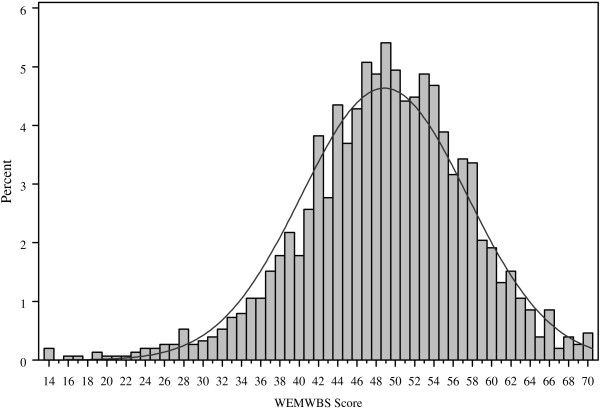
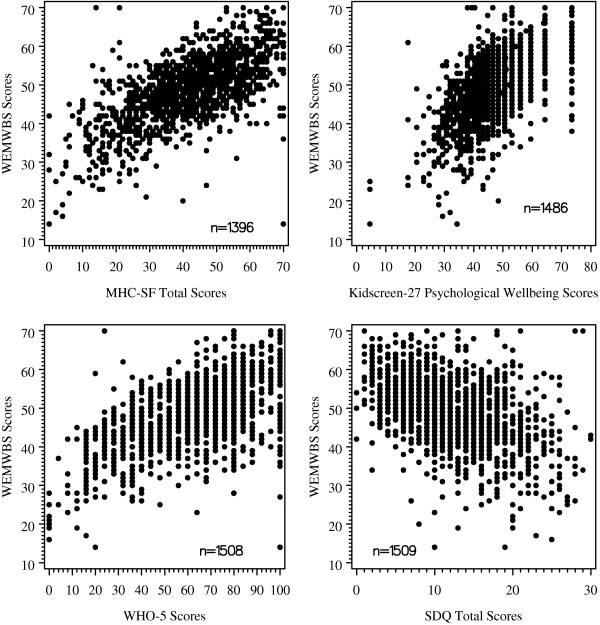
BACKGROUND: Understanding and measuring mental health and wellbeing amongst teenagers has recently become a priority. The Warwick-Edinburgh Mental Well-being Scale (WEMWBS) is validated for measuring mental wellbeing in populations aged 16 years and over in the UK. We report here a study designed to establish the validity and reliability of WEMWBS in teenagers in the UK. METHODS: WEMWBS and comparator scales, together with socio-demographic information and self-reported health, were incorporated into a self-administered questionnaire given to pupils aged 13 to 16 years in six schools in Scotland and England. Psychometric properties including internal consistency, correlations with comparator scales, test-retest stability and unidimensionality were investigated for WEMWBS. Twelve focus groups were undertaken to assess acceptability and comprehensibility of WEMWBS and were taped, transcribed and analysed thematically. RESULTS: A total of 1,650 teenagers completed the questionnaire (response rate 80.8%). Mean WEMWBS score was 48.8 (SD 6.8; median 49). Response scores covered the full range (from 14 to 70). WEMWBS demonstrated strong internal consistency and a high Cronbach's alpha of 0.87 (95% CI (0.85-0.88), n = 1517). Measures of construct validity gave values as predicted. The correlation coefficient for WEMWBS total score and psychological wellbeing domain of the Kidscreen-27 was 0.59 (95% CI [0.55; 0.62]); for the Mental Health Continuum Short Form (MHC-SF) was 0.65, 95% CI [0.62; 0.69]; and for the WHO (WHO-5) Well-being Index 0.57 (95% CI [0.53; 0.61]). The correlation coefficient for the Strengths and Difficulties Questionnaire (SDQ) was -0.44 (95% CI [-0.49; -0.40]) and for the 12-item General Health Questionnaire (GHQ12) -0.45 (95% CI [-0.49; -0.40]). Test-retest reliability was acceptable (Intraclass correlation coefficient (ICC) 0.66 (95% CI [0.59; 0.72] n = 212)). Confirmatory factor analysis demonstrated one underlying factor. WEMWBS was significantly associated with the Family Affluence Score (WEMWBS increased with increasing household socio-economic status) and had a positive association with the physical health dimension of the Kidscreen-27, but was unrelated to age, gender or location/school. Eighty students took part in focus groups. In general, although some students considered some items open to misunderstanding or misinterpretation, WEMWBS was received positively and was considered comprehensible, and acceptable. CONCLUSIONS: WEMWBS is a psychometrically strong population measure of mental wellbeing, and can be used for this purpose in teenagers aged 13 and over.
Overview
The claims and statistics of this paper haven’t been checked yet.
Free: it reads the open-access text and checks the first 5 claims that cite a source we can check. Create a free account to check every claim.
Integrity signals
Registry
Cites
Statistics
Figures
Verification
Claims the paper makes
The claims and statistics of this paper haven’t been checked yet.
Free: it reads the open-access text and checks the first 5 claims that cite a source we can check. Create a free account to check every claim.
Claims other papers make about this one
Each is checked against this paper’s own text: does it say what the citing paper says it does?
The source backs part of the claim, not all of it — or backs it for a different population, condition or comparison.
In the citing paper
“Psychometric data of the measure on the original WEMWBS for adolescents has indicated satisfactory to high internal consistency (r=.87) and the short version has acceptable test-retest reliability (r=.66, 95% CI 0.59-0.72) [44,45].”
From Feasibility and effectiveness of a web-based positive psychology program for youth mental health: Randomized controlled trial (2014) · cites this paper as [45]
Experimental — accuracy not yet measuredThe source backs part of the claim, not all of it — or backs it for a different population, condition or comparison.
In the citing paper
“to high internal consistency (r=.87) and the short version has acceptable test-retest reliability (r=.66, 95% CI 0.59-0.72) [44,45].”
From Feasibility and effectiveness of a web-based positive psychology program for youth mental health: Randomized controlled trial (2014) · cites this paper as [45]
Experimental — accuracy not yet measuredThe cited source says what the claim attributes to it.
In the citing paper
“Participants provided demographic information (age, gender, ethnicity and postcode) and completed the Warwick–Edinburgh Mental Wellbeing scale (WEMWBS), validated for use with young people [22,23].”
Self-check
Percentages, sums and reported differences re-computed from the paper’s own numbers.
The self-check needs the paper’s full text.
Citations
Cites
Coefficient Alpha and the Internal Structure of Tests
Cronbach, L. J. (1951) · Psychometrika · doi:10.1007/bf02310555 · Cited by 43,931 · cited 2×
“7, demonstrating satisfactory to high internal consistency [32].”
BackgroundMethodOn Happiness and Human Potentials: A Review of Research on Hedonic and Eudaimonic Well-Being
Ryan, R. M., & Deci, E. L. (2001) · Annual Review of Psychology · doi:10.1146/annurev.psych.52.1.141 · Cited by 11,567 · cited 1×
“In adults, mental wellbeing is regarded as covering both hedonic (happiness, subjective wellbeing) and eudaimonic (positive functioning) wellbeing [14].”
BackgroundPharmacological interventions for somatoform disorders in adults
Kleinstäuber, M., Witthöft, M., Steffanowski, A., van Marwijk, H., Hiller, W., & Lambert, M. J. (2014) · Cochrane Database of Systematic Reviews · doi:10.1002/14651858.cd010628.pub2 · Cited by 11,335
Bootstrap Methods and their Application
Davison, A. C., & Hinkley, D. V. (1997) · doi:10.1017/cbo9780511802843 · Cited by 7,350
Psychometric properties of the strengths and difficulties questionnaire
GOODMAN, R. (2001) · Journal of the American Academy of Child & Adolescent Psychiatry · doi:10.1097/00004583-200111000-00015 · Cited by 6,813 · cited 10×
“We found very little difference between age groups when correlations between WEMWBS and GHQ12, WHO-5, SDQ, MHC-SF and Kidscreen-27 were repeated for those aged 14 years and younger versus those aged 15 years and older.”
BackgroundInfluentialThe cochrane database of systematic reviews
Geddes, J. (1996) · Journal of Psychosomatic Research · doi:10.1016/s0022-3999(96)90063-x · Cited by 5,989
Bootstrap Methods and Their Application
Loughin, T. M., Davison, A. C., & Hinkley, D. V. (1999) · Journal of the American Statistical Association · doi:10.2307/2669707 · Cited by 5,418
The Warwick-Edinburgh Mental Well-being Scale (WEMWBS): development and UK validation
Tennant, R., Hiller, L., Fishwick, R., Platt, S., Joseph, S., Weich, S., Parkinson, J., Secker, J., & Stewart-Brown, S. (2007) · Health and Quality of Life Outcomes · doi:10.1186/1477-7525-5-63 · Cited by 5,031 · cited 4×
“Discussion WEMWBS is a population measure of mental wellbeing, validated for use in adults aged 16 years and over in the UK [20,21].”
BackgroundMethodInfluentialSelf-citationQualitative data analysis for applied policy research
(2002) · Analyzing Qualitative Data · doi:10.4324/9780203413081-14 · Cited by 4,964 · cited 1×
“Analysis was undertaken using an adapted Framework Approach [37] suitable where a framework for analysis already exists.”
MethodCochrane Database of Systematic Reviews
(2008) · Encyclopedia of Public Health · doi:10.1007/978-1-4020-5614-7_436 · Cited by 4,527
Research works printed but not linked: 7
- Currie C Roberts C Morgan A Smith R Settertobulte W Samdal O Barnekow Rasmussen V Young People's Health in Context: international report from the HBSC 2001/02 survey, (Health Policy for Children and Adolescents, No.4) 2004 WHO Regional Office for Europe, Copenhagen
- Department for Children, Schools and Families Every Child Matters Green Paper 2003 CM5860. Crown Copyright
- National Institute for Health and Clinical Excellence Public Health Guidance No 12 Promoting Children's Social and Emotional Wellbeing in Primary Education 2008
- Ofsted Indicators of a school's contribution to well-being 2008 HMI 080195
- Scottish Government Towards a Mentally Flourishing Scotland: Policy and Action Plan 2009-2011 2009 Edinburgh, Scottish Government
- Tennant R Fishwick R Platt S Joseph S Stewart-Brown S Monitoring positive mental health in Scotland: validating the Affectometer 2 scale and developing the Warwick-Edinburgh Mental Well-being scale for the UK 2006 Glasgow, NHS Health Scotland
- Clarke A Putz R Friede T Ashdown J Adi Y Martin S Flynn P Blake A Stewart-Brown S Platt S Warwick-Edinburgh Mental Well-being Scale (WEMWBS) acceptability and validation in English and Scottish secondary school students (The WAVES Project) 2010 Glasgow, NHS Health Scotland
Cited by
Przybylski, A. K., & Weinstein, N. (2017) · Psychological Science · doi:10.1177/0956797616678438 · Cited by 890
“Past research has linked both the explanatory and the criterion variables to gender and ethnicity (Clarke et al., 2011) and economic factors (Eynon & Helsper, 2015; Tennant et al., 2007).”
BackgroundLongitudinal associations between cyberbullying involvement and adolescent mental health
Fahy, A. E., Stansfeld, S. A., Smuk, M., Smith, N. R., Cummins, S., & Clark, C. (2016) · Journal of Adolescent Health · doi:10.1016/j.jadohealth.2016.06.006 · Cited by 457
Psychological impact of COVID-19 lockdown: An online survey from India
Grover, S., Sahoo, S., Mehra, A., Avasthi, A., Tripathi, A., Subramanyan, A., Pattojoshi, A., Rao, G., Saha, G., Mishra, K., et al. (2020) · Indian Journal of Psychiatry · doi:10.4103/psychiatry.indianjpsychiatry_427_20 · Cited by 414
“A score of ≤40 has been reported to indicate high risk for depression.[13,14]”
BackgroundIs teachers' mental health and wellbeing associated with students' mental health and wellbeing?
Harding, S., Morris, R., Gunnell, D., Ford, T., Hollingworth, W., Tilling, K., Evans, R., Bell, S., Grey, J., Brockman, R., et al. (2019) · Journal of Affective Disorders · doi:10.1016/j.jad.2018.08.080 · Cited by 400
Bonell, C., Allen, E., Warren, E., McGowan, J., Bevilacqua, L., Jamal, F., Legood, R., Wiggins, M., Opondo, C., Mathiot, A., et al. (2018) · The Lancet · doi:10.1016/s0140-6736(18)31782-3 · Cited by 302
Przybylski, A. K., & Weinstein, N. (2019) · Child Development · doi:10.1111/cdev.13007 · Cited by 300
Maheswaran, H., Weich, S., Powell, J., & Stewart-Brown, S. (2012) · Health and Quality of Life Outcomes · doi:10.1186/1477-7525-10-156 · Cited by 265
“66) [17] was lower than the corresponding coefficient in the validation study undertaken in an adult population (0.”
MethodResultSelf-citationBell, S. L., Audrey, S., Gunnell, D., Cooper, A., & Campbell, R. (2019) · International Journal of Behavioral Nutrition and Physical Activity · doi:10.1186/s12966-019-0901-7 · Cited by 262
The association between green space and adolescents' mental well-being: a systematic review
Zhang, Y., Mavoa, S., Zhao, J., Raphael, D., & Smith, M. (2020) · International Journal of Environmental Research and Public Health · doi:10.3390/ijerph17186640 · Cited by 240
Pitchforth, J., Fahy, K., Ford, T., Wolpert, M., Viner, R. M., & Hargreaves, D. S. (2019) · Psychological Medicine · doi:10.1017/s0033291718001757 · Cited by 227
“– Warwick – Edinburgh Mental Wellbeing Scores (WEMWBS) (Clarke et al ., 2011).”
InfluentialBjørnsen, H. N., Espnes, G. A., Eilertsen, M.-E. B., Ringdal, R., & Moksnes, U. K. (2019) · The Journal of School Nursing · doi:10.1177/1059840517732125 · Cited by 203
Montero-Marin, J., Allwood, M., Ball, S., Crane, C., De Wilde, K., Hinze, V., Jones, B., Lord, L., Nuthall, E., Raja, A., et al. (2022) · Evidence Based Mental Health · doi:10.1136/ebmental-2022-300439 · Cited by 184
The Routledge Companion to Rural Planning: A Handbook for Practice
(2019) · Routledge eBooks · doi:10.4324/9781315102375 · Cited by 174
Schrank, B., Brownell, T., Jakaite, Z., Larkin, C., Pesola, F., Riches, S., Tylee, A., & Slade, M. (2016) · Epidemiology and Psychiatric Sciences · doi:10.1017/s2045796015000141 · Cited by 160
“Cronbach’s α for the scale lies between 0.87 and 0.91 and the 1-week test–retest reliability at r = 0.83 (Tennant et al. 2007; Clarke et al. 2011).”
InfluentialRingdal, R., Bradley Eilertsen, M.-E., Bjørnsen, H. N., Espnes, G. A., & Moksnes, U. K. (2018) · Scandinavian Journal of Public Health · doi:10.1177/1403494817735391 · Cited by 157
“In accordance with previous studies, the (s)WEMWbs were estimated as the sum of the individual item scores [9,11,17].”
BackgroundMethodResultInfluentialTrousselard, M., Steiler, D., Dutheil, F., Claverie, D., Canini, F., Fenouillet, F., Naughton, G., Stewart-Brown, S., & Franck, N. (2016) · Psychiatry Research · doi:10.1016/j.psychres.2016.08.050 · Cited by 152
Self-citationOn behalf of the Transition Collaborative Group, Colver, A. F., McConachie, H., Couteur, A. S. L., Dovey‐Pearce, G., Mann, K. D., McDonagh, J. E. R., Pearce, M. S., Vale, L. D., Merrick, H., et al. (2018) · BMC Medicine · doi:10.1186/s12916-018-1102-y · Cited by 152
Manicavasagar, V., Horswood, D., Burckhardt, R., Lum, A., Hadzi-Pavlovic, D., & Parker, G. (2014) · Journal of Medical Internet Research · doi:10.2196/jmir.3176 · Cited by 131
Rice, S. M., Parker, A. G., Mawren, D., Clifton, P., Harcourt, P., Lloyd, M., Kountouris, A., Smith, B., McGorry, P. D., & Purcell, R. (2020) · International Journal of Sport and Exercise Psychology · doi:10.1080/1612197x.2019.1611900 · Cited by 129
“Population-level studies support the psychometric properties of the WEMWBS as a measure of mental wellbeing (Clarke et al., 2011; Lloyd & Devine, 2012), including cross cultural studies (Taggart et al., 2013; Trousselard et al., 2016).”
BackgroundTaggart, F., Friede, T., Weich, S., Clarke, A., Johnson, M., & Stewart-Brown, S. (2013) · Health and Quality of Life Outcomes · doi:10.1186/1477-7525-11-27 · Cited by 127
“among adults in the UK [4, 5] and 13 to 16 year old teenagers [6].”
BackgroundMethodInfluentialSelf-citationDavies, C., Knuiman, M. W., & Rosenberg, M. (2015) · BMC Public Health · doi:10.1186/s12889-015-2672-7 · Cited by 156
McKay, M. T., & Andretta, J. R. (2017) · Psychiatry Research · doi:10.1016/j.psychres.2017.06.071 · Cited by 122
Michelson, D., Malik, K., Parikh, R., Weiss, H. A., Doyle, A. M., Bhat, B., Sahu, R., Chilhate, B., Mathur, S., Krishna, M., et al. (2020) · The Lancet Child & Adolescent Health · doi:10.1016/s2352-4642(20)30173-5 · Cited by 121
The Influence of University Students’ Stress Mindsets on Health and Performance Outcomes
Keech, J. J., Hagger, M. S., O’Callaghan, F., & Hamilton, K. (2018) · Annals of Behavioral Medicine · doi:10.1093/abm/kay008 · Cited by 141
“The WEMWBS is a 14-item scale that has been validated in student populations (33, 34).”
Measuring Mental Wellbeing Among Adolescents: A Systematic Review of Instruments
Rose, T., Joe, S., Williams, A., Harris, R. L., Betz, G., & Stewart-Brown, S. L. (2017) · Journal of Child and Family Studies · doi:10.1007/s10826-017-0754-0 · Cited by 134
Self-citationGoodyear, V. A., Randhawa, A., Adab, P., Al-Janabi, H., Fenton, S., Jones, K., Michail, M., Morrison, B., Patterson, P., Quinlan, J., et al. (2025) · The Lancet Regional Health - Europe · doi:10.1016/j.lanepe.2025.101211 · Cited by 111
Self-esteem and mental health in adolescents – level and stability during a school year
Moksnes, U. K., & Reidunsdatter, R. J. (2019) · Norsk Epidemiologi · doi:10.5324/nje.v28i1-2.3052 · Cited by 149
“The WEMWBS has been validated in the general population (2), clinical samples (30), and in adolescents (31-33).”
MethodHögberg, G., Gustafsson, S. A., Hällström, T., Gustafsson, T., Klawitter, B., & Petersson, M. (2012) · Acta Paediatrica · doi:10.1111/j.1651-2227.2012.02655.x · Cited by 123
“In a group of 1620 teenagers in England and Scotland (17), the WHO-5 means score was 62 (SD 21) (personal communication).”
BackgroundLyyra, N., Thorsteinsson, E., Eriksson, C. C.-G., Madsen, K. R., Tolvanen, A. J., Löfstedt, P., & Välimaa, R. S. (2021) · International Journal of Environmental Research and Public Health · doi:10.3390/ijerph18147405 · Cited by 165
Lang, G., & Bachinger, A. (2016) · Journal of Public Health · doi:10.1007/s10389-016-0778-8 · Cited by 107
Fung, S.-F. (2019) · Health and Quality of Life Outcomes · doi:10.1186/s12955-019-1113-1 · Cited by 123
Smith, O. R. F., Alves, D. E., Knapstad, M., Haug, E., & Aarø, L. E. (2017) · BMC Psychiatry · doi:10.1186/s12888-017-1343-x · Cited by 91
“In the UK, the WEMWBS has been considered as an appropriate tool to measure mental well-being in different samples, such as overall population samples [9, 11, 12], students [9, 13], teenagers [14, 15], clinical samples [16, 17], and ethnic minority samples [18].”
MethodIs teachers’ mental health and wellbeing associated with students’ mental health and wellbeing?
Harding, S., Morris, R. W., Gunnell, D., Ford, T. J., Hollingworth, W., Tilling, K. M., Evans, R., Bell, S. L., Grey, J., Brockman, R., et al. (2019) · Journal of Affective Disorders · doi:10.1016/j.jad.2019.03.046 · Cited by 115
Fletcher, A., Fitzgerald‐Yau, N., Jones, R., Allen, E., Viner, R. M., & Bonell, C. (2014) · Journal of Adolescence · doi:10.1016/j.adolescence.2014.10.005 · Cited by 90
Uljarević, M., Richdale, A. L., McConachie, H., Hedley, D., Cai, R. Y., Merrick, H., Parr, J. R., & Le Couteur, A. (2018) · Autism Research · doi:10.1002/aur.1872 · Cited by 85
“Warwick-Edinburgh Mental Well-being Scale (WEMWBS): Validated for teenage school students in England and Scotland.”
MethodInfluentialGuo, J., Liu, L., Zhao, B., & Wang, D. (2020) · Frontiers in Psychology · doi:10.3389/fpsyg.2019.03081 · Cited by 83
Jamal, F., Fletcher, A., Shackleton, N., Elbourne, D., Viner, R., & Bonell, C. (2015) · Trials · doi:10.1186/s13063-015-0980-y · Cited by 82
Stewart-Brown, S. L. (2012) · Springer eBooks · doi:10.1007/978-94-007-5195-8_7 · Cited by 83
Self-citationBonell, C., Fletcher, A., Fitzgerald-Yau, N., Hale, D., Allen, E., Elbourne, D., Jones, R., Bond, L., Wiggins, M., Miners, A., et al. (2015) · Health Technology Assessment · doi:10.3310/hta19530 · Cited by 77
“Psychological well-being Psychological well-being was measured using the Short Warwick–Edinburgh Mental Well-Being Scale (SWEMWBS), which consists of seven items designed to capture a broad concept of positive mental well-being, including psychological functioning, cognitive-evaluative dimensions and affective-emotion…”
MethodThe Role of Schools in Early Adolescents’ Mental Health: Findings From the MYRIAD Study
Ford, T. J., Esposti, M. D., Crane, C., Taylor, L., Montero‐Marín, J., Blakemore, S., Bowes, L., Byford, S., Dalgleish, T., Greenberg, M. T., et al. (2021) · Journal of the American Academy of Child & Adolescent Psychiatry · doi:10.1016/j.jaac.2021.02.016 · Cited by 110
“Mental health of pupils (eg, psychopathology, depression, and well-being) was measured with 3 validated selfreport questionnaires: the Strengths and Difficulties Questionnaire (SDQ),(18) the Center for Epidemiologic StudiesDepression (CES-D) Scale,(19) and the Warwick-Edinburgh Mental Well-Being Scale (WEMWBS).(20) Th…”
MethodResultSoneson, E., Puntis, S., Chapman, N., Mansfield, K. L., Jones, P. B., & Fazel, M. (2023) · European Child & Adolescent Psychiatry · doi:10.1007/s00787-021-01934-z · Cited by 76
Bartram, D. J., Sinclair, J. M., & Baldwin, D. S. (2013) · Quality of Life Research · doi:10.1007/s11136-012-0144-4 · Cited by 76
“83; and moderate to high correlations with several comparator scales measuring well-being, positive affect, or mental health [4, 5].”
Melendez-Torres, G. J., Hewitt, G., Hallingberg, B., Anthony, R., Collishaw, S., Hall, J., Murphy, S., & Moore, G. (2019) · Health and Quality of Life Outcomes · doi:10.1186/s12955-019-1204-z · Cited by 75
Lazzeri, G., Pammolli, A., Azzolini, E., Simi, R., Meoni, V., de Wet, D. R., & Giacchi, M. V. (2013) · Nutrition Journal · doi:10.1186/1475-2891-12-123 · Cited by 102
“There are several studies on many topics that have demonstrated the validity of the questionnaire [23-31].”
BackgroundA scoping review of well-being measures: conceptualisation and scales for overall well-being
Zhang, W., Balloo, K., Hosein, A., & Medland, E. (2024) · BMC Psychology · doi:10.1186/s40359-024-02074-0 · Cited by 121
Validation of the Social Inclusion Scale with Students
Wilson, C., & Secker, J. (2015) · Social Inclusion · doi:10.17645/si.v3i4.121 · Cited by 92
“This scale has demonstrated high internal consistency, construct validity, discriminant validity, and test-retest reliability across a range of populations (e.g., Bartram, Yadegarfar, Sinclair, & Baldwin, 2011; Clarke et al., 2011, Tennant et al., 2007).”
BackgroundA web-based adolescent positive psychology program in schools: randomized controlled trial
Burckhardt, R., Manicavasagar, V., Batterham, P. J., Miller, L. M., Talbot, E., & Lum, A. (2015) · Journal of Medical Internet Research · doi:10.2196/jmir.4329 · Cited by 67
“Psychometric data of the measure on the original WEMWBS for adolescents indicated satisfactory to high internal consistency ( r= .87), and the short version has acceptable test-retest reliability ( r= .66, 95% CI 0.59-0.72) [25,26].”
InfluentialDowling, K., Simpkin, A. J., & Barry, M. M. (2019) · Journal of Youth and Adolescence · doi:10.1007/s10964-019-00987-3 · Cited by 103
Schrank, B., Riches, S., Coggins, T., Rashid, T., Tylee, A. T., & Slade, M. (2014) · Trials · doi:10.1186/1745-6215-15-203 · Cited by 74
Scott, S., McGowan, V. J., & Visram, S. (2021) · International Journal of Environmental Research and Public Health · doi:10.3390/ijerph18073837 · Cited by 64
Waqas, A., Ahmad, W., Haddad, M., Taggart, F. M., Muhammad, Z., Bukhari, M. H. H., Sami, S. A., Batool, S. M., Najeeb, F., Hanif, A., et al. (2015) · PeerJ · doi:10.7717/peerj.1264 · Cited by 76
“WEMWBS has also demonstrated high internal consistency, good content and face validity, normal response distribution and no floor or ceiling effects in previous validation studies (Tennant et al., 2007; Clarke et al., 2011; Taggart et al., 2013)”
BackgroundResultInfluentialBass, M., Dawkin, M., Muncer, S., Vigurs, S., & Bostock, J. (2016) · Journal of Mental Health · doi:10.3109/09638237.2015.1124401 · Cited by 77
“WEMWBS has been further validated in other adult general populations across Europe (Gremigni & Stewart-Brown, 2011; López et al., 2013), ethnic minorities (Taggart et al., 2013) and adolescents (Clarke et al., 2011).”
MethodColver, A. F., Merrick, H., Deverill, M., Couteur, A. S. L., Parr, J. R., Pearce, M. S., Rapley, T., Vale, L. D., Watson, R., & McConachie, H. (2013) · BMC Public Health · doi:10.1186/1471-2458-13-675 · Cited by 73
“• Subjective wellbeing: Warwick-Edinburgh Mental Well-being Scale [39] is a 14-item scale validated for teenagers and young adults.”
InfluentialA prospective study of the motivational and health dynamics of Internet Gaming Disorder
Weinstein, N., Przybylski, A. K., & Murayama, K. (2017) · PeerJ · doi:10.7717/peerj.3838 · Cited by 66
“…using the Basic Need Satisfaction and Frustration Scale ( Chen et al., 2015 ), mental health using the Warwick-Edinburgh mental well-being scale ( Clarke et al., 2011 ), social and physical health using the MOS-36 ( Sherbourne & Stewart, 1991 ; Ware & Sherbourne, 1992 ), and health-related…”
Data Resource Profile: Mental Health of Children and Young People (MHCYP) Surveys
Ford, T., Vizard, T., Sadler, K., McManus, S., Goodman, A., Merad, S., Tejerina-Arreal, M., Collinson, D., & the MHCYP Collaboration (2020) · International Journal of Epidemiology · doi:10.1093/ije/dyz259 · Cited by 65
“The measure was designed to enable monitoring of wellbeing in the adult general population, but a validation study with 13-16 year old English and Scottish school children demonstrated construct validity and revealed strong internal consistency (Cronbach’s alpha of 0.87; Clarke et al, 2011).”
MethodInfluentialMorey, Y., Mellon, D., Dailami, N., Verne, J., & Tapp, A. (2016) · Journal of Public Health · doi:10.1093/pubmed/fdw010 · Cited by 85
“Wellbeing was measured using the Warwick-Edinburgh Mental Wellbeing Scale (WEMWBS).(22) WEMWBS is a 14 item positively worded scale that measures both hedonic (subjective) and eudaimonic (positive functioning) dimensions of wellbeing for populations or groups.”
MethodGonsalves, P. P., Hodgson, E. S., Bhat, B., Sharma, R., Jambhale, A., Michelson, D., & Patel, V. (2021) · Evidence Based Mental Health · doi:10.1136/ebmental-2020-300194 · Cited by 64
Roulston, A., Montgomery, L., Campbell, A., & Davidson, G. (2018) · Social Work Education · doi:10.1080/02615479.2017.1388776 · Cited by 62
“It has been validated for the measurement of mental well-being among people aged 13–74 in the UK (Clarke et al., 2011; Stewart-Brown, 2013).”
BackgroundRenwick, L., Pedley, R., Johnston, I., Bell, V., Lovell, K., Bee, P., & Brooks, H. L. (2021) · Health Expectations · doi:10.1111/hex.13407 · Cited by 75
Goodfellow, C., Hardoon, D., Inchley, J., Leyland, A. H., Qualter, P., Simpson, S. A., & Long, E. (2022) · Journal of Adolescence · doi:10.1002/jad.12046 · Cited by 80
“Thus, given the acknowledged importance of PWB to ongoing public health initiatives (Clarke et al., 2011; Mental Health and Wellbeing EU Joint Action, 2017; Väilmaa et al., 2007), and evidence suggesting that loneliness in young people is related to PWB (Holt‐Lunstad et al.”
BackgroundKuosmanen, T., Fleming, T. M., Newell, J., & Barry, M. M. (2017) · Internet Interventions · doi:10.1016/j.invent.2017.03.004 · Cited by 56
Social support, bullying, school-related stress and mental health in adolescence
Ringdal, R., Espnes, G. A., Eilertsen, M. B., Bjørnsen, H. N., & Moksnes, U. K. (2020) · Nordic Psychology · doi:10.1080/19012276.2019.1710240 · Cited by 75
Marsà-Sambola, F., Muldoon, J. C., Williams, J. M., Lawrence, A. B., Connor, M., & Currie, C. E. (2015) · Child Indicators Research · doi:10.1007/s12187-015-9303-9 · Cited by 69
“There are several studies on many topics that have demonstrated the validity of the survey (Clarke et al. 2011; Currie et al. 2008; Ravens-Sieberer et al. 2010; Wardle et al. 2002).”
Psychiatric risks for worsened mental health after psychedelic use
Marrocu, A., Kettner, H., Weiss, B., Zeifman, R. J., Erritzoe, D., & Carhart-Harris, R. L. (2024) · Journal of Psychopharmacology · doi:10.1177/02698811241232548 · Cited by 60
“The WEMWBS has been shown to have good content and internal construct validity, as well as satisfactory test–retest reliability (Stewart-Brown et al., 2009), extensively validated in different adult and teenager UK and minority populations (Clarke et al., 2011; Taggart et al., 2013).”
van de Venter, E., & Buller, A. M. (2014) · Journal of Public Health · doi:10.1093/pubmed/fdu028 · Cited by 65
Mental Health and Wellbeing in Young People in the UK during Lockdown (COVID-19)
Owens, M., Townsend, E., Hall, E., Bhatia, T., Fitzgibbon, R., & Miller-Lakin, F. (2022) · International Journal of Environmental Research and Public Health · doi:10.3390/ijerph19031132 · Cited by 75
Widnall, E., Winstone, L., Plackett, R., Adams, E. A., Haworth, C. M. A., Mars, B., & Kidger, J. (2022) · International Journal of Environmental Research and Public Health · doi:10.3390/ijerph19116768 · Cited by 59
Smith, N. R., Lewis, D. J., Fahy, A., Eldridge, S. M., Taylor, S. J., Moore, D. G., Clark, C., Stansfeld, S. A., & Cummins, S. (2015) · BMC Public Health · doi:10.1186/s12889-015-1459-1 · Cited by 63
Leurent, B., Dodd, M., Allen, E., Viner, R., Scott, S., & Bonell, C. P. (2021) · SSM - Mental Health · doi:10.1016/j.ssmmh.2021.100033 · Cited by 89
Young People’s Mental Health Changes, Risk, and Resilience During the COVID-19 Pandemic
Montero‐Marín, J., Hinze, V., Mansfield, K. L., Slaghekke, Y., Blakemore, S., Byford, S., Dalgleish, T., Greenberg, M. T., Viner, R., Ukoumunne, O. C., et al. (2023) · JAMA Network Open · doi:10.1001/jamanetworkopen.2023.35016 · Cited by 79
Houghton, S., Hattie, J., Carroll, A., Wood, L., & Baffour, B. (2016) · Journal of Psychologists and Counsellors in Schools · doi:10.1017/jgc.2016.1 · Cited by 53
“Two aspects combined comprise the broad concept of mental wellbeing, namely hedonic (i.e., happiness, subjective wellbeing) and eudemonic (i.e., positive functioning) wellbeing (Clarke et al., 2011; Ryan & Deci, 2001; Tennant, Hiller et al., 2007).”
BackgroundMethodInfluentialMalik, K., Michelson, D., Doyle, A. M., Weiss, H. A., Greco, G., Sahu, R., E. J., J., Mathur, S., Sudhir, P., King, M., et al. (2021) · PLOS Medicine · doi:10.1371/journal.pmed.1003778 · Cited by 57
“Self-reported outcomes were also collected for (i) distress/functional impairment (SDQ Impact scale, range: 0 to 10) [9]; (ii) internalizing symptoms (SDQ Internalizing symptoms subscale, range: 0 to 20) [9]; (iii) externalizing symptoms (SDQ Externalizing symptoms subscale, range: 0 to 20) [9]; (iv) perceived stress…”
MethodKidger, J., Stone, T., Tilling, K., Brockman, R., Campbell, R., Ford, T., Hollingworth, W., King, M., Araya, R., & Gunnell, D. (2016) · BMC Public Health · doi:10.1186/s12889-016-3737-y · Cited by 57
“These year groups were selected as the minimum age in which the wellbeing outcome measure has been validated [35], and to avoid years in which exams were prominent.”
MethodSantos, J. J. A. D., Costa, T. A. D., Guilherme, J. H., Silva, W. C. D., Abentroth, L. R. L., Krebs, J. A., & Sotoriva, P. (2015) · Revista da Associação Médica Brasileira · doi:10.1590/1806-9282.61.03.209 · Cited by 55
Telles, S., Gupta, R. K., Bhardwaj, A. K., Singh, N., Mishra, P., Pal, D. K., & Balkrishna, A. (2018) · Medical science monitor basic research/Medical science monitor. Basic research · doi:10.12659/msmbr.909200 · Cited by 70
“Positive mental well-being includes both hedonic and eudemonic aspects of well-being [31].”
BackgroundAndretta, J. R., & McKay, M. T. (2020) · Children and Youth Services Review · doi:10.1016/j.childyouth.2020.105374 · Cited by 71
Dong, A., Chen, X., Zhu, L., Shi, L., Cai, Y., Shi, B., Shao, L., & Guo, W. (2016) · Journal of Psychiatric and Mental Health Nursing · doi:10.1111/jpm.12344 · Cited by 62
“It has been validated in student samples (Clarke et al. 2011, Lopez et al. 2013) and adult samples (Tennant et al. 2007, Bartram et al. 2011, Powell et al. 2013, Castellvi et al. 2014) and is well regarded in both non-clinical and clinical settings (Stewart-Brown et al. 2009, Orgeta et al. 2013,…”
BackgroundDaykin, N., de Viggiani, N., Moriarty, Y., & Pilkington, P. (2017) · Sociology of Health & Illness · doi:10.1111/1467-9566.12549 · Cited by 64
Owen, M. B., Kerner, C., Taylor, S. L., Noonan, R. J., Newson, L., Kosteli, M., Curry, W. B., & Fairclough, S. J. (2018) · Children · doi:10.3390/children5060067 · Cited by 63
Colver, A. F., Rapley, T., Parr, J. R., McConachie, H., Dovey‐Pearce, G., Couteur, A. S. L., McDonagh, J. E. R., Bennett, C., Hislop, J., Maniatopoulos, G., et al. (2019) · Programme Grants for Applied Research · doi:10.3310/pgfar07040 · Cited by 59
Brown, J. S. L., Blackshaw, E., Stahl, D., Fennelly, L., McKeague, L., Sclare, I., & Michelson, D. (2019) · Journal of Adolescence · doi:10.1016/j.adolescence.2018.11.009 · Cited by 52
Bonell, C., Allen, E., Christie, D., Elbourne, D., Fletcher, A., Grieve, R., LeGood, R., Mathiot, A., Scott, S., Wiggins, M., et al. (2014) · Trials · doi:10.1186/1745-6215-15-381 · Cited by 52
“It is brief, quick to complete, and validated in national UK samples. b. Short Warwick-Edinburgh Mental Well-Being Scale (SWEMWBS) [64] is a seven-item scale designed to capture a broad concept of positive emotional wellbeing including psychological functioning, cognitive-evaluative dimensions and affectiveemotional a…”
Measuring Mental Wellness of Adolescents: A Systematic Review of Instruments
Orth, Z., Moosajee, F., & van Wyk, B. E. (2022) · Frontiers in Psychology · doi:10.3389/fpsyg.2022.835601 · Cited by 66
Zheng, W., Shen, H., Belhaidas, M. B., Zhao, Y., Wang, L., & Yan, J. H. (2023) · Children · doi:10.3390/children10010111 · Cited by 77
Janssen, A. F. W., Leahy, A. A., Diallo, T., Smith, J. J., Kennedy, S. G., Eather, N., Mavilidi, M. F., Wagemakers, A., Babic, M., & Lubans, D. R. (2020) · Preventive Medicine · doi:10.1016/j.ypmed.2020.105985 · Cited by 57
Murphy, J. M., Sweeney, M. R., & McGrane, B. (2020) · Physical Activity and Health · doi:10.5334/paah.58 · Cited by 78
Student- and School-Level Factors Associated With Mental Health and Well-Being in Early Adolescence
Hinze, V., Montero-Marin, J., Blakemore, S.-J., Byford, S., Dalgleish, T., Degli Esposti, M., Greenberg, M. T., Jones, B. G., Slaghekke, Y., Ukoumunne, O. C., et al. (2024) · Journal of the American Academy of Child & Adolescent Psychiatry · doi:10.1016/j.jaac.2023.10.004 · Cited by 65
Indicators of positive youth development can be maladaptive: The example case of caring
Geldhof, G. J., Larsen, T. B., Urke, H. B., Holsen, I., Lewis, H., & Tyler, C. P. (2018) · Journal of Adolescence · doi:10.1016/j.adolescence.2018.11.008 · Cited by 63
Ahmad, W., Taggart, F. M., Shafique, M. S., Muzafar, Y., Abidi, S., Ghani, N., Malik, Z., Zahid, T., Waqas, A., & Ghaffar, N. (2015) · PeerJ · doi:10.7717/peerj.1250 · Cited by 61
“The Warwick Edinburg Mental Wellbeing Scale (WEMWBS) was used to assess mental wellbeing; a reliable and validated scale (Clarke et al., 2011) which is well received in the English speaking Pakistani population (Taggart et al., 2013).”
MethodVedøy, I. B., Anderssen, S. A., Tjomsland, H. E., Skulberg, K. R., & Thurston, M. N. (2020) · Mental health and physical activity · doi:10.1016/j.mhpa.2020.100322 · Cited by 66
Corder, K. L., Sharp, S. J., Jong, S. T., Foubister, C., Brown, H. E., Wells, E. K., Armitage, S. M., Croxson, C. H. D., Vignoles, A. F., Wilkinson, P. O., et al. (2020) · PLoS Medicine · doi:10.1371/journal.pmed.1003210 · Cited by 57
“All secondary outcomes were assessed as continuous scores: physical activity self-efficacy (possible score 1–6) [34], social support for activity (1–4) [35], friendship quality (1–5) [36], well-being (1–5) [37], self-esteem (1–4) [38], and self-reported physical activity (0–160) [39].”
BackgroundPublic mental health: evidenced-based priorities
Mehta, N., Croudace, T. J., & Davies, D. S. C. (2014) · The Lancet · doi:10.1016/s0140-6736(14)61400-8 · Cited by 45
Bjørnsen, H. N., Ringdal, R., Espnes, G. A., Eilertsen, M.-E. B., & Moksnes, U. K. (2018) · BMC Health Services Research · doi:10.1186/s12913-018-3829-8 · Cited by 45
“’s definition is the basis for the understanding of mental wellbeing: “a positive and sustainable mental state that allows individuals to thrive and flourish” ([2, 8], p.”
BackgroundSense of Coherence in Association with Stress Experience and Health in Adolescents
Moksnes, U. K., & Espnes, G. A. (2020) · International Journal of Environmental Research and Public Health · doi:10.3390/ijerph17093003 · Cited by 56
Depression and mental wellbeing in people affected by leprosy in southern Nepal
van Dorst, M. M. A. R., van Netten, W. J., Waltz, M., Pandey, B. D., Choudhary, R., & van Brakel, W. H. (2020) · Global Health Action · doi:10.1080/16549716.2020.1815275 · Cited by 53
Homeworking, Well-Being and the COVID-19 Pandemic: A Diary Study
Wood, S., Michaelides, G., Inceoglu, I., Hurren, E. T., Daniels, K., & Niven, K. R. (2021) · International Journal of Environmental Research and Public Health · doi:10.3390/ijerph18147575 · Cited by 55
Gough, G., & Gulliford, A. (2020) · Educational Psychology in Practice · doi:10.1080/02667363.2019.1710469 · Cited by 54
Chiumento, A., Mukherjee, I., Chandna, J., Dutton, C., Rahman, A., & Bristow, K. (2018) · BMC Public Health · doi:10.1186/s12889-018-5661-9 · Cited by 64
“These are based upon the 7-item version of the Warwick Edinburgh Mental Wellbeing Scale which is validated for children over 13 years of age [58].”
MethodDavison, J., Stewart-Knox, B. J., Connolly, P., Lloyd, K., Dunne, L., & Bunting, B. P. (2020) · Appetite · doi:10.1016/j.appet.2020.105020 · Cited by 50
“…intake (Inchley et al., 2020; Weir et al., 2016), family affluence (Hobza et al., 2017), HRQoL (Ravens-Seiberer et al., 2010) and mental wellbeing (Clarke et al., 2011; Hunter et al., 2015; Ringdal et al., 2018), our findings may be subject to limitations inherent in self-reported data such as…”
BackgroundMethodInfluentialMarsigliante, S., López, M. G., & Muscella, A. (2023) · International Journal of Environmental Research and Public Health · doi:10.3390/ijerph20031927 · Cited by 84
Metadata
- Authors
- Clarke, A., Friede, T., Putz, R., Ashdown, J., Martin, S., Blake, A., Adi, Y., Parkinson, J., Flynn, P., Platt, S., & Stewart-Brown, S.
- Affiliations
- University of Warwick (GB)
- Universitätsmedizin Göttingen (DE)
- National Health Service (GB)
- Coventry and Warwickshire Partnership NHS Trust (GB)
- King Saud University (SA)
- Public Health Scotland (GB)
- University of Stirling (GB)
- University of Edinburgh (GB)
- Corresponding author
- Clarke, Aileen
- ORCID
- Venue
- BMC Public Health
- Published
- 2011-06-21
- Volume
- 11
- Issue
- 1
- Pages
- 487-487
- ISSN
- 1471-2458 (ISSN-L)
- PMC
- PMC3141456
- OpenAlex
- W2043602673
- Cited by
- 493
- References
- 41
- Citations by year
- 2026: 33 · 2025: 40 · 2024: 51 · 2023: 69 · 2022: 51 · 2021: 45 · 2020: 35 · 2019: 38 · 2018: 27 · 2017: 29 · 2016: 16 · 2015: 32 · 2014: 12 · 2013: 7 · 2012: 6
- FWCI
- 11.73
- Type
- journal article
- Language
- en
- Open access
- gold
- doi.org
- Licence
- Locations
- BMC Public Health (publishedVersion, cc-by)
- PubMed Central (publishedVersion, cc-by)
- PubMed (publishedVersion)
- Warwick Research Archive Portal (University of Warwick) (acceptedVersion)
- GoeScholar The Publication Server of the Georg-August-Universität Göttingen (Georg-August-Universität Göttingen) (acceptedVersion, other-oa)
- DOAJ (DOAJ: Directory of Open Access Journals) (submittedVersion, cc-by-sa)
- GRO (submittedVersion, cc-by)
- University of Birmingham Research Portal (University of Birmingham) (submittedVersion)
- Edinburgh Research Explorer (University of Edinburgh) (submittedVersion, cc-by)
- Funders
- NHS Health Scotland
- Topics
- Social Sciences › Decision Sciences › Management Science and Operations Research › Psychometric Methodologies and Testing
- Social Sciences › Psychology › Social Psychology › Psychological Well-being and Life Satisfaction
- Health Sciences › Nursing › Research and Theory › Health Education and Validation
- Keywords
- Warwick-Edinburgh Mental Well-being Scale, adolescent psychological well-being, psychometric validation, school pupils, test-retest reliability, internal consistency, construct validity, unidimensionality, questionnaire acceptability, Strengths and Difficulties Questionnaire, Mental Health Continuum-Short Form, KIDSCREEN-27, WHO-5 Well-Being Index, General Health Questionnaire, self-reported health, mental health
- MeSH terms
- Adolescent, England, Female, Humans, Male, Mental Health, Personal Satisfaction, Psychometrics, Surveys and Questionnaires, Scotland, Focus Groups
About these checks
Registry, retraction, Cites and statistics results are computed, not judged, with one exception: a printed reference that no index lists is read once by a model before it counts as a citation error. Claims are extracted by a model and kept only when their quote appears verbatim in the text; each cited source is then checked, with a model’s help, for whether it says what the claim relies on. Those verdicts can be wrong — read the claim’s quote and the cited source before relying on one.
Statistics and arithmetic are recomputed, not judged.
Confidence bands are shown only for fields calibrated on our annotated test set. None is calibrated yet, so no band is shown.
What counts as a claim ›How we measure confidence ›How we check this ›
Are you an author, or do you see a problem with this page? Request a review
Data sources
Bibliographic data: Semantic Scholar, OpenAlex, Crossref.
Contains information from the Semantic Scholar Academic Graph Datasets, made available under the ODC Attribution License (ODC-BY 1.0).
Semantic Scholar’s data is described in: Kinney, R., et al. (2023). The Semantic Scholar Open Data Platform. arXiv:2301.10140.
