

A systematic review and analysis of long-term outcomes in attention deficit hyperactivity disorder: effects of treatment and non-treatment
Open accessThe DOI matches its Crossref record; 68 of the 69 references it cites were found in a registry or an index.
Abstract
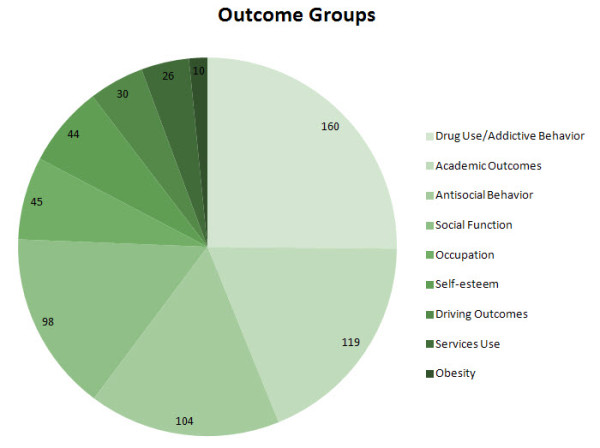
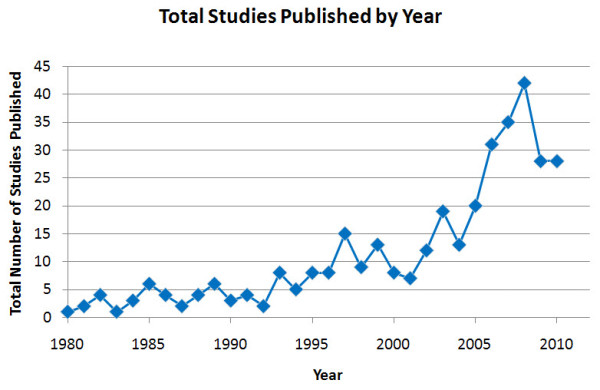
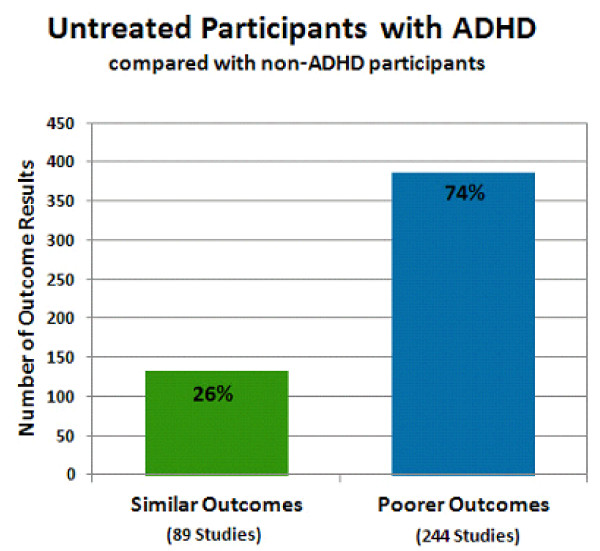
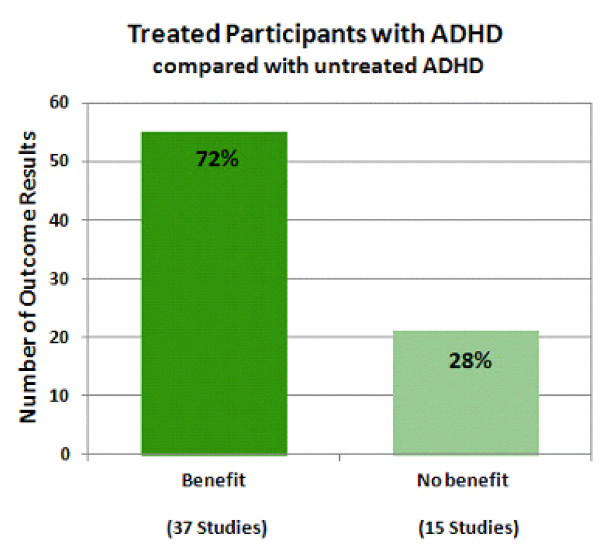
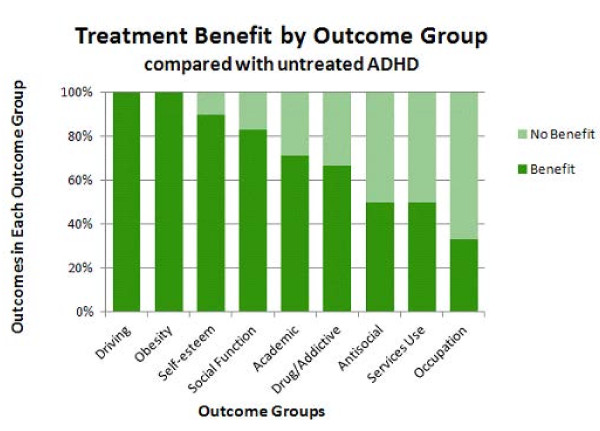
Background: In childhood, attention deficit/hyperactivity disorder (ADHD) is characterized by age-inappropriate levels of inattentiveness/disorganization, hyperactivity/impulsiveness, or a combination thereof. Although the criteria for ADHD are well defined, the long-term consequences in adults and children need to be more comprehensively understood and quantified. We conducted a systematic review evaluating the long-term outcomes (defined as 2 years or more) of ADHD with the goal of identifying long-term outcomes and the impact that any treatment (pharmacological, non-pharmacological, or multimodal) has on ADHD long-term outcomes. Methods: Studies were identified using predefined search criteria and 12 databases. Studies included were peer-reviewed, primary studies of ADHD long-term outcomes published between January 1980 to December 2010. Inclusion was agreed on by two independent researchers on review of abstracts or full text. Published statistical comparison of outcome results were summarized as poorer than, similar to, or improved versus comparators, and quantified as percentage comparisons of these categories. Results: Outcomes from 351 studies were grouped into 9 major categories: academic, antisocial behavior, driving, non-medicinal drug use/addictive behavior, obesity, occupation, services use, self-esteem, and social function outcomes. The following broad trends emerged: (1) without treatment, people with ADHD had poorer long-term outcomes in all categories compared with people without ADHD, and (2) treatment for ADHD improved long-term outcomes compared with untreated ADHD, although not usually to normal levels. Only English-language papers were searched and databases may have omitted relevant studies. Conclusions: This systematic review provides a synthesis of studies of ADHD long-term outcomes. Current treatments may reduce the negative impact that untreated ADHD has on life functioning, but does not usually 'normalize' the recipients.
Overview
The claims and statistics of this paper haven’t been checked yet.
Free: it reads the open-access text and checks the first 5 claims that cite a source we can check. Create a free account to check every claim.
Integrity signals
Registry
Cites
Statistics
Figures
Verification
Claims the paper makes
The claims and statistics of this paper haven’t been checked yet.
Free: it reads the open-access text and checks the first 5 claims that cite a source we can check. Create a free account to check every claim.
Claims other papers make about this one
Each is checked against this paper’s own text: does it say what the citing paper says it does?
The source backs part of the claim, not all of it — or backs it for a different population, condition or comparison.
In the citing paper
“ADHD improved long-term outcomes but generally not to normal levels 147 .”
From Attention-deficit/hyperactivity disorder (2015) · cites this paper as [147]
Experimental — accuracy not yet measured
Self-check
Percentages, sums and reported differences re-computed from the paper’s own numbers.
The self-check needs the paper’s full text.
Citations
Cites
Diagnostic and Statistical Manual of Mental Disorders
Williams, J. B. W., & First, M. (2013) · Encyclopedia of Social Work · doi:10.1093/acrefore/9780199975839.013.104 · Cited by 109,519
Diagnostic and Statistical Manual of Mental Disorders.
Widiger, T. A. (2000) · Encyclopedia of Psychology, Vol. 3. · doi:10.1037/10518-009 · Cited by 19,744
The worldwide prevalence of ADHD: a systematic review and metaregression analysis
Polanczyk, G., de Lima, M. S., Horta, B. L., Biederman, J., & Rohde, L. A. (2007) · American Journal of Psychiatry · doi:10.1176/ajp.2007.164.6.942 · Cited by 5,346 · cited 2×
“29% [3,4] with approximately 4% prevalence in adults [5,6].”
BackgroundKessler, R. C., Adler, L., Barkley, R., Biederman, J., Conners, C. K., Demler, O., Faraone, S. V., Greenhill, L. L., Howes, M. J., Secnik, K., et al. (2006) · American Journal of Psychiatry · doi:10.1176/ajp.2006.163.4.716 · Cited by 3,886 · cited 1×
“29% [3,4] with approximately 4% prevalence in adults [5,6].”
Background(1999) · Archives of General Psychiatry · doi:10.1001/archpsyc.56.12.1073 · Cited by 3,372
International Classification of Diseases
Jones, F. A. (1978) · Gut · doi:10.1136/gut.19.12.1175 · Cited by 2,911
FARAONE, S. V., BIEDERMAN, J., & MICK, E. (2006) · Psychological Medicine · doi:10.1017/s003329170500471x · Cited by 2,267 · cited 1×
“According to one meta-analysis, ADHD persists in about 65% of adults diagnosed as children if ADHD in partial remission is included [7], and in about 50% of * Correspondence: phodgkins@shire.”
MethodPliszka, S. (2007) · Journal of the American Academy of Child & Adolescent Psychiatry · doi:10.1097/chi.0b013e318054e724 · Cited by 1,765 · cited 1×
“ADHD treatment guidelines as well as conclusions drawn by health technology assessment agencies recognize that ADHD is potentially a lifelong condition with a profound effect on quality-of-life [22,25-32].”
BackgroundMannuzza, S. (1993) · Archives of General Psychiatry · doi:10.1001/archpsyc.1993.01820190067007 · Cited by 1,368 · cited 1×
“Persistence of ADHD may be related to ADHD symptom severity, number of symptoms, ADHD symptom subtype, ADHD in relatives, psychosocial adversity, psychiatric comorbidities, and/or parental psychopathology [8-15].”
BackgroundCross-national prevalence and correlates of adult attention-deficit hyperactivity disorder
Fayyad, J., De Graaf, R., Kessler, R., Alonso, J., Angermeyer, M., Demyttenaere, K., De Girolamo, G., Haro, J. M., Karam, E. G., Lara, C., et al. (2007) · British Journal of Psychiatry · doi:10.1192/bjp.bp.106.034389 · Cited by 1,321 · cited 1×
“29% [3,4] with approximately 4% prevalence in adults [5,6].”
Background
Research works printed but not linked: 7
- National Institute for Health and Clinical Excellence: Attention deficit hyperactivity disorder: the NICE guideline on diagnosis and management of adhd in children, young people and adults. 2009, Leicester, UK: The British Psychological Society and The Royal College of Psychiatrists
- Canadian Attention Deficit Hyperactivity Disorder Resource Alliance: Canadian ADHD Practice Guidelines (CAP-Guidelines). 2011, Toronto, Canada: Canadian Attention Deficit Hyperactivity Disorder Resource Alliance (CADDRA)
- National Health and Medical Research Council: Australian Guidelines on Attention Deficit Hyperactivity Disorder (ADHD). 2009, Sydney, Australia: The Royal Australasian College of Physicians
- Scottish Intercollegiate Guidelines Network: Management of attention deficit and hyperkinetic disorders in children and young people: a national clinical guideline. 2009, Edinburgh, UK: Scottish Intercollegiate Guidelines Network
- Canadian Agency for Drugs and Technologies in Health: Quality Assessment of the Canadian Attention Deficit Hyperactivity Disorder Resource Alliance ADHD Practice Guidelines in Adults with ADHD. 2011, Toronto, Canada: Canadian Agency for Drugs and Technologies in Health
- McDonagh M, Christensen V, Peterson K, Thakurta S: Pharmacologic treatments for attention deficit hyperactivity disorder. Drug class review. 2009, Portland, OR: Oregon Health & Science University
- DuPaul GJ, Power TJ, Anastopoulos AD, Reid R: ADHD rating scale-IV: checklists norms and interpretations. 1998, New York, NY: The Guilford Press
Cited by
Items 201–300 of 757
Parental Involvement of Parents of Children With ADHD: A First Population Study
Montes, G., & Montes, S. A. (2020) · Journal of Attention Disorders · doi:10.1177/1087054720911099 · Cited by 37
“Fortunately, there is also evidence that appropriate treatment ameliorates some of these outcomes (Langberg & Becker, 2012; Loe & Feldman, 2007; Shaw et al., 2012).”
BackgroundSchiavone, N., Virta, M., Leppämäki, S., Launes, J., Vanninen, R. L., Tuulio‐Henriksson, A., Järvinen, I., Lehto, E., Michelsson, K., & Hokkanen, L. (2022) · BMC Psychiatry · doi:10.1186/s12888-022-03967-3 · Cited by 33
Cree, R. A., Bitsko, R. H., Danielson, M. L., Wanga, V., Holbrook, J. H., Flory, K., Kubicek, L. F., Evans, S. W., Owens, J. S., & Cuffe, S. P. (2022) · Journal of Attention Disorders · doi:10.1177/10870547221131979 · Cited by 29
“ADHD is associated with an increased risk for many adverse outcomes, such as academic problems, poor social functioning, drug use/addictive behavior, antisocial behavior, lower self-esteem, and obesity, that often persist throughout adulthood (Loe & Feldman, 2007; Shaw et al., 2012).”
BackgroundParent and Family Processes Related to ADHD Management in Ethnically Diverse Youth
Paidipati, C. P., Brawner, B. M., Eiraldi, R. B., & Deatrick, J. A. (2017) · Journal of the American Psychiatric Nurses Association · doi:10.1177/1078390316687023 · Cited by 32
“Furthermore, youth with untreated or undertreated ADHD are more likely to engage in substance use or be involved in the juvenile justice system in adolescence or young adulthood (Fletcher & Wolfe, 2009; Shaw et al., 2012).”
Effectiveness of Psychotherapy in Adult ADHD: What Do Patients Think? Results of the COMPAS Study
Groß, V., Lücke, C., Graf, E., Lam, A. P., Matthies, S., Borel, P., Sobanski, E., Rösler, M., Retz, W., Jacob, C., et al. (2017) · Journal of Attention Disorders · doi:10.1177/1087054717720718 · Cited by 34
The use of methylphenidate hydrochloride extended-release oral suspension for the treatment of ADHD
Childress, A. C., & Sallee, F. R. (2013) · Expert Review of Neurotherapeutics · doi:10.1586/14737175.2013.833002 · Cited by 27
Taylor, L. E., & Antshel, K. M. (2019) · Journal of Attention Disorders · doi:10.1177/1087054718821734 · Cited by 30
“When treated, ADHD is associated with greater improvement compared with no treatment, improvement within participants as compared with baselines, and stabilization compared with baselines (i.e., no deterioration as seen in untreated ADHD; Shaw et al., 2012).”
BackgroundResultInfluentialPatterns of long-term ADHD medication use in Australian children
Efron, D., Mulraney, M., Sciberras, E., Hiscock, H., Hearps, S. J. C., & Coghill, D. (2020) · Archives of Disease in Childhood · doi:10.1136/archdischild-2019-317997 · Cited by 26
Fan, H., Chen, C., Tsai, J., Chiang, K.-L., Tsai, S. C., Huang, C., Lin, C., Hsu, C. Y., & Chang, K. (2022) · International Journal of Environmental Research and Public Health · doi:10.3390/ijerph192316138 · Cited by 27
Russell, A. E., Ford, T. J., & Russell, G. (2017) · Social Psychiatry and Psychiatric Epidemiology · doi:10.1007/s00127-017-1453-2 · Cited by 36
“A diagnosis of ADHD is associated with an increased risk of negative outcomes for the individual across many domains including problems with social function and occupation, poor academic outcomes, driving and car accidents and increased use of services [4].”
BackgroundMental health service use in Australia: The role of family structure and socio-economic status
Vu, B. T., Biswas, R. K., Khanam, R., & Rahman, M. (2018) · Children and Youth Services Review · doi:10.1016/j.childyouth.2018.08.001 · Cited by 28
“Adequate management for children and adolescents with ADHD can mitigate the negative effects on their lifelong functioning (Shaw et al., 2012).”
BackgroundMykletun, A., Widding‐Havneraas, T., Chaulagain, A., Lyhmann, I., Bjelland, I., Halmøy, A., Elwert, F., Butterworth, P., Markussen, S., Zachrisson, H. D., et al. (2021) · BMJ Open · doi:10.1136/bmjopen-2020-041698 · Cited by 30
Roberts, D. K., Alderson, R. M., Betancourt, J. L., & Bullard, C. C. (2021) · Clinical Psychology Review · doi:10.1016/j.cpr.2021.102039 · Cited by 28
Six Stages of Engagement in ADHD Treatment Described by Diverse, Urban Parents
Spencer, A. E., Sikov, J., Loubeau, J. K., Zolli, N., Baul, T. D., Rabin, M. A., Hasan, S., Rosen, K. J., Buonocore, O., Lejeune, J., et al. (2021) · PEDIATRICS · doi:10.1542/peds.2021-051261 · Cited by 30
Boulton, K., Coghill, D., Silove, N., Pellicano, E., Whitehouse, A., Bellgrove, M. A., Rinehart, N., Lah, S. S., Redoblado‐Hodge, M., Badawi, N. A., et al. (2021) · JCPP Advances · doi:10.1002/jcv2.12048 · Cited by 26
Attention Deficit Hyperactivity Disorder and Substance Use Disorder: A Narrative Review
Srichawla, B. S., Telles, C. C., Schweitzer, M., & Darwish, B. (2022) · Cureus · doi:10.7759/cureus.24068 · Cited by 33
Obstetric complications in mothers with ADHD
Walsh, C. J., Rosenberg, S. L., & Hale, E. W. (2022) · Frontiers in Reproductive Health · doi:10.3389/frph.2022.1040824 · Cited by 30
Stickley, A., Tachimori, H., Inoue, Y., Shinkai, T., Yoshimura, R., Nakamura, J., Morita, G., Nishii, S., Tokutsu, Y., Otsuka, Y., et al. (2018) · Psychiatry and Clinical Neurosciences · doi:10.1111/pcn.12685 · Cited by 27
Sharma, M. J., Lavoie, S., & Callahan, B. L. (2020) · American Journal of Geriatric Psychiatry · doi:10.1016/j.jagp.2020.10.016 · Cited by 28
Zhao, C., Xu, Y., Li, R., Li, H., & Zhang, M. (2025) · Frontiers in Artificial Intelligence · doi:10.3389/frai.2025.1624485 · Cited by 26
Fantozzi, P., Sesso, G., Muratori, P., Milone, A., & Masi, G. (2021) · Brain Sciences · doi:10.3390/brainsci11111399 · Cited by 28
“Psychostimulant treatment has been also likely associated with a long-term improvement in prosocial behavior and other outcomes of social functioning [72], including social judgment and interpersonal relationships [56].”
BackgroundPrice, A., Mitchell, S. B., Janssens, A. I. W. A., Eke, H., Ford, T. J., & Newlove‐Delgado, T. (2022) · BMC Psychiatry · doi:10.1186/s12888-022-03813-6 · Cited by 24
“This is despite poor outcomes across multiple domains including work and education, relationships, criminal justice, and health, with attendant economic impact among those who prematurely stop their medication [10, 24, 40].”
BackgroundO’Donnell, S. C., Palmeter, S., Laverty, M., & Lagacé, C. (2022) · Health Promotion and Chronic Disease Prevention in Canada · doi:10.24095/hpcdp.42.9.01 · Cited by 25
Carey, C. E., Knodt, A. R., Drabant, E. M., Hariri, A. R., & Bogdan, R. (2016) · Biological Psychiatry Cognitive Neuroscience and Neuroimaging · doi:10.1016/j.bpsc.2016.10.003 · Cited by 24
Newlove‐Delgado, T., Ford, T. J., Hamilton, W. T., Stein, K., & Ukoumunne, O. C. (2017) · European Child & Adolescent Psychiatry · doi:10.1007/s00787-017-1011-1 · Cited by 28
“Given these potential barriers to ongoing prescribing, it is, therefore, plausible that a proportion of the young people in our study may be stopping medication from which they could still benefit, and may, therefore, be at greater risk of experiencing the adverse outcomes associated with ADHD [25].”
BackgroundBarkla, X. M., McArdle, P., & Newbury‐Birch, D. (2015) · BMC Psychiatry · doi:10.1186/s12888-015-0657-9 · Cited by 35
“treated ADHD may have poorer long-term outcomes, this may leave the most vulnerable without adequate intervention [9].”
BackgroundAssessment and treatment of substance use in adults with ADHD: a psychological approach
Young, S., & Woodhouse, E. (2020) · Journal of Neural Transmission · doi:10.1007/s00702-020-02277-w · Cited by 27
Self-citationGirard, L. (2021) · Research on Child and Adolescent Psychopathology · doi:10.1007/s10802-021-00851-8 · Cited by 22
“…disorder and alcohol dependence, along with higher rates of school dropout, unemployment, homelessness, teenage parenthood, relationship problems, poor health, criminality, and substance abuse (e.g., Bevilacqua et al., 2018; Collishaw et al., 2004; Colman et al., 2009; Shaw et al., 2012).”
BackgroundLamberti, M., Italiano, D., Guerriero, L., D’Amico, G., Siracusano, R., Ingrassia, M., Germanò, E., Calabrò, M. P., Spina, E., & Gagliano, A. (2015) · Neuropsychiatric Disease and Treatment · doi:10.2147/ndt.s79866 · Cited by 25
“Patients with untreated ADHD are associated with poorer long-term self-esteem and social functioning outcomes than no-ADHD controls.(3,4) Treatments and interventions for ADHD are different and include psychological therapies and pharmacological treatment, especially for severe clinical cases.”
Lee, D., Namkoong, K., Lee, J., & Jung, Y. (2018) · Brain Imaging and Behavior · doi:10.1007/s11682-018-9872-6 · Cited by 26
The economic consequences of attention-deficit hyperactivity disorder in the Scottish prison system
Young, S., González, R. A., Fridman, M., Hodgkins, P., Kim, K., & Gudjonsson, G. H. (2018) · BMC Psychiatry · doi:10.1186/s12888-018-1792-x · Cited by 26
“ADHD confers significant impairment [15], and reduced quality of life [16] to those afflicted by it.”
BackgroundSelf-citationPrice, A., Ford, T. J., Janssens, A. I. W. A., Williams, A. J., & Newlove‐Delgado, T. (2020) · BJPsych Open · doi:10.1192/bjo.2019.94 · Cited by 25
Solmi, M., Dragioti, E., Croatto, G., Raduà, J., Borgwardt, S., Carvalho, A. F., Demurtas, J., Mosina, A., Kurotschka, P. K., Shin, J. I., et al. (2021) · Neuroscience & Biobehavioral Reviews · doi:10.1016/j.neubiorev.2021.03.014 · Cited by 29
Machine Learning Prediction of ADHD Severity: Association and Linkage to ADGRL3 , DRD4 , and SNAP25
Cervantes-Henríquez, M. L., Acosta-López, J. E., Martinez, A. F., Arcos‐Burgos, M., Rozo, P. J. P., & Velez, J. I. (2021) · Journal of Attention Disorders · doi:10.1177/10870547211015426 · Cited by 27
“These aspects might represent important factors to define ADHD natural history and its implications for the clinical practice (Acosta et al., 2011; Brown et al., 2017; Fletcher & Wolfe, 2009; Shaw et al., 2012).”
BackgroundAntenatal and Early Postnatal Antecedents of Parent-Reported Attention Problems at 2 Years of Age
Downey, L. C., O’Shea, T. M., Allred, E. N., Kuban, K., McElrath, T. F., Warner, D. D., Ware, J., Hecht, J. L., Onderdonk, A. B., & Leviton, A. (2014) · The Journal of Pediatrics · doi:10.1016/j.jpeds.2014.08.004 · Cited by 24
“Children with ADHD are at increased risk of poor long-term outcomes, including academic underachievement, medical morbidities, suicide, and delinquent activity.(10-14) In addition, this condition imposes a large economic burden, with an estimated yearly societal cost of 36-72 billion dollars.”
Contributors to Underdiagnosis of ADHD among Asian Americans: A Narrative Review
Feng, A., O’Neill, S. C., & Rostain, A. L. (2024) · Journal of Attention Disorders · doi:10.1177/10870547241264113 · Cited by 25
“Youth with untreated or under-treated ADHD are also more likely to be involved in the juvenile justice system or engage in problematic substance use (Fletcher & Wolfe, 2009; Paidipati et al., 2017; Shaw et al., 2012).”
Conner’s Continuous Performance Test and Adult ADHD: A Systematic Literature Review
Pagán, A. F., Huizar, Y. P., & Schmidt, A. (2022) · Journal of Attention Disorders · doi:10.1177/10870547221142455 · Cited by 24
“, academic outcomes, drug use, social functioning, selfesteem, occupational functioning, and health) compared to those who are diagnosed and treated (Shaw et al., 2012), making it critical to accurately identify and treat adults with ADHD.”
BackgroundLee, T. G., Walker, S. C., & Bishop, A. S. (2015) · Psychiatric Services · doi:10.1176/appi.ps.201400544 · Cited by 22
Bupropion in adults with Attention-Deficit/Hyperactivity Disorder: a randomized, double-blind study.
Hamedi, M., Mohammdi, M., Ghaleiha, A., Keshavarzi, Z., Jafarnia, M., Keramatfar, R., Alikhani, R., Ehyaii, A., & Akhondzadeh, S. (2014) · PubMed · Cited by 28
Setyawan, J., Hodgkins, P., Guérin, A., Gauthier, G., Cloutier, M., Wu, E. Q., & Erder, M. H. (2013) · Journal of Medical Economics · doi:10.3111/13696998.2013.800524 · Cited by 25
Self-citationUm, Y. H., Jeong, J., Hong, S., Kim, T., Lim, H. K., Seo, H., & Han, J. (2015) · Sleep Medicine · doi:10.1016/j.sleep.2015.11.016 · Cited by 23
“Symptom clusters of ADHD include inattention, hyperactivity, and impulsivity, which can lead to behavioral problems, emotional dysregulation, and poor academic performance when left untreated [2].”
BackgroundDisparities in mental health among adolescents with and without impairments
Lindén‐Boström, M., & Persson, C. (2015) · Scandinavian Journal of Public Health · doi:10.1177/1403494815589219 · Cited by 28
“Studies in adolescents with attention deficit hyperactive disorder (aDHD) show that they have lower levels of self-esteem than others [15,16].”
BackgroundZendarski, N. J., Sciberras, E., Mensah, F. K., & Hiscock, H. (2016) · BMC Pediatrics · doi:10.1186/s12887-016-0555-4 · Cited by 31
Hoagwood, K., Kelleher, K. J., Zima, B. T., Perrin, J. M., Bilder, S. M., & Crystal, S. (2016) · Health Affairs · doi:10.1377/hlthaff.2015.1423 · Cited by 21
Al-Khudairi, R., Perera, B., Solomou, S., & Courtenay, K. (2019) · British Journal of Learning Disabilities · doi:10.1111/bld.12265 · Cited by 25
“…driving, nonmedicinal drug use/addictive behaviour, obesity, occupation, services use, self‐esteem and social function outcomes; it has been shown that ADHD treatment improved long‐term outcomes compared with nontreatment, even though the outcomes did not reach normal levels (Shaw et al., 2012).”
BackgroundLeBlond, E. I., Smith-Paine, J., Riemersma, J. J., Horn, P. S., Wade, S. L., & Kurowski, B. G. (2019) · Journal of the International Neuropsychological Society · doi:10.1017/s1355617719000444 · Cited by 23
“Research investigating the use of stimulant medication in primary ADHD has found extensive evidence that long-term treatment with methylphenidate significantly improves attention-related behaviors (Abikoff et al., 2004) (Shaw et al., 2012).”
BackgroundBreaux, R., Eadeh, H., Swanson, C. S., & McQuade, J. D. (2021) · Research on Child and Adolescent Psychopathology · doi:10.1007/s10802-021-00833-w · Cited by 26
Prevedini, A., Hirvikoski, T., Holmberg Bergman, T., Berg, B., Miselli, G., Pergolizzi, F., & Moderato, P. (2020) · European Journal of Behavior Analysis · doi:10.1080/15021149.2020.1729023 · Cited by 20
“…2020 Norwegian Association for Behavior Analysis long-term outcomes in many major life activities (Barkley, 2002; Drmic, Szatmari, & Volkmar, 2018; Shaw et al., 2012), including mental ill-health and high risk of suicidal behaviours (Hirvikoski et al., 2019; Ljung, Chen, Lichtenstein, &…”
BackgroundThe Potential Role of Dopamine in Mediating Motor Function and Interpersonal Synchrony
Gvirts, H. Z., & Dahan, A. (2021) · Biomedicines · doi:10.3390/biomedicines9040382 · Cited by 23
“In the social domain, dopaminergic simulants were found to reduce negative social interactions and to improve social and behavioral functioning in children with ADHD [149,150], and it has been shown that a single dose of methylphenidate (MPH) improves the performance of children with ADHD in ToM-related tasks [151].”
BackgroundThe prevalence of attention deficit hyperactivity disorder in Iran: An updated systematic review
Shooshtari, M. H., Shariati, B., Kamalzadeh, L., Naserbakht, M., Tayefi, B., & Taban, M. (2021) · Medical Journal of the Islamic Republic of Iran · doi:10.47176/mjiri.35.8 · Cited by 30
“Children with ADHD experience substantial functional impairments such as poor school performance, problematic interpersonal relationships, at risk behaviors, as well as comorbid psychiatric disorders (4, 5).”
BackgroundTam, L. Y. C., Taechameekietichai, Y., & Allen, J. L. (2024) · European Child & Adolescent Psychiatry · doi:10.1007/s00787-024-02590-9 · Cited by 35
“Although ADHD is associated with a wide range of psychosocial difficulties and impairment [3], it is increasingly recognized that children with ADHD are neuro-divergent, with ADHD-related traits existing on a spectrum.”
Wang, H., Li, F., Miao, M., Yu, Y., Ji, H., Liu, H., Huang, R., Obel, C., Zhang, J., & Li, J. (2020) · Human Reproduction · doi:10.1093/humrep/deaa035 · Cited by 19
ADHD Medication Trends in Turkey: 2009-2013
Öner, Ö., Yılmaz, E. Ş., Karadağ, H., Vural, M., Vural, E. H., Akbulat, A., Gürsöz, H., Türkçapar, M. H., & Kerman, S. (2014) · Journal of Attention Disorders · doi:10.1177/1087054714523129 · Cited by 27
“This is a serious problem because ADHD is associated with severe functional impairment when untreated (Shaw et al., 2012).”
BackgroundMontes‐Montes, R., Delgado‐Lobete, L., & Rodríguez-Seoane, S. (2021) · Children · doi:10.3390/children8030187 · Cited by 28
“given that long-term functional consequences of ADHD persist into adulthood even when the symptoms are treated [44].”
BackgroundTitheradge, D., Godfrey, J., Eke, H., Price, A., Ford, T. J., & Janssens, A. I. W. A. (2022) · Child Care Health and Development · doi:10.1111/cch.12978 · Cited by 19
“Despite increasing evidence that ADHD is a long-term condition for many diagnosed in childhood (Sibley et al., 2016), our data suggest that this is not the perspective held by many young people or their families.”
BackgroundADHD Medication in the Longer Term
Taylor, E. A. (2019) · Zeitschrift für Kinder- und Jugendpsychiatrie und Psychotherapie · doi:10.1024/1422-4917/a000664 · Cited by 28
Cost effectiveness of optimal treatment of ADHD in Israel: a suggestion for national policy
Ornoy, A., & Spivak, A. (2019) · Health Economics Review · doi:10.1186/s13561-019-0240-z · Cited by 22
Perera, B., Chen, J. L., Korb, L., Borakati, A., Courtenay, K., Henley, W., Tromans, S. J., & Shankar, R. (2021) · Expert Opinion on Pharmacotherapy · doi:10.1080/14656566.2021.1876028 · Cited by 22
“This raises a clinically relevant suggestion whether ADHD should be considered in people who present with behavioral challenges especially given that the accurate diagnosis and effective treatment of ADHD in ID can considerably reduce the functional and psychosocial burden and improve a wide range of long-term outcome…”
BackgroundPsychopharmacological Treatment of ADHD in Adults Aged 50+: An Empirical Study
Lensing, M. B., Zeiner, P., Sandvik, L., & Opjordsmoen, S. (2015) · Journal of Attention Disorders · doi:10.1177/1087054714527342 · Cited by 18
“However, when treated and untreated samples with ADHD were compared, improved long-term outcomes were reported for those who had been treated (Shaw et al., 2012).”
BackgroundLewis, N., Lagopoulos, J., & Villani, A. M. (2025) · Metabolites · doi:10.3390/metabo15050335 · Cited by 21
“Moreover, individuals with ADHD often experience significant challenges including difficulties with peer relationships, reduced academic and occupational achievement, higher rates of accidental injuries, and lower self-esteem and overall life satisfaction [10–12].”
Primary care provision for young people with ADHD: a multi-perspective qualitative study
Gudka, R., Becker, K., Ward, J., Smith, J. R., Mughal, F., Meléndez‐Torres, G. J., Newlove‐Delgado, T., & Price, A. (2024) · British Journal of General Practice · doi:10.3399/bjgp.2023.0626 · Cited by 21
Sayal, K. S., Taylor, J. A., Valentine, A., Guo, B., Sampson, C., Sellman, E. M., James, M., Hollis, C. P., & Daley, D. (2016) · Child Care Health and Development · doi:10.1111/cch.12349 · Cited by 20
“Longer-term adverse outcomes include poor educational achievement, conduct problems, substance misuse, employment difficulties and criminality (Shaw et al. 2012).”
BackgroundKarpuz, D., Hallıoğlu, O., Toros, F., & Taşdelen, B. (2017) · Journal of Electrocardiology · doi:10.1016/j.jelectrocard.2017.02.012 · Cited by 18
Braeckman, R. A., Guenther, S. M., Mickle, T. C., Barrett, A. C., Smith, A. J., & Oh, C. (2022) · Journal of Child and Adolescent Psychopharmacology · doi:10.1089/cap.2022.0015 · Cited by 18
“Left untreated, ADHD has been shown to increase the risk for psychiatric disorders, antisocial behavior, poor physical health, and diminished socioeconomic status in adulthood (Shaw et al. 2012).”
BackgroundYoung, S., González, R. A., Wolff, K., Xenitidis, K., Mutch, L., Malet-Lambert, I., & Gudjonsson, G. H. (2017) · Journal of Attention Disorders · doi:10.1177/1087054716688532 · Cited by 21
“ADHD in adults has been consistently associated with psychosocial impairment in short and long-term outcomes (Shaw et al., 2012; Solanto et al., 2001), including earlier population mortality rates (Dalsgaard, Ostergaard, Leckman, Mortensen, & Pedersen, 2015).”
BackgroundSelf-citationEngaging parents in preventive programs for adolescent mental health: A socio‐ecological framework
Finan, S. J., & Yap, M. B. H. (2021) · Journal of Family Theory & Review · doi:10.1111/jftr.12440 · Cited by 18
Russell, A. E., Benham‐Clarke, S., Ford, T. J., Eke, H., Price, A., Mitchell, S. B., Newlove‐Delgado, T., Moore, D. A., & Janssens, A. I. W. A. (2023) · British Journal of Educational Psychology · doi:10.1111/bjep.12613 · Cited by 31
Phillips, S. T., Druskin, L. R., Mychailyszyn, M. P., Victory, E. J., Aman, E., & McNeil, C. B. (2024) · Child Psychiatry & Human Development · doi:10.1007/s10578-024-01678-2 · Cited by 25
Health Care Trajectories for Children With ADHD in France: Results From the QUEST Survey
Caci, H. M., Cohen, D., Bonnot, O., Kabuth, B., Raynaud, J., Paillé, S., & Vallée, L. (2016) · Journal of Attention Disorders · doi:10.1177/1087054715618790 · Cited by 22
“It can also have long-term consequences on quality of life in adulthood (Caci et al., 2014; Cantwell, 1996; Hodgkins et al., 2012; Klein et al., 2012; Shaw et al., 2012).”
BackgroundSelf-citationO’Connor, C., & McNicholas, F. (2019) · Child Psychiatry & Human Development · doi:10.1007/s10578-019-00917-1 · Cited by 25
Stobernack, T., de Vries, S. P. W., Pereira, R. R., Pelsser, L. M. J., ter Braak, C. J. F., Aarts, E., van Baarlen, P., Kleerebezem, M., Frankena, K., & Hontelez, S. (2019) · BMJ Open · doi:10.1136/bmjopen-2019-029422 · Cited by 22
Zaehle, T., & Krauel, K. (2021) · Progress in brain research · doi:10.1016/bs.pbr.2021.03.001 · Cited by 23
One-year follow-up of two novel CBTs for adolescents with ADHD
Boyer, B. E., Geurts, H. M., Prins, P. J. M., & der Oord, S. V. (2015) · European Child & Adolescent Psychiatry · doi:10.1007/s00787-015-0776-3 · Cited by 21
“Even though the literature on long-term treatment effects in ADHD is sparse, especially in adolescents, systematic reviews on long-term treatment effects in children, adolescents and adults, show that without treatment, individuals with ADHD have poorer longterm outcomes compared with individuals without ADHD [6, 7].”
InfluentialThorell, L. B., Sjöwall, D., Mies, G. W., & Scheres, A. (2017) · Psychological Assessment · doi:10.1037/pas0000421 · Cited by 18
“…known to affect individuals with ADHD, such as academic underachievement (Frazier, Youngstrom, Glutting, & Watkins, 2007), high unemployment (e.g., Shaw et al., 2012), problematic social relations (e.g., Nijmeijer et al., 2008), problems in daily situations such as handling money (e.g., Graziano…”
BackgroundSchiavone, N., Virta, M., Leppämäki, S., Launes, J., Vanninen, R. L., Tuulio‐Henriksson, A., Immonen, S., Järvinen, I., Lehto, E., Michelsson, K., et al. (2019) · Psychiatry Research · doi:10.1016/j.psychres.2019.112574 · Cited by 21
“Adverse life outcomes and functional impairment associated with ADHD in adulthood are well established (Barkley et al., 2008; Biederman et al., 2006; Shaw et al., 2012).”
BackgroundKnight, T. K., Kawatkar, A. A., Hodgkins, P., Moss, R. A., Chu, L.-H., Sikirica, V., Erder, M. H., & Nichol, M. B. (2014) · Current Medical Research and Opinion · doi:10.1185/03007995.2014.901940 · Cited by 18
Self-citationPandria, N., Petronikolou, V., Lazaridis, A., Karapiperis, C., Kouloumpris, E., Spachos, D., Fachantidis, A., Vasiliou, D., Vlahavas, I. P., & Bamidis, P. D. (2022) · JMIR Research Protocols · doi:10.2196/40189 · Cited by 16
“…could ameliorate the disorder’s development, diminish its long-term impact [14], improve quality of life [15], and enhance overall functioning and self-esteem [16,17], research efforts were focused on formulating programs [14,18,19], games [20,21], or game-based tools [22,23] for early diagnosis.”
Meppelink, R., de Bruin, E. I., Zoller, B. K., Oort, F. J., & Bögels, S. M. (2024) · Mindfulness · doi:10.1007/s12671-024-02305-w · Cited by 19
“As for medication, efficacy and effectiveness (large effect sizes) of stimulants (methylphenidates) for childhood ADHD has been well documented (Maia et al., 2017; Shaw et al., 2012; Storebø et al., 2015).”
Factor structure of symptom dimensions in attention-deficit/hyperactivity disorder (ADHD).
Parke, E. M., Mayfield, A., Barchard, K. A., Thaler, N. S., Etcoff, L. M., & Allen, D. N. (2015) · Psychological Assessment · doi:10.1037/pas0000121 · Cited by 25
Do food bioactives play a role in attention-deficit/hyperactivity disorder?
Lange, K. W. (2018) · Journal of Food Bioactives · doi:10.31665/jfb.2018.4160 · Cited by 16
“Current treatments may reduce the negative impact of untreated ADHD on life functioning but do not usually lead to ‘normalization’ of behavior (Shaw et al., 2012).”
BackgroundGlasofer, A., Dingley, C., & Reyes, A. T. (2020) · Journal of Attention Disorders · doi:10.1177/1087054720930783 · Cited by 18
“Pharmacological treatment of ADHD is associated with positive health, safety, academic, occupational, social, and family outcomes (Fridman et al., 2017; Prasad et al., 2013; Quinn et al., 2017; Ruiz-Goikoetxea et al., 2018; Shaw et al., 2012; Silva et al., 2015).”
BackgroundOrtega, F., & Müller, M. R. (2020) · Frontiers in Sociology · doi:10.3389/fsoc.2020.535125 · Cited by 21
“ADHD symptoms can often lead to functional impairment in many spheres, with repercussions on quality of life and increased risk of lifelong psychiatric comorbidities (Flisher et al., 2010; Shaw et al., 2012).”
BackgroundInfluentialHong, M., Lee, W. H., Moon, D. S., Lee, S. M., Chung, U., & Bahn, G. H. (2014) · Journal of Child and Adolescent Psychopharmacology · doi:10.1089/cap.2013.0090 · Cited by 17
“Shaw et al. (2012) reported that subjects with untreated ADHD had poorer long-term outcomes than people without ADHD, and that ADHD treatment improved long-term outcomes compared with untreated ADHD.”
Papaioannou, S., Mouzaki, A., Sideridis, G. D., Αντωνίου, Φ., Padeliadu, S., & Simos, P. G. (2014) · Educational Psychology · doi:10.1080/01443410.2014.915931 · Cited by 22
“Such practices are considered effective in reducing symptoms and improving scholastic test scores, especially when combined with pharmacotherapy, yet their long-term efficacy remains disputable (Jensen et al., 2007; Shaw et al., 2012).”
BackgroundHong, N., & Comer, J. S. (2018) · Child Psychiatry & Human Development · doi:10.1007/s10578-018-0834-4 · Cited by 16
“Delays in the identification and treatment of early-onset ADHD are associated with worse long-term academic, social, and occupational outcomes relative to affected peers who are more promptly identified and appropriately treated [5].”
BackgroundJennum, P., Sørensen, A. V., Baandrup, L., Ibsen, M., Ibsen, R., & Kjellberg, J. (2025) · Journal of Psychiatric Research · doi:10.1016/j.jpsychires.2025.01.016 · Cited by 15
Baggio, S., Bayard, S., Cabelguen, C., Desseilles, M., Gachet, M., Kraemer, C., Richard-Lepouriel, H., Nicastro, R., Bioulac, S., Sauvaget, A., et al. (2021) · Journal of Psychopathology and Behavioral Assessment · doi:10.1007/s10862-020-09822-7 · Cited by 15
“Adult ADHD is also associated with comorbid psychiatric disorders, substance use, comorbid somatic diseases, and excess mortality because of the increase risk of suicide and accident (Asherson et al. 2016; Dalsgaard et al. 2015; Instanes et al. 2018; Shaw et al. 2012).”
BackgroundFai, K. N., Simo, L. P., Ntani, L. L., Forchin, A. N., Chirsir, P., Tianyi, F.-L., Nsah, B., & Agbor, V. N. (2020) · BMJ Open · doi:10.1136/bmjopen-2020-037297 · Cited by 20
Sawhney, I., Perera, B., Bassett, P., Zia, A., Alexander, R., & Shankar, R. (2021) · BJPsych Open · doi:10.1192/bjo.2021.1023 · Cited by 24
Price, A., Smith, J. R., Mughal, F., Salimi, A., Meléndez‐Torres, G. J., & Newlove‐Delgado, T. (2023) · BMJ Open · doi:10.1136/bmjopen-2022-068184 · Cited by 15
Prasad, V., Rezel‐Potts, E., White, P. T., Downs, J. M., Boddy, N., Sayal, K. S., & Sonuga-Barke, E. J. S. (2023) · Archives of Disease in Childhood · doi:10.1136/archdischild-2023-325637 · Cited by 19
Zachor, D. A., & Ben‐Itzchak, E. (2019) · Journal of Autism and Developmental Disorders · doi:10.1007/s10803-019-04042-9 · Cited by 17
Siffel, C., Page, M. J., Maxwell, T., Thun, B., Kolb, N., Rosenlund, M., von Bredow, D., & Keja, J. (2020) · Journal of Child and Adolescent Psychopharmacology · doi:10.1089/cap.2019.0173 · Cited by 16
“Continued adequate ADHD symptom control is important, because untreated ADHD is often associated with social and academic difficulties, behavioural problems (such as substance abuse), delinquency, accidental injury, and poor economic, social, and emotional well-being (Shaw et al. 2012).”
BackgroundShah, R., Sharma, A. D., Grover, S., Sachdeva, D., Chakrabarti, S., & Avasthi, A. (2021) · Asian Journal of Psychiatry · doi:10.1016/j.ajp.2021.102762 · Cited by 21
Yang, M., Lu, D., Chen, J.-C., & Fu, W. (2015) · Psychopharmacology · doi:10.1007/s00213-015-4036-5 · Cited by 15
Lange, K. W. (2017) · University of Regensburg Publication Server (University of Regensburg) · doi:10.5283/mnhd.4 · Cited by 17
Newlove‐Delgado, T., Hamilton, W. T., Ford, T. J., Stein, K., & Ukoumunne, O. C. (2019) · ADHD Attention Deficit and Hyperactivity Disorders · doi:10.1007/s12402-019-00288-6 · Cited by 19
Setyawan, J., Guérin, A., Hodgkins, P., Gauthier, G., Cloutier, M., Wu, E. Q., & Erder, M. H. (2013) · Journal of Medical Economics · doi:10.3111/13696998.2013.839947 · Cited by 14
Self-citationPrenatal Paternal Selective Serotonin Reuptake Inhibitors Use and Risk of ADHD in Offspring
Yang, F., Liang, H., Chen, J., Miao, M., Yuan, W., Nørgaard, M., & Li, J. (2017) · PEDIATRICS · doi:10.1542/peds.2017-1081 · Cited by 15
“32 We adopted several analytic strategies to account for such confounding by indication: (1) regression adjustment, (2) negative controls (ie, former-users analyses), (3) stratified analyses according to paternal history of affective disorders, and (4) sibling analyses.”
MethodShimabukuro, S., Daley, D., Thompson, M. J. J., Laver‐Bradbury, C., Lovern, K., & Tripp, G. (2020) · Journal of Child and Family Studies · doi:10.1007/s10826-020-01704-6 · Cited by 16
Metadata
- Authors
- Shaw, M., Hodgkins, P., Caci, H., Young, S., Kahle, J., Woods, A. G., & Arnold, L. E.
- Affiliations
- Shire (United Kingdom) (GB)
- Centre Hospitalier Universitaire de Nice (FR)
- King's College London (GB)
- Clarkson University (US)
- The Ohio State University (US)
- Corresponding author
- Hodgkins, Paul
- Venue
- BMC Medicine
- Published
- 2012-09-04
- Volume
- 10
- Issue
- 1
- Pages
- 99-99
- ISSN
- 1741-7015 (ISSN-L)
- PMC
- PMC3520745
- OpenAlex
- W2058562698
- Cited by
- 759
- References
- 69
- Citations by year
- 2026: 71 · 2025: 64 · 2024: 72 · 2023: 72 · 2022: 67 · 2021: 57 · 2020: 49 · 2019: 47 · 2018: 50 · 2017: 35 · 2016: 53 · 2015: 54 · 2014: 39 · 2013: 27 · 2012: 1
- FWCI
- 5.20
- Type
- journal article
- Language
- en
- Open access
- gold
- doi.org
- Licence
- Locations
- BMC Medicine (publishedVersion, cc-by)
- Europe PMC (PubMed Central) (publishedVersion, cc-by)
- PubMed Central (publishedVersion, cc-by)
- PubMed (publishedVersion)
- DOAJ (DOAJ: Directory of Open Access Journals) (submittedVersion, cc-by-sa)
- Research Portal (King's College London) (submittedVersion)
- Topics
- Health Sciences › Medicine › Psychiatry and Mental health › Attention Deficit Hyperactivity Disorder
- Health Sciences › Medicine › Epidemiology › Substance Abuse Treatment and Outcomes
- Social Sciences › Psychology › Developmental and Educational Psychology › Behavioral and Psychological Studies
- Keywords
- attention deficit hyperactivity disorder, long-term outcomes, ADHD treatment, untreated ADHD, educational outcomes, antisocial behavior, driving, substance use, obesity, occupation, health care utilization, self-esteem, social functioning, pharmacotherapy, non-pharmacological treatment
- MeSH terms
- Adolescent, Adult, Aged, Aged, 80 and over, Attention Deficit Disorder with Hyperactivity, Child, Humans, Middle Aged, Social Behavior, Treatment Outcome, Young Adult
About these checks
Registry, retraction, Cites and statistics results are computed, not judged, with one exception: a printed reference that no index lists is read once by a model before it counts as a citation error. Claims are extracted by a model and kept only when their quote appears verbatim in the text; each cited source is then checked, with a model’s help, for whether it says what the claim relies on. Those verdicts can be wrong — read the claim’s quote and the cited source before relying on one.
Statistics and arithmetic are recomputed, not judged.
Confidence bands are shown only for fields calibrated on our annotated test set. None is calibrated yet, so no band is shown.
What counts as a claim ›How we measure confidence ›How we check this ›
Are you an author, or do you see a problem with this page? Request a review
Data sources
Bibliographic data: Semantic Scholar, OpenAlex, Crossref.
Contains information from the Semantic Scholar Academic Graph Datasets, made available under the ODC Attribution License (ODC-BY 1.0).
Semantic Scholar’s data is described in: Kinney, R., et al. (2023). The Semantic Scholar Open Data Platform. arXiv:2301.10140.
