

A systematic review and analysis of long-term outcomes in attention deficit hyperactivity disorder: effects of treatment and non-treatment
Open accessThe DOI matches its Crossref record; 68 of the 69 references it cites were found in a registry or an index.
Abstract
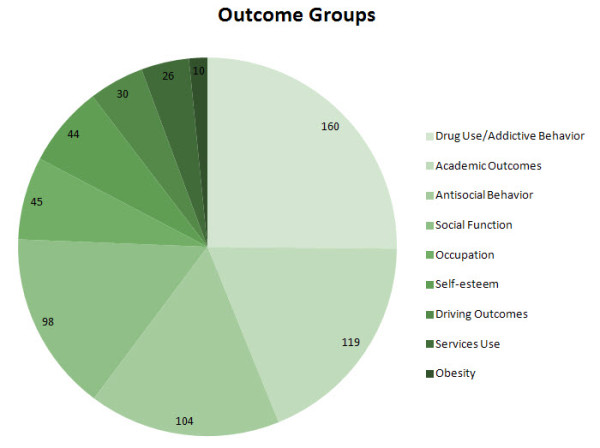
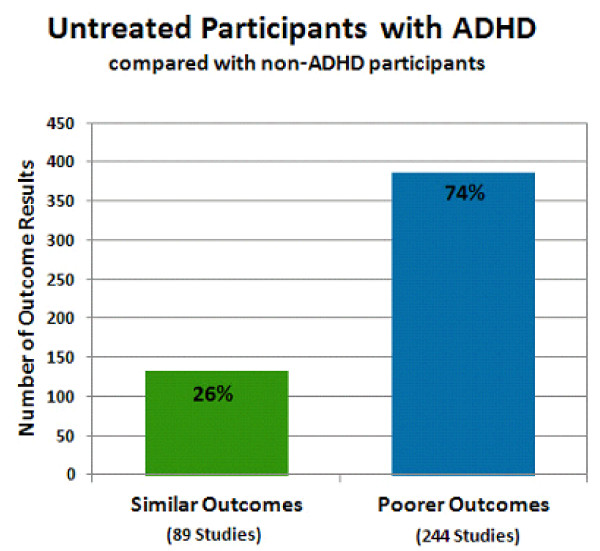
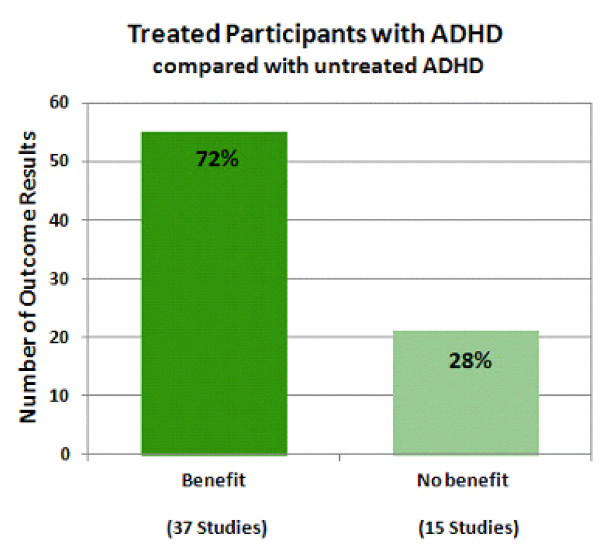
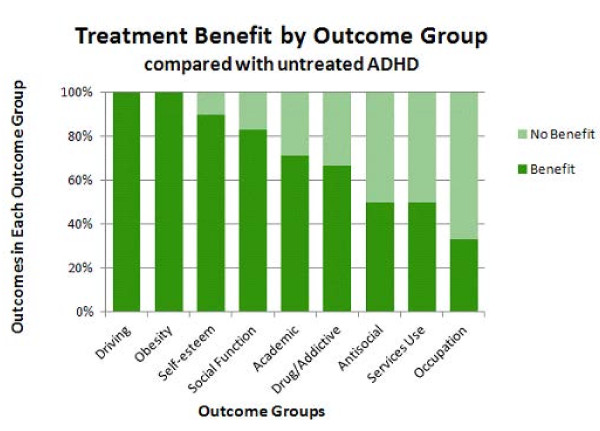
Background: In childhood, attention deficit/hyperactivity disorder (ADHD) is characterized by age-inappropriate levels of inattentiveness/disorganization, hyperactivity/impulsiveness, or a combination thereof. Although the criteria for ADHD are well defined, the long-term consequences in adults and children need to be more comprehensively understood and quantified. We conducted a systematic review evaluating the long-term outcomes (defined as 2 years or more) of ADHD with the goal of identifying long-term outcomes and the impact that any treatment (pharmacological, non-pharmacological, or multimodal) has on ADHD long-term outcomes. Methods: Studies were identified using predefined search criteria and 12 databases. Studies included were peer-reviewed, primary studies of ADHD long-term outcomes published between January 1980 to December 2010. Inclusion was agreed on by two independent researchers on review of abstracts or full text. Published statistical comparison of outcome results were summarized as poorer than, similar to, or improved versus comparators, and quantified as percentage comparisons of these categories. Results: Outcomes from 351 studies were grouped into 9 major categories: academic, antisocial behavior, driving, non-medicinal drug use/addictive behavior, obesity, occupation, services use, self-esteem, and social function outcomes. The following broad trends emerged: (1) without treatment, people with ADHD had poorer long-term outcomes in all categories compared with people without ADHD, and (2) treatment for ADHD improved long-term outcomes compared with untreated ADHD, although not usually to normal levels. Only English-language papers were searched and databases may have omitted relevant studies. Conclusions: This systematic review provides a synthesis of studies of ADHD long-term outcomes. Current treatments may reduce the negative impact that untreated ADHD has on life functioning, but does not usually 'normalize' the recipients.
Overview
The claims and statistics of this paper haven’t been checked yet.
Free: it reads the open-access text and checks the first 5 claims that cite a source we can check. Create a free account to check every claim.
Integrity signals
Registry
Cites
Statistics
Figures
Verification
Claims the paper makes
The claims and statistics of this paper haven’t been checked yet.
Free: it reads the open-access text and checks the first 5 claims that cite a source we can check. Create a free account to check every claim.
Claims other papers make about this one
Each is checked against this paper’s own text: does it say what the citing paper says it does?
The source backs part of the claim, not all of it — or backs it for a different population, condition or comparison.
In the citing paper
“ADHD improved long-term outcomes but generally not to normal levels 147 .”
From Attention-deficit/hyperactivity disorder (2015) · cites this paper as [147]
Experimental — accuracy not yet measured
Self-check
Percentages, sums and reported differences re-computed from the paper’s own numbers.
The self-check needs the paper’s full text.
Citations
Cites
Diagnostic and Statistical Manual of Mental Disorders
Williams, J. B. W., & First, M. (2013) · Encyclopedia of Social Work · doi:10.1093/acrefore/9780199975839.013.104 · Cited by 109,519
Diagnostic and Statistical Manual of Mental Disorders.
Widiger, T. A. (2000) · Encyclopedia of Psychology, Vol. 3. · doi:10.1037/10518-009 · Cited by 19,744
The worldwide prevalence of ADHD: a systematic review and metaregression analysis
Polanczyk, G., de Lima, M. S., Horta, B. L., Biederman, J., & Rohde, L. A. (2007) · American Journal of Psychiatry · doi:10.1176/ajp.2007.164.6.942 · Cited by 5,346 · cited 2×
“29% [3,4] with approximately 4% prevalence in adults [5,6].”
BackgroundKessler, R. C., Adler, L., Barkley, R., Biederman, J., Conners, C. K., Demler, O., Faraone, S. V., Greenhill, L. L., Howes, M. J., Secnik, K., et al. (2006) · American Journal of Psychiatry · doi:10.1176/ajp.2006.163.4.716 · Cited by 3,886 · cited 1×
“29% [3,4] with approximately 4% prevalence in adults [5,6].”
Background(1999) · Archives of General Psychiatry · doi:10.1001/archpsyc.56.12.1073 · Cited by 3,372
International Classification of Diseases
Jones, F. A. (1978) · Gut · doi:10.1136/gut.19.12.1175 · Cited by 2,911
FARAONE, S. V., BIEDERMAN, J., & MICK, E. (2006) · Psychological Medicine · doi:10.1017/s003329170500471x · Cited by 2,267 · cited 1×
“According to one meta-analysis, ADHD persists in about 65% of adults diagnosed as children if ADHD in partial remission is included [7], and in about 50% of * Correspondence: phodgkins@shire.”
MethodPliszka, S. (2007) · Journal of the American Academy of Child & Adolescent Psychiatry · doi:10.1097/chi.0b013e318054e724 · Cited by 1,765 · cited 1×
“ADHD treatment guidelines as well as conclusions drawn by health technology assessment agencies recognize that ADHD is potentially a lifelong condition with a profound effect on quality-of-life [22,25-32].”
BackgroundMannuzza, S. (1993) · Archives of General Psychiatry · doi:10.1001/archpsyc.1993.01820190067007 · Cited by 1,368 · cited 1×
“Persistence of ADHD may be related to ADHD symptom severity, number of symptoms, ADHD symptom subtype, ADHD in relatives, psychosocial adversity, psychiatric comorbidities, and/or parental psychopathology [8-15].”
BackgroundCross-national prevalence and correlates of adult attention-deficit hyperactivity disorder
Fayyad, J., De Graaf, R., Kessler, R., Alonso, J., Angermeyer, M., Demyttenaere, K., De Girolamo, G., Haro, J. M., Karam, E. G., Lara, C., et al. (2007) · British Journal of Psychiatry · doi:10.1192/bjp.bp.106.034389 · Cited by 1,321 · cited 1×
“29% [3,4] with approximately 4% prevalence in adults [5,6].”
Background
Research works printed but not linked: 7
- National Institute for Health and Clinical Excellence: Attention deficit hyperactivity disorder: the NICE guideline on diagnosis and management of adhd in children, young people and adults. 2009, Leicester, UK: The British Psychological Society and The Royal College of Psychiatrists
- Canadian Attention Deficit Hyperactivity Disorder Resource Alliance: Canadian ADHD Practice Guidelines (CAP-Guidelines). 2011, Toronto, Canada: Canadian Attention Deficit Hyperactivity Disorder Resource Alliance (CADDRA)
- National Health and Medical Research Council: Australian Guidelines on Attention Deficit Hyperactivity Disorder (ADHD). 2009, Sydney, Australia: The Royal Australasian College of Physicians
- Scottish Intercollegiate Guidelines Network: Management of attention deficit and hyperkinetic disorders in children and young people: a national clinical guideline. 2009, Edinburgh, UK: Scottish Intercollegiate Guidelines Network
- Canadian Agency for Drugs and Technologies in Health: Quality Assessment of the Canadian Attention Deficit Hyperactivity Disorder Resource Alliance ADHD Practice Guidelines in Adults with ADHD. 2011, Toronto, Canada: Canadian Agency for Drugs and Technologies in Health
- McDonagh M, Christensen V, Peterson K, Thakurta S: Pharmacologic treatments for attention deficit hyperactivity disorder. Drug class review. 2009, Portland, OR: Oregon Health & Science University
- DuPaul GJ, Power TJ, Anastopoulos AD, Reid R: ADHD rating scale-IV: checklists norms and interpretations. 1998, New York, NY: The Guilford Press
Cited by
Items 301–400 of 757
Weiss, M. D., Cutler, A. J., Kollins, S. H., & Donnelly, G. A. E. (2021) · Journal of Child and Adolescent Psychopharmacology · doi:10.1089/cap.2021.0034 · Cited by 15
“…impairments, including academic, occupational, social, and emotional difficulties; legal challenges; risk of accidents and injury; and high-risk behaviors such as smoking, substance abuse, and risky sexual behavior (Shaw et al. 2012; Bhat and Hechtman 2016; Erskine et al. 2016; Harpin et al. 2016).”
Li, L., Chang, Z., Sun, J., Jangmo, A., Zhang, L., Andersson, L. M., Werner‐Kiechle, T., Ahnemark, E., D'Onofrio, B. M., & Larsson, H. (2022) · JAMA Network Open · doi:10.1001/jamanetworkopen.2022.6815 · Cited by 19
Relevance of ω-6 GLA Added to ω-3 PUFAs Supplements for ADHD: A Narrative Review
D’Helft, J., Caccialanza, R., Derbyshire, E. J., & Maes, M. H. J. (2022) · Nutrients · doi:10.3390/nu14163273 · Cited by 18
“For some, without intervention, long-term outcomes can contribute to antisocial behavior, poor academic performance, non-medicinal drug use/addictive behavior, obesity, and reduced self-esteem [15].”
BackgroundService use in children aged 6–8 years with attention deficit hyperactivity disorder
Efron, D., Moisuc, O., McKenzie, V. L., & Sciberras, E. (2015) · Archives of Disease in Childhood · doi:10.1136/archdischild-2015-309520 · Cited by 15
Engelhardt, P. E., Nobes, G., & Pischedda, S. (2019) · Brain Sciences · doi:10.3390/brainsci9060128 · Cited by 17
“Previous studies have tended to focus either on people diagnosed with ADHD or on individuals within the criminal justice system [13,48,49].”
BackgroundMultimodal integrated intervention for children with attention-deficit/hyperactivity disorder
Lv, Y.-B., Cheng, W., Wang, M., Wang, X., Hu, Y., & Lv, L.-Q. (2023) · World Journal of Clinical Cases · doi:10.12998/wjcc.v11.i18.4267 · Cited by 22
Guimarães, R. S. Q., Bandeira, I. D., Barretto, B. L., Wanke, T., Alves, C. O. C., Barretto, T. L., de Carvalho, C. F., Dorea-Bandeira, I., Tolentino, A. C., Lins-Silva, D. H., et al. (2024) · Frontiers in Psychiatry · doi:10.3389/fpsyt.2023.1217407 · Cited by 19
Gudka, R., McGlynn, E., Lister, K., Shaw, N., Pitchforth, E., Mughal, F., French, B., Ward, J. H., Newlove‐Delgado, T., & Price, A. (2025) · European Child & Adolescent Psychiatry · doi:10.1007/s00787-025-02676-y · Cited by 22
Sobanski, E., Leppämäki, S., Bushe, C., Berggren, L., Casillas, M., & Deberdt, W. G. (2015) · European Psychiatry · doi:10.1016/j.eurpsy.2015.09.005 · Cited by 13
“Adults with ADHD typically experience various personal and socioeconomic burdens [1,8,10,16,17,24,27,29,30], at least some of which are relieved by appropriate pharmacological treatment [16,30,32,37,40].”
BackgroundGoodman, D. (2013) · Therapeutics and Clinical Risk Management · doi:10.2147/tcrm.s30762 · Cited by 15
“16–22 Neuroimaging studies of individuals with ADHD have also identified delayed neu-rodevelopment, volumetric differences in specific brain areas, and differences in neural activation for tasks when compared to those without ADHD.”
InfluentialNaya, N., Tsuji, T., Nishigaki, N., Sakai, C., Chen, Y., Jung, S.-E., & Kosaka, H. (2021) · Cureus · doi:10.7759/cureus.19615 · Cited by 21
Flores, J., Caqueo‐Urízar, A., López, V., & Acevedo, D. (2022) · BMC Psychiatry · doi:10.1186/s12888-022-03714-8 · Cited by 22
“These outcomes include increased risk of involvement in delinquent acts, increased conflict in peer and family relationships, poorer academic achievement, dropping out of school, substance use, suicide ideation, traffic accidents, employment instability, and increased obesity [17, 18].”
BackgroundMental illness and HIV amongst female inmates in Durban, South Africa
Naidoo, S., Subramaney, U., Paruk, S., & Ferreira, L. (2022) · South African Journal of Psychiatry · doi:10.4102/sajpsychiatry.v28i0.1628 · Cited by 21
Lorenzo, R. D., Balducci, J., Cutino, A., Latella, E., Venturi, G., Rovesti, S., Filippini, T., & Ferri, P. (2023) · Medicina · doi:10.3390/medicina59020338 · Cited by 16
“ADHD patients with personality disorders show poorer responses to pharmacological treatment and poorer compliance with therapy than patients without personality disorders [48].”
Backgroundvan der Kolk, A., Bouwmans, C. A. M., Schawo, S. J., Buitelaar, J. K., van Agthoven, M., & Roijen, L. H. (2015) · SpringerPlus · doi:10.1186/s40064-015-0978-7 · Cited by 17
“A recent systematic review of longterm outcomes of ADHD treatment and non-treatment supports the premise that without accurate treatment, people with ADHD experience poorer long-term outcomes (Shaw et al. 2012).”
Flood, M., Hayden, J. C., Gavin, B. E., & McNicholas, F. (2018) · Research in Social and Administrative Pharmacy · doi:10.1016/j.sapharm.2018.11.004 · Cited by 17
Ayer, C., Eapen, V., Overs, B. J., Descallar, J., Jalaludin, B. B., Eastwood, J. G., Dissanayake, C., Williams, K. J., Murphy, E., Woolfenden, S. R., et al. (2020) · Australian Health Review · doi:10.1071/ah18236 · Cited by 14
Assessment of executive functions using a 3D-video game in children and adolescents with ADHD
Takahashi, N., Ono, T., Omori, Y., Iizumi, M., Kato, H., Kasuno, S., Persing, B., & Tsuchiya, K. J. (2024) · Frontiers in Psychiatry · doi:10.3389/fpsyt.2024.1407703 · Cited by 13
Du, J., Fang, L., Dong, K., & Zhou, Z. (2024) · Journal of Affective Disorders · doi:10.1016/j.jad.2024.10.050 · Cited by 12
Ellis, L. A., Blakely, B. D., Hazell, P., Woolfenden, S. R., Hiscock, H., Sarkozy, V., Gould, B. M., Hibbert, P. D., Arnolda, G., Ting, H. P., et al. (2021) · PLoS ONE · doi:10.1371/journal.pone.0245916 · Cited by 13
“For children with ADHD, early diagnosis and evidence-based treatment improves the chances for positive long-term outcomes [4, 5].”
BackgroundBaggio, S., Heller, P., Perroud, N. A., Buadze, A., Schleifer, R., Wolff, H. J., Liebrenz, M., & Gétaz, L. (2022) · Forensic Science International Mind and Law · doi:10.1016/j.fsiml.2022.100071 · Cited by 14
Carvalho, L. R., Haas, L. M., Zeni, G. D., Victor, M. M., Techele, S. P., Castanho, J. M., Coimbra, I. M., de Sousa, A. D. F., Ceretta, N., Guirado, A. G., et al. (2023) · European Psychiatry · doi:10.1192/j.eurpsy.2023.2422 · Cited by 17
“The main treatment objective is to maximize functionality [6] by reducing symptoms, which, in turn, will reduce negative outcomes and improve quality of life [7, 8].”
BackgroundBaggio, S., Studer, J., Fructuoso, A., Grazioli, V. S., Heller, P., Wolff, H. J., Gmel, G. E., & Perroud, N. A. (2018) · International Journal of Public Health · doi:10.1007/s00038-018-1147-x · Cited by 15
Shah, R., Sharma, A. D., Chauhan, N., Jhanda, S., & Grover, S. (2018) · Asian Journal of Psychiatry · doi:10.1016/j.ajp.2018.09.007 · Cited by 12
Coghill, D., Werner‐Kiechle, T., Farahbakhshian, S., Bliss, C. A., Robertson, B., & Huß, M. (2020) · European Child & Adolescent Psychiatry · doi:10.1007/s00787-020-01586-5 · Cited by 13
Gonda, X., Bálint, S., Réthelyi, J., & Döme, P. (2024) · European Neuropsychopharmacology · doi:10.1016/j.euroneuro.2024.03.002 · Cited by 14
“…psychological and personality developmental problems in children, as well as increased health costs and decreased productivity (Champ et al., 2021; Shaw et al., 2012) in all age groups, warranting multimodal treatment to address the areas not sufficiently targeted by ADHD-specific pharmacotherapy.”
BackgroundNoh, H., Yoon, S., Jo, H., Kleek, M. G. V., & Kang, Y. (2024) · CHI Conference on Human Factors in Computing Systems · doi:10.1145/3613904.3642892 · Cited by 14
“Several studies have illuminated the negative effects of social media on individual well-being, linking its usage to symptoms of depression and anxiety [123, 130, 140].”
BackgroundHantman, R. M., Zgodic, A., Flory, K., McLain, A. C., Bradshaw, J. L., & Eberth, J. M. (2024) · The Journal of Pediatrics · doi:10.1016/j.jpeds.2024.114188 · Cited by 14
Attention-deficit/hyperactivity disorder and ischemic stroke: A Mendelian randomization study
Du, R., Zhou, Y., You, C., Liu, K., King, D. A., Liang, Z., Ranson, J. M., Llewellyn, D. J., Huang, J., & Zhang, Z. (2022) · International Journal of Stroke · doi:10.1177/17474930221108272 · Cited by 12
Antel, J., Albayrak, Ö., Heusch, G., Banaschewski, T., & Hebebrand, J. (2014) · European Archives of Psychiatry and Clinical Neuroscience · doi:10.1007/s00406-014-0522-8 · Cited by 11
Behavior in childhood is associated with romantic partnering patterns in adulthood
Vergunst, F., Zheng, Y., Domond, P., Vitaro, F., Tremblay, R. E., Nagin, D. S., Park, J., & Côté, S. M. (2020) · Journal of Child Psychology and Psychiatry · doi:10.1111/jcpp.13329 · Cited by 13
Norum, J., Olsen, A., Nohr, F. I., Heyd, A., & Totth, A. (2014) · Global Journal of Health Science · doi:10.5539/gjhs.v6n4p155 · Cited by 12
“It is potentially a lifelong condition with a profound effect on quality of life (Shaw et al., 2012; National Institute of Health and Clinical Excellence, 2009; American Academy of Pediatrics, 2000; Coghill et al., 2009; Ebert et al., 2003; Pliszka, 2007).”
BackgroundCoetzer, G. H., & Gibbison, G. A. (2016) · Journal of Management Development · doi:10.1108/jmd-06-2015-0090 · Cited by 14
Clark, H. M., Galano, M. M., Grogan‐Kaylor, A. C., Stein, S. F., & Graham‐Bermann, S. A. (2021) · Children and Youth Services Review · doi:10.1016/j.childyouth.2021.106138 · Cited by 13
Olofsdotter, S., Fernández-Quintana, Á., Sonnby, K., & Vadlin, S. (2023) · International Journal of Clinical and Health Psychology · doi:10.1016/j.ijchp.2023.100391 · Cited by 12
“When left untreated, ADHD is associated with multiple negative outcomes, including educational underachievement, impaired social interactions, risky behaviours, poor physical health, and increased risk for suicide, addiction, antisocial behaviours and injuries (Becker, Luebbe & Langberg, 2012; Flory, Molina, Pelham, G…”
Functional Outcomes Among Young People With Trajectories of Persistent Childhood Psychopathology
Dooley, N., Kennelly, B., Arseneault, L., Zammit, S., Whelan, R., Mosley, O., Cotter, D., Clarke, M. C., Cotter, D., Kelleher, I., et al. (2023) · JAMA Network Open · doi:10.1001/jamanetworkopen.2023.36520 · Cited by 16
Abdallah, S., Church, E., Levin, J. B., Chela, A., & McVoy, M. K. (2024) · Journal of Child and Adolescent Psychopharmacology · doi:10.1089/cap.2024.0018 · Cited by 13
Mishra, S. K., Chaudhary, V., Saraswathy, K. N., Shekhawat, L. S., & Devi, N. K. (2024) · Social Psychiatry and Psychiatric Epidemiology · doi:10.1007/s00127-024-02697-z · Cited by 16
“Adult ADHD has been reported to be significantly associ - ated with low educational levels, unemployment, disturbed marital status (never married and divorced), and troubled social life [20].”
Takım, U., Belli, H., Gökçay, H., Köse, H., Akgül, H. A., & Çakır, A. (2024) · ALPHA PSYCHIATRY · doi:10.5152/alphapsychiatry.2024.241630 · Cited by 11
Zheng, Y., Liu, H., Wang, X., Li, H., Ruhmann, M., Mayer, A., Dangel, O., & Ammer, R. (2024) · CNS Drugs · doi:10.1007/s40263-024-01136-6 · Cited by 10
Gore, M. N., & Morgan, J. (2025) · Journal of Indian Association for Child and Adolescent Mental Health · doi:10.1177/09731342241310558 · Cited by 13
An item-level systematic review of the presentation of ADHD in females
Williams, T., Horstmann, L., Kayani, L., Lim, A. X. H., Russell, A. E., Ford, T. J., John, A. M., Sayal, K. S., Thapar, A., Langley, K., et al. (2025) · Neuroscience & Biobehavioral Reviews · doi:10.1016/j.neubiorev.2025.106064 · Cited by 15
New frontiers in pharmacological treatment of attention-deficit hyperactivity disorder
Noah, A. A., & Sedky, H. E. (2025) · Naunyn-Schmiedeberg s Archives of Pharmacology · doi:10.1007/s00210-025-04328-z · Cited by 14
“…use, while untreated ADHD can lead to long-term problems such as persistent dysfunction, an elevated risk of car accidents, and greater substance use, underscoring the importance of effective treatment to mitigate these risks and enhance quality of life for those with ADHD (Shaw et al. 2012).”
Huang, F., Qian, Q., & Wang, Y. (2015) · Trials · doi:10.1186/s13063-015-0686-1 · Cited by 21
“Moreover, the levels of selfesteem and life quality of ADHD adults were also proven to be lower than those of normal controls [52,53].”
BackgroundAslan, M. G., Uzun, F., Fındık, H., Kaçar, M., Okutucu, M., & Hocaoğlu, Ç. (2020) · Graefe s Archive for Clinical and Experimental Ophthalmology · doi:10.1007/s00417-020-04658-z · Cited by 10
Tanır, Y., Erbay, M. F., Ozkan, S. G., Özdemir, R., & Örengül, A. C. (2023) · ALPHA PSYCHIATRY · doi:10.5152/alphapsychiatry.2023.231185 · Cited by 11
Carucci, S., Zuddas, A., Lampis, A., Man, K. K. C., Balia, C., Buitelaar, J. K., Danckaerts, M., Dittmann, R., Donno, F., Falissard, B., et al. (2024) · Journal of Attention Disorders · doi:10.1177/10870547241226726 · Cited by 11
“…behavior, driving, non-medicinal drug use/addictive behavior, obesity, occupation, services use, self-esteem, and social function (Fredriksen et al., 2013; Shaw et al., 2012), while tolerability and safety concerns have been a matter of debate during the last decade (European Union, 2007).”
BackgroundPoirier, G. L., Huang, W., Tam, K., DiFranza, J. R., & King, J. A. (2016) · Brain Structure and Function · doi:10.1007/s00429-016-1301-2 · Cited by 10
“This condition is also associated with greater psychiatric co-morbidity (Biederman et al. 2011), and poorer lifelong outcomes, several aspects of which oftentimes remain unaffected by treatment (Shaw et al. 2012).”
BackgroundNoh, G.-M., Lee, S. M., & Bahn, G. H. (2018) · Neuropsychiatric Disease and Treatment · doi:10.2147/ndt.s180806 · Cited by 10
“A long-term outcome study revealed that compared with untreated ADHD, treatment for ADHD may reduce the negative impact on daily life activities.(9) In addition, recent controversies regarding late-onset ADHD, which correspondence: sang Min lee; geon ho Bahn Department of Psychiatry, Kyung hee University school of Med…”
BackgroundVergunst, F., Tremblay, R. E., Nagin, D. S., Zheng, Y., Galéra, C., Park, J., Beasley, E., Algan, Y., Vitaro, F., & Côté, S. M. (2019) · Psychological Medicine · doi:10.1017/s0033291719002058 · Cited by 10
“For children aged 5–8 years, interventions that reduce inattention (Diamond and Lee, 2011; Shaw et al., 2012) and promote prosocial behaviors (Durlak et al.”
BackgroundFamily Management in Childhood Attention Deficit Hyperactivity Disorder: A Qualitative Inquiry
Paidipati, C. P., Deatrick, J. A., Eiraldi, R. B., Ulrich, C. M., & Brawner, B. M. (2020) · Journal of Pediatric Nursing · doi:10.1016/j.pedn.2019.09.027 · Cited by 16
Incledon, B., Incledon, C., Goméni, R., Uchida, C. L., Morris, A., Perry, K., & Kapuscinski, J. (2022) · Clinical Pharmacology in Drug Development · doi:10.1002/cpdd.1089 · Cited by 10
Coetzer, G. H. (2016) · International Journal of Managing Projects in Business · doi:10.1108/ijmpb-01-2016-0004 · Cited by 14
Fridman, M., Banaschewski, T., Sikirica, V., Quintero, J., Erder, M. H., & Chen, K. S. (2017) · Neuropsychiatric Disease and Treatment · doi:10.2147/ndt.s121639 · Cited by 14
“004 0 6 (32) 56 (43) 308 (47) 581 (54) 228 (51) 1 6 (32) 33 (26) 200 (31) 267 (25) 128 (29) 2 3 (16) 20 (16) 73 (11) 127 (12) 57 (13) 3+ 4 (21) 20 (16) 71 (11) 108 (10) 30 (7) comorbidity groups, n (%)b autism, asperger syndrome 0 (0) 18 (14) 92 (14) 129 (12) 52 (12) −0.”
InfluentialCheng, Y., Shyu, Y., Lee, S.-Y., Yuan, S., Yang, C., Yang, K., Lee, T., & Wang, L. (2017) · Neuropsychiatric Disease and Treatment · doi:10.2147/ndt.s126438 · Cited by 12
Variation in Rate of Attention-Deficit/Hyperactivity Disorder Management by Primary Care Providers
Bannett, Y., Feldman, H. M., Bentley, J., Ansel, D. A., Wang, C.-H. J., & Huffman, L. C. (2019) · Academic Pediatrics · doi:10.1016/j.acap.2019.11.016 · Cited by 14
Dekkers, T. J., Groenman, A. P., Cuijpers, P. J., Hoekstra, P. J., Luman, M., de Castro, B. O., Overbeek, G. J., Popma, A., Rommelse, N. N. J., Salemink, E., et al. (2022) · Journal of Child Psychology and Psychiatry · doi:10.1111/jcpp.13715 · Cited by 10
Narita, Z. C., DeVylder, J., Knowles, G., Ando, S., Yamasaki, S., Miyashita, M., Stanyon, D., Yamaguchi, S., Furukawa, T. A., Kasai, K., et al. (2025) · Communications Psychology · doi:10.1038/s44271-025-00296-5 · Cited by 11
“Despite most of the differences described are seemingly evident based on the apparent mean differences, others should be referred to as being “close to equal” or “similar”.”
Ebetürk, I., Kim, J., & Soysal, Y. N. (2025) · Social Forces · doi:10.1093/sf/soaf153 · Cited by 10
“…depression, anxiety, stress, and poor occupational, social, and physical health outcomes in adulthood (Arnold et al. 2020; Ogrodnik, Karsan and Heisz 2023; Shaw et al. 2012)—it is critical that future research and activism account for global cultural factors in shaping its acceptance and diagnosis.”
Vaziri, S., Kashani, F. L., & Sorati, M. (2014) · Procedia - Social and Behavioral Sciences · doi:10.1016/j.sbspro.2014.03.167 · Cited by 11
Franz, A. P., Caye, A., Lacerda, B. C., Wagner, F., Silveira, R. C., Procianoy, R. S., Maia, C. R. M., & Rohde, L. A. (2021) · Journal of Child Psychology and Psychiatry · doi:10.1111/jcpp.13546 · Cited by 13
Quintero, J., Rodríguez-Quiroga, A., Álvarez-Mon, M. Á., Mora, F., & Rostain, A. L. (2022) · Child and Adolescent Psychiatric Clinics of North America · doi:10.1016/j.chc.2022.03.007 · Cited by 10
Babatunde, G. B., van Rensburg, A. J., Bhana, A., & Petersen, I. (2022) · Child and Adolescent Psychiatry and Mental Health · doi:10.1186/s13034-022-00484-9 · Cited by 11
Korfmacher, A.-K., Hirsch, O., Chavanon, M., Albrecht, B., & Christiansen, H. (2022) · Frontiers in Psychiatry · doi:10.3389/fpsyt.2022.969351 · Cited by 13
“The disorder often persists into adulthood (7) and is associated with poorer academic, occupational, and social outcomes in the long-term (8).”
BackgroundCavicchioli, M., Ogliari, A. L., Movalli, M., & Maffei, C. (2022) · Substance Use & Misuse · doi:10.1080/10826084.2022.2120358 · Cited by 10
“…programs (Faraone et al., 2021) for lowering the probability of the onset of substance use behaviors in adolescence and adulthood among individuals with a childhood history of ADHD (Shaw et al., 2012) in light of their modulating effects on different features of behavioral disinhibition.”
BackgroundHarkness, K., Bray, S., & Murias, K. (2024) · Research in Developmental Disabilities · doi:10.1016/j.ridd.2024.104691 · Cited by 9
Taylor, J. A., Valentine, A. Z., Sellman, E. M., Bransby-Adams, K., Daley, D., & Sayal, K. S. (2015) · BMC Psychiatry · doi:10.1186/s12888-015-0670-z · Cited by 14
“It is associated with a wide range of adverse outcomes, including increased risk of mental health difficulties, antisocial behaviour, and educational difficulties [2].”
BackgroundBreuer, D., von Wirth, E., Mandler, J., Schürmann, S., & Döpfner, M. (2020) · European Child & Adolescent Psychiatry · doi:10.1007/s00787-020-01698-y · Cited by 11
Updates in Pharmacologic Strategies in Adult Attention-Deficit/Hyperactivity Disorder
Anbarasan, D., Safyer, G., & Adler, L. A. (2022) · Child and Adolescent Psychiatric Clinics of North America · doi:10.1016/j.chc.2022.03.008 · Cited by 10
Sikov, J., Baul, T. D., Garg, A., Loubeau, J. K., Murphy, J. M., & Spencer, A. E. (2022) · Journal of Health Care for the Poor and Underserved · doi:10.1353/hpu.2022.0089 · Cited by 12
Hanć, T., Gomuła, A., Nowak‐Szczepanska, N., Chakraborty, R., & Kozieł, S. M. (2022) · Scientific Reports · doi:10.1038/s41598-022-20609-6 · Cited by 10
“These children were intrauterine during the cyclone and born between June 2009 and February 2010, (2) AilaPostS (postnatal exposure to cyclone Aila-related stress): the children who lived in the same areas as AilaPreS but were born up to 2 years before cyclone Aila and faced all the post-disaster hazards during their…”
BackgroundMotor performance and nutritional status in students with attention deficit hiperactivity disorder
do Nascimento, E. M. F., Contreira, A. R., da Silva, E. V. A., Souza, L. P. D. A., & Beltrame, T. S. (2013) · Journal of Human Growth and Development · doi:10.7322/jhgd.69514 · Cited by 9
Storebø, O. J., Pedersen, N. B., Ramstad, E., Krogh, H. B., Maia, C. R. M., Magnusson, F. L., Holmskov, M., Nilausen, T. D., Skoog, M., Rosendal, S., et al. (2016) · Cochrane Database of Systematic Reviews · doi:10.1002/14651858.cd012069 · Cited by 13
Mongia, M., & Hechtman, L. T. (2016) · Current Developmental Disorders Reports · doi:10.1007/s40474-016-0072-z · Cited by 20
Five‐year outcomes of ADHD diagnosed in adulthood
Nylander, E., Floros, O., Sparding, T., Rydén, E., Hansen, S., & Landén, M. (2020) · Scandinavian Journal of Psychology · doi:10.1111/sjop.12692 · Cited by 11
“existing long-term, naturalistic follow-ups in ADHD (Shaw et al., 2012).”
BackgroundInfluentialEffects of transcranial stimulation in developmental neurocognitive disorders: A critical appraisal
Santos, F. H., Mosbacher, J. A., Menghini, D., Rubia, K., Grabner, R. H., & Kadosh, R. C. (2021) · Progress in brain research · doi:10.1016/bs.pbr.2021.01.012 · Cited by 10
Tallberg, P., Råstam, M., Perrin, S. G., Hallin, A., & Gustafsson, P. (2021) · Scandinavian Journal of Child and Adolescent Psychiatry and Psychology · doi:10.21307/sjcapp-2021-007 · Cited by 13
Sachdeva, A., Anand, P., & Kumar, V. (2018) · Journal of Family and Community Medicine · doi:10.4103/jfcm.jfcm_142_16 · Cited by 9
Fantozzi, P., Muratori, P., Caponi, M. C., Levantini, V., Nardoni, C., Pfanner, C., Ricci, F., Sesso, G., Tacchi, A., Milone, A., et al. (2021) · Children · doi:10.3390/children8070596 · Cited by 10
“Psychostimulants have proven their efficacy, not only on core symptoms of ADHD, but also on other clinical dimensions affecting the quality of life in a portion of young patients, such as emotional dysregulation and social abilities [41], and have been likely associated with improvements in social judgment and interpe…”
BackgroundMemory deficits and hippocampal cytokine expression in a rat model of ADHD
Anderson, L. G., Vogiatzoglou, E., Tang, S., Luiz, S., Duque, T., Ghaly, J. P., Schwartzer, J. J., Hales, J. B., & Sabariego, M. (2023) · Brain Behavior & Immunity - Health · doi:10.1016/j.bbih.2023.100700 · Cited by 9
“…including impaired social function (Bunford et al., 2015), academic underachievement across all educational levels (Daley and Birchwood, 2010), poorer employment outcomes (Shaw et al., 2012), and financial burden both individually (Altszuler et al., 2016) and societally (Pelham et al., 2007).”
Jeng, J., Huang, H.-H., Chang, W.-H., Cheng, C., Su, T., Chen, T., Tsai, S., & Chen, M. (2024) · European Child & Adolescent Psychiatry · doi:10.1007/s00787-024-02511-w · Cited by 8
Raz, S. (2024) · Psychological Research · doi:10.1007/s00426-024-02048-2 · Cited by 10
“…of aggression, behavioral issues, inconsistency in work performance, problems with following instructions, and hyperactive behaviors that impede daily functioning across social, academic, and occupational domains (American Psychiatric Association, 2013; Shaw et al., 2012; Wender et al., 2001).”
InfluentialZhang, Z., Gu, W., Wei, Y., Wu, S., & Wang, C. (2025) · Psychiatry Research · doi:10.1016/j.psychres.2025.116551 · Cited by 9
Sun, W., Ma, L., Feng, X., Fan, Y., Cai, Y., & Li, X. (2025) · Psychology Health & Medicine · doi:10.1080/13548506.2025.2565181 · Cited by 11
Midlife ADHD in women: any relevance to menopause?
Pines, A. (2016) · Climacteric · doi:10.3109/13697137.2016.1152536 · Cited by 9
Early Detection of Preschool Children with ADHD and the role of mobile Apps and AI
Tsakou, V., & Drigas, A. S. (2022) · Technium Social Sciences Journal · doi:10.47577/tssj.v30i1.6266 · Cited by 21
Phillips, M. S., Bing‐Canar, H., Shields, A. N., Cerny, B. M., Chang, F., Wisinger, A. M., Leib, S. I., Ovsiew, G. P., Resch, Z. J., Jennette, K. J., et al. (2023) · Applied Neuropsychology Adult · doi:10.1080/23279095.2023.2169887 · Cited by 9
“Accompanying ADHD diagnosis in adulthood is functional impairment across domains, as reflected by poorer academic performance, unemployment, and social dysfunction (Shaw et al., 2012; Willoughby, 2003).”
Current Perspectives on Attention-deficit Hyperactivity Disorder
Shafiullah, S., & Dhaneshwar, S. S. (2023) · Current Molecular Medicine · doi:10.2174/1566524023666230522145950 · Cited by 14
Tajik, A. J., Nikfar, S., Elyasi, S., Rajabi, O., & Varmaghani, M. (2023) · Child and Adolescent Psychiatry and Mental Health · doi:10.1186/s13034-023-00664-1 · Cited by 8
“When left untreated, ADHD can diminish self-esteem and social functioning, particularly in children [4].”
BackgroundAlbright, J., Worley, J. A., Rushworth, S., Cappella, E., Hwang, S. H. J., Testa, S. M., Duresso, B., Dallard, N., Banks, J., Du, C., et al. (2024) · School Mental Health · doi:10.1007/s12310-024-09645-x · Cited by 9
“Untreated externalizing disorders can result in social difficulties, academic failure, substance abuse, chronic health conditions, justice system involvement, and poor vocational outcomes (Doshi et al., 2012; Gornik et al., 2023; Hoza, 2007; Nylander et al., 2015; Shaw et al., 2012).”
Coetzer, G. H. (2016) · Personnel Review · doi:10.1108/pr-04-2015-0105 · Cited by 15
Bhang, S., Hwang, J., Kwak, Y.-S., Joung, Y., Lee, S. I., Kim, B., Sohn, S. H., Chung, U., Yang, J.-W., Hong, M., et al. (2016) · Journal of Korean Medical Science · doi:10.3346/jkms.2016.31.8.1284 · Cited by 9
“In previous studies, the discontinuation of ADHD medications has been associated with suboptimal control of symptoms, increasing the likelihood of harmful and serious behaviors including social adversity, academic difficulties, behavioral problems, and poor economic, social, and emotional wellbeing (28-30).”
BackgroundSingh, N. N., Lancioni, G. E., Nabors, L., Myers, R. E., Felver, J. C., & Manikam, R. (2018) · Mindfulness · doi:10.1007/s12671-018-1014-0 · Cited by 11
Nfonoyim, B., Griffis, H. M., & Guevara, J. P. (2020) · Academic Pediatrics · doi:10.1016/j.acap.2020.02.015 · Cited by 9
Russell, A. E., Moore, D. A., Sanders, A., Dunn, B. D., Hayes, R. A., Kidger, J., Sonuga-Barke, E. J. S., Pfiffner, L. J., & Ford, T. J. (2022) · Systematic Reviews · doi:10.1186/s13643-022-01902-x · Cited by 11
“Unfortunately, many young people with persistent ADHD find themselves in trouble with the police [4], and struggle to maintain friendships and relationships [6].”
BackgroundAlda, J. A., Cardo, M. E., del Campo, P. D., García, A., Gurrea, A., & Izaguirre, J. (2017) · GuíaSalud eBooks · doi:10.46995/gpc_574 · Cited by 26
Costa, D. D. S., de Paula, J. J., Malloy‐Diniz, L. F., Romano‐Silva, M. A., & de Miranda, D. M. (2019) · Jornal de Pediatria (Versão em Português) · doi:10.1016/j.jpedp.2018.11.003 · Cited by 17
ADHD medication prescription: Effects of child, sibling, parent and general practice characteristics
Heins, M. J., Bruggers, I., van Dijk, L., & Korevaar, J. C. (2016) · Journal of Child Health Care · doi:10.1177/1367493515620913 · Cited by 10
“, 2007) and functioning usually remains below normal levels (Shaw et al., 2012).”
BackgroundCai, Z., Che, C., Li, D., Li, X., Yu, X., Yu, L., Sun, Q., Niu, Y., & Cao, A. (2025) · Autism Research · doi:10.1002/aur.70016 · Cited by 8
“Although behavioral interventions and neurotransmitter-targeting drugs have positive clinical effects (Shaw et al. 2012; Lord et al. 2020), incomplete restoration of healthy growth and unclear etiologies remain serious problems.”
Methylphenidate for children and adolescents with attention deficit hyperactivity disorder (ADHD)
Storebø, O. J., Storm, M. R. O., Ribeiro, J. P., Skoog, M., Groth, C., Edemann-Callesen, H., Schaug, J. P., Darling, P. J., Huus, C.-M. L., Zwi, M., et al. (2025) · Cochrane Database of Systematic Reviews · doi:10.1002/14651858.cd009885.pub4 · Cited by 15
Metadata
- Authors
- Shaw, M., Hodgkins, P., Caci, H., Young, S., Kahle, J., Woods, A. G., & Arnold, L. E.
- Affiliations
- Shire (United Kingdom) (GB)
- Centre Hospitalier Universitaire de Nice (FR)
- King's College London (GB)
- Clarkson University (US)
- The Ohio State University (US)
- Corresponding author
- Hodgkins, Paul
- Venue
- BMC Medicine
- Published
- 2012-09-04
- Volume
- 10
- Issue
- 1
- Pages
- 99-99
- ISSN
- 1741-7015 (ISSN-L)
- PMC
- PMC3520745
- OpenAlex
- W2058562698
- Cited by
- 759
- References
- 69
- Citations by year
- 2026: 71 · 2025: 64 · 2024: 72 · 2023: 72 · 2022: 67 · 2021: 57 · 2020: 49 · 2019: 47 · 2018: 50 · 2017: 35 · 2016: 53 · 2015: 54 · 2014: 39 · 2013: 27 · 2012: 1
- FWCI
- 5.20
- Type
- journal article
- Language
- en
- Open access
- gold
- doi.org
- Licence
- Locations
- BMC Medicine (publishedVersion, cc-by)
- Europe PMC (PubMed Central) (publishedVersion, cc-by)
- PubMed Central (publishedVersion, cc-by)
- PubMed (publishedVersion)
- DOAJ (DOAJ: Directory of Open Access Journals) (submittedVersion, cc-by-sa)
- Research Portal (King's College London) (submittedVersion)
- Topics
- Health Sciences › Medicine › Psychiatry and Mental health › Attention Deficit Hyperactivity Disorder
- Health Sciences › Medicine › Epidemiology › Substance Abuse Treatment and Outcomes
- Social Sciences › Psychology › Developmental and Educational Psychology › Behavioral and Psychological Studies
- Keywords
- attention deficit hyperactivity disorder, long-term outcomes, ADHD treatment, untreated ADHD, educational outcomes, antisocial behavior, driving, substance use, obesity, occupation, health care utilization, self-esteem, social functioning, pharmacotherapy, non-pharmacological treatment
- MeSH terms
- Adolescent, Adult, Aged, Aged, 80 and over, Attention Deficit Disorder with Hyperactivity, Child, Humans, Middle Aged, Social Behavior, Treatment Outcome, Young Adult
About these checks
Registry, retraction, Cites and statistics results are computed, not judged, with one exception: a printed reference that no index lists is read once by a model before it counts as a citation error. Claims are extracted by a model and kept only when their quote appears verbatim in the text; each cited source is then checked, with a model’s help, for whether it says what the claim relies on. Those verdicts can be wrong — read the claim’s quote and the cited source before relying on one.
Statistics and arithmetic are recomputed, not judged.
Confidence bands are shown only for fields calibrated on our annotated test set. None is calibrated yet, so no band is shown.
What counts as a claim ›How we measure confidence ›How we check this ›
Are you an author, or do you see a problem with this page? Request a review
Data sources
Bibliographic data: Semantic Scholar, OpenAlex, Crossref.
Contains information from the Semantic Scholar Academic Graph Datasets, made available under the ODC Attribution License (ODC-BY 1.0).
Semantic Scholar’s data is described in: Kinney, R., et al. (2023). The Semantic Scholar Open Data Platform. arXiv:2301.10140.
