

A systematic review and analysis of long-term outcomes in attention deficit hyperactivity disorder: effects of treatment and non-treatment
Open accessThe DOI matches its Crossref record; 68 of the 69 references it cites were found in a registry or an index.
Abstract
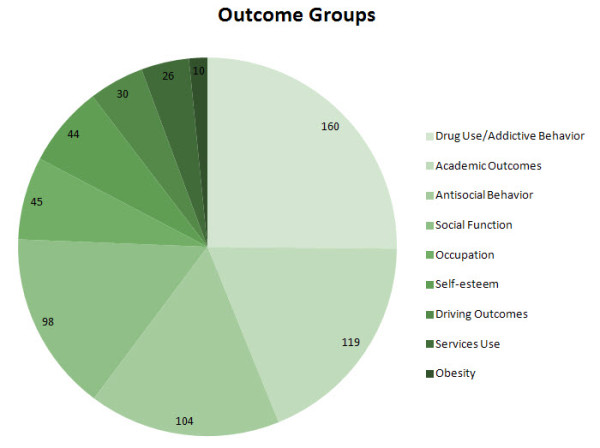
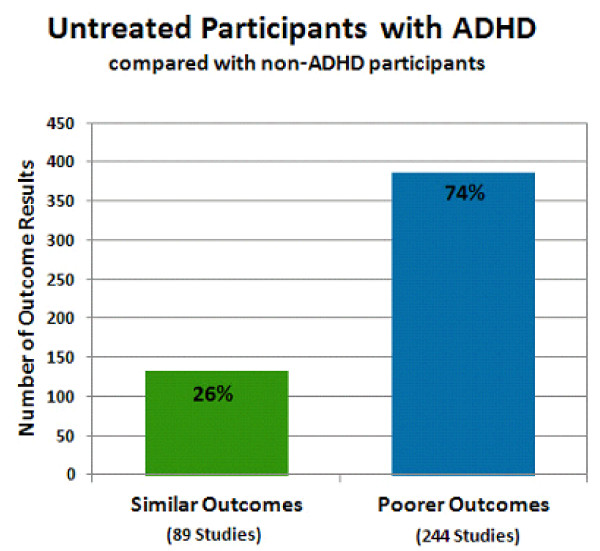
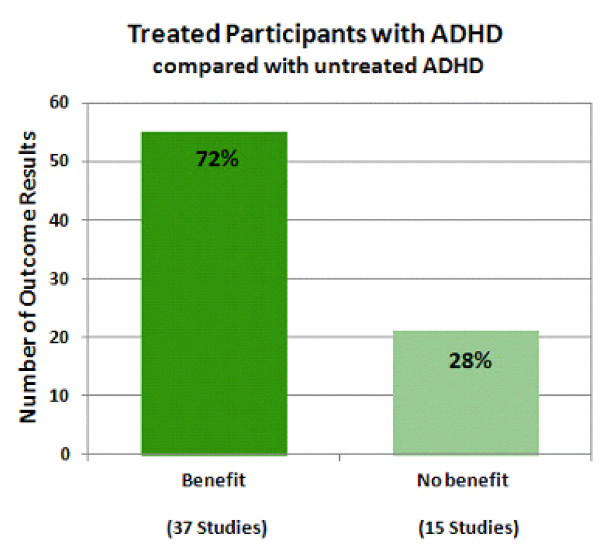
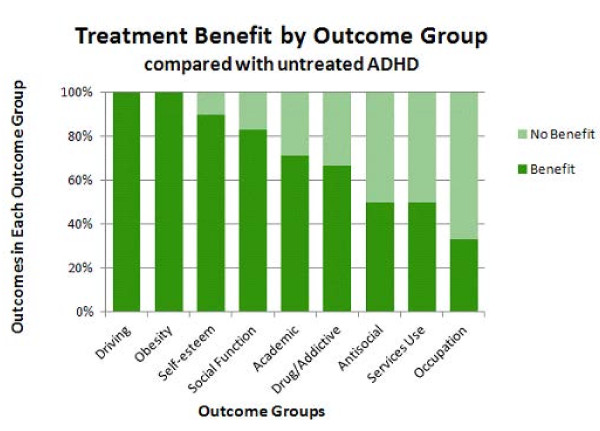
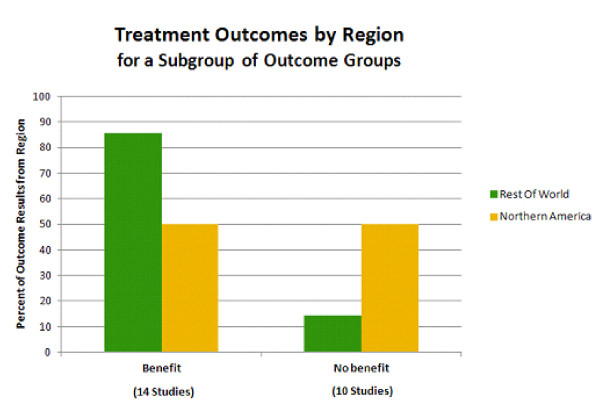
Background: In childhood, attention deficit/hyperactivity disorder (ADHD) is characterized by age-inappropriate levels of inattentiveness/disorganization, hyperactivity/impulsiveness, or a combination thereof. Although the criteria for ADHD are well defined, the long-term consequences in adults and children need to be more comprehensively understood and quantified. We conducted a systematic review evaluating the long-term outcomes (defined as 2 years or more) of ADHD with the goal of identifying long-term outcomes and the impact that any treatment (pharmacological, non-pharmacological, or multimodal) has on ADHD long-term outcomes. Methods: Studies were identified using predefined search criteria and 12 databases. Studies included were peer-reviewed, primary studies of ADHD long-term outcomes published between January 1980 to December 2010. Inclusion was agreed on by two independent researchers on review of abstracts or full text. Published statistical comparison of outcome results were summarized as poorer than, similar to, or improved versus comparators, and quantified as percentage comparisons of these categories. Results: Outcomes from 351 studies were grouped into 9 major categories: academic, antisocial behavior, driving, non-medicinal drug use/addictive behavior, obesity, occupation, services use, self-esteem, and social function outcomes. The following broad trends emerged: (1) without treatment, people with ADHD had poorer long-term outcomes in all categories compared with people without ADHD, and (2) treatment for ADHD improved long-term outcomes compared with untreated ADHD, although not usually to normal levels. Only English-language papers were searched and databases may have omitted relevant studies. Conclusions: This systematic review provides a synthesis of studies of ADHD long-term outcomes. Current treatments may reduce the negative impact that untreated ADHD has on life functioning, but does not usually 'normalize' the recipients.
Overview
The claims and statistics of this paper haven’t been checked yet.
Free: it reads the open-access text and checks the first 5 claims that cite a source we can check. Create a free account to check every claim.
Integrity signals
Registry
Cites
Statistics
Figures
Verification
Claims the paper makes
The claims and statistics of this paper haven’t been checked yet.
Free: it reads the open-access text and checks the first 5 claims that cite a source we can check. Create a free account to check every claim.
Claims other papers make about this one
Each is checked against this paper’s own text: does it say what the citing paper says it does?
The source backs part of the claim, not all of it — or backs it for a different population, condition or comparison.
In the citing paper
“ADHD improved long-term outcomes but generally not to normal levels 147 .”
From Attention-deficit/hyperactivity disorder (2015) · cites this paper as [147]
Experimental — accuracy not yet measured
Self-check
Percentages, sums and reported differences re-computed from the paper’s own numbers.
The self-check needs the paper’s full text.
Citations
Cites
Diagnostic and Statistical Manual of Mental Disorders
Williams, J. B. W., & First, M. (2013) · Encyclopedia of Social Work · doi:10.1093/acrefore/9780199975839.013.104 · Cited by 109,519
Diagnostic and Statistical Manual of Mental Disorders.
Widiger, T. A. (2000) · Encyclopedia of Psychology, Vol. 3. · doi:10.1037/10518-009 · Cited by 19,744
The worldwide prevalence of ADHD: a systematic review and metaregression analysis
Polanczyk, G., de Lima, M. S., Horta, B. L., Biederman, J., & Rohde, L. A. (2007) · American Journal of Psychiatry · doi:10.1176/ajp.2007.164.6.942 · Cited by 5,346 · cited 2×
“29% [3,4] with approximately 4% prevalence in adults [5,6].”
BackgroundKessler, R. C., Adler, L., Barkley, R., Biederman, J., Conners, C. K., Demler, O., Faraone, S. V., Greenhill, L. L., Howes, M. J., Secnik, K., et al. (2006) · American Journal of Psychiatry · doi:10.1176/ajp.2006.163.4.716 · Cited by 3,886 · cited 1×
“29% [3,4] with approximately 4% prevalence in adults [5,6].”
Background(1999) · Archives of General Psychiatry · doi:10.1001/archpsyc.56.12.1073 · Cited by 3,372
International Classification of Diseases
Jones, F. A. (1978) · Gut · doi:10.1136/gut.19.12.1175 · Cited by 2,911
FARAONE, S. V., BIEDERMAN, J., & MICK, E. (2006) · Psychological Medicine · doi:10.1017/s003329170500471x · Cited by 2,267 · cited 1×
“According to one meta-analysis, ADHD persists in about 65% of adults diagnosed as children if ADHD in partial remission is included [7], and in about 50% of * Correspondence: phodgkins@shire.”
MethodPliszka, S. (2007) · Journal of the American Academy of Child & Adolescent Psychiatry · doi:10.1097/chi.0b013e318054e724 · Cited by 1,765 · cited 1×
“ADHD treatment guidelines as well as conclusions drawn by health technology assessment agencies recognize that ADHD is potentially a lifelong condition with a profound effect on quality-of-life [22,25-32].”
BackgroundMannuzza, S. (1993) · Archives of General Psychiatry · doi:10.1001/archpsyc.1993.01820190067007 · Cited by 1,368 · cited 1×
“Persistence of ADHD may be related to ADHD symptom severity, number of symptoms, ADHD symptom subtype, ADHD in relatives, psychosocial adversity, psychiatric comorbidities, and/or parental psychopathology [8-15].”
BackgroundCross-national prevalence and correlates of adult attention-deficit hyperactivity disorder
Fayyad, J., De Graaf, R., Kessler, R., Alonso, J., Angermeyer, M., Demyttenaere, K., De Girolamo, G., Haro, J. M., Karam, E. G., Lara, C., et al. (2007) · British Journal of Psychiatry · doi:10.1192/bjp.bp.106.034389 · Cited by 1,321 · cited 1×
“29% [3,4] with approximately 4% prevalence in adults [5,6].”
Background
Research works printed but not linked: 7
- National Institute for Health and Clinical Excellence: Attention deficit hyperactivity disorder: the NICE guideline on diagnosis and management of adhd in children, young people and adults. 2009, Leicester, UK: The British Psychological Society and The Royal College of Psychiatrists
- Canadian Attention Deficit Hyperactivity Disorder Resource Alliance: Canadian ADHD Practice Guidelines (CAP-Guidelines). 2011, Toronto, Canada: Canadian Attention Deficit Hyperactivity Disorder Resource Alliance (CADDRA)
- National Health and Medical Research Council: Australian Guidelines on Attention Deficit Hyperactivity Disorder (ADHD). 2009, Sydney, Australia: The Royal Australasian College of Physicians
- Scottish Intercollegiate Guidelines Network: Management of attention deficit and hyperkinetic disorders in children and young people: a national clinical guideline. 2009, Edinburgh, UK: Scottish Intercollegiate Guidelines Network
- Canadian Agency for Drugs and Technologies in Health: Quality Assessment of the Canadian Attention Deficit Hyperactivity Disorder Resource Alliance ADHD Practice Guidelines in Adults with ADHD. 2011, Toronto, Canada: Canadian Agency for Drugs and Technologies in Health
- McDonagh M, Christensen V, Peterson K, Thakurta S: Pharmacologic treatments for attention deficit hyperactivity disorder. Drug class review. 2009, Portland, OR: Oregon Health & Science University
- DuPaul GJ, Power TJ, Anastopoulos AD, Reid R: ADHD rating scale-IV: checklists norms and interpretations. 1998, New York, NY: The Guilford Press
Cited by
Items 101–200 of 757
Adult-Onset ADHD: A Critical Analysis and Alternative Explanations
Taylor, L. E., Kaplan-Kahn, E. A., Lighthall, R. A., & Antshel, K. M. (2022) · Child Psychiatry & Human Development · doi:10.1007/s10578-021-01159-w · Cited by 50
Wells, A. C., & Lotfipour, S. (2023) · Advances in Drug and Alcohol Research · doi:10.3389/adar.2023.11628 · Cited by 50
Meppelink, R., de Bruin, E. I., & Bögels, S. M. (2016) · BMC Psychiatry · doi:10.1186/s12888-016-0978-3 · Cited by 50
“Studies on the effectiveness of ADHD medication show robust effects on symptom reduction and other life functioning domains up to 2 years later [42].”
Bullying and Depression in Youth with ADHD: A Systematic Review
Simmons, J. A., & Antshel, K. M. (2020) · Child & Youth Care Forum · doi:10.1007/s10566-020-09586-x · Cited by 66
Amphetamine improves mouse and human attention in the 5-choice continuous performance test
MacQueen, D. A., Minassian, A., Kenton, J. A., Geyer, M. A., Perry, W., Brigman, J. L., & Young, J. W. (2018) · Neuropharmacology · doi:10.1016/j.neuropharm.2018.05.034 · Cited by 52
“…(MPD) remediate symptoms in attention deficit hyperactivity disorder (ADHD) in children/adolescents (Punja et al., 2016; Van der Oord et al., 2008) and adults (Castells et al., 2011; Faraone et al., 2004), with long-term efficacy (Fredriksen et al., 2013; Gillberg et al., 1997; Shaw et al., 2012).”
BackgroundADHD, financial distress, and suicide in adulthood: A population study
Beauchaine, T. P., Ben‐David, I., & Bos, M. (2020) · Science Advances · doi:10.1126/sciadv.aba1551 · Cited by 60
“These findings are consistent with recent longitudinal studies indicating modest effects of medication on functional outcomes among those with ADHD (9, 33), despite significant concurrent and long-term reductions in core ADHD symptoms such as hyperactivity and inattention (34, 35).”
Garas, P., & Balazs, J. (2020) · Frontiers in Psychiatry · doi:10.3389/fpsyt.2020.557909 · Cited by 41
“All these can reduce the effective treatment of ADHD (7).”
BackgroundNational Norms for the Vanderbilt ADHD Diagnostic Parent Rating Scale in Children
Anderson, N. P., Feldman, J. A., Kolko, D. J., Pilkonis, P. A., & Lindhiem, O. J. (2021) · Journal of Pediatric Psychology · doi:10.1093/jpepsy/jsab132 · Cited by 53
Attainment, attendance, and school difficulties in UK primary schoolchildren with probable ADHD
May, F., Ford, T. J., Janssens, A. I. W. A., Newlove‐Delgado, T., Russell, A. E., Salim, J., Ukoumunne, O. C., & Hayes, R. A. (2020) · British Journal of Educational Psychology · doi:10.1111/bjep.12375 · Cited by 70
“…a range of negative outcomes including poor academic attainment, occupational functioning, disrupted relationships, accidents, addiction, and even premature death (Cuffe et al., 2015; Dalsgaard, Østergaard, Leckman, Mortensen, & Pedersen, 2015; Kendall et al., 2008; Shaw et al., 2012).”
BackgroundTrastorno por déficit de atención e hiperactividad (TDAH) en adolescentes
Rodillo, B. E. (2015) · Revista Médica Clínica Las Condes · doi:10.1016/j.rmclc.2015.02.005 · Cited by 148
“Una revisión sistemática sobre el pronóstico a largo plazo de los pacientes con TDAH tratados y no tratados, mostró que el tratamiento reduce el impacto negativo en funcionamiento diario de los pacientes tratados (43).”
BackgroundBikic, A., Christensen, T. Ø., Leckman, J. F., Bilenberg, N., & Dalsgaard, S. (2017) · Nordic Journal of Psychiatry · doi:10.1080/08039488.2017.1328070 · Cited by 57
“Evidence is indicating that individuals with untreated ADHD show poorer long-term outcomes in a number of areas compared to treated individuals (45).”
ResultA systematic review of interventions to enhance adherence and persistence with ADHD pharmacotherapy
Parkin, R., McNicholas, F., & Hayden, J. C. (2022) · Journal of Psychiatric Research · doi:10.1016/j.jpsychires.2022.05.044 · Cited by 57
Crump, C., Sundquist, J., & Sundquist, K. (2023) · Annals of Epidemiology · doi:10.1016/j.annepidem.2023.08.007 · Cited by 53
Addressing Attention-Deficit/Hyperactivity Disorder in the Workplace
Sarkis, E. H. (2014) · Postgraduate Medicine · doi:10.3810/pgm.2014.09.2797 · Cited by 59
Dachew, B. A., Scott, J. G., Mamun, A. A., & Alati, R. (2018) · Psychiatry Research · doi:10.1016/j.psychres.2018.12.123 · Cited by 59
Nasser, A. F., Liranso, T., Adewole, T., Fry, N., Hull, J. T., Busse, G. D., Chowdhry, F. A., Cutler, A. J., Jones, N. J., Findling, R. L., et al. (2021) · Journal of Clinical Psychopharmacology · doi:10.1097/jcp.0000000000001404 · Cited by 49
“Untreated individuals have higher rates of risky driving behavior, obesity, suicidal thoughts, and drug use/addictive behavior.(2,8,9) Attention-deficit/ hyperactivity disorder in adolescents and young adults is also frequently accompanied by comorbidities including major depression, bipolar disorder, anxiety, antisoc…”
BackgroundJoseph, H. M., Lorenzo, N. E., Fisher, N., Novick, D. R., Gibson, C., Rothenberger, S. D., Foust, J. E., & Chronis-Tuscano, A. M. (2023) · Journal of Child Psychology and Psychiatry · doi:10.1111/jcpp.13753 · Cited by 54
Bisset, M., Brown, L. E., Bhide, S., Patel, P., Zendarski, N. J., Coghill, D., Payne, L., Bellgrove, M. A., Middeldorp, C. M., & Sciberras, E. (2023) · Journal of Child Psychology and Psychiatry · doi:10.1111/jcpp.13752 · Cited by 54
“…impact on an individual’s social and emotional wellbeing, inter-personal relationships, academic and career outcomes, physical and mental health, quality of life and life expectancy (Costello & Maughan, 2015; Franke et al., 2018; Lawrence et al., 2015; Sciberras et al., 2020; Shaw et al., 2012).”
BackgroundPeasgood, T., Bhardwaj, A., Brazier, J. E., Biggs, K., Coghill, D., Daley, D., Cooper, C. L., Silva, C. D., Harpin, V., Hodgkins, P., et al. (2020) · Journal of Attention Disorders · doi:10.1177/1087054720925899 · Cited by 56
“ADHD has detrimental impacts upon the health, well-being, and education outcomes of children (Shaw et al., 2012).”
BackgroundSelf-citationShi, M., Liu, L., Sun, X., & Wang, L. (2018) · BMC Medical Education · doi:10.1186/s12909-018-1261-8 · Cited by 51
Yu, C.-L., Hsieh, S., Chueh, T., Huang, C., Hillman, C. H., & Hung, T. (2020) · Scientific Reports · doi:10.1038/s41598-020-76859-9 · Cited by 53
Loh, H. W., Ooi, C. P., Oh, S. L., Barua, P. D., Tan, Y. R., Acharya, U. R., & Fung, D. S. S. (2023) · Cognitive Neurodynamics · doi:10.1007/s11571-023-10028-2 · Cited by 54
“Hence stimulant medications like Ritalin or Con-certa, which can increase dopamine levels in the brain, are (Carpentier et al. 2012; Shaw et al. 2012).”
BackgroundPredictors of and barriers to service use for children at risk of ADHD: longitudinal study
Sayal, K. S., Mills, J. K. A., White, K., Merrell, C. H., & Tymms, P. B. (2014) · European Child & Adolescent Psychiatry · doi:10.1007/s00787-014-0606-z · Cited by 51
“achievement, difficulties with social relationships, employment problems, and criminal activity [2-6].”
BackgroundNewlove‐Delgado, T., Blake, S., Ford, T. J., & Janssens, A. I. W. A. (2019) · BMC Family Practice · doi:10.1186/s12875-019-1046-0 · Cited by 50
Young, S., & Cocallis, K. (2021) · Journal of Neural Transmission · doi:10.1007/s00702-021-02308-0 · Cited by 62
Self-citationAttention deficit hyperactivity disorder
Antshel, K. M., & Barkley, R. A. (2020) · Handbook of clinical neurology · doi:10.1016/b978-0-444-64148-9.00003-x · Cited by 59
Wright, B., Barry, M., Hughes, E., Trépel, D., Ali, S., Allgar, V. L., Cottrill, L., Duffy, S., Fell, J., Glanville, J., et al. (2015) · Health Technology Assessment · doi:10.3310/hta19520 · Cited by 59
Owens, J., & Jackson, H. M. (2016) · Social Science Research · doi:10.1016/j.ssresearch.2016.06.018 · Cited by 55
A Telehealth-Enhanced Referral Process in Pediatric Primary Care: A Cluster Randomized Trial
Coker, T. R., Porras-Javier, L., Zhang, L., Soares, N. S., Park, C., Patel, A., Tang, L., Chung, P. J., & Zima, B. T. (2019) · PEDIATRICS · doi:10.1542/peds.2018-2738 · Cited by 44
“MH needs that go unaddressed adversely impact child health and well-being, family functioning, and eventual adult health and productivity.(5,6) Although MH disorders affect a significant proportion of the pediatric population, African American and Latino children living in poverty are often affected at higher rates an…”
BackgroundYang, K. G., Flores, M. W., Carson, N. J., & Cook, B. L. (2022) · Psychiatric Services · doi:10.1176/appi.ps.202100578 · Cited by 50
McCarthy, S., Wilton, L., Murray, M. L., Hodgkins, P., Asherson, P., & Wong, I. C. (2012) · BMC Psychiatry · doi:10.1186/1471-244x-12-219 · Cited by 42
“A recent systematic review conducted by Shaw et al [37] examined the long-term outcomes of ADHD.”
Self-citationOptimal management of ADHD in older adults
Torgersen, T., Gjervan, B., Lensing, M. B., & Rasmussen, K. (2016) · Neuropsychiatric Disease and Treatment · doi:10.2147/ndt.s59271 · Cited by 42
Association of attention-deficit/hyperactivity disorder with gambling disorder
Retz, W., Ringling, J., Retz‐Junginger, P., Vogelgesang, M., & Rösler, M. (2016) · Journal of Neural Transmission · doi:10.1007/s00702-016-1566-x · Cited by 50
“ADHD is associated with risks regarding daily functioning and social adaptation in several domains of life (Shaw et al. 2012).”
BackgroundSelaskowski, B., Asché, L., Wiebe, A., Kannen, K., Aslan, B., Gerding, T. M., Sanchez, D., Ettinger, U., Kölle, M. A., Lux, S., et al. (2023) · BMC Psychiatry · doi:10.1186/s12888-023-04551-z · Cited by 47
“Given that treated patients with ADHD still report considerable burden of their symptoms in everyday life [18, 19], the development of more effective and specific therapeutic approaches is needed.”
BackgroundMerrell, C. H., Sayal, K. S., Tymms, P. B., & Kasim, A. (2016) · Learning and Individual Differences · doi:10.1016/j.lindif.2016.04.003 · Cited by 49
“The association between academic attainment and inattentive, hyperactive and impulsive behaviour, which is characterized by Attention Deficit Hyperactivity Disorder (ADHD), has been documented in previously published studies (Brooke et al., 2009; Shaw et al., 2012).”
ResultMattingly, G. W., Wilson, J. A., Ugarte, L., & Glaser, P. E. A. (2020) · CNS Spectrums · doi:10.1017/s1092852919001822 · Cited by 50
“Major depressive disorder prevalence increases with age,183 ultimately affecting about 19% of adults with ADHD.8 Additionally, young people with ADHD may experience depression more often when confronted with life stress than people without ADHD.184 With mild or moderate cases of depression, treatment of ADHD should be…”
BackgroundInfluentialSexuality in Adults With ADHD: Results of an Online Survey
Hertz, P. G., Turner, D., Barra, S., Biedermann, L., Retz-Junginger, P., Schöttle, D., & Retz, W. (2022) · Frontiers in Psychiatry · doi:10.3389/fpsyt.2022.868278 · Cited by 39
“Furthermore, previous research suggested that individuals with ADHDhavemore sexual partners than non-ADHD individuals (12, 30, 32), which might result in a tendency to bemore open to different kinds of sexual experiences.”
BackgroundAddressing the lack of studies in attention-deficit/hyperactivity disorder in adults
Ramos‐Quiroga, J. A., Nasillo, V., Fernández‐Aranda, F., & Casas, M. (2014) · Expert Review of Neurotherapeutics · doi:10.1586/14737175.2014.908708 · Cited by 49
“A systematic review of 351 studies in childhood and adulthood evaluating the long-term outcomes (defined as 2 years or more) of ADHD across lifespan with the goal of identifying long-term outcomes and the impact that any treatment (pharmacological, non-pharmacological or multimodal) has on ADHD long-term outcomes has…”
BackgroundADHD, learning difficulties and sleep disturbances associated with KCNJ11 -related neonatal diabetes
Landmeier, K. A., Lanning, M. S., Carmody, D., Greeley, S. A. W., & Msall, M. E. (2016) · Pediatric Diabetes · doi:10.1111/pedi.12428 · Cited by 43
“social function and academic outcomes have all been shown to improve with treatment of ADHD.(20) As patients with KCNJ11-related NDM are already at risk for having functional impairments in learning, behaviors and socialization, proper vigilance is important to recognize and treat ADHD early.”
BackgroundInfluentialParental Emotion Regulation and Mentalization in Families of Children With ADHD
Gershy, N., & Gray, S. A. O. (2018) · Journal of Attention Disorders · doi:10.1177/1087054718762486 · Cited by 51
Yang, R., Zhang, Y., Gao, W., Lin, N., Li, R., & Zhao, Z. (2018) · Biological Trace Element Research · doi:10.1007/s12011-018-1408-9 · Cited by 44
Russell, A. E., Ford, T. J., & Russell, G. (2019) · Social Psychiatry and Psychiatric Epidemiology · doi:10.1007/s00127-019-01720-y · Cited by 42
Sallee, F. R. (2015) · Journal of Child and Adolescent Psychopharmacology · doi:10.1089/cap.2014.0160 · Cited by 39
“Caregiver reactions to their child’s early morning ADHD symptoms and unwanted behaviors included feeling overwhelmed, exhausted, and constantly stressed.”
BackgroundWong, I. C. K., Banaschewski, T., Buitelaar, J., Cortese, S., Döpfner, M., Simonoff, E., & Coghill, D. (2019) · The Lancet Psychiatry · doi:10.1016/s2215-0366(19)30096-3 · Cited by 39
Teacher Ratings of the ADHD-RS IV in a Community Sample: Results From the ChiP-ARD Study
Caci, H. M., Morin, A. J. S., & Tran, A. (2013) · Journal of Attention Disorders · doi:10.1177/1087054712473834 · Cited by 41
“However, pointing to the need for efficient screening procedures, ADHD is also responsive to treatment (Hodgkins et al., 2012; Shaw et al., 2012).”
BackgroundSelf-citationMeyer, B. J., Stevenson, J., & Sonuga-Barke, E. J. S. (2020) · Journal of Attention Disorders · doi:10.1177/1087054717723988 · Cited by 37
“The negative life consequences associated with ADHD can be substantial and result in significant social and economic burden, with more than 65% of children with ADHD developing additional disorders over their lifetime (Harpin, 2005; Shaw et al., 2012).”
BackgroundGarner, A. A., Hansen, A. A., Baxley, C., & Ross, M. J. (2017) · Sports Medicine · doi:10.1007/s40279-017-0829-5 · Cited by 38
Kooij, J. J. S., de Jong, M., Agnew‐Blais, J. C., Amoretti, S., Madsen, K. B., Barclay, I., Bölte, S., Skoglund, C. B., Broughton, T., Carucci, S., et al. (2025) · Frontiers in Global Women s Health · doi:10.3389/fgwh.2025.1613628 · Cited by 45
Tan, L., Li, C., Xia, J., & Jun, C. (2019) · Computers, materials & continua/Computers, materials & continua (Print) · doi:10.32604/cmc.2019.03735 · Cited by 39
Association of Attention-Deficit/Hyperactivity Disorder Diagnosis With Adolescent Quality of Life
Kazda, L., McGeechan, K., Bell, K., Thomas, R., & Barratt, A. L. (2022) · JAMA Network Open · doi:10.1001/jamanetworkopen.2022.36364 · Cited by 43
“For this, we categorized the H/I SDQ variable into low (0-4), borderline (5-7), and high-risk (8-10) bands for clinically significant ADHD.”
MethodGroenman, A. P., Schweren, L. J. S., Weeda, W., Luman, M., Noordermeer, S. D. S., Heslenfeld, D. J., Franke, B., Faraone, S. V., Rommelse, N., Hartman, C. A., et al. (2019) · European Child & Adolescent Psychiatry · doi:10.1007/s00787-019-01283-y · Cited by 36
Ginsberg, Y., Långström, N., Larsson, H., & Lindefors, N. (2015) · Journal of Clinical Psychopharmacology · doi:10.1097/jcp.0000000000000395 · Cited by 43
“Furthermore, the motivation of antisocial ADHD patients to participate in interventions may fluctuate substantially; discontinuation rates are high, resulting in variable treatment duration, and concomitant medication and coexistent psychopathology may confound or modify treatment responses.(2,11,15,17,18) Finally, th…”
BackgroundInfluentialADHD Research in Arab Countries: A Systematic Review of Literature
Alkhateeb, J. M., & Alhadidi, M. S. (2016) · Journal of Attention Disorders · doi:10.1177/1087054715623047 · Cited by 41
“…2003; Faraone & Mick, 2010; Konofal, Lecendreux, Arnulf, & Mouren, 2004), medical treatment (e.g., Bloch & Qawasmi, 2011; Hosenbocus & Chahal, 2009; Shaw et al., 2012; Vernon, Frick, & Gruzelier, 2004), psychosocial interventions (e.g., Chronis, Jones, & Raggi, 2006; Daley et al., 2014; Fabiano et…”
Nasser, A. F., Liranso, T., Adewole, T., Fry, N., Hull, J. T., Chowdhry, F. A., Busse, G. D., Melyan, Z., Cutler, A. J., Findling, R. L., et al. (2021) · PubMed · Cited by 44
In utero exposure to ADHD medication and long-term offspring outcomes
Madsen, K. B., Robakis, T. K., Liu, X., Momen, N. C., Larsson, H., Dreier, J. W., Kildegaard, H., Groth, J. B., Newcorn, J. H., Thomsen, P. H., et al. (2023) · Molecular Psychiatry · doi:10.1038/s41380-023-01992-6 · Cited by 42
“While the consequences of discontinuation are limited in daily life for some women; others struggle to maintain employment and are at higher risk for serious health outcomes, including motor vehicle crashes, accidents, injuries, and suicidality [9, 10].”
BackgroundRazoki, B. (2018) · Neuropsychiatric Disease and Treatment · doi:10.2147/ndt.s178839 · Cited by 44
“outcomes, including addictive behavior and problems in academic performance, interpersonal relationships and overall functioning.(6,7) Currently, the first line of treatment for children and adolescents diagnosed with ADHD from age 6 years onward consists of psychostimulant medication, which is primarily methylphenida…”
Orban, S. A., Rapport, M. D., Friedman, L. M., Eckrich, S. J., & Kofler, M. J. (2017) · Research on Child and Adolescent Psychopathology · doi:10.1007/s10802-017-0338-x · Cited by 54
Huang, C. L.-C., Chu, C., Cheng, T., & Weng, S. (2014) · PLoS ONE · doi:10.1371/journal.pone.0095014 · Cited by 37
“Patients with untreated ADHD are associated with poorer long-term selfesteem and social functioning outcomes than non-ADHD controls [20,21].”
BackgroundGanjeh, P., Meyer, T., Hagmayer, Y., Kuhnert, R., Ravens‐Sieberer, U., von Steinbüchel, N., Rothenberger, A., & Becker, A. (2021) · International Journal of Environmental Research and Public Health · doi:10.3390/ijerph18052207 · Cited by 45
“With regard to psychopathological specificity and clear relatedness of motoric restlessness to PA, we referred to one of the most common and practically important externalizing psychiatric disorders in childhood and adolescence, namely, attention deficit hyperactivity disorder (ADHD), which is characterized by age-ina…”
BackgroundThe impact of the COVID-19 pandemic on ADHD medicine consumption in 47 countries and regions
Gimbach, S., Vogel, D., Fried, R., Faraone, S. V., Banaschewski, T., Buitelaar, J. K., Döpfner, M., & Ammer, R. (2023) · European Neuropsychopharmacology · doi:10.1016/j.euroneuro.2023.04.008 · Cited by 41
Bruno, C., Havard, A., Gillies, M. B., Coghill, D., Brett, J., Guastella, A. J., Pearson, S., & Zoëga, H. (2022) · Australian & New Zealand Journal of Psychiatry · doi:10.1177/00048674221114782 · Cited by 38
“Untreated ADHD is associated with poorer outcomes across a range of diverse health, academic, work and psychosocial domains (Chang et al., 2019; Li et al., 2022; Lichtenstein et al., 2012; Shaw et al., 2012).”
BackgroundPottegård, A., Bjerregaard, B. K., Kortegaard, L. S., & Zoëga, H. (2014) · Basic & Clinical Pharmacology & Toxicology · doi:10.1111/bcpt.12325 · Cited by 37
Young, S., González, R. A., Mutch, L., Mallet-Lambert, I., O'Rourke, L., Hickey, N., Asherson, P., & Gudjonsson, G. H. (2016) · Psychological Medicine · doi:10.1017/s0033291716000039 · Cited by 33
“Long-term adverse outcomes for ADHD have been documented in a wide range of areas, including school and occupational performance (Shaw et al. 2012), interpersonal relationships (Moya et al.”
BackgroundSelf-citationThe impact of attention deficit hyperactivity disorder (ADHD) in adulthood: A qualitative study
Watters, C., Adamis, D., McNicholas, F., & Gavin, B. (2018) · Irish Journal of Psychological Medicine · doi:10.1017/ipm.2017.21 · Cited by 32
Dodds, M., Dona, S. W. A., Gold, L. H., Coghill, D., & Le, H. (2023) · Value in Health · doi:10.1016/j.jval.2023.11.002 · Cited by 40
Zhang, R., Murray, S. B., Duval, C. J., Wang, D. J. J., & Jann, K. (2024) · Psychiatry Research · doi:10.1016/j.psychres.2024.115794 · Cited by 35
“Previous structural MRI studies consistently re-ported that ADHD was associated with abnormal morphometry (Albajara S ´ aenz et al., 2019; Frodl and Skokauskas, 2012) and developmental trajectories (Shaw et al., 2012, 2007) in the prefrontal and cingulate structures.”
Lensing, M. B., Zeiner, P., Sandvik, L., & Opjordsmoen, S. (2013) · The Journal of Clinical Psychiatry · doi:10.4088/jcp.12m07714 · Cited by 34
A Randomized Effectiveness Trial of a Behavioral Teacher Program Targeting ADHD Symptoms
Veenman, B., Luman, M., Hoeksma, J. B., Pieterse, K., & Oosterlaan, J. (2016) · Journal of Attention Disorders · doi:10.1177/1087054716658124 · Cited by 37
Vergunst, F., Tremblay, R. E., Nagin, D. S., Algan, Y., Beasley, E., Park, J., Galéra, C., Vitaro, F., & Côté, S. M. (2019) · Archives of Pediatrics and Adolescent Medicine · doi:10.1001/jamapediatrics.2018.5375 · Cited by 34
Muld, B. B., Jokinen, J., Bölte, S., & Hirvikoski, T. (2014) · Journal of Substance Abuse Treatment · doi:10.1016/j.jsat.2014.11.005 · Cited by 41
Giulio, P. (2019) · Addiction Research and Adolescent Behaviour · doi:10.31579/2688-7517/011 · Cited by 31
Oh, S., Joung, Y., Chung, T., Lee, J., Seok, B. J., Kim, N.-U., & Son, H. M. (2024) · Frontiers in Psychiatry · doi:10.3389/fpsyt.2024.1383547 · Cited by 38
Young, S., Uysal, Ö., Kahle, J. S., Gudjonsson, G. H., Hollingdale, J., Cortese, S., Kani, A. S., Greer, B., Cocallis, K., Sylver, N., et al. (2024) · Psychological Medicine · doi:10.1017/s0033291724001600 · Cited by 43
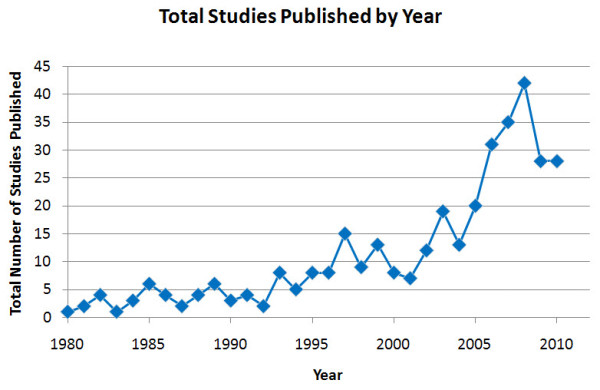
“In parallel, there has been an exponential increase in international research reporting the prevalence of ADHD, associated impairments, and long-term outcomes (Arnold, Hodgkins, Caci, Kahle, & Young, 2015; Hinshaw et al., 2006; Hodgkins et al., 2012; Shaw et al., 2012).”
Self-citationLevi-Shachar, O., Gvirts, H. Z., Goldwin, Y., Bloch, Y., Shamay‐Tsoory, S., Zagoory‐Sharon, O., Feldman, R., & Maoz, H. (2019) · Neuropsychopharmacology · doi:10.1038/s41386-019-0522-5 · Cited by 34
Adolescents With Attention-Deficit/Hyperactivity Disorder: Adverse Behaviors and Comorbidity
Sultan, R. S., Liu, S.-M., Hacker, K. A., & Olfson, M. (2021) · Journal of Adolescent Health · doi:10.1016/j.jadohealth.2020.09.036 · Cited by 39
Derks, E. M., Vink, J. M., Willemsen, G., van den Brink, W., & Boomsma, D. I. (2014) · Psychological Medicine · doi:10.1017/s0033291714000361 · Cited by 30
“In contrast with the paucity of data in adults, an extensive literature exists on the association between ADHD and problematic alcohol/substance use in adolescents (for a review, see Shaw et al. 2012).”
ResultMorley, E., & Tyrrell, A. (2023) · Journal of Attention Disorders · doi:10.1177/10870547231168432 · Cited by 49
“Poor educational outcomes can be a key predictor of long-term functional impairments, including anti-social behaviour, obesity, and social function outcomes, amongst others (M. Shaw et al., 2012).”
BackgroundGallego-Méndez, J., Pérez‐Gómez, J., Calzada-Rodríguez, J. I., Denche-Zamorano, Á. M., Mendoza-Muñoz, M., Carlos‐Vivas, J., García-Gordillo, M. Á., & Adsuar, J. C. (2020) · International Journal of Environmental Research and Public Health · doi:10.3390/ijerph17082804 · Cited by 40
“One of the most relevant markers related to HRQoL in children and adolescents with ADHD is their social behavior, linked to their social skills when relating mainly to their peers [12,13,27].”
BackgroundBögels, S. M., Oort, F. J., Potharst, E. S., van Roosmalen, R., Williams, J. M. G., & de Bruin, E. I. (2021) · Mindfulness · doi:10.1007/s12671-021-01761-y · Cited by 38
“Fifthly, effectiveness reduced over time (De Loo-Neus et al., 2011; Shaw et al., 2012).”
BackgroundGhasemi, E., Ebrahimi, M., & Ebrahimie, E. (2022) · Cognitive Neurodynamics · doi:10.1007/s11571-021-09746-2 · Cited by 33
“ADHD can remain a disorder throughout the lifetime and is the risk factor for a wide range of other mental health problems including defiant, disruptive, and antisocial behaviors, emotional problems, and self-harm (Willoughby 2003; Shaw et al. 2012).”
BackgroundBeer, R. J., Cnattingius, S., Susser, E., & Villamor, E. (2022) · Acta Paediatrica · doi:10.1111/apa.16375 · Cited by 32
Managing the Risks of ADHD Treatments
Schneider, B. N., & Enenbach, M. J. (2014) · Current Psychiatry Reports · doi:10.1007/s11920-014-0479-3 · Cited by 33
Oliva, F., Malandrone, F., Mirabella, S., Ferreri, P., di Girolamo, G., & Maina, G. (2020) · Early Intervention in Psychiatry · doi:10.1111/eip.13041 · Cited by 33
“Early intervention appears crucial in order to prevent such poor outcomes, because they improve or may even disappear with the appropriate pharmacological and non-pharmacological treatment (Dalsgaard et al., 2015; Katzman et al., 2017; Shaw et al., 2012).”
BackgroundInfluentialChamp, R. E., Adamou, M., & Tolchard, B. (2021) · PLoS ONE · doi:10.1371/journal.pone.0261247 · Cited by 43
“Others have been focused on efficacy [2, 15, 16, 46–48], long term outcomes [10, 49], or guidance [50].”
Maurice, V., Russet, F., Scocco, P., McNicholas, F., Santosh, P., Singh, S. P., Street, C., & Purper‐Ouakil, D. (2022) · L Encéphale · doi:10.1016/j.encep.2022.01.012 · Cited by 32
Liu, B., Fang, X., Strodl, E. S., He, G., Ruan, Z., Wang, X.-M., Liu, L., & Chen, W. (2022) · International Journal of Environmental Research and Public Health · doi:10.3390/ijerph191710482 · Cited by 30
Jablonska, B., Kosidou, K., Ponce de Leon, A., Wettermark, B., Magnusson, C., Dal, H., & Dalman, C. (2020) · Journal of Attention Disorders · doi:10.1177/1087054716643257 · Cited by 29
“Individuals who suffer from ADHD are more prone to school and occupational failure, substance abuse, accidents, crime, and suicide, especially if the disorder remains undiagnosed and untreated (Barkley, 2002; Biederman & Faraone, 2005; Brook et al., 2013; Levy et al., 2014; Shaw et al., 2012).”
BackgroundGreidanus, N. S., & Liao, C. (2021) · Journal of Business Venturing · doi:10.1016/j.jbusvent.2020.106087 · Cited by 31
Wang, M., Yang, X., Yu, J., Zhu, J., Kim, H.-D., & Cruz, A. B. (2023) · International Journal of Environmental Research and Public Health · doi:10.3390/ijerph20021032 · Cited by 40
“ADHD can result in poor educational performance, job unemployment, marital failure, crimes [3,4], and various mental illness, including personality disorder, self-harm, affective disorder, and drug abuse [5–7].”
BackgroundIncreasing Access to and Utilization of Behavioral Health Care Through Integrated Primary Care
Hostutler, C. A. A., Wolf, N., Snider, T. C., Butz, C., Kemper, A. R., & Butter, E. M. (2023) · PEDIATRICS · doi:10.1542/peds.2023-062514 · Cited by 32
Long-Term Effects of Stimulant Treatment for ADHD: What Can We Tell Our Patients?
Craig, S. G., Davies, G., Schibuk, L., Weiss, M. D., & Hechtman, L. T. (2015) · Current Developmental Disorders Reports · doi:10.1007/s40474-015-0039-5 · Cited by 42
Raman, S. R., Marshall, S. W., Gaynes, B. N., Haynes, K., Naftel, A. J., & Stürmer, T. (2015) · Psychiatric Services · doi:10.1176/appi.ps.201300148 · Cited by 34
Gabarrón, E., Denecke, K., & López–Campos, G. (2025) · BMC Psychiatry · doi:10.1186/s12888-025-06825-0 · Cited by 37
“ADHD significantly impacts individuals by impairing academic performance [5], occupational success [6], and social relationships [6], and it is associated with higher risks of comorbid health conditions [7, 8].”
Veenman, B., Luman, M., & Oosterlaan, J. (2018) · PLoS ONE · doi:10.1371/journal.pone.0201779 · Cited by 35
Glasofer, A., & Dingley, C. (2021) · Journal of Racial and Ethnic Health Disparities · doi:10.1007/s40615-021-01142-0 · Cited by 32
“Shaw and colleagues [10] reviewed 351 studies, grouping the outcomes of ADHD into categories including academic, antisocial behavior, driving, substance abuse, occupation, service use, obesity, self-esteem, and social function.”
BackgroundResultInfluentialThe intraindividual impact of ADHD on the transition of adulthood to old age
Philipp-Wiegmann, F., Retz-Junginger, P., Retz, W., & Rösler, M. (2016) · European Archives of Psychiatry and Clinical Neuroscience · doi:10.1007/s00406-015-0644-7 · Cited by 27
Vélez‐Pastrana, M. C., González, R. A., Cardona, J. R., Baerga, P. P., Rodríguez, Á. A., & LEVIN, F. R. (2016) · Psychological Assessment · doi:10.1037/pas0000171 · Cited by 28
“…and adults (Dalsgaard, Ostergaard, Leckman, Mortensen, & Pedersen, 2015; Gonzalez, Velez-Pastrana, Ruiz Varcarcel, Levin, & Albizu-Garcia, 2015; Shaw et al., 2012), and its relation to EF is receiving considerable attention in research, with sometimes-conflicting findings and views,…”
BackgroundRosa, V. D. O., Schmitz, M. D., Maia, C. R. M., Wagner, F., Londero, I., Bassotto, C. D. F., MORITZ, G., de Souza, C. D. S., & Rohde, L. A. (2017) · Trends in Psychiatry and Psychotherapy · doi:10.1590/2237-6089-2016-0039 · Cited by 35
Six-year outcome in subjects diagnosed with attention-deficit/hyperactivity disorder as adults
Edvinsson, D., & Ekselius, L. (2017) · European Archives of Psychiatry and Clinical Neuroscience · doi:10.1007/s00406-017-0850-6 · Cited by 38
“In general, however, evidence for long-term effectiveness remains elusive [18, 19], even if positive outcome and safety of treatment up to a year have been presented [20–22].”
BackgroundEfficacy and Safety of Dasotraline in Children With ADHD: A Laboratory Classroom Study
Wigal, S. B., Hopkins, S. C., Koblan, K. S., Childress, A. C., KENT, J. M., Tsai, J., Hsu, J., Loebel, A. D., & GOLDMAN, R. S. (2019) · Journal of Attention Disorders · doi:10.1177/1087054719864644 · Cited by 29
“Waning of stimulant treatment effect in the evening, and the occurrence of early morning return of ADHD symptoms and behaviors, may lead to significant disruption in function in both the child and the family (Coghill et al., 2008; Shaw et al., 2012).”
Background
Metadata
- Authors
- Shaw, M., Hodgkins, P., Caci, H., Young, S., Kahle, J., Woods, A. G., & Arnold, L. E.
- Affiliations
- Shire (United Kingdom) (GB)
- Centre Hospitalier Universitaire de Nice (FR)
- King's College London (GB)
- Clarkson University (US)
- The Ohio State University (US)
- Corresponding author
- Hodgkins, Paul
- Venue
- BMC Medicine
- Published
- 2012-09-04
- Volume
- 10
- Issue
- 1
- Pages
- 99-99
- ISSN
- 1741-7015 (ISSN-L)
- PMC
- PMC3520745
- OpenAlex
- W2058562698
- Cited by
- 759
- References
- 69
- Citations by year
- 2026: 71 · 2025: 64 · 2024: 72 · 2023: 72 · 2022: 67 · 2021: 57 · 2020: 49 · 2019: 47 · 2018: 50 · 2017: 35 · 2016: 53 · 2015: 54 · 2014: 39 · 2013: 27 · 2012: 1
- FWCI
- 5.20
- Type
- journal article
- Language
- en
- Open access
- gold
- doi.org
- Licence
- Locations
- BMC Medicine (publishedVersion, cc-by)
- Europe PMC (PubMed Central) (publishedVersion, cc-by)
- PubMed Central (publishedVersion, cc-by)
- PubMed (publishedVersion)
- DOAJ (DOAJ: Directory of Open Access Journals) (submittedVersion, cc-by-sa)
- Research Portal (King's College London) (submittedVersion)
- Topics
- Health Sciences › Medicine › Psychiatry and Mental health › Attention Deficit Hyperactivity Disorder
- Health Sciences › Medicine › Epidemiology › Substance Abuse Treatment and Outcomes
- Social Sciences › Psychology › Developmental and Educational Psychology › Behavioral and Psychological Studies
- Keywords
- attention deficit hyperactivity disorder, long-term outcomes, ADHD treatment, untreated ADHD, educational outcomes, antisocial behavior, driving, substance use, obesity, occupation, health care utilization, self-esteem, social functioning, pharmacotherapy, non-pharmacological treatment
- MeSH terms
- Adolescent, Adult, Aged, Aged, 80 and over, Attention Deficit Disorder with Hyperactivity, Child, Humans, Middle Aged, Social Behavior, Treatment Outcome, Young Adult
About these checks
Registry, retraction, Cites and statistics results are computed, not judged, with one exception: a printed reference that no index lists is read once by a model before it counts as a citation error. Claims are extracted by a model and kept only when their quote appears verbatim in the text; each cited source is then checked, with a model’s help, for whether it says what the claim relies on. Those verdicts can be wrong — read the claim’s quote and the cited source before relying on one.
Statistics and arithmetic are recomputed, not judged.
Confidence bands are shown only for fields calibrated on our annotated test set. None is calibrated yet, so no band is shown.
What counts as a claim ›How we measure confidence ›How we check this ›
Are you an author, or do you see a problem with this page? Request a review
Data sources
Bibliographic data: Semantic Scholar, OpenAlex, Crossref.
Contains information from the Semantic Scholar Academic Graph Datasets, made available under the ODC Attribution License (ODC-BY 1.0).
Semantic Scholar’s data is described in: Kinney, R., et al. (2023). The Semantic Scholar Open Data Platform. arXiv:2301.10140.
