

A systematic review and analysis of long-term outcomes in attention deficit hyperactivity disorder: effects of treatment and non-treatment
Open accessThe DOI matches its Crossref record; 68 of the 69 references it cites were found in a registry or an index.
Abstract
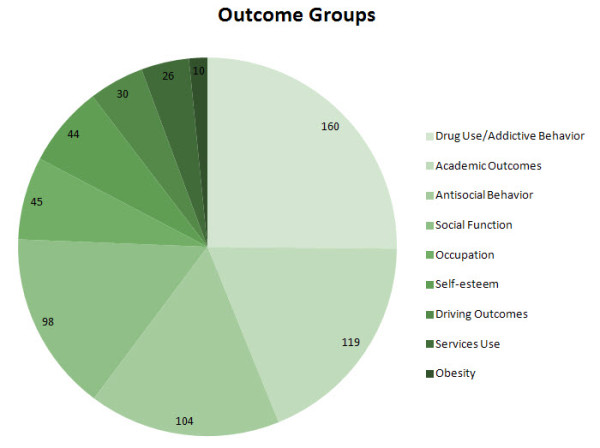
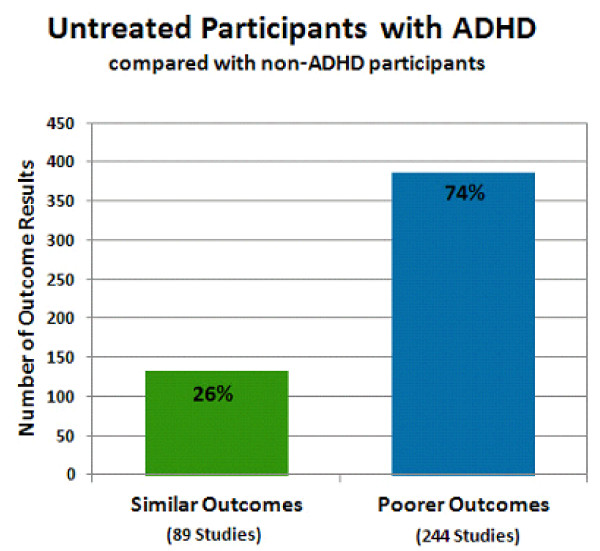
Background: In childhood, attention deficit/hyperactivity disorder (ADHD) is characterized by age-inappropriate levels of inattentiveness/disorganization, hyperactivity/impulsiveness, or a combination thereof. Although the criteria for ADHD are well defined, the long-term consequences in adults and children need to be more comprehensively understood and quantified. We conducted a systematic review evaluating the long-term outcomes (defined as 2 years or more) of ADHD with the goal of identifying long-term outcomes and the impact that any treatment (pharmacological, non-pharmacological, or multimodal) has on ADHD long-term outcomes. Methods: Studies were identified using predefined search criteria and 12 databases. Studies included were peer-reviewed, primary studies of ADHD long-term outcomes published between January 1980 to December 2010. Inclusion was agreed on by two independent researchers on review of abstracts or full text. Published statistical comparison of outcome results were summarized as poorer than, similar to, or improved versus comparators, and quantified as percentage comparisons of these categories. Results: Outcomes from 351 studies were grouped into 9 major categories: academic, antisocial behavior, driving, non-medicinal drug use/addictive behavior, obesity, occupation, services use, self-esteem, and social function outcomes. The following broad trends emerged: (1) without treatment, people with ADHD had poorer long-term outcomes in all categories compared with people without ADHD, and (2) treatment for ADHD improved long-term outcomes compared with untreated ADHD, although not usually to normal levels. Only English-language papers were searched and databases may have omitted relevant studies. Conclusions: This systematic review provides a synthesis of studies of ADHD long-term outcomes. Current treatments may reduce the negative impact that untreated ADHD has on life functioning, but does not usually 'normalize' the recipients.
Overview
The claims and statistics of this paper haven’t been checked yet.
Free: it reads the open-access text and checks the first 5 claims that cite a source we can check. Create a free account to check every claim.
Integrity signals
Registry
Cites
Statistics
Figures
Verification
Claims the paper makes
The claims and statistics of this paper haven’t been checked yet.
Free: it reads the open-access text and checks the first 5 claims that cite a source we can check. Create a free account to check every claim.
Claims other papers make about this one
Each is checked against this paper’s own text: does it say what the citing paper says it does?
The source backs part of the claim, not all of it — or backs it for a different population, condition or comparison.
In the citing paper
“ADHD improved long-term outcomes but generally not to normal levels 147 .”
From Attention-deficit/hyperactivity disorder (2015) · cites this paper as [147]
Experimental — accuracy not yet measured
Self-check
Percentages, sums and reported differences re-computed from the paper’s own numbers.
The self-check needs the paper’s full text.
Citations
Cites
Diagnostic and Statistical Manual of Mental Disorders
Williams, J. B. W., & First, M. (2013) · Encyclopedia of Social Work · doi:10.1093/acrefore/9780199975839.013.104 · Cited by 109,519
Diagnostic and Statistical Manual of Mental Disorders.
Widiger, T. A. (2000) · Encyclopedia of Psychology, Vol. 3. · doi:10.1037/10518-009 · Cited by 19,744
The worldwide prevalence of ADHD: a systematic review and metaregression analysis
Polanczyk, G., de Lima, M. S., Horta, B. L., Biederman, J., & Rohde, L. A. (2007) · American Journal of Psychiatry · doi:10.1176/ajp.2007.164.6.942 · Cited by 5,346 · cited 2×
“29% [3,4] with approximately 4% prevalence in adults [5,6].”
BackgroundKessler, R. C., Adler, L., Barkley, R., Biederman, J., Conners, C. K., Demler, O., Faraone, S. V., Greenhill, L. L., Howes, M. J., Secnik, K., et al. (2006) · American Journal of Psychiatry · doi:10.1176/ajp.2006.163.4.716 · Cited by 3,886 · cited 1×
“29% [3,4] with approximately 4% prevalence in adults [5,6].”
Background(1999) · Archives of General Psychiatry · doi:10.1001/archpsyc.56.12.1073 · Cited by 3,372
International Classification of Diseases
Jones, F. A. (1978) · Gut · doi:10.1136/gut.19.12.1175 · Cited by 2,911
FARAONE, S. V., BIEDERMAN, J., & MICK, E. (2006) · Psychological Medicine · doi:10.1017/s003329170500471x · Cited by 2,267 · cited 1×
“According to one meta-analysis, ADHD persists in about 65% of adults diagnosed as children if ADHD in partial remission is included [7], and in about 50% of * Correspondence: phodgkins@shire.”
MethodPliszka, S. (2007) · Journal of the American Academy of Child & Adolescent Psychiatry · doi:10.1097/chi.0b013e318054e724 · Cited by 1,765 · cited 1×
“ADHD treatment guidelines as well as conclusions drawn by health technology assessment agencies recognize that ADHD is potentially a lifelong condition with a profound effect on quality-of-life [22,25-32].”
BackgroundMannuzza, S. (1993) · Archives of General Psychiatry · doi:10.1001/archpsyc.1993.01820190067007 · Cited by 1,368 · cited 1×
“Persistence of ADHD may be related to ADHD symptom severity, number of symptoms, ADHD symptom subtype, ADHD in relatives, psychosocial adversity, psychiatric comorbidities, and/or parental psychopathology [8-15].”
BackgroundCross-national prevalence and correlates of adult attention-deficit hyperactivity disorder
Fayyad, J., De Graaf, R., Kessler, R., Alonso, J., Angermeyer, M., Demyttenaere, K., De Girolamo, G., Haro, J. M., Karam, E. G., Lara, C., et al. (2007) · British Journal of Psychiatry · doi:10.1192/bjp.bp.106.034389 · Cited by 1,321 · cited 1×
“29% [3,4] with approximately 4% prevalence in adults [5,6].”
Background
Research works printed but not linked: 7
- National Institute for Health and Clinical Excellence: Attention deficit hyperactivity disorder: the NICE guideline on diagnosis and management of adhd in children, young people and adults. 2009, Leicester, UK: The British Psychological Society and The Royal College of Psychiatrists
- Canadian Attention Deficit Hyperactivity Disorder Resource Alliance: Canadian ADHD Practice Guidelines (CAP-Guidelines). 2011, Toronto, Canada: Canadian Attention Deficit Hyperactivity Disorder Resource Alliance (CADDRA)
- National Health and Medical Research Council: Australian Guidelines on Attention Deficit Hyperactivity Disorder (ADHD). 2009, Sydney, Australia: The Royal Australasian College of Physicians
- Scottish Intercollegiate Guidelines Network: Management of attention deficit and hyperkinetic disorders in children and young people: a national clinical guideline. 2009, Edinburgh, UK: Scottish Intercollegiate Guidelines Network
- Canadian Agency for Drugs and Technologies in Health: Quality Assessment of the Canadian Attention Deficit Hyperactivity Disorder Resource Alliance ADHD Practice Guidelines in Adults with ADHD. 2011, Toronto, Canada: Canadian Agency for Drugs and Technologies in Health
- McDonagh M, Christensen V, Peterson K, Thakurta S: Pharmacologic treatments for attention deficit hyperactivity disorder. Drug class review. 2009, Portland, OR: Oregon Health & Science University
- DuPaul GJ, Power TJ, Anastopoulos AD, Reid R: ADHD rating scale-IV: checklists norms and interpretations. 1998, New York, NY: The Guilford Press
Cited by
Items 401–500 of 757
Population-Level Trends in Attention-Deficit/Hyperactivity Disorder Medication Prescribing
Myran, D. T., MacDonald‐Spracklin, R., Busa, G., Talarico, R., & Finkelstein, Y. (2025) · JAMA Network Open · doi:10.1001/jamanetworkopen.2025.48532 · Cited by 10
Martin, J., Rouquette, O. Y., Langley, K., Cooper, M., Sayal, K. S., Ford, T. J., John, A., & Thapar, A. (2026) · The British Journal of Psychiatry · doi:10.1192/bjp.2026.10556 · Cited by 10
Uygur, Ö. F., & Bahar, A. (2023) · Journal of Contemporary Medicine · doi:10.16899/jcm.1242778 · Cited by 12
Schiavone, N., Virta, M., Leppämäki, S., Launes, J., Vanninen, R. L., Tuulio‐Henriksson, A., Järvinen, I., Lehto, E., & Hokkanen, L. (2024) · Frontiers in Psychology · doi:10.3389/fpsyg.2024.1393642 · Cited by 8
Gudka, R., Becker, K., Newlove‐Delgado, T., & Price, A. (2024) · BMC Digital Health · doi:10.1186/s44247-024-00129-1 · Cited by 7
Do I Have ADHD? Diagnosis of ADHD in Adulthood and Its Mimics in the Neurology Clinic
Mierau, S. B. (2024) · Neurology Clinical Practice · doi:10.1212/cpj.0000000000200433 · Cited by 10
Development and psychometric properties of the ADHD‐SCL‐90‐R screening scale for adult ADHD
Abbass, K., Corbisiero, S., & Stieglitz, R. (2020) · Journal of Clinical Psychology · doi:10.1002/jclp.23088 · Cited by 8
von Wirth, E., Breuer, D., Mandler, J., Schürmann, S., & Döpfner, M. (2021) · Journal of Attention Disorders · doi:10.1177/10870547211045740 · Cited by 10
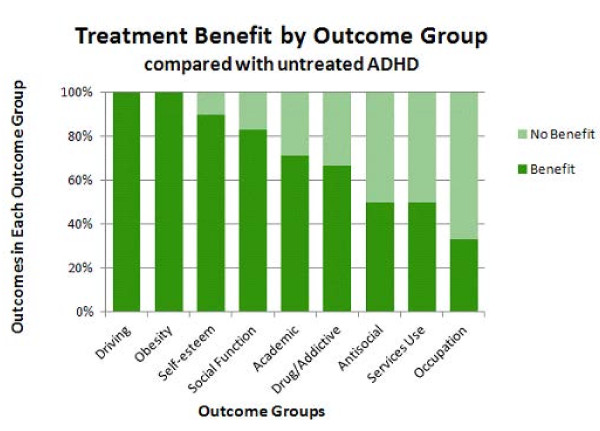
“For instance, a systematic review by Shaw and colleagues (Shaw et al., 2012) revealed that 29% of studies failed to find a beneficial effect of ADHD treatment on academic outcomes, and 67% failed to find a beneficial effect on occupational outcomes.”
BackgroundResultInfluentialMontanaro, F. A. M., Alfieri, P., Caciolo, C., Cumbo, F., Piga, S., Tartaglia, M., Licchelli, S., Digilio, M. C., & Vicari, S. (2022) · American Journal of Medical Genetics Part C Seminars in Medical Genetics · doi:10.1002/ajmg.c.32025 · Cited by 10
“It is also associated with different negative outcomes, such as school drop-out, poor social and work functioning and criminality (Shaw et al., 2012).”
BackgroundSevastidis, A., Dona, S. W. A., Gold, L. H., Sciberras, E., Coghill, D., & Le, H. (2023) · JCPP Advances · doi:10.1002/jcv2.12170 · Cited by 7
Psychotropic Treatment Pattern in Medicaid Pediatric Patients With Concomitant ADHD and ODD/CD
Liu, X., Shah, V., Kubilis, P. S., Xu, D., Bussing, R., & Winterstein, A. G. (2015) · Journal of Attention Disorders · doi:10.1177/1087054715596574 · Cited by 7
Fitzgerald, M., & McNicholas, F. (2013) · Irish Journal of Psychological Medicine · doi:10.1017/ipm.2013.45 · Cited by 7
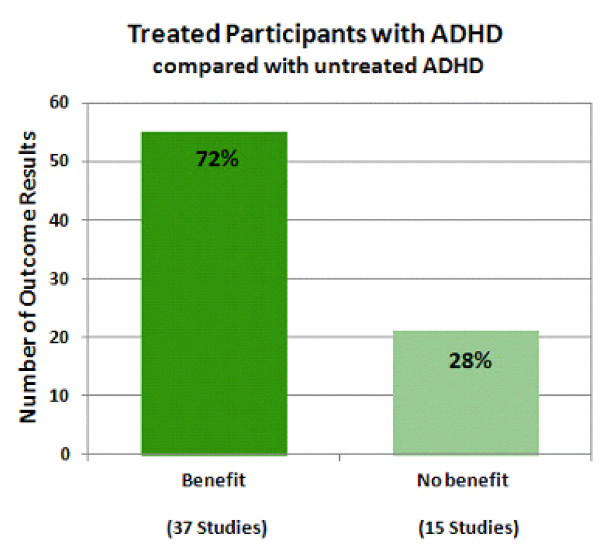
“%) and that for the majority (72%), treatment is associated with benefits in long-term outcome (Shaw et al. 2012), with the effect size being greatest for combined and non-pharmacological approaches.”
BackgroundDifferentiating Between Comorbidity and Symptom Overlap in ADHD and Early Onset Bipolar Disorder
Udal, A. H., Egeland, J., Øygarden, B., Malt, U. F., Lövdahl, H., Pripp, A. H., & Grøholt, B. (2014) · Developmental Neuropsychology · doi:10.1080/87565641.2014.886692 · Cited by 9
“Treatment studies stresses the importance of accurate delineation of ADHD and BD, including negative effects of receiving the incorrect medication (Atmaca, Ozler, Topuz, & Goldstein, 2009; Mosholder, Gelperin, Hammad, Phelan, & Johann-Liang, 2009), and functional impairment associated with delay of appropriate treatme…”
BackgroundEnquête sur le trouble déficit de l’attention avec hyperactivité auprès de pédiatres libéraux
Quiviger, S., & Caci, H. M. (2014) · Archives de Pédiatrie · doi:10.1016/j.arcped.2014.06.029 · Cited by 11
Self-citationResiliency Moderates the Influence of Somatization on Externalizing Problems
Zaharakis, N. M., Mason, M. J., Brown, A., Moore, M. R., García, C., Foster, R. L., & Richards, S. K. H. (2018) · Journal of Child and Family Studies · doi:10.1007/s10826-018-1141-1 · Cited by 7
“…inattention are related to academic problems (such as lower grade point average or repeating a failed grade) and antisocial behavior (such as engaging in crime or being arrested) (Shaw et al. 2012), while conduct problems have been linked to later juvenile offending (Fergusson and Lynskey 1998).”
BackgroundWoolsey, C., Smoldon, J., & Devney, R. (2019) · Journal of the American Association of Nurse Practitioners · doi:10.1097/jxx.0000000000000209 · Cited by 7
“Adults diagnosed with ADHD in childhood, but not treated, have been reported to have poor outcomes in many areas of life, including social function, education, criminality, substance use, and occupational achievements (Shaw et al., 2012).”
BackgroundScavenius, C., Amilon, A., & Schultz, E. A. (2020) · Journal of Child and Family Studies · doi:10.1007/s10826-020-01788-0 · Cited by 9
Sonnby, K. (2014) · Uppsala University Publications (Uppsala University) · Cited by 19
Karimi, M., Ghasemzadeh, S., & Fami, F. S. (2025) · Journal of Attention Disorders · doi:10.1177/10870547251387006 · Cited by 7
Zur, M., Magnezi, R., Portuguese, S., Reuveni, I., Kedem, R., & Fruchter, E. (2018) · Military Medicine · doi:10.1093/milmed/usy161 · Cited by 7
Childress, A. C., Yu, K. R., & Cuthbertson, L. (2022) · CNS Drugs · doi:10.1007/s40263-022-00978-2 · Cited by 6
“Treatment has been shown to improve long-term outcomes [3].”
BackgroundTrajectories of attention problems in preschoolers born very preterm
Camerota, M., Castellanos, F. X., Carter, B. S., Check, J., Helderman, J., Hofheimer, J. A., McGowan, E. C., Neal, C. R., Pastyrnak, S. L., Smith, L. M., et al. (2024) · Journal of Child Psychology and Psychiatry · doi:10.1111/jcpp.14074 · Cited by 6
“Children with ADHD are at increased risk of poor long-term outcomes including academic underachieve-ment and poor health outcomes (Nigg, 2013; Shaw et al., 2012), with a large economic impact (Doshi et al., 2012).”
Kaittila, A., Leinonen, L., Alin, M., Vornanen, R., Kraav, S., Eriksson, P. K., & Anis, M. (2025) · Child & Youth Services · doi:10.1080/0145935x.2025.2449639 · Cited by 15
“In addition, research suggests that current treatments, both medical and non-medical, may mitigate the negative impact of neurodivergence on life functioning (Shaw et al., 2012).”
Levi-Shachar, O., Gvirts, H. Z., Goldwin, Y., Bloch, Y., Shamay‐Tsoory, S., Boyle, D., & Maoz, H. (2021) · Psychiatry Research · doi:10.1016/j.psychres.2021.114092 · Cited by 8
Diagnostic certainty during in‐person and telehealth autism evaluations
Ludwig, N. N., Holingue, C., Hong, J. S., Kalb, L. G., Pfeiffer, D. L., Reetzke, R., Menon, D. U., & Landa, R. J. (2023) · JCPP Advances · doi:10.1002/jcv2.12201 · Cited by 6
“Given the importance of early identification and treatment for both ASD and ADHD (Landa, 2018; Shaw et al., 2012), the ramifications of more frequent deferred diagnoses during the pandemic will likely have implications on developmental and behavioral outcomes at our center.”
Powers, J. H., Wu, M. C., Palumbo, M., Keary, C. J., McDougle, C. J., Ravichandran, C. T., & Thom, R. P. (2024) · Journal of Child and Adolescent Psychopharmacology · doi:10.1089/cap.2023.0069 · Cited by 6
The Clinical Characteristics of ADHD Diagnosed in Adolescents in Comparison With Younger Children
Mahajnah, M. M., Sharkia, R. A., Shorbaji, N., & Zelnik, N. (2017) · Journal of Attention Disorders · doi:10.1177/1087054717696768 · Cited by 6
“In fact, many children with a stable course of ADHD, even those who were previously well treated, frequently face more difficulties and require more intervention upon transition to high school (Langberg et al., 2008; Shaw et al., 2012).”
BackgroundGraves, S. L., & Serpell, Z. N. (2013) · School Mental Health · doi:10.1007/s12310-013-9105-5 · Cited by 8
Sexual development in ADHD and internet pornography consumption
Privara, M., & Bob, P. (2023) · Frontiers in Psychiatry · doi:10.3389/fpsyt.2023.1240222 · Cited by 12
Jhawar, N., & Antshel, K. M. (2023) · Journal of Attention Disorders · doi:10.1177/10870547231203184 · Cited by 6
“Therefore, while never investigated, AAPI college students with ADHD may be at greater risk for negative outcomes associated with untreated ADHD (Shaw et al., 2012) compared to college students of other ethnicities.”
BackgroundHarkness, K., Bray, S., Durber, C. M., Dewey, D., & Murias, K. (2024) · Journal of Autism and Developmental Disorders · doi:10.1007/s10803-024-06275-9 · Cited by 7
“…importance of early intervention in mediating the long-term impacts of attention and EF dysregulation, determining measures that can assist with diagnosis of neurodevel-opmental disorders and their associated attention and EF dysregulations, is imperative (Harpin et al., 2016; Shaw et al., 2012).”
Diagnosis and Management of Attention-Deficit/Hyperactivity Disorder: A Practitioner’s Perspective
Alotaibi, M. M., Alrashdi, N. Z., Alanazi, S. A., ALMUTAIRI, M. K., Alzubaidi, B. Y., Alkhalidi, M. M., AlAteeq, D. A., & Alqahtani, M. Μ. (2025) · Journal of Clinical Medicine · doi:10.3390/jcm14092874 · Cited by 7
“Major ADHD symptoms, such as inattention and/or hyperactivity-impulsivity, could lead to significant changes in personal life, leading to academic underachievement [7,8], unemployment, impaired professional performance [9], and/or poor quality of life [10–12].”
Shahab, S. A., Balushi, R. A., Qambar, A., Abdulla, R., Qader, M., Abdulla, S., & Jahrami, H. (2025) · Nutrients · doi:10.3390/nu17091482 · Cited by 8
“In addition, both social relationships and family functioning can be negatively affected by behaviors such as fidgeting, excessive talking, and inability to sit through a whole meal [2].”
Srinivas, C., Karlstad, Ø., Stigum, H., Furu, K., Cesta, C. E., Reutfors, J., Hutcheon, J. A., & Cohen, J. M. (2025) · Paediatric and Perinatal Epidemiology · doi:10.1111/ppe.70031 · Cited by 5
Pranjić, M., Peisch, V. D., Vukšić, N., Subedi, S., & Arnett, A. B. (2025) · Journal of Developmental & Behavioral Pediatrics · doi:10.1097/dbp.0000000000001403 · Cited by 5
Nagy, B., Setyawan, J., Coghill, D., Soroncz-Szabo, T., Kaló, Z., & Doshi, J. A. (2016) · Expert Review of Pharmacoeconomics & Outcomes Research · doi:10.1080/14737167.2017.1271325 · Cited by 5
Genç, E., Genç, H. A., & Bulut, G. Ç. (2021) · Acta Orthopaedica Belgica · doi:10.52628/87.1.20 · Cited by 5
Scholze, D. A., Gosdin, M., Perez, S. L., & Schweitzer, J. B. (2023) · JMIR Formative Research · doi:10.2196/47409 · Cited by 9
“In addition, a systematic review completed in 2012 showed that the long-term outcomes of those treated for ADHD were improved over those without treatment [8].”
Johnsen, K., Kvitland, L. R., Sollie, H., Reiestad, M. T., Jonsbu, E., Hagen, K., & Weidle, B. (2023) · Nordic Journal of Psychiatry · doi:10.1080/08039488.2023.2279640 · Cited by 6
“Studies of long-term outcomes of ADHD show that treatment may reduce the negative impact that untreated ADHD has on life functioning [4,11], making it crucial to diagnose the condition reliably and to offer available treatments and services.”
BackgroundFamily-Based Treatment for Anxiety, Depression, and ADHD for a Parent and Child
Yoder, R. B., Michaud, A., Feagans, A. C., Hinton, K. E., Meyer, A. E., Powers, V. A., Stalnaker, L., & Hord, M. K. (2024) · International Journal of Environmental Research and Public Health · doi:10.3390/ijerph21040504 · Cited by 6
“Evidence-based treatments have generally positive but varying effects, and long-term outcomes of these multifactorial disorders are considered modest, necessitating examination of factors to enhance and individualize treatment [3–6].”
BackgroundSetyawan, J., Hodgkins, P., Guérin, A., Gauthier, G., Cloutier, M., Wu, E. Q., & Erder, M. H. (2013) · Journal of Medical Economics · doi:10.3111/13696998.2013.832258 · Cited by 5
“Previously treated children and Treatment-naïve children and Previously treated adults ≥(18)1 Treatment-naïve adults ≥(18)1 adolescents (6-17)1 adolescents (6-17)1”
BackgroundSelf-citationThe Potential for Proteomics in Understanding Neurodevelopmental Disorders
Wormwood, K. L. (2015) · Journal of Proteomics & Bioinformatics · doi:10.4172/jpb.s5-001 · Cited by 5
“MS is a method that can reliably and comprehensively identify proteins and putative biomarkers [4,5,12-22].”
BackgroundMethodSturm, A., Rozenman, M. S., Piacentini, J. C., McGough, J. J., Loo, S. K., & McCracken, J. T. (2018) · Child Psychiatry & Human Development · doi:10.1007/s10578-018-0798-4 · Cited by 8
“This leaves affected youth in the lower range of educational attainment than those without ADHD [36, 37].”
BackgroundAttention-Deficit/Hyperactivity Disorder (ADHD) and Offending
Young, S., & Cocallis, K. (2022) · Springer eBooks · doi:10.1007/978-3-030-80882-2_16 · Cited by 6
Self-citationGémes, K., Björkenstam, E., Rahman, S. G., Gustafsson, K., Taipale, H. T., Tanskanen, A. J., Ekselius, L., Mittendorfer‐Rutz, E., & Helgesson, M. (2022) · International Journal of Environmental Research and Public Health · doi:10.3390/ijerph19127254 · Cited by 8
“Our results suggest that preventing or treating comorbid mental disorders among persons with ADHD might have an important implication in decreasing consequent LMM regardless of occupational branches [40,45].”
BackgroundChildress, A. C., Sottile, R., & Khanbijian, S. (2023) · Expert Review of Neurotherapeutics · doi:10.1080/14737175.2023.2265068 · Cited by 5
“A meta-analysis found that untreated adult ADHD was linked with poorer outcomes in nine major life domains compared to adults without ADHD [8].”
BackgroundLong-term effects of adenotonsillectomy in children with attention deficit hyperactivity disorder
Lee, J., Choi, A., Kim, S., & Kim, K. (2024) · Journal of Clinical Sleep Medicine · doi:10.5664/jcsm.10978 · Cited by 5
Oortmerssen, K. V. E., Konstenius, M., & Schoevers, R. A. (2014) · Springer eBooks · doi:10.1007/978-3-642-45375-5_13 · Cited by 7
Neurodevelopmental and behavioural paediatrics
McDowell, M. (2015) · Journal of Paediatrics and Child Health · doi:10.1111/jpc.12797 · Cited by 6
Physician-reported treatment outcomes for ADHD among children and adolescents in Europe
Setyawan, J., Fridman, M., Hodgkins, P., Quintero, J., Erder, M. H., Katić, B., & Harpin, V. (2013) · Neuropsychiatry · doi:10.2217/npy.13.76 · Cited by 5
Self-citationBright, R. K. (2018) · Journal of Migration History · doi:10.1163/23519924-00401003 · Cited by 6
Medikamentöse Therapie der Aufmerksamkeitsdefizit‑/Hyperaktivitätsstörung im Erwachsenenalter
Retz, W., Retz‐Junginger, P., Davydenko, S., & Rösler, M. (2020) · Der Nervenarzt · doi:10.1007/s00115-020-00891-3 · Cited by 5
Gutiérrez-Casares, J. R., Quintero, J., Segú-Vergés, C., Monterde, P. R., Pozo-Rubio, T., Coma, M., & Montoto, C. (2023) · Frontiers in Psychiatry · doi:10.3389/fpsyt.2023.939650 · Cited by 6
“tSignal TPMS X for X X X X Xn = ( ) = { } 1 2 3 , , , , (1)”
BackgroundChildhood hyperactivity and mood problems at mid-life: evidence from a prospective birth cohort
Stuart-Smith, J., Thapar, A., Maughan, B., Thapar, A., & Collishaw, S. (2016) · Social Psychiatry and Psychiatric Epidemiology · doi:10.1007/s00127-016-1285-5 · Cited by 5
“findings regarding ADHD as a risk factor for adult depression [7, 9, 11, 12].”
BackgroundRolison, M. J., & Bloch, M. H. (2023) · Child and Adolescent Psychiatry and Mental Health · doi:10.1186/s13034-023-00593-z · Cited by 5
Huang, K., Hsu, J.-W., Tsai, S., Bai, Y., Chen, T., & Chen, M. (2021) · Journal of Child and Adolescent Psychopharmacology · doi:10.1089/cap.2020.0136 · Cited by 4
“…negatively affects long-term functioning—such as poor academic performance, presence of antisocial or addictive behaviors, and poor social function (Shaw et al. 2012; Hechtman et al. 2016)— identifying patients who may be potentially untreated, late-treated, or quit medication use early is crucial.”
Kim, S., Kim, M., Kim, J., Kim, J. S., & Hong, S. (2024) · European Child & Adolescent Psychiatry · doi:10.1007/s00787-024-02497-5 · Cited by 6
“Therefore, adequate diagnostic and therapeutic interventions are important because appropriate treatment improves long-term outcomes with regard to self-esteem, social functioning, and academic performance in patients with ADHD [ 6 ].”
Improving healthcare information for young people with ADHD in general practice: a qualitative study
Price, A., Becker, K., Gudka, R., Ward, J. H., Smith, J. R., Mughal, F., Meléndez‐Torres, G. J., Pitchforth, E., & Newlove‐Delgado, T. (2025) · British Journal of General Practice · doi:10.3399/bjgp.2024.0755 · Cited by 6
“6,7 13 ADHD can be effectively treated with medication, 10,14–17 and non-medical interventions such as tailored behavioural and cognitive therapies are important for positive condition management.”
Self-reported lifetime ADHD diagnosis and sexual and gender minority identities in college students
Orantes, D., Hartung, C. M., Lefler, E. K., Abu-Ramadan, T. M., Stevens, A. E., Serrano, J. W., Banerjee, M., & Antshel, K. M. (2025) · The Journal of LGBTQ+ Mental Health · doi:10.1080/19359705.2024.2446183 · Cited by 4
“…identities from providers; Simpson et al., 2013), and the functional impairments associated with untreated ADHD (e.g., academic, social, and health; Shaw et al., 2012), it is conceivable that SM and GM college students with ADHD are less likely to access mental health treatment and potentially…”
Widdowson, M., Shah, S. A., Thorsen, J., Poulsen, C. S., Rosenberg, J. B., Mohammadzadeh, P., Jepsen, J. R. M., Vinding, R., Poulsen, C. E., Rodríguez, C. L., et al. (2026) · Molecular Psychiatry · doi:10.1038/s41380-026-03480-z · Cited by 4
Quality Improvement and applied behavior analysis: Another name for a rose that smells just as sweet
Maragakis, A., Vriesman, M., LaLonde, L., Richling, S. M., & Lancaster, B. M. (2019) · Journal of Contextual Behavioral Science · doi:10.1016/j.jcbs.2019.02.003 · Cited by 4
Lane, C. J., Chong, M. D., & Kewley, G. (2024) · Bond Law Review · doi:10.53300/001c.122030 · Cited by 4
Gurgel, W. D. S., Garcia‐Argibay, M., D'Onofrio, B. M., Larsson, H., & Polanczyk, G. V. (2024) · Journal of Child Psychology and Psychiatry · doi:10.1111/jcpp.14093 · Cited by 5
Childress, A. C., Asubonteng, K. O., Cox, G., Earnest, J., Hayman, K., Yarullina, I., & Rubin, J. S. (2025) · Journal of Child and Adolescent Psychopharmacology · doi:10.1089/cap.2024.0138 · Cited by 5
Rossi, P. D., Pretelli, I., Menghini, D., D’Aiello, B., Vara, S. D., & Vicari, S. (2022) · European Archives of Psychiatry and Clinical Neuroscience · doi:10.1007/s00406-022-01386-9 · Cited by 5
The Quantified Behavioural Test Plus (QbTest+) in adult ADHD
Nylander, E., Sparding, T., Floros, O., Rydén, E., Landén, M., & Hansen, S. (2022) · Nordic Psychology · doi:10.1080/19012276.2022.2036628 · Cited by 4
“A patient’s responses on a symptom self-report might mirror in part accumulated long-term outcomes (e.g. academic, selfesteem and social functioning) rather than the actual symptoms (see Shaw et al., 2012).”
BackgroundWeinberg, H., Baruch, Y., Tzameret, H., & Lavidor, M. (2023) · Experimental Brain Research · doi:10.1007/s00221-023-06695-6 · Cited by 4
“Adults with ADHD usually experience problems engaging in everyday activities (Barkley 2012; Ek and Isaksson 2013), and are at a greater risk of lower socioeconomic and professional status, poorer academic achievements, antisocial behavior, and various parenting and relationship difficulties (Adler et al. 2008; Barkley…”
BackgroundWoo, Y. S., Hong, J., Shim, S.-H., Sung, H. M., Seo, J. S., Park, S., Lee, J. G., Yoon, B.-H., & Bahk, W. (2023) · Clinical Psychopharmacology and Neuroscience · doi:10.9758/cpn.23.1112 · Cited by 6
Heal, D. J., Gosden, J., & Smith, S. L. (2023) · Advances in pharmacology · doi:10.1016/bs.apha.2023.10.002 · Cited by 5
Vertessen, K., Luman, M., Bet, P. M., Bergwerff, C. E., Bottelier, M. A., Stoffelsen, R., Swanson, J. M., Wisse, A., Twisk, J. W. R., & Oosterlaan, J. (2024) · Pediatric Drugs · doi:10.1007/s40272-023-00604-8 · Cited by 5
“Attention-deficit hyperactivity disorder (ADHD) affects around 5% of school-age children worldwide [1] and is associated with significant impairments in several functional domains and a reduction in quality of life [2, 3].”
Ramji, A. V., & Foster, J. (2023) · Journal of Educational Sciences & Psychology · doi:10.51865/jesp.2023.2.12 · Cited by 6
“Research has predominantly conceptualized it as a “disorder” (Shaw et al., 2012) because of associated negative outcomes identified through research.”
Moving to Capture Children’s Attention: Developing a Methodology for Measuring Visuomotor Attention
Hill, L. J. B., Coats, R. O., Mushtaq, F., Williams, J. H. G., Aucott, L. S., & Mon-Williams, M. A. (2016) · PLoS ONE · doi:10.1371/journal.pone.0159543 · Cited by 5
Shared Decision Making and Treatment for Minority Children With ADHD
Hinojosa, M. S., Hinojosa, R., & Nguyen, J. L. (2019) · Journal of Transcultural Nursing · doi:10.1177/1043659619853021 · Cited by 6
“Many children with ADHD, however, do not receive any recommended treatments and this can lead to a number of negative health and social outcomes (Shaw et al., 2012).”
BackgroundLarsen, L. B., Daley, D., Lange, A., Sonuga-Barke, E. J. S., Thomsen, P. H., Jensen, J. S., & Rask, C. U. (2022) · European Child & Adolescent Psychiatry · doi:10.1007/s00787-022-02025-3 · Cited by 4
Attention-Deficit Hyperactivity Disorder
Swanson, J. M., Rommelse, N. N. J., Cotton, J., Sonuga-Barke, E. J. S., Jensen, P. S., & Castellanos, F. X. (2022) · Springer eBooks · doi:10.1007/978-1-4614-6434-1_169-2 · Cited by 4
Abouammoh, N. A., Younis, A. S., AlWatban, L. H., Alkhalil, M. J., Alharbi, R., AlHalabi, R., Alzahrani, S. A. S., & Alrwais, S. (2023) · Journal of Nature and Science of Medicine · doi:10.4103/jnsm.jnsm_22_22 · Cited by 7
Philipp-Wiegmann, F., Rösler, M., Retz, W., Schindelbeck, K., & Retz-Junginger, P. (2015) · Zeitschrift für Psychiatrie Psychologie und Psychotherapie · doi:10.1024/1661-4747/a000249 · Cited by 4
Arnold, L. E., Hodgkins, P., Caci, H. M., Kahle, J. S., & Young, S. (2016) · FOCUS The Journal of Lifelong Learning in Psychiatry · doi:10.1176/appi.focus.140101 · Cited by 5
Self-citationEarly-Life Exposure to Polycyclic Aromatic Hydrocarbons and ADHD Behavior Problems
Perera, F. P., Chang, H.-W., Tang, D. L., Roen, E. L., Herbstman, J. B., Camann, D., Miller, R., Margolis, A. E., Wang, S., & Rauh, V. (2014) · ISEE Conference Abstracts · doi:10.1289/isee.2014.p3-617 · Cited by 4
Attention-Deficit/Hyperactivity Disorder
Adamou, M. (2024) · Cambridge University Press eBooks · doi:10.1017/9781911623861.025 · Cited by 4
ADHD: From childhood to young adulthood
Wesemann, D., & Cleve, S. N. V. (2018) · The Nurse Practitioner · doi:10.1097/01.npr.0000530307.76316.cf · Cited by 8
Mechler, K., Krömer, T., Landauer, M., Dittmann, R., & Häge, A. (2018) · Frontiers in Psychiatry · doi:10.3389/fpsyt.2018.00612 · Cited by 4
Neurobiological and Neurodevelopmental Perspectives on OCD and their Clinical Implications
Ivarsson, T., Weidle, B., Skarphéðinsson, G., & Valderhaug, R. (2017) · Wiley eBooks · doi:10.1002/9781118890233.ch15 · Cited by 6
Children’s Preferences for Mental Health Service Options that Include Exercise: A Pilot Study
Wymbs, F. A., Smith, C., DeShazer, M., & Tensmeyer, M. (2023) · Journal of Child and Family Studies · doi:10.1007/s10826-023-02658-1 · Cited by 4
“…and professionals from the community con fi rmed their importance and worked together to modify wording to represent these themes for children in the 5 – 13 age range, and when necessary, reword to ensure comprehension for children in this age range (Shaw et al., 2012; Wolraich et al., 2019).”
BackgroundRecovery and inference of causal effects with sequential adjustment for confounding and attrition
de Aguas, J., Pensar, J., Pérez, T. V., & Biele, G. (2025) · Journal of Causal Inference · doi:10.1515/jci-2024-0009 · Cited by 7
“Let ( W ; Z ) be an s -admissible pair relative to ( A ; Y ) in G , then we have that If { O i } ni =1 are i.i.d samples from P obs , then, by the weak law of large numbers: where the second-to-last equality comes from provided expected values exist.”
Ameri, A., Salmanizadeh, F., Samzadeh, H. R., & Ghaemi, M. M. (2025) · Health Science Reports · doi:10.1002/hsr2.71679 · Cited by 3
Digital health technologies for adults with ADHD: a scoping review
Schofield, F. J., Wilkie, S., Nielsen, E. E., Brigden, A., Jones, M. W., & Isotalus, H. (2026) · Frontiers in Digital Health · doi:10.3389/fdgth.2026.1746732 · Cited by 4
MRS-SHAP: Multi-objective explainable EEG feature selection framework for ADHD detection
A, M. A. G., Shyam Pranav, G., & Powar, O. S. (2026) · Discover Applied Sciences · doi:10.1007/s42452-026-08788-7 · Cited by 4
“This condition can lead to struggles with mental health, such as difficulties managing emotions, impulsive or disruptive behaviors, and even substance use [3, 4].”
van der Plas, N. E., Noordermeer, S. D. S., Franke, B., Hartman, C. A., Hoekstra, P. J., Rommelse, N. N. J., Sprooten, E., Luman, M., & Oosterlaan, J. (2026) · Psychiatry Research · doi:10.1016/j.psychres.2026.117308 · Cited by 3
Academic and Psychosocial Impact of Air Pollution on Children
Johnson, N. M., Carrillo, G., & Mehta, R. K. (2016) · Springer eBooks · doi:10.1007/978-3-319-32358-9_9 · Cited by 3
Huang, J., Mauche, N., Rullmann, M., Ulke, C., Becker, G., Patt, M., Zientek, F., Hesse, S., Sabri, O., & Strauß, M. (2022) · Brain Sciences · doi:10.3390/brainsci12080965 · Cited by 5
“, academic, the co-occurrence of psychiatric disorders, self-concept and social functions, compared to untreated ADHD [31].”
BackgroundChitsabesan, P., Hall, C. L., Carter, L., Reeves, M., Mohammed, V., Beresford, B., Young, S., Kraam, A., Trowse, S., Wilkinson-Cunningham, L., et al. (2022) · BMJ Open · doi:10.1136/bmjopen-2022-064951 · Cited by 4
Self-citationBakhshi, S., Tehrani‐Doost, M., & Batouli, S. A. H. (2023) · Journal of Attention Disorders · doi:10.1177/10870547221146238 · Cited by 3
“The disorder is associated with several cognitive impairments, adverse outcomes, academic failure (Shaw et al., 2012), and behavioral problems (Short et al., 2007), and unfortunately, these problems can lead to subsequent functional impairments (Arnold et al., 2015) from childhood to adolescence…”
BackgroundPagán, A. F., Mumma, G. H., & Littlefield, A. K. (2023) · Cognitive and Behavioral Practice · doi:10.1016/j.cbpra.2023.08.003 · Cited by 5
Chano, J. (2024) · International Journal of Education and Practice · doi:10.18488/61.v13i1.3939 · Cited by 4
Mishra, S. K., Choudhury, O., Chaudhary, V., Saraswathy, K. N., Shekhawat, L. S., & Devi, N. K. (2025) · American Journal of Human Biology · doi:10.1002/ajhb.70022 · Cited by 3
“While the behavioral manifestations of ADHD have been widely studied (Powell et al. 2021; Shaw et al. 2012), its role in contributing to adverse physical health outcomes such as type 2 diabetes, obesity, and hypertension has only recently come under scrutiny (Chen et al. 2018; Cortese et al. 2016;…”
Arkani, A., Norouzkhani, N., Kheirdoust, A., Ghaddaripouri, K., & Habibi, M. R. M. (2025) · BMC Pediatrics · doi:10.1186/s12887-025-05607-7 · Cited by 4
“A review of studies has shown that ADHD treat-ment lead to the improvement in the long term [23].”
Gudka, R., Salimi, A., Gaywood, R., Hendrick, D., Becker, K., Medzinskii, O., Mughal, F., Meléndez‐Torres, G. J., Smith, J. R., Newlove‐Delgado, T., et al. (2025) · Health Expectations · doi:10.1111/hex.70200 · Cited by 3
“Individuals with ADHD often experience negative long ‐ term outcomes in multiple areas including education, employment, and financial management, and are at increased risk of mental health comorbidities [5, 6].”
Rudden, H., Bramham, J., Wrigley, M., Adamis, D., Liddy, N., Smith, B., Belmar, C. S., Boyd, C., Basak, F., Gallagher, K., et al. (2025) · Irish Journal of Psychological Medicine · doi:10.1017/ipm.2025.25 · Cited by 4
“Adults with ADHD face significant challenges in the areas of health, relationships, education, and employment (Shaw et al .”
Shimabukuro, S., Daley, D., Endo, T., Harada, S., Tomoda, A., Yamashita, Y., Oshio, T., Guo, B., Ishii, A., Izumi, M., et al. (2022) · JMIR Research Protocols · doi:10.2196/32693 · Cited by 3
“Effective interventions for children with ADHD and their families are therefore a high priority [7].”
Metadata
- Authors
- Shaw, M., Hodgkins, P., Caci, H., Young, S., Kahle, J., Woods, A. G., & Arnold, L. E.
- Affiliations
- Shire (United Kingdom) (GB)
- Centre Hospitalier Universitaire de Nice (FR)
- King's College London (GB)
- Clarkson University (US)
- The Ohio State University (US)
- Corresponding author
- Hodgkins, Paul
- Venue
- BMC Medicine
- Published
- 2012-09-04
- Volume
- 10
- Issue
- 1
- Pages
- 99-99
- ISSN
- 1741-7015 (ISSN-L)
- PMC
- PMC3520745
- OpenAlex
- W2058562698
- Cited by
- 759
- References
- 69
- Citations by year
- 2026: 71 · 2025: 64 · 2024: 72 · 2023: 72 · 2022: 67 · 2021: 57 · 2020: 49 · 2019: 47 · 2018: 50 · 2017: 35 · 2016: 53 · 2015: 54 · 2014: 39 · 2013: 27 · 2012: 1
- FWCI
- 5.20
- Type
- journal article
- Language
- en
- Open access
- gold
- doi.org
- Licence
- Locations
- BMC Medicine (publishedVersion, cc-by)
- Europe PMC (PubMed Central) (publishedVersion, cc-by)
- PubMed Central (publishedVersion, cc-by)
- PubMed (publishedVersion)
- DOAJ (DOAJ: Directory of Open Access Journals) (submittedVersion, cc-by-sa)
- Research Portal (King's College London) (submittedVersion)
- Topics
- Health Sciences › Medicine › Psychiatry and Mental health › Attention Deficit Hyperactivity Disorder
- Health Sciences › Medicine › Epidemiology › Substance Abuse Treatment and Outcomes
- Social Sciences › Psychology › Developmental and Educational Psychology › Behavioral and Psychological Studies
- Keywords
- attention deficit hyperactivity disorder, long-term outcomes, ADHD treatment, untreated ADHD, educational outcomes, antisocial behavior, driving, substance use, obesity, occupation, health care utilization, self-esteem, social functioning, pharmacotherapy, non-pharmacological treatment
- MeSH terms
- Adolescent, Adult, Aged, Aged, 80 and over, Attention Deficit Disorder with Hyperactivity, Child, Humans, Middle Aged, Social Behavior, Treatment Outcome, Young Adult
About these checks
Registry, retraction, Cites and statistics results are computed, not judged, with one exception: a printed reference that no index lists is read once by a model before it counts as a citation error. Claims are extracted by a model and kept only when their quote appears verbatim in the text; each cited source is then checked, with a model’s help, for whether it says what the claim relies on. Those verdicts can be wrong — read the claim’s quote and the cited source before relying on one.
Statistics and arithmetic are recomputed, not judged.
Confidence bands are shown only for fields calibrated on our annotated test set. None is calibrated yet, so no band is shown.
What counts as a claim ›How we measure confidence ›How we check this ›
Are you an author, or do you see a problem with this page? Request a review
Data sources
Bibliographic data: Semantic Scholar, OpenAlex, Crossref.
Contains information from the Semantic Scholar Academic Graph Datasets, made available under the ODC Attribution License (ODC-BY 1.0).
Semantic Scholar’s data is described in: Kinney, R., et al. (2023). The Semantic Scholar Open Data Platform. arXiv:2301.10140.
