

A systematic review and analysis of long-term outcomes in attention deficit hyperactivity disorder: effects of treatment and non-treatment
Open accessThe DOI matches its Crossref record; 68 of the 69 references it cites were found in a registry or an index.
Abstract
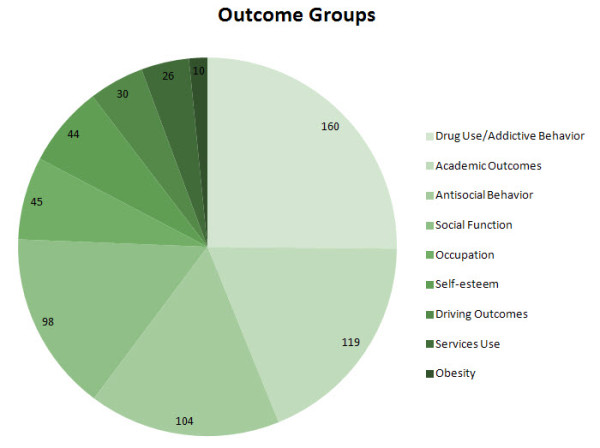
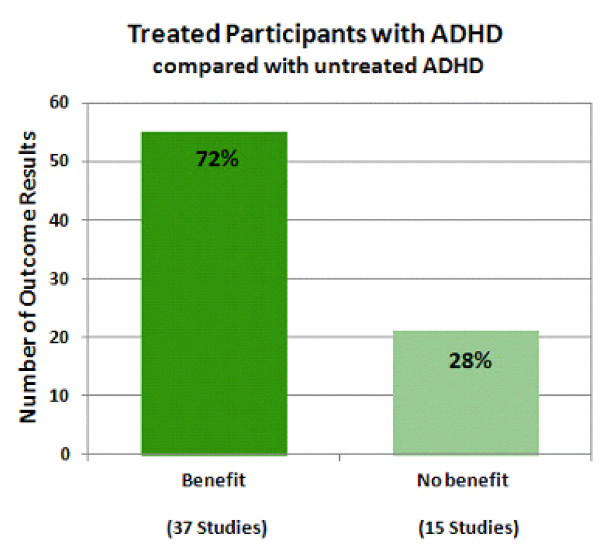
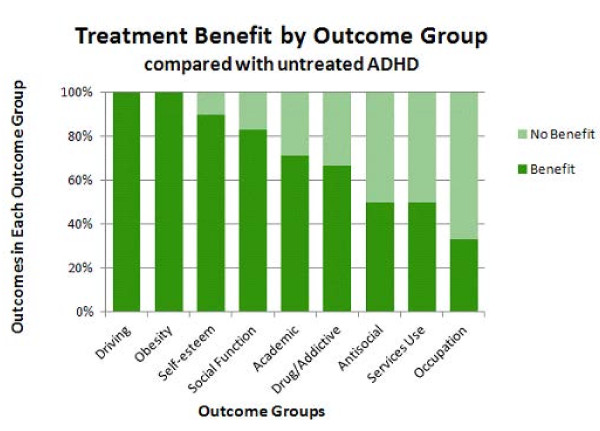
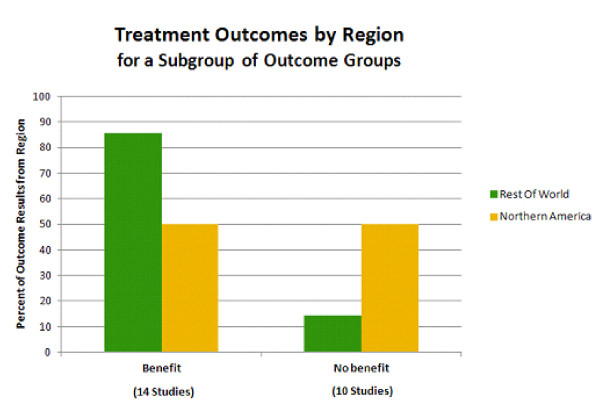
Background: In childhood, attention deficit/hyperactivity disorder (ADHD) is characterized by age-inappropriate levels of inattentiveness/disorganization, hyperactivity/impulsiveness, or a combination thereof. Although the criteria for ADHD are well defined, the long-term consequences in adults and children need to be more comprehensively understood and quantified. We conducted a systematic review evaluating the long-term outcomes (defined as 2 years or more) of ADHD with the goal of identifying long-term outcomes and the impact that any treatment (pharmacological, non-pharmacological, or multimodal) has on ADHD long-term outcomes. Methods: Studies were identified using predefined search criteria and 12 databases. Studies included were peer-reviewed, primary studies of ADHD long-term outcomes published between January 1980 to December 2010. Inclusion was agreed on by two independent researchers on review of abstracts or full text. Published statistical comparison of outcome results were summarized as poorer than, similar to, or improved versus comparators, and quantified as percentage comparisons of these categories. Results: Outcomes from 351 studies were grouped into 9 major categories: academic, antisocial behavior, driving, non-medicinal drug use/addictive behavior, obesity, occupation, services use, self-esteem, and social function outcomes. The following broad trends emerged: (1) without treatment, people with ADHD had poorer long-term outcomes in all categories compared with people without ADHD, and (2) treatment for ADHD improved long-term outcomes compared with untreated ADHD, although not usually to normal levels. Only English-language papers were searched and databases may have omitted relevant studies. Conclusions: This systematic review provides a synthesis of studies of ADHD long-term outcomes. Current treatments may reduce the negative impact that untreated ADHD has on life functioning, but does not usually 'normalize' the recipients.
Overview
The claims and statistics of this paper haven’t been checked yet.
Free: it reads the open-access text and checks the first 5 claims that cite a source we can check. Create a free account to check every claim.
Integrity signals
Registry
Cites
Statistics
Figures
Verification
Claims the paper makes
The claims and statistics of this paper haven’t been checked yet.
Free: it reads the open-access text and checks the first 5 claims that cite a source we can check. Create a free account to check every claim.
Claims other papers make about this one
Each is checked against this paper’s own text: does it say what the citing paper says it does?
The source backs part of the claim, not all of it — or backs it for a different population, condition or comparison.
In the citing paper
“ADHD improved long-term outcomes but generally not to normal levels 147 .”
From Attention-deficit/hyperactivity disorder (2015) · cites this paper as [147]
Experimental — accuracy not yet measured
Self-check
Percentages, sums and reported differences re-computed from the paper’s own numbers.
The self-check needs the paper’s full text.
Citations
Cites
Diagnostic and Statistical Manual of Mental Disorders
Williams, J. B. W., & First, M. (2013) · Encyclopedia of Social Work · doi:10.1093/acrefore/9780199975839.013.104 · Cited by 109,519
Diagnostic and Statistical Manual of Mental Disorders.
Widiger, T. A. (2000) · Encyclopedia of Psychology, Vol. 3. · doi:10.1037/10518-009 · Cited by 19,744
The worldwide prevalence of ADHD: a systematic review and metaregression analysis
Polanczyk, G., de Lima, M. S., Horta, B. L., Biederman, J., & Rohde, L. A. (2007) · American Journal of Psychiatry · doi:10.1176/ajp.2007.164.6.942 · Cited by 5,346 · cited 2×
“29% [3,4] with approximately 4% prevalence in adults [5,6].”
BackgroundKessler, R. C., Adler, L., Barkley, R., Biederman, J., Conners, C. K., Demler, O., Faraone, S. V., Greenhill, L. L., Howes, M. J., Secnik, K., et al. (2006) · American Journal of Psychiatry · doi:10.1176/ajp.2006.163.4.716 · Cited by 3,886 · cited 1×
“29% [3,4] with approximately 4% prevalence in adults [5,6].”
Background(1999) · Archives of General Psychiatry · doi:10.1001/archpsyc.56.12.1073 · Cited by 3,372
International Classification of Diseases
Jones, F. A. (1978) · Gut · doi:10.1136/gut.19.12.1175 · Cited by 2,911
FARAONE, S. V., BIEDERMAN, J., & MICK, E. (2006) · Psychological Medicine · doi:10.1017/s003329170500471x · Cited by 2,267 · cited 1×
“According to one meta-analysis, ADHD persists in about 65% of adults diagnosed as children if ADHD in partial remission is included [7], and in about 50% of * Correspondence: phodgkins@shire.”
MethodPliszka, S. (2007) · Journal of the American Academy of Child & Adolescent Psychiatry · doi:10.1097/chi.0b013e318054e724 · Cited by 1,765 · cited 1×
“ADHD treatment guidelines as well as conclusions drawn by health technology assessment agencies recognize that ADHD is potentially a lifelong condition with a profound effect on quality-of-life [22,25-32].”
BackgroundMannuzza, S. (1993) · Archives of General Psychiatry · doi:10.1001/archpsyc.1993.01820190067007 · Cited by 1,368 · cited 1×
“Persistence of ADHD may be related to ADHD symptom severity, number of symptoms, ADHD symptom subtype, ADHD in relatives, psychosocial adversity, psychiatric comorbidities, and/or parental psychopathology [8-15].”
BackgroundCross-national prevalence and correlates of adult attention-deficit hyperactivity disorder
Fayyad, J., De Graaf, R., Kessler, R., Alonso, J., Angermeyer, M., Demyttenaere, K., De Girolamo, G., Haro, J. M., Karam, E. G., Lara, C., et al. (2007) · British Journal of Psychiatry · doi:10.1192/bjp.bp.106.034389 · Cited by 1,321 · cited 1×
“29% [3,4] with approximately 4% prevalence in adults [5,6].”
Background
Research works printed but not linked: 7
- National Institute for Health and Clinical Excellence: Attention deficit hyperactivity disorder: the NICE guideline on diagnosis and management of adhd in children, young people and adults. 2009, Leicester, UK: The British Psychological Society and The Royal College of Psychiatrists
- Canadian Attention Deficit Hyperactivity Disorder Resource Alliance: Canadian ADHD Practice Guidelines (CAP-Guidelines). 2011, Toronto, Canada: Canadian Attention Deficit Hyperactivity Disorder Resource Alliance (CADDRA)
- National Health and Medical Research Council: Australian Guidelines on Attention Deficit Hyperactivity Disorder (ADHD). 2009, Sydney, Australia: The Royal Australasian College of Physicians
- Scottish Intercollegiate Guidelines Network: Management of attention deficit and hyperkinetic disorders in children and young people: a national clinical guideline. 2009, Edinburgh, UK: Scottish Intercollegiate Guidelines Network
- Canadian Agency for Drugs and Technologies in Health: Quality Assessment of the Canadian Attention Deficit Hyperactivity Disorder Resource Alliance ADHD Practice Guidelines in Adults with ADHD. 2011, Toronto, Canada: Canadian Agency for Drugs and Technologies in Health
- McDonagh M, Christensen V, Peterson K, Thakurta S: Pharmacologic treatments for attention deficit hyperactivity disorder. Drug class review. 2009, Portland, OR: Oregon Health & Science University
- DuPaul GJ, Power TJ, Anastopoulos AD, Reid R: ADHD rating scale-IV: checklists norms and interpretations. 1998, New York, NY: The Guilford Press
Cited by
Attention-deficit/hyperactivity disorder
Faraone, S. V., Asherson, P., Banaschewski, T., Biederman, J., Buitelaar, J. K., Ramos-Quiroga, J. A., Rohde, L. A., Sonuga-Barke, E. J. S., Tannock, R., & Franke, B. (2015) · Nature Reviews Disease Primers · doi:10.1038/nrdp.2015.20 · Cited by 1,479
Preventive strategies for mental health
Arango, C., Díaz-Caneja, C. M., McGorry, P. D., Rapoport, J., Sommer, I. E., Vorstman, J. A., McDaid, D., Marín, O., Serrano-Drozdowskyj, E., Freedman, R., et al. (2018) · The Lancet Psychiatry · doi:10.1016/s2215-0366(18)30057-9 · Cited by 1,271
“38 Similarly, there is evidence suggesting that reducing the duration of anxiety or depressive episodes in young people may prevent the development of more severe mental disorders during adulthood.”
ADHD in Children and Young People: Prevalence, Care Pathways, and Service Provision
Sayal, K., Prasad, V., Daley, D., Ford, T., & Coghill, D. (2018) · The Lancet Psychiatry · doi:10.1016/s2215-0366(17)30167-0 · Cited by 1,223
“There are, however, encouraging data which support the positive effects of ADHD medications on more naturalistic measures of outcome.(4,113,114) There remains a poverty of data regarding the longer-term benefits and risks associated with drug treatments for ADHD.”
ResultSong, P., Zha, M., Yang, Q., Zhang, Y., Li, X., & Rudan, I. (2021) · Journal of Global Health · doi:10.7189/jogh.11.04009 · Cited by 896
Live fast, die young? A review on the developmental trajectories of ADHD across the lifespan
Franke, B., Michelini, G., Asherson, P., Banaschewski, T., Bilbow, A., Buitelaar, J. K., Cormand, B., Faraone, S. V., Ginsberg, Y., Haavik, J., et al. (2018) · European Neuropsychopharmacology · doi:10.1016/j.euroneuro.2018.08.001 · Cited by 643
Young, S., Adamo, N., Ásgeirsdóttir, B. B., Branney, P., Beckett, M., Colley, W., Cubbin, S., Deeley, Q., Farrag, E., Gudjonsson, G., et al. (2020) · BMC Psychiatry · doi:10.1186/s12888-020-02707-9 · Cited by 610
Self-citationLong-Term Outcomes of ADHD: Academic Achievement and Performance
Arnold, L. E., Hodgkins, P., Kahle, J., Madhoo, M., & Kewley, G. (2020) · Journal of Attention Disorders · doi:10.1177/1087054714566076 · Cited by 516
“Although commonly diagnosed in childhood, ADHD can persist into adolescence and adulthood (American Psychiatric Association [APA], 2013) and adversely affect functional outcomes (Shaw et al., 2012).”
BackgroundSelf-citationMethylphenidate for children and adolescents with attention deficit hyperactivity disorder (ADHD)
Storebø, O. J., Ramstad, E., Krogh, H. B., Nilausen, T. D., Skoog, M., Holmskov, M., Rosendal, S., Groth, C., Magnusson, F. L., Moreira-Maia, C. R., et al. (2015) · Cochrane Database of Systematic Reviews · doi:10.1002/14651858.cd009885.pub2 · Cited by 347
Storebø, O. J., Pedersen, N., Ramstad, E., Kielsholm, M. L., Nielsen, S. S., Krogh, H. B., Moreira-Maia, C. R., Magnusson, F. L., Holmskov, M., Gerner, T., et al. (2018) · Cochrane Database of Systematic Reviews · doi:10.1002/14651858.cd012069.pub2 · Cited by 321
Attention-deficit/hyperactivity disorder and very preterm/very low birth weight: a meta-analysis
Franz, A. P., Bolat, G. U., Bolat, H., Matijasevich, A., Santos, I. S., Silveira, R. C., Procianoy, R. S., Rohde, L. A., & Moreira-Maia, C. R. (2018) · Pediatrics · doi:10.1542/peds.2017-1645 · Cited by 317
Sacco, R., Camilleri, N., Eberhardt, J., Umla-Runge, K., & Newbury-Birch, D. (2024) · European Child & Adolescent Psychiatry · doi:10.1007/s00787-022-02131-2 · Cited by 264
“…mental disorders persist into adulthood, there is a higher risk of restricted occupational opportunities [7], need for social benefits [8] and involvement in crim-inality [7, 9], resulting in higher levels of morbidity and mortality [10] as well as negatively affecting the society at large.”
Adult Attention Deficit–Hyperactivity Disorder
Volkow, N. D., & Swanson, J. M. (2013) · New England Journal of Medicine · doi:10.1056/nejmcp1212625 · Cited by 227
Choi, W.-S., Woo, Y. S., Wang, S.-M., Lim, H. K., & Bahk, W.-M. (2022) · PLOS ONE · doi:10.1371/journal.pone.0277175 · Cited by 221
“Introduction ADHD(attention-deficit/hyperactivity disorder) is a common psychiatric disorder presenting persistent inattention and/or with hyperactivity/impulsivity [1], which is associated with considerable problems in personal, social, and occupational areas [2].”
BackgroundSikirica, V., Lu, M., Greven, P., Zhong, Y., Qin, P., Xie, J., & Gajria, K. (2014) · Neuropsychiatric Disease and Treatment · doi:10.2147/ndt.s65721 · Cited by 206
“These include social and academic difficulties, behavioral problems such as substance abuse, delinquency, accidental injury,(11,12) and poor economic, social, and emotional well-being.(12,13) Such consequences impact patients as well as their families and communities.”
BackgroundMowlem, F., Agnew-Blais, J., Taylor, E., & Asherson, P. (2019) · Psychiatry Research · doi:10.1016/j.psychres.2018.12.128 · Cited by 198
Headache and comorbidity in children and adolescents
Bellini, B., Arruda, M., Cescut, A., Saulle, C., Persico, A., Carotenuto, M., Gatta, M., Nacinovich, R., Piazza, F. P., Termine, C., et al. (2013) · The Journal of Headache and Pain · doi:10.1186/1129-2377-14-79 · Cited by 198
“Coincidentally, the burden caused by both neuropsychiatric disorders reaches a common range of negative outcomes impairing quality of life [106,107], school achievement [108,109], social [7,110], and family functioning [111,112].”
BackgroundAttention-Deficit/Hyperactivity Disorder
Banaschewski, T., Becker, K., Döpfner, M., Holtmann, M. H., Rösler, M., & Romanos, M. (2017) · Deutsches Ärzteblatt international · doi:10.3238/arztebl.2017.0149 · Cited by 314
Miroddi, M., Calapai, G., Navarra, M., Minciullo, P. L., & Gangemi, S. (2013) · Journal of Ethnopharmacology · doi:10.1016/j.jep.2013.09.047 · Cited by 174
Why the Diagnosis of Attention Deficit Hyperactivity Disorder Matters
Hamed, A. M., Kauer, A. J., & Stevens, H. E. (2015) · Frontiers in Psychiatry · doi:10.3389/fpsyt.2015.00168 · Cited by 172
“As ADHD is regarded as a childhood disorder, there is much less research about ADHD in adults (51).”
BackgroundEarly-Life Exposure to Polycyclic Aromatic Hydrocarbons and ADHD Behavior Problems
Perera, F. P., Chang, H.-W., Tang, D., Roen, E. L., Herbstman, J., Margolis, A., Huang, T.-J., Miller, R. L., Wang, S., & Rauh, V. (2014) · PLoS ONE · doi:10.1371/journal.pone.0111670 · Cited by 163
“Children with ADHD are at increased risk of substance abuse, conduct, and mood disorders [27–30].”
BackgroundThe impact of ADHD on the health and well-being of ADHD children and their siblings
Peasgood, T., Bhardwaj, A., Biggs, K., Brazier, J. E., Coghill, D., Cooper, C. L., Daley, D., De Silva, C., Harpin, V., Hodgkins, P., et al. (2016) · European Child & Adolescent Psychiatry · doi:10.1007/s00787-016-0841-6 · Cited by 157
“This is consistent with previous studies that have identified a health and well-being loss from childhood ADHD [5–7, 9–14].”
BackgroundResultSelf-citationMeta-Analysis of Sex Differences in ADHD Symptoms and Associated Cognitive Deficits
Loyer Carbonneau, M., Demers, M., Bigras, M., & Guay, M.-C. (2021) · Journal of Attention Disorders · doi:10.1177/1087054720923736 · Cited by 156
“, 2012), job performance (de Graaf et al., 2008; Shaw et al., 2012), and antisocial behaviors (Shaw et al.”
BackgroundInfluentialDi Lorenzo, R., Balducci, J., Poppi, C., Arcolin, E., Cutino, A., Ferri, P., D’Amico, R., & Filippini, T. (2021) · Acta Neuropsychiatrica · doi:10.1017/neu.2021.23 · Cited by 150
Pharmacological and non-pharmacological treatment of adults with ADHD: A meta-review
De Crescenzo, F., Cortese, S., Adamo, N., & Janiri, L. (2017) · Evidence Based Mental Health · doi:10.1136/eb-2016-102415 · Cited by 150
Pelsser, L. M., Frankena, K., Toorman, J., & Rodrigues Pereira, R. (2017) · PLOS ONE · doi:10.1371/journal.pone.0169277 · Cited by 145
The impacts associated with having ADHD: an umbrella review
French, B., Nalbant, G., Wright, H., Sayal, K., Daley, D., Groom, M. J., Cassidy, S., & Hall, C. L. (2024) · Frontiers in Psychiatry · doi:10.3389/fpsyt.2024.1343314 · Cited by 144
Le, H. H., Hodgkins, P., Postma, M. J., Kahle, J., Sikirica, V., Setyawan, J., Erder, M. H., & Doshi, J. A. (2014) · European Child & Adolescent Psychiatry · doi:10.1007/s00787-013-0477-8 · Cited by 138
“, medication and behavioural therapy) can ameliorate some of the negative impacts of the disorder [44, 50].”
BackgroundSelf-citationSayal, K., Washbrook, E., & Propper, C. (2015) · Journal of the American Academy of Child & Adolescent Psychiatry · doi:10.1016/j.jaac.2015.02.007 · Cited by 136
Saylor, K. E., & Amann, B. H. (2016) · Journal of Child and Adolescent Psychopharmacology · doi:10.1089/cap.2015.0126 · Cited by 133
Cherkasova, M. V., Roy, A., Molina, B. S. G., Scott, G., Weiss, G., Barkley, R. A., Biederman, J., Uchida, M., Hinshaw, S. P., Owens, E. B., et al. (2022) · Journal of the American Academy of Child & Adolescent Psychiatry · doi:10.1016/j.jaac.2021.05.019 · Cited by 137
Patel, V., Chisholm, D., Dua, T., Laxminarayan, R., & Medina-Mora, M. E. (2016) · doi:10.1596/978-1-4648-0426-7 · Cited by 130
Septier, M., Stordeur, C., Zhang, J., Delorme, R., & Cortese, S. (2019) · Neuroscience & Biobehavioral Reviews · doi:10.1016/j.neubiorev.2019.05.022 · Cited by 128
Retz, W., Ginsberg, Y., Turner, D., Barra, S., Retz-Junginger, P., Larsson, H., & Asherson, P. (2021) · Neuroscience & Biobehavioral Reviews · doi:10.1016/j.neubiorev.2020.11.025 · Cited by 127
Young, S., Gudjonsson, G. H., Chitsabesan, P., Colley, B., Farrag, E., Forrester, A., Hollingdale, J., Kim, K., Lewis, A., Maginn, S., et al. (2018) · BMC Psychiatry · doi:10.1186/s12888-018-1858-9 · Cited by 137
Self-citationFabiano, G. A., Schatz, N. K., Aloe, A. M., Chacko, A., & Chronis-Tuscano, A. (2015) · Clinical Child and Family Psychology Review · doi:10.1007/s10567-015-0178-6 · Cited by 118
“…combined pharmacological and psychosocial treatments (Majewicz-Hefley and Carlson 2007); no report of meta-analytic results (Jadad et al. 1999a; Schachar et al. 2002); or combination of pharmacological and psychosocial treatments in a manner where they could not be disentangled (Shaw et al. 2012).”
Young, S., Asherson, P. J., Lloyd, T., Absoud, M., Arif, M., Colley, W., Cortese, S., Cubbin, S., Doyle, N., Dunn-Morua, S., et al. (2021) · Frontiers in Psychiatry · doi:10.3389/fpsyt.2021.649399 · Cited by 148
“Timely detection and treatment is likely to moderate risks and improve outcomes (18, 19).”
BackgroundSelf-citationPractitioner Review: Pathways to care for ADHD – a systematic review of barriers and facilitators
Wright, N., Moldavsky, M., Schneider, J., Chakrabarti, I., Coates, J., Daley, D., Kochhar, P., Mills, J., Sorour, W., & Sayal, K. (2015) · Journal of Child Psychology and Psychiatry · doi:10.1111/jcpp.12398 · Cited by 120
“Left unmanaged, ADHD can result in impairments in multiple domains, including academic performance and parental productivity (e.g. being able to undertake paid employment; Doshi et al., 2012; Shaw et al., 2012).”
BackgroundSahakian, B. J., Bruhl, A. B., Cook, J., Killikelly, C., Savulich, G., Piercy, T., Hafizi, S., Perez, J., Fernandez-Egea, E., Suckling, J., et al. (2015) · Philosophical Transactions of the Royal Society B: Biological Sciences · doi:10.1098/rstb.2014.0214 · Cited by 85
Arnold, L. E., Hodgkins, P., Caci, H., Kahle, J., & Young, S. (2015) · PLOS ONE · doi:10.1371/journal.pone.0116407 · Cited by 111
“Consolidation of data from studies of all ages from countries across the globe [3] showed that untreated ADHD is commonly associated with poor long-term outcomes in a wide range of areas that affect the patients, their families, and society in general.”
BackgroundMethodResultInfluentialSelf-citationHollingdale, J., Woodhouse, E., Young, S., Fridman, A., & Mandy, W. (2020) · Psychological Medicine · doi:10.1017/s0033291719002368 · Cited by 110
“Childhood ADHD is associated with impaired function across a range of domains (Shaw et al., 2012) including poorer academic and educational outcomes (Loe and Feldman, 2007), and difficulties establishing and maintaining peer relationships (Hoza, 2007).”
BackgroundSelf-citationBarriers and facilitators to understanding of ADHD in primary care: a mixed-method systematic review
French, B., Sayal, K. S., & Daley, D. (2018) · European Child & Adolescent Psychiatry · doi:10.1007/s00787-018-1256-3 · Cited by 137
Co-morbid psychiatric disorders among incarcerated ADHD populations: a meta-analysis
Young, S., Sedgwick, O., Fridman, M., Gudjonsson, G., Hodgkins, P., Lantigua, M., & González, R. A. (2015) · Psychological Medicine · doi:10.1017/s0033291715000598 · Cited by 103
Self-citationHuß, M., Duhan, P., Gandhi, P., Chen, C., Spannhuth, C. W., & Kumar, V. (2017) · Neuropsychiatric Disease and Treatment · doi:10.2147/ndt.s130444 · Cited by 108
“17,18 19–22 However, response to MPH treatment varies significantly between patients.”
Methylphenidate for children and adolescents with attention deficit hyperactivity disorder (ADHD)
Storebø, O. J., Storm, M. R. O., Ribeiro, J. P., Skoog, M., Groth, C., Edemann-Callesen, H., Schaug, J. P., Rasmussen, P. D., Huus, C.-M. L., Zwi, M., et al. (2023) · Cochrane Database of Systematic Reviews · doi:10.1002/14651858.cd009885.pub3 · Cited by 163
Parenting Interventions for ADHD: A Systematic Literature Review and Meta-Analysis
Coates, J., Taylor, J. A., & Sayal, K. (2015) · Journal of Attention Disorders · doi:10.1177/1087054714535952 · Cited by 97
“ADHD is also a risk factor for the development of disruptive behavior and other mental health disorders, accidents, obesity, academic difficulties, and poor outcomes in adulthood (Shaw et al., 2012).”
BackgroundBaggio, S., Fructuoso, A., Guimaraes, M., Fois, E., Golay, D., Heller, P., Perroud, N., Aubry, C., Young, S., Delessert, D., et al. (2018) · Frontiers in Psychiatry · doi:10.3389/fpsyt.2018.00331 · Cited by 95
“1% of the studies); (2) geographic location; (3) sample size; (4) study population (adults vs.”
BackgroundMethodSelf-citationChan, A. Y. L., Ma, T.-T., Lau, W. C. Y., Ip, P., Coghill, D., Gao, L., Jani, Y. H., Hsia, Y., Wei, L., Taxis, K., et al. (2023) · eClinicalMedicine · doi:10.1016/j.eclinm.2022.101780 · Cited by 95
Curry, A. E., Metzger, K. B., Pfeiffer, M. R., Elliott, M. R., Winston, F. K., & Power, T. J. (2017) · JAMA Pediatrics · doi:10.1001/jamapediatrics.2017.0910 · Cited by 91
“CHOP primary care visits, median (IQR) 19 (10-33) 26 (15-40) 18 (10-31) <.”
Personalized Transcranial Magnetic Stimulation in Psychiatry
Cocchi, L., & Zalesky, A. (2018) · Biological Psychiatry Cognitive Neuroscience and Neuroimaging · doi:10.1016/j.bpsc.2018.01.008 · Cited by 106
Prenatal exposure to polybrominated diphenyl ethers and child attention problems at 3–7 years
Cowell, W. J., Lederman, S. A., Sjödin, A., Jones, R., Wang, S., Perera, F. P., Wang, R., Rauh, V. A., & Herbstman, J. B. (2015) · Neurotoxicology and Teratology · doi:10.1016/j.ntt.2015.08.009 · Cited by 87
“Children with a diagnosis of ADHD, including symptoms of inattention, are often at increased risk for poor academic achievement, antisocial behaviors, poor self-esteem and drug abuse later in life (Shaw et al., 2012), precipitating substantial financial costs for affected families and for society (Danckaerts et al.”
BackgroundGenetics of attention-deficit/hyperactivity disorder: an update
Akutagava-Martins, G. C., Rohde, L. A., & Hutz, M. H. (2016) · Expert Review of Neurotherapeutics · doi:10.1586/14737175.2016.1130626 · Cited by 83
“[12] Overall, ADHD has an extensive negative impact on life functioning.[13]”
BackgroundRommelse, N., Buitelaar, J. K., & Hartman, C. A. (2017) · Journal of Neural Transmission · doi:10.1007/s00702-016-1651-1 · Cited by 85
“…thinning was found to be related to a delay in the developmental trajectories of the surface area, but not in those of cortical gyrification (Shaw et al. Shaw et al. 2012a, b) and cortical thickening or minimal thinning was found exclusively among individuals who remitted (Shaw et al. 2013).”
BackgroundAdolescent Attention-Deficit/Hyperactivity Disorder: Understanding Teenage Symptom Trajectories
Shaw, P., & Sudre, G. P. (2020) · Biological Psychiatry · doi:10.1016/j.biopsych.2020.06.004 · Cited by 100
Ward, R. J., Bristow, S. J., Kovshoff, H., Cortese, S., & Kreppner, J. (2020) · Journal of Attention Disorders · doi:10.1177/1087054720972801 · Cited by 114
“ADHD children from pre-test to post-test measures in the measurement of on-task behavior, but the intervention group did not reach the level of the normative comparison group even with these improvements (Mohammed, 2018), which has been seen in a range of ADHD behavioral interventions with participating children (Shaw…”
BackgroundCaci, H. M., Morin, A. J. S., & Tran, A. (2014) · Journal of Nervous & Mental Disease · doi:10.1097/nmd.0000000000000126 · Cited by 84
“This condition is associated with a broad range of negative life outcomes but is also responsive to treatment (Hodgkins et al., 2012; Shaw et al., 2012), pointing to the need for efficient screening and diagnosis procedures.”
BackgroundSelf-citationSchein, J. R., Adler, L. A., Childress, A. C., Cloutier, M., Gagnon‐Sanschagrin, P., Davidson, M., Kinkead, F., Guérin, A., & Lefèbvre, P. (2022) · Journal of Medical Economics · doi:10.1080/13696998.2022.2032097 · Cited by 100
Connectivity supporting attention in children with attention deficit hyperactivity disorder
Barber, A. D., Jacobson, L. A., Wexler, J. L., Nebel, M. B., Caffo, B. S., Pekar, J. J., & Mostofsky, S. H. (2015) · NeuroImage: Clinical · doi:10.1016/j.nicl.2014.11.011 · Cited by 82
“…deficits of inattention, hyperactivity, and impulsivity contribute to a range of potential problems: poor academic achievement, substance abuse, obesity, risky behavior, difficulty achieving long-term goals, and/or mood disorders (Cortese et al., 2013; Garner et al., 2013; Shaw et al., 2012).”
BackgroundSustained attention and heart rate variability in children and adolescents with ADHD
Griffiths, K. R., Quintana, D. S., Hermens, D. F., Spooner, C., Tsang, T. W., Clarke, S., & Kohn, M. R. (2017) · Biological Psychology · doi:10.1016/j.biopsycho.2017.01.004 · Cited by 79
Costa, D. D. S., de Paula, J. J., Malloy‐Diniz, L. F., Romano‐Silva, M. A., & de Miranda, D. M. (2018) · Jornal de Pediatria · doi:10.1016/j.jped.2018.06.014 · Cited by 80
“Hiperatividade/Impulsividade Masculino 1,00 ± 0,78 [2,56] 9 ± 7 [23] 3 ± 3 [9] 1,78 ± 0,85 [3,00] 16 ± 8 [27] 5±3 [9]”
InfluentialLudyga, S., Gerber, M., Mücke, M., Brand, S., Weber, P., Brotzmann, M., & Pühse, U. (2020) · Journal of Attention Disorders · doi:10.1177/1087054718757647 · Cited by 78
“…findings have shown that regular administration of methylphenidate (MPH) elicits small to moderate improvements of executive functions in children and adolescents with ADHD (Tamminga, Reneman, Huizenga, & Geurts, 2016), but fails to normalize the recipients in the long-term (Shaw et al., 2012).”
BackgroundHall, C. L., Newell, K., Taylor, J., Sayal, K., Swift, K. D., & Hollis, C. (2013) · BMC Psychiatry · doi:10.1186/1471-244x-13-186 · Cited by 77
“However, if left untreated, ADHD is associated with significantly higher likelihood of difficulties in basic functioning (self-care, mobility and cognition), instrumental functioning (socialrole and productiveness) and poorer outcome than for individuals who are treated for ADHD [20,21].”
BackgroundTheory of Mind and Empathy in Children With ADHD
Maoz, H., Gvirts, H. Z., Sheffer, M., & Bloch, Y. (2017) · Journal of Attention Disorders · doi:10.1177/1087054717710766 · Cited by 91
Young, S., Khondoker, M., Emilsson, B., Sigurdsson, J. F., Philipp-Wiegmann, F., Baldursson, G., Olafsdottir, H., & Gudjonsson, G. (2015) · Psychological Medicine · doi:10.1017/s0033291715000756 · Cited by 75
“Furthermore, the age of treatment initiation and duration of treatment did not markedly affect the proportion of improved outcomes reported (Shaw et al. 2012).”
Self-citationMorin, A. J. S., Tran, A., & Caci, H. (2016) · Journal of Attention Disorders · doi:10.1177/1087054713488825 · Cited by 76
Self-citationBauer, J., Werner, A., Kohl, W., Kugel, H., Shushakova, A., Pedersen, A., & Ohrmann, P. (2018) · The World Journal of Biological Psychiatry · doi:10.1080/15622975.2016.1262060 · Cited by 76
“Clinically, symptoms of hyperactivity seem to decrease, whereas inattention and impulsivity persist with a high risk for poor socio-economic outcomes and functional impairment (Spira & Fischel 2005; Shaw et al. 2012; Dalsgaard et al. 2013; Chang et al. 2014).”
BackgroundSocial and Economic Costs of Attention-Deficit/Hyperactivity Disorder Across the Lifespan
Sciberras, E., Streatfeild, J., Ceccato, T., Pezzullo, L., Scott, J. G., Middeldorp, C. M., Hutchins, P., Paterson, R. S., Bellgrove, M. A., & Coghill, D. (2020) · Journal of Attention Disorders · doi:10.1177/1087054720961828 · Cited by 95
“ADHD is a risk factor for a wide range of negative outcomes including exclusion from school and educational under-achievement, difficulties with employment and relationships, criminality and increased mortality (Dalsgaard et al., 2015; Faraone et al., 2015; Shaw et al., 2012; Willoughby, 2003).”
BackgroundAsherson, P. J., Leaver, L., Adamou, M., Arif, M., Askey, G., Butler, M., Cubbin, S., Newlove‐Delgado, T., Kustow, J., Lanham-Cook, J., et al. (2022) · BMC Psychiatry · doi:10.1186/s12888-022-04290-7 · Cited by 89
Early Detection of ADHD: Insights From Infant Siblings of Children With Autism
Miller, M. R., Iosif, A., Young, G. S., Hill, M. M., & Ozonoff, S. J. (2016) · Journal of Clinical Child & Adolescent Psychology · doi:10.1080/15374416.2016.1220314 · Cited by 82
“Significant long-term, multidomain impairments are common (for a review, see Shaw et al., 2012).”
BackgroundShareghfarid, E., Sangsefidi, Z. S., Salehi‐Abargouei, A., & Hosseinzadeh, M. (2020) · Clinical Nutrition ESPEN · doi:10.1016/j.clnesp.2019.10.013 · Cited by 88
Experienced consequences of being diagnosed with ADHD as an adult – a qualitative study
Hansson Halleröd, S. L., Anckarsäter, H., Råstam, M., & Hansson Scherman, M. (2015) · BMC Psychiatry · doi:10.1186/s12888-015-0410-4 · Cited by 69
“Studies suggest that early diagnosis can improve quality of life, self-esteem, overall functioning, outcome, and long-term prognosis [16,23-26].”
BackgroundAttention-Deficit/Hyperactivity Disorder
Leung, A. K. C., & Hon, K. E. (2016) · Advances in Pediatrics · doi:10.1016/j.yapd.2016.04.017 · Cited by 77
Prevalence of ADHD symptoms across clinical stages of major depressive disorder
Bron, T. I., Bijlenga, D., Verduijn, J., Penninx, B. W. J. H., Beekman, A. T. F., & Kooij, J. J. S. (2016) · Journal of Affective Disorders · doi:10.1016/j.jad.2016.02.053 · Cited by 77
Hollis, C., Hall, C. L., Guo, B., James, M., Boadu, J., Groom, M. J., Brown, N., Kaylor‐Hughes, C., Moldavsky, M., Valentine, A. Z., et al. (2018) · Journal of Child Psychology and Psychiatry · doi:10.1111/jcpp.12921 · Cited by 67
“Early diagnosis and timely interventions reduce the risk of adverse long-term outcomes that are associated with ADHD such as antisocial behaviour, pooracademicperformanceand social functioning (Shaw et al., 2012).”
Behavior problems and health-related quality of life in Dravet syndrome
Sinoo, C., Lange, I., Westers, P., Gunning, W. B., Jongmans, M. J., & Brilstra, E. H. (2018) · Epilepsy & Behavior · doi:10.1016/j.yebeh.2018.11.029 · Cited by 74
Interventions in ADHD: A comparative review of stimulant medications and behavioral therapies
Rajeh, A., Amanullah, S., Shivakumar, K., & Cole, J. (2016) · Asian Journal of Psychiatry · doi:10.1016/j.ajp.2016.09.005 · Cited by 88
ADHD and hyperkinetic disorder
Sonuga‐Barke, E. J. S., & Taylor, E. (2015) · Rutter's Child and Adolescent Psychiatry · doi:10.1002/9781118381953.ch55 · Cited by 62
Quintero, J., Ramos‐Quiroga, J. A., Sebastián, J. S., Rada, F. M., Fernández‐Jaén, A., Martínez-Raga, J., Giral, M. G., Graell, M., Mardomingo, M. J., Soutullo, C. A., et al. (2018) · BMC Psychiatry · doi:10.1186/s12888-017-1581-y · Cited by 71
“Although not directly comparable, these results are in line with previous systematic reviews showing that treatment is associated with less use of ancillary services, including school-, health-, and work-related services; financial assistance services; use of the justice system; and fewer emergency room visits [22, 23…”
BackgroundResultO’Nions, E., Baou, C. E., John, A., Lewer, D., Mandy, W., McKechnie, D. G., Petersen, I., & Stott, J. C. H. (2025) · The British Journal of Psychiatry · doi:10.1192/bjp.2024.199 · Cited by 85
Krull, K. R., Zhang, N., Santucci, A. K., Srivastava, D. K., Krasin, M. J., Kun, L. E., Pui, C., Robison, L. L., Hudson, M. M., & Armstrong, G. T. (2013) · Blood · doi:10.1182/blood-2013-03-487744 · Cited by 62
Developments and challenges in the diagnosis and treatment of ADHD
Dias, T. G. C., Kieling, C., Graeff-Martins, A. S., Moriyama, T. S., Rohde, L. A., & Polanczyk, G. V. (2013) · Revista Brasileira de Psiquiatria · doi:10.1590/1516-4446-2013-s103 · Cited by 62
D'Amico, F., Knapp, M., Beecham, J., Sandberg, S., Taylor, E., & Sayal, K. (2014) · British Journal of Psychiatry · doi:10.1192/bjp.bp.113.131367 · Cited by 60
Liu, C., Hua, M., Lu, M., & Goh, K. K. (2023) · Psychology and Psychotherapy: Theory, Research and Practice · doi:10.1111/papt.12455 · Cited by 56
Zhang, L., Zhu, N., Sjölander, A., Nourredine, M., Li, L., Garcia‐Argibay, M., Kuja‐Halkola, R., Brikell, I., Lichtenstein, P., D'Onofrio, B. M., et al. (2025) · BMJ · doi:10.1136/bmj-2024-083658 · Cited by 71
Young, S., Emilsson, B., Sigurdsson, J. F., Khondoker, M., Philipp-Wiegmann, F., Baldursson, G., Olafsdottir, H., & Gudjonsson, G. (2017) · European Archives of Psychiatry and Clinical Neuroscience · doi:10.1007/s00406-016-0735-0 · Cited by 59
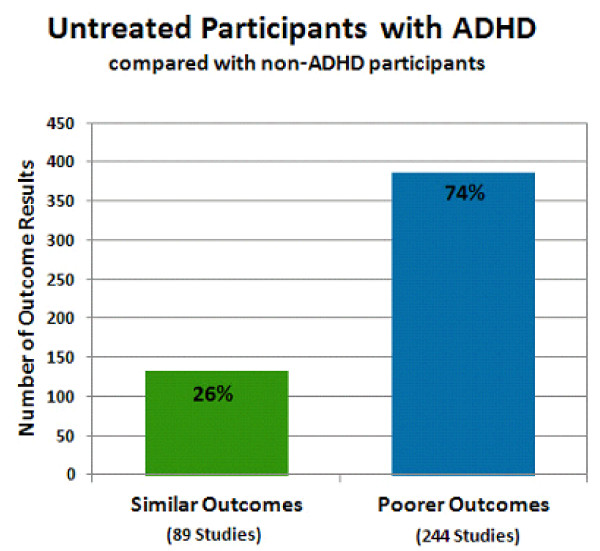
“[6] reported that, compared to people without ADHD, 74% of functional outcomes were worse for people with untreated ADHD.”
ResultSelf-citationStimulants improve theory of mind in children with attention deficit/hyperactivity disorder
Maoz, H., Tsviban, L., Gvirts, H. Z., Shamay-Tsoory, S. G., Levkovitz, Y., Watemberg, N., & Bloch, Y. (2014) · Journal of Psychopharmacology · doi:10.1177/0269881113492030 · Cited by 56
“Email: hagaima@clalit.org.il; hagaima@gmail.com et al., 1984; Molina et al., 2009; MTA Cooperative, 1999; Shaw et al., 2012), the direct influence of stimulants on social cognition, ToM and empathy is comparatively unknown (Uekermann et al., 2010).”
BackgroundNull tDCS Effects in a Sustained Attention Task: The Modulating Role of Learning
Jacoby, N., & Lavidor, M. (2018) · Frontiers in Psychology · doi:10.3389/fpsyg.2018.00476 · Cited by 70
“…2011b; Ek and Isaksson, 2013), and they are at a greater risk for lower socioeconomic and professional status, poorer academic achievements, antisocial behavior, and various parenting and relationship difficulties (Barkley, 2002; Adler et al., 2008; Johnston et al., 2012; Shaw et al., 2012).”
BackgroundSchein, J., Adler, L. A., Childress, A., Gagnon-Sanschagrin, P., Davidson, M., Kinkead, F., Cloutier, M., Guérin, A., & Lefebvre, P. (2022) · Journal of Managed Care & Specialty Pharmacy · doi:10.18553/jmcp.2021.21290 · Cited by 56
Parker, J., Harpin, V., Wales, G., & Chalhoub, N. (2013) · Psychology Research and Behavior Management · doi:10.2147/prbm.s49114 · Cited by 57
Trastorno por déficit de atención con hiperactividad
Cunill, R., & Cervelló, X. C. (2014) · Medicina Clínica · doi:10.1016/j.medcli.2014.02.025 · Cited by 79
Magnesium status and attention deficit hyperactivity disorder (ADHD): A meta-analysis
Effatpanah, M., Rezaei, M., Effatpanah, H., Efatpanah, Z., Kord‐Varkaneh, H., Mousavi, S. M., Fatahi, S., Rinaldi, G., & Hashemi, R. (2019) · Psychiatry Research · doi:10.1016/j.psychres.2019.02.043 · Cited by 87
Nasser, A., Liranso, T., Adewole, T., Fry, N., Hull, J. T., Chowdhry, F., Busse, G. D., Melyan, Z., Cutler, A. J., Findling, R. L., et al. (2021) · Clinical Therapeutics · doi:10.1016/j.clinthera.2021.01.027 · Cited by 55
Mezzanotte, C. (2020) · OECD education working papers · doi:10.1787/49af95e0-en · Cited by 63
Nasser, A. F., Hull, J. T., Chaturvedi, S. A., Liranso, T., Odebo, O., Kosheleff, A. R., Fry, N., Cutler, A. J., Rubin, J. S., Schwabe, S., et al. (2022) · CNS Drugs · doi:10.1007/s40263-022-00938-w · Cited by 60
“Fortunately, adults receiving treatment for ADHD experience meaningful improvements across a variety of functional measures, including academic, antisocial behavior, obesity, occupation, self-esteem, and social function outcomes [22, 23], positive effects that have been corroborated in a recent network meta-analytical…”
BackgroundBrikell, I., Chen, Q., Kuja‐Halkola, R., D’Onofrio, B. M., Wiggs, K. K., Lichtenstein, P., Almqvist, C., Quinn, P. D., Chang, Z., & Larsson, H. (2019) · Epilepsia · doi:10.1111/epi.14640 · Cited by 53
Moore, D. A., Russell, A. E., Matthews, J., Ford, T. J., Rogers, M., Ukoumunne, O. C., Kneale, D., Coon, J. T., Sutcliffe, K., Nunns, M., et al. (2018) · Review of Education · doi:10.1002/rev3.3149 · Cited by 68
Association Between Childhood Behaviors and Adult Employment Earnings in Canada
Vergunst, F., Tremblay, R. E., Nagin, D. S., Algan, Y., Beasley, E., Park, J., Galéra, C., Vitaro, F., & Côté, S. M. (2019) · JAMA Psychiatry · doi:10.1001/jamapsychiatry.2019.1326 · Cited by 60
Lee, D., Lee, J., Lee, J. E., & Jung, Y. (2017) · Progress in Neuro-Psychopharmacology and Biological Psychiatry · doi:10.1016/j.pnpbp.2017.02.005 · Cited by 58
“Neuroanatomic studies have found that cortical maturation is delayed in ADHD (Shaw et al., 2007; Shaw et al., 2012b).”
Backgroundde Schipper, E. J., Lundequist, A., Wilteus, A. L., Coghill, D., de Vries, P. J., Granlund, M., Holtmann, M. H., Jonsson, U., Karande, S., Lévy, F., et al. (2015) · European Child & Adolescent Psychiatry · doi:10.1007/s00787-015-0727-z · Cited by 59
“In a recent review of the literature, Shaw and colleagues [8] studied long-term outcomes in ADHD and found that, even when treated, affected individuals showed poorer outcomes in major life areas, including education, occupation, and social participation.”
BackgroundCatalá-López, F., Hutton, B., Núñez-Beltrán, A., Mayhew, A. D., Page, M. J., Ridao, M., Tobías, A., Catalá, M. A., Tabarés-Seisdedos, R., & Moher, D. (2015) · Systematic Reviews · doi:10.1186/s13643-015-0005-7 · Cited by 51
“Despite the extensive body of research into the epidemiology, pathophysiology and treatment of ADHD [2,3,5,29], less emphasis has been placed on methodologically sound comparative research questions evaluating and comparing different ADHD treatment options [24].”
BackgroundThapar, A., & Rutter, M. L. (2015) · Wiley eBooks · doi:10.1002/9781118381953.ch3 · Cited by 75
Metadata
- Authors
- Shaw, M., Hodgkins, P., Caci, H., Young, S., Kahle, J., Woods, A. G., & Arnold, L. E.
- Affiliations
- Shire (United Kingdom) (GB)
- Centre Hospitalier Universitaire de Nice (FR)
- King's College London (GB)
- Clarkson University (US)
- The Ohio State University (US)
- Corresponding author
- Hodgkins, Paul
- Venue
- BMC Medicine
- Published
- 2012-09-04
- Volume
- 10
- Issue
- 1
- Pages
- 99-99
- ISSN
- 1741-7015 (ISSN-L)
- PMC
- PMC3520745
- OpenAlex
- W2058562698
- Cited by
- 759
- References
- 69
- Citations by year
- 2026: 71 · 2025: 64 · 2024: 72 · 2023: 72 · 2022: 67 · 2021: 57 · 2020: 49 · 2019: 47 · 2018: 50 · 2017: 35 · 2016: 53 · 2015: 54 · 2014: 39 · 2013: 27 · 2012: 1
- FWCI
- 5.20
- Type
- journal article
- Language
- en
- Open access
- gold
- doi.org
- Licence
- Locations
- BMC Medicine (publishedVersion, cc-by)
- Europe PMC (PubMed Central) (publishedVersion, cc-by)
- PubMed Central (publishedVersion, cc-by)
- PubMed (publishedVersion)
- DOAJ (DOAJ: Directory of Open Access Journals) (submittedVersion, cc-by-sa)
- Research Portal (King's College London) (submittedVersion)
- Topics
- Health Sciences › Medicine › Psychiatry and Mental health › Attention Deficit Hyperactivity Disorder
- Health Sciences › Medicine › Epidemiology › Substance Abuse Treatment and Outcomes
- Social Sciences › Psychology › Developmental and Educational Psychology › Behavioral and Psychological Studies
- Keywords
- attention deficit hyperactivity disorder, long-term outcomes, ADHD treatment, untreated ADHD, educational outcomes, antisocial behavior, driving, substance use, obesity, occupation, health care utilization, self-esteem, social functioning, pharmacotherapy, non-pharmacological treatment
- MeSH terms
- Adolescent, Adult, Aged, Aged, 80 and over, Attention Deficit Disorder with Hyperactivity, Child, Humans, Middle Aged, Social Behavior, Treatment Outcome, Young Adult
About these checks
Registry, retraction, Cites and statistics results are computed, not judged, with one exception: a printed reference that no index lists is read once by a model before it counts as a citation error. Claims are extracted by a model and kept only when their quote appears verbatim in the text; each cited source is then checked, with a model’s help, for whether it says what the claim relies on. Those verdicts can be wrong — read the claim’s quote and the cited source before relying on one.
Statistics and arithmetic are recomputed, not judged.
Confidence bands are shown only for fields calibrated on our annotated test set. None is calibrated yet, so no band is shown.
What counts as a claim ›How we measure confidence ›How we check this ›
Are you an author, or do you see a problem with this page? Request a review
Data sources
Bibliographic data: Semantic Scholar, OpenAlex, Crossref.
Contains information from the Semantic Scholar Academic Graph Datasets, made available under the ODC Attribution License (ODC-BY 1.0).
Semantic Scholar’s data is described in: Kinney, R., et al. (2023). The Semantic Scholar Open Data Platform. arXiv:2301.10140.
