

Targeted exercise against osteoporosis: A systematic review and meta-analysis for optimising bone strength throughout life
Open accessThe DOI matches its Crossref record; 75 of the 75 references it cites were found in a registry or an index.
Abstract
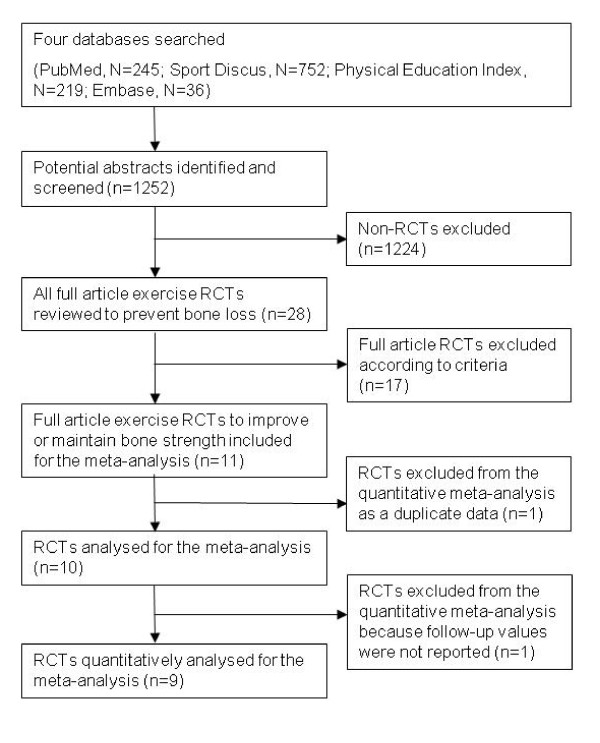
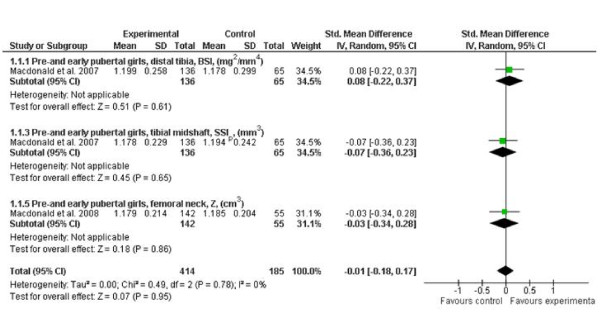
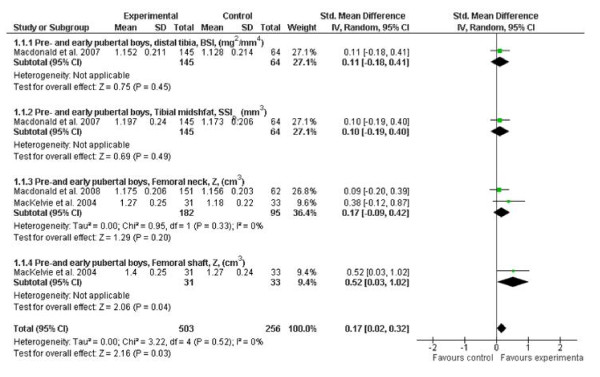
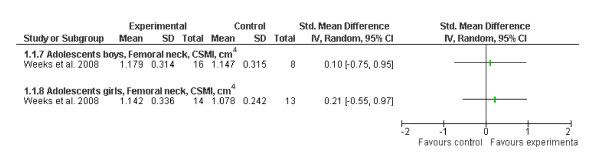
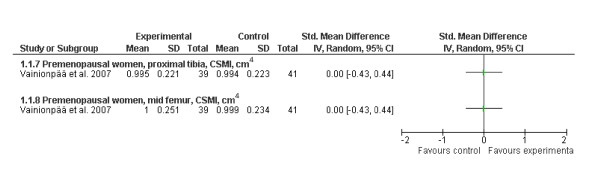
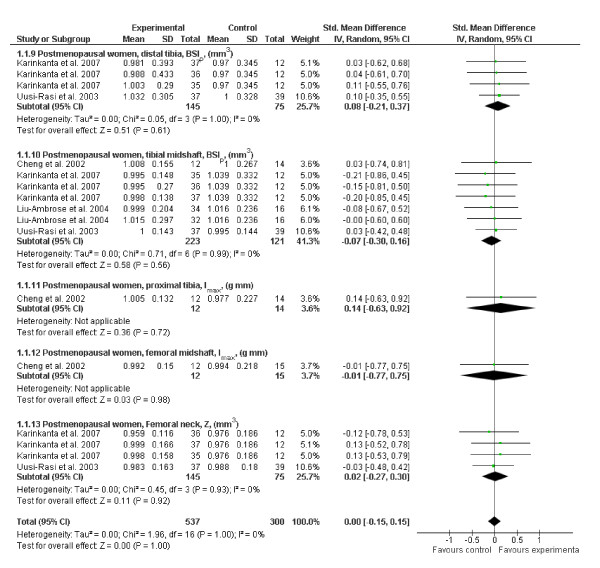
BACKGROUND: Exercise is widely recommended to reduce osteoporosis, falls and related fragility fractures, but its effect on whole bone strength has remained inconclusive. The primary purpose of this systematic review and meta-analysis was to evaluate the effects of long-term supervised exercise (> or =6 months) on estimates of lower-extremity bone strength from childhood to older age. METHODS: We searched four databases (PubMed, Sport Discus, Physical Education Index, and Embase) up to October 2009 and included 10 randomised controlled trials (RCTs) that assessed the effects of exercise training on whole bone strength. We analysed the results by age groups (childhood, adolescence, and young and older adulthood) and compared the changes to habitually active or sedentary controls. To calculate standardized mean differences (SMD; effect size), we used the follow-up values of bone strength measures adjusted for baseline bone values. An inverse variance-weighted random-effects model was used to pool the results across studies. RESULTS: Our quality analysis revealed that exercise regimens were heterogeneous; some trials were short in duration and small in sample size, and the weekly training doses varied considerably between trials. We found a small and significant exercise effect among pre- and early pubertal boys [SMD, effect size, 0.17 (95% CI, 0.02-0.32)], but not among pubertal girls [-0.01 (-0.18 to 0.17)], adolescent boys [0.10 (-0.75 to 0.95)], adolescent girls [0.21 (-0.53 to 0.97)], premenopausal women [0.00 (-0.43 to 0.44)] or postmenopausal women [0.00 (-0.15 to 0.15)]. Evidence based on per-protocol analyses of individual trials in children and adolescents indicated that programmes incorporating regular weight-bearing exercise can result in 1% to 8% improvements in bone strength at the loaded skeletal sites. In premenopausal women with high exercise compliance, improvements ranging from 0.5% to 2.5% have been reported. CONCLUSIONS: The findings from our meta-analysis of RCTs indicate that exercise can significantly enhance bone strength at loaded sites in children but not in adults. Since few RCTs were conducted to investigate exercise effects on bone strength, there is still a need for further well-designed, long-term RCTs with adequate sample sizes to quantify the effects of exercise on whole bone strength and its structural determinants throughout life.
Overview
The claims and statistics of this paper haven’t been checked yet.
Free: it reads the open-access text and checks the first 5 claims that cite a source we can check. Create a free account to check every claim.
Integrity signals
Registry
Cites
Statistics
Figures
Verification
Claims the paper makes
The claims and statistics of this paper haven’t been checked yet.
Free: it reads the open-access text and checks the first 5 claims that cite a source we can check. Create a free account to check every claim.
Claims other papers make about this one
Each is checked against this paper’s own text: does it say what the citing paper says it does?
In the citing paper
“It is also important in musculoskeletal health, maintaining bone and skeletal muscle mass as well as attenuating the major features of ageing.10,11”
From Reduced physical activity in young and older adults: Metabolic and musculoskeletal implications (2019) · cites this paper as [10]
In the citing paper
“The number of trials focusing on bone structure and strength among aging people is, however, limited, and studies have reported conflicting results,( 38 , 39 ) possibly owing to short training periods and/or less‐intensive training regimens.”
From Regular Strength and Sprint Training Counteracts Bone Aging: A 10‐Year Follow‐Up in Male Masters Athletes (2021) · cites this paper as [38]
Self-check
Percentages, sums and reported differences re-computed from the paper’s own numbers.
The self-check needs the paper’s full text.
Citations
Cites
Cochrane Handbook for Systematic Reviews of Interventions: Cochrane Book Series
(2008) · doi:10.1002/9780470712184 · Cited by 25,048
Epidemiology and outcomes of osteoporotic fractures
Cummings, S. R., & Melton, L. J. (2002) · The Lancet · doi:10.1016/s0140-6736(02)08657-9 · Cited by 3,821
Bone Quality — The Material and Structural Basis of Bone Strength and Fragility
Seeman, E., & Delmas, P. D. (2006) · New England Journal of Medicine · doi:10.1056/nejmra053077 · Cited by 2,080 · cited 1×
“Overall, it is clear from this review that further adequately powered and long-term (>2 years) intervention trials are needed, particularly in adults, because changes in bone structural properties are reportedly small throughout adult life [42].”
BackgroundA reference standard for the description of osteoporosis
Kanis, J. A., McCloskey, E. V., Johansson, H., Oden, A., Melton, L. J., & Khaltaev, N. (2008) · Bone · doi:10.1016/j.bone.2007.11.001 · Cited by 1,234 · cited 1×
“Despite reports that BMD is a good predictor of population fracture risk [6], current research indicates that up to 80% of all low-trauma fractures occur in individuals who are not osteoporotic but have normal or somewhat reduced BMD, i.”
BackgroundExercise for preventing and treating osteoporosis in postmenopausal women
Howe, T. E., Shea, B., Dawson, L. J., Downie, F., Murray, A., Ross, C., Harbour, R. T., Caldwell, L. M., & Creed, G. (2011) · Cochrane Database of Systematic Reviews · doi:10.1002/14651858.cd000333.pub2 · Cited by 1,083
Kannus, P., Haapasalo, H., Sankelo, M., Sievanen, H., Pasanen, M., Heinonen, A., Oja, P., & Vuori, I. (1995) · Annals of Internal Medicine · doi:10.7326/0003-4819-123-1-199507010-00003 · Cited by 757 · cited 2×
“We included studies from the prepubertal period (≥6 to 10 years of age) to older age (≥50) and analysed the results by age groups (childhood, adolescence, adulthood and older adulthood) to reduce the clinical heterogeneity since the effects of exercise on bone strength is an age- and maturity- dependent phenomenon [12…”
BackgroundSelf-citationWolff, I., van Croonenborg, J. J., Kemper, H. C. G., Kostense, P. J., & Twisk, J. W. R. (1999) · Osteoporosis International · doi:10.1007/s001980050109 · Cited by 589 · cited 3×
“In postmenopausal women, there are mixed results from several meta-analyses reviewing the effects of aerobic training, weight-bearing impact exercise, resistance training or their combination on BMD [26,28,29,31-36].”
BackgroundResultHind, K., & Burrows, M. (2007) · Bone · doi:10.1016/j.bone.2006.07.006 · Cited by 543
Haapasalo, H., Kontulainen, S., Sievänen, H., Kannus, P., Järvinen, M., & Vuori, I. (2000) · Bone · doi:10.1016/s8756-3282(00)00331-8 · Cited by 502 · cited 2×
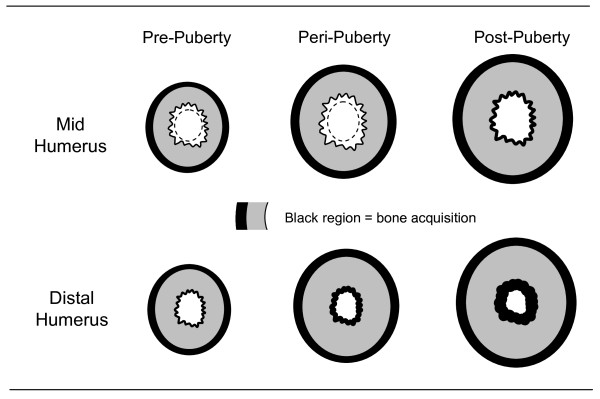
“For example, in the prepubertal players, loading resulted in increased expansion at the midhumerus but no change or endocortical apposition at the distal humerus [44-47].”
BackgroundSelf-citationWalking and Leisure-Time Activity and Risk of Hip Fracture in Postmenopausal Women
Feskanich, D. (2002) · JAMA · doi:10.1001/jama.288.18.2300 · Cited by 501 · cited 1×
“However, epidemiological evidence suggests that moderate to vigorous physical activity performed three to four times per week is associated with considerably lower incidence of fragility fractures in both women and men [70,71].”
Background
Research works printed but not linked: 1
- US Department of Health and Human Services Bone Health and Osteoporosis: A Report of the Surgeon General Rockville, MD, US Department of Health and Human Services, Office of the Surgeon General 2004
Cited by
Items 101–200 of 504
Chan, D., Chang, C., Han, D., Hong, C.-H., Hwang, J., Tsai, K., & Yang, R. (2017) · Journal of the Formosan Medical Association · doi:10.1016/j.jfma.2017.05.004 · Cited by 50
Mechanisms governing the health and performance benefits of exercise
Bishop‐Bailey, D. (2013) · British Journal of Pharmacology · doi:10.1111/bph.12399 · Cited by 44
“Exercise has also been associated with a reduction in risk of developing diabetes (Wang and Reusch, 2012), obesity (Poirier and Despres, 2001), breast and colon cancer (Newton and Galvao, 2008); it aids in strengthening joints and bone (Nikander et al., 2010), and is considered one of the best treatments for depressio…”
BackgroundThe accrual of bone mass during childhood and puberty
Zulf Mughal, M., & Khadilkar, A. V. (2011) · Current Opinion in Endocrinology Diabetes and Obesity · doi:10.1097/med.0b013e3283416441 · Cited by 49
Associated Factors for Osteoporosis and Fracture in Chinese Elderly
Wang, Y., Ding, H., Wang, X., Wei, Z., & Feng, S. (2019) · Medical Science Monitor · doi:10.12659/msm.914182 · Cited by 40
Recreational Football and Bone Health: A Systematic Review and Meta-analysis
Milanović, Z., Čović, N., Helge, E. W., Krustrup, P., & Mohr, M. (2022) · Sports Medicine · doi:10.1007/s40279-022-01726-8 · Cited by 42
“The aforementioned characteristics of the loading cause high-impact forces that upregulate osteogenesis [12, 45], especially for lower limb bones in untrained individuals including young women [33], premenopausal women [17], young men [21], elderly men [33], middleaged women [35], elderly women, men with prediabetes […”
BackgroundPhysical activity and the risk of hip fracture in the elderly: a prospective cohort study
Lagerros, Y. T., Hantikainen, E. M., Michaëlsson, K., Ye, W., Adami, H., & Bellocco, R. (2017) · European Journal of Epidemiology · doi:10.1007/s10654-017-0312-5 · Cited by 41
Huang, K., & Cai, H. (2024) · Experimental Gerontology · doi:10.1016/j.exger.2024.112614 · Cited by 41
“For example, swimming and cycling are beneficial for OA, they should be complemented with weight-bearing exercises to slow bone loss in OP (Nikander et al., 2010; Alkatan et al., 2016).”
Laukkanen, A., Pesola, A. J., Heikkinen, R., Sääkslahti, A., & Finni, T. J. (2015) · PLoS ONE · doi:10.1371/journal.pone.0141124 · Cited by 49
“However, an adequate level of PA is vital for normal bone growth [2], developing motor competence [3] and healthy self-esteem [4], and it may play an important role in mental function via psychosocial, physical fitness and general health factors [5].”
BackgroundNg, C.-A., Gandham, A., Mesinovic, J., Owen, P. J., Ebeling, P. R., & Scott, D. (2023) · Journal of Bone and Mineral Research · doi:10.1002/jbmr.4899 · Cited by 36
“Impact exercise may be more effective in the prepubertal and peripubertal stages because of the rapid accrual of bone mass (24,27) but may decline in effectiveness in adults who have stable bone mass. (28) Aging also dampens the adaptive skeletal response to mechanical loading due to age-related…”
BackgroundDu, J., Brooke-Wavell, K. S. F., Paggiosi, M., Hartley, C., Walsh, J., Silberschmidt, V. V., & Li, S. (2019) · Bone · doi:10.1016/j.bone.2019.01.013 · Cited by 36
“These changes are often reported as regional [3][4] and non-uniform [5].”
BackgroundHarrison, L., Nikander, R., Sikiö, M., Luukkaala, T. H., Helminen, M., Ryymin, P., Soimakallio, S., Eskola, H. J., Dastidar, P., & Sievänen, H. T. (2011) · Journal of Magnetic Resonance Imaging · doi:10.1002/jmri.22751 · Cited by 43
“, thickness, number, separation, and orientation of trabecular elements) is not yet well known (32).”
BackgroundSelf-citationMurtezani, A., Nevzati, A., Ibraimi, Z., Sllamniku, S., Sahatçiu-Meka, V., & Abazi, N. (2014) · Ortopedia Traumatologia Rehabilitacja · doi:10.5604/15093492.1112533 · Cited by 47
Validation of two accelerometers to determine mechanical loading of physical activities in children
Meyer, U., Ernst, D., Schott, S., Riera, C., Hattendorf, J., Romkes, J., Granacher, U., Göpfert, B., & Kriemler, S. (2015) · Journal of Sports Sciences · doi:10.1080/02640414.2015.1004638 · Cited by 41
“These latter studies, however, were often based on relatively small sample sizes, short follow-up periods, the measurements of different skeletal sites using different imaging techniques and an imprecise assessment of types and doses of training (Nikander et al., 2010).”
BackgroundCrockett, K. L., Arnold, C. M., Farthing, J. P., Chilibeck, P. D., Johnston, J. D., Bath, B. L., Baxter-Jones, A. D. G., & Kontulainen, S. A. (2015) · Osteoporosis International · doi:10.1007/s00198-015-3160-8 · Cited by 39
Nikander, R., Sievänen, H. T., Ojala, K., Kellokumpu-Lehtinen, P.-L., Palva, T., BLOMQVIST, C. P., Luoto, R. M., & Saarto, T. H. (2012) · PubMed · Cited by 47
Self-citationBarker, K. L., Newman, M., Stallard, N., Leal, J., Lowe, C., Javaid, M. K., Noufaily, A., Adhikari, A., Hughes, T., Smith, D. J., et al. (2019) · Health Technology Assessment · doi:10.3310/hta23440 · Cited by 40
Iolascon, G., Alessandro de, S. I. R. E., Calafiore, D., Benedetti, M. G., Cisari, C., Mauro, G. L., Migliaccio, S., Nuti, R., Resmini, G., Gonnelli, S., et al. (2020) · Clinical Interventions in Aging · doi:10.2147/cia.s257304 · Cited by 36
Tibial and Fibular Mid-Shaft Bone Traits in Young and Older Sprinters and Non-Athletic Men
Rantalainen, T., Duckham, R. L., Suominen, H., Heinonen, A., Alén, M., & Korhonen, M. T. (2014) · Calcified Tissue International · doi:10.1007/s00223-014-9881-4 · Cited by 30
Self-citationExercise for bone health: rationale and prescription
Schwab, P., & Scalapino, K. J. (2010) · Current Opinion in Rheumatology · doi:10.1097/bor.0b013e3283434501 · Cited by 36
Endocrine alterations from concentric vs. eccentric muscle actions: A brief review
Kraemer, R. R., & Castracane, V. D. (2014) · Metabolism · doi:10.1016/j.metabol.2014.10.024 · Cited by 44
“Resistance exercise is known to have positive health effects on numerous tissues including heart [6], bone [7], skeletal muscle [8] and corticospinal [9] as well as hippocampal [10] nervous tissue.”
BackgroundMello, J. B., Pedretti, A., García‐Hermoso, A., Martins, C., Gaya, A. R., Duncan, M. J., & Gaya, A. C. A. (2021) · European Journal of Sport Science · doi:10.1080/17461391.2021.1960426 · Cited by 33
Puolakkainen, T., Ma, H., Kainulainen, H., Pasternack, A. H., Rantalainen, T., Ritvos, O., Heikinheimo, K., Hulmi, J. J., & Kiviranta, R. (2017) · BMC Musculoskeletal Disorders · doi:10.1186/s12891-016-1366-3 · Cited by 32
Zhu, X., Lin, W., Lv, C., Wang, L., Huang, Z., Yang, S., & Chen, X. (2018) · Journal of Cellular Biochemistry · doi:10.1002/jcb.26910 · Cited by 31
“According to the statistics, 30-50% of females and 15-30% of males suffer from fragility fracture due to osteoporosis in their lifetime.(3) The pain that osteoporosis patients suffers from is associated with bone resorption despite the absence of fractures.”
BackgroundRetractedGu, L.-J., Lai, X., Wang, Y., Zhang, J.-M., & Liu, J. (2019) · Medicine · doi:10.1097/md.0000000000016096 · Cited by 31
“However, it is worth noting that this cross-sectional study did not intend to establish a causal or direct relationship between BMD and indicators of glucose and lipid levels; rather this study intended to identify potential glucose and lipid levels as risk factors for low BMD.”
BackgroundInfluentialForum on aging and skeletal health: Summary of the proceedings of an ASBMR workshop
Khosla, S., Bellido, T., Drezner, M. K., Gordon, C. M., Harris, T. B., Kiel, D. P., Kream, B. E., LeBoff, M. S., Lian, J. B., Peterson, C. A., et al. (2011) · Journal of Bone and Mineral Research · doi:10.1002/jbmr.488 · Cited by 32
“A recent systematic review and metaanalysis evaluated randomized, controlled trials with interventions that were greater than 6 months in duration and examined bone strength.((9)) The benefits of exercise were small and were noted only in pre- and early-pubertal boys.”
BackgroundPerrone, S., Caporilli, C., Grassi, F., Ferrocino, M., Biagi, E., Dell’Orto, V., Beretta, V., Petrolini, C., Gambini, L., Street, M. E., et al. (2023) · Nutrients · doi:10.3390/nu15163515 · Cited by 36
Bone Mass and Strength and Fall-Related Fractures in Older Age
Uusi‐Rasi, K., Karinkanta, S., Tokola, K., Kannus, P., & Sievänen, H. T. (2019) · Journal of Osteoporosis · doi:10.1155/2019/5134690 · Cited by 33
“+e effects of physical activity or exercise on bone are highly site-specific, andmainly forceful, rapid movements or impacts that load the bones from many directions are most beneficial [18].”
BackgroundSelf-citationDaly, R. M., Ducher, G., Hill, B., Telford, R. M., Eser, P., Naughton, G. A., Seibel, M. J., & Telford, R. D. (2015) · Journal of Bone and Mineral Research · doi:10.1002/jbmr.2688 · Cited by 32
“With the introduction of more advanced imaging tools such as peripheral quantitative computed tomography (pQCT) that can provide a three-dimensional assessment of bone, there is also evidence that targeted weight-bearing impact exercise programs in children can improve bone structure (cross-sectional area and/or corti…”
MethodSelf-citationKantele, S., Karinkanta, S., & Sievänen, H. T. (2015) · Journal of the Neurological Sciences · doi:10.1016/j.jns.2015.09.357 · Cited by 33
“To calculate the standardized mean difference as the effect size (ES) for each study,we adjusted the follow-updata in relation to the baseline data in line with our previous study [23].”
MethodSelf-citationPhysical Activity for Strengthening Fracture Prone Regions of the Proximal Femur
Fuchs, R. K., Kersh, M. E., Carballido‐Gamio, J., Thompson, W. R., Keyak, J. H., & Warden, S. J. (2017) · Current Osteoporosis Reports · doi:10.1007/s11914-017-0343-6 · Cited by 30
“Previous work has demonstrated the benefits of physical activity on proximal femur bone mass, with some studies using hip structural analysis (HSA) techniques to also suggest structural adaptation [48, 49].”
BackgroundBailey, R. L., Sahni, S., Chocano-Bedoya, P. O., Daly, R. M., Welch, A. A., Bischoff-Ferrari, H. A., & Weaver, C. M. (2018) · Advances in Nutrition · doi:10.1093/advances/nmy111 · Cited by 30
Self-citationBouts of Vigorous Physical Activity and Bone Strength Accrual During Adolescence
Gabel, L., MACDONALD, H. M., Nettlefold, L., & McKay, H. A. (2017) · Pediatric Exercise Science · doi:10.1123/pes.2017-0043 · Cited by 32
Júnior, A. L., da-Silva, J. M., da Silva, V. F., de Castro, A. C. M., de-Freitas, R. E., Cavalcante, J. B., dos Santos, K. M., Albuquerque, A. P. D. A., Brandão, P. P., Bello, M. D. N. D., et al. (2020) · International Journal of Morphology · doi:10.4067/s0717-95022020000200392 · Cited by 37
Tomschi, F., Ransmann, P., & Hilberg, T. (2022) · Haemophilia · doi:10.1111/hae.14522 · Cited by 29
“(2015) Sweden Single-group prospective study 10 n/a 63 (40-83) A/B moderatesevere HJHS: 25 (2-59) 5”
Interleukin-6 signaling in osteoblasts regulates bone remodeling during exercise
Palmisano, B., Riminucci, M., & Karsenty, G. (2023) · Bone · doi:10.1016/j.bone.2023.116870 · Cited by 30
“Even though clinical studies overwhelmingly support the notion that exercise improves bone quality in children [11] and reduces the risk of fractures in adults [12], the cellular and molecular mechanisms by which exercise may favor bone remodeling are still incompletely understood.”
MacIntyre, N. J., & Lorbergs, A. L. (2011) · Physiotherapy Canada · doi:10.3138/ptc.2011-08bh · Cited by 32
Longitudinal determinants of 12-month changes on bone health in adolescent male athletes
Ubago‐Guisado, E., Vlachopoulos, D., Fatouros, I. G., Deli, C. K., Leontsini, D., Moreno, L. A., Courteix, D., & Gracia‐Marco, L. (2018) · Archives of Osteoporosis · doi:10.1007/s11657-018-0519-4 · Cited by 28
Prawiradilaga, R. S., Madsen, A., Jørgensen, N. R., & Helge, E. W. (2020) · Biology of Sport · doi:10.5114/biolsport.2020.91497 · Cited by 31
“As bone strain [33] and the impact from unusual and odd directions are especially osteogenic [37,38] we considered it logical to evaluate the combined osteogenic impact from GRF in three directions.”
BackgroundKim, H. S., Park, J. H., Lee, H. S., Lee, J. Y., Jung, J. W., Park, S.-B., Hyun, D. J., Park, S.-I., Yoon, J., Lim, H., et al. (2021) · Journal of Korean Medical Science · doi:10.3346/jkms.2021.36.e80 · Cited by 30
Enhanced Bone Mass and Physical Fitness in Prepubescent Basketball Players
Zribi, A., Zouch, M., Chaari, H., Bouajina, E., Zaouali, M., Nebigh, A., & Tabka, Z. (2014) · Journal of Clinical Densitometry · doi:10.1016/j.jocd.2013.04.001 · Cited by 28
Zhang, L., Chen, X., Wu, J., Yuan, Y. J., Guo, J., Biswas, S., Li, B., & Zou, J. (2016) · Journal of Bone and Mineral Metabolism · doi:10.1007/s00774-016-0764-9 · Cited by 28
“In addition, exercise may improve bone quality and prevent bone fractures in old people without affecting bone mass [28, 29].”
Different land-based exercise training programs to improve bone health in postmenopausal women
Serra, A. J. (2013) · Medical Science and Technology · doi:10.12659/mst.889899 · Cited by 32
Bridge, A. D., Brown, J. A., Snider, H., Ward, W. E., Roy, B. D., & Josse, A. R. (2019) · Applied Physiology, Nutrition, and Metabolism · doi:10.1139/apnm-2019-0396 · Cited by 30
“Indeed, due to the relatively short duration of our intervention, these measures may not have been useful (Nikander et al. 2010; Banfi et al. 2010).”
BackgroundMethodSuominen, T. H., Korhonen, M. T., Alén, M., Heinonen, A., Mero, A., Törmäkangas, T., & Suominen, H. (2017) · Osteoporosis International · doi:10.1007/s00198-017-4107-z · Cited by 22
“A previous meta-analysis [13] found no significant exercise effects on bone strength, which may partly be explained by the short duration and inadequate power of the few published trials, along with the use of non-athletic study populations and less intensive training programs.”
BackgroundSelf-citationStroke: Physical Fitness, Exercise, and Fatigue
Mead, G. E., Bernhardt, J., & Kwakkel, G. (2012) · Stroke Research and Treatment · doi:10.1155/2012/632531 · Cited by 31
Physiopathology of Osteoporosis: Nursing Involvement and Management
Valenzuela-Martínez, S., Ramírez-Expósito, M. J., Carrera-González, M. P., & Martínez-Martos, J. M. (2023) · Biomedicines · doi:10.3390/biomedicines11041220 · Cited by 32
“These findings suggest that given the significance of cortical thickness and bone size for fracture risk, the years of growing may be the most suitable period to increase bone strength and lower the risk of fracture in the elderly [32].”
BackgroundHeinonen, A. O., Mäntynen, J., Kannus, P., Uusi‐Rasi, K., Nikander, R., Kontulainen, S. A., & Sievänen, H. T. (2011) · Physiotherapy Canada · doi:10.3138/ptc.2010-37 · Cited by 29
Self-citationDoes long-term swimming participation have a deleterious effect on the adult female skeleton?
Greenway, K., Walkley, J., & Rich, P. (2012) · European Journal of Applied Physiology · doi:10.1007/s00421-011-2305-5 · Cited by 26
“Importantly, the ability to mount an adaptive response to even “appropriate” exercise declines with age (Martyn-St James and Carroll 2009; Nikander et al. 2010) with adults at or beyond the age at which bone mass peaks [peak bone mass (PBM)] most likely to experience bone “sparing” not gains, through exercise (Engelke…”
BackgroundAtthapreyangkul, A., Hoffman, M., & Pearce, G. (2020) · Journal of the mechanical behavior of biomedical materials/Journal of mechanical behavior of biomedical materials · doi:10.1016/j.jmbbm.2020.104153 · Cited by 26
Kopiczko, A., Adamczyk, J. G., Gryko, K., & Popowczak, M. (2021) · European Review of Aging and Physical Activity · doi:10.1186/s11556-021-00262-0 · Cited by 24
“[5] suggested that exercise regimens that include stimulus between moderate to high impacts from different loading directions may be the optimal mode to improve bone structure and strength across the lifespan.”
BackgroundZhuang, J., Ning, H., Wang, M., Zhao, W., Jing, Y., Liu, X., Zu, J., Kong, P., Wang, X., Sun, C., et al. (2021) · Cellular Signalling · doi:10.1016/j.cellsig.2021.110137 · Cited by 24
Houghton, K. M. (2012) · The Physician and Sportsmedicine · doi:10.3810/psm.2012.09.1979 · Cited by 26
Giangregorio, L., Thabane, L., Adachi, J. D., Ashe, M. C., Bleakney, R. R., Braun, E. A., Cheung, A. M., Fraser, L.-A., Gibbs, J. C., Hill, K., et al. (2014) · Physical Therapy · doi:10.2522/ptj.20130625 · Cited by 25
Rueegg, C. S., Kriemler, S., Zürcher, S. J., Schindera, C., Renner, A., Hebestreit, H. U., Meier, C., Eser, P., & von der Weid, N. (2017) · BMC Cancer · doi:10.1186/s12885-017-3801-8 · Cited by 27
Barriers to resistance training among college-aged women
Peters, N. A., Schlaff, R. A., Knous, J. L., & Baruth, M. (2018) · Journal of American College Health · doi:10.1080/07448481.2018.1462815 · Cited by 26
Jensen, K. H., Riis, K. R., Abrahamsen, B., & Händel, M. N. (2020) · Nutrients · doi:10.3390/nu12092866 · Cited by 25
Greendale, G. A., JACKSON, N. J., Shieh, A., Cauley, J. A., Karvonen-Gutierrez, C. A., Ylitalo, K. R., Gabriel, K. P., Sternfeld, B., & Karlamangla, A. S. (2023) · The Lancet Regional Health - Americas · doi:10.1016/j.lana.2023.100481 · Cited by 32
Jackowski, S. A., Lanovaz, J. L., Oort, C. B. V., & Baxter-Jones, A. D. G. (2013) · Osteoporosis International · doi:10.1007/s00198-013-2592-2 · Cited by 25
“In addition, physical activity (PA) is well established to independently elicit positive adaptations to both muscle [20] and bone structural strength during adolescence [12, 21–27].”
BackgroundOladele, I. O., Onuh, L. N., Agbeboh, N. I., Alewi, D., & Lephuthing, S. S. (2023) · Nano Select · doi:10.1002/nano.202300055 · Cited by 24
Rest Intervals Reduce the Number of Loading Bouts Required to Enhance Bone Formation
Srinivasan, S., Ausk, B. J., Bain, S. D., Gardiner, E. M., Kwon, R. Y., & Gross, T. S. (2014) · Medicine & Science in Sports & Exercise · doi:10.1249/mss.0000000000000509 · Cited by 24
Kim, Y. A., Lee, Y., Lee, J., & Seo, J. H. (2019) · Archives of Osteoporosis · doi:10.1007/s11657-019-0655-5 · Cited by 27
Warden, S. J., Carballido‐Gamio, J., Weatherholt, A. M., Keyak, J. H., Yan, C., Kersh, M. E., Lang, T., & Fuchs, R. K. (2019) · Journal of Bone and Mineral Research · doi:10.1002/jbmr.3939 · Cited by 25
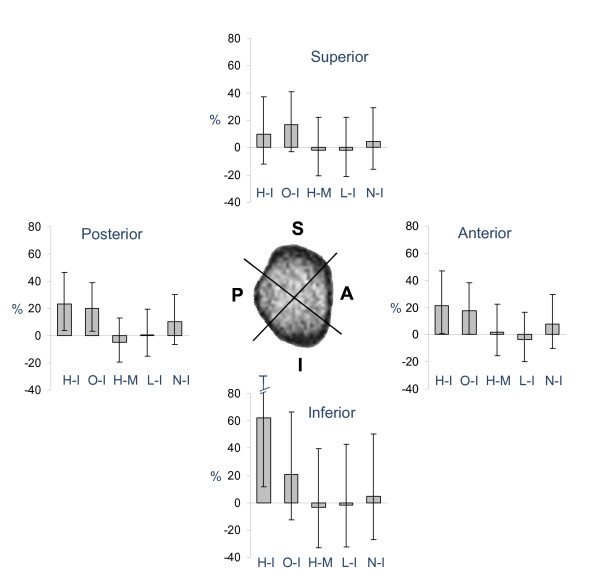
“This region is clinically relevant as: (1) it is exposed to greatest stress/strain during impact from a fall onto the greater trochanter; (2) femoral neck fractures appear to initiate in the region during a sideways fall;((13,14)) (3) the region experiences greater bone loss during aging compared with the more preserv…”
BackgroundDror, N., Carbone, J., Haddad, F., Falk, B., Klentrou, P., & Radom‐Aizik, S. (2021) · Journal of Endocrinological Investigation · doi:10.1007/s40618-021-01659-5 · Cited by 24
“Bone is a living dynamic tissue that adapts to mechanical stresses, such as exercise [1].”
BackgroundEbeling, P. R., Daly, R. M., Kerr, D. A., & Kimlin, M. G. (2013) · The Medical Journal of Australia · doi:10.5694/mjao12.11363 · Cited by 33
Self-citationSite-Specific Variance in Radius and Tibia Bone Strength as Determined by Muscle Size and Body Mass
Frank-Wilson, A. W., Labas, M. C., Johnston, J. D., & Kontulainen, S. A. (2011) · Physiotherapy Canada · doi:10.3138/ptc.2010-40bh · Cited by 23
Femoral neck cross‐sectional geometry and exercise loading
Narra, N., Nikander, R., Viik, J., Hyttinen, J., & Sievänen, H. T. (2013) · Clinical Physiology and Functional Imaging · doi:10.1111/cpf.12022 · Cited by 24
“The effect of exercise in countering the influence of natural ageing or endocrine changes on bone loss and deterioration of bone structure is well established (Nikander et al., 2010b).”
BackgroundSelf-citationVehmanen, L., Sievänen, H. T., Kellokumpu‐Lehtinen, P., Nikander, R., Huovinen, R., Ruohola, J. K., Penttinen, H., Utriainen, M., Tokola, K., BLOMQVIST, C. P., et al. (2020) · Osteoporosis International · doi:10.1007/s00198-020-05611-w · Cited by 23
“Improved physical and neuromuscular performance may translate into more intensive movements and higher ground impacts that are characteristic to osteogenic physical loading [14].”
BackgroundSelf-citationOkubo, R., Sanada, L. S., Castania, V., Louzada, M. J. Q., de Paula, F. J. A., Maffulli, N., & Shimano, A. C. (2017) · Osteoporosis International · doi:10.1007/s00198-017-3905-7 · Cited by 23
Ha, A. S. C., & Ng, J. Y. Y. (2017) · PLoS ONE · doi:10.1371/journal.pone.0189085 · Cited by 22
Silk, L., Greene, D., Baker, M. K., & Jander, C. B. (2015) · Bone · doi:10.1016/j.bone.2015.09.004 · Cited by 23
“Despite no evidence of greater strength strain index in the supplemented group, it is plausible that an insufficient intervention period restricted improvements in bone strength [26].”
BackgroundPhysical Performance Variables and Bone Parameters in a Group of Young Overweight and Obese Women
Berro, A.-J., Rassy, N., Ahmaïdi, S., Sabbagh, P., Khawaja, A., Maalouf, G., & Hage, R. E. (2018) · Journal of Clinical Densitometry · doi:10.1016/j.jocd.2018.09.008 · Cited by 22
Lower limb joint loading during high-impact activities: implication for bone health
Altai, Z., Hayford, C. F., Phillips, A., Moran, J., Zhai, X., & Liew, B. X. W. (2024) · JBMR Plus · doi:10.1093/jbmrpl/ziae119 · Cited by 26
“3,14,38 Running and hopping involve brief periods of weightlessness followed by forceful ground impacts and joint loading, inducing a more significant osteogenic response chronically over time.”
BackgroundMoreno, L. A., Ral, P. C., Anta, R. M. O., Díaz, J. J., Baladía, E., Basulto, J., Serrat, S. B., Altaba, I. I., López-Sobaler, A. M., Manera, M., et al. (2013) · Rovira & Virgili repository · doi:10.3305/nh.2013.28.6.6856 · Cited by 36
Hind, K., Gannon, L., Whatley, E., & Cooke, C. B. (2011) · Journal of Bone and Mineral Metabolism · doi:10.1007/s00774-011-0339-8 · Cited by 22
Identifying Risk Factors for Osteoporosis in Young Women
Stetzer, E. (2011) · Internet Journal of Allied Health Sciences and Practice · doi:10.46743/1540-580x/2011.1373 · Cited by 24
Bone Mineral Density of Adolescent Female Tennis Players and Nontennis Players
Ermin, K., Owens, S., Ford, M. A., & Bass, M. A. (2012) · Journal of Osteoporosis · doi:10.1155/2012/423910 · Cited by 22
“Again, in 2010, Nikander found that oddimpact exercises were significantly associated with a 20% thicker cortex around the femoral neck [24].”
BackgroundKim, S.-W., Seo, M.-W., Jung, H. C., & Song, J.-K. (2021) · Applied Sciences · doi:10.3390/app11020846 · Cited by 22
Fracture Risk and Prevention: A Multidimensional Approach
Perry, S. B., & Downey, P. A. (2011) · Physical Therapy · doi:10.2522/ptj.20100383 · Cited by 24
High-impact exercise in rats prior to and during suspension can prevent bone loss
Yanagihara, G. R., de Paiva, A. G., Gasparini, G. A., Macedo, A. P., Frighetto, P. D., Volpon, J. B., & Shimano, A. C. (2016) · Brazilian Journal of Medical and Biological Research · doi:10.1590/1414-431x20155086 · Cited by 21
“For these reasons, the effects of physical exercise on bone micro-architecture are not yet fully understood (1).”
BackgroundInfluentialSvejme, O., Ahlborg, H. G., & Karlsson, M. K. (2012) · Scandinavian Journal of Medicine and Science in Sports · doi:10.1111/j.1600-0838.2012.01504.x · Cited by 19
Babatunde, O. O., Bourton, A. L., Hind, K., Paskins, Z., & Forsyth, J. J. (2019) · Archives of Physical Medicine and Rehabilitation · doi:10.1016/j.apmr.2019.07.007 · Cited by 19
Heiniö, L., Nikander, R., & Sievänen, H. T. (2015) · Jyväskylä University Digital Archive (University of Jyväskylä) · Cited by 29
Self-citationTolonen, S., Sievänen, H. T., Mikkilä, V., Telama, R., Oikonen, M., Laaksonen, M., Viikari, J. S. A., Kähönen, M. A. P., & Raitakari, O. T. (2015) · Bone · doi:10.1016/j.bone.2015.02.012 · Cited by 19
Self-citationTorró-Ferrero, G., Fernández‐Rego, F. J., Jiménez-Liria, M. R., Arenas, J. J. A., Piñero, J., Sánchez‐Joya, M. D. M., Fernández-Berenguer, M. J., Rodríguez‐Pérez, M., & Gómez‐Conesa, A. (2022) · BMC Pediatrics · doi:10.1186/s12887-022-03402-2 · Cited by 22
“For the treatment and prevention of osteopenia in preterm infants, physiotherapy modalities have shown favourable results when applying passive movements with gentle compression [9], based on the fact that mechanical loading on bones and joints stimulates bone formation and growth [10].”
BackgroundActive Aging and Smart Public Parks
Boavida, J., Ayanoğlu, H., Pereira, C. V., & Hernández-Ramírez, R. (2023) · Geriatrics · doi:10.3390/geriatrics8050094 · Cited by 22
“Moreover, a lack of exercise can exacerbate osteoporosis, a condition characterized by reduced bone density and an increased susceptibility to fractures, emphasizing the importance of physical activity in maintaining bone health among older adults [39,40].”
BackgroundYarrow, J. F., McCoy, S. C., Ferreira, J. A., Pingel, J. E., Conrad, B. P., Wronski, T. J., Williams, A. A., Borst, S. E., & Brown, M. (2012) · Menopause The Journal of The North American Menopause Society · doi:10.1097/gme.0b013e318255657f · Cited by 18
Dietary patterns are associated with physical growth among school girls aged 9-11 years
Noh, H., Song, Y., Lee, J. E., Joung, H., Park, M. K., Li, S. J., & Paik, H. Y. (2011) · Nutrition Research and Practice · doi:10.4162/nrp.2011.5.6.569 · Cited by 20
“Several epidemiological studies suggest that bone mineral accretion or overall growth in childhood may be crucial for bone density and structural strength of bone in adults [35,36] and associated with a fracture risk later in life [14].”
BackgroundProceedings of the 2018 Santa Fe Bone Symposium: Advances in the Management of Osteoporosis
Lewiecki, E. M., Bilezikian, J. P., Giangregorio, L., Greenspan, S. L., Khosla, S., Kostenuik, P. J., Krohn, K., McClung, M. R., Miller, P. D., & Pacifici, R. (2018) · Journal of Clinical Densitometry · doi:10.1016/j.jocd.2018.09.010 · Cited by 21
Ng, C., McMillan, L. B., Beck, B. R., Humbert, L., Ebeling, P. R., & Scott, D. S. (2019) · Osteoporosis International · doi:10.1007/s00198-019-05208-y · Cited by 18
“The structural adaptation in cortical bone to loading in adults could be explained by reduced endocortical bone loss or increased tissue density [36, 38].”
BackgroundJazinizadeh, F., Mohammadi, H., & Quenneville, C. E. (2019) · Journal of the mechanical behavior of biomedical materials/Journal of mechanical behavior of biomedical materials · doi:10.1016/j.jmbbm.2019.103593 · Cited by 18
Janicijevic, D. N., González-Hernández, J. M., Gu, Y., & García‐Ramos, A. (2020) · Journal of Sports Sciences · doi:10.1080/02640414.2020.1734299 · Cited by 20
“Well-designed resistance training programmes lead to specific structural and functional changes of the neuromuscular system, which may be beneficial for improving both quality of life and athletic performance (Nikander et al., 2010; Suchomel, Nimphius, & Stone, 2016).”
BackgroundSuominen, T. H., Alén, M., Törmäkangas, T., Degens, H., Rittweger, J., Heinonen, A., Suominen, H., & Korhonen, M. T. (2021) · JBMR Plus · doi:10.1002/jbm4.10513 · Cited by 17
“The number of trials focusing on bone structure and strength among aging people is, however, limited, and studies have reported conflicting results,((38,39)) possibly owing to short training periods and/or less-intensive training regimens.”
BackgroundSelf-citationExercise Protects Bone after Stroke, or Does It? A Narrative Review of the Evidence
Borschmann, K. (2011) · Stroke Research and Treatment · doi:10.1155/2012/103697 · Cited by 22
“Evidence supports the role of targeted physical activity for maintaining or improving BMD in healthy women and men aged over 60 years, in whom bone loss is occurring [25, 33].”
BackgroundCellular and Molecular Mechanotransduction in Bone
Chen, J. C., Castillo, A. B., & Jacobs, C. R. (2013) · Elsevier eBooks · doi:10.1016/b978-0-12-415853-5.00020-0 · Cited by 22
Einfluss von körperlicher Aktivität und Sport auf die Knochengesundheit im Lebenslauf: Ein Überblick
Herrmann, D., Hebestreit, A., & Ahrens, W. (2011) · Bundesgesundheitsblatt - Gesundheitsforschung - Gesundheitsschutz · doi:10.1007/s00103-011-1393-z · Cited by 22
Exercise and physical therapy help restore body and self in clients with severe anorexia nervosa
Kolnes, L.-J. (2016) · Journal of Bodywork and Movement Therapies · doi:10.1016/j.jbmt.2016.09.005 · Cited by 21
“…of diverse and regular moderate to high–impact weight-bearing activities seems to improve bone structure and strength in normal weight individuals (Nikander et al., 2010), large amounts of moderate loading exercise seem to be negatively associated with bone mineral density in individuals with…”
The Role of Exercise on Fracture Reduction and Bone Strengthening
KEMMLER, W. K., & von Stengel, S. (2018) · Elsevier eBooks · doi:10.1016/b978-0-12-814593-7.00020-7 · Cited by 28
Huang, T. M., Zhao, G., Tan, H., Hua, W., Fu, J., Sun, S., Lv, W., He, Z., Hu, Q., & Quan, M. (2021) · Frontiers in Pediatrics · doi:10.3389/fped.2021.720830 · Cited by 19
“Physical activity (PA) is a key factor in children's physical and mental health development [1–3], playing a crucial role in bone development [4, 5], motor ability development [6], and self-esteem cultivation [7, 8].”
BackgroundLee, J., Ha, A. W., Kim, W. K., & Kim, S. H. (2021) · Nutrients · doi:10.3390/nu13030731 · Cited by 20
Effects of Different Types of Mechanical Loading on Trabecular Bone Microarchitecture in Rats
Ju, Y.-I., & Sone, T. (2021) · Journal of Bone Metabolism · doi:10.11005/jbm.2021.28.4.253 · Cited by 16
“Jumping exercise is the most effective physical activity to provoke an osteogenic response due to the high tension and deformity applied to the skeleton.[50,51] Upward jumping in the form of vertical jumps from the bottom to the top of a board, without GRF on landing, is widely applied as a highimpact loading protocol…”
Background
Metadata
- Authors
- Nikander, R., Sievänen, H., Heinonen, A., Daly, R. M., Uusi-Rasi, K., & Kannus, P.
- Affiliations
- The University of Melbourne (AU)
- Tampere University Hospital (FI)
- University of Jyväskylä (FI)
- Tampere University (FI)
- Corresponding author
- Nikander, Riku
- Venue
- BMC Medicine
- Published
- 2010-07-21
- Volume
- 8
- Issue
- 1
- Pages
- 47-47
- ISSN
- 1741-7015 (ISSN-L)
- PMC
- PMC2918523
- OpenAlex
- W2159262419
- Cited by
- 479
- References
- 74
- Citations by year
- 2026: 19 · 2025: 23 · 2024: 18 · 2023: 29 · 2022: 30 · 2021: 32 · 2020: 40 · 2019: 31 · 2018: 30 · 2017: 43 · 2016: 25 · 2015: 23 · 2014: 29 · 2013: 33 · 2012: 29
- FWCI
- 5.41
- Type
- journal article
- Language
- en
- Open access
- gold
- doi.org
- Licence
- Locations
- BMC Medicine (publishedVersion, cc-by)
- PubMed Central (publishedVersion, cc-by)
- PubMed (publishedVersion)
- Tampere University Institutional Repository (Tampere University) (publishedVersion)
- Jyväskylä University Digital Archive (University of Jyväskylä) (acceptedVersion, cc-by)
- Minerva Access (University of Melbourne) (submittedVersion, cc-by)
- Tampere University Institutional Repository (Tampere University) (submittedVersion)
- DOAJ (DOAJ: Directory of Open Access Journals) (submittedVersion, cc-by-sa)
- Funders
- National Health and Medical Research Council (425849)
- Topics
- Health Sciences › Medicine › Orthopedics and Sports Medicine › Bone health and osteoporosis research
- Health Sciences › Medicine › Public Health, Environmental and Occupational Health › Physical Activity and Health
- Health Sciences › Health Professions › Physical Therapy, Sports Therapy and Rehabilitation › Balance, Gait, and Falls Prevention
- Keywords
- osteoporosis, exercise training, bone strength, weight-bearing exercise, lower extremity bones, children, adolescents, puberty, premenopausal women, postmenopausal women, fragility fractures, fall prevention, bone mineral density, exercise adherence, training dose, sex differences, age differences, sedentary lifestyle
- MeSH terms
- Bone and Bones, Exercise Therapy, Female, Humans, Male, Osteoporosis
About these checks
Registry, retraction, Cites and statistics results are computed, not judged, with one exception: a printed reference that no index lists is read once by a model before it counts as a citation error. Claims are extracted by a model and kept only when their quote appears verbatim in the text; each cited source is then checked, with a model’s help, for whether it says what the claim relies on. Those verdicts can be wrong — read the claim’s quote and the cited source before relying on one.
Statistics and arithmetic are recomputed, not judged.
Confidence bands are shown only for fields calibrated on our annotated test set. None is calibrated yet, so no band is shown.
What counts as a claim ›How we measure confidence ›How we check this ›
Are you an author, or do you see a problem with this page? Request a review
Data sources
Bibliographic data: Semantic Scholar, OpenAlex, Crossref.
Contains information from the Semantic Scholar Academic Graph Datasets, made available under the ODC Attribution License (ODC-BY 1.0).
Semantic Scholar’s data is described in: Kinney, R., et al. (2023). The Semantic Scholar Open Data Platform. arXiv:2301.10140.
