

Targeted exercise against osteoporosis: A systematic review and meta-analysis for optimising bone strength throughout life
Open accessThe DOI matches its Crossref record; 75 of the 75 references it cites were found in a registry or an index.
Abstract
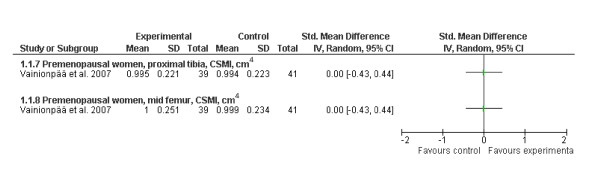
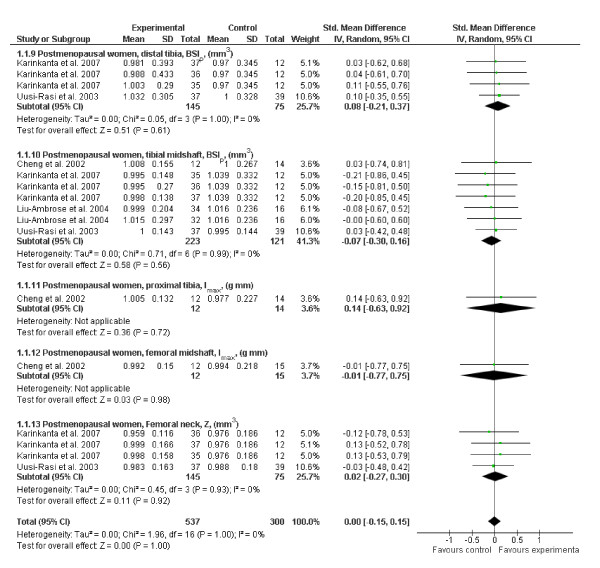
BACKGROUND: Exercise is widely recommended to reduce osteoporosis, falls and related fragility fractures, but its effect on whole bone strength has remained inconclusive. The primary purpose of this systematic review and meta-analysis was to evaluate the effects of long-term supervised exercise (> or =6 months) on estimates of lower-extremity bone strength from childhood to older age. METHODS: We searched four databases (PubMed, Sport Discus, Physical Education Index, and Embase) up to October 2009 and included 10 randomised controlled trials (RCTs) that assessed the effects of exercise training on whole bone strength. We analysed the results by age groups (childhood, adolescence, and young and older adulthood) and compared the changes to habitually active or sedentary controls. To calculate standardized mean differences (SMD; effect size), we used the follow-up values of bone strength measures adjusted for baseline bone values. An inverse variance-weighted random-effects model was used to pool the results across studies. RESULTS: Our quality analysis revealed that exercise regimens were heterogeneous; some trials were short in duration and small in sample size, and the weekly training doses varied considerably between trials. We found a small and significant exercise effect among pre- and early pubertal boys [SMD, effect size, 0.17 (95% CI, 0.02-0.32)], but not among pubertal girls [-0.01 (-0.18 to 0.17)], adolescent boys [0.10 (-0.75 to 0.95)], adolescent girls [0.21 (-0.53 to 0.97)], premenopausal women [0.00 (-0.43 to 0.44)] or postmenopausal women [0.00 (-0.15 to 0.15)]. Evidence based on per-protocol analyses of individual trials in children and adolescents indicated that programmes incorporating regular weight-bearing exercise can result in 1% to 8% improvements in bone strength at the loaded skeletal sites. In premenopausal women with high exercise compliance, improvements ranging from 0.5% to 2.5% have been reported. CONCLUSIONS: The findings from our meta-analysis of RCTs indicate that exercise can significantly enhance bone strength at loaded sites in children but not in adults. Since few RCTs were conducted to investigate exercise effects on bone strength, there is still a need for further well-designed, long-term RCTs with adequate sample sizes to quantify the effects of exercise on whole bone strength and its structural determinants throughout life.
Overview
The claims and statistics of this paper haven’t been checked yet.
Free: it reads the open-access text and checks the first 5 claims that cite a source we can check. Create a free account to check every claim.
Integrity signals
Registry
Cites
Statistics
Figures
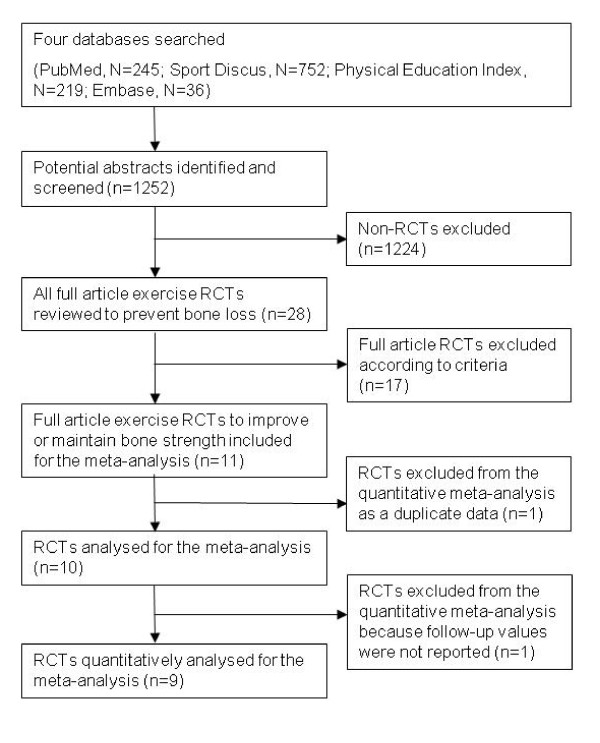
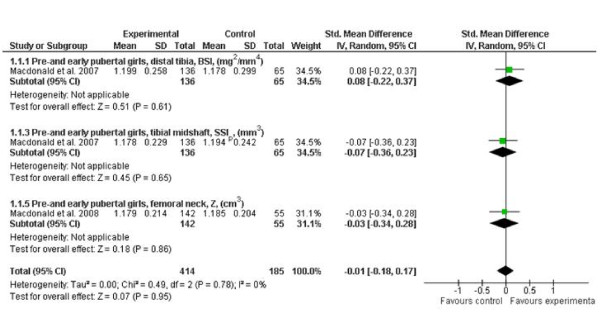
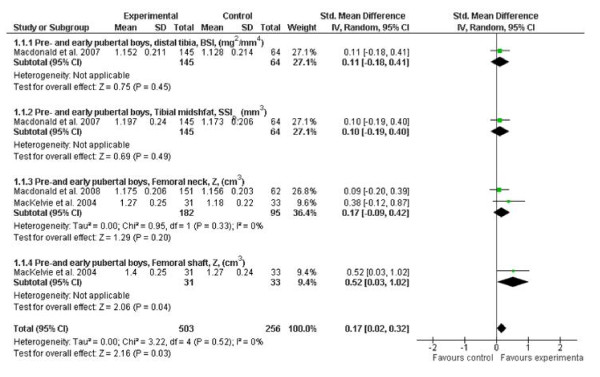
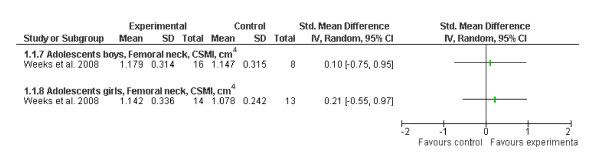
Verification
Claims the paper makes
The claims and statistics of this paper haven’t been checked yet.
Free: it reads the open-access text and checks the first 5 claims that cite a source we can check. Create a free account to check every claim.
Claims other papers make about this one
Each is checked against this paper’s own text: does it say what the citing paper says it does?
In the citing paper
“It is also important in musculoskeletal health, maintaining bone and skeletal muscle mass as well as attenuating the major features of ageing.10,11”
From Reduced physical activity in young and older adults: Metabolic and musculoskeletal implications (2019) · cites this paper as [10]
In the citing paper
“The number of trials focusing on bone structure and strength among aging people is, however, limited, and studies have reported conflicting results,( 38 , 39 ) possibly owing to short training periods and/or less‐intensive training regimens.”
From Regular Strength and Sprint Training Counteracts Bone Aging: A 10‐Year Follow‐Up in Male Masters Athletes (2021) · cites this paper as [38]
Self-check
Percentages, sums and reported differences re-computed from the paper’s own numbers.
The self-check needs the paper’s full text.
Citations
Cites
Cochrane Handbook for Systematic Reviews of Interventions: Cochrane Book Series
(2008) · doi:10.1002/9780470712184 · Cited by 25,048
Epidemiology and outcomes of osteoporotic fractures
Cummings, S. R., & Melton, L. J. (2002) · The Lancet · doi:10.1016/s0140-6736(02)08657-9 · Cited by 3,821
Bone Quality — The Material and Structural Basis of Bone Strength and Fragility
Seeman, E., & Delmas, P. D. (2006) · New England Journal of Medicine · doi:10.1056/nejmra053077 · Cited by 2,080 · cited 1×
“Overall, it is clear from this review that further adequately powered and long-term (>2 years) intervention trials are needed, particularly in adults, because changes in bone structural properties are reportedly small throughout adult life [42].”
BackgroundA reference standard for the description of osteoporosis
Kanis, J. A., McCloskey, E. V., Johansson, H., Oden, A., Melton, L. J., & Khaltaev, N. (2008) · Bone · doi:10.1016/j.bone.2007.11.001 · Cited by 1,234 · cited 1×
“Despite reports that BMD is a good predictor of population fracture risk [6], current research indicates that up to 80% of all low-trauma fractures occur in individuals who are not osteoporotic but have normal or somewhat reduced BMD, i.”
BackgroundExercise for preventing and treating osteoporosis in postmenopausal women
Howe, T. E., Shea, B., Dawson, L. J., Downie, F., Murray, A., Ross, C., Harbour, R. T., Caldwell, L. M., & Creed, G. (2011) · Cochrane Database of Systematic Reviews · doi:10.1002/14651858.cd000333.pub2 · Cited by 1,083
Kannus, P., Haapasalo, H., Sankelo, M., Sievanen, H., Pasanen, M., Heinonen, A., Oja, P., & Vuori, I. (1995) · Annals of Internal Medicine · doi:10.7326/0003-4819-123-1-199507010-00003 · Cited by 757 · cited 2×
“We included studies from the prepubertal period (≥6 to 10 years of age) to older age (≥50) and analysed the results by age groups (childhood, adolescence, adulthood and older adulthood) to reduce the clinical heterogeneity since the effects of exercise on bone strength is an age- and maturity- dependent phenomenon [12…”
BackgroundSelf-citationWolff, I., van Croonenborg, J. J., Kemper, H. C. G., Kostense, P. J., & Twisk, J. W. R. (1999) · Osteoporosis International · doi:10.1007/s001980050109 · Cited by 589 · cited 3×
“In postmenopausal women, there are mixed results from several meta-analyses reviewing the effects of aerobic training, weight-bearing impact exercise, resistance training or their combination on BMD [26,28,29,31-36].”
BackgroundResultHind, K., & Burrows, M. (2007) · Bone · doi:10.1016/j.bone.2006.07.006 · Cited by 543
Haapasalo, H., Kontulainen, S., Sievänen, H., Kannus, P., Järvinen, M., & Vuori, I. (2000) · Bone · doi:10.1016/s8756-3282(00)00331-8 · Cited by 502 · cited 2×
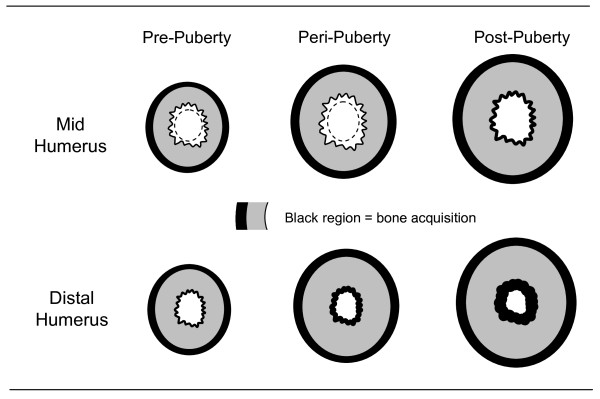
“For example, in the prepubertal players, loading resulted in increased expansion at the midhumerus but no change or endocortical apposition at the distal humerus [44-47].”
BackgroundSelf-citationWalking and Leisure-Time Activity and Risk of Hip Fracture in Postmenopausal Women
Feskanich, D. (2002) · JAMA · doi:10.1001/jama.288.18.2300 · Cited by 501 · cited 1×
“However, epidemiological evidence suggests that moderate to vigorous physical activity performed three to four times per week is associated with considerably lower incidence of fragility fractures in both women and men [70,71].”
Background
Research works printed but not linked: 1
- US Department of Health and Human Services Bone Health and Osteoporosis: A Report of the Surgeon General Rockville, MD, US Department of Health and Human Services, Office of the Surgeon General 2004
Cited by
Exercise as medicine - evidence for prescribing exercise as therapy in 26 different chronic diseases
Pedersen, B. K., & Saltin, B. (2015) · Scandinavian Journal of Medicine & Science in Sports · doi:10.1111/sms.12581 · Cited by 3,514
“A 2010 meta-analysis found evidence that weightbearing physical activity increases bone strength in children, but found insufficient evidence for the same effect in adults (Nikander et al., 2010).”
BackgroundWeaver, C. M., Gordon, C. M., Janz, K. F., Kalkwarf, H. J., Lappe, J. M., Lewis, R., O’Karma, M., Wallace, T. C., & Zemel, B. S. (2016) · Osteoporosis International · doi:10.1007/s00198-015-3440-3 · Cited by 1,378
Exercise for preventing and treating osteoporosis in postmenopausal women
Howe, T. E., Shea, B., Dawson, L. J., Downie, F., Murray, A., Ross, C., Harbour, R. T., Caldwell, L. M., & Creed, G. (2011) · Cochrane Database of Systematic Reviews · doi:10.1002/14651858.cd000333.pub2 · Cited by 1,083
Role of Inactivity in Chronic Diseases: Evolutionary Insight and Pathophysiological Mechanisms
Booth, F. W., Roberts, C. K., Thyfault, J. P., Ruegsegger, G. N., & Toedebusch, R. G. (2017) · Physiological Reviews · doi:10.1152/physrev.00019.2016 · Cited by 696
Rodrigues, I. B., Adachi, J. D., Beattie, K. A., & MacDermid, J. C. (2017) · BMC Musculoskeletal Disorders · doi:10.1186/s12891-017-1914-5 · Cited by 440
“(BMD) loss has been explored extensively in the literature over the past two decades [2, 4, 6].”
Mechanical basis of bone strength: influence of bone material, bone structure and muscle action.
Hart, N. H., Nimphius, S., Rantalainen, T., Ireland, A., Siafarikas, A., & Newton, R. U. (2017) · PubMed Central · Cited by 690
Pinheiro, M. B., Oliveira, J., Bauman, A., Fairhall, N., Kwok, W., & Sherrington, C. (2020) · International Journal of Behavioral Nutrition and Physical Activity · doi:10.1186/s12966-020-01040-4 · Cited by 431
The Effectiveness of Physical Exercise on Bone Density in Osteoporotic Patients
Benedetti, M. G., Furlini, G., Zati, A., & Letizia Mauro, G. (2018) · BioMed Research International · doi:10.1155/2018/4840531 · Cited by 395
“[6] reports in postmenopausal women different results about the effects of the exercise.”
BackgroundResultInfluentialEffects of Training on Bone Mass in Older Adults: A Systematic Review
Gómez-Cabello, A., Ara, I., González-Agüero, A., Casajús, J. A., & Vicente-Rodríguez, G. (2012) · Sports Medicine · doi:10.2165/11597670-000000000-00000 · Cited by 336
Rizzoli, R., Stevenson, J. C., Bauer, J. M., van Loon, L. J. C., Walrand, S., Kanis, J. A., Cooper, C., Brandi, M.-L., Diez-Perez, A., & Reginster, J.-Y. (2014) · Maturitas · doi:10.1016/j.maturitas.2014.07.005 · Cited by 291
Reduced physical activity in young and older adults: Metabolic and musculoskeletal implications
Bowden Davies, K. A., Pickles, S., Sprung, V. S., Kemp, G. J., Alam, U., Moore, D. R., Tahrani, A. A., & Cuthbertson, D. J. (2019) · Therapeutic Advances in Endocrinology and Metabolism · doi:10.1177/2042018819888824 · Cited by 278
Physical Activity in Childhood May Be the Key to Optimizing Lifespan Skeletal Health
Gunter, K. B., Almstedt, H. C., & Janz, K. F. (2012) · Exercise and Sport Sciences Reviews · doi:10.1097/jes.0b013e318236e5ee · Cited by 270
“Based on our work (9–11, 16– 18 ) and that of others ( 28, 34 ) , we Interventions utilizing high impact exercises (with GRFs > 3.5 times BW) show significant skeletal benefits when the exercise stimulus is delivered for a sufficient length of time (8, 9, 29).”
InfluentialPhysical activity when young provides lifelong benefits to cortical bone size and strength in men
Warden, S. J., Mantila Roosa, S. M., Kersh, M. E., Hurd, A. L., Fleisig, G. S., Pandy, M. G., & Fuchs, R. K. (2014) · Proceedings of the National Academy of Sciences · doi:10.1073/pnas.1321605111 · Cited by 235
“These data indicate that physical activity conveys ongoing benefits by reducing structural decay, furthering evidence of the benefits in bone strength conferred by physical activity during aging (30).”
BackgroundTan, V. P., Macdonald, H. M., Kim, S., Nettlefold, L., Gabel, L., Ashe, M. C., & McKay, H. A. (2014) · Journal of Bone and Mineral Research · doi:10.1002/jbmr.2254 · Cited by 240
“Nikander and colleagues((25)) recently conducted a systematic review that focused on the effect of targeted exercise regimens on bone strength across childhood, adulthood, and later adult life.”
BackgroundInfluentialGiangregorio, L. M., Papaioannou, A., MacIntyre, N. J., Ashe, M. C., Heinonen, A., Shipp, K., Wark, J., McGill, S., Keller, H., Jain, R., et al. (2014) · Osteoporosis International · doi:10.1007/s00198-013-2523-2 · Cited by 249
Self-citationThe effect of physical exercise on bone density in middle-aged and older men: A systematic review
Bolam, K. A., van Uffelen, J. G. Z., & Taaffe, D. R. (2013) · Osteoporosis International · doi:10.1007/s00198-013-2346-1 · Cited by 158
“To date, the effects of exercise on the skeleton have been examined predominantly in preand post-menopausal women [10-17] due to the higher rates of osteoporosis in women than in men.”
BackgroundBehringer, M., Gruetzner, S., McCourt, M., & Mester, J. (2014) · Journal of Bone and Mineral Research · doi:10.1002/jbmr.2036 · Cited by 193
“To our knowledge, the only other meta‐analysis concerning exercise induced bone mineral accrual during childhood and adolescents was published in 2010 by Nikander and colleagues.((53)) Rather than focus on BMC and aBMD as in the present meta‐analysis, Nikander and colleagues((53)) focused on bone strength (defined as…”
BackgroundResultInfluentialExercise Early and Often: Effects of Physical Activity and Exercise on Women’s Bone Health
Troy, K. L., Mancuso, M. E., Butler, T. A., & Johnson, J. E. (2018) · International Journal of Environmental Research and Public Health · doi:10.3390/ijerph15050878 · Cited by 185
Xu, J., Lombardi, G., Jiao, W., & Banfi, G. (2016) · Sports Medicine · doi:10.1007/s40279-016-0494-0 · Cited by 181
Musculoskeletal Asymmetry in Football Athletes: A Product of Limb Function over Time
Hart, N. H., Nimphius, S., Weber, J. A., Spiteri, T., Rantalainen, T., Dobbin, M., & Newton, R. U. (2016) · Medicine & Science in Sports & Exercise · doi:10.1249/mss.0000000000000897 · Cited by 178
“Morphological adaptations respond differently to varying combinations of muscular, impact, and gravitational forces (6,11,22,29,43).”
BackgroundMountjoy, M., Andersen, L. B., Armstrong, N., Biddle, S., Boreham, C., Bedenbeck, H.-P. B., Ekelund, U., Engebretsen, L., Hardman, K., Hills, A., et al. (2011) · British Journal of Sports Medicine · doi:10.1136/bjsports-2011-090228 · Cited by 151
(2020) · PubMed
Kukuljan, S., Nowson, C. A., Sanders, K. M., Nicholson, G. C., Seibel, M. J., Salmon, J., & Daly, R. M. (2011) · The Journal of Clinical Endocrinology & Metabolism · doi:10.1210/jc.2010-2284 · Cited by 116
Self-citationAllison, S. J., Folland, J. P., Rennie, W. J., Summers, G. D., & Brooke-Wavell, K. (2013) · Bone · doi:10.1016/j.bone.2012.12.045 · Cited by 98
“In children and young adults, high impact jumping exercises that exert a high magnitude of loading at the hip have produced the greatest increases in femoral neck BMD [6].”
BackgroundChanges in physical activity over the lifespan: impact on body composition and sarcopenic obesity
Westerterp, K. R. (2018) · Obesity Reviews · doi:10.1111/obr.12781 · Cited by 118
“However, randomized controlled trials indicate that the greatest exercise effects, especially on bone strength, occur prior to and early in puberty (8).”
BackgroundGabel, L., MACDONALD, H. M., Nettlefold, L., & McKay, H. A. (2017) · Journal of Bone and Mineral Research · doi:10.1002/jbmr.3115 · Cited by 141
“Physical activity (PA) and weight-bearing exercise are essential to develop and maintain a healthy skeleton.((1,2)) In particular, there is strong evidence to suggest that the critical period of pre- and early puberty may provide a “window of opportunity” when skeletal benefits of weight-bearing PA can be optimized.”
BackgroundGualano, B., Macedo, A. R., Alves, C. R. R., Roschel, H., Benatti, F. B., Takayama, L., de Sá Pinto, A. L., Lima, F. R., & Pereira, R. M. R. (2014) · Experimental Gerontology · doi:10.1016/j.exger.2014.02.003 · Cited by 123
“First, it has been shown that exercise training can increase bone mineral density in both adolescents and young adults, but not in post-menopausal women, suggesting that exercise is less effective in conditions characterized by low bone mass (Nikander et al., 2010).”
BackgroundPhysical activity in childhood and bone health
Boreham, C. A. G., & McKay, H. A. (2011) · British Journal of Sports Medicine · doi:10.1136/bjsports-2011-090188 · Cited by 123
“Thus, with the projected increase in the proportions of older adults in western societies, the rising costs of healthcare related to fracture is also projected to increase substantially in the next two decades. Therefore, it comes as no surprise that there is substantial interest in identifying innovative models to pr…”
BackgroundKelley, G. A., Kelley, K. S., & Kohrt, W. M. (2013) · International Journal of Endocrinology · doi:10.1155/2013/741639 · Cited by 109
“However, a recent systematic review with meta-analysis was only able to locate one randomized controlled trial addressing the effects of exercise on bone outcomes other than BMD (bone strength index, stress-strain index,maximal moment of inertia, cross-sectional moment of inertia, and section moduli) in premenopausal…”
BackgroundZhao, R., Zhao, M., & Zhang, L. (2014) · Sports Medicine · doi:10.1007/s40279-014-0220-8 · Cited by 123
“Recent data have suggested that BMD and the geometrical adaption of bone to mechanical loading vary by age, skeletal site, and sex [28].”
BackgroundUpper Limb Muscle–Bone Asymmetries and Bone Adaptation in Elite Youth Tennis Players
IRELAND, A., MADEN-WILKINSON, T., MCPHEE, J., COOKE, K., NARICI, M., DEGENS, H., & RITTWEGER, J. (2013) · Medicine & Science in Sports & Exercise · doi:10.1249/mss.0b013e31828f882f · Cited by 104
Prescribing Physical Activity for the Prevention and Treatment of Osteoporosis in Older Adults
McMillan, L. B., Zengin, A., Ebeling, P. R., & Scott, D. S. (2017) · Healthcare · doi:10.3390/healthcare5040085 · Cited by 122
Rodrigues, I. B., Armstrong, J. J., Adachi, J. D., & MacDermid, J. C. (2017) · Osteoporosis International · doi:10.1007/s00198-016-3793-2 · Cited by 108
Weaver, C. M., Gordon, C. M., Janz, K. F., Kalkwarf, H. J., Lappe, J. M., Lewis, R., O’Karma, M., Wallace, T. C., & Zemel, B. S. (2016) · Osteoporosis International · doi:10.1007/s00198-016-3551-5 · Cited by 98
Polidoulis, I., Beyene, J., & Cheung, A. M. (2012) · Osteoporosis International · doi:10.1007/s00198-011-1734-7 · Cited by 102
“who performed a systematic review and meta-analysis of all age groups [25].”
BackgroundMethodA meta-analysis of brief high-impact exercises for enhancing bone health in premenopausal women
Babatunde, O. O., Forsyth, J. J., & Gidlow, C. J. (2011) · Osteoporosis International · doi:10.1007/s00198-011-1801-0 · Cited by 105
“[32] does not seem to be entirely load dependent.”
BackgroundDaly, R. M., Gianoudis, J., Kersh, M. E., Bailey, C. A., Ebeling, P. R., Krug, R., Nowson, C. A., Hill, K., & Sanders, K. M. (2020) · Journal of Bone and Mineral Research · doi:10.1002/jbmr.3865 · Cited by 88
Self-citationEbeling, P. R., Daly, R. M., Kerr, D. A., & Kimlin, M. G. (2013) · The Medical Journal of Australia · doi:10.5694/j.1326-5377.2013.tb04225.x · Cited by 94
Self-citationSaarto, T. H., Sievänen, H. T., Kellokumpu‐Lehtinen, P., Nikander, R., Vehmanen, L., Huovinen, R., Kautiainen, H., Järvenpää, S. K., Penttinen, H., Utriainen, M., et al. (2011) · Osteoporosis International · doi:10.1007/s00198-011-1761-4 · Cited by 110
“Both supervised training sessions and home training (see below) included typically tens of jumpinduced impacts with the magnitude of four times of body weight (4×BW) or more indicating osteogenic potential for these exercises [12, 22, 23].”
Self-citationMiddleton, K., Al‐Dujaili, S. A., Mei, X., Günther, A., & You, L. (2017) · Journal of Biomechanics · doi:10.1016/j.jbiomech.2017.05.012 · Cited by 97
“One common clinical intervention for these disorders is stimulating bone through exercise (Beaton et al., 2009; Nikander et al., 2010).”
Backgroundde Lamas, C., de Castro, M. J., Gil‐Campos, M., Gil, Á., Couce, M. L., & Leis, R. (2018) · Advances in Nutrition · doi:10.1093/advances/nmy096 · Cited by 88
Şen, E. İ., Esmaeilzadeh, S., & Eskiyurt, N. (2020) · Journal of Bone and Mineral Metabolism · doi:10.1007/s00774-019-01072-2 · Cited by 93
The multi-faceted nature of age-associated osteoporosis
Smit, A. E., Meijer, O. C., & Winter, E. M. (2024) · Bone Reports · doi:10.1016/j.bonr.2024.101750 · Cited by 94
“Accordingly, low-intensity exercises, such as walking, are shown not to improve BMD in older individuals (Ma et al., 2013; Nikander et al., 2010).”
BackgroundBouchard, C., Antunes-Correa, L. M., Ashley, E. A., Franklin, N., Hwang, P. M., Mattsson, C. M., Negrao, C. E., Phillips, S. A., Sarzynski, M. A., Wang, P.-Y., et al. (2015) · Progress in Cardiovascular Diseases · doi:10.1016/j.pcad.2014.08.005 · Cited by 79
Nutritional Support and Physical Modalities for People with Osteoporosis: Current Opinion
Chen, L.-R., Hou, P.-H., & Chen, K.-H. (2019) · Nutrients · doi:10.3390/nu11122848 · Cited by 90
“For women after the menopause, raising their level of metabolism prevented bones from developing osteoporosis, even though the BMD was not significantly increased [17,54,55].”
BackgroundMultanen, J., Nieminen, M. T., HÄKKINEN, A. H., Kujala, U. M., Jämsä, T. J., Kautiainen, H., Lammentausta, E., Ahola, R., Selänne, H., Ojala, R. O., et al. (2013) · Journal of Bone and Mineral Research · doi:10.1002/jbmr.2015 · Cited by 93
“We did not find any effect of high‐impact exercise on bone mineral mass of the lumbar spine, in contrast to some studies showing a positive response to exercise at the lumbar spine among elderly women.((28,29)) However, our previous findings are more consistent with the current results, indicating no such impact exerc…”
ResultSelf-citationPregnancy-associated osteoporosis: a case-control study
Hadji, P., Boekhoff, J., Hahn, M., Hellmeyer, L., Hars, O., & Kyvernitakis, I. (2017) · Osteoporosis International · doi:10.1007/s00198-016-3897-8 · Cited by 77
“In this context, our data support the hypothesis that PAO could be associated with immobility [14, 15], treatment with heparin [16] or glucocorticoids, and coagulation disorders [17].”
BackgroundRodrigues, I. B., Adachi, J. D., BEATTIE, K. A., Lau, A. N., & MacDermid, J. C. (2019) · BMC Musculoskeletal Disorders · doi:10.1186/s12891-019-2761-3 · Cited by 82
Dumuid, D., Lewis, L. K., Olds, T., Maher, C. A., Bondarenko, C., & Norton, L. (2018) · Maturitas · doi:10.1016/j.maturitas.2018.02.003 · Cited by 81
Crupi, A. N., Nunnelee, J. S., Taylor, D. J., Thomas, A., Vit, J., Riera, C. E., Gottlieb, R. A., & Goodridge, H. S. (2018) · Aging · doi:10.18632/aging.101643 · Cited by 81
“Physical exercise is currently recognized as the most effective strategy to prevent sarcopenia and related comorbidities, such as cognitive decline, metabolic diseases, osteoporosis, and frailty [54-58].”
BackgroundAging and osteoporosis in breast and prostate cancer
Vanderwalde, A. M., & Hurria, A. (2011) · CA A Cancer Journal for Clinicians · doi:10.3322/caac.20103 · Cited by 77
“However, measures of bone strength are not uniform, and it is unclear whether they can be compared across trials.(109) Bisphosphonates Bisphosphonates are chemically stable analogs of inorganic pyrophosphate with the ability to inhibit osteoclast activity in bone.”
BackgroundFilipović, T., Lazovic, M. P., BACKOVIĆ, A. N., Filipović, A., Ignjatović, A., Dimitrijević, S., & Gopčević, K. (2021) · European Journal of Physical and Rehabilitation Medicine · doi:10.23736/s1973-9087.20.06149-3 · Cited by 80
Gut microbial alterations in arginine metabolism determine bone mechanical adaptation
Wang, D., Cai, J., Pei, Q., Yan, Z., Zhu, F., Zhao, Z., Liu, R., Guo, X., Sun, T., Liu, J., et al. (2024) · Cell Metabolism · doi:10.1016/j.cmet.2024.04.004 · Cited by 72
Duckham, R. L., Baxter-Jones, A. D., Johnston, J. D., Vatanparast, H., Cooper, D., & Kontulainen, S. (2014) · Journal of Bone and Mineral Research · doi:10.1002/jbmr.2055 · Cited by 67
“Exercise interventions have been shown to improve bone mass and strength development in a site‐specific and sex‐ specific manner in childhood and adolescence.((1,2)) Prospective observational evidence has further indicated that habitual physical activity (PA) is associated with enhanced bone mass accrual during period…”
BackgroundCampos, R. M. D. S., de Mello, M. T., Tock, L., Silva, P. L., Masquio, D. C. L., de Piano, A., Sanches, P. D. L., Carnier, J., Corgosinho, F. C., Foschini, D., et al. (2013) · The Journal of Strength and Conditioning Research · doi:10.1519/jsc.0b013e3182a996df · Cited by 69
“Regular moderate exercise training (weight bearing) during the pubertal and prepubertal stage promotes an accretion of 1–8% in the magnitude of the bone mineral density (BMD) of the skeleton, contributing to osteoporosis prevention in the later stages of life (16,29,37).”
BackgroundNilsson, M., Ohlsson, C., Odén, A., Mellström, D., & Lorentzon, M. (2012) · Journal of Bone and Mineral Research · doi:10.1002/jbmr.1549 · Cited by 64
“The skeleton in older persons seems to be less adaptive to physical activity induced mechanical loading applied to it.((10,11)) Due to methodological difficulties, no physical activity intervention studies over several years investigating the development of peak bone mass have yet been performed.”
BackgroundThe Impact of Sport Participation on Bone Mass and Geometry in Male Adolescents
VLACHOPOULOS, D., BARKER, A. R., WILLIAMS, C. A., ARNGRíMSSON, S. A., KNAPP, K. M., METCALF, B. S., FATOUROS, I. G., MORENO, L. A., & GRACIA-MARCO, L. (2017) · Medicine & Science in Sports & Exercise · doi:10.1249/mss.0000000000001091 · Cited by 50
“mass acquisition during adolescence is not only an important determinant of skeletal growth but also for reducing the risk of osteoporosis later in life (20).”
BackgroundDifferent Types of Physical Activity and Fitness and Health in Adults: An 18-Year Longitudinal Study
Schmidt, S., Tittlbach, S. A., Bös, K., & Wöll, A. (2017) · BioMed Research International · doi:10.1155/2017/1785217 · Cited by 83
Kemmler, W., Engelke, K., & von Stengel, S. (2016) · Journal of Bone and Mineral Research · doi:10.1002/jbmr.2608 · Cited by 35
“Unlike pharmacological agents, dedicated exercise protocols can affect all fracture parameters: ie, fall risk,((2)) fall impact,((3,4)) and bone strength.((5,6)) Successful exercise programs that focus on bone strength have to be conducted quite frequently((7,8)) and intensively,((9)) which may be in conflict with eme…”
BackgroundStrain energy in the femoral neck during exercise
Martelli, S., Kersh, M. E., Schache, A. G., & Pandy, M. G. (2014) · Journal of Biomechanics · doi:10.1016/j.jbiomech.2014.03.036 · Cited by 64
“Bone mineral density (BMD) remains relatively constant in response to common activities of daily living that involve low loads (Nikander et al., 2010), while activities with higher loads have been suggested to promote bone formation (Kohrt et al.”
BackgroundBone adaptation in response to treadmill exercise in young and adult mice
Gardinier, J. D., Rostami, N., Juliano, L., & Zhang, C. (2018) · Bone Reports · doi:10.1016/j.bonr.2018.01.003 · Cited by 58
“In clinical studies, adults who undertake various forms of exercise, such as running, experience little improvement in bone quality (Forwood and Burr, 1993; Nikander et al., 2010; Gutin and Kasper, 1992; Bailey and McCulloch, 1990).”
BackgroundVlachopoulos, D., BARKER, A. R., Ubago‐Guisado, E., Williams, C. A., & Gracia‐Marco, L. (2018) · Archives of Osteoporosis · doi:10.1007/s11657-018-0543-4 · Cited by 64
Detter, F., Rosengren, B. E., Dencker, M., Lorentzon, M., Nilsson, J.-Å., & Karlsson, M. K. (2014) · Journal of Bone and Mineral Research · doi:10.1002/jbmr.2168 · Cited by 57
“Some authors have, therefore, advocated the absolute need for specifically osteogenic programs with high intensity to achieve skeletal benefits.((3,4,53)) This could be problematic because an Fig.”
BackgroundFruit and vegetable intake and bone health in women aged 45 years and over: a systematic review
Hamidi, M. S., Boucher, B. A., Cheung, A. M., Beyene, J., & Shah, P. S. (2010) · Osteoporosis International · doi:10.1007/s00198-010-1510-0 · Cited by 67
“Cohort studies and randomized controlled trials (RCTs) with a follow-up of at least 6 months for BMD were included as, in the absence of disease and medications, the estimated bone remodeling cycle is 6 months, and it is unlikely that any intervention-related BMD changes happen prior to this period [27].”
BackgroundAnupama, D. S., Noronha, J. A., Acharya, K. K., Ravishankar, R., & George, A. (2020) · International Journal of Orthopaedic and Trauma Nursing · doi:10.1016/j.ijotn.2020.100796 · Cited by 67
Youssef, E., & Shanb, A. A. (2014) · Journal of Family and Community Medicine · doi:10.4103/2230-8229.142972 · Cited by 59
“The mechanical loads of weight-bearing activities are transmitted to the skeleton by muscle pull and gravitational forces where the bone cells selectively respond to different mechanical stresses to increase or decrease BMD.[6] It also suggests that weight-bearing activities have more osteogenic effect on bone than no…”
InfluentialState of the Art Review: Physical Activity and Older Adults
Macera, C. A., Cavanaugh, A. M., & Bellettiere, J. (2016) · American Journal of Lifestyle Medicine · doi:10.1177/1559827615571897 · Cited by 67
“However, although evidence exists that body-weightsupported exercise can improve BMD in select populations, the literature regarding improvements in bone density among postmenopausal women is conflicting.(46,47) High-load strength training exercise appears to be more effective in reducing bone loss in postmenopausal w…”
BackgroundAging and Mechanoadaptive Responsiveness of Bone
Javaheri, B., & Pitsillides, A. A. (2019) · Current Osteoporosis Reports · doi:10.1007/s11914-019-00553-7 · Cited by 61
Exercise, Osteoporosis, and Bone Geometry
Harding, A. T., & Beck, B. R. (2017) · Sports · doi:10.3390/sports5020029 · Cited by 68
Sundh, D., Nilsson, M., Zoulakis, M., Pasco, C., Yilmaz, M., Kazakia, G. J., Hellgren, M., & Lorentzon, M. (2018) · Journal of Bone and Mineral Research · doi:10.1002/jbmr.3431 · Cited by 61
“Such results are mainly found for young individuals, before or at the time of puberty, whereas few studies have shown significant improvements of bone mass or geometry within this time span in postmenopausal women, who are thought to adapt less than younger individuals.((33,34)) Because all parameters for bone mass an…”
Diana, A., Carlino, F., Giunta, E. F., Franzese, E., Guerrera, L. P., Lauro, V. D., Ciardiello, F., Daniele, B., & Orditura, M. (2021) · Current Treatment Options in Oncology · doi:10.1007/s11864-021-00835-2 · Cited by 59
Meyer, U., Ernst, D., Zahner, L., Schindler, C., Puder, J. J., Kraenzlin, M., Rizzoli, R., & Kriemler, S. (2013) · Bone · doi:10.1016/j.bone.2013.03.005 · Cited by 51
“Results from physical activity interventions in children aimed at increasing bonemasswere effective in increasing bonemineral content (BMC) and bone strength in the range of 1 to 8% [2,7,9].”
BackgroundMusculoskeletal effects of 5 days of bed rest with and without locomotion replacement training
Mulder, E., Clément, G., Linnarsson, D., Paloski, W. H., Wuyts, F. P., Zange, J., Frings-Meuthen, P., Johannes, B., Shushakov, V., Grunewald, M., et al. (2015) · European Journal of Applied Physiology · doi:10.1007/s00421-014-3045-0 · Cited by 53
“…Rubin and Lanyon 1987), we incorporated reactive jumps in the training protocol, as exercises with a high rate of force development (RFD) also seems to be important for bone homeostasis (Nikander et al. 2010), and reactive jumps have the highest ground reaction forces and RFD (Ebben et al. 2010).”
BackgroundMethodMilk and dairy product composition
Wijesinha‐Bettoni, R., & Burlingame, B. (2013) · Massey Research Online (Massey University) · Cited by 81
Exercise in the Older Adult: From the Sedentary Elderly to the Masters Athlete
Concannon, L. G., Grierson, M. J., & Harrast, M. A. (2012) · PM&R · doi:10.1016/j.pmrj.2012.08.007 · Cited by 68
Physical Activity and Cognitive Development: A Meta-Analysis
Jackson, W. M., Davis, N., Sands, S. A., Whittington, R. A., & Sun, L. S. (2016) · Journal of Neurosurgical Anesthesiology · doi:10.1097/ana.0000000000000349 · Cited by 43
He, N., & Ye, H. (2020) · Advances in experimental medicine and biology · doi:10.1007/978-981-15-1792-1_17 · Cited by 52
Hind, K., Gannon, L., Whatley, E., Cooke, C. B., & Truscott, J. G. (2011) · European Journal of Applied Physiology · doi:10.1007/s00421-011-2008-y · Cited by 58
“so for the regions of the hip, as described in the recent reviews of this literature (Hind and Burrows 2007, Nikander et al. 2010 ).”
BackgroundMethodBone mechanotransduction may require augmentation in order to strengthen the senescent skeleton
Srinivasan, S., Gross, T. S., & Bain, S. D. (2012) · Ageing Research Reviews · doi:10.1016/j.arr.2011.12.007 · Cited by 55
“Additionally, exercise trials in humans, particularly in the elderly, have produced extremely modest gains in bone mass and morphology, which confer minimal structural benefit (Forwood and Burr, 1993; Nikander et al., 2010).”
Rantalainen, T., Weeks, B. K., Nogueira, R. C., & Beck, B. R. (2014) · Bone · doi:10.1016/j.bone.2014.11.015 · Cited by 56
“exercise intervention) leading to bone gains [7–9].”
Stephens, N. B., Kivell, T. L., Gross, T. J., Pahr, D. H., Lazenby, R. A., Hublin, J., Hershkovitz, I., & Skinner, M. M. (2016) · American Journal of Physical Anthropology · doi:10.1002/ajpa.23061 · Cited by 57
Zadro, J. R., Shirley, D., Andrade, T. B., Scurrah, K. J., Bauman, A. E., & Ferreira, P. H. (2017) · Sports Medicine - Open · doi:10.1186/s40798-016-0073-9 · Cited by 59
“In addition, PA is used as a non-pharmacological treatment option for coronary heart disease [5], osteoporosis [6], rheumatoid arthritis [7], anxiety disorders [8], and a variety of musculoskeletal conditions, including low back pain [9].”
BackgroundStojanović, E., Radovanović, D. S., Dalbo, V. J., Jakovljevic, V. L., Ponorac, N., Agostinete, R. R., Svoboda, Z., & Scanlan, A. T. (2020) · Archives of Osteoporosis · doi:10.1007/s11657-020-00803-7 · Cited by 53
“& Exposure: experienced competitive adult athletes (> 18 years of age) or young athletes (< 18 years of age) with > 6months of training experience given exercise-induced skeletal changes typically require 6 months of training [27, 28].”
BackgroundDeterminants of Bone Outcomes in Adolescent Athletes at Baseline: The PRO-BONE Study
Vlachopoulos, D., Ubago‐Guisado, E., BARKER, A. R., Metcalf, B. S., Fatouros, I. G., Avloniti, A. A., KNAPP, K. M., Moreno, L. A., Williams, C. A., & Gracia‐Marco, L. (2017) · Medicine & Science in Sports & Exercise · doi:10.1249/mss.0000000000001233 · Cited by 50
“strength at loaded sites in children but not in adults (25).”
BackgroundNilsson, M., Ohlsson, C., Mellström, D., & Lorentzon, M. (2012) · Osteoporosis International · doi:10.1007/s00198-012-2142-3 · Cited by 52
Chapter 18, The Spectrum of Pediatric Osteoporosis
Bianchi, M. L., & Glorieux, F. H. (2011) · Cited by 46
Training and bone – from health to injury
Karlsson, M. K., & Rosengren, B. E. (2012) · Scandinavian Journal of Medicine and Science in Sports · doi:10.1111/j.1600-0838.2012.01461.x · Cited by 54
“…effectiveness of training has been reported in a variety of original reports, systematic reviews, and meta-analyses (Kelley & Kelley, 2006; Martyn-St James & Carroll, 2006a, b; Martyn-St James & Carroll, 2008, 2009, 2010; Hamilton et al., 2010; Karinkanta et al., 2010; Nikander et al., 2010).”
BackgroundBorschmann, K., Pang, M. Y. C., Bernhardt, J., & Iuliano-Burns, S. (2012) · International Journal of Stroke · doi:10.1111/j.1747-4949.2011.00645.x · Cited by 44
Tveit, M., Rosengren, B. E., Nilsson, J.-Å., Ahlborg, H. G., & Karlsson, M. K. (2012) · Osteoporosis International · doi:10.1007/s00198-012-2081-z · Cited by 50
The effects of swimming training on bone tissue in adolescence
Gómez‐Bruton, A., González‐Agüero, A., Gómez‐Cabello, A., Matute‐Llorente, A., Casajús, J. A., & Vicente‐Rodríguez, G. (2015) · Scandinavian Journal of Medicine & Science in Sports · doi:10.1111/sms.12378 · Cited by 42
“…impact from ground reaction forces [such as gymnastics (Vicente-Rodriguez et al., 2007), football (Vicente-Rodriguez et al., 2003) volleyball (Nikander et al., 2010a, b), or tennis (Nikander et al., 2008)] are more osteogenic than non-weightbearing activities such as cycling (Olmedillas et…”
BackgroundKemmler, W., Shojaa, M., Kohl, M., & von Stengel, S. (2018) · Osteoporosis International · doi:10.1007/s00198-018-4482-0 · Cited by 35
“(3) We further included only studies with intervention periods ≥ 6 months because the duration of a remodeling cycle averages 200 days for cancellous and 120 days for cortical bone (review in [48]), and thus it is not likely that any true physiological exercise-induced skeletal changes would occur prior to this period…”
BackgroundPellikaan, P., Giarmatzis, G., Sloten, J. V., Verschueren, S., & Jonkers, I. (2018) · PLoS ONE · doi:10.1371/journal.pone.0195463 · Cited by 49
Physical Activity Throughout Adolescence and Peak Hip Strength in Young Adults
Elhakeem, A., Heron, J., Tobias, J. H., & Lawlor, D. A. (2020) · JAMA Network Open · doi:10.1001/jamanetworkopen.2020.13463 · Cited by 34
Sun, Y., Yuan, Y. J., Wu, W., Lei, L., & Zhang, L. (2021) · Cell & Bioscience · doi:10.1186/s13578-021-00601-9 · Cited by 44
Nikander, R., Gagnon, C., Dunstan, D. W., Magliano, D. J., Ebeling, P. R., Lu, Z. X., Zimmet, P., Shaw, J. E., & Daly, R. M. (2011) · Journal of Bone and Mineral Research · doi:10.1002/jbmr.363 · Cited by 50
Self-citationExercise and Regulation of Bone and Collagen Tissue Biology
Kjær, M., Jørgensen, N. R., Heinemeier, K. M., & Magnusson, S. P. (2015) · Progress in molecular biology and translational science · doi:10.1016/bs.pmbts.2015.07.008 · Cited by 43
Hartley, C., Folland, J. P., Kerslake, R. W., & Brooke-Wavell, K. S. F. (2019) · Journal of Bone and Mineral Research · doi:10.1002/jbmr.3867 · Cited by 48
Hautmann, A. H., Elad, S., Lawitschka, Á., Greinix, H., Bertz, H., Halter, J. P., Faraci, M., Hofbauer, L. C., Lee, S. J., Wolff, D., et al. (2011) · Transplant International · doi:10.1111/j.1432-2277.2011.01264.x · Cited by 42
“Preventive measures include regular weight-bearing physical activity (A I b) [39], a healthy life style, smoking cessation and measures to prevent falls (e.”
BackgroundSperlich, B., Hahn, L.-S., Edel, A., Behr, T., Helmprobst, J., Leppich, R., Wallmann-Sperlich, B., & Holmberg, H. (2018) · Frontiers in Physiology · doi:10.3389/fphys.2018.00423 · Cited by 45
“Improved CRF (e.g., maximal oxygen uptake) and muscular strength are associated with improved dimensions of health (Nikander et al., 2010; Thomas et al., 2017) and fewer premature deaths (Bouchard et al., 2015).”
BackgroundMarijančić, V., Kezele, T. G., Peharec, S., Zubalj, N. D., Žeželj, S. P., & Starčević-Klasan, G. (2023) · International Journal of Environmental Research and Public Health · doi:10.3390/ijerph20206938 · Cited by 56
Metadata
- Authors
- Nikander, R., Sievänen, H., Heinonen, A., Daly, R. M., Uusi-Rasi, K., & Kannus, P.
- Affiliations
- The University of Melbourne (AU)
- Tampere University Hospital (FI)
- University of Jyväskylä (FI)
- Tampere University (FI)
- Corresponding author
- Nikander, Riku
- Venue
- BMC Medicine
- Published
- 2010-07-21
- Volume
- 8
- Issue
- 1
- Pages
- 47-47
- ISSN
- 1741-7015 (ISSN-L)
- PMC
- PMC2918523
- OpenAlex
- W2159262419
- Cited by
- 479
- References
- 74
- Citations by year
- 2026: 19 · 2025: 23 · 2024: 18 · 2023: 29 · 2022: 30 · 2021: 32 · 2020: 40 · 2019: 31 · 2018: 30 · 2017: 43 · 2016: 25 · 2015: 23 · 2014: 29 · 2013: 33 · 2012: 29
- FWCI
- 5.41
- Type
- journal article
- Language
- en
- Open access
- gold
- doi.org
- Licence
- Locations
- BMC Medicine (publishedVersion, cc-by)
- PubMed Central (publishedVersion, cc-by)
- PubMed (publishedVersion)
- Tampere University Institutional Repository (Tampere University) (publishedVersion)
- Jyväskylä University Digital Archive (University of Jyväskylä) (acceptedVersion, cc-by)
- Minerva Access (University of Melbourne) (submittedVersion, cc-by)
- Tampere University Institutional Repository (Tampere University) (submittedVersion)
- DOAJ (DOAJ: Directory of Open Access Journals) (submittedVersion, cc-by-sa)
- Funders
- National Health and Medical Research Council (425849)
- Topics
- Health Sciences › Medicine › Orthopedics and Sports Medicine › Bone health and osteoporosis research
- Health Sciences › Medicine › Public Health, Environmental and Occupational Health › Physical Activity and Health
- Health Sciences › Health Professions › Physical Therapy, Sports Therapy and Rehabilitation › Balance, Gait, and Falls Prevention
- Keywords
- osteoporosis, exercise training, bone strength, weight-bearing exercise, lower extremity bones, children, adolescents, puberty, premenopausal women, postmenopausal women, fragility fractures, fall prevention, bone mineral density, exercise adherence, training dose, sex differences, age differences, sedentary lifestyle
- MeSH terms
- Bone and Bones, Exercise Therapy, Female, Humans, Male, Osteoporosis
About these checks
Registry, retraction, Cites and statistics results are computed, not judged, with one exception: a printed reference that no index lists is read once by a model before it counts as a citation error. Claims are extracted by a model and kept only when their quote appears verbatim in the text; each cited source is then checked, with a model’s help, for whether it says what the claim relies on. Those verdicts can be wrong — read the claim’s quote and the cited source before relying on one.
Statistics and arithmetic are recomputed, not judged.
Confidence bands are shown only for fields calibrated on our annotated test set. None is calibrated yet, so no band is shown.
What counts as a claim ›How we measure confidence ›How we check this ›
Are you an author, or do you see a problem with this page? Request a review
Data sources
Bibliographic data: Semantic Scholar, OpenAlex, Crossref.
Contains information from the Semantic Scholar Academic Graph Datasets, made available under the ODC Attribution License (ODC-BY 1.0).
Semantic Scholar’s data is described in: Kinney, R., et al. (2023). The Semantic Scholar Open Data Platform. arXiv:2301.10140.
