

Targeted exercise against osteoporosis: A systematic review and meta-analysis for optimising bone strength throughout life
Open accessThe DOI matches its Crossref record; 75 of the 75 references it cites were found in a registry or an index.
Abstract
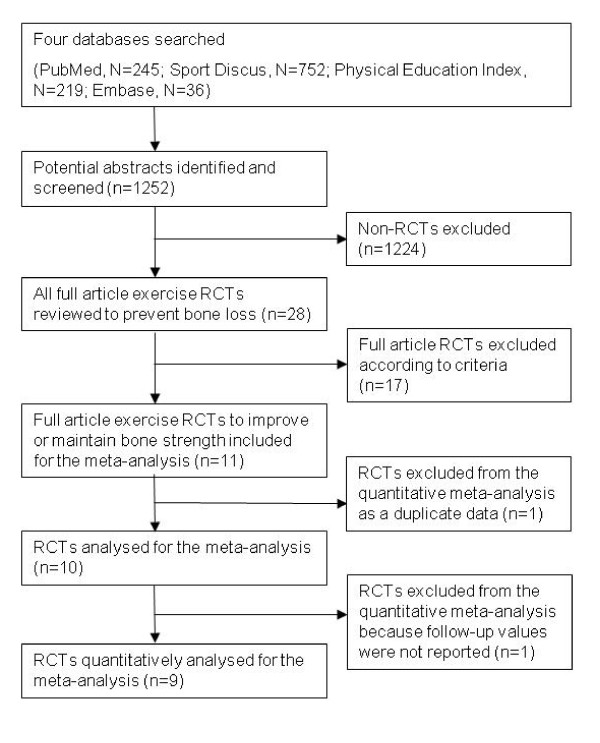
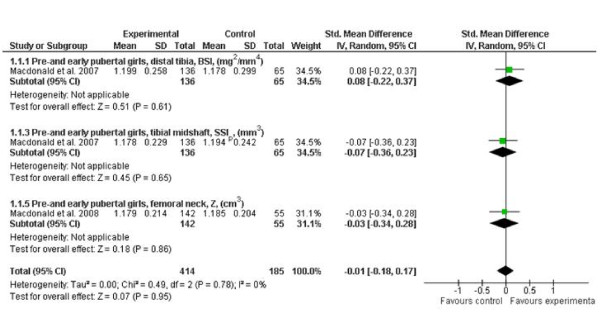
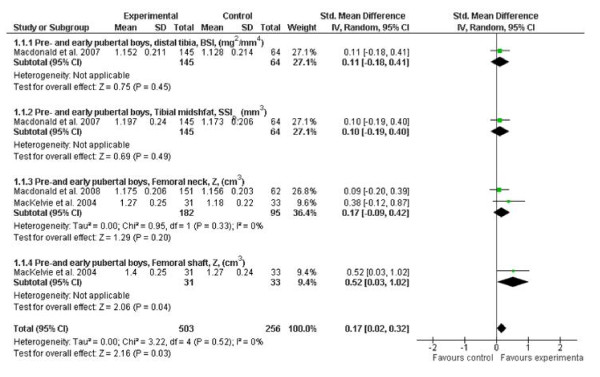
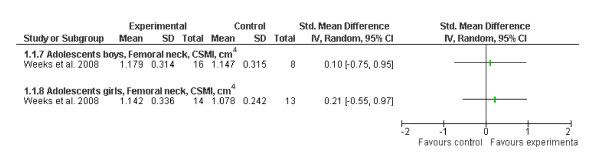
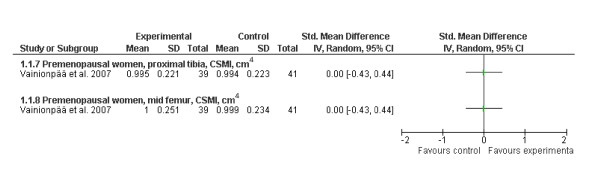
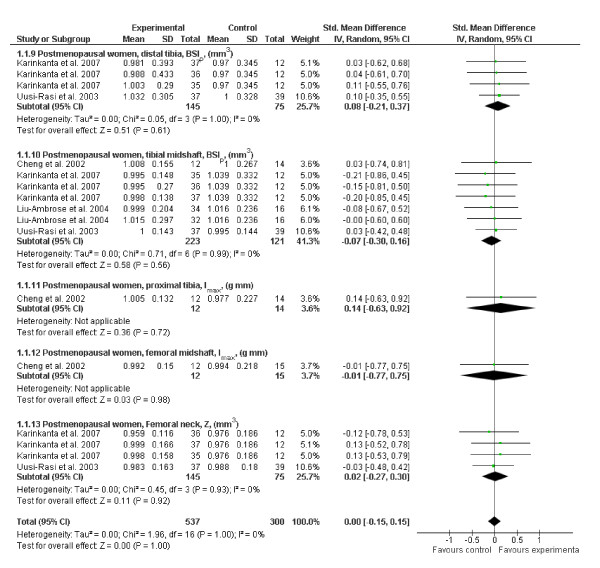
BACKGROUND: Exercise is widely recommended to reduce osteoporosis, falls and related fragility fractures, but its effect on whole bone strength has remained inconclusive. The primary purpose of this systematic review and meta-analysis was to evaluate the effects of long-term supervised exercise (> or =6 months) on estimates of lower-extremity bone strength from childhood to older age. METHODS: We searched four databases (PubMed, Sport Discus, Physical Education Index, and Embase) up to October 2009 and included 10 randomised controlled trials (RCTs) that assessed the effects of exercise training on whole bone strength. We analysed the results by age groups (childhood, adolescence, and young and older adulthood) and compared the changes to habitually active or sedentary controls. To calculate standardized mean differences (SMD; effect size), we used the follow-up values of bone strength measures adjusted for baseline bone values. An inverse variance-weighted random-effects model was used to pool the results across studies. RESULTS: Our quality analysis revealed that exercise regimens were heterogeneous; some trials were short in duration and small in sample size, and the weekly training doses varied considerably between trials. We found a small and significant exercise effect among pre- and early pubertal boys [SMD, effect size, 0.17 (95% CI, 0.02-0.32)], but not among pubertal girls [-0.01 (-0.18 to 0.17)], adolescent boys [0.10 (-0.75 to 0.95)], adolescent girls [0.21 (-0.53 to 0.97)], premenopausal women [0.00 (-0.43 to 0.44)] or postmenopausal women [0.00 (-0.15 to 0.15)]. Evidence based on per-protocol analyses of individual trials in children and adolescents indicated that programmes incorporating regular weight-bearing exercise can result in 1% to 8% improvements in bone strength at the loaded skeletal sites. In premenopausal women with high exercise compliance, improvements ranging from 0.5% to 2.5% have been reported. CONCLUSIONS: The findings from our meta-analysis of RCTs indicate that exercise can significantly enhance bone strength at loaded sites in children but not in adults. Since few RCTs were conducted to investigate exercise effects on bone strength, there is still a need for further well-designed, long-term RCTs with adequate sample sizes to quantify the effects of exercise on whole bone strength and its structural determinants throughout life.
Overview
The claims and statistics of this paper haven’t been checked yet.
Free: it reads the open-access text and checks the first 5 claims that cite a source we can check. Create a free account to check every claim.
Integrity signals
Registry
Cites
Statistics
Figures
Verification
Claims the paper makes
The claims and statistics of this paper haven’t been checked yet.
Free: it reads the open-access text and checks the first 5 claims that cite a source we can check. Create a free account to check every claim.
Claims other papers make about this one
Each is checked against this paper’s own text: does it say what the citing paper says it does?
In the citing paper
“It is also important in musculoskeletal health, maintaining bone and skeletal muscle mass as well as attenuating the major features of ageing.10,11”
From Reduced physical activity in young and older adults: Metabolic and musculoskeletal implications (2019) · cites this paper as [10]
In the citing paper
“The number of trials focusing on bone structure and strength among aging people is, however, limited, and studies have reported conflicting results,( 38 , 39 ) possibly owing to short training periods and/or less‐intensive training regimens.”
From Regular Strength and Sprint Training Counteracts Bone Aging: A 10‐Year Follow‐Up in Male Masters Athletes (2021) · cites this paper as [38]
Self-check
Percentages, sums and reported differences re-computed from the paper’s own numbers.
The self-check needs the paper’s full text.
Citations
Cites
Cochrane Handbook for Systematic Reviews of Interventions: Cochrane Book Series
(2008) · doi:10.1002/9780470712184 · Cited by 25,048
Epidemiology and outcomes of osteoporotic fractures
Cummings, S. R., & Melton, L. J. (2002) · The Lancet · doi:10.1016/s0140-6736(02)08657-9 · Cited by 3,821
Bone Quality — The Material and Structural Basis of Bone Strength and Fragility
Seeman, E., & Delmas, P. D. (2006) · New England Journal of Medicine · doi:10.1056/nejmra053077 · Cited by 2,080 · cited 1×
“Overall, it is clear from this review that further adequately powered and long-term (>2 years) intervention trials are needed, particularly in adults, because changes in bone structural properties are reportedly small throughout adult life [42].”
BackgroundA reference standard for the description of osteoporosis
Kanis, J. A., McCloskey, E. V., Johansson, H., Oden, A., Melton, L. J., & Khaltaev, N. (2008) · Bone · doi:10.1016/j.bone.2007.11.001 · Cited by 1,234 · cited 1×
“Despite reports that BMD is a good predictor of population fracture risk [6], current research indicates that up to 80% of all low-trauma fractures occur in individuals who are not osteoporotic but have normal or somewhat reduced BMD, i.”
BackgroundExercise for preventing and treating osteoporosis in postmenopausal women
Howe, T. E., Shea, B., Dawson, L. J., Downie, F., Murray, A., Ross, C., Harbour, R. T., Caldwell, L. M., & Creed, G. (2011) · Cochrane Database of Systematic Reviews · doi:10.1002/14651858.cd000333.pub2 · Cited by 1,083
Kannus, P., Haapasalo, H., Sankelo, M., Sievanen, H., Pasanen, M., Heinonen, A., Oja, P., & Vuori, I. (1995) · Annals of Internal Medicine · doi:10.7326/0003-4819-123-1-199507010-00003 · Cited by 757 · cited 2×
“We included studies from the prepubertal period (≥6 to 10 years of age) to older age (≥50) and analysed the results by age groups (childhood, adolescence, adulthood and older adulthood) to reduce the clinical heterogeneity since the effects of exercise on bone strength is an age- and maturity- dependent phenomenon [12…”
BackgroundSelf-citationWolff, I., van Croonenborg, J. J., Kemper, H. C. G., Kostense, P. J., & Twisk, J. W. R. (1999) · Osteoporosis International · doi:10.1007/s001980050109 · Cited by 589 · cited 3×
“In postmenopausal women, there are mixed results from several meta-analyses reviewing the effects of aerobic training, weight-bearing impact exercise, resistance training or their combination on BMD [26,28,29,31-36].”
BackgroundResultHind, K., & Burrows, M. (2007) · Bone · doi:10.1016/j.bone.2006.07.006 · Cited by 543
Haapasalo, H., Kontulainen, S., Sievänen, H., Kannus, P., Järvinen, M., & Vuori, I. (2000) · Bone · doi:10.1016/s8756-3282(00)00331-8 · Cited by 502 · cited 2×
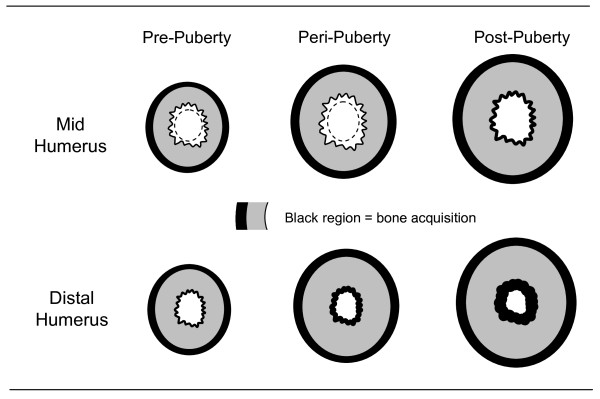
“For example, in the prepubertal players, loading resulted in increased expansion at the midhumerus but no change or endocortical apposition at the distal humerus [44-47].”
BackgroundSelf-citationWalking and Leisure-Time Activity and Risk of Hip Fracture in Postmenopausal Women
Feskanich, D. (2002) · JAMA · doi:10.1001/jama.288.18.2300 · Cited by 501 · cited 1×
“However, epidemiological evidence suggests that moderate to vigorous physical activity performed three to four times per week is associated with considerably lower incidence of fragility fractures in both women and men [70,71].”
Background
Research works printed but not linked: 1
- US Department of Health and Human Services Bone Health and Osteoporosis: A Report of the Surgeon General Rockville, MD, US Department of Health and Human Services, Office of the Surgeon General 2004
Cited by
Items 201–300 of 504
Femoral neck bone adaptation to weight-bearing physical activity by computational analysis
Machado, M. M., Fernandes, P. R., Cardadeiro, G., & Baptista, F. (2013) · Journal of Biomechanics · doi:10.1016/j.jbiomech.2013.06.031 · Cited by 16
Osteoporosis senil: una actualización
Alonso‐Bouzón, C., & Duque, G. (2011) · Revista Española de Geriatría y Gerontología · doi:10.1016/j.regg.2011.02.010 · Cited by 23
Shanb, A. A., Youssef, E. F., Muaidi, Q. I., & Alothman, A. A. (2017) · Journal of Back and Musculoskeletal Rehabilitation · doi:10.3233/bmr-160607 · Cited by 18
Exercise for optimizing bone health after hormone-induced increases in bone stiffness
Hughes, J. M., Guerriere, K. I., Popp, K. L., Castellani, C. M., & Pasiakos, S. M. (2023) · Frontiers in Endocrinology · doi:10.3389/fendo.2023.1219454 · Cited by 15
“While bone formation is the hallmark of osteoanabolic drugs, much less is known about the mechanistic foundations for a delayed resorption after initiation of treatment with an intermittent PTH analog.”
BackgroundInfluentialMiao, T., Li, X., Zhang, W.-H., Yang, F.-Y., & Wang, X. (2025) · PeerJ · doi:10.7717/peerj.19616 · Cited by 10
Exercise for Bone in Childhood—Hitting the Sweet Spot
Beck, B. R. (2017) · Pediatric Exercise Science · doi:10.1123/pes.2017-0023 · Cited by 18
Physical Therapy to Prevent Osteopenia in Preterm Infants: A Systematic Review
Torró-Ferrero, G., Fernández‐Rego, F. J., & Gómez‐Conesa, A. (2021) · Children · doi:10.3390/children8080664 · Cited by 16
Nishi, K., Endo, D., Hasegawa, T., Moriuchi, T., Ogami‐Takamura, K., Saiki, K., Murai, K., Higashi, T., Tsurumoto, T., Manabe, Y., et al. (2022) · BioMed Research International · doi:10.1155/2022/6094663 · Cited by 15
Comparisons of Bone Mineral Density Between Recreational and Trained Male Road Cyclists
Mojock, C. D., Ormsbee, M. J., Kim, J., Arjmandi, B. H., Louw, G. A., Contreras, R. J., & Panton, L. B. (2015) · Clinical Journal of Sport Medicine · doi:10.1097/jsm.0000000000000186 · Cited by 17
“Highly trained athletes are a relatively small group; recreationally active men will likely represent a larger portion of the estimated 15% to 30% of men who will suffer from an osteoporotic-related fracture in their lifetime.(23) Therefore, the purpose of this cross-sectional analysis was to compare various measures…”
BackgroundMcNamara, A. J., & Gunter, K. B. (2011) · Osteoporosis International · doi:10.1007/s00198-011-1816-6 · Cited by 18
“appear to be dependent on long-term participation and maintaining sufficient exercise intensity [38].”
BackgroundWang, Y., Tang, Q., Zhu, L., Huang, R., Huang, L., Koleini, M., & Zou, D. (2016) · PLoS ONE · doi:10.1371/journal.pone.0164652 · Cited by 16
Portela, P. F. D. M., Neto, V. G. C., Monteiro, E. R., da Silva, R. S., da Silva, V. F., Nogueira, C. J., Schutz, S., Scudese, E., Salvino, A. K. S., & Valentim‐Silva, J. R. (2023) · Primary care diabetes · doi:10.1016/j.pcd.2023.01.009 · Cited by 15
Bone Health in Idiopathic Inflammatory Myopathies: Diagnosis and Management
Vincze, A., Gaál, J., & Griger, Z. (2021) · Current Rheumatology Reports · doi:10.1007/s11926-021-01016-8 · Cited by 15
Pregnancy- and lactation-induced osteoporosis: a social-media-based survey
Peltz-Sinvani, N., Milloh-Raz, H., Klein, P., Ish‐Shalom, S., Vered, I., & Tripto‐Shkolnik, L. (2023) · BMC Pregnancy and Childbirth · doi:10.1186/s12884-023-05639-w · Cited by 14
Berro, A. J., Hawly, W. E., Khoury, G. E., Hage, Z. E., Jayavel, A., Saeidi, A., Laher, I., Pinti, A., Bassim, Y., Hackney, A. C., et al. (2023) · Journal of Clinical Densitometry · doi:10.1016/j.jocd.2023.101454 · Cited by 17
(2017) · Europe PMC (PubMed Central)
Rose, G. L., Skinner, T. L., Keating, S. E., Friedrich, N., & Bolam, K. A. (2021) · Osteoporosis International · doi:10.1007/s00198-021-06131-x · Cited by 16
“Additionally, as it is generally accepted that the minimum time required to elicit observable increases in BMD is 6 months, following bone remodelling in adaptation to mechanical loading, it makes sense that interventions greater than 6 months induced a more favourable effect [9, 49, 50].”
BackgroundPrevention of osteoporosis: From infancy through older adulthood
Cech, D. J. (2012) · Hong Kong Physiotherapy Journal · doi:10.1016/j.hkpj.2012.01.002 · Cited by 17
Villada, J. F. R., Leon‐Ariza, H. H., Gutiérrez, Y. P. A., & Ramírez, K. A. P. (2015) · Revista Española de Geriatría y Gerontología · doi:10.1016/j.regg.2015.09.001 · Cited by 17
Zribi, A., Chaari, H., Masmoudi, L., Dardouri, W., Khanfir, M. S., Bouajina, E., Zaouali, M., & Zouch, M. (2022) · PLoS ONE · doi:10.1371/journal.pone.0266257 · Cited by 13
“Physical exercise (particularly weight-bearing activities) is a particularly relevant factor for maximizing bone mass, and widely recommended as one of the key preventive strategies to reduce the risk of osteoporosis, falls and fractures [8].”
BackgroundRen, X., Hu, C., Wang, W., He, Q., Du, L., Li, T., Pan, Y., Chen, S., & Zhang, X. (2024) · Bone · doi:10.1016/j.bone.2024.117025 · Cited by 14
Patel, H., Sammut, L., Denison, H. J., Teesdale‐Spittle, P. H., & Dennison, E. M. (2020) · Frontiers in Physiology · doi:10.3389/fphys.2020.00167 · Cited by 13
“Finally, Nurmi-Lawton et al.’s English study compared 97 female gymnasts and normally active controls (the controls did not participate in high impact sports for the past year at a competitive level, although two of the controls were competitive swimmers) (Nurmi-Lawton et al., 2004).”
BackgroundMethodInfluentialLaukkanen, A., Aunola, K., Korhonen, E., Barnett, L. M., & Sääkslahti, A. (2021) · International Journal of Behavioral Nutrition and Physical Activity · doi:10.1186/s12966-021-01128-5 · Cited by 13
“For example, PA is linked with lower cardiovascular and metabolic risk markers, body mass [1, 2], enhanced bone health [3], higher motor competence [4], adaptive mental health outcomes and cognitive functioning [5].”
BackgroundCellular and molecular mechanotransduction in bone
Castillo, A. B., Chen, J. C., & Jacobs, C. R. (2020) · Elsevier eBooks · doi:10.1016/b978-0-12-813073-5.00014-9 · Cited by 12
Singh, M. A. F. (2014) · Springer eBooks · doi:10.1007/978-1-4939-2001-3_31 · Cited by 13
Ubago-Guisado, E., Cavero‐Redondo, I., Álvarez‐Bueno, C., Vlachopoulos, D., Martínez‐Vizcaíno, V., & Gracia‐Marco, L. (2019) · The Journal of Pediatrics · doi:10.1016/j.jpeds.2019.07.073 · Cited by 14
Physical and lifestyle factors associated with trabecular bone score values
Anderson, K. B., Holloway‐Kew, K. L., Hans, D. B., Kotowicz, M. A., Hyde, N. K., & Pasco, J. A. (2020) · Archives of Osteoporosis · doi:10.1007/s11657-020-00841-1 · Cited by 13
Laukkanen, A., Pesola, A. J., Heikkinen, R., Sääkslahti, A., & Finni, T. J. (2015) · PLoS ONE · doi:10.1371/journal.pone.0143987 · Cited by 12
Ireland, A., Degens, H., Ganse, B., Maden-Wilkinson, T. M., Wilks, D. C., & Rittweger, J. (2015) · Journal of Orthopaedic Translation · doi:10.1016/j.jot.2015.04.001 · Cited by 7
“Bouncing movements (such as sprinting) are highly osteogenic [4,6,8,44].”
BackgroundBisphosphonates vs Exercise for the Prevention and Treatment of Osteoporosis
Hurley, B. F., & Armstrong, T. (2012) · The Journal for Nurse Practitioners · doi:10.1016/j.nurpra.2011.07.029 · Cited by 11
Metcalf, K. M., Letuchy, E. M., Levy, S. M., & Janz, K. F. (2020) · Pediatric Exercise Science · doi:10.1123/pes.2019-0090 · Cited by 15
Revisiting the Debate: Does Exercise Build Strong Bones in the Mature and Senescent Skeleton?
Hughes, J. M., Charkoudian, N., Barnes, J. N., & Morgan, B. J. (2016) · Frontiers in Physiology · doi:10.3389/fphys.2016.00369 · Cited by 10
ERLANDSON, M. C., Hounjet, S., Treen, T. T., & Lanovaz, J. L. (2017) · Journal of Sports Sciences · doi:10.1080/02640414.2017.1407438 · Cited by 10
“Of the modifiable factors that influence bone health during growth, weight bearing or impact loading physical activity may have the greatest potential to increase bone accrual (Nikander et al., 2010; Tuner & Robling, 2003).”
BackgroundStatic Preload Inhibits Loading‐Induced Bone Formation
Srinivasan, S., Balsiger, D., Huber, P., Ausk, B. J., Bain, S. D., Gardiner, E. M., & Gross, T. S. (2018) · JBMR Plus · doi:10.1002/jbm4.10087 · Cited by 10
Liu, H., Wang, Y., Li, M., Chen, D., & Tang, Y. (2022) · BMC Pediatrics · doi:10.1186/s12887-022-03193-6 · Cited by 10
Abe, S., Kouhia, R., Nikander, R., Narra, N., Hyttinen, J., & Sievänen, H. T. (2022) · Bone · doi:10.1016/j.bone.2022.116351 · Cited by 12
Self-citationSrinivasan, S., Threet, D., Worton, L. E., Ausk, B. J., Bain, S. D., Gardiner, E. M., Kwon, R. Y., & Gross, T. S. (2014) · PLoS ONE · doi:10.1371/journal.pone.0084868 · Cited by 11
“However, when exercise based trials have been applied to the elderly, they have proven ineffective in influencing bone mass and strength [7].”
BackgroundPrevention of Osteoporosis and Bone Fragility: A Pediatric Concern
Kontulainen, S. A., Kawalilak, C. E., Johnston, J. D., & Bailey, D. A. (2013) · American Journal of Lifestyle Medicine · doi:10.1177/1559827613487664 · Cited by 11
“There are no randomized controlled trials that have assessed the effect of exercise on bone structure and strength in the upper extremities.(125) To date, evidence from randomized controlled trials assessing bone structural and strength changes is limited to investigating bone adaptation in the lower limb.”
BackgroundLozano‐Berges, G., Matute-Llorente, Á., Gómez‐Bruton, A., González‐Agüero, A., Vicente‐Rodríguez, G., & Casajús, J. A. (2018) · Archives of Osteoporosis · doi:10.1007/s11657-018-0472-2 · Cited by 12
“Exercising is an effective strategy to attain optimal bone mass and strength during growth [3], such is it so several studies have shown that high-impact sports such as football, volleyball or racquet games have positive effects on bone mass [4-7].”
BackgroundObjectively Measured Physical Activity Is Associated with Vertebral Size in Midlife
MODARRESS-SADEGHI, M., OURA, P., JUNNO, J.-A., NIEMELÄ, M., NIINIMÄKI, J., JÄMSÄ, T., KORPELAINEN, R., & KARPPINEN, J. (2019) · Medicine & Science in Sports & Exercise · doi:10.1249/mss.0000000000001962 · Cited by 9
Geng, D., Li, X., & Shi, Y. (2025) · PeerJ · doi:10.7717/peerj.18889 · Cited by 10
“…of the efficacy of exercise interventions on middle-aged and older osteoporosis patients took changes in bone density as primary indicators ( Nikander et al., 2010 ; Zhang et al., 2022b ), whereas HRQOL may improve while the patients’ bone density and fracture rate remain the same (…”
Rico-González, M., Gómez‐Carmona, C. D., González-Devesa, D., Ardigò, L. P., & Moreno-Villanueva, A. (2025) · Nutrients · doi:10.3390/nu17172878 · Cited by 9
“These contrasting findings emphasize the importance of baseline nutritional status, exercise specificity, and population characteristics supporting the meta-analysis by Nikander et al. [49] which found that optimal loading parameters varied significantly based on baseline micronutrient status.”
Yamakita, M., Ando, D., Akiyama, Y., Sato, M., Suzuki, K., & Yamagata, Z. (2019) · Journal of Bone and Mineral Metabolism · doi:10.1007/s00774-019-01021-z · Cited by 9
Kelly, E. L., Minehan, M., & Pumpa, K. L. (2023) · Women in Sport and Physical Activity Journal · doi:10.1123/wspaj.2022-0088 · Cited by 11
“Research has shown that regular strength training prevents chronic illnesses, including cardiovascular disease, osteoporosis, and diabetes (Nikander et al., 2010; Strasser & Pesta, 2013; Strasser & Schobersberger, 2011).”
BackgroundExercise and Musculoskeletal Health in Men With Low Bone Mineral Density: A Systematic Review
Hu, K., Cassimatis, M., & Girgis, C. M. (2023) · Archives of Rehabilitation Research and Clinical Translation · doi:10.1016/j.arrct.2023.100313 · Cited by 9
“7,8 Because of the inherent physiological disparities between men and women, however, we cannot draw conclusions on the effectiveness of exercise in men from these studies.”
Lee, J. T., Ko, M. J., Lee, B., Lee, Y., & Lee, S. H. (2024) · Korean Journal of Neurotrauma · doi:10.13004/kjnt.2024.20.e32 · Cited by 9
“13,14,16,38,43,45)”
Gardinier, J. D., Chougule, A., & Zhang, C. (2022) · Journal of Cellular Physiology · doi:10.1002/jcp.30690 · Cited by 10
“…2014; Rubin et al., 1992; Srinivasan et al., 2003; Turner et al., 1995), limiting the anabolic effect of physical loading and exercise in adults (Bielemann et al., 2013; Forwood & Burr, 1993; Gomez‐Cabello et al., 2012; Kohrt, 2001; Marques et al., 2012; Nikander et al., 2010; Rubin et al., 1992).”
BackgroundBezerra, A. B. G., Freitas, L., Maciel, L. Y. D. S., & Fonseca, H. (2022) · Current Osteoporosis Reports · doi:10.1007/s11914-022-00758-3 · Cited by 10
Lees, M. J., Beggs, C. B., Barlow, M., Rutherford, Z. H., Bansil, K., Gannon, L., & Hind, K. (2017) · Journal of Clinical Densitometry · doi:10.1016/j.jocd.2017.06.005 · Cited by 10
“To date, a large number of studies have demonstrated the effectiveness of gravitational loading in stimulating bone anabolic responses in various regions of the hip over an individual’s lifespan [4, 10].”
BackgroundThabet, A., Alshehri, M. A., Helal, O. F., & Refaat, B. (2017) · Journal of Physical Therapy Science · doi:10.1589/jpts.29.1612 · Cited by 16
Screening Postmenopausal Women for Fall and Fracture Prevention
Downey, P. A., Perry, S. B., & Anderson, J. M. (2012) · Journal of Geriatric Physical Therapy · doi:10.1519/jpt.0b013e31827bc497 · Cited by 11
Effects of Exercise and Physical Interventions on Bone: Clinical Studies
Kohrt, W. M., Villalon, K. L., & Barry, D. W. (2011) · Studies in mechanobiology, tissue engineering and biomaterials · doi:10.1007/8415_2011_91 · Cited by 8
Domaradzki, J., & Koźlenia, D. (2024) · Scientific Reports · doi:10.1038/s41598-024-65444-z · Cited by 9
Increased Risk of Fracture after Traumatic Amputation: A Nationwide Retrospective Cohort Study
Cho, H., Park, J., Kim, B., Han, K., Choi, H. L., & Shin, D. W. (2024) · Healthcare · doi:10.3390/healthcare12131362 · Cited by 10
“A decrease in physical activity can lower overall bone density [36].”
BackgroundBone Acquisition in Adolescence
MACDONALD, H. M., Hoy, C. L., & McKay, H. A. (2013) · Elsevier eBooks · doi:10.1016/b978-0-12-415853-5.00042-x · Cited by 16
Brech, G. C., Machado‐Lima, A., Bastos, M. F., Bonifácio, W. D. J., Peterson, M. D., Takayama, L., Pereira, R. M. R., Greve, J. M. D., & Alonso, A. C. (2021) · Experimental Gerontology · doi:10.1016/j.exger.2020.111211 · Cited by 10
Munukka, M., Waller, B., Multanen, J., Rantalainen, T., HÄKKINEN, A. H., Nieminen, M. T., Lammentausta, E., Kujala, U. M., Paloneva, J., Kautiainen, H., et al. (2014) · Jyväskylä University Digital Archive (University of Jyväskylä) · Cited by 8
Self-citationGenetic Predictors of Exercise Training Response
Rankinen, T., & Bouchard, C. (2011) · Current Cardiovascular Risk Reports · doi:10.1007/s12170-011-0179-z · Cited by 8
Establishing good bone health in children
McDevitt, H., McGowan, A., & Ahmed, S. F. (2014) · Paediatrics and Child Health · doi:10.1016/j.paed.2013.08.007 · Cited by 8
Soomro, R. R., Ahmed, S. I., & Khan, M. H. (2015) · Pakistan Journal of Medical Sciences · doi:10.12669/pjms.312.5990 · Cited by 8
Ubago‐Guisado, E., Gracia‐Marco, L., Medrano, M., Cadenas‐Sánchez, C., Arenaza, L., Migueles, J. H., Mora-González, J., Tobalina, I., Escolano-Margarit, M. V., Osés, M., et al. (2019) · Pediatric Research · doi:10.1038/s41390-019-0708-x · Cited by 9
Torró-Ferrero, G., Fernández‐Rego, F. J., Arenas, J. J. A., & Gómez‐Conesa, A. (2022) · Scientific Reports · doi:10.1038/s41598-022-15810-6 · Cited by 12
“543] but not regarding the group [F (2,17) = 1.”
BackgroundOh, E. G., Lee, J. E., & Yoo, J. Y. (2012) · JBI Library of Systematic Reviews · doi:10.11124/01938924-201210300-00001 · Cited by 9
Effects of Different Types of Physical Training on Bone Mineral Density in Men and Women
Arazi, H., & Eghbali, E. (2017) · Journal of Osteoporosis and Physical Activity · doi:10.4172/2329-9509.1000207 · Cited by 8
“Bone stability links to a lot of interconnected factors, including the size and mass of bone tissue, the structural network of bone and the internal properties of the bone material (porosity, matrix mineralization, collagen traits and micro-damage) [12].”
BackgroundHamaguchi, K., Kurihara, T., Fujimoto, M., Sato, K., Iemitsu, M., Hamaoka, T., & Sanada, K. (2020) · International Journal of Environmental Research and Public Health · doi:10.3390/ijerph17051620 · Cited by 8
“In general, walking activity provides only a slight increase in load on the bone compared to resistance training, and therefore this type of exercise is less effective in promoting bone formation [54,55].”
BackgroundDeterminants of bone outcomes in adolescent athletes at baseline: The PRO-BONE study
Gracia‐Marco, L., Vlachopoulos, D., Ubago‐Guisado, E., BARKER, A. R., Fatouros, I. G., Avlotini, A., Knapp, K. K., Moreno, L. A., & Williams, C. A. (2017) · Bone Abstracts · doi:10.1530/boneabs.6.p012 · Cited by 8
Freitas, L., Bezerra, A. B. G., Amorim, T., Fernandes, R. J., Duarte, J. A., & Fonseca, H. (2022) · German Journal of Exercise and Sport Research · doi:10.1007/s12662-022-00849-4 · Cited by 8
“…on bonemicroarchitecture and geometry in swimmers compared to other athletes shows that the loading profile to which these athletes are exposed is sufficient to stimulate adequate bone modeling and development without any compromises on bone geometry andmicroarchitecture (Nikander et al., 2010).”
BackgroundJohansson, L., Litsne, H., Axelsson, K. F., & Lorentzon, M. (2024) · Journal of Bone and Mineral Research · doi:10.1093/jbmr/zjae114 · Cited by 8
“14,15 In a subset of the SUPERB cohort,current but not previous physical activity was independently associated with thicker cortex and higher bone strength at the distal tibia, indicating that physical activity at old age may decrease cortical bone loss in weight-bearing bone in elderly women.”
BackgroundLi, Y., Yang, Y., Guo, C., & Cai, H. (2025) · Bone · doi:10.1016/j.bone.2025.117461 · Cited by 7
Buettmann, E. G., DeNapoli, R. C., Abraham, L. B., Denisco, J. A., Lorenz, M. R., Friedman, M. A., & Donahue, H. J. (2023) · Bone · doi:10.1016/j.bone.2023.116748 · Cited by 10
Humeral Hypertrophy in Response to Exercise
Charalambous, C. P. (2013) · Springer eBooks · doi:10.1007/978-1-4471-5451-8_104 · Cited by 7
Gandham, A., McMillan, L. B., Ng, C., Humbert, L., Bonham, M. P., Zengin, A., Ebeling, P. R., & Scott, D. S. (2019) · Journal of Clinical Medicine · doi:10.3390/jcm8091370 · Cited by 8
“It has been reported that increased mechanical loading through physical activity leads to changes to morphological parameters other than trabecular thickness [40], and trabecular number appears more important than trabecular thickness for maintaining bone strength [41,42].”
BackgroundMcCaskie, C. J., Siafarikas, A., Wilkie, J. C., Sutton, V. R., Chivers, P., Hart, N. H., & Murphy, M. (2022) · Nutrients · doi:10.3390/nu15010127 · Cited by 7
“[6] Nikander et al. 2010 also failed to delineate multiple studies using the same data and included both in pooled analysis [13,14], and presented pooled results within meta-analysis of outcomes assessing different regions (e.g., tibia and femoral measures were pooled).”
ResultSports participation and fracture in older Australian men
Holloway‐Kew, K. L., Moloney, D. J., Bucki-Smith, G., Hyde, N. K., Brennan-Olsen, S. L., Timney, E. N., Dobbins, A. G., & Pasco, J. A. (2018) · Archives of Osteoporosis · doi:10.1007/s11657-018-0459-z · Cited by 7
Suominen, T. H., Edgren, J., Salpakoski, A., Arkela-Kautiainen, M., Kallinen, M., Cervinka, T., Rantalainen, T., Törmäkangas, T., Heinonen, A. O., & Sipilä, S. (2019) · JBMR Plus · doi:10.1002/jbm4.10175 · Cited by 7
Self-citationInterscholastic Athletics and Bone Strength: The Iowa Bone Development Study
Pashkova, A., Hartman, J. M., Letuchy, E. M., & Janz, K. F. (2020) · The Journal of Strength and Conditioning Research · doi:10.1519/jsc.0000000000003646 · Cited by 8
“It has been well documented that jumping activities, long and more frequent activities with higher load durations, impactloading PA, odd-impact loading PA, and vigorous PA are all effective in bone remodeling for strength (6,19,22,26,36).”
Gombarčíková, T., Svobodová, L., Svobodová, A., & Gimunová, M. (2025) · Frontiers in Sports and Active Living · doi:10.3389/fspor.2025.1655404 · Cited by 6
Therapie der Osteoporose beim geriatrischen Patienten
Gosch, M., Kammerlander, C., Pils, K., Lechleitner, M., Benvenuti-Falger, U., Roth, T., Joosten-Gstrein, B., & Pietschmann, P. (2012) · Zeitschrift für Gerontologie und Geriatrie · doi:10.1007/s00391-012-0336-0 · Cited by 6
Association Between Vertebral Dimensions and Lumbar Modic Changes
Julin, M. M., Saukkonen, J., Oura, P., Junno, J., Niemelä, M., Määttä, J. H., Niinimäki, J. L., Jämsä, T. J., Korpelainen, R., & Karppinen, J. I. (2020) · Spine · doi:10.1097/brs.0000000000003797 · Cited by 8
Ng, C., Scott, D. S., Sim, M., Zhu, K., Siafarikas, A., Hart, N. H., Tan, J., & Chivers, P. (2022) · Archives of Osteoporosis · doi:10.1007/s11657-022-01100-1 · Cited by 7
“Targeted high-impact exercise in randomised controlled trials results in increased bone mineral density (BMD) and bone strength during the prepubertal and peripubertal stages [6, 7].”
BackgroundSport Activity Load and Skeletomuscular Robustness in Elite Youth Athletes
Kalabiska, I., Zsákai, A., Annár, D., Malina, R. M., & Szabo, T. (2022) · International Journal of Environmental Research and Public Health · doi:10.3390/ijerph19095083 · Cited by 7
Dorgo, S., Terrazas, L. A., Gonzalez, M., Dietze-Hermosa, M., & Montalvo, S. (2023) · Journal of Bodywork and Movement Therapies · doi:10.1016/j.jbmt.2023.06.013 · Cited by 6
Shanb, A. A., Youssef, E. F., El-Barkouky, M. G., Kamal, R. M., & Tawfick, A. M. (2012) · Journal of Musculoskeletal Research · doi:10.1142/s0218957712500169 · Cited by 6
Porras, L., Stafford, H. C., & Adams, N. S. (2018) · Springer eBooks · doi:10.1007/978-3-319-71812-5_5 · Cited by 7
Alibhai, S. M. H., Ritvo, P., Mina, D. S., Sabiston, C. M., Krahn, M. D., TOMLINSON, G. A., Matthew, A., Lukka, H. R., Warde, P. R., Durbano, S., et al. (2018) · BMC Cancer · doi:10.1186/s12885-018-4937-x · Cited by 7
Sung, D. J., Singh, H., Oh, S.-B., & Kim, S. (2019) · International Journal of Environmental Research and Public Health · doi:10.3390/ijerph16245063 · Cited by 6
Mohammadi, A., Moghadam, Z. B., Ghelichkhani, F., Alidost, F., Naghizadeh, S., Haghparast, Z., & Azizi, M. (2022) · Journal of Education and Health Promotion · doi:10.4103/jehp.jehp_1253_21 · Cited by 6
“In the elderly, exercise also plays an important role in increasing the bone density, preventing falls, and the possible fractures.[52,53] While in this regard, Gusi et al.”
BackgroundWillems, H., Leiber, F., Köhler, M., Kreuzer, M., & Liesegang, A. (2013) · Journal of Applied Physiology · doi:10.1152/japplphysiol.01289.2012 · Cited by 7
Duerksen, D. R., Ali, M., & Leslie, W. D. (2011) · Journal of Clinical Densitometry · doi:10.1016/j.jocd.2011.07.003 · Cited by 6
Healthy lifestyle interventions in general practice Part 13: Lifestyle and osteoporosis
Schwellnus, M. P., Patel, D. N., Nossel, C., Dreyer, M. L., Whitesman, S., Micklesfield, L. K., & Derman, E. (2011) · South African Family Practice · doi:10.1080/20786204.2011.10874056 · Cited by 6
Sun, X., Liang, J., Wang, C., Cao, S., Yingwei, H., & Xu, X. (2015) · International Journal of Medical Sciences · doi:10.7150/ijms.11887 · Cited by 6
“However, several meta-analyses reported that postmenopausal women experience very little, if any, elevation in bone volume after exercise intervention [6-10].”
BackgroundMeasuring Bone Cell Response to Fluid Shear Stress and Hydrostatic/Dynamic Pressure
Middleton, K., Ma, Y.-H. (., & You, L. (2016) · Elsevier eBooks · doi:10.1016/b978-0-12-803802-4.00014-7 · Cited by 6
Abdelaal, A. A. M., Taha, M. M., Amin, D. I., & Draz, A. H. (2017) · Bulletin of Faculty of Physical Therapy · doi:10.4103/bfpt.bfpt_58_16 · Cited by 6
Braga, J. C., de Freitas, R. E., dos Santos, K. M., da Silva, R. P., da Silva, J. M., Junior, A. L., de Oliveira, G. L., de Oliveira, T. A. P., Pernambuco, C. S., da Silva, V. F., et al. (2020) · The Open Sports Sciences Journal · doi:10.2174/1875399x02013010042 · Cited by 6
Orchard, J. W., Inge, P. J., Perera, N. K., & Golding, L. (2020) · Journal of Postgraduate Medicine Education and Research · doi:10.5005/jp-journals-10028-1381 · Cited by 8
The Spectrum of Pediatric Osteoporosis
Bianchi, M. L., & Glorieux, F. H. (2011) · Elsevier eBooks · doi:10.1016/b978-0-12-382040-2.10018-8 · Cited by 8
Laukkanen, A. (2016) · Jyväskylä University Digital Archive (University of Jyväskylä) · Cited by 41
Long-bone microanatomy in elephants: microstructural insights into gigantic beasts
Bader, C., Gilardet, R., Rinder, N., Herridge, V. L., Hutchinson, J. R., & Houssaye, A. (2025) · Zoological Journal of the Linnean Society · doi:10.1093/zoolinnean/zlaf008 · Cited by 6
Imash, D., Gusmanov, A., & Chan, M. (2025) · Frontiers in Endocrinology · doi:10.3389/fendo.2025.1694539 · Cited by 5
Estimating Lower Limb Skeletal Loading
Rantalainen, T., & Kodowski, A. (2011) · InTech eBooks · doi:10.5772/19660 · Cited by 6
“On the other hand, the increments in bone mineral amount associated with year long exercise interventions are relatively modest, i.e. in the order of 1 - 2% (Nikander et al., 2010).”
Background
Metadata
- Authors
- Nikander, R., Sievänen, H., Heinonen, A., Daly, R. M., Uusi-Rasi, K., & Kannus, P.
- Affiliations
- The University of Melbourne (AU)
- Tampere University Hospital (FI)
- University of Jyväskylä (FI)
- Tampere University (FI)
- Corresponding author
- Nikander, Riku
- Venue
- BMC Medicine
- Published
- 2010-07-21
- Volume
- 8
- Issue
- 1
- Pages
- 47-47
- ISSN
- 1741-7015 (ISSN-L)
- PMC
- PMC2918523
- OpenAlex
- W2159262419
- Cited by
- 479
- References
- 74
- Citations by year
- 2026: 19 · 2025: 23 · 2024: 18 · 2023: 29 · 2022: 30 · 2021: 32 · 2020: 40 · 2019: 31 · 2018: 30 · 2017: 43 · 2016: 25 · 2015: 23 · 2014: 29 · 2013: 33 · 2012: 29
- FWCI
- 5.41
- Type
- journal article
- Language
- en
- Open access
- gold
- doi.org
- Licence
- Locations
- BMC Medicine (publishedVersion, cc-by)
- PubMed Central (publishedVersion, cc-by)
- PubMed (publishedVersion)
- Tampere University Institutional Repository (Tampere University) (publishedVersion)
- Jyväskylä University Digital Archive (University of Jyväskylä) (acceptedVersion, cc-by)
- Minerva Access (University of Melbourne) (submittedVersion, cc-by)
- Tampere University Institutional Repository (Tampere University) (submittedVersion)
- DOAJ (DOAJ: Directory of Open Access Journals) (submittedVersion, cc-by-sa)
- Funders
- National Health and Medical Research Council (425849)
- Topics
- Health Sciences › Medicine › Orthopedics and Sports Medicine › Bone health and osteoporosis research
- Health Sciences › Medicine › Public Health, Environmental and Occupational Health › Physical Activity and Health
- Health Sciences › Health Professions › Physical Therapy, Sports Therapy and Rehabilitation › Balance, Gait, and Falls Prevention
- Keywords
- osteoporosis, exercise training, bone strength, weight-bearing exercise, lower extremity bones, children, adolescents, puberty, premenopausal women, postmenopausal women, fragility fractures, fall prevention, bone mineral density, exercise adherence, training dose, sex differences, age differences, sedentary lifestyle
- MeSH terms
- Bone and Bones, Exercise Therapy, Female, Humans, Male, Osteoporosis
About these checks
Registry, retraction, Cites and statistics results are computed, not judged, with one exception: a printed reference that no index lists is read once by a model before it counts as a citation error. Claims are extracted by a model and kept only when their quote appears verbatim in the text; each cited source is then checked, with a model’s help, for whether it says what the claim relies on. Those verdicts can be wrong — read the claim’s quote and the cited source before relying on one.
Statistics and arithmetic are recomputed, not judged.
Confidence bands are shown only for fields calibrated on our annotated test set. None is calibrated yet, so no band is shown.
What counts as a claim ›How we measure confidence ›How we check this ›
Are you an author, or do you see a problem with this page? Request a review
Data sources
Bibliographic data: Semantic Scholar, OpenAlex, Crossref.
Contains information from the Semantic Scholar Academic Graph Datasets, made available under the ODC Attribution License (ODC-BY 1.0).
Semantic Scholar’s data is described in: Kinney, R., et al. (2023). The Semantic Scholar Open Data Platform. arXiv:2301.10140.
